Tag: india

  • BMW X5 2019 Launched In India

    BMW X5 2019 Launched In India

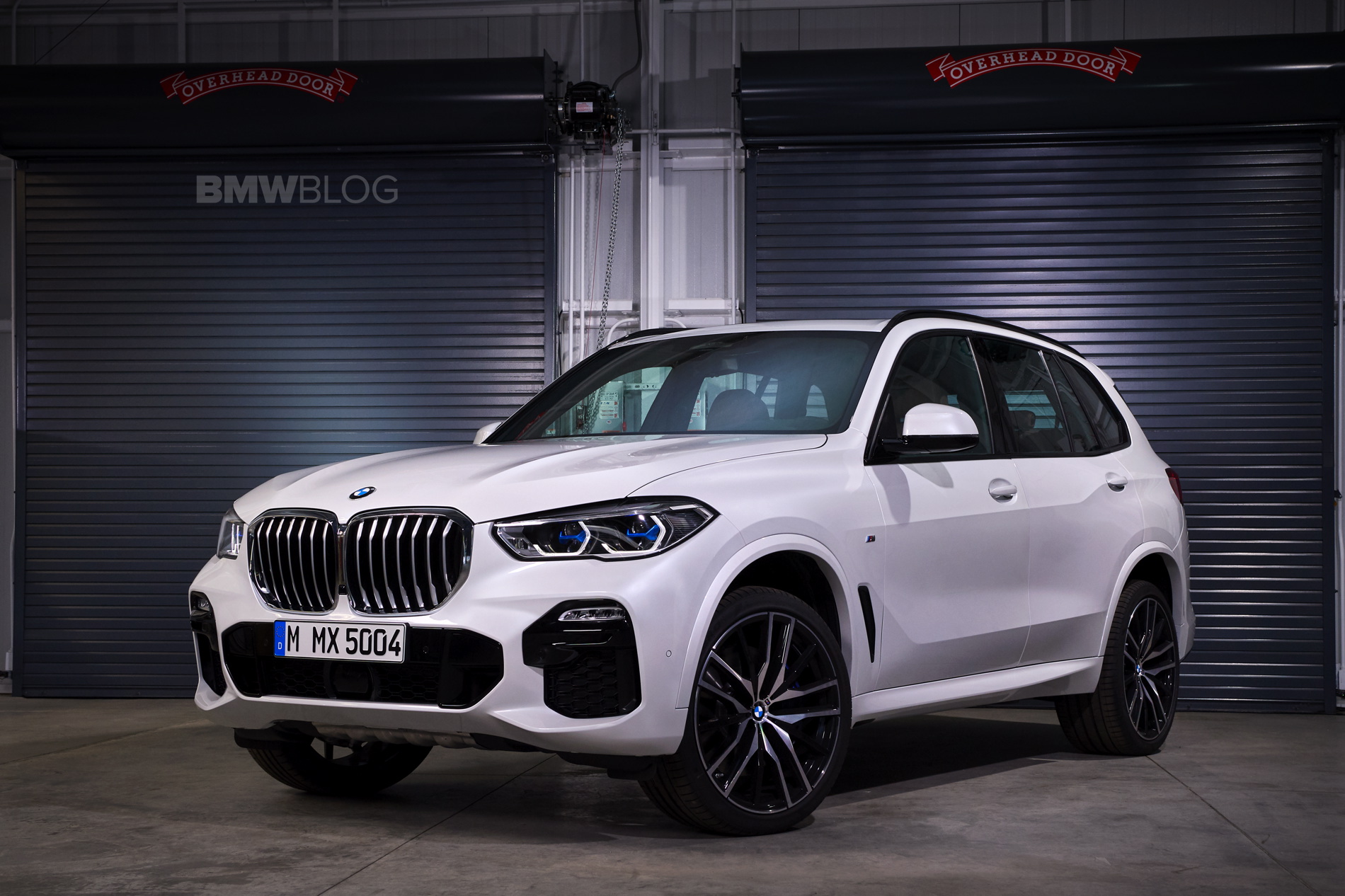
    BMW has launched the new generation of the X5 in India and prices for the SUV start at ₹ 72.90 lakh (ex-showroom India). The company has stated that it will launch 12 new models in the country in 2019 and the new-gen X5 is one among them. The all-new BMW X5 is available in two diesel models – BMW X5 xDrive30d Sport and BMW X5 xDrive30d xLine. The petrol variant BMW X5 xDrive 40i M Sport has also been launched at ₹ 82.40 lakh, however, it will go on sale later in 2019. The price for the new X5 tops out at ₹ 82.40 Lakh.

    Internally codenamed G05, the fourth generation BMW X5 is now based on the CLAR platform that also underpins the 5 Series, 7 Series and the X3 in the automaker’s line-up. The SUV is now larger and more feature-loaded than its predecessor while maintaining the sporty character of the older models. The BMW X5 has been a popular seller for BMW in India but the new gen model has become longer, taller and wider compared to its predecessor.

    It’s the largest X5 ever and this fourth-generation model is 35 mm longer, 32 mm wider and 11 mm taller than its predecessor. The space between the wheels too has increased and it now gains 42 mm on that front and it now stands at 2975 mm. Despite the new model getting bigger, the boot space remains the same at 645 litres that expands to 1,640 liters when the rear seat is folded.

    What’s also different is the way the X5 looks now. The fourth generation BMW X5 gets substantial upgrades on the design and feature front. The signature Kidney grille has grown larger and more imposing on the SUV, while the headlamps are all-LED with X-shaped inserts and get the new adaptive LED DRLs. The front bumper has been reworked and gets larger vents and LED fog lights. The new X5 looks more agile than ever but retains the same silhouette as the older model. The wide LED taillights with the 3D signature add to the distinctive look of the SUV, while the model now gets 21-inch wheels as an option.

    The cabin though is all familiar, in-line with other BMW models and gets the digital instrument console called the BMW Live Cockpit Professional display; along with a floating infotainment screen, updated iDrive along with Apple CarPlay and Android Auto compatibility. Like the other BMW models, you also get gesture and voice commands, as well as a customizable display. The cabin is covered in leather upholstery, while the feature list includes four-zone climate control, wireless charging, screens for rear seat passengers, a panoramic sunroof, welcome carpet light, ambient lighting, and a revised gear-selector lever.

    2019 BMW X5 Key Features

    • Live Cockpit Professional Display
    • Digital Instrument Console
    • Floating Infotainment Screen
    • Updated iDrive System
    • Gesture Control
    • Voice Command
    • Four Zone Climate Control
    • Wireless Charging
    • Rear Passenger Screen
    • Panoramic Sunroof
    • Ambiente Lighting
    The BMW X5 is powered by a 3.0-liter turbo diesel motor.

    Power will come from the 3.0-liter turbo diesel motor tuned for 261 bhp and 620 Nm of peak torque and the BMW X5 can clock triple-digit speeds in 6.5 seconds. The petrol will also be offered soon but for now, there’s just the diesel on offer. The new BMW X5 faces competition from the likes of the Mercedes-Benz GLE,n Volvo XC90, Range Rover Velar, Porsche Cayenne and the Audi Q7.

  • Van Heusen India opens Flagship Store in Mumbai

    Van Heusen India opens Flagship Store in Mumbai

    Indian formal wear brand Van Heusen has opened a new upscale fashion store in Bandra.

    With the launch of the new Linking Road store, Van Heusen India now operates 16 stores in Mumbai. The expansive store is spread across 2200sqft, offering an array of wardrobe options for both men and women ranging from corporate suits to fashion jackets, casual work-wear to club wear

    “Van Heusen has over the last decade carved a niche for itself as a renowned fashion brand with a strong presence across leading cities and towns of India,” said the firm’s COO Abhay Bahugune. “Today, Van Heusen enjoys a high recall value and is perceived as a brand that provides power dressing to young professionals.”

  • India’s Nappa Dori Opening Store in UK

    India’s Nappa Dori Opening Store in UK

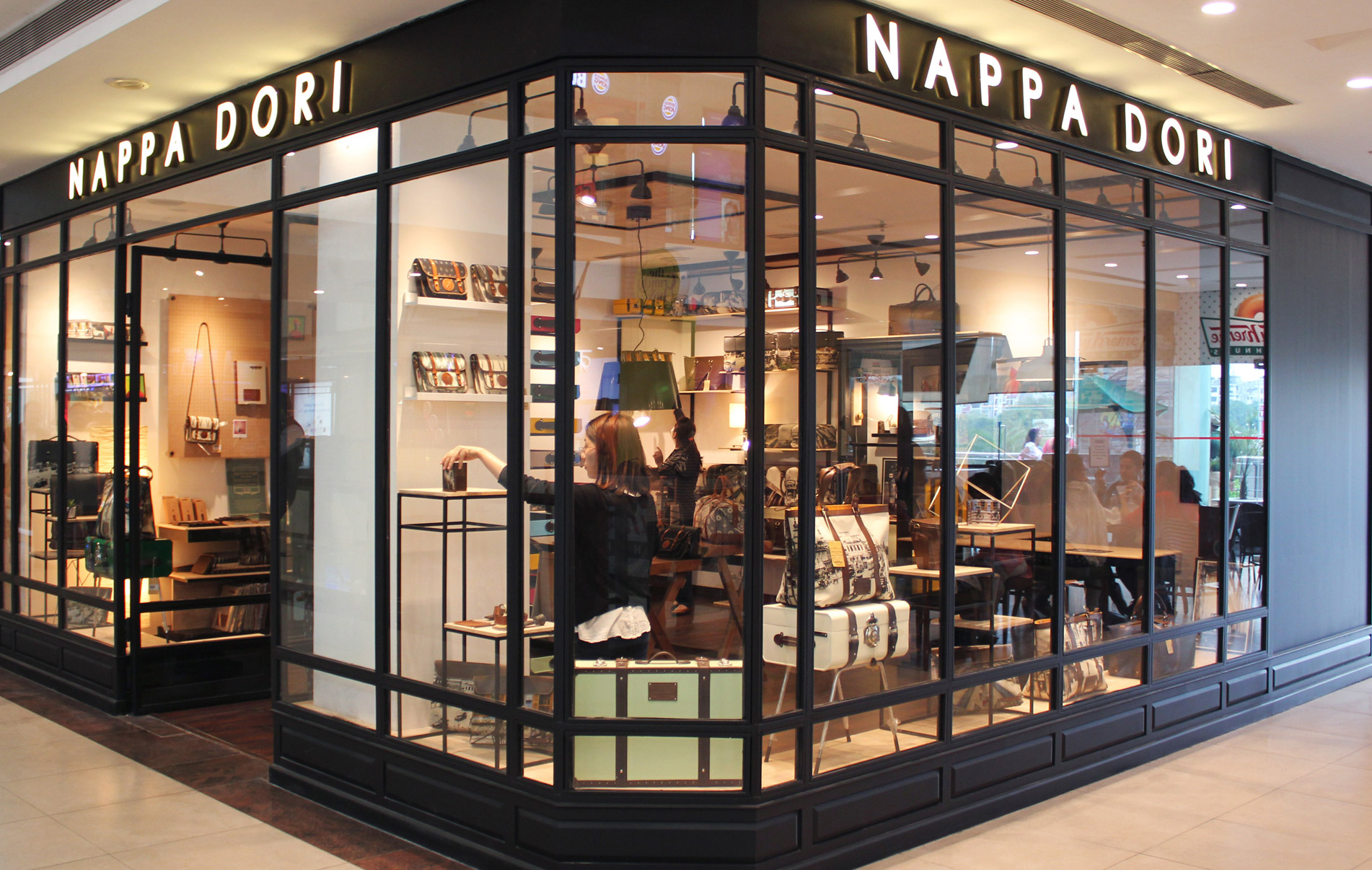
    Indian luxury handcrafted-bags and luggage retailer Nappa Dori has launched in London.

    The firm’s 1400sqft location in Seven Dials on Monmouth Street is its first in Europe, adding to its seven-store network in India and an outlet in the Maldives. It features an in-store cafe serving traditional beverages such as chai tea.

    “The high volume of tourists and locals who frequent the stylish streets of Seven Dials made it the obvious choice for our first UK and European venture,” said Nappa Dori founder Gautam Sinha.

    “This opening reflects the increase in brands selecting this unique West End destination for debut UK and European stores,” said Shaftesbury senior retail portfolio manager Addy Williams, “following in the footsteps of leading brands such as Away and Beast.”

    Nappa Dori has previously engaged in collaborations with Kiehl’s and Qatar Airways, among other partnering businesses.

  • Maruti Suzuki Inaugurates 400th Arena Showroom

    Maruti Suzuki Inaugurates 400th Arena Showroom

    Maruti Suzuki India Limited announced that it recently inaugurated its 400th Arena showroom and the milestone comes in less than two years. Maruti Suzuki Arena retail showrooms sport a modern look and are now present in 278 cities and towns in India. The company’s total sales network has crossed 2,940 showrooms covering more than 1,860 towns and cities.

    Commenting on the landmark, Shashank Srivastava, Executive Director (Marketing & Sales), Maruti Suzuki India Limited said, “We launched Maruti Suzuki Arena with a strategy to transform our network and meet expectations of young, dynamic and evolved Indian customers. It is an important step in our journey of transformation. In less than two years, we have opened the 400th ARENA showroom. This transformation is built on continuous research, listening to the customer and anticipating future trends. The effort is to align with ever-evolving customer and offer experiences at par with global benchmarks.”

    The Arena dealerships come with modern amenities and sport a large touchscreen panel that potential customers can access to check out specs, features, colors, etc. The touch panel will also offer buyers a 360 view of the car along with iCreate configurators for vehicles like the Brezza and the Swift. Owners will also be able to reload pre-configured variations of cars that they might have customized on their own computers, iPads or phones directly onto the screen here. All Maruti Suzuki showrooms across India will progressively adapt to the new ARENA for to provide enhanced customer experience

  • Yamaha Crosses 10 Million Production Landmark In India

    Yamaha Crosses 10 Million Production Landmark In India

    Japanese two-wheeler giant, Yamaha Motor has announced a production milestone of 10 million units in India. The company achieved the landmark production figure in 34 years of its presence in the country, having begun operations in 1985. The production number is a result of Yamaha’s three manufacturing facilities located in Surajpur, Faridabad, and Chennai that have contributed to the achievement. The 10 millionth vehicle to roll-out at the ceremony was the Yamaha FZS-FI V3.0 at the Chennai plant. The production volumes have not only catered to the domestic demand but for exports as well.

    Speaking on the significant milestone, Motofumi Shitara, Chairman, Yamaha Motor India Group of Companies said, “The journey for Yamaha has been quite exciting all these years. We have received a phenomenal response from our customers from across the country. This landmark achievement is a testimony of our growing popularity and demand for our products which are exciting, stylish and sporty. This would not have been possible without the support of our employees, dealer partners, suppliers, and vendors. They have played a key role and have extended their support throughout in line with the company’s business direction to achieve this important milestone. Going forward, we will continue to excite our customers and empower their lives through world-class products and services.”

    Yamaha’s popularity has soared in recent years with more mass-market offerings, which helped catapult the production numbers. The occasion also marked another accomplishment of five million units being produced in just seven years between 2012 and 2019. Scooter sales helped the manufacturer during this period, contributing 44 percent to the overall production with the Fascino being a popular seller. Out of the 10 million vehicles produced, about 80 percent units were rolled out from the Surajpur and Faridabad facilities while 20 percent of units were contributed by the new Chennai plant. Motorcycles remained larger contributors to Yamaha Motor India’s overall production. The company manufactured over 77.88 lakh motorcycles overall, while 22.12 lakh scooters were produced.

    Yamaha achieved its first such milestone in 1999, 14 years after commencing operations in India when the Surajpur plant hit the one million production run. In 2012, the company’s production increased to five million. The firm also introduced its first scooter – Yamaha Ray – the same year, which further helped build volumes. Yamaha had achieved a production run of one million for its scooters by 2016 with the offerings being manufactured at the then newly built Chennai plant that was begun operations in 2015.

    The Chennai factory has played a key role in Yamaha’s production strategy for India, according to the company. The plant has increased its capacity from 4.5 lakh units in 2015 to the current nine lakh units. In the last 5 years, the Chennai factory along with Surajpur & Faridabad factory have together met their production targets from 7.40 lakh units in 2014 to 10.2 lakh units in 2018.

    While Yamaha did shift its focus towards commuter motorcycles in the past years, the two-wheeler maker is now focussing back on sporty bikes and has introduced a slew of offerings in the past year including the YZF-R15 V3.0, FZ V3.0 and more recently the Yamaha MT-15. The bike maker is expected to also bring the updated YZF-R3 in India later this year or by early 2020 and possibly its naked sibling – Yamaha MT-03 – sometime in the future. There have also been rumors of the company entering the 125 cc scooter segment, but there has been confirmation on the same from the company.

  • Volkswagen Expands Network With First City & Pop-up Stores In India

    Volkswagen Expands Network With First City & Pop-up Stores In India

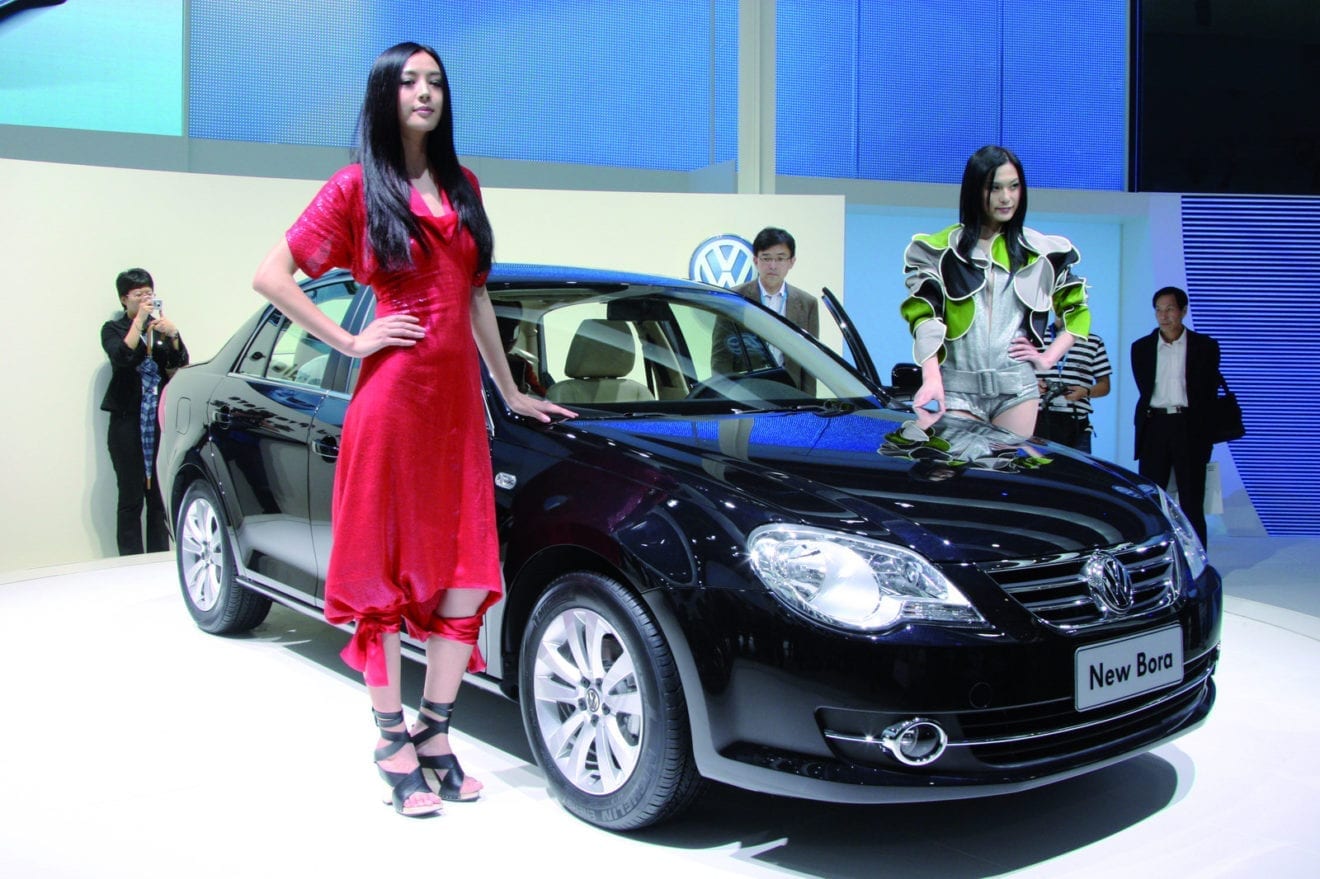
    German auto giant has inaugurated its first city and pop-up stores in India, in a bid to expand its presence and touchpoints in the country. The manufacturer opened its first City store at Richmond Road in Bengaluru, while the Pop-up store opened in Tumkur. The automaker says that the initiative aims to prepare the brand to be ‘fit for the future’ while being innovative. Volkswagen plans to introduce 30 new pop-up and city stores across the country over the next one year.

    Speaking about the new innovation, Steffen Knapp, Director, Volkswagen Passenger Cars said, “Our business environment is changing at a breathtaking pace in view of new technologies and enhanced customer expectations. Our customers today value innovation and in turn expect a prompt and hassle-free experience with Volkswagen. This new format of transforming our sales stores is in alignment with our global growth strategy. As the world is moving towards connected mobility solutions, digitalization across the sales and after-sales process is pertinent. We’re constantly innovating our brand offerings and we trust our customers would appreciate the Volkswagen experience.”

    The new stores have been opened in partnership with PPS Motors. Speaking on the collaboration, Rajiv Sanghvi, MD – PPS Motors said, “To enhance the customer purchase experience in today’s digital age, we are driven to deliver this world-class showroom that combines traditional and digital tools to offer a seamless sales experience to our customers.”

    The Volkswagen Pop-up store aims to offer an opportunity for potential customers to interact better with the brand. These stores are mainly targeted at the semi-urban and rural areas where the company has a limited presence. Meanwhile, the Volkswagen City store will cater to young customers in urban areas. The city store will offer a digitized experience to customers with paperless details on the vehicles. Vehicles bought via both the stores will be serviced at the existing company workshops that are associated with the traditional dealerships that are already established in multiple cities.

    Volkswagen currently operates out of 119 showrooms and 113 workshops, which are spread across 100 cities in the country. The city and pop-up store concepts will help VW India reach out to newer regions in the country, without necessarily spending the high infrastructure cost involved with setting up a dealer network. It’s not clear as to how long with the city and pop-up stores will be in operation. However, local dealers will find help in reaching out to newer customers outside their traditional vicinity.

  • Hyundai and Kia Invest 80 Million Euros In Rimac

    Hyundai and Kia Invest 80 Million Euros In Rimac

    Hyundai Motor Company and Kia Motors Corporation have jointly invested 80 million Euros in Rimac Automobili – the Croatian high-performance electric vehicle technology and sportscar company. Hyundai Motor will invest 64 million euros while Kia Motors will add 16 million Euros in Rimac and will form a technical partnership to collaborate on two high-performance electric vehicles by 2020.

    The companies have announced a strategic partnership to collaborate on the development of high-performance electric vehicles. Rimac has established themselves as a leader in high-performance electric vehicle technology and as an electric sports car manufacturer. The company continues to deliver EV technology supporting many industry partners, including Hyundai Motor Group, to accelerate their way towards an electric future.

    The electric motors used in the Rimac One develop more than 1000 bhp and it is the fastest accelerating electric vehicle in the world

    Hyundai Motor, Kia Motors, and Rimac will work closely together to develop an electric version of Hyundai Motor’s N brand sports car and a high-performance fuel cell electric vehicle. Euisun Chung, Executive Vice Chairman of Hyundai Motor Group said, “Rimac is an innovative company with outstanding capabilities in high-performance electric vehicles. Its startup roots and abundant experience collaborating with automakers combined with technological prowess makes Rimac the ideal partner for us. We look forward to collaborating with Rimac on our road to Clean Mobility.”

  • Harley-Davidson India Announces Winners Of Internship

    Harley-Davidson India Announces Winners Of Internship

    Harley-Davidson India has announced the selection of four final applicants for the #FindYourFreedom internship program that offers interns a glimpse into the Harley-Davidson way of life and is intended to help build the next generation of riders in India. The hunt for the finalists for the summer internship program began on March 31, 2019, via social media campaigns and received a total of 2,207 entries which were shortlisted to 100 before the final 12 made it to an in-person selection round. After three rounds of tasks, intense discussions, and interviews, four applicants have been selected.

    “Harley-Davidson has been operating for a decade in India and in line with our ‘More Roads to Harley-Davidson’ plan, we launched the #FindYourFreedom internship program for the first time in India this year. The response from across the country was phenomenal and I was delighted to meet all the finalists. It was a close competition amongst the 12 finalists and everyone in the room displayed intense passion and energy for the brand. We are looking forward to welcoming the winners as they start first-hand their experience in the Harley-Davidson way of life,” said Sajeev Rajasekharan, Managing Director, Harley-Davidson India.

    The four finalists are Shashank Nawani (25) from Delhi, Ashish Rawat (23) from Dehra Dun, Roy Chacko (51) from Hyderabad and Prateek Darolia (31) from Chennai. The winners were announced after jury rounds with a panel of experts from the automotive industry. Amongst other things, the internship will comprise activities like riding with H.O.G. communities, on-ground experience at dealerships, custom bike building, flat track riding, attending Harley-Davidson University courses and more. The internship commences from May 15, 2019.

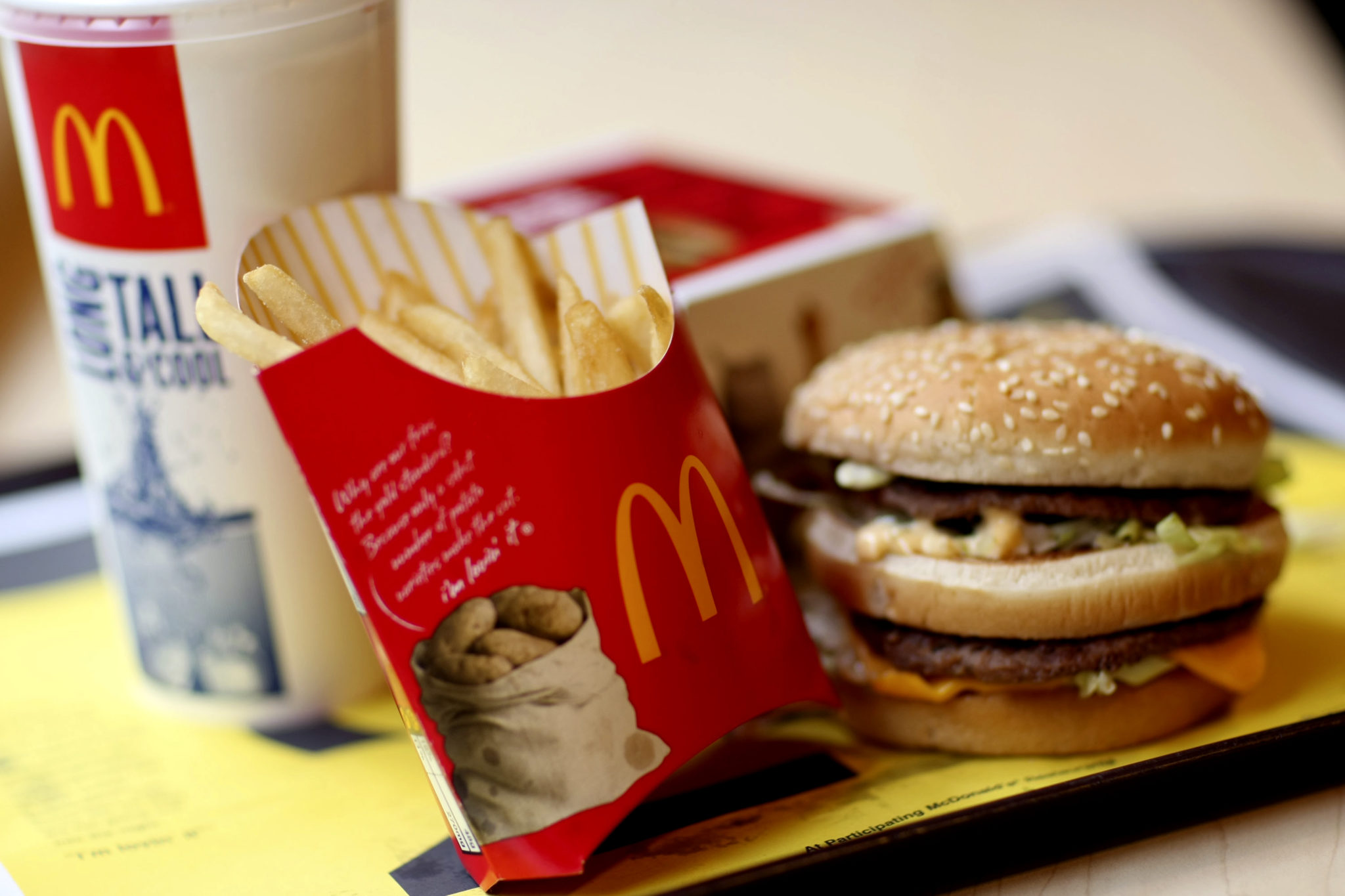
  • McDonald’s ends food fight in India

    McDonald’s ends food fight in India

    International fast food chain McDonald’s has bought out its former partner Vikram Bakshi’s 50 percent stake in its Indian operations, ending a six-year dispute.

    The disagreement arose when McDonald’s India attempted to oust Bakshi as MD of local operator CPRL in 2013, a decision that was overturned after local arbitration hearings ruled in favor of his reinstatement.

    “With the transfer of ownership and management today, Mr. and Mrs. Bakshi end their association with CPRL and McDonald’s,” the company said in a statement. “McDonald’s acknowledges the significant work and contribution of Mr. Bakshi in establishing McDonald’s restaurants in North and East India.”

    Bakshi was responsible for opening the first McDonald’s in the territory in the mid-90s, growing the franchise to more than 160 outlets in northern and eastern India.

    McDonald’s now wholly owns CPRL, which will be headed by Robert Hunghanfoo going forward. The financial details of the transaction were not disclosed.

    The firm is now seeking a new development licensee for the region.

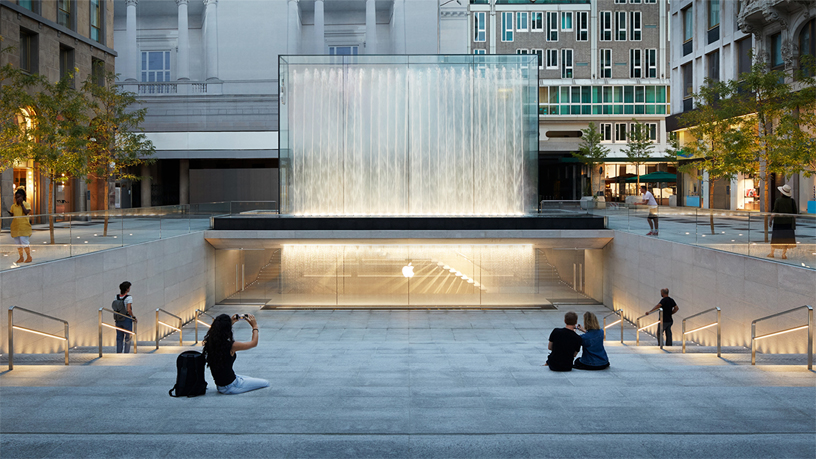
  • Apple India shortlists first flagship store Presence

    Apple India shortlists first flagship store Presence

    Tech retailer Apple may be close to opening its first retail outlet in India. People familiar with the plans said Apple India will decide within weeks on a premium location in Mumbai from a shortlist it is examining now. The hardware manufacturer has previously been unable to open in the territory due to regulations governing local sourcing, which prompted Apple to shift some manufacturing to India. The move will also result in the removal of the 20 percent tariff currently placed on iPhones because they are imported.

    While local preferences are for cheaper Chinese handsets, India still represents a vast potential market for Apple as it loses ground in China.

    “India is a very important market in the long term,” said Apple CEO Tim Cook. “It’s a challenging market in the short term, but we’re learning a lot. We plan on going in there with sort of all of our might.”

    With India currently being the fastest-growing smartphone market in the world, Apple has placed greater emphasis on gaining market traction there in recent years. A new country chief was named last November after previous efforts yielded disappointing results. The firm now commands an estimated 1 percent of the country’s smartphone market.

    “Its own retail store might be just what Apple requires to reinforce its premium image,” said Rushabh Doshi, an analyst at global research firm Canalys. “A store just before the next launch will be the perfect timing for Apple to restart its Indian growth story.”

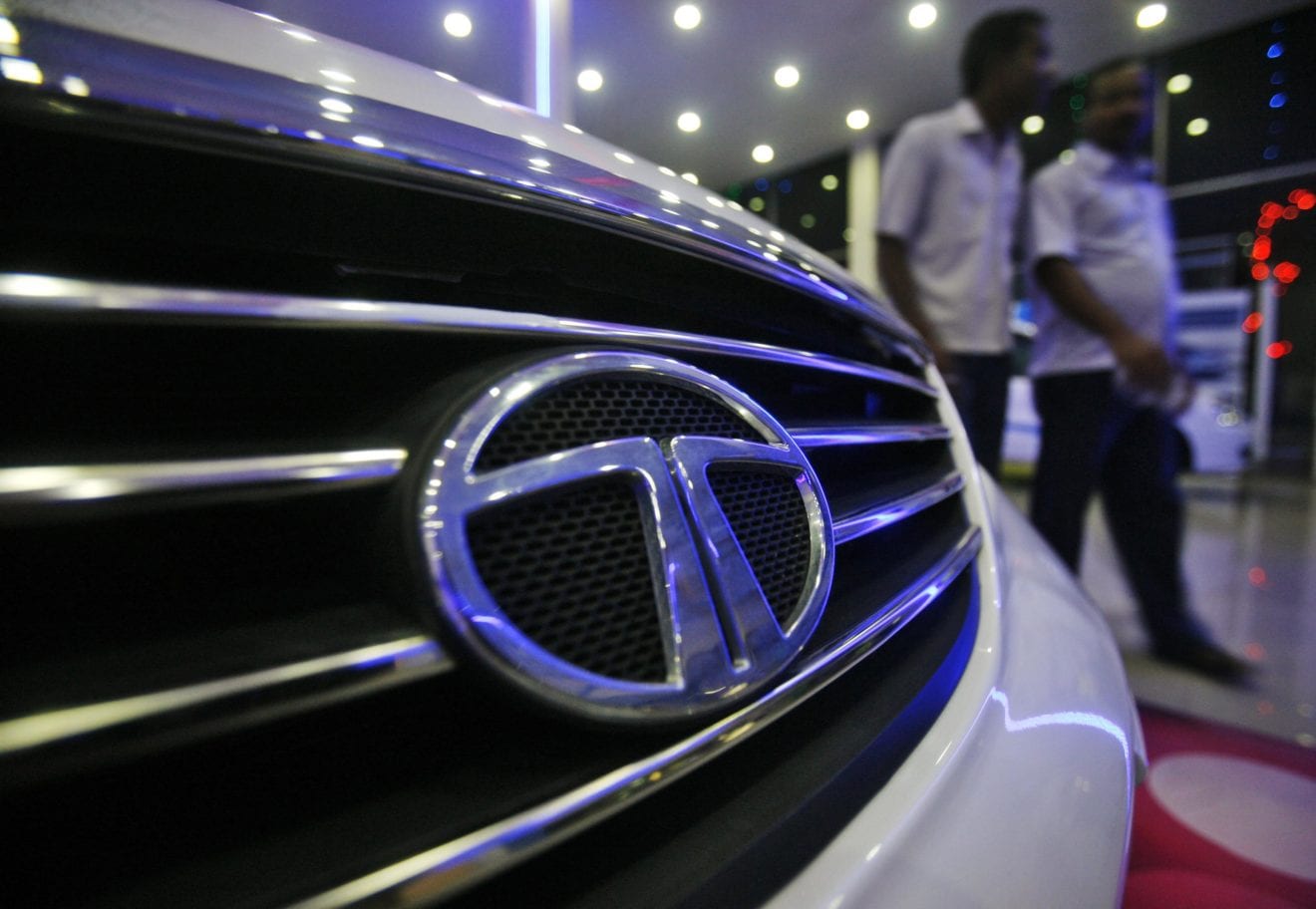
  • Tata Motors’ Passenger Car Sales Felt Last Month

    Tata Motors’ Passenger Car Sales Felt Last Month

    The Tata Motors Group global wholesales in April 2019, including Jaguar Land Rover, were at 79,923 units. This number is lower by nearly 22 percent when compared to April 2018. The sales of the company’s commercial vehicles too were lower in April 2019 compared to the same period last year. The company sold 31,726 units of its commercial vehicles lower by 20 percent.

    The passenger vehicle side of the story was no different as the company’s global wholesales of all passenger vehicles in April 2019 were at 48197 units a drop of 23 percent lower compared to April 2018.

    Global wholesales for Jaguar Land Rover were 35,451 vehicles. Jaguar wholesales for the month were 13,301 vehicles, while Land Rover wholesales for the month were 22,150 vehicles.

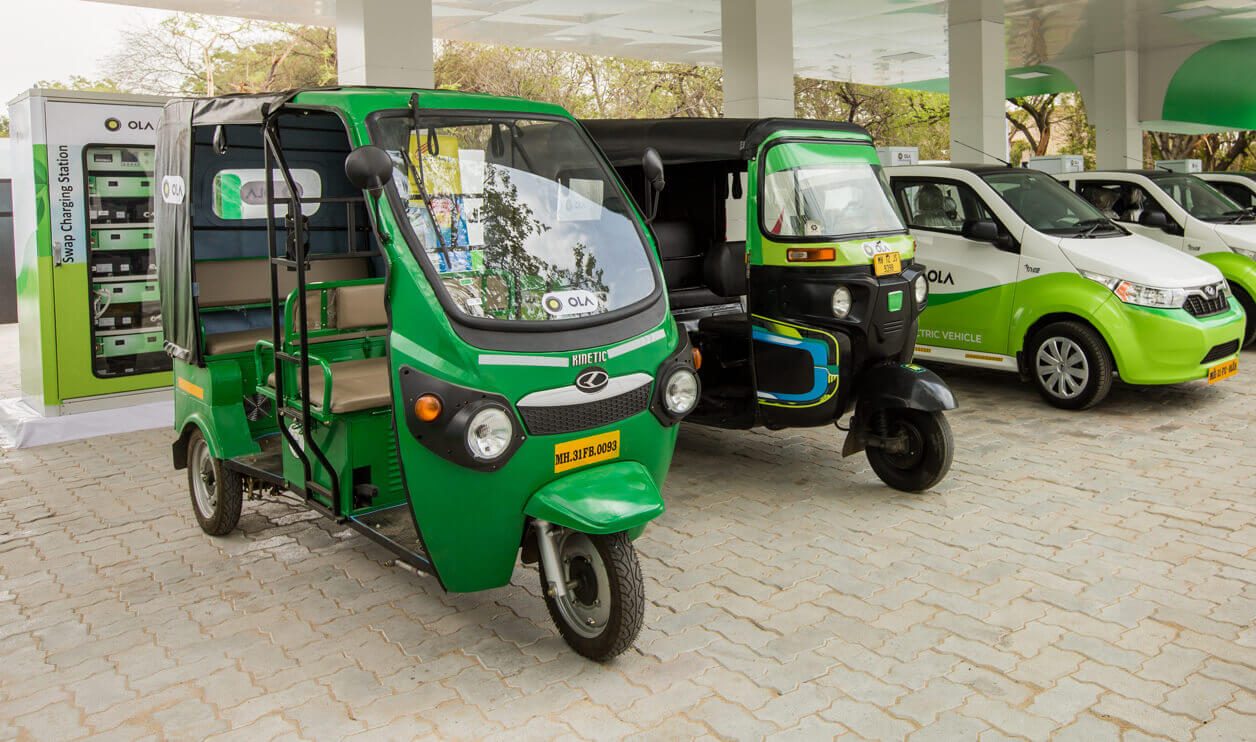
  • Ola Aims To Deploy 10,000 Electric Two And Three-Wheelers In India

    Ola Aims To Deploy 10,000 Electric Two And Three-Wheelers In India

    India’s Ride-hailing service provider Ola is reportedly betting big on two and three-wheelers for its electric mobility drive. In fact, the company is expected on deploying 10,000 electric vehicles (EVs), a mix of two and three-wheelers, in India by March 2020. A PTI report claims that, according to a senior company official, the company believes that mass scale adoption of four-wheeler electric vehicles will take some more time. It was a lesson that the company learned from Ola and Mahindra’s 2017 joint pilot project in Nagpur, for which the former had partnered with the leading SUV maker for a multi-modal electric mass mobility project. It showed Ola that right now “four-wheelers are not yet ready” for such usage in India on a large scale.

    Speaking to PTI, Ola Electric Mobility (OEM) co-founder Anand Shah said, “The biggest lesson (from Nagpur) was that, (electric) four-wheelers, are not yet ready. It is going to take a couple of years for the math on four-wheelers to work.” According to Ola, right now electric three-wheelers / e-Rickshaws are the largest population of EVs by natural adoption. Further, he said, “We think two-wheelers are also emerging very quickly, partially because of policy and also because of the rising interest in the commercial use of two-wheelers, whether that is in deliveries for our own food business or any of our competitors, e-commerce companies or scooter sharing.” In fact, Ola has already started pilots with a fleet of a hundred of three-wheelers in Gurugram. Considering Mahindra has the Treo e-Rickshaw in its fleet now we wouldn’t be surprised if Ola and Mahindra come together for a new project.

    The company expects to deploy the 10,000 electric vehicles by the end of March 2020 in whichever viable cities/states of the country that are willing to work with it. The possible candidate cities include – Delhi, Maharashtra, Kerala, Karnataka, Telangana, AP, and Gujarat. All that said, Ola, hasn’t given up on it, and is confident that electrification is viable in the long run. In fact, Ola is still actively working on electric four-wheelers as well Shah said, and further told PTI “We are testing electric cars. We have tried every electric car that exists in India today, but we think it’s going to take some time for rapid four-wheeler EV adoption at scale.”

    Talking about the learnings from the Nagpur project, Shah said that they noticed a need for more four-wheeler EVs models because when they started there was only one make of electric car available in the market. He also addressed the need for appropriate battery technology for the Indian conditions and usage along with a proper understanding of infrastructure utilization to strike a balance between usage of land, power and time of the day. He also talked about electricity cost being a very significant input while mentioning that now the government is beginning to address this.

    Talking about investments for electric mobility, Shah said, “We have raised Rs 400 crore from some of our early investors — Tiger Global Management, Matrix India. That money will be spent on meeting these milestones, on getting the technology right, getting the business model right and we will keep growing from there.”

  • Apple looks to open its first store in India

    Apple looks to open its first store in India

    India is a great place for certain phone manufacturers to sell their products, and for others, it is a contradiction that is hard to figure out. With approximately 1.4 billion people in the country, it is the second largest smartphone market in the world after China. But with a per capita income in the country of $1,670 as of 2016, the consumers in the country usually favor lower priced handsets. That explains the success that Xiaomi, with its value for money policy, has had in the country.

    Apple’s business in India has been driven by demand for lower-priced models like the discontinued iPhone SE. To avoid a 20% tariff on imported phones, Apple had manufactured the iPhone SE in India and still produces older devices such as the iPhone 6s and iPhone 7 in the country.  Starting this year, it will also manufacture some of its high-end handsets in the region. Contract manufacturer Foxconn is said to be running quality tests of the iPhone XR in India with mass production of the device expected to start soon.

    More than ever, Apple is looking toward India to generate sales in light of the troubles the company has had over the last year selling iPhones in China. But business now is not booming. Research firm Canalys recently reported that during the first quarter of 2019, iPhone shipments in India declined by 75% year-over-year leaving the firm with just 1% of the country’s smartphone market. But Apple CEO Tim Cook is optimistic. He said during last week’s earnings call that “We have made some adjustments in India and we’ve seen preliminarily some better results there.”

    To help generate sales in India, Apple is planning to open its very first retail store in the market. Expanding the local production of iPhone models in the country is expected to help pave the way for government approval of India’s first Apple Store. The green light could come at the end of this month or early next month when a new government takes over in the country. Canalys analyst Rushabh Doshi says that opening a store before the launch of the 2019 iPhone models later this year will help Apple “restart its Indian growth story.” Doshi says that Apple is caught in a bind in India. On one hand, it wants to lower its prices in order to compete with the likes of Xiaomi and Vivo, but it also wants to maintain its “premium” image.

    “India is a very important market in the long term. It’s a challenging market in the short term, but we’re learning a lot. We plan on going in there with sort of all of our might.”-Tim Cook, CEO, Apple

    Still, last month Apple cut the price of the “more affordable” iPhone XR in the country by 17,000 rupees (equivalent to $244 USD). That phone is now priced in India for 59,000 rupees ($846 at current exchange rates).

    Apple is apparently planning to open its first Apple Store in India at one of several upscale locations in Mumbai, according to anonymous sources cited in the report. Apple will decide on the exact location in the next few weeks. No matter which location it selects, the Indian Apple Store will be in a prestigious area of the country comparable with Apple’s Fifth Avenue store in New York City, the Regent Street location in London and the store on the Champs-Elysees in Paris. This might be part of the game plan designed to keep promoting the iPhone as a premium device in India. But again, for Apple to succeed in the country, it will have to be mindful of its pricing.

  • Skoda India Opens Its Largest Workshop Facility In Coimbatore

    Skoda India Opens Its Largest Workshop Facility In Coimbatore

    Skoda Auto today announced opening a new workshop facility in India in association with SGA Cars India, in Coimbatore, Tamil Nadu. The new facility is Skoda Auto’s largest workshop in the country and is spread across 49,585 sq. ft. of the premium service area, equipped with 50 bays, and a capacity to serve 20,000 vehicles per annum. The service workshop also has more than 40 dedicated aftersales personnel, and the company says that it has been built in line with Skoda’s new corporate identity and design.

    Skoda India feels that the new modern workshop facility will further strengthen its position in Tamil Nadu, and help the company achieve a strong foothold in the southern markets. Inaugurating the new state-of-the-art service facility, Zac Hollis, Director – Sales, Service and Marketing, Skoda India, said, “Skoda Auto India is set to strengthen its presence in the southern markets of our nation. The dimensions of the new facility are a reflection of the region’s potential for the brand. We are confident that our partnership with SGA Cars India will play an important role, in scaling up the brand, by offering our patrons a hassle-free ownership experience and utmost peace of mind.”

    Commenting on their partnership with Skoda, Arputharaj, Dealer Principal, SGA Cars India said, “We are delighted to partner with Skoda Auto India to introduce our newly designed workshop facility. The state-of-the-art service infrastructure and optimized business processes will enable us to deliver an unmatched service experience. The advancement of Skoda makes us more confident and committed to our valued customers.”

    Skoda India currently has a network of 64 sales and 62 service outlets across the country. However, as part of its ‘INDIA 2.0’ project, Skoda Auto plans double its dealer network across 50 new cities, over the next 3 years, to further increase the accessibility of the brand. As for some of its customer initiative programmes, the company recently also introduced ‘EasyBuy’, an assured introductory 57 percent buyback value programme for the Skoda Superb model range, at the end of the three-year contractual term. This is in addition to the company’s existing Skoda Shield Plus plan which offers motor insurance, 24×7 roadside assistance, and an extended warranty for all Skoda cars.

  • Maruti Suzuki Opens 300th Commercial Vehicle Outlet

    Maruti Suzuki Opens 300th Commercial Vehicle Outlet

    Maruti Suzuki India has inaugurated its 300th commercial vehicle showroom in India. The 300th outlet comes in less than three years, and with it Maruti Suzuki’s Commercial retail outlet network is now present in over 230 cities across the country. With the recent addition, the Company’s total sales network has crossed over 2,940 showrooms covering more than 1,860 towns and cities. Currently, the company sells only the Super Carry LCV in the country and it commands a 12 percent market share in India and it’s sold 23,000 units already ever since it was launched. It is offered in two colors Superior White and Superior Silver.

    The Super Carry LCV comes with a loading bay of 3.25 sq.mt and offers a payload capacity of 740 kg. The ground clearance stands at 175mm, while suspension duties are performed by MacPherson struts at the front and a rigid axle with leaf springs at the rear. The wheelbase measures 2110mm and at 4.3 meters, the turning radius similar to that of a hatchback. The LCV gets all the basic features including a light steering wheel, mobile charging socket, dual assist grip, multi-purpose storage spaces, lockable glovebox and bottle holders. An air-conditioner, however, is missing from the ensemble.

    The Super Carry is available with a diesel engine in the country and this 793cc twin-cylinder diesel engine that made its debut on the Celerio last year and comes paired to a 5-speed manual transmission. However, the diesel variant will be discontinued as it would not comply with the upcoming BS6 norms. The company will therefore only offer it with petrol and the CNG variant, which according to the company will be great for its consumers.

    Shashank Srivastava, Executive Director, Maruti Suzuki India said, “The Light Commercial Vehicle segment has been the largest volume contributor in the commercial vehicle industry in the country. Globally, Suzuki Motor Corporation has expertise in this segment and the Super Carry is part of that lineage. Super Carry for India has been developed specifically keeping in mind the unique requirements of the Indian mini truck customer. Starting the commercial segment with Super Carry, we have rapidly rolled out our network to keep pace with the growing demand and business opportunity for light commercial vehicles. With the growth in entrepreneurship and businesses, we see a continuous requirement of Light commercial vehicles for various business applications.”