Tag: india

  • India To Order Taxi Aggregators Like Uber, Ola To Go Electric By 2026

    India To Order Taxi Aggregators Like Uber, Ola To Go Electric By 2026

    India plans to order taxi aggregators like Uber and Ola to convert 40% of their fleet of cars to electric by April 2026, according to a source and records of government meetings to discuss new rules for clean mobility. Uber and Ola, both backed by Softbank Group, would need to start converting their fleet as early as next year to achieve 2.5% electrification by 2021, 5% by 2022, 10% by 2023 before hiking it to 40%, according to the person and the records that have been reviewed by Reuters.

    Some taxi players, like Ola, have previously tried to operate electric cars in the country, but with little success given inadequate infrastructure and high costs.

    New Delhi, however, is looking to push the new policy to boost the adoption of electric vehicles (EVs) as it tries to bring down its oil imports and curb pollution so it can meet its commitment as part of the 2015 Paris climate change treaty.

    Indian think-tank Niti Aayog, chaired by Prime Minister Narendra Modi and which plays a crucial role in policymaking, is working with several ministries on the new policy.

    Neighbouring China, home to the world’s top auto market, is already leading the world in electrification by setting tough EV sales targets for car makers and offering incentives to taxi operators to increase their fleet of clean-fuel cars.

    EV sales in India grew three-fold to 3,600 in the year ended March but still account for about 0.1% of the 3.3 million diesel and gasoline cars sold in the country over the period, industry data showed. China’s electric car sales, meanwhile, rose 62% in 2018 to 1.3 million vehicles.

    In a meeting in New Delhi on May 28, Niti Aayog officials and the ministries of road transport, power, renewable energy and steel, as well as the departments of heavy industries and trade, were among those recommending taxi operators in India gradually convert to electric.

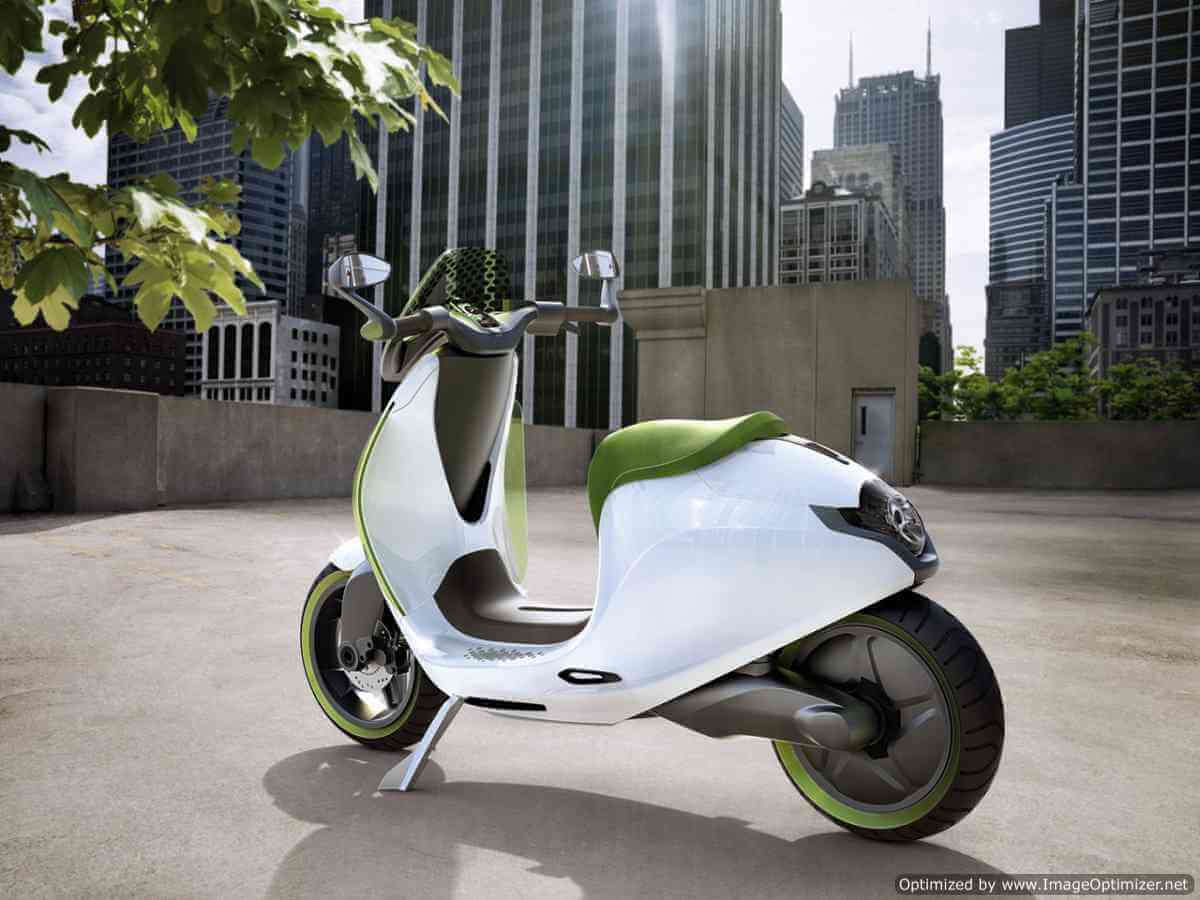
    Motorcycles and scooters sold for commercial purposes, like food delivery or for use by e-commerce companies, will also need to be electric from April 2023, the person added.

    India has seen a boom in food delivery apps like Zomato and Swiggy, which counts Naspers and Tencent as investors. Sales by e-commerce firms like Amazon.com and Walmart-owned Flipkart are also rising.

    The EV proposal comes weeks after the inter-ministerial committee recommended electrifying most motorbikes and scooters for private use and all three-wheeled autorickshaws within the next six to eight years.

    While there are several electric scooter manufacturers in the country including Ather Energy, Hero Electric and Okinawa, there are only two car makers that build and sell electric cars – Mahindra & Mahindra and Tata Motors.

    Some taxi operators have so far had little success operating electric cars in India. Ola launched a pilot project in the central Indian city of Nagpur in 2017 but a year later drivers, unhappy with long wait times at charging stations and high operating expenses, wanted to return to gasoline cars.

    Ola, however, is not giving up yet.

    Its Ola Electric Mobility unit in March raised 4 billion rupees ($58 million) from investors including venture capital fund Tiger Global and Matrix Partners.

    It also raised $300 million from Hyundai Motor and Kia Motors and formed a strategic partnership with the South Korean duo to help build India-specific EVs.

    Modi’s government in 2017 had set an ambitious target to electrify new cars and utility vehicles by 2030 but resistance from the industry forced it to scale back the plan.

  • Oppo India opens first flagship store in Hyderabad

    Oppo India opens first flagship store in Hyderabad

    Oppo India has launched its first premium flagship in South Asia at Sharath Capital Mall in Kondapur.

    The opening coincides with the release of the brand’s new Reno series phone model.

    The new venue has been designed to engage customers while encouraging them to explore and appreciate the craftsmanship and technological features of Oppo’s product range. According to product manager Jithin Abraham, it is divided into different areas that respectively deal with Indian culture and heritage, Oppo’s evolution in the mobile market, the brand’s technologies, and other consumer experiences.

  • India’s Myntra Starts Selling on Walmart USA

    India’s Myntra Starts Selling on Walmart USA

    India’s Myntra is expected to begin selling its brands’ products to the US via Walmart.

    The online fashion retailer was acquired by Walmart 10 months ago, since which time Myntra’s brands have been available through Walmart Canada.

    “We enabled Myntra to be online in Canada and we are also anticipating launching Myntra brands in our stores in Canada in Q3,” said Walmart International executive VP and chief administrative officer JP Suarez, “a nice compliment for an omnichannel experience for our customers. We are exploring with US for any Myntra product to be available on the US online marketplace.”

    Walmart is also expected to conduct a study of Myntra’s operations to assess what strategies may be applicable to other markets. The firm holds a major market share in India along with Jabong and Flipkart Fashion.

  • A New Maruti Suzuki Dzire Is Sold In India Every 2 Minutes

    A New Maruti Suzuki Dzire Is Sold In India Every 2 Minutes

    Maruti Suzuki has been selling the Dzire compact sedan in India for over 10 years now and till now has reached around 19 lakh customers. The Dzire, now, is a subcompact sedan but Maruti Suzuki has had a compact sedan iteration before and the number of customers it has reached to is a combination of sales of both these cars. In 2018-19, Maruti Suzuki sold over 2.5 lakh units of the Dzire subcompact sedan averaging a monthly sales of 21,000 units. There’s no doubt it leads the pack in the segment and boasts of a market share of 55 per cent, while the Amaze is a distant second.

    Shashank Srivastava, Executive Director (Marketing & Sales), Maruti Suzuki India Limited said: “The brand Dzire has been a major contributor to Maruti Suzuki’s journey and we express our gratitude to customers. With the launch of Dzire, we created a new ‘compact sedan’ segment. This segment is continuously evolving and growing. Over the years, Maruti Suzuki Dzire has led this growth and it continues to be relevant and attractive to customers. A testimony to its strong customer connect is that the sales of third generation Dzire went up by nearly 20%.”

    The automatic variant of the Dzire too has received significant success with close to 13 per cent buyers opting for the AMT version. The Maruti Dzire is offered in a 1.2-litre petrol and a 1.3-litre diesel engine along with automated manual transmission or AMT offered on both models. The petrol engine makes 82 bhp and 113 Nm of peak torque while the diesel engine makes 74 bhp and 190 Nm of peak torque. The petrol model has a claimed mileage of 22 kmpl while the diesel Dzire has a claimed mileage of 28 kmpl.

  • Land Rover Discovery Launched In India

    Land Rover Discovery Launched In India

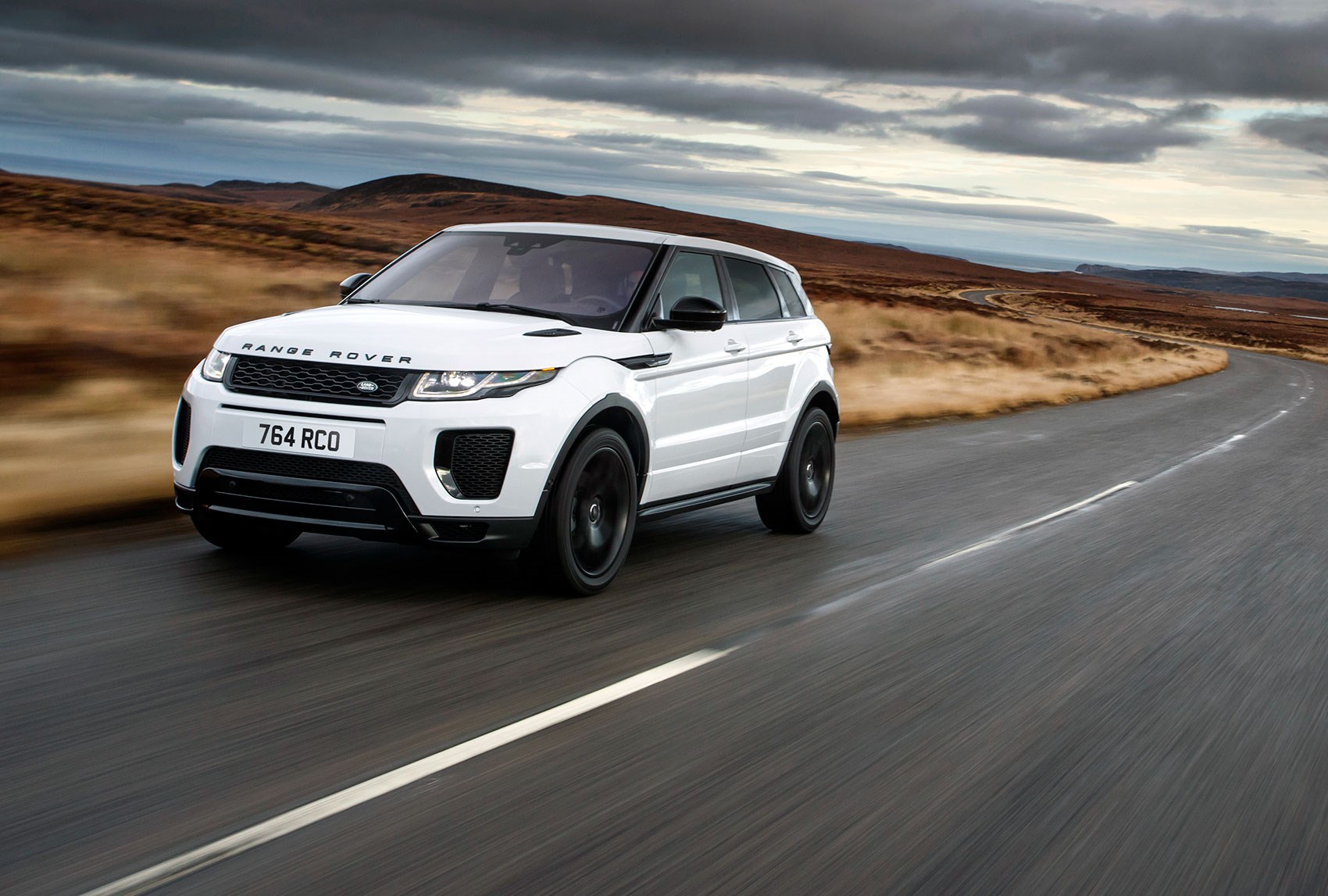
    Jaguar Land Rover India has launched the 2-liter diesel variant of the 2019 Land Rover Discovery in India and prices start from ₹ 75.18 lakh (ex-showroom India). The 2019 Discovery is available in S, SE, HSE & HSE Luxury trim, The new diesel engine churns out 237 bhp while torque figures stand at 500 Nm. This advanced engine is the first Jaguar Land Rover powerplant to feature series sequential turbo technology to deliver its additional thrust.

    The 7 seater Discovery is feature rich and comes with features like electrically reclining seats, intelligent Seat Fold, four-zone climate control, powered third-row seats, a panoramic sunroof, cabin air ionization, 360 Degree surround camera, adaptive cruise control, protect and remote. It also gets the best in class off-road capability because of the approach and departure angle as also the ramp angle.

    The Land Rover Discovery has a water wading depth capability of 900 mm and a 3500 kg towing capacity, all of which makes it a very capable and versatile SUV.

    Rohit Suri, President & Managing Director, Jaguar Land Rover India Ltd. (JLRIL), said, “The Discovery’s unmatched capability and versatility has now been enhanced with the introduction of the high powered Ingenium diesel variant at an attractive price that we believe will enable the Discovery to appeal to a wider customer base.”

  • Cotton On Group launches in India

    Cotton On Group launches in India

    One of Australia’s largest fashion retailers, Cotton On Group, is launching in India, with a first flagship store scheduled to open in the second half of next year.

    In advance of the company’s physical stores, Cotton On will sell fashion products online on the Myntra platform, in a move seen as a challenge to Sweden’s H&M and california’s Forever 21.

    The first flagship store will open in either Delhi or Mumbai in the third or fourth quarter of next year.

    Cotton On’s local partner is AVS Global Network, which has reportedly secured an 18-month exclusive contract to sell fashion on Flipkart, Myntra and Jabong.

    “About 77 per cent of online fashion brand consumers use either Flipkart, Myntra or Jabong to shop, as they have a high brand-recall value,” said AVS cofounder Sumanto Das. “This is why we thought it would be wise to introduce Cotton On to India through these platforms.”

    Cotton On Group, which owns the namesake brand along with Factorie, Ruby (shoes), Typo (stationery), Supre and Lost, was founded in 1991. It has already expanded into Singapore, Hong Kong, South Africa and New Zealand, among other markets with about 1500 stores worldwide.

  • New Piaggio Ape City Plus 3-Wheeler Launch Date Announced

    New Piaggio Ape City Plus 3-Wheeler Launch Date Announced

    Piaggio India has officially announced the launch date for its upcoming new three-wheeler, the Ape City Plus. Slated to be launched on June 14, 2019, the new Piaggio Ape City+ auto rickshaw will be the newest addition to the mid-body segment three-wheelers. Piaggio claims that with the new Ape City+, the company will address its customers’ needs perfectly in the last mile segment, suitable for both cities as well as the rural markets.

    Currently, in the people carrier space, Piaggio India offers three models – the Ape City, the Ape Auto+, and the Ape City HT. The existing Ape City comes in two engine choices – petrol and diesel, and the former comes with three fuel options – petrol, CNG and LPG. The petrol version is powered by a 197 cc that is tuned to churn out about 10 bhp and 17.6 Nm of peak torque, along with a fuel efficiency of 29.43 km.

    The same motor in the CNG version makes 9.6 bhp and 15.3 Nm of peak torque, with a mileage of 27.36 km/g, and in the LPG version, it makes 10.46 bhp and 16.7 Nm torque with a fuel efficiency of 22.7 km/g. The diesel model comes powered by a 435 cc oil burner that is tuned to churn out around 8 bhp and develops 21 Nm of peak torque. The motor offers a fuel efficiency of 32.32 km. We expect the new Ape City+ to come with the same engine options.

    In the invite sent by Piaggio, the company has also confirmed that at the launch, it will talk about upcoming technology in Piaggio products and its future plans for the Indian market. So, we expect the automaker to reveal its plans for the Bharat Stage VI / BS6 transitions and maybe even electrification.

  • MG Motor Opens Its First Flagship Showroom In India

    MG Motor Opens Its First Flagship Showroom In India

    MG Motor India today inaugurated its first showroom, or as the company likes to call it, flagship experience store in Gurugram, Haryana. Located at Milestone Experion Centre, in Sector 15 Gurugram, the new flagship showroom from Morris Garages (MG) Motor India is the first of the 120 centers that will be activated across India. Having said that, the MG India plans to further expand its network to a total of 250 centers across India by September 2019. Today the carmaker also commenced the official bookings for the company’s first car in the country, the MG Hector for a token of ₹ 50,000. The customer test drives will commence from June 15 onward.

    Talking to carandbike.com, Rajeev Chaba, President, and Managing Director, MG Motor India, said, “This is in line with our brand purpose of enabling exciting experience every time. So, we thought we will have an experience center or a flagship store, as well call it, of our own and we tried to give a very different experience.” He further added, “This is different than other places, and it goes back to the same thing that, if we need to be successful in this market, which is very tough, we need to do things in a different way, in a disruptive way and make sure that our employees are satisfied, dealers and dealer employees are satisfied, and if this set of people are ok, they will take care of customers. This is not a typical showroom, this is very different!”

    Being the company’s first flagship showroom in India, MG Motor has worked towards building an outlet completely different from a typical car showroom, based on the brand’s “Emotional Dynamism” philosophy. The visual cues include a unique facade grill in the shape of an “Upturned Mountain”, at the entry, while inside MG has made use of some creative elements to attract all the 5 senses of its prospective customers who visit the showroom.

    The new showroom has been designed to give its customers a taste of both, MG’s past and the present, divided into special sections. This includes a special zone at the entry that pays homage to the brand’s British Heritage, showcasing cultural icons such as the Big Ben, the Union Jack, telephone booths and streetlamps, incorporated as design elements. In fact, there is also a 1965 MG Midget on display inside the showroom. The showroom also comes with a special “LED Video Wall” – a large video wall made from 36 connected TVs plays artfully-created brand videos to further engage visitors. Furthermore, the center also has the MG Cafe within the showroom.

    The store also has a special section called the “Engineering Corner” with various vehicle components and the revolutionary 48V Hybrid engine, on display, along with engravings of other state-of-the-art features integrated into MG’s range of internet vehicles. In addition to that, there is also a “Live Vehicle Configurator”, a digital wall that allows prospective customers to select their choice of model, transmission type, and fuel variant, and customize the look and feel, and accessories the SUV accordingly. At 55 inches per screen, the configurator wall has the largest live configurator screen and is set up in a 6-by-6 format (36 screens).

    The new facility will also have MG Motor India’s corporate office above it, and the whole company-owned facility has been built under an overall investment of ₹ 150 crore. The carmaker’s first model – the MG Hector SUV is set to be launched in India later this month, and it will be the company’s first connected car for the Indian market. The Hector SUV will be made available in both the petrol and the diesel engines and there’ll also be a petrol hybrid offering up for grabs. The petrol version will get a 1.5-liter turbocharged engine, while the hybrid version will additionally come paired with 48-volt mild-hybrid architecture, as well. The diesel model will get the 2.0-liter engine in the MG Hector is the Fiat sourced Multijet unit which also powers other models in the segment like the Tata Harrier and Jeep Compass.

  • Tata Motors Posts 26 Per Cent Drop In Sales In May

    Tata Motors Posts 26 Per Cent Drop In Sales In May

    The Indian auto sector has been reporting a slump in new car sales over the past months and the month of May 2019 has been no different. Tata Motors announced its sales for the previous month and the company has registered a drop of 26 per cent in overall sales. The company sold a total of 40,155 units in May this year, as opposed to 54,290 units sold during the same month last year. The automaker’s year-to-date sales were also on a drop after back-to-back declining numbers, with 82,684 units sold between April-May 2019, a de-growth of 23 per cent as compared to 107,758 units sold during the same period in 2018.

    Mayank Pareek, President, Passenger Vehicles Business Unit, Tata Motors said, ” In view of higher vehicle stocks in network our strategy was to focus on retails. While the market sentiments continued to be muted, our exciting products and micro segmenting strategy helped in improving retails. In May 2019, our retail sales have shown a growth of 11% over May’18. Despite this challenging environment, our UV segment continues to grow at 13% on the back of a strong UV portfolio. We expect that post- election industry will start improving gradually. In the months to come, we are positive to bounce back with our robust product lineup and strive towards driving volumes and increasing our market share as part of our on-going turnaround journey.”

    With respect to passenger vehicle sales, Tata registered 10,900 units in May 2019, witnessing a hefty drop of 38 per cent over 17,489 units sold in May last year. That said, the automaker stated that retail sales recorded an 11 per cent growth last month, backed by new and updated products as well as micro-segmenting strategy. The UV segment sales too grew by 13 per cent in May 2019. Cumulative sales growth between April-May 2019 for passenger vehicles in the domestic market stood at 23,594 units, a decline of 32 per cent over 34,724 units sold during the same period last year.

    The commercial vehicle (CV) business also a 20 per cent drop in volumes with 29,329 units sold last month, as against 36,806 units sold in May 2018. Tata Motors attributed the declining sales to weak market sentiments due to depressed freight rates and underutilisation of trucks. The year-to-date CV sales in the domestic market also saw a decline of 19 per cent with 59,212 units, as compared to 73,082 units sold during the same months (April-May) in 2018.

    The M&HCV sales dropped by 38 per cent at 7,683 units in May this year, as compared to 12,424 units sold in May 2018. The revised axle load norms still pose a challenge for the heavy vehicle segment to grow, according to the manufacturer. Tipper sales too dropped by 22 per cent with 2539 units sold in May this year, as against 3261 units sold during the same month last year. The I&LCV truck sales in May 2019 declined by 2 per cent at 4043 units over 4106 units sold in May 2018. This segment has been relatively less affected by the revised axle load norms. E-commerce and discretionary consumption have been the two main drivers of I&LCV volume. Tata did say that new products in the 15-16 tonne segment and CNG products were well accepted in the makret and contribute over 10 per cent to the volumes.

    The SCV Cargo and Pickup segment witnessed a drop of 18 per cent with 12,695 units sold in May 2019, as compared to 15,558 units sold in May 2018. The slow consumption in rural areas was attributed as the main reason in the drop of volumes, which is likely to improve with a normal monsoon. The commercial passenger carrier segment sales stood at 4908 units in May this year and grew by 4 per cent. The Company is gearing up for the supply as per the new regulations, AIS 153, backed by strong demand for the Winger series.

    Girish Wagh, President, Commercial Vehicles Business Unit, Tata Motors said, “Tata Motors Commercial Vehicles (CV) Business sales in the domestic market in May registered a drop of 20% . The M&HCV sales has taken the maximum hit in the domestic market, declining by 38%, at 7,683 units, essentially due to higher capacity post increased axle load, not yet matched by commensurate freight growth. I&LCV truck sales were least affected, with a decline of 2% at 4,043 units as discretionary consumption has been witnessing a slowdown in recent months. The SCV Cargo and Pickup segment also lower by 18% as distress in the agriculture sector brought down rural consumption. The commercial passenger carrier segment sales was higher by 4% over last May. The school season has pushed up demand and is expected to be positive in the next month too. We are expecting an improvement in the economic conditions in the coming months and look forward to an improved buying sentiment.”

    Tata Motors reported a cumulative export of 1563 units in May 2019, witnessing a massive drop of 58 per cent over last year. The drop in retail sales in Bangladesh, Nepal and high stocks in the SAARC region, along with the slump in the Middle East, affected the automaker’s export volumes.

  • Datsun GO & GO+ Updated With Vehicle Dynamic Control

    Datsun GO & GO+ Updated With Vehicle Dynamic Control

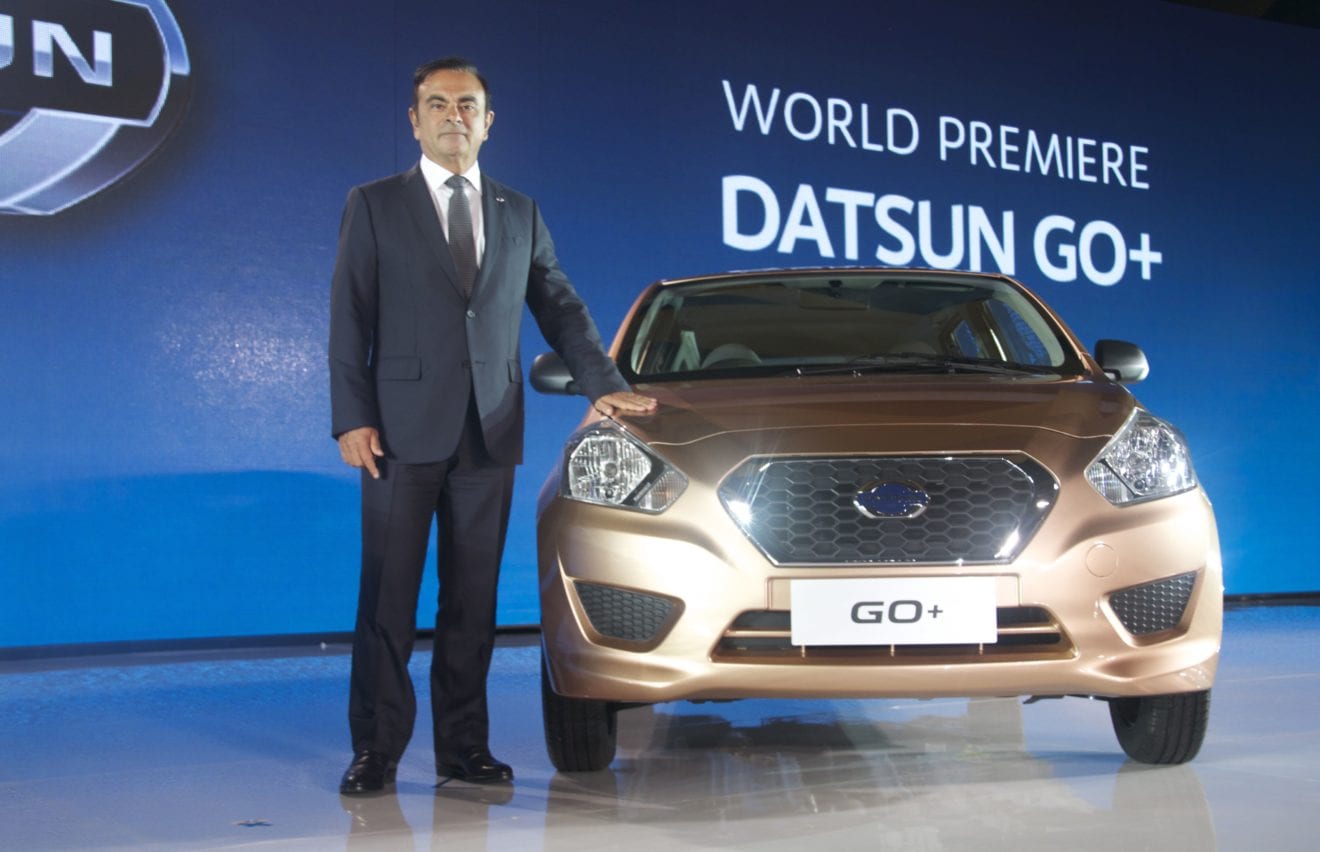
    Datsun India has updated GO and GO+ hatchbacks with Vehicle Dynamic Control (VDC) technology. The updated Datsun GO and the Datsun GO+ get enhanced safety systems thanks to the new tech on offer. The VDC system monitors wheel speed, steering wheel position, and lateral acceleration via onboard sensors to provide electronic stability control. The system also facilitates a safer driving experience by responding to the car’s oversteering and understeering inputs. The GO and GO+ now also comes with anti-lock braking system (ABS), electronic brake force distribution (EBD), brake assist (BA) and traction control system (TCS).

    Commenting on the updated versions, Hardeep Singh Brar, Director Sales and Commercial, Nissan India said, “Datsun is committed to transform customer experience with new and innovative products. Underscoring our focus on progressive mobility backed by safety, technology, style and convenience, the New Datsun GO and GO+ now comes with VDC so that the Datsun owner can drive with confidence.”

    In addition, the new Datsun GO will be available in a new ‘Vivid Blue’ colour option, while the cars now get the 7-inch touchscreen infotainment system as standard across all variants with smartphone connectivity via Apple CarPlay and Android Auto with voice recognition. The hatchbacks have also been updated with rear parking sensors and dual front airbags as standard, in a bid to comply with the upcoming safety regulations.

    The Datsun GO and GO+ received comprhensive facelifts last year bringing a premium touch, better features and attractive pricing to the models. Prices for the GO hatchback start at ₹ 3.32 lakh going up to ₹ 5.02 lakh, while the multi-seater GO+ is priced from ₹ 3.86 lakh for the base trim that goes up to ₹ 5.74 lakh (all prices, ex-showroom Delhi) for the range-topping version. The GO+ will soon face competition two back-to-back launches including the Renault Triber and Maruti Suzuki’s Wagon R-based sub 4-metre MPV, both of which are slated to launch this year.

  • Tata Communications launches IoT marketplace

    Tata Communications launches IoT marketplace

    India’s Tata Communications has announced the launch of an IoT marketplace aimed at strengthening and accelerating India’s growing IoT ecosystem.

    The new marketplace is designed to link enterprise customers with IoT service providers to enable customers to easily develop tailored IoT solutions.

    Partners including device manufacturers, software developers to start-ups and system integrators will use the platform to market, deploy and manage IoT solutions for customers ranging from government to enterprises to startups.

    Customers will be able to select from the available offerings and deploy them on a plug and play basis.

    India’s enterprise IoT market is on track to grow at a CAGR of 35% through 2023, Frost & Sullivan predicts. But a lack of standardization, interoperability and connectivity in the IoT market is inhibiting further adoption.

    “We believe that this first-of-its kind initiative provides a missing link that will make a difference to how disparate IoT components are brought together to create a unified experience in designing a solution or ultimately purchasing one; thereby enabling customers to deploy these solutions with ease and achieve their strategic goals using IoT,” Tata Communications head of IoT Alok Bardiya said.

    In support of India’s IoT ecosystem, Tata Communications is also deploying an LPWAN network that has so far been rolled out in 45 cities India-wide.

  • H&M India charts stable growth path as profit rise

    H&M India charts stable growth path as profit rise

    H&M India reportedly surpassed Rs 1100 crores (US$157.6 million) in sales in the 12 months to November, just three years after the Swedish fast-fashion label entered the market.

    There are now 42 H&M India stores trading and consumer demand continues to meet the pace of expansion. That means that the Indian business has not been swamped with unsold inventories requiring aggressive discounting strategies, in contrast to most other  international markets in which H&M trades.

    “H&M India’s expansion strategy has been successful and the company has been expanding in the right way,” observed Shubhangi Bidwe of Fashion United.

    “A tight control on expenditure, including ad spend, economies of scale, well-managed back-end, lower product prices and penetration in tier 2 and tier 3 cities have helped the brand grow faster in India compared to most of its peers.”

    Given the footfall H&M stores attract, the brand is coveted among shopping centre managers in India who typically place them in anchor spaces.

    The company plans to continue to open new stores at the rate of about one per month. Online, the brand is registering double-digit sales growth.

  • Uber, Indian Oil To Offer Fuel Discounts To Drivers

    Uber, Indian Oil To Offer Fuel Discounts To Drivers

    Ride-hailing giant Uber on Thursday announced it is partnering with state-run Indian Oil Corp Ltd (IOCL) to offer discounts to drivers on petrol, diesel and CNG at IOCL petrol pumps across India. Over 12,000 Uber driver partners have already registered for this programme.

    “This partnership is targeted at easing the cost of fuel and giving back to driver partners who use the Uber App to earn a livelihood,” Prabhjeet Singh, Head of Cities, Uber India and South Asia, said in a statement.

    Uber launched its services in India in 2013 with its UberBLACK service and launched its premium UberX service in 2014. Uber currently operates in 31 cities in the country and aims to take its services to other, wider parts of the country.

  • India needs 10k pilots by 2030 says AirAsia

    India needs 10k pilots by 2030 says AirAsia

    Despite the current slump in the domestic aviation market, India will require up to 10,000 new pilots by 2030. Acknowledging this, AirAsia India on Tuesday launched the country’s first cadet-pilot program, ready to send its first batch of 15 cadets to New Zealand for flight training.

    By passenger volumes, India was ranked second globally among the fastest growing domestic markets for aviation. This would only mean the requirement for pilots will spike in the future, even as the Kingfisher and Jet Airways pilots are being quickly absorbed by other airlines.  To get the cadet-pilot project going, AirAsia India has partnered with New Zealand Academy and Harrison Omniview Consulting. As part of the 18-24 month course, selected candidates will be trained at the currently under-utilized Oamaru airport in New Zealand’s Waitaki district.

    The first batch of the cadets will come out in 2021, informs AirAsia India’s Head of Operations, Capt Manish Uppal. Cadets earn their second officer rank and commercial pilot license after 500 hours of flying before graduating to first officer, senior first officer, and captain, in charge of the entire aircraft and crew.

    The first batch of the cadets will come out in 2021, informs AirAsia India’s Head of Operations, Capt Manish Uppal. Cadets earn their second officer rank and commercial pilot license after 500 hours of flying before graduating to first officer, senior first officer and captain, in charge of the entire aircraft and crew.  Headquartered in Bengaluru, AirAsia India currently has a fleet of 21 Airbus-A320 aircraft covering 19 destinations across the country. The airline had commenced operations in India on June 12th.

    Uppal informs 11% of the airline’s crew are women. Most of the batch passing out from the cadet-pilot program are expected to be absorbed by the airline.

  • FreshToHome raises US$11 million

    FreshToHome raises US$11 million

    Indian online fresh fish and meat retailer FreshToHome has raised US$11 million in funds led by Hong Kong-based CE Ventures.

    FreshToHome, which currently operates in Bengaluru, Delhi/NCR, Kerala, Chennai and Dubai, now intends to grow its business throughout all tier-I Indian cities. It will use the fresh capital to develop its supply chain by extending its proprietary sourcing technologies to farmers and fishermen nationwide.

    “We are disrupting the food-supply chain in India with our patent pending commodities exchange technology offering food that is free of added chemicals to end consumers and a fair price to the producers,” said FreshToHome founder and CEO Shan Kadavil. “Most of our capital has gone into re-inventing the food supply chain.

    We currently sell meat and fish sourced from more than 1500 fishermen and farmers on our platform, using our state-of-the-art technology backed with cold chain infrastructure, a fleet of dedicated refrigerated trucks, using the hub and spoke distribution model from four large processing factories to ensure traceability and food safety.”

    The business claims more than 400,000 customers within four cities, trading in fish sourced from 125 Indian coastlines. It reports a turnover of more than ₹12 crore ($1.72 million) GMV per month.

    “The meat-and-seafood segment in India is pegged to be a $30 billion market, but we have to keep in mind that it’s a highly fragmented industry,” said CE Ventures director Tushar Singhvi.

    “FreshToHome.com is not only trying to streamline the industry, but they’re also using technology to revolutionize the way the industry functions by disintermediating the supply chain, eliminating the middleman, and working directly with the fishermen and farmers in a marketplace model to make fresh and chemical free food accessible to the masses at large.”