Tag: india

  • Mercedes-Benz Introduces Offers Across SUV Range

    Mercedes-Benz Introduces Offers Across SUV Range

    German auto giant Mercedes-Benz completes 25 years in India this year, and as part of its 25th year celebration, the car maker is has announced a number of offers for customers. The manufacturer has introduced offers across its SUV range bringing 25 per cent of additional benefits to the vehicles. The offers are available on the Mercedes-Benz GLC, GLE and the range-topping GLS SUVs, while the entry-level GLA and the sedans have been given a miss for now. The promotional scheme includes 25 per cent more value on interest rates, insurance, service packages, extended warranty and accessories.

    Earlier this year, Mercedes-Benz had organised the 2019 summer camp, offering 25 per cent rebate on select parts for periodic maintenance, applicable for customers who have owned a Mercedes for over five years. The company intended to reach out to 7000 customers this year as part of the service camp. Going forward, it is likely that the company will introduce more offers throughout its vehicle range.There is not discount on the entry-level Mercedes-Benz GLA SUV.

    Mercedes-Benz entered the Indian market in 1994 and was one of the first luxury car makers to establish presence in recent times. The company is headquartered in Chakan, near Pune, where it has an assembly facility as well with the cars being brought via the Completely Knocked Down (CKD) route. The company has invested over ₹ 1000 crore in its operations in India over the years. Over 100,000 cars have been produced at the Chakan plant.

    Mercedes-Benz currently dominates the luxury car market in the country for the fourth consecutive year in terms of volumes. The company is aiming to retain the position and has consistently introduced new products soon after their global launch. The brand is now being spearheaded by Martin Schwenk, Managing Director and CEO, who replaced Roland Folger in the second half of 2018. Earlier this year, Santosh Iyer took the role of Vice President, Sales & Marketing at Mercedes-Benz India, and took charge from July 1, 2019, aiming to grow the luxury brand even further. The automaker has 10 car launches planned for this year, which was kicked off with the V-Class MPV in January.

  • India’s Grofers to convert 200 partner stores into its own brand network

    India’s Grofers to convert 200 partner stores into its own brand network

    Indian online grocer Grofers will convert around 200 service-partner stores into its own offline branded outlets.

    The move is intended to expand Grofers’ business without affecting online sales, and has already been put into effect in around 100 such “kirana” outlets, providing training in point-of-sale, retention and loyalty schemes, among other areas. Plans are also underway to expand the network into southern Indian markets.

    “We have converted several grocery stores into our own branded offline stores,” said Grofers VP and offline business head Yeshu Bansal, “around 100 kirana stores in Delhi-NCR have been a part of this effort that started somewhere in November last year. Our target is to have 200 such stores in the coming few months.”

    The firm is aiming to double sales to ₹5000 crore (US$726.7 million) this financial year and is planning an IPO within three years.

    “Using our forecasting tools and data science, we help the offline stores understand what items are selling more and what should he stock for,” added Bansal. “We are taking our experience and tech to the offline store … We are entering kirana stores in residential areas that has middle and the lower middle class population. The goal is to help the retailer scale up his business by getting more footfalls, and for us, it helps push their homegrown brands (private label products) as well.”

    Grofers partners with more than 6000 stores that deliver groceries to its customers.

  • Volvo Car India Registers 11 Per Cent Increase In Sales

    Volvo Car India Registers 11 Per Cent Increase In Sales

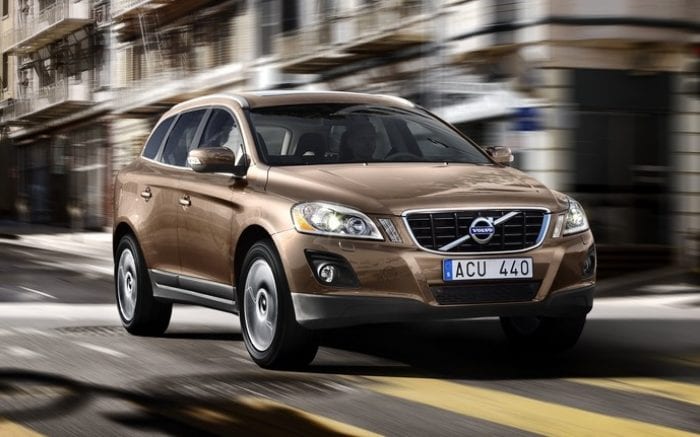
    Volvo Car India recorded 11 percent growth in its half-yearly sales in 2019. The company sold 1,159 units between January-June 2019, whereas it sold 1,044 units sold during the same time last year. Volvo said that the sales contribution from mini metros and Tier-I towns and solid demand for the company’s SUV range were the key factors for the growth. Volvo Cars India has witnessed a growth of 25 per cent in the last fiscal year. The company sold 2,687 units of passenger vehicles in FY2018-19 against 2,157 units which it sold in the previous year. FY19’s growth was largely driven by the XC40 compact luxury SUV which is the most affordable Volvo sold in India currently and was launched last year.

    Charles Frump – Managing Director, Volvo Car India said, “We are extremely happy with 11 percent growth in sales performance so far especially when the industry is not looking positive. Our brand engagement programs continue to play a crucial role in this performance. While the short term market performance looks tough, I am very confident the automobile growth will bounce back and we would be happy to replicate our sales performance of 2018.”

    Volvo India had already announced that it will be introducing 4 new electrified cars in the country in the next 3 years. In its commitment towards the environment and electrified future, Volvo Cars plans to slowly phase out conventional powertrains and focus only on electrification. The Next launch from Volvo in India will be the new-generation Volvo S60, which could be launched towards the end of 2019 or early 2020.

  • Jeep Compass Based Seven-Seater SUV In The Works For India

    Jeep Compass Based Seven-Seater SUV In The Works For India

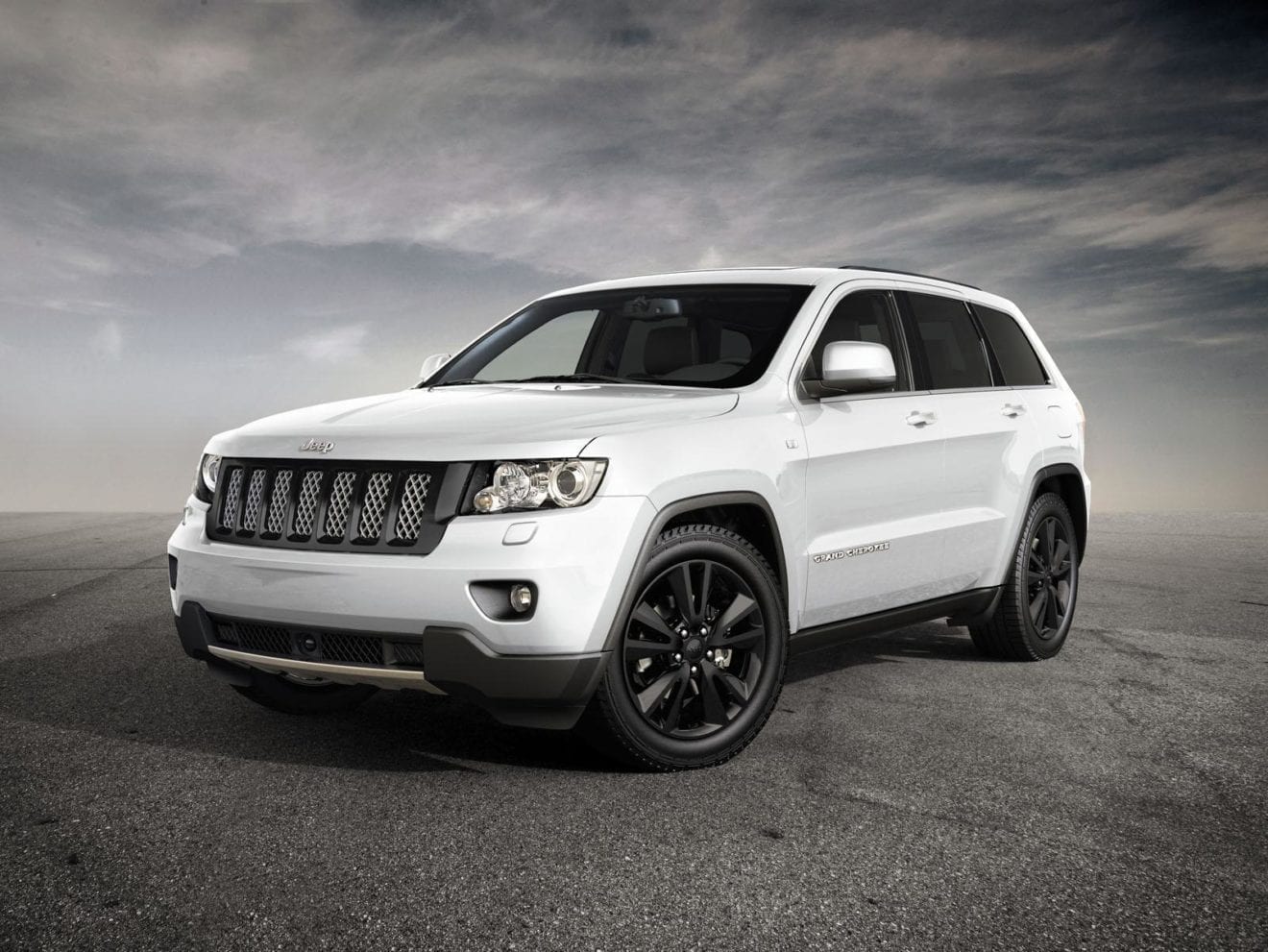
    The Jeep Compass was a game changer when it first arrived in 2017 and helped the Fiat Chrysler Automobile (FCA) cement the Jeep brand in the premium segment. Now, a report suggests that the American automaker is looking to further capitalize on the success of the Compass and is in working on a seven-seater version for the Indian market. A report states that the head honchos at FCA have approved a new top-of-the-line SUV under the Jeep brand that will hit the market by 2020-21. The new Compass-based seven-seater SUV will take on the likes of the Toyota Fortuner, Ford Endeavour, Skoda Kodiaq, Honda CR-V and the likes, when it goes on sale.

    Interestingly, Jeep’s plans to produce a seven-seater SUV for India aren’t new. However, the report states that the project was given the green light only now. The Jeep Grand Compass, as it is touted to be called, will get a proper 4×4 drivetrain and will be based on the all-new Compass that is in the works for 2020. The model will be produced at the automaker’s facility in Ranjangaon, near Pune and is likely to hit the market by the second half of next year or by early 2021.

    The new Jeep Grand Compass will help the American establish itself in the premium end of the SUV space, and solidify its position in the overall SUV space. The seven-seater SUV will be followed up with the more affordable subcompact offering in Jeep India’s stable that will hit the market in the following years. FCA said that the company had no comments at the moment on the same.

    It will be safe to say that the upcoming Jeep seven-seater SUV will retain the automaker’s DNA at its core, complete with the brand’s off-roading capabilities and premium positioning. Expect to see a host of new tech and features from the company’s global stable. Engine options are unclear at the moment, but Jeep is likely to offer both petrol and diesel versions. The 2.0-litre MultiJet II turbo diesel could be used on the new model too, albeit with higher power output.

    Meanwhile, Jeep India is currently in the process of upgrading the Compass to the BS6 regulations. The newly launched Compass Trailhawk already gets a BS6 ready engine, and other variants of the SUV will meet the new norms soon. The automaker is also likely to introduce the diesel automatic version of the Compass towards the end of this year or probably in the first half of 2020.

  • Indian mall space to grow by 65 million sqft by 2022

    Indian mall space to grow by 65 million sqft by 2022

    India will take on more than 65 million sqft of new mall space by the end of 2022, according to a new report from real estate services firm Anarock.

    The report shows the region’s top seven cities will account for 72 percent of the new mall space, while tier 2 and tier 3 cities will see 18.2 million sqft of new supply. Nearly two-thirds of the planned space (40 million sqft) will hit the market by next year.

    “This new supply is also driven by the increasing interest of institutional investors – including private-equity players – who invested almost US$1.9 billion into Indian retail between 2015 and the first quarter of this year,” said Anarock Retail MD & CEO Anuj Kejriwal. “In fact, more than 60 percent of this investment was infused in the last two years alone, making these the best years for the Indian mall sector in recent times.

    Notwithstanding the decline in deal activity in the second half of last year following the liquidity crisis, the retail segment attracted investments of almost $115 million in just the first quarter of this year.”

    The report also maintains that real estate investment trusts (REITs) can be a viable tool for mall developers to raise funds, but this fund-raising instrument still needs to mature sufficiently. Also, the retail REIT structure and performance may not be directly comparable with the commercial office sector.

    The report also showed the Indian retail industry has moved from long-term leasing to short-term leasing tenures (three to five years) to enable constant updating of the brand mix within the mall. Globally, the standard lease term is still above five years.

  • India, Indonesia Set $50 Billion Trade Target By 2025

    India, Indonesia Set $50 Billion Trade Target By 2025

    India and Indonesia on Saturday set an ambitious USD 50 billion target for bilateral trade over the next six years as Prime Minister Narendra Modi and President Joko Widodo discussed ways to deepen cooperation in a number of key areas including economy, defense and maritime security.

    The two leaders, who are in Osaka, Japan for the G20 Summit, met in the morning and discussed ways to boost bilateral ties and enhance cooperation in trade and investment. According to the Ministry of External Affairs spokesperson Raveesh Kumar, India and Indonesia set a USD 50 billion target for bilateral trade by 2025.

    Trade between the two countries in 2016 was USD 12.9 billion. It rose 28.7 percent to USD 18.13 billion in 2017 with Indonesia’s exports to India reaching USD 14.08 billion and its imports from India standing at USD 4.05 billion, according to Indonesia’s Central Statistics Agency.

    During his meeting between Prime Minister Modi and Indonesian President Widodo, the two leaders discussed ways to deepen bilateral cooperation in trade and investment, defense and maritime fronts. This was Modi’s first official engagement on the second day of the June 28-29 Summit.

    “Beginning Day 2 of the G20 Summit by meeting a valued friend. PM Narendra Modi holds talks with President Joko Widodo on ways to deepen India-Indonesia cooperation,” the prime minister’s office tweeted.

    In a tweet, Kumar said, “Taking forward the comprehensive strategic partnership. PM Narendra Modi had a productive meeting with Indonesian President Joko Widodo on margins of G20 Summit. Discussed expanding cooperation in trade & investment, defense, maritime, space & exchanged views on Indo-Pacific vision”.

    On Friday, Modi held bilateral and plurilateral meetings with many leaders, including US President Donald Trump, Russian president Vladimir Putin and China’s Xi Jinping.

  • MG Motor India Introduces Annual Maintenance Package For The Hector

    MG Motor India Introduces Annual Maintenance Package For The Hector

    The MG Hector has finally hit the showrooms. It’s the stepping stone for MG Motor in our market and the company is going the whole hog to ensure that the Hector doesn’t fail to appeal to prospective customers on any front. The car has been packaged really well and has upped the ante in its segment in more than one way. Besides being the first connected compact SUV it also packs in several segment-first features and is offered with multiple powertrains and gearbox options. And now MG Motor has come up with pretty reassuring after sales service plans as well.

    The company offers Five years unlimited kilometers warranty, Five years unlimited kilometers roadside assistance, Five labor free scheduled services and medical assistance via 24×7 pulse hub in case of an emergency are among the services which will be standard with the car. Other than these, the company has also introduced four annual maintenance service packages- Classic, Classic 360, Premium and Premium 360 for Hector customers. The service packs can be purchased at a premium of ₹ 8000 for the base Classic pack which will be applicable for five years. The Classic and Classic 360 provides additional scheduled maintenance plans for the Hector. The Premium and Premium 360 plans on the other hands also cover wear and tear of parts (excluding tyre, battery and accidental repair) along with scheduled maintenance plans.

    In addition to these services, MG Motor will also offer 60 percent assured resale value after three years of ownership if customers are willing to upgrade to a new model. The company is also planning to launch four new SUVs by 2021 including an electric SUV and a seven-seater version of the Hector. The after sales services and annual packages are expected to be standard across the range.

  • Tata Group Launching first fast-fashion chain

    Tata Group Launching first fast-fashion chain

    Zara’s Indian partner Tata Group is launching its own fashionable apparel chain in the territory with prices well below Zara levels.

    Tata’s retail offshoot Trent Ltd has launched an “extreme-fast-fashion” model that brings new styles from the runway to the store within two weeks, similar to Zara’s own timeline.

    Trent is seeking to launch 40 locations the flagship Westside chain per year as well as hundreds of mass-market Zudio stores for budget items. The chain is targeting fashion-conscious Indian consumers without the means to afford Zara items, with a view to becoming as ubiquitous in Asia as Zara is in Western markets.

    The firm has a strong focus on fashion-savvy staff, and spends 65 per cent more on personnel per square foot than its local competitors.

    “The middle class is growing, incomes have grown, Indians are traveling more and they have more money to spend,” said chairman Noel Tata. “Now that we’ve built this capability and this model that’s working so well, it’s time to grow faster … The value proposition we offer is much stronger than the international brands.”

    Less than a quarter of Indian households earnt US$8500 or more last year.

  • Renault India To Double Sales In India By 2021

    Renault India To Double Sales In India By 2021

    Renault India found success with the Duster and even the Kwid in India and now it’s readying to bring in its compact MPV – the Triber – into India. The Triber too, like the Kwid is based on the CMF-A platform and comes with a heavy dose of local content, so prices will be competitive for sure. But Renault India has grand plans for the Triber and it’s made its intention to export the compact MPV to other markets too and with it help the company improve its sales in India too. In fact, the company is looking to double its sales in the country by 2021 and the Triber will play a big role in making this happen. Thierry Bolloré, CEO, Groupe Renault said, “It’s (The Triber) a significant contributor to the progress we want to make in order to double the sales of Renault in India for sure.”

    The Triber is actually a seven-seater tucked under the four-meter mark. At that size, the new Renault Triber is a direct rival to the Datsun GO+ and also the upcoming compact seven-seater from Maruti Suzuki. It gets a completely different design language from its rivals that help make for a roomier cabin. In fact, Renault is comparing the Triber to a number of B-segment hatchbacks, with the French model offering the additional third-row seating that is more practical. Renault also says the new offering will be 20 percent more affordable in terms of ownership than a conventional B-segment hatch.

    But it’s not just the sales in India that will help Renault achieve this target. The company is banking on exports as well, something it has been doing with the Kwid too. Bolloré said, “Export is key because this is a car made in India, for India and having the genes for a great exporter to other markets.”

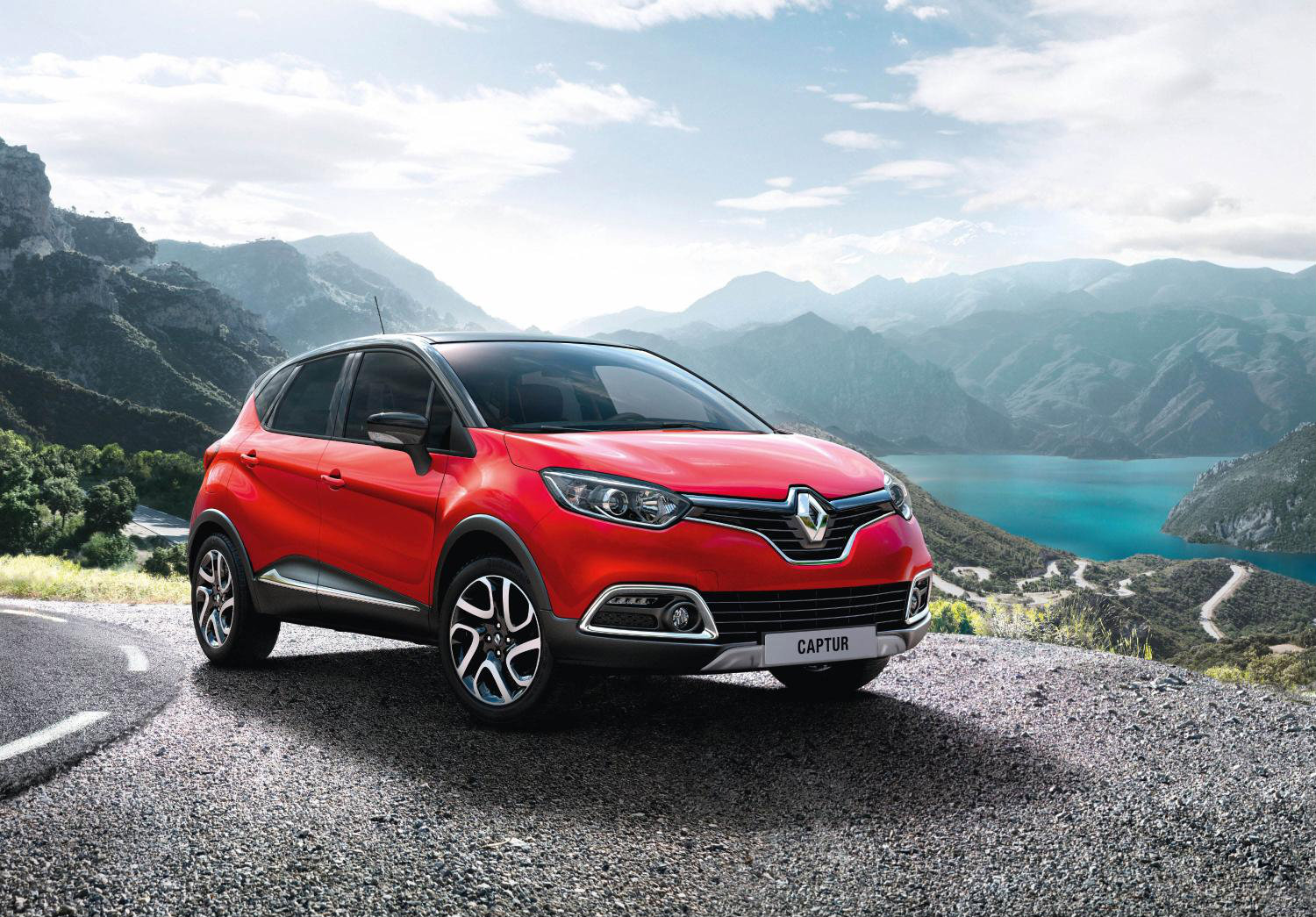
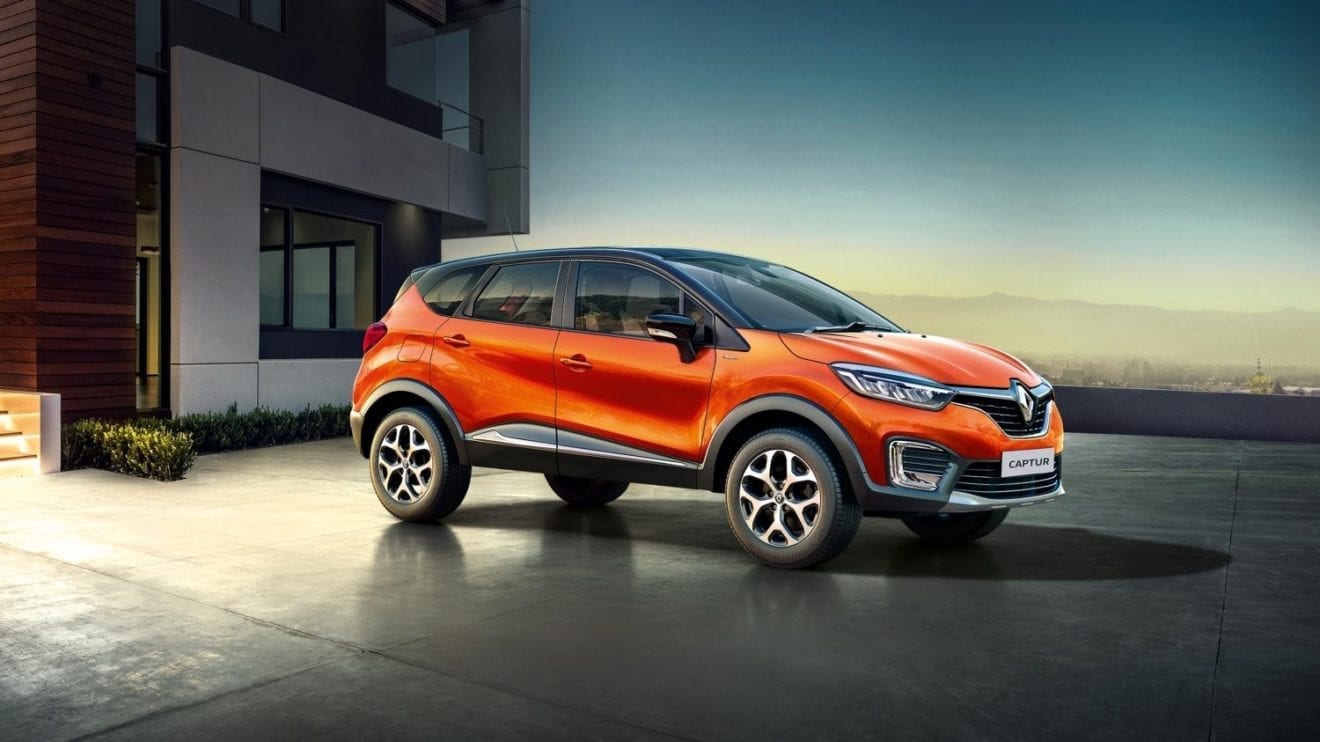
    Not everything has worked for Renault in India though. Cars like the Lodgy and the Capture have failed to pick up in terms of sales and establish themselves as strong contenders in their respective categories and Renault isn’t shying away from that reality. Bolloré explains, “The mistakes we have done sometimes, well, we have learned from that. We are quite humble you know, and we know it’s necessary, step-by-step, to understand, and to be better and better for sure, Triber is one key contributor.”

    There will be some other contributors, coming fast after the Triber which will help Renault achieve its set target for 2021.

  • Bajaj Triumph Alliance To Be Finalised In A Few Months

    Bajaj Triumph Alliance To Be Finalised In A Few Months

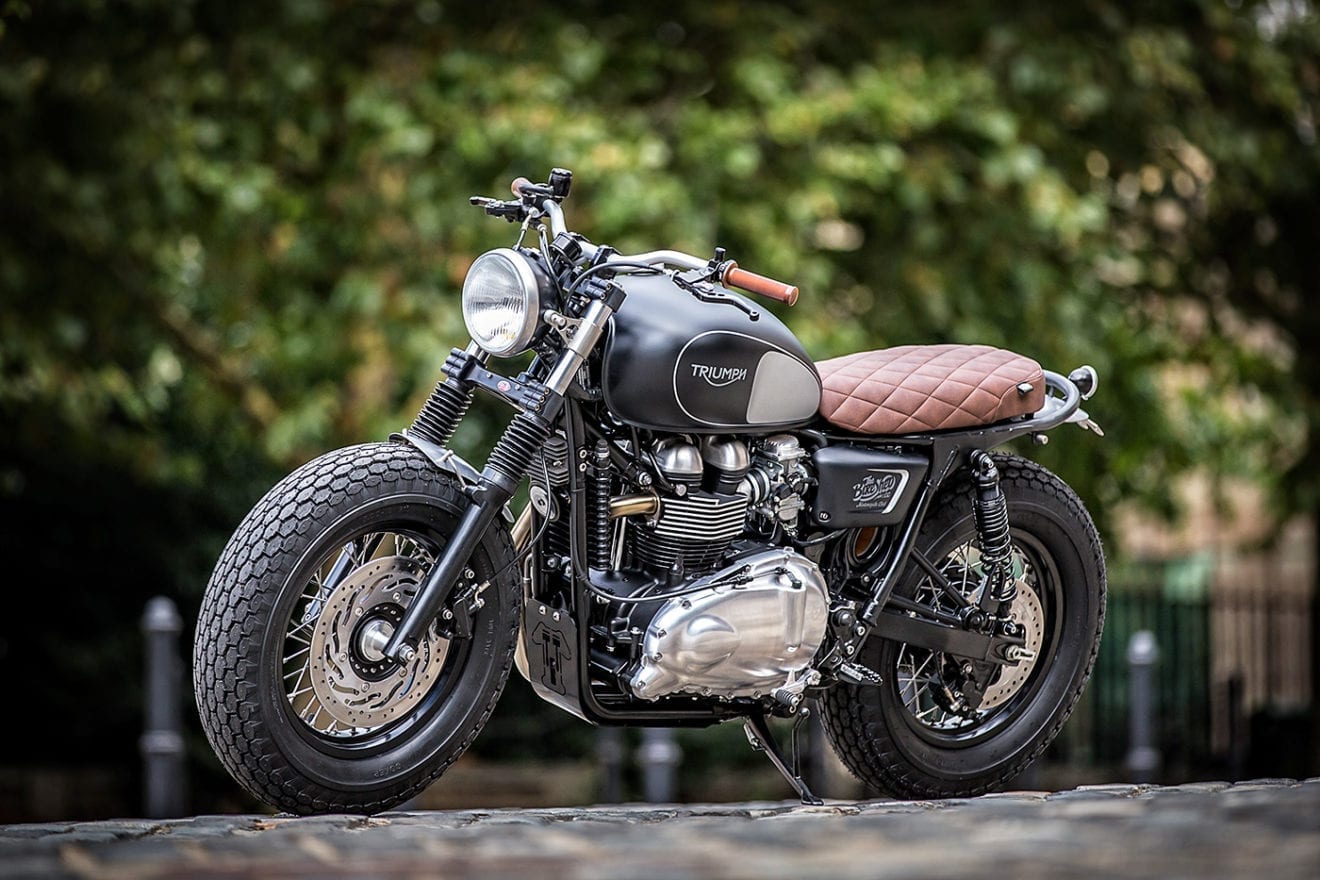
    Bajaj Auto Limited and British motorcycle brand Triumph Motorcycles are close to finalising the alliance that will see small displacement Triumph motorcycles to be manufactured by Bajaj and sold in India, and other markets. The alliance between the two motorcycle brands was announced almost two years ago, in August 2017, but now a senior official of Bajaj Auto has confirmed that the discussions between the two brands are at an advanced stage and will be finalised in a matter of months. However, the first Triumph motorcycle to be fully manufactured by Bajaj in India is still some time away, although sources have revealed that the development has been ongoing, and in fact, at an advanced stage, with the designs coming from Triumph’s headquarters in Hinckley and the engine and chassis development handled by Bajaj.

    Bajaj Auto’s Executive Director Rakesh Sharma has now said in an interview that the talks with Triumph are at an advanced stage, and a final agreement is expected to be reached very soon, maybe even before the year is over. So, that could mean we may well see some sort of a concept at one of the motorcycle shows later this year, with possibly a production model sometime by late 2020, or early 2021.

    What remains to be seen is what type of motorcycle the new Bajaj-Triumph alliance will develop. From all indications, and Triumph’s expertise and legacy of modern classic motorcycles, the first model from the alliance could well be a small displacement modern classic – something like a Triumph Bonneville with a 300-500 cc engine. While using Bajaj Auto’s manufacturing facility and supporting supply chain infrastructure, this new model could well be priced very competitively to take on established players like Royal Enfield, the global leader in the mid-size motorcycle space.

    In any case, Triumph has dabbled in building some small displacement prototypes in the past, targeted specifically at markets like India, which were shelved. These include a small Daytona-like sportbike, as well as a small displacement naked roadster, which never saw production. But we can’t rule such models out as well from the Bajaj-Triumph alliance, once manufacturing begins after the first product is launched.

  • BMW S 1000 RR Recalled Ahead Of India Launch

    BMW S 1000 RR Recalled Ahead Of India Launch

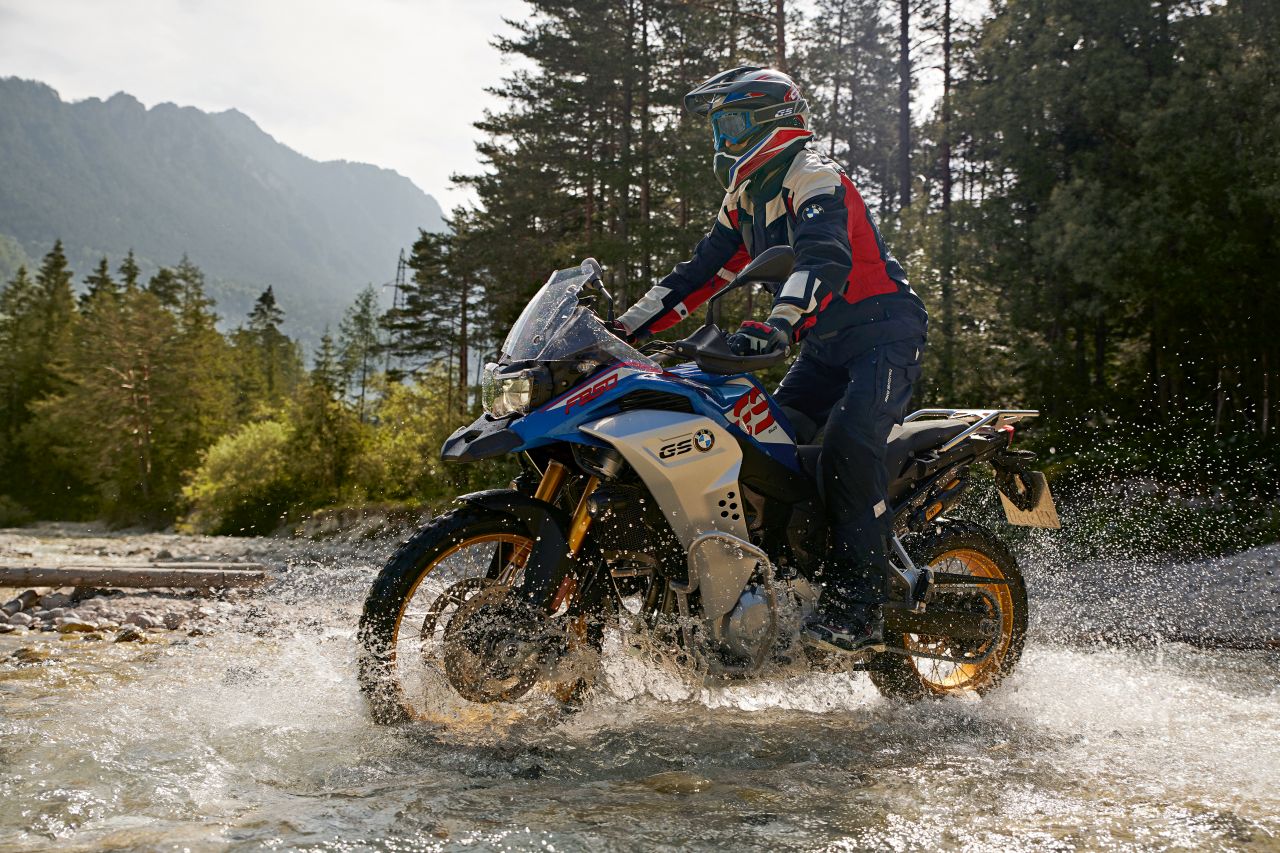
    The 2019 BMW S 1000 RR has had its first recall on a certain production batch in Europe, because of a problem in the gearbox. However, BMW Motorrad clarifies that only a certain batch has been affected, around 340 motorcycles in all, of which 113 are intended for the German market. Only a few of the recalled 340 motorcycles were delivered to customers, and these few customers have already been contacted by BMW Motorrad, a senior press spokesperson is quoted as having said. The issue is with a manufacturing tool which had an “unnoticed defect”, and as a result, an oil hole in the gearbox may not have been executed correctly, which could lead to gearbox damage in the long term.

    “We are now looking at all 340 of the S 1000 RR produced in the time. For those who were made with the help of that machine, we change the engine for safety’s sake,” press spokespersons Gerhard Lindner and Tim Diehl-Thiele are quoted as saying by Motorradonline. “The few customers who already have such a motorcycle are now contacted by BMW,” Lindner is quoted as saying.

    The 2019 BMW S 1000 RR will be launched in India on June 27, and the news may be disheartening for some prospective customers in India. But BMW Motorrad has clarified that only a limited number of motorcycles have been affected by the recall, “during about three weeks of production period” in May. Needless to say, BMW Motorrad has pro-actively issued a recall on the affected motorcycles, and the ones to be made available in India would have gone through a proper quality check before being shipped. Despite the recall, there is an unprecedented demand for the BMW S 1000 RR in Europe and BMW Motorrad is anticipating delays in delivery, owing to the high demand. In the UK alone, delivery may even be delayed in individual cases until the end of 2019.

    The 2019 BMW S 1000 RR is a completely new model, with updated design, new bodywork and a new engine with even more performance and new technology. The all-new 998 cc, in-line four-cylinder engine now puts out 204 bhp at 13,500 rpm with peak torque of 113 Nm kicking in at 10,500 rpm. The engine also sports BMW’s ShiftCam technology, essentially a variable valve timing system, which offers a wider range of torque across the rev range. Also new is an updated electronic suite, with separate riding modes, and a 6-axis IMU-aided cornering ABS, Dynamic Traction Control, Wheelie Control, and rear-wheel lift mitigation. An optional ‘M’ electronics package allows even more customisation of the electronics suite, including Race Pro modes. The 2019 BMW S 1000 RR is expected to be priced at around ₹ 20.5 lakh (ex-showroom).

  • Tata Tigor Subcompact Sedan Gets Two New AMT Variants

    Tata Tigor Subcompact Sedan Gets Two New AMT Variants

    Tata Motors today announced introducing two new AMT (automated manual transmission) variants for its popular subcompact sedan, Tata Tigor. So, in addition to the existing XZA, now the Tigor sedan will also come with a mid-level automatic XMA option and a top-of-the-line XZA+ variant. With this, save for the base model XE, all the variants of the Tata Tigor now come with the option of an automatic (AMT) variant. The XMA and XZA+ variants are priced at ₹ 6.39 Lakhs and ₹ 7.24 Lakhs, (ex-showroom Delhi), respectively.

    Commenting on the launch of the new variants, S N Barman, VP, Sales, Marketing & Customer Support, Passenger Vehicles Business Unit (PVBU), Tata Motors, said “In a constant effort to maintain our growth momentum, we continuously introduce advanced technologies in our products, fill white spaces and offer exciting product interventions to meet the growing aspirations of our customers. This strategy also includes continuously expanding and strengthening our automatic portfolio. We are confident that our customers will appreciate the perfect combination of practicality and convenience these new additions have to offer.”

    Both the Tata Tigor XMA and XZA+ variants will be available only in petrol options, powered by Tata’s tried and tested 1.2-litre Revotron engine. The 1199 cc, three-cylinder petrol engine is tuned to churn out 84 bhp and develop 114 Nm of peak torque and comes mated to a 5-speed manual gearbox, in addition to the optional AMT unit. The diesel variants, of course, get the 1.05-litre Revotorq 3-cylinder oil burner, making 69 bhp and 140 Nm torque, with the 5-speed manual unit as standard. However, Tata Motors has already confirmed that the engine will not make the shift to BS6, the more stringent emission norms that are set to kick in from April 1, 2020.

    As for features, being based on the XZ+ variants, the new XZA+ will come with all the bells and whistles like – the 7-inch touchscreen infotainment system with Apple CarPlay, Android Auto, along with an 8 speaker sound system by Harman, 15-inch diamond cut alloy wheels and auto-fold ORVMs with integrated LEDs. This is in addition to the dual chamber projector headlamps with chrome finish. The new Tata Tigor XMA variant will share its features-list with the mid-level XM trim, and features common to both variants include – driving modes, a Harman tuned music system with Bluetooth connectivity, reverse parking sensors, and foldable rear armrest with cupholders. Safety features like Dual Airbags, Anti-lock brakes, Electronic brake-force distribution, Corner Stability Control, reverse parking sensors, speed-dependent automatic door locking and engine immobilizer are also on offer.

  • Hyundai To Bring N Performance Brand To India

    Hyundai To Bring N Performance Brand To India

    In a bid to create excitement around its brand, Hyundai Motor is set to bring the N brand to India. N is the performance division of Hyundai worldwide, and works with Hyundai motorsport too. All N badged cars are the higher performance versions of the production models they use as their base. The plan for India is two-pronged though, given that India remains a price sensitive market – and also the limited demand for hard core performance cars. And so while some N cars will be brought in to create a flutter and build image, they may not be sold through the regular retail channel. Those cars will help build aspiration and instead Hyundai will eye volumes from what it calls the N-Line range of products. It is likely we shall see some N products at the 2020 Delhi Auto Expo, with an official announcement for the brand’s India launch as well.

    Hyundai has already carried out some customer clinics for the N and N-Line cars in India. While it is still early days, the initial feedback for the N-Line range is very positive. Sources within the company have exclusively told carandbike that there is a move to see how the N brand could be used to further penetrate the Indian market. The target would be younger buyers and hence the two-pronged approach to justify the investments needed to bring N to India.

    The N-Line feature stock cars with some minor tweaking to enhance performance, but much visual embellishment – like spoilers, side skirts, aggressive bumpers and of course the requisite stickers, and badges. These are more variants than standalone different models. A full fledged N car would also sport a proprietary N engine that’s specially developed for use only by the N range. N-Line cars feature the same engines as the regular model but with some extra power or torque on offer, as also the most powerful engine that model like has to offer.

    The first N production model was the Hyundai i30 N and now the range also includes the i30 Fastback N and the Veloster N. The latter has especially impressed with its performance credentials. The N-Line range includes the i30 N Line, i30 Fastback N Line, and Tucson N Line. There are unconfirmed plans afoot to also look at an N version of the i20 (likely with the next generation only) as well as adding N-Line variants for cars like the Kona, and Creta. It is these models that would hold interest for the Indian market.

    Maruti Suzuki has attempted to bring a performance range to India with its RS range – albeit halfheartedly. The Baleno RS simply sports the company’s 1.0 boosterjet engine – which is sold as the stock Baleno engine in most other markets. The car also does not have many obvious visual or styling cues to separate it. Volkswagen has also launched the Polo GTrange and subsequently the truly high performance GTI – but both have met with limited success. Hyundai N and N-line cars are offered in specific paint schemes and with more styling elements – which may be the advantage for them when they launch.

  • Jeep Compass Trailhawk Bookings Start In India

    Jeep Compass Trailhawk Bookings Start In India

    FCA India today announced that it has opened bookings for the Jeep Compass Trailhawk. Customers can now book the Trailhawk at a fully refundable ₹ 50,000 at any of the 82 FCA all-brand showrooms across 70 Indian towns and cities. The Trailhawk is the first Made-in-India Jeep to have earned the coveted Trail Rated badge, a global benchmark that is given to Jeep 4×4 SUVs which are developed to have much superior off-roading capabilities compared to regular 4×4 Jeep models

    The Trailhawk gets an anti-glare decal on the hood which ensures the sun does not hamper the driver’s visibility; the front bumpers are redesigned and are now devoid of the aerodynamic overhang. The air dam has been provided at the bottom of the front bumper for enhanced air intake. The Trailhawk also comes with the comfortable frequency damped suspension, albeit has ground clearance much higher than the regular Compass to aid extreme on- and off-road conditions. The Compass Trailhawk monograms on the front and rear are now matte, neutral grey and the 7-slots in the grille also gets matte, neutral grey frames. The Trailhawk is given a tow hook at the rear which makes it capable of pulling out a stuck vehicle

    Announcing bookings open, Kevin Flynn – President and Managing Director, FCA India said, “The Trailhawk is a product which is developed for customers looking for a hugely capable and exclusive SUV in the compact category. It is the first compact SUV to be offered the BS VI turbodiesel engine, nearly a year before the new emission norms come into effect and, it is the only compact SUV which comes with a 9-speed automatic transmission.”

    Under the hood, the Trailhawk gets a 2-litre turbodiesel engine is re-engineered with additional technology to make it fully compliant with the BS 6 norms which come into play on April 1, 2020. As the engine will be available in all Trailhawks nearly one year before the norms become effective, it uses urea technology that will ensure peace of mind for customers. This means that the BS VI engine is capable of running on BS IV diesel until BS VI diesel is widely available in the country.

  • Renault Kwid Sales Cross The 3 Lakh Mark

    Renault Kwid Sales Cross The 3 Lakh Mark

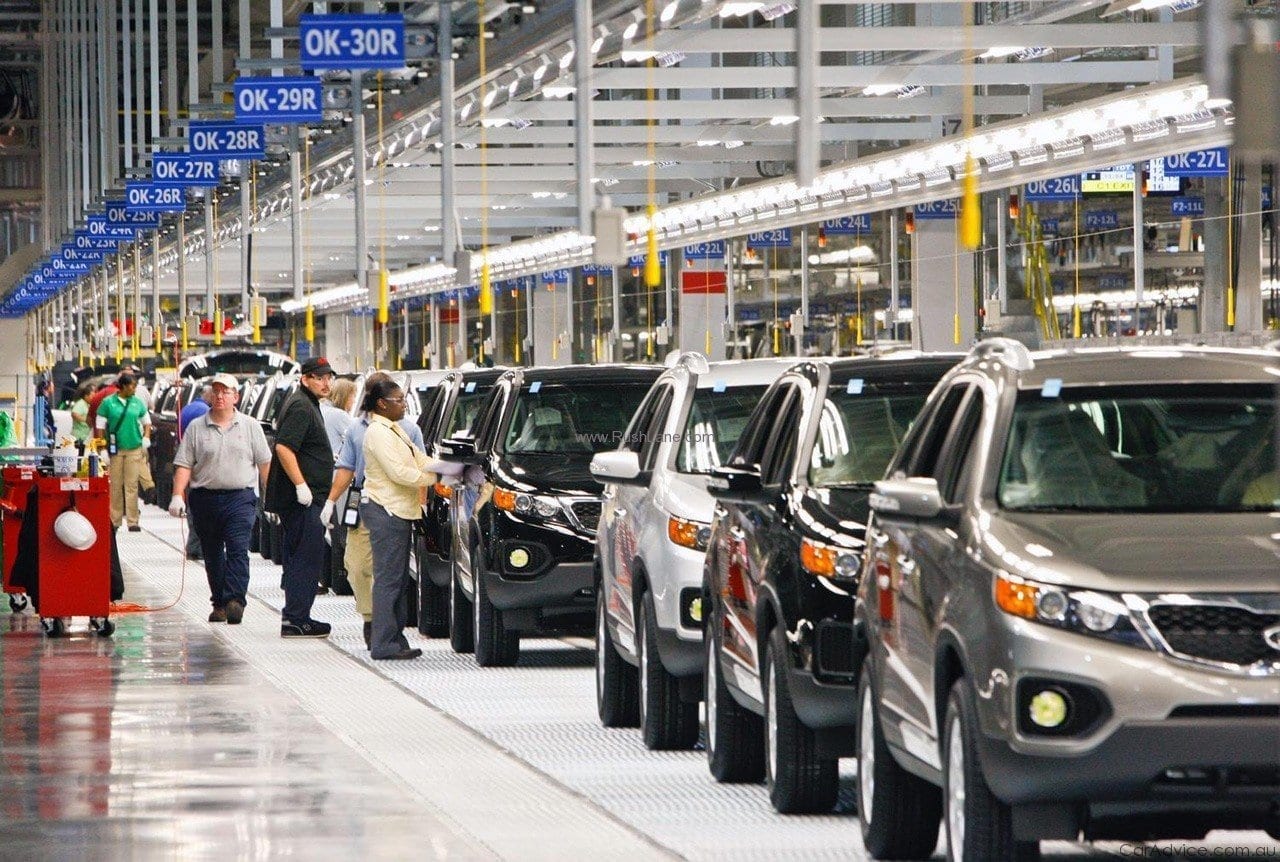
    Renaut India has achieved a new milestone with its best-seller – the Kwid – crossing the three lakh sales mark. The entry-level hatchback was first launched in 2015 and was game-changing offering from the French automaker, taking on the market leader Maruti Suzuki’s Alto in the segment. Over the years, the Renault Kwid has been appreciated for its novel design, segment-first features and roomy cabin, while the automaker time and again introduced updates to keep the model fresh amidst competition.

    The Renault Kwid’s three lakh sales milestone is certainly impressive and translates to an average of about 10,000 units every month. It also helps that the hatchback is completely localised in India with 98 per cent local content going in, which makes for a highly competitive price tag. With respect to features, the Kwid was the first model in its space to get a 7-inch touchscreen infotainment system and was later updated with Apple CarPlay and Android Auto. It also gets a segment-first all-digital instrument console, speed-sensitive volume control, one touch lane indicators and more.

    The Renault Kwid though has been widely appreciated for its SUV-inspired design that makes it look like an apt sibling to the Duster in the company’s stable. The tall riding stance not only offers better road presence to the driver but also opened more space in the cabin. With respect to engine options, the car uses 0.8-litre motor with 53 bhp and 1.0-litre motor with 67 bhp under the hood, paired with a 5-speed manual or AMT unit.

    In addition, the Kwid is now compliant with the new safety norms and comes with a driver’s side airbag, ABS with EBD, speed alert system, passenger seatbelt reminder and ISOFIX for child seats as part of the standard kit. A comprehensive facelift to the Kwid is also expected to arrive later in the year.

    The Renault Kwid is based on the CMF-A platform and the automaker will be introducing a new seven-seater offering based on the platform. The Renault Triber has been teased already and is set for an unveil later this month. The launch slated for July this year. In addition, the Renault line-up will be getting the BS6 upgrades ahead of the April 2020 deadline.