Tag: india

  • India’s Auto Parts Makers Warn Of 1 Million Job Cuts

    India’s Auto Parts Makers Warn Of 1 Million Job Cuts

    India’s auto parts industry could be forced to slash a fifth of its five million or so workforce if the slowdown in vehicle sales continues, the president of the country’s largest industry group for auto parts makers said. India’s auto industry is in the middle of one of its worst slumps. Passenger vehicle sales fell 18.4 percent in the first quarter, and monthly passenger vehicle sales in June fell by the biggest margin in 18 years. The slump has prompted automakers to cut production and automakers and parts makers to cut jobs.

    The drop in production “has led to a crisis like situation in the auto component sector,” Ram Venkataramani, president of the Automotive Component Manufacturers Association of India (ACMA), said in a statement late on Wednesday. “If the trend continues, an estimated 1 million people could be laid-off.”

    The slump in the auto sector, which accounts for nearly half of India’s manufacturing output, has been a major factor behind the slide in economic growth to a five-year low earlier this year.

    Speaking to NDTV about the present condition of the auto industry, Jagdish Khattar, former Managing Director, Maruti Suzuki said, “The employment related to the automobile industry, direct and indirect is 35 million, which includes transportation, insurance, finance, dealership network, service, spare parts and all that. So, it’s a huge employment and not couple of million. The total output is ₹ 8.30 lakh crore.

    He added further, “The impression is manufacturers are big names, the fact is 70-80 percent of the production of the components comes from small and medium industries. Two years back, we used to have 40 per cent diesel vehicles. Today it is less than 20. Rural areas used to have 30-40 per cent sales. The rural areas are distressed today. With Euro6, the industry has invested over a lakh and fifty thousand crore. However, Euro6 hasn’t even come yet and we are talking about electric vehicles. Euro6 will increase the prices of cars, and the Supreme Court has said that you have to take three years of insurance. I mean, everything has gone wrong as this industry is concerned. Yes, it is not the only industry, others have also been affected but this industry has a very major role to play in manufacturing, employment etc.”

    “If the government was to reduce GST, it will not make much of a difference. There are far too many things. The economy should grow, people’s confidence should grow. People are losing jobs. If I’m losing a job, am I going to buy a car? No, I’m going to wait for it,” he said. Khattar also pointed out congestion, pollution, parking charges as some of the other factors against people buying new cars.

    Venkataramani said investments in the auto sector have been frozen due to a lack of government clarity on its electric vehicles (EVs) policy. He said a government plan to speed up the rollout of EVs would raise India’s import bill and damage prospects for auto components manufacturers.

    Venkataramani also called for a cut in the goods and services tax for the vehicles and auto component sector.
  • Nissan India Lays Off Over 1710 Employees As Part Of Global Exercise

    Nissan India Lays Off Over 1710 Employees As Part Of Global Exercise

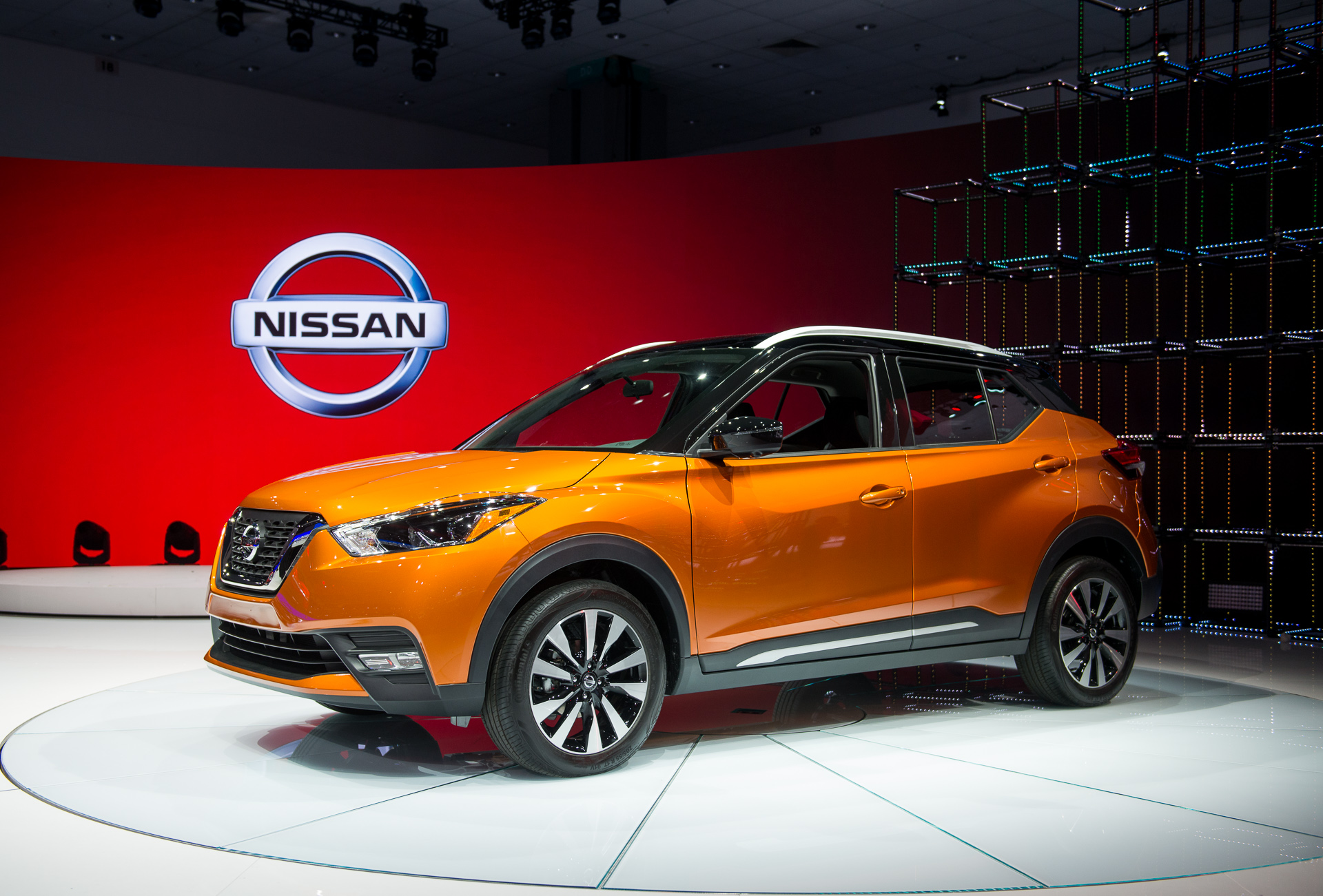
    Japanese auto giant Nissan announced earlier this week that it will downsize its workforce globally by firing 12,500 employees. This includes the manufacturer’s India operations as well. A report by ETAuto now states that over 1700 employees from the Indian subsidiary will be axed from the company, contributing 13.68 per cent to the total job cuts. However, Nissan India has clarified that the downsizing process has been completed in India and was a part of the 2018-19 financial year.

    Back in September 2018, Nissan India had announced the Employee Voluntary Separation Scheme for its employees and this was part of the global downsizing exercise, according to the company. The manufacturer did say at the time that it was letting go manpower from its manufacturing vertical, where the need was less and instead would be looking to hire people for expanding the R&D efforts. carandbike reached out to Nissan for a quote on the layoffs but the manufacturer offered “no comments” on the matter.

    As part of the global downsizing or right-sizing exercise in FY2018-19, Nissan laid off over 1420 employees in the US, over 1000 employees from Mexico, 830 in Indonesia and about 880 employees from its two manufacturing facilities in Japan, according to the data provided by the company. That’s about 6400 employees being fired in the first phase of layoffs, while the company will further reduce its direct workforce by over 6100 personnel across six additional sites between FY2020-FY2022.

    The massive restructuring plan comes amidst a massive fall for the Japanese carmaker volumes and profits. The company’s profits plunged 98.5 per cent to 1.6 billion yen ($14.80 million) for the first quarter of FY2019-20, it’s worst since the loss in the March 2008 quarter during the global recession. Moreover, an ageing product portfolio, slowdown in several key markets including Japan, the US and China have further added to the company’s woes.

    Announcing the layoffs at the Quarterly Results press conference this week, Nissan – Chief Executive Hiroto Saikawa said that it was mainly targeting sites where the brand made investments to produce compact cars as part of the Power 88 plan. The plan was implemented globally in 2011 to revive sales that saw Nissan introduce 51 new car models with focused efforts to increase presence in emerging markets like India and Russia. The automaker also revived the Datsun brand as its new entry-level car brand to take on big wigs like Maruti Suzuki. However, Datsun barely managed to make a dent in the volume-friendly small car segment, which turned out to be big disappointment for the manufacturer. Apart from the workforce, Nissan will also axe its low performing products to realign costs and this includes a number of compact cars, possibly including those sold with the Datsun badge.

    That said, India still remains a key market for Nissan. The carmaker has massively invested in its Oragadam-based facility along with partner Renault and still exports a major chunk of its production from the country. The alliance has collectively invested over ₹ 45 billion over the past seven years and the plant has an installed production capacity of 450,000 units per annum. The company currently holds a 0.75 per cent market share in India.

  • Tata Motors To Launch Three New Models In India By 2021

    Tata Motors To Launch Three New Models In India By 2021

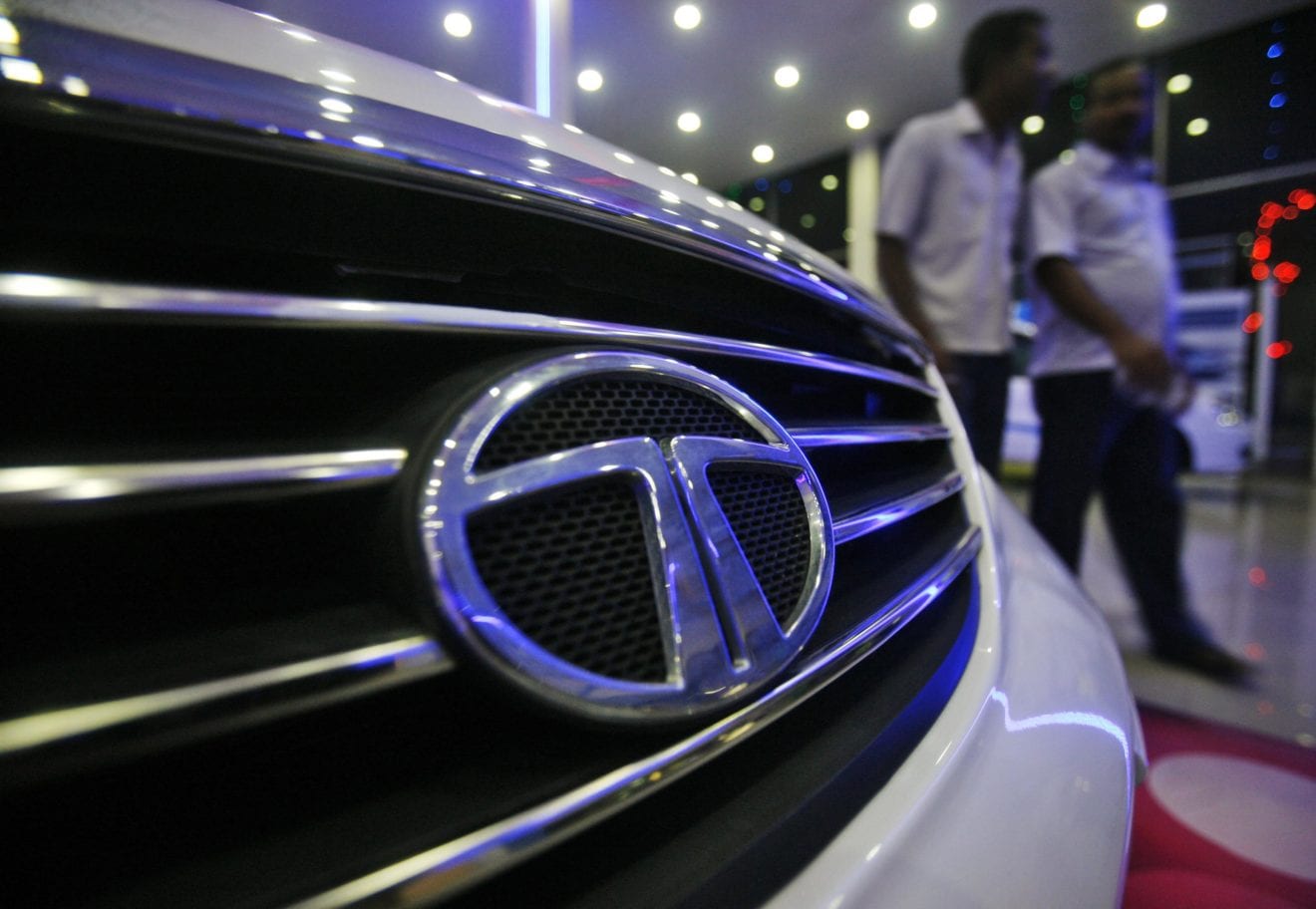
    The imminent one, of course, will be the Altroz premium hatchback which was unveiled at the 2019 Geneva Motor Show and is slated to be launched this year, close to the festive season. The H7X or Buzzard which is the seven-seater version of the Harrier was also unveiled at the Geneva Motor

    Show this year and has been spotted testing several times in India. Tata Motors is planning to launch the H7X in India in the first quarter of 2020. The H2X or the Hornbill subcompact SUV which will be the youngest one to adorn this design language will follow the cycle and is expected to be launched in the last quarter of the calendar year 2020. The H2X is still in its concept stage and is expected to be introduced to the market in 2021.

    All of them will also be exported to foreign markets alongside being on sale in India. Other than these all-new models, the Tiago hatchback, Tigor subcompact sedan and Nexon subcompact SUV are also due for a facelift. The facelifted models will also be inspired by the Impact 2.0 design and get similar design cues. The Tiago and Tigor facelifts are already in works and will go on sale this year while the Nexon is expected to get a facelift next year, given the product’s lifecycle.

    The company says that the design ethos are categorized under the 3 Ex’s and 3 In’s which reflects on the exterior and interior design respectively. The exterior design features have an integral part in deciding the proportions, surfaces and details of the Harrier and also of all the other upcoming models based on the IMPACT 2.0 design language while the interior aspects have helped making the cabin spacious, plush and ergonomically usable.

    The IMPACT design philosophy is also up to the task when talking safety and the Nexon is definitely the best example, being the first and only made-in-India cars to have bagged five stars in the Glocal NCAP crash test. Tata Motors claims that the Harrier along with upcoming products will take the safety legacy ahead accompanied by several safety features.

  • Piaggio India To Deliver 30 Hopper Vehicles To Jodhpur Nagar Nigam

    Piaggio India To Deliver 30 Hopper Vehicles To Jodhpur Nagar Nigam

    Piaggio India has announced that it will be delivering 30 hopper vehicles to Jodhpur Nagar Nigam for waste collection. The small commercial vehicles manufacturer has said that it will deliver a mix of Ape’ Xtra LDX (three-wheeler) and Porter (four-wheeler) range of vehicles to the City’s Municipal Corporations. These vehicles will essentially be used for collecting door to door garbage from few wards in Jodhpur. The 1st batch of the 3W hopper vehicles was handed over to the officials of Jodhpur Nagar Nigam by Pankaj Jain, Dealer Sushila Auto, Jodhpur.

    Speaking on the occasion, Malind Kapur, Sr. VP of Marketing Piaggio Vehicles said, “We are extremely happy to partner with Jodhpur Nagar Nigam to provide our hopper vehicles. We are glad that the Jodhpur Municipal authority gave us this opportunity. At Piaggio, we are committed to providing best in class offerings to our customers. Ape’ Xtra LDX offers better payload carrying capacity, with excellent mileage and Porter has compact dimensions, great load capacity and best in class fuel efficiency. Piaggio understands the needs of its customer and hence the vehicles are designed in a manner where the customer can customize the product to suit specific applications. ”

    Piaggio says that these special-purpose Ape’ Xtra LDX and Porter vehicles have been designed to collect both wet and dry waste, and these hopper vehicles will be used in municipal ward numbers 12, 17, 18 and 19. The Municipal Corporation has already started using the first set of vehicles that were delivered to them. One hopper vehicle is used to collect garbage from 800 houses that are located in a single ward.

    Commenting on the new order for Jodhpur Nagar Nigam, Saju Nair, EVP & Head of the Commercial Vehicle Business, Piaggio India said, “Our special purpose vehicles are well designed and can be used by various government organizations for the Swachh Bharat mission. We are happy to partner with Jodhpur Nagar Nigam and with this PPP (Public-Private Partnership) we want to create awareness towards a cleaner and greener Jodhpur. We are looking forward to a meaningful and long-lasting partnership with Jodhpur Nagar Nigam.”

  • AirAsia India announces new routes

    AirAsia India announces new routes

    AirAsia India is on an expansion spree. the budget carrier will start operating daily direct flight on the Delhi-Chandigarh route from 1 August onwards. The launch fare on Delhi-Chandigarh route is ₹1,365, the airline mentioned. The flight would leave from Delhi at 10.40 am every day and would reach Chandigarh at 11.50 am. The return flight would depart from Chandigarh every day at 12.50 pm and arrive at the Delhi airport at 1.55 pm, the low-cost carrier said.

    The airline will also be introducing fourth additional flight on the New Delhi-Bengaluru route from 5 August onwards. The airline currently runs three flights daily on the New Delhi-Bengaluru route.

    As part of expansion plans, AirAsia India is likely to launch international services by September-October with flights to destinations in South East Asia, including Malaysia and Thailand.

    Air Asia India, which started operations in June 2014, is a joint venture between Tata and AirAsia Berhad. It currently operates 164 flights a day, covering 19 destinations and carrying over 25,000 passengers.

    GoAir is also expanding its operations with five new international services to the Gulf region, two to Bangkok and eight new domestic services. GoAir’s new international services are Delhi-Abu Dhabi, Mumbai-Abu Dhabi, Mumbai-Muscat, Delhi-Bangkok, Kannur-Dubai, Mumbai-Bangkok and Kannur-Kuwait routes.

    GoAir is expanding its India operations from Hyderabad with eight new flights covering cities like Cochin, Chennai, Jaipur, Bengaluru, Chandigarh and Patna.

  • Luckin Coffee plans expansion into India and Middle East

    Luckin Coffee plans expansion into India and Middle East

    China’s Luckin Coffee wants to expand into India and the Middle East.

    The company has signed a memorandum of understanding to create a joint venture with Kuwait-based Americana Group which will open stores across the Greater Middle East and India. No further details have been released, according to Reuters.

    Luckin, which sells coffee by app from a fast-growing network of stores and pick-up points across China’s main cities, raised US$561 million by listing in the US in May. It says it will open 2500 stores this year.

    Americana Group operates 1800 restaurants and 29 restaurants and food factories in the Middle East. It has franchises for a raft of fast-food and quick-service restaurant brands including KFC, TGI Fridays, Pizza Hut, Hardees, Baskin Robbins, Costa Coffee, Krispy Kreme, Red Lobster, Grand Cafe, Maestro, Longhorn Steakhouse and Chicken Tikka.

    It operates in 20 markets and boasts a payroll of 60,000. Besides the Middle East, the company has KFC and Pizza Hut stores in Kazakhstan and KFC stores in Morocco.

    “This collaboration represents Luckin Coffee’s first step toward bringing its leading products from China to the world,” said Luckin Coffee founder and CEO Jenny Qian Zhiya in a statement.

    Earlier this month, the hitherto coffee-focused company announced it would launch a tea brand, Xiaolu.

  • Uniqlo India set to open first three stores

    Uniqlo India set to open first three stores

    Uniqlo India is counting down to the launch of its first three stores in India.

    The Japanese fast-fashion retailer first announced plans to open in India in late 2017 and it has taken more than 18 months to secure necessary approvals, locations and prepare operations.

    The stores will open in Delhi-NCR, with the first 35,000sqft outlet due to start trading in three months’ time. The move is part of the brand’s global strategy to gain ground on rival brands Zara and H&M.

    “The opening of our first store, Uniqlo Ambience Mall Vasant Kunj, followed by a second and third store a little later represents a significant step in our company’s global strategy,” said Uniqlo founder and Fast Retailing chairman, president and CEO Tadashi Yanai.

    A Uniqlo India spokesperson added: “Given the size and fast growth of the Indian market, the launch will for the first time involve three separate stores to be able to offer LifeWear to as many people as possible”.

    “We have to do the best price point based on our quality,” said the firm’s head of research & development Yuki Katsuta. “I have confidence in our price and also our value. Of course, we know, maybe our price point is slightly more expensive than your local market. People feel that it’s a little bit more expensive to what they’re used to buying. But at the same time, we have confidence that once they buy it we don’t let them down.”

    Uniqlo India has been helped by the government’s relaxation of sourcing restrictions for single-brand retailers, which currently stand at 30 per cent mandatory local sourcing.

  • Indian fashion house Ritu Kumar looks to raise $20 million

    Indian fashion house Ritu Kumar looks to raise $20 million

    Indian apparel label Ritu Kumar is seeking a cash injection of up to US$20 million.

    The firm will branch into new retail segments such as home furnishings and accessories.

    “We are in the market this year looking for another injection, a larger injection than last time,” said Ritu Kumar MD Amrish Kumar. “Also, [private equity firm] Everstone is coming to the end of their cycle, so they will be looking for an exit sometime soon.”

    Everstone invested $14.5 million in Ritu Kumar five years ago. The firm currently operates 90 outlets under three designer labels.

  • India’s Ferns N Petals launches in Singapore

    India’s Ferns N Petals launches in Singapore

    Indian flower-and-gift retailer Ferns N Petals has launched in Singapore, planning to offer gift deliveries for special occasions.

    The company hopes Singapore will provide it with an opportunity to grow awareness and increase its customer base across Southeast Asia.

    Customers can place orders from the website already, with a mobile app to be launched soon.

    “Expansion is the ultimate aim of a business and for us at Ferns N Petals. The vision is to expand across Southeast Asia and the Middle East,” said Pawan Gadia, CEO, retail & online at Ferns N Petals.

    “After making our venture profitable in the UAE, we are now eyeing the Southeast-Asian market, starting with Singapore.”

    With 25 years of experience, Ferns N Petal has more than 330 retail outlets across India and the UAE.

  • Reliance to launch Tory Burch, Tiffany in India

    Reliance to launch Tory Burch, Tiffany in India

    Reliance Brands is launching two of its US brands – lifestyle label Tory Burch and jeweller Tiffany & Co in India.

    The brands will set up shop at Jio World Centre mall in Mumbai in April next year.

    The move is Tiffany & Co’s third attempt to establish a presence in India, following a growing network of international locations already set up in China, Australia, Canada, France, UK, Hong Kong, Japan, and the UAE. Tory Burch is primarily sold at specialty stores worldwide, including Saks Fifth Avenue, Harrods, Bergdorf Goodman, Bloomingdale’s and Nordstrom.

    Reliance Brands already retails several luxury labels in the territory, including Ermenegildo Zegna, Brooks Brothers and Bally.

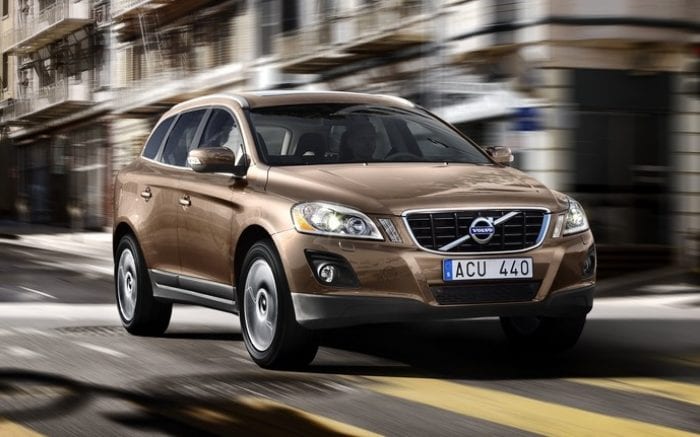
  • Volvo S60 And V40 Discontinued In India

    Volvo S60 And V40 Discontinued In India

    Volvo Auto India has finally pulled the plug two of its oldest models in the domestic line-up. The Volvo S60 sedan and the V40 hatchback have been discontinued in India, along with their cross country versions. The cars have also been de-listed from the company’s website. The Swedish automaker has confirmed the development. With both the cars already discontinued globally, it was only time that they would go off sale in India too. Volvo imported these cars as Completely Built Units (CBUs), which means they adhere to the global lifecycle. While the cars have been discontinued, certain dealers do have an example or two of the older generation S60 in their inventory.

    So, when do we see the new Volvos then? Well, not for a while actually. The Volvo V40 will be discontinued globally by the end of this year and will not have a direct replacement. Instead, a new SUV coupe likely to be positioned below the XC40 and will replace the hatchback instead. Power is expected to come from petrol, hybrid and electric options on the new offering. The V40 replacement will be based on the automaker’s Compact Modular Architecture (CMA) platform that also underpins the XC40 SUV.

    On the other hand, the next generation Volvo S60 has already been revealed globally and is based on the automaker’s new Scalable Product Architecture (SPA) platform that underpins the new and larger cars from the automaker. The new generation S60 was expected to go on sale this year in India but the launch has been postponed to 2020, according to the company. The new S60 is likely to be locally assembled when it arrives in India, like the other models based on the SPA platform including the S90 sedan, XC60 and the XC90 SUVs.

    The outgoing Volvo S60 arrived in India in 2011 and helped the brand grow amidst the German offerings. The Volvo V40 arrived in India in 2013 in the Cross Country guise, and was the brand’s most affordable offering till the standard version was launched later. Currently, it is the Volvo XC40 that is the brand’s most affordable offering in India. The company’s newer models have also been able to help the brand grow immensely in recent times. Volvo India registered a 11 per cent increase in volumes for the first half of 2019, quite contrary to the lull period that the Indian auto industry is going through.

  • Everstone to sell Burger King India franchise

    Everstone to sell Burger King India franchise

    Singapore-based private equity firm Everstone plans to sell its Burger King India franchise.

    The firm is reportedly in advanced discussions with Rahul Bhatia-controlled InterGlobe group to sell the franchise a deal worth US$204 million.

    The fast-food chain operates 140 outlets, spread across cities in north, west and south India. Last year, its sales reached $54 million.

    Everstone has managed Burger King India since 2013, along with Coffee Bean & Tea Leaf, Copper Chimney, Bombay Blue and Noodle Bar in India.

    The discussions between the two parties come at a time when Bhatia is in dispute with Rakesh Gangwal over their flagship airline IndiGo.

  • Nexstgo to open 50 stores in India

    Nexstgo to open 50 stores in India

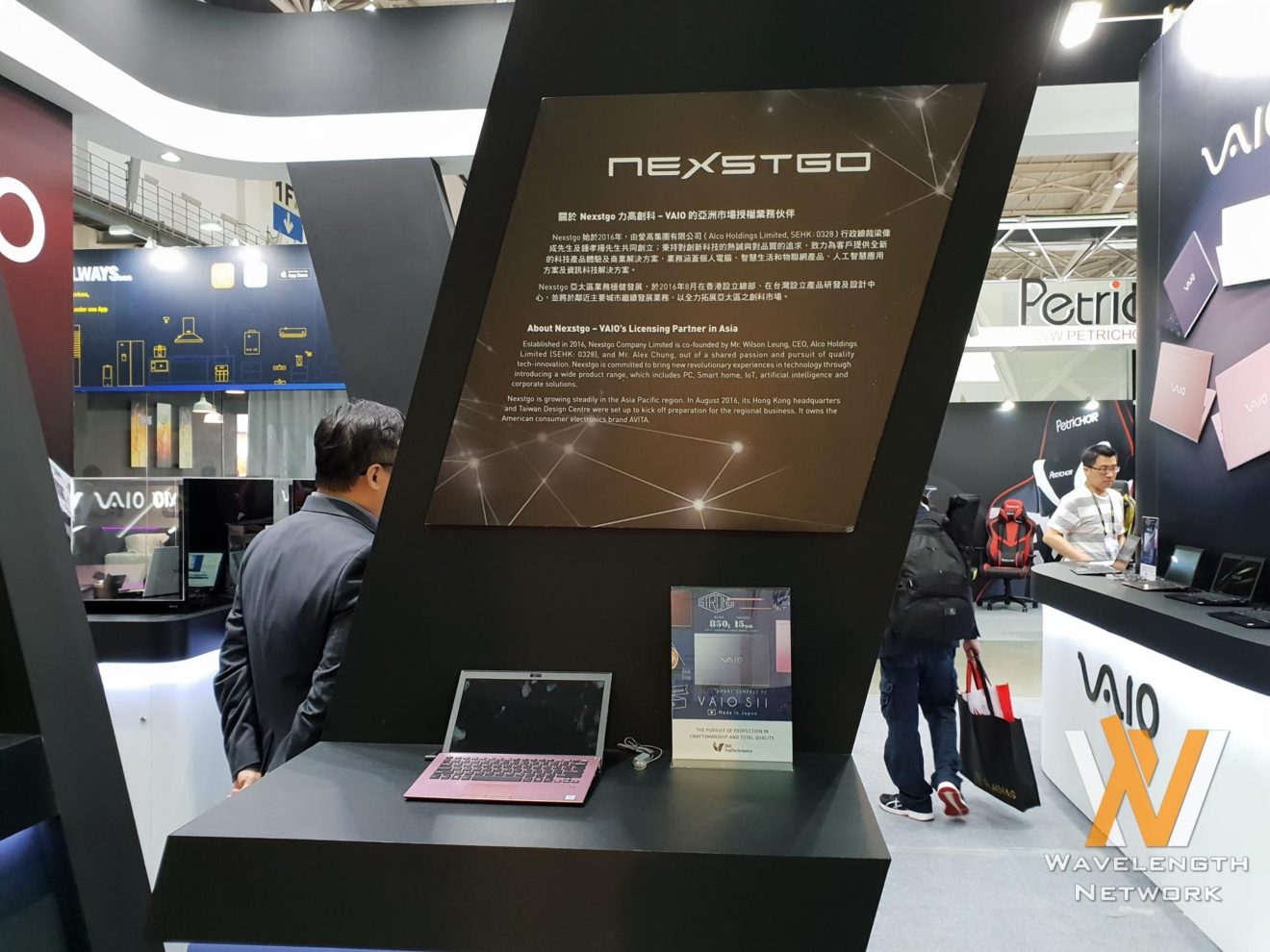
    Hong Kong electronics producer Nexstgo is launching 50 stores in India.

    The brand entered the market last year selling Avita and Nexstgo-branded computers online and through retail stores in Delhi, Ambala, Chennai and Jaipur. It is currently targeting laptop sales at one lakh (US$1450) this year.

    “We have seen a tremendous response so far and by the end of the year, we are confident of crossing the one-lakh device mark,” said Nexstgo Company CEO and co-founder Alex Chung.

    “We are also in the process of expanding our retail presence, we are looking at 50 exclusive brand stores.

    “We are looking at adding two new products to our portfolio by Diwali this year across the country… We aim to have an omni-channel presence to maximise our visibility with an equal focus on offline and online sales,” he added.

    Nexstgo also plans to expand into the Middle East and Europe by the end of this year. It currently operates in nearly a dozen countries around the Asia region.

  • Indonesia’s Wake Cup Coffee & Eatery makes Indian debut

    Indonesia’s Wake Cup Coffee & Eatery makes Indian debut

    Indonesian coffee chain Wake Cup Coffee & Eatery has launched in Mumbai.

    The franchise opens in India in partnership with local franchisee Gobble Me Good, its first international location after opening 13 outlets back home.

    The firm is the newest player in India, the world’s 10th fastest-growing coffee market currently valued at ₹2570 crore (US$374 million), according to a recent Euromonitor International report that estimated industry growth at 6.9 per cent a year by 2023.

    “Consumers frequenting cafes in India are primarily 18-35 years old, which comprises the country’s primary working force with higher disposable income and fast-paced lives,” said the

    Large food companies such as local giant ITC are also making moves in coffee retail to compete with the likes of Nestle and Unilever.

  • Triumph Mumbai Dealer Demo Bikes On Sale With Hefty Discounts

    Triumph Mumbai Dealer Demo Bikes On Sale With Hefty Discounts

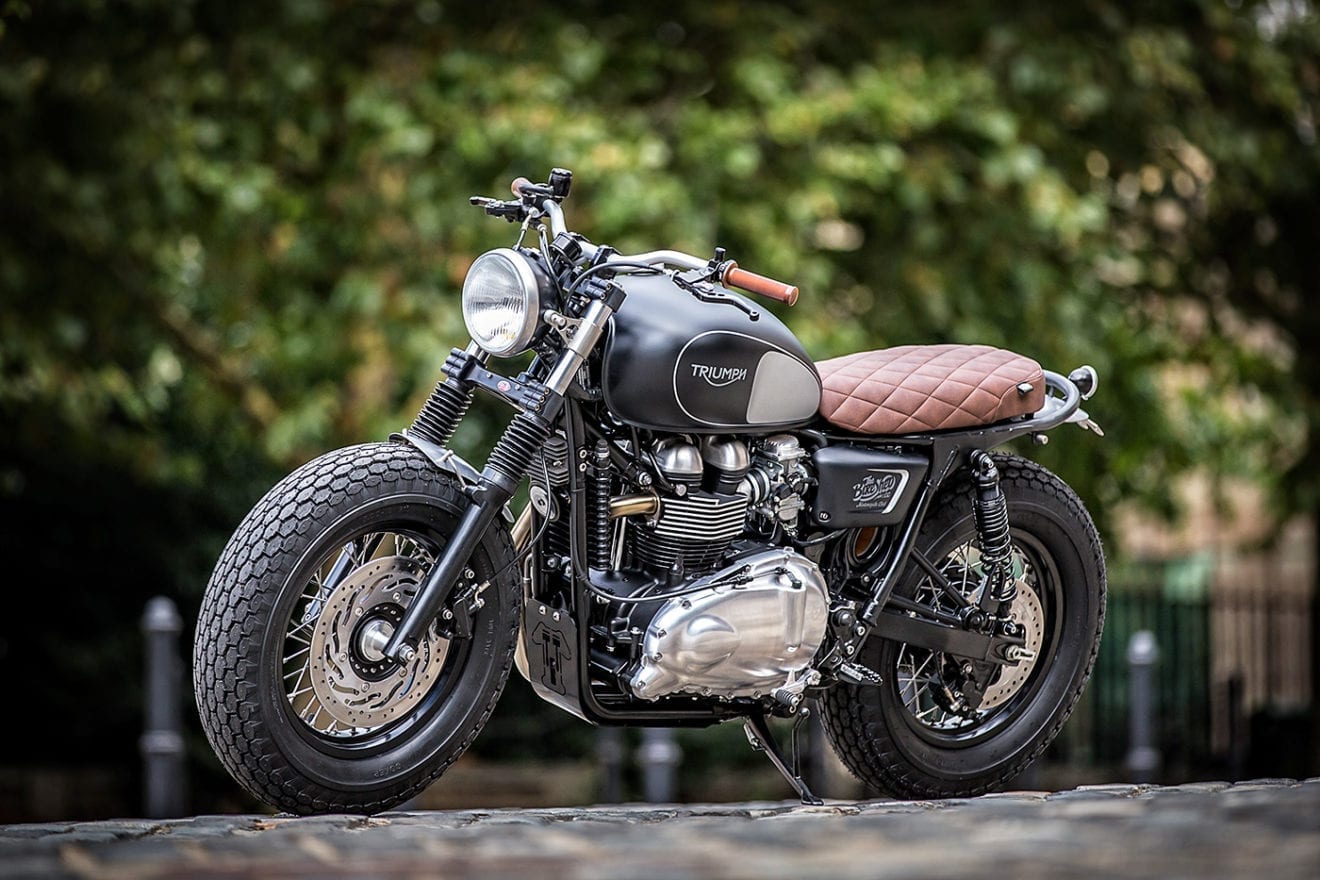
    Triumph Motorcycle India’s Mumbai dealer is offering its demo bike line-up to potential customers at heavy discounts. The bikes range from the Triumph Bonneville T100, Street Twin, Street Triple, Tiger XCx, and more. The catch though is the manufacturing year for these bikes that were produced in 2017 or 2018, and have a few kilometres on the odometer. The Mumbai dealer is the latest of the Triumph outlets to retail its demo bikes. The Delhi and Jaipur showrooms announced similar discounts on their demo motorcycles few weeks ago. In addition, the Pune dealership has a few demo motorcycles on sale including the Speedmaster, Bonneville T120 and the Street Twin from MY2018.

    The Mumbai dealership is selling the 2018 Triumph Tiger XCX for ₹ 12.5 lakh, while the Tiger XRx is priced at ₹ 12 lakh. Both the bikes have clocked 11,500 km and 7500 km respectively on the odometer.  The 2018 Bonneville T120 has 2266 km on the odometer and is being sold at an on-road price of ₹ 9.5 lakhs. The Triumph Bonneville Speed Master with 2800 km has been priced at ₹ 10.50 lakh, while the 2018 Street Twin with 1401 km can be yours for ₹ 8.4 lakh. The 2017 Triumph Bonneville T100 is being sold at price of ₹ 7.5 lakh.

    There’s a completely new 2018 Triumph Street Scrambler as well with 0 km on the odometer available for ₹ 10.5 lakh. Lastly, the 2018 Street Triple RS is available for ₹ 11.25 lakh, while the Street Triple S with 2540 km can be yours for ₹ 8.5 lakh (all prices, on-road Mumbai). There are limited units of these motorcycles on sale with one or two examples of each at best. The discounts range anything between ₹ 1.5 to ₹ 4 lakh depending on the model, and makes for a good bargain.

    The pricing, dealerships say, has been depreciated taking into account the usage and the present condition. The demo bikes though are unregistered and customers will be the first owners of the motorcycles on paper. The motorcycles also get the two-year standard Triumph warranty as standard that covers unlimited kilometres, which can be extended to an additional two years. The warranty is applicable at all of the brand’s global dealerships and is transferrable as well.

    That said, the condition of the bikes including cosmetic and mechanical damage and the subsequent repairs, if need be, still remain a concern. Demo bikes are usually ridden by prospective customers and can be subjected to use and abuse by multiple riders. Then, there are also concerns of the market value of these bikes that is likely to affect customers that paid full price for their respective motorcycles. A number of Triumph customers that carandbike spoke to remained unaffected though. The customers said that since the demo bikes have likely seen more wear and tear then all-new motorcycles, the pricing in the used market will remain different.

    With the overall market slowdown in the auto sector, the sale of demo bikes could be to liquidate assets that will help dealers stay afloat. The auto industry is collectively witnessing a slowdown in sales across all segments, and dealers have been affected by the slow moving inventory. The second half of the year though is expected to see a growth in volumes across all segments.