Tag: india

  • 2019 Porsche 911 India Launched

    2019 Porsche 911 India Launched

    The new-generation 2019 Porsche 911 went on sale in India today and we have all the highlights from the from the launch here. The eighth-generation Porsche 911 coming to India was internally codenamed 992 and retains the iconic silhouette that is distinctive to the Porsche 911 family. Furthermore, the car also comes with a heavily revised, more powerful range of six-cylinder turbo petrol engines. In India the new Porsche 911 comes in two variants as of now – Carrera S and Carrera S Cabriolet, priced at Rs. 1.82 crore and 1.99 crore respectively, very close to what we has expected.

    The eighth-generation Porsche 911 gets an extensively re-engineered platform that uses generous amounts of aluminium in its construction in its rear section, for improved weight distribution. Under the hood, the Porsche 911 Carrera S is powered by the extensively 3.0-litre flat-six, turbo petrol engine that makes an additional 30 horses. The total power output now stands at 444 bhp.

    The 0-100 kmph sprint time has been dropped under 4 seconds, with the new Porsche 911 Carrera S reaching 100 kmph from standstill in just 3.7 seconds. The 911 Carrera 4S does the same run in just 3.6 seconds and it also comes with all-wheel drive. The optional Sport Chrono Package further reduces the sprint by 0.2 seconds. The top speed on the Carrera S is rated at 308 kmph, while that on the heavier Carrera 4S is 306 kmph.

  • Indian startup WoodenStreet thrives with O2 Growth Hacking

    Indian startup WoodenStreet thrives with O2 Growth Hacking

    Indian furniture startup WoodenStreet is targeting 15 additional experience stores in the territory by the end of the year.

    The firm, which specialises in customisable furnishings, currently operates 12 locations throughout India as well as more than 30 delivery hubs.

    “Our country is a diverse nation,” said the firm’s CEO Lokendra Ranawat, “which means that no two homes are the same. Our design tastes are influenced by our upbringing and our culture, so why should we be forced to buy furniture that does not match them? We want people to be free from such constraints.

  • Tata Altroz Spotted In India Sans Camouflage

    Tata Altroz Spotted In India Sans Camouflage

    The upcoming Tata Altroz premium hatchback was recently spotted in India sans camouflage. The spy photo posted by the forum Supercharged is claimed to have been taken at Tata Motors’ plant, and thus we can also see a few Tata Harrier SUVs around it. The car appears to be production ready and comes in the same Yellowish-Gold shade that we saw on the Altroz showcased at the Geneva Motor Show. Expected to be launched around mid-2019, this photo indicates that the carmaker might soon be ready to begin full-scale production of the Tata Altroz.

    Visually, the car appears to be identical to the Tata Altroz unveiled at the Geneva Motor Show, which could mean that the India-spec model will be similar to the global-spec Altroz. The model seen here appears to be the top-spec variant, and it seems to come with LED lightings like – LED projector headlamps, LED DRLs, electrically operable ORVMs with turn lights, and LED taillamps. However, the car gets a different set of alloy wheels, compared to the show cars seen at the Geneva Motor Show.

    The Tata Altroz is built on the company’s new ALFA Agile Light Flexible Advanced (ALFA) Architecture and will be the first model to get the underpinnings of this new platform. Furthermore, the design and styling are a part of the company new Impact Design 2.0 philosophy, which was also used for the Tata Harrier. While we do not get to see the cabin of the car in these images, similar to the exterior, the interior too is likely to remain identical to the car showcased in Geneva. Expected features include a floating touchscreen infotainment system with Apple CarPlay and Android Auto, a semi-digital instrument cluster, multi-functional steering wheel, and a host of other premium creature comforts.

    Under the hood, the Tata Altroz will borrow its powertrain options from the Nexon, featuring the same 1.2-litre petrol and 1.5-litre diesel engines, along with the option of both, a manual and an automatic transmission. Upon its launch, the car will rival the likes of Maruti Suzuki Baleno, Honda Jazz, and Hyundai i20.

  • New-Gen Volvo S60 Coming To India

    New-Gen Volvo S60 Coming To India

    Volvo Auto India has had a great 2018-19 Financial Year. The company recorded a 25% growth during this time. However, the company had grown by 30% in the last financial year, this time around the rising input costs and low buying sentiment added to the company’s worries. No matter. The company is bracing the new year with equal confidence and wants more cars to come to the country and of course the new Volvo S60 is all set to be launched in the country. Speaking to carandbike Charles Frump, Managing Director – Volvo Car India said “I think with the S60, we are all excited that it’s coming to the country. The car is currently being produced in the United states and we are looking at the possibility of bringing it to India. Chances are that now it’s going to be in 2020 rather than 2019. But certainly that car will be coming”

    Volvo India had already announced that it will be introducing 4 new electrified cars in the country in the next 3 years. In its commitment towards the environment and electrified future, Volvo Cars plans to slowly phase out conventional powertrains and focus only on electrification. This announcement places electrification at the core of Volvo’s future business. It also paves way for the complete phase-out of combustion-engine-only models. The company has already committed to a goal of featuring some form of electric propulsion in its models from 2019 onwards and now India too is part of this plan. Every new Volvo from 2019 onwards will be electrified.

    Frump said, “If we look farther out into the future then we have a line up of plug-in hybrids coming. So we’ll start with the XC90 and that will happen this year, it will be locally assembled and then we’ll locally assemble a range of plug-in hybrids. The next thing that we’re thinking about is pure electric cars and that’s clearly a direction that the Indian government and Volvo is heading towards. By 2025 we want to have a million electric vehicles on the road.”

    The decision to move to electric vehicles couldn’t have come at a better time for Volvo as it readies its EVs and PHEVs for launch in the country and the support of the Government of India is of utmost importance. “We had great news just before the budget where they took the customs duty, if its assembled in India, from 30% to 15% and that has really improved the business case for us. The moment that happened, I got on to a phone with Sweden, asking them, how can we make this happen even quicker. It’s had a big impact and it’s very much appreciated by us.”

  • Ford Might End Its India Business

    Ford Might End Its India Business

    News has emerged that Ford India could end its India business as it looks to sign a new deal with Mahindra. According to a Reuters report, Ford could enter into a new joint venture in India in which it will hold 49 per cent stake, while Mahindra will own 51 per cent. The American carmaker could transfer most of its India business to the joint venture including its assets and employees.

    carandbike reached out to Ford India for a comment and the company responded by saying, “We do not comment on speculation. Ford remains committed to India. On the strategic alliance with Mahindra, teams from both companies continue to work together to develop avenues of strategic cooperation that help us achieve commercial, manufacturing and business efficiencies for the future.” Mahindra hasn’t confirmed the news either and has refrained from commenting on speculations.

    Ford and Mahindra entered into a strategic alliance in 2017 under which they will share platforms and build new models together. Mahindra Electric, a completely owned subsidiary of the Mahindra & Mahindra which expertise in electric vehicles will lead the alliance by providing the technology to develop new electric vehicles. Mahindra Electric will supply the electric powertrains, battery packs and software technology while Ford will share platforms with Mahindra.

  • AirAsia to Launch Flights Between Bangkok and Ahmedabad

    AirAsia to Launch Flights Between Bangkok and Ahmedabad

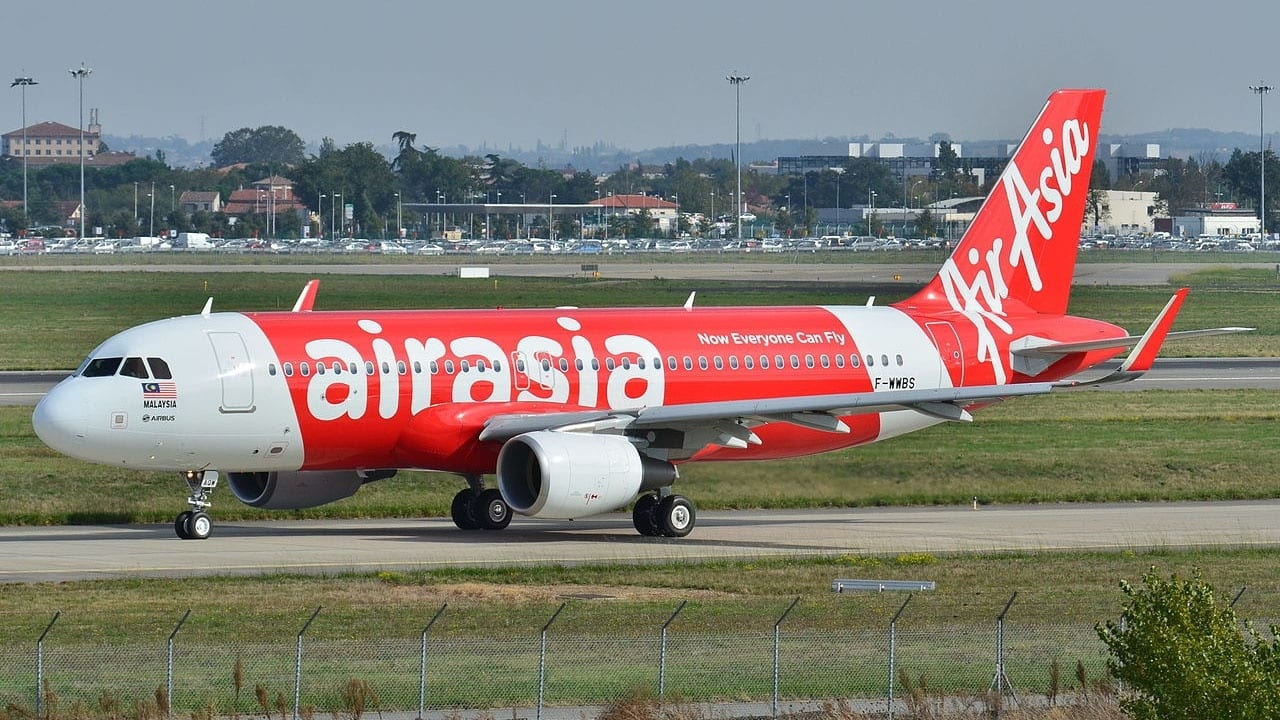
    AirAsia is to launch flights between Bangkok and Ahmedabad, the capital of Gujarat state and India’s first UNESCO World Heritage City. The airline will operate the route four times per week on Mondays, Wednesdays, Fridays and Sundays, from 31 May 2019.

    AirAsia Thailand CEO, Santisuk Klongchaiya, said, “India is a strategic market that is fast becoming an important contributor of inbound tourists for AirAsia Thailand. To fully leverage on this, we plan to regularly introduce routes connecting the two countries, focusing particularly on India’s burgeoning metros. Thailand’s own worldwide fame for hospitality should attract travellers from Ahmedabad, which is the capital of Gujarat state and India’s fifth most populous city.”

    According to Thailand’s Ministry of Tourism and Sports, Thailand welcomed 1.5 million Indian visitors in 2018, up 12% on the previous year.

    Thai AirAsia has recorded a load factor of up to 87% on its India routes, with passengers travelling between Bangkok and existing destinations in India increasing 7% year-on-year. Indian nationals made up 85% of passengers on those routes.

  • Toyota Fortuner Diesel Launched In India

    Toyota Fortuner Diesel Launched In India

    Toyota has launched an updated version of its bestselling SUV in India. The Toyota Fortuner range now starts at ₹ 27.83 lakh for the base 4×2 diesel variant and go all the way up to ₹ 33.60 lakh for the top-end 4×4 diesel automatic variant, all prices ex-showroom, India. Toyota has only updated the diesel variants of the Fortuner while the Petrol 2.7 remains unchanged. The updates on the 2019 Fortuner, however, are limited to interiors and it remains identical to its predecessor in terms of looks and mechanically.

    The 2019 Toyota Fortuner now gets chamois interior upholstery which will be standard on the diesel variants. The seats are now draped in perforated leather and have the ‘Fortuner’ badging embossed on them. The glass on the new Toyota Fortuner can resist the heat even better which will give it an edge in some of the markets, especially in the northern, west-north and eastern parts of the country where the temperature gets extreme.

    The 2019 Toyota Fortuner Diesel mechanically remains identical to its predecessor. It is powered by a 2.8-litre, four-cylinder diesel motor which produces 175 bhp at 3400 rpm and 420 Nm of peak torque at 1400 – 2600 rpm when the engine is mated to a manual transmission. The same engine is tuned to produce 30 Nm of peak torque more at 450 Nm between 1600 rpm and 2400 rpm when the engine is mated to the automatic transmission. The Toyota Fortuner also rules the segment commanding a market share of 70 per cent.

  • Yamaha MT-03 Unveiled At Bangkok Motor Show

    Yamaha MT-03 Unveiled At Bangkok Motor Show

    Yamaha Motor has pulled the wraps off the 2019 MT-03 street-fighter motorcycle at the Bangkok Motor Show in Thailand. The updated offering is based on the Yamaha YZF-R3 sharing the engine, chassis and several cycle parts but does get changes to match a naked motorcycle’s mannerisms. For 2019, the updated Yamaha MT-03 gets a new white and red paint scheme in addition to the existing colour options available. Visually, styling changes are minimal and the bike carries over the design language from the older model.

    Key styling elements on the 2019 Yamaha MT-03 include the chiselled fuel tank, single headlamp cluster with LED daytime running lights and a semi-digital instrument console. The taillight remains a LED unit, while the sporty split seats have been carried over from the R3. The bike rides on web-design alloy wheels that are finished in contrast colours on the motorcycle.

    Power on the updated Yamaha MT-03 comes from the 321 cc liquid-cooled, DOHC, parallel-twin engine tuned for 41 bhp and 29.6 Nm of peak torque. The motor is paired with a 6-speed gearbox. The bike is suspended by telescopic forks at the front and a monoshock unit at the rear. Braking performance comes from disc brakes at either end with dual-channel ABS as standard.

    Although not confirm, odds are that Yamaha Motor India just might bring the MT-03 to India to compete against the KTM 390 Duke, BMW G 310 R and the likes. The full-faired Yamaha R3 is already on sale here and is expected to get a comprehensive upgrade in the second half of 2019 with the Japanese bike maker bringing the comprehensively updated version that was introduced globally last year. With the MT-15 and the MT-09 already on sale in India, the MT-03 will fit well into the company’s naked motorcycle line-up, and its Call of the Blue campaign to bring performance oriented products to India.

  • Toyota Innova Crysta Diesel Launched In India

    Toyota Innova Crysta Diesel Launched In India

    Toyota India has updated its bestseller in India- the Innova Crysta. The Innova Crysta range now starts at ₹ 14.93 Lakh and goes up to ₹ 22.43 Lakh while the Innova Touring Sport range starts at ₹ 18.92 Lakh and go all the way up to ₹ 23.47 lakh. The Innova Crysta is the market leader in its segment and its diesel variants are now updated with more features and upmarket interiors in a bid to tackle the competition better and stick to its segment-leader position.

    The Toyota Innova Crysta now gets ivory leather upholstery added as an option over the standard black and tan treatment. The seats are now draped in perforated leather and have the ‘Crysta’ badging embossed on them. The glass on the new Innova Crysta can resist the heat even better which will give it an edge in some of the markets, especially in the northern, west-north and eastern parts of the country where the temperature gets extreme. Moreover, Toyota has also added fast charging enabled USB ports in the Innova Crysta which is a big requirement in today’s fast-moving world. The latter two features have also made way in the Innova Touring Sport, though, it continues to come with all-black interiors with red accents.

    Mechanically, the 2019 Innova Crysta will remain identical to its predecessor. The Innova Crysta and Touring Sport source its power from the 2.4-litre and 2.8-litre four-cylinder motors. The 2.4-litre engine makes 144 bhp at 5200 rpm and 245 Nm of peak torque at 4000 rpm while the more powerful 2.8-litre unit churns out 171 bhp at 3400 rpm and 360 Nm of peak torque between 1200 rpm and 3400 rpm. Toyota has sold 225,000 units of the Innova Crysta in India since its launch in 2016 and at present, it commands a market share of 40 per cent in the segment.

  • AirAsia Indonesia Under Pressure From Its Airspace Rivals

    AirAsia Indonesia Under Pressure From Its Airspace Rivals

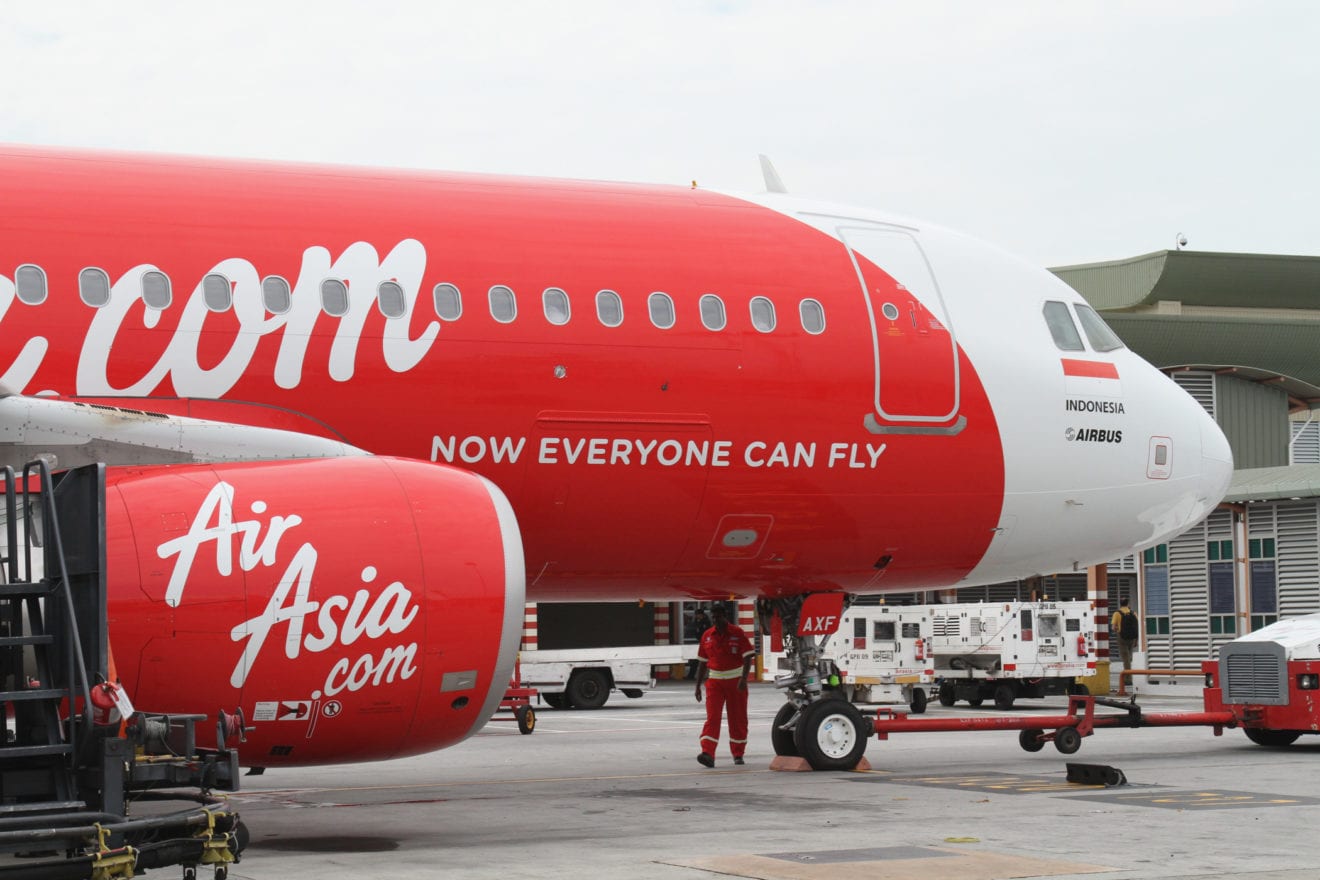
    Low-cost airline AirAsia appears to be facing increasing pressure from its Indonesian rivals Garuda Indonesia and Lion Air. Skift reporting recently claimed that Indonesia’s largest airline, Lion Air, and Garuda Indonesia had allegedly prevented Indonesia’s largest online travel agencies from listing AirAsia’s cheap Indonesian flights. The two sites were Traveloka and Tiket.com. AirAsia responded by removing its flight listings from Traveloka’s website.

    AirAsia Indonesia President Dendy Kurniawan said:

    We observed through social media messages how customers who enquired about the unavailability of AirAsia flights were recommended by Traveloka to book with other airlines instead.

    Subsequently, AirAsia  met with both Traveloka and Tiket.com but didn’t return comment on the meetings. Skift says an internal source claimed that AirAsia discovered that both travel agencies are under pressure from Lion Air and Garuda to drop AirAsia’s Indonesian routes. And, that the agencies risk losing the flights from the two rivals. A Garuda spokesperson denied the claims.

    High Operating Costs Could be Fuelling the Fight

    Speculation points to AirAsia’s rivals hoping to increase fares to combat high fuel costs. But, AirAsia’s lower prices could prevent them from doing so successfully. Industry experts say the airlines rely on online travel agencies, rather than direct bookings, for custom.

    Domestic flight prices in Indonesia have risen by between 40% and 120%, according to Skift and data from the Indonesia National Air Carrier Association. Skift also says that AirAsia flights don’t seem to be appearing on other websites, and Tiket.com. AirAsia remains committed to its low-price promise and encourages customers to book directly.

    Data from Wonderful Indonesia shows AirAsia carried the most passengers in Indonesia in 2017, at 3.8 million. And, AirAsia carried the most foreign tourists into Indonesia in 2017, at 2.9 million.

    A Political Issue?

    The rising cost of airfare is a campaign issue in Indonesia’s upcoming April general election. One Mile at a Time reported in February that state-owned Garuda was cutting domestic flight prices by 20% at the request of Indonesian Democratic president Joko Widodo. Garuda Indonesia’s CEO said at the time:

    This is in line with the aspirations of Indonesians, a number of national industry associations, and the (wishes of) the president of Indonesia, who wants a reduction in flight prices to support economic growth, especially in the tourism sector.

    In addition, Garuda Indonesia has reported losses over recent years. Political pressure is added to state-owned Garuda to turn a profit and remain competitive.

    AirAsia issued a statement in March reaffirming its low prices, adding that prices include 15kg free baggage and the passenger service charge for domestic Indonesian travelers. AirAsia Group’s head of communications, Audrey Progastama Petriny, says:

    While our withdrawal from Traveloka has not significantly impacted our sales, it does affect the traveling public as there are now fewer options to choose from on the online travel agency.

    Also, Traveloka called the withdrawal of AirAsia flights a “setback” for its value proposition to provide the widest range of offerings.

    To date, the figures point to AirAsia’s low-price strategy allowing it to dominate the market in Indonesia. And so far, the pressure from its Indonesian airspace rivals doesn’t appear to be impacting sales. Savvy consumers could be increasingly booking directly. AirAsia says its website is seeing a 50-60 percent increase in traffic.

    That said, just days ago Indonesia raised its price floor on over 1,000 domestic flights from 30% to 35%.  This in a direct move to protect Indonesia’s national airlines from rising fuel and operating costs.

  • BMW Group India Shows Strong Growth Sales

    BMW Group India Shows Strong Growth Sales

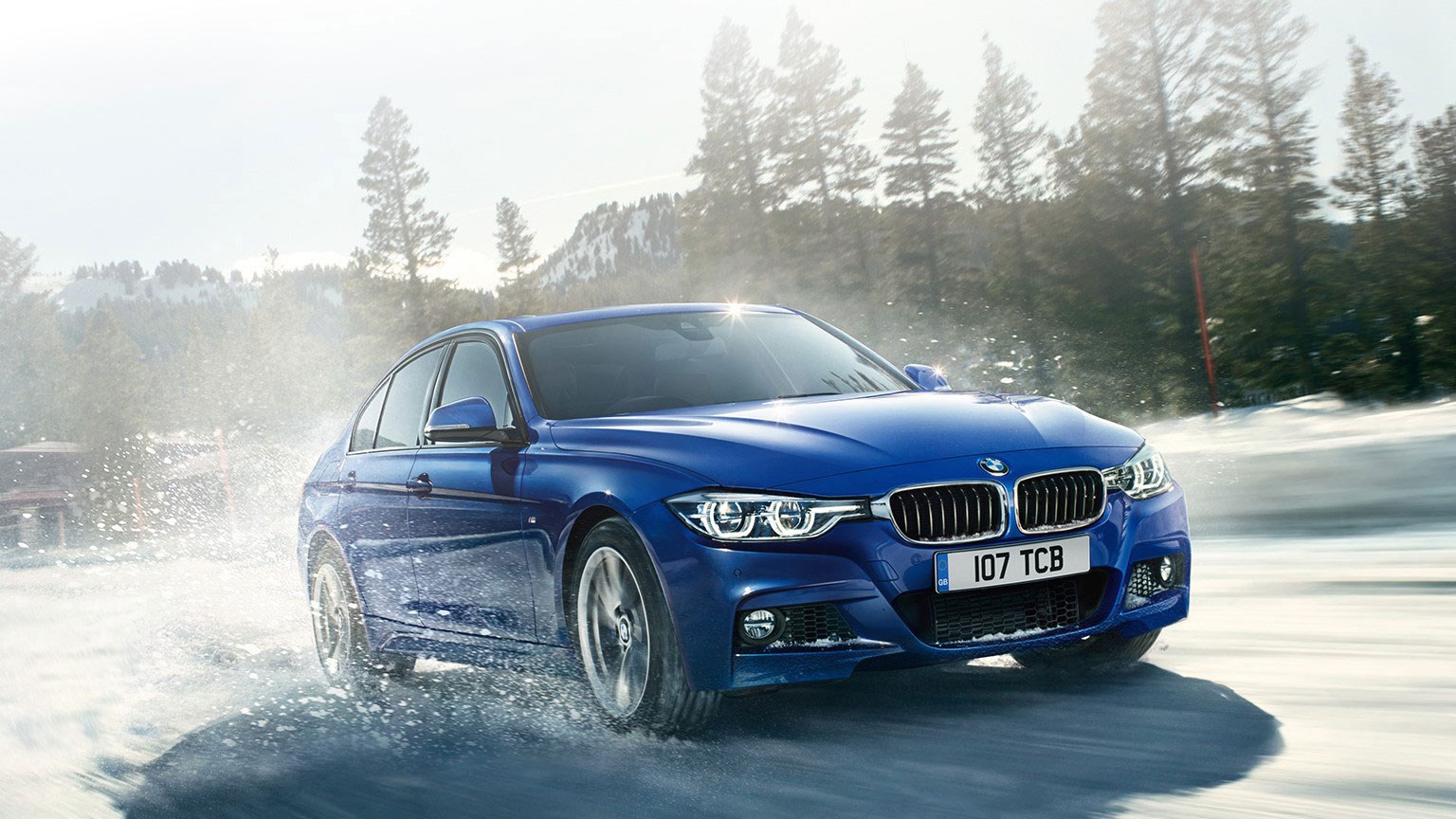
    BMW Group India has registered the highest-ever Q1 sales. All three brands – BMW, MINI and BMW Motorrad – helped in achieving this strong growth in sales. In Q1 2019, BMW Group India delivered 2982 cars (BMW + MINI) registering a growth of 19 per cent as compared to Q1 2018. BMW India sold 2822 cars, clocking a notable growth of 19 per cent. MINI India led the niche small-premium car segment with sales of 160 cars and a growth of 18 per cent. BMW Motorrad India posted a remarkable growth with sales of 597 units.

    The BMW 5 Series and the BMW 6 Series Gran Turismo have contributed strongly to the growth story. BMW also saw significant contribution coming from the locally-produced X range with introduction of the all-new BMW X4 Sports Activity Coupe that created a novel segment in the luxury car market and generated new demand. The locally-produced Mini Countryman together commanded a share of over 80 per cent in Mini sales. The sub-500 cc offerings of BMW Motorrad – BMW G 310 R and BMW G 310 GS got the lions share with over 80 per cent sales. The recently launched BMW R 1250 GS and BMW R 1250 GS Adventure have also created high demand among motorcycling enthusiasts.

    Dr. Hans-Christian Baertels, President (Act.), BMW Group India, said, “BMW Group India will continue its unwavering focus on maximizing performance, bringing best-in-class products to the Indian market and exceeding expectations on each and every service that is offered. We are confident that the growth strategy for BMW, MINI and BMW Motorrad will yield even higher results in the coming months and we will continue to grow the luxury vehicle market in India.”

  • Massive iPhone XR price cut in India

    Massive iPhone XR price cut in India

    While Apple continues to dominate the paramount US smartphone market in terms of both sales numbers and profits, the company’s trouble across two other key regions seems to be intensifying rather than ameliorating. Of course, the Cupertino-based tech giant is not sitting idly by as the likes of Huawei, Xiaomi, and even OnePlus are rendering its brand irrelevant in China and India, fighting back with long overdue price cuts.

    Following an unprecedented such move in the world’s largest smartphone market a few months back, Apple is reportedly discounting the iPhone XR in India right now by the equivalent of several hundred US dollars. Namely, a whopping $250 or so (17,000 rupees), which actually doesn’t make the company’s entry-level 2018 iPhone model quite as affordable as you might imagine.

    That’s because the iPhone XR was released in the region at a starting price of Rs. 76,900, equating to more than $1,100, which sounds ridiculous even by Apple’s standards. After the new discount is applied, the LCD-sporting 6.1-incher will cost Rs. 59,900 at authorized retail partners, which converts to $870 or so. That’s still more than what US buyers are typically charged, although the comparison is obviously not entirely fair.

    At the same time, it’s definitely worth pointing out that the Samsung Galaxy S10e starts at a lower recommended price of around 56,000 rupees ($810), no deals needed. As for the OnePlus 6T, which is one of the most popular “premium” handsets in India, it’s pretty obvious Apple has no intention to go as low as 38,000 rupees ($550) anytime soon.

    Still, this regional iPhone XR price cut could be the beginning of a beautiful global comeback for a company that must find ways to stop its recent sales decline. More iPhone discounts are likely to come to India in the near future as Apple ramps up local production of both lower-end and ultra-high-end models like the XS and XS Max. Speaking of, the iPhone XS Max continues to go for a preposterous $1,600 or so (Rs. 109,900) in a 64GB configuration. No wonder a measly 1.7 million iPhones were shipped in total in India last year.

  • AirAsia, Vistara cash in on crisis-hit Jet Airways slots

    AirAsia, Vistara cash in on crisis-hit Jet Airways slots

    Tata-group owned airlines AirAsia India and Vistara have announced 11 new flights from Mumbai after the airport operator released unused slots belonging to Jet Airways. The slots have been released to the airlines on a temporary basis.

    Private airport operators in Mumbai and Delhi and the Airports Authority of India have held several rounds of discussions with other airlines to fill up the capacity shortage caused due to grounding of Jet Airways fleet. While reduction of flights led to a hike in fares, it affected airports too. Fewer flights means lower revenue by way of landing fees and less passenger footfalls

    Over 70 per cent of the airline’s fleet has been grounded, leading to massive cancellations. Jet has been a dominant carrier in Mumbai and its daily departures are down to 24 from the earlier 140. Delhi airport, too, is finalising the issue of slots belonging to Jet.

    Other private airlines also have been offered slots by Mumbai airport but are yet to announce new flights. Schedule changes depend upon aircraft utilisation and availability of pilots among other things. A source said airlines were advised to operate flights on routes flown by Jet prior to its crisis with a view to maintain capacity on routes.

    On Thursday, Vistara announced launch of five flights between Mumbai and Bengaluru and one new flight from Mumbai to Hyderabad and Kolkata. These would operate from April 16 to July 15. Currently, Vistara flies to Delhi and Amirtsar from Mumbai and its market growth has been stunted due to non-availability of slots.

    Vistara will be reducing frequencies on other routes to operate these additional services from Mumbai.

    AirAsia India announced three additional flights to Bengaluru and a new flight to Kochi from Mumbai, beginning April 15. The airline did not mention until which date these flights would remain in operations.

    “There is precedence for grant of slots on a temporary basis. During SpiceJet crisis, its unused slots were temporarily given to other airlines and IndiGo was the main beneficiary that time,” said aviation expert Ameya Joshi.

  • Japanese lingerie brand Wacoal Expanding in India

    Japanese lingerie brand Wacoal Expanding in India

    Premium Japanese lingerie brand Wacoal will invest around ₹100 crore (US$14.5 million) over three years to boost its presence in India.

    A statement released by the firm revealed it will build on its current 11 outlets in the territory to reach 70 exclusive stores and 80 shop in shops across 30 cities.

    The brand will advance sales in India via its partnership with several e-commerce platforms accompanied by an intensive cross-platform marketing and a PR campaign.

    “We have seen an exponential growth seen in the Indian market since Wacoal’s entry in 2015,” said WacoalCorp representative director, president and corporate officer Tomoyasu Ito.

    “With this expansion, we aim to explore its full potential, and further solidify our position as a leading entity in the country’s luxury lingerie market. Our presence in additional metros will introduce a wider audience to the fit and comfort of our innerwear, crucial elements in the life of the modern woman.

    “Our stellar success since launch has rapidly established Wacoal as an indispensable part of India’s inner-wear scene, showcasing India as a mature market with a desire for Wacoal’s innovative, timeless collections.”

  • Zivame Lingerie raises expansion capital to expand in India

    Zivame Lingerie raises expansion capital to expand in India

    Indian lingerie retailer Zivame has raised about US$8.6 million to fund expansion.

    The funds were raised through Allana Investment and Trading Company, in a round led by existing investor Zodius Technology and individual investors.

    The new capital will be used for store expansion, technology augmentation, product development and omnichannel strategy. Zivame now has more than 30 offline retail stores, and aims to expand to more than 60 in the next year.

    “The funding will enable us to further enhance our footprint and leadership in existing and newer markets as we continue to build on our mission to be the destination for women for all her intimate needs,” said Amisha Jain, Zivame CEO.

    “We continue to build the category as the Indian lingerie market is largely unorganised and under-served.”

    The company plans to a larger fundraising round in coming months.

    Founded in 2011 as a marketplace for lingerie brands, Zivame has expanded into fashion apparel, activewear, sleepwear, and shapewear as well as developed its private labels including Penny and Coucou.