Retail News CRM

Tag: Inditex

  • Inditex Group sales rise on new stores

    Inditex Group sales rise on new stores

    Zara parent Inditex Group sales rose by 12 per cent in its latest trading year, to January 31, reaching €23.3 billion.

    Growth was achieved in every geographic region where the group is present, and includes contributions from debut stores in Vietnam and New Zealand.

    Same-store sales rose by 10 per cent, up from 8.5 per cent the previous year, with positive same-store sales growth in all geographies and across all brands.

    Net profit was €3.2 billion, up 10 per cent year-on-year, while earnings before interest and tax grew 8 per cent to €5.1 billion.

    Chairman and CEO Pablo described the result as positive against a backdrop of strong prior-year performance.

    Inditex opened 279 stores, net of closures, in 56 markets, across all its brands, ending the year with 7292 stores in 93 countries, a large proportion of the new ones in Asia, including its first Zara in Vietnam, in Ho Chi Minh City.  Other Zara stores opened in China, Thailand, Indonesia and Japan and it refurbished it flagship in the Shinjuku district in Tokyo, one of Japan’s most important shopping districts, which reopened to the public in November.

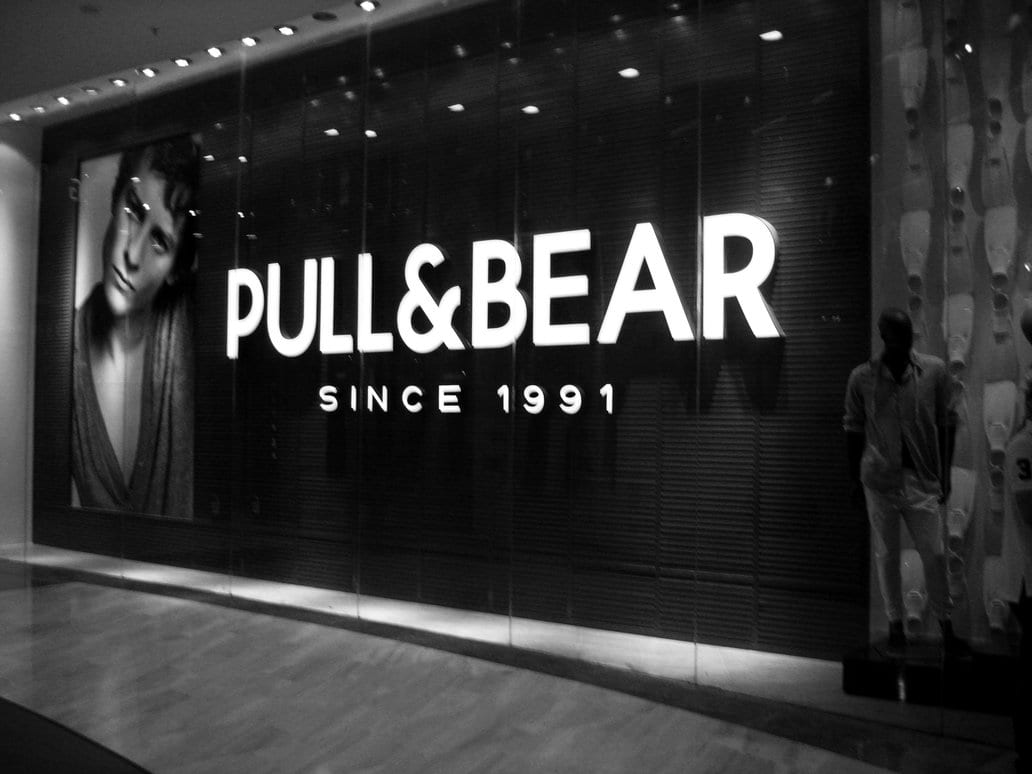
    A flagship Pull&Bear store opened in Windsor House in Hong Kong and new stores were opened by Massimo Dutti in India and by Oysho in Indonesia. Bershka refurbished its flagship on Nanjing Road East in Shanghai and Zara Home opened a global flagship on Garosu de Seoul in South Korea.

    Since the financial year ended, it has opened online stores in Malaysia and Singapore, taking its online platform to 43 markets.
  • Zara, Gap, Body Shop slash Indian retail prices

    Zara, Gap, Body Shop slash Indian retail prices

    Global brands like Gap, The Body Shop and Zara are slashing Indian retail prices to stay competitive in the heavily price-sensitive market.

    UK cosmetic brand The Body Shop slashed prices across categories in India by 20 to 30 per cent last week, and US fashion brand Gap is looking to have up to 40 per cent of its products made locally, which should allow prices to drop by 10 to 15 per cent.

    “The process has started,” says CEO J Suresh of Gap’s India franchisee Arvind Lifestyle Brands. The Indian-made items will be introduced next year.

    The Body Shop India COO Shriti Malhotra says its price cuts will make its products more accessible.

    Spanish fast-fashion brand Zara is also looking at slashing its prices to bring them closer to Swedish rival H&M.

    It quotes experts as saying price cutting is one of the most effective ways to boost sales and market share in India, particularly in highly competitive and fast-growing segments.

    “Most brands strategically lower prices for the value-conscious Indian consumer,” says CEO Devangshu Dutta of retail consultancy firm Third Eyesight.

    Inditex-owned fashion brand Zara reduced prices by up 15 per cent when H&M entered the Indian market in October 2015 with its global strategy of aggressive pricing. The move helped Zara record 17 per cent sales growth last year.

    When Arvind Lifestyle Brands took over the business of beauty and wellness retailer Sephora from former franchisee DLF Brands in September 2015, its first move was price correction. “We looked at pricing in Dubai and Singapore and kept it in the band of 5 to 10 per cent lower than that,” says Sephora India CEO Vivek Bali.

  • Giant Zara Barcelona store opens

    Giant Zara Barcelona store opens

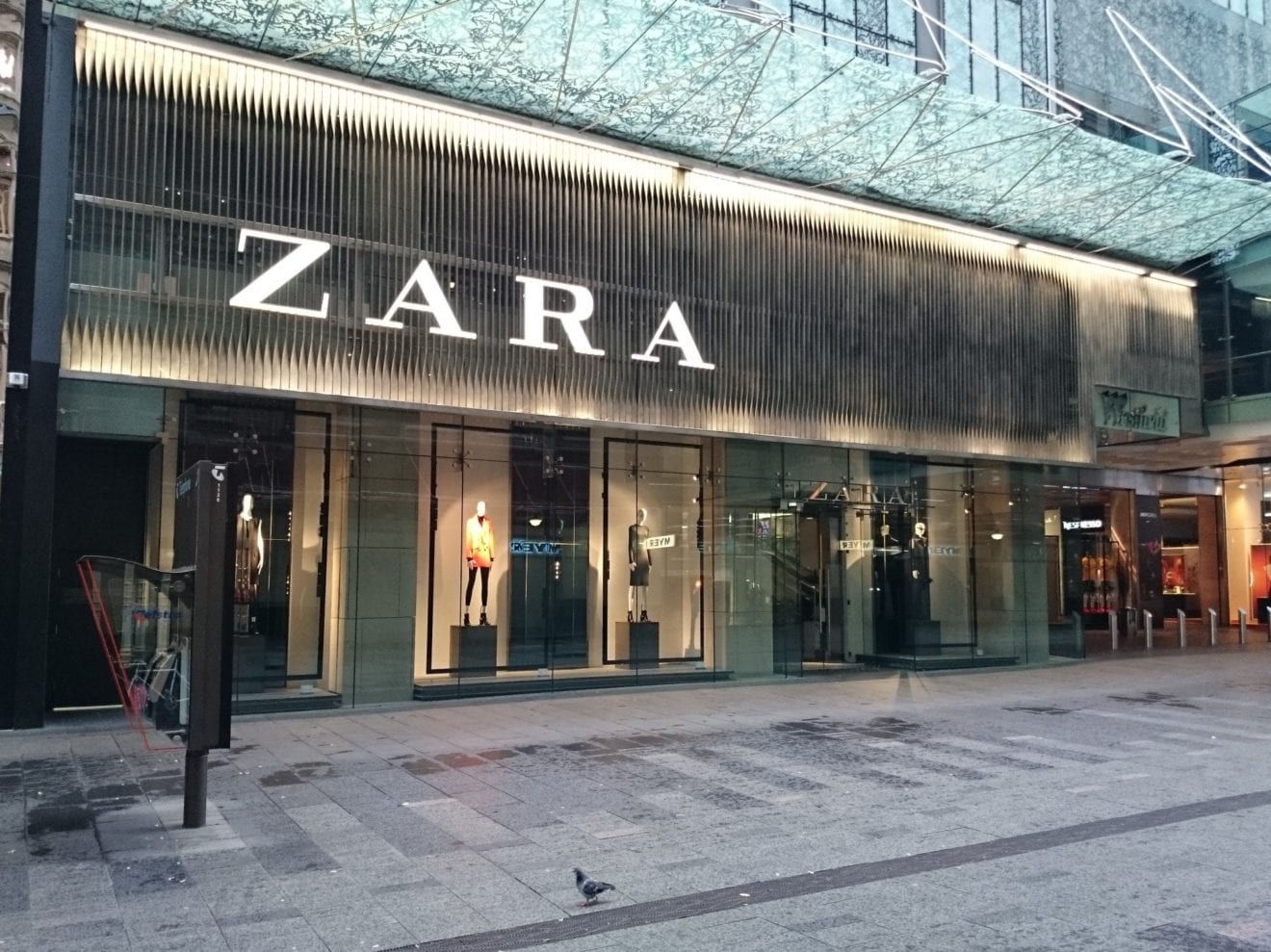
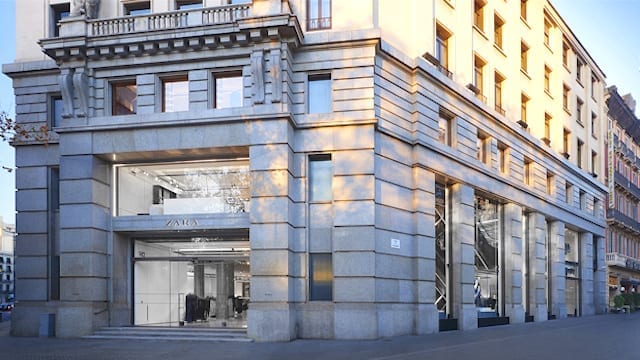
    A giant Zara Barcelona flagship store has opened its doors at Number 5, Plaça de Catalunya, Barcelona’s tourist and commercial epicentre.

    Zara describes the store as one of its “most emblematic”, housed in a 1930s property which has been fully refurbished and recovered for the city. It has more than 3600 sqm of space spread over three floors, housing the Zara Woman, Man and Kids collections.

    The new Zara Barcelona shop occupies a building designed in 1931 as the Barcelona head office of Banco de Bilbao by Basque architect Eugenio Pedro Cendoya, also responsible for the Montjuïc National Palace, built to accommodate the World Fair celebrated in the city in 1929.

    The architectural plans devised for this new store, spearheaded by Coruña-based architect Elsa Urquijo, focused on preserving the former bank’s original architectural treasures such as its impressive glass dome, the atrium flanked by columns and decked with the marble floors characteristic of the public buildings of the time and the murals decorating the pedestrian staircase. The interior is dominated by a pale colour palette and textures that tone down the spaces. The layout of the store fittings was articulated around free-standing units in neutral tones that place the spotlight on the brand’s collections and the building’s impressiveness.

    “The result is a diaphanous and uncluttered retail space with a ground floor open to the city and two upper floors demarcated by the majestic central space that is visible from anywhere in the store, bathed at all times by the daylight filtered in through its glass dome,” says Zara parent Inditex.

    In keeping with Inditex’s Environmental Plan, the new store has been built to stringent green building standards, sustainability criteria applying to its actual construction as well as ongoing operation and usage. Over half of Inditex’s worldwide stores are now eco-efficient, implying electricity and water savings of 30 per cent and 40 per cent respectively compared with conventional stores.

  • Oysho lingerie arrives in Indonesia

    Oysho lingerie arrives in Indonesia

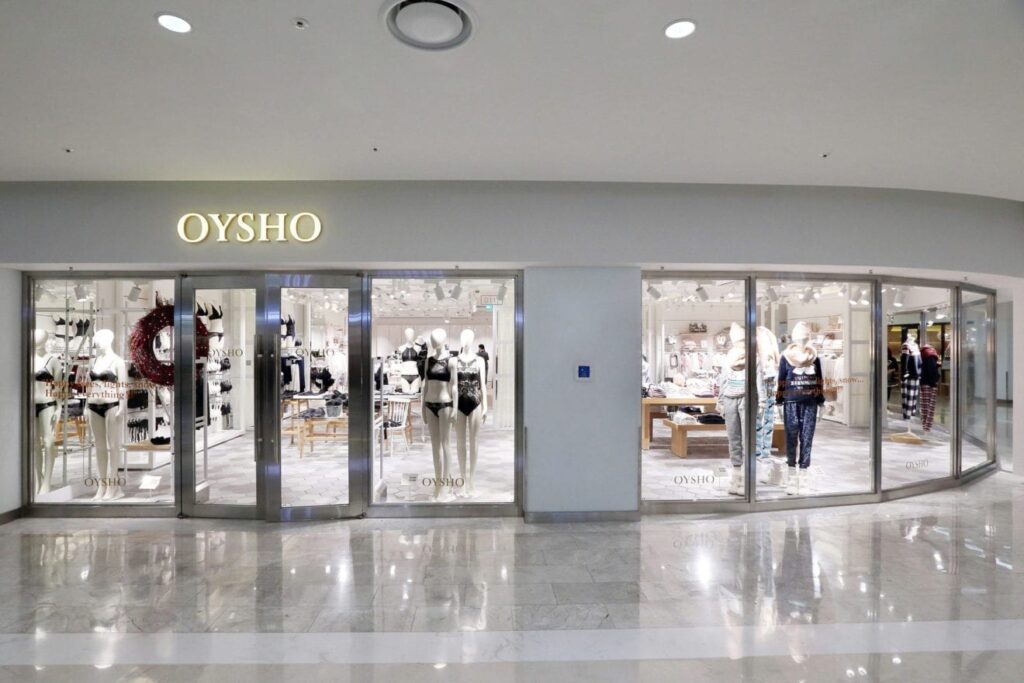
    Spanish lingerie brand Oysho, owned by Inditex, continues its international expansion with the opening of its first store in Indonesia.

    In Jakarta’s centre, the 300 sqm shop is in Plaza Indonesia, a shopping centre that is also home to other Inditex brands such as Zara, as well as luxury labels including Burberry, Chanel, Hermes and Louis Vuitton.

    oysho-store

    Since launching in 2001, Oysho has expanded its presence to 44 countries with more than 600 stores. The brand specialises in lingerie, sleepwear, loungewear and footwear. It generated 229 million euros (about US$252 million) in the first quarter of this year, representing an 8 per cent increase year-on-year.

  • Zara owner Inditex profits rise on clothes sales surge

    Zara owner Inditex profits rise on clothes sales surge

    Spain’s fashion retail giant Inditex, owner of popular brand Zara, on Wednesday posted an eight-percent rise in first-half profits thanks to a surge in clothes sales around the globe.

    One of the world’s largest fashion retailers said profit for the six months from February to July rose to 1.3 billion euros ($1.4 billion) from the same time a year earlier.

    “All of the group’s brands increased their international presence during the period, with 83 new stores in 38 countries,” Inditex said in a statement, adding that it ventured into three new markets — Aruba, Paraguay and Nicaragua.

    Sales in the first half rose 11 percent to 10.5 billion euros.

    The results of the company, which operates eight store brands including Zara, upmarket label Massimo Dutti and teen chain Bershka, beat analyst expectations, but only slightly.

    All brands posted a rise in sales.

    Zara and home decoration brand Zara Home were the clear winners, posting a 13-percent and 17-percent rise in sales respectively.

    The retail empire was founded in 1975 by the discreet, publicity-shy Amancio Ortega, who has since become the world’s second richest man after Bill Gates.

    Its main competitor, Sweden’s H&M, regularly challenges it for the global number one spot.

  • Zara Vietnam flagship opens in HCMC

    Zara Vietnam flagship opens in HCMC

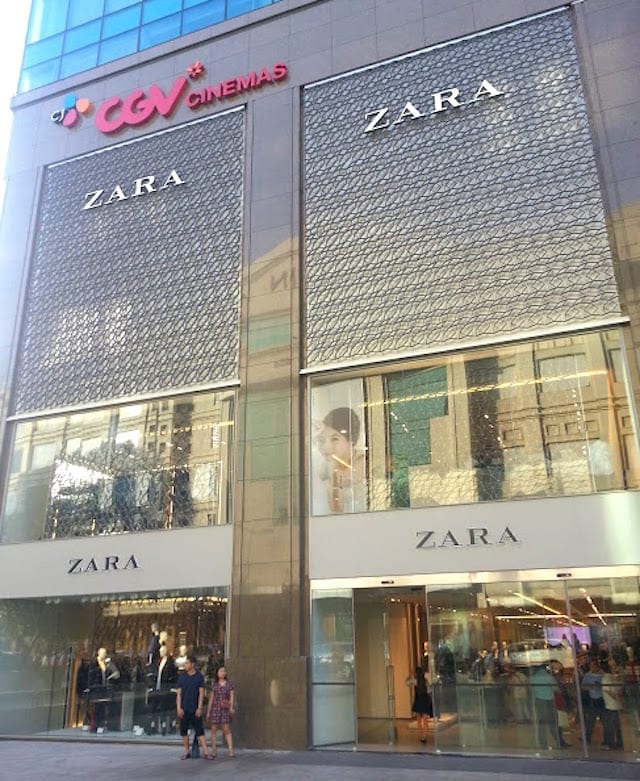
    Covering 2400 sqm over two levels, the first Zara Vietnam flagship store has opened at Vincom Centerin Ho Chi Minh City.

    Zara Vincom Vietnam

    Customers have views of the main street, Dong Khoi, from its windows, while on the racks are collections including women’s and men’s styles as well as Zara Kids, Zara Basic, TRF and the latest fall/winter styles.

    Zara Vincom Vietnam. 1

    Following the opening of the store, the Zara Vietnam website went live.

    Customers say they are impressed with the prices, noting they are cheaper than in Singapore and Thailand. When the Spanish fast-fashion line announced its plan to expand to Vietnam, there were concerns its prices would be higher than overseas, as had been the case with other international brands such as Topshop.

    Owned by Inditex, the Vietnam store adds to Zara’s 50 outlets throughout Indonesia, Malaysia, Singapore and Thailand.

    zara-vincom-vietnam

  • Inditex Group to introduce m-payment in Sept

    Inditex Group to introduce m-payment in Sept

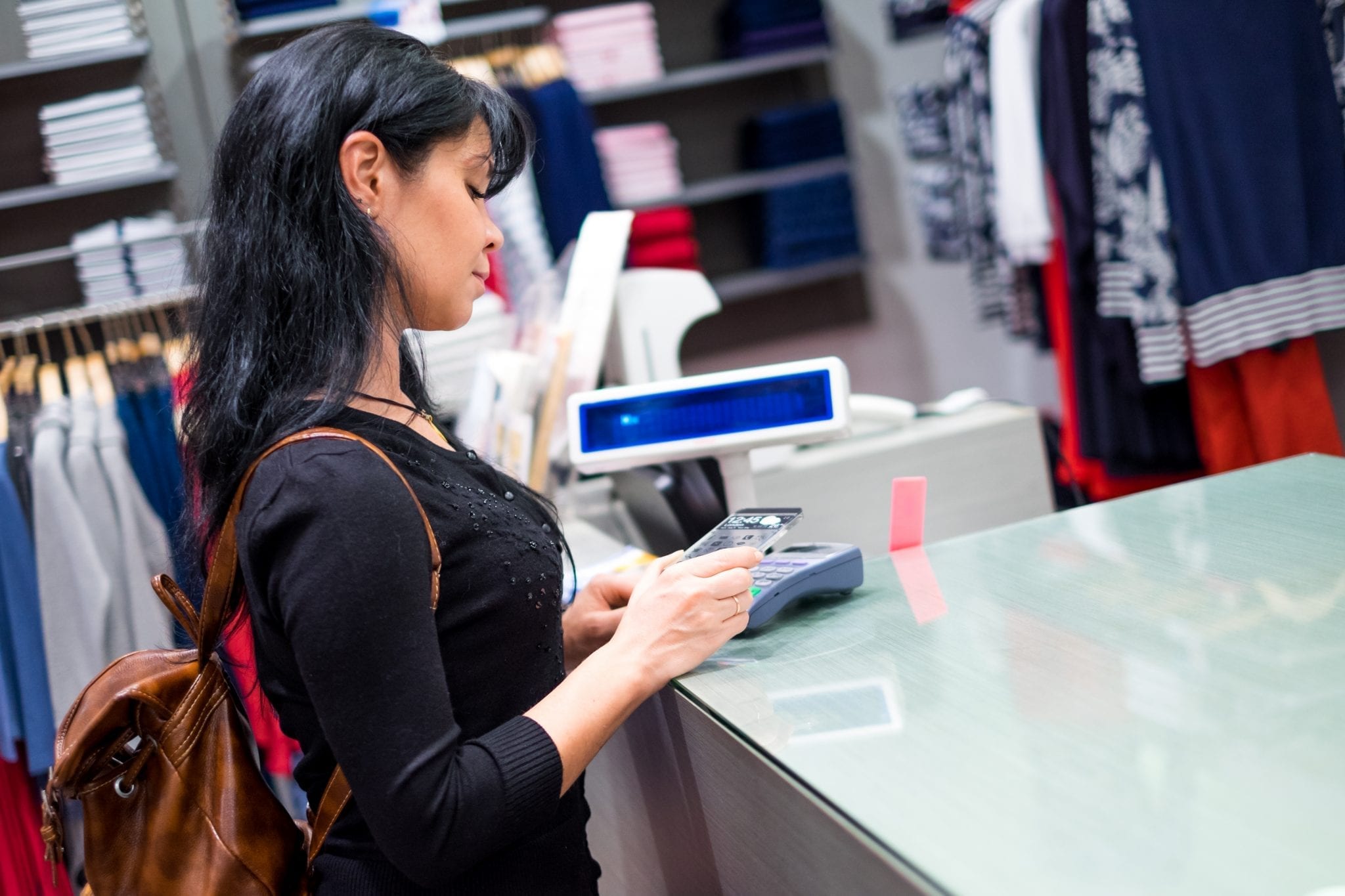
    Mobile payment is coming to stores belonging to fashion retailer Inditex Group in September, chairman and executive Pablo Isla announced recently during the company’s annual general meeting.

    Inditex has eight brands and more than 7,000 stores throughout the world. These brands include Zara, Pull&Bear, Massimo Dutti, Bershka, Stradivarius, Oysho, Zara Home and Uterqüe.

    Initially, the company’s in-house developed application, InWallet, will facilitate mobile payment at any of the group’s brands in Spain. The service will also allow all receipts to be issued electronically. Isla said the new service has been designed to enhance the shopping experience and aims to significantly simplify the purchase and returns process.

    Customers can activate the service directly from the online app and add the payment cards they want to use on the account in a safe and secure way.  The app has been developed entirely in-house by Inditex as part of the group’s efforts to continually upgrade technology to improve the overall customer experience.

    Isla also announced that the RFID technology rollout across all Zara stores is on track for completion by the end of this year and due to be rolled out in the rest of the group’s brands starting next year.

    Meanwhile, the Inditex chief has launched an ambitious recycling program that would collect customers’ unwanted clothing when shopping online.

    Under the plan, between 1,500 and 2,000 clothes collection containers will  be installed in several Spanish cities in collaboration with Caritas. Simultaneously, Zara will continue installing containers in the bricks and mortar stores, and in September all Zara stores in Spain will have a container for recycling.

    Caritas will sort the clothing to further the garment’s life through its distribution channels or allow for recycling for the development of new textile raw materials.  The pilot test will initially trial in Madrid with the aim of gradually introducing the scheme all over Spain.

    Inditex said it will donate €3.5 million ($3.9 million) over two years to this project, which will also encompass the modernization of Cáritas’s garment sorting and treatment plants.

  • Zara Vietnam to launch in July

    Zara Vietnam to launch in July

    Zara Vietnam says it will open its first store in July, just as Euromonitor International reveals the Vietnamese branded goods market may reach $2.7 billion in value by next year.

    As more than more people can afford branded goods, international fashion brands such as Gap, Mango, Nine West, Ralph Lauren and Topshop have become the choice of many young Vietnamese, especially office workers, says Euromonitor.

    Zara is owned by Inditex, which at the end of its latest fiscal year on January 31 had 7013 shops in 88 markets, including 2000 Zara outlets. If the Spanish fast fashion giant follows its normal international expansion course, it will likely roll out some of its other brands in the market, including Bershka, Pull & Bear, Massimo Dutti, Stradivarius and Zara Home.

    There is already a Vietnamese website selling Zara items, with a showroom in Ho Chi Minh City, but the shop sells alternatively-sourced and end-of-season lines.

    Mango, which targets customers between 18 and 40 years old, has been in Vietnam since 2004 through a franchise contract signed with Maison JSC. It also has other franchise partners, including DAFC, a subsidiary of IPP, and BFF, belonging to Vingroup.

    In 107 markets internationally, Mango had $2.6 billion in revenue last year.

    A survey by Nielsen on Vietnamese consumer confidence has shown that Vietnamese are willing to spend money on holidays, tourism, fashion and high-technology products.

    Meanwhile, Mango and Zara are among brands that have garment factories in Vietnam.

  • H&M blames weather for poor sales growth

    H&M blames weather for poor sales growth

    Hennes & Mauritz, the world’s second-largest apparel retailer, has reported a four per cent rise in sales in November.

    H&M says the increase was lower than expected due to unusually mild weather in the northern hemisphere, which lessened customer demand for winter clothing.

    Analysts are growing increasingly concerned about H&M’s margins, fearing they will come under pressure if stock has to be discounted to move inventory.

    Inditex, the world’s largest apparel retailer, last week reported sales in local currency terms increased 15 per cent in November, despite the weather.

    H&M’s net sales in September through November, the company’s fiscal fourth quarter, totalled 48.7 billion Swedish crowns (£3.83 billion), up from a year-ago 42.6 billion but below the mean forecast of 49.6 billion.

    Year on year, H&M has added 413 new stores, taking its global network to 3924.

  • Inditex Asia: the relentless push continues

    Inditex Asia: the relentless push continues

    As Spanish apparel giant Inditex continues its global expansion in earnest, the Inditex Asia business is accounting for a major share of the action.

    Inditex is committed to both multi-brand and multi-channel strategies as it builds it global dominance of the fast fashion market.

    During the first nine months of 2015 it opened 230 stores in 48 markets.

    Online, Zara extended its eCommerce presence to Taiwan, Hong Kong and Macao. Inditex also launched online operations in the southern hemisphere with the launch of Zarahome.com in Australia on December 3 – soon after the homewares brand opened online in Japan.

    Pull&Bear, Massimo Dutti, Stradivarius and Oysho all launched online in China.

    Inditex opened physical stores in all continents during the nine months to the end of October. The net number of stores across the group’s brands increased by 109 in Europe, by 47 in the Americas – and in Asia and the rest of the world, by a net 74, taking the group’s global store count to 6913.

    In Asia, these openings included new Zara stores in Osaka (Japan), Beijing, Harbin and Hong Kong (China) and in Singapore.

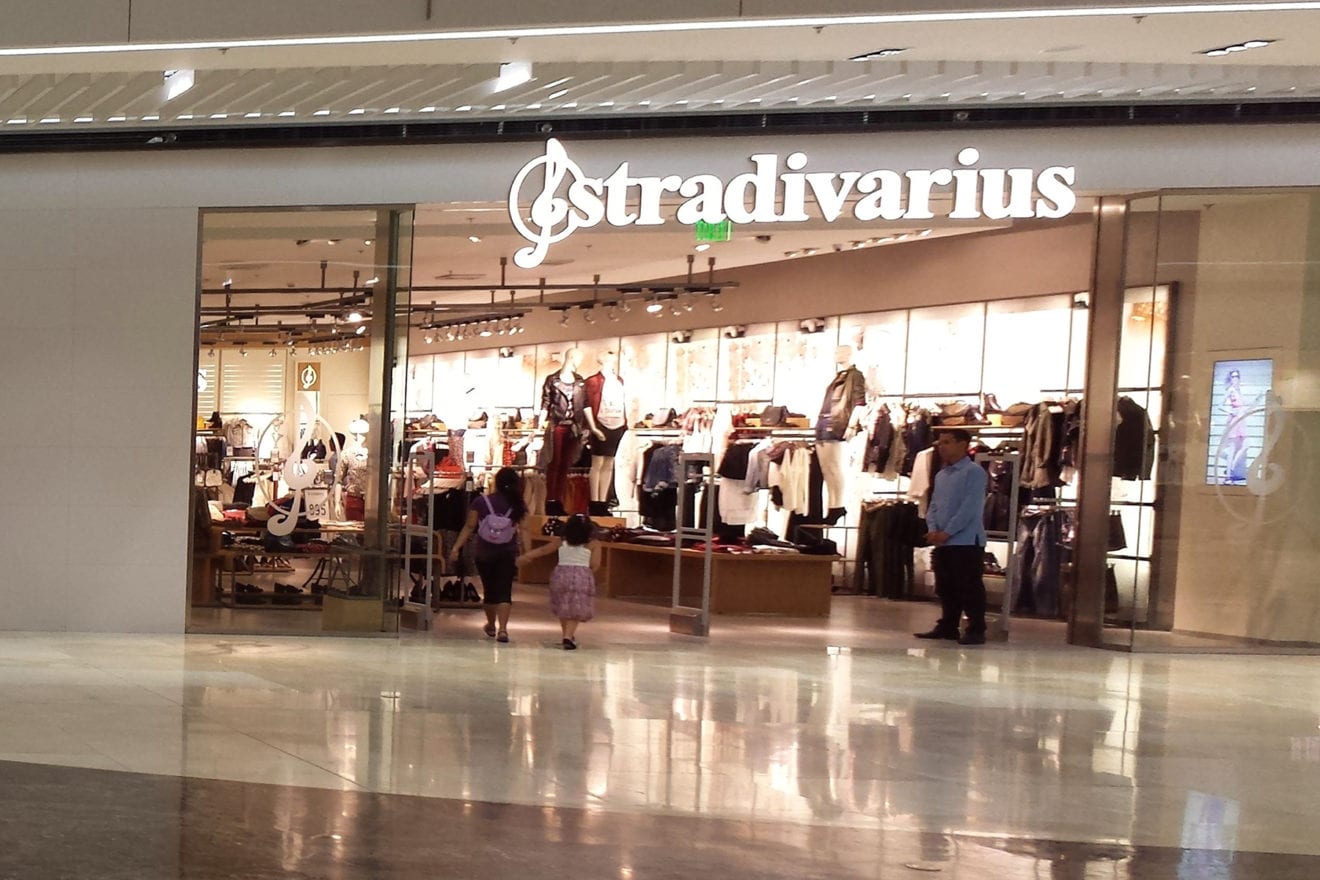
    Bershka opened its first store in Taiwan and a flagship store in Korea; and Stradivarius, with openings in the Chinese cities of Chengdu and Harbin.

    Oysho has opened its first store in Korea; Zara Home opened its flagship in Sydney (marking its 500th store worldwide).

    As at the end of October, Inditex had a presence in 88 markets, with online operations in 28 of these.

    Inditex said its net profit over the first nine months of the year was up 20 per cent to €2.020 billion. Net sales increased 16 per cent year on year to €14.74 billion.

  • Inditex optimistic about push into China

    Inditex optimistic about push into China

    Intidex, the parent company of fast fashion chain Zara, has revealed a sales increase of 16% year-on-year to 14.74bn (£10.6bn) over the first nine months of its financial year. Despite a dip in the economy, the Spanish group has said that it remains optimistic about its China prospects.

    The group’s profits, which include a 20% increase to £2.02bn, come not long after founder Armanocio Ortega surpassed Bill Gates as the world’s wealthiest man.

    Though luxury fashion retailers such as Burberry and Hugo Boss have experienced difficulties in the Chinese market, Inditex is positive about its expansion overseas.

    “We have no doubt that the fashion appetite in China is large, our brands are better and better known. We are still feeling very optimistic,” said Chief Executive Pablo Isla.

    During its first three fiscal quarters, the group added 136 new stores to its estate making a total of 230, the same amount as the same time last year.

    Zara had the most openings with 60 new stores, as well as 44 Zara home sites and 26 new branches for lingerie brand Oysho.

    In addition, Zara’s e-commerce platform is being extended to all of the European Union, Taiwan and Hong Kong, while a website for Zara Home has debuted in Australia.

  • Fashion brands targeted in Cambodian minimum wage push

    Fashion brands targeted in Cambodian minimum wage push

    Lobby group the Clean Clothes Campaign aims to shame the world’s large fashion brands into supporting a Cambodian minimum wage rise.

    The CCC says it is lobbying on behalf of a coalition of Cambodian unions that the multinational brands must ensure a minimum wage of US $177. Thousands of women and men in Cambodia and around the world, have worn stickers saying “brands must provide a living wage for workers!” in factories which produce apparel for major global brands such as H&M, Inditex, Levi’s and Gap.

    The campaign is co-ordinating ongoing action in Asia, the US and Europe.

    In October, the Labour Advisory Council (LAC), a tripartite wage-setting body, voted to approve a new minimum wage of $140, to be implemented in January 2016 for Cambodia’s 700,000 garment workers, despite objections from a number of unions.

    “This insufficient $12 wage increase is a slap in the face to workers who have been organising for over a year to demand a fair minimum wage of $177,” said the CCC.

    A coalition of Cambodian unions are joining together to demand that the brands immediately ensure a minimum wage of US $177 is paid in their Cambodian suppliers and negotiate directly with Cambodian unions a binding agreement to achieve living wages, decent purchasing practices, stable employment, and union rights for the long-term.

    “Some brands, such as H&M and Adidas, have made public statements that they support a living wage for workers in their supply chains. However, these assertions ring hollow to workers who often work excessive overtime and still cannot provide for the basic needs of themselves and their families.”

    Athit Kong, VP of C.CAWDU, an independent union in Cambodia, says the $12 increase does not reflect the real basic needs of the workers, “especially in light of the enormous profits of multinational brands”.

    “It is clear that the only solution to poverty wages in the garment industry is genuine collective bargaining between brands, as the principal employers, and the garment unions.”

    A Global Action Day is planned for December 10, International Human Rights Day. Workers and campaigners from all over the world will show support to the Cambodian workers with workplace actions, fashion mobs, catwalks, and other store actions.

    Mirjam van Heugten from CCC, says brands sourcing from Cambodia cannot expect the women and men working in their factories to accept “these bread crumbs”.

    “The workers effectively slave themselves at factories, only for the brands to make huge profits. The targeted brands such as H&M and Inditex must put their leadership claims into practice by making sure all garment workers receive a living wage.”

  • Stradivarius China launches on Tmall

    Stradivarius China launches on Tmall

    Inditex has launched another of its brands in China online.

    The Spanish apparel maker has opened a Stradivarius China storefront on Tmall, the largest online sale platform in China.

    After launching in China in 2010, the junior cousin of Zara has built a network of 68 physical stores in more than 40 cities.

    The broader Inditex Group has 501 stores there.

    Inditex says at stradivarius.tmall.com, customers can find the entire fashion and accessories collection from the group’s feminine fashion brand.

  • Pull&Bear Shanghai opens new flagship

    Pull&Bear Shanghai opens new flagship

    Inditex Group-owned youth fashion brand Pull&Bear opened its new two-storey East Nanjing Rd flagship this week.

    Pull&Bear features in 70 markets worldwide with a network of over 900 stores. The new Shanghai store is the first in the city to present the brand’s new image, which draws inspiration from the Californian atmosphere of Palm Springs.

    The 700 sqm store displays Pull&Bear’s collections on two floors. The ground floor, which can be entered either from the street or from the Mosaic Plaza shopping centre, sells womenswear and the first floor is devoted to menswear.

    The striking facade uses traditional glass bricks and LED lighting to project the brand anfd welcome customers with an air of light and transparency. Instead of a traditional display windows, the facade features visual projections, inviting passersby to come into the shop and discover the new space.

    Once inside, materials typical of DIY or building projects, such as painted concrete, OSB, pine wood and textured paint combine to create a richly varied setting of colours, materials and textures.

    This opening enhances Pull&Bear’s presence in China, the brand’s third market by number of stores (only behind Spain and Russia), with 63 points of sales open throughout the country’s major cities. It is the fourth Shanghai store for the brand.

  • Inditex sales, profit rise

    Inditex sales, profit rise

    Same store sales and group profit both increased by five per cent at Spanish apparel giant Inditex in 2014.

    In financial statements just released, Inditex said its key same store sales growth indicator stands at 23 per cent over the past five years. Net profit totalled €2.5 billion. Group sales revenue rose by eight per cent in the year to January 31, to €18.12 billion.

    Inditex owns Zara, Zara Home, Pull&Bear, Bershka, Oysho, Stradivarius, Massimo Dutti and Uterque.

    The group has announced a profit sharing plan under which employees will participate in earnings growth in the next two years, benefitting workers in stores, manufacturing, logistics, concepts and subsidiaries all over the world, so long as they have been working for Inditex for at least two years. That adds up to about 70,000 beneficiaries in 54 markets.

    In 2014 the group generated 8741 new jobs worldwide, 1800 of them in Spain. Inditex’s headcount totalled 137,054 at January 31.

    In 2014 Inditex opened 343 stores in 54 markets, taking its network total to 6683 in 88 markets. It debuted in just one new market last year – Albania.

    In total it opened new establishments in 54 markets worldwide. Some of the most noteworthy openings included flagship Zara stores in Zurich (Bahnhofstrasse), Miami (Lincoln Rd), Madrid (Serrano), Krakow (Rynek Glowny), Hong Kong (Queens Rd) and Shanghai (East Nanjing Rd) to take its total number of stores in China to over 500 across 60 cities.

    The group’s other chains also opened high-profile stores such as the Pull&Bear stores in Milan (Vittorio Emanuelle II) and Amsterdam (Kalverstraat); the Massimo Dutti stores in Vienna (Kholmarkt) and Palma de Mallorca (Born); the Bershka store in Turin (Via Roma); the Uterqüe store in Madrid’s airport; the Stradivarius store in Osaka (Shinsaibashi); the new image Uterqüe store in Barcelona’s airport; the Oysho store in Barcelona (Pelai); and the Zara Home flagship in London (Kensington High St). In 2015, Zara Home has opened its first stores in Australia, making it the second chain in the group to boast a presence in the market, after Zara.

    New stores planned for 2015 include prominent openings on Oxford St 61 (London), in Plaza Cataluña (Barcelona) and a number of openings in various US cities, including three in New York: one on Fifth Avenue and 42nd street, inaugurated last week, another in the new World Trade Centre, in the heart of the New York’s financial district, and a third in SoHo, in a building recently acquired by the group.