Tag: Indonesia

  • Indonesia’s Enterprise ICT Revenue to Grow by 16.3% through 2028

    Indonesia’s Enterprise ICT Revenue to Grow by 16.3% through 2028

    According to research by GlobalData, this growth is attributed to significant revenue contributions from cloud computing, the Internet of Things (IoT), and artificial intelligence (AI), alongside robust demand from the manufacturing, retail, banking, financial services, and insurance (BFSI) sectors.

    The company’s recent ICT Customer Insight Survey highlights a robust spending trend, with 92.1% of enterprises reporting increased ICT budgets for 2024 compared to the previous year.

    Driving this growth is the IT services segment, which is anticipated to play a pivotal role in Indonesia’s enterprise ICT market. The segment is forecast to grow at a CAGR of 15.3%, reaching USD 48.1 billion by 2028. Notably, 53.2% of surveyed enterprises plan to allocate higher budgets to IT services in 2024 than in 2023, underscoring the segment’s critical role in the country’s digital transformation.

    The manufacturing industry is poised to remain the largest revenue-generating, end-use vertical for Indonesia’s ICT market throughout the forecast period. GlobalData projects that manufacturing will account for 12.5% of the cumulative revenue from 2023 to 2028.

    The IoT will dominate IT solution revenues, driven by increasing demand for sensor technologies and connected systems across manufacturing, defense, and agriculture. These technologies enable real-time monitoring, improving operational efficiency and security.

    Meanwhile, artificial intelligence (AI) is set to be the fastest-growing IT solution segment, with revenues projected to expand at a remarkable CAGR of 49.2% from 2023 to 2028. Rising demand for AI-powered applications in logistics, HR, education, cybersecurity, and customer service is fueling this rapid growth.

  • Apple says it will invest $100 million in Indonesia if the country ends iPhone 16 sales ban

    Apple says it will invest $100 million in Indonesia if the country ends iPhone 16 sales ban

    Back in October 2024 word got out that Apple was facing an iPhone 16 sales ban in Indonesia. Ministers in the country demanded that Apple renew a certificate that is issued when at least 40% of the components used in a device sold in Indonesia are sourced from the country. The last certificate Apple received for the iPhone has expired and needs to be renewed. To renew the certificate Apple will need to work out deals with local manufacturers, develop an app in the country, or work out an innovation development scheme.

    Apple is also a little shy of the investment in the country it previously promised which was supposed to add up to 1.71 trillion rupiah ($109.6 million). Thus far, Apple has invested 1.48 trillion rupiah ($94.53 million) in Indonesia which is slightly short of the amount the tech giant said it would invest. As a result, Apple has been unable to sell any of the four new iPhone 16 models in Indonesia and that will continue to be the case until Apple agrees to increase its investment in the country and receive a new certificate.

    Apple has started to work out an innovation development scheme by creating Apple Academies in the area. So far three of these have been built with a fourth one announced last April. The Academies are for aspiring app developers.

    With the sales ban, those Indonesians wanting to buy an iPhone 16 model will have to pick up the device overseas and at the same time, add on an import fee. The base iPhone 16 model, priced at S$1,299 ($994) will require an additional import fee of $155 to bring the phone from Singapore to Indonesia.

    According to a new report, Apple has increased its offer to invest $100 million in Indonesia, Southeast Asia’s largest economy, over the next two years. That is a huge increase of 10 times Apple’s previous proposal to invest $10 million in a factory in Bandung, located southeast of Jakarta, that would make accessories and components. While Indonesia has yet to give an answer to Apple’s latest proposal, the Ministry of Industry wants Apple to focus more on research and development for the iPhones released in the country.

    Indonesia has also blocked the sale of Google’s Pixel 9 handsets in the country for a similar lack of investment in the country on Google’s part. There is plenty of potential for both Apple and Google to make thins right in Indonesia. More than half of the country’s population of 278 million consumers is under 44 years old and is considered tech savvy.

  • Indonesia’s Tomoro Coffee accelerates Southeast Asia expansion

    Indonesia’s Tomoro Coffee accelerates Southeast Asia expansion

    Indonesian coffee brand Tomoro Coffee is planning to expand its retail operations in Southeast Asia with plans to open stores in Malaysia, Cambodia, Vietnam and Thailand.

    The business plans to open 3000 locations across the region next year, with 1000 in Indonesia.

    “Southeast Asia was chosen because the coffee culture in this region has been rooted for more than 200 years and the coffee consumption per capita is quite high,” said Tomoro Coffee’s MD Wang Chao at a press conference.

    Tomoro Coffee, which opened in 2022, has 600 stores in Indonesia and sold 40 million cups last year.

    The brand debuted in China last November with its first store in Shanghai, followed by six locations in Singapore in March and 12 in the Philippines since June of this year.

    Tomoro Coffee is backed by venture capital firm ATM Capital.

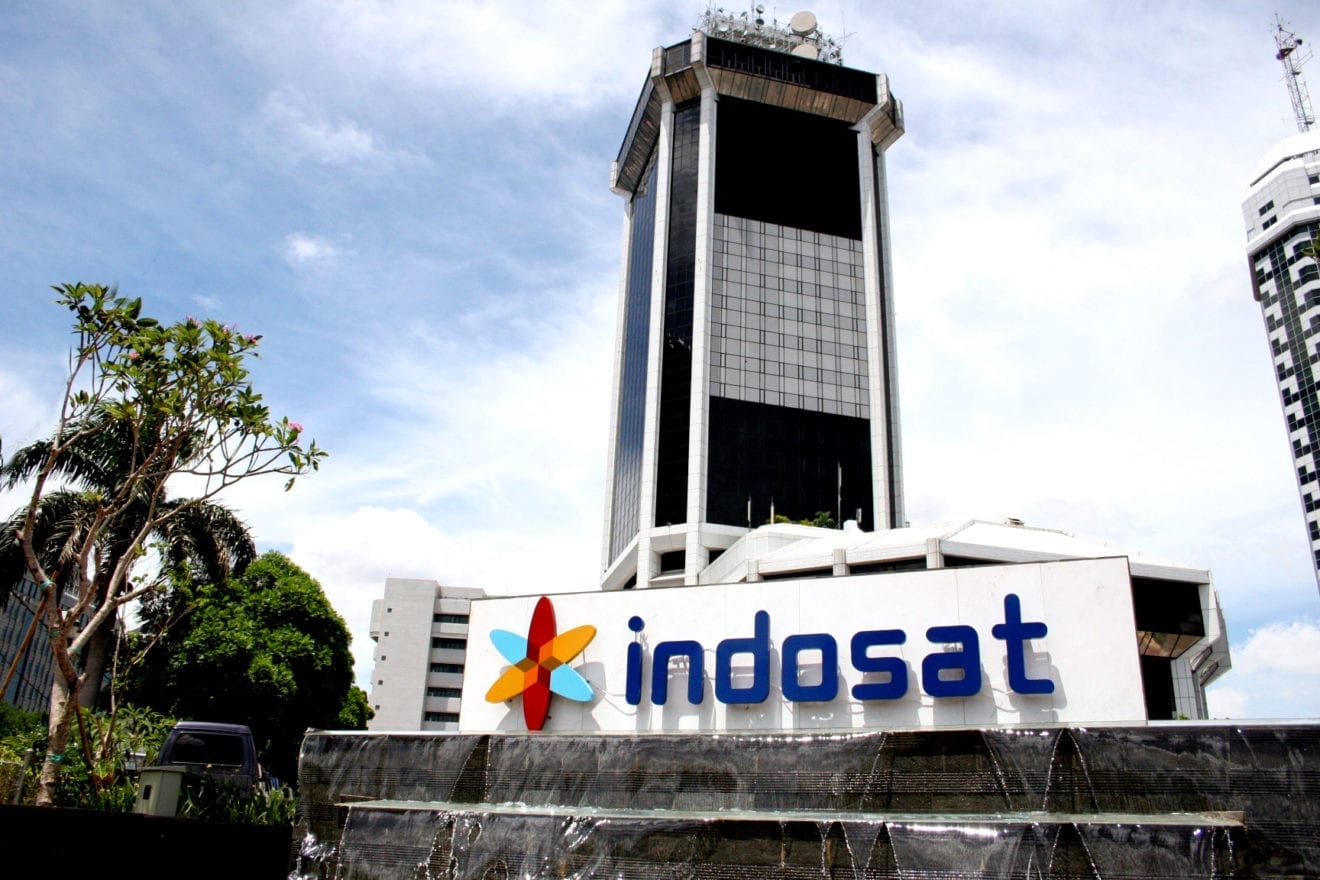
  • Indosat Posts Double-Digit Growth, Boosts AI Investment to Drive Indonesia’s Digital Future

    Indosat Posts Double-Digit Growth, Boosts AI Investment to Drive Indonesia’s Digital Future

    The company reported double-digit revenue growth and continued to outperform the industry with substantial improvements, as evidenced by key financial indicators.

    During the first nine months of 2024 (9M24), Indosat generated total revenues of IDR 41,812 billion, marking an 11.6% Year-on-Year (YoY) increase. EBITDA also showed strong growth, rising by 15% YoY to IDR 20,000 billion, resulting in an EBITDA margin of 47.8% in 9M24.

    Profit for the Period Attributable to Owners of the Parent reached IDR 3,878 billion, indicating a 39.1% YoY increase, reflecting Indosat’s continued profitable quarters. The company’s cellular, MIDI, and fixed telecommunications businesses contributed 84.3%, 14.1%, and 1.6%, respectively, to overall revenue. While cellular services continued to dominate, growing 9.5% YoY due to increased data usage, the MIDI segment saw a significant 30.2% increase, driven by growth in fixed internet, fixed connectivity, and IT services. This shift towards AI and digital solutions positions MIDI as an increasingly important contributor to Indosat’s overall business.

    Vikram Sinha, President Director & CEO of Indosat Ooredoo Hutchison, stated, “These results reflect our ongoing efforts in operational excellence, strategic capital allocation, and leveraging AI-driven transformation. Our focus remains on delivering a great experience to all stakeholders and ensuring strong financial performance while adapting to the ever-changing telecommunications landscape.”

    These results demonstrate Indosat’s strategic focus on enhancing customer value and optimizing costs, leading to strong overall performance. The company’s strategic capital expenditure (CapEx) has been crucial to this success, with investments aimed at improving network infrastructure, especially in rural and eastern parts of Indonesia, and driving business expansion. Indosat increased its 4G BTS by 12.5% YoY to 193,562 sites, meeting the growing data demand while providing a great experience for its customers, positioning the company favorably for sustained long-term growth. This expansion led to a significant increase in data traffic, rising by 12.5% YoY to 12,050 Petabytes (PB) in the first nine months of 2024.

    Furthermore, Indosat’s focus on attracting high-quality customers has significantly contributed to an increase in Average Revenue Per User (ARPU) of IDR 37.7 thousand in the first nine months of 2024, marking an 8.7% rise compared to the same period in the previous year. Additionally, Indosat aims to enhance its infrastructure to ensure robust, reliable coverage nationwide. Central to this transformation is the integration of AI, which Indosat uses to optimize operations, drive innovation, and enhance customer experiences. This approach has helped improve operational efficiency and strengthen the company’s competitive position in the market.

    Indosat is forming strategic partnerships with global leaders like NVIDIA, Microsoft, Google, Mastercard, and Huawei to support these initiatives. Notable achievements include the launch of its AI Experience Center and the introduction of GPU Merdeka by Lintasarta, a subsidiary of Indosat, which offers an AI cloud service. These efforts contribute to aligning with the nation’s 2045 Golden Indonesia Vision.

    In line with its commitment to digital empowerment, Indosat continues to bridge the digital divide and promote digital inclusion. Through initiatives such as IDCamp and SheHacks, the company is actively expanding digital literacy and promoting gender equality. To date, IDCamp has trained over 270,000 students, equipping them with essential skills to thrive within Indonesia’s digital economy. Indosat is also advancing its Environmental, Social, and Governance (ESG) agenda by adopting sustainable practices, including renewable energy solutions; improving cybersecurity; and enhancing data privacy measures.

    These initiatives align with Indosat’s commitment to building a brighter, more inclusive digital future for Indonesia. “With a collaborative approach inspired by the spirit of Gotong Royong, we remain committed to our larger purpose of empowering Indonesia and ensuring that the country remains at the forefront of the regional digital economy,” Sinha concluded.

  • Indonesia blocks Apple from selling iPhone 16

    Indonesia blocks Apple from selling iPhone 16

    Indonesia has blocked Apple from selling the iPhone 16 in the country but still allows travelers to bring it in for personal use.

    The iPhone 16, released in September, is not permitted for domestic sale because PT Apple Indonesia has yet to meet the country’s requirement of 40% local content for smartphones and tablets, the Ministry of Industry said in a statement on Oct. 25 as reported by Bloomberg.

    Each traveler can bring up to two iPhone 16s into Indonesia, according to the Jakarta Globe.

    Between August and October, around 9,000 iPhone 16 units were brought into Indonesia as personal belongings with taxes paid, data from the ministry shows.

    Industry Minister Agus Gumiwang Kartasasmita mentioned on Oct, 22 that Apple has yet to fulfill its commitment to investing 1.7 trillion rupiah (US$108 million) in Indonesia to secure a license for local sales. So far, Apple has invested 1.5 trillion rupiah.

    Apple’s older products can still be sold in Indonesia.

    Samsung Electronics and Xiaomi have set up factories in Indonesia to comply with the domestic content regulations introduced in 2017. Other ways to boost local content include sourcing materials or hiring workers in the country, according to Bloomberg.

    Apple on Oct 11 said that it was “deeply committed to Indonesia and excited to bring all of our latest products, including the iPhone 16 line-up, to our customers as soon as possible.”

  • Budget e-commerce platform Temu enters Vietnam, Brunei after Indonesia ban

    Budget e-commerce platform Temu enters Vietnam, Brunei after Indonesia ban

    Chinese discount shopping site Temu has entered Vietnam and Brunei after facing a ban in Indonesia.

    But its entry into Vietnam was rushed, seeing as the Temu website in the country was initially only available in English.

    It also only accepts payments through credit cards and Google Pay, and no local digital wallets.

    The platform said shipping to Vietnam takes four to seven days, much faster than the five to 20 days for Malaysia or the Philippines, according to Singapore-based research firm Momentum Works.

    Meanwhile, Temu’s Brunei site is available in both English and that country’s official Malay language.

    Vietnam was the fastest-growing e-commerce market in Southeast Asia with a 53% year-on-year growth in gross merchandise value last year while Brunei has one of the world’s highest standards of living.

    The move to expand into these two Southeast Asian countries came after the site was banned from operating in Indonesia earlier this month.

    Budi Arie Setiadi, the country’s Minister of Communications and Informatics, said on Oct. 1 that the ban is in place to protect local micro, small and medium enterprises from being disrupted, as quoted by CNA.

    Indonesia has also requested Google and Apple to block Temu from their Indonesia app stores to prevent it from being downloaded, Reuters reported.

    The country’s e-commerce industry is projected to grow from US$62 billion in 2023 to approximately US$160 billion by 2030, according to a report by Google, Singapore state investor Temasek Holdings and consultancy Bain & Co.

    Based in Boston, Massachusetts, Temu is an online marketplace offering a variety of products at heavily discounted prices. It is owned by Chinese e-commerce giant PDD Holdings and currently operates in over 80 countries and territories.

  • UiPath and Indosat Partner to Train Indonesians in Enterprise Automation

    UiPath and Indosat Partner to Train Indonesians in Enterprise Automation

    The goal of this initiative is to prepare Indonesia’s digital talents to support the country’s transformation into a global hub for AI and automation talent. As part of this collaboration, UiPath will enhance Indosat’s IDCamp curriculum by incorporating enterprise automation training. The program will offer courses on enterprise automation, allowing participants to earn UiPath Certified Professional credentials.

    Daniel Dines, the Founder and CEO of UiPath, stated, “As Indonesia aims to become a global economic powerhouse, it is crucial to strengthen workforce resilience and develop digital skills. UiPath is thrilled to partner with Indosat to promote innovation and make learning in enterprise automation more accessible. Together, we are facilitating the sustainable adoption of these technologies and preparing Indonesia’s workforce to excel in the digital economy.”

    Vikram Sinha, the President Director and CEO of Indosat Ooredoo Hutchison, added, “Indosat’s main goal is to empower Indonesia through advanced technology. Recognizing the potential of UiPath’s technology in driving growth across various sectors in Indonesia, we decided to form this partnership. This collaboration aims to enhance national competitiveness and create opportunities for society to thrive in the digital era. We believe that this initiative will significantly contribute to Indonesia’s future as a global hub for digital talent.”

    UiPath is expanding its collaboration with Indosat to offer two specialized web-based courses on enterprise automation development and citizen development as part of Indosat’s online coding camp IDCamp. These courses—UiPath Automation Explorer and UiPath Citizen Developer—are designed to equip learners with automation skills. Participants in IDCamp will have access to various free resources, including comprehensive courses on enterprise automation technologies, UiPath Academic Alliance software editions, and UiPath Certified Professional certifications to prepare them for success in the digital workforce.

    Learners will also have the opportunity to connect with a global community of automation professionals and users. Since its launch, IDCamp has provided over 273,000 individuals with online coding scholarships. The program incorporates real-world case studies, with high-achieving graduates receiving support for global certifications and career opportunities. The partnership will also expand the UiPath Academic Alliance in Indonesia, involving more than 18 academic institutions and impacting over 8,000 students.

    Indosat will support these institutions through collaborative projects like workshops and hackathons, applying AI and enterprise automation to solve real-world challenges. Addressing the digital skills gap is essential to achieving Indonesia’s goal of becoming the fourth-largest economy by 2045. UiPath will provide more information about the UiPath Automation Explorer and UiPath Citizen Developer courses offered through Indosat IDCamp in two webinars scheduled for October 17, 2024, and November 7, 2024.

  • Telkomsel Trials Facial Recognition for Prepaid SIM Registration

    Telkomsel Trials Facial Recognition for Prepaid SIM Registration

    This makes Telkomsel the second telecom company in the country to adopt this biometric technology.

    On Friday, Telkomsel announced that it is trialing facial recognition in its customer service portal, GraPARI Online, and the MyGraPARI app.

    The facial scan compares the individual’s features with government identity databases to confirm the customer’s identity. Facial recognition will be used alongside current validation methods like Population Identification Numbers (NIK) and Family Card Numbers (KK).

    Telkomsel’s MyGraPARI has been indirectly using facial recognition by supporting eKTP, the digital version of Indonesia’s ID card that includes biometric data. MyGraPARI also offers fingerprint scanning as an ID verification option.

    Telkomsel’s Sales Director, Adiwinahyu Basuki Sigit, mentioned that facial recognition will simplify and secure the process of registering and replacing prepaid cards, while also enhancing personal data protection.

    He stated, “This biometric technology not only streamlines the registration process but also supports the implementation of Know Your Customer (KYC) standards to ensure the accuracy of customer data and reduce the risk of fraud and identity theft in today’s digital age.”

    Telkomsel’s announcement follows XL Axiata’s launch of a new prepaid SIM card registration process using facial recognition after a successful trial last month.

    These developments signify that facial recognition technology is becoming more prevalent in Indonesia, especially among government agencies and companies. There is a notable focus on immigration checkpoints.

  • Telkomsel Teams Up with Circles to Drive Digital Transformation in Southeast Asia

    Telkomsel Teams Up with Circles to Drive Digital Transformation in Southeast Asia

    By using Circles’ Software-as-a-Service (SaaS) platform and products, Telkomsel aims to offer advanced digital services and adopt new technologies quickly. These tools will improve the customer experience by providing better digital interactions and creating opportunities for growth and innovation. With Circles’ technology, Telkomsel can stay ahead of market trends, meet customer needs, and explore new possibilities in the digital world.

    Deepak Gulati, Senior Advisor and Chief Revenue Officer of Circles, is excited about partnering with Telkomsel, a major digital telecommunications company in Southeast Asia. This collaboration demonstrates the value of Circles’ SaaS offerings and migration capabilities on a global scale. It also shows the increasing interest from telecommunications companies worldwide in using Circles for digital transformation and innovation.

    Circles is dedicated to providing great value to Telkomsel, building strong references in the industry, and forming global partnerships that drive digital transformation. Derrick Heng, Director of Marketing at Telkomsel, emphasized the company’s commitment to innovation and meeting customer needs through the latest technologies.

    The partnership with Circles reflects Telkomsel’s dedication to offering cutting-edge solutions in today’s digital world. It aligns with Telkomsel’s vision to empower Indonesians and help individuals, households, and businesses achieve more. With Telkomsel now part of its client base through local partner, Phintraco Consulting, Circles continues to expand its list of major telecommunications partners globally, including KDDI and e&.

  • Indosat Launches IMSecure to Safeguard Personal Data in a Digitally Connected Indonesia

    Indosat Launches IMSecure to Safeguard Personal Data in a Digitally Connected Indonesia

    Vikram Sinha, President Director and CEO of Indosat, emphasized the importance of personal data security in building customer trust. He stated that while their mission is to connect and empower every Indonesian through digital technology, they are also committed to maintaining high standards in data protection.

    As part of this commitment, Indosat has introduced IMSecure—a data security solution under the IM3 brand—to safeguard customers from digital threats like identity theft and cyberattacks. This technology was developed in collaboration with a global digital security company to ensure top-notch protection standards.

    IMSecure not only protects customers but also supports Indosat’s goal of empowering society through safe digitalization. As more Indonesians go online, the need for personal data protection increases. IMSecure allows customers to benefit from digitalization without compromising their data security.

    Indosat has also launched initiatives to enhance personal data protection in line with PDP regulations. This includes a data privacy awareness program for employees, data type mapping, PDP compliance assessments, and the development of technical policies to manage personal data securely.

    To prevent data breaches, Indosat has implemented advanced data protection systems and tools that comply with PDP regulations and safeguard personal data from security threats, even when using third-party services.

    In addition to these efforts, Indosat is focusing on building trust in the digital ecosystem through initiatives like IMSecure and digital literacy programs. These programs educate the public on recognizing and avoiding digital threats, maintaining online privacy, and emphasizing the importance of personal data protection.

    Sinha concluded by stating that security is crucial for sustainability and trust in the digital ecosystem. Indosat is committed to innovating in personal data protection to ensure that everyone connected through their network can do so safely and confidently.

  • As it exits other markets, Flash Coffee doubles down on Indonesia

    As it exits other markets, Flash Coffee doubles down on Indonesia

    Flash Coffee is expanding its footprint in Indonesia, with new store openings planned across Jakarta and Bandung and the rollout of new food and beverage offerings.

    The coffee chain said each outlet offers a larger space with a sit-and-stay design to encourage customers to have their coffees in-store. At the same time, it launched a more user-friendly process for digital ordering on its proprietary app.

    After last year’s restructuring, the company said its main focus is now on Indonesia and franchising the brand in other countries, following the closure of Flash Coffee in other Asian markets and the sale of its brand in Thailand as a franchise.

    Flash Coffee founder and CEO David Bruinier thanked its customer base and said the company is “just getting started” on its Indonesian expansion.

    “We are now expanding our footprint in the country, with plans to add many new stores to our portfolio within the next 12 months,” he added.

    The coffee chain now operates 67 stores and reported an increase in revenue per store by over 50 percent from early this year, reaching operational profitability.

    Launched in Singapore in 2020, the “tech-driven” coffee chain is now backed by New York-based venture capital firm White Star Capital as its largest shareholder after raising US$50 million in a Series B funding round last year.

    Jakob Angele, executive chairman of Flash Coffee and venture partner at White Star Capital, said the company is pleased with the brand’s success in Indonesia.

    “Indonesia is one of the most exciting and vibrant coffee markets worldwide. Flash Coffee is uniquely positioned to serve its growing demand for high-quality coffee,” he concluded.

  • Miniso opens the world’s largest store in Indonesia

    Miniso opens the world’s largest store in Indonesia

    Chinese lifestyle brand Miniso has launched its flagship store in Jakarta, Indonesia, marking the brand’s largest store globally.

    Located inside the Central Park Mall, the 2941sqm store is designed with the concept of a Dream Castle Park. There are eight product categories with three IP zones: Harry Potter, Sanrio, and Disney.

    “With the opening of the Jakarta Central Park flagship store, Miniso takes another solid step towards realizing its vision of becoming the world’s leading IP design retail group,” said Bella Tu, VP and GM of Miniso for overseas directly operated markets.

    “We hope to continue leading the trend of interest-based consumption through our Super Stores, providing consumers worldwide with emotional value and an exceptional shopping experience.”

    In addition, Miniso organised a perfume event with a seven-metre-tall perfume model as the visual highlight. The brand offers a collection of seven perfume series.

    According to Miniso, Indonesia, which currently has more than 300 Miniso stores, is a crucial directly controlled market for the brand and a popular household name.

    “The launch of our largest global store in Indonesia further cements this market’s importance,” added Tu.

    “From core cities like Jakarta, Surabaya, and Bandung to regions such as Bali, Sulawesi, and Papua, Miniso’s presence is felt throughout Indonesia. Through store development, product innovation, and localization strategies, we have continuously enhanced our brand influence, successfully establishing Miniso as one of the most sought-after brands among local consumers.”

    The Jakarta launch coincides with the 200th store opening in the US, demonstrating the brand’s expansion in the market. Miniso has opened stores in strategic locations across the US, including Times Square and Tangram in New York and the American Dream Mall in New Jersey.


  • Indonesia encourages people to embrace EVs​

    Indonesia encourages people to embrace EVs​

    Indonesian Transportation Minister Budi Karya Sumadi is encouraging more people to embrace electric vehicles (EVs) in their lives as the country wishes to boost its e-mobility adoption.

    However, the minister admitted that convincing people to use EVs could be hard as they were still pricey at this time. Promoting green transport should also start as soon as possible so people will get used to riding EVs, according to Budi.

    He said this is a grand idea that will certainly benefit all, particularly for the future generations. But it is not an easy task.

    He also said he hopes that there will be a rise in the EV lifestyle, although electric cars and two-wheelers are still expensive.

    Indonesia is aiming to reach net zero emission by 2060 or sooner. The country has set a goal to have 2 million electric cars and 13 million electric two-wheelers on its roads by 2030.

    The government earlier this year reported that Indonesia had recorded 144,547 units of EVs as of May 2024.

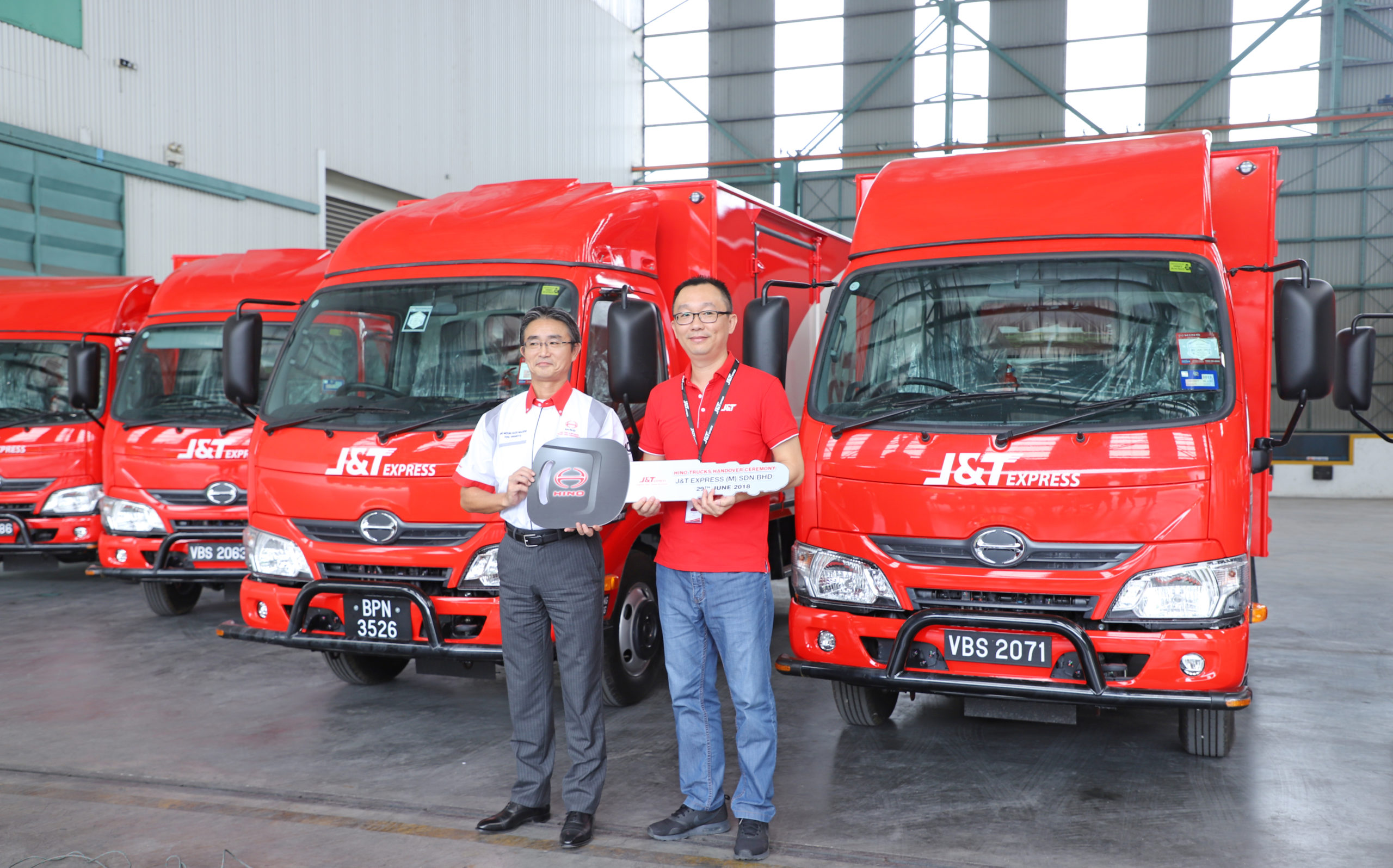
  • J&T Express turns to net profit in H1 2024

    J&T Express turns to net profit in H1 2024

    J&T Global Express Limited a global logistics service provider, announced its 2024 interim results for the first half of 2024. In the first half of the year, J&T’s revenue reached US$4.86 billion, representing a year-over-year increase of 20.6%. Revenue of its core business, express delivery services, reached US$4.74 billion, marking a YoY increase of 33.7%. Gross profit showed a YoY increase of 176.8% to US$540 million.

    In H1 2024, all of J&T’s profit metrics swung to positive. The Company reported a net profit of US$31.026 million, a significant turnaround compared to the loss of US$670 million over the same period last year. Adjusted net profit was US$63.248 million, compared to a loss of US$260 million over the same period last year. Adjusted EBITDA soared by 795.6% to reach US$350 million. Adjusted EBIT also turned positive and reached US$120 million, underlining a healthy and sustainable level of profitability.

    During the Period, J&T’s total parcel volume increased by 38.3% YoY to 11.01 billion. The business scale of all operating regions continued to expand, with parcel volume consistently achieving double-digit growth. In Southeast Asia, parcel volume increased by 42% YoY to 2.04 billion, raising its market share to 27.4%. In China, parcel volume grew by 37% to 8.84 billion. In newer markets such as Saudi Arabia and Mexico, parcel volume surged approximately 64% to 140 million.

    China’s parcel volume growth leads the industry; cost per parcel reduction drives adjusted EBIT to profitability for the first time
    During the Period, J&T’s market share continued to rise, with a 37% YoY growth in parcel volume outpacing its peers. J&T’s market share, in terms of parcel volume in China, reached 11%, up 1.1 percentage points YoY. This was primarily driven by J&T seizing the growth opportunities brought by the rapid growth of social e-commerce and enhancing customer acquisition with cost-effective services. At the same time, J&T continued to explore its business development in China’s lower-tier markets, cooperating with a number of e-commerce platforms to undertake consolidation delivery business targeting at remote areas, thereby helping e-commerce vendors and e-commerce platforms to expand to areas that were originally difficult to reach.

    In the first half of the year, J&T revenue in the Chinese market was approximately US$3 billion, a year-on-year increase of about 36%. The adjusted EBITDA reached US$200 million, and the adjusted EBIT turned positive for the first time, reaching US$59.595 million. This is mainly due to the Company’s relatively stable revenue per parcel in the first half of the year, with the unit cost per parcel of express delivery continuing to decline. Specifically, the unit cost per parcel dropped by about 6% to US$0.32. Benefited from to the continuous implementation of refined management and operational optimization in each process in China, which has continually enhanced the strength and efficiency of our entire network.

    Maintaining its lead in SEA for four consecutive years with growing market share; continually optimizing service quality
    J&T’s full coverage and well-established logistics network in SEA, as well as its cost-effective services and strong customer relationships, have continued to serve as competitive advantages. As a result, the Company’s parcel volume in the region increased by 42% YoY. J&T’s market share reached 27.4%, up 2 percentage points compared to 2023.

    In SEA, J&T continues to seize opportunities in the e-commerce market and actively develop non-e-commerce platform customers. The Company also benefits from both the overall rise in e-commerce volume and the emergence of social commerce, while maintaining a strong commitment to service quality. In H1 2024, the Company’s average parcel delivery time in SEA was shortened by 13.8% YoY.

    In the first half of 2024, revenue of the Company’s SEA operations increased by 22% to US$1.52 billion, adjusted EBITDA grew by 13% to US$210 million, and adjusted EBIT grew by 46% YoY to reach US$130 million.

    New Markets business maintained rapid growth and actively expands local e-commerce customer base
    J&T continues to penetrate new markets, rapidly expanding its business scale. The volume of packages in J&T new markets is growing at a high speed. While maintaining close cooperation with Chinese cross-border e-commerce platforms, we are actively developing and maintaining good relationships with major local e-commerce platforms such as Noon in the Middle East and Salla in Saudi Arabia. At the same time, the demand for parcel services from individual customers and commercial organizations in new markets is increasing. To better serve this need, we have launched the J&T SPEED product in the Middle East.

    In 1H 2024, revenue from new markets reached US$290 million, representing a near 1.2x YoY increase. This growth was fuelled primarily by a 64% YoY surge in regional parcel volume. During the Period, gross profit turned positive, reaching US$35.022 million, while the adjusted EBITDA loss narrowed significantly to US$7.84 million compared to the same period last year.

    Continue to enhance service experience: Solidifying the path to global development
    J&T is committed to providing customers with an enhanced logistics service experience by continuously building its own sorting centers, enhancing the efficiency of self-operated transportation fleets, and investing in automated equipment across various markets. As of 30 June 2024, the Company had approximately 8,000 network partners and around 19,900 outlets. The Company operated 237 sorting centers equipped with 254 automated sorting lines. Its transportation network comprised over 4,100 line-haul routes, utilizing more than 9,900 vehicles, including over 5,700 that were company-owned.


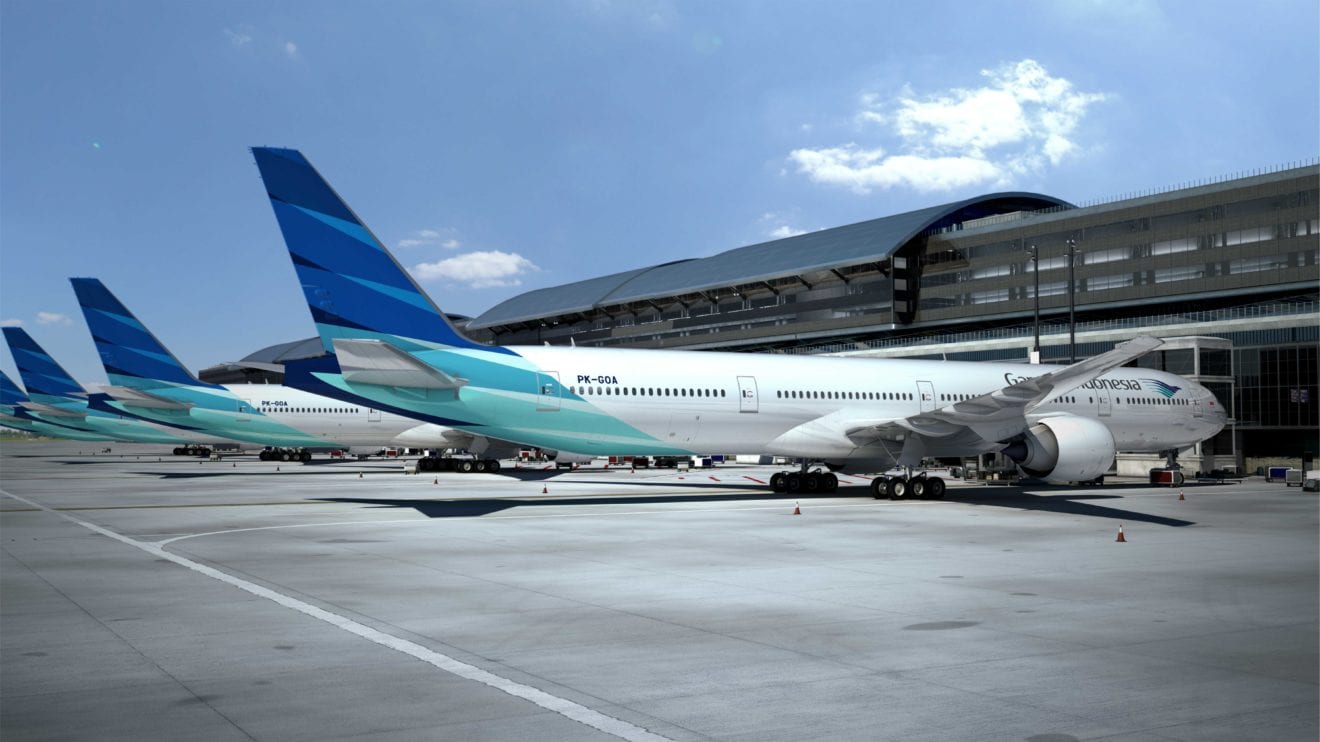
  • Garuda Indonesia and Singapore Airlines receive regulatory approval for commercial joint venture

    Garuda Indonesia and Singapore Airlines receive regulatory approval for commercial joint venture

    Garuda Indonesia and Singapore Airlines (SIA) received the Competition and Consumer Commission of Singapore’s (CCCS) approval of their commercial joint venture agreement.

    With this approval, the airlines will be able to deepen their strategic partnership on a wider range of commercial activities that will bring greater benefits to both airlines, as well as Indonesia and Singapore. These potentially include operating joint revenue sharing flights between the two countries, coordinating flight schedules to offer travellers more options and seamless connectivity between Singapore and Indonesia and beyond, and exploring joint sales and marketing initiatives that provide greater value to both airlines’ customers.

    Since Garuda Indonesia and Singapore Airlines signed an agreement to deepen their partnership in May 2023, the carriers have been working on initiatives including giving GarudaMiles and KrisFlyer members the option to earn and redeem miles on codeshare routes. They have also embarked on joint marketing initiatives to promote tourism activities.

    The airlines today codeshare on a wide range of flights, including between Singapore and Indonesian cities of Bali, Jakarta, Medan, and Surabaya, as well as on long-haul routes between Singapore and Johannesburg, London (Heathrow), and Mumbai.

    Mr Irfan Setiaputra, President and Chief Executive Officer, Garuda Indonesia, said, “We are very pleased to receive this approval, as it marks significant progress towards our commitment to enhance service quality as well as broaden both Garuda Indonesia and Singapore Airlines’ networks through a deepening partnership.

    The joint venture initiative that we are preparing today has been one of the strategies to ensure extensive value creation for our loyal customers. Having regulatory approval as the first step in a commercial agreement will provide more opportunities for developing well-executed strategic ideas.

    “Moreover, we hope that this joint venture agreement can provide seamless services for passengers with more flight schedule options and ease in earning and redeeming mileage. Also, this collaboration may deliver concrete action to contribute to boosting Indonesian tourism activities, which will support the post-pandemic economic recovery progress,” Mr Irfan explained.

    Mr Goh Choon Phong, Chief Executive Officer, Singapore Airlines, said, “The robust strategic partnership between Garuda Indonesia and Singapore Airlines has enabled us to broaden our codeshare services over the last few years, offering our customers more choices on flights. With the CCCS’s approval, we are poised to deepen our collaboration across a wider scope of commercial activities.

    Along with the ongoing work to strengthen the links between our frequent flyer membership programmes, this will provide our customers with even more options and enhanced value. This partnership underscores both airlines’ commitment to improving connectivity between Indonesia and Singapore and beyond, boosting both business and leisure travel, and contributing to economic growth.”