Tag: Indonesia

  • BNI to expand in Malaysia by first half of 2017

    BNI to expand in Malaysia by first half of 2017

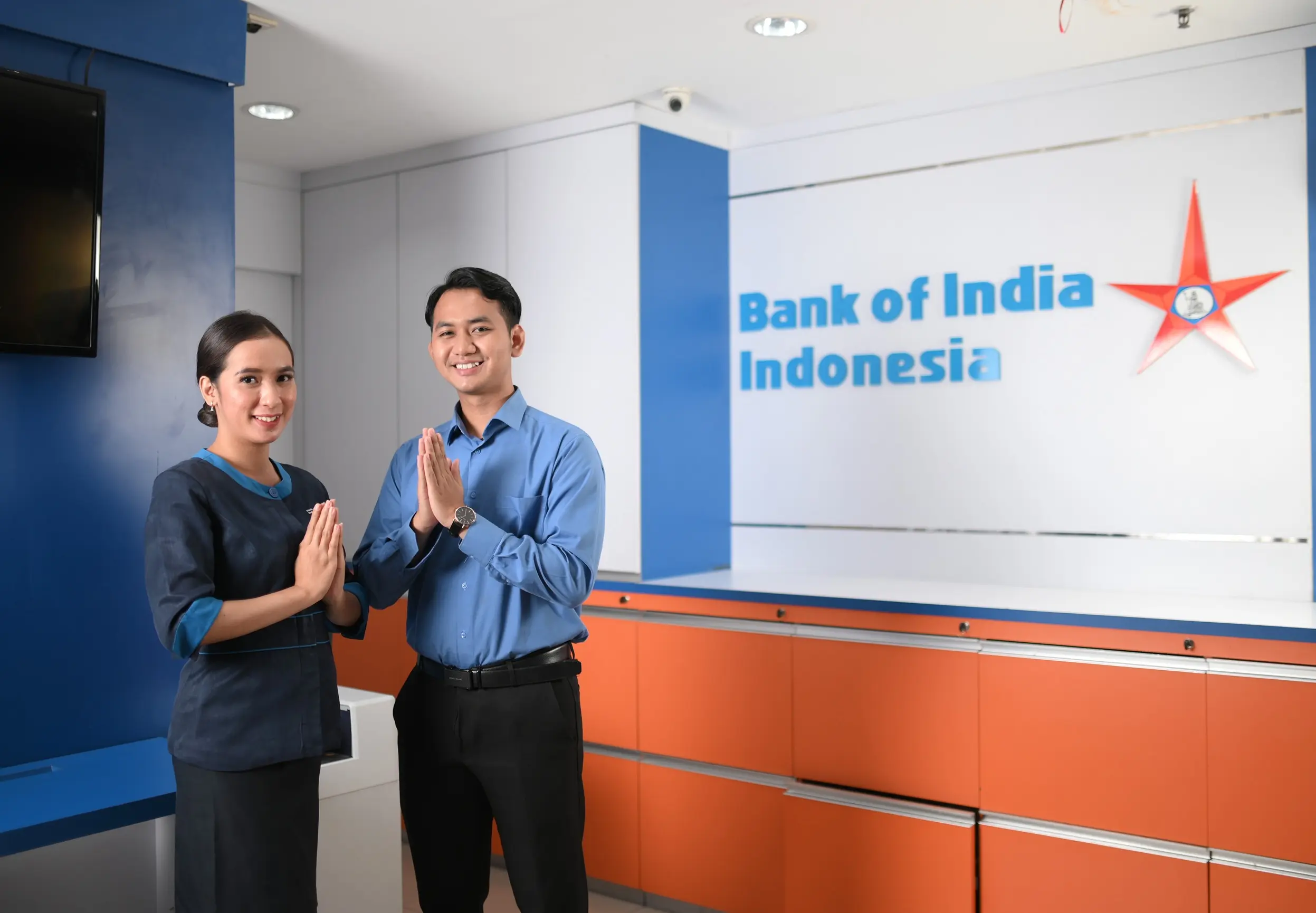
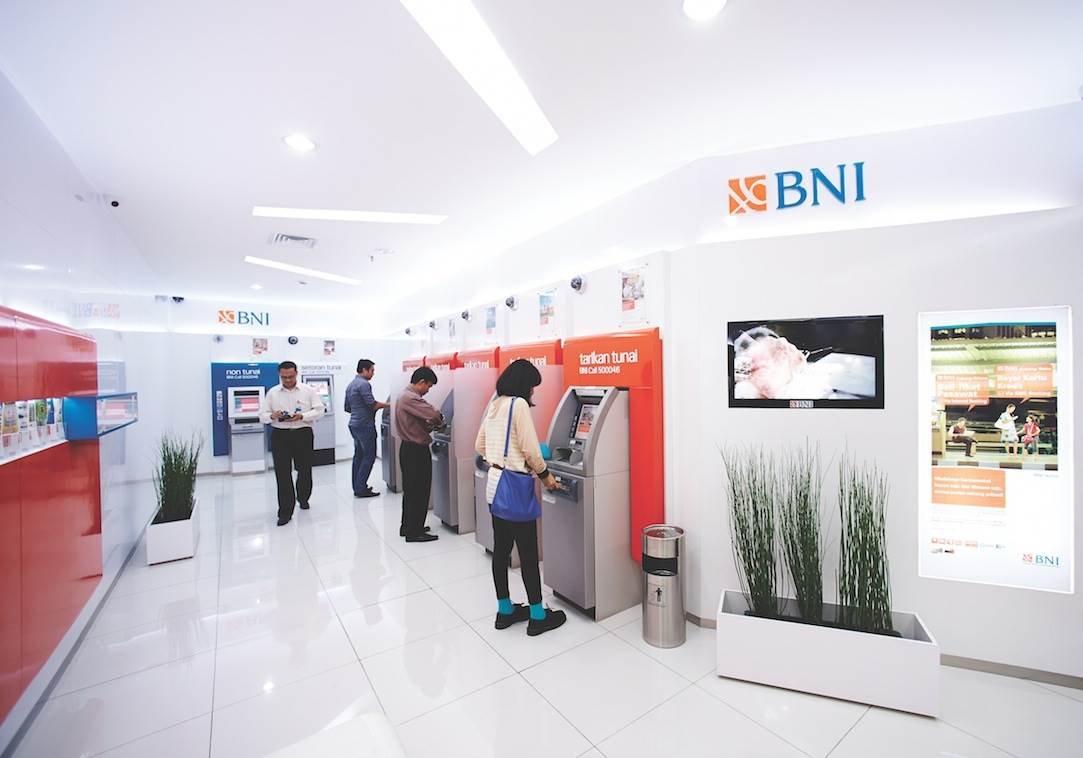
    PT Bank Negara Indonesia (BNI) has submitted an expansion proposal to the Indonesian and Malaysian regulators to establish a network branch in Malaysia. The target is to have the branch working by the first half of 2017.

    Chairman of PT BNI Achmad Baiquini said in Jakarta on Thursday that the Financial Services Authorities (OJK) signed a reciprocal bilateral agreement with the Malaysian Central Bank in August.

    Since then, the bank began putting together documentation to execute an expansion in Malaysia.

    “We should be able to establish a network there within the first semester of 2017,” he added.

    Once the bank explores the sector, he noted, it will delve into the remittances business, which will allow Indonesian laborers in Malaysia to send money to their families back home.

    The bank is also looking at trade financing in Malaysia.

    Remittances, he observed, will also act as a good start to initiate a digital banking business in Malaysia.

    In the future, the banking services would shift solely to digital platforms in Malaysia.

    As for capital funds prepared by the bank, Baiquini was reluctant to reveal the details.

    “We will surely follow the agreement signed by the Authority and Malaysia, and will follow all their guidelines,” he remarked.

    Indonesia and Malaysia had signed a bilateral partnership agreement on August 1 as part of the ASEAN Banking Integrated Framework.

    As part of such cooperation, which emphasizes the principle of reciprocity, Indonesias bank will receive a cost reduction incentive for network expansion in Malaysia, including admission fee and payment system fee.

    The Financial Services Authoritys Deputy Supervisor, Mulya Siregar, pointed out that the admission fee for Indonesia has been reduced from 10.4 million Ringgits to 5.2 million Ringgits.

    “Costs regarding payment systems, including Automatic Cash Machines, also went down from 4 Ringgit to 1 to 2 ringgit per transaction,” informed Siregar.

  • Indonesia to raise cigarette tax in January

    Indonesia to raise cigarette tax in January

    Cigarette tax in Indonesia will be increased by an average of 10 percent starting January 1 next year in a move to control the production and consumption of cigarettes in the country.

    Local media quoted Indonesian Finance Minister Sri Mulyani Indrawati as saying her ministry had approved regulations on hiking tax on all types and brands of cigarettes effective January 1, 2017.

    “The increase would be deterrent enough but not give a negative impact on employment opportunities in the tobacco industry and at the same time provide sufficient for space for small industries,” she said.

    The Indonesian government is targeting to earn Rp150 trillion (RM450 million) in taxes, an increase of 5.7 percent compared to this year.

    The most popular cigarette in Indonesia is keretek, a type of cigarette made from a mixture of tobacco, cloves as well as other spices.

    The price of keretek is said to be the lowest in the world as a stick of the machine-made cigarette is sold at about 10 sen while a hand-rolled keretek cigarette is sold at about 15 sen a stick.

    Factory manufactured white cigarettes are sold at about 15 sen a stick while white hand-made cigarettes cost about 18 sen a stick.

    Online media quoted Indonesian Public Administration analyst, Agus Pambagyo as saying the regulations to raise cigarette tax would not affect the cigarette industry even though the prices of cigarettes would remain as the cheapest in the world.

    He said the prices of cigarettes should not be so low and in the effort to raise cigarette prices, the government should also take steps to eradicate the sale and production of illicit cigarettes as well as smuggled products.

    At the same time, he said an increase in the prices of cigarettes could provide irresponsible parties the opportunity to sell more cheap cigarettes illegally.

  • Uber Wants to be a Technology Company in Indonesia

    Uber Wants to be a Technology Company in Indonesia

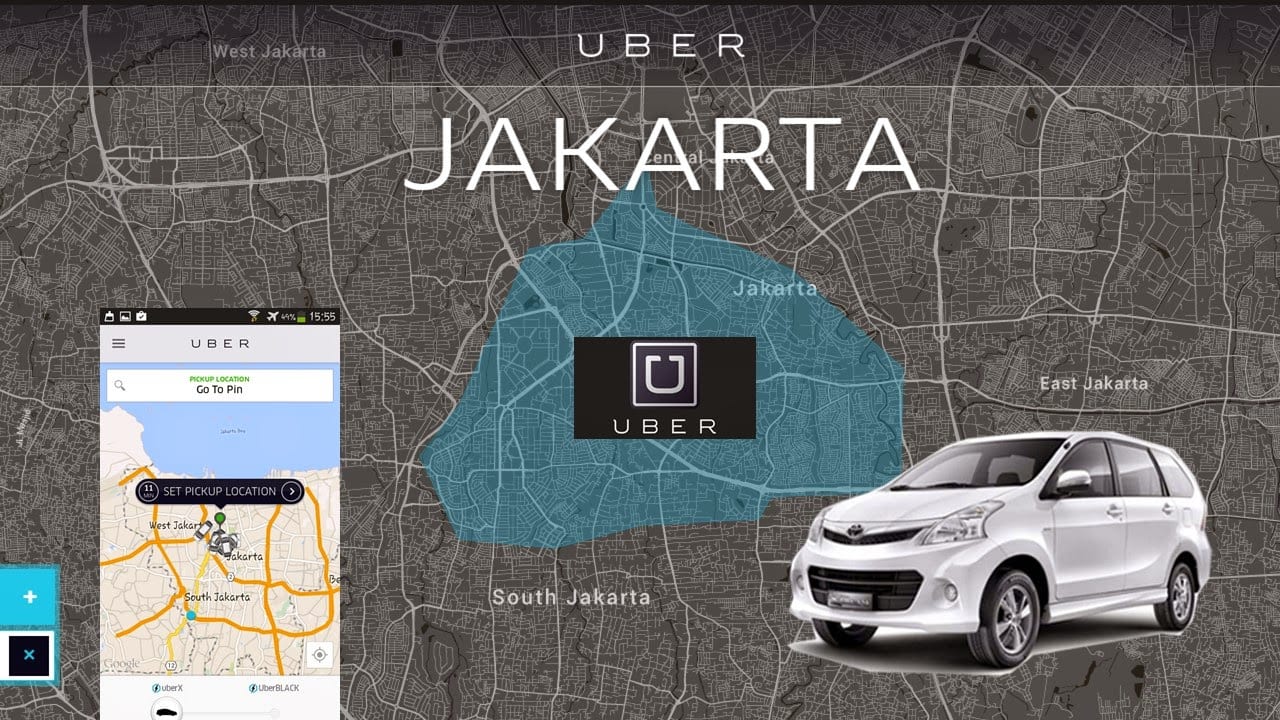
    Uber Technologies Inc. said Tuesday it is working to establish itself as a technology company in Indonesia, to avoid legal hurdles after police launched an investigation into the company’s operations last month.

    The move will also help underscore what Uber says is its role as a provider of smartphone applications, amid claims from traditional taxi firms that its business practices in the country are illegal.

    “We definitely want to be here long term,” Alan Jiang, head of Uber’s operations in Indonesia, said at a news conference. “In order to do that, we are currently in the process to set up a foreign investment company here and we would like to work closely with the government.”

    Uber introduced its popular ride-hailing application to the local market last August, opening a representative office in Jakarta to supervise its business in three markets: Jakarta, Bali and Bandung. Traditional taxi firms, however, have called the startup’s business practices illegal, saying it doesn’t have a taxi license or use meters. Their complaints led Jakarta police to detain five Uber drivers for questioning last month; they were released the same day without being charged although authorities said they could be called as witnesses as the investigation into Uber progresses.

    Although Uber is still operating in Indonesia, the arrests forced the company to rethink how to avoid potential legal hurdles, which could affect its business in the future. Indonesia, the fourth most populous nation in the world with a fast-growing middle class, is one of the company’s key growth markets, it has said.

    Uber won’t, however, be applying for a taxi license, as some of its competitors have demanded, Mr. Jiang said. Instead, it will seek a license to formally establish itself as an e-commerce company.

    “Uber is only a smartphone application,” Mr. Jiang said. “We don’t need a transportation license as all we make is a smartphone app that connects riders to drivers.”

    The San Francisco-based company, which operates in more than 300 cities around the world, has faced regulatory hurdles in many parts of the world. The problems have been especially acute in Europe. Courts in Spain, Germany, Italy and the Netherlands have banned a low-cost Uber service that uses nonprofessional riders. France prohibits companies such as Uber from showing the location of available cars other than traditional cabs on smartphone apps.

    In Asia, the company has faced regulatory hurdles in Thailand, Singapore and Vietnam. An Indian court last month left in place a ban on the service in Delhi, where Uber has been banned since December, when a woman alleged that a driver booked through the firm’s app raped her. The driver is on trial and denies wrongdoing.

    By establishing itself as a company in Indonesia, Uber would be allowed to gather revenue from inside the country, something which a representative office can’t do. Normally, Uber collects a 20% service fee on every fare paid by a passenger, and the rest goes to the driver. At the moment, Uber doesn’t collect fees from the two services it operates in Indonesia, UberBlack and UberX.

    Mr. Jiang declined to specify how much Uber has invested in Indonesia.

  • Indonesia’s GoTo narrows losses and on track

    Indonesia’s GoTo narrows losses and on track

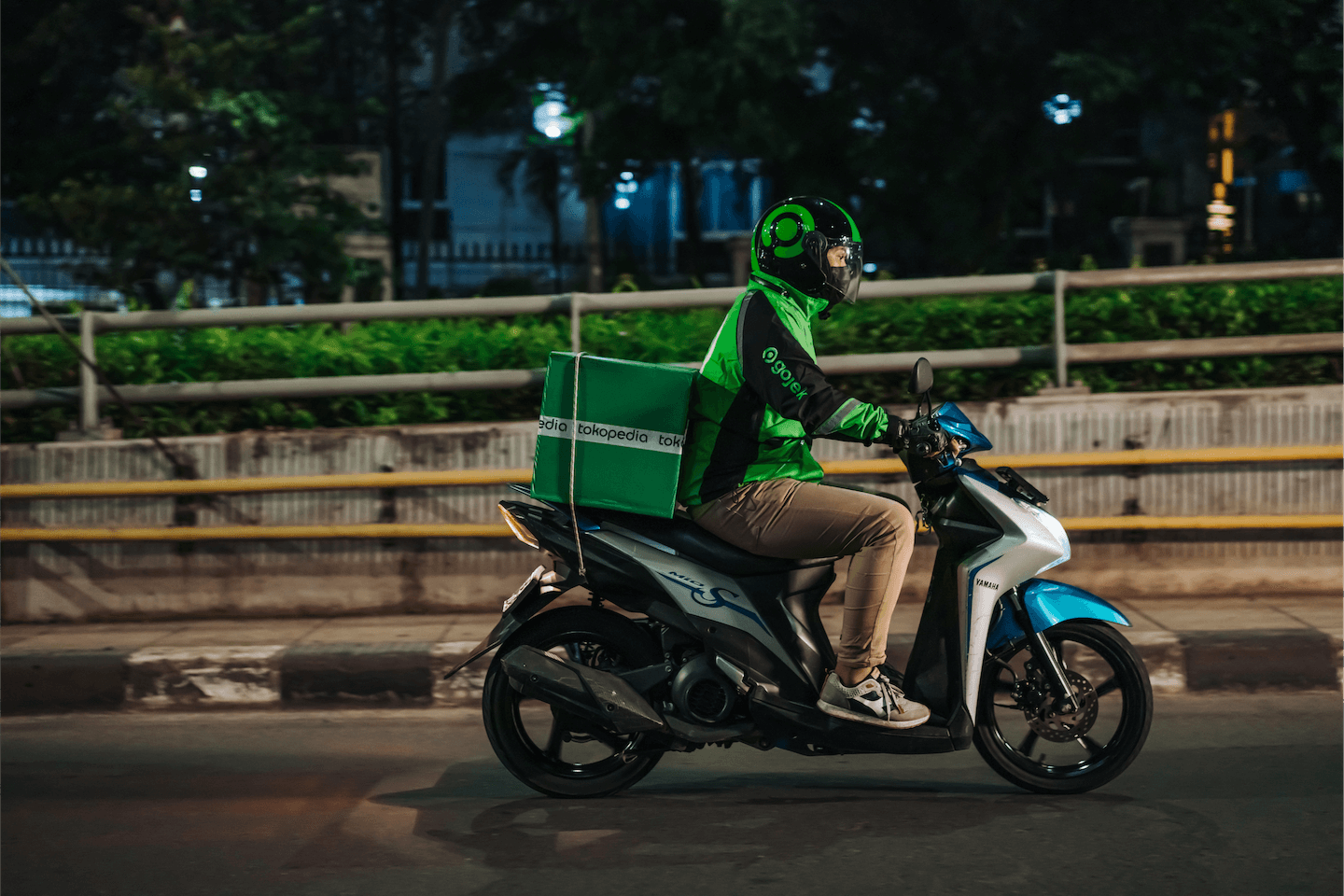
    Indonesia’s biggest tech firm GoTo on Tuesday said it had slashed underlying losses in the second quarter to US$78.25 million, down from $280 billion a year earlier, helped by intense cost-cutting measures.

    GoTo, backed by Japan’s SoftBank Group and Singapore’s sovereign wealth fund GIC, has implemented various cost-cutting measures including layoffs this year, as it lost three-quarters of its market valuation since it went public in April last year.

    Group CEO Patrick Walujo said that GoTo, which offers ride-hailing, e-commerce, and financial services, will continue its “cost discipline” measures while expanding its customer base.

    “We are developing a long-term strategy for achieving this, and in the meantime we will continue to operate with absolute cost discipline as we pivot our product mix towards the mass market,” Walujo, who took the top job in June, said in a statement.

    The company kept its target to swing to a profit by the end of this year.

    Following positive results for the first half, GoTo revised its 2023 adjusted EBITDA outlook to a loss of between $293.8 billion and $248.1 billion, from a previously forecast loss of between $346 billion and $300.3 billion.

    Net revenues for the second quarter of 2023 rose to $236 million, up 86.7 percent from 2022, with the company’s overall gross transaction value reaching $9.3 trillion, it said.

    The company said it had slashed losses by 48 percent for the first half compared to a year earlier.

    Its e-commerce business Tokopedia was Indonesia’s second-largest online marketplace last year, according to industry data, but faces intensifying competition as smaller rivals, led by TikTok, doubles down in the Southeast Asia’s biggest economy.

    Shares in GoTo, shorthand for GoTo Gojek Tokopedia, closed up 6.59 percent to $0.0067 per share before the earnings announcement.

  • Indonesia to Improve Sanitary Facilities in Major Tourist Sites

    Indonesia to Improve Sanitary Facilities in Major Tourist Sites

    In a bid to meet the target of 20,000 tourist arrival in 2016,  Public Works and Public Housing Ministry announced that it will build sanitation facilities in 10 major tourism destinations in Indonesia.

    It also said that the construction would involve municipal tap water company PDAM to provide clean water, while the sanitary facilities would be provided by the Ministry.

    Public Works and Public Housing Minister Basuki Hadimuljono said that the construction of those sanitary facilities is important to increase of tourists visiting Indonesia. He also said that the projects would begin this year.

    Basuki added that budget allocated for the projects is not too bit and ensured that the procurements would be done by the government.

    One of the major tourist destinations that still lack sanitary facilities and clean water is Labuan Bajo in East Nusa Tenggara province.

    “Sanitary facilities must be in good condition so tourists would be happy to come and visit,” Basuki said in Jakarta on Saturday (23/1).

    Furthermore, Public Works and Public Housing Ministry said that it would also help improving access to those tourist destinations.

    According to Director of Bina Marga (Highway) of the Public Works and Public Housing Ministry Hediyanto, the Directorate would build strategic roads to those tourist destinations.

    According to Hediyanto, the Ministry is now focusing on road infrastructures in several tourist destinations like Raja Ampat and Tanjung Lesung.

    “The government has allocated Rp4 trillion to build roads,” he added.

  • Marine tourism sector expected to contribute US$4 billion

    Marine tourism sector expected to contribute US$4 billion

    The marine tourism sector is expected to contribute US$4 billion in 2019, or a four-fold increase from the present contribution, according to Tourism Minister Arief Yahya.

    “We hope that the foreign exchange earnings from marine tourism will increase in 2019 from $1 billion this time,” Yahya remarked, during the signing ceremony of cooperation between the Ministry of Maritime Affairs and Fisheries and the Ministry of Tourism in the field of marine tourism here, on Tuesday.

    The minister admitted that the contribution of marine tourism to the foreign exchange at present was still lower than that of the tourism sector as a whole.

    He said that the marine tourism currently contributes to only about 10 percent of the overall foreign exchange of national tourism that reaches $10 billion per year. Thus, the contribution of marine tourism is only about $1 billion.

    The minister compared this to Malaysia, where marine tourism contributes to about 40 per cent of the total foreign tourists.

    Malaysia itself is expected to rake in tourism foreign exchange of about $25 billion per year.

    Yahya argued that the factors that lead to minimal contribution of marine tourism in Indonesia, among others, were regulatory factors, human resources, and the approach on being more concerned about security than services.

  • Citilink Adds Another A320 to its’ Fleet

    Citilink Adds Another A320 to its’ Fleet

    Indonesia’s flag carrier’s low cost subsidiary, Citilink Indonesia, has acquired a new aircraft that will alow it to operate extra services during the upcoming Eid holiday period.

    The Airbus A320 aircraft, which arrived from Hamburg, Germany on Thursday, is the 35th new aircraft acquired by the airline, said the Executive Director for Citilink Indonesia, Albert Burhan, through a press conference in Jakarta.

    “The addition of the new aircraft is reflective of the company’s growth in the first quarter (Q1) of 2015, which would also support Citilink’s ambition to expand its’ reach and stake in the domestic aviation industry,” said Burhan.

    “The arrival of this aircraft will also enable is to operate more services in light of the upcoming Ramadhan peak season,” said Burhan, before adding that Citilink plans to add up to 16 more flights per day between June 1 to June 15, 2015.

    It is known that extra services will be added to Citilink’s existing services between Jakarta’s Soekarno-Hatta Airport and Jogjakarta, Solo, Malang, Batam, Bali, and Medan’s Kuala Namu airport.

    Burhan explained in the press conference that Citilink needs to have at least 50 aircraft in order to get a bigger chunk of the domestic, low-cost aviation market. Citilink’s fleet, he continued, will grow to around 40 units by the end if the year, which will allow it to meet its’ target of delivering services to 11,2 million passengers annually – up from 7,6 million in 2014.

  • Bali`s economy grew by 6.24 percent in 2016

    Bali`s economy grew by 6.24 percent in 2016

    Balis economy registered a growth of 6.24 percent in 2016, a 0.20 percent increase as compared to 6.04 percent recorded in the previous year.

    The increase was sustained by a high growth of nine percent registered in the health services and social activities sector.

    “This was followed by an 8.91 percent growth in the education sector as well as a rise of 6.04 percent in the information and communication sector,” Head of the Bali Bureau for Statistics Adi Nugroho stated in Denpasar, Bali, on Monday.

    He further noted that each of the three sectors contributed significantly to the islands economic growth.

    Meanwhile, the highest expenditure came from household expenses, recorded at 48.30 percent in 2016, indicating a 6.69 percent increase as compared to the previous year.

    Balis economy, calculated on the basis of the gross domestic product (GDP), had reached Rp195.38 trillion in 2016 based on the constant price of Rp137.19 trillion and regional GDP recorded at Rp46.52 million.

    Nugroho added that looking at the islands GDP economic structure based on the work fields, it is dominated by three main activities comprising food and beverage provision, at 22.82 percent; agriculture, forestry, and fishery, at 14.74 percent; and transportation and storage, at 9.48 percent.

    The bureaus head stated that Balis economic growth in the fourth quarter of 2016 was noted at 5.47 percent as compared to the same period in 2015 (year-on-year).

    Growth was recorded in almost all sectors except for electricity and gas provision, which experienced a decrease of 1.63 percent.

    The highest growth came from the information and communication sector, at 9.15 percent; followed by finance services, at 9.08 percent; and insurance services, at 8.92 percent.

    Balis economic structure in the fourth quarter of 2016 was still dominated by three sectors comprising accommodation and food services, with 22.52 percent; agriculture, forestry, and fishery, with 15.07 percent; and transportation and storage, with 9.25 percent.

    Compared to the same period in 2015, all three sectors indicated an increase of between three and six percent.

    The main growth contributors were agriculture, forestry, and fishery, with 2.92 percent, and construction, with 1.69 percent, Nugroho noted.

  • Indonesian Banks Poised for Liquidity Boost in Second Half of the Year

    Indonesian Banks Poised for Liquidity Boost in Second Half of the Year

    The retail landscape in Asia is continuously evolving, driven by technology and shifting consumer desires. Leaders in the industry are not just adapting; they are innovating in ways that reshape shopping experiences. The latest trends provide a glimpse into the forward-thinking mindset that characterizes the modern retail scene.

    Emerging Trends in Retail Innovation

    As technology weaves itself into the fabric of retail, businesses are witnessing a significant transformation. From immersive virtual shopping experiences to the integration of AI in customer service, retailers are redefining interactions with their consumers. The push for sustainability is also omnipresent, with companies striving to meet the growing demand for eco-friendly products.

    Consider the surge in pop-up stores—these temporary retail experiences are popping up in unexpected places, creating buzz and intrigue. It’s not just about grabbing attention; it’s about cultivating an interactive and shareable experience that resonates with today’s consumer.

    Digital Engagement: A Critical Component

    In a world where online shopping reigns supreme, enhancing digital touchpoints has become paramount. Brands are investing heavily in their digital presence, employing advanced analytics to personalize shopping experiences and drive engagement. This digital-first approach not only boosts sales but also builds lasting relationships with customers.

    Many retailers are joining the “live shopping” movement, combining entertainment with e-commerce in real-time. Picture this: you’re browsing a store from the comfort of your sofa, and suddenly, a charismatic host appears on your screen, showcasing products while interacting with viewers. It’s shopping meets reality TV—a delightful fusion that keeps customers coming back for more.

    Sustainability Takes Center Stage

    Sustainability is not merely a trend; it’s a necessity. Retailers across Asia are increasingly prioritizing ethical sourcing, waste reduction, and transparent supply chains. An informed consumer base is demanding it, leading brands to adopt sustainable practices that not only appeal to conscience but also enhance their market position.

    Innovative initiatives like clothing recycling programs and reducing plastic packaging are gaining traction. It’s a win-win scenario: brands can enhance their image while appealing to environmentally conscious shoppers.

    As the retail industry continues to adapt, it’s clear that staying relevant means embracing change. The future is bright, not just for those who follow trends but for those who set them.

    Questions & Answers

    What are some current trends shaping the retail sector in Asia?
    Emerging trends include the integration of AI in customer service, the rise of pop-up stores for engaging shopping experiences, and the popularity of live shopping events that blend entertainment with e-commerce.

    How are retailers prioritizing digital engagement?
    Retailers are enhancing their online presence through personalized shopping experiences facilitated by advanced analytics, making it easy for customers to find what they love. Live shopping events have also gained momentum in this digital landscape.

    Why is sustainability important in retail today?
    Sustainability is now a necessity for brands as consumers increasingly demand ethical practices. Innovative initiatives like clothing recycling and reducing plastic use not only resonate with shoppers but also bolster a brand’s market position.

  • Peggy Hartanto debuts first standalone store, in Jakarta

    Peggy Hartanto debuts first standalone store, in Jakarta

    The fashion brand Peggy Hartanto has achieved a significant landmark in its retail journey with the inauguration of its first independent store in Plaza Senayan, Jakarta.

    Reflecting the Brand’s Aesthetic

    The store’s design draws on the brand’s aesthetic, harmoniously blending dark brown and powder blue hues to craft a warm, grounded ambiance. The minimalist nature of the space is characterised by the balance between clean, structural lines and delicate, organic forms. The inclusion of clay walls adds an earthy, tactile aspect, underscoring the brand’s dedication to craftsmanship and materiality.

    More Than a Retail Space

    Peggy Hartanto, the brand’s creative director, shared her perspective on the design of their premier standalone store. She expressed the desire to offer more than just a shopping space. Their vision was to establish a habitat that encapsulates the brand’s language and philosophy, utilising elements of minimalism, materiality, and colour. The aim was to create an environment that is immersive, calm, and focused, devoid of the commonly overwhelming functions and distractions found in retail architecture.

    Peggy Hartanto was established in 2012 by sisters Peggy, Petty, and Lydia Hartanto. The Jakarta-based label has gained a reputation for its contemporary womenswear, characterised by bold silhouettes, meticulous construction, and a forward-thinking design philosophy. The brand’s garments strive to empower today’s women by embodying both femininity and strength.

    Acknowledged Internationally

    Peggy Hartanto has received international acclaim, which includes being named on Forbes Asia’s ’30 Under 30 – The Arts’ list in 2016 and being chosen as a finalist for the International Woolmark Prize Asia in 2017.

    Questions & Answers

    What is the design philosophy behind Peggy Hartanto’s first standalone store?
    The store reflects the brand’s language and philosophy, featuring a minimalist design that balances clean, structural lines with soft, organic shapes. The colour palette and tactile elements like clay walls underline the brand’s commitment to craftsmanship and materiality.

    What characterises the clothing offered by Peggy Hartanto?
    Peggy Hartanto’s clothing is defined by bold silhouettes, precise construction, and a progressive design ethos. The brand’s pieces aim to empower modern women by embracing both femininity and strength.

    What are some of the recognitions received by the fashion label Peggy Hartanto?
    Peggy Hartanto has been internationally recognised, including being listed in Forbes Asia’s ’30 Under 30 – The Arts’ in 2016 and selected as a finalist in the International Woolmark Prize Asia in 2017.

  • American man in Bali faces death penalty over drugs

    American man in Bali faces death penalty over drugs

    An American citizen, alongside two individuals from Kazakhstan, are potentially facing the death penalty on accusations of drug-related offenses in the popular Indonesian vacation destination of Bali, according to local authorities. The announcement was made on Thursday, underscoring the severity of Indonesia’s narcotics laws, which are among the harshest globally.

    Although Indonesia is known for its stringent penalties for drug-related crimes, including previously executing foreign nationals, the country has maintained a moratorium on capital punishment since 2017.

    American National Arrested

    William Wallace Molyneaux, an American national, was apprehended on May 23, suspected of possession of seven packages containing a total of 99 amphetamine pills, as informed by Bali’s narcotics agency to media representatives in Denpasar, the provincial capital. Molyneaux is facing several charges, including drug distribution, a crime punishable by death.

    Two men from Kazakhstan were also detained in April, purportedly in possession of approximately 49 grams of crystal methamphetamine. The allegations suggest they planned to deliver the drugs as part of a deal. They were charged with drug trafficking, a crime carrying the death penalty as the harshest possible punishment.

    Neither the American nor the Kazakh embassies in Jakarta responded immediately to requests for comments.

    Increasing Drug Cases in Bali

    The narcotics agency shed light on the discovery of 15 drug cases in Bali between April and May, leading to 21 arrests, five of which involved foreign nationals.

    Other significant cases included an Australian man arrested with nearly 200 grams of hashish and 92 grams of THC in Denpasar, and an Indian man apprehended at Bali’s international airport with 488 grams of marijuana in his possession. Both individuals could face lengthy prison sentences.

    This news follows the commencement of the trial of three British nationals on Tuesday. All three are accused of drug smuggling or involvement in a drug deal, potentially leaving them facing the death penalty as well.

    The Indonesian administration under President Prabowo Subianto has recently initiated efforts to repatriate several high-profile prisoners, all convicted for drug offenses, to their home countries. As per the reports from Indonesia’s Ministry of Immigration and Corrections, over 90 foreign nationals are currently on death row in the country, with all cases being drug-related.

    Questions & Answers

    What are the consequences of drug-related offenses in Indonesia?
    Indonesia has some of the world’s most stringent narcotics laws. The country imposes severe penalties for drug-related crimes, including death by execution.

    Who are the foreign nationals currently facing drug-related charges in Indonesia?
    William Wallace Molyneaux, an American national, and two men from Kazakhstan are facing charges related to drug possession and distribution. Three British nationals are also on trial for alleged involvement in drug smuggling or deals.

    How many foreign nationals are on death row in Indonesia for drug-related crimes?
    According to the Ministry of Immigration and Corrections, over 90 foreigners are on death row in Indonesia, all on drug charges.

  • Indonesia Introduces $9 Wage Subsidy Aiming to Support Low-Income Workers

    Indonesia Introduces $9 Wage Subsidy Aiming to Support Low-Income Workers

    The Indonesian Government is on the brink of launching an ambitious wage subsidy program aimed at supporting low-income workers. Set to provide IDR150,000 (approximately US$9.23) monthly, this initiative targets those earning less than IDR3.5 million. It’s an essential step amidst the ongoing global economic challenges.

    A Stimulus for Economic Resilience

    This new subsidy is slated for rollout as part of a broader economic stimulus package in the second quarter of 2025. Chief Economic Affairs Minister Airlangga Hartarto revealed on May 26 that discussions are ongoing with relevant ministries, with the program expected to kick off on June 5.

    The timing of the subsidy couldn’t be more crucial, aiming to bolster public purchasing power just as households are gearing up for increased spending during the school holidays.

    A Multifaceted Approach

    This wage support forms part of an expansive stimulus plan dubbed the Incentive Package, which also includes discounts on electricity tariffs, food aid, subsidies for airline tickets, and various social protection measures. In conjunction with the wage subsidy, the government will reintroduce electricity bill discounts for low-power households starting the same day.

    For the earlier part of this year, a substantial IDR13.6 trillion has been allocated to provide a 50% discount on electricity bills for customers using between 450 volt-amperes (VA) and 2,200 VA, benefiting around 81.4 million households. This multifaceted approach illustrates the government’s commitment to cushioning citizens from economic shocks.

    In a world where financial surprises lurk around every corner, it’s a relief to know that support is on the way—let’s hope it arrives faster than the average delivery pizza!

    Questions & Answers

    What is the purpose of the wage subsidy program?
    The program aims to support low-income workers by providing financial assistance to help sustain their purchasing power amid global economic challenges.

    When will the wage subsidy take effect?
    The wage subsidy program is scheduled to launch on June 5, 2025.

    What additional measures are included in the Incentive Package?
    The Incentive Package includes electricity tariff discounts, food aid, airline ticket subsidies, and other social protection programs designed to support various segments of society.

  • Indonesia’s antitrust body looking into risks from reported Grab-GoTo merger

    Indonesia’s antitrust body looking into risks from reported Grab-GoTo merger

    The Indonesian competition authority has initiated an investigation to identify potential risks associated with a potential merger between tech behemoths Grab and GoTo, according to the head of the agency.

    Muhammad Fanshurullah Asa, the head of the agency, stated that a comprehensive review could be carried out once the merger occurs and both firms officially notify them of their actions.

    Although there is no official confirmation from either company about the speculated merger, recent months have seen an increase in speculation about this potential merger.

    It was suggested by individuals familiar with the situation last week that the two companies were aiming to finalize a deal within the second quarter of this year.

    Questions & Answers

    What is the nature of the investigation being conducted by the Indonesian competition authority?
    The investigation is designed to identify any potential risks that could arise from a possible merger between tech giants Grab and GoTo.

    Have Grab and GoTo confirmed their plans for a merger?
    No, both companies have yet to officially confirm their plans for a merger, though speculation has been rife in recent months.

    When are the two companies expected to finalize their deal?
    Sources familiar with the matter suggested that the companies are aiming to finalize the deal in the second quarter of this year.

  • Indosat Surges Ahead with Rising ARPU and Bold AI Ambitions

    Indosat Surges Ahead with Rising ARPU and Bold AI Ambitions

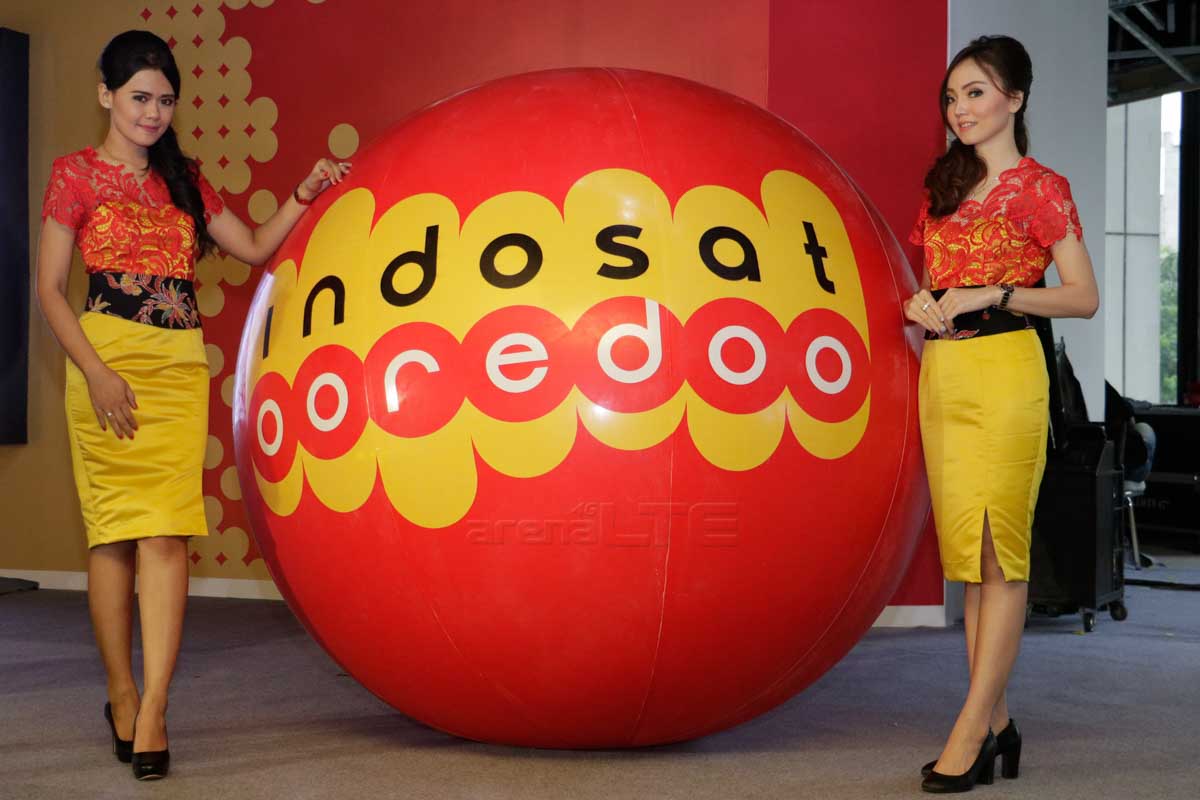
    Indosat Ooredoo Hutchison (Indosat) reported positive results in the first quarter of 2025, despite facing tough competition in the industry. The company’s success is due to its disciplined approach and dedication to supporting Indonesia’s digital development. During this quarter, Indosat saw growth in its average revenue per user (ARPU) and an increase in its customer base, showing resilience in a challenging market.

    ARPU reached nearly IDR 39.2 thousand, growing by 4.6% year-over-year (YoY), with 700,000 new mobile customers added, bringing the total to 95.4 million. The company reported stable total revenue of IDR 13,577.9 billion, with earnings before interest, taxes, depreciation, and amortization (EBITDA) reaching IDR 6,415.1 billion, growing by 0.6% quarter-on-quarter (QoQ). Net profit also increased by 27% quarter-on-quarter to IDR 1,311.1 billion, marking 17 consecutive quarters of profitability.

    Vikram Sinha, President Director and CEO of Indosat, emphasized, “This quarter’s results reflect not only strong financial performance, but also the unwavering dedication of our entire team to serve the people of Indonesia. In an increasingly competitive landscape, we have remained focused on our larger purpose: empowering Indonesia.”

    The company is also preparing for 5G technology to provide faster and more reliable digital services, especially in underserved areas. Indosat allocated IDR 2,620.4 billion in capital expenditure (CapEx) during the quarter, with a significant portion directed towards its cellular business. The company also announced a collaboration with Nokia and NVIDIA to deploy artificial intelligence radio access network (AI-RAN) technology, enhancing its 5G Cloud RAN with AI.

    The launch of the Digital Hub in February 2025 marked a significant step in Indosat’s commitment to empowering Indonesia. The Digital Hub offers entertainment, e-commerce, health, and lifestyle services to millions of users, with strong engagement across Indosat’s platforms. Indosat is not only focused on digital lifestyle enablement but also on talent development programs like Generasi Terkoneksi (GenSi) and IDCamp to equip young Indonesians with essential skills in AI and digital leadership.

    The company aims to become an AI-driven telco and techco by investing in advanced technologies and promoting AI innovation and automation. Through industry collaborations and a focus on technology, Indosat is leading Indonesia’s digital transformation towards a more inclusive and prosperous future.

    “Our journey to become an AI-techco has just begun. From investing in networks and talent to driving collaboration across industries, our goal remains the same: to make technology a force for inclusion, innovation, and digital sovereignty,” concluded Sinha.

  • Smartcom Expands Push-to-Talk Services Across Indonesia

    Smartcom Expands Push-to-Talk Services Across Indonesia

    Smartcom, a mobile virtual network operator (MVNO) based in Singapore, is now expanding its services to Indonesia. The goal of this expansion is to introduce Smartcom’s mission-critical push-to-talk (PTT) solutions to a larger market, catering to the communication needs of various industries. Since 2015, Smartcom has been collaborating with TASSTA and Singtel to provide reliable PTT communication coverage across Singapore.

    However, entering the Indonesian market poses new challenges due to its larger and more diverse nature. Indonesia, boasting the largest economy in Southeast Asia, offers a growing market for mission-critical communication solutions. With initiatives like ‘100 Smart Cities’ and a workforce of around 160 million, there are vast opportunities for expanded PTT services. The adoption of TASSTA’s solutions by key Indonesian industries like the police force and national railway operator underscores the demand for reliable communication systems.

    Indonesia’s industrial landscape, especially the mining and oil and gas (O&G) sectors, requires specialized push-to-talk solutions. Large events and gatherings also necessitate mission-critical PTT communication that can withstand high network congestion. To address these needs, Smartcom is partnering with Telkomsel, Indonesia’s largest telecommunications provider, to offer priority bandwidth during peak events. Additionally, solutions like ATEX-certified mobile devices will cater to O&G companies operating in hazardous environments.

    The expansion into Indonesia is part of Smartcom’s strategy to grow its customer base and enhance its services. By entering this new market, Smartcom aims to improve its product range, customization capabilities, and local technical support. Smartcom is also exploring partnerships with software providers to enhance its PTT platform and collaborating with Samsung Knox Mobile Device Management to ensure the security of its cellular-based communication solutions. Despite the challenges of entering a new market, Smartcom is working with Enterprise Singapore to navigate Indonesia’s business landscape.