Tag: Indonesia

  • Telin Unveils New Cable Landing Station in Manado-Minahasa, Boosting Indonesia’s Connectivity!

    Telin Unveils New Cable Landing Station in Manado-Minahasa, Boosting Indonesia’s Connectivity!

    PT Telekomunikasi Indonesia International (Telin) has officially unveiled its new cable landing station (CLS) in Kalasey, Minahasa, a development poised to enhance Indonesia’s international connectivity and digital infrastructure. This milestone is particularly crucial for the eastern regions of the country, as Telin continues to strive for improved digital integration.

    High-Profile Inauguration Ceremony

    The inauguration ceremony gathered notable executives from Telkom Group, including Honesti Basyir, CEO of CFU WIB Telkom Group, and Muhammad Rofik, President Commissioner of Telin, among others. The event also welcomed officials like Bambang A. Margono, Telin Commissioner, and several board members who play pivotal roles in steering the company toward its ambitious goals. The presence of key industry leaders emphasized the importance of this new facility in the broader context of regional digitalization.

    A Leap Forward in International Connectivity

    Central to this project is the CLS Manado-Minahasa, which forms an integral part of the Bifrost Cable System—an international subsea cable initiative developed alongside Keppel and Meta. This cutting-edge system enables a direct connection from Southeast Asia to North America, cleverly bypassing traditional transit routes by charting courses through significant maritime corridors like the Java and Celebes Seas. This new pathway reinforces Indonesia’s critical position within the global digital traffic network, much like a high-speed rail linking cities across a vast landscape.

    Milestones Achieved Since 2021

    Since the announcement of the Bifrost cable system in 2021, Telin has swiftly reached a number of crucial milestones. These include site selection, a groundbreaking ceremony in October 2024, and the successful landing of the cable in early 2025, followed by completing the construction of the CLS. After the Jakarta CLS’s cable landing last year, the Manado-Minahasa CLS is now primed for operation, ready to integrate seamlessly into Telkom’s expanding network and drive Indonesia further into the digital future.

    Positive Projections for Future Connectivity

    Honesti Basyir highlighted the strategic importance of this investment, stating,

    “The Manado-Minahasa cable landing station marks a bold step in positioning Indonesia as a vital digital gateway for the Asia Pacific. By connecting directly across the Pacific via Bifrost and preparing for future cables, we are building the foundation for a more connected, innovative, and prosperous digital future for our nation and region.”

    Meanwhile, Budi Satria Dharma Purba, CEO of Telin, concurred, emphasizing the role of the station in facilitating economic opportunities and technological advancements:

    “The Manado Cable Landing Station is more than just infrastructure; it is a gateway for Indonesia to lead in the digital era.”

    Infrastructure Built for Growth

    The CLS Manado-Minahasa boasts robust and scalable infrastructure designed to accommodate a variety of submarine cable systems. Equipped with beach manhole (BMH) integration and impressive front-haul connections, this facility is well-positioned to serve as a landing point for future subsea cables and digital platforms.

    The launch of the Manado-Minahasa cable landing station symbolizes a significant stride in Indonesia’s digital transformation journey. By bolstering Bifrost and supporting other international cable initiatives, this strategic asset is set to enhance regional connectivity, drive economic progress, and solidify Indonesia’s role as a crucial hub in the global digital landscape.

    Questions & Answers

    What is the significance of the new cable landing station in Minahasa?
    The cable landing station is a critical component in enhancing Indonesia’s international connectivity, particularly for the eastern regions of the country, and supports various upcoming international digital projects.

    How does the Bifrost Cable System affect Indonesia’s digital landscape?
    The Bifrost Cable System directly connects Southeast Asia to North America, bypassing traditional routes and significantly strengthening Indonesia’s position in the global digital traffic network.

    What are the future prospects for the CLS in Minahasa?
    With its advanced infrastructure designed for scalability and future connectivity, the CLS is poised to support multiple subsea cable systems and promote economic growth throughout the Asia-Pacific region.


  • Indosat Business Unveils Vision AI: Revolutionizing Next-Gen Surveillance Solutions for Enhanced Security

    Indosat Business Unveils Vision AI: Revolutionizing Next-Gen Surveillance Solutions for Enhanced Security

    Indosat Ooredoo Hutchison is stepping into the future of security with the launch of Vision AI, an innovative surveillance solution tailored for businesses throughout Indonesia. Unveiled by the company’s enterprise division, Indosat Business, this AI-driven system is designed not just to enhance security, but also to improve operational efficiency and enable smarter decision-making based on real-time data analysis.

    Revolutionizing Surveillance with AI

    At the heart of Vision AI is its capacity for real-time video analytics, utilizing advanced AI and deep learning technologies. This cutting-edge system analyzes live footage, identifies patterns, and issues early warnings—allowing businesses to respond rapidly and accurately. Importantly, it emphasizes operational intelligence while ensuring data privacy and adherence to regulatory standards.

    Muhammad Danny Buldansyah, Director and Chief Business Officer of Indosat Ooredoo Hutchison, characterized the launch as a significant shift in the surveillance landscape. “AI isn’t the future anymore; it’s the present,” he declared. “Vision AI proves that technology can create surveillance systems that are more responsive, efficient, and still prioritize privacy protection.” It’s a sentiment that might make traditional security systems feel a bit like yesterday’s newspaper.

    A Solution for Every Business

    With a modular design, Vision AI caters to a wide array of industry needs. The system comprises AI-ready cameras, an AI box, 3D stereo sensors, and a customizable training platform, which allows for easy integration with existing CCTV setups. According to Indosat, this technology is scalable, making it accessible for businesses ranging from startups to large corporations.

    This versatile platform is ideal for numerous applications, such as monitoring restricted areas, analyzing traffic, enhancing public safety, and studying customer behaviors in retail and public service environments. Vision AI processes data locally and in real time, all while utilizing a secure infrastructure that safeguards sensitive information.

    Innovation Meets Compliance

    Built upon a robust foundation of sovereign cloud technology, local data centers, and strong partnerships with tech providers, Vision AI complies with Indonesia’s national data security and sovereignty regulations. By storing data within the country, Indosat Business addresses concerns regarding cross-border data exposure, all while fostering innovation within a secure framework.

    Questions & Answers

    What features does Vision AI include to enhance surveillance?
    Vision AI includes real-time video analytics, AI-ready cameras, 3D stereo sensors, and a customizable AI training platform, making it adaptable to various industries.

    How does Vision AI ensure compliance with data protection regulations?
    The system utilizes local data centers and sovereign cloud technology to comply with Indonesia’s national regulations on data security and sovereignty.

    Who can benefit from using Vision AI?
    Businesses of all sizes, from small enterprises to large corporations, can easily adopt Vision AI to enhance security and operational efficiency.

  • Flash Coffee Welcomes New CEO to Drive Exciting Expansion Plans in Indonesia

    Flash Coffee Welcomes New CEO to Drive Exciting Expansion Plans in Indonesia

    Flash Coffee is gearing up for a new chapter in its growth story with the appointment of Bardon Matthew as its new chief executive officer. The company is making a strategic pivot towards Indonesia, singularly focusing on this market in an effort to enhance its turnaround and growth trajectory.

    Navigating the F&B Landscape

    With a robust track record spanning over two decades in Southeast Asia’s food and beverage sector, Matthew’s goals are explicit: to scale the business profitably and strengthen operational efficiencies. His leadership comes on the heels of pivotal strategic updates, including a decisive commitment to achieving disciplined, store-level profitability, which subsequently helped secure a fresh $3 million funding round.

    A Journey from Barista to CEO

    Matthew’s journey is as rich as the coffees Flash serves. Starting as a barista, he climbed the ranks through various esteemed establishments including Starbucks, J.Co Donuts & Coffee, Maxx Coffee, and Krispy Kreme. Most recently, he spearheaded a 230-store network at Fore Coffee during an impressive growth phase. His wealth of experience has equipped him with the insights and strategies needed to navigate the complexities of the industry.

    Bold Expansion Plans

    “I don’t believe in the status quo,” Matthew states emphatically. “With the right teams and systems, we can build for long-term success. I’m excited to scale Flash Coffee in my home market.” The ambitious plan includes scaling to over 500 stores by the end of 2025, with an immediate target of 80 locations, branching out to two new cities beyond Jakarta and Bandung. By 2026, Flash Coffee aims to have established 130 stores across Indonesia, marking an extraordinary leap on the regional retail scene.

    Will Coffee Shops Rule the Streets?

    As Flash Coffee ramps up its operations, one can’t help but wonder if the aroma of coffee will soon become an inseparable part of Indonesia’s bustling streets.

    Questions & Answers

    What are Bardon Matthew’s main goals as the new CEO of Flash Coffee?
    His primary objectives include scaling the business profitably, enhancing operational strength, and leading the company’s growth in Indonesia.

    How many stores does Flash Coffee plan to open in Indonesia?
    Flash Coffee aims to expand to over 500 stores across Indonesia, with an initial goal of 80 stores by the end of 2025.

    What is Bardon Matthew’s background in the food and beverage industry?
    Matthew has over 20 years of experience, having held leadership positions at various notable brands including Starbucks and Krispy Kreme, and most recently managed a 230-store network at Fore Coffee.

  • Telkom Indonesia and Conversant Unveil New CDN Services to Transform Southeast Asia’s Digital Landscape

    Telkom Indonesia and Conversant Unveil New CDN Services to Transform Southeast Asia’s Digital Landscape

    In a strategic move to enhance digital content delivery in Southeast Asia, Telkom Indonesia has joined forces with Conversant Solutions to introduce content delivery network-as-a-service (CDNaaS) solutions. This partnership is set to transform the landscape for enterprise and wholesale customers who demand high-quality network performance to elevate user experience (UX).

    The CDNaaS will streamline the safe and efficient distribution of digital content, spanning video services to over-the-top (OTT) applications and essential web services. Essentially, it’s about ensuring that everyone from businesses to consumers can savor high-speed, robust digital interactions—because who doesn’t want to binge-watch without buffering?

    Leveraging Infrastructure for Enhanced Performance

    Telkom Indonesia intends to capitalize on its extensive national backbone coupled with eight domestic points of presence (PoPs), and will integrate this with the CDN infrastructure provided by Singapore-based Conversant Solutions. The collaboration promises a comprehensive solution that features CDN acceleration, storage, and security, all crucial for today’s digital demands.

    “CDN services rely heavily on a strong and widespread network infrastructure,” explained Nanang Hendarno, Network Director at Telkom Indonesia. “Through this partnership, we will enhance our national network to ensure faster, more reliable, and safer delivery of digital content across Indonesia.”

    A Vision for the Digital Economy

    Conversant Solutions’ CEO, Cheong Fun Hua, expressed enthusiasm about collaborating with Telkom Indonesia. “We are very excited to work together. This partnership will allow us to deliver digital content distribution services that support the growth of the national digital economy,” he noted, reinforcing the ambition behind the venture.

    With this partnership, Telkom Indonesia and Conversant Solutions are not just looking to improve services; they aim to play a pivotal role in the digital transformation of the region, ensuring the infrastructure is ready for the rapid technology advancements ahead.

    Questions & Answers

    How will the partnership between Telkom Indonesia and Conversant Solutions improve digital content delivery in Southeast Asia?
    The collaboration will enhance network performance, allowing for secure and efficient distribution of digital content, which is essential for enterprise and wholesale customers seeking to improve user experiences.

    What specific features can customers expect from the new CDNaaS solutions?
    Customers can look forward to CDN acceleration, storage capabilities, and advanced security features, all designed to ensure faster and more reliable content delivery.

    Why is the infrastructure offered by Telkom Indonesia significant for this partnership?
    Telkom Indonesia’s extensive national backbone and domestic points of presence will play a crucial role in supporting the new services, ensuring that digital content can be delivered safely and swiftly across Indonesia.

  • Road to Batik 2025: Sparking the Future of Digital Innovation in Retail

    Road to Batik 2025: Sparking the Future of Digital Innovation in Retail

    The Bali Annual Telkom International Conference (BATIC) is set to make waves with its landmark 10th edition, taking place from August 26th to 29th, 2025, at the upscale Bali International Convention Center within the luxurious Westin Resort in Nusa Dua. This year’s theme, ‘Igniting Tomorrow’s Digital Evolution’, encapsulates the industry’s transition from traditional infrastructure to fostering intelligent, inclusive, and sustainable digital ecosystems.

    Where Innovation Meets Connection

    Building on the momentum of last year’s gathering, BATIC 2025 promises to be a nexus for global tech leaders, digital disruptors, and groundbreaking infrastructure innovators, collectively exploring the exciting frontiers of digital evolution. Attendees can expect a rich tapestry of forward-looking keynotes, dynamic panel discussions, and interactive sessions designed to reimagine how digital infrastructure plays a pivotal role in an increasingly hyperconnected world.

    Expanding Horizons: Beyond Just Connectivity

    This year’s agenda ventures beyond mere cables and cloud services, placing a spotlight on how connectivity serves as a catalyst for innovation across various industries. Key themes include ‘Laying the Digital Foundation,’ which will delve into the essential role of robust and secure networks in enhancing artificial intelligence (AI) capabilities, streamlining advanced messaging, and elevating next-generation digital experiences. Additionally, ‘Next-Gen Infrastructure: Enabling the Tech Revolution’ will unite top industry minds to discuss the transformative power of next-gen networks in reshaping global connectivity. Not to be overlooked, ‘Unveiling Technology in Shaping Today’s World’ will center on AI, immersive technologies, and other disruptive innovations, promising insights that might just spark the next big idea.

    The Premier Forum for Shaping Digital Futures

    BATIC 2025 will not just be another conference; it’s poised to be the premier platform for dialogue and collaboration in the digital sphere. With its inclusive and engaging environment, the event encourages industry leaders to forge connections, build partnerships, and ultimately shape the future of global connectivity. It’s the place where ideas will flow as freely as the island’s famous cocktails—or at least that’s the hope!

    Questions & Answers

    What is the main theme for BATIC 2025?
    The main theme for BATIC 2025 is ‘Igniting Tomorrow’s Digital Evolution,’ focusing on enabling intelligent, inclusive, and sustainable digital ecosystems.

    Who can attendees expect to meet at BATIC 2025?
    Attendees will have the opportunity to connect with global tech leaders, digital disruptors, and infrastructure innovators, all of whom will explore new phases of digital evolution.

    What are some key topics that will be discussed at the event?
    Key topics will include the critical role of robust networks in AI, the transformation of global connectivity through next-gen infrastructure, and innovations in immersive technology.

  • Transforming the Cloud: How Data Centers Propel Adoption Across Indonesia and Malaysia

    Transforming the Cloud: How Data Centers Propel Adoption Across Indonesia and Malaysia

    As the digital landscape accelerates across Asia, data centers are emerging as the backbone of telecom cloud adoption. These facilities are not just brick-and-mortar structures; they act as critical nodes where telecommunications companies converge, interlinking with various cloud and IT providers to enhance service delivery.

    Cloud Demand Soars in Indonesia and Malaysia

    In Indonesia, the cloud market is poised for impressive growth, expected to swell from USD 2.44 billion in 2025 to USD 4.80 billion by 2030, achieving a compound annual growth rate (CAGR) of 14.52%. An intriguing twist? A staggering 52% of businesses report improved operational efficiency post-cloud adoption, prompting 73% of those yet to embrace cloud solutions to plan their leap within the next two years.

    Meanwhile, in Malaysia, public cloud revenue is set to rise to USD 2.82 billion by 2025, propelled by an anticipated CAGR of 30% through 2030. Malaysian enterprises have already transitioned 48% of their application portfolios to public cloud services, with plans to boost this figure to 64% by 2025.

    Malaysia’s MYDIGITAL strategy is further fueling demand for data centers, which currently operates at about 800 megawatts, a number forecasted to quadruple by 2030. Johor is swiftly evolving as a digital corridor, thanks to its affordable land, substantial space, and improved connectivity. Upcoming data center initiatives in Greater Kuala Lumpur are set to fortify the nation’s cloud capabilities, reinforcing essential infrastructure.

    In a notable development, the newly established “Malaysia West” cloud region will enhance core services such as Azure and Microsoft 365, heralding a significant leap in local cloud performance. This strategic expansion aligns perfectly with Malaysia’s aspirations to become a leading data hub in the region, while the Cloud-First Policy further catalyzes public sector cloud adoption.

    Strategically Placing Cloud Regions for Impact

    The need for low-latency and cloud-native infrastructure is on the rise, and data centers serve as the foundation for deploying virtualized network functions (VNFs), 5G cores, edge computing nodes, and AI-driven services. Currently, Indonesia is home to around 80 operational colocation facilities, predominantly gathered in Jakarta, the nation’s bustling capital. The market thrives on wholesale colocation, a solution well-suited to facilitate large-scale cloud and AI deployments.

    Key players in the field, such as DCI Indonesia, Telkom Indonesia, NTT DATA, and ST Telemedia Global Data Centres, have made substantial investments in data centers. Additionally, major global cloud providers like Amazon Web Services, Microsoft, and Google Cloud are expanding their presence in Jakarta, reinforcing the nation’s strategic significance in the cloud ecosystem.

    In a groundbreaking commitment, Microsoft has announced a USD 2.2 billion investment to create its inaugural cloud region in Malaysia by Q2 2025, which will include the construction of three hyperscale data centers in Greater Kuala Lumpur and Johor.

    This robust ecosystem is drawing in an influx of new digital infrastructure players, with Equinix, Google, and Bridge Data Centres rapidly establishing or growing their operations across Johor, Selangor, and Cyberjaya, which have emerged as pivotal data center hubs, thanks to their land availability and fiber access.

    How Data Centers Supercharge Telco Cloud Services

    The modern telecommunications landscape demands infrastructure that can pivot swiftly. Rather than sinking capital into physical assets with lengthy setup times, telcos can harness data center services for immediate virtual resource deployment.

    Within a data center environment, virtual routers, firewalls, and software-defined wide area network (SD-WAN) nodes can be operational in mere hours. Utilizing telco cloud points of presence (PoPs) allows on-demand services like SD-WAN and content delivery networks to thrive with ultra-low latency, enhancing performance across various regions.

    Data centers serve as vital interconnection hubs, facilitating smooth access to leading cloud service providers such as AWS and Azure. This connectivity enables telcos to integrate hybrid services, deploy AI-driven applications, and manage IoT initiatives efficiently.

    Interestingly, although Equinix’s Singapore campus is not located in Indonesia or Malaysia, it significantly supports both countries’ data infrastructure. With robust connections to 14 submarine cables and over 255 cloud service providers, it positions Southeast Asia for low-latency, high-performance services. Its Jakarta facility is optimized for high-density power and liquid cooling, particularly catering to machine learning workloads.

    Charting the Future of Cloud in Southeast Asia

    Fostering digital transformation, Indonesia and Malaysia are rapidly solidifying their reputations as powerhouses in the data center landscape. Their evolving infrastructures are not just keeping pace with increasing data volumes but are also vital for advanced cloud capabilities that can elevate digital economies across the region.

    The burgeoning investments underline a regional shift toward cloud-focused infrastructures that enhance connectivity, attract global interest, and transform the industrial landscape across Asia.

    Questions & Answers

    What is driving cloud growth in Indonesia and Malaysia?
    The expanding cloud markets in both countries are fueled by rising operational efficiencies among businesses that adopt cloud technologies, along with strong governmental initiatives like Malaysia’s MYDIGITAL strategy.

    How significant is Microsoft’s investment in Malaysia’s cloud infrastructure?
    Microsoft’s USD 2.2 billion investment is a game-changer, as it will establish the company’s first cloud region in Malaysia, constructing three hyperscale data centers that will bolster local cloud services.

    Why are colocation facilities preferred in Indonesia?
    Wholesale colocation facilities are favored for their scalability, enabling support for large-scale cloud and AI deployments, which are essential in modern telecommunications.

  • Sahabat-AI: Empowering Indonesia’s Multilingual Landscape with Innovative Solutions

    Sahabat-AI: Empowering Indonesia’s Multilingual Landscape with Innovative Solutions

    In a groundbreaking initiative that positions Indonesia at the vanguard of Southeast Asia’s artificial intelligence (AI) evolution, PT GoTo Gojek Tokopedia Tbk (GoTo Group) and Indosat Ooredoo Hutchison (Indosat) have officially launched an enhanced version of their open-source large language model (LLM), Sahabat-AI.

    Originally unveiled in November 2024 during Indosat’s Indonesia AI Day, Sahabat-AI has swiftly transitioned from a burgeoning project to an essential pillar of Indonesia’s digital transformation. This latest enhancement not only broadens Sahabat-AI’s capabilities but also strengthens its role as a reflection of Indonesia’s identity, cultural diversity, and aspirations within the AI sphere.

    The introduction of the new 70-billion parameter Sahabat-AI model is a remarkable leap from earlier versions, which were limited to 8 and 9 billion parameters and downloaded over 35,000 times from Hugging Face. This surge in interest highlights a growing hunger for locally-developed AI solutions, particularly those that are community-oriented. With its revamped architecture, the new chat service promises not only improved speed and accuracy but also a sharper intellect.

    Equipped with robust reasoning skills, Sahabat-AI can now tackle complex user inquiries with natural, insightful responses in a variety of languages. This includes five of Indonesia’s major local tongues: Bahasa Indonesia, Javanese, Sundanese, Balinese, and Bataknese, alongside several international languages.

    Bridging Language and Technology

    The multilingual capabilities of Sahabat-AI highlight an important crossroads of technology and culture in Indonesia, a nation rich with over 700 local dialects spread across its 17,000 islands. By incorporating Bahasa Indonesia into its ecosystem, Sahabat-AI aims to foster digital inclusivity, cultural significance, and national technological autonomy. With around 35 million native speakers and over 150 million who use it as a second language, Bahasa Indonesia serves as a vital unifying medium in this diverse country.

    This focus on Bahasa Indonesia helps dismantle linguistic barriers that previously excluded many from accessing AI-driven services, enabling a broad swath of the population to engage with advanced technology in their mother tongue.

    All training, storage, and deployment occur within Indonesia, utilizing Indosat’s sovereign AI infrastructure, GPU Merdeka. This not only reinforces national compliance but ensures user data stays within the country’s borders.

    The addition of Sundanese, spoken by approximately 39 million people, further enriches the cultural tapestry. By enabling Sahabat-AI to comprehend and reply in Sundanese, Indosat promotes regional equity and allows AI’s benefits to reach out into the heart of local communities. West Java, a densely populated economic hotspot, stands to gain tremendously as Sundanese speakers access AI tools in their native language, enhancing educational resources and entrepreneurial opportunities.

    Empowering Culture and Community

    Sahabat-AI provides a culturally attuned solution, especially for digitizing traditions and supporting tourism.

    By incorporating Balinese, Sahabat-AI can facilitate the digitization of traditional rituals and the preservation of temple manuscripts, while also developing voice-to-text applications that support multiple speech levels: Bali Alus, Madya, and Kasar.

    This technological leap is set to significantly boost cultural tourism by providing translations, guided tours, and interactive experiences for visitors embracing Balinese culture. As North Sumatra rises as a digital and ecotourism hub, particularly near Lake Toba, the inclusion of Bataknese ensures that local traditions and languages remain vibrant in the digital era. Sahabat-AI is poised to play a crucial role in digitizing traditional events and supplying real-time translation services to tourists, thereby enabling local communities to showcase their cultural heritage worldwide.

    Within educational environments and community spaces, Sahabat-AI acts as a bridge between age-old teachings and modern technological access, ensuring that the Balinese language not only survives but thrives in contemporary settings. Who knew the path to preserving a language could be paved with AI?

    Fortifying AI Infrastructure

    The backbone of Sahabat-AI is Indosat’s GPU Merdeka, a sovereign AI cloud infrastructure that assures data residency, regulatory compliance, and real-time capabilities for training and inference, all while safeguarding data within Indonesia. This is a key element of digital sovereignty, which has been emphasized by both government figures and corporate leaders.

    Vikram Sinha, President Director and CEO of Indosat, elaborated:

    “Through GPU Merdeka, our sovereign AI cloud, we’re establishing the digital foundation that guarantees AI innovation is not only advanced but also nationally secured, culturally relevant, and equitably accessible. Sahabat-AI is more than just a model; it’s a national asset powered by collaboration and designed for all Indonesians.”

    The local hosting and sovereign architecture of the model lay a robust groundwork for public sector integration. In an era when secure, domestically developed digital services are prioritized, Sahabat-AI sets a blueprint for AI-enabled governance, public health initiatives, language education, and localized content regulation.

    From a business perspective, GoTo Group is integrating Sahabat-AI into the GoPay app—one of Indonesia’s most widely utilized digital platforms—demonstrating the practical utility of AI in everyday life. Whether enhancing customer service or improving financial literacy, the chatbot transforms into a daily digital ally.

    Patrick Walujo, CEO of GoTo Group, reinforced this ambition. He remarked, “Its multilingual capability, paired with increased precision, allows Sahabat-AI to cater more effectively to the varied needs of individuals and businesses throughout Indonesia. It reflects our commitment to digital sovereignty and aligns with President Prabowo’s vision for technology that is both locally developed and hosted.”

    He further noted, “By collaborating with Indosat and a wide array of partners, we’ve crafted a platform that is smarter, faster, and more affordable. We’re making the Sahabat-AI chat service available via the GoPay app, ensuring millions can reap the rewards of this uniquely Indonesian LLM. It’s already making a tangible difference across the GoTo ecosystem, reducing costs, enhancing service quality, and deepening engagement.”

    Strengthening the National Agenda

    National leaders are also voicing their support for Sahabat-AI as a vital element of Indonesia’s future. Luhut Binsar Pandjaitan, Chairman of the National Economic Council, emphasized, “Data sovereignty isn’t merely a technical matter; it’s fundamental to our independence in this digital age. I commend GoTo and Indosat for spearheading the Sahabat-AI ecosystem and for fostering technological innovation rooted in our national identity. By crafting AI solutions that understands our uniquely diverse linguistic and cultural landscape, we are ensuring that digital transformation benefits all Indonesians.”

    With a focus on local languages, sovereign infrastructure, and open collaboration, GoTo and Indosat are championing a national agenda for any nation eager to leverage AI without compromising its unique cultural essence.

    Questions & Answers

    What is Sahabat-AI and why is it significant for Indonesia?
    Sahabat-AI is an open-source large language model developed by GoTo Group and Indosat. Its significance lies in its enhancement of digital inclusivity and cultural relevance, making AI services accessible to Indonesians in their native languages while ensuring compliance with local regulations.

    How does Sahabat-AI promote regional equity in Indonesia?
    By including local languages such as Sundanese and Bataknese in its repertoire, Sahabat-AI empowers speakers to engage with AI tools, thereby enhancing digital accessibility, educational opportunities, and boosting local entrepreneurship in regionally significant areas.

    In what ways will Sahabat-AI impact tourism in Indonesia?
    Sahabat-AI enhances tourism by digitizing traditional rituals, providing translations, and offering interactive experiences in local languages, which not only helps preserve cultural heritage but also allows local communities to connect with visitors and share their culture more effectively.

  • Bank Negara Indonesia Faces Ongoing NIM Challenges in Second Quarter: What Lies Ahead?

    Bank Negara Indonesia Faces Ongoing NIM Challenges in Second Quarter: What Lies Ahead?

    Over the past few years, the retail industry has endured a whirlwind of transformation, especially in Asia, where adaptation and resilience have been put to the test. Amid the ongoing evolution shaped by technological advancements and shifting consumer behaviors, companies are redefining their strategies to stay ahead in this dynamic sector.

    Embracing Technology: The Retail Revolution

    From mobile payments to virtual fitting rooms, technology is not just an addition to retail; it’s reshaping its very foundation. Asian consumers, known for their swift adoption of new digital tools, are now more empowered than ever. Retailers are responding with innovative solutions that enhance in-store and online experiences, appealing to an increasingly tech-savvy audience. Even traditional markets have found ways to digitize their operations, proving that innovation knows no bounds.

    Interestingly, amidst all this digital transformation, a few retailers are choosing to go old school—think cash transactions and handwritten receipts. It’s a reminder that sometimes, simplicity holds its own charm.

    The Luxury Segment’s New Frontier

    The luxury retail sector is experiencing rejuvenation as well, particularly in markets like China and Japan. High-end brands are tapping into the growing affluent middle class, curating exclusive experiences that blend both tradition and modernity. Events are no longer just about showcasing products; they’re immersive experiences that engage customers on an emotional level. Whether it’s a pop-up shop in a trendy Shanghai district or an exclusive virtual tasting in Tokyo, luxury retail is all about creating memorable moments.

    Sustainability Takes the Spotlight

    As environmentally conscious consumers on the rise, retailers are scrambling to adopt sustainable practices. Many are integrating eco-friendly materials into their products and adopting more transparent supply chains. In a climate where shoppers want to know the story behind their purchases, brands that prioritize sustainability aren’t just making a “greener” choice—they’re also amplifying their appeal. Embracing sustainability could spell the difference between staying relevant or fading into oblivion.

    The Future of Shopping: Omnichannel Strategies

    As the lines blur between online and offline shopping, retailers are leaning into omnichannel strategies more than ever. The seamless integration of physical and digital platforms is no longer a luxury but a necessity. Consumers expect a consistent experience whether they shop via mobile apps, websites, or brick-and-mortar stores. Retailers that fail to meet these expectations face the risk of losing their customer base to more agile competitors.

    While it’s easy to get caught up in forecasts and projections, the heart of retail is still about fostering connections. Whether it’s a brief chat with a store associate or classic customer service, businesses that understand this human element will stand the test of time.

    Questions & Answers

    What role does technology play in the transformation of retail in Asia?
    Technology is fundamentally reshaping retail by enhancing customer experiences through innovations such as mobile payments and virtual fitting rooms, reflecting the swift digital adoption among Asian consumers.

    How is the luxury retail sector adapting to modern consumer demands?
    Luxury retail is focusing on creating exclusive and immersive experiences that engage customers emotionally, appealing to a growing affluent middle class in markets like China and Japan.

    Why is sustainability becoming increasingly important for retailers?
    With the rise of environmentally conscious consumers, retailers are prioritizing sustainable practices and transparent supply chains, as these factors significantly enhance brand appeal and relevance in today’s market.

  • Indosat’s SheHacks 2025: Empowering Women Through Innovative Digital Solutions

    Indosat’s SheHacks 2025: Empowering Women Through Innovative Digital Solutions

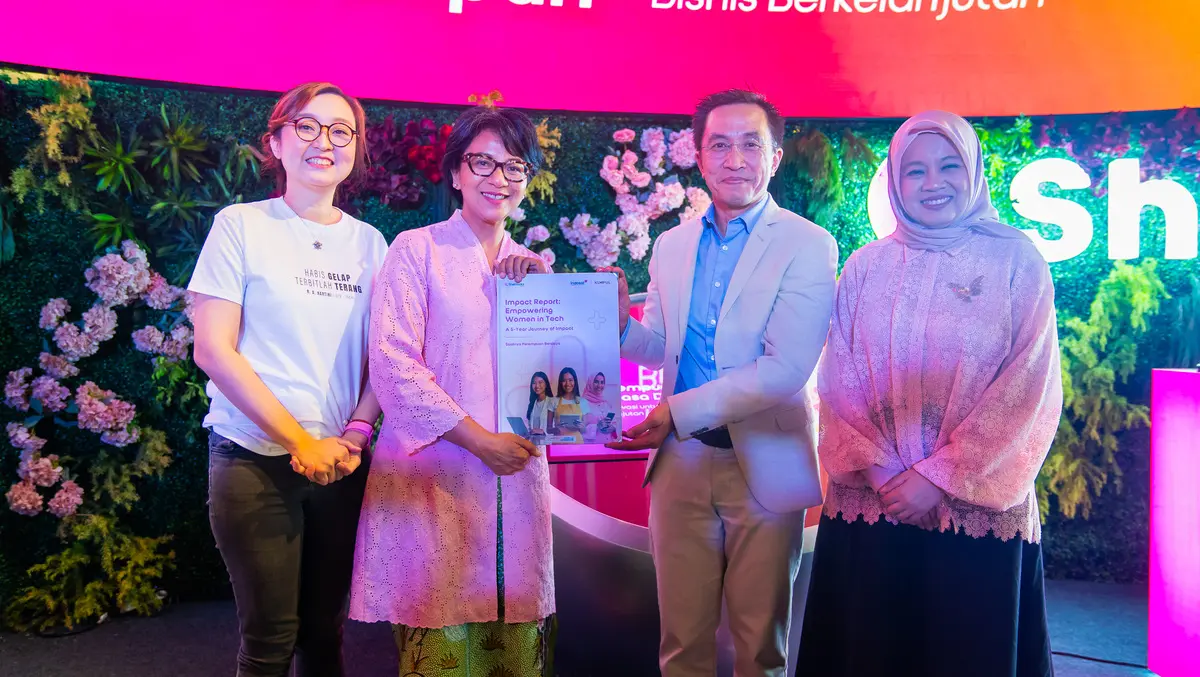
    Indosat Ooredoo Hutchison (Indosat) has launched SheHacks 2025, a comprehensive initiative designed to narrow the gender gap in digital skills and entrepreneurial opportunities for women across Indonesia. Since opening registration on April 25, 2025, the campaign has seen over 17,000 women signing up, with registrations remaining open until June 30. Participants include community leaders, entrepreneurs, and founders of micro, small, and medium enterprises (MSMEs) from various regions.

    Launching Innovation Among Women Entrepreneurs

    The program kicked off in Jayapura, featuring a two-day workshop called ‘SheHacks Innovate,’ which welcomed around 90 entrepreneurial women. Here, participants gained hands-on experience in critical areas such as digital branding, content marketing, app-based financial management, and business development strategies like the Business Model Canvas. This foundational training aims to equip women with the essential skills to thrive in today’s competitive digital landscape. Notably, the most promising participants from each city will advance to an elite mentoring phase, gaining valuable insights and resources.

    SheConnect Champion: Pitching for Progress

    Adding another layer to the initiative, SheHacks 2025 introduces ‘SheConnect Champion,’ a startup pitching competition taking place in Bandung, Aceh, and Banjarmasin. This exciting platform allows women tech founders to present their innovations to a panel of investors and professionals. Eleven contestants are in the running to be selected as part of the Top 12 MVPs, heralding a new wave of women-led digital enterprises in Indonesia — a refreshing reminder that women, often underestimated in tech spaces, can be the driving force behind groundbreaking ideas.

    Expanding Reach and Impact

    During June, SheHacks further intensified its efforts in digitally underserved regions, such as Ambon, Nias, Aceh, and Banjarmasin. The program is set to expand in July, aiming to connect with even more female entrepreneurs in Banyuwangi and Pamekasan. By mid-June, the initiative had already engaged 17,040 women in its ideation phase, supported 342 MVP-level participants, and identified 25 regional guides who will mentor others in their communities.

    With the June 30 registration deadline looming, Indosat is actively encouraging more Indonesian women to seize this opportunity to enhance their digital business skills. By investing in initiatives like SheHacks, Indosat reinforces its commitment to fostering a digitally inclusive environment in Indonesia. Over the past five years, the program has positively impacted over 34,000 women nationwide, inspiring innovation and driving social and economic change. Indosat’s vision of empowering Indonesia is evidenced by its dedication to providing relevant, inclusive digital solutions that sharpen the nation’s competitive edge in the global digital economy.

    Questions & Answers

    What is the primary aim of SheHacks 2025?
    SheHacks 2025 aims to bridge the gender gap in digital skills and entrepreneurship among Indonesian women, equipping them with essential tools for building competitive businesses.

    How many women have registered for the program so far?
    As of mid-June, more than 17,000 women have registered for SheHacks 2025, with sign-ups continuing until June 30.

    What types of training does the program offer?
    The program provides training in digital branding, content marketing, financial management, and business development, preparing participants to excel in the digital economy.

  • Indonesia’s Fixed Communication Services Market Projected to Reach $3.7 Billion by 2029

    Indonesia’s Fixed Communication Services Market Projected to Reach $3.7 Billion by 2029

    Indonesia’s fixed communication services market is poised for steady growth over the next five years, with projections indicating a rise to USD 3.7 billion by 2029, up from USD 3 billion in 2024, according to recent analysis by GlobalData. This anticipated surge signifies a significant leap in the sector, reflecting the country’s ambitious digital aspirations.

    Broadband Boom: The Driving Force Behind Growth

    The primary catalyst for this growth is the expanding fixed broadband segment, expected to grow at a compound annual growth rate (CAGR) of 4.3%. The Indonesian government’s commitment to enhancing high-speed internet access plays a crucial role, aiming for affordable speeds of up to 100 Mbps to support digital inclusivity and national transformation initiatives.

    The Twilight of Fixed Voice Services

    Conversely, fixed voice services are on a downward trend, projected to decline at a CAGR of 1.3%. This drop can be attributed to a shrinking base of circuit-switched subscriptions and a decrease in average revenue per user (ARPU), as more consumers pivot to over-the-top (OTT) and app-based communication channels. It seems we are saying goodbye to the days of home phone lines, one fiber optic cable at a time!

    Fiber Optics: Connecting the Future

    Fiber lines currently hold an impressive 83.1% market share of total fixed broadband lines in 2024 and are expected to maintain their dominance through 2029, noted Neha Mishra, Telecom Analyst at GlobalData. This trend is fueled by a surging demand for reliable, high-speed broadband services and the government’s ongoing push for a nationwide fiber rollout.

    Rising Competition and the Quest for Connectivity

    As service providers work diligently to extend high-speed connectivity to underserved regions, a competitive landscape is emerging. Competition will likely center around service differentiation through bundled offerings, network reliability, and customer experience. Operators that invest strategically in infrastructure and innovate in pricing strategies are set to capture long-term value in what is becoming an increasingly digitally empowered Indonesia.

    Questions & Answers

    What is the projected growth of Indonesia’s fixed communication services market?
    The market is expected to grow to USD 3.7 billion by 2029, up from USD 3 billion in 2024.

    What segment is driving this growth?
    The expanding fixed broadband segment is the main driver, projected to grow at a compound annual growth rate of 4.3%.

    How are fixed voice services performing in Indonesia?
    Fixed voice services are expected to decline at a CAGR of 1.3% due to a decrease in circuit-switched subscriptions and a shift towards OTT communication methods.

  • Indonesia’s Fixed Communication Services Market Projected to Reach $3.7 Billion by 2029—A Growing Opportunity!

    Indonesia’s Fixed Communication Services Market Projected to Reach $3.7 Billion by 2029—A Growing Opportunity!

    Indonesia’s fixed communication services market is poised for significant growth, projected to reach USD 3.7 billion by 2029, up from USD 3 billion in 2024, according to insights from GlobalData, a leading data and analytics firm. This upward trajectory is set against the backdrop of the Indonesian government’s concerted efforts to expand high-speed internet access across the archipelago.

    Broadband Boom in the Archipelago

    The nation’s expansion of fixed broadband services is expected to be the primary engine for this growth, with an anticipated compound annual growth rate (CAGR) of 4.3%. With aspirations for internet speeds reaching up to 100 Mbps at affordable prices, the government is not just aiming for wider connectivity but also striving for digital inclusivity and transformative national goals.

    Voice Services Face Challenges

    Conversely, fixed voice services are on a downward trend, forecasted to decline at a CAGR of 1.3%. This is mainly due to a diminishing number of circuit-switched subscriptions and decreasing average revenue per user (ARPU) as consumers increasingly turn to over-the-top (OTT) and app-based communication platforms. Even the most robust services can’t escape the irresistible lure of free messaging apps — it seems love is indeed digital.

    Fiber Takes the Lead

    In 2024, fiber lines were responsible for an impressive 83.1% of all fixed broadband connections and are projected to maintain their dominance through 2029. Neha Mishra, a Telecom Analyst at GlobalData, attributes this trend to the surging demand for dependable and high-speed broadband, further amplified by government initiatives for a nationwide fiber rollout.

    Competition Fuels Innovation

    As service providers venture deeper into underserved territories, competition is expected to escalate, characterized by service differentiation through bundled offerings, network reliability, and enhanced customer experience. Operators that make astute investments in infrastructure and innovate their pricing strategies will be most effectively positioned to reap long-term benefits in this evolving digital landscape. With everyone vying for a slice of the digital pie, the stakes have never been higher.

    Questions & Answers

    What is driving the growth of Indonesia’s fixed communication services market?
    The growth is primarily fueled by the expanding fixed broadband segment, which is expected to grow at a CAGR of 4.3% as the government pushes for high-speed internet access.

    How are fixed voice services performing in Indonesia?
    Fixed voice services are predicted to decline at a CAGR of 1.3%, largely due to a decrease in circuit-switched subscriptions as users shift to OTT and app-based communication.

    What technology is dominant in Indonesia’s fixed broadband sector?
    Fiber lines dominated the market in 2024, accounting for about 83.1% of all fixed broadband connections, and are expected to remain the top technology through 2029.

  • Telkomsel Unveils Enhanced 5G Network Expansion in Batam: A Boost for Connectivity!

    Telkomsel Unveils Enhanced 5G Network Expansion in Batam: A Boost for Connectivity!

    Telkomsel is making waves in Batam, Indonesia, with its latest expansion of 5G network infrastructure, enhancing high-speed connectivity in bustling residential and commercial districts such as Harbour Bay, Nagoya, Batam Center, Engku Putri, and Hang Nadim Airport. This initiative, executed in collaboration with long-time partner Ericsson, has increased the number of Telkomsel’s 5G base transceiver stations (BTS) in Batam City to an impressive 112.

    Indra Mardiatna, Telkomsel’s Network Director, describes this upgrade as a pivotal move aimed at delivering seamless 5G coverage while stimulating economic growth and fostering digital transformation in the region.

    A Strategic Location for Digital Investment

    Batam’s close proximity to Singapore and its status within the Indonesia-Malaysia-Singapore Growth Triangle free trade zone have positioned it as a burgeoning hub for digital investment. Since its designation as a special economic zone (SEZ) in 2021, Nongsa Digital Park has emerged as a magnet for businesses, serving as a key data center and innovation center.

    Powering Smart Manufacturing with 5G

    Telkomsel’s expanded infrastructure is designed to support both public and private 5G applications. A standout project involves powering Pegatron Group’s smart factory in Batam with a private 5G standalone (5G SA) network. By utilizing 1,200 Telkomsel Internet of Things (IoT) SIM cards, the facility connects thousands of machines and sensors in real time, facilitating predictive maintenance, performance monitoring, and remote production control, all delivered with ultra-low latency. Talk about a machine’s dream!

    With this network expansion, Telkomsel reinforces its “Hyper 5G” services, crucial for bolstering the island’s rising manufacturing sector. The operator emphasizes its dedication to enhancing productivity, operational efficiency, and competitiveness among industrial players, aligning with Indonesia’s broader Industry 4.0 vision.

    Speed and Performance Upgrades

    Thanks to the newly deployed BTS units, Telkomsel subscribers in Batam can now enjoy download speeds surpassing 610 Mbps—four times faster than 4G—upload speeds eclipsing 100 Mbps, and a latency as low as 14 milliseconds. These enhancements cater to high-demand applications like ultra-HD video streaming, cloud gaming, real-time communication, and AI-enabled enterprise tools.

    AI-Enhanced Performance Management

    Currently, 23% of Telkomsel’s subscriber base in Batam uses 5G-compatible devices, with an average monthly data consumption of 24 GB per user. To further optimize performance, Telkomsel has seamlessly integrated artificial intelligence into its network management system. This AI framework automatically detects disruptions and dynamically adjusts the network in real time, resulting in improved reliability, efficiency, and overall customer experience.

    Beyond Batam, Telkomsel has launched 5G services in Denpasar-Badung, Jabodetabek, Surabaya, and Makassar, with ambitious plans to expand into major Sumatran cities including Medan, Pekanbaru, Padang, and Palembang. Currently, the operator boasts over 3,000 5G BTS units across 56 cities in Indonesia.

    Questions & Answers

    What is the significance of Telkomsel’s expansion in Batam?
    The expansion enhances connectivity in key areas, bolstering economic growth and supporting digital transformation, particularly vital for the island’s manufacturing sector.

    How does Telkomsel’s network support industrial applications?
    The 5G infrastructure underpins private applications, exemplified by powering Pegatron Group’s smart factory, connecting thousands of devices for efficient production processes.

    What are the key performance metrics of the new 5G network?
    Subscribers can expect download speeds exceeding 610 Mbps, upload speeds above 100 Mbps, and latency as low as 14 milliseconds, enhancing experiences across various high-demand applications.

  • Flash Coffee Raises $3M to Propel Indonesian Expansion Efforts

    Flash Coffee Raises $3M to Propel Indonesian Expansion Efforts

    Flash Coffee Secures $3 Million in Funding to Accelerate Expansion in Indonesia

    Investment Fuels Ambitious Growth Strategy

    Flash Coffee has successfully raised $3 million in a recent funding round, spearheaded by TA Ventures and supported by White Star Capital. This investment comes on the heels of a robust performance, showcasing the coffee brand’s resilience and promising revenue potential.

    Strong Performance Underpins Brand’s Expansion Plans

    After a remarkable year, Flash Coffee reported an impressive average store-level EBITDA of 22%, with new stores achieving an extraordinary 36% EBITDA—figures that surpass industry expectations. With these promising metrics in hand, the company is set to expand its footprint to 70 stores across Indonesia by 2025, in addition to venturing into two new cities.

    “Our strategy has prioritized solidifying our foundation—profitable stores, enhanced team dynamics, enriching menus, and spaces that resonate with modern Indonesian aesthetics,” remarked Jakob Angele, Executive Chairman of Flash Coffee.

    Innovative Store Concept Enhances Consumer Experience

    As part of its growth strategy, Flash Coffee is introducing a redesigned store concept that features natural textures, local materials, and abundant greenery. The brand’s fresh logo and the slogan “Kebanggaan Indonesia” (Proudly Indonesian) emphasize its deep connection to Indonesian culture and heritage.

    “Today’s Indonesian consumer is cross-generational, actively seeking experiences that are both meaningful and personal,” noted Richard Armstrong, Venture Partner at TA Ventures. This insight aligns with the brand’s ongoing commitment to adapt to evolving consumer trends.

    Implications for the Retail Sector

    Flash Coffee’s ambitious expansion and strategic pivot toward personalized consumer experiences signal significant shifts within the retail sector. As competition intensifies, brands must stay attuned to consumer preferences, balancing profitability with enriching visitor experiences. This funding reflects not just the brand’s ambition but also the growing consumer demand for quality and authenticity in the coffee retail space.

  • Line Launches Digital Bank in Indonesia

    Line Launches Digital Bank in Indonesia

    The country – the world’s fourth most populous – is its third overseas market, following launches in Thailand and Taiwan.

    Japan-headquartered mobile and internet services firm Line has launched a digital banking platform in Indonesia in collaboration with Bank KEB Hana Indonesia, a subsidiary of South Korea’s Hana Bank, and LINE Financial Asia.

    Line Bank by Hana aims to make banking easier and expand access to financial services in a country that counts one of Southeast Asia’s largest unbanked populations. Its product line includes savings accounts, time deposits, debit cards, and bill payments. Line said it plans to expand the range of products to include loans, partnership loans, and QR payments.

    In Indonesia in particular, due to this market’s unique geographical characteristics, we believe bringing banking services to people’s mobile phones will greatly increase their availability and convenience,» Young Eun Kim, Line Financial Asia CEO, said in an announcement on Friday.

    Founded in 2011 as a messaging app in Japan, Line has since grown into a global ecosystem that includes AI technology, fintech, and more. The company has lay the groundwork in Indonesia since 2018, when it became the second-largest shareholder of Hana Bank Indonesia when it acquired 20 percent of the company through a Share Subscription Agreement.

    Line has its work cut out in the country: it is competing in a crowded market with giants such as Gojek with Bank Jago, Sea Group with Seabank Indonesia, Akulaku with Bank Neo Commerce, and Kredivo.

  • Resorts Expands Presence in Indonesia with Opening of Sheraton Jakarta

    Resorts Expands Presence in Indonesia with Opening of Sheraton Jakarta

    Starwood Hotels & Resorts Worldwide, Inc. today announced the opening of Sheraton Jakarta Gandaria City Hotel, the second Sheraton to debut in the cosmopolitan city of Jakarta, Indonesia. Owned by PT. Pakuwon Jati Tbk, the opening further propels the brand’s fast pace growth in Asia Pacific, and drives Sheraton closer to its goal of adding more than 150 new hotels worldwide by 2020. This is just one of many new initiatives currently underway for Sheraton 2020, the all-encompassing plan to make Sheraton the global hotel brand of choice, everywhere.

    “Jakarta has established itself as a thriving destination for travelers, and we are excited to respond to this rising demand by opening our second Sheraton hotel in this bustling city,” said Dave Marr, Global Brand Leader for Sheraton Hotels & Resorts. “Sheraton is diligently focused on growing the brand worldwide, with a goal to add at least 150 hotels by 2020, and opening in primary urban destinations such as Jakarta further solidifies Sheraton as a global hotel leader.”

    Sheraton Jakarta Gandaria City Hotel features 293 contemporary guestrooms and suites, outfitted with the Sheraton brand’s signature amenities and services, including its signature sleep experience. The hotel also features a state-of-the-art fitness center, outdoor pool and an ultra-modern Sheraton Club lounge where Club level guests can enjoy complimentary breakfast and all-day refreshments while taking in panoramic views of the urban skyscape. The hotel offers a variety of dining options to delight any palate, including Anigre, the all-day dining restaurant serving international cuisine, as well as local delicacies; the lobby lounge where guests can enjoy Paired—the Sheraton brand’s reinvigorated food and beverage program—complete with expertly matched small plates, premium wines and local craft beers; and the pastry shop Cafe Grande.

    “Indonesia continues to be a key growth market in Asia Pacific and is well-suited for the expansion of the iconic Sheraton brand,” said Charlie Dang, Regional Vice President, Southeast Asia, Starwood Hotels & Resorts Asia Pacific. “The opening of Sheraton Jakarta Gandaria City Hotel will help meet the rising demand for high-caliber lodging generated by the influx of business and leisure travelers to Jakarta, the gateway to Indonesia.”

    Sheraton Jakarta Gandaria City Hotel is part of the Superblock Gandaria City complex, which includes a retail shopping mall, convention and exhibition facilities, a helipad and several restaurants. The newly constructed hotel is ideal for large meetings and conventions, featuring 3,567 square meters of versatile function space – one of the biggest in Jakarta – and is conveniently located just five kilometers from the emerging commercial hub of South Jakarta (SCBD) and 32 kilometers from Soekarno-Hatta International Airport (CGK).

    Sheraton Jakarta Gandaria City Hotel Opening Offer

    To celebrate its opening, Sheraton Jakarta Gandaria City Hotel is offering an exclusive package of 20% off opening rates including daily breakfast for 2 persons and double starpoints for SPG members valid until April 30th, 2016.

    For more information, visit Sheraton.com/jakartagandariacity

    About Sheraton Hotels & Resorts

    Sheraton Hotels & Resorts, the largest and most global brand of Starwood Hotels & Resorts Worldwide, Inc., makes it easy for guests to explore, relax and enjoy the possibilities of travel through smart solutions and effortless experiences at more than 440 hotels in more than 72 countries around the world. The brand is currently in the midst of implementing Sheraton 2020, a 10 point plan designed to make Sheraton the global hotel brand of choice, everywhere. Sheraton recently launched “Where Actions Speak Louder,” a multi-channel, multi-million dollar advertising campaign that highlights the brand’s ongoing enhancements to its guest experience, including new products and partnerships, and a renewed focus on service. With work well underway, the brand has already rolled out a variety of initiatives under Sheraton 2020, including Paired, a new imaginative lobby bar menu; the richest SPG promotion in the brand’s history; and Sheraton Grand, a new premier tier that recognizes exceptional Sheraton hotels and resorts. To learn more, visit www.sheraton.com. Stay connected to Sheraton: @sheratonhotels on Twitter and Instagram and facebook.com/Sheraton.