Tag: Indonesia

  • Telkom and Singtel Celebrate Key Progress in Batam’s Rising Data Center Scene

    Telkom and Singtel Celebrate Key Progress in Batam’s Rising Data Center Scene

    NeutraDC, a division of Telkom Indonesia, and Nxera, Singtel’s regional data center branch, have completed the structural framework of a new data center located in Batam, Indonesia. The construction phase of the project, known as BTM-1, began in June of the previous year, with the facility expected to be operational by the first half of the upcoming year.

    A topping-out ceremony was recently held, with attendance from representatives of the Indonesian sovereign wealth fund, Danantara Indonesia, and Medco Power Indonesia, a renewable energy producer.

    Location and Capacity

    BTM-1 is situated within the Kabil Industrial Estate, a technological park on Batam Island, which is located close to Singapore. The data center is projected to offer over 50 MW of capacity.

    Telkom Indonesia, one of the largest telecommunications companies in the country, operates NeutraDC as its data center division. Meanwhile, Singtel, a leading communication group, operates Nxera as its regional data center branch.

    Other Developments

    Within the Kabil Industrial Estate, there is another facility managed by NeutraDC. In a recent development, an agreement was reached between the company and Indonesian utility PT PLN Batam. The agreement provides for the supply of 90 MVA of medium-voltage electricity to a 60 MW data center from 2025 through 2028.

    While the majority of Indonesia’s data centers are located around Jakarta on the island of Java, Batam’s close proximity to Singapore has attracted data center operators to the area, most notably at Nongsa Digital Park. Key players, including Telkom Indonesia & Etisalat, GDS, Gaw Capital Partners, Oracle, and BW Digital have established operations in this location.

    Questions & Answers

    Who are the operators of the new data center in Batam, Indonesia?
    The data center is operated by NeutraDC, the data center division of Telkom Indonesia, and Nxera, the regional data center branch of Singtel.

    What is the expected capacity of this new data center?
    This new data center is projected to offer over 50 MW of capacity.

    When is the data center expected to be operational?
    The data center is expected to be operational by the first half of the next year.

  • Indonesian Fashion Brand Buttonscarves Debuts in Singapore with Exclusive Jewel Changi Boutique Launch

    Indonesian Fashion Brand Buttonscarves Debuts in Singapore with Exclusive Jewel Changi Boutique Launch

    Indonesia-based fashion brand, Buttonscarves, has recently established its premiere standalone store in Singapore. The new outlet is conveniently situated in the bustling Jewel Changi Airport.

    Store Overview

    Located on Basement 1 of the complex, this boutique showcases the label’s renowned scarves and brooches. Each item is elegantly displayed in packaging that is perfect for gift-giving. Additionally, the establishment carries exclusive Jacquard Voile scarves, a unique product line that can only be found at this Jewel location.

    Linda Anggrea, CEO of Buttonscarves, commented on the brand’s new venture. She noted that Singapore’s position as a regional hub with significant global reach permits the brand to interact with both local communities and international tourists. This strategic location places Buttonscarves at the center of Southeast Asia’s dynamic fashion scene.

    New Collection Launch

    To coincide with the store’s opening, Buttonscarves has launched the Singapore 2 Series. This novel line is a joint collaboration with the Singapore Tourism Board. The collection, featuring 16 different color variations, is an ode to the city’s cultural diversity and contemporary energy. Two color shades are exclusive to the Jewel Changi Airport store, enhancing the uniqueness of the collection.

    Buttonscarves was established in 2016 and is recognized as a modest fashion and lifestyle brand under the Modinity Group. The brand currently operates over 50 stores spread across Indonesia, Malaysia, and Singapore.

    Questions & Answers

    What products does Buttonscarves sell in its new Singapore store?
    The store showcases the brand’s signature scarves and brooches. It also offers exclusive Jacquard Voile scarves only available at this location.

    What is special about the new Singapore 2 Series collection?
    The Singapore 2 Series, created in collaboration with the Singapore Tourism Board, reflects the city’s cultural diversity and modern energy. It features 16 different color variations, including two shades exclusive to the new store.

    How many stores does Buttonscarves operate?
    Buttonscarves, under the Modinity Group, operates more than 50 stores across Indonesia, Malaysia, and Singapore.

  • Kopi Kenangan Brews Global Expansion Plan After Tasting Success in Malaysia

    Kopi Kenangan Brews Global Expansion Plan After Tasting Success in Malaysia

    Kopi Kenangan, an Indonesian coffee chain, is broadening its presence in Asia, subsequent to achieving profitability in Malaysia, three years after its market launch. Edward Tirtanata, the co-founder and CEO of the company, anticipates closing the current year with 150 branches in Malaysia, before broadening that number to 200 venues next year.

    Tirtanata shared that the company has been persistently opening more than one location per day this year, with approximately 70 new stores expected to launch within the next month.

    Continuing its regional expansion, Kopi Kenangan is planning to penetrate the markets of Taiwan and a Gulf Cooperation Council (GCC) country by mid-next year. Earlier this year, the brand made its first appearance in Australia and anticipates having four stores in operation by the end of the year. Meanwhile, roughly 20 additional outlets are scheduled to open in the Philippines in the latter part of this year and early next year.

    The third quarter of this year saw the company’s revenue increase by 40% year-on-year, a growth attributed to its strategy of adapting flavors, recipes, and prices to accommodate local markets. Tirtanata stated, “If you drink our coffee in Singapore, Jakarta, Malaysia, or New Delhi, it will taste different.” He further emphasized the company’s readiness to innovate and revise their recipes to cater to their diverse customer base.

    Questions & Answers

    What is the planned expansion of Kopi Kenangan within the next year?
    Kopi Kenangan aims to increase its Malaysian outlets to 200 stores. Also planned is the opening of approximately 70 new stores within the next month. Furthermore, the company is set to launch in Taiwan and a Gulf Cooperation Council (GCC) country by mid-next year.

    What contributes to Kopi Kenangan’s revenue growth?
    The company’s strategy of adapting its coffee flavors, recipes, and pricing to fit local markets has played a significant role in its revenue increase of 40% year-on-year in the third quarter.

    What differentiates Kopi Kenangan’s coffee in various locations?
    Kopi Kenangan’s coffee taste differs in various locations such as Singapore, Jakarta, Malaysia, and New Delhi. This is due to the company’s strategy of innovating and revising their recipes to cater to local tastes and preferences.

  • Indonesia’s Telkom Initiates Phased Transfer Of Fiber Assets To Boost Digital Transformation

    Indonesia’s Telkom Initiates Phased Transfer Of Fiber Assets To Boost Digital Transformation

    Indonesia’s Telkom has confirmed that it will undertake a phased transfer of its fiber assets. The transaction, viewed as a significant and affiliated party transaction under Indonesian regulations, is expected to have a minimal impact on Telkom’s financial condition, the company announced.

    Phased Transfer of Assets

    The asset transfer process will take place incrementally. The initial phase is expected to handle more than half of the fiber assets. Telkom’s disclosure to the Indonesia Stock Exchange (IDX) outlined that this move qualifies as a material and affiliated party transaction as per the country’s Financial Services Authority (OJK) regulations.

    Restructuring and Approval

    The restructuring process will include backbone fiber, aggregation access, and infrastructure assets. Before the deal can be finalized, it requires approval from shareholders and regulators. The completion of the deal is anticipated to take place between the end of 2025 and the beginning of 2026.

    Benefits and Aims

    Telkom has stated that the partial spin-off has several aims. These include refining operational focus, attracting new investment, quickening network expansion, and unlocking new revenue streams. The new setup will enable TIF to specialize in fiber deployment and maintenance. This specialization will simplify the process for infrastructure funds and strategic partners to assess and invest in the business.

    By forming a dedicated entity, Telkom plans to streamline network upgrades and manage its growing fiber footprint more efficiently. This move will also empower the company to monetize its wholesale leasing and dark-fiber products more assertively.

    Future Plans and Commitment

    As part of its future plans, Telkom is committed to addressing the escalating demand for rapid connectivity across Indonesian households, startups, and enterprises. The company aims to position itself at the forefront of the nation’s digital transformation as the digital economy continues to grow.

    Ketut Budi Utama, President Director of PT Telkom Infrastruktur Indonesia, indicated that the split would provide TIF with the momentum to operate more efficiently and maintain network infrastructure more effectively.

    Questions & Answers

    What is the expected impact of this transaction on Telkom’s financial condition?
    The transaction is expected to have a minimal effect on Telkom’s financial condition.

    What are some of the aims of the partial spin-off?
    Telkom aims to refine operational focus, attract new investment, accelerate network expansion, and unlock new revenue streams through the partial spin-off.

    What is Telkom’s commitment amid the growing digital economy in Indonesia?
    Telkom is committed to supporting the escalating demand for high-speed connectivity across households, startups, and enterprises in Indonesia. The company aims to place itself at the forefront of the nation’s digital transformation.

  • Jakarta Jewel: Discover the Region with the Slowest Apartment Price Growth!

    Jakarta Jewel: Discover the Region with the Slowest Apartment Price Growth!

    The residential property landscape in Jakarta is showing subtle yet telling signs of adjustment, with average apartment prices edging upward by less than 1% in the second quarter of 2025. According to the latest report from Colliers, the average asking price has reached IDR 35.9 million per square meter, marking a year-on-year rise that reflects a city grappling with shifting dynamics.

    Stability in South Jakarta

    Notably, the south of the city, which had already undergone price corrections earlier this year, saw minimal price movement, particularly in the upper-middle market segment. “This stabilization has effectively curtailed further growth in prices during the quarter,” the Colliers report stated.

    Rising Prices in Key Areas

    In contrast, areas outside of South Jakarta, especially the Central Business District (CBD), have experienced more pronounced price increases. The average price per square meter in the CBD now stands at IDR 53 million, a modest uptick fueled by heightened demand and the influx of new supply. Meanwhile, suburban areas are witnessing a surge in sales activity, driven by upcoming property handovers, resulting in significant pricing adjustments.

    A Shift in Developer Strategies

    This burgeoning interest in secondary neighborhoods has led to an uptick in transaction volumes, creating a pricing catch-up effect that seeks to align these areas more closely with the established benchmarks in the CBD and South Jakarta. For instance, as of the second quarter, the average price in non-prime locations has climbed to IDR 27 million per square meter — a welcome development for sellers.

    Mixing Incentives with Promotions

    To entice buyers, developers have been employing a robust incentive strategy, showcasing offers that include fully furnished units and vouchers for furniture and electronics, alongside relaxed service charge and VAT conditions. However, a recent shift in promotional strategies became evident by the end of the first half of 2025, with VAT incentives dropping from a full 100% to just 50%, leaving some potential buyers wondering if they should hold out for a better deal. As one developer quipped, “Even a small tweak in taxes can feel like a game of Monopoly!”

    Questions & Answers

    What was the overall change in apartment prices in Jakarta in Q2 2025?
    Apartment prices in Jakarta rose by less than 1%, with an average asking price of IDR 35.9 million per square meter.

    Which areas in Jakarta saw the most significant price increases?
    The Central Business District (CBD) and other non-South Jakarta regions experienced notable price hikes, with the CBD now averaging IDR 53 million per square meter.

    How are developers attracting potential buyers?
    Developers are leveraging a mix of incentives such as fully furnished units, furniture vouchers, and temporary waivers of service charges, although recent promotional shifts have reduced VAT incentives from 100% to 50%.

  • Shopee Revolutionizes E-commerce In Indonesia With Advanced Logistics And Tech Innovation

    Shopee Revolutionizes E-commerce In Indonesia With Advanced Logistics And Tech Innovation

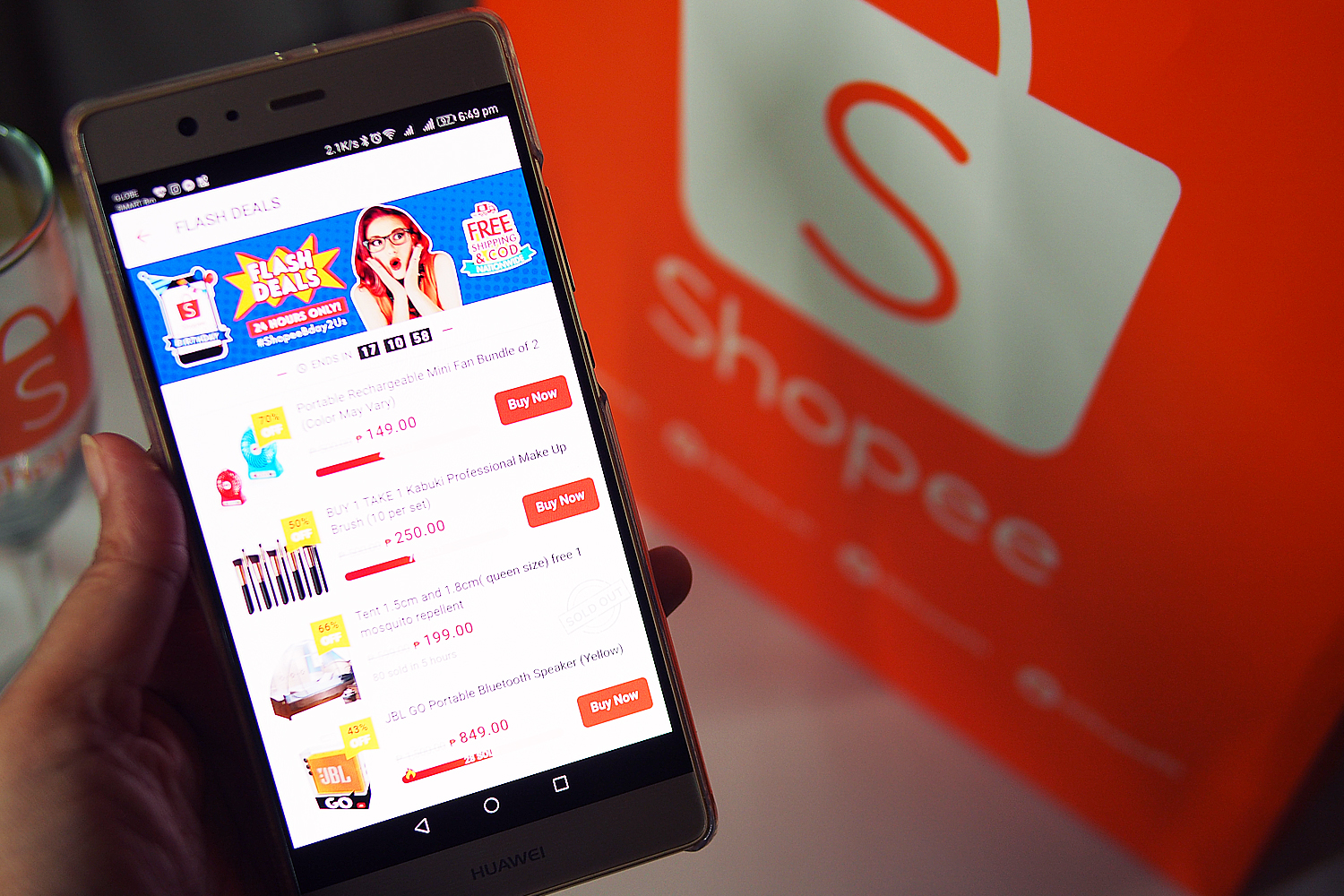
    Shopee, Southeast Asia’s leading e-commerce platform, is on a mission to revamp its logistics capabilities and bolster its presence in regional markets. The company recently announced a notable expansion of its logistics infrastructure in Indonesia, a key player in the e-commerce landscape. By establishing a vast network of warehouses, Shopee aims to enhance delivery speeds and streamline operations, which is music to the ears of both consumers and retailers alike.

    Building a Robust Logistics Network

    In an ambitious effort, Shopee is rolling out a more comprehensive logistics strategy that includes new automated warehouses across Indonesia. This radical investment in infrastructure signifies a pivotal shift towards more efficient supply chain management. The company has committed to modernizing its facilities, allowing unprecedented speed and accuracy in order fulfillment. With plans to introduce smart technologies like robotics and AI to optimize warehousing processes, Shopee isn’t just reaching for the stars but aims to redefine the e-commerce experience for millions.

    An Eye on Regional Expansion

    Indonesia, with its burgeoning consumer base and rapidly increasing internet penetration, represents a gold mine for e-commerce players. Shopee’s investments reflect a keen understanding of local market dynamics, positioning the platform to capitalize on the country’s robust growth potential. As more consumers embrace digital shopping, the company is poised to tap into this trend, leveraging local partnerships and community engagement to boost satisfaction and loyalty.

    Success Stories Amidst Competition

    While competition is fierce, evidenced by rivals like Lazada and Tokopedia, Shopee’s tailored approach is beginning to yield impressive results. In comparison to its competitors, Shopee has successfully integrated social shopping features, transforming the shopping process into an interactive experience. The platform’s recent campaigns, including live streaming sales events, have not only captured attention but also engagement, turning browsers into buyers. As one industry analyst whimsically remarked, “Shopee’s approach not only sells products but entertains!”

    Future-Ready with Tech Integration

    As Shopee enhances its logistics, it also focuses on incorporating cutting-edge technology into its customer experience. The platform is prioritizing user-centric designs and AI-driven interfaces that anticipate consumer needs. This initiative ensures that shoppers, whether seasoned or new, find it increasingly easy and enjoyable to navigate through products, fostering a seamless shopping journey.

    Final Thoughts

    With substantial investments in logistics and technology, Shopee is setting the stage for a significant transformation in Indonesia’s e-commerce scene. Its commitment to innovation not only promises to enhance the shopping experience but also positions the platform as a formidable player in the wider Asian retail industry, ready to take on fresh challenges and opportunities.

    Questions & Answers

    How is Shopee enhancing its logistics in Indonesia?
    Shopee is expanding its logistics infrastructure by establishing a network of new automated warehouses and modernizing its facilities with smart technologies like robotics and AI.

    What sets Shopee apart from its competitors in the e-commerce space?
    Shopee’s emphasis on social shopping features and interactive experiences, such as live streaming sales, distinguishes it from rivals and creates engaging shopping opportunities for users.

    How does Shopee plan to engage consumers in its expansion efforts?
    The platform aims to engage consumers by leveraging local partnerships and community involvement, ensuring a personalized and satisfying shopping experience as digital shopping continues to rise.

  • Ooredoo Unveils Cutting-Edge Cybersecurity Solutions to Enhance Global Market Protection

    Ooredoo Unveils Cutting-Edge Cybersecurity Solutions to Enhance Global Market Protection

    Ooredoo Group is stepping up to tackle the multifaceted challenges of cybersecurity, launching advanced services across its varied markets in collaboration with Innovatix Systems, a software development powerhouse. This initiative aims to fortify customers’ digital assets by incorporating robust security measures from the very beginning, offering a proactive approach to counter the escalating threats in the cyber landscape.

    Seamless Security for the Digital Age

    Operating throughout the Middle East, North Africa, and Southeast Asia, Ooredoo has strategically partnered with Innovatix to provide continuous protection via a suite of critical security platforms. Their offering encompasses managed security services, a 24/7 security operations center (SOC), as well as sophisticated endpoint detection and response (EDR) and extended detection and response (XDR) solutions. Notably, these services promise flexibility through vendor-agnostic support, ensuring real-time monitoring and effective incident management.

    Leading the Charge in Cybersecurity

    Najib Khan, Group Chief Business Services Officer, emphasized the importance of synchronizing security with technological progress. “It is critical that security keeps pace with innovation. With Innovatix, we are extending world-class cybersecurity services to millions of users across multiple countries—multilingual, scalable, and localized—giving our customers the confidence to innovate securely,” he stated.

    A Fortress Against Digital Threats

    Innovatix’s Chief Executive, Ahmed Al Mannai, echoed this sentiment, noting that their combined capabilities allow them to deliver defense-grade cybersecurity solutions that adhere to the highest international standards while being tailored to local market needs. “Together with Ooredoo, we are ensuring that businesses and individuals can operate with confidence,” he added, underlining the importance of collaboration in the face of rising cyber vulnerabilities.

    The new services are already operational in Qatar, Tunisia, Kuwait, and the Maldives, with plans to expand further across Ooredoo’s operating territories by the end of 2025. Of note, the offering is available in Arabic, English, and French, cleverly ensuring consistency for users from Algeria to the Maldives without missing a beat.

    Ooredoo’s initiative underscores a commitment to delivering proactive, scalable, and market-responsive protection designed to keep pace with increasingly sophisticated cyber threats. As they say in the tech world, a good defense might just be the best offense—especially in a digital landscape as dynamic as today’s.

    Questions & Answers

    How does Ooredoo’s partnership with Innovatix enhance cybersecurity offerings?
    The collaboration allows Ooredoo to deliver comprehensive cybersecurity services that are multilingual, scalable, and localized, thereby meeting the unique needs of diverse markets.

    What specific cybersecurity services are included in Ooredoo’s new offering?
    The services include managed security services, a 24/7 security operations center, endpoint detection and response, and extended detection and response solutions.

    When does Ooredoo plan to roll out these services across all operating companies?
    Ooredoo aims to extend these advanced cybersecurity services across all its operating companies by the end of 2025.

  • Indosat Launches PaPeDa Initiative to Empower Women in Rural Communities

    Indosat Launches PaPeDa Initiative to Empower Women in Rural Communities

    Indosat Ooredoo Hutchison (Indosat) has unveiled a groundbreaking initiative under its women’s empowerment program, SheHacks, known as Pandu Perempuan Daerah (PaPeDa). This fresh endeavor aims to uplift women leaders within regional communities, enhancing their capacity to effect change with technology-driven solutions.

    Nurturing Women Leaders Through Structured Learning

    PaPeDa takes a multifaceted approach to mentorship, beginning with online sessions that set the stage for development. The top 15 participants then embark on a one-day in-person bootcamp, which is followed by months of online guidance while launching local pilot projects. This progressive structure equips women leaders with practical skills in planning, storytelling, and measuring impact—transforming them into capable facilitators of “mini SheHacks” within their communities.

    Collaboration with Key Partners

    The initiative is a collaboration with UN Women and Kumpul.id, who help identify and mentor promising women from regions often overlooked by development programs. Together, they focus on fostering community-centric solutions that can thrive amidst local challenges.

    Voices of Commitment

    Irsyad Sahroni, Indosat’s Director and Chief Human Resource Officer, emphasized the program’s vision. “Indosat’s commitment to empowering Indonesia extends beyond urban areas to reach regional communities. Through the PaPeDa initiative, we aim to ensure that women in regional areas have equal access to develop their potential,” he stated. Sahroni highlighted the importance of collaboration, declaring the initiative a critical step towards creating supportive environments for women leaders.

    Dwi Faiz, Head of Programme at UN Women Indonesia, echoed this sentiment, noting the private sector’s vital role in promoting gender equality. “Accelerating women’s leadership to drive impactful societal change is at the top of UN Women’s agenda. With PaPeDa, we hope to see more women emerge as catalysts for broader change,” she shared.

    From Ideas to Impact: The Selection Process

    Over two months, a rigorous selection process will identify eight outstanding participants based on their concepts, impact measurement capabilities, readiness to implement solutions, and performance during one-on-one mentor evaluations. The funnel process begins with 86 community women leaders, narrowing down through stages to the Top 30, Top 15, and finally the Top 8.

    In a dramatic final stage, these top women will present their ideas in a five-minute pitch, followed by a Q&A to field questions from evaluators. The chosen few will have the opportunity to participate in advanced programs in 2026, collaborating with the SheHacks team and partner organizations. They will also enhance their pitching skills, showcasing their mini pilot projects—after all, who doesn’t enjoy a little friendly competition?

    Certification and Community Impact

    The finalists will receive a PaPeDa Basic Certification, empowering them to independently organize mini SheHacks initiatives in their communities. “PaPeDa is only the first step for the participants. We believe that with the right preparation, women can become increasingly empowered and contribute to driving progress,” Sahroni concluded.

    Questions & Answers

    What is the primary goal of the PaPeDa initiative?
    The goal of the PaPeDa initiative is to empower women leaders in regional communities by providing them with mentorship and practical skills for implementing technology-driven solutions.

    Who are the key partners involved in the PaPeDa program?
    PaPeDa is a collaboration between Indosat, UN Women, and Kumpul.id, focusing on identifying and mentoring women with the potential to create community-centric solutions.

    How does the selection process for participants work?
    The selection process begins with 86 community women leaders, narrowing down through several stages to identify the Top 8 based on their project concepts, impact measurement ability, and performance during mentor evaluations.

  • Indonesia Slashes Taxes for Hotels and Restaurants to Boost Business Recovery

    Indonesia Slashes Taxes for Hotels and Restaurants to Boost Business Recovery

    In a proactive move to aid its beleaguered hospitality industry, Jakarta officials have unveiled a temporary tax reduction initiative for hotels and restaurants amid escalating costs and a dip in consumer demand. The new regulation introduces a hefty 50% tax reduction for hotels from late August until the end of September, tapering to a 20% cut from October through December. Restaurants are not left out, as they too will enjoy a 20% reduction during these same time frames. As an added condition, hotels must participate in the E-TRAPT system by submitting electronic transaction data to foster transparency and accountability.

    Supporting a Vital Industry

    Jakarta Governor Pramono Anung emphasized that this decision was not made lightly. He pointed out that the revenue from hotels and restaurants in the capital already exceeds the national average by 14–15%. This tax relief is designed to keep businesses afloat and encourage growth within the sector. “It’s not just a gift; it’s a strategic maneuver,” he noted.

    A Short-Term Relief with Longer Implications

    The policy is set to last until the year’s end with the possibility of extending into January 2026, depending on the economic climate.

    Industry Reaction and Economic Impact

    The hotel association has warmly embraced the tax cuts, viewing them as a crucial lifeline for operational stability, service quality, and job preservation in this challenging environment characterized by rising operational costs and declining occupancy rates. As one industry leader put it, “It’s not a magic wand, but it’s a significant boost.” Officials have also pointed out that improved cash flow will allow hotels to roll out promotions and elevate services without eroding profit margins—showing that sometimes, a little tax relief can go a long way in shaking up a stagnant market.

    Questions & Answers

    What prompted the Jakarta government to implement tax reductions for hotels and restaurants?
    The tax reductions were introduced in response to rising costs and declining customer demand in the hospitality sector, aiming to support these businesses during tough times.

    How long will the tax reductions be in effect?
    The tax relief measures will apply until the end of December 2025, with the possibility of extension into January 2026.

    What conditions must hotels meet to qualify for the tax cuts?
    To qualify for the tax reductions, hotels are required to submit electronic transaction data through the city’s E-TRAPT system, ensuring transparency and accountability.

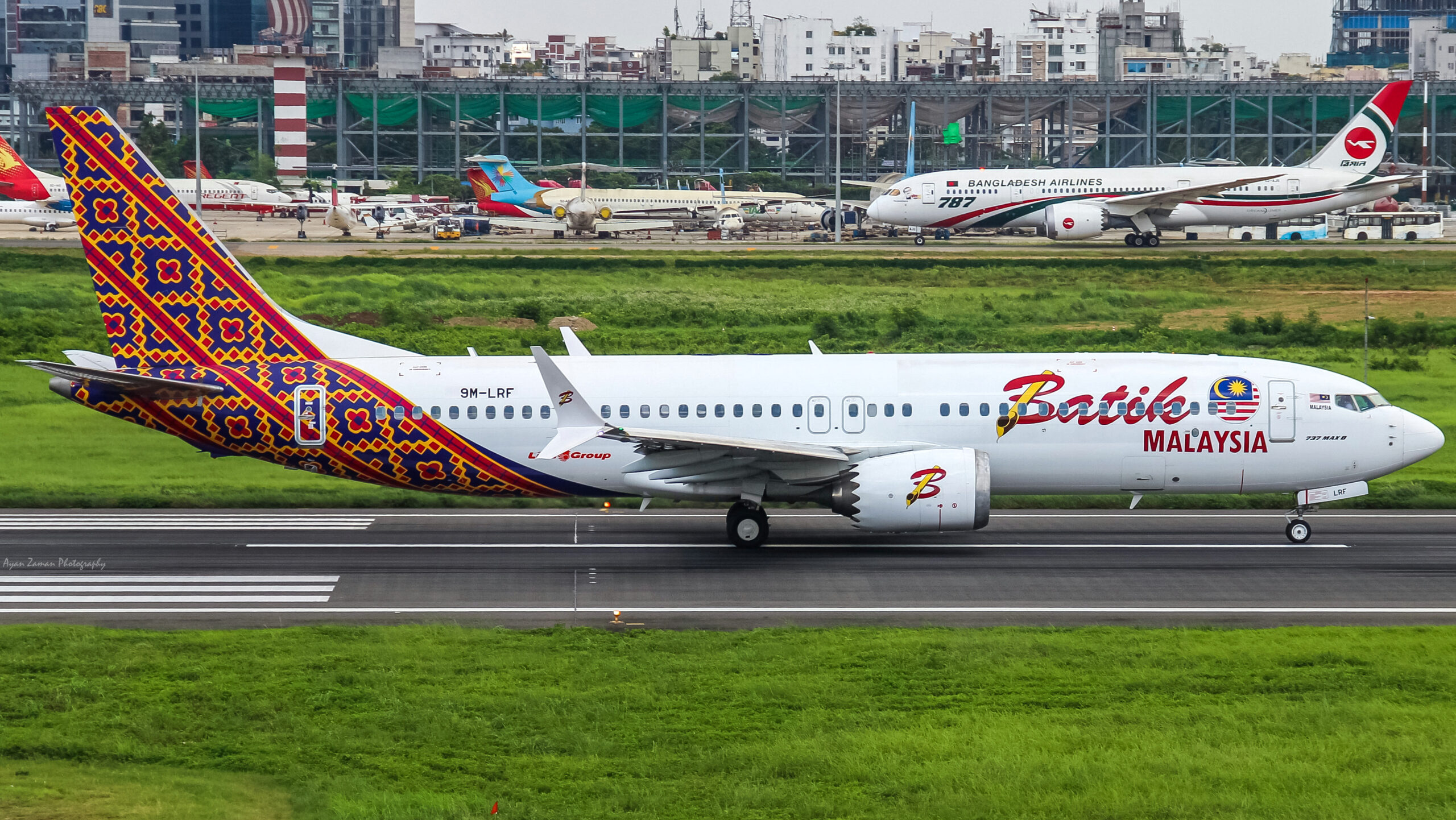
  • Batik Air and Thai Lion Air’s Lion Group Set to Soar from Changi’s Terminal 4!

    Batik Air and Thai Lion Air’s Lion Group Set to Soar from Changi’s Terminal 4!

    Lion Group, the operator of Batik Air and Thai Lion Air, will relocate its operations from Terminal 3 to Terminal 4 at Singapore’s Changi Airport.

    In a strategic move aimed at enhancing passenger experience and accommodating future growth, Lion Group has announced its decision to transition its operations to Terminal 4, set to take effect in November. Following this relocation, the group is gearing up to introduce new daily flights in December to popular Malaysian destinations including Subang, Ipoh, and Penang.

    This move is tailored to meet the burgeoning air travel demand in the region. Upon completion, Terminal 4 will be home to 20 carriers, splitting its offerings between full-service airlines and low-cost operators.

    With Batik Air Indonesia, Batik Air Malaysia, and Thai Lion Air under its umbrella, Lion Group is primed to enter a competitive landscape on routes to Subang Airport. This airport is conveniently located just 24 kilometers from Kuala Lumpur’s city center, putting it in direct competition with low-cost carriers such as Scoot and Firefly.

    The Kuala Lumpur–Singapore corridor has been a hive of activity, ranked as the world’s fourth-busiest international route in 2024 and the busiest in 2023, according to flight analytics platform OAG. Not to be outdone, Lion Group currently operates 88 weekly flights connecting Singapore with various cities including Jakarta, Bali, Medan, Kuala Lumpur, and Bangkok.

    Looking ahead, Thai Lion Air plans to further broaden its horizon, with ambitions to launch flights connecting Singapore to additional Thai cities beyond Bangkok. It seems that in the realm of air travel, Lion Group is not just following the flight path, but actively charting new territories.

    Questions & Answers

    How will the relocation benefit Lion Group’s operations?
    The relocation to Terminal 4 is designed to enhance passenger experience and accommodate the anticipated growth in air travel demand, allowing Lion Group to operate more efficiently and attract more travelers.

    What new routes is Lion Group planning to introduce?
    Lion Group plans to launch new daily flights in December to Malaysia’s Subang, Ipoh, and Penang, expanding its service offerings in the region.

    How does Lion Group’s current flight schedule compare in the region?
    Currently, Lion Group operates 88 weekly services connecting Singapore to key cities such as Jakarta, Bali, Medan, Kuala Lumpur, and Bangkok, positioning itself strongly in the competitive Southeast Asian air travel market.

  • Indosat Joins Forces with Partners to Launch Innovative AI Application Collaboration Center

    Indosat Joins Forces with Partners to Launch Innovative AI Application Collaboration Center

    In a significant boost to Indonesia’s aspirations in the digital realm, Indosat Ooredoo Hutchison (Indosat), the Indonesia Technology Alliance (ITA), and the Tsinghua University Wuxi Research Institute of Applied Technologies have entered a Memorandum of Understanding (MoU) to establish an AI Application Cooperation Center in Indonesia. This landmark agreement, formalized at Tsinghua University and witnessed by Parulian George Andreas Silalahi, Deputy Ambassador of the Indonesian Embassy in China, signifies a pivotal step for Indonesia as it aims to take the lead in the artificial intelligence sector.

    Forging Stronger Ties in AI Innovation

    Announced at the 2025 China-ASEAN AI Ministerial Roundtable, the initiative sets the stage for enhanced cooperation between China and Indonesia in AI technologies. It’s designed to lay the foundations for a vibrant AI ecosystem within Indonesia—one that fosters innovation, cultivates top-tier talent, and bolsters the country’s influence in the digital economy.

    The newly established Application Cooperation Center will harness Tsinghua University’s technological prowess alongside ITA’s commitment to advancing Indonesia’s digital landscape. Indosat, as the country’s leading digital telecommunications provider, will leverage Indonesia’s first sovereign AI factory to bring AI implementations to crucial sectors like education, healthcare, and agriculture—essential areas for Indonesia’s long-term growth and digital inclusivity.

    AI—Catalyst for Indonesia’s Future Growth

    This collaboration couldn’t come at a more critical juncture. As Indonesia aspires to realize its Golden Indonesia 2045 vision, the role of AI emerges as a cornerstone for increasing productivity, enhancing public services, and shepherding growth through innovation. Tailoring AI solutions to the nation’s unique economic and social conditions will be paramount in elevating Indonesia’s competitiveness and ensuring broad access to its digital transformation. The collaboration may also pave the way for a strategic partnership between the National Development and Reform Commission of China and Indonesia’s Ministry of Communications and Digital Affairs, further solidifying AI capabilities in both countries.

    Nezar Patria, Vice Minister of Communications and Digital Affairs of Indonesia, underscored the importance of this collaboration, noting, “This marks an important step toward Indonesia’s new technology era. We sincerely appreciate the contributions of all parties involved. By uniting expertise and resources, we can quicken AI’s adoption in Indonesia, fueling technological advancements in the region and beyond.”

    Indosat: Bridging the Gap with AI

    Indosat’s pivotal role cannot be overstated. With an extensive mobile user base and nationwide infrastructure, the company is poised to translate intricate AI innovations into practical applications that impact millions of lives. This initiative aims to broaden access to crucial services in digital healthcare, education, and agriculture while simultaneously nurturing a new generation of local AI talent. Think of Indosat as the bridge connecting cutting-edge global research with the needs of Indonesian communities—like a digital Robin Hood, but without the cloak and bow.

    Vikram Sinha, President Director and CEO of Indosat Ooredoo Hutchison, elaborated on this vision: “AI can help bridge the resource gaps that limit equal opportunities for Indonesians, especially in healthcare, education, and agriculture. Collaborating with Tsinghua University and ITA, we aim to introduce localized, practical AI solutions, reinforcing our broader mission to empower the nation.”

    Global Knowledge Meets Local Needs

    Zhang Bo, Honorary Dean of the Institute for Artificial Intelligence at Tsinghua University, illuminated the long-standing commitment of his institution to AI research, which dates back to 1978. “Our collaboration with Indonesia will deepen exchanges between our nations in artificial intelligence,” he stated, underlining AI’s vast potential in education, healthcare, transportation, and finance to foster equity and distribute medical resources more fairly.

    The center is expected to commence operations early next year, becoming a hub for AI development tailored to Indonesian needs while bridging global expertise with local aspirations.

    Dr. Justisiari P. Kusumah, Chairman of ITA, added this perspective: “ITA is dedicated to collaborations that accelerate Indonesia’s digital transformation. This partnership exemplifies the synergy between government vision, industry capabilities, and scholarly research to drive meaningful AI applications, ensuring development is inclusive and impactful.”

    This partnership not only redefines the technological collaboration landscape between China and Indonesia but also acts as a reaffirmation of Indonesia’s commitment to fostering an inclusive and innovation-centric digital economy that benefits both its citizens and the broader Southeast Asian region.

    Questions & Answers

    How will the AI Application Cooperation Center impact Indonesia’s economy?
    The center aims to enhance productivity, improve public services, and introduce innovative AI solutions across vital sectors such as healthcare and education, ultimately strengthening Indonesia’s position in the digital economy.

    What are the key sectors that will benefit from the collaboration?
    The partnership will focus on sectors critical to Indonesia’s development, including education, healthcare, and agriculture, promoting digital inclusivity and addressing local needs.

    When is the AI Application Cooperation Center expected to be operational?
    The center is anticipated to start operations early next year, serving as a hub for developing customized AI solutions for Indonesia.

  • Jakarta’s Data Centre Market Sees Robust Growth: What’s Driving the Expansion?

    Jakarta’s Data Centre Market Sees Robust Growth: What’s Driving the Expansion?

    The Greater Jakarta data center market is witnessing significant expansion, with colocation inventory skyrocketing from 150 MW in 2021 to over 400 MW by the first half of 2025, according to a new report from JLL. This growth reflects the joint efforts of both established players and newcomers, including Equinix, which has launched its inaugural data center in Jakarta through a partnership with PT Astra International. Other notable entrants are Digital Realty Bersama and Digital Hyperspace, alongside ongoing expansions from DCI Indonesia.

    In this dynamic landscape, STT Telemedia Global Data Centres has not only topped out its second data center but has also broken ground on a third facility. This ambitious project forms part of a larger campus aimed at delivering an impressive 90 MW of power capacity.

    While eastern Greater Jakarta has long been the favored locale for hyperscalers, a notable shift in interest is occurring towards Jakarta’s CBD, where the majority of new construction projects are currently underway. Illustrating this trend further, LG Sinar Mas Joint Venture recently commenced construction on an AI-Optimized Data Centre in Jakarta, with expectations for it to be operational by 2026.

    Occupancy rates in existing colocation facilities hover around 70-80%, largely fueled by demand from cloud service providers, financial institutions, e-commerce giants, and over-the-top (OTT) platforms like gaming, streaming, and social media. While the specific demand for AI applications remains modest, the expanding landscape of cloud services and Indonesia’s ongoing digital transformation could catalyze future AI adoption across various sectors.

    Looking Ahead: Strategic Insights for Users and Providers

    As the digital economy flourishes alongside a burgeoning middle class, users can expect an accelerated uptake of cloud services. Financial institutions must brace for evolving data sovereignty regulations and compliance requirements, while e-commerce platforms will require enhanced capacities for managing increased transaction volumes and leveraging analytics.

    On the provider side, navigating infrastructure challenges will necessitate innovative solutions to ensure reliable power and connectivity. As activities in Jakarta’s CBD ramp up, strategic location selection will become paramount for providers. Additionally, as environmental regulations tighten, incorporating sustainability features into facilities will be crucial for competitive differentiation.

    Questions & Answers

    What factors are driving the expansion of colocation inventory in Greater Jakarta?
    The growth is primarily fueled by the increasing demand from cloud service providers, financial institutions, and e-commerce companies, which are all looking to expand their digital capabilities.

    How is the shift in location preference impacting the data center market?
    While eastern Greater Jakarta has traditionally been preferred, a growing interest in Jakarta’s CBD is influencing investment decisions, leading to more under-construction projects in this area.

    What future trends could shape the data center landscape in Indonesia?
    The ongoing digital transformation and increasing adoption of cloud services are likely to drive future growth, while sustainability considerations and regulatory compliance will play crucial roles in how the market evolves.

  • Indonesia’s Retail Sector Thrives Amidst Global Economic Challenges: E-commerce In The Spotlight

    Indonesia’s Retail Sector Thrives Amidst Global Economic Challenges: E-commerce In The Spotlight

    The latest figures reveal a dynamic shift in the Asian retail landscape as Indonesia’s retail sales continue their upward trajectory, fueled primarily by a surge in consumers embracing e-commerce. According to the most recent report from the Indonesian Retailers Association (APRINDO), retail sales climbed by 5.7% year-on-year in August, reflecting a rebound from a dip recorded earlier in the year. This resurgence is particularly notable given the effects of global economic pressures, which had left many retailers tentative about their recovery prospects.

    A Turnaround in Retail Sales

    The robust performance in August marks a high point in a year that many had written off as uncertain. APRINDO’s report indicates that both offline and online retail environments contributed to this growth, with e-commerce continuing to gain ground as consumers relish the convenience and variety it offers. Amidst this changing landscape, traditional brick-and-mortar stores are also adapting, integrating technology to enhance customer experience while still engaging in creative marketing strategies to capture foot traffic.

    E-Commerce Takes Center Stage

    As more Indonesian shoppers turn to their screens for purchases, the e-commerce segment has skyrocketed, with an almost unprecedented growth rate reported. Marketing teams across various sectors are scrambling to keep up with changing consumer preferences, often resulting in promotions that are as surprising as they are lucrative. Who knew that a flash sale for customized rubber boots could reignite interest in rainy season gear?

    The Changing Face of Consumer Behavior

    Consumer behavior is evolving; millennials and Gen Z are increasingly driving the market. They prioritize convenience and sustainability, prompting retailers to rethink their strategies to stay relevant. This demographic shift calls for a keen understanding of how to engage a younger audience that values not just the product, but the story behind it.

    Challenges Ahead

    While the news is largely optimistic, challenges loom on the horizon. Supply chain disruptions and inflation remain current concerns, potentially making it tricky for retailers to maintain this positive momentum. Companies are advised to remain nimble, as economic forecasts indicate that maintaining growth will necessitate flexibility and innovation amidst ongoing uncertainties.

    In a landscape where every sales event feels like a competition for the consumer’s attention, retailers must ensure that their strategies blend affordability with experiences that resonate deeply with their desired audience. As we look ahead, it’s clear that adaptability is key to navigating this ever-evolving retail terrain.

    Questions & Answers

    What has driven the increase in Indonesian retail sales?
    A combination of factors, particularly the growing popularity of e-commerce, has fueled the increase in Indonesian retail sales, with significant contributions from both online and offline channels.

    How are retailers adapting to younger consumers?
    Retailers are adjusting their strategies to cater to millennials and Gen Z, focusing on convenience, sustainability, and compelling narratives behind their products to engage these younger shoppers.

    What challenges could impact future retail growth in Indonesia?
    Supply chain disruptions and inflation are significant challenges that could affect future growth, necessitating adaptability and innovation among retailers to sustain momentum in an uncertain economy.

  • China and Indonesia Launch Innovative Pilot Program for Cross-Border QR Payments

    China and Indonesia Launch Innovative Pilot Program for Cross-Border QR Payments

    In an exciting development for cross-border commerce, selected users from China can now engage in QR payments while visiting Indonesia, thanks to a collaborative pilot initiative between the two nations. This innovation allows users to make payments using the UnionPay and Alipay apps through Indonesia’s QRIS system, which stands for “Quick Response Code Indonesian Standard.” With more than 40 million QRIS merchants participating, this move promises to enhance the purchasing experience for tourists and business travelers alike.

    As part of this initiative, the pilot program allows not just Chinese users but also selected merchants from China’s UnionPay and Alipay networks to accept QR payments from a variety of Indonesian mobile payment applications. It’s almost like creating a financial handshake between countries, all facilitated by the convenience of QR codes.

    The payment processing will unfold in the local currencies of each country, adding another layer of efficiency to the transaction process, as confirmed in the recent press release. With the pilot phase currently underway, stakeholders anticipate that the QR payment system will be fully operational by 2025, making it a significant stride towards seamless cross-border transactions.

    UnionPay International (UPI) has laid the groundwork for this ambitious project by signing a memorandum of cooperation with the Indonesian Payment System Association, Ant International, as well as the Bank of China (Hong Kong) Jakarta branch. The move solidifies the partnership, which is further cemented through separate agreements with four Indonesian switch networks: Rintis, ALTO, Artajasa, and Jalin. As the program progresses, it could transform how payments are made between these two vibrant economies, potentially sparking interest from other nations to join the QR payment revolution.

    Questions & Answers

    How does the QR payment system work between China and Indonesia?
    Users from China can make QR payments in Indonesia using the UnionPay and Alipay apps, utilizing the QRIS system to facilitate transactions through 40 million participating merchants.

    What currencies will be used in these transactions?
    The QR payment linkages will be settled in the respective local currencies of China and Indonesia, ensuring a smooth transaction process for users.

    When is the QR payment linkage expected to become fully operational?
    The initiative is projected to be fully operational by 2025, following the current sandbox phase of the pilot program.

  • Airasia Launches Direct Routes From Malaysia To Indonesia, Boosting Regional Connectivity And Economic Growth

    Airasia Launches Direct Routes From Malaysia To Indonesia, Boosting Regional Connectivity And Economic Growth

    AirAsia, signified by the flight code AK, has expanded its offerings, introducing two direct air routes from the Malaysian cities of Kuala Lumpur and Kuching to Pontianak, Indonesia. This development furthers its reputation as the airline with the most extensive network connecting these two countries. It also upholds AirAsia’s dedication to enhancing regional connectivity and fostering economic growth throughout the region.

    Celebratory Reception

    Upon its return, flight AK1782 from Pontianak received a warm reception at Kuching International Airport. The occasion was celebrated with cultural performances and attending guests from Pontianak were welcomed by dignitaries, including Deputy Minister for Tourism, Creative Industry and Performing Arts Sarawak, YB Datuk Snowdan Lawan, and AirAsia Malaysia CEO, Dato’ Captain Fareh Mazputra. Representatives from various Malaysia Airports, government departments and private hospitals in Kuching also attended the event.

    In Kuala Lumpur International Airport Terminal 2, passengers on the inaugural flight AK491 from Pontianak were greeted by Tourism Malaysia and members of the AirAsia Management.

    First International Services at Supadio Airport

    These flights are the first international services to take place at Pontianak’s Supadio Airport since it regained its international status in June 2025. This significant event involved a special welcoming ceremony for dignitaries, headed by the Governor of West Kalimantan, Drs Ria Norsan, and the Malaysian Consul in Pontianak, En Azizul Zekri Abdul Rahim.

    Minister for Transport Sarawak, YB Dato’ Sri Lee Kim Shin, expressed his delight regarding the reinstatement of the Kuching-Pontianak route after a five-year pause. He emphasised the positive impact of this move, which will substantially reduce travel times, boost tourism, and strengthen connections between Sarawak and West Kalimantan.

    AirAsia’s Expansion

    AirAsia is proud of its recent route expansions, with Indonesia remaining a key market for the airline. CEO of AirAsia Malaysia, Dato’ Captain Fareh Mazputra, highlighted the significance of reintroducing the Pontianak route, which will increase convenience for passengers and open up new opportunities for tourism and business between Malaysia and Indonesia.

    CEO of Sarawak Tourism Board, Mdm Sharzede Salleh Askor, expressed her excitement over the reinstatement of direct air connectivity between Kuching and Pontianak. This development will make travel more convenient for those in West Kalimantan, strengthen Sarawak’s role as the gateway to Borneo, and attract more visitors from Pontianak and beyond.

    Currently, AirAsia Malaysia serves 18 destinations in Indonesia from Kuala Lumpur, with a new route to Banjarmasin set to commence on 20 October 2025.

    Questions & Answers

    What is the significance of the new AirAsia routes?
    These routes not only improve travel convenience but also open up new opportunities for tourism and business between Malaysia and Indonesia.

    What other Indonesian cities does AirAsia Malaysia connect with?
    AirAsia Malaysia currently connects with 18 Indonesian cities, including Jakarta, Bali (Denpasar), Medan, Yogyakarta, and more.

    What’s the impact of reinstating the Kuching-Pontianak route?
    This development will reduce travel times, boost tourism, and strengthen connections between Sarawak and West Kalimantan.