Tag: Indonesia

  • Vietnamese Coffee Giant, Cong Ca Phe, Set to Stir Up Indonesian Market with First Jakarta Store

    Vietnamese Coffee Giant, Cong Ca Phe, Set to Stir Up Indonesian Market with First Jakarta Store

    The Vietnamese coffee chain Cong Ca Phe has announced its foray into the Indonesian market, with the opening of its first branch in Jakarta in the forthcoming months. This strategic move aims to cement the Hanoi-based brand’s global presence by penetrating Indonesia’s thriving and highly competitive coffee shop industry.

    A Blend of Heritage and Authenticity

    Cong Ca Phe’s entrance into the Indonesian market, one of the most sought-after by its customers, is a testament to the brand’s dedication to preserving its Vietnamese roots. At the same time, it seeks to engage Indonesian consumers by offering a unique café experience that transcends the typical coffee service.

    The inaugural store in Gandaria City, South Jakarta, will feature Cong Ca Phe’s iconic Vietnamese Coconut Coffee. The menu will also include traditional Vietnamese coffee, a variety of non-coffee beverages, and a selection of Vietnamese-inspired dishes.

    The brand will continue its commitment to quality and authenticity by importing coffee beans and other essential ingredients directly from Vietnam. This initial store will serve as a litmus test for gauging local interest before any wider expansion plans are executed. Subsequent growth within Indonesia will hinge upon the success of this Jakarta-based outlet.

    The Story Behind Cong Ca Phe

    Established in 2007 in Hanoi by performance artist Linh Dung, Cong Ca Phe takes pride in its strong Vietnamese identity. The brand’s concept revolves around Vietnamese coffee culture and a nostalgic café atmosphere that harkens back to Vietnam. Its global presence has grown over the years, with outlets in South Korea, Malaysia, Taiwan, Canada, the Philippines, and France.

    Questions & Answers

    What is Cong Ca Phe’s signature offering?
    Cong Ca Phe is best known for its Vietnamese Coconut Coffee.

    Where will the first Indonesian Cong Ca Phe outlet be located?
    The first Indonesian outlet will be in Gandaria City, South Jakarta.

    What is the expansion plan of Cong Ca Phe in Indonesia?
    The brand’s expansion within Indonesia will largely depend on the performance of its inaugural Jakarta store. Future plans are to be determined based on this initial market response.

  • Zankore: Indosat Partners with Ooredoo, Nokia, and NVIDIA to Revolutionize AI Infrastructure in Asia-Pacific

    Zankore: Indosat Partners with Ooredoo, Nokia, and NVIDIA to Revolutionize AI Infrastructure in Asia-Pacific

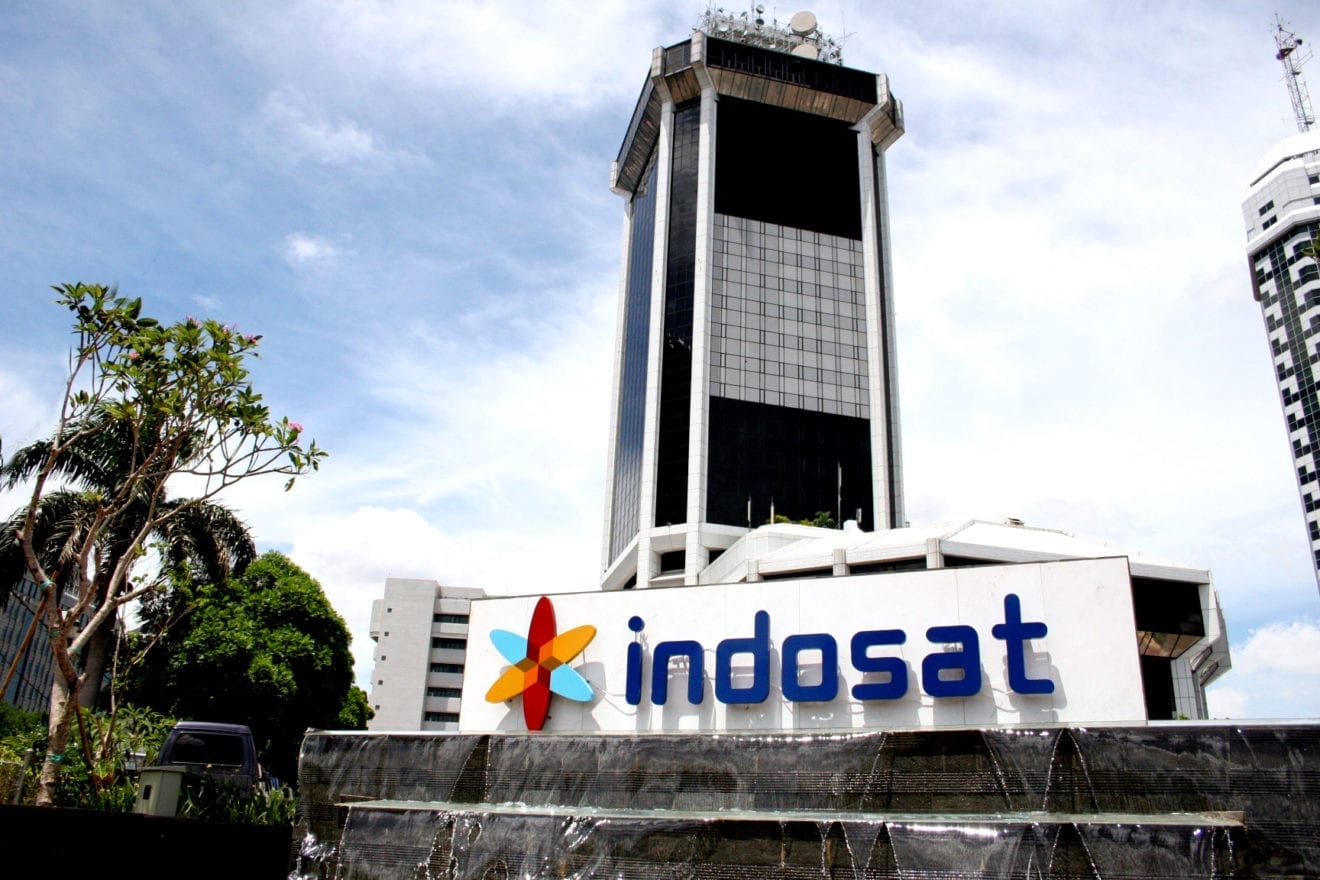
    Indosat Ooredoo Hutchison (IOH) recently unveiled its newest venture, Zankore by Indosat, in a collaborative effort with Ooredoo Group, Nokia, and NVIDIA. The primary goal of the partnership is to establish the next generation of Artificial Intelligence (AI) infrastructure on a global scale, initiating from the Asia-Pacific region.

    The alliance aims to cater to the rapidly increasing requirements for secure and flexible AI computing across the region, simultaneously bolstering Indonesia’s stature as a regional AI hub. Zankore by Indosat, with an ambitious objective of deploying 1 gigawatt (GW) of NVIDIA DSX AI Factory capacity, sets the stage for one of the largest AI infrastructure platforms in the region. This will facilitate the upcoming stage of widespread AI integration in agency and enterprise operations.

    Communications and Digital Affairs Minister for the Republic of Indonesia, Meutya Hafid, highlighted Indonesia’s potential to not only cater to its domestic needs but also serve the broader region. She expressed confidence that Indonesia’s wealth of resources and talent, supplemented with global expertise and strategic partnerships, could expedite the evolution of sovereign AI infrastructure. This progression would benefit businesses and society alike, with the government fully backing initiatives that reinforce Indonesia’s digital competitiveness and ensure the equitable distribution of AI benefits across the country.

    Ooredoo Group CEO, Aziz Aluthman Fakhroo, emphasized that AI infrastructure was fast becoming the bedrock of the digital economy. He asserted that investing early, at scale, and with the right partners would unlock the most substantial opportunities. Furthermore, Vikram Sinha, President Director and CEO of IOH, stressed the importance of an integrated AI ecosystem as enterprises transition from AI experimentation to mission-critical deployment.

    Zankore by Indosat is constructing one of Southeast Asia’s largest AI factory platforms, using NVIDIA DSX as the blueprint for designing and operating AI factories. The platform is projected to deliver approximately 200 megawatts (MW) of AI capacity in the first half of 2027, powered by NVIDIA GB300 NVL72. The collaboration unites each partner’s unique expertise, combining global technology with regional scale and local execution to expedite AI innovation across the Asia-Pacific.

    The partnership combines the strengths of each entity – Ooredoo Group provides long-term capital and regional scale as the lead investor and platform sponsor, Indosat contributes market leadership and digital infrastructure, NVIDIA powers the platform with AI software and global AI ecosystem, and Nokia delivers AI-native networking for secure, high-functioning AI infrastructure.

    The project also marks the establishment of Zankore by Indosat’s Board of Directors, with Ulf Ewaldsson serving as CEO. The collective leadership is expected to offer strategic oversight, governance, and leadership as Zankore scales its AI infrastructure platform across Southeast Asia.

    Questions & Answers

    What is the goal of the collaboration between Indosat Ooredoo Hutchison, Ooredoo Group, Nokia, and NVIDIA?

    The collaboration aims to establish the next generation of Artificial Intelligence (AI) infrastructure on a global scale, initiating from the Asia-Pacific region. The alliance caters to the increasing demands for secure and scalable AI computing.

    What is the role of Zankore by Indosat in this collaboration?

    Zankore by Indosat is constructing one of Southeast Asia’s largest AI factory platforms. The platform is projected to deliver approximately 200 megawatts (MW) of AI capacity in the first half of 2027, powered by NVIDIA GB300 NVL72.

    What will the established Board of Directors do for Zankore by Indosat?

    The Board of Directors will provide strategic oversight, governance, and leadership as Zankore scales its AI infrastructure platform across Southeast Asia.

  • Indonesia Sparks Digital Evolution in Retail with First Nationwide Connected Packaging Contest

    Indonesia Sparks Digital Evolution in Retail with First Nationwide Connected Packaging Contest

    Over 40 universities are participating in a national initiative to explore how product packaging can be transformed into a constant customer engagement platform through augmented reality. This comes at a time when retailers and brands are grappling with increased customer acquisition costs, diminishing organic social media reach, and the growing need to cultivate direct customer relationships. In response to these challenges, a new avenue for marketing is emerging in the form of product packaging, a tool consumers already bring home with them.

    Traditionally viewed as a mere protective container or branding surface, packaging is increasingly transitioning into a digital touchpoint capable of extending the customer journey beyond the point of purchase. This connects physical products with digital experiences on the web, enabling brands to continue educating consumers, tell more elaborate product narratives, verify authenticity, provide after-sales services, encourage repeat purchases, and foster direct customer interaction even after products have left the retail shelves.

    This transformation underlines a wider evolution happening in retail, where every physical product has the potential to transform into an owned media channel. This allows brands to maintain direct communication with consumers, minus the reliance on paid advertising or third-party digital platforms.

    Turning Packaging into Interactive Retail Experiences

    Recognizing this opportunity, Singapore-based MarTech firm HOVARLAY has launched the Nusantara Packaging Experience Awards (NPEA) 2026, Indonesia’s inaugural national competition focusing on connected packaging innovation.

    Participants from over 40 universities and polytechnics across Indonesia have come together for this competition, which encourages students to reimagine traditional packaging as a strategic business asset. It is not just about visual design; it’s about strengthening customer interactions, improving retail experiences, and creating tangible value for brands.

    The participants, focusing on Indonesia’s rich oleh-oleh industry, have been tasked to revamp regional food, beverage, and souvenir packaging using HOVARLAY’s no-code, web-based augmented reality platform. By merely scanning with a smartphone, consumers can unlock interactive digital experiences that range from destination storytelling and artisan heritage to product education, loyalty programs, recipes, promotions, sustainability information, and brand experiences.

    Seizing Opportunity through Connected Packaging

    For Indonesia, one of Southeast Asia’s most extensive consumer markets, this opportunity is particularly notable. With its vibrant ecosystem of regional specialty products and tourism-driven retail, connected packaging offers local brands the chance to stand out and emphasize the cultural stories behind their products.

    While technologies like QR codes have become increasingly familiar to consumers, their use has largely been confined to payments or basic product information. Through NPEA, students are challenged to broaden their vision and transform packaging into an interactive retail experience that fluidly merges physical products with digital storytelling and customer engagement.

    Questions & Answers

    1. How is packaging evolving in the retail industry?
    Packaging is no longer just a protective container or branding surface. It’s becoming a digital touchpoint that extends the customer journey beyond the point of purchase, by linking physical products to digital experiences.

    2. What is the Nusantara Packaging Experience Awards (NPEA) 2026?
    The NPEA 2026 is Indonesia’s first national competition dedicated to connected packaging innovation. It pushes students to reconsider traditional packaging and view it as a strategic business asset that can strengthen customer engagement and enhance retail experiences.

    3. How can connected packaging benefit brands and consumers?
    Connected packaging can extend customer engagement beyond the point of purchase, providing ongoing education and support. For brands, it creates an owned media channel for direct communication with consumers, gathering valuable engagement insights for future marketing and customer retention strategies.

  • Indonesian Telecom Boom: Mobile Data Revenue Fuels Market Surge Amid Decline in Voice Services

    Indonesian Telecom Boom: Mobile Data Revenue Fuels Market Surge Amid Decline in Voice Services

    The mobile services sector in Indonesia is anticipated to observe a compound annual growth rate (CAGR) of around 3.4%, thus escalating from USD 10.2 billion in 2025 to USD 12.1 billion by 2030. This expansion is principally fueled by the escalating proceeds from mobile data services, offsetting the continuous decrease in mobile voice and messaging revenues.

    Shift in Mobile Services Revenue

    The forecast for mobile services in Indonesia suggests that the revenue from mobile voice services is slated to reduce during the predicted period. This reduction is ascribed to a gradual decrease in mobile voice ARPU as consumers increasingly opt for OTT communication platforms, whereas service providers are incorporating free voice minutes in their offerings. In contrast, mobile data service revenue is projected to grow at a CAGR of 4.8% from 2025 to 2030. This growth is stimulated by the increasing number of mobile internet subscriptions and the growing adoption of high-ARPU 5G services. The demand for data services is further boosted by cross-border travelers, business users, and high data consumption in urban areas, signifying a market shift towards data-centered monetization.

    The average monthly data usage over mobile networks is anticipated to escalate from 20 GB in 2025 to 30.3 GB in 2030. This rise can be attributed to the surge in consumption of online video and social media content on mobile networks, spurred by the expansion of 5G networks and enticing data-focused plans provided by mobile network operators.

    The Rise of 5G and Role of Telkomsel

    Even though 4G is expected to maintain its stronghold in mobile technology subscriptions in 2025, its share of total subscriptions is forecasted to reduce as users transition to faster, more reliable 5G services. There will be a considerable increase in the number of 5G subscriptions in Indonesia, credited to the wider availability of reasonably priced 5G-enabled smartphones and an increasing variety of premium data plans for high-bandwidth applications. The Indonesian government has set an aim to expand 5G network coverage to over 30% by the end of 2030.

    In 2025, Telkomsel is set to dominate the Indonesian mobile services market in terms of subscriptions and is predicted to uphold this supremacy throughout the forecast period. This is attributed to its comprehensive 4G coverage and aggressive expansion of its 5G infrastructure, with over 97% population coverage with 4G by March 2026 and more than 2,500 5G base stations across 56 cities by mid-2025.

    The future of Indonesia’s consumer mobile market will revolve around increased mobile data consumption, accelerated 5G migration, and rising demand for high-speed digital experiences. As users gravitate towards video streaming, social media, and data-intensive applications, operators will concentrate on expanding 4G/5G coverage and introducing segmented data plans to drive adoption and monetization.

    Questions & Answers

    What is driving the growth of the mobile services market in Indonesia?
    The growth is primarily being driven by escalating revenue from mobile data services, which offsets the ongoing decline in mobile voice and messaging revenues.

    What is the projected average monthly data usage over mobile networks by 2030?
    The average monthly data usage over mobile networks is anticipated to escalate from 20 GB in 2025 to 30.3 GB in 2030.

    Who is expected to lead the Indonesian mobile services market in 2025?
    Telkomsel is expected to dominate the Indonesian mobile services market in terms of subscriptions in 2025. It will likely maintain this position throughout the forecast period due to its comprehensive 4G coverage and aggressive expansion of 5G infrastructure.

  • Indonesia Dominates Gold Market, Outshines Thailand and Vietnam Combined

    Indonesia Dominates Gold Market, Outshines Thailand and Vietnam Combined

    In the first half of this year, Indonesia witnessed a significant surge in sales of gold bars and coins, amounting to 38.1 tonnes, according to the newly-released statistics. This figure surpasses the combined sales of Thailand and Vietnam, which stood at 36.5 tonnes. When compared with the combined figure of Malaysia and Singapore, Indonesia’s demand for gold tripled their total of 12.1 tonnes.

    Indonesia Outperforms in Southeast Asia’s Gold Market

    The second quarter of the year saw Indonesia, the largest economy in Southeast Asia, leading in regional sales with an impressive 14.5 tonnes. The nation also emerged as one of the world’s strongest-performing gold markets, with the demand for gold bars and coins surging by 40% year-on-year.

    The World Gold Council attributes this remarkable performance to several factors. The weakening currency and uncertainties surrounding the domestic economic outlook have emphasized gold’s role as a store of value. To capitalize on this, the Indonesian government launched a strategic initiative called the bullion system roadmap earlier this year. This initiative aims to strengthen the national bullion ecosystem and support the downstream development in the gold sector.

    However, it wasn’t all positive for the gold market in Indonesia. Despite the impressive sales in bars and coins, the demand for gold jewelry took a downturn. The council reported a 10% year-on-year drop to 3 tonnes. This decline marks the thirteenth consecutive year-on-year decrease as consumers, grappling with a challenging economic climate, have started to opt for lower-purity jewelry.

    Gold Market Trends in Southeast Asia and Globally

    Other countries in Southeast Asia, including Malaysia, Singapore, Thailand, and Vietnam, collectively reported gold bar and coin sales of 36.7 tonnes in the second quarter, up 7.6% year-on-year.

    In contrast, the global demand for gold bars and coins in the second quarter fell by 3% to 307.1 tonnes. Despite this, Louise Street, a senior markets analyst at the World Gold Council, projected that bullion investment is likely to drive growth in the second half of the year.

    She further added that the demand mix might shift in the near future. Asian investors and over-the-counter activity are predicted to play a more prominent role, while Western gold exchange-traded fund interest could become more closely linked to real yields, U.S. monetary policy expectations, and the dollar.

    Questions & Answers

    What was the level of gold bar and coin sales in Indonesia in the first half of this year?
    The sales reached 38.1 tonnes, surpassing the combined sales figures of Thailand and Vietnam.

    What initiative did the Indonesian government launch to bolster the gold market?
    The Indonesian government launched the bullion system roadmap, a strategic initiative aimed at strengthening the national bullion ecosystem and supporting downstream development in the gold sector.

    What trends are expected in the global gold market in the second half of the year?
    Bullion investment is predicted to drive growth. There may also be a shift in demand, with Asian investors and over-the-counter activity playing a more prominent role, and Western gold exchange-traded fund interest potentially becoming more closely tied to real yields, U.S. monetary policy expectations, and the dollar.

  • Indosat Ooredoo Hutchison Delivers Double-Digit Growth, Accelerating Its AI-Led Transformation

    Indosat Ooredoo Hutchison Delivers Double-Digit Growth, Accelerating Its AI-Led Transformation

    PT Indosat delivered strong financial and operational performance in the first half of 2026, demonstrating how its AI-led transformation is strengthening the business today while building the foundation for Indonesia’s next phase of digital growth.

    For the six months ended 30 June 2026, Indosat recorded revenue of IDR30.7 trillion, up 13.1% year-on-year (YoY). EBITDA increased 14% YoY to IDR14.6 trillion, growing faster than revenue and maintaining a healthy EBITDA margin of 47.6%. Normalized figure of net profit attributable to owners of the parent rose 49.2% YoY to IDR3.2 trillion, supported by sustained business growth, disciplined cost management, and increasing operational efficiency.

    AI is now becoming an integral part of customers’ everyday digital experience. Through services such as Anti-Spam and Anti-Scam feature, Sahabat-AI, Gemini AI, and Adobe Express, Indosat is delivering greater productivity, creativity, and digital security as part of its connectivity offering. These differentiated experiences helped drive a 19.9% YoY increase in data traffic and a 17.3% YoY increase in Average Revenue Per User (ARPU) to IDR46 thousand, while maintaining a healthy mobile subscriber base of 93.4 million.

    Vikram Sinha, President Director and Chief Executive Officer of Indosat Ooredoo Hutchison, said, “Our AI North Star has always been about creating long-term value by transforming Indosat beyond connectivity into an AI-driven technology company. The double-digit growth we are achieving demonstrates the strength of this strategy and the momentum behind our transformation journey. This progress gives us the confidence to accelerate the next phase of our transformation, strengthening the capabilities that will become our future growth engines while helping build Indonesia’s AI ecosystem.”

    Investing Today’s Performance into Tomorrow’s Growth

    Strong operating performance has enabled Indosat to accelerate investments that will shape its next phase of growth. With a stronger financial foundation, Indosat is investing in the capabilities that will expand its technology business and unlock new long-term growth opportunities.

    A significant milestone during the first half was the establishment of PT Infra Fiber Teknologi (IFT) together with Arsari Group. Through the transfer of management of more than 86,000 kilometres of national fibre infrastructure, Indosat unlocked approximately IDR11.7 trillion in gross proceeds while adopting a more asset-light operating model. This transaction provides greater financial flexibility to accelerate investments in higher-growth opportunities that support Indosat’s long-term transformation.

    Building on this stronger capital position, Indosat continues to scale its AI Cloud business as enterprises accelerate AI adoption. During the first half of 2026, AI Cloud generated US$33 million in revenue, already surpassing its full-year 2025 revenue of US$28 million. This strong performance reflects accelerating enterprise demand for sovereign AI infrastructure and positions AI Cloud as one of Indosat’s key emerging growth engines.

    To support this growing AI ecosystem, Indosat also continues strengthening its connectivity. Indosat recently secured 80 MHz of spectrum across the 700 MHz and 2.6 GHz bands, expanding network capacity and enhancing service quality as demand for AI-powered digital experiences continues to grow. Together with its continued focus on Customer Love, these investments will enable Indosat to deliver more reliable, intelligent, and personalized digital experiences, while unlocking new opportunities to monetize 5G services, including Fixed Wireless Access (FWA).

    Building Sustainable Growth

    As Indosat expands its AI-powered growth platforms, the Company remains committed to ensuring innovation creates lasting value for society and the environment. AI-powered network optimization and intelligent energy management reduced carbon emissions intensity by 50.89%, while Indosat’s commitment to responsible business practices was recognized through its inclusion in all three KEHATI ESG Indices—SRI-KEHATI, ESG Sector Leaders, and ESG Quality 45—for the June–November 2026 period.

    Indosat is also investing in Indonesia’s AI future through its partnership with the Ministry of Manpower (Kemnaker RI) and the Wadhwani Foundation, with the ambition to develop one million digital talents and 100,000 AI-driven entrepreneurs by 2029. Together, these efforts reinforce the Company’s belief that long-term AI leadership must be built on responsible innovation, sustainable growth, and inclusive talent development.

  • GoTo Sees Second Quarter of Profit, Fueled by Fintech Boom

    GoTo Sees Second Quarter of Profit, Fueled by Fintech Boom

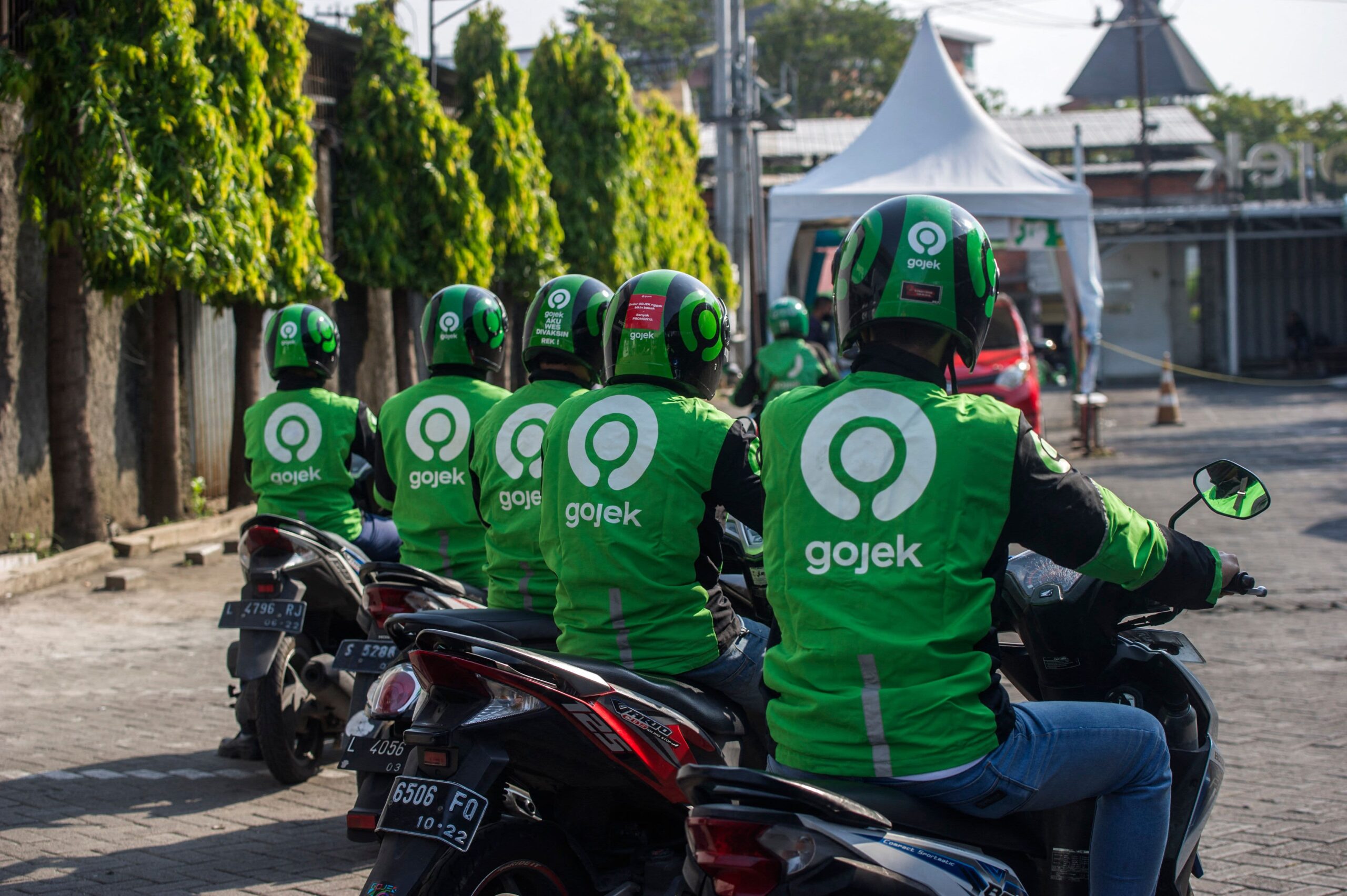
    Indonesia’s leading ride-hailing company, GoTo, announced its second successive quarterly net profit on Wednesday. The positive financial outcome was underpinned by significant expansion in its fintech sector and continued fiscal prudence.

    For the quarter ending June 30, the firm posted earnings of 350 billion rupiah (US$19.40 million). This marks a significant turnaround from the same period last year, which saw a loss of 297 billion rupiah. GoTo’s second quarter net revenues amounted to 5.7 trillion rupiah, reflecting a year-on-year increase of 31%.

    Fintech Outperforms On-Demand Services

    The adjusted EBITDA of GoTo’s fintech operation, GoPay, experienced an impressive growth of over five times to reach 481 billion rupiah in the quarter. Intriguingly, this is the first time it has surpassed the company’s on-demand services, Gojek.

    GoTo also noted the potential impact of Indonesia’s cap on ride-hailing commissions, which came into effect on July 1. The cap is anticipated to affect Gojek’s two-wheel ride-hailing services – contributing to approximately 7% of its total net revenue – and could potentially impact third quarter earnings.

    Despite this, GoTo maintains its full-year adjusted EBITDA prediction of between 3.2 trillion rupiah and 3.4 trillion rupiah. This projection anticipates a reduced contribution from its on-demand services and a greater contribution from its fintech operations.

    GoTo’s first-half attributable profit was 607 billion rupiah, in contrast to a loss of 50 billion rupiah in the previous year.

    Sustained Profitability Through Cost Discipline

    The company attributes its sustained profitability to disciplined cost management, which was first flagged in the previous quarter. This approach has been effective in tandem with the implementation of its technology and AI strategy.

    Questions & Answers

    What contributed to GoTo’s second successive quarterly net profit?
    The profit was mainly aided by strong growth in its fintech business, GoPay, and a commitment to cost control.

    How has the introduction of a cap on ride-hailing commissions in Indonesia affected GoTo?
    The cap, which came into effect on July 1, might potentially impact GoTo’s third quarter earnings, as it affects Gojek’s two-wheel ride-hailing business.

    What is GoTo’s full-year adjusted EBITDA forecast?
    The company expects its full-year adjusted EBITDA to be between 3.2 trillion rupiah and 3.4 trillion rupiah, with a decreased contribution from on-demand services and a larger one from fintech.

  • Grab and GoTo Yield to Pressure: Slash Driver Commissions in Indonesia

    Grab and GoTo Yield to Pressure: Slash Driver Commissions in Indonesia

    Indonesia’s GoTo, a ride-hailing and food delivery company, alongside Singapore-based Grab, announced they will reduce the per-trip commissions for their two-wheeled driver partners in Indonesia. Beginning July 1, the commission rate will be slashed from 20% to 8%.

    Implementation of Reduced Commissions

    Indonesia’s President, Prabowo Subianto, first brought up the idea of an 8% cap on commissions in his speech on May 1. However, he did not provide details regarding when this initiative would be implemented.

    GoTo’s VP Director, Catherine Hindra Sutjahyo, expressed the company’s support for the initiative at a press conference. “We support the efforts to continue increasing the prosperity of the drivers,” she stated.

    Neneng Goenadi, Grab Indonesia’s CEO, echoed Sutjahyo’s sentiments. Both leaders confirmed that their respective companies will start applying the new 8% commission rate from July 1.

    Impact on Ride-Hailing Platforms

    This development was first reported in January, with concerns raised about its potential effect on the profitability of ride-hailing platforms, particularly in Southeast Asia, which serves as their largest market.

    Cucun Ahmad Syamsurijal, the Deputy Parliament Speaker, lauded the reduced commissions as a testament to President Prabowo’s administration’s commitment to supporting all ride-hailing drivers in the country.

    Questions & Answers

    **What is the new commission rate for two-wheeled drivers for GoTo and Grab in Indonesia?**
    The new commission rate is 8%, reduced from the previous rate of 20%.

    **When will the new commission rate take effect?**
    The new commission rate will be implemented starting July 1.

    **What potential impact could this reduction have on ride-hailing platforms?**
    The reduction could potentially affect the profitability of ride-hailing platforms, particularly in Southeast Asia, their largest market.

  • Fuel Frenzy: Indonesia Suffers Sudden 32% Surge in Popular Gasoline Prices Amidst Middle East conflict

    Fuel Frenzy: Indonesia Suffers Sudden 32% Surge in Popular Gasoline Prices Amidst Middle East conflict

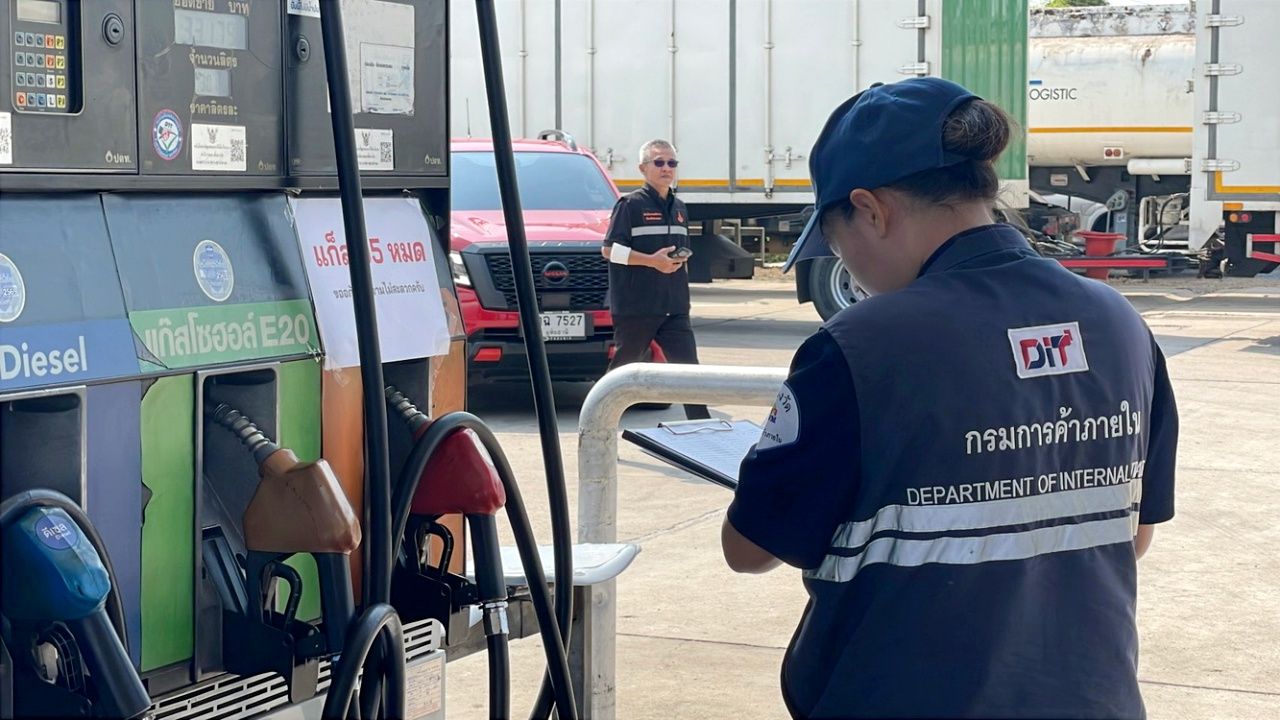
    In response to the ongoing conflict in the Middle East, Indonesian public corporation Pertamina has substantially elevated its fuel prices, marking the first rise since hostilities commenced. The price of 92-octane gasoline, popularly referred to as Pertamax and frequently used by Indonesia’s middle class, rose from Rp12,300 per liter to Rp16,250. This represents a substantial 32.1% increase.

    Pertamax Green, a 95-octane fuel variant mixed with ethanol, underwent a similar increase, with the price rising from Rp12,900 to Rp17,000 per liter, registering a 31.8% increment. It’s noteworthy that Pertamax fuels typically do not receive subsidies, and it remained unclear if Pertamina would receive compensation for managing to keep the prices constant since the conflict erupted.

    Financial Implications and Public Reaction

    The decision to implement these price increases was made following Bank Indonesia’s surprising move to increase interest rates for the second time within a month. This move was intended to bolster the nation’s economic health, especially considering that budget data from last week revealed a 208% surge in fuel, power, and fertilizer subsidies from the previous year.

    Finance Minister Purbaya Yudhi Sadewa opined that the inflationary impact of these price hikes would probably be minimal, given that these fuels are not typically used for public transportation. However, the annual headline inflation rate had already spiked to a record eight-month high of 3.08% in May.

    Radhika Rao, a senior economist at DBS Bank, stated that the fuels impacted by these changes represent approximately 7% of domestic fuel sales and 7.5% of energy usage in the transportation sector in 2023. She suggested that due to these changes, both monetary and fiscal policies should adopt a defensive approach to bolster the economy.

    The sudden increase in fuel prices came as a shock to many, with Masgal Carta, a resident of Bandung, West Java, expressing his concern over the financial strain that this could impose. He noted, “My earnings have remained static, but the prices of basic commodities have begun to rise, and now the cost of fuel, our primary mode of transportation to work, has also increased unexpectedly.”

    However, the price of the subsidized 90-octane fuel, known as Pertalite, remained unchanged, as confirmed by Pertamina.

    Questions & Answers

    What are the new prices for Pertamax and Pertamax Green fuels?
    The price of Pertamax fuel has risen to Rp16,250 per liter, while Pertamax Green now costs Rp17,000 per liter.

    What is the projected inflationary impact of these price increases?
    Finance Minister Purbaya Yudhi Sadewa believes that the inflationary impact of these price increases will be kept in check as these fuels are not typically used in public transportation.

    How have the price hikes affected everyday consumers?
    The sudden price increase has contributed to the financial pressure on consumers, with some expressing shock and concern over the possible tightening of their personal budgets.

  • Singapore Triumphs over Indonesia as Southeast Asias Dominant Stock Market

    Singapore Triumphs over Indonesia as Southeast Asias Dominant Stock Market

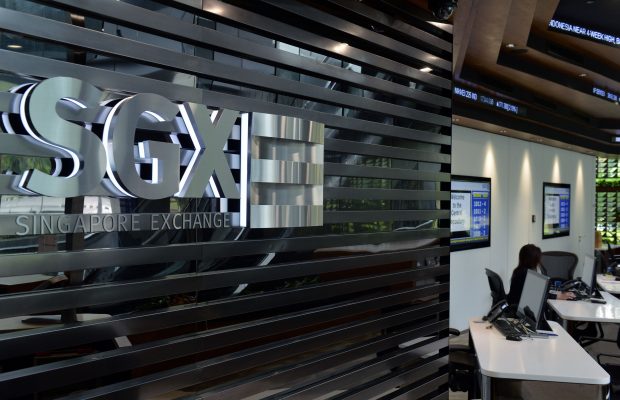
    Singapore has taken over from Indonesia as the leading stock market in Southeast Asia. This shift has come as Indonesia’s market capitalization has dropped dramatically due to an uncertain future outlook. From its peak in January, the total market capitalization of Indonesian businesses has fallen by over 30% to US$618 billion. In contrast, the market value in Singapore has increased to $645 billion.

    Investor confidence in Indonesia has seen a decline in recent months due to the possibility of its equities market being downgraded to frontier status. This uncertainty is coupled with Fitch Ratings and Moody’s Ratings both downgrading the country’s credit outlook to negative. The Indonesian stock index is currently among the most underperforming globally, and the rupiah has hit record lows repeatedly.

    Indonesia’s Struggles and Singapore’s Strength

    Despite these setbacks, Soh Chih Kai of Lion Global Investors believes that a future recovery should not be dismissed. However, he notes that the current momentum is not in Indonesia’s favor. In contrast, he points out that Singapore’s market has further strengthened its position as capital flows continue to seek certainty amid global policy ambiguity.

    In an attempt to bolster the economy, Indonesia’s central bank recently increased its policy interest rates for the first time in two years. This move aims to support the rapidly falling rupiah currency. Governor Perry Warjiyo explained that the increase is a further step to stabilize the rupiah exchange rate in the face of global volatility.

    On the other hand, Singapore’s equities have been boosted by political and economic stability, along with government-led market reforms. The Straits Times Index reached a record high this week, as investors looked for safe investments amid the instability caused by the Iran war.

    Head of research at Maybank Securities, Thilan Wickramasinghe, noted that Singapore’s equity market has remained resilient despite ongoing global volatility. This resilience is due to its defensive sector composition and consistent inflows, putting the market in a relatively advantageous position.

    Future Trends and Predictions

    Singapore’s equities are projected to outperform Indonesian stocks by a record margin in 2026. Carmen Lee, head of equity research at OCBC, attributes this to wealth being a significant driver for earnings growth. Paired with a strong Singapore dollar, Lee expects more funds to flow into the market.

    Questions & Answers

    What has led to the decline in Indonesia’s market capitalization?
    Investor confidence in Indonesia has deteriorated due to the potential reclassification of its equities market to frontier status and negative revisions in the country’s credit outlook.

    What steps has Indonesia’s central bank taken to support the economy?
    Indonesia’s central bank has raised its policy interest rates for the first time in two years in order to support the rupiah currency, which has fallen to record lows recently.

    What factors have contributed to the strength of Singapore’s equities market?
    Singapore’s equities have been boosted by the country’s political and economic stability, along with market reforms driven by the government.

  • Sederhana Breaks Boundaries: Popular Indonesian Chain to Launch First Outlet in Singapore

    Sederhana Breaks Boundaries: Popular Indonesian Chain to Launch First Outlet in Singapore

    Sederhana, a well-known Indonesian food chain, is preparing to open its first Singaporean branch, taking the place of a recently closed restaurant that had been serving customers for almost eight decades. Sederhana announced its arrival in Singapore via an Instagram post on May 17th, holding back from revealing the exact date of the grand opening.

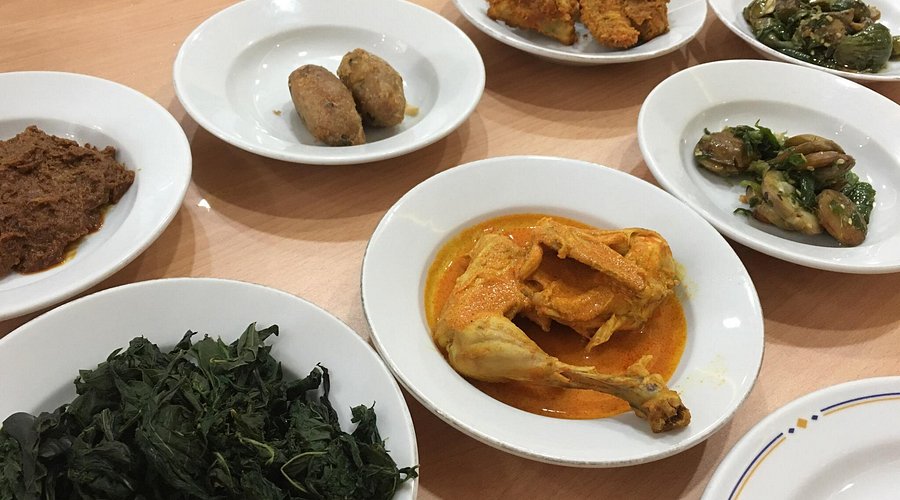
    Sederhana is popular for its nasi padang, a traditional Indonesian dish made up of steamed rice alongside a variety of pre-prepared dishes, including meats, vegetables, and fish. The chain is reported to be aiming for a May 29 opening date for the outlet located at 738 North Bridge Road, hoping to officially launch by mid-June.

    The Legacy of Sederhana

    Sederhana, which started its journey in 1972, currently operates more than 200 outlets across Indonesia, serving the unique Minangkabau cuisine. The Minangkabau are the largest ethnic group on the island of Sumatra, located in the western part of Indonesia. In addition to its Indonesian establishments, the chain also has three branches in Malaysia and plans are underway for a new branch in Melbourne, Australia.

    The location in Singapore that Sederhana has chosen for its new home was previously occupied by Warong Nasi Pariaman, one of Singapore’s oldest Indonesian eateries. Warong Nasi Pariaman shut its doors at the end of January after providing 78 years of service.

    Questions & Answers

    What is the specialty of Sederhana?
    Sederhana specializes in nasi padang, a traditional Indonesian dish that consists of steamed rice served with a variety of pre-prepared dishes such as meats, vegetables, and fish.

    Can you tell us about the history of Sederhana?
    Sederhana was founded in 1972 and has since grown to operate more than 200 outlets across Indonesia, serving Minangkabau cuisine. It also has three branches in Malaysia and is planning to open a new one in Melbourne, Australia.

    What was the previous establishment at the Singapore location?
    The location for Sederhana’s new outlet in Singapore was previously home to Warong Nasi Pariaman, one of the oldest Indonesian food eateries in Singapore, which recently shut down after 78 years of operation.

  • Indonesias Ultra-Rich Population Soars, Poised for Fastest Global Growth

    Indonesias Ultra-Rich Population Soars, Poised for Fastest Global Growth

    In Southeast Asia, Indonesia holds the second position in terms of inhabitants who possess a net worth of US$30 million or more, according to a recent report. Projections anticipate that this figure will nearly double within the next five years. Presently, the country boasts 3,833 ultra-high net worth individuals, marking a 37% increase since 2021.

    Global Wealth Growth

    By the year 2031, the number of ultra-high net worth individuals in Indonesia is forecasted to spike by 82%, reaching 6,966. This growth signifies the fastest expansion rate globally. Indonesia is one of the rapidly maturing economies expected to take the lead in the global ultra-high net worth population’s growth over the subsequent five years.

    Singapore currently holds the top spot in Southeast Asia for its population of ultra-high net worth individuals, tallying at 7,171. Thailand follows in third place with 2,853, trailed by the Philippines (1,910), Malaysia (1,566) and Vietnam (1,233).

    The wider Asia-Pacific area accounts for almost 31% of the world’s ultra-high net worth population. This percentage is second only to North America, which holds 37%.

    The U.S. and China: Global Leaders

    On a worldwide scale, the U.S. and China hold the lead in terms of ultra-high net worth populations, with more than 251,300 and 121,600 individuals respectively. Moreover, the U.S. also takes the reins regarding wealth creation, constituting approximately 41% of the newly minted ultra-wealthy over the past five years.

    Questions & Answers

    Which country in Southeast Asia has the highest number of ultra-high net worth individuals?
    Singapore currently holds the highest number in Southeast Asia, with a total of 7,171 individuals.

    What is the predicted growth in the number of ultra-high net worth individuals in Indonesia by 2031?
    By 2031, the number of ultra-high net worth individuals in Indonesia is expected to surge by 82%, reaching 6,966.

    Which countries lead globally in terms of the ultra-high net worth population?
    Globally, the U.S. and China lead with more than 251,300 and 121,600 individuals, respectively.

  • Indonesia’s Economic Leap: Poised to Join Global Top 5 Economies by 2050

    Indonesia’s Economic Leap: Poised to Join Global Top 5 Economies by 2050

    According to the Coordinating Minister for Economic Affairs, Airlangga Hartarto, Indonesia possesses the potential to rank among the top five global economies by the year 2050 provided it continues its current growth trajectory and structural reformation efforts.

    Indonesia’s Economic Outlook

    Airlangga is optimistic for the short-term, forecasting a growth rate of around 5.4% for the Indonesian economy by 2026. He bases this prediction on the stability of the domestic economy, citing a 69-month long trade surplus, a healthy level of foreign currency reserves, and inflation successfully kept within target bounds.

    Government Strategy for Economic Growth

    The Indonesian government is currently focusing on fortifying coordination between public and private sectors, encouraging industrialization, digital transformation, and sustainable economic growth. Key policy areas include strategic infrastructure, downstream mineral resources, development of electric vehicles, renewable energy, and strengthening the domestic supply chain.

    Regional Partnerships and Global Economy

    Airlangga highlighted that Indonesia is eager to extend collaboration with regional partners, particularly within the Association of Southeast Asian Nations (ASEAN) framework and free trade agreements. This is with the aim of boosting the resilience of the global economy in the face of geopolitical fluctuations.

    Airlangga further noted that Asia has the capacity to emerge as the principal economic powerhouse globally, given its commitment to open and inclusive regional cooperation. He projected that by 2050, the region could contribute around 52% of the global GDP.

    Long-Term Economic Forecasts

    Long-term forecasts cited by Airlangga suggest that by 2050, China could have a GDP of US$58 trillion, India could reach $44 trillion, and Indonesia could achieve $10-11 trillion. These figures would place Indonesia third in Asia and among the top five economies worldwide.

    In order to actualize this, Indonesia needs to sustain an annual growth rate exceeding 5%, expedite institutional reforms, enhance the quality of its human resources, and boost labor productivity. The nation’s young population, large domestic market, and plentiful resources are seen as vital drivers for the expansion of Southeast Asia’s biggest economy.

    Questions & Answers

    What are the key factors driving Indonesia’s potential as a global economic powerhouse?
    Indonesia’s potential is driven by its young population, large domestic market, and abundant resources. Additionally, the government’s ongoing efforts towards industrialization, digital transformation, and green economic development have a significant role.

    What are the main policy areas of the Indonesian government?
    The main policy focus includes strategic infrastructure, downstream mineral resources, electric vehicle development, renewable energy, and strengthening the domestic supply chain.

    What is the projected GDP of Indonesia by 2050?
    It is projected that by 2050, Indonesia could reach a GDP of $10-11 trillion, potentially making it the third-largest economy in Asia and one of the five largest economies globally.

  • Indonesian Vape Retailers Implement 21+ Policy to Curb Youth Smoking Rates: A Step Toward Healthier Choices

    Indonesian Vape Retailers Implement 21+ Policy to Curb Youth Smoking Rates: A Step Toward Healthier Choices

    The Association of Indonesian Vape Retailers (Arvindo) has issued a directive to all its member stores to cease the sale of e-cigarettes to individuals under the age of 21. The Association has mandated that retailers display signage indicating the age restriction and confirm the age of customers using valid identification.

    The Chairman of Arvindo, Fachmi Kurnia, stated that this move aligns with governmental attempts to restrict access to vaping amongst the youth. This sentiment is shared by the Tar and Smoke Free Movement (Gebrak), which advocates for the usage of alternative tobacco products to be limited to adult smokers only.

    Additionally, Arvindo has encouraged policymakers to incorporate science-based regulations into their considerations and recognize the potential of vaping to reduce harm. This suggestion was supported by a 2025 study from the JAMA Network, which found that e-cigarettes were the leading tool for smoking cessation in England.

    On the other hand, Garindra Kartasasmita, Chairman of Gebrak, emphasized that e-cigarette retailers need to take a more proactive role in informing customers about the health risks associated with smoke and tar. He also urged retailers to provide comprehensive information about alternative products.

    These developments come at a time when Indonesia is grappling with persistently high smoking rates. According to government data, there are an estimated 70 million active smokers in the country, a significant portion of which are youths.

    Data from a global youth survey further revealed an increase in the smoking prevalence amongst students aged 13-15, from 18.3% in 2016 to 19.2% in 2019. The survey also indicated high smoking rates amongst those aged 15-19.

    Questions & Answers

    What directive has Arvindo issued to its member stores?
    Arvindo has asked all its member stores to stop selling e-cigarettes to customers under 21, display 21+ signage, and verify the customers’ age with valid identification.

    What is Arvindo asking of policymakers?
    Arvindo is urging policymakers to adopt science-based regulation and to consider the potential of vaping as a harm reduction strategy.

    What has been the trend in smoking prevalence among young people in Indonesia?
    According to a global youth survey, smoking prevalence among students aged 13-15 in Indonesia increased from 18.3% in 2016 to 19.2% in 2019, with the highest rates seen among those aged 15-19.

  • Jago Coffee: Indonesia’s Innovative Cart Startup Brews Up $12M in Latest Funding Round

    Jago Coffee: Indonesia’s Innovative Cart Startup Brews Up $12M in Latest Funding Round

    Jago Coffee, an Indonesian mobile coffee service, recently raised $12 million in a Series B funding round bringing its total capital to over $20 million. The company is known for dispensing reasonably priced beverages from fully electric carts, making it an accessible option for a broad range of consumers.

    Funding Details

    The primary investors in the recent funding round were Beenext, alongside other contributors such as Intudo Ventures and Orzon Ventures. The infusion of capital is planned to support and accelerate the company’s expansion efforts, despite the recent financial figures indicating an increase in losses alongside growing revenue.

    Jago’s Unique Approach

    Jago Coffee has a unique business model that aligns closely with local street vendor practices. The company operates fully electric carts and offers coffee that is affordable, with prices starting at approximately $0.50. This approach makes its service accessible to a large segment of consumers.

    The company has also invested in technology, developing its own tech stack. This includes the use of machine learning to pinpoint potential areas for expansion. The company also prides itself on its dedicated applications for both baristas and customers, further enhancing its service delivery.

    Growth and Financial Performance

    Despite the challenges, Jago has experienced significant growth. There was a more than thirteenfold increase in size in 2023. Moreover, the company reported a 17% rise in revenue in December 2024. However, it should be noted that during the same period, the company’s losses more than doubled.

    This investment in Jago indicates a shift in the venture capital landscape. Investors are becoming more interested in companies that use software to manage local, physical operations, rather than placing their sole focus on digital products.

    Questions & Answers

    What is Jago Coffee’s business model?

    Jago Coffee operates fully electric carts, similar to local street vendors, to deliver affordable coffee to a mass market of consumers.

    How much has Jago Coffee raised in its recent Series B funding round?

    Jago Coffee has recently raised $12 million in a Series B funding round.

    How is venture capital shifting in relation to companies like Jago Coffee?

    Investors are increasingly interested in businesses that use software to manage physical, local operations, as opposed to focusing solely on digital products.