Tag: Indonesia

  • Indonesian Retailers Urge Easing of Import Rules to Hit 6% Target

    Indonesian Retailers Urge Easing of Import Rules to Hit 6% Target

    Indonesian store operators are lobbying the government to ease import barriers, arguing regulatory bottlenecks threaten national retail consumption and the state’s 6 per cent economic growth target.

    Household spending drives more than half of Southeast Asia’s largest economy, yet complex technical permits and shifting product approvals continue to choke supply lines for global brands.

    Speaking at the Indonesia Retail Summit in Jakarta, Indonesia Retail and Tenant Association Chairman Budihardjo Iduansjah pushed for administrative relief on compliant merchandise. He argued that businesses paying duties and taxes should not face arbitrary import caps on goods with no domestic substitutes.

    Diverging fortunes across store formats

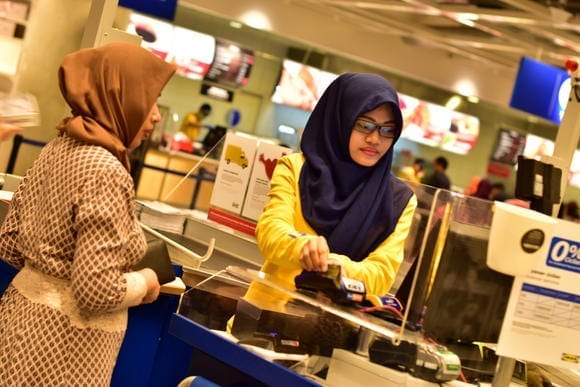
    The supply friction hits different store models unevenly. While hypermarkets face sliding footfall and operational contraction, convenience stores and minimarkets continue to add locations.

    Demand across food and beverage, cosmetics, and mobile electronics expanded by more than 10 per cent this year. Chains are using warehouse automation and price promotions to protect margins against rising overheads.

    Retailers across Southeast Asia face similar dilemmas when domestic trade protection policies collide with consumer appetite for international product ranges. In Jakarta, the friction has prompted warnings from policymakers that depleted domestic shelves will simply push middle-class shoppers abroad.

    Stemming outbound tourist spending

    Chief Economic Affairs Minister Airlangga Hartarto acknowledged that thin store inventories push shoppers to spend outside the country. Indonesian citizens spend roughly $6.7 billion annually on overseas travel services.

    Government planners want to retain that cash by developing domestic shopping tourism and expanding inventory depth in major commercial hubs.

    Whether trade regulators shorten import licensing timelines will determine if mall operators can secure sufficient stock ahead of the next fiscal review.

  • Lotte GRS to Re-Enter Indonesia with 10 Angel-in-Us Coffee Outlets

    Lotte GRS to Re-Enter Indonesia with 10 Angel-in-Us Coffee Outlets

    South Korean restaurant operator Lotte GRS will reintroduce its Angel-in-Us coffee brand to Indonesia through a master franchise agreement with Surabaya-based Bogajaya Group.

    Bogajaya plans to open 10 outlets across Indonesia over the next five years, starting with a debut location before the end of 2026.

    The agreement brings Angel-in-Us back to Southeast Asia’s largest economy after Lotte pulled its direct operations in 2020. Bogajaya Group, an Indonesian food and retail operator with nearly 50 years of operating history, specializes in travel retail and runs concessions across the country’s major airports.

    Airport operator takes the master franchise

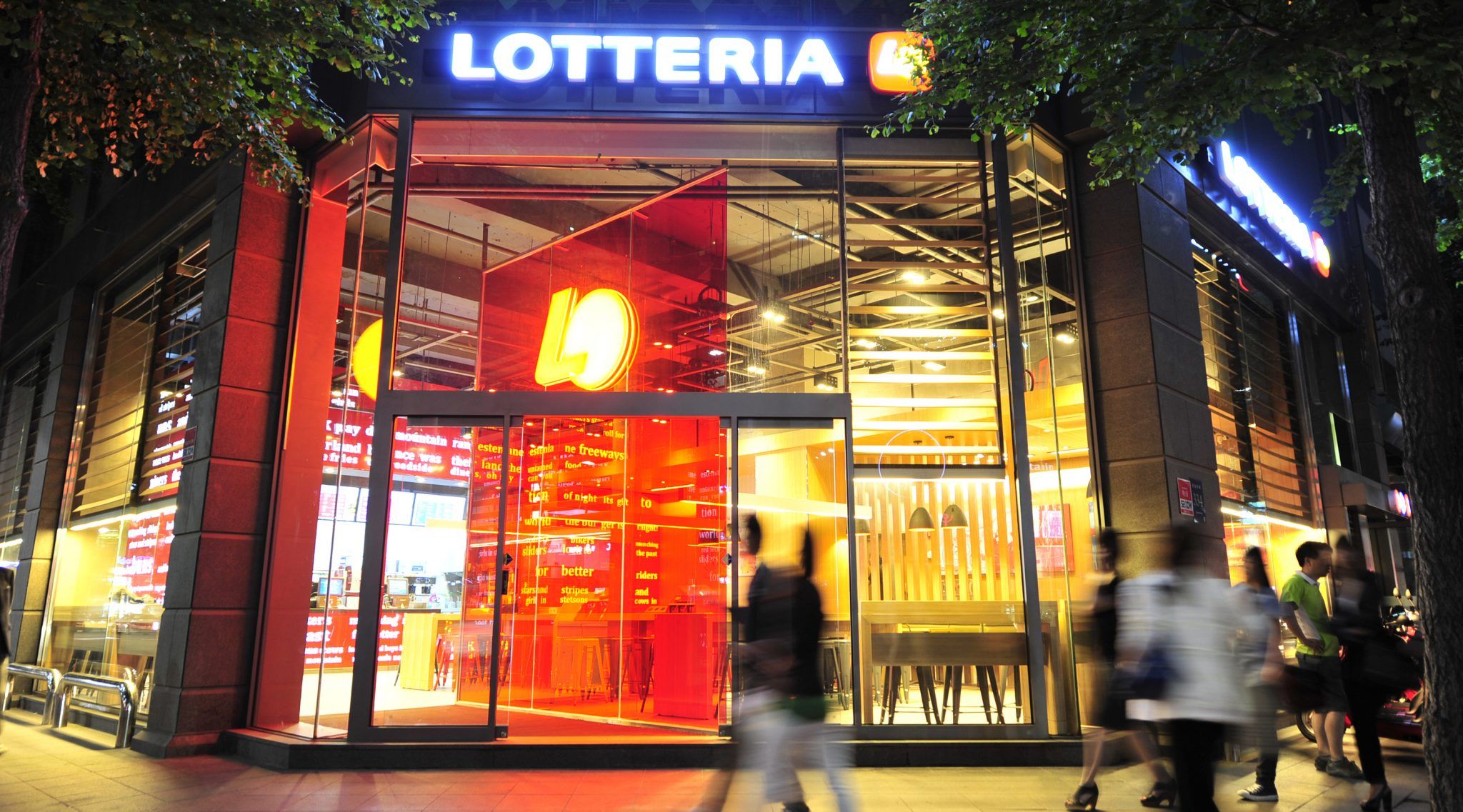
    Lotte GRS operates several consumer foodservice brands across Asia and the United States, including burger chain Lotteria, Krispy Kreme Doughnuts, Villa de Charlotte, and food hall concept Plating. Outside its home market in South Korea, the group runs locations in Vietnam, Malaysia, Singapore, and the US.

    Securing a local franchisee with established airport concessions allows foreign food groups to avoid the heavy capital commitments and real estate bottlenecks that often hamper direct store operations in Indonesia. South Korean food operators have increasingly favored asset-light franchise partnerships across Southeast Asia, shifting operational risk to domestic companies with existing commercial lease networks.

    Southeast Asian expansion targets

    The Indonesian rollout follows Lotte GRS’s push into neighboring markets earlier this year. The company introduced its Lotteria fast-food chain to Singapore in February with an opening at Jewel Changi Airport.

    Bogajaya will begin store buildouts immediately, targeting its first Angel-in-Us site launch before January 2027 as it starts the 10-unit rollout schedule.

  • Indonesia Targets 6 Percent Economic Growth Backed by E-Commerce

    Indonesia Targets 6 Percent Economic Growth Backed by E-Commerce

    Indonesia is relying on expanding e-commerce activity to push national economic growth to 6 percent by 2027, according to Coordinating Minister for the Economy Airlangga Hartarto. The country’s digital economy reached $100 billion in 2025 as consumer spending shifted increasingly online.

    Speaking at the Ministry of Trade in Jakarta, Airlangga said physical retail continues to account for the bulk of Indonesian commerce, but online transaction volumes are climbing quickly. Growth is concentrating in video commerce, which blends livestreaming and short-form video directly with checkouts.

    Video Commerce and Algorithm Shifts

    Video commerce transactions in Indonesia reached 2.6 billion, rising 90 percent year-on-year. That surge tracks a widening digital audience across the archipelago, where active social media users expanded 26 percent to 180 million.

    Airlangga called on merchants and platform operators to deploy artificial intelligence tools to refine trade algorithms. Sharper algorithmic matching helps online sellers connect products with targeted consumer segments across diverse regional markets.

    For retailers across Southeast Asia, Indonesia remains the primary testing ground for live shopping formats. Platforms operating in the country have spent two years restructuring merchant interfaces and integrating creator-led video tools to protect market share against pure-play marketplaces.

    Harbolnas Shopping Targets

    The government set a sales target of Rp40 trillion ($2.46 billion) for the upcoming National Shopping Day, known locally as Harbolnas. That goal represents a 10 percent increase over the Rp36.4 trillion generated during the event a year earlier.

    Harbolnas 2026 runs from December 10 to December 16, focusing on domestic merchandise, local services, hospitality bookings, and transport tickets.

  • Over Half of Southeast Asian Retailers Remain Stuck in AI Pilots

    Over Half of Southeast Asian Retailers Remain Stuck in AI Pilots

    More than 56 percent of consumer goods and retail companies across Southeast Asia remain trapped in continuous testing, unable to scale artificial intelligence into commercial production.

    While 8 percent of enterprises in the region have fully deployed AI initiatives compared to a 6 percent global average, retail operators lag behind banking and technology peers.

    Why Models Fail at the Border

    Across global retail, nearly 75 percent of AI projects fail to reach production deployment. Poor data quality accounts for roughly 85 percent of those collapses, compounded by the region’s mix of modern supermarkets, social commerce platforms, and traditional corner stores.

    A demand forecasting algorithm tuned on clean transaction records in Singapore often breaks down when deployed across Indonesian point-of-sale systems or Vietnamese wholesale networks. Without standardized data definitions across borders, multi-market rollouts stall before delivering operational cost cuts.

    Another 73 percent of failed retail AI programs lacked quantifiable performance metrics before launch. Broad mandates to improve customer personalization frequently dissolve without hard targets, such as cutting category stockouts by 4.5 percent across secondary regional logistics hubs.

    Regulatory Divergence and Vendor Risks

    Multi-market operators now run AI workloads across separate cloud platforms to mitigate operational outages. More than a third of large enterprises deploy five or more models in production, driven by concerns that single-vendor disruptions could halt real-time pricing and automated purchase orders across physical storefronts.

    Singapore and Vietnam have introduced comprehensive risk-based AI regulatory frameworks, while neighboring markets develop separate data residency rules. Retailers operating across Jakarta, Bangkok, and Manila face distinct local sovereignty laws that penalize centralized data models.

    For regional retail groups that expanded through rapid store acquisitions over the past decade, technical fragmentation creates the same operational drag that previously hobbled centralized enterprise resource planning rollouts. Successful operators are shifting away from standalone software pilots, requiring field managers to redesign replenishment and supply workflows around automated tools before approving cross-border rollouts.

    Regulatory compliance deadlines in Singapore and expanding data sovereignty enforcement in Jakarta will test whether multi-market retailers can maintain cross-border automated pricing and inventory pipelines through 2027.

  • Southeast Asian EV Startups Secure $622 Million Across 16 Top Firms

    Southeast Asian EV Startups Secure $622 Million Across 16 Top Firms

    The top 16 electric vehicle startups across Singapore, Indonesia, Thailand, and Vietnam have secured a combined US$622 million in equity funding, according to data from market tracker Tracxn.

    Singapore accounts for eight of the 16 funded ventures, serving as the primary financing and corporate headquarters base for regional operators despite its small domestic auto market.

    Fleet economics replace consumer car models

    Unlike Western and Chinese markets focused on passenger sedans, Southeast Asia’s electrification drive centers on commercial utility. The region’s core demand runs through two-wheelers used for daily commuting, courier runs, and food delivery logistics, alongside electric ferries and light commercial trucks.

    This operational split shifts capital allocation away from traditional high-speed charging corridors. Startups are directing resources into battery swapping networks, commercial fleet management software, and durable battery packs designed for high-mileage delivery work.

    Major venture funds and automotive strategists have backed the sector at Series A and Series B stages. Backers include Peak XV Partners, Jungle Ventures, GSR Ventures, Horizons Ventures, and Indian two-wheeler manufacturer TVS Motor Company.

    Industrial roles divide across four markets

    Manufacturing and market operations follow national industrial strengths across the four economies. Indonesia uses its nickel reserves to build battery and vehicle assembly operations, Thailand relies on its established automotive supply chain, and Vietnam provides growing domestic consumer demand.

    For regional retailers and delivery operators, the transition hinges on total cost of ownership rather than government subsidies. Fleet buyers across Jakarta, Bangkok, and Ho Chi Minh City require verified battery lifespans and reliable swap stations before replacing combustion fleets at scale.

    The next operational test for these 16 startups centers on contract renewal rates as initial pilot programs conclude without promotional pricing support.

  • Tokopedia and TikTok Shop Lift Indonesian Merchant Sales 51 per Cent

    Tokopedia and TikTok Shop Lift Indonesian Merchant Sales 51 per Cent

    Tokopedia and TikTok Shop drove a 51 per cent increase in sales of Indonesian local products during the first half of 2026. The combined marketplace moved nearly 700 million items over the period.

    Gross merchandise value for the joint #BeliLokal initiative climbed 14 per cent during the six months. Merchant participation rose 50 per cent compared with the first half of 2025.

    Expanding beyond Java

    Agency Bukacerita created an Independence Day campaign named Pahlawan Beli Lokal for the platform. It promotes domestic makers of fashion, packaged food, automotive goods, and electronics. The campaign runs on social feeds and a dedicated web hub, featuring regional brands like Malang snack producer Apelicious and cosmetics brand Facetology.

    According to internal survey data from TikTok Shop, 72 per cent of participating sellers gained new customers through discovery commerce tools. Another 67 per cent used the channel to launch new product lines. Live shopping sessions, affiliate tie-ups, and short videos generated most of those initial sales.

    ByteDance and GoTo are working to satisfy Indonesian regulators following the state-mandated merger of TikTok Shop and Tokopedia. Both operators face stiff competition from Shopee and direct-from-factory platforms in Southeast Asia’s largest consumer market. Alignment with local merchants remains critical for their political and commercial standing.

    Training and registration push

    The platforms have turned the promotional campaign into a permanent merchant onboarding track. More than 4,800 micro, small, and medium enterprises, creators, and affiliates have completed training modules. These sessions cover intellectual property rules, live selling, and official business registration numbers.

    Most participating merchants operate outside Greater Jakarta. Half of the training workshops took place outside Java to tap production hubs across the outer islands.

    “In the spirit of Independence Day, we want to continue strengthening collaboration with the government, creators, partners, and the community through #BeliLokal so that more local businesses can move up a class, build more competitive businesses, and grow sustainably,” said Stephanie Susilo, executive director of Tokopedia and TikTok Shop Indonesia.

    Plans are underway to expand regional onboarding workshops into secondary cities across Sumatra and Sulawesi through the fourth quarter.

  • Human Trust Remains Key Driver for Southeast Asia E-Commerce Amid Rising AI Adoption

    Human Trust Remains Key Driver for Southeast Asia E-Commerce Amid Rising AI Adoption

    Human trust continues to be a primary factor in consumer purchasing decisions across Southeast Asia, even as generative artificial intelligence (AI) tools gain traction in product discovery. A new report by impact.com, Cube, and Dentsu reveals that while AI is emerging as a significant channel, established human connections still hold sway over shoppers in the region’s burgeoning e-commerce market.

    The “E-commerce Influencer and Affiliate Marketing in Southeast Asia 2026” study indicates that recommendations from family and friends are the most influential factor, scoring 2.42 out of four. This outranks online reviews (2.36) and even creators (1.98). However, the report also highlighted the direct impact of creators, with two-thirds (67%) of consumers making a purchase specifically due to a creator’s recommendation. This trend underscores the enduring power of trusted individuals in guiding consumer choices.

    AI’s Growing Role in Discovery and Research

    Generative AI tools such as ChatGPT, Gemini, and Claude are increasingly being used by Southeast Asian consumers for shopping, particularly in product discovery and research. Approximately 24% of consumers in the region currently use these AI tools for initial product discovery, a figure that rises to 28% during the product research phase. Vietnam leads the adoption curve for AI in product discovery at 34%, followed by Indonesia at 31%, while Singapore recorded the lowest usage at 14%.

    Despite AI’s ascent, influencers retain their importance as a research channel, cited by 51% of consumers. YouTube garners the highest engagement for influencer content at 23%, with TikTok at 17% and Facebook at 15%. The report suggests that AI complements the existing commerce ecosystem, rather than replacing it. Consumers frequently navigate between AI assistants, marketplaces, creators, publishers, retail media, and brand-owned channels throughout their purchasing journey. RetailNews Asia has observed similar patterns in other markets, where technology enhances rather than entirely supplants traditional trusted channels, prompting brands to integrate diverse strategies.

    E-Commerce Growth and Influencer Impact

    Southeast Asia’s e-commerce sector is experiencing robust growth, with sales forecast to increase by nearly 15% year-on-year to $219 billion in 2026. This trajectory is expected to almost double to approximately $410 billion by 2031. Indonesia and Thailand collectively dominate the regional market, accounting for 58% of all e-commerce sales, with marketplaces holding an average 72% share. Influencer and affiliate marketing combined are linked to an estimated 32% of the region’s e-commerce sales, translating to about $70 billion in 2026.

    The study, which surveyed 2,400 consumers, also details conversion methods. For purchases made via influencer or creator channels, in-video product tags were the most common conversion route at 56%. This was followed by links in descriptions or comments (43%) and stories (41%). Consumer engagement with various purchasing incentives varies by market. Singapore shows high adoption of cashback and deal sites at 69%, contrasting with Vietnam (28%) and Indonesia (25%) where usage is considerably lower.

  • Indonesian Consumer Confidence And Retail Sales Impacted By Job Market Concerns

    Indonesian Consumer Confidence And Retail Sales Impacted By Job Market Concerns

    Consumer confidence in Indonesia has been negatively impacted by widespread concerns regarding job security and reduced purchasing power, according to a recent report by The Jakarta Post. This sentiment has led to a significant decline in the retail sales index for June.

    Bank Indonesia, the nation’s central bank, observed a sharp decrease in its retail sales index during June. Despite this downturn, the bank projects a potential improvement in retail sales figures for the subsequent month, suggesting a possible rebound in consumer activity.

    Questions & Answers

    What factors are primarily impacting Indonesian consumer confidence?
    Consumer confidence in Indonesia is primarily being affected by worries about job security and a perceived decline in spending power among the populace.

    How did these factors reflect on retail sales recently?
    These factors led to a sharp drop in Bank Indonesia’s retail sales index for June, indicating a reduction in consumer purchasing activity during that period.

    What is Bank Indonesia’s outlook for retail sales in the near future?
    Despite the June decline, Bank Indonesia forecasts an improvement in retail sales for the following month, suggesting a potential recovery in consumer spending.

  • Orang Tua Group Apologises For Quran Recitation-For-Liquor Promotion In Indonesia

    Orang Tua Group Apologises For Quran Recitation-For-Liquor Promotion In Indonesia

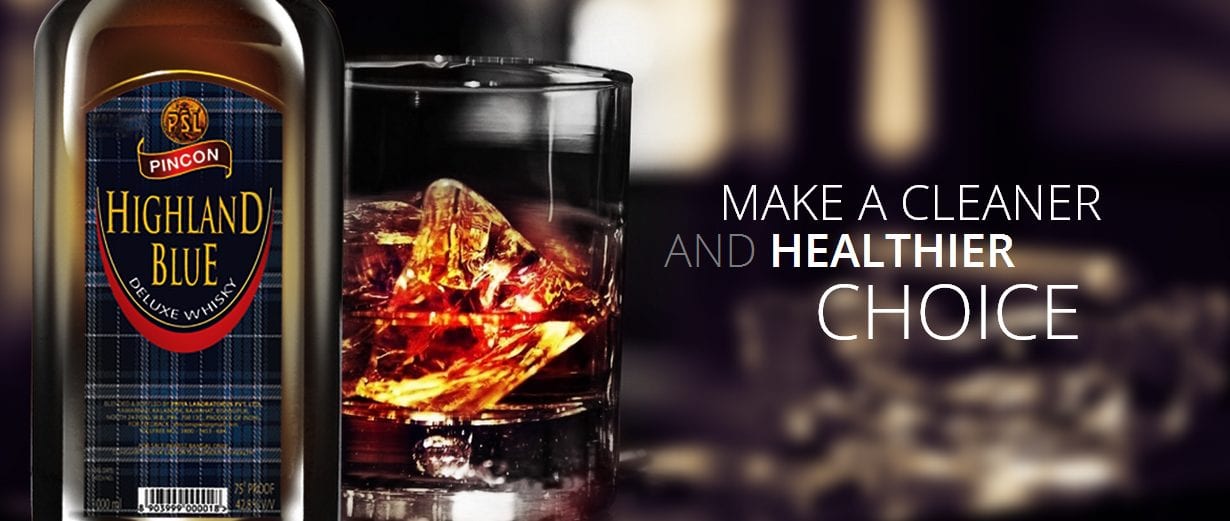
    Indonesian consumer goods conglomerate Orang Tua Group (OT Group) has issued a public apology after a promotion at a Jakarta music event sparked widespread condemnation. The promotion reportedly offered alcoholic beverages as prizes to individuals who could recite a chapter from the Quran, leading to protests and the initiation of a police investigation.

    Handoko, OT Group Operations Director, conveyed the company’s sincere apologies to the Muslim community on Friday. His statement was made in front of hundreds of protesters from the local community organisation Forum Betawi Rempug (FBR), who had gathered outside the company’s office in Rawa Buaya, West Jakarta.

    “I sincerely apologise, especially to Muslims, over the alleged religious blasphemy,” Handoko stated to the assembled protesters. He also confirmed that law enforcement agencies are currently handling the case and urged all parties to await the conclusion of the legal proceedings.

    Questions & Answers

    Which company issued the apology and what is its primary business?
    Orang Tua Group (OT Group), a consumer goods company based in Indonesia, issued the apology. Its primary business involves manufacturing and distributing various consumer products.

    What specifically caused the controversy and led to the apology?
    The controversy arose from a promotion at a music event in Jakarta where alcohol was reportedly offered as a prize for participants who could recite a chapter from the Quran. This promotion was perceived as religious blasphemy.

    What immediate actions has Orang Tua Group taken in response to the protests?
    OT Group Operations Director Handoko publicly apologised to Muslims in front of protesters. He also confirmed that the case is now under investigation by law enforcement, and the company urges all parties to await the legal outcome.

  • Miniso Unveils First Miniso Friends Concept Store in Indonesia

    Miniso Unveils First Miniso Friends Concept Store in Indonesia

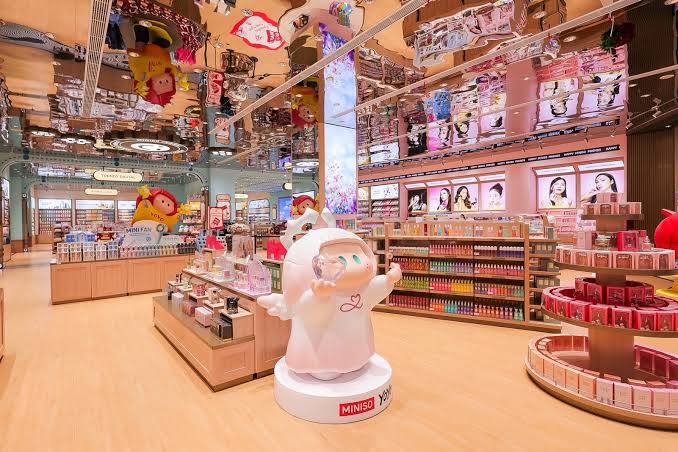
    Miniso has opened its first Miniso Friends store in Indonesia, introducing its expanded, IP-centric retail concept to the Greater Jakarta area. The new outlet is situated at Summarecon Mall Bekasi and occupies approximately 1500 square meters across two levels.

    The ground floor of the store features collectibles, including blind boxes, plush toys, and various licensed products. The lower level provides a broader selection of lifestyle, home goods, and everyday items. According to Miniso, roughly 60 percent of the merchandise consists of exclusive, first-launch, or limited-edition IP products. Initial offerings include items from One Piece 3.0, Persona, and the Sanrio Racing blind box series, alongside products featuring Sanrio, Disney, Harry Potter, and Spider-Man.

    Interactive Retail Experience

    This new store format integrates retail with interactive elements, allowing Miniso more space to present its growing portfolio of licensed and collectible goods. The opening coincides with a YoYo-themed exhibition, titled ‘YoYo’s Holiday Fun Starts at Miniso’, held in the mall’s central atrium until August 23. This event marks the character’s debut in Indonesia.

    Regional Expansion Strategy

    The launch in Indonesia follows Miniso’s strategy of expanding its larger-format stores across Asia. Last month, the retailer opened its first Miniso Land store in Macau, which represents a more premium format, as it continues to grow its IP-driven retail network throughout the region.

  • Cosco Shipping Sets Sights on Southeast Asia: Plans Expansion in Vietnam and Indonesia Amid Growing Trade Demand

    Cosco Shipping Sets Sights on Southeast Asia: Plans Expansion in Vietnam and Indonesia Amid Growing Trade Demand

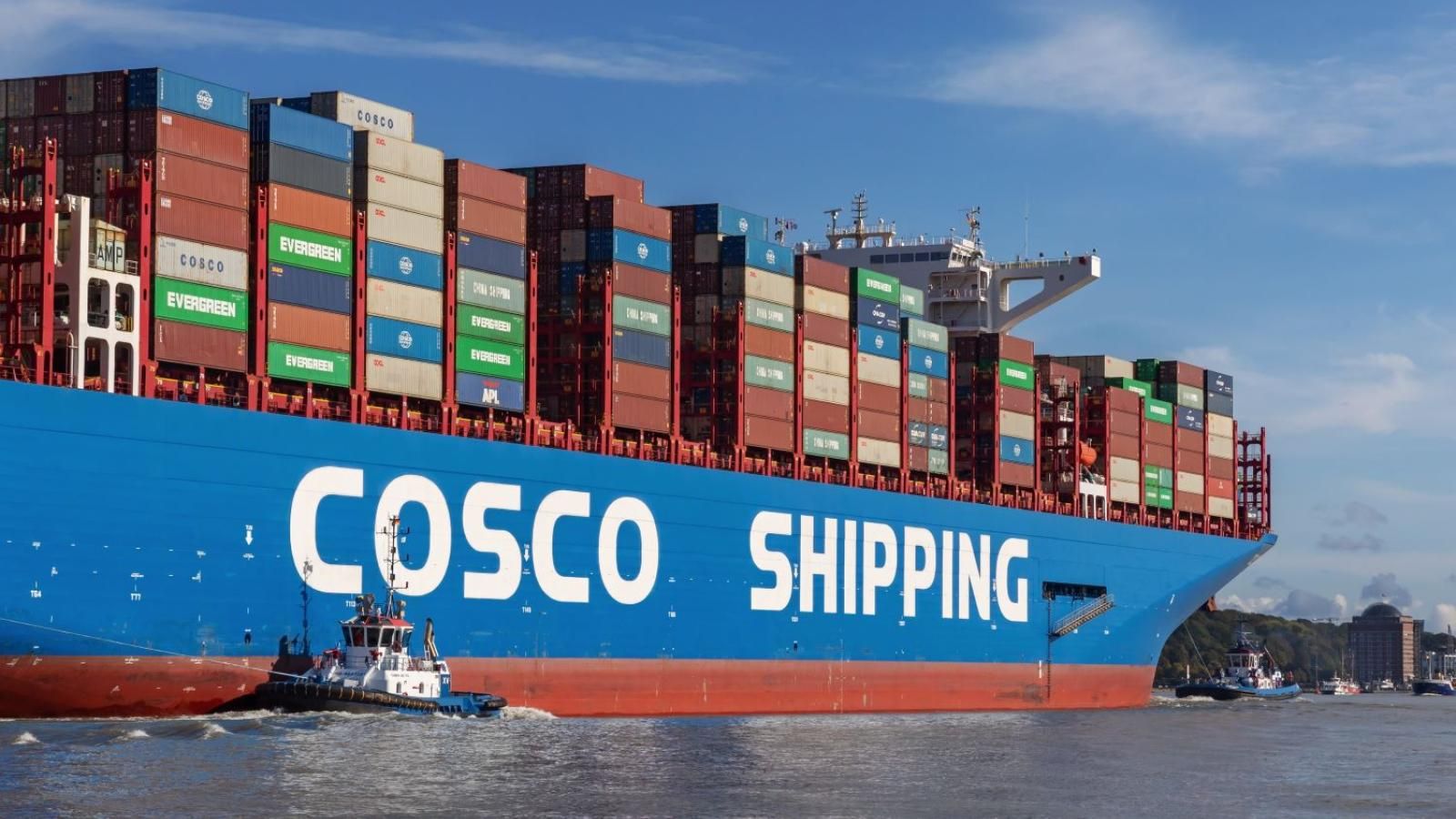
    Cosco Shipping International (Singapore) is setting sights on increased investment in Vietnam, Malaysia, and Indonesia within the next three to five years, in anticipation of a surge in Southeast Asian trade. The firm’s president, Jiang Kai, expresses a robust sense of assurance in the potential of the Southeast Asian market.

    Cosco Shipping International, the logistic subsidiary of the Chinese state-owned maritime behemoth China Cosco Shipping Corporation, is currently listed in Singapore. The company generates its consolidated revenue primarily from its operations in Singapore and Malaysia, with the city-state contributing to approximately 87% of the total. The firm also has a vested interest in logistical enterprises in Indonesia and Vietnam, along with a share in a dry-bulk shipping associate that operates throughout the region. These affiliated firms provide about one-fourth of the group’s pre-tax profit, as witnessed in the latest financial results for the first half of 2026.

    Resilience Amid Global Trade Uncertainties

    Global trade has witnessed a few turbulent years, with factors such as U.S. tariffs and geopolitical instabilities in Ukraine and Iran causing disruptions in shipping routes and supply chains. However, manufacturing activities continue to show resilience in Southeast Asia, notes Jiang. There is also an observed revival in the region’s dry-bulk shipping market, which deals in the transportation of industrial raw materials like coal and iron ore, as manufacturing activities gain traction.

    The demand for specialized cargo shipping, catering to industrial machinery, vehicles, and new energy equipment, is also on the rise, mirroring the region’s progression. “The expansion in Southeast Asia’s shipping industry has resulted in a steady surge in logistics demand,” says Jiang. He adds that many Chinese manufacturing firms, when exploring overseas markets, often consider Southeast Asia as a preferred manufacturing base, a trend that spells long-term benefits for Cosco.

    In the first half of the year, Cosco Shipping International recorded a 6% rise in revenue to SGD96.8 million (US$76 million), propelled by increased contributions from logistics, ship repair, and marine engineering. The company is also expanding its footprint in Singapore. One of its prominent ongoing projects is the Jurong Island Logistics Hub Phase II.

    This project, the company’s most significant investment in Singapore, promises enhanced integrated logistics services and is projected to be completed in the fourth quarter of this year.

    Questions & Answers

    What is Cosco Shipping International’s plan over the next three to five years?
    They are planning to increase investment in Vietnam, Malaysia, and Indonesia in anticipation of a surge in Southeast Asian trade.

    What is the primary source of Cosco Shipping International’s consolidated revenue?
    The majority of the company’s consolidated revenue comes from operations in Singapore and Malaysia, with Singapore contributing about 87%.

    What trends are observed in the Southeast Asian dry-bulk shipping market?
    There is a recovery observed in Southeast Asia’s dry-bulk shipping market, with increasing demand for the transportation of industrial inputs such as coal and iron ore, as manufacturing activity strengthens.

  • Indonesia Welcomes First Miniso Friends Store featuring Unique Collectibles and IP-Exclusive Products

    Indonesia Welcomes First Miniso Friends Store featuring Unique Collectibles and IP-Exclusive Products

    Miniso, a renowned global retailer, has unveiled its inaugural Miniso Friends shop in Indonesia, located at Summarecon Mall Bekasi. The store marks the debut of their larger, more expanded retail concept in the Greater Jakarta region.

    The establishment is spread across approximately 1500sqm, occupying both the Ground Floor and Basement 1 of the shopping mall. The Ground Floor features a wide array of collectibles, such as blind boxes, plush toys, and licensed merchandise. Conversely, the basement level provides a more comprehensive collection of lifestyle, home, and everyday products.

    Miniso reports that about 60% of the store’s offerings are exclusive, first-launch, or limited-edition intellectual property (IP) products. The introductory collection includes an exciting array of products such as the One Piece 3.0, Persona, and the Sanrio Racing blind box series. Additionally, the shop carries merchandised products featuring esteemed brands like Sanrio, Disney, Harry Potter, and Spider-Man.

    Interactive Experiences and IP-Led Retailing

    Miniso’s new retail concept expertly blends retail with interactive experiences. This allows the company to showcase its burgeoning portfolio of licensed and collectible items in a more spacious setting. The opening also coincided with a YoYo-themed exhibition held at the mall’s central atrium, titled ‘YoYo’s Holiday Fun Starts at Miniso’. This initiative marked the character’s first significant introduction to the Indonesian market and continued until August 23rd.

    The recent unveiling in Indonesia comes as Miniso continues to expand its larger-format concepts across Asia. In addition to the Indonesian store, the company also recently brought its premium retail concept to Macau with the opening of its first Miniso Land store. This move cemented the retailer’s commitment to growing its IP-led retail network throughout the region.

    Questions & Answers

    What is the new retail concept introduced by Miniso?
    Miniso’s new retail concept integrates retail with interactive experiences, offering a more spacious area to display its increasing portfolio of licensed and collectible items.

    What is the percentage of exclusive, first-launch, or limited-edition IP products in the new store?
    Around 60% of the new store’s offerings are exclusive, first-launch, or limited-edition intellectual property (IP) products.

    What are some of the brands featured in the inaugural collection of the Miniso Friends store in Indonesia?
    The introductory collection includes a wide variety of products featuring globally recognized brands like Sanrio, Disney, Harry Potter, and Spider-Man.

  • Indonesia Climbs the Ranks as 4th Largest Food & Beverage Exporter in ASEAN, Eyeing More Global Growth

    Indonesia Climbs the Ranks as 4th Largest Food & Beverage Exporter in ASEAN, Eyeing More Global Growth

    Indonesia is emerging as an influential player in the food and beverage (F&B) industry. According to Dyah Roro Esti, Indonesia’s Deputy Minister of Trade, the nation’s F&B exports have accumulated a value of $6.25 billion. This figure positions Indonesia as the fourth-leading F&B exporter in the Association of Southeast Asian Nations (ASEAN), trailing Thailand, Vietnam, and Singapore.

    Indonesian F&B Industry: Potential for Expansion

    Esti shared these insights during the Indonesia Food and Beverage Trade Promotion Forum held in Jakarta. She emphasised that the F&B sector has significant prospects for expansion and growth. The Ministry of Trade is actively encouraging local businesses to explore international markets via Indonesia’s extensive global trade network.

    Comparatively, Indonesia’s F&B exports rank fourth in ASEAN nations, following Thailand ($17 billion), Vietnam ($8.8 billion), and Singapore ($6.5 billion).

    Esti pointed out the robust potential for Indonesian F&B products in international markets, particularly the ones complying with halal standards. Highlighting the Middle East as a promising marketplace, she expressed optimism about the export prospects for Indonesian businesses.

    Support for Domestic Businesses

    To propel domestic businesses, the trade ministry is utilizing a network of Trade Attachés and Indonesian Trade Promotion Centers in 33 countries. This framework aims to facilitate connections between Indonesian enterprises and potential overseas partners and purchasers.

    Indonesian food products are steadily gaining a firmer foothold in international markets. This growth is attributed to the continuous overseas expansion of local businesses and restaurants. Additionally, the global Indonesian diaspora serves as a substantial market for the country’s F&B products.

    In conclusion, the Ministry of Trade believes that leveraging its international trade network, penetrating new markets, and capitalizing on the rising demand for halal food will be instrumental in boosting exports in the future.

    Questions & Answers

    What is the current value of Indonesia’s food and beverage exports?
    As per Indonesia’s Deputy Minister of Trade, Dyah Roro Esti, the nation’s food and beverage exports have reached a value of $6.25 billion.

    What strategy is the trade ministry employing to support domestic businesses?
    The trade ministry is leveraging a network of Trade Attachés and Indonesian Trade Promotion Centers in 33 countries to help domestic businesses connect with potential overseas partners and buyers.

    What’s the significance of halal standards for Indonesia’s food and beverage industry?
    Halal compliant food and beverage products have a robust potential in international markets, particularly in the Middle East. The trade ministry sees the rising global demand for halal food as an opportunity to boost Indonesia’s exports.

  • Malaysian Cafe Chain Oriental Kopi Brews Expansion into Indonesia for International Growth

    Malaysian Cafe Chain Oriental Kopi Brews Expansion into Indonesia for International Growth

    Oriental Kopi, a renowned cafe and food brand in Malaysia, is setting its sights on Indonesian shores, marking a new milestone in its ongoing global expansion efforts.

    The brand’s forthcoming entry into Indonesia, fostered through a strategic partnership with the Indonesian retail and distribution firm Erajaya Group, signifies Oriental Kopi’s second venture into foreign terrains, following its successful establishment in Singapore. The brand’s strategic move is driven by the desire to introduce its authentic Malaysian food and coffee to a more extensive consumer base across Southeast Asia.

    In their official statement, Oriental Kopi highlighted, “Indonesia will be the newest addition to Oriental Kopi’s international market portfolio. This move aligns with our strategy to amplify our presence beyond Singapore and expose the unique Malaysian culinary fabric to a wider global audience.”

    This strategic manoeuvre provides Oriental Kopi with a gateway to one of Southeast Asia’s most lucrative consumer markets, thereby fortifying its regional presence.

    In 2021, Oriental Kopi undertook a significant financial initiative, aiming to raise US$40.9 million via an initial public offering (IPO) on the ACE Market of Bursa Malaysia.

    Questions & Answers

    What does Oriental Kopi’s expansion into Indonesia signify?
    This signifies Oriental Kopi’s second foray into international markets, following their successful establishment in Singapore, as part of their broader global growth strategy.

    What does Oriental Kopi aim to achieve with this expansion?
    Oriental Kopi seeks to introduce its authentic Malaysian food and coffee offerings to a larger consumer base across Southeast Asia, starting with Indonesia.

    How does the brand plan to expand its regional footprint?
    Oriental Kopi plans to expand its regional footprint through strategic partnerships with local companies, such as the recent partnership with Indonesian retail and distribution firm, Erajaya Group.

  • Sour Sally Soars: Celebrating 18 Years and 165 Stores Amidst Rival Llaollaos Indonesian Exit

    Sour Sally Soars: Celebrating 18 Years and 165 Stores Amidst Rival Llaollaos Indonesian Exit

    Sour Sally, the pioneering premium frozen yoghurt brand out of Indonesia, is set to participate in FLAsia 2026, a top-tier franchise and licensing exhibition in Asia. The event is scheduled to take place from August 13-15 at the Marina Bay Sands Expo and Convention Centre in Singapore.

    The Sour Sally team will be participating in the expo and showcasing the unique selling points of their award-winning frozen yoghurt concept. This also includes their rapidly growing sister brand, Juicy Sally, as well as their integrated franchise ecosystem designed for sustainable growth. Sour Sally is on the lookout for franchise investors, retail operators, and strategic business partners throughout Singapore and across the broader Asia Pacific region.

    Even after the departure of Llaollao from the Indonesian market, Sour Sally remains resilient, demonstrating the strength of a homegrown brand. The brand’s success is founded on long-term innovation, operational excellence, and consumer trust.

    Since its inception in 2008, Sour Sally has revolutionized Indonesia’s premium frozen yoghurt category, turning it into a trendy, health-conscious lifestyle choice. Over the past 18 years, the company has constantly evolved, making strides in product innovation, creating healthier menu choices, delivering exceptional customer experiences, and executing its business strategies with discipline.

    Sour Sally Today

    Today, Sour Sally is recognized as one of Southeast Asia’s leading frozen yoghurt companies, having sold more than 100 million cups, and annually serving over 15 million customers. The company has over 1000 employees, 165+ stores around the globe, and a proven track record of continuous growth and international brand recognition. In addition to these accomplishments, Sour Sally has officially received Halal Certification, further bolstering consumer confidence.

    One of Sour Sally’s standout innovations is Black Sakura, the world’s first black frozen yoghurt. This unique offering is made with naturally activated charcoal, providing not just a distinctive look, but also functional wellness benefits.

    Sour Sally Group also oversees Juicy Sally, the company’s premium juice bar concept. This concept incorporates real fruits with its signature Yoggurt Macchiato and J-U-X intellectual property character, offering a refreshing functional beverage experience aimed at health-conscious consumers.

    Expansion Beyond Home Turf

    Sour Sally has successfully expanded into the UAE, opening 15 outlets under a master franchise agreement, and demonstrating the brand’s ability to compete beyond its domestic market while maintaining consistent quality and customer experience. Recently, Sour Sally secured another major Master Franchise agreement in the Philippines, contributing to its global expansion.

    The company’s next strategic expansion chapter is Singapore. Through participation in FLAsia 2026, Sour Sally aims to identify Master Franchise partners who share the ambition of building one of Southeast Asia’s most successful food and beverage brands across the region.

    Sour Sally envisions partners who believe that globally competitive consumer brands can emerge from Southeast Asia. This vision is encapsulated in the company’s philosophy: ‘Asia’s best frozen yoghurt brand’.

    Singapore proves to be the perfect environment for Sour Sally’s growth, being one of Asia’s leading business and franchise hubs with a sophisticated retail landscape, strong investment ecosystem, and an international business community.

    Questions & Answers

    What is the philosophy of Sour Sally?
    Sour Sally operates under the philosophy of being ‘Asia’s best frozen yoghurt brand’. This embodies 18 years of resilience, entrepreneurship, and continuous product innovation.

    What is the strategic importance of Singapore for Sour Sally?
    Singapore, being one of Asia’s leading business and franchise hubs, provides a sophisticated retail landscape, strong investment ecosystem, and international business community. This makes it an ideal environment for Sour Sally’s next phase of growth.

    What are some of Sour Sally’s achievements so far?
    Sour Sally is recognized as one of Southeast Asia’s leading frozen yoghurt companies, having sold over 100 million cups, served more than 15 million customers annually, and achieving Halal Certification. It has also expanded its business globally, operating over 165 stores worldwide.