Tag: Indonesia

  • Everstone Capital Sells $57M Stake in Burger King’s India, Indonesia Franchisee, Ajanta Pharma Founders to Invest

    Everstone Capital Sells $57M Stake in Burger King’s India, Indonesia Franchisee, Ajanta Pharma Founders to Invest

    Private equity firm Everstone is set to sell its entire stake, amounting to 11.26 per cent, in Restaurant Brands Asia, a franchisee operating in India and Indonesia for fast-food giant Burger King. Those familiar with the matter have confirmed that the deal will be announced soon.

    Equity Stake Valuation

    Everstone Capital’s stake, held via its investment arm QSR Asia Pte Ltd, is presently valued at USD 57 million, based on Refinitiv data. Meanwhile, the market capitalisation of Restaurant Brands Asia stands at USD 437 million in Mumbai.

    New Strategic Investor

    As part of the agreement, a new strategic investor will be introduced to Restaurant Brands Asia. The identity of this investor remains confidential at this point.

    Despite repeated attempts, both Everstone and Restaurant Brands Asia have opted to not comment on the matter.

    Pharma Founders as Potential Investors

    The family office of the founding members of Ajanta Pharma, an Indian pharmaceutical company, is reportedly taking a keen interest in this deal. The family office, which also operates in the restaurant business, is projected to invest up to INR 8 billion (equivalent to USD 88 million) into the company.

    No comment could be obtained from the representatives of the family office either.

    Although it’s unclear what percentage of the company Ajanta would acquire, it’s speculated that they may become the majority stakeholder over time as other shareholders divest their stakes.

    In a recent communication with Indian stock exchanges, Restaurant Brands Asia announced upcoming board meeting plans to discuss and evaluate possible fundraising options, although no further information was provided.

    Questions & Answers

    What is the current stake of Everstone in Restaurant Brands Asia?
    Everstone presently holds an 11.26 per cent stake in Restaurant Brands Asia.

    Who is speculated to be the new strategic investor?
    The family office of the founders of Ajanta Pharma is speculated to be the new strategic investor.

    How much is the family office of Ajanta Pharma expected to invest?
    They are expected to invest up to INR 8 billion (USD 88 million) into the company.

  • Indonesia’s Gen Z Tackles Rising Unemployment and AI Influx: Is the National Internship Program the Solution?

    Indonesia’s Gen Z Tackles Rising Unemployment and AI Influx: Is the National Internship Program the Solution?

    Indonesia is currently experiencing a “demographic dividend” phase, characterized by a surge in the young population. However, this younger generation, primarily Generation Z (those born between 1997 and 2012), is wrestling with significant employment obstacles.

    Employment Challenges for Gen Z

    By 2023, nearly 10 million individuals from this generation were neither employed nor receiving an education or vocational training, according to data from Statistics Indonesia. This figure, consisting primarily of women, highlights the persistent problems of youth unemployment and skill deficits.

    Furthermore, these individuals must adapt to an increasingly competitive job market, exacerbated by the advent of Artificial Intelligence (AI). According to a report from the World Economic Forum, AI’s broader implementation in workplaces is projected to alter approximately 23% of all jobs.

    Indonesia’s Population and Economic Prospects

    Indonesia’s population, which is growing at an annual rate of about 1.11%, is expected to reach 284.4 million by 2025. During the “demographic dividend” decade from 2020 to 2030, Generation Z has become the largest demographic, comprising almost 28% of the total population, or roughly 75 million people.

    Despite this surge, the demographic dividend period offers not only potential opportunities but also significant challenges. If not properly harnessed, it could hinder the country’s economic growth and overall wellbeing.

    In early 2025, a hashtag translating to “Just Escape for Now” gained popularity among young Indonesians, symbolizing a collective urge to seek better opportunities overseas.

    National Internship Program

    To address these issues, the Indonesian government launched the National Internship program in 2025. The Ministry of Manpower reported that the program successfully achieved its target of enrolling 100,000 participants, primarily recent graduates, during its first year. The program is expected to continue in 2026 with an equivalent number of participants.

    Media Wahyudi Askar, the Director of Public Policy at the Centre of Economic and Law Studies, believes that the National Internship Program could expedite the shift towards improved access to formal employment opportunities.

    Questions & Answers

    What is the “demographic dividend” period in Indonesia?
    The “demographic dividend” period refers to the current decade (2020-2030) in Indonesia where Generation Z (those born between 1997 and 2012) has become the most significant population group.

    What are the major employment challenges faced by Generation Z in Indonesia?
    The primary issues include high rates of unemployment, a lack of necessary skills, and changes in the job market due to the implementation of Artificial Intelligence.

    What is the objective of the National Internship program initiated by the Indonesian government?
    The National Internship Program aims to address employment challenges faced by the younger generation by providing them with better access to formal employment. The program enrolled 100,000 participants in 2025, with a similar number expected to continue in 2026.

  • Starlink Halts Operations in Papua New Guinea Amid Licensing Legal Battle

    Starlink Halts Operations in Papua New Guinea Amid Licensing Legal Battle

    Starlink, a satellite internet service, has ceased its operations in Papua New Guinea following a directive from the country’s telecommunications regulator. This halt in services comes amidst an ongoing dispute over licensing.

    The Regulatory Standoff

    The National Information and Communications Technology Authority (NICTA), has confirmed that they had instructed SpaceX, the parent company of Starlink, to stop all satellite services in Papua New Guinea due to a lack of a valid operating license.

    Starlink is currently not licensed to operate in Papua New Guinea. Despite this, NICTA reported witnessing continued importation, supply, installation, and use of Starlink terminals in the country over recent months.

    According to a statement by the regulator, anyone involved in these activities is violating the law and may face enforcement action, including prosecution. The regulator’s actions are limited due to an ongoing legal disagreement involving the Ombudsman Commission, which blocked the licensing of Starlink in March 2024 over worries related to regulatory oversight and governance.

    The matter has now been escalated to the National Court, with the regulator seeking judicial clarity that would allow it to proceed with licensing if approval is given.

    Starlink’s Commitment

    Despite the withdrawal of services, Starlink has expressed its continued commitment to Papua New Guinea. The company issued a service notification to its customers, encouraging them to voice their support for its approval.

    Starlink expressed its belief that high-speed, reliable internet would support homes, businesses, schools, and remote communities across the country.

    NICTA has confirmed that about 200 individuals have signed a petition advocating for Starlink to be permitted to operate in the country. However, for the time being, Starlink remains offline in Papua New Guinea as legal proceedings continue to influence the future of satellite broadband access in the country.

    Questions & Answers

    Why has Starlink ceased operations in Papua New Guinea?

    Starlink has stopped its services following a directive from the country’s telecommunications regulator, the National Information and Communications Technology Authority (NICTA), which stated that the company lacked a valid operating license.

    What has been the reaction of Starlink to this situation?

    Starlink has issued a service notification to its customers, urging them to express their support for its approval. The company has reiterated its commitment to Papua New Guinea and believes that high-speed, reliable internet will support various sectors across the country.

    What is the current state of this situation?

    Legal proceedings are ongoing, and the future of satellite broadband access in Papua New Guinea continues to be determined. In the meantime, Starlink remains offline in the country.

  • Indonesia Asserts Rice Self-Sufficiency, Ceases Imports in Boost for National Food Security

    Indonesia Asserts Rice Self-Sufficiency, Ceases Imports in Boost for National Food Security

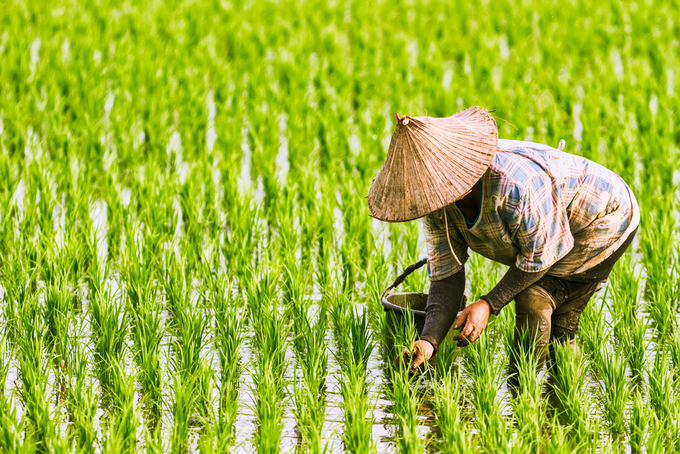
    Indonesia has announced that it will not be importing rice for any purpose in the coming year, due to ample domestic production capabilities. This announcement was made at a recently held ministerial summit in Jakarta. High-level officials from various government bodies including the Coordinating Ministry for Food Security, the Ministry of Trade, and the Central Statistics Agency were in attendance.

    Domestic Demand to be Met by Local Production

    Tatang Yuliono, who is the Deputy for Trade and Distribution Coordination at the Coordinating Ministry for Food Security, has affirmed that local production will be capable of satisfying all domestic demand. This encompasses both household consumption and industrial processing requirements.

    In line with this, the government has dismissed a proposal made by the Ministry of Industry to import nearly 381,000 tonnes of rice in 2026 for industrial purposes. Authorities believe the domestic supply will suffice. This policy of no imports will be enforced across the nation, inclusive of free trade zones like Sabang in Aceh.

    Yuliono further stated that related ministries will be continually reassessing food import policies in the future through commodity balance meetings.

    Strong Agricultural Performance in 2025

    The Indonesian government’s confidence in their domestic production capabilities stems from their successful agricultural performance in 2025. This was the year in which the country ceased imports of both rice and corn. By mid-2025, the nation’s rice reserves had reached an all-time high of about 4 million tonnes. This significantly stabilized the market and provided support to disaster-stricken regions.

    Official data reveals that rice production in 2025 is anticipated to hit 34.77 million tonnes, marking an increase of 13.54% on a year-on-year basis. This surge is attributed to favorable weather conditions and supportive policies for farmers implemented under President Prabowo Subianto’s administration. Corn production is also set to reach approximately 4 million tonnes by the end of the year, ensuring an adequate supply for both domestic consumption and the poultry sector.

    Questions & Answers

    Why has Indonesia decided not to import rice next year?
    The Indonesian government believes it has sufficient domestic production capabilities to satisfy all local demand for rice, eliminating the need for imports.

    How has the government responded to the Ministry of Industry’s proposal to import rice for industrial use?
    The government has dismissed this proposal, stating that the domestic supply of rice will be adequate for industrial use.

    What factors have contributed to the projected increase in rice production in 2025?
    The expected rise in rice production is attributed to favorable weather conditions and farmer support policies under President Prabowo Subianto’s administration.

  • Boss Launches First Athleisure Centric Stores in Indonesia, Amplifies Southeast Asia Presence

    Boss Launches First Athleisure Centric Stores in Indonesia, Amplifies Southeast Asia Presence

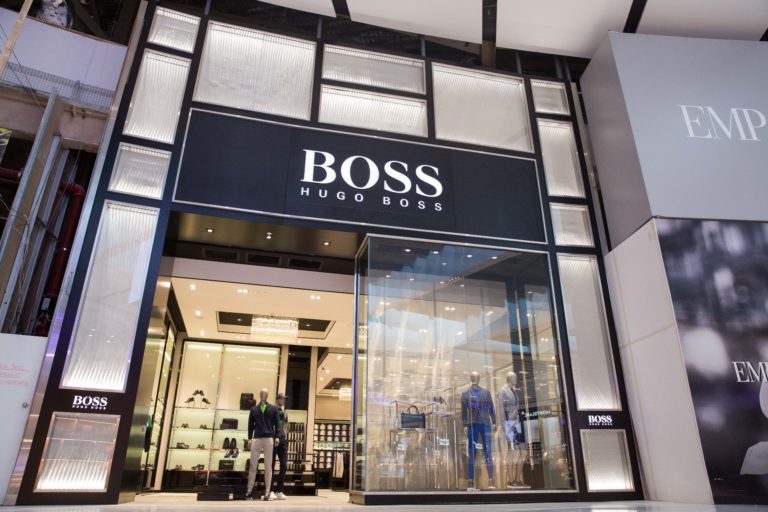
    Boss is broadening its market reach in Southeast Asia by introducing its premier athleisure-oriented retail outlets in Indonesia. The brand has unveiled two new stores in Jakarta, located in the prestigious Grand Indonesia and Central Park Mall.

    The store in Grand Indonesia offers an expansive area of roughly 80 square meters, while the Central Park Mall outlet covers a significantly larger expanse of approximately 206 square meters. Both locations are designed with a distinct retail concept aimed at contouring Boss’s athleisure line. The stores feature an array of stainless steel and glass fixtures, flooring with a carbon texture, and concrete-finished walls.

    In order to highlight the technical prowess and performance-centric characteristics of the line, digital screens have been seamlessly embedded throughout the stores.

    These newly unveiled outlets are specifically purposed to house the brand’s performance and sports inclined product categories. They present a carefully curated selection of activewear and lifestyle clothing.

    The product line on offer encompasses collections for golf and tennis, daily casual wear, designs aimed at commuters, and the Boss Performance collection. This latter range is particularly focused on technical fabric and functionality, making it suitable for everyday wear.

    These recent openings in Indonesia follow the debut of the brand’s biggest flagship store in Southeast Asia, located at One Bangkok. The store is also the location of the brand’s first Boss Cafe in the region.

    Questions & Answers

    What is the retail concept of the new Boss stores in Jakarta?
    The stores are designed to specifically accommodate Boss’s athleisure line, featuring stainless steel and glass fixtures, carbon-textured flooring, and concrete wall finishes.

    What kind of products are available in these new stores?
    The new stores offer a range of activewear and lifestyle clothing, including collections for golf and tennis, everyday casualwear, commuter-focused designs, and the Boss Performance range.

    What is the significance of the Boss store in One Bangkok?
    The store at One Bangkok is the biggest Boss flagship store in Southeast Asia and also houses the region’s first Boss Cafe.

  • Indonesia Breaks Ice with First Direct Durian Shipment to China: A Frosty Triumph for the Tropical Fruit Market

    Indonesia Breaks Ice with First Direct Durian Shipment to China: A Frosty Triumph for the Tropical Fruit Market

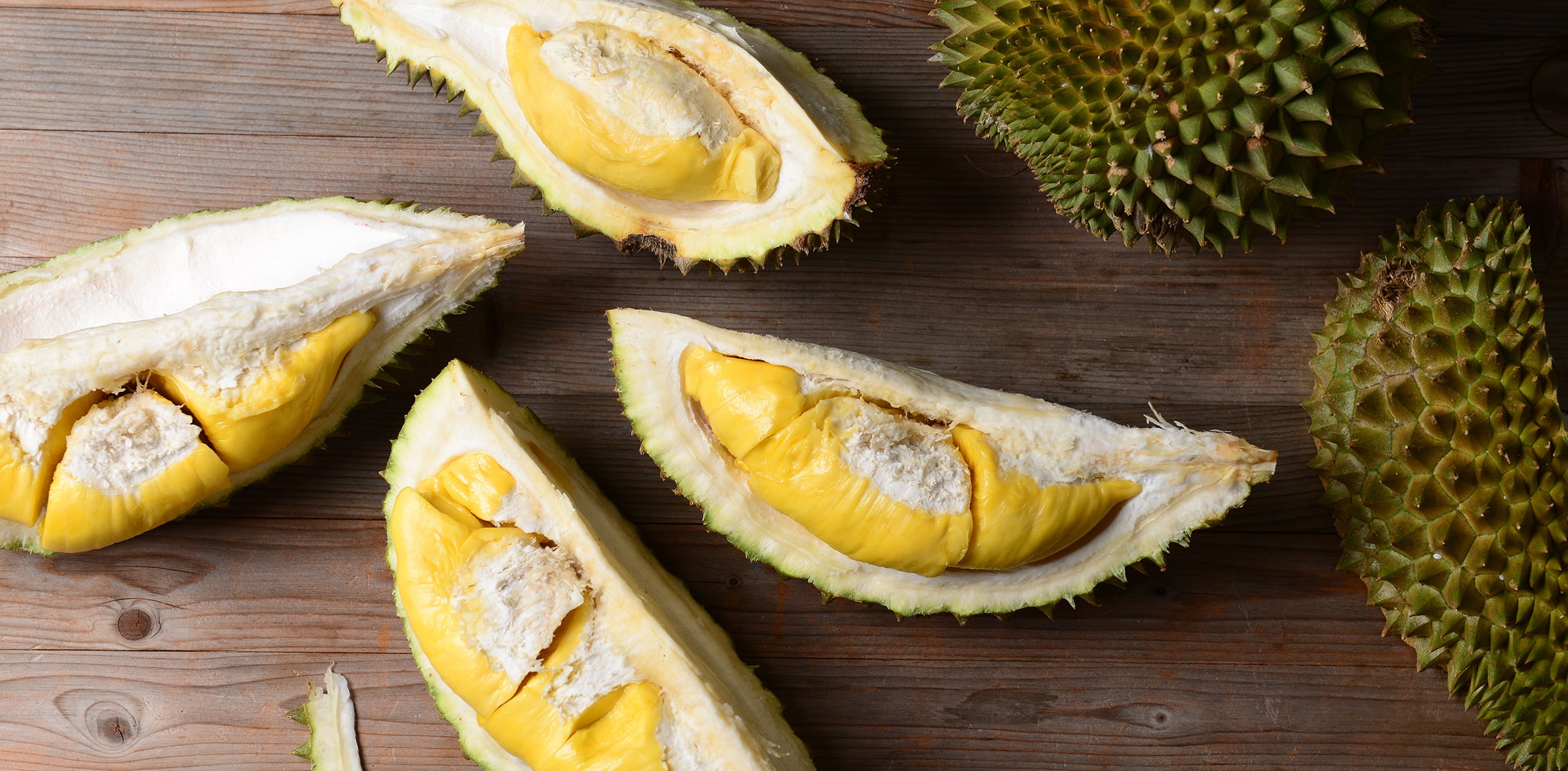
    Indonesia has recently achieved a significant milestone in its agricultural export sector with the first direct shipment of frozen durians to China. This 48-tonne shipment, valued at Rp5.1 billion (US$305,000), was processed in West Java and shipped from Tanjung Priok Port in North Jakarta to Qingdao Port, China.

    Long Road to Export Success

    The successful export marks the conclusion of an extensive process that spanned nearly two years, according to Sahat M. Panggabean, the head of the Agricultural Quarantine Agency. Before this breakthrough, Indonesia’s frozen durians used to reach China via intermediaries like Thailand and Malaysia. The fruit was processed in these countries and then re-exported to China.

    This practice underwent a change after an export protocol, which would allow for direct shipments, was finalized and signed by China and Indonesia in May. As a result, eight frozen durian packing facilities in Indonesia have met the standards required to serve as export hubs for China. Industry experts also highlight how direct shipments have drastically cut logistics costs, from approximately $18,000 down to $10,000-11,000.

    China’s Durian Market

    China is deemed the world’s largest durian market. In the previous year, China imported a staggering 15.6 million tonnes of durian valued at US$6.99 billion. The majority of these imports came from Thailand and Vietnam, which made up 57% and 41.5% of the shipments, respectively. The remaining shipments came from the Philippines and Malaysia.

    Despite a slight decrease in demand in the first half of this year, which saw a 15% drop in imports to 708,190 tonnes, the market remains robust. Aditya Pradewo, the secretary general of the Indonesian Durian Plantation Association, mentions that durian prices in China are still five to seven times higher than those in Indonesia.

    Pradewo believes that, with premium varieties such as Bawor, Super Tembaga, and Namlung, Indonesia could secure 5-10% of the Chinese market. This percentage equates to potential annual foreign exchange earnings of Rp6.4-12.8 trillion.

    Indonesia’s Durian Production

    Quarantine agency data shows that in the first 11 months of this year, Indonesia exported 10,162 tonnes of durians, primarily to Thailand, China, and Malaysia. The country’s durian production reached 2 million tonnes in 2024, marking a four-year high. Java, Sumatra, Kalimantan, and Sulawesi emerged as the top durian-growing regions.

    According to Zulkifli Hasan, Indonesia’s Coordinating Minister for Food Affairs, “Durian Nusantara is Indonesia’s strength in Asia”, boasting 21 of the 27 durian species recognized globally. As of 2024, Indonesia has registered 114 new superior varieties.

    Questions & Answers

    What was the significance of the recent durian shipment from Indonesia to China?
    This marked the first instance of a direct export of frozen durians from Indonesia to China, a process that took nearly two years to accomplish.

    How has the new export protocol impacted the logistics cost of durian exports to China?
    Direct shipments have significantly reduced logistics costs from around $18,000 to $10,000-$11,000.

    What potential does Indonesia have in China’s durian market?
    With premium durian varieties, Indonesia could potentially capture 5-10% of the Chinese market, yielding annual foreign exchange earnings of Rp6.4-12.8 trillion.

  • Telkom Greenlights InfraNexia’s $5.4B Fiber Spinoff: A Step Forward in Digital Infrastructure Expansion

    Telkom Greenlights InfraNexia’s $5.4B Fiber Spinoff: A Step Forward in Digital Infrastructure Expansion

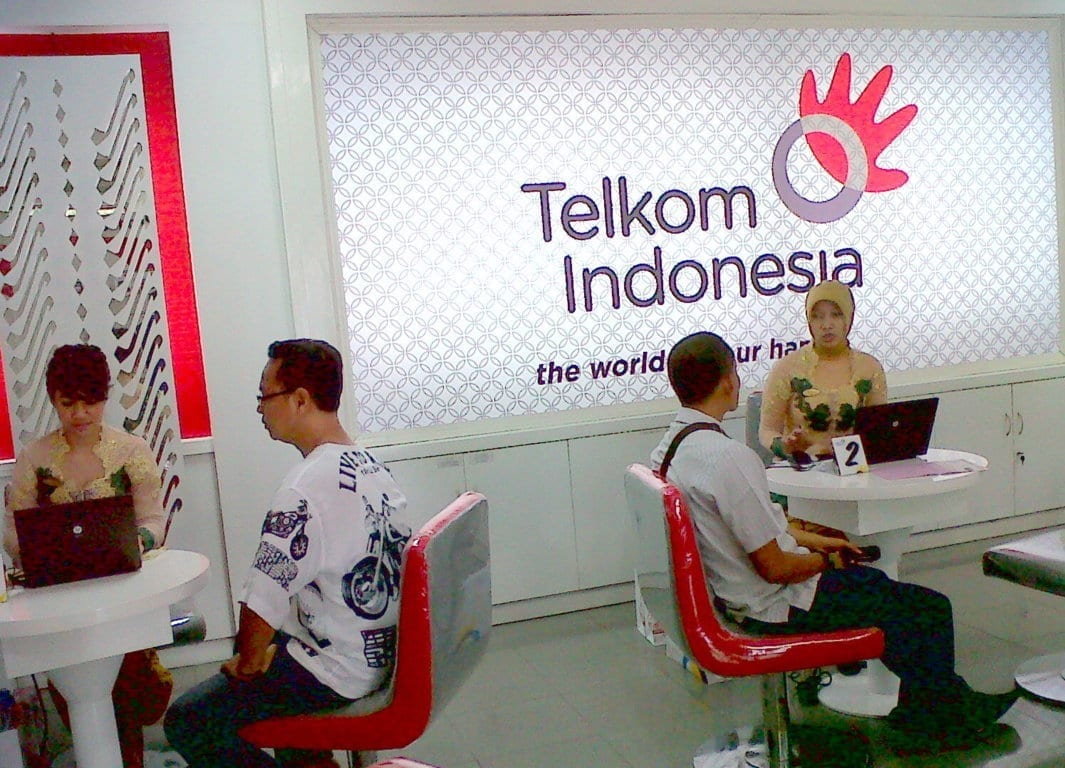
    Indonesia’s state-owned telecommunications corporation, Telkom Indonesia, recently announced that its independent shareholders have given the green light to partition the company’s wholesale fiber connectivity business and assets. The assets will be transferred to the company’s Fiber-To-The-Home (FTTH) subsidiary, Telkom Infrastruktur Indonesia (TIF), also colloquially known as InfraNexia. Telkom initially shared its plan in September and finalized it in October, with the split slated for execution in two stages.

    Details of the Split

    The initial phase will witness InfraNexia assuming control of more than half of Telkom’s fiber network infrastructure. This includes elements such as access, aggregation, backbone, and other supporting infrastructural components. The second phase involves InfraNexia obtaining the rest of the fiber assets from Telkom, a process expected to reach completion in the second half of 2026. The total asset value is projected to be IDR 90 trillion (USD 5.4 billion).

    Despite the spinoff, Telkom will maintain a hefty 99.9% ownership stake in InfraNexia. Telkom has expressed that this division will enhance operational and investment cost efficiencies. Moreover, it aims to transform InfraNexia into a new growth catalyst for the group, with a particular focus on the development of the wholesale fiber business, forging opportunities for network sharing, and forming strategic partnerships. This strategic shift is vital, given that Telkom’s wholesale fiber capacity is only approximately 40% utilized, primarily by its mobile division, Telkomsel.

    Shareholder Approval

    The partition needed approval from independent shareholders, who lent their support to the plan during an Extraordinary General Meeting of Shareholders (EGMS).

    Telkom’s President Director, Dian Siswarini, expressed that this separation is also a crucial facet of the company’s TLKM 30 strategy. This strategy is designed to metamorphose Telkom into a strategic holding firm that boasts a more niche, nimble, and internationally competitive digital telecommunications profile.

    The approval of the asset and business separation strengthens Telkom’s transformation agenda, aimed at building a more agile and focused business structure. This will enable Telkom to augment its contribution to the acceleration of national digitalization and generate added value for companies, stakeholders, communities, and the nation.

    Questions & Answers

    What is the purpose of the split in Telkom’s business?
    The split is aimed at enhancing operational and investment cost efficiencies, transforming InfraNexia into a new growth catalyst for the group, and focusing on the development of the wholesale fiber business.

    How much of the ownership stake in InfraNexia will Telkom retain after the split?
    Post-separation, Telkom will retain a 99.9% ownership stake in InfraNexia.

    What does Telkom’s TLKM 30 strategy entail?
    The TLKM 30 strategy aims to transform Telkom into a strategic holding company with a more focused, agile, and globally competitive digital telecommunications profile.

  • Turbocharging Indonesia’s Digital Journey: GSMA Calls for Heightened Investment in 5G and AI Technologies

    Turbocharging Indonesia’s Digital Journey: GSMA Calls for Heightened Investment in 5G and AI Technologies

    The GSMA has highlighted the need for a more robust, investment-focused strategy to expedite Indonesia’s digital transformation and stimulate innovation, according to its recent findings published in the reports GSMA Digital Nations 2025 and ASEAN Consumer Scam 2025.

    Moving Towards a Digital Future

    The GSMA has proposed a feasible strategy to facilitate the unlocking of private capital and hasten the roll-out of 5G spectrum, fiber backhaul, and AI-optimized data centers. This strategy is underpinned by policy consistency and cooperation across sectors. There is a strong inclination among Indonesian businesses towards digital transformation.

    Indications of such enthusiasm were evident in a recent GSMA Intelligence survey where over 580 firms spanning across ASEAN were surveyed. The results revealed that Indonesian companies intend to dedicate an average of 10% of their revenues to digital transformation between 2025 and 2030, exceeding both the ASEAN (10.4%) and global (9.8%) averages. Two-thirds of the participants prioritized AI in their top three expenditure areas, with over half deeming 5G-powered Internet of Things (IoT) vital for future growth. This underscores Indonesia’s ambition to capitalize on cutting-edge technologies to fortify its competitive edge and security.

    Economic Impact of 5G

    GSMA Intelligence anticipates that the ensuing wave of 5G investments in Indonesia could inject an extra USD 41 billion into the country’s GDP between 2024 and 2030, underlining the transformative economic potential of digital connectivity. Since 2015, mobile operators have pumped nearly USD 29 billion into Indonesia’s network infrastructure and services. Given the right investment conditions, the sector, including operators and ecosystem partners, is projected to inject an additional USD 16 billion from 2024 to 2030, primarily targeting 5G proliferation.

    Julian Gorman, Head of Asia Pacific at the GSMA, expressed his thoughts on the matter, highlighting the unique opportunities presented by Indonesia’s significant scale, entrepreneurial vigor, and youthful, tech-savvy population. The focus now should be on targeted investment in areas such as affordable, dependable spectrum; robust backhaul; and AI-compatible, sustainable data centers, coupled with clear consumer protections.

    Assessing Progress and Challenges

    The GSMA’s Digital Nations report evaluated the advancement of Asia Pacific nations in five key areas: infrastructure, innovation, data governance, security, and people. It provided insights into where investment could yield the highest returns.

    Indonesia ranked midway among the 21 nations assessed. The report underscored Indonesia’s advantages in terms of its population, digital skills, and cybersecurity, while also pointing out areas in need of enhancement, particularly in innovation and investment. Potential obstacles to progress include delays in mid-band spectrum allocation, inconsistent rural coverage, and limited AI-ready capability. Consumer trust is also a matter of concern.

    Findings from the ASEAN Consumer Scam Report 2025 indicate that Indonesia mirrors the wider ASEAN trend, with 45% of adults admitting to having been scammed at some point, and 68% of victims losing money. In Indonesia, scam contacts are predominantly mobile-oriented, with over-the-top (OTT) messaging (50%) and voice calls (44%), both exceeding the ASEAN average.

    Preventing Fraud and Enhancing Security

    On a brighter note, 81% of Indonesians endorse operators sharing minimal, purpose-specific network signals such as SIM-change and number-verification during high-risk instances to prevent fraud, thus setting the stage for a broader application of GSMA Open Gateway anti-fraud APIs. Indonesia’s three primary mobile operators, Telkomsel, Indosat, and XL Axiata, have teamed up to shield customers from scams and other cybersecurity threats by collectively adopting Open Gateway APIs, such as SIM swap, number verification, and device location, to secure payments and logins.

    Questions & Answers

    What approach does the GSMA recommend to accelerate Indonesia’s digital transformation?
    The GSMA suggests a more robust, investment-focused strategy to expedite Indonesia’s digital transformation. This includes unlocking private capital and hastening the roll-out of 5G spectrum, fiber backhaul, and AI-optimized data centers.

    What potential economic impact could the next wave of 5G investment have on Indonesia?
    GSMA Intelligence anticipates that the ensuing wave of 5G investments in Indonesia could inject an additional USD 41 billion into the country’s GDP between 2024 and 2030.

    How are Indonesia’s major mobile operators responding to cybersecurity threats?
    Indonesia’s three major mobile operators, Telkomsel, Indosat, and XL Axiata, have formed an alliance to protect customers from scams and other cybersecurity threats by jointly adopting GSMA Open Gateway anti-fraud APIs, such as SIM swap, number verification, and device location, to secure payments and logins.


  • KK Group Revives Indonesian Market with Tri-Brand Blast: X11, KKV, and The Colorist

    KK Group Revives Indonesian Market with Tri-Brand Blast: X11, KKV, and The Colorist

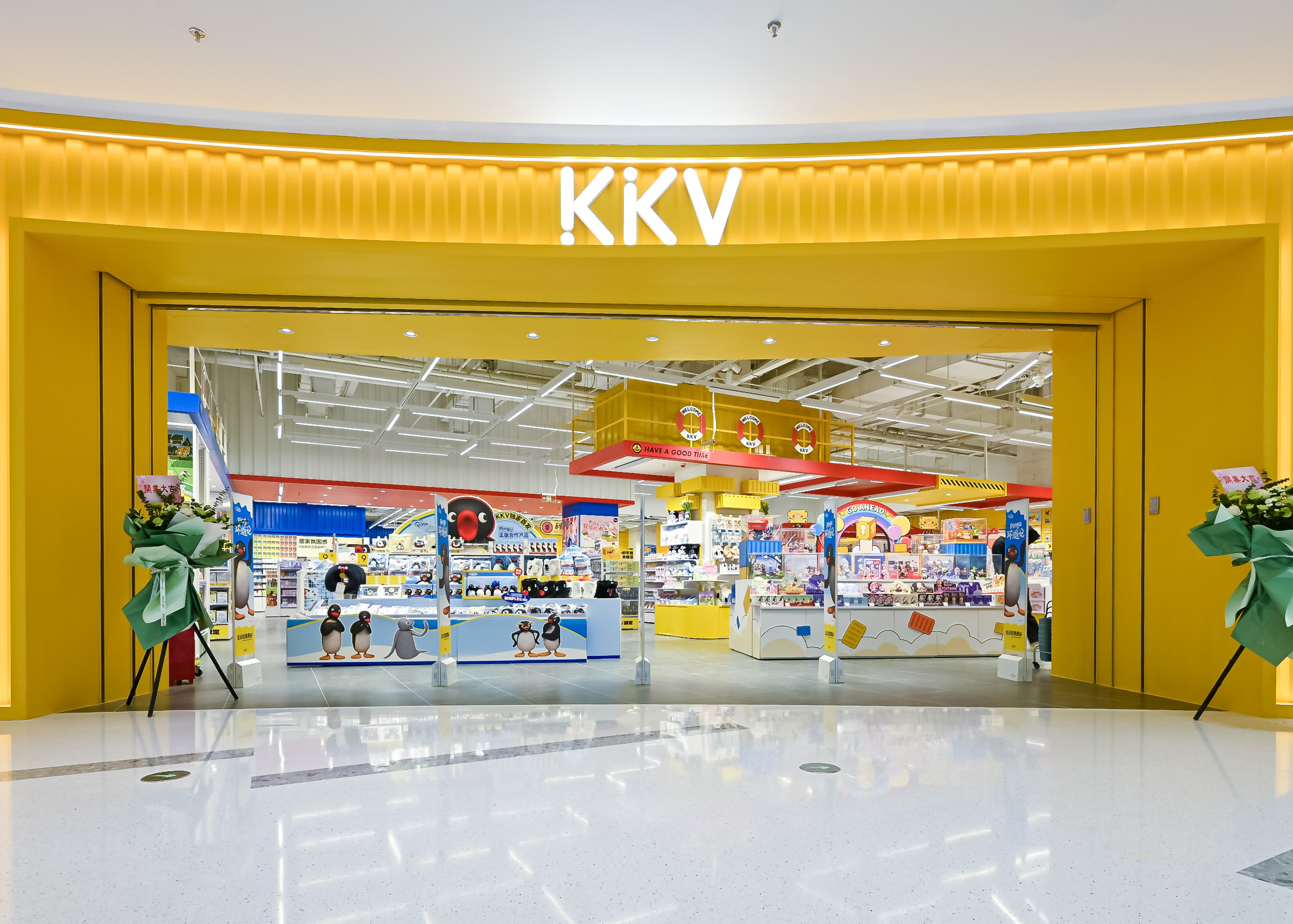
    KK Group, a Chinese lifestyle retailer, is making a strategic return to the Indonesian market. The company plans to reintroduce three of its brands: X11, KKV, and The Colorist.

    The Return of X11, KKV, and The Colorist

    The reintroduction begins with X11, KK Group’s trend and culture emblem, which targets youthful consumers with art toys, anime paraphernalia, and pop culture merchandise. The first stores are set to open in Greater Jakarta and other major cities throughout Java, Bali, and several regional centers.

    Following closely behind is KKV, KK Group’s primary lifestyle brand, scheduled to launch the following year. KKV boasts a remarkable range of over 20,000 Stock Keeping Units (SKUs) that include home goods, stationery, beauty products, snacks, and fashion items. Alongside KKV, The Colorist, a mass-premium beauty brand focused on Generation Z and young millennials, is also set to launch.

    Rojen Wu, COO of KK Group’s international business, expressed the company’s firm commitment to Indonesia. “Indonesia has consistently been a priority for us in Southeast Asia,” Wu said. “With KKV, The Colorist, and X11, we aim to cultivate a comprehensive lifestyle retail ecosystem while offering redefined retail experiences to Indonesian consumers.”

    KK Group’s Ambitious Expansion Plans

    KK Group’s multi-brand strategy includes the development of a network of over 500 stores across these three core brands. The company is also considering introducing Pet Tribes, a pet-centered concept recently launched in China, as part of its broader multi-brand strategy for Indonesia. In the long term, KK Group projects running over 1,000 stores under its enlarged brand portfolio.

    This Indonesian re-entry comes on the heels of KK Group’s aggressive Southeast Asian expansion, which has seen them breaking into new markets in Malaysia, Singapore, Thailand, Vietnam, and the Philippines. At present, KK Group operates over 1,000 stores in China and more than 150 stores across various regions.

    Questions & Answers

    What is KK Group’s re-entry strategy into the Indonesian market?

    KK Group plans to reintroduce three of its brands: X11, KKV, and The Colorist. The company also intends to develop a network of over 500 stores across these core brands.

    What are the three brands that KK Group is reintroducing into Indonesia?

    The three brands are X11, a trend and culture brand aimed at younger consumers; KKV, the company’s flagship lifestyle brand; and The Colorist, a mass-premium beauty brand targeted at Generation Z and young millennials.

    What is KK Group’s long-term vision for its multi-brand strategy in Indonesia?

    In the long term, KK Group plans to operate over 1,000 stores under its expanded brand portfolio. The company is also considering the introduction of Pet Tribes, a pet-focused concept recently launched in China.

  • Radiation-Safe Indonesian Shrimp Lands on US Shores: A Triumph in Seafood Exports

    Radiation-Safe Indonesian Shrimp Lands on US Shores: A Triumph in Seafood Exports

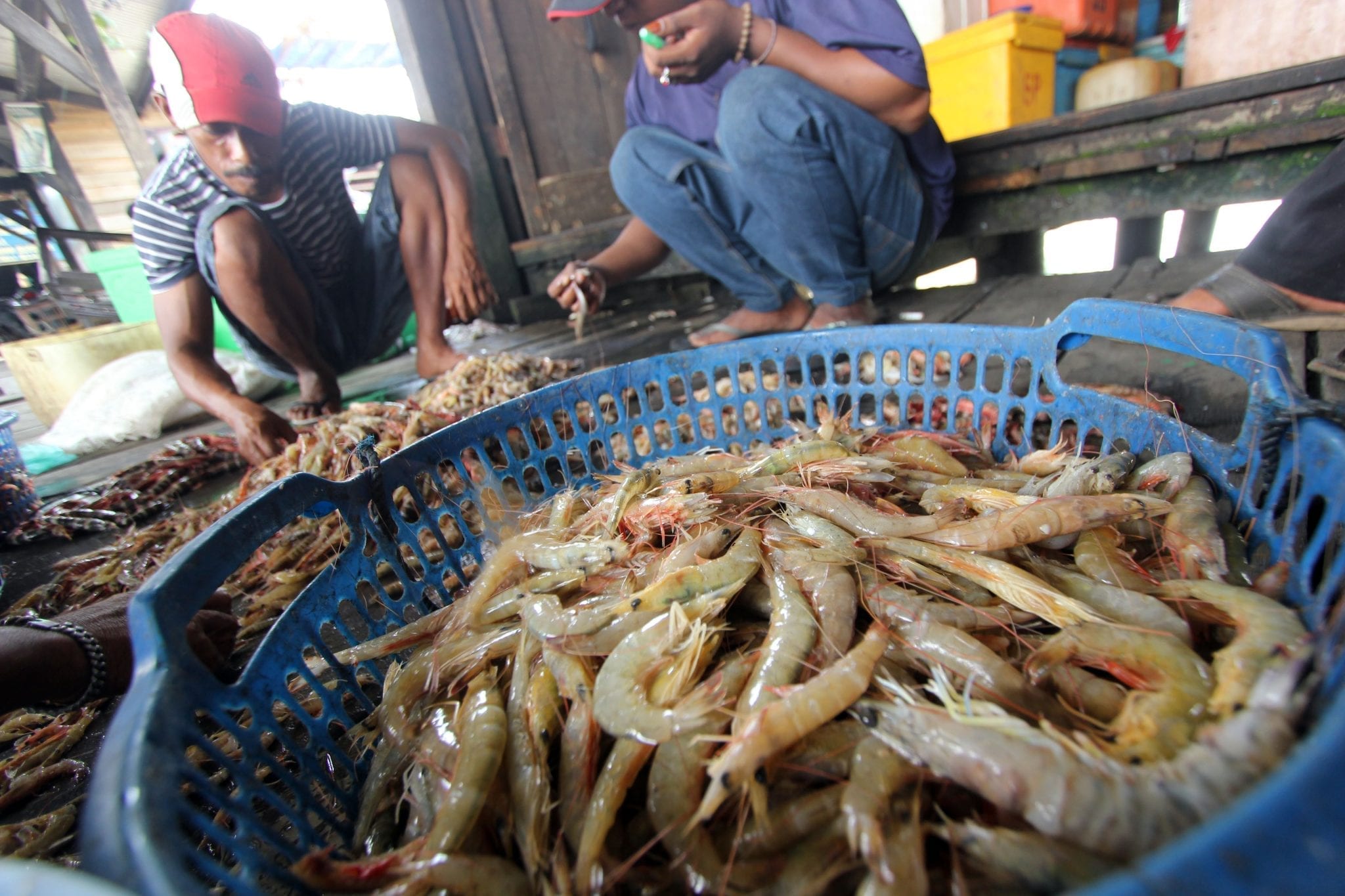
    Indonesia has recommenced its shrimp exports to the United States with a hefty haul of 182 tonnes, valued at IDR25 billion, or approximately US$1.5 million. Importantly, these shipments come bearing certification of being free from Cesium-137 contamination.

    Regaining Market Trust

    Wahyu Sakti Trenggono, Indonesia’s Minister of Maritime Affairs and Fisheries, shared this encouraging news during an event at the Tanjung Priok Port in North Jakarta. He revealed that this marked the second such shipment since the Indonesian government confirmed that their shrimp products adhere to international radiation safety standards. This development seems to suggest that the confidence of the U.S. market in Indonesian shrimp is gradually being restored.

    Ensuring Radiation Safety

    Trenggono also explained that the assurance of the absence of Cesium-137, a radioactive isotope, was made possible through a collaborative effort between the fisheries ministry, the National Research and Innovation Agency, and the Nuclear Energy Regulatory Agency. This cross-institutional cooperation played a crucial role in ensuring the safety and international standard-compliant status of the shrimp exports.

    Quality Assurance

    The head of the MMAF Quality Assurance Agency, Ishartini, provided further insights into the certification process. She disclosed that the U.S. Food and Drug Administration (USFDA) had duly recognized their agency as a certifying body as of October 31 this year. As a result, only fishery products that successfully pass the Certificate of Quality and Safety of Fisheries Products (SMKHP) and radiation tests will be approved for export with this certified status.

    Following the approval, Indonesia had previously exported 121 containers of shrimp in October, after the fisheries ministry executed radiation scanning of a total of 920 containers destined for the U.S.

    Questions & Answers

    What is the significance of the recent shrimp shipment from Indonesia to the U.S.?
    The shipment indicates a recovery of U.S. market trust in Indonesian shrimp products after they were certified free from Cesium-137 contamination.

    Who issued the certification of freedom from Cesium-137 for the shrimp exports?
    The certification was issued through a collaboration between Indonesia’s fisheries ministry, the National Research and Innovation Agency, and the Nuclear Energy Regulatory Agency.

    What criteria must Indonesian fishery products meet to be approved for export to the U.S.?
    Fishery products must pass the Certificate of Quality and Safety of Fisheries Products (SMKHP) and radiation tests to be considered for export to the U.S.

  • Indonesia Cracks Down on 1,400 Illegal Gold Mines: A Sweeping Environmental Rescue in Halimun Salak National Park

    Indonesia Cracks Down on 1,400 Illegal Gold Mines: A Sweeping Environmental Rescue in Halimun Salak National Park

    Indonesia has embarked on an ambitious initiative to eradicate approximately 1,400 unauthorized gold mines located in the Mount Halimun Salak National Park area, situated in the Sukabumi district of West Java province. In the month of November alone, local authorities have succeeded in shutting down close to 300 mining sites.

    Government Stance on Illegal Mining

    Rudianto Saragih Napitu, who heads the Forestry Crime Enforcement arm of the Indonesian Ministry of Forestry, voiced his concerns regarding the illicit mining operations. According to him, the benefits of these activities remain confined to investors, offering little to no value to the local people employed in these mines.

    He went on to state that while the government endorses positive alliances, it remains staunchly opposed to activities leading to environmental destruction and exploitation.

    Environmental Impact of Unauthorized Mining

    The issue of illegal gold mining is not new to Indonesia and is known to cause significant environmental damage. This includes deforestation, waterbody pollution, and the depletion of national resources.

    Illegal mining sites are chiefly clustered in several regions such as Jambi, West Sumatra, West Kalimantan, Central Sulawesi, and certain areas in Maluku. Additionally, some national parks, including Halimun Salak, are also a part of this issue.

    Questions & Answers

    What is the impact of illegal gold mining in Indonesia?
    Illegal gold mining in Indonesia leads to severe environmental consequences, including deforestation, river pollution, and loss of national resources.

    What is the government’s stance on illegal mining activities?
    The government, while endorsing positive partnerships, is against any activities that lead to environmental destruction and exploitation.

    Where are the hotspots for illegal gold mining in Indonesia?
    Illegal gold mining hotspots in Indonesia are primarily located in Jambi, West Sumatra, West Kalimantan, Central Sulawesi, some parts of Maluku, and in certain national parks such as Halimun Salak.

  • Telkomsat and Myriota Forge Alliance to Boost Satellite IoT Reach in Indonesia and Southeast Asia

    Telkomsat and Myriota Forge Alliance to Boost Satellite IoT Reach in Indonesia and Southeast Asia

    Telkomsat, an Indonesia-based telecommunications company, has entered into a memorandum of understanding with Myriota, an Australian satellite Internet of Things (IoT) provider. This strategic partnership intends to broaden the reach of satellite-supported IoT services throughout Indonesia and the wider ASEAN region. The signing ceremony took place in Jakarta, with the participation of representatives from both entities and officials from the South Australian government.

    Strengthening Satellite Solutions

    The core objective of this collaboration is to bolster Telkomsat’s satellite solutions offerings and reinforce its multi-orbit strategy. The partnership will emphasize IoT deployment in critical sectors, including maritime, oil and gas, agriculture, and environmental and disaster monitoring. These sectors require reliable, low-power connectivity for operations in remote and challenging-to-access areas.

    Introducing New Connectivity Services

    Myriota, under the terms of the agreement, will bring its multiband satellite connectivity services to Indonesia. This includes the HyperPulse 5G NTN service, which leverages Viasat’s dynamic leasing capability on its L-band network. This allows the adjustment of connectivity performance like latency and data availability according to geographic and environmental conditions. Additionally, Myriota will launch its LEO-based UltraLite service designed to provide secure, energy-efficient, and spectrum-efficient connectivity for low-power IoT applications.

    CEO of Myriota, Ben Cade believes that this partnership brings together Telkomsat’s vast regional experience and Myriota’s globally-leading satellite IoT technology. Together, they will create scalable IoT solutions that cater to the needs of Indonesia’s critical industries.

    Adding to this sentiment, South Australian Minister Joe Szakacs noted that this partnership will connect Myriota’s world-leading technology with one of the world’s fastest-growing economic regions, Southeast Asia.

    Collaboration on Future Initiatives

    Both companies have expressed plans to cooperate on market development, customer acquisition, ecosystem building, and initiatives aimed at enhancing the adoption of satellite IoT solutions across Indonesia and Southeast Asia.

    Questions & Answers

    What is the objective of the collaboration between Telkomsat and Myriota?
    The collaboration aims to expand satellite-enabled IoT services across Indonesia and the ASEAN region. It also aims to strengthen Telkomsat’s satellite solutions portfolio and support its multi-orbit strategy.

    What sectors will the partnership focus on?
    The partnership will focus on IoT deployments in key sectors including maritime, oil and gas, agriculture, and environmental and disaster monitoring.

    What new services will Myriota introduce to Indonesia?
    Myriota will introduce its multiband satellite connectivity services to Indonesia, including the HyperPulse 5G NTN service and the LEO-based UltraLite service.

  • Indosat’s AI-Driven Shield: Blocking 200 Million Spam & Scam Contacts in 90 Days!

    Indosat’s AI-Driven Shield: Blocking 200 Million Spam & Scam Contacts in 90 Days!

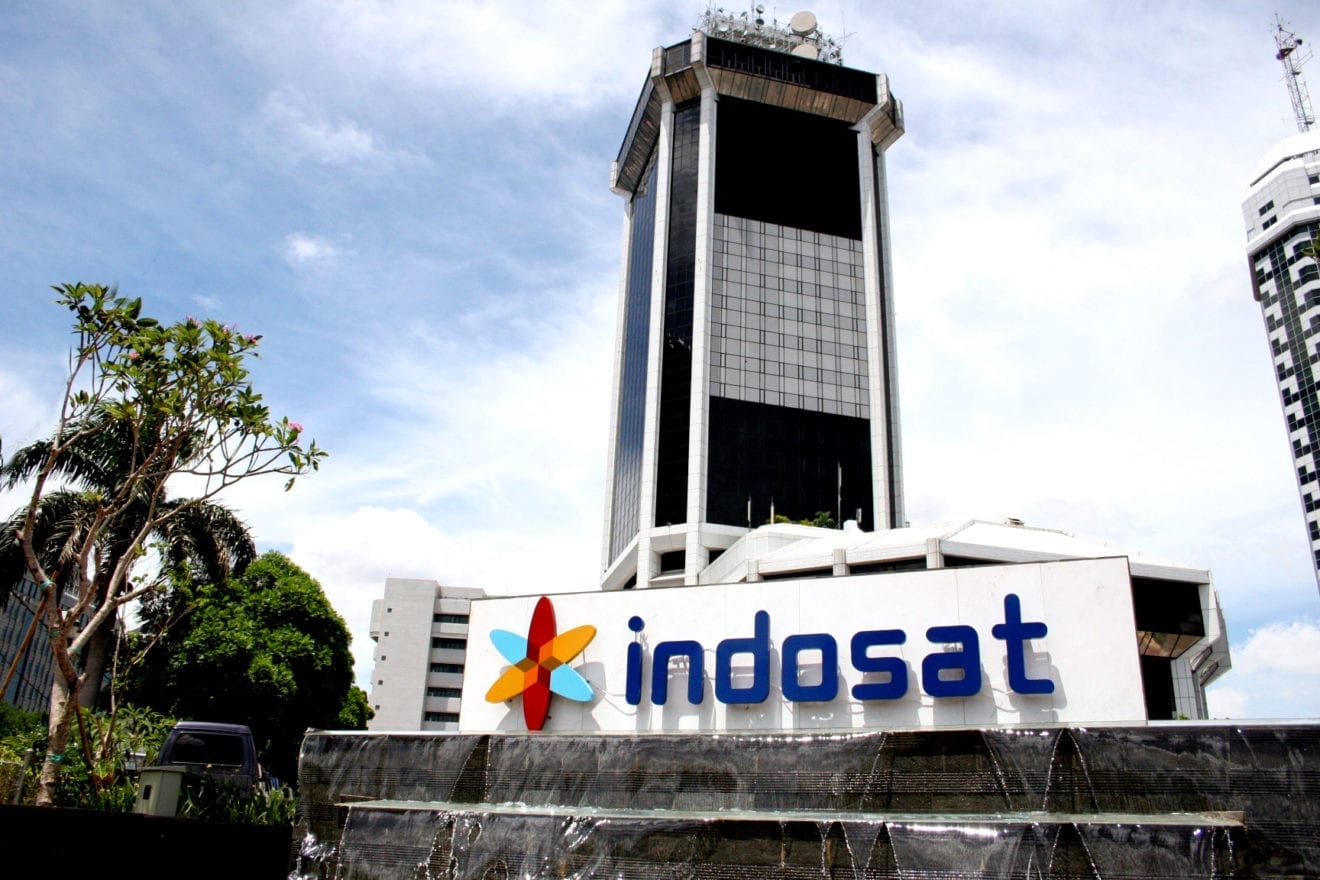
    Indosat Ooredoo Hutchison (IOH) has announced significant success in the initial months following the launch of its AI-powered Anti-Spam and Anti-Scam feature. Just three months after its introduction, the feature has blocked hundreds of millions of potential digital fraud attempts. Launched on August 7, 2025, the tool has intercepted more than 200 million potentially harmful calls, flagged over 90 million dubious messages, and safeguarded an average of 11.5 million customers per month from possible scams.

    Artificial Intelligence Meets 5G

    This anti-fraud feature is a key component of Indosat’s AIvolusi5G program, an initiative that combines the power of artificial intelligence with cutting-edge 5G technology to enhance the safety and dependability of the network. This system works automatically on a network level, screening calls and messages for possible fraudulent activities. This does not necessitate the installation of additional applications or the use of specific devices by customers.

    According to the Global Anti-Scam Alliance’s 2025 State of Scams in Indonesia report, 66% of Indonesian adults have been the target of scam attempts in the past year, with 14% suffering financial losses totaling IDR 49 trillion (USD 3.3 billion). The majority of these scams have taken place through direct-messaging channels like SMS and chat platforms.

    Impressive Results

    Indosat’s internal data has revealed that the company’s VoLTE network alone has detected over 290 million spam calls. When expanded to encompass Indosat’s entire customer base, this results in more than 500 million identified scam and spam calls and messages within just two and a half months. Additionally, the system has flagged over 145 million spam and scam messages, which includes 110 million confirmed fraudulent messages.

    Bilal Khazmi, Director and Chief Commercial Officer of Indosat Ooredoo Hutchison, commented on the results, saying: “Our technology is designed to help customers of all age groups navigate the digital world with increased confidence. By offering fast connectivity, accessible products, and robust protection, we remain dedicated to delivering superior digital experiences that connect and empower every Indonesian.”

    While the system has not managed to block all malicious communications, Indosat has noted that its early warning alerts have contributed to reducing financial losses and increasing public awareness of online threats. Customers receive alerts about potentially harmful numbers or messages before they interact with them, enabling them to take preventative measures.

    Indosat’s approach to cybersecurity follows the Zero Trust principle, which emphasizes verification over trust assumptions. This principle forms the foundation of Indosat’s efforts to combine technological safeguards with continuous digital literacy programs.

    Questions & Answers

    What is the AIvolusi5G program?
    The AIvolusi5G program is an initiative by Indosat that merges artificial intelligence with 5G technology to improve the security and reliability of their network.

    What is the primary goal of Indosat’s Anti-Spam and Anti-Scam feature?
    The primary goal of this feature is to protect customers from potential digital fraud attempts by screening calls and messages for suspicious activity.

    How does Indosat’s cybersecurity approach work?
    Indosat follows the Zero Trust principle, prioritizing verification over trust assumptions. This approach underpins their efforts to combine technological safeguards with ongoing digital literacy programs.

  • Indonesian Power Players Grab and GoTo Under Government Review for Potential Market-Shaking Merger

    Indonesian Power Players Grab and GoTo Under Government Review for Potential Market-Shaking Merger

    Possible discussions are currently underway in Indonesia regarding a potential merger or acquisition involving Grab, a ride-hailing and food delivery company, and its competitor GoTo, according to a statement made by the presidential spokesperson on Friday.

    The Indonesian government sees the ride-hailing sector as a strategic factor in generating jobs and boosting the economy. Gojek, a subsidiary of GoTo, alone employs more than 3.1 million online riders. Both Grab and GoTo have long been major players in the Indonesian market.

    If a merger or acquisition does take place, the resulting entity would command a staggering market share of over 91 per cent in Indonesia, based on information provided by data analytics firm Euromonitor International.

    An official announcement regarding the possible merger or acquisition will be made shortly, according to Prasetyo Hadi, an Indonesian government spokesperson.

    “Online riders are the heroes of our economy, propelling it forward,” Hadi declared.

    There has been no immediate comment from Grab or GoTo in response to request for statements.

    Previous reports suggested that Grab, which is listed on Nasdaq, was planning to negotiate a deal to acquire GoTo, a smaller rival, in the second quarter of this year and had engaged advisers to assist with the proposed acquisition. According to a source close to the matter, such a deal could value GoTo at approximately US$7 billion.

    As per its 2024 annual report, GoTo is 73.90 per cent owned by foreign investors, including SoftBank Group and Taobao China Holding, a subsidiary of China’s Alibaba Group. The remaining stakes are held by Indonesian investors.

    Questions & Answers

    What is the potential impact of Grab and GoTo’s merger or acquisition on the Indonesian market?
    If Grab and GoTo merge or if one acquires the other, the resulting entity would control over 91% of the Indonesian market, according to data from Euromonitor International.

    Who are the main investors in GoTo?
    Foreign investors, including SoftBank Group and Taobao China Holding, own 73.90% of GoTo. The remainder is owned by Indonesian investors.

    What was GoTo’s potential value earlier this year?
    Earlier this year, a source close to the matter mentioned that a potential deal could value GoTo at around US$7 billion.

  • OCBC Maintains Steady Q3 Profit Amid Lower Interest Income: A Balance Sheet Analysis

    OCBC Maintains Steady Q3 Profit Amid Lower Interest Income: A Balance Sheet Analysis

    OCBC, the Singapore-based banking corporation, has reported that its profits remained stable in the third quarter of 2025. The bank’s net earnings for the period matched the previous year’s figures, standing at approximately S$2 billion ($1.5 billion).

    Income and Expenditure Details

    The results showed that the bank’s non-interest income experienced a growth of 15 percent. It rose to S$1.6 billion, an increase driven by diversified earnings from fees, trading, and insurance. However, this upturn was balanced out by a drop in net interest income. Lowered by 9 percent due to contracting margins in a weakening interest rate environment, the net interest income fell to S$2.2 billion.

    The report also indicated a rise in operating costs, with an increase of 4 percent taking total expenses to S$1.5 billion.

    Year-To-Date Profits

    Considering the performance over the year to date, the bank’s net profit is reported to be S$5.7 billion. This signifies a decrease of 4 percent, indicating a drop in earnings from previous periods.

    Future Outlook

    Looking forward, the prospects appear challenging due to the dynamic policy environment and geopolitical tensions. Despite these complexities, OCBC’s strong balance sheet and robust capital position provide the flexibility to navigate these uncertain times. In the words of OCBC group CEO Helen Wong, their solid financial standing allows them to manage risks while continuing to serve their customers and invest in future growth.

    Questions & Answers

    What is the reported net profit of OCBC for the third quarter of 2025?
    The bank reported a net profit of S$2 billion, which is equivalent to $1.5 billion.

    How do changing dynamics in the policy environment and geopolitical tensions affect OCBC’s future prospects?
    These factors complicate the external environment, creating potential risks. However, OCBC’s robust capital position and strong balance sheet provide the flexibility to manage these uncertainties.

    What factors contributed to the 15 percent growth in OCBC’s non-interest income?
    The growth is attributed to diversified earnings from fees, trading, and insurance income.