Tag: Indonesia

  • Story-i to supply Indonesia schools

    Story-i to supply Indonesia schools

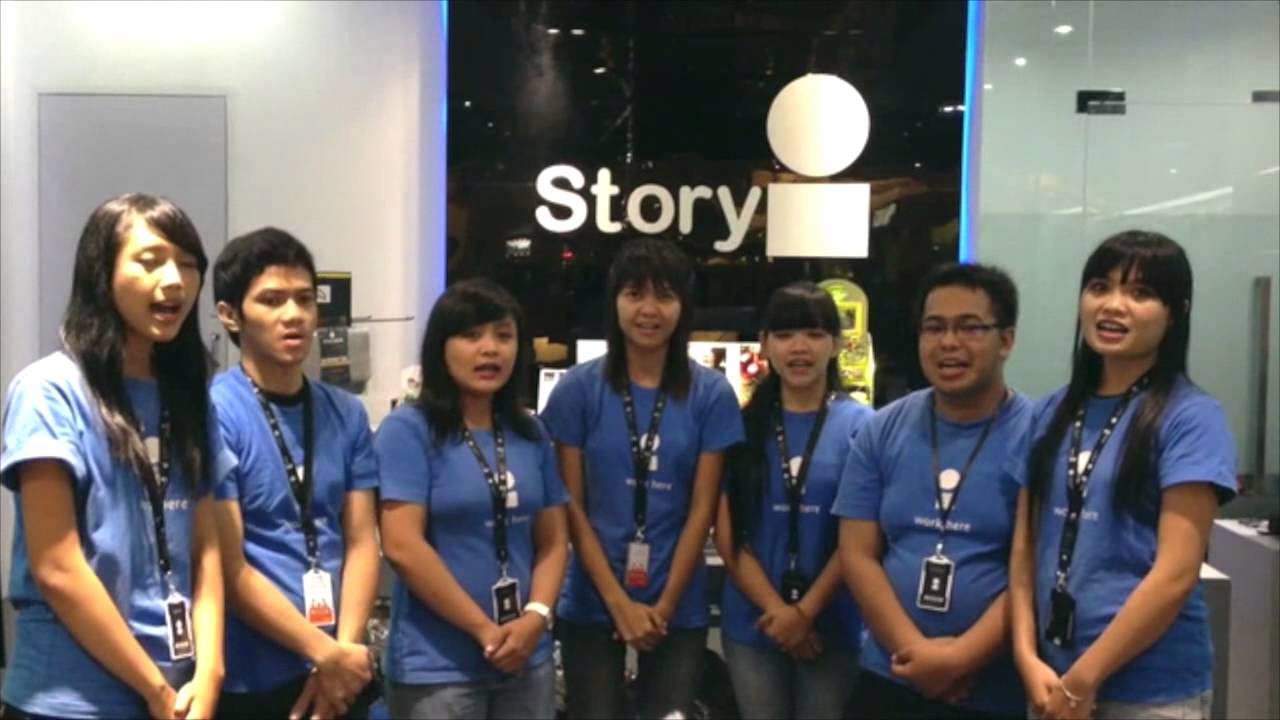
    Story-i will supply new Apple devices bundled with customised applications across Perkumpulan Sekolah Kristen Djakarta’s (PSKD) 16 schools in Indonesia.

    The contract extends to annual hosting and software maintenance fees, and service and maintenance of PSKD’s network infrastructure, potentially delivering $500,000 in sales.

    The rollout of devices, bundled education software and hosting services under the contract with BPK Penabur continues to progress on schedule.

  • Indonesia Best eMark Award 2015 goes for Hypermart

    Indonesia Best eMark Award 2015 goes for Hypermart

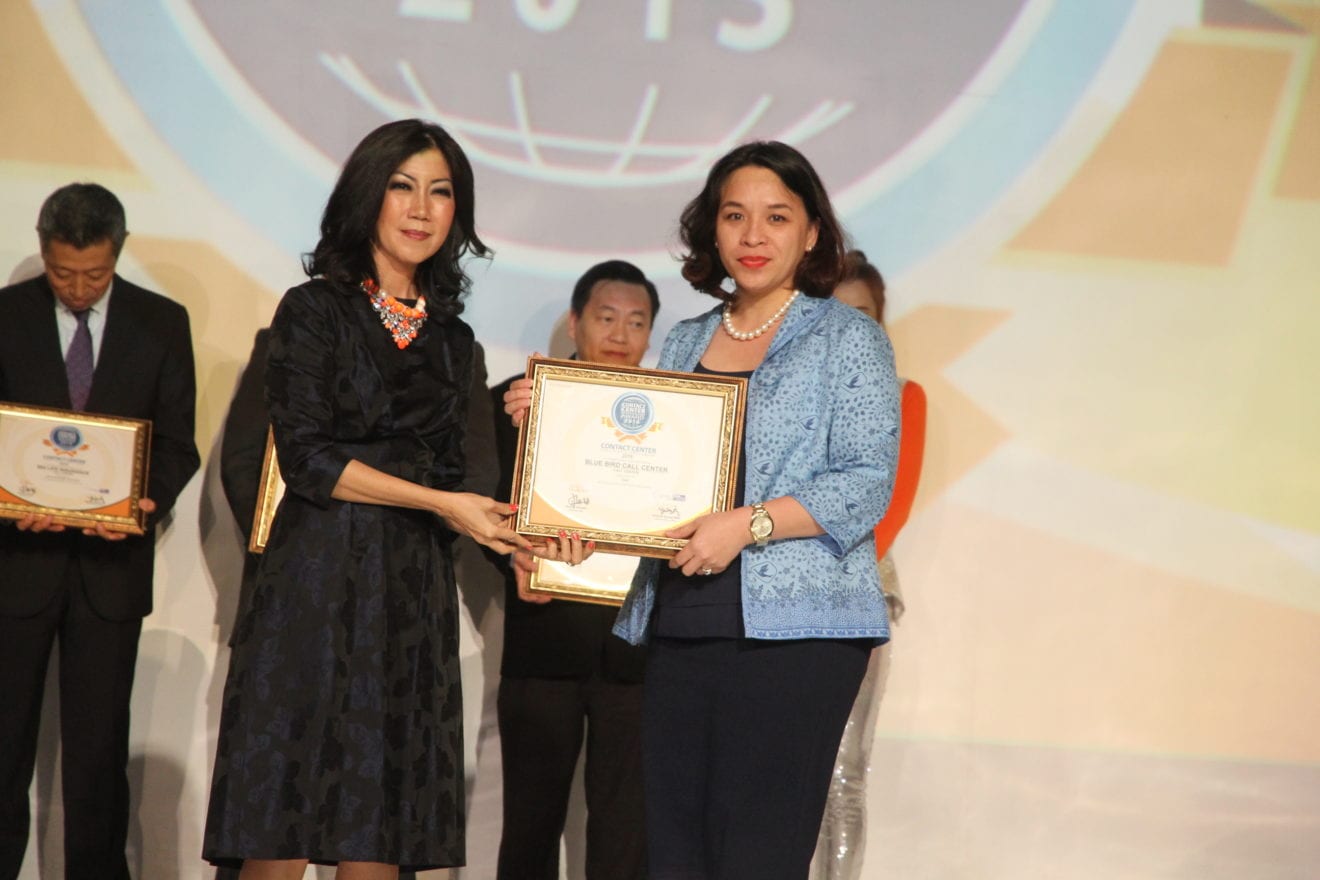
    SWA-Business Digest Magazine and Telkom University hold the Indonesia Best eMark Award 2015 to celebrate the 2nd Anniversary of Telkom University on September 10, 2015. During the ceremony, Hypermart as the core modern retail business of PT Matahari Putra Prima Tbk, received the prestigious award at the main event of “Bandung ICT Expo 2015” which was awarded by the Rector of Telkom University, Prof. Mohamad Ashari in Telkom University Campus.

    Director of Communications and Public Relations MPPA, Danny Kojongian stated “We are honored to receive this prestigious award from SWA Magazine and Telkom University, which show positive feedback from our valued customers toward our Hypermart’s services and operation, related in particular to the appropriate utilization of information technology toward our marketing and sales activities.”

    “This Award not only reflects an important milestone for MPPA, but more importantly confirms that our modern retail business strategy has been performing in the right direction and received splendid recognition from customers and other industry practitioners. Going forward, we will ensure that our service quality will be enhanced and strengthened to give the best practices of world-class standards to the growing markets and consumers in Indonesia,” he continued.

    Indonesia Best eMarK Award 2015 was awarded to Hypermart since it successfully managed to become one of the companies with improved business performance from the management and utilization of information and communication technology (ICT) in a right, smart and efficient way in the marketing and sales fields.

    Hypermart is expected to become an inspired role model for other companies in using the application and utilization of ICT systems in the marketing and sales area which are getting better over the time.

  • Indonesia’s ‘king of feature phones’ wants to copy AirAsia to beat Samsung

    Indonesia’s ‘king of feature phones’ wants to copy AirAsia to beat Samsung

    These are exciting times in Indonesia’s handset market. As smartphone prices drop and interest in entry-level devices surges, there’s a window of opportunity for local brands to carve out their spot in a market dominated by Samsung.

    The incentive to participate in this race is high. Data from market research group Counterpoint shows the smartphone segment is currently growing at 30 percent annually, while overall phone unit shipments remain steady. It means that Indonesians are now willing to spend on replacing their feature phones with smartphones, and are doing so in droves. Smartphone shipments reached 9 million units in Q2 2015, the study found.

    A growing long tail of local and foreign brands is competing for first-time smartphone buyers, and the figures show that local brand Evercoss is in a strong position.

    In Q2 2015, for the first time, Evercoss overtook Samsung in overall handset shipments – which includes feature phones and smartphones. The two brands have been in a fairly close race in the past three quarters. However, last quarter’s win for Evercoss can be in part attributed to Samsung’s significant losses.

    The bulk of Evercoss’s overall market share is carried by feature phones. Looking only at smartphones over that same period of time, Samsung’s market share is still dominant. But Evercoss is slowly closing the gap, with a little over 1 percent growth for its smartphone shipments in the previous quarter as Samsung continues to drop.

    Local brands in the smartphone era

    This is an interesting development to follow. If Evercoss continues to nibble away at Samsung’s spot in the smartphone segment, it would prove that local brands can take their feature phone buyers by the hand and lead them into the smartphone era without switching brands.

    ‘Graduating’ to an entry-level Samsung from their local brand may have been the obvious choice for Indonesians until recently, but it’s not as simple as that anymore. A multitude of devices are vying for buyers’ attention. Since there is less room to stand out in terms of hardware and design – many lower-end smartphones are manufactured in the same Chinese facilities anyway – standing out is now a matter of highlighting the right details.

    Evercoss CMO Ricky Tanudibrata is well aware of this. He’s directing the move to turn his brand from a commodity into an affordable yet aspirational product. In Ricky’s words, Evercoss wants to shed the image of being the “king of feature phones” to become the “AirAsia of smartphones.” AirAsia is his role model because the low-cost airline was able to make flying an option for a larger segment of people, and is perceived as the reliable option among its low-cost competitors.

    Evercoss’s strategy, Ricky tells he has been to stay true to the lower-end price segment, and to collaborate with globally recognized brands to increase its own appeal. It was one of the partners for Google’s Android One release in Indonesia. (Other local brands selling Android One versions were Mito and Nexian). Evercoss also recently cozied up with browser-maker Opera in a co-branding campaign.

    So far, the strong brand recognition – due to Evercoss’s ‘king of feature phones’ status – paired with a more global positioning seems to have done decently in terms of smartphone sales. Decently, but not great.

    Take another look at the Counterpoint chart: next to Evercoss, local brands Advan and Smartfren as well as Taiwanese Asus deserve mention; all three have shown strong performance in smartphone shipments last quarter. Advan has been consistently strong with a broad range of smartphones reaching from the low end into the middle segment. Smartfren stands out with its recent Cyanogen-based Andromax Q series. Asus in particular had a successful run with the introduction of its Zenfone series at the beginning of the year and shot from nothing to 8 percent market share – which is much more impressive growth than Evercoss can boast.

    To be a Samsung killer, Evercoss needs to innovate

    Clearly, Evercoss’s status as most likely contestant to be a Samsung-killer in Indonesia is not set in stone. Ranks fluctuate, often tied to the release of new models. What we see is a game of mimicry and differentiation in a dynamic market. Evercoss’s next move, according to Ricky, is a partnership with Intel in its soon-to-be launched new line of phones and tablets. The popular Zenfone uses the same chipset.

    Following releases such as Smartfren’s affordable IDR 1,3 million (US$81) Andromax Q, which supports 4G LTE, Evercoss badly needs to launch its own 4G smartphone in the low-price segment. Ricky says the launch of such a device is in fact imminent and even showed us a prototype, without going into the specs.

    A major event in the mobile market last quarter was the passing into law of a much-talked about draft regulation: the ‘local content’ rule. In an attempt to limit the import of shelf-ready devices from China and elsewhere, the Indonesian government wants 4G LTE devices sold in Indonesia to be locally produced to a certain extent. The agreed figure is 30 percent by the beginning of 2017.How local brands are coping with the ‘local content’ law
    Compliance will be a challenge for foreign brands who don’t have any production facilities in Indonesia (Samsung proved its commitment by investing in factories). But it’s also a challenge for brands like Evercoss, who don’t make it a secret that a significant share of their manufacturing process takes place in China.

    “Obviously we think about this,” Ricky says. But he also doesn’t seem stressed out about it. “So far, it has not been finally decided how that 30 percent will be calculated.” What’s known is that ‘local content’ is going to include a range of factors, including investment, software, and labor, not just the hardware components. Ricky seems confident that Evercoss will be able to meet the standards when the time comes.

    The upcoming release and subsequent adoption of Evercoss’s Intel-powered new generation of phones and tablets is definitely something to watch. If Evercoss’s strategy to continue to upsell new devices to their existing customer base works out, and if the ‘local content’ law keeps out some newcomer brands from abroad who find it too difficult to comply, we may have ourselves a Samsung killer.

  • Jakarta hits airlines with restrictions

    Jakarta hits airlines with restrictions

    Indonesia has banned Thai-registered airlines from increasing their flights or changing the types of aircraft that fly into the country, Transport Minister Prajin Juntong said Monday.

    The Transport Ministry received the notification from its Indonesian counterpart on June 16, ACM Prajin said.

    ACM Prajin said the measures will not impede Thai Airways International(THAI) as the Thai-flagged carrier has no plans to increase flights toIndonesia.

    THAI currently operates seven flights out of Suvarnabhumi airport to Baliper week and 10 flights out of the airport to Jakarta per week.

    The Indonesian Transport Ministry said it would also ask to check airlines’ operation certifications for chartered flights to see if they are in line with required standards, ACM Prajin said.

    The minister said no Thai carrier currently operates chartered flights toIndonesia.

    He said the move by Indonesia came after an audit by the International Civil Aviation Organisation (ICAO), which on June 18 red-flaggedThailand over its failure to fix shortcomings in the Department of Civil Aviation (DCA).

    The shortcomings identified by the ICAO centred on failures to meet aviation safety standards in regards to regulating aviation businesses and granting air operator certificates.

    The safety concerns showed a lack of sufficient oversight to ensure implementation of ICAO standards, the organisation said after its audit.

    ACM Prajin said the Indonesian authorities will conduct frequent checks on Thai-registered airlines, but this should not be a cause for concern as the measure is also applied to flights to Japan.

    DCA director-general Parichart Khotcharat yesterday said Indonesia’srestrictions started on May 29, but it took time for the notification to be relayed from the Foreign Affairs Ministry to the Transport Ministry.

  • Indonesia grants visa free entry to Sri Lankans

    Indonesia grants visa free entry to Sri Lankans

    Indonesia has granted visa-free facility to 169 countries including Sri Lanka under a new visa regulation. Indonesian President Joko Widodo has signed Presidential Regulation concerning Visit Visa Exemption early last month adding 79 countries to the list.

    Indonesian immigration office said passport holders of these countries are exempt for having a visa to enter Indonesia.

    “The visa exemption is valid only for 30 days, non-extendable or convertible into another kind of stay permit,” immigration office said.

    “Foreigners from 169 countries can enter and exit Indonesian Territory through 124 Immigration Checkpoints in airports, seaports and land border.”

    The visa exemption facility can be used for tourism, family visit, social visit, art and cultural, government duty, to deliver a speech or attend a seminar, international exhibition, meetings with head office or representative office in Indonesia, or transit.

    If the 30 days of Visit Visa Exemption facility feels insufficient, visitor still can apply for Visa on Arrival (given for 30 days and extendable for another 30 days) or Visit Visa.

    The 169 countries, special administrative regions of a country, and entities are:

    Albania, Algeria, Andorra, Angola, Antigua and Barbuda, Argentina, Armenia, Australia, Austria, Azerbaijan, Bahamas, Bahrain, Bangladesh, Barbados, Belarus, Belgium, Belize, Benin, Bhutan, Bolivia, Bosnia and Herzegovina, Botswana, Brazil, Brunei Darussalam, Bulgaria, Burkina Faso, Burundi, Cambodia, Canada, Cape Verde, Chad, Chile, China, Czech Republic, Comoros, Costa Rica, Croatia, Cuba, Cyprus, Denmark, Commonwealth of Dominica, Dominican Republic, East Timor, Ecuador, Egypt, El Salvador, Estonia, Fiji, Finland, France, Gabon, Gambia, Georgia, Germany, Ghana, Greece, Grenada, Guatemala, Guyana, Haiti, Holy See (Vatican City), Honduras, Hong Kong (SAR of China), Hungary, Iceland, India, Ireland, Italy, Ivory Coast, Jamaica, Japan, Jordan, Kazakhstan, Kenya, Kiribati, Republic of Korea, Kuwait, Kyrgyzstan, Laos, Latvia, Lebanon, Lesotho, Liechtenstein, Lithuania, Luxembourg, Macao (SAR of China), Macedonia, Madagascar, Maldives, Malawi, Malaysia, Mali, Malta, Marshall Islands, Mauritania, Mauritius, Mexico, Moldova, Monaco, Mongolia, Morocco, Mozambique, Myanmar, Namibia, Nauru, Nepal, New Zealand, Netherlands, Nicaragua, Norway, Oman, Palau, Palestine, Panama, Papua New Guinea, Paraguay, Peru, Philippines, Poland, Portugal, Puerto Rico, Qatar, Romania, Russia, Rwanda, Saint Kitts and Nevis, Saint Lucia, Saint Vincent and the Grenadines, Samoa, San Marino, Sao Tome and Principe, Saudi Arabia, Senegal, Serbia, Seychelles, Singapore, Slovakia, Slovenia, Solomon Islands, South Africa, Spain, Sri Lanka, Suriname, Swaziland, Sweden, Switzerland, Taiwan, Tajikistan, Tanzania, Thailand, Togo, Tonga, Trinidad and Tobago, Tunisia, Turkey, Turkmenistan, Tuvalu, Uganda, Ukraine, United Kingdom, United States of America, United Arab Emirates, Uruguay, Uzbekistan, Vanuatu, Venezuela, Vietnam, Zambia, and Zimbabwe.
  • Bribery probe hammers shares of Indonesian property firm Agung Podomoro

    Bribery probe hammers shares of Indonesian property firm Agung Podomoro

    Shares in property developer PT Agung Podomoro Land Tbk plunged 10 percent on Monday, after Indonesia’s anti-graft agency launched an investigation that raised concerns that a multi-billion-dollar project could be delayed.

    Ariesman Widjaja, the firm’s chief executive officer, is suspected of bribing a member of the Jakarta provincial assembly to influence the regulation for a land reclamation, the Corruption Eradication Commission (KPK) said in a statement dated Friday.

    The anti-graft agency said it had caught the Jakarta official receiving 1.14 billion rupiah ($86,725) in cash from an Agung Podomoro employee at a shopping mall a day earlier.

    Agung Podomoro has plans for a project called Pluit City, which is estimated to be worth billion of dollars, on the northern coast of the Indonesian capital.

    The firm issued a statement late on Friday acknowledging that KPK had named Widjaja as a suspect, but gave no other details. The company’s directors and legal team are studying the case and are committed to obey the law, it added.

    Widjaja could not be reached for comment.

    Agung Podomoro Director Cesar M. Dela Cruz declined to comment.

    Agung Podomoro shares plunged as much as 10 percent after the market opened on Monday, hitting their lowest in more than four months. The broader Jakarta stock exchange was up 0.1 percent.

    With Agung Podomoro “on the hot seat”, the company’s mega project may be delayed indefinitely, broker Trimegah Securities said.

  • Indonesian government sets rice export target for 10 countries

    Indonesian government sets rice export target for 10 countries

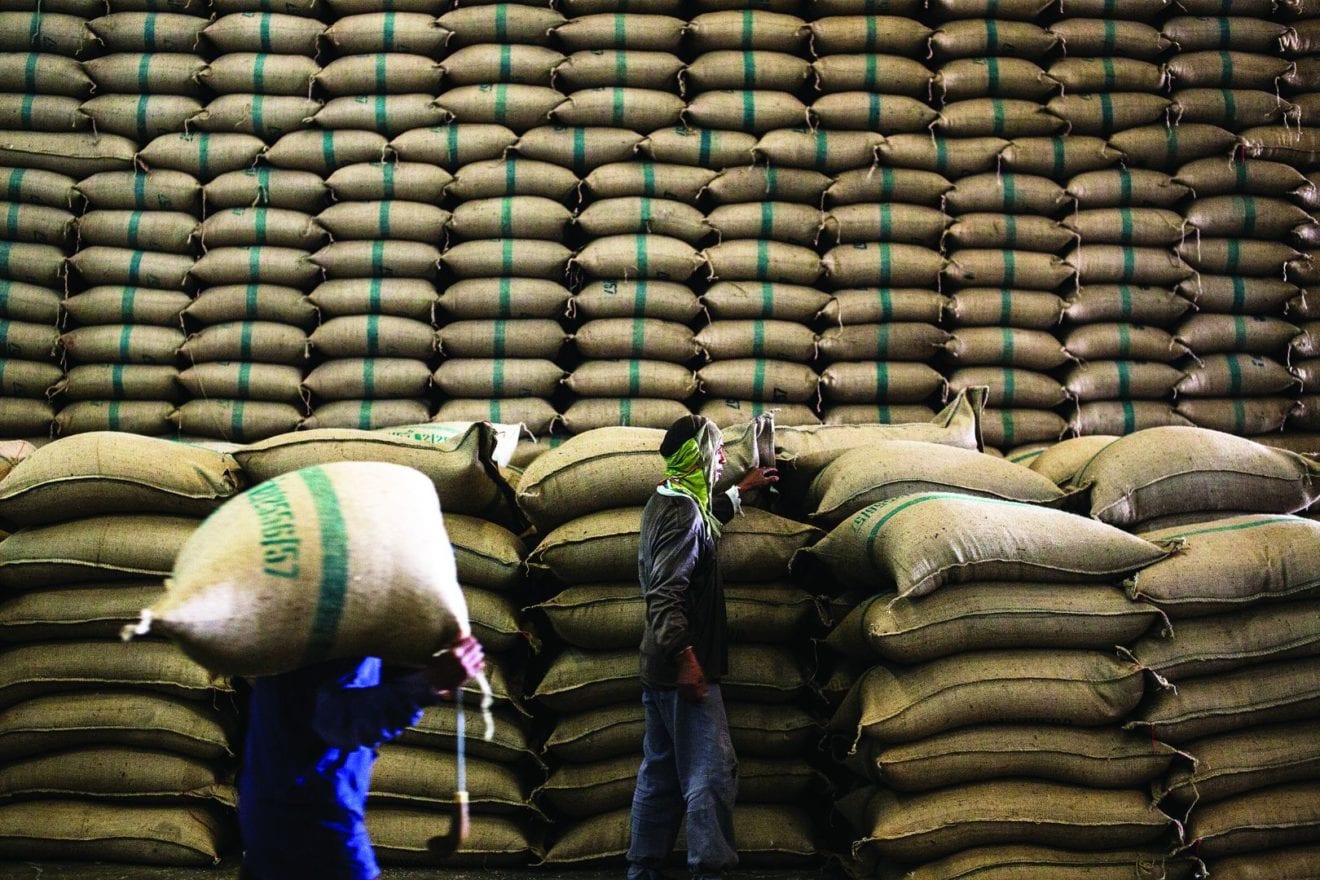
    The Indonesian government has set itself the target of exporting 100 thousand tons of rice to 10 Asian and European countries as part of efforts to increase farm commodity exports this year, an official said.

    The Director General of Agricultural Infrastructure and Facilities of the Agriculture Ministry, Sumarjo Gatot Irianto, said that the 10 destinations to which Indonesian rice would be exported include Malaysia, Singapore and Brunei Darussalam.

    “We plan to export organic rice to Germany,” he said.

    Therefore, the government will make every effort to procure as much rice as possible this year to meet the demand for rice, he said.

    “We have not set any target for procuring rice. What is important is that we must be able to procure as much rice as possible so that we can export the surplus,” he said.

    Above all, the national logistics board (Bulog) must be able to control rice prices at the farmer level by procuring the staple food. This will enable the government-set purchase prices to kick in, he said.

    “If the price of unhusked rice at the farmer level falls, the government will be obliged to buy the rice soon to maintain the rice prices,” he said.

  • Coca-Cola Amatil plans to add two new production lines at its Indonesian facility

    Coca-Cola Amatil plans to add two new production lines at its Indonesian facility

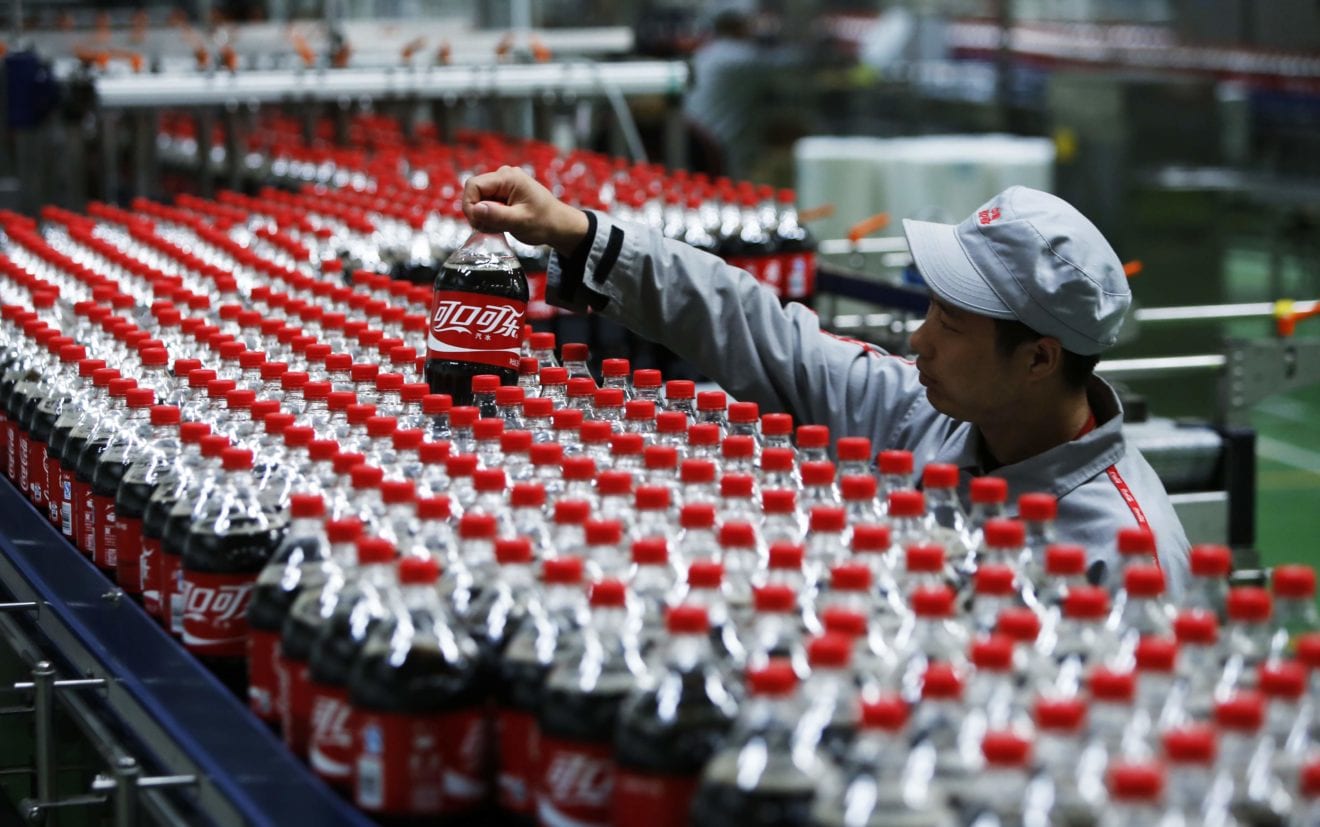
    Coca-Cola Amatil is planning to deploy two new production lines at its Cikekodan Plant in Bekasi, West Java in Indonesia. The expansion of the Cikekodan plant marks the first of the major investments being made by the company in Indonesia.

    Coca-Cola plans to invest around $500m in the country to accelerate growth in the next three to four years.

    Coca-Cola is also planning to invest $63m in the construction of a new distribution center in Surabaya, Indonesia, making it the fourth mega distribution center operated by the subsidiary of Australian-based Coca-Cola Amatil.

    Coca-Cola Company chairman and CEO Muhtar Kent said: “We consider Indonesia a dynamic and promising market and one of the growth engines to achieve our long-term vision.

    “Our company’s US $500 million investment reaffirms our belief in Indonesia and will help us capture the growth opportunity in one of the largest and most dynamic countries in the world as we enable our system to be even more responsive to consumer and customer needs.

    “We believe by creating more jobs and where possible sourcing locally, we can promote the local economy and contribute to economic growth in Indonesia.”

    This latest investment is expected to have give a huge boost to local jobs, taking the Coca-Cola’s total direct and indirect employment in Indonesia from around 60,000 to a total of 135,000 within a span of three to four years.

    However, the investment is yet to receive Indonesian regulatory approval and also subject to CCA non-associated shareholder approval.

    In last October, Coca-Cola announced plans to set up a joint venture with Coca-Cola Amatil’s local Indonesia subsidiary to invest $500m for an equity ownership interest of 29.4%.

    The funding was invested into Coca-Cola Amatil Indonesia (CCAI) operations in Indonesia to expand production, warehousing and cold-drink infrastructure.

    In the past three years, CCAI has commissioned 18 new production lines, installed 150,000 coolers and built three distribution centers to increase production capacity and build local capability with total investments of more than $300m.

    CCA group chairman David Gonski said: “These two new production lines commissioned today are an excellent example of how the US $500 million cash injection is being invested. Coca-Cola Amatil is committed to building a future hand-in-hand with our partners, customers and consumers in Indonesia.

    “The upcoming joint venture is an important step for us in accelerating our efforts to create a strong future for our communities and businesses in the areas in which we operate.”

  • Ban on Leonardo DiCaprio’s Indonesia visit after Rain Forests comment?

    Ban on Leonardo DiCaprio’s Indonesia visit after Rain Forests comment?

    Seems doors of Indonesia have been closed for Leonardo DiCaprio permenantly.This came after the 41-year-old Oscar winning actor and environmental activist’s visit to the Indonesian island of Sumatra last month where he posted to Instagram that the palm oil industry was threatening such wildlife in the Leuser Ecosystem as Sumatran elephants, tigers and orangutans, reports Us magazine.

    “The expansion of palm oil plantations is fragmenting the forest and cutting off key elephant migration corridors, making it more difficult for elephant families to find adequate sources of food and water,” DiCaprio wrote. “A world-class biodiversity hotspot …

    But Palm Oil expansion is destroying this unique place. Now is the time to save the Leuser Ecosystem,” read his Instagram post.Heru Santoso, a spokesperson for the Indonesian government, responded to the post by threatening to prevent the Wolf of Wall Street actor from visiting the Southeast Asian country again.”We support his concern to save the Leuser ecosystem. But we can blacklist him from returning to Indonesia at any time if he keeps posting incitement or provocative statements in his social media,” he said.

  • Sugarcane production feared to shrink on unfavorable climate

    Sugarcane production feared to shrink on unfavorable climate

    The Association of Indonesian Sugarcane Farmers (APTRI) said that the countrys production of sugarcane might decline on unfavorable climate.

    The year 2016 would be a difficult period for sugarcane growers in the country, the General Chairman of APTRI Arum Sabil said.

    Lengthy drought in 2015 affected vegetation and fertilization was not maximum that sugarcane production could decline in 2016, Arum said here on Monday.

    “It is beyond human power. We could only hope that the dry season and rainy season would not too lengthy,” he said.

    The natural condition is one of the factors causing sugar fields to shrink in 2015, he said.

    “The sugarcane plantations decreased 20 percent in size to 475,000 hectares and the productivity shrank 10-15 percent in 2015,” he said.

    One of the causes was lack of attention of the government to the condition faced by sugarcane farmers, he said.

    “At that time fertilizers were not easily available for farmers that the crop could not grow well,” he added.

    Therefore, if the government wanted success in achieving the target of self sufficiency in sugar supply in 2018, it must improve distribution of fertilizers and revitalize sugar factories, he said.

    He suggested that fund should be set aside for the revitalization of sugar factories in the state budget instead of relying only on state companies.

    However, state-owned plantation company, PT Perkebunan Nusantara (PTPN) X predicted a better year in 2016 setting a higher production target for sugar.

    The largest sugar producer among state companies has set its sugar production target at 475,000 tons in 2016 or a 10 percent growth from production of 431,020 tons in 2015.

    “Sugar content is also expected to increase to 8.5 percent from 8.3 percent in 2015,” Subiyono , the president director of the company, was quoted as saying earlier this week.

    With the production target, PTPN X would continue to be the largest sugar producer among state plantation companies in Indonesia, Subiyono said.

    He said he was optimistic the production target could be achieved despite fear of the impact of weather anomaly.

    The company would carry out revitalization both on farm and off farm (factory).

    Revitalization on farm would be carried out by using high yield seed variety and off farm revitalization would improve efficiency, he said.

    Efficiency of factory would be made through electrification reducing the use of coal for fuel , efficiency of grinding machines to reduce losses in the process of production and improving efficiency in supply of sugarcane.

    “The entire processes are important to be more competitive, which is determined by success in cutting production cost,” he said.

  • Pertamina to launch new oil fuel products Turbo

    Pertamina to launch new oil fuel products Turbo

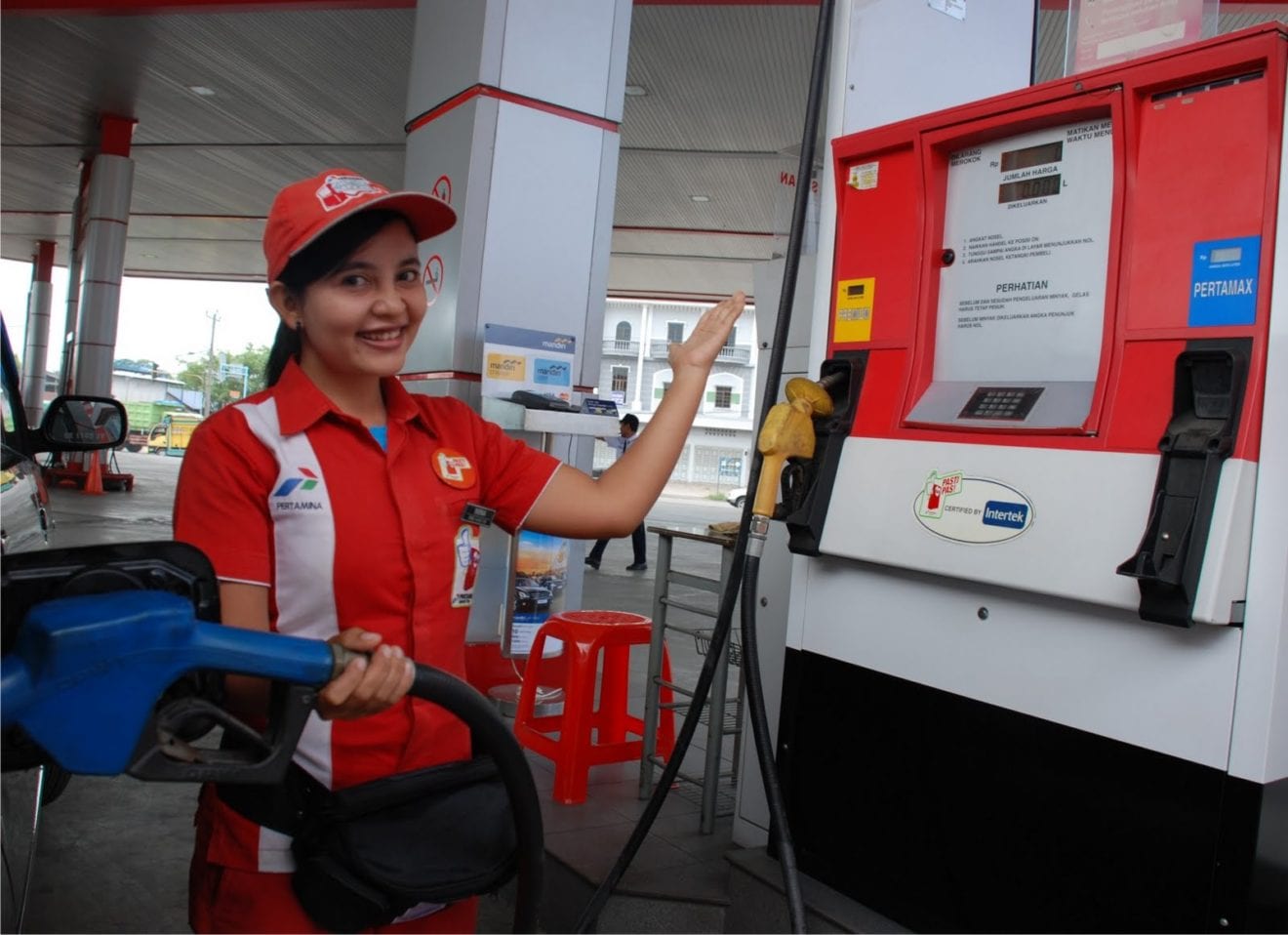
    Pertamina will soon launch a new oil fuel product Turbo with Research Octane Number (RON) 98 to expand the market of its non subsidized oil fuels.

    General Manager of Pertaminas southern Sumatra Regional Marketing Operation Herman M. Zaini said the production of Turbo is part of the companys bid for survival amid the shrinking prices of oil now diving to as low as US$35 per barrel.

    “After the success in launching Pertalite Pertamina will soon come up with Pertamax Turbo to give more choices for the consumers of non-subsidized oil fuels, and to reduce the consumption of subsidized oil fuel,” Herman said here on Tuesday.

    He said currently Pertamina is focused more on business in the downstream sector as business in the upstream sector which normally contributes 70 percent to its income, has suffered badly with deficit as a result of oil price fall.

    The decline in business in the upstream sector, however, has positive effect as it forced Pertamina to innovate and turn out new marketable products in the country and abroad, he said.

    Previously Pertamina had only gasoline products of Premium with RON 88, Pertamax RON 92, Pertamax Plus 95, and Pertamax Racing RON 100, but now it also has Pertalite RON 90 and soon there would be Pertamax Turbo, he said.

    “Currently Pertamina exports lubricant oil to 26 countries including Middle east countries. And now Pertamina is seeking contract for supplying oil fuels for fuel filling stations in Myanmar. Tender is being in the process,” he said.

    If Pertamian won the tender, it will build 1,360 public fuel filling stations in cooperation with Myanmar state company Myanmar Petroleum Products Enterprise, he said.

  • Government to boost export of automotive components to Eurasia

    Government to boost export of automotive components to Eurasia

    The Indonesian Ministry of Trade is working to boost the export of products such as automotives, components and accessories to markets in Europe and Asia (Eurasia) in a bid to strengthen non-oil exports.

    “Through the largest exhibition of products of components, automotives and accessories, Indonesia is determined to penetrate Eurasia. This is a big opportunity for us,” Director General of the National Export Development of the Trade Ministry, Nus Nuzulia Ishak, stated here on Tuesday.

    Ishak said his side is targeting the European and Asian markets, especially Turkey, by bringing seven companies through Automechanika Istanbul 2016 event, scheduled for April 7 to 10 in Tuyap Convention and Congress Center, Istanbul, Turkey.
    The Ministry of Trade expressed the hope that the exhibition will enable big time purchase of various products, especially vehicle batteries, oil filters and vehicle tires.

  • Filipino Business Community in Indonesia Launches Business Club

    Filipino Business Community in Indonesia Launches Business Club

    The Filipino business community in Indonesia has launched the Philippine Business Club Indonesia (PBCI), a business association representing private sector interests to promote and strengthen business, economic, and socio-cultural ties between the Philippines and Indonesia.

    “I am very optimistic about the potential of this business association, and we look forward to the activities and projects that the PBCI will undertake this year and in the coming years to ensure that its members can take advantage of new avenues for trade, investment, and economic cooperation between the Philippines and Indonesia,” Deputy Chief of Mission of the Philippine Embassy in Jakarta Robert Manalo stated at the launch here recently.

    The initiative signals the Filipino communitys greater commitment to building a stronger and strategic relationship with Indonesia.

    “Indonesia is the largest market in the ASEAN, representing almost half of its population. With the implementation of the ASEAN Economic Community, we are facing a historic opportunity to support a vital and growing Philippine private sector, one whose expanding interests show a more global outlook amid the economic integration in the region,” remarked Antonio Capati, chairman of the PBCI.

    The PBCI will endeavor to promote, strengthen, and foster cooperation and collaboration among its members in pursuing the commercial and social interactions of companies, individuals, and organizations dedicated to the development of trade, investments, and people-to-people cooperation between the Philippines and Indonesia.

    The PBCI will work closely with the Philippine Embassy and the Philippine Trade and Investment Center in Jakarta, business chambers, respective public and private sectors, and other key stakeholders in the Philippines and Indonesia to realize its objectives. The club will host seminars, conferences, trade & investment briefings, trade missions, matchmaking, and networking events.

    Additionally, the club will undertake special projects to contribute to business and social development in the Philippines and the ASEAN.

  • President Jokowi to Inaugurate 5 Ports in Eastern Indonesia

    President Jokowi to Inaugurate 5 Ports in Eastern Indonesia

    Having inaugurated Wasuir Port at Wondama Bay, Teluk Wondana District, West Papua Province yesterday, President Joko Widodo today, Wednesday, April 6, 2016, will inaugurate five ports which connect Eastern Indonesia regions.

    Head of Transport Department of North Halmahera Yudihat Noya said that five ports to be inaugurated by Jokowi today is centered at Tobelo Port, North Halmahera, North Maluku Province. “All was built with multi-year budget amounted to Rp739 billion,” he said.

    Tobelo Port which has started to be built in 2008 is planned to be made as passenger and cargo port. The construction include Cargo General Pier and Passenger Pier.

    Other port to be inaugrated is Galela Port, which construction was started in 2006 and completed in 2015 with total budget of Rp35.4 billion. The port is made along with a pier, a causeway and a trestle.

    Galela Port is a local passenger port which is also located in North Halmahera District and functioned as a sea transport base for North Halmaher District residents. “Tabelo Port and Galela Port connect five districts in Halmahera Island,” Yudihat said.

    Jokowi will also inaugurate Tutu Kembong Port in Saumlaki Island, West Maluku Tenggara. The port is built to support passenger transport and local community economy.

    Other two ports are Wonreli Port and Teor Port. The two ports are also built for local passengers in Maluku waters. The functions of the two ports will be improved with the construction of container terminals in 2035.

  • Cinemaxx to Open First D-BOX Theatre in Indonesia

    Cinemaxx to Open First D-BOX Theatre in Indonesia

    D-BOX Technologies and PT Cinemaxx Global Pasifik (Cinemaxx), affiliate of Indonesia’s Lippo Group, are pleased to announce the conclusion of an agreement to install D-BOX immersive motion systems into the first auditorium in Indonesia in 2016.

    “The addition of D-BOX reinforces our commitment to give moviegoers the best cinematic experience possible” declared Mr. Mohit Dubey, President of Cinemaxx. “The D-BOX brand has international notoriety and we are absolutely convinced that today’s agreement, which may expand over time, will be a tremendous success for our business and the satisfaction of our guests.”

    “This announcement marks yet another milestone in our international expansion. Teaming up with an exhibitor like Cinemaxx is an important step in our mission to build on our presence throughout Asia”, mentioned Claude Mc Master, President and CEO of D-BOX Technologies. “Indonesia, the fourth most populous country in the world, is on an upward growth path. It also has a relatively young population which enthusiastically responds to the type of entertainment we provide”, added Mc Master.