Tag: Indonesia

  • New release: Mango Ramadan fashion range

    New release: Mango Ramadan fashion range

    Spanish fashion brand Mango has launched a range of Ramadan styles, including special festive garments.

    For more than 10 years the brand has been globalising its collections for different markets. Its special-collections department develops exclusive designs in line with the cultural and religious norms of different countries.

    The Mango Ramadan fashion offer includes casual garments such as jackets, kaftans, flowing jackets, oversized shirts, leggings and tunics made of fabrics such as poplin and imitation suede. There are also festive garments such as long dresses and double-layer body wraps (relaxed or fitted), plus midi-skirts made of fantasy fabrics. Satin finishes, lurex and laminated fabrics play a key role, as does lace.

    While the Spanish market is key for development, the brand has about 80 per cent of turnover in other countries. There are more than 2200 Mango stores in 109 countries.

  • Central Group Vietnam halts buying spree

    Central Group Vietnam halts buying spree

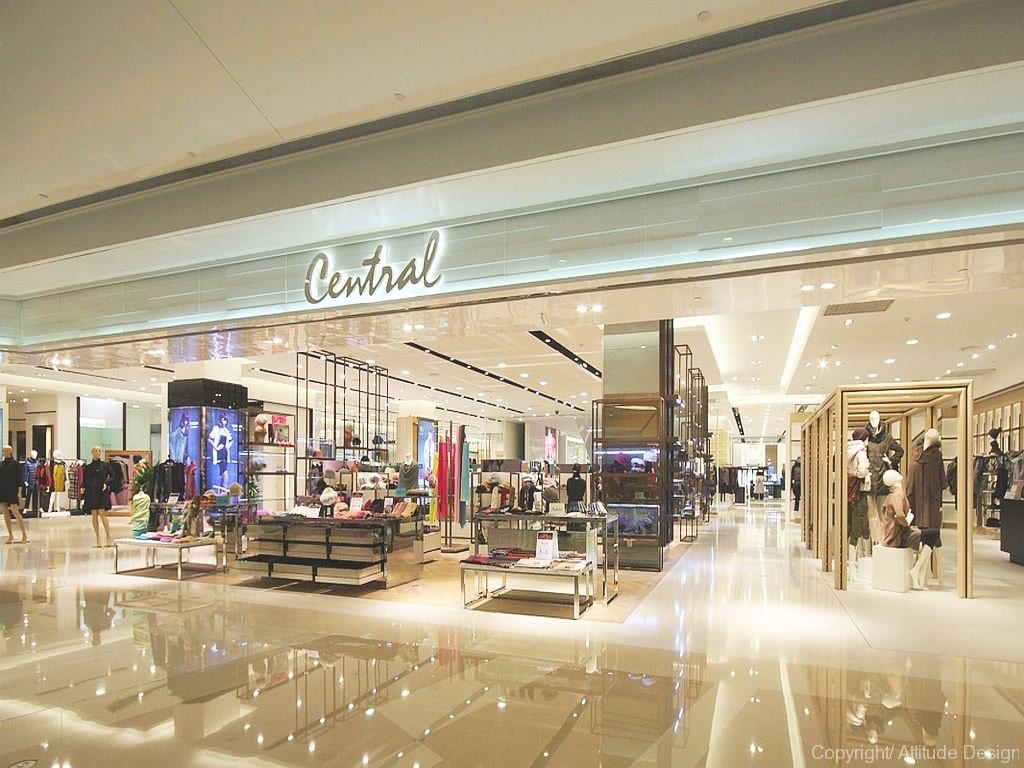
    Thai retailer Central Group Vietnam is putting the brakes on its acquisition spree to focus on consolidating profit, according to media reports.

    Deputy group CEO Prin Chirathivat says Vietnam is shaping up as a second home for the Central Group, with the company having established three Robins Department Stores there, acquired a 49 per cent stake in electronics retailer Nguyen Kim, taken over fashion eCommerce site Zalora Vietnam from Germany’s Rocket Internet, and bought out Big C Vietnam for $1.1 billion.

    Prin has told The Nation that he realises it is time to reap profit from the businesses in Vietnam, with the depreciation of fixed assets putting pressure on profitability despite positive cash flow.

    But while Central has decided to pull back on buying, he says it does not want to miss any interesting inorganic growth opportunities.

    Its biggest equity investment has been taking over 30 Big C Vietnam supermarkets, for which it secured a bridging loan from Bangkok Bank, according to the Bangkok Post. Central will use Zalora to strengthen the channels of local partner Nguyen Kim as well as its Robins stores.

    The Thai group still considers Vietnam as an important market, buoyed by a growing economy and high purchasing power. But it still has plans for Indonesia, including opening five more department stores in Jakarta and Surabaya by 2017.

    Back in Thailand, Central Group no longer owns Big C SuperCentre, but has acquired the Zalora business there.

  • Axiata Q1 profit falls 37% on rising costs

    Axiata Q1 profit falls 37% on rising costs

    Malaysia-based Axiata Group has reported a 37% slump in net profit for the first quarter ending in March, due in part to higher capex, financing and depreciation costs.

    Net profit fell to 368 million ringgit ($90.1 million) despite a 5.4% year-on-year increase in revenue to 5 billion ringgit.

    Axiata’s domestic subsidiary Celcom Axiata had what the company called a “challenging quarter,” with revenue declining 13.4% year-on-year.

    As a result of new regulations, Celcom had to temporarily suspend almost all value added services during the quarter due to customer complaints, resulting in VAS revenue falling by 19.8%. Celcom’s normalized profit fell 22.3%.

    But Indonesia’s XL Axiata had a strong first quarter, with net profit more than doubling and revenue growing 2.5% as a result of the strong performance of the Axis brand, acquired in 2014.

    Axiata Group also reported a steady performance in its emerging markets segment of Sri Lanka, Bangladesh and Cambodia. But the contributions from regional associates Idea Cellular in India nd M1 in Singapore both declined.

    “The first quarter showed mixed results with XL, Dialog and Smart performing exceptionally well while Celcom’s performance impacted the Group’s results,” Axiata Group CEO Dato’ Sri Jamaludin Ibrahim said.

    “However, I am pleased to note there are many positive signs; Celcom has been aggressively rolling out more LTE sites and a number of competitive and exciting data products and services over the last two months. I am confident with these initiatives in place, Celcom will be back on track to finish the year respectably.”

  • Lion Air should not just return passengers` tickets

    Lion Air should not just return passengers` tickets

    The airline company, Lion Air, should not resort to merely returning passengers tickets after it postponed 277 flights following sanctions imposed by the ministry of transportation, a consumer institute has said.

    “The Lion Air management should transfer the passengers tickets to other airlines, instead of only returning the tickets purchased by them,” Chairman of the Indonesian Consumers Institute (YLKI), Tulus Abadi, demanded here on Monday.

    He argued that while the Lion Airs decision to postpone 277 of its flights for one month did not basically violate any rule, it should also not violate consumers rights.

    “The ministry of transportation should supervise this strictly to prevent the company from violating consumers rights,” he stressed.

    The ministry of transportation has imposed a sanction on the Lion Air, freezing its flights for five days for having recently disembarked international passengers from Singapore at the domestic terminal of Soekarno Hatta Airport.

    The management of Lion Air opposed the sanction by reporting the directorate general of air transportation to the police and postponed 277 of its flights for a month.

    Tulus was of the view that the Lions legal move to oppose the ministry of transportations sanction was rather awkward.

    “It is rather an anomaly. Probably this is the only case of its kind in the world where the operator is taking a stand against the regulator.”

    On May 10, Lion Air pilots went on strike at the Soekarno-Hatta Airport on Tuesday, leading to a delay in the low-cost carriers flights to several regions in Indonesia.

    The corporate secretary of state airport operator, Angkasa Pura I, Farid Indra Nugraha, explained in a press statement released on Tuesday that his side has been in close touch with the representatives of the Lion Air Group at the airport.

    Farid claimed that his side had made efforts to ensure that the airline is able to serve the passengers despite the delay in flights.

    “In response to the Lion Air pilots strike at several airports under the purview of Angkasa Pura I, we call on the passengers to understand the conditions and be patient,” he pleaded.

    The strike led to a delay in Lion Air flights from Sam Ratulangi Ariport in Manado, North Sulawesi, Sultan Hasanuddin Airport in Makassar, South Sulawesi, Lombok International Airport in West Nusa Tenggara, I Gusti Ngurah Rai Airport in Bali, and Adisutjipto Airport in Yogyakarta.

    Public relations manager of the Lion Air Group, Andy M Saladin, denied that the pilots had gone on strike because they had not received transport allowances.

    “There is no strike. The airlines operations have returned to normal,” he pointed out.

    Meanwhile, Lion Air President Director Edward Sirait insisted that the fact that some of the airlines pilots fell sick, coupled with an administrative problem, was what had led to flight delays.

    “We, on behalf of the Lion Air Management, apologize for the inconvenience,” he said.

  • Child labour used in Indonesian tobacco production, says NGO

    Child labour used in Indonesian tobacco production, says NGO

    International non-governmental organisation Human Rights Watch (HRW) said on Wednesday that child labour is used in tobacco plantations in Indonesia, whose harvest supplies local and foreign tobacco companies.

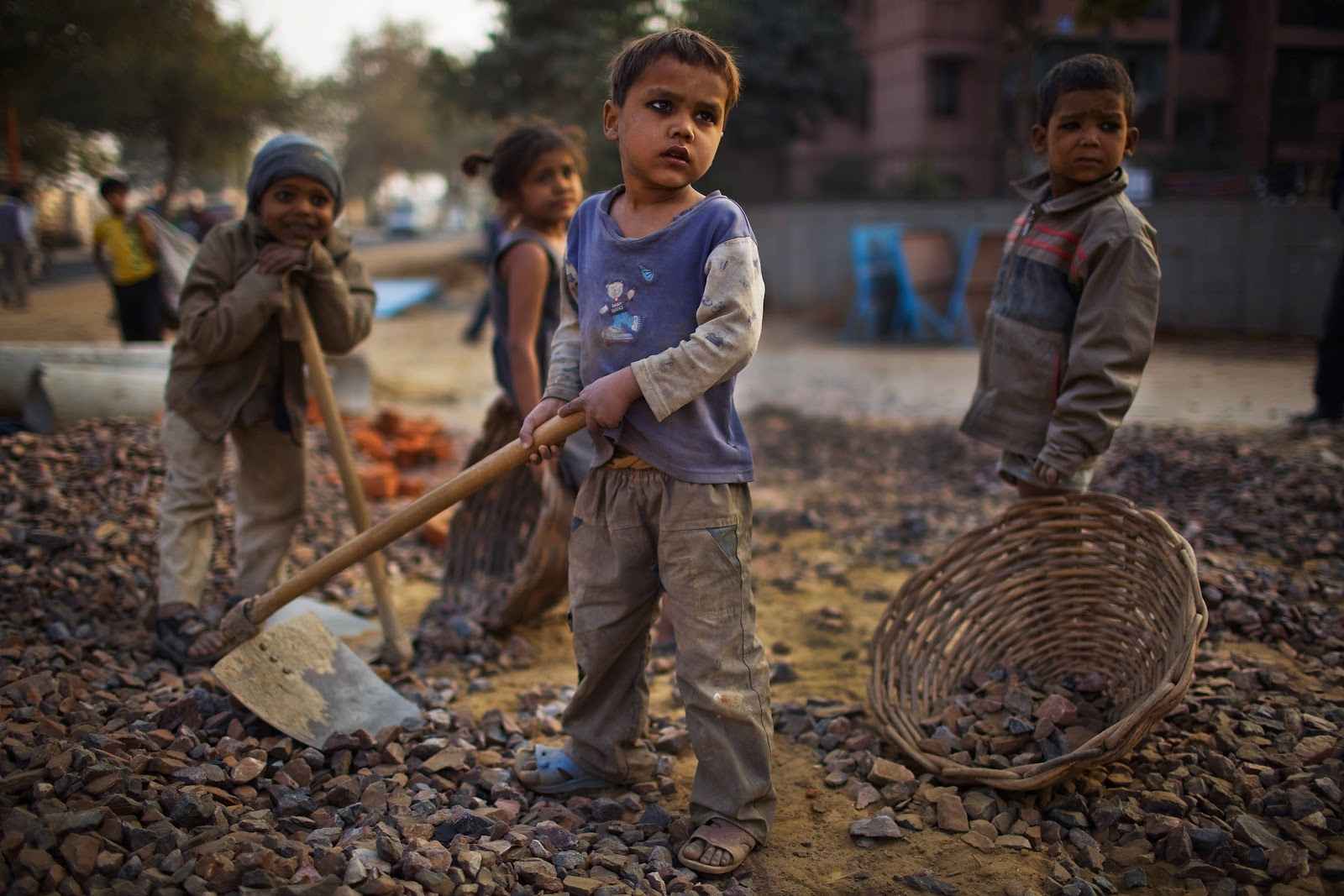
    Children, some of whom are just eight years old, are exposed to nicotine, handle toxic chemicals or use dangerous tools in extreme heat, HRW said in a report titled ‘The Harvest is in My Blood: Hazardous Child Labour in Tobacco Farming in Indonesia’, EFE news reported.”Tobacco companies are making money off the backs and the health of Indonesian child workers,” HRW researcher and report co-author Margaret Wurth said in a statement.Wurth and her team interviewed 132 children working in plantations in four Indonesian provinces, half of whom reported symptoms of acute nicotine poisoning from absorbing nicotine through their skin.The children are also exposed to pesticides and other chemicals which are linked to respiratory problems, cancer and depression.

    HRW urged companies to ban suppliers from employing children and called on the Indonesian government to regulate the tobacco industry and launch an education campaign to spread awareness about the health risks faced by children.Indonesia is the world’s fifth largest producer of tobacco, with over 500,000 plantations which employ more than 1.5 million children aged between 10 to 17 years, according to International Labour Organization data.Although Indonesia’s laws stipulate the minimum age for work at 15 and forbids those under the age of 18 from carrying out hazardous work, the tobacco industry still flouts these rules, according to HRW.

  • Ducati eyes gold in Indonesia’s big bike market

    Ducati eyes gold in Indonesia’s big bike market

    With the opening of its flagship store in Jakarta, Italian-based luxurious motorcycle manufacturer Ducati expects it will be able to tap into Indonesia’s growing big motorcycle market.

    The store, located in an elite area of Kemang, South Jakarta, opened up for the public on Monday and will serve as Ducati’s complete dealership, one-stop service, spare parts provider and certified used-bike re-seller in Indonesia.

    Garansindo Euro Sports, the new sole distributor of the Italian motorcycles, has allocated at least Rp 80 billion ( US$6 million ) in investment to finance the store and other sales supporting facilities including after-sale services.

    The store has started selling Ducati’s products such as the Monster 795, the Hypermotard, Multistrada, as well as Scrambler Ducati bikes like the Icon, Classic and Urban Enduro.

    The motorcycles carry an off-the-road price tag of between Rp 199 million and Rp 899 million. The Ducati Monster 1100, for example, sells for Rp 345 million, excluding taxes and other levies.

    Garansindo’s managing director Dhani Yahya said the 3,000 square-meter store was Ducati’s largest dealership in the world after the company’s distribution outlet in New Delhi, India.

    “This ambitious investment is expected to expand our market, which was previously considered inaccessible for our potential buyers and customers,” he said on Monday.

    Ducati’s service workshop is part of the flagship store and is able to handle up to 16 bikes per day. The workshop provides original Ducati spare parts imported directly from its plant in Thailand.

    Despite the country’s weak motorcycle sales, which continue to face pressures due to the country’s economic slowdown, Ducati is optimistic about the Indonesian market, given the country’s growing middle class.

    Dhani said that the market response toward Ducati motorbikes was positive so far as seen from the 2016 Indonesian International Motorshow, held in Jakarta last month. During the two-week exhibition, Garansindo managed to sell 52 Ducati motorbikes, a number Dhani said was a sizable one for premium bike sales.

    “The high number of purchased bikes last month proved that we can still generate large enthusiasm in this country,” he said.

    The opening of the flagship store is Garansindo’s first Ducati dealership after the distributor took over from PT Supermoto Indonesia last January. Dulcati’s sales declined last year and its old dealerships in Jakarta stopped operating after Supermoto Indonesia failed to maintain the business.

    To reverse Ducati’s mediocre sales history in Indonesia, Garansindo plans to open at least 12 branches across the archipelago by 2019.

    “Of course at present we will focus on developing this Kemang flagship store, but by 2019 we expect to add 12 more dealerships in places like Jakarta, Surabaya, Bandung and Bali,” Garansindo president director Mohammed El Abdullah said.

    One of Ducati’s customers, Firman Saladdin, said he expected better aftersales services after the dealership opening.

    “As a loyal customer, I want Ducati to improve its services and add more exclusive spare parts,” the Jakarta-based business consultant said.

  • Astra car sales down 2.7 percent to 208,804 units in Q1

    Astra car sales down 2.7 percent to 208,804 units in Q1

    The countrys largest automotive company PT Astra International recorded a 2.7 percent decline year-on-year in car sales to 208,804 units in the first four months of the year.

    Based on data at the Indonesian Association of Motor Vehicle Industries (Gaikindo), Low Cost Green Cars (LCGC) contributed 34,209 units to the total sales by Astra Group.

    The sales in the first four month, however, was on the rise from 47,159 units in January to 49,933 units in February, to 54,508 units in March and to 57,204 units in April.

    The Astra group produces and sells Toyota, Daihatsu, Isuzu, Peugeot cars and UD Trucks. Sales have continued to be dominated by Toyota with sales reaching 111,710 units in the January-April period.

    Peugeot sales were the lowest in number reaching only 14 units. Sales of Daihatsu cars totaled 56,854 units, Isuzu 5,490 units, and UD Trucks 527 units.

    Sales of motorcycles produced by PT Astra Honda Motor (AHM) reached 1,439,241 units, down 13.5 percent from 1,664,395 units in the same period last year.

    Sales of non Astra cars in the first four months of the year totaled 177,316 units down 1.67 percent from 180,340 units in the same period last year.

    Sales of non Astra motorcycles totaled 543,263 units.

  • AirAsia, budget carrier set to soar in Asean open skies

    AirAsia, budget carrier set to soar in Asean open skies

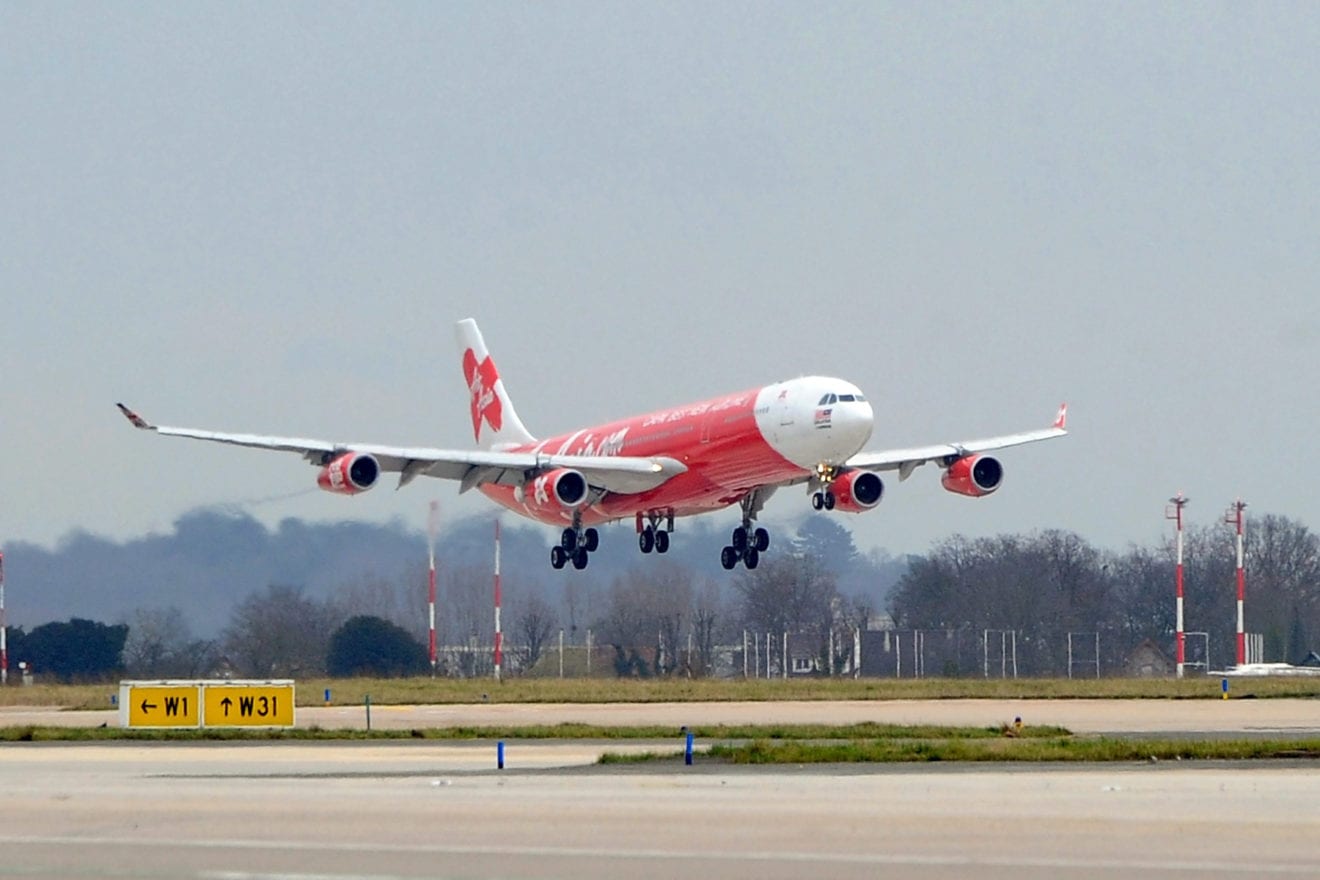
    Low-cost airline groups and manufacturers of smaller passenger aircraft will be among the main winners after Southeast Asia’s open skies agreement finally came into effect last month, although airport capacity constraints could limit the benefits.

    Ratification of the Association of Southeast Asian Nations (ASEAN) open skies agreements by Indonesia and Laos in April lifts restrictions on capacity and competition, allowing airlines to launch unlimited flights from their home to any point in the region subject to airport slot availability.

    Hubs like Singapore, which have a clear expansion plan, could gain from an increase in air services, as will budget carriers which are ideal for a region where no two points are more than a few hours apart, say analysts.

    “Airlines can launch any number of international flights as the market can support,” said Alan Tan, an aviation law professor at the National University of Singapore. “Travellers can thus look forward to more flights at more competitive prices.”

    Dominant low-cost airlines like Malaysia’s AirAsia , Indonesia’s Lion Air, and Philippine carrier Cebu Pacific plan to do just that.

    AirAsia, for example, wants more international flights from the Philippines and Indonesia, a spokeswoman said. This will help its affiliates, which have found it tough to break into the domestic market in those countries.

    “Improved connectivity in the region will be a boon to tourism and strengthen ASEAN as an economic union,” the spokeswoman said.

    Full service airlines like Thai Airways, Garuda Indonesia and Philippine Airlines, which have lost market share to budget carriers over the last decade, say they plan to use their long-haul network to connect passengers to their Southeast Asia services.

    The Singapore Airlines group has an additional advantage, given its ability to operate services using two premium brands and two low-fare subsidiaries, analysts say.

    The opening up of regional destinations can also boost manufacturers of 70-130 seater aircraft, like Brazil’s Embraer , Canada’s Bombardier and ATR, a joint venture between Airbus and Italy’s Finmeccanica.

    These planes can serve some routes more profitably than the larger Airbus A320s and Boeing 737s, they say.

    “Many of the region’s airlines are beginning to recognise the potential advantage of right-sizing and the ratification of ASEAN open skies, we feel, will simply accelerate the process,” said Mark Dunnachie, who leads Embraer’s aircraft sales in the Asia-Pacific.

    HUBS LIMIT GROWTH

    While there will clearly be winners from the open skies deal, the full gains could be limited by airport constraints.

    Bangkok’s Suvarnabhumi Airport, Ninoy Aquino International Airport in Manila, and Jakarta’s Soekarno-Hatta International Airport serve Southeast Asia’s three biggest domestic markets of Thailand, the Philippines and Indonesia respectively.

    All have reached full capacity with congestion and delays the norm, creating spillover problems for smaller airports in those countries as well.

    “Unlimited flight capacity is meaningless if airport and slot congestion remains unaddressed by governments,” Tan said.

    Singapore’s Changi Airport is the exception. Despite having relatively little domestic traffic, it has three terminals which can handle 66 million passengers and served 55 million in 2015, the most in Southeast Asia. Work has begun on two more terminals.

    Such long-term national aviation policies are needed due to the lengthy gestation period for terminals and runways, said Vinoop Goel, Asia Pacific director for airports at the International Air Transport Association (IATA), a global airline trade body.

    IATA estimates that ASEAN countries can add almost 25 million jobs and $298 billion to the region’s GDP by 2035 if they invest in aviation infrastructure. This is up from 11.6 million jobs and $144.4 billion to GDP in 2014.

    “Clearly, failing to tackle airport infrastructure will have an economic cost,” Goel said.

  • Woori Bank to offer insurance products in Indonesia, Vietnam

    Woori Bank to offer insurance products in Indonesia, Vietnam

    South Korea’s commercial bank Woori Bank will join hands with local insurance companies to provide insurance service and products from its global outlets starting with its local unit in Indonesia.

    According to bank sources, the bank will be able to sell insurance products of Hanwha Life Insurance Co. through its Indonesian unit Bank Woori Saudara in the second half of this year. The bank wants to establish up to 300 outlets across the globe and decided to add insurance service, a bank official said.

    Hanwha Life Insurance’s Indonesian operation was established in October 2013 and currently has eight branches and 1,200 insurance planners. It will sell savings insurance products like variable annuity through 131 Bank Woori Saudara outlets. The partnership will be a win-win arrangement for the two since they can save costs by mixing business and sharing business.

    Depending on demand, Woori Bank will also sell non-life insurance products of Samsung Fire & Marine Insurance Co. and KB Insurance Co. via its Indonesian operation.

    Woori Bank will also target Vietnamese bancassurance market in partnership with Hanwha Life Insurance. The bank has two branches in Ho Chi Minh and Hanoi in Vietnam. Since the branches have the license to sell bancassurance products, it plans to sell saving insurance products of Hanwha Life Insurance and later products of Samsung Fire & Marine.

    Hanwha Life ranked eighth in terms of new insurance contracts in Vietnam last year. The insurer has 12,500 insurance planners in 54 branches.

    According to Woori Bank, the Indonesian life insurance market has almost doubled from $5.3 billion in 2010 to $9.8 billion in 2014. Vietnam showed similar growth.

  • Shinhan Bank officially launches its Indonesian operations

    Shinhan Bank officially launches its Indonesian operations

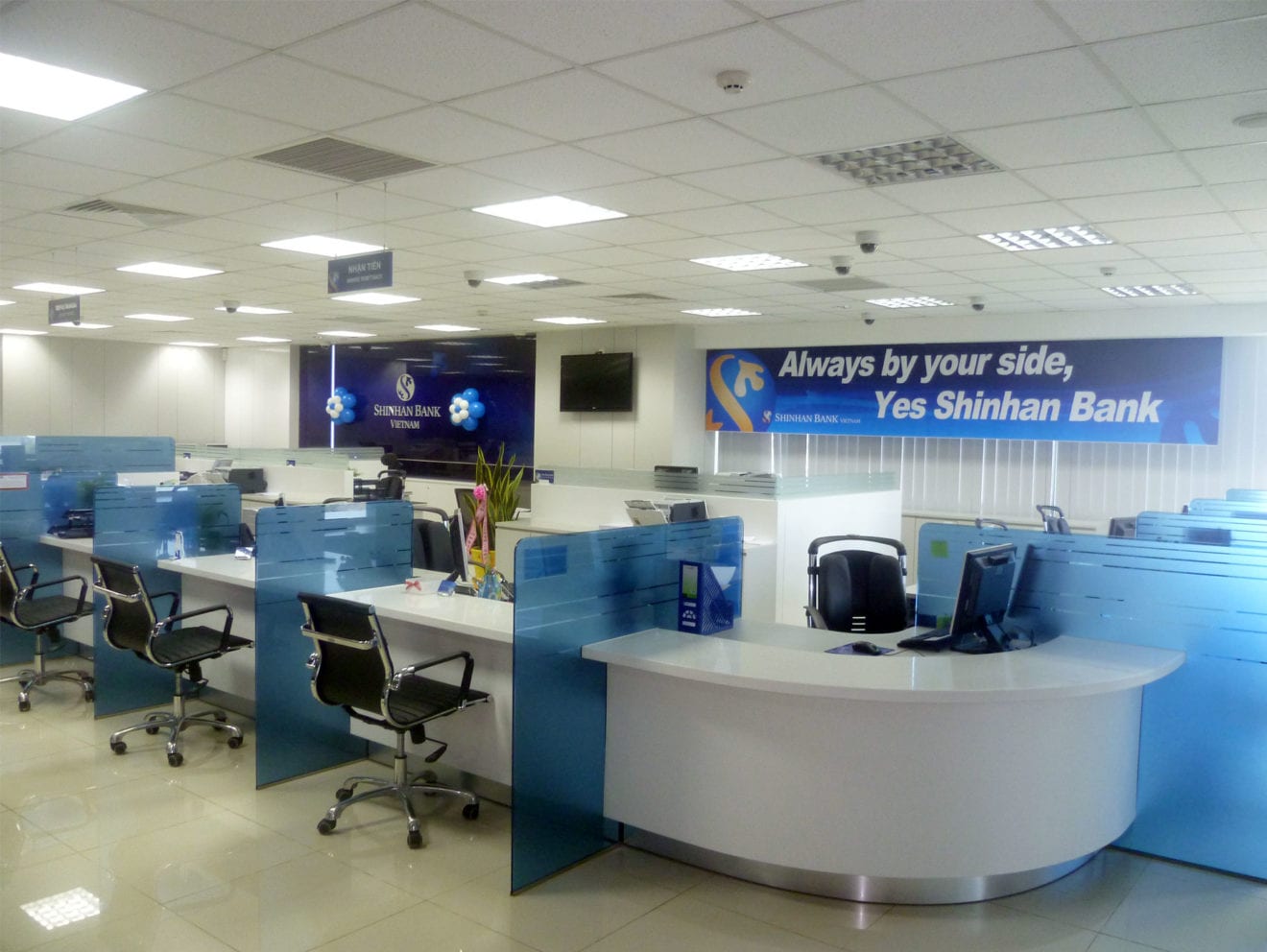
    South Korea’s Shinhan Bank has embarked on operations in Indonesia via Shinhan Bank Indonesia, a move that is expected to help the Korean bank expand its presence not only in the Southeast Asian country but also across Asia.

    Shinhan Bank said on Tuesday it officially launched Shinhan Bank Indonesia, which was renamed from Bank Metro Express (BME), a Jakarta-based bank with 19 branches that was acquired by the Korean bank last year. Shinhan Bank Indonesia is newly headquartered in the International Financial Center Tower 2 in Jakarta, the capital city of Indonesia.

    The kickoff of Shinhan Bank Indonesia’s operations follows a series of launches of the Korean bank’s overseas operations in other Asian countries such as Japan, China and Vietnam in recent years. The latest overseas operation is expected to help Shinhan Bank achieve its ambitious goal to build an extensive financial network across Asia.

    The Korean bank also aims to merge Shinhan Bank Indonesia with Centratama Nasional Bank (CNB), another Indonesian bank that it took over last December, later this year. The Indonesian bank has 41 branches across Surabaya, the second biggest city in Indonesia, and other cities in Java Island.

    Once the merger is complete, the Korean bank would have 60 networks across Indonesia, the world’s fourth most populous country. It currently has 141 overseas networks across 19 countries. It would also be the first in the Korean banking industry to purchase two offshore banks and merge them.

    Cho Yong-byung, the president of Shinhan Bank said at the launching ceremony on Tuesday that he expects the merger of the two Indonesian banks would set a new milestone in Indonesia.

  • First Hilton Branded Hotel in Bali, Indonesia

    First Hilton Branded Hotel in Bali, Indonesia

    Hilton Worldwide today announced the signing of a management agreement with P.T. Caterison Sukses to manage and re-brand the Grand Nikko Bali as Hilton Bali. The 408-room resort, located on Jalan Raya Nusa Dua Selatan, is planned to open on December 1, 2016.

    “We are deeply committed to expanding our presence in Indonesia, both by introducing more brands from our portfolio of 13 brands as well as entering into new locations where we may not currently be operating. Today’s announcement underscores both the Hilton brand’s strength in this market as well as our management capability to drive exceptional experiences for both guests and owners,” said Guy Phillips, senior vice president, Development, Asia and Australasia, Hilton Worldwide. “In partnership with P.T. Caterison Sukses, the Hilton Bali will be a strong addition to our portfolio.”

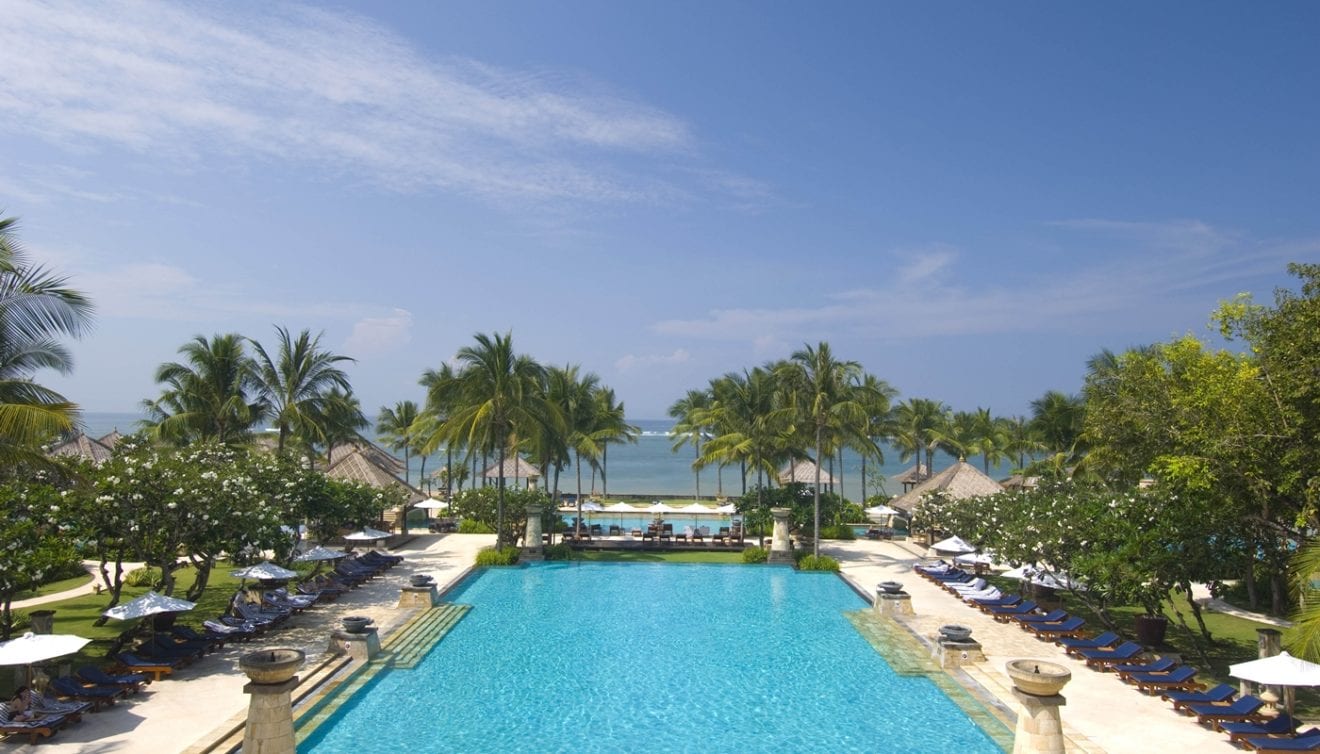
    Hilton Bali is ideally located on Bali’s picturesque southern coast of Nusa Dua, which is famed for its beaches. The resort is approximately 16 kilometers from Ngurah Rai International Airport and the district of Kuta. Hilton Bali is also close to many watersports facilities and adventure sports service providers that offer various fun-filled options including jet packs, jet skis, para-gliding and dive trips.

    “As our flagship brand, Hilton Hotels & Resorts resonates strongly with both leisure and business travelers alike. Hilton Bali will open as a stylish resort offering world-class hospitality synonymous with the Hilton brand and we are delighted to see this beautiful resort join our outstanding global portfolio of more than 570 hotels and resorts,” said Sean Wooden, vice president, Brand Management, Asia Pacific, Hilton Worldwide.

    Situated on the waterfront with its own stretch of secluded beach and offering stunning views of the Indian Ocean from its clifftop location, Hilton Bali will offer 389 rooms and 19 one-, two- and three-bedroom villas with beachfront, ocean or garden views. The hotel will have five food and beverage outlets including an all-day dining restaurant, specialty restaurants and a bar. Extensive meetings and banqueting facilities spanning 3,737 square meters will include several meeting rooms, two conference centers with two ballrooms that can accommodate 1,500 people, as well as beachfront, cliff-top and poolside venues that are perfect for outdoor weddings. The hotel features four inter-connected swimming pools, a children’s lagoon, three tennis courts, and a fitness center. Guests will also have access to a kids’ club and an observation tower that offers panoramic views of the Indian Ocean.

    “We are pleased to partner with a global hospitality leader that has a legacy of success and a strong luxury brand that is recognized across the globe. We are confident that Hilton Bali will be a magnet for business and leisure and international and domestic travelers, as well as corporate meetings and wedding planners,” said Charles Djunaidi, Director, P.T. Caterison Sukses.

  • Pertamina to Build Hospital in Saudi Arabia

    Pertamina to Build Hospital in Saudi Arabia

    PT Pertamina through its subsidiary PT Pertamedika that manages Pertamina Central Hospital (RSPP) will soon build a hospital in Saudi Arabia.

    Energy and Mineral Resource Minister Sudirman Said, after the signing of Cilacap factory development contract with Saudi Aramco in Jakarta on Monday, May 23, 2016, said that the state-owned oil company has made a commitment to build a hospital in Saudi Arabia.

    “Indonesia has made a commitment to build an Indonesian hospital in Saudi Arabia,” said Sudirman.

    Sudirman, who facilitates connecting Indonesia and Saudi Arabia investments, admitted that he had partnered with Saudi Arabia’s Health Minister.

    “The plan has now progressed to the signing phase between Indonesia’s Health Minister and Saudi Arabia’s Health Minister,” Sudirman said.

    According to Sudirman, an Indonesian hospital is needed in order to serve Indonesian hajj pilgrims and accommodate the needs of Indonesian workers in Saudi Arabia.

    A day before, Saudi Arabian Prince Alwaleed Bin Talal Bin Abdulaziz Alsaud offered Indonesia a chance to open a hospital in Saudi Arabia during a meeting with President Jokowi.  The Saudi government has already allocated a land for the development.

    Saudi Arabia has also committed to expanding its investment, specifically in the tourism sector and Indonesian financial portfolio.

  • Singapore-based Albizia Capital Raises Stake in Indonesian Building Material Supplier

    Singapore-based Albizia Capital Raises Stake in Indonesian Building Material Supplier

    Singapore-based investment firm Albizia Capital has increased its ownership in Catur Sentosa Adiprana to help fund business expansion at the Indonesia-listed building materials supplier.

    In a statement received by the Jakarta Globe on Thursday (19/05), Albizia announced that it has increased its stake in Catur by 9.7 percent to 14.61 percent. Albizia previously controlled a 4.91 percent stake in the Jakarta-based company.

    This investment changes the Singapore-based investment company’s position to that of a strategic investor.

    Catur president director Budyantu Totong said the investment from Albizia reflects high investor confidence in the prospects of the Jakarta-based building materials supplier, which operates the Mitra10 retail chain.

    Totong said Albizia has a reputation as an investor in the Association of Southeast Asian Nations region that seeks long-term growth potential and a competitive advantage in the companies it invests in.

    Other major investors of in the Jakarta-based building material supplier are the Totong family’s Buanatata Adisentosa (31.32 percent) and Bangkok-based investment company NT Assets (21 percent).

    For 2016, Catur Sentosa will take heed and focus on expanding and improving capital efficiency to maximize returns for shareholders, especially for Mitra10.

    The distribution company covers a wider range of materials, including chemicals and consumer goods, and operates a network of modern home improvement, building material and furniture showrooms.

    Catur Sentosa currently has a network of 42 building material supplier outlets in 40 cities; 21 Mitra10 outlets and 10 Atria furniture showrooms. The company has set target to open 50 Mitra10 outlets by 2020.

    Catur Sentosa booked Rp 1.93 trillion ($142.8 million) in sales in the first quarter of this year, 12 percent more than the corresponding period last year.

    This year’s sales target is set at Rp 8.5 trillion.

  • Singapore, Indonesia, Cambodia, Thailand Seek Free Trade Zone With EEU

    Singapore, Indonesia, Cambodia, Thailand Seek Free Trade Zone With EEU

    Singapore, Indonesia, Cambodia, and Thailand are interested in creating a free trade zone with the Eurasian Economic Union, Russian Deputy Foreign Minister Igor Morgulov said Thursday.

    “The desire to sign such an agreement has been expressed by a number of countries in southeastern Asia, including Cambodia, Singapore, Thailand, and Indonesia,” Morgulov said during a briefing at the Russia-ASEAN Summit in Sochi.

  • Jakarta shopping centers lack inter-connectivity

    Jakarta shopping centers lack inter-connectivity

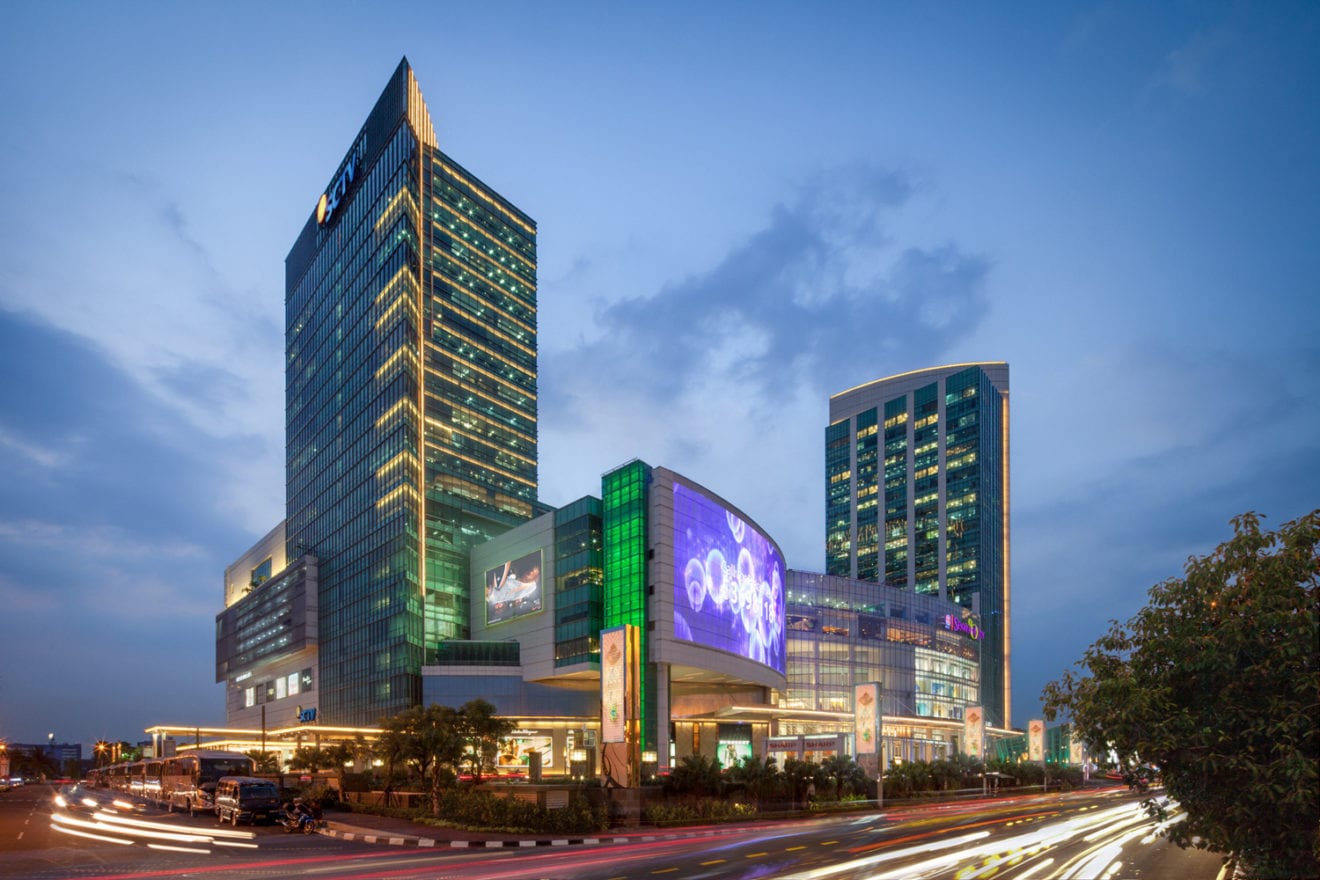
    Jakarta may have hundreds of shopping malls, but the city has a long way to go to compete with global shopping destinations like Singapore or Hong Kong, as its malls lack interconnection.

    Property consultant firm Savills Indonesia head researcher Anton Sitorus said recently that malls and shopping centers lacked interconnection as they had been developed in scattered locations all over
    the city, explaining that such conditions were unfavorable for the retail sector.

    Anton said the city had a number of traditional shopping districts like Tanah Abang in Central Jakarta and Mangga Dua in West Jakarta, Anton agreed.

    “However, modern retailers are scattered in many places. Even if some malls are next to each other, the developers have not considered connecting them,” he said.

    Anton said inter-connectivity was one of the main factors required to create an iconic shopping district and boost the market, citing the 1.9 kilometer Orchard Road shopping belt in Singapore as a prime example of a successful interconnected shopping district.

    “15.1 million foreigners visited Singapore in 2014, 41 percent of them visited Orchard Road,” he said.

    He emphasized that other well known shopping belts in the world such as the Avenue des Champs-Élysées in Paris and Fifth Avenue in New York also boast interconnection between shopping centers.

    Anton said a consortium of developers in Jakarta had attempted to create a similar concept on Jl. Satrio in South Jakarta. “However, because of the economic crisis in 1998, the plan was canceled,” he said, adding that since then developers had only built free-standing malls. “The initial Jl. Satrio concept had sidewalks along which shoppers could easily walk between various shopping malls,” he said.

    Most shopping malls in Jakarta do not provide pedestrian facilities as the management prioritize cars. Even when the distance between malls is less than 500 meters, there is no walkway connection.

    The Jakarta administration is currently mulling over plans to widen the sidewalk on Jl. MH Thamrin, Central Jakarta, but the road is mostly occupied by office buildings, not shopping malls.

    Anton said that if the city hoped to develop its retail sectors, it would be necessary to have shopping belts. “It is a good strategy. Retail will be the first sector to revive after the economic slowdown,” he said, adding that the sector also showed good resistance during times of crisis.

    Anton said resilience was the result of various factors, including purchasing power in society, government domestic business incentives, the significant wealth of individuals as well as growing middle class.

    “Although the economy is slowing, Jakartans keep shopping. Malls are packed during weekends and when there are bazaars or fairs scheduled,” he said.

    Currently, there are almost 200 malls located throughout the capital. Shopping tax return company Global Blue revealed in January that Indonesians have been listed among the top four global shoppers, behind Chinese, Middle Eastern and Russians consumers.

    The top five destination countries for shopping were listed as the UK, France, Italy, Japan and Singapore.

    Rosaline Stella Lie, Savills retail senior director, said Indonesian consumers had high purchasing power but emphasized that the price of luxury goods in Indonesia were not competitive.

    “Therefore, the rich love shopping abroad,” she said.

    Rosaline said although the luxury tax was slashed for branded items, the price had remained high due to other costs like import duty.

    Rosaline said the price should be competitive so high-end brands would be eager to open outlets in Jakarta. “More shopping districts will be developed but most of them will be in Greater Jakarta due to the city administration moratorium [2012],” she said.

    She added that shopping districts should be located downtown, near the central business district, as the area offered easy access.