Tag: Indonesia

  • Southeast Asian economies lure Alibaba

    Southeast Asian economies lure Alibaba

    Southeast Asian economies are reaching a stage similar to China’s at the end of the last decade, when eCommerce began to take off, according to Alibaba Group executive vice-chairman Joseph Tsai.

    “I don’t blame you guys for having some degree of excitement about Southeast Asia when you look at the economies here,” he has told a Singapore conference staged by Google and local sovereign wealth fund Temasek.

    For example, he said, the per-capita GDP of Indonesia, the world’s fourth most-populous country, was about $2900. “That’s roughly the same as China’s per-capita GDP in 2009 and into 2010, a period when Alibaba’s C2C marketplace Taobao began to soar, adding about $50 billion in gross merchandise volume.”

    This was one reason Alibaba had invested about $1 billion in Singapore-based Lazada Group last month. Launched in 2012, Lazada now has shopping websites in Indonesia, Malaysia, the Philippines, Singapore, Thailand and Vietnam. It began by selling inventory to customers from its own warehouses but now also runs marketplaces for third-party sellers, as well as using its own logistics networks for deliveries.

    “We’re very excited about our investment in Lazada,” Tsai said. “It is starting from a very small base, but the potential is very, very big.”

    By adding marketplaces in Southeast Asia, Alibaba can offer merchants already selling on its platforms a chance to sell into new markets. “It’s very, very helpful to be able to present something that is more of a geographically diverse platform,” Tsai said. Online healthcare and fintech companies such as Alibaba-affiliate Ant Financial, poised for rapid growth in China, could expand their services to Southeast Asia.

    Tsai said he sees promise in the wide use of the mobile internet in Southeast Asia, a trend that typically gives rise to greater engagement and more purchases by online shoppers.
  • Lulu Group Indonesia opens first hypermarket

    Lulu Group Indonesia opens first hypermarket

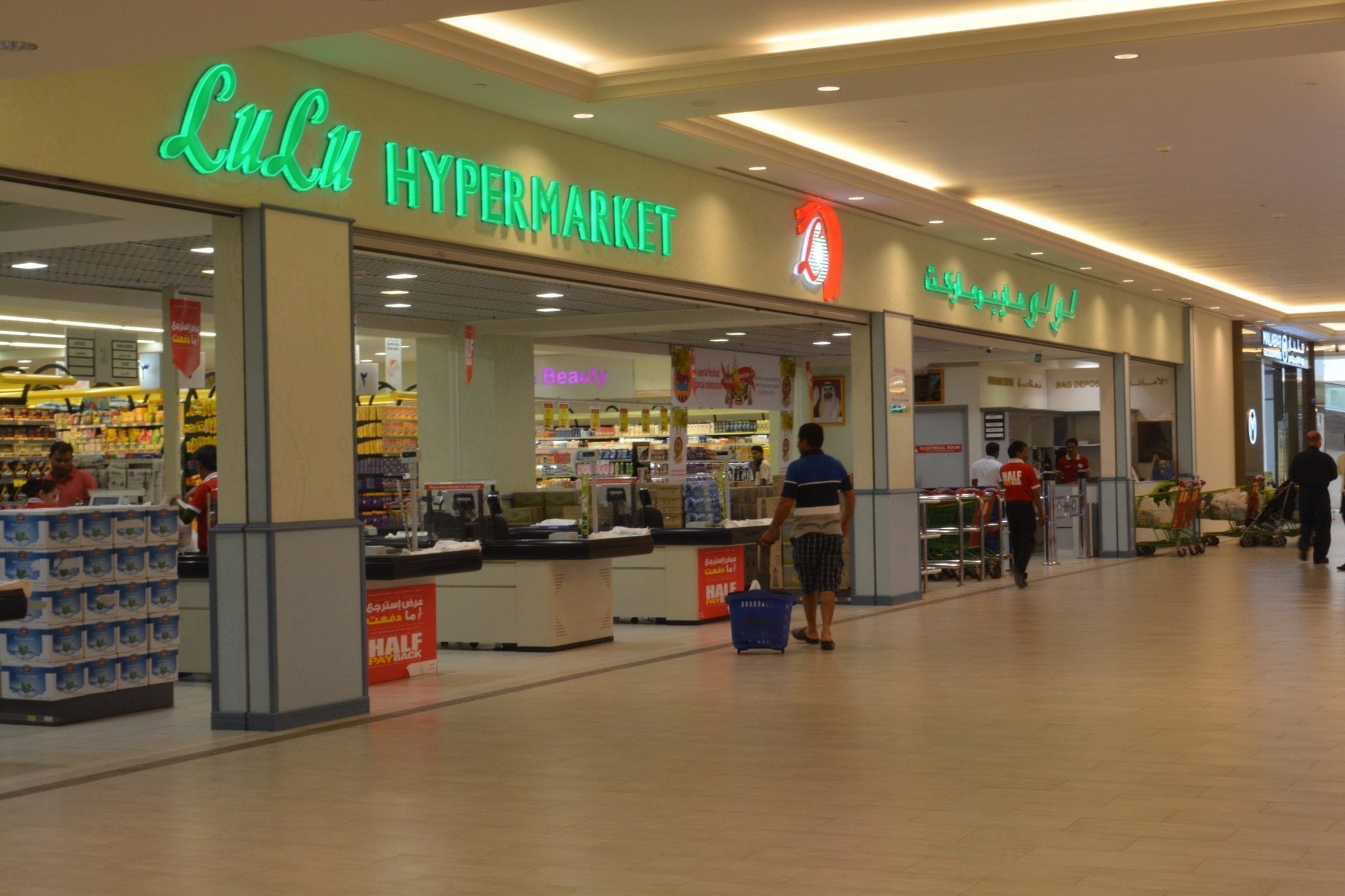
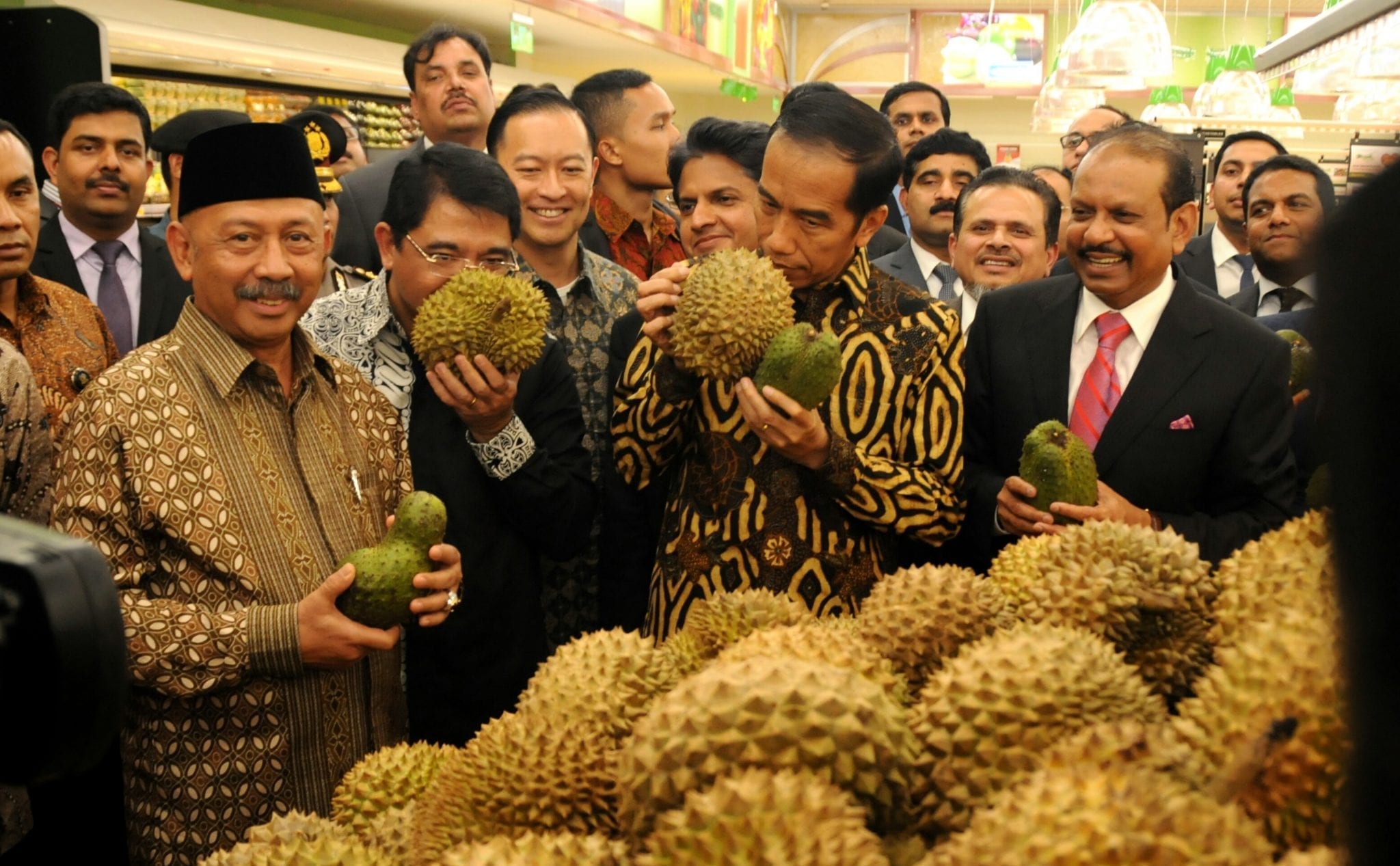
    Lulu Group Indonesia has opened its first hypermarket, in Jakarta.

    Based in the UAE, the Lulu Group plans to invest US$500 million to set up 10 hypermarkets in Indonesia over the next three years.

    Lulu-opens-first-Hypermarket-Indonesia

    Its first Lulu hypermarket was officially opened by Indonesian President Joko Widodo in the presence of Governor of Jakarta Basuki Tjahaja Purnama, Indonesian Trade Minister Thomas Trikasih Lembong, UAE Ambassador to Indonesia Ahmed Abdullah Al Mussali Al Awadi, Indonesian Ambassador to UAE Husin Bagis and other ministers and dignitaries.

    In the Cakung sub-district of East Jakarta, the hypermarket covers more than 200,000 sqft (18,580 sqm).

    Lulu Group chairman Yusuf Ali says the group also plans to set up a central logistics and warehouse centre in Jakarta.

    “We also plan to set up contract farming to ensure a continuous supply of high-quality products and to support the Indonesian agriculture sector.”

    The group has 126 stores (some in India) and more than 38,000 employees.

  • Alfa goes all-out in RI e-commerce battlefield

    Alfa goes all-out in RI e-commerce battlefield

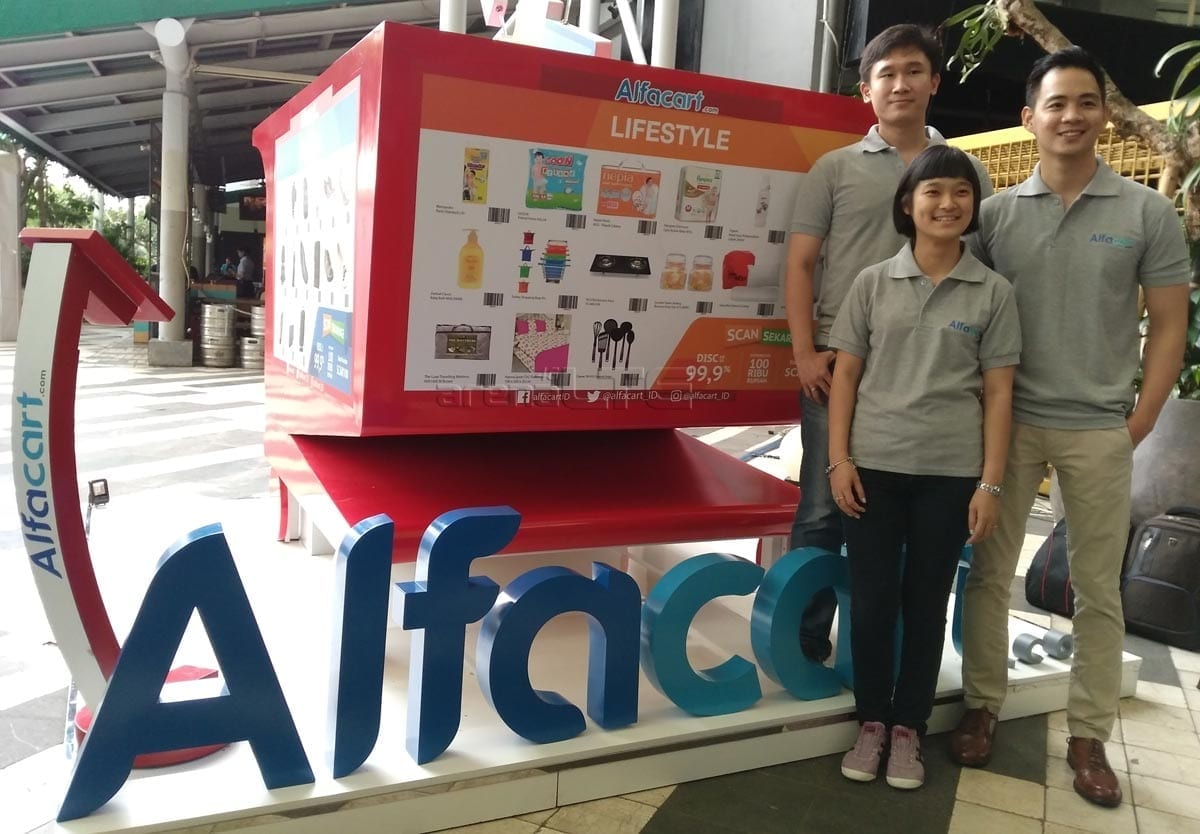
    Publicly listed retail giant PT Sumber Alfaria Trijaya, also known as Alfa Group, is stepping up efforts to intensify its presence in the e-commerce industry with the relaunch of its e-commerce platform on Monday.

    Alfacart.com, an online platform that serves as a complementary feature to physical Alfa outlets, was introduced Monday as the new name for the group’s Alfaonline.com, which was established in 2013.

    “This rebranding strategy is necessary as we want to create a full-fledged e-commerce business,” Alfacart CEO Catherine Hindra Sutjahyo told reporters.

    As a subsidiary of Alfa Group, which also owns minimarket chain Alfamart, grocery store Alfamidi and drugstore Dan+Dan, Alfacart aims to see its sales increase six-fold this year, from its 2015 figures, resting its optimism on untapped e-commerce potential in Indonesia.

    Catherine, however, refused to disclose a specific 2016 sales target.

    Alfacart plans to offer four lines of products, namely fashion, gadgets and electronics, daily necessities and lifestyle items.

    The company is targeting middle-class females and males aged 25 to 35 years old in big cities who are concerned with practicality and time efficiency and prefer to make purchases online.

    As one of its strategies to expand its business, Alfacart, Catherine said, would apply the online-to-offline ( O2O ) strategy to cater to Indonesia’s unbanked: those do not have access to bank accounts, savings and credit cards.

    The feature will enable Alfacart customers to order goods online through an application or website and pick up their purchases at one of the 7,000 Alfamart stores nationwide that have been integrated with Alfacart.

    “Alfamart has about 11,750 outlets nationwide, 7,000 of which are already integrated with Alfacart,” Alfacart chief operating officer and chief marketing officer Haryo Suryo Putro said, adding that the company will concentrate on providing services in the country’s major cities before expanding to smaller ones.

    In addition, Alfacart also allows small and medium enterprises to partner with the company.

    “Although we are selective in choosing our partners, our requirements are simple,” Ernest Tjahjana, the company’s chief commercial officer said, explaining that applicants only need to attach a copy of their tax registration numbers ( NPWP ) and identity card ( KTP ) to apply as a partner.

    In recent years, a growing number of e-commerce fashion, retail, and other businesses have been racing to provide the best online services to Indonesian customers.

    Some of them include an affiliate company of Djarum Group, Blibli, online marketplace Lazada and grocery delivery app HappyFresh.

    Based on data from idEA, the number of online shoppers in Indonesia hit 7.4 million last year, out of a total 250 million people in the country. This shows that the opportunity for e-commerce businesses to grow is still huge.

    Despite the growing number of e-commerce businesses in Indonesia, some have struggled to turn a profit here.

    Many foreign giants, such as Japan’s Rakuten and Germany’s Lamido — who both sell consumer products — exited the market. Clothing site Paraplou, travel booking site Valadoo and financial technology firm Inapay did the same.

    Alfacart’s Catherine, which was also a former director of Zalora Indonesia, acknowledged this was one of the main challenges in the e-commerce industry.

    “One of the biggest challenges in sustaining an e-commerce business is how to make it profitable in the long run,” she said.

  • Indonesia Revises E-Commerce Regulation

    Indonesia Revises E-Commerce Regulation

    Indonesia has one of the biggest economies in the Asia-Pacific region and its rate of internet adoption is one of the fastest in the world. So naturally, e-commerce in the region is starting to boom.

    According to Alibaba Group Executive Vice Chairman Joseph Tsai, Indonesia’s per capita GDP is about the same as China’s was in 2009, when Alibaba’s marketplaces really began to take off. Alibaba has taken steps to get a stake in the region, investing US$1 billion in Southeast Asia e-commerce platform Lazada, a Singapore-based company with extensive operations in Indonesia.

    To help help drive e-commerce growth in Indonesia, the government has made moves to open the country up to foreign e-commerce investment and expertise.

    Indonesia’s Investment Coordinating Board (BKPM) is finalising guidelines for foreign e-commerce investment. The new BKPM regulations will allow 100 percent foreign ownership for e-commerce businesses with a minimum investment of Rp100 billion (about AU$10.3 million) or businesses that create 1,000 jobs.

    The guidelines, however, limit foreign ownership to 49 percent for businesses investing below the Rp100 billion mark. The moves are designed to encourage big e-commerce investment from major players, while offering some protection to Indonesia’s local SMB e-commerce players.

    The removal of e-commerce businesses from Indonesia’s ‘negative investment list’ (which outlines business activities that are either entirely closed or conditionally open to foreign investment) provides a significant opportunity for foreign investment into one of South-East Asia’s fastest growing e-commerce markets.

    “I think this is the right time for Indonesia to aim to become the largest digital nation in Asia,” said Rosan Roeslani, Chairman of Indonesian Chamber of Commerce and Industry.

    “What this country needs is not only money but also know-how, which is why we invited incubators to come to Indonesia,” he said.

    “We have also talked about how we can get more start-ups to go through seed stage. One of the possibilities is to encourage big e-commerce players to spin their people off their company… We have not come out with the conclusion yet, but the government is very open for solutions,” he said.

    Indonesian President Joko Widodo is looking to make the country South-East Asia’s largest digital economy by 2020. The lifting of foreign ownership restrictions has been praised by those in the industry who welcome the injection of foreign capital and expertise.

    The removal of e-commerce from the negative list is part of Indonesia’s e-commerce roadmap, which was released earlier this year. The roadmap includes a list or proposals aimed at making it easier for e-commerce firms to operate in the country. Key elements of the roadmap include:

    • Government financied developments of logistics facilities and improvements to communication infrastructure
    • Government financing for start-ups in the form of grants and funds, as well as regulation for crowdfunding
    • Streamlining business licensing processesand increasing consumer protection regulationE-Commerce Regulation
    • Tax breaks for tech start-ups
    • Increased cyber security
  • Indonesian retailers making sales again

    Indonesian retailers making sales again

    Following a lacklustre trading year, Indonesian retailers are starting to find their sales figures turning around.

    Electronics, automotive parts and clothes have all seen an uptick in demand, reports The Jakarta Post.

    Ramayana Lestari Sentosa, which runs department stores for low- to middle-income consumers, has targeted its sale to grow by 7 per cent this year to Rp8.3 trillion (US$640 million) after shrinking 2.7 per cent last year, when the country’s economy had its weakest growth, at 4.79 per cent, since the 2009 global financial crisis.

    The latest Bank Indonesia retail sales index (IPR) shows 11.6 per cent growth year-on-year in March to 196.7, the highest level since July last year.

    Ramayana has 114 outlets in 54 cities.

    In Bandung’s electronics centre, ITC Kebon Kelapa, west Java, mobile phone retailers are finally seeing their sales pick up after plunging by up to 50 per cent at the start of the year.

    Retailer Ronny Suryadi says his sales plunged in January and February before picking up by 20 per cent in March when new models became available, dragging down the prices of the older phones. “Both consumers who prefer new types, although pricey, and old types with lower prices gain from the momentum, and as sellers we reap more revenues.”

    The index for information and telecommunications device sales was the highest at 409.9 in March, with the fastest growth (33.9 per cent year on year). The broader non-food index improved 12.4 per cent, while the food index grew 11.1 percent.

    “As non-food recorded higher growth than food, it shows that middle- and upper-income classes buy more,” says economist Enny Sri Hartati at the think tank Institute for Development of Economics and Finance (INDEF). It’s not bad, because the segment accounts for 40 per cent of the population.”

    Other than electronic devices, auto spare parts and accessories also had positive progress with 4 per cent growth, sitting at 110.2 on the bank index.

    Meanwhile, Nielsen’s first-quarter Consumer Confidence Index survey for Indonesia shows that 82 per cent of the 500 respondents say this year is the right time to spend more. The index has risen from 115 in December to 117 at the end of the quarter.

  • Indonesia sells 35 containers of kerupuk at Thaifex 2016

    Indonesia sells 35 containers of kerupuk at Thaifex 2016

    Indonesia’s traditional kerupuk (crackers) have become the star among other food commodities displayed at the Indonesian booth during Asia Thaifex 2016 in Bangkok, which is known as Asia’s biggest food and beverage expo.

    The snacks registered total orders of 35 containers worth Rp 12.9 billion ( US$950,000 ) at the event held from May 25 to 29, said an Indonesian trade attaché member in Bangkok, Rita Tri Mutiawati. The Trade Ministry and Industry Ministry collaborated on sponsoring Indonesian companies joining the event.

    “Thanks to the sponsorship of the Central Java administration’s trade and industry service center, Indonesia Selamat Sejahtera booked orders from China for 15 containers of prawn crackers, and South Korea also ordered 20 containers of fish crackers,” she said.

    Aside from kerupuk, Rita further said Indonesian seafood products manufactured by Fresh On Time were able to gain international buyers from the US, Mexico, and the European Union ( EU ) while similar products by Medan Tropical sealed a distribution agent in Thailand and the EU.

    From the 41 Indonesian companies who joined Thaifex, 21 were sponsored by the Industry Ministry, 10 were sponsored by the trade attaché and four were sponsored by the Central Java administration. Only six companies joining the event were without government sponsorship.

    The companies showcased their products ranging from seafood, instant seasonings, confectionaries, hot sauces, coffees, herbal medicines, biscuits, snacks, wafers, green tea, to cashew nuts. Indonesia’s representatives competed with 964 other companies in the event.

    “Thaifex is the door to export food and beverages products to other countries. Indonesian food and beverage manufacturers should not miss this opportunity,” Rita said, adding that there were one-to-one business matchings being made between Indonesian firms with other countries’ firms.

  • CJ CGV Opens 20th Store in Indonesia

    CJ CGV Opens 20th Store in Indonesia

    CJ CGV announced on May 30 that it opened its 20th store “CGV Blitz Slipi” in West Jakarta of Indonesia on the 26th.

    With four screens and a total of 674 seats, CGV Blitz Slipi is located in “Slipi Jaya Plaza,” a large shopping mall situated at the center of office town and residential area. In a bid to offer the optimum viewing conditions, it has introduced premium 3S – Seat, Screen and Sound – services.

    The company now has 20 cinemas with 143 screens in two years and four months after CJ CGV started consignment management for Blitz Megaplex in January 2014.

    CJ CGV plans to open a total of eight more cinemas this year, including CGV Blitz Slipi. Based on this, it aims to generate about 60 billion won (US$50.4 million) in sales this year.

    Considering the fact that it turned over nearly 34 billion won (US$28.56 million) in 19 cinemas last year, CJ CGV is planning to aggressively double its market. It will also increase the number of audiences from 7 million last year to more than 10 million this year.

  • Alfamart to launch click and collect

    Alfamart to launch click and collect

    Alfamart is going to utilize its 10,000 store network as pickup points for its new online shopping platform Alfacart. Alfacart, the new e-commerce platform will carry one million products from sellers, and is expected to generation IDR1tn (US$70m) transaction. The existing shopping website Alfaonline will be replaced. The advantage of Alfacart over the other e-commerce players lies with its large store network of more than 10,000 throughout Indonesia. The retailer is also expected to be opening another 1,200 stores this year.

    “We understand there are some players in the market but the high cost of last mile is still a concern,” said Sumber Alfaria president Hans Prawira, “We have presence in the market very close to shoppers.”

    E-commerce is due to boom in Indonesia

    With the growth in investment and acceptance of internet and mobile shopping, Indonesia is seen as the next frontier after China and India in Asia. The government wants e-commerce to become the backbone of its growing digital economy and leading players like Alibaba are also accelerating their expansion into Indonesia.

    Even though logistics is still a challenge due to underdeveloped infrastructure and the sheer size of the country, it is only a matter of time before we see the boom of e-commerce.

  • Lulu opens its first hypermarket in Indonesia

    Lulu opens its first hypermarket in Indonesia

    The UAE-based retail major Lulu Group marked its retail push into Indonesia with the opening of its first hypermarket in the country in capital Jakarta.

    The group has already announced plans to invest $500 million and set up 10 hypermarkets in the next three years in the country, as part of its expansion.

    The first Lulu hypermarket of the country was officially inaugurated by Joko Widodo, the President of Indonesia in the presence of Basuki Tjahaja Purnama, Governor of Jakarta; Thomas Trikasih Lembong, Indonesian Trade Minister; Ahmed Abdullah Al Mussali Al Awadi, UAE Ambassador to Indonesia; Husin Bagis, Indonesian Ambassador to UAE; and other ministers and dignitaries.

    Located in the Cakung sub district of East Jakarta with an area of over 200,000 sq ft., the new hypermarket is designed with customer convenience in mind and provides a one-stop shopping destination for the residents of the city.

    “With an initial investment of $300 million in the first phase, we plan to open 10 hypermarkets by end-2017 and a central logistics and warehousing facility in Jakarta. These projects are likely to generate more than 5,000 job opportunities for Indonesians,” said Yusuf Ali M A, chairman, Lulu Group.

    “We also plan to set up contract farming to ensure continuous supply of high quality products and to support the Indonesian agriculture sector,” he added.

    During the official visit to UAE last year, President Widodo had visited Lulu hypermarket in Abu Dhabi and expressed keen desire to have Lulu in Indonesia. He was especially impressed by the high standards of operations, quality of products and service and also the wide variety of products available in Lulu.

    The Lulu Group currently operates 126 stores across the GCC, Egypt and India and employs more than 38,000 people from different nationalities. It is also one of the largest retail chains in the Middle East.

  • Businesses to explore Indonesia

    Businesses to explore Indonesia

    Pakistan’s businessmen should take advantage from the large Indonesian market, an envoy said. Ambassador of Indonesia Iwan Suyudhie Amri, talking to the Lahore Chamber of Commerce and Industry (LCCI) Vice President Nasir Saeed, said bilateral trade needs to be enhanced as Pakistan and Indonesia are potential markets.

    Ambassador Amri said Pakistan’s rice and meat have great demand in Indonesia and therefore Pakistan’s businessmen should avail this opportunity.

    He said the LCCI is playing a significant role to strengthen the trade and economic relations between the two countries.

    Saeed said the implementation of Pakistan-Indonesia preferential trade agreement will begin a new era of cooperation and serve as a foundation for enhanced economic and trade cooperation.

    He said local businesses will increase exports to Southeast Asia’s largest economy under the preferential trade agreement.

    “There is also a lot of scope for Indonesia to make investment in Pakistan. Indonesia has a fairly advanced petro-chemical, rubber, plywood, telecommunication and tourism industry,” he added.

  • Temanggung to Establish Local TV Station

    Temanggung to Establish Local TV Station

    Temanggung administration will establish a local tv station as a medium for education in current globalization era.

    Temanggung administration official, Suyono, in Temanggung on Friday, May 27, 2016, said before the construction of the tv station building, his office had conducted a survey of local residents.

    “[Survey] result shows that the majority of Temanggung residents support the establishment of Temanggung tv station,” he said in the cornerstone-laying of the construction of Temanggung tv station by Temanggung Regent Bambang Sukarno.

    “Temanggung tv station is not only expected to bTemanggungecome a medium for communication and interaction of Temanggung residents, but also to be a medium for education, information for the residents; information has become a basic need,” he said.

  • KinerjaPay Enters Partnership With Bitcoin Indonesia

    KinerjaPay Enters Partnership With Bitcoin Indonesia

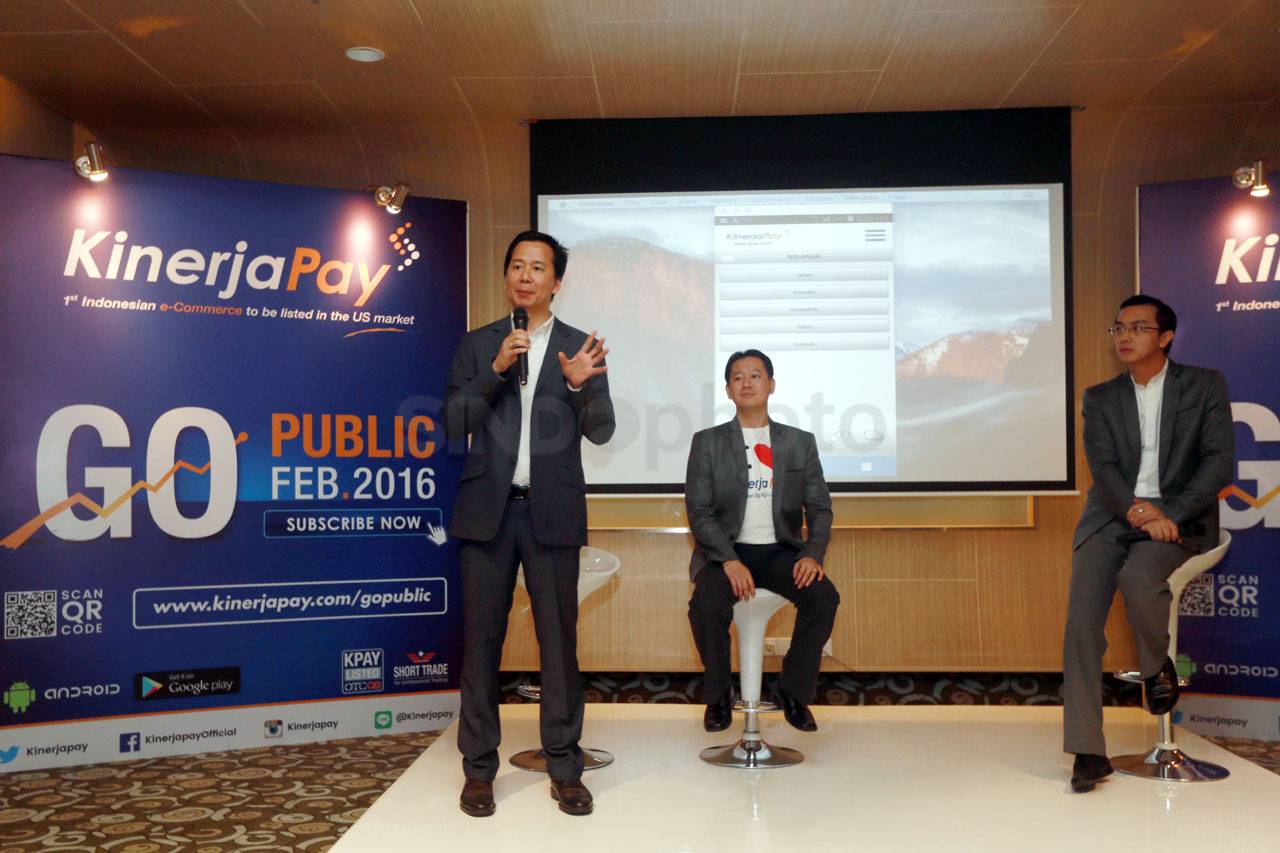
    Customers in Indonesia can now pay online with bitcoin as the country’s leading payment solutions provider KinerjaPay has added the digital currency as one of the payment options on its platform. KinerjaPay, in a recent press release, has announced its partnership with Bitcoin Indonesia to facilitate the Bitcoin option for its merchant partners.

    Apart from offering payment gateway solutions to online merchants, KinerjaPay also operates its own e-commerce portal where people can directly buy goods from the platform itself. By including Bitcoin payments, KinerjaPay has now become the first e-commerce platform in Indonesia to do so. Now customers can convert their bitcoin to Indonesian rupiah on the fly while making a transaction over the payment gateway to pay their bills, transfer money and purchase goods on the internet.

    KinerjaPay and the growth of e-payments in Indonesia

    KinerjaPay is currently one of the fastest growing digital payments platforms in Indonesia. In the past two months, the company has grown by over 300 percent as its user base has increased from around 12000 customers to 50,000. According to the company’s report, this has also led to an increase in the average number of transactions processed per day.

    With over 1500 transactions per day, compared to previous 300 transactions, the company can expect the numbers to grow further with the integration of bitcoin payments. Currently, there are not many online merchants who accept digital currency payments in Indonesia and now the partnership with Bitcoin Indonesia means that the company’s partner merchants will be able to accept bitcoin payments from their customers soon. This will open up a lot of options for bitcoin users in the country.

    In order to make bitcoin payments more popular, KinerjaPay has announced that it will be providing special offers to customers of Bitcoin Indonesia. With these special offers, the company intends to convert at least some of the 150,000 Bitcoin Indonesia customers into theirs as well. In a country where a majority of the population is hesitant to use online payment solutions due to concerns about credit/debit card fraud, KinerjaPay is working hard to build their trust by offering great deals and addressing their concerns. A currency like bitcoin where the user doesn’t have to share his/her bank account or card details will present an attractive option to the masses.

    As a part of its incentives galore, the company is also working on its own branded mining setup, where people can mine digital currency. While speaking about the new developments, the CEO and Chairman of KinerjaPay, Edwin Ng is quoted saying –

    “This partnership enables us to establish relationships with Bitcoin Indonesia’s membership, currently in excess of 150,000 accounts, which we expect will boost the volume of transactions on our platform going forward… We are also working to create a unique bitcoin mining element on our platform, something we believe will be very appealing to our users and will provide KinerjaPay with a real competitive advantage in the e-commerce sector.”

    KinerjaPay is constantly innovating to push the growth of online payments in Indonesia. Partnering with Bitcoin Indonesia is just one among the many which the company intends to follow in order to gain customer confidence and make them change their mind about online payments and digital currency. More developments in the sector can be expected soon.

  • Alfamart to relieve Indonesia’s last-mile headache

    Alfamart to relieve Indonesia’s last-mile headache

    Indonesian retail company Sumber Alfaria Trijaya is reinventing its online shopping service, utilizing its vast network of Alfamart convenience stores as pickup points to tackle the country’s logistical challenges.

    Alfacart is expected to be officially launched this week and will replace the company’s existing shopping site Alfaonline. Sumber Alfaria aims to list one million products from third party sellers, from electronics to clothes and groceries, and generate online transactions worth roughly one trillion rupiah ($70 million) by 2016. The company is investing $2 million to upgrade its IT system.

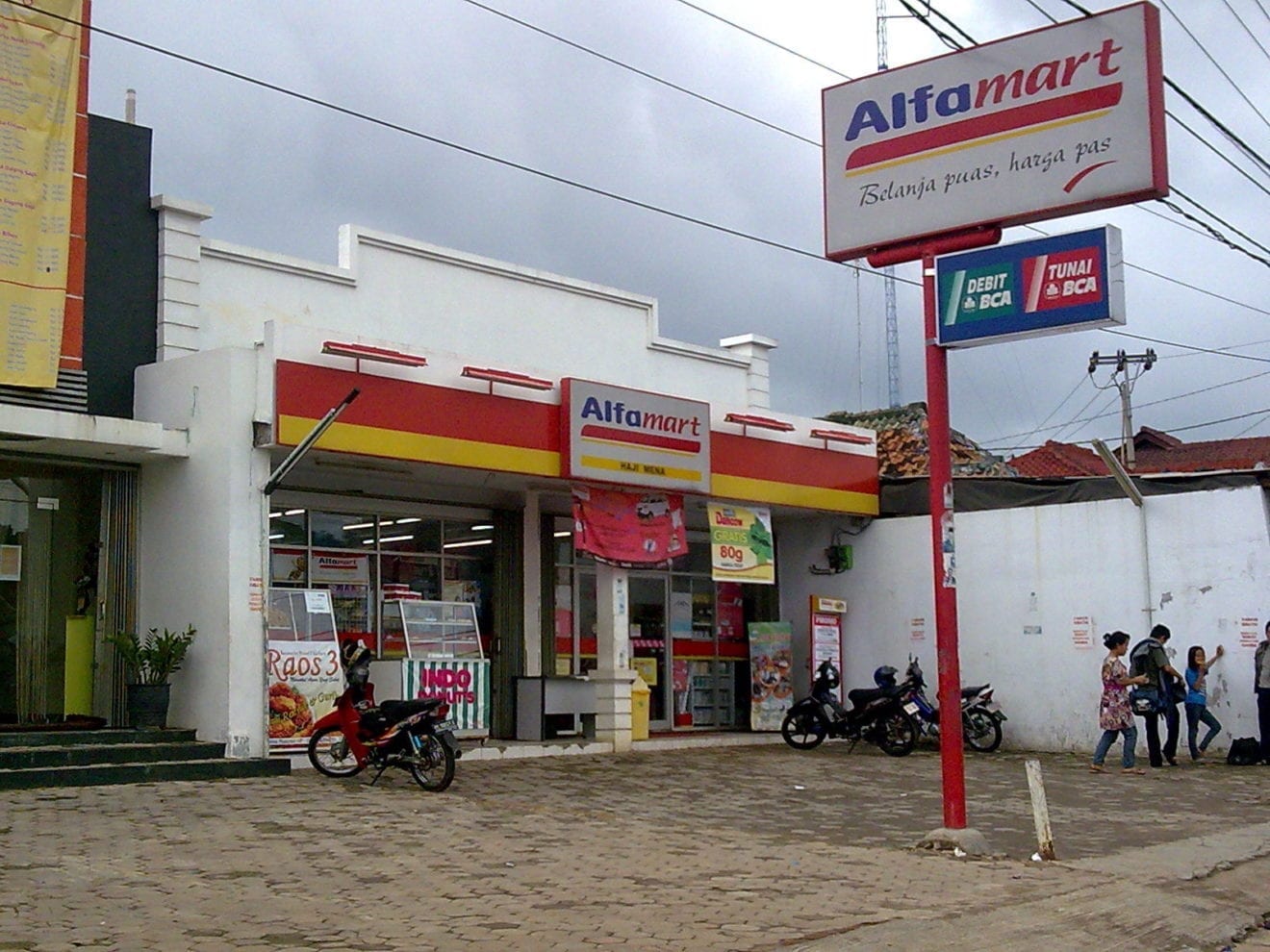
    To distinguish itself from existing players such as Lazada, Sumber Alfaria will enable Alfacart users to pay and pick up their purchases at Alfamart stores. Known for its distinctive red and yellow logo, Alfamart is of the top two convenience store chains in Indonesia with about 11,000 stores as of last December. 1,200 stores are expected to be added during 2016.

    “We understand there are some players in the market but the high cost of last mile [delivery] is still a concern,” said Sumber Alfaria president Hans Prawira, at a press conference on Friday. “We have presence in the market very close to shoppers.”

    Logistics are a significant challenge in Indonesia’s archipelago of more than 13,000 islands. In addition to poor infrastructure, home addresses are often chaotically numbered and unorganized, causing major headaches for courier companies, said IT director Bambang Setyawan Djojo. “We know the address of every Alfamart, so it will make delivery easy,” he said.

    E-commerce is booming in Indonesia but it is a costly business. Lazada recently received an investment of $1 billion from China’s Alibaba Group Holding, while Japan’s Rakuten shut down its online shopping site in the country. Sumber Alfaria only generated 451 billion rupiah in net profit on revenue of 48 trillion rupiah in 2015, a margin of less than 1%.

    Alfaonline failed to gain widespread popularity due to the perception that it only sells groceries, Bambang said. Sumber Alfaria will focus on promoting the convenience of Alfacart.

  • Indonesian weekend event in London successfully promotes tourism

    Indonesian weekend event in London successfully promotes tourism

    A two-day tourism event called “Indonesian Weekend” held in Potters Fields Park, London, Great Britain, on May 28 to 29 was considered successful in promoting the Wonderful Indonesia brand, an official stated.

    The Indonesian Weekend was part of the Wonderful Indonesia brand awareness campaign, Nia Niscaya, assistant to a deputy in the tourism ministry, noted here, Monday.

    Garuda Indonesia Airways also supported the event and offered special fares on certain routes, such as London-Jakarta, Yogyakarta, and Lombok.

    The ministry has always participated in the World Travel Mart, which is routinely held in London in November, according to Niscaya.

    The number of British tourists to Indonesia reached 230,315 in 2014 and increased to some 270 thousand in 2015.

    This year, Indonesia hopes to attract 300 thousand British visitors.

    During the January-March 2016 period, the country received a total of 67,750 British tourists, or an increase of 28.54 percent from 52,708 tourists during the same period last year.

    Niscaya was optimistic that this years target would be achieved through the promotion of the Bali and Beyond tourism program.

    Ambassador of Indonesia to the United Kingdom Rizal Sukma officially kicked off the Indonesian Weekend showcasing the countrys arts and culture, here, Saturday.

    Highlights of the event included performances of Javanese dances by famous artist Ninik Thowok, Silat traditional martial art by Cecep Arif Rahman, traditional bamboo musical instrument by Arumba Saung Udjo, East Nusa Tenggara traditional music instrument Sasando by Ivan Nestorman, Javanese gong ensemble gamelan by Lila Bhawa, and an Islamic fashion show.

    The festival also offered Indonesian culinary delicacies as well as handicraft and fashion products.

    Initiated by Bangga Indonesia Ltd and Ditali Cipta Kreatif, the event is supported by Elzatta Hijab, the tourism ministry, and the Indonesian embassy in London.

    Other sponsors were the industry ministry, cooperatives and SMEs ministry, and the education and culture ministry in cooperation with the regional administrations of Central Java, Central Kalimantan, Bandung, and Malang.

    Some of the Indonesian culinary dishes offered during the event were Soto Ayam (chicken soup), chicken and lamb satay, Padang satay, Bakso (meat ball soup), Somai, Rendang, and Yogya Gudeng.

    A cooking demonstration featuring Master-Chef Indonesias jury, Degan Septoadji, and Chef Gede Susila Yadnya of Balis Potato Head Club Bali was also the highlight of the tourism promotion event.

  • YCH inks pact with Indonesian food distributor

    YCH inks pact with Indonesian food distributor

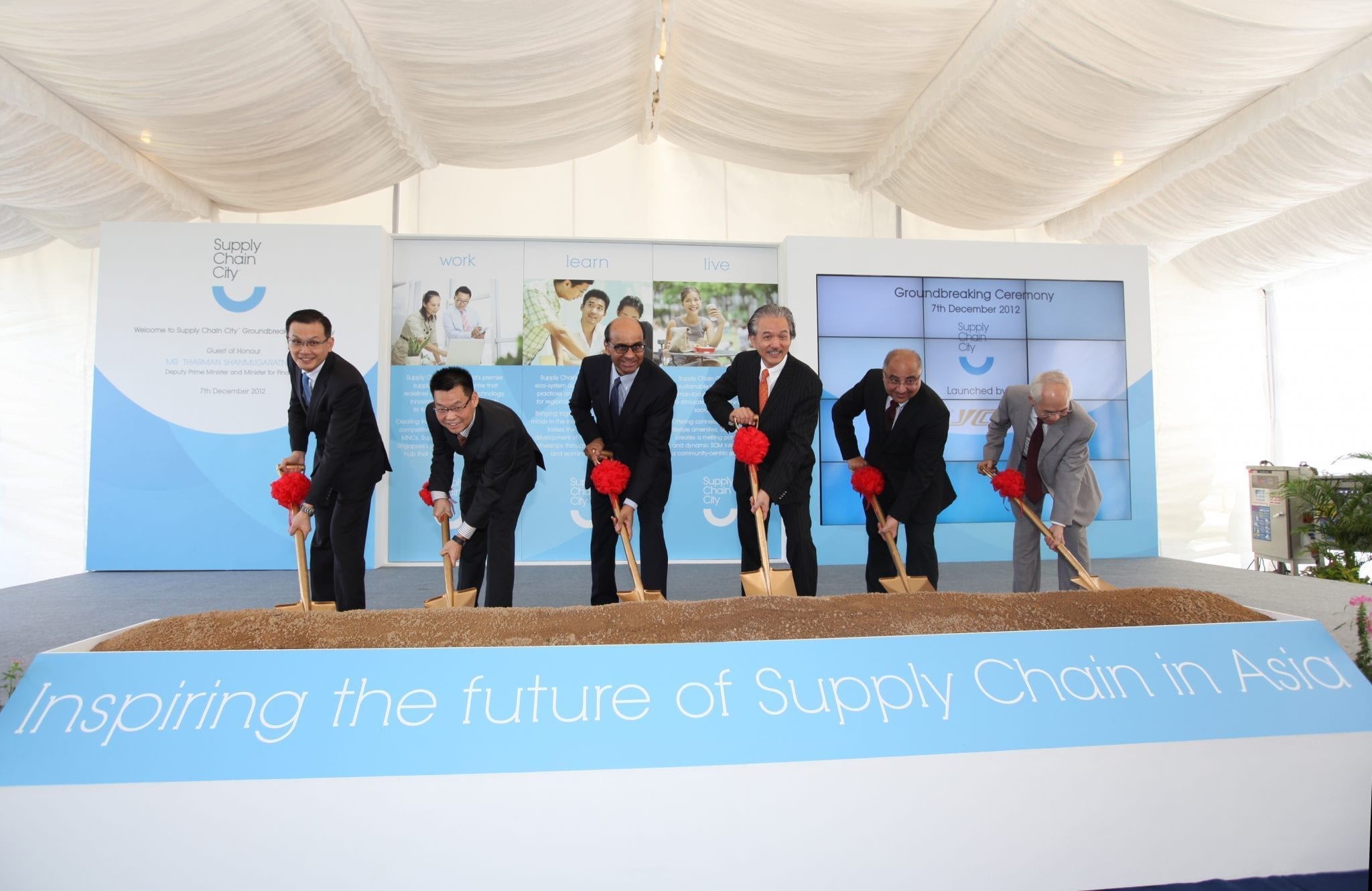
    Supply chain company YCH Group’s subsidiary YCH Indonesia has signed an agreement with a business unit of Sekar Group, one of Indonesia’s largest importers and distributors of food products.

    The memorandum of understanding (MOU) with Pangan Lestari was inked on the sidelines of a business mission co-organised by International Enterprise (IE) Singapore and the Singapore Business Federation.

    Announcing the pact in a statement yesterday, IE Singapore said it brought the two companies together last year, given Singapore- based YCH’s interest to expand further in Indonesia.

    Under the agreement, both companies will jointly develop integrated cold-chain supply management to facilitate retail, catering and distribution fulfilment.

    The MOU signing was witnessed by Ms Sim Ann, Singapore’s Senior Minister of State for Culture, Community and Youth, and Finance.

    Ms Sim, who also oversees issues related to small and medium-sized enterprises in the Committee on the Future Economy, is leading the business mission to Surabaya, Indonesia, which started on Wednesday and ends today.

    The mission comprises over 20 business representatives from 13 SMEs across business services, environment services, as well as the financial and manufacturing sectors.

    Ms Sim said in the statement: “Given the limited size of Singapore’s domestic market, many SME leaders are actively considering internationalisation as a means to bring their business to the next level.”

    She added that Indonesia’s young population and growing middle class present good opportunities for local SMEs.

    Indonesia is Singapore’s second- largest trading partner among Asean member states, with total trade at $59 billion last year. Singapore was Indonesia’s top foreign investor last year, with total realised investments amounting to $8 billion, IE Singapore noted.

    “Surabaya and East Java offer exciting growth opportunities, especially in sectors like trading, services and manufacturing,” said IE Singapore assistant chief executive Tan Soon Kim.

    Surabaya has a population of 3.2 million and its economic growth reached 6.7 per cent in 2014, exceeding East Java province’s growth of 5.9 per cent.

    Separately, IE Singapore also announced the signing of a “first-ever” MOU with business associations in Lombardy, Italy – Confindustria Lombardia and Assolombarda – to help SMEs access the region. The two groups have a combined reach of 17,000 Italian enterprises across diverse sectors, IE Singapore noted.

    The collaboration is aimed at helping local companies tap business opportunities in Lombardy via partnerships, as well as linking up enterprises in Lombardy with Singapore firms to jointly access the South- east Asian market.

    IE Singapore said the focus areas include design innovation, fashion and consumer products, technology development, urban solutions and hospitality real estate.