Tag: Indonesia

  • Kadin Allows Uber and Grab Taxi to Operate in Indonesia

    Kadin Allows Uber and Grab Taxi to Operate in Indonesia

    The Indonesian Chamber of Commerce and Industry (Kadin) has approved the operation of online-based transportation services, such as Grab Car and Uber. However, Kadin had put out several requirements that must be fulfilled by online-based transportation services before they can operate in Indonesia.

    “We, [the members of] Kadin appreciates technology that can facilitate and promote [a business]. However, its implementation must comply with the same rules,” said Adrianto Djokosoetono, Chairman of the Committee on Land Transportation of Kadin on Tuesday, March 15, 2016.

    Adrianto stated that currently, there is no clear and binding regulation on transportation industry, especially to regulate companies from overseas like Uber and Grab Car. Therefore, Kadin requested the government to issue a regulation that applies to both online and offline transportation services.

    In addition, said Adrianto, Kadin also requested the government to establish a clear tax system for foreign transportation companies.

  • Indonesia, Belgium agree to enhance economic cooperation

    Indonesia and Belgium have agreed to intensify economic cooperation, particularly in the fields of trade and investment.

    Both nations reached the agreement during a meeting between Indonesian President Joko Widodo (Jokowi) and Princess Astrid of Belgium at the Merdeka Palace here on Tuesday.

    Princess Astrid is in Indonesia to lead a 300-strong Belgian business delegation from March 12 to 19. The business delegates are representing 127 companies.

    The companies are engaged in the fields of construction, infrastructure, energy, clean technology, communication and information technology, food and beverage, financial services, transportation, logistics, marketing, and education.

    Speaking to the press after accompanying President Jokowi at the meeting, Foreign Minister Retno L.P. Marsudi stated that Belgium is Indonesias key partner in terms of trade and investment.

    “For instance, in 2015, Indonesia-Belgium bilateral trade reached US$1.67 billion, while (Belgian) investment (in Indonesia) reached more than US$7 million,” she noted.

    Until now, some two thousand Belgian companies have been operating in Indonesia, she remarked.

    At the meeting, President Jokowi briefed the Belgian business delegation on the governments efforts to make the economy more open and competitive.

    “The president touched on the 10 economic policy packages that the Indonesian government has issued so far. One of the packages deals with the Negative List of Investment,” she added.

  • Honeywell to tap into Indonesia’s infrastructure projects

    Honeywell to tap into Indonesia’s infrastructure projects

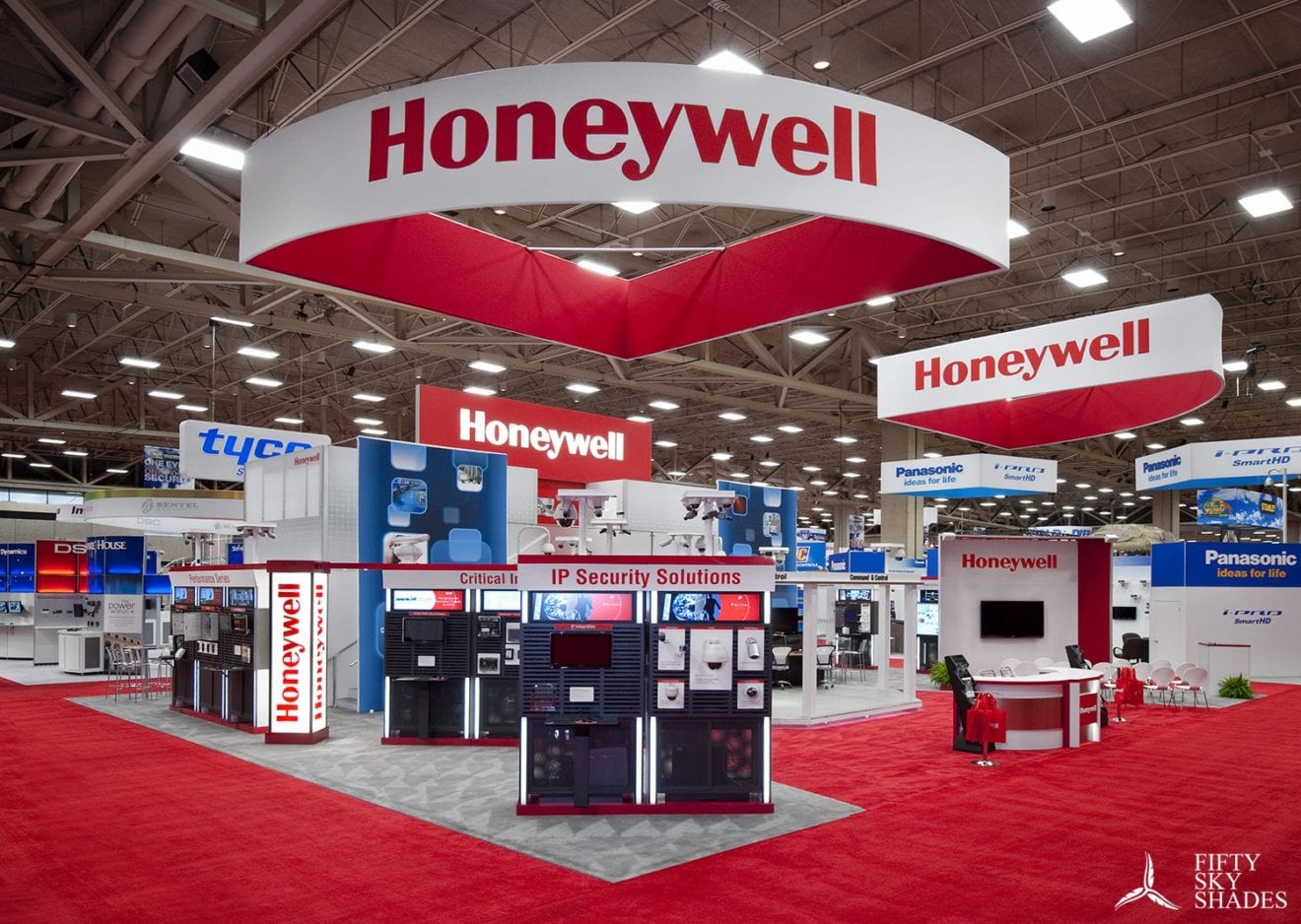
    US-based technology and manufacturing firm Honeywell plans to tap into Indonesia’s robust infrastructure development, especially of airports and railways, that is aligned with President Joko “Jokowi” Widodo’s vision for the coming years.

    The company acknowledges Jokowi’s ambitious program to execute infrastructure construction worth more than US$400 billion from 2015 to 2020 to spur economic growth in the country and therefore make the nation with Southeast Asia’s largest economy one of the 10 top countries for the firm globally.

    “We know that Indonesia needs new bridges and railways, that infrastructure is something the government is discussing,” Honeywell Indonesia president director Alex J. Pollack said on Thursday.

    He has referring to the government’s target to build as many as 49 new dams over the course of five years, as well as 1,000 kilometers of new toll roads, among other projects.

    With the development, the company aimed to provide advanced technology for the country’s infrastructure projects, including for its airports.

    The firm boasted about its smart airport technology, claiming that it would be able to improve the efficiency and safety for the airports, as its technology would enable air traffic controllers to handle the number of aircraft landing in an hour with improved traffic management.

    “With growth of 11 percent in the numbers of passengers annually and as the Soekarno Hatta International Airport already has to manage 22 million passengers currently, we think it will need an advanced technology and integrated system,” Pollack said.

    The company also cited Jokowi’s policy to waive advanced visa requirements for 90 countries, which was expected to increase foreign tourist numbers, as the government aimed to attract 20 million foreign tourists by 2019.

    The company would look to work with related companies such as state airport operator Angkasa Pura (AP) I and Angkasa Pura II, as it aims to get the technology applied in the country’s busiest airports such as Soekarno Hatta and Ngurah Rai International Airport in Bali, as well as in six to 25 other major airports in Indonesia.

    Honeywell International last year booked $15.2 billion in revenues globally from its aerospace business, a decrease from $15.6 billion in 2014.

    The company set the revenue growth to be double the gross domestic product (GDP) growth this year. The government itself aimed for 5.3 percent economic growth for 2016, as the country scored merely 4.79 percent last year.

    It currently runs an aerospace manufacturing facility in Bintan, Riau, which had started to operate in 2005. It has also supported an existing maintenance, repair and operations (MRO) facility for aircraft owned by national flag carrier Garuda Indonesia and the largest low-cost carrier, Lion Air Group.

    Honeywell is also seeking involvement in railway projects in Indonesia, as it recently worked with the Transportation Ministry on radar scanner technology for automatic detection and warnings at railway crossings.

    It recently wrapped up the technology’s trial at the Bintaro railway crossing, Jakarta, and the company expected to follow that up with installation of the products.

    The company would also try to get involved in the country’s mass rapid transit (MRT) project, currently under construction in Jakarta, as it would want to apply its safety scanner system, which would also support Transportation Minister Ignasius Jonan’s aim to have a safer transportation system.

    The ministry allocated Rp 12.5 trillion ($957.8 million) for transportation safety and security improvement this year.

  • KPPU Uncovers Chicken Cartel Practices

    KPPU Uncovers Chicken Cartel Practices

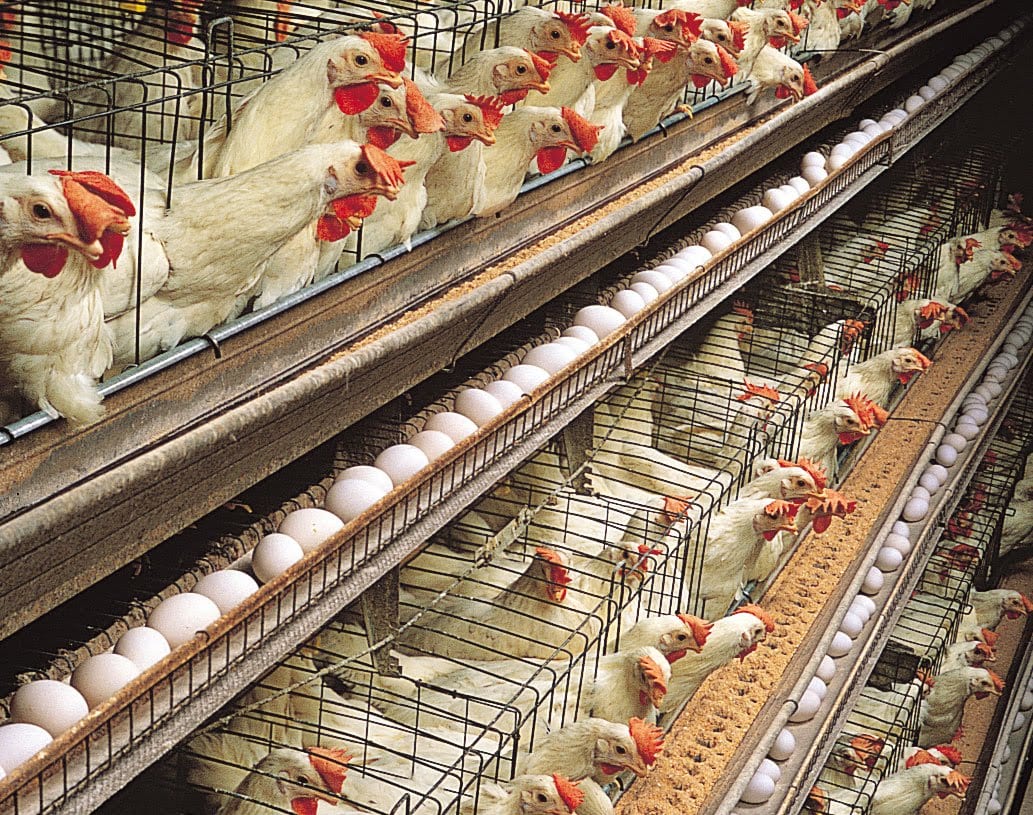
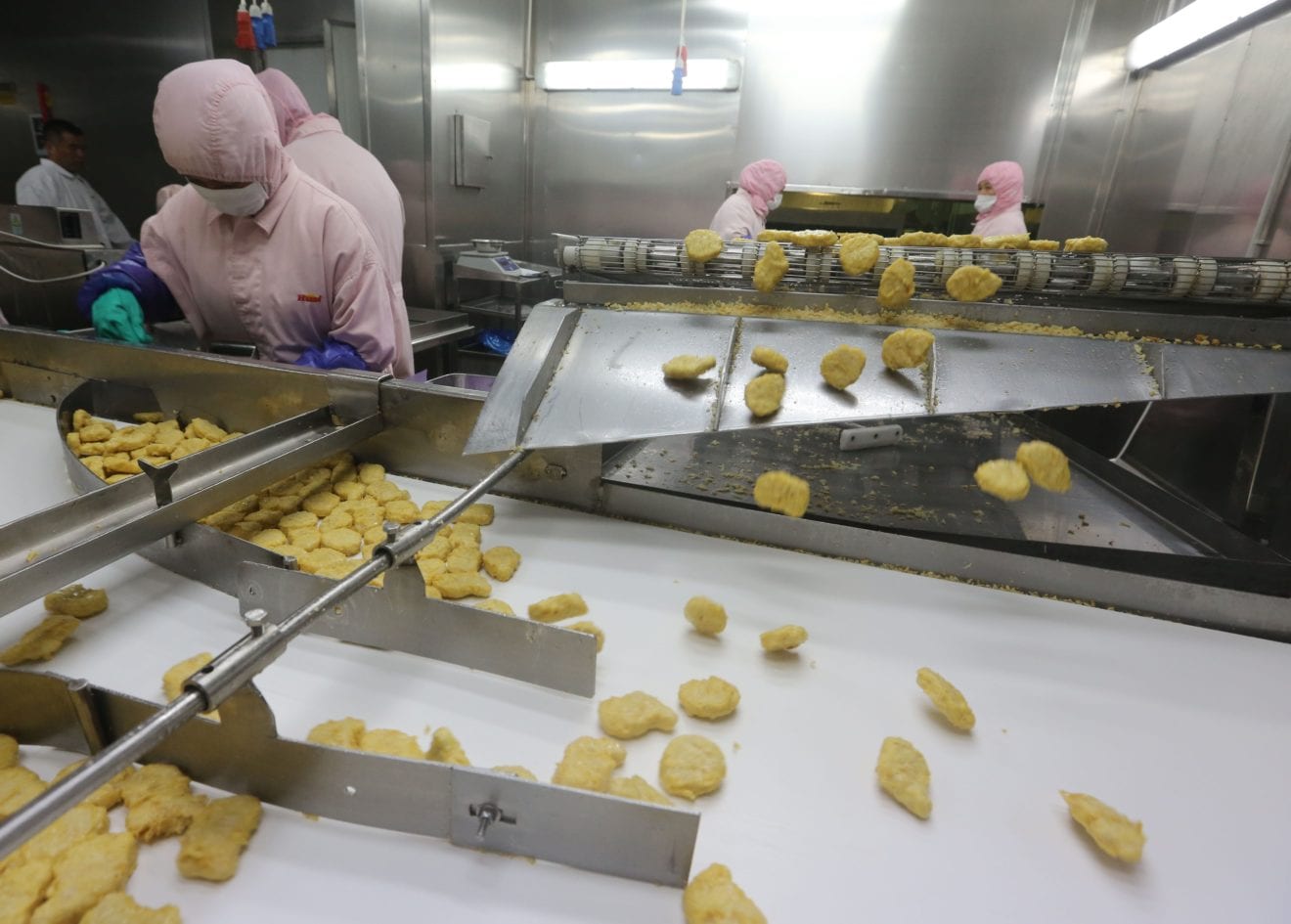
    The Commission for the Supervision of Business Competition (KPPU) noted at least 12 companies are suspected to be involved in chicken cartel practices. “Now the case has entered the court trial stage,” said Muhammad Syarkawi Rauf, Chairman of the KKPU to us on Wednesday, March 9, 2016.

    Syarkawi said that the 12 companies allegedly control chicken prices in the market by applying monopoly. The companies were suspected to work with one another to keep chicken prices high. Syarkawi added that the companies were also suspected to have planned to terminate their parent stock. “This is what we are currently investigating,” Syarkawi said.

    Name of the companies suspected to be involved in chicken cartel practice, according to KPPU’s records, include PT Charoen Pokphand Indonesia Tbk, PT Japfa Comfeed Indonesia, PT Malindo, PT CJ-PIA, PT Taat Indah Bersinar, PT Cibadak Indah Sari Farm, PT Hybro Indonesia, PT Expravet Nasuba, PT Wonokoyo Jaya, CV Missouri, PT Reza Perkasa, and PT Satwa Borneo Jaya.

    The case was uncovered after KPPU conducted an investigation on early 2016. The companies were suspected of violating Law No. 5/1999 on Monopoly Practices and Unhealthy Business Competition.

    On the other hand, chicken companies denied the accusations. “We deny such accusation. The termination of parent stock is based on government regulation,” said Budiarto Soebijanto, Senior Vice President of PT Japfa Comfeed Indonesia last Thursday, March 3, 2016.

  • Vietnam joins world`s largest rubber producers to cut exports

    Vietnam joins world`s largest rubber producers to cut exports

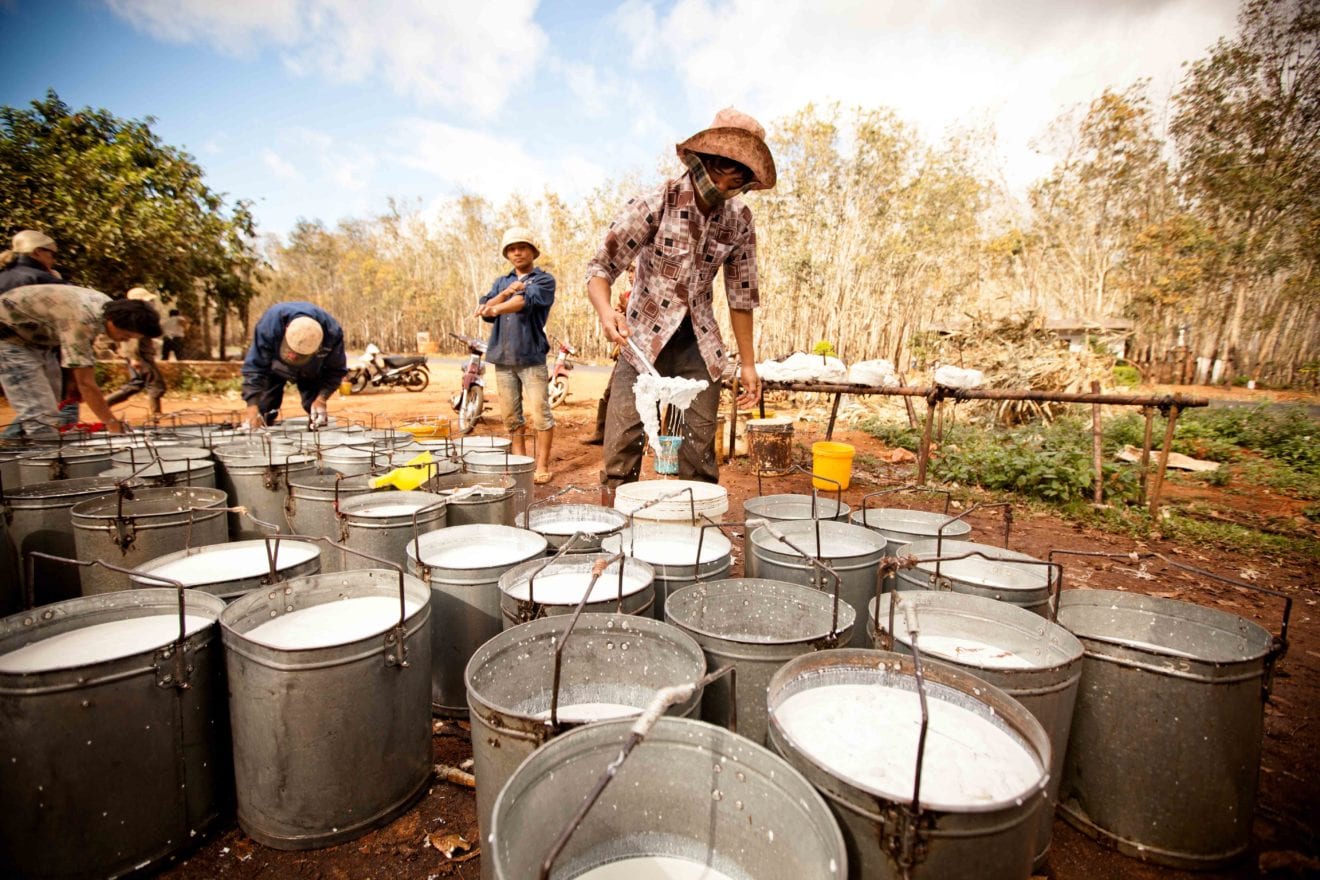
    Vietnam will join worlds largest natural rubber producers to cut exports in a bid to shore up the shrinking price of that commodity.

    Vietnam will follow Thailand, Indonesia and Malaysia to cut its imports of natural rubber by 15 percent starting March 1 until August 31, the Indonesian association of rubber companies (Gapkindo) said.

    Earlier the three member countries of the International Tripartite Rubber Organization (ITRO) which control 70 percent of the world supply of natural rubber agreed to cut exports by 615,000 tons from March to August.

    With Vietnam joining the cartel the price of natural rubber is expected to rise in international market, Executive Secretary of the North Sumatra branch of Gapkindo Edy Irwansyah said here on Monday.

    Under the arrangement, Thailand, the worlds largest producer is to reduce its exports of natural rubber by 324,005 tons, Indonesia, the second largest producer by 238,736 tons, and Malaysia, the third largest by 52,259 tons.

    North Sumatra, one of Indonesias largest natural rubber producing provinces, contributes to the scheme by cutting exports 38,000 tons.

    The decision of the four ASEAN countries would have impact on the rubber market, as they control more than 70 percent of the supply of natural rubber in the world, Edy said.

    Edy said rubber price has remained low but in March the price began to climb, adding, he was confident the price of that commodity would continue to increase .

    In January 2016, North Sumatras exports of natural rubber and rubber products fell again by 16.43 percent year-on-year in value.

    The province earned only US$78.083 million in January 2016 down from US$93.375 million in the same period last year, head of the regional office of the Central Bureau of Statistics (BPS) Wien Kusdiatmono said here last week.

    The production and price of rubber and rubber goods have continue to shrink, Wien said.

    According to Edy though rising, the price of natural rubber is still much below the level considered ideal of around US$1.90 per kg.

  • Indonesia to Cut Rubber Export Volume

    Indonesia to Cut Rubber Export Volume

    The world’s three largest rubber producing countries Indonesia, Thailand, and Malaysia, have agreed to start reducing rubber exports. As members of the International Tripartite Rubber Council (ITRC), the three countries decided on this policy to boost rubber prices in the global market.

    The Indonesian Rubber Companies Association (Gapkindo), the government’s official partner in implementing the ITRC agreement, said that members have been reducing the number of product shipment overseas.

    “We have cut back on crumb rubber exports to comply with regulations,” Gapkindo executive director Suharto Honggokusumo Suharto said in Jakarta, yesterday.

    The agreement to cut rubber exports was made on February 4, 2016. The ITRC will cut export volume by 615,000 tons starting on March 1 until August 31, 2016. Thailand will lower its exports by 324,025 tons, Indonesia by 238,736 tons, and Malaysia by 52,249 tons.

    In Indonesia, the unexported volume will be reallocated to the domestic market, including for infrastructure projects. “The government has promised to seek price improvement to help improve the condition of the rubber farmers,” said Suharto.

    In 2015, Indonesia’s natural rubber exports reached 2.6 million tons. Trimming the volume of exports is expected to push up prices. In February, the price of natural rubber in the global market was US$1.04 to US$1.09 per kilogram. This price range is too low, because farmers can only profit if global prices are between US$2 and US$3 per kilogram.

  • Indonesia to boost investment through easy, fast licensing service

    Indonesia to boost investment through easy, fast licensing service

    The Indonesian government held a closed-door meeting to discuss efforts to boost investment and business through the implementation of an easy and fast licensing service.

    “We should improve all aspects of licensing in relation to issuing building and environmental permits as well as authorization,” President Joko Widodo stated during the opening of the meeting here on Tuesday.

    The president remarked that the government should improve the licensing process as part of the efforts to improve the business climate in Indonesia.

    In the 2016 Ease of Doing Business 2016 survey, the World Bank ranked Indonesia 109th out of 189 countries. Singapore topped the list, with Malaysia ranking 18th, Thailand 49th, Brunei 84th, and Vietnam 90th.

    The president also called for the integrated management of the business licensing and registration process to improve efficiency and boost the business climate.

    The meeting was attended by Coordinating Minister for Economic Affairs Darmin Nasution, Coordinating Human Development and Culture Minister Puan Maharani, Coordinating Political, Legal and Security Affairs Minister Luhut Binsar Pandjaitan, Public Works and Public Housing Minister Basuki Hadimuljono, Agrarian and Spatial Planning Minister Ferry Mursyidan Baldan, as well as Justice and Human Rights Minister Yasonna Laoly.

    Earlier, the Indonesian government had decided to prepare guidelines and revise various regulations that will make it easier to do business as part of the efforts to facilitate investors who want to start a business in Indonesia.

    “These guidelines should be formulated soon and will be tabled in a cabinet meeting,” Coordinating Minister for Economic Affairs Darmin Nasution remarked after a coordination meeting here on Thursday.

    The 10 indicators, which are being assessed, include the ease of starting a business, building permits, registration of ownership, payment of taxes, access to credit, and a cooperation agreement.

    Other indicators are the ease in getting an electricity connection, cross-border trade, problem-solving for bankruptcy, and protection for Micro, Small and Medium Enterprises (SMEs).

    One of the rules that has been fixed is the basic capital for the establishment of a Limited Liability Company (PT).

    The government will then revise Trade Regulation No. 90 of 2014 concerning the organization and development of warehouses. As a result, a warehouse registration certificate can be obtained in just a single day.

    However, a warehouse, with an area of less than 98 square meters, will not require a warehouse registration certificate.

    The Ministry of Public Works and Public Housing (PUPR) will also revise Ministerial Regulation No.24 of 2007 on Technical Guidelines for Building Permits (IMB). The IMB will be processed in seven days, and the costs will be reduced by half.

    “We will disseminate information on all regulations in relation to the ease of doing business. The dissemination will be conducted by ministries and other institutions,” the minister affirmed.

    Meanwhile, state-owned electricity company PLN will improve its procedures for granting an electricity connection. The procedures will be divided into four stages. Obtaining a new connection will take 22 days.(*)

  • Indonesia Jan retail sales grow 12.5% year on year

    Indonesia Jan retail sales grow 12.5% year on year

    Indonesia’s retail sales in January grew 12.5 per cent from a year earlier, bolstered by information and telecommunication equipment especially electronics, a Bank Indonesia survey showed on Friday.

    December annual retail sales growth was revised up to 11.4 per cent from the previously reported 10.4 per cent.

    The survey of 700 retailers in 10 major cities predicted slower February retail sales growth of 11.9 per cent.

    Respondents were optimistic over retail sales in the next three months in line with higher demands ahead of and during the Muslim fasting month in June.


  • French business delegation studies possible cooperation in maritime

    French business delegation studies possible cooperation in maritime

    A French business delegation met the Coordinating Minister for the Maritime Affairs Rizal Ramli to study possible investment in maritime sector in the country.

    “We received a 20-member delegation of business people grouped in Maritime Cluster from France. They are interested in business cooperation in maritime , energy, technology and other sectors, Rizal said.

    The delegation was interested in doing business in Indonesia as they believed the country is serious in bringing to reality its vision to become a worlds maritime axis, he said here on Monday.

    “Relations between Indonesia and France have been mutually beneficial and expanded. It is important for us to continue to promote the relations,” he said.

    He said the delegation had not decided to invest in any sector but it plans to hold a workshop here in October.

    “There would be a workshop between French and Indonesian companies on maritime sector. We will facilitate the plan that concrete business cooperation could be created,” he said.

    On the same occasion, French Ambassador to Indonesia Corinne Breuz’ said France is interested in taking part in the program to develop the maritime sector in Indonesia.

    Part of the delegates represent companies already doing business in Indonesia for more than 20 years, the ambassador said.

    “The companies want to take part in the development of the maritime sector in Indonesia,” he said.

    A deputy at the office of the coordinating minister for maritime affairs Agung Kuswandono said the French companies are interested in venturing in shipping, port, energy and technology sectors.

    “The delegates represent companies operating in various sectors, but no details have been discussed,” Agung said.

    He said similar interest had been expressed by companies from other countries such as the Netherlands, Japan and South Korea.

  • Rupiah strengthens 72 points

    Rupiah strengthens 72 points

    The Indonesian rupiah strengthened 72 points to Rp12,980 per dollar on Friday evening, compared to Rp13,052 per dollar the day before.

    Developed countries decision to adopt a zero interest rate policy made the yield less interesting and money market investors diverted their funds to developing countries, money market observer Rully Nova said here on Friday.

    “Yields in Indonesia, which still adopts a positive interest rate policy, have attracted investors to invest in rupiah-denominated assets,” he said.

    On the other hand, the fact that sentiment regarding the Fed fund rate faded as several economic indicators did not fully recover has made the US dollar-denominated assets less attractive, he said.

    After all, the rupiahs significant appreciation against the US dollar may have a negative impact on Indonesias export performance, he said.

    “Hopefully, the fluctuation in the rupiahs strengthening will not be too wild and market agents and businesspeople will find it easy to predict it,” he said.

    Market analyst Lukman Leong said the downward trend in Indonesias inflation rate this year is one of the factors behind the rupiah strengthening.

    “The low inflation rate will prompt Bank Indonesia to further lower its interest key rate and consequently, lending rate will fall and domestic consumption will increase in favor of economic growth,” he said.

  • Financial firms in Taiwan, Indonesia urged to open outlets after MOU

    Financial firms in Taiwan, Indonesia urged to open outlets after MOU

    Taipei, March 12 (CNA) Taiwan’s top financial supervisor, the Financial Supervisory Commission (FSC), has urged financial institutions in Taiwan and Indonesia to open outlets in each other’s country after they signed an memorandum of understanding (MOU) to speed up cooperation in supervising financial businesses.

    The FSC inked the cooperation MOU Friday with its Indonesian counterpart the Financial Services Authority of Indonesia or Otoritas Jasa Keuangan (OJK). The MOU focuses on supervision cooperation in banking, securities and insurance businesses between the two countries.

    FSC Chairperson Wang Li-ling (王儷玲) told the CNA that the cooperation MOU will no doubt facilitate financial development between the two countries.

    Wang, who signed the agreement on the behalf of the FSC in Jakarta, added that she believed Taiwan’s financial sector will benefit from the great growth potential in Indonesia, while the Southeast Asian country has expressed interest in Taiwan’s financial market openness.

    Wang said financial institutions in Taiwan and Indonesia should take advantage of the MOU to explore the financial market in each other’s country.

    She said that is especially true as many Indonesian workers are working in Taiwan and there is strong fund demand from ethnic Chinese investors in Indonesia, leading Indonesian banks to want to set up footholds in Taiwan.

    As for the large number of Indonesian workers in Taiwan, the supervisory mechanism under the newly signed MOU is expected to help them in a wide range of financial services in Taiwan, such as money remittances, deposits and insurance.

    The Taiwanese official said that a populous Indonesia needs a diversity of financial products and Taiwanese financial institutions should go there to provide good products.

    According to the FSC, the local banking sector has set up one subsidiary and two representative offices in Indonesia, and the local securities sector has opened a subsidiary there. The local insurance business sector meanwhile has taken a stake in an Indonesian bank, the TWSE said.

    Market analysts said that the newly-signed MOU is expected to help Taiwan-based Cathay Life Financial Co. (國壽) push for a deal to acquire a 40 percent stake in PT Bank Mayapada Internasional of Indonesia. Cathay Life signed an agreement with Bank Mayapada for the acquisition deal in January 2015. Since the law in Indonesia bars foreign entities from taking a stake of more than 25 percent of any bank there and the deal has been stalled. Analysts said that the MOU could remove the legal obstacles for Cathay Life.

  • Indonesia’s first F1 driver is a good-looker who lives in Singapore

    Indonesia’s first F1 driver is a good-looker who lives in Singapore

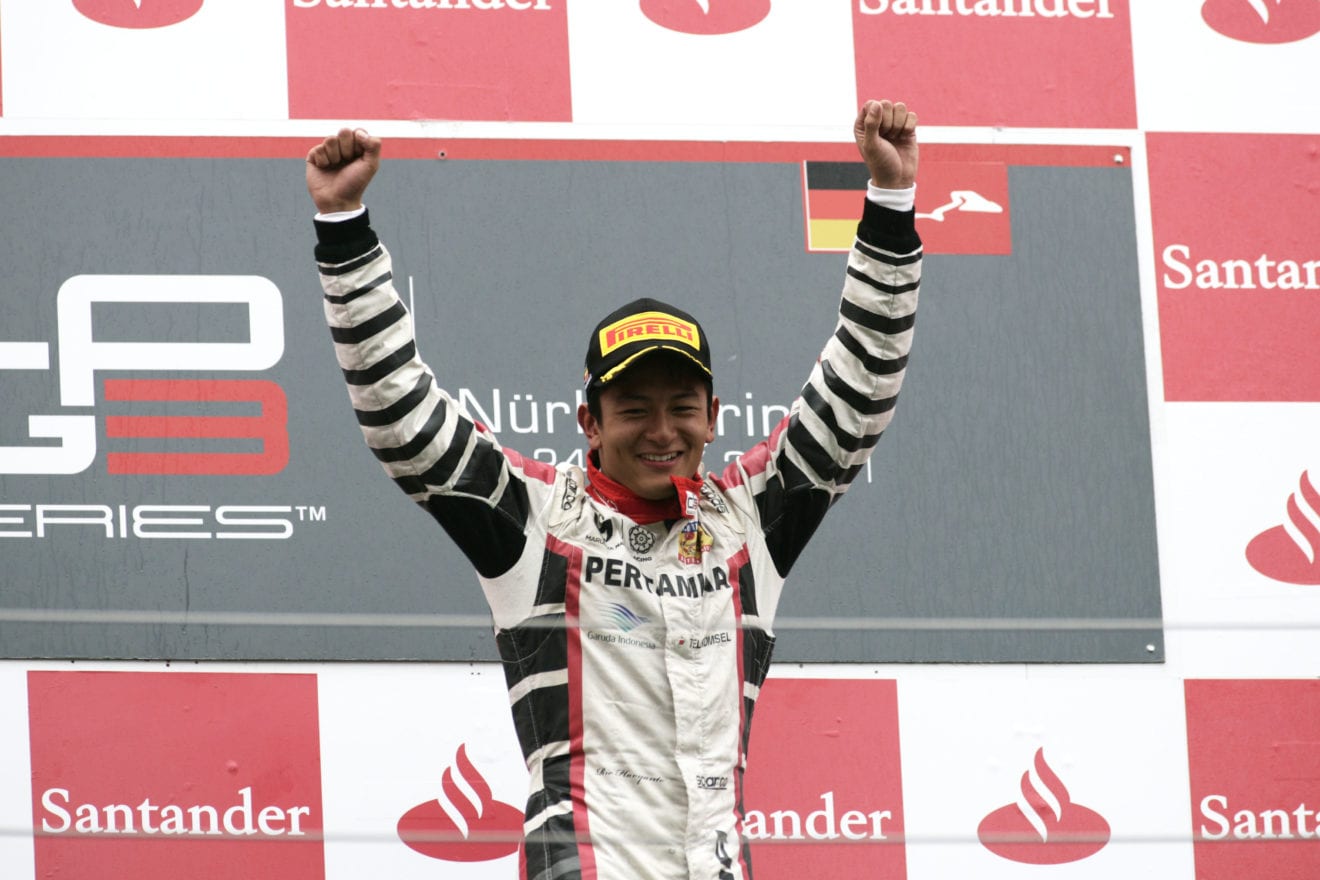
    When Indonesia’s first Formula One driver Rio Haryanto makes his debut with the Manor Racing team at the new season on March 20, he is likely to set the hearts of female fans a flutter.

    The only Asian to be on the starting grid boasts not only a chiselled jaw and dashing good looks, but also a hot bod to match.

    Rio, 23, will be the third Southeast Asian driver, after a long absence, to compete in Formula One since the championship started in 1950, reported The Jakarta Post. The other two were Malaysian Alex Yoong (2001 and 2002) and Thailand’s Prince Birabongse Bhanudej in the 1950s.

    So all eyes will be on Rio, who reportedly lives in Singapore, when he competes against the likes of champion drivers Lewis Hamilton and Sebastian Vettel in the 21-race series, starting in Melbourne in two weeks’ time.

    Born in Solo, Indonesia, he is a business management graduate, having studied here at private school FTMSGlobal Academy.

    Sponsored by Indonesia’s state energy company Pertamina, the rookie driver has managed to capture a huge following in Indonesia, all eager to see their new sports icon flying their national flag high.

    “I hope by working hard, I will not only represent Indonesia in F1 but achieve [something],” he said in a press conference in February.

    When he is not competing, Rio spends four hours a day to build up his stamina by swimming, jogging, or working out in gym, according to his website.

    He likes high-protein food, and even cooks his favourite fish – salmon – often.

    Apart from his love of racing, Rio hopes to be involved in his family business – his father runs a company that produces Kiky brand writing books.

    He also likes to do his bit for the community. Whenever he returns to his hometown, he would visit an orphanage and share his adventures with the kids, like a big brother hoping to inspire and motivate his younger siblings, according to his website.

    Career jump

    Rio clinched a place in the Manor team after its owner Stephen Fitzpatrick was impressed by his performance.

    He had said in a press statement: “He is tenacious on and off the track and made a big impression on last year’s GP2 battle.”

    On Rio’s big fan base in Indonesia, Fitzpatrick said they would be a booster for his team and for F1.

    “They are keen to see [Rio] on the grid and we’re confident that we’ll see him enjoying some exciting battles in the year ahead.”

    Rio’s racing experience began when he was only six, taking part in the national and international Gokart arena. He joined Formula Asia 2.0 racing competition at 15 and emerged the winner among Asian drivers.

    In the following year he came in first again at Formula BMW Pacific 2009 racing competition.

    At 17, he was qualified to get Formula 1 super licence from Virgin F1 race in a test in Abu Dhabi in 2010. Since then, he had been racing in the GP2 Series with EQ8 Caterham Racing Team.

  • Woodland looking at franchising

    Woodland looking at franchising

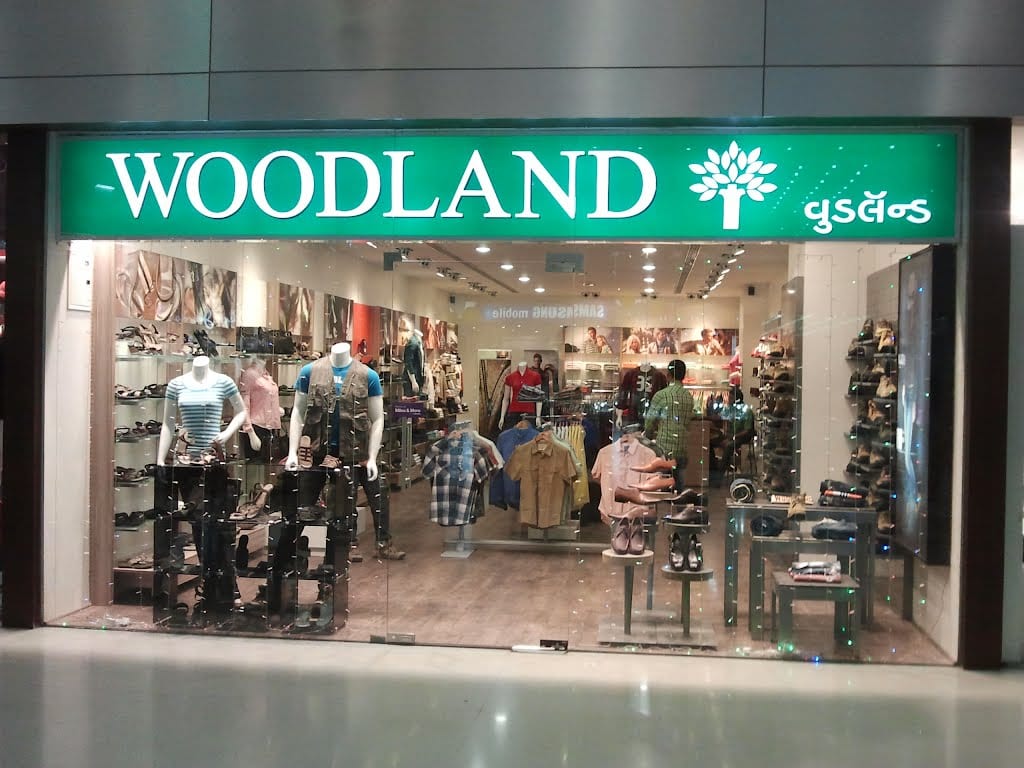
    Indian footwear and outdoor gear brand Woodland is planning to open stores in China, Malaysia and Singapore along with franchising its brand in other markets.

    Woodland is also taking the eCommerce route as part of its expansion, and is hiring social-media teams to run campaigns and online selling platforms in local languages.

    After announcing plans two years ago to launch 25 stores across China, it has subsequently opened “about a dozen stores” in Hong Kong. Its products are available through distributors in Singapore, and the company plans to enhance its global distributor networks. It aims to add at least 10 retail outlets internationally over the next two years.

    While the first few international stores will be company owned, MD Harkirat Singh says Woodland is open to franchisee formats for serious investors. The global stores will be a mix of independent stores and shops in shops.

    Singh says the product line in international markets will be customised to suit the region’s climate. according to the climatic conditions of the region. Woodland looks to tap the fast-growing extreme-weather outdoor gear market both in national and international markets, and claims to already have an 80 per cent market share in this segment in India.

    “While we have grown at an average of 15 to 20 per cent year-on-year in the past two to three years, the outdoor category has grown exceptionally in the past five years, says Singh. “Outdoor gear has become a lifestyle item, making our brand more popular.”

    Founded in Canada in 1992, Woodland is owned by Delhi-based Aero Group, which has its own leather-tanning and production units in Bangladesh, Canada, China, Indonesia, Macau, Malaysia, Sri Lanka, The Philippines and Vietnam, and as well as India.

  • Japanese Food Firms have Growing Interest in Indonesia

    Japanese Food Firms have Growing Interest in Indonesia

    Japan, the third largest foreign investor country in Indonesia, is showing interest in expanding their businesses in the food sector after seeing progressive developments of the Japanese society in Indonesia.”I have received reports that several Japanese food companies are contemplating entering Indonesia after observing the spurt in the number of Japanese restaurants and grocery stores in the country. This means that they already have market segments to sell their products in Indonesia,” Franky Sibarani, the head of the Capital Investment Coordinating Board (BKPM), noted in a press statement in Jakarta Wednesday (March 9).

    There were 1,199 students enrolled in Japanese schools in Jakarta in 2014. The institution also recorded that at the national level, there were 16 thousand Japanese expatriates living in Indonesia of which 10 thousand were in Jakarta, according to data at the representative office of the Japan External Trade Organization (Jetro).”Data on Japanese expatriates in Jakarta is the main factor that has led to new investment interest in Indonesia,” he claimed.Companies from Japan were so far mostly doing business in the electronics, automotive, and components sectors, in addition to garment products, Saribua Siahaan, the BKPM representative for investment promotion (IIPC) stated in Tokyo.

    However, the target of food consumers in Indonesia is of course not only Japanese citizens but also local people as Indonesia has a population of about 250 million. Indonesian people also like Japanese food.Yet, most of the Indonesian population or about 85 to 90 percent, are Muslims who are restricted to only halal (edible based on the Islamic law) food.

    Therefore, a Japanese noodle firm in Hyogo Prefecture has expressed readiness to meet administrative requirements such as halal certification for its food products to be sold to Indonesian consumers.The Japanese company notified the representative office in Tokyo of the BKPM on its readiness to meet the halal certification for its noodle products. The food and beverage industry of Indonesia is regarded as a lucrative investment opportunity, according to the Japan International Cooperation Agency (JICA), as quoted by Indonesia Investment online media in June 2014.Therefore, a total of 20 Japanese food and beverage industries were interested in making foreign direct investments worth between US$400 million and US$1.0 billion.

    These twenty Japanese companies are not only interested in conducting business in Indonesia because of the countrys large population (approximately 250 million people) and rapidly expanding middle, but also because the supply of raw materials for the food production process is available in Indonesia. The companies are focused on Indonesias most populous island of Java because infrastructure is most developed here, thus resulting in relatively low logistics costs, JICAs research also indicated. Regarding the interest of the noodle company in Hyogo Perfecture, BKPM Head Franky Sibarani affirmed that the Hyogo Prefecture was included in the areas covered by the Indonesian Consulate General in Osaka. The prefecture often conducted promotional activities in cooperation with the Tokyo office of the BKPM.Franky lauded the interest shown by the Japanese noodle firm to invest in Indonesia.

    It was an interesting development as, so far, Japanese companies making investments in Indonesia were mostly doing business in the automotive and component industries, he remarked.”This indicates that the interest of Japanese companies to invest in Indonesia is increasingly varying,” the BKPM chief pointed out.The Japanese noodle firm’s intention to expand its business in Indonesia is an example of how Japan has begun to vary its investment in the country, according to BKPM representative Saribua Siahaan in Tokyo.”Other fields of business that have attracted Japanese investors include semiconductor production and electrical appliances. The IIPC is ready to help the Japanese investor who came from Hyogo Prefecture,” Saribua remarked.The Japanese investors have begun showing interest in investing in the food sector in Indonesia also after seeing the implementation of the ASEAN Economic Community (AEC).”The Japanese investors view this as an opportunity since over 40 percent of the ASEAN population resides in Indonesia,” Saribua noted.

    The BKPM has set a target to attract US$13 billion in investment commitments from Japan in 2016. The commitment target was expected to come from the number of principle licenses issued for Japan in Indonesia, Franky told a seminar on investing in Indonesias industrial sector.”Japanese investors have the character that needs the cooperation of all parties, both the central and regional governments. We hope the BKPM and the Indonesian Embassy in Tokyo would continue to increase cooperation to attract as many Japanese investors as possible,” Franky had said last December.Based on the BKPM data, the realization of Japanese investment in Indonesia in 2015 increased by six percent compared to that in 2014.The Japanese investment realization in 2015 stood at US$2.87 billion, with 2,030 projects absorbing 115,400 workers.The manufacturing sector, particularly the automotive, electronics, machinery, and chemical, in addition to the pharmacy sectors, constituted the main contributors to the Japanese investment in Indonesia.Japanese investment commitment in 2015 reached US$8.1 billion, up 95 percent from that in the previous year.

    Japan came third on the list of foreign countries having investment commitment in Indonesia.The countries topping the list of foreign investors above Japan were China, with US$22.2 billion, up 42 percent compared to the same period in the previous year, and Singapore, with investment increasing by 69 percent to US$16.3 billion.Following Japan was South Korea, which recorded an increased investment of 86 percent that reached US$4.8 billion.

  • Charming Charlie to expand Asian network

    Charming Charlie to expand Asian network

    US retailer Charming Charlie has opened its pink doors in the Philippines.

    And following this Asian debut, the US-based fashion retailer is now eyeing Malaysia, Indonesia, Korea and China for expansion.

    The company had first expanded in Canada and the UAE before opening a store in Bonifacio High Street in Manila last year.

    With big and small fashion retailers crowding the Philippine market, Charming Charlie set its pricing at 30 to 40 per cent below its major rivals. Its upscale store houses up to 8000 accessories from jewellery to sunglasses, arranged by color.

    Founded in 2004 by Charlie Chanaratsopon in Houston, the brand seeks to capture the millennial market.

    Charming Charlie is distributed in the Philippines by SSI Group, Inc. and  has over 350 global retail stores.