Tag: Indonesia

  • Vice president opens Ifex

    Vice president opens Ifex

    Vice President Jusuf Kalla inaugurated the Indonesia International Furniture Expo (Ifex) at the Jakarta International Expo Kemayoran on Friday.

    “I highly laud the efforts to increase the exports of furniture through such an international furniture expo,” Kalla noted in his opening remarks at the JIEXPO Kemayorans Semeru Room.

    The vice president noted that furniture and crafts are part of the production sectors that provide jobs and contribute significantly to foreign exchange earnings.

    “However, the production capacity of the furniture and craft sector should continue to be improved through good technology, design, and innovation,” Kalla affirmed.

    Further, he added that technology, design, and innovation will improve the competitiveness of the furniture and crafts industry in Indonesia.

    In the meantime, Industry Minister Saleh Husin has stated that the furniture design competition will be able to spur innovation to create more products having a competitive edge.

    While opening the International Furniture & Craft Fair Indonesia 2016 at the Jakarta Convention Center here on Thursday, the trade minister stated that the Ministry of Trade annually facilitated the national furniture design competition.

    Husin remarked that the winners of the competition were given an opportunity to visit furniture fairs abroad in order to broaden their horizons to the developments in global furniture designs.

    He affirmed that the furniture design competition also aimed to encourage innovation and creativity as well as motivate the people about the local culture to improve the competitiveness of the national furniture and craft sector.

    He emphasized that the government will continue to increase the number of furniture designers to develop national furniture design centers.

    The minister noted that the Trade Ministry will continue to promote and popularize local furniture at the national and international level by facilitating the furniture designers to regularly participate in the international furniture fair.

    The International Furniture & Craft Fair Indonesia 2016 is being organized by the Indonesian Craft and Furniture Association (Asmindo).
  • Indonesia Fashion Week Officially Opened

    Indonesia Fashion Week Officially Opened

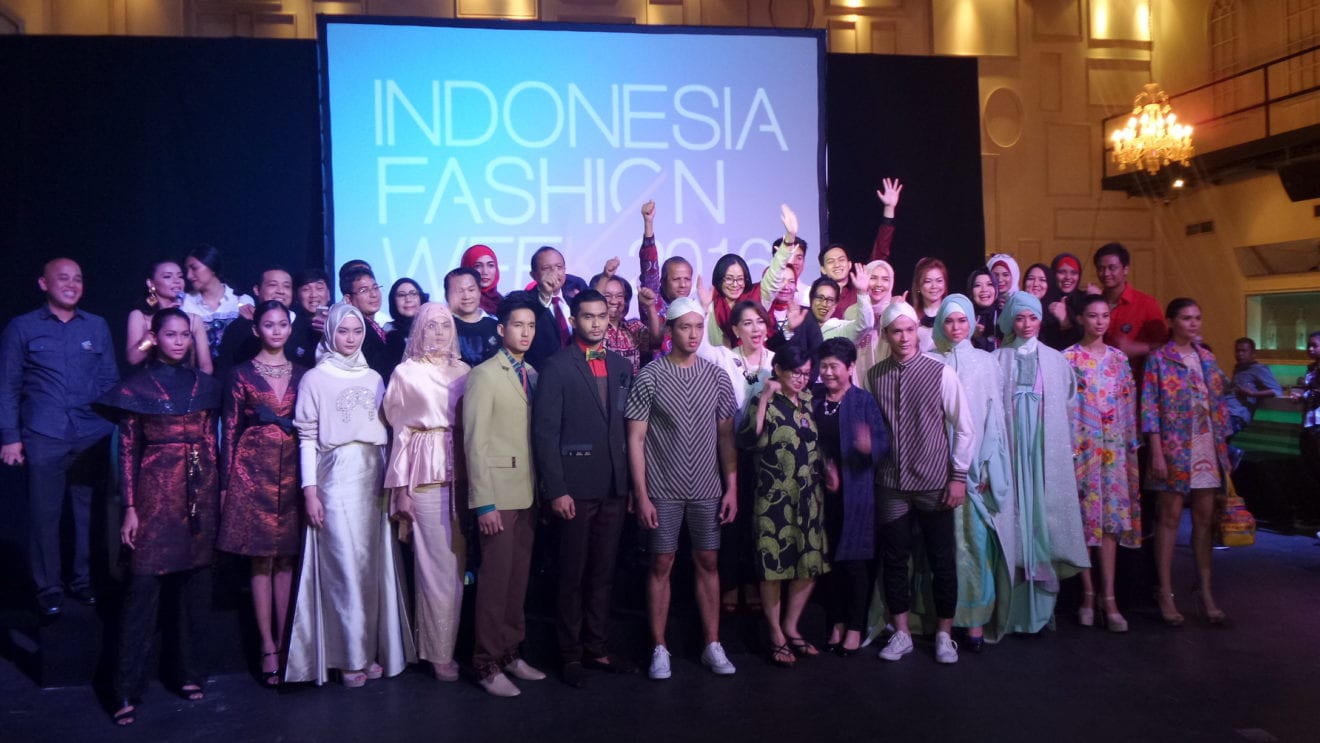
    Indonesia Fashion Week (IFW) 2016 with theme of “Reflection of Culture” is officially opened today, March 10, at the Jakarta Convention Center and will be held from until March 13, 2016.

    “IFW aims to accommodate Indonesian designer needs, both in central and regional,” IFW 2016 President Poppy Darsono said at the opening eventon Thursday, March 10.

    The event created by the Indonesian Fashion Designer Association (AAPMI) will present 32 fashion shows, exhibitions from 480 brands, talk show, workshop and design competition.

    Coordinating Minister of Human Development and Culture Puan Maharani, who represented Vice President Jusuf Kalla, said the fashion event gives opportunity for talented people in Indonesia to show their work.

    Minister of Cooperative and Small-Medium Enterprises (SMEs) Anak Agung Ngurah Puspayoga, who attended the event, hoped that Indonesian designer could meet domestic fashion needs, which is about 40 percent from the ASEAN market. “Don’t let foreign fashion enter Indonesia,” he said.

    Government has a business credit (KUR) program to help designers, including the ones who are starting up their business. The program with low interest is expected to make small businesses, including fashion, to keep growing. “We have prepared Rp120 trillion for KUR,” Puspayoga said.

    Industry Minister Saleh Husin said the ministry is also encourages the growth of fashion industry in the country.

    Saleh said fashion industry has contributed in export worth Rp181 trillion each year and absorbs 3.8 million people per year.

  • Two-pronged approach for Giordano Vietnam

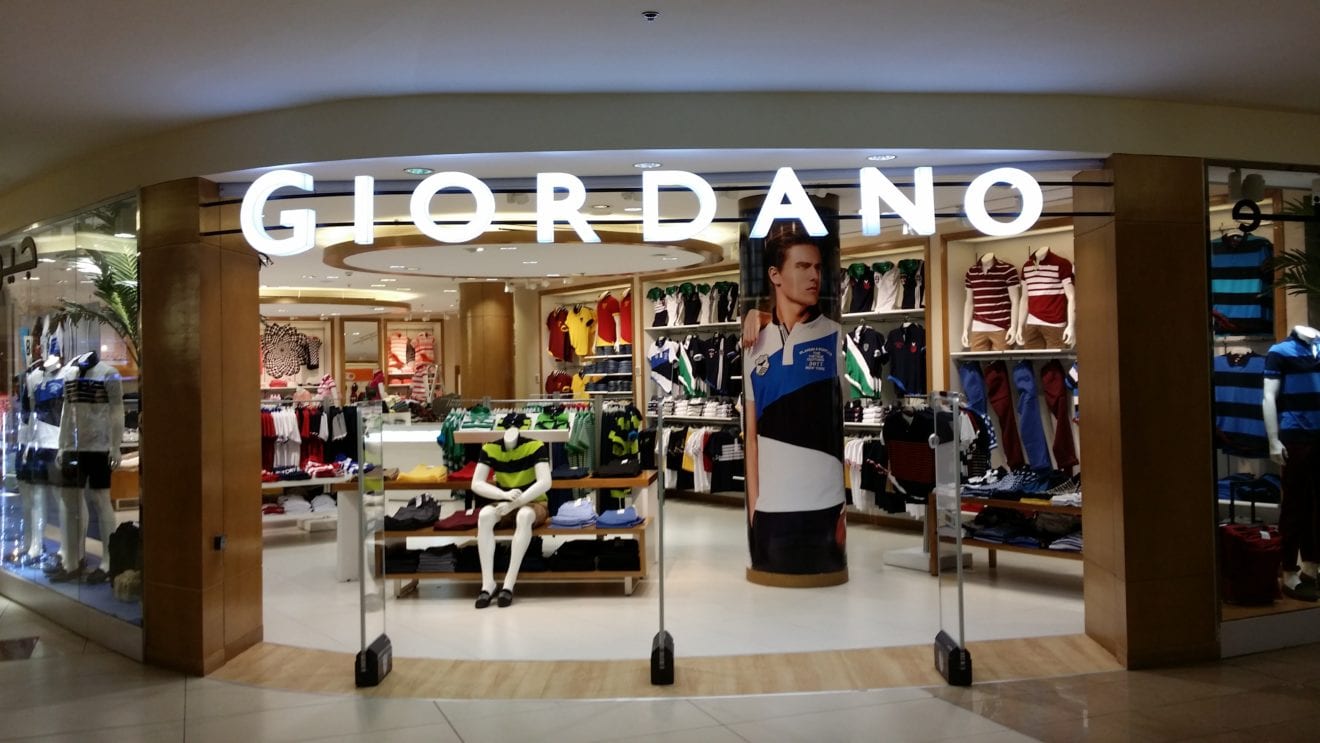
    Two-pronged approach for Giordano Vietnam

    Vietnam is on the radar for Hong Kong clothing retailer Giordano International, both as a market and supplier.

    With its steady growth in the emerging market, the company is planning to establish a legal entity Giordano Vietnam.

    It is also eyeing the country as a source market for product, while it continues to develop sourcing opportunities in Bangladesh.

    While Giordano still sees opportunities for growth in developing markets such as Indonesia, Malaysia and Thailand, the company says in its annual review that those opportunities are fading.

    Meanwhile, the group has plans to launch digital sales channels outside mainland China this year, initially through the development of its own eShops.

    “Market conditions in Southeast Asia have been challenging in the past two years,” says the group, which improved its merchandising, and therefore profitability, in Singapore last year – “but this will be a tough market going forward”.

    In the 2015 financial year, consolidated sales eased by 3 per cent – but increased by 1 per cent on a constant currency basis. Global brand sales were down 1 per cent for the year, but comparable same-store sales grew by 3 per cent.

    As a strong Chinese New Year offset the impact of 81 store closures, brand sales in the first half of the year grew by 1 per cent. But in the second there was a 3 per cent drop because of unseasonably warm weather in Greater China.
    Gross profit margin declined by 0.4 percentage points to 57.6 per cent, with higher purchasing costs caused by a strong US dollar eroding margins in Southeast Asia and Taiwan.
    “Weak consumer demand in many markets has led to fierce competitive pressure on selling
    prices,” says the group.

    Nevertheless, in the second half of the year, improved purchasing and merchandising resulted in gross margin improving from 57.4 to 57.9 per cent.

  • Japanese noodle firm ready for halal certification

    Japanese noodle firm ready for halal certification

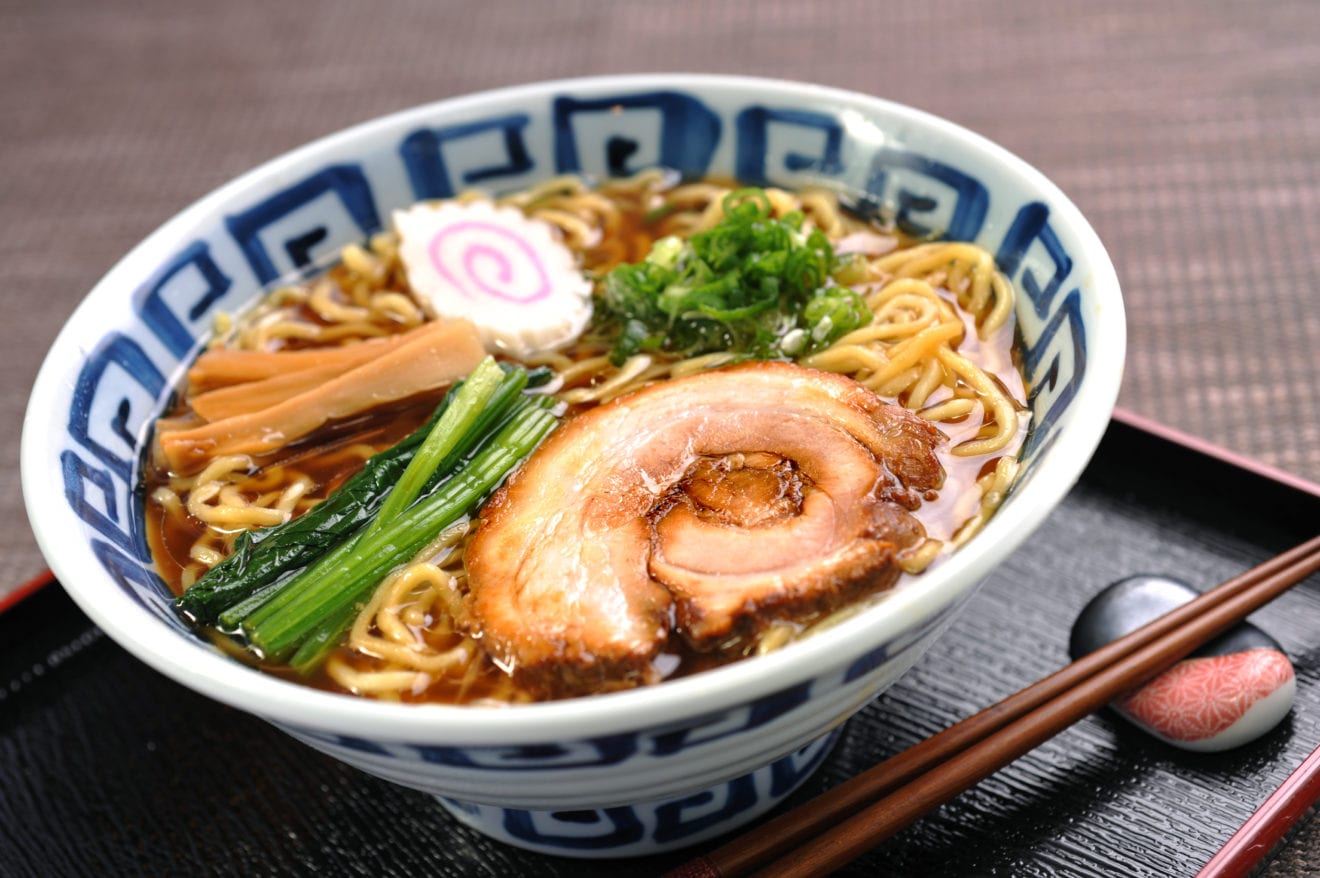
    A Japanese noodle firm in Hyogo Prefecture has expressed readiness to meet administrative requirements such as halal certification for its food products to be sold to Indonesian consumers.

    The Japanese company notified the representative office in Tokyo of the Indonesian Capital Investment Coordinating Board (BKPM) on its readiness to meet the halal certification for its noodle products.

    “I have received reports that several Japanese food companies are contemplating to enter Indonesia after observing the spurt in the number of Japanese restaurants and grocery stores in the country. This means that they already have market segments to sell their products in Indonesia,” Franky Sibarani, the BKPM head, noted in a press statement here on Wednesday.

    He affirmed that the Hyogo Prefecture was included in the areas covered by the Indonesian Consulate General in Osaka. It often conducted promotional activities in cooperation with the Tokyo office of the BKPM.

    Franky lauded the interest shown by the Japanese noodle firm to invest in Indonesia. He remarked that it was an interesting development as, so far, Japanese companies making investment in Indonesia were mostly doing business in the automotive and component industries.

    “This indicates that the interest of Japanese companies to invest in Indonesia is increasingly varying,” the BKPM chief pointed out.

    According to data at the representative office of the Japan External Trade Organization (Jetro), there were 1,199 students enrolled in Japanese schools in Jakarta in 2014. The institution also recorded that at the national level, there were 16 thousand Japanese expatriates living in Indonesia of which 10 thousand were in Jakarta.

    “Data on Japanese expatriates in Jakarta is the main factor that has led to new investment interest in Indonesia,” he claimed.

    Saribua Siahaan, the BKPM representative for investment promotion (IIPC) in Tokyo, stated that companies from Japan were so far mostly doing business in the electronics, automotive, and components sectors in addition to garment products.

    “Other fields of business that have attracted Japanese investors include semiconductor production and electrical appliances. The IIPC is ready to help the Japanese investor who came from Hyogo Prefecture,” Saribua remarked.

    In line with the implementation of the ASEAN Economic Community (AEC), the Japanese investors have begun showing interest to invest in the food sector in Indonesia.

    “The Japanese investors view this as an opportunity since over 40 percent of the ASEAN population resides in Indonesia,” noted Saribua.

    Based on the BKPM data, the realization of Japanese investment in Indonesia in 2015 increased by six percent compared to that in 2014.

    The Japanese investment realization in 2015 stood at US$2.87 billion, with 2,030 projects absorbing 115,400 workers.

    The manufacturing sector, particularly the automotive, electronics, machinery, chemical, and pharmacy sectors, constituted the main contributors to the Japanese investment in Indonesia.

    Japanese investment commitment in 2015 reached US$8.1 billion, up 95 percent from that in the previous year. Japan came third on the list of foreign countries having investment commitment in Indonesia.

    The countries topping the list of foreign investment above Japan were China, with US$22.2 billion, up 42 percent compared to the same period in the previous year, and Singapore, with investment increasing by 69 percent to US$16.3 billion.

    Following Japan was South Korea, which recorded an increased investment of 86 percent that reached US$4.8 billion.

  • Indonesia promotes Wonderful Indonesia at Portugal tourism fair

    Indonesia promotes Wonderful Indonesia at Portugal tourism fair

    Indonesia promoted the Wonderful Indonesia brand at the biggest tourism exhibition in Portugal, called Bolsa Turismo de Lisboa (BTL), at the Feira Internacional de Lisboa (FIL) Lisbon.

    The event was organized by the Association of Industries of Portugal (AIP) and was opened by the Prime Minister of Portugal, Antonio Costa.

    Indonesian pavilion featured art performances and a seminar titled Dream, Explore and Discover Wonderful Indonesia. The seminar was organized by the Visit Indonesia Tourism Officer (VITO) Paris, a statement from the Indonesian Embassy in Lisbon received by ANTARA said here on Wednesday.

    This exhibition is being held regularly for the last 28. During the March 2 to 6 event, the Indonesian booth entertained about 2,000 visitors.

    Data from the Portugal Ministry of Immigration showed an increase in the number of Portuguese tourists to Indonesia, from 18,312 tourists in 2014 to at least 21,000 in 2015.

    Indonesias target is to attract through the BTL event 25,000 Portuguese tourists during 2016.

    At the BTL, Indonesia introduced 10 new destinations, namely Lake Toba (North Sumatra), Tanjung Kelayang Beach (Belitung), Seribu Islands (Jakarta), Tanjung Lesung Beach (Banten), Borobudur Temple (Central Java), Bromo-Tengger-Semeru (a volcano complex area in East Java), Mandalika (West Nusa Tenggara), Wakatobi (East Nusa Tenggara), Morotai Island (North Maluku), Labuan Bajo (East Nusa Tenggara).

    The Indonesian Ambassador to Portugal, Wirana Mulya, said the bilateral relations between the two countries are becoming ever stronger.

    The Indonesian government extends a visa-free visit policy for 30 days to the citizens of Portugal to visit Indonesia.

    The ambassador called upon stakeholders in the field of tourism to encourage Schengen visa exemption for Indonesian tourists to European countries.

  • Indonesia can become ASEAN`s automotive production hub

    Indonesia can become ASEAN`s automotive production hub

    Indonesia has the opportunity to become an automotive production hub for the ASEAN and gradually replace Thailand as a car production base, according to the Ipsos Business Consulting Firm.

    “This is evident from the output trend of vehicle production, policies, and infrastructure, which continue to undergo improvements followed by increasing production capacity, domestic consumption, and export volumes,” Marcus Scherer, head of the Global Automotive Sector of Ipsos Business Consulting, stated here on Wednesday.

    Marcus hoped that the policy makers and stakeholders as well as automotive producers would consider this aspect as it will have a major impact on the supplies of automotive spare parts in the future.

    So far, Thailand has been the largest automotive producer in Southeast Asia, with an annual production of some two million cars as compared to Indonesia, which produced only some 1.1 million units in 2015.

    Indonesia has not yet been able to be at par with Thailand in developing its export market. It exported only some 23 percent of its domestic production in 2015, while Thailand was able to export some 55 percent of its domestic production.

    In 2015, the production gap between the two countries was some 810 thousand units, but in 2020, the gap is expected to narrow to 464 thousand units only.

    In order to take over Thailands position as the number one car production center in the ASEAN, Indonesia should be able to overcome the production gap through various combinations of solutions, Marcus stressed.

    The solutions should encompass increasing the production capacity of factories. In 2015, Indonesia had a production capacity of two million units of which only some 62 percent was utilized. Therefore, Indonesia should increase its follow-up investment to nearly US$2.6 billion for constructing new factories or for increasing the production capacity of the existing factories based on the assumption that utilization would remain unchanged.

    The latest Ipsos report highlighted the fact that although the export performance this time had not been significant, yet Indonesia had high domestic growth potential. This could encourage investors to harbor expectations for solid sales growth once they are able to gain access to the right markets.

    Douglas Cassidy, the Ipsos Business Consulting Indonesia director, stated that the global automotive players who had not yet had significant production bases in Indonesia would question whether they have been placed in the correct position to obtain a market share in the ASEAN whose total population reaches 600 million.

    Moreover, these players would also question whether they could maintain the market segment they already owned as other companies will surely also expand their operations in Indonesia and Asia, in general.

    Chukiat Wongtaveerat, a senior consultant manager at Ipsos Bangkok, concurred with the analysis of Cassidy on the current market situation but opined that Thailand was still able to safeguard its automotive industries.

    Wongtaveerat noted that several leading automotive producers had announced strategic steps to pull out of the Indonesian market, particularly Ford Motor Company and General Motors.

    He remarked that other leading players such as Volkswagen, Hyundai, and Mazda were not yet able to communicate their clear strategies to safeguard their strong and profitable market shares in the two countries, particularly in Indonesia, which needed consistent regulations and sustainable and supporting automotive infrastructure development in the face of the current downward sales trend.

    He pointed out that the business climate in Indonesia had not yet yielded significant benefits to the automotive industries. Based on the World Banks ease of doing business index, Indonesia is ranked 109 among 198 countries, while Thailand comes 49th on the list.

    However, the Indonesian government has set a target to rise in the ranking to reach the 40th position in 2018. Such an improvement, if it has to be achieved, clearly needs constant focus of the policy makers.

    Scherer noted that the current conditions in Indonesia were showing a positive trend, such as the easing of regulations on foreign ownership through its revised negative investment list and simplified licensing procedures.

  • Toys’R’Us Asia Pacific chief retires

    Toys’R’Us Asia Pacific chief retires

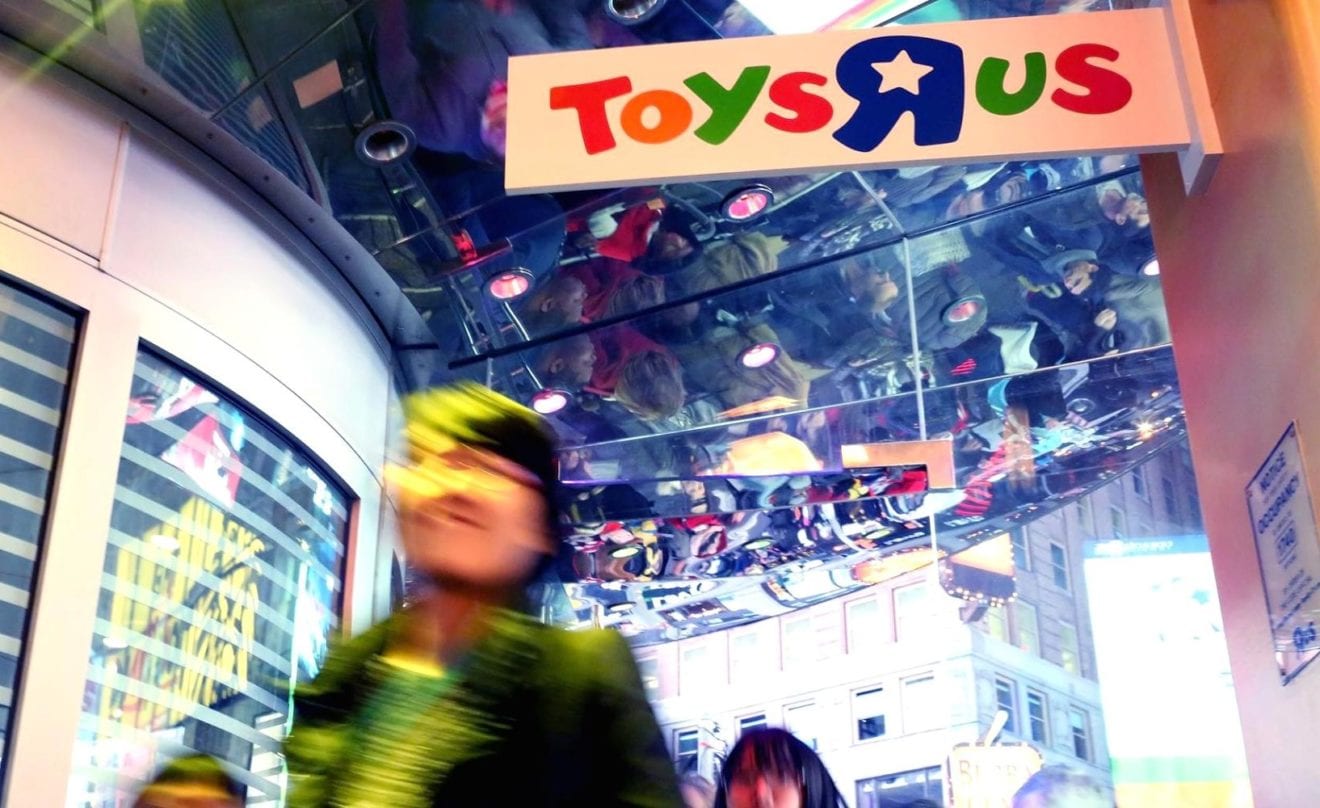
    Toys’R’Us has announced that Monika Merz, president, Asia Pacific, will retire effective May 31. Her successor will be named later.

    Monika-Merz

    As president of Toys’R’Us Asia Pacific, Merz oversees all operations and business activities for the company’s more than 300 stores in Japan, Southeast Asia, Greater China and Australia, responsible for the continued growth, profitability and success of the company in those markets.

    Since she started working at Toys“R”Us, Merz has been instrumental in the development of new store formats and merchandising concepts that have been successfully translated to other markets, ultimately strengthening the company’s position in the global marketplace.

    Dave Brandon, chairman and CEO, described Merz as a highly regarded leader “who has inspired new ideas, demonstrated innovative thinking and unwavering passion for the business and grown our Toys’R’Us brand internationally, even through challenging times and market transitions”.

    Merz’s retirement will bring to a close a remarkable career of nearly 20 years of continuous service to the company. She joined in 1996 as VP and GM, Toys’R’Us, Canada and was promoted to president, Toys’R’Us, Canada four years later. In 2007, she assumed leadership of Toys’R’Us, Japan. Her role was expanded to include responsibility for the company’s stores in Australia in 2011, and, later that year, she gained oversight of the company’s locations and corporate offices in Southeast Asia and Greater China when the company entered a joint venture agreement with Li & Fung to operate these formerly licensed stores.

    “During my time at Toys’R’Us I’ve had many experiences and challenges, but I’ve always been supported by exceptional teams and leaders,” she reflected. “I’m proud of all that we have accomplished and confident that the work we have done to provide a fun and memorable shopping experience for customers will continue after my retirement. After more than eight years in Asia Pacific, I’m now looking forward to returning to Canada and a new stage in my life.”

  • Tough battle brews in Indonesian eCommerce

    Tough battle brews in Indonesian eCommerce

    Three Indonesian eCommerce platforms are about to be launched – by Astra Graphia, CT Corp and a joint venture formed by the Salim and Lotte Groups.

    This comes after forays into eCommerce in the past 12 months by such Indonesian conglomerates Lippo Group (MatahariMall and Venturra Capital), Sinar Mas Group (SMDV) MNC Group (BrandOutlet) and MAP Group (eMall), reports E27, which says Indonesia’s eCommerce market is predicted to grow to US$130 billion by 2020.

    Salim Group has signed an agreement with South Korea’s retail giant Lotte Group to form a joint venture for eCommerce business. Launching next year, it is the second such collaboration followingElevenia.
    Lotte Group’s portfolio in Indonesia includes a department store, 41 retail stores and 31 fast-food franchise outlets. Salim Group owns businesses in the F&B, infrastructure, logistics, telco, media and real estate sectors. It also has 11,000 Indomaret minimart outlets.
    “We expect ourselves to champion the market as soon as we walk into it, says CT Corp founder Chairul Tanjung, who has yet to reveal a launch date for the group’s online venture.

    CT Corp owns hypermarket chain Carrefour, the department store chain Metro, hotels and theme parks managed by TransStudio, media companies Detik and TransTV, and fashion and F&B outlets.

    Its new eCommerce platform will be a separate business entity from the group’s TransRetail subsidiary, which covers its retail businesses.
    Meanwhile, a subsidiary of Astra International specialising in office equipment and services, Astra Graphia has spent about IDR50 billion (US$3.6 million) on developing its Axiqoe platform.
    “The online shop will display thousands of items, initially for business-to-business,” says Astra Graphia’s chief of finance Panji Nurfirman.

  • Three Indonesians Receive UK Alumni Award

    Three Indonesians Receive UK Alumni Award

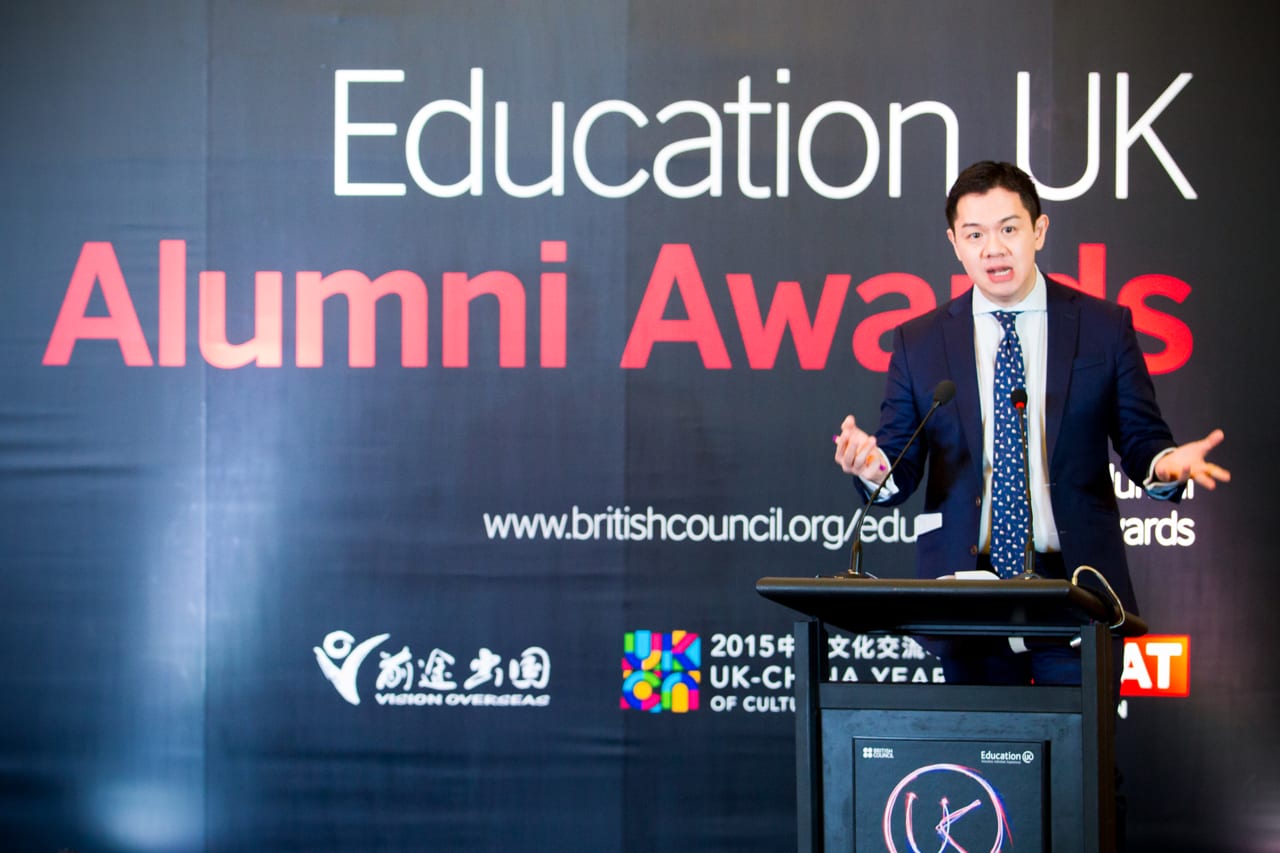
    Three Indonesian nationals, who graduated from universities in UK, received awards from the UK government at the British Council’s Education Alumni Award 2016 held on Thursday, March 3, 2016.

    The three graduates are Betty Purwandar, director of information technology at the University of Indonesia, Theresia Alit Widyasari, young entrepreneur and founder of three clothing companies, and Ahmad Fuadi, author of Negeri 5 Menara (The Land of Five Towers) novel.

    Betty was awarded as the best alumni in the professional achievement category. After completing her computer science doctorate program at Southampton University, Betty returned home to work at the University of Indonesia (UI). Betty was considered as the best alumni for helping UI to reform and improve information technology services in the university.

    “I learned how to study the World Wide Web and how the web can have positive impacts on humanity,” Betty said.

    Theresia was awarded as the best alumni in the entrepreneurship category for facilitating young generations to design, produce and market their products through her brands. Theresia, who majored in fashion business at Westminster University, said that living and studying overseas had broadened her horizon and sharpened her business skills.

    Despite doubts over the future of the fashion industry, Theresia remains confident with three of her brands, Bloop, Endorse and Urbie.

    “I learned that being good is not enough. You have to be excellent and creative,” Theresia said in her speech delivered by her colleague, since she could not attend the event.

    In addition to Betty and Theresia, Ahmad was awarded as the best alumni since his novel was considered to have positive social impacts on many people. With his readers, Ahmad founded a non-profit community called `Komunitas Menara` that provides education access and books to poor people.

    Ahmad said that the award was a proof of how a teacher can be influential to students.

    “My teacher told me to study anywhere, to go outside and not to limit myself. The advice gave me quite a push,” Ahmad, who was graduated from Royal Halloway, University of London, said.

    The Education UK Alumni Award is an event to commemorate the UK Education Month and to tighten Indonesian and UK partnership in the higher education sector. The event is also held in nine other countries, namely Brazil, China, Hong Kong, India, Nigeria, Pakistan, Saudi Arabia, Turkey, and the United States.

  • Ford to Shutter Operations in Japan, Indonesia

    Ford to Shutter Operations in Japan, Indonesia

    After pursuing “every possible option,” global auto giant Ford Motor Co. has said decided to close down all operations in Japan and Indonesia by the end of this year.

    “It has become clear that there is no path to sustained profitability, nor will there be an acceptable return over time from our investments in Japan or Indonesia,” said Karen Hampton, Ford’s Asia Pacific spokeswoman, in a statement.

    The company, she said, is committed to restructuring parts of its business that “have no reasonable path to achieve sales growth,” adding that Ford will provide ongoing support in both countries to customers for service, spare parts, and warranties.

    Industry-wide sales, even among domestic auto makers, in both Indonesia and Japan slumped in each of the last two years. Domestic automakers sold about five million vehicles in Japan last year with foreign brands holding less than six percent market share there.

    Ford's operations in Indonesia involved shipments of export cargo and import cargo in international trade.

    “In Indonesia, it was difficult for Ford to compete without local manufacturing and vehicles to sell in key market segments,” Ford spokesman Neal McCarthy told the Associated Press.

    The company, he said, has restructured its business there, but still has less than one percent of the market with “no reasonable path to sustained profitability,”

    The Ford retreat follows in the wake of rival GM’s closure last year of its manufacturing plant in Indonesia, the largest auto market in Southeast Asia.

    The GM plant was originally opened in 1995, but closed between 2005 and 2013, when it reopened with a $150 million investment.

  • Telkom Nets Rp15.5tn Profit

    Telkom Nets Rp15.5tn Profit

    State-owned telecom operator company PT Telekomunikasi Indonesia (Persero) Tbk., booked a net profit of Rp15.5 trillion last year. The figure reflects a six-percent increase from 2014’s Rp14.4 trillion net profit.

    Telkom official says that the net profit climb was mainly supported by an increase in revenue.

    “Last year our revenue rose 14.2 percent to Rp102.4 trillion,” president director Alex J. Sinaga said in an official statement to the Indonesia Stock Exchange (IDX) yesterday.

    Despite the revenue increase, Telkom’s net profit achievement last year was held back by the 26 percent increase of operating, maintenance and telecommunications services costs. Interconnection charges also rose 21.6 percent.

    As a result, last year’s operating income only rose 10.9 percent to Rp32.4 trillion.

    Telkom is currently the only listed telecommunications operators Indonesia that still managed to book profits. Other operators have been noting losses or profit declines. PT XL Axiata Tbk (EXCL), for example, suffered a loss of Rp506 billion in the period of January-September 2015. Not unlike with PT Indosat Tbk (ISAT), who posted a loss of Rp733.8 billion in the first half of 2015.

  • Indonesia, Philippines and many more sign up as exhibitors for WTM Connect 2016

    Indonesia, Philippines and many more sign up as exhibitors for WTM Connect 2016

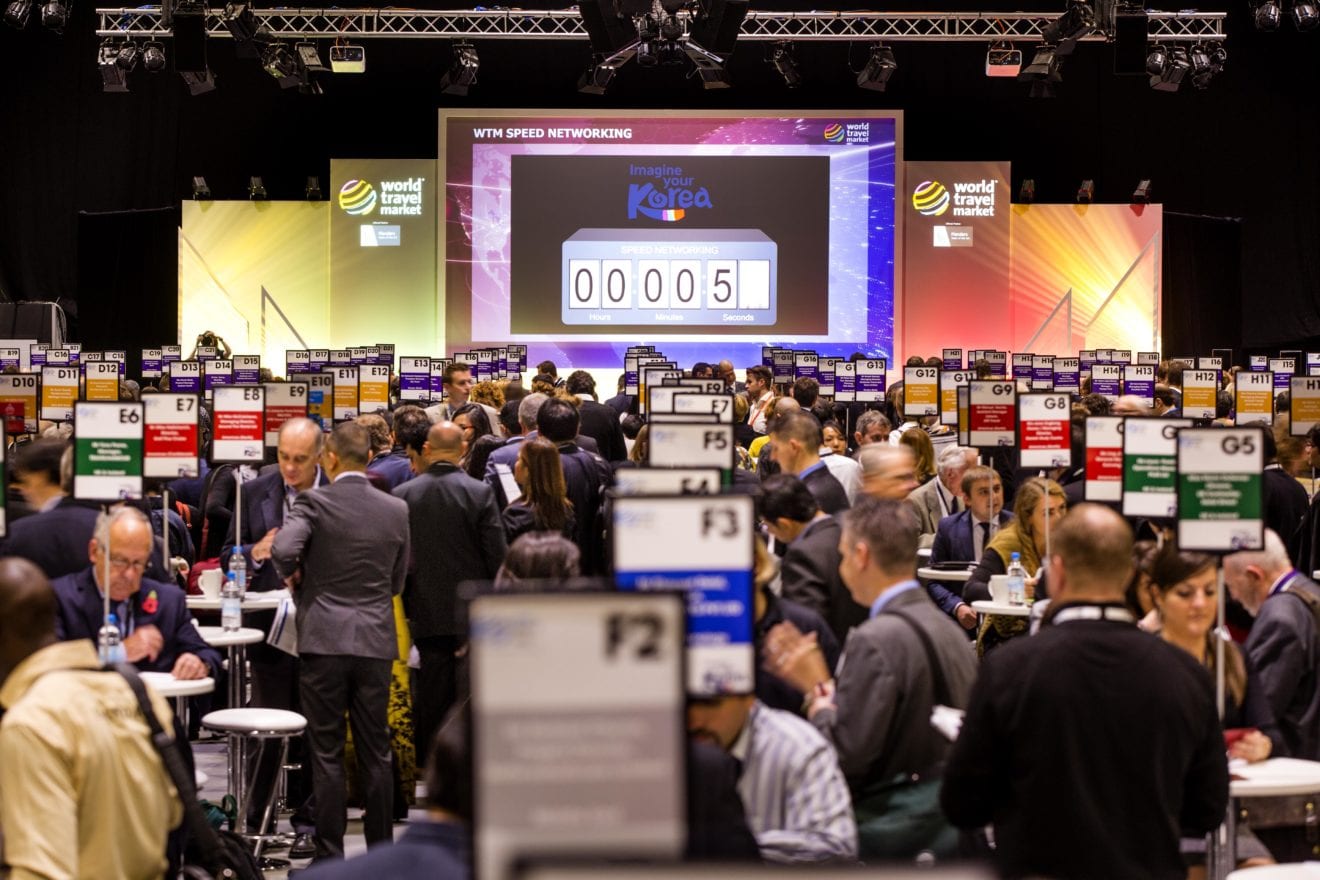
    The first editions of World Travel Market’s new “pod” shows – WTM Connect Asia and WTM Connect China, will take place back to back in May this year focusing on the booming South East Asian and Chinese leisure tourism markets.

    Both events bring together carefully selected South East Asian, international and outbound Chinese Hosted Buyers to meet with suppliers of international travel product for 2.5 days of pre-scheduled business appointments, inspiring education content, networking functions and cultural evening events.
    WTM Connect Asia will see the likes of Visit Berlin, Malaysia Tourism Promotions Board, Prodo Travel, Philippines Tourism Promotions Board, Jordan Tourism Board, Penang Tourism, Europcar International, Ministry of Tourism Indonesia and many more gather in Penang, Malaysia from May 18-20, 2016.

    Confirmed exhibitors attending WTM Connect China taking place in Sanya, Hainan Island, China from May 23-25, 2016, include Marriott Vacation Club International, Eskimos Iceland, Cox & Kings, Nepal, Westfield, Poseidon Expeditions, Uniline d.o.o, Jac Travel and Lernidee Trains & Cruises. Some suppliers such as Penang Tourism, Visit Berlin and Marriott Vacation Club are attending both Connect events making the most of the shows being a couple of days apart leading to more business deals.

    Tiara Firsalina Surya, Director of South East Asia Tourism Promotion, Ministry of Tourism of The Republic of Indonesia says: “Ministry of Tourism of The Republic of Indonesia is delighted to participate in the very first WTM Connect Asia 2016. We believe this event will be our new B2B platform based on the success of WTM London for the last several years. Ministry of Tourism of The Republic of Indonesia together with 5 tourism industries will promote Indonesia tourism to international buyers during the event.”

    James Sy, Marketing and Promotions, Philippines Tourism Promotions Board adds: “The Philippines would like to utilize the full potential of WTM Connect Asia as the world’s leading B2B travel exhibitions’ organizer and as a platform to launch our Visit the Philippines Again (VPA) 2016 branding. In addition, WTM Connect Asia will serve as a prime tool for the WTM buyers and the Philippines exhibitors to connect and network.”

    Ministry of Tourism and Culture Malaysia, Malaysia Convention & Exhibition Bureau, Tourism Malaysia and State Tourism of Penang are all supporting the launch of WTM Connect Asia in their home country. And WTM Connect China is officially supported by Sanya Tourism.

  • “Wonderful Indonesia” to join berlin Tourism Bourse

    “Wonderful Indonesia” to join berlin Tourism Bourse

    Indonesia will participate in Berlin Internationale Tourism Bourse (ITB Berlin) in Germany, March 9-13, 2016.

    The Indonesian delegation to the ITB Berlin would be headed by Tourism Minister Arief Yahya, Nia Niscaya of the tourism ministry told Antara on Sunday.

    Indonesias pavilion themed “Wonderful Indonesia” will feature a Phinisi traditional boat of South Sulawesi.

    Some 100 travel operators will join the Indonesian delegation to promote the countrys tourist destinations and offer various tour packages to buyers from all over the world.

    “The point is to market tourist destinations from Sabang (Aceh) to Merauke (Papua),” Nia Niscaya said.

    The ITB Berlin is expected to attract 10 thousand participants from 185 countries as well as at least 23 thousand visitors.

    In 2015, Indonesias delegation consisting of 88 travel agents, recorded business transactions worth Rp4.8 trillion in the ITB Berlin.

    This year, Indonesia expects to generate an increase of some 20 percent from last years value, as 850 qualified top buyers have confirmed their participation in the ITB Berlin.

    The Indonesian government hopes to generate foreign exchange amounting to Rp172 trillion from 12 million foreign tourist arrivals and Rp223.6 trillion from 260 million domestic tourists this year.

    The country has also set a target of receiving 20 million foreign tourists by 2019.

  • Sanction for SMS Cartel

    Sanction for SMS Cartel

    The verdict delivered by the Supreme Court (MA) that punishes six cellular phone operators is a new hope for consumer protection efforts.

    For years, the Business Competition Supervisory Commission (KPPU) has been trying to bring shady businessmen to justice but it was always to no avail.

    The win is not only for KPPU, but also for consumers.

    The appeal panel of the Supreme Court on Monday last week imposed a fine of Rp77 billion to six cellular operators after it is proven that they were involved in the short message services (SMS) tariff cartel in the period of 2004 – 2007.

    The verdict also strengthened the ruling made by the KPPU in 2008, that was annulled by the Central Jakarta District Court.

    The sanction is actually very light.

    The Supreme Court should have imposed a more severe sanction, considering financial losses suffered by consumers are quite big.

    Based on the calculation done by the KPPU, financial losses suffered by consumers due to the SMS cartel reached Rp2.87 trillion.

    In addition, the fine is nothing compared with the profits gained by those cellular operators.

    The suspicion of conspiracy to determine the SMS tariff was apparent when the KPPU began investigation of this case.

    The indication of the violation of Law Number of 5 on 1999 on the ban of Monopoly Practices and Unhealthy Business Competition is seen from the SMS tariff that did not move from the figure of Rp250-350 since 2001.

    In fact, according to the calculation of the Regulation Board of PT Telekomunikasi Indonesia, tariff of sending text messages (SMS) should have been lower.

    Besides, since 1 January 2007, the calculation of the tariff is based on production costs.

    If we follow the pattern, there should be no reason to set the tariff high.

    From the calculation of the Regulation Board, production costs of sending a single SMS should be only Rp76 at most.The money is divided for the sending operator and the recipient operator.

    The evidence that the cartel did exist was getting stronger when the KPPU found a written agreement among them.

    This conspiracy must be stopped.

    Over the years, users of cellular phones had to pay higher tariffs of sending text messages, even higher compared with the tariffs in developed countries.

    For the record, users of cellular phones are not only bosses in skyscrapers, but also construction workers and meatball vendors.

    Consumer protection is indeed a rare item in this country.

    It is often much talked about and even regulated by laws but the practice is non-existent.

    Our consumers are virtually without power.

    The verdict delivered by the Supreme Court can serve as an ammunition for consumers to retrieve their rights stolen by cellular operators.

    The verdict can also be used as evidence to file a class action at the district court.

    The class action can also give deterrent effects for those shady businessmen.

    As an institution mandated to conduct supervision, the KPPU should be more active in unveiling nasty practices in the business world.

    If ‘economic diseases’ such as monopoly, cartels, and unhealthy business continue to get rampant, the economy will not be efficient and will be difficult to compete with other countries.

    Eventually, not only consumers in certain business sectors who will suffer, but the whole nation will also bear the brunt.

  • Toyota starts production of new engine at its Indonesia plant

    Toyota starts production of new engine at its Indonesia plant

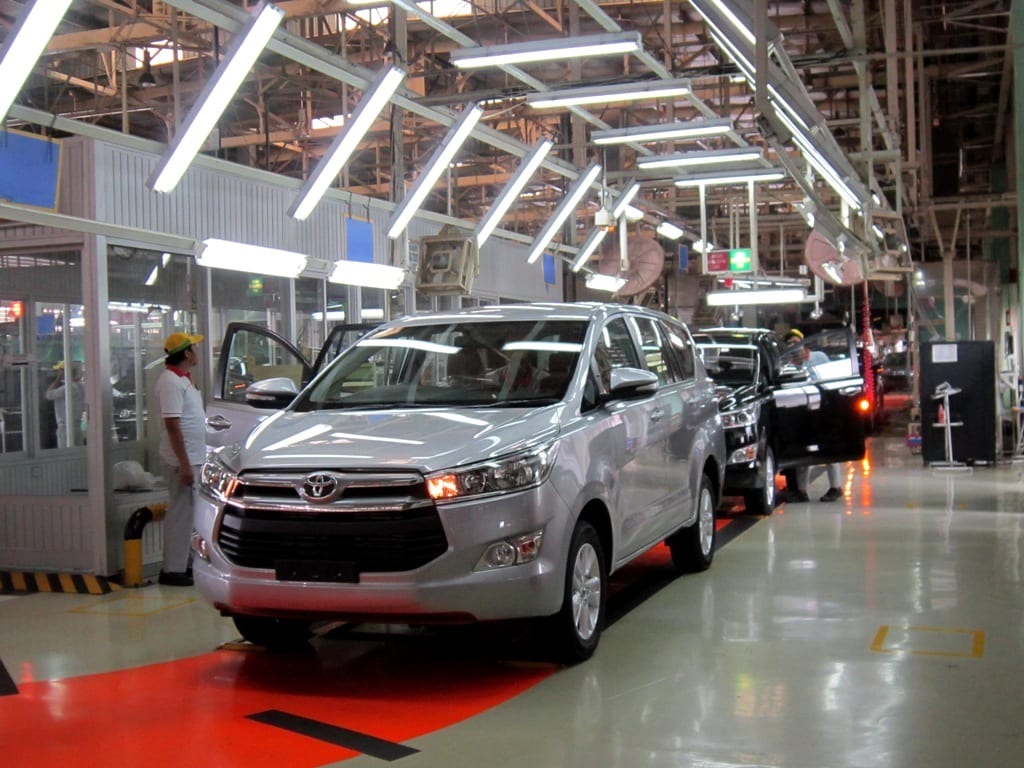
    Toyota Motor Manufacturing Indonesia has commenced production of engines at Karawang plant in West Java.

    Karawang plant has been built at a cost 2.3 trillion Indonesian Rupiah ($172m).

    The plant is expected to produce at least 216,000 engines per year by employing about 400 employees.

    The plant will produce 1.3 and 1.5 liter Toyota NR engines, which the company claims to be fuel efficient.

    According to the company, some of these engines are for export.

    Toyota already has four more plants in Indonesia, with two plants in Sunter and two more plants in Karawang. This is the third plant in Karawang.

    Speaking at the plant’s opening ceremony, Toyota’s senior managing officer Koei Saga said: “Toyota sees TMMIN as one of our core hubs for the production and supply of both vehicles and engines.”

    “Through our operations here, we hope to maintain and strengthen our position as part of the local community here in Indonesia.”

    The Japanese car manufacturer said that it wants to achieve a sustainable growth which is a significant shift from its previous strategy of high-volume production.

    It says that it wants to build plants which are safer and more environmentally friendly where innovative production techniques could be introduced.

    At this plant, Toyota is introducing two major production technologies including on-site melting, which it is deploying for the first time outside Japan.

    The company is introducing a smaller furnace which reduces the risks associated with transporting the molten alloy and improves safety.

    By using smaller furnaces, Toyota has also been able to keep the cost at minimum.

    Toyota is also introducing inorganic sand cores which will be placed inside casting molds to create cavities for final cast components.

    Earlier organic materials were being used which produce tar particles and strong odors. To remove these impurities, large dust collectors and deodorizers are required.

    By introducing inorganic materials, Toyota hopes to reduce the use of these dust collectors and deodorizers.