Tag: Indonesia

  • Indonesia to speed up EU CEPA negotiation

    Indonesia to speed up EU CEPA negotiation

    Indonesia will speed up negotiations on the Indonesia-European Union (EU) Comprehensive Economic Partnership Agreement (CEPA), aiming to have an agreement with the EU come into effect within two years.

    The two parties had discussed the implementation of the CEPA in a meeting with EU trade ministers during the World Economic Forum (WEF) in Davos last week, Trade Minister Thomas Lembong said.

    “It has been decided in a Cabinet meeting that we will have a trade agreement with the EU. We must start it immediately because the President gave us two years to complete the agreement,” Thomas said in Jakarta on Tuesday.

    In contrast to the discussion of trade agreements in the Trans Pacific Partnership (TTP), which still required time for assessment to solve the challenges, Thomas underlined that there were no special constraints on the Indonesia-EU CEPA discussion.

    The planned Indonesia-EU CEPA has been stagnant since 2013. Vietnam, which started free trade agreement negotiations with the 28-member trading bloc in the same year reached an agreement in August last year.

    The EU CEPA covers issues of trade and business, including the reduction of trade barriers and liberalization of government procurement. The two points are also included in the TPP framework.

    Aside from the two agreements, Thomas continued, the ministry also held meetings with trade ministers from several countries to discuss bilateral trade agreements.

    “We are exploring bilateral trade agreements with Australia. Also with the EFTA [European Free Trade Association] which consists of Norway, Switzerland, Iceland and Liechtenstein,” Thomas said.

  • US e-commerce giant eBay plans to open office in Indonesia

    US e-commerce giant eBay plans to open office in Indonesia

    According to information on eBay’s Linkedin link, the head will also be representative and spokesperson for the company.

    eBay already has an existing joint venture company named PT MetraPlasa with a unit of state-owned telecommunication operator PT Telekomunikasi Indonesia Tbk (Telkom). In 2012, eBay and Telkom partnered to increase e-commerce business in Indonesia through Plasa.com, now known as Blanja.com.

    One of the primary objectives of eBay’s new head will be to find local products that can be sold in the global market and to support Indonesian retail exporters.

    Telkom expects the partnership with eBay will enable small and medium enterprises (SME) in Indonesia to tap the global market.

    Blanja.com, a trading site that is in the same space as the likes of Tokopedia, Lazada, Blibli, has more than one million products listed of which 90 per cent would be locally made and sourced.

    This site operates several categories: fashion & accessories, health & beauty, gadgets, toys, home, computer, movies, music, automotive, photography, sports equipment, travel and food.

    The US-based eBay, set up in 1995, currently has branches in more than 30 countries. The site implements consumer to consumer (C2C) and business to consumer (B2C) trade. It can be accessed freely by buyers. However, the seller should pay to put their products on eBay.

    EBay’s move comes at a time when the Indonesian government is planning to launch a roadmap for e-commerce business in February to boost foreign direct investment.

    The government is warming up to the idea of allowing foreign ownership of up to 100 per cent for marketplace platforms with assets of over Rp10 billion.

    At present, Indonesia does not allow foreign ownership in local (business to customer (B2C) retail e-commerce companies, but this restriction does not apply to online marketplaces that mediate between buyers and sellers (C2C).

  • Printed Media Enters Twilight Period

    Printed Media Enters Twilight Period

    In line with the increasing popularity and knowledge of internet in the society, many online media have successfully attract readers and printed media advertisers. “This is what we call the twilight of print media,” said Communications and Informatics Minister Rudiantara on Tuesday, January 26, 2016.

    According to Rudiantara, the progress of online media can be seen from the constantly improving financial performance of the companies. “Just look at their balance sheets in the stock market,” said Rudiantara.

    Rudiantara added that compared to printed media, online media can be considered to have the upper hand in presenting information. By accessing a digital news website, consumers can read texts, see pictures and watch videos almost at the same time. In addition, readers who wish to interact with writers can just leave a comment and immediately receive responses.

    Such advantages also attract advertisers. Rudiantara predicted that more advertisers will prefer to advertise through online media. “For advertisers, online media offer advantages, ranging from placement to payment,” Rudiantara said.Ari Fadyl, head of transformation and innovation at AXA Indonesia, also said that it is easier to attract consumers through online media. Only by clicking links, prospective consumers can enter a company’s homepage or mobile app. “This is important because to buy an insurance, for example, people need to be assured with explanations or ‘experiences’,” said Ari.

    Ari explained that ‘experiences’ can be in the forms of online test to identify a children’s talent in relation to finding the right school, which will eventually attract parents to apply for an educational insurance. Such method, Ari claimed, is proven to be effective in gathering customers. “We just started using digital platform two years ago, and now we have around eight million customers from [online platform],” Ari said

  • Malaysian banks in Indonesia to gain from BI rate cut

    Malaysian banks in Indonesia to gain from BI rate cut

    The interest rate cut by Bank Indonesia (BI) last week and further anticipated rate cuts in that country could be a game changer for Malaysian banks in Indonesia as they could see an uplift in their loan growth and earnings amid a challenging economic environment following weaker commodity prices and slower economic growth.

    Malayan Banking Bhd (Maybank) and CIMB Group Holdings Bhd’s units had been bogged down by provisions due to pressure on their asset quality but this scenario is set to change amid signs of further rate cuts by the Indonesian central bank.

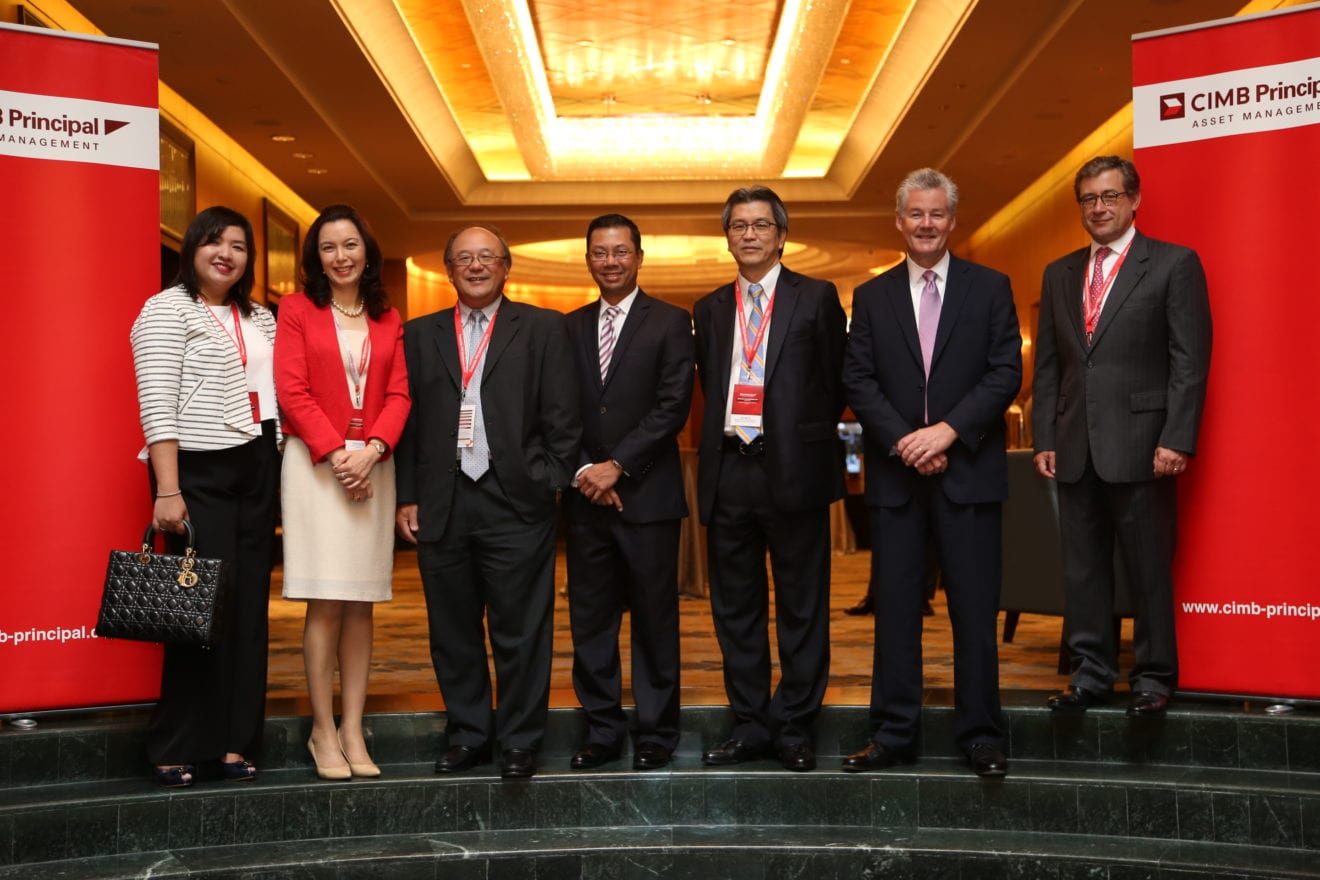
    Maybank operates in Indonesia via PT Bank Maybank Indonesia Tbk and has about 80% shareholding in Maybank Indonesia Tbk while CIMB Group has 97.94% stake in PT Bank CIMB Niaga Tbk.

    CIMB Group chief executive Tengku Datuk Seri Zafrul Aziz, via an e-mail, told StarBiz the move to cut interest rates by BI would see further uplift in CIMB Niaga’s loan growth this year.

    “BI is adopting a growth strategy for its 2016 monetary policy. As such, we believe there will be further interest rate cuts this year. We expect CIMB Niaga earnings to improve this year on the back of sustained net interest income, improved non-interest income as well as lower loan provisions,” he said.

    He said the group was still positive on the longer-term growth and opportunities in Indonesia and were placing added focus on the consumer and small-medium enterprise (SME) segments in a bid to boost earnings growth.

    “With the government’s economic policy packages that aim to boost the economic growth in Indonesia, we are cautiously optimistic of our business growth there.

    “On the direction of the gross non-performing loans (NPL) of the industry, it is highly dependent on the macroeconomic shifts from commodity prices, the currency and consumer consumption. For CIMB Niaga, we expect gross NPLs to gradually reduce, going forward, from the high of 2015,” Zafrul added.

    For the third quarter ended Sept 30, 2015, CIMB Niaga’s gross NPL ratio improved to 3.17% compared with 3.35% in the same period a year ago as a result of sales of asset to an affiliated company of CIMB Group. Its loan loss coverage during the period increased to 120.96% from 82.89% a year ago.

    The group’s Indonesian arm posted a net profit of 442 billion rupiah (RM137.4mil) for the third quarter. Comparatively, it recorded 93 billion rupiah a quarter ago.

    The bank kept its position as Indonesia’s fifth largest bank by assets, with total assets standing at 244.29 trillion rupiah, representing a 7.3% increase year-on-year.

    Total gross loans rose 7.2% year-on-year to 178.89 trillion rupiah, driven largely by growth in corporate loans, consumer loans and in micro small-medium enterprise banking, while commercial loans remained flat.

    BI, on Jan 14, announced a 25-basis-point cut in its benchmark policy rate to 7.25% in a bid to lift an economy growing at its slowest rate in six years.

    Zafrul said CIMB Niaga would follow suit with the rate reduction and also make adjustments to its lending interest rate accordingly as the cost of funds would be correspondingly lower.

    He said the banking group has also identified a few key priorities for CIMB Niaga this year. These include looking at ways to optimise its SME franchise, further developing its treasury and market capabilities and growing the consumer banking business while focusing efforts to increase CASA (current account/savings account), improve asset quality and continuing with its stringent cost management initiatives.

    Additionally, Zafrul said CIMB Niaga would play a more active role as the leading digital bank in Indonesia with the support of a new core banking infrastructure.

    Meanwhile, despite weakening asset quality, Maybank Indonesia’s net profit for the nine months ended Sept 30, 2015 increased by 70.7% to 592 billion rupiah (RM187.1mil) from 347 billion rupiah a year ago. Its gross NPL stood at 4.34% in the third quarter from 2.55% last year. The bank posted loans growth of 6.6% to 111.5 trillion rupiah in the nine months from 104.6 trillion rupiah in the same period in 2014.

    On the loan growth for CIMB Niaga and Maybank Indonesia as a result of the interest rate cut, Malaysian Rating Corp Bhd head of banking Sharidan Salleh said: “During the nine months of last year, the two banks’ loans grew by about 7% year-on-year. We expect the banks’ loan growth could be higher in 2016 at about 9%-10% in tandem with the expected higher GDP growth at 5.3% in 2016 from 4.73% in 2015.

    “The economic growth is expected to be supported by Indonesian government-driven infrastructure projects. However, banks’ profits from Indonesian operations could be pressured by provisions and compressed margin. Given the current challenges in the economy, we expect the asset quality of these banks would remain under pressure in 2016.”

    UOB Kay Hian analyst Alexander Margaronis said that based on historical data, significant loan growth in Indonesia might take three quarters to pick up after the first rate hike.

    Furthermore, he said the relationship between time-deposit (TD) rate cuts to BI reference rate cut was 1:1 in the short term with no lag time.

    “As we expect further BI rate cuts down the road, cost of funds could come down further as time deposit rates decrease. This should keep the industry’s net interest margin relatively stable or even higher.

    “In the last major round of rate cuts by the BI (2009-2013), BI reference rates came down by a total of 350 basis points (bps) versus TD rates declining by about 500 bps whereas lending rates came down by about 300 bps,” Margaronis noted.


  • Singapore’s Anchanto in MoU with Pos Logistik Indonesia

    Singapore’s Anchanto in MoU with Pos Logistik Indonesia

    Singapore-headquartered e-commerce fulfillment company Anchanto said it has signed a Memorandum of Understanding (MoU) with Pos Logistik Indonesia to bring its technology, expertise and regional network to the fast-growing Indonesian market.

    Indonesia is the largest e-commerce market in South-East Asia, and growing rapidly as local consumers shift to online purchasing, Anchanto said in a statement.

    However, one barrier is that logistics providers continue to use processes built for B2B (business-to-business), and not purpose-built technology. This results in a lack of end-to-end visibility of orders, errors and delays in deliveries, and higher costs, the company argued.

    Anchanto was founded in June 2011, and last November landed an undisclosed Series B round from Japan’s Transcosmos Inc.

    The MoU between Anchanto and Pos Logistik Indonesia, a subsidiary of PT Post Indonesia, will bring Anchanto’s e-commerce-focused technology to Indonesia, it added.

    This will offer both local and cross-border companies fulfillment services that are developed from the ground-up.

    “This MoU allows us to build the biggest e-commerce fulfillment and logistics offering for the Indonesian market,” said Anchanto cofounder and chief executive officer Vaibhav Dabhade.

    “Our mission is to let e-commerce companies, sellers and brands focus on what they do best, while we take care of providing world-class fulfillment technology and infrastructure with 3PL (third-party logistics) partners in the region to them at scale, on demand,” he added.

    Once implemented by March, Anchanto and Pos Logistik Indonesia will carve out a dedicated e-commerce team to offer a complete suite of services.

    This will include real-time order visibility, picking and packing, channel sales management, persistent inventory listing across local and regional marketplaces, and customer support.

    “We have a robust plan to capture e-commerce logistics and cross-border e-commerce market share for the Indonesian market by helping SMEs (small and medium enterprises), local businesses and brands,” said Pos Logistik Indonesia director Hariyanto.

  • CEO stresses value of physical stores, not just e-commerce

    CEO stresses value of physical stores, not just e-commerce

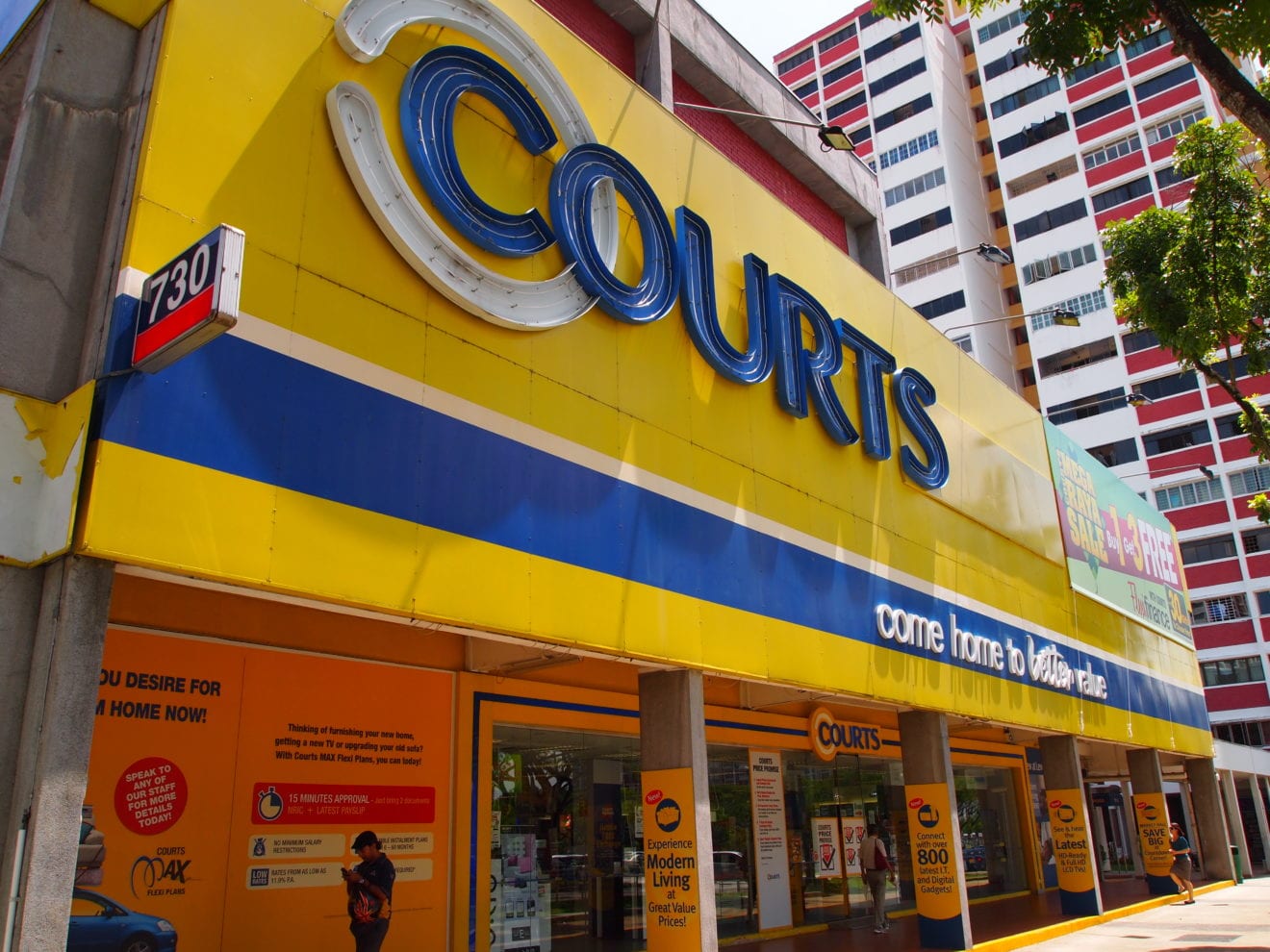
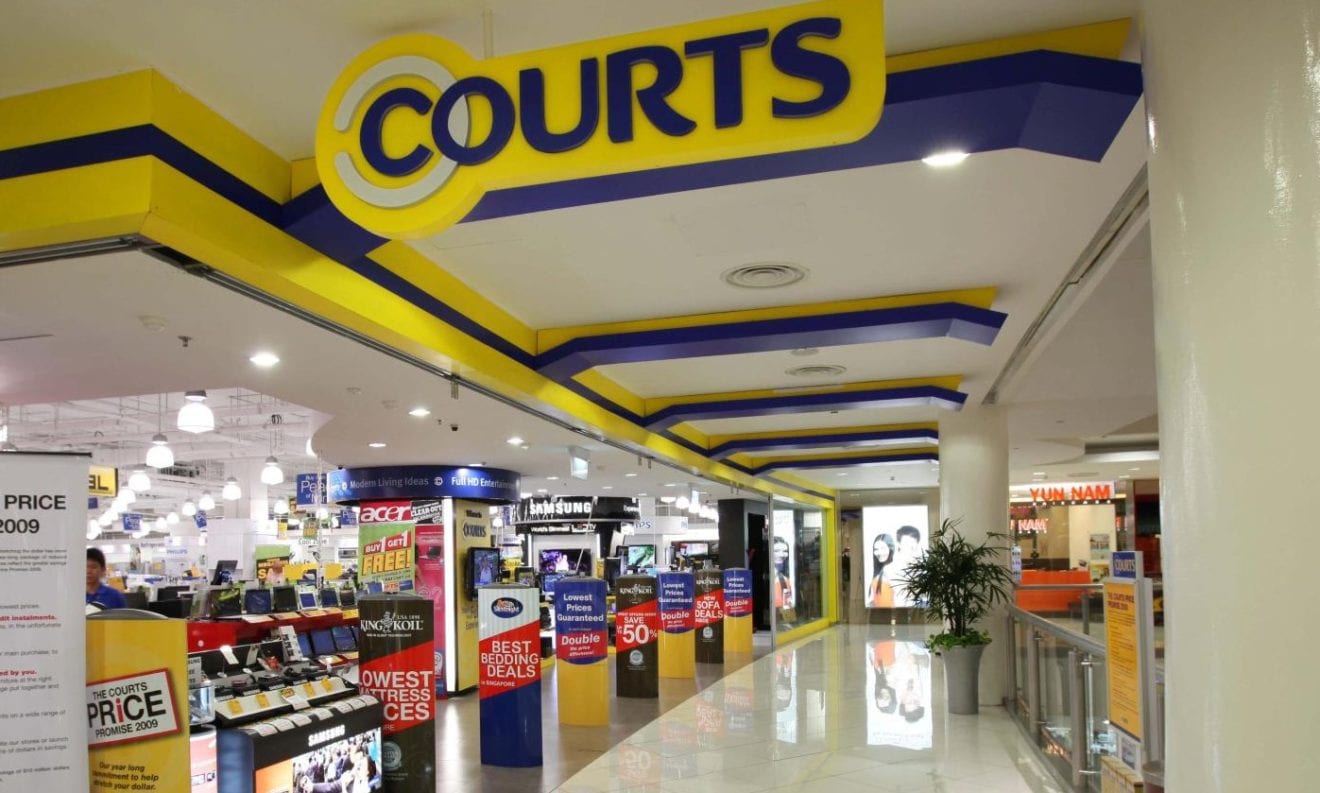
    Electrical goods, information technology and furniture retailer Courts Asia believes that while e-commerce has been gaining popularity, retailers should not neglect their brick-and-mortar operations. The Singapore-based company also sees technology and renting in suburban areas as important revenue sources.

    Terry O’Connor, Group CEO of Courts Asia (Photo by Courts Asia)

    Terry O’Connor, group CEO of the Singapore-based retailer, said that physical stores still play an important role for retailers. “Especially in the case of high-demand products like the latest smartphone, customers want to make sure they get one, rather than waiting for it to be delivered another day,” he said. O’Connor noted that online shoppers do not necessarily prefer delivery, as they may not be home to receive the goods when they arrive. “About half of our customers buy online and then collect (the goods) from the store,” he said.

    Investing in technology is also crucial for retailers to grow their business. Courts Asia recently implemented a queuing system recommended by Google for their online peak periods. “The system stops the website from crashing by having a slightly moderated waiting time of one to two minutes, so everyone effectively ends up transacting faster,” he said. “It has really helped in terms of the conversion rate and reduced some of the abandoned online shopping carts,” he observed. Courts Asia saw higher sales on 2015’s Black Friday and Cyber Monday peak shopping days compared with a year earlier.

    For retailers entering a new market, renting space in suburban areas can reduce costs and gain access to more customers. O’Connor warned that new retailers “will have to pay high rent from day one” if they instead start their business by renting space in the central business district or prime areas. He added that this in turn increases costs significantly and result in the retailer losing out on customers who live outside the city.

    He also suggested that investing in areas that complement the core business is an important step in a company’s expansion. “A lot of retailers that have gone into a completely different field have failed, as it is not their core skill set,” he said. Retailers should go to “the most adjacent category which has a synergy to what they already sell.”

    Courts Asia has grown into one of the largest retailers in Southeast Asia, with 80 stores totaling over 148,600 sq. meters of retail space. Originally named Courts, the company began as a furniture retailer in the U.K. It was established in Singapore and Malaysia in 1974 and 1987, respectively. In 2012, it was renamed Courts Asia and listed on the main board of the Singapore Exchange. In 2014, Courts Asia entered the Indonesian market.

  • Jakarta index closes higher on Friday

    Jakarta index closes higher on Friday

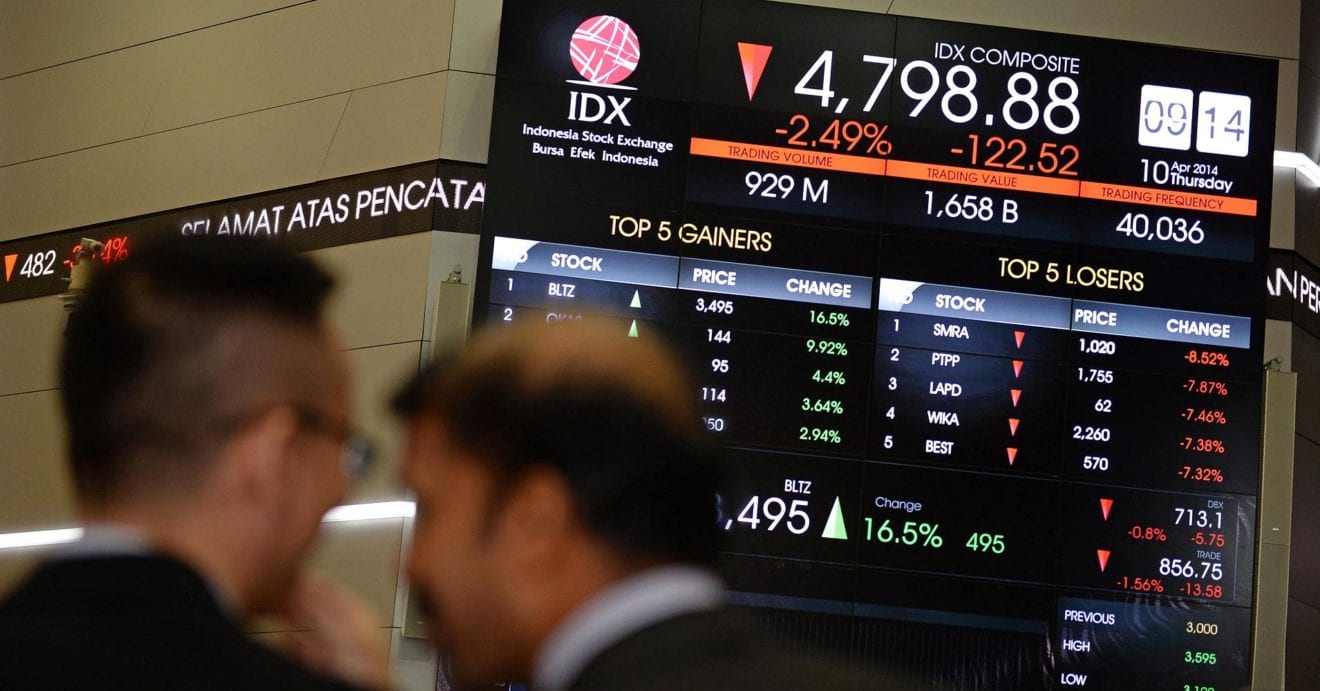
    The Jakarta composite index (JCI) closed 42.61 points higher on Friday on selective buying by market players.

    The index of the Indonesian Stock Exchange rose 0.96 percent to 4,456.74 points with index of 45 blue chips up 1.48 percent to 779.31 points.

    Selective buying of big capitalization shares pushed up the JCI slightly, HD Capital analyst Yuganur Wijanarko said.

    “In addition, share prices in foreign markets generally rose on oil prices being on the increase lately , prompting market players on the domestic market to buy shares< he said.

    The price of WTI on Friday afternoon rose 4.3 percent to S$30.80 per barrel and Brent pri9ce was up 5.09 percent to US$30.74 dollar.

    Satisfaction expressed by the Capital Investment Coordinating Board (BKPM) with the achievement in direct investment to Rp545.4 trillion in 2015 gave positive sentiment to the market.

    In 2016, BKPM set growth target at 9.3 percent for direct investment to Rp594.8 trillion .

    There were 213,493 transactions in the market on Friday with 4.07 billion shares valued at Rp5.25 trillion changing hands .

    Regional markets such as Hang Seng, Nikkei and Straits Times recorded gain in index.

    Meanwhile the national currency rupiah closed stronger trading at 13,834 per U.S. dollar gaining from the previous level of 13,906 per dollar.

    “Rising trend of oil prices propped up the currencies of emerging countries ,” financial market observer from Bank Himpunan Saudara, Rully Nova, said.

  • Indonesia wins three Aseanta 2016 awards

    Indonesia wins three Aseanta 2016 awards

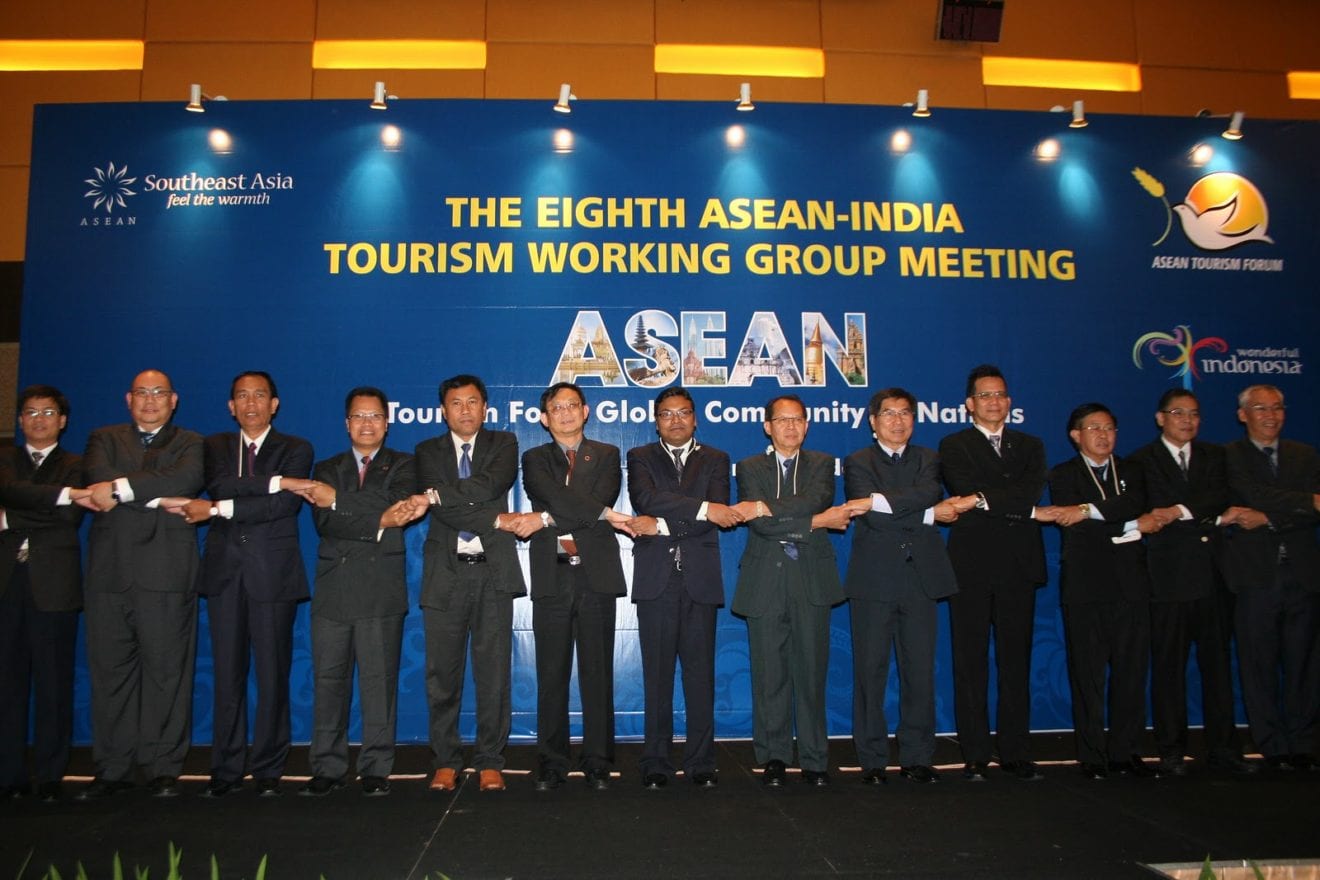
    Indonesia has won awards in three out of the six categories of the ASEAN Tourism Awards (ASEANTA) 2016 at an event held in Manila, the Philippines, a minister said.

    “Wonderful Indonesia” won awards in three of the six categories of the ASEAN Awards, Tourism Minister Arief Yahya said in a press statement on Friday.

    “We have beaten some competing countries, including Malaysia,” Arief Yahya said.

    The three awards were in the categories of the Best ASEAN Tourism Photo, the Best ASEAN Cultural Preservation Effort, and the Best ASEAN Travel Article.

    “Morning in Bromo” by Agung Parameswara grabbed the award in the Best ASEAN Tourism Photo category.

    “Mang Udjo,” the Angklung bamboo musical instrument center in Bandung, Indonesia, was the winner of the Best ASEAN Cultural Preservation Effort category.

    And for the Best ASEAN Travel Article category, the winner was “The Perfect Wave,” published in Garuda Indonesia Color Magazine.

    “Meanwhile, Malaysia won two awards and Singapore only one award,” the minister said.

    Minister Arief Yahya was in Manila to attend the 35th ASEAN Tourism Forum (ATF), held from January 18 to 22, 2016.

    The ASEAN Tourism Forum is very strategic to Indonesia because the ASEAN market is the largest contributor to tourist arrivals, he noted.

    In the ATF held in Manila, tourism ministers from all ten member countries of ASEAN – Indonesia, Brunei Darussalam, Malaysia, Cambodia, Singapore, Thailand, the Philippines, Vietnam, Myanmar and Laos participated.

    He believed that the ASEANTA Awards would help promote Indonesian tourist destinations internationally.

    The three other ASEAN Award categories were the Best ASEAN Marketing and Promotion Campaign, the Best ASEAN New Tourism Attraction, and the Best ASEAN Airline Program.

    Filipino President Benigno S. Aquino III spoke before the ASEAN tourism ministers on Wednesday.

    He said that the number of tourist arrivals in ASEAN reached 105.1 million in 2014, a staggering 42.4 percent increase from 73.8 million tourist arrivals in 2010.

    Of those 105.1 million visitors, he said, 49.22 million came from within the ASEAN itself.

    “We belong to a region that holds vast potential in terms of tourism,” President Benigno was quoted as saying by the Philippine Information Agency (PIA).

  • Auto market flooded with imports from Thailand, Indonesia

    Auto market flooded with imports from Thailand, Indonesia

    A report of the General Statistics Office (GSO) showed a high car import growth rate in the last year. Vietnam imported $6 billion worth of cars in 2015, an increase of 59 percent in comparison with 2014.

    These include 125,000 CBU cars (complete built unit) worth $3 billion, an increase of 77 percent in quantity and 88 percent in value in comparison with the year before.

    Of the imports, transport vehicles were worth $1.2 billion, less-than-9-seater cars $507 million and large-size cars $34 million.

    Analysts noted that of the 10 largest markets from which Vietnam imports cars, including China, Japan, South Korea, Germany, the UK, France and India, imports from Thailand and Indonesia have seen sharp increase in the last months of the year.

    According to the General Department of Customs (GDC), in the first 11 months of 2015, Vietnam imported 23,516 CBU cars from Thailand, worth $406.1 million. The figures were much higher than 14,416 cars and $243 million in the same period of the year before.Both of them are ASEAN members.

    The car imports from Indonesia were lower than from Thailand, but have also seen a high growth rate. In 2014, Vietnam imported 1,686 cars from the market with the value of $16.9 million. Meanwhile, in 2015, the figure rose to 3.277 and $32.6 million.

    Analysts pointed out that Vietnam also imports vehicles in a large quantity from China, but the imports from the market are mostly trucks and specialized vehicles, while the imports from Thailand and Indonesia are mostly those with less than nine seaters.

    Vietnam not only imports CBU cars from Thailand and Indonesia, but car components as well, $542 million and $105 million, respectively, in 2015, which were even higher than the CBU import turnover.

    Analysts commented that large imports from two ASEAN countries are predictable, especially since the car price decreased by 40-42 percent recently.

    They believe that the imports from ASEAN would dominate the domestic market thanks to their more reasonable prices, compared with imports from developed countries and domestically made products.

    According to the Strategy Research Institute, the car price in Vietnam is much higher than Indonesia because taxes and fees make up 40-50 percent of the cars’ value.

    Toyota Camry in Vietnam, for example, is priced at $50,000, while it is just $40,000 in Indonesia. Similarly, the price of Honda CR-V is $45,000 in Vietnam and $29,000 in Indonesia.

    The Ministry of Finance estimated that from 2019 when the import tariff and luxury tax are cut, cars with cylinder capacity of less than 1,000 cm3 would see prices drop by 42 percent.

    Car owners complain about regulations on equipping their cars with fire extinguisher

    • Renault eyes Vietnam expansion
    • Vietnam buys many Chinese goods, from onions to cars
  • Baewan Airport Ready to be Operated

    Baewan Airport Ready to be Operated

    Harun Thohir airport in Bawean, East Java province, is ready to be operated in early 2016. The construction of the airport began in 2008.

    “The airport is ready and now we’re waiting for the readiness of Transportation Minister Ignasius Jonan to come to Bawean (to inaugurate the airport),” said Head of East Java Transportation Agency Wahid Wahyudi on Saturday (23/1).

    According to Wahid, the airport is 100 percent ready to be used.

    The airport is expected to be used by DHC 6 Twin Otter Series 3000 planes owned by airline PT Airfast Indonesia and the plane has the capacity of 18 passengers.

    Meanwhile, Surabaya-Bawean route flight will receive transportation subsidy. However, Wahyudi admitted that the discussion of the subsidized price of ticket has not been settled but it is estimated that the price would be around Rp350,000.

  • Astino to market agro-house products in Vietnam and Indonesia

    Astino to market agro-house products in Vietnam and Indonesia

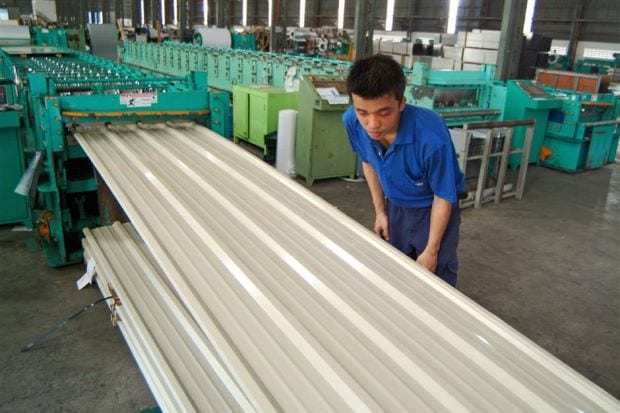
    Building material and roofing product manufacturer Astino Bhd plans to tap new markets overseas in two years selling its agro-house and green-house structure products. Group chief executive officer Ng Back Teng said the group was now selling the products only in Malaysia. “We want to strengthen our presence in the country first before going overseas,” he said after the company’s AGM on Friday.

    “We have in mind the markets in Vietnam and Indonesia.” At present, the products contribute less than 10% to the group’s revenue. “In the future, the contribution is expected to increase significantly,” he said. For the second financial quarter, the group’s business continued to be weak, due primarily to the slowdown in the construction sector, according to Ng. “The first quarter ended Oct 31, 2015 saw the group registering an 8%-9% drop in revenue. We expect the business for the second quarter to remain flat,” he said. Ng said the group had also reduced the import of steel-based materials due to the weakened ringgit.

    The group has seven facilities in the country, with three in Penang, two in Bukit Beruntung (Selangor), one in Pahang, and another in Malacca. “There are no plans for expansion this year,” he said. Ng said the group would focus on improving operational efficiencies and explore the possibility of producing new metal building material products to penetrate into new local and overseas markets. He added that the second facility in Bukit Beruntung started operations in late 2015. “The new plant should help the group to strengthen its foothold in the central and southern regions,” he said. Astino shares shed 2.5 sen to close at 66.5 sen on Friday.

  • Singapore-Based Courts Retail Opens Second Megastore in Indonesia

    Singapore-Based Courts Retail Opens Second Megastore in Indonesia

    “Indonesia is currently the driver of Courts’ growth. Since we first entered Indonesia in 2014, we now operate two megastores and three regular outlets. We aim to open twelve more outlets by 2018. This is our commitment in catering to the demands of Indonesians,” Roy Santoso, Courts Retial Indonesia country chief executive officer, said in a statement over the weekend.

    Courts opened its first big-box store in Indonesia last year in the Kota Harapan Indah township of Bekasi, on the eastern outskirts of the capital, before expanding with smaller stores in Bogor, West Java. Its Singapore-based headquarters currently operates 80 stores with over 1.6 million square meters of retail space in Southeast Asia.

    As of November last year, sales from Indonesia contributed to 1.7 percent of Courts Asia’s sales of S$186.1 million ($130.17 million), up 4.2 percent year-on-year, according to a listing on the Singapore Exchange.

    Retailers, both local and foreign-owned, have long touted Indonesia as an attractive market, thanks to its expanding middle class and young consumers.

    The country’s retail industry is projected to grow between 11 percent and 12 percent this year, after a modest 8 percent growth last year, as purchasing power across the country is expected to rebound alongside improving economic growth, according to Indonesia’s Retailers Association chairman Roy Mendey.

    “There was some cooling down in [purchasing power] last year because of slowing growth but we started to see an upward trend in sales during the fourth quarter,” he said recently.

  • First Internet Retailing Expo in Asia Took Place in Jakarta

    First Internet Retailing Expo in Asia Took Place in Jakarta

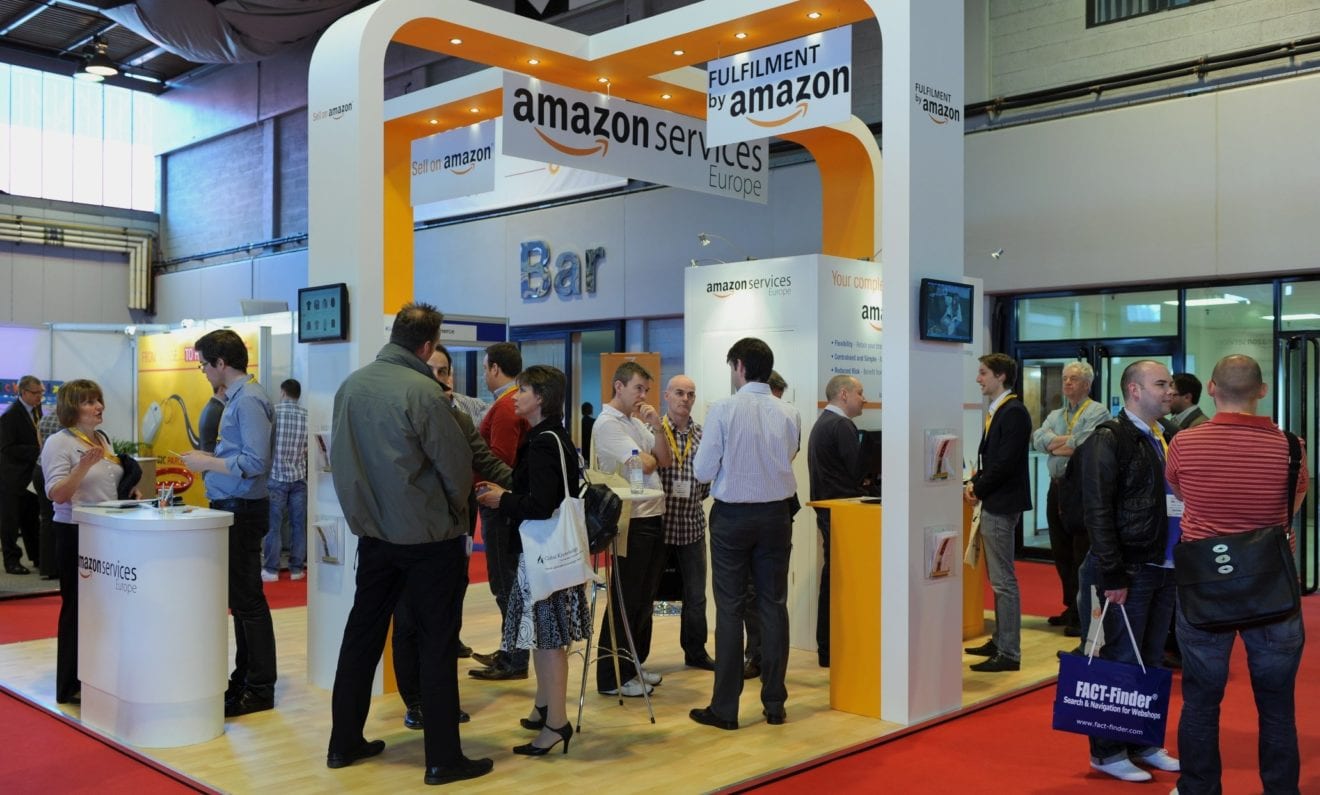
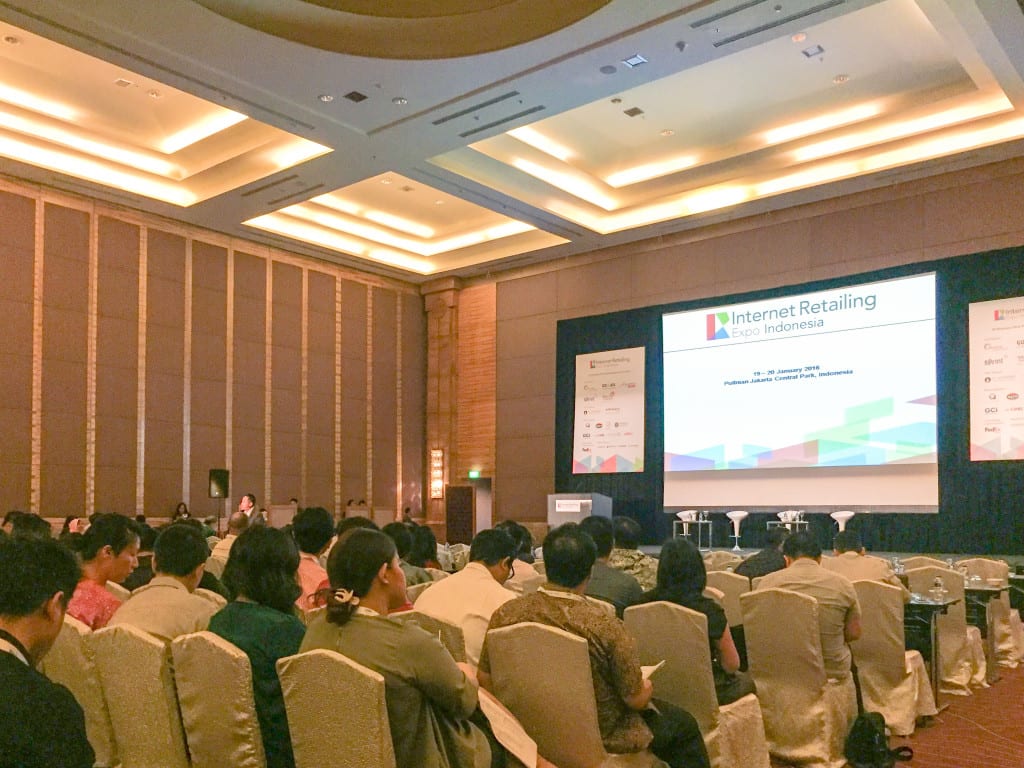
    On 19-20 January 2016, Internet Retailing Expo successfully launched its first edition in Jakarta. Indonesia was chosen to host the event due to the potential of country’s consumer market and an online market that is ready to take-off.

    The two-day conference happened in Pullman Hotel at Central Park, Jakarta, with focuses on both learning and the evaluation of technologies, products and services to help retailers looking to establish and grow their online retails strategies.

    IRX Indonesia 2016 was a roaring success with more than 700 industry professionals and 500 retailers attending the event. It aims to be the meeting place for the multichannel industry where retailers meet key suppliers and together will learn through best practice implementation case studies from a mature market.

    “That’s the power of mobile. Purchasing becomes easy for customers,” said Khrishnan during his interview session for IRX 2016.Throughout the event, 40 expert speakers shared their views on online retail business in Indonesia; many also touched upon the importance of having omni-channel retailing strategy. They include notable names such as Nadiem Makarim (CEO and Founder of GO-JEK Indonesia), Hadi Wenas (CEO, MatahariMall.com) and Krishnan Menon (CEO and Founder of Fabelio).

    The online retail business in Indonesia is definitely still in its developing stage and there are many challenges ahead, such as: lack of relevant talents, concentration of internet users in Jabodetabek, and inadequate infrastructure. However, it holds a tremendous potential as mobile is becoming a key role for any business who wants to be big in the country.

    Global Indonesian Voices is a proud media partner of IRX 2016.

  • Online sellers turn Southeast Asia retail industry upside down

    Online sellers turn Southeast Asia retail industry upside down

    Here’s how bad it is in Southeast Asia’s retail industry for sellers. 

    They are paying more to borrow money to keep their business going than consumers do to keep buying from them.

    Courts Asia Ltd., which offers shoppers zero percent long-term credit on higher-end products, has seen its Singapore dollar bond yields rise 28 basis points to 4.34 percent in the past six months and is trying to refinance the note ahead of its May repayment, Bloomberg reports.

    The yield on US currency bonds of Parkson Retail Group Ltd., part of a Malaysian retailer which operates across Southeast Asia, has soared 320 basis points to 10.21 percent.

    Sagging global growth and rising household debt is knocking consumer demand across Southeast Asia, with Indonesian phone seller PT Trikomsel Oke in November becoming the first company to default on Singapore dollar bonds since 2009.

    Retailers that borrowed to finance growth are also losing ground to online market places like Alibaba Group Holding Ltd.

    The median debt load of the region’s retailers rose to 1.75 times operating profit in latest filings compared with 1.3 at the end of fiscal 2014.

    “I have been very careful about some local currency corporate bonds,” said Singapore-based Desmond Soon, co-head of investment management for Asia at Western Asset Management Co., which had US$446 billion under management at Sept. 30 and held Courts Asia bonds as of Nov. 30.

    “Bricks and mortar retailers do have an issue,” Soon said.

    Retail store sales in Singapore dropped for a third month in November, falling 2 percent from a year earlier, Department of Statistics data show.

    Meanwhile, online transactions in the region are growing.

    Singapore Post Ltd.’s domestic e-commerce orders in Southeast Asia and Australia rose 384 percent in the 12 months through November, according to a company presentation.

    Courts Asia, which sells goods from electronics to home furniture in Singapore, Malaysia and Indonesia, began meeting investors last week ahead of its scheduled S$125 million (US$87.1 million) repayment of notes in May. It’s looking to raise funds to help refinance and repay the bond, Courts’s Singapore-based spokeswoman Tammy Teo said.


  • Starbucks Indonesia reopens stores after attack

    Starbucks Indonesia reopens stores after attack

    Starbucks Indonesia has reopened stores today after yesterday’s terror attack on one cafe in downtown Jakarta.

    In a statement, Starbucks head office in Seattle said it was “deeply saddened by the senseless act” that took place in Jakarta.

    “Our hearts are with the people of Indonesia. Amidst the attack in Jakarta, initial reports are that an explosion took place close to our store in the Skyline building. One customer sustained injuries; our partners (employees) are all confirmed to be safe.”

    The company said it would be business as usual today (Friday) as it works closely with local authorities and looks to them to provide further updates on what transpired as they learn more details.

    “While this store will remain closed, based on the stabilisation of the situation being conveyed by local authorities, we will open all other stores in Jakarta and across Indonesia.”

    The Starbucks cafe was one of three targets by Isis-linked terrorists in Indonesia’s capital city on Thursday. Two people lost their lives in the attacks, along with five suspected terrorists who either blew themselves up or were shot by police.