Tag: Indonesia

  • Indonesia’s ex-President Habibie to build billion-dollar apartment project in Batam

    Indonesia’s ex-President Habibie to build billion-dollar apartment project in Batam

    The company of former president BJ Habibie, who ruled Indonesia from 1998-1999, is set to built luxury apartments worth a total of US$1 billion (S$1.42 billion) in Batam.

    The project, which features 11 towers of apartments, offices, hotel rooms and a hospital on a nine-hectare plot of land, aims to attract buyers from Indonesia’s neighboring countries, particularly Singapore.

    Work on the project, called Meisterstadt, will start in the middle of this year, Ilham Akbar Habibie, President Habibie’s son and commissioner of his company, Pollux Habibie International, told thejakartapost.com at the project’s launch in Batam on Saturday that the Meisterstadt superblock would be built in four stages.

    “Initially, the plan to construct a hospital in the superblock was in the last will and testament of my mum (the late Ainun Habibie) it will be implemented in the third stage of this superblock’s construction,” said Ilham.

    Pollux Properties Indonesia president commissioner Muladi, who was known as Habibie’s right-hand man during the latter’s presidential term, Batam Free Trade Zone Authority (BPK FTZ) head Mustofa Widjaja, Batam mayor Ahmad Dahlan and Meisterstadt Batam operational general manager Yosef Eduardus attended the ceremony.

    Ilham said the property business in Batam was promising because the area was quite close to Singapore. The developer hoped Singaporeans would be the main buyers of the apartments.

    “Singapore now has 5 million residents and it has continued to grow. We hope that we can benefit the country’s population, particularly in the property sector,” said Ilham.

    He added: “It happened in Hong Kong in the 1950s, during which the region’s population had flown to several provinces of the Chinese mainland near Hong Kong. We’ve now seen a similar situation in Guangdong, in which industries and businesses from Hong Kong have flown to the city.

    “Such an effect will happen between Singapore and Batam.”

    Ilham said the company hoped that a third of the apartments in the superblock complex would be bought by foreigners while the remainder would be marketed to local buyers.

    As many as 1,575 apartments in two of the towers, which will be built in the first stage of the construction project, have been booked by potential buyers with VVIP pass cards who attended the launch. In total, 1,874 VVIP pass cards were issued for the event.

    Three sizes of apartments, namely 24.82 sq m, 42.51 sq m and 51.59 sq m, will be built in the first stage of construction from 2016 to 2019. Prices for the units start at Rp 400 million (S$41,618).

    Batam mayor Ahmad said it was time for Batam to shift from landed to vertical housing due to its limited land.

    “The land in Batam is very limited. For our urban planning, we have recommended residences with the tower or vertical building concept. From the business aspect, it is very prospective because many noted developers have built their projects here. It means they see a huge market potential here,” said the Batam mayor.

    Mustofa said the authorities need to accommodate the need for premium residential compounds in Batam.

    “The growth of the number of Batam residents is the fastest in the world because of migration. To anticipate such a rapid growth, the Batam administration will also complement this city with toll roads and overpasses, which have been included in the national strategic project,” he said.

    “The toll roads and overpasses are aimed at anticipating traffic congestion in the next 10 years.”

  • Expatriates Start Acquiring Properties in Surabaya

    Expatriates Start Acquiring Properties in Surabaya

    About 10 percent of 450 apartments and Small Office Home Office (SOHO) developed by Operational Cooperation (KSO) PT Darmo Permai and PT Waskita Karya in the 88 Avenue Surabaya Project had been purchased by expatriates.

    KSO Wskita Darmo Permai managing director Kevin Sanjoto said that 65 percent of the 450 units had been sold. About 50 percent of the buyers were from Surabaya, 10 percent were expatriates, 15 percent from Jakarta and the rest of them were buyers from East Indonesia.

    “The expatriate buyers are from Japan, Singapore, and Korea. Some of them need places during their stay in Surabaya, including as preparations to face the ASEAN Economic Community (AEC),”Kevin said during the ground breaking ceremony of the project on Saturday, January 30, 2016.

    Waskita Karya Realty president director Didit Oemar Prihadi said that KSO Waskita Darmo Permai would hold road shows in big cities to boost the sales.

    “With such a strategy, we believe that we will gain new buyers, because many investors outside Java are interested in investing in Surabaya,” Kevin added.

    The apartment and SOHO project was a part of a superblock project developed on a 3.4-hectare land in West Surabaya. It was planned that the project would have eight towers consisting of SOHO, The Residence, The Suites, The Sky, The View, The Terrace, The Heritage and The Infinity. SOHO and The Residence would be the first towers to be completed.

    “By looking at the sales figure, and since the development project has been started, we expect to complete the project by 2018, and the handover can be conducted on August 8, 2018,” Didit said.

  • Indonesia’s Best Honored at the 2016 Frost & Sullivan Indonesia Automotive Awards

    Indonesia’s Best Honored at the 2016 Frost & Sullivan Indonesia Automotive Awards

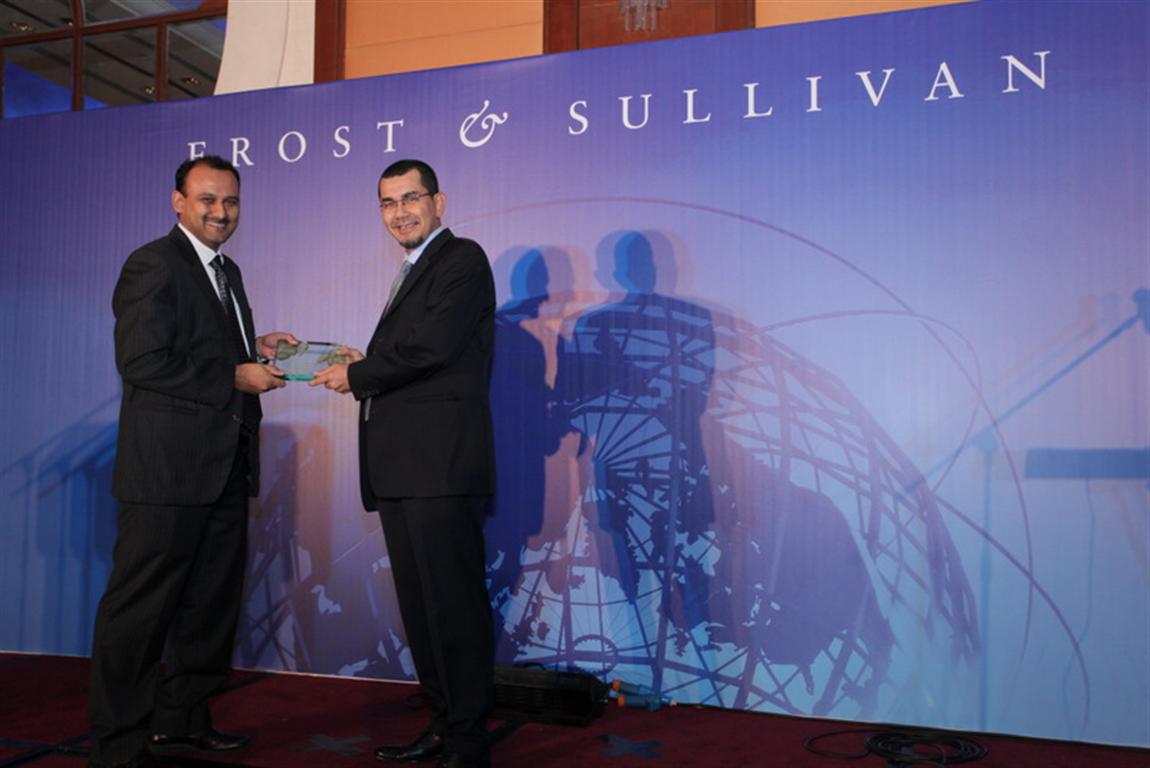
    Frost & Sullivan today honored Indonesia’s best Automotive companies at the 2016 Frost & Sullivan Indonesia Automotive Awards, held in Jakarta.

    Now in its 9th year, the Indonesia Awards program has identified many outstanding companies in Indonesia across various industries.The Indonesia Excellence Awards are a timely and fitting acknowledgement of the progress within best practices in these industry segments and the companies that have demonstrated growth leadership. Award recipients are those with the diligence, perseverance, innovation and dedication required to develop a successful business plan and excel in the increasingly competitive global marketplace.

    Spike Choo, Country Director, Frost & Sullivan Indonesia said that the Indonesia Excellence Awards, in its nine year running now, have identified and honored best-in-class companies that have demonstrated excellence in their respective industries.

    Spike Choo said that he hopes the awards will serve as an inspiration and a source of encouragement for Indonesian companies to continue striving hard to grow and expand their business.

    “We are extremely proud and happy to host the 9th annual Indonesia Excellence Awards to celebrate best practices in Indonesian companies. I am confident that the Award recipients will put Indonesian companies on the global map of Excellence,” said Vivek Vaidya, Vice President of Automotive & Transportation, Frost & Sullivan Asia Pacific.

    The recipients of the 2016 Frost & Sullivan Indonesia Automotive Awards were identified based on an in-depth research conducted by Frost & Sullivan’s analysts. The short-listed companies were evaluated on a variety of actual market performance indicators which include revenue growth; market share and growth in market share; leadership in product innovation; marketing strategy and business development strategy.

    Frost & Sullivan congratulates all the outstanding recipients of the 2016 Frost & Sullivan Indonesia Automotive Awards

  • Indonesia’s central bank forecasted 4.8% economic growth in 2015

    Indonesia’s central bank forecasted 4.8% economic growth in 2015

    Bank Indonesia (BI), Indonesias central bank, had estimated the economy to grow by 4.8 percent in 2015, slightly higher than the Finance Ministrys forecast of 4.74 percent.

    “The central bank had estimated a 4.8 percent growth throughout 2015,” BIs Deputy Governor, Perry Warjiyo, stated here on Friday.

    Despite last years economic growth being far from the revised budget assumption of 5.7 percent in 2015, the economy is believed to grow at a better pace in 2016, Perry affirmed.

    “This year, the economy could grow at 5.2 percent,” remarked Perry.

    Domestic economic growth is being supported by several factors, such as the global economic growth, which is believed to improve though not that strongly.

    Besides this, the government has implemented the fiscal stimulus in the first quarter of 2016 in addition to BI relaxing the macroprudential policy to boost liquidity, thereby helping banks in lending.

    “And finally, of course, yesterday, the central bank had given a signal of monetary easing by scaling down the BI rate by 25 basis points, which will give a positive perception to the business community to buy government securities,” Perry remarked.

    Currently, the BI rate is at the level of 7.25 percent, with the deposit facility rate at 5.25 percent and lending facility rate at 7.75 percent.

  • ADB offers new loan scheme to Indonesia

    ADB offers new loan scheme to Indonesia

    The Asian Development Bank (ADB) has offered a new loan scheme to the Indonesian government, and currently, both parties are still reviewing the potential financing that can be availed through it.

    Development Financing Deputy of the Indonesian National Development Planning Agency (Bappenas) Wismana Adi Suryabrata stated that the newly offered scheme is different from the earlier three schemes of result-based lending, direct lending, and conventional loans.

    “They are offering the loan based on the need to fund projects in the state budget. So, it is not similar to procurement, but when the project is completed and there is still a shortage of funding, then they can cover it,” Wismana explained here on Friday.

    Wismana noted that the loan scheme is directly based on the matrix of infrastructure projects in the state budget, and it is a new scheme that has not yet been offered to other multilateral or bilateral financing institutions and partners.

    Indonesia will benefit from the governments criteria for the projects under this new scheme. Moreover, the government has received assurance for additional sources of funding if there is a shortage of funds to finance any government infrastructure projects.

    “This new scheme is only for infrastructure projects,” Wismana stated while referring to the ADB, which is also expanding its role to finance social and environmental projects.

    However, the Indonesian government and ADB are still formulating other provisions in this new scheme, Wismana added.

    Currently, the ADB is offering a lending rate of 1.2 percent, with a five-year grace period and a repayment tenor of 20 years.

    Previously, the ADB had increased the loan limit to Indonesia in 2014, when it had disbursed funding worth US$710 million.

    The loan was then increased to US$1.5 billion.

    In 2016, the ADB has committed to lend US$2 billion to Indonesia.

  • 3M Indonesia eyes increased market share

    3M Indonesia eyes increased market share

    Diversified technology company PT 3M Indonesia aims to gain a bigger market share by targeting specific markets to better meet demand from various industries.

    The company, whose market share is now less than 5 percent, did not disclose its market share growth target, but globally it aims to boost sales by around 2-3 percent.

    3M Indonesia president director Karina Chaves Rodriguez said the company had divided its market into four groups: industrial and original equipment manufacturer (OEM); infrastructure, construction and energy; health care and consumer retail.

    “This market-focus [strategy] is also in line with the country’s strategic plan to achieve growth by providing better infrastructure to the population, better healthcare solutions and diversifying itself from the commodity based economy to industrial based. All of that will increase people’s purchasing power,” she told a media gathering on Thursday.

    The company, a subsidiary of the US-listed Minnesota, Mining and Manufacturing (3M) Co., is known for its wide array of products, from Post-it sticky notes to 3M window film.

    Karina added that the company initially marketed its products based on the 46 technology platforms they are made of, such as abrasive and adhesive. However, starting 2015, it compressed them into four market centers.

    3M Indonesia, which entered the local market in 1975, sells 10,000 products, ranging from Scotch Brite kitchen sponges, Nexcare masks, oil-absorbing facial sheets, stethoscopes, industrial tape, cleaning liquid, vehicle sound absorbers, machine filters, cable joints to reflective sheeting for road signs, to businesses, individuals as well as the government for infrastructure projects.

    The company is optimistic about sales growth in the country despite slowing demand, especially from the automotive sector last year. Local car production saw a decline from 1.2 million vehicles in 2014 to 1 million in 2015.

    It believes that the government’s goal to build 15 new airports, 172 seaports and 35,000 megawatt (MW) power plants by 2019 will help boost its industrial product sales and enliven other sectors.

    The new strategy is also applied worldwide to achieve its 2 to 3 percent sales growth this year after booking US$30.3 billion sales, mostly from industrial products followed by infrastructure, consumer retail and health care, from the 200 countries in which it operates and sells 80,000 products.

    For Indonesia itself, 3M refuses to disclose the firm’s domestic target but said that it would comply with the government’s local component regulation.

    3M Indonesia country technical leader Audist Subekti said the state obliged the automotive sector to have 20 to 40 percent local content and a minimum of 40 percent for infrastructure.

    “With such policy, the company will either outsource more local producers or prioritize marketing specific products,” she said.

    The company’s wide playing fields also face huge competition from present players, including thousands of Chinese products, ACE, Llumar, Solar Gard, Nexgard and Voksel Electric.

    Audist said the company had one diversified manufacturing plant in Tambun, Bekasi, West Java that fabricated various goods, from automotive-related products to consumer retail. 3M Indonesia employs around 300 people.

    “The rest of the items are imported from different countries but this year we’re planning to make one of the countries in ASEAN our fabrication hub for consumer retail products. The choice depends on which country offers the proper incentives that will help save costs,” she said.

  • Indonesian telecom minister slams operator inefficiency

    Indonesian telecom minister slams operator inefficiency

    Operators in Indonesia have been warned by the country’s telecoms minister that their licences could be revoked unless they consolidate or improve their build-out efforts.

    Minister Rudiantara – who follows the Indonesian tradition of using a single name – has set out the consolidation goal of no more than four operators by the end of his term in 2019. To achieve this, he has advised smaller operators to either merge with rivals or leave the market.

    Rudiantara worked at two of the largest operators in Indonesia prior to his appointment to the government. “My background is in the private sector, so I’m pragmatic. I will suggest they consolidate to have the capability to invest and retain their permits”, he said. “Each permit has requirements for the operator to invest and to build, so if they don’t build anything, I can revoke their permit.”

    There are currently seven players in the Indonesian market; at the end of Q4 15 Telkomsel took the lead with around 153.3 million connections. It is tailed by Indosat with 69 million, 3 Hutchison with 51.2 million, and XL Axiata with 40.8 million. At the lower end of the scale are Smartfren with 12.5 million connections, Bolt with 2.4 million, and Ceria with 68,688.

    Rudiantara’s frustration with the inefficient coverage in Indonesia is widespread throughout the upper echelons of government. Without identifying specific companies, the minster has hit out at operators for not delivering on promises to develop and build out infrastructure, adding that the government had already fined some firms for this transgression.

    “So far we’ve handed them fines and penalties, but my job isn’t to accumulate funds for the government,” he said. “I only need to enforce the permits and I’m prepared to do that, but I’d rather take a friendly approach and suggest they merge to keep operating.”

    Indonesia has over 300 million mobile connections. The country’s five largest operators have stated that they will begin offering 4G services over 1.8GHz spectrum following investment in the technology.

  • BNI Syairah resolved to attract more investors

    BNI Syairah resolved to attract more investors

    State-owned Bank BNI Syariah is determined to attract more strategic investors this year as part of its efforts to increase capital, according to its President Director Dinno Indiano.

    The Bank BNI Syariah has opened itself to investors over the past three years.

    “This year we will make even more intensive efforts to lobby for investors. After all, we have the confidence, supported by good performance over the past three years,” Dinno told a press conference in Jakarta on Tuesday.

    Earlier, President Director of Bank BNI, Achmad Baiquin, said the state-owned bank was exploring the possibility of cooperating with strategic investors to support the BNI Syariah business. Bank BNI Syariah is a subsidiary of Bank BNI.

    Bank BNI was willing to sell 20 percent or more of the stake of its subsidiary to strategic investors. Yet, Bank BNI will remain the majority holder of the Bank BNI Syariah stake.

    Last week, Bank BNI said it was optimistic that its Peoples Business Credit (KUR) would increase rapidly in 2016 after the interest rate on the credit scheme was cut to 9 percent per year.

    Achmad Baiquni said in a statement that between August 2015 till 2015-end, the publicly traded state lender had already disbursed more than Rp3 trillion in KUR.

    Baiquni said this amount is predicted to surge to more than Rp10 trillion in 2016 .

    KUR disbursement by BNI was made symbolically at the Glenmore sugar factory in Banyuwangi, East Java, on Wednesday in the presence of the Minister for State Enterprises Rini Soemarno and Achmad Baiquni.

    Baiquini said the KUR funneled by BNI in 2015 represented an increase of 70 percent from 2014.

    In 2015, there were more than 12,200 KUR recipients all over Indonesia. In East Java alone, BNI funneled Rp476.5 billion in KUR to 2,022 clients, including micro businesses, retailers and workers.

    In East Java, KURs are offered to labor intensive and productive sectors such as processing industry, agriculture and trade.

    There is a potential KUR market in East Java, and it may attract sugar farmers under the coordination of state plantation company, PT Perkebunan Nusantara (PTPN).

    BNI is optimistic that there would be more KUR users in 2016 because of the cut in interest rate and improved economy.

  • Jakarta’s airport train to be operational in 2017

    Jakarta’s airport train to be operational in 2017

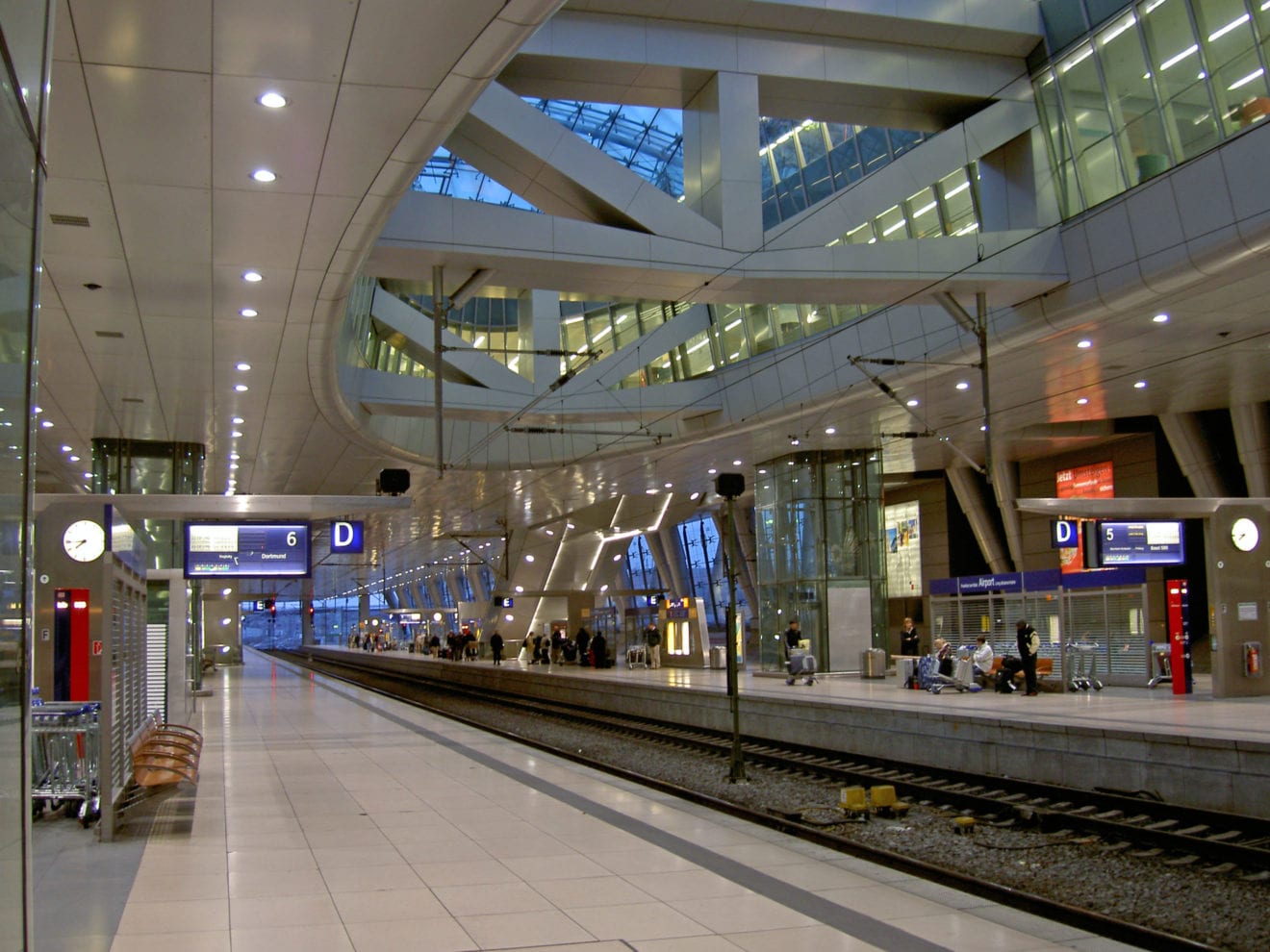
    Development of rail track between Jakarta’s Manggarai railway station and Soekarno Hatta airport is expected to be completed in 2017.

    “We already coordinated with PT Railink. It is to be completed in February 2017,” President director of the state owned airport operator PT Angkasa Pura II Budi Karya Sumadi said here on Wednesday.

    PT Railink is a joint venture between PT Angkasa Pura II and state owned railway company, PT Kereta Api Indonesia.

    PT Railink to revamp old track and build new track totaling 38.3 kilometers between the Manggarai railway station in Jakarta and the airport and operate the train.

    Budi said the train would take 54 minutes between Manggarai and Soekarno Hatta airport and there would be departure of train every 15 minutes.

    Everyday there would be 61 trips with a carrying capacity of 35,000 passangers.

  • Direct flights between Indonesia, India likely this year

    Direct flights between Indonesia, India likely this year

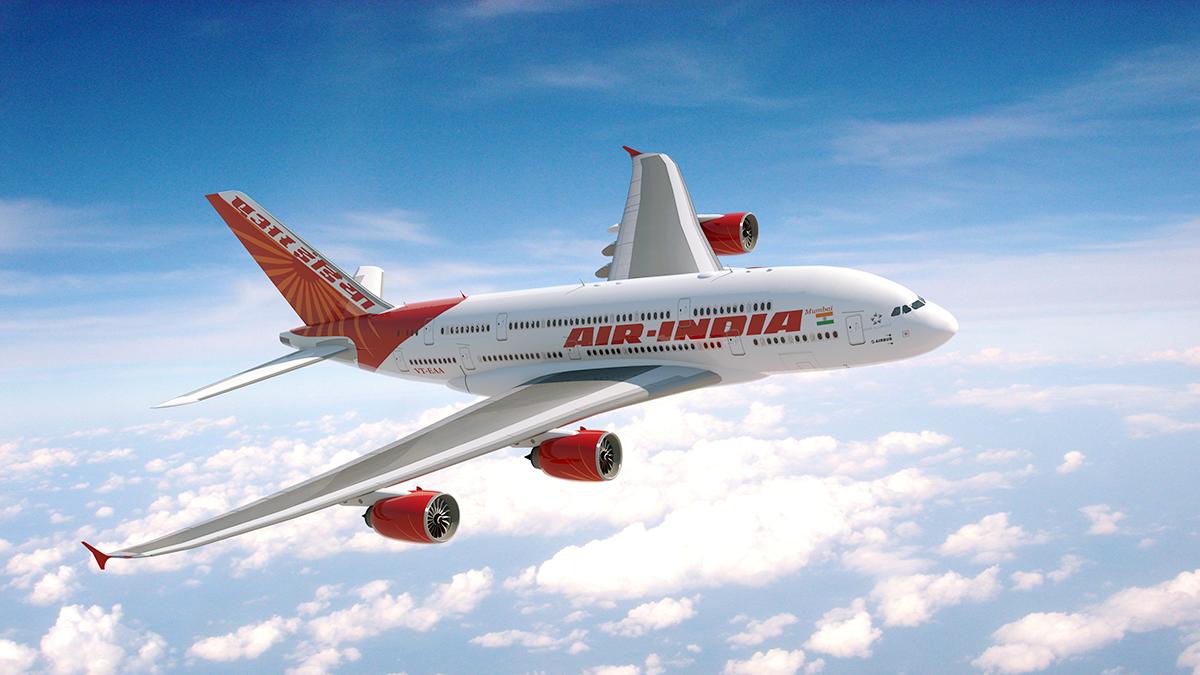
    Direct flights between India and Indonesia are likely to begin this year to facilitate tourism, Indonesian ambassador Rizali W. Indrakesuma said on Wednesday.”The Indian government has already given permission; it is a matter of how Indonesia responds. We are hoping that direct flights between the two countries begin by this year or by next year at the latest,” said Indrakesuma said.The first flights both governments plan to launch initially are between Delhi and Jakarta and Mumbai and Bali. Garuda Indonesia and Air India will operate flights between the two countries.

    The ambassador said a deal on the matter could be finalised in March when the transport minister of Indonesia will participate in an event organised by the civil aviation ministry in India.”This is an opportunity for our minister to engage with the Indian civil aviation minister (Ashok Gajapathi Raju Pusapati) at an event organised in Hyderabad in March,” the ambassador said.”The consulate general of Indonesia in Mumbai will push the ministry of tourism to open direct flights for the first time between Delhi and Jakarta and Mumbai and Bali.

    Last year, 262,000 tourists from India visited Indonesia; we expect the figure to go up to 350,000 this year. First it’ll be a government-to-government engagement and later we can engage private airlines,” said Taufik Nurhidayat, deputy director, ministry of tourism, Republic of Indonesia.Indonesia attracts the highest number of tourists from Singapore, followed by Malaysia, Australia, China, Japan, Korea and India.

  • Wuling to Build Factory in Indonesia

    Wuling to Build Factory in Indonesia

    Chinese-bases automotive company PT SAIC General Motor Wuling (SGMW) is preparing investment of US$700 million or around RP9.7 trillion to open up business in Indonesia.

    PT SGMW Motor Indonesia President Feiyun said the company is building its first factory in Indonesia. The factory is located in Greenland International Industrial Center, Cikarang, West Java, and is built on land of 600,000 square meters.

    “Besides factory, the company will also build supplier park,” said Xu Feiyun on Thursday, January 28, 2016.

    The factory is scheduled to begin the operation in 2017 and will become production basis to expand the company’s business to ASEAN countries. The first product that will be launched is multi-purposes vehicle (MPV). “We are optimistic that the people of Indonesian can accept our products,” said Feiyun.

    The factory is also planned to produce 150,000 vehicles per year so that Indonesia will become the main export basis of Wuling vehicles in Southeast Asia. Through this project, SGMW is expected to create 3,000 job fields.

    PT SGMW Motor Indonesia is a part of global expansion of SAIC, General Motors and Wuling Automobile in China. “We will utilize capital, technology and system from stakeholders, SAIC, General Motors and Wuling to give the best services,” said Xu Feiyun.

  • DHL Signs EMS Deal with Pos Indonesia

    DHL Signs EMS Deal with Pos Indonesia

    International logistics service provider DHL Express has signed an addendum to the  cooperation agreement with PT Pos Indonesia (Persero) for an Express Mail Service (EMS) to overseas destinations.

    The agreement was signed on Wednesday, January 20 by DHL Express Indonesia’s senior technical advisor Ahmad Mohamad and PT Pos’ president director Gilarsi Wahyu Setijono.

    The collaboration is aimed at supporting the growth of small and medium enterprises (SMEs) in Indonesia, through the provision of a reliable international express delivery service to more than 220 countries and territories within DHL’s global network; facilitating the growth of SMEs on a global scale.

    The partnership was first developed in 2005, and has since provided significant benefits for SMEs through the opening of access to global markets. Pos Indonesia can learn best practices in handling international express delivery service through this cooperation.

    “The most important thing is that, through this cooperation, Pos Indonesia and DHL Express Indonesia can grow and advance together to serve the people of Indonesia,” Gilarsi said.

  • Peruri expands operation to digital security business area

    Peruri expands operation to digital security business area

    The Indonesia state-owned money printing company Peruri has expanded operation to digital security business area in preparation to enter the era of integrated smart security to be competitive and able to keep pace with the modernization.

    “In order to have greater competitiveness in digital era we are expanding our wings to digital security that we could provide an integrated smart security service,” President Director of Peruri, Prasetio, said here, Thursday.

    The expansion is prompted by the rapid advancing technology that necessitated change in the world economic system that forces Peruri to continue to expand from service to business model, he said.

    “We are not only strengthening our core business of money printing , but we are also expanding operation to digital security business area through our subsidiary Peruri Digital Security by providing solution such as Certificate Authentication and Smart Card,” he said.

    Peruri also has a strategy in entering the era of integrated smart security, which is centered in transformation of company including transformation of human resources, business , structure and system as well as culture, according to him.

    “With the transformation we hope Peruri could continue to chalk up positive growth in the coming years,” he said.

    In a bid to achieve the positive growth, this year Peruri will be focused on market expansion, promoting reputation and strengthening competitiveness, he added.

    The strategic steps include reorientation of market from formerly focused only on domestic market to global market, and restructuring parent and subsidiaries to be more effective in marketing, he said.

    “Another strategic step is reorganization to be in line with the 2016 company budget working plan and long term business road map,” Prasetio said.

    With the strategic steps and preparation made ahead of the era of integrated smart security, the company is set to contribute significantly to the countrys economic development, he said.

    Peruri chalked up around Rp3.051 trillion in income in 2015 or more than doubling income of Rp1.39 trillion in the previous year.

    Its net profit rose to Rp284 billion or an increase of more than ten times from Rp23.49 billion in 2014.

    The company signed a memorandum of understanding to improve synergy with a number of state construction companies including construction companies — Adhi Karya, Amarta Karya, Brantas Abipraya, Hutama Karya, Istaka Karya, Pembangunan Perumahan, Nindya Karya, Perum Perumnas, Waskita Karya and Wijaya Karya.

    It also signed MoU with state-owned telecommunication company to develop digital business.

  • Garuda to launch non-stop Heathrow-Jakarta service

    Garuda to launch non-stop Heathrow-Jakarta service

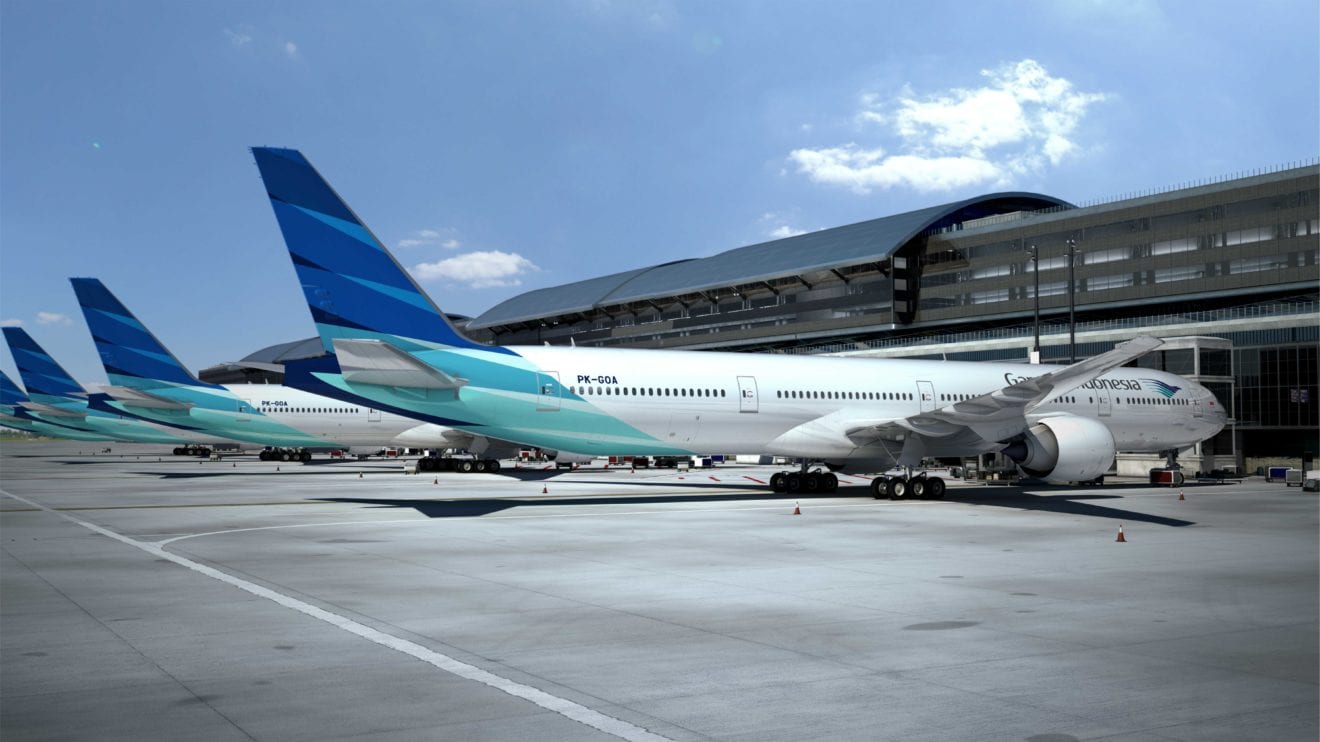
    Garuda Indonesia has confirmed it’s leaving Gatwick to launch a direct service to Jakarta from Heathrow.

    From March 31, the airline will use its fleet of B777-300ERs to operate a five-times weekly service to the Indonesian capital, an increase from the three-times weekly service it operates from Gatwick.

    Flights to Jakarta will also no-longer stop at Amsterdam, creating the UK’s first non-stop flight to Indonesia.

    Heathrow CEO John Holland-Kaye said the deal shows how important Heathrow is to British business.

    “As the UK’s only hub, Heathrow is able to support regular direct flights to 75 long haul destinations not served by any other UK airport,” said Holland-Kaye.

    “With expansion, we can bring the world to Britain’s doorstep by adding up to 40 more long haul routes to high growth markets and more than doubling the number of UK cities served.”

    Jubi Prasetyo, general manager UK & Ireland said: “Making the move to Heathrow Airport has been an ambition of ours since joining Sky Team in March 2014.

    “Heathrow’s pivotal role in servicing the alliance’s 1,052 destinations makes it an ideal departure airport for our passengers. Flying non-stop direct to Jakarta means we will truly be the most efficient way to reach Indonesia from the UK.”

  • Middle East Eyes Indonesian Beaches

    Middle East Eyes Indonesian Beaches

    Alwi Shihab, the Presidential envoy to the Middle East and the Organization of Islamic Coopeation (OIC), said that several Middle Eastern countries had expressed their interests to develop Indonesian beaches.

    Alwi revealed the Middle Eastern countries planned to build bigger exclusive resorts in order to compete with the famous Maldives.

    “Many Middle Eastern countries want to make bigger [tourist destinations] than Maldives. But they’re having difficulties to find a 300-hectare land,” Alwi said in Bandung on Thursday, January 28, 2016.

    Alwi explained that investors from Middle East wanted to develop accessible beaches, such as Pelabuhan Ratu in Sukabumi, West Java.

    “They want beaches with mounts located near Jakarta. We suggested investing in Sukabumi,” Alwi added.

    Since it was hard to find a sizable land in Pelabuhan Ratu, Alwi proposed other locations outside Java, such as those in Tanjung Lesung, Belitung, Padang, Selayar and Lombok. Alwi revealed that most of the investors were members of the Gulf Cooperation Council (GCC), such as the United Arab Emirates, Saudi Arabia, and Qatar.

    “Saudi Arabia has invested in Maldives,” Alwi said.

    Alwi explained that the Middle Eastern countries were more than willing to provide fund to develop beaches in Indonesia. The United Arab Emirates, for example, books an annual state revenue up to Rp 2,000 trillion (US$144.9 billion) per year.

    “I can’t say the exact number. You can do the math. It means they have money,” Alwi said.

    Alwi added that one of the reasons behind their interest to invest in Indonesian tourism was that Indonesia is open to Middle Eastern tourists. In addition, Europe and the United States had been paranoid when they see people with Islamic names spend their holidays in the two regions.

    “It’s related to the political dynamics in the Middle East. There’s Islamophobia and suspicion that make them uncomfortable when students or tourists from Middle East come to the United States or Europe. Therefore, the alternative is Indonesia, one of their friendly countries because there is no suspicion here. In addition, the majority of the population is Muslim. However, we’re not ready yet,” Alwi said.