Tag: Indonesia

  • Equinix doubles capacity of Jakarta Data Center in partnership with DCI Indonesia

    Equinix doubles capacity of Jakarta Data Center in partnership with DCI Indonesia

    Equinix a global interconnection and data center company has announced the expansion of its data center in Jakarta, known as JK1, through its partnership with DCI Indonesia (DCI).

    Coupled with its alliance with DCI and a premium connection with the Indonesian Internet Exchange (IIX), the second phase of development at JK1 is an indicator of Equinix’s continued commitment to the region, where market demand from the cloud and financial sectors for world-class data center services is flourishing.

    “Our partnership with Equinix has helped to fast track the expansion of JK1 and has bolstered our commitment to bringing in more carriers to further enrich network density. We will be collaborating with the Indonesian Internet Service Provider Association (APJII) for direct peering connection to the IIX,” said Marina Budiman, CEO, DCI Indonesia.

    “This will provide companies looking to expand or establish themselves in Indonesia with more opportunities to interconnect with other service providers to help grow their business,” added Budiman.

    JK1 phase two will add approximately 400 cabinets to the data center, doubling the available capacity to a total net size of 800 cabinets. The expansion is scheduled to be completed by the end of February 2016.

    Through the DCI and Indonesian Internet Service Provider Association (APJII) collaboration, JK1 enables direct peering connection to the IIX. Companies can also access Equinix’s highly interconnected International Business Exchange (IBX) data centers across strategic global markets via existing major network providers.

    “We are delighted to have partnered with DCI Indonesia to present direct peering to the Indonesia Internet Exchange (IIX) which is managed by APJII in the DCI data center,” said Jamalul Izza, President & Chairman – APJII.

    “This is in line with our vision and mission which is to be actively participating in building and developing the Indonesia Internet governance to enhance the potential of human resources in the field of internet technology and in one of APJII’s programs in increasing local traffic,” added Izza.

    JK1 is located at Cibitung, approximately 30 km from the Sudirman Central Business District (SCBD), offers a full range of premium colocation, interconnection and support services.

    The carrier-neutral facility will be bringing more carriers into the data center to enrich network density by partnering with Indonesian Internet Service Provider Association (APJII) to provide more options for direct peering connection to the IIX.

    The JK1 phase two will further extend Platform Equinix to cater to the increased demand for premium interconnection and data center services in Indonesia and the Asia-Pacific region.

    The expansion will give existing customers the added capacity to easily scale when required, ensuring high-performance, network reliability, redundancy, and low latency. It is in line with the steady growth of the company’s leading global interconnection platform, in which Equinix has invested more than $7.5 billion over the last 17 years.

    “The phase two expansion of JK1 does more than just cater to ongoing demand from our financial services customers. Access to IIX will provide greater connectivity for customers, especially cloud and content providers, who will benefit from interconnection to other network providers,” said Clement Goh, Managing Director – Equinix South Asia.

  • Indonesian Housing market showing positive signs in 2016

    Indonesian Housing market showing positive signs in 2016

    The increase in housing sales in several regions of Indonesia is a positive sign of growth in the countrys property sector, according to Indonesia Property Watch (IPW).

    “Research conducted by the IPW on the housing sector in the fourth quarter of 2015 revealed a 16.6 percent growth compared to that in the previous quarter,” Ali Tranghanda, the executive director of IPW, stated here on Wednesday.

    He admitted that the growth in sales could not yet be taken for granted as a consistent upward trend in sales, but at least it is a positive signal for the housing market.

    This is because the growth rate in annual sales is still 10.87 percent lower than that in the previous year, he reminded.

    However, based on its research, the IPW found that the sales of houses in the potential areas in Bekasi, a Jakarta buffer town in West Java, had increased significantly by 72.01 percent in the fourth quarter compared to that in the previous quarter.

    The sales in other areas of Jakartas satellite towns, such as Bogor, recorded a growth increase of 15.44 percent but dropped by 8.52 percent in Tangerang, which is another Jakarta buffer city in Banten.

    “The satellite towns of Bekasi, Bogor, and Depok in West Java are expected to contribute positively to the increase in housing sales in Jakartas areas and Tangerang,” noted Ali.

    He reminded that the ongoing construction of public mass transportation projects such as the Mass Rapit Transit (MRT) and the Light Rail Transit (LRT) would increase the added value of houses in the areas.

    It was forecast that 2016 would be the year of rising optimism in the property sector in Indonesia, but property businesses should also continue to maintain high vigil, international property consultant Jones LaSalle (JLL) had announced earlier.

    “The interest of our investors and residential clients remains high, and we look at 2016 with consistent optimism and vigilance,” Country Head of JLL Indonesia Todd Lauchlan remarked.

    Todd noted that 2015 could be viewed as a year full of challenges for the property sector in Indonesia as the economy grew below the predicted target, among other factors.

    Moreover, he pointed out that the other factor was the fluctuations in the rupiah and other currencies, which weakened significantly against the US dollar. The drop in the prices of commodities had triggered concerns in Jakarta.

    “This year, however, there will be an increasing market demand for offices and residences, while the production sector is also expected to remain stable,” he added.

  • Unicef Indonesia Urges Private Sector to Protect Children’s Rights

    Unicef Indonesia Urges Private Sector to Protect Children’s Rights

    “Unicef calls upon all companies to ensure that their operations and other business activities do not harm children. Government policies should support companies in this regard including by making sure that children are protected from possible rights violations by the private sector,” she said.

    Olsson expressed the desire to have comprehensive guidelines for companies on how to respect and support children’s rights in the workplace and marketplace included in Indonesia’s national frameworks and action plans that deal with human rights and business.

    The Ministry of Justice and Human Rights suggested children’s rights should feature more prominently in the government’s National Action Plan on Human Rights (Ranham) and in the Business and Human Rights Action Plan (Ranham Bisnis) currently being developed.

    “One of the key pillars of the UN Guiding Principles on Business and Human Rights highlights the state’s obligation to respect, protect and fulfill human rights. However, other actors, in this case, the business community, also have the responsibility to respect human rights in all its operations and practices,” said Mualimin Abdi, director general for human rights at the Ministry of Justice and Human Rights.

    Nur Kholis, chairman of the National Commission on Human Rights (Komnas Ham), highlighted the key role of the Ranham Bisnis in minimizing possible negative impacts of business operations on human rights and in strengthening private companies’ role in Indonesia’s development.

    Save the Children, the UN Global Compact and Unicef in March 2012 presented the Children’s Rights and Business Principles. Numerous corporations, organized in an Association of Child-Friendly Companies (Apsai), have since assessed their practices regarding their impact on children’s rights.

    “Unicef hopes many more companies will join the initiative and review their operations against the Children’s Rights and Business Principles,” said Olsson, the Unicef representative. “Corporate social responsibility with a focus on child rights that goes beyond philanthropic investment will strengthen companies’ sustainability, reputation and risk management and will ultimately foster a stable, inclusive and sustainable business environment. In the end, it’s in the companies’ own economic interest.”

    “One third of the world’s population are children; they are the future leaders, employees and customers of companies,” added Shinta W. Kamdani, president of the IBCSD. “In striving towards a sustainable business environment this issue should take the center stage of business sustainability. Children’s Rights and Business Principles serve as a tool for companies who are willing to go the extra mile to ensure a viable business future.”

  • Indonesia tipped as potential largest carmaker in Southeast Asia

    Indonesia tipped as potential largest carmaker in Southeast Asia

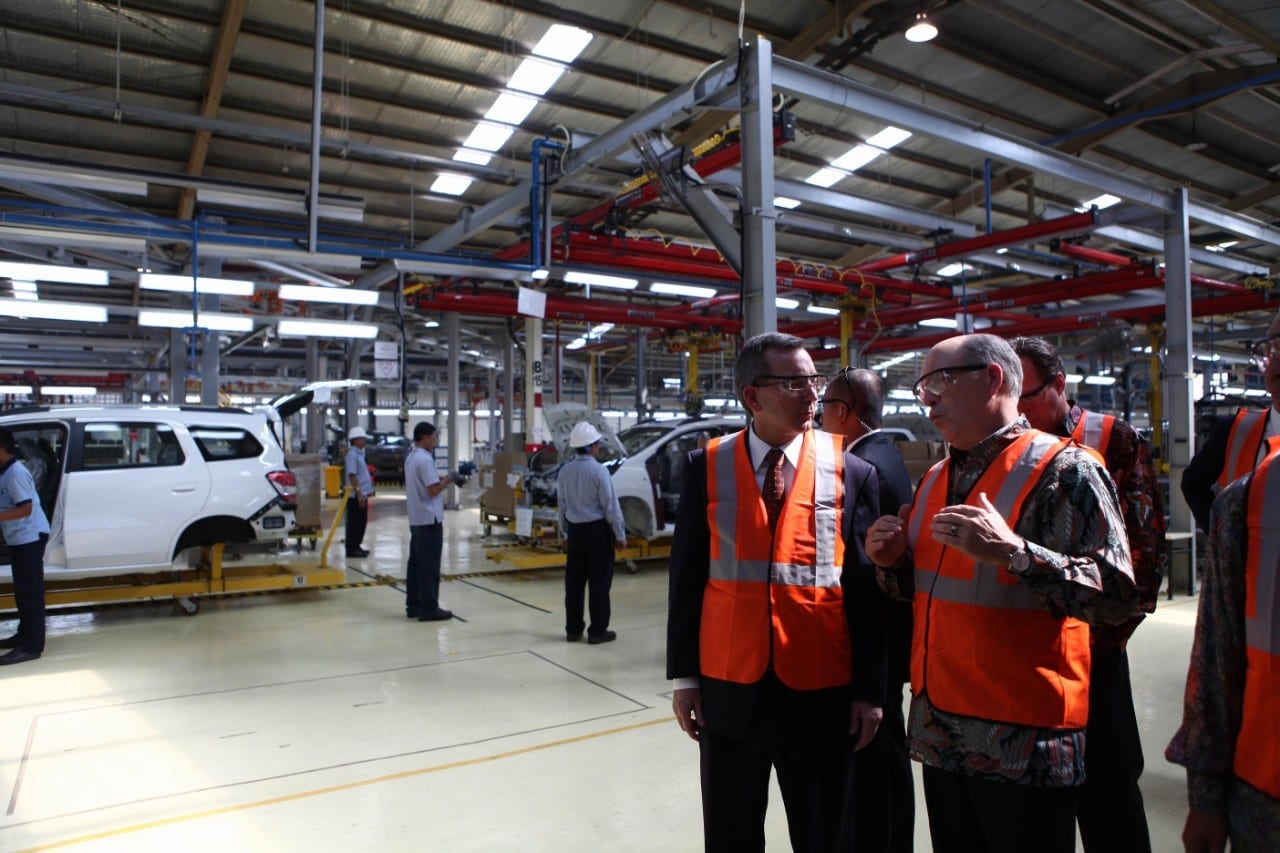
    Indonesia has the potential to become the biggest carmaker in Southeast Asia within the next five years, the country’s automotive industry association Gaikindo said on Wednesday (Feb 3).

    Indonesia can compete, and overtake Thailand’s automotive industry if the government gives the right incentives to boost production, said Gaikindo’s co-chairman Jongkie Sugiarto.

    “Indonesia has a good potential in ASEAN. In the coming years, Indonesia is going to be the leader in the automotive industry,” said Mr Jongkie. “It’s really a pity that (companies like) Ford are (pulling) out of Indonesia.”

    Ford is the second American carmaker to exit the Indonesian market in the past year, after General Motors stopped its manufacturing operations in 2015. Ford had been struggling to maintain profitability.

    However, Mr Jongkie is convinced Ford’s pullout will not affect Indonesia’s automotive industry. Currently, about 1 million cars are for domestic production, but only 0.2 million units are produced for exports.

    With Indonesia’s automotive industry having the annual production capacity to build 1.9 million cars, this leaves 0.7 million units in excess capacity. Gaikindo believes the country needs to expand its production base to make the most of this.

    “We have to add the production base of MPVs, plus sedans, plus pick-ups, plus SUVs,” said Mr Jongkie.

    “How? It’s easy. We have to lower the luxury tax of small sedans, small SUVs, pick-ups from 30 per cent today to 10 per cent. There will be a demand. So, when these models are growing, then the principals will come and say why don’t we produce the cars in the country?”

    Gaikindo submitted its proposals to President Joko Widodo in October 2015, and the government is considering changing the tariff regime in the automotive industry.

    Analysts believe the government is serious in attracting more foreign manufacturers as it tries to move away from a commodity-based economy.

    “Our government’s commitment to increase manufacturing is very strong,” said Myrdal Gunarto, an economist at Maybank Indonesia. “The government has released some stimulus packages that aim to attract foreign investors to come here through deregulations, and to make it easier for foreign companies to invest in Indonesia.”

    Gaikindo predicts car sales this year will increase by 5 per cent, in line with the government’s target to achieve 5.5 per cent economic growth in 2016.

  • KAI to be single operator of LRT

    KAI to be single operator of LRT

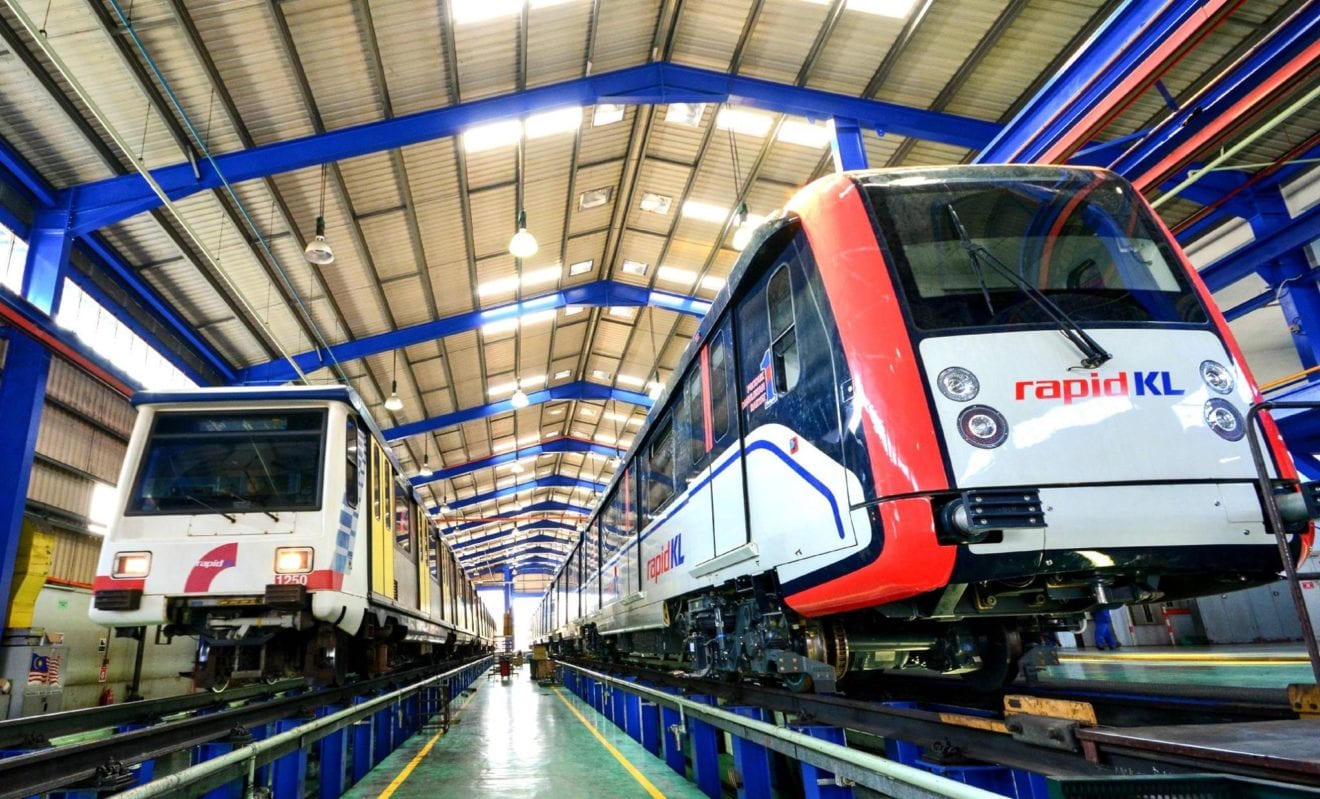
    State railway company PT Kereta Api Indonesia will be the single operator of Light Rapid Transit (LRT) system in and around Jakarta (Jabodetabek), Transportation Minister Ignasius Jonan said.

    “PT KAI is assigned to operate LRT in Jabodetabek according to the presidents directives. So, there is no need to put it to auction because that will take a long time,” he said after a coordination meeting at the Coordinating Ministry for Economic Affairs to discuss LRT here on Wednesday.

    The meeting, led by Coordinating Minister for Economic Affairs Darmin Nasution, was also attended by Coordinating Minister for Maritime Resources Rizal Ramli, National Development Planning Minister/Head of the National Development Planning Agency (Bappenas) Sofyan Djalil, and West Java Vice Governor Deddy Mizwar.

    Jonan gave the assurance that the state budget-funded project will run on schedule although several technical problems will still have to be resolved.

  • BRI records net profit of Rp25.2 trillion

    BRI records net profit of Rp25.2 trillion

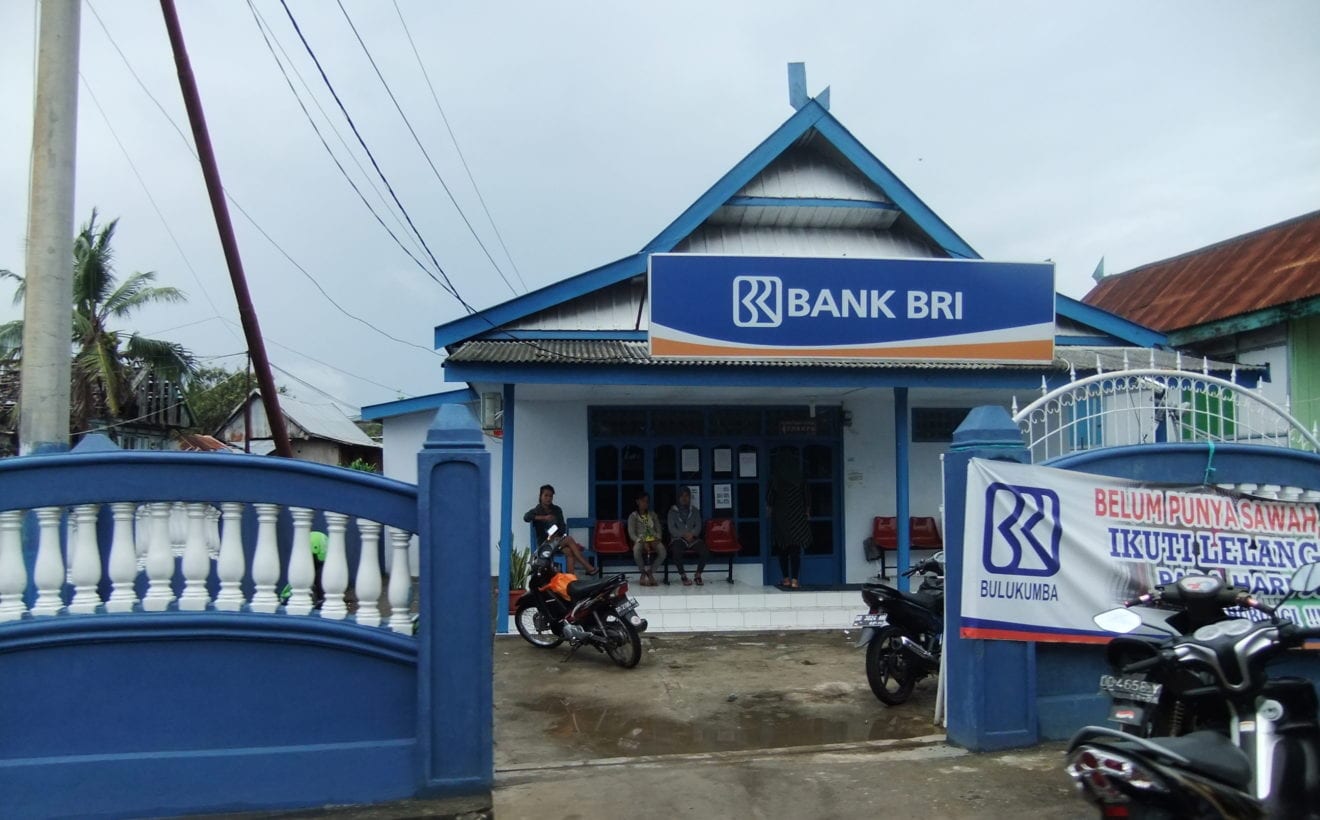
    PT Bank Rakyat Indonesia Tbk. made a net profit of Rp25.2 trillion in 2015, representing a 4.5 percent growth from Rp24.2 trillion it made in the previous year.

    “The growth is driven by an increase in the interest income that reached Rp82.2 trillion, reflecting a growth of 13.5 percent from the previous year,” the state-owned lenders president director, Asmawi Syam, said here on Wednesday.

    The banks non-interest income reached Rp14.2 trillion, up 21.4 percent from the previous years figure, taking the total income of the lender to Rp96.4 trillion, 14.6 percent above the previous figure.

    Outstanding loans distributed by Bank BRI till 2015-end reached Rp558.4 trillion, reflecting a growth of 13.9 percent year-on-year compared to the same period of the previous year. These loans were given across all business sectors.

    Credits to the micro-sector, which is the core business area of the bank, grew by 16.8 percent year-on-year to reach Rp178.9 trillion with the number of customers increasing to 7.8 million from 7.3 million, year-on-year.

    “Credit growth in the micro-sector was driven by the re-launch of a smallholder credit program (KUR) by the government in the middle of August 2015,” he said.

    Since its launch on August 18 2015, Bank BRI has extended Rp16.2 trillion in credits to more than 920,000 businessmen across the country through the KUR program.

    Credits to non-state-owned companies in the corporate segment grew 31.5 percent year-on-year to Rp75.1 trillion while credit to the consumer segment grew 9.8 percent to Rp88.5 trillion.

    Credits to state-owned companies were up 9.6 percent to Rp81.2 trillion and to small commercial and medium businesses rose 7.5 percent to Rp134.7 trillion.

  • Selling Your Depok Home for the Best Price in a Tough Market

    Selling Your Depok Home for the Best Price in a Tough Market

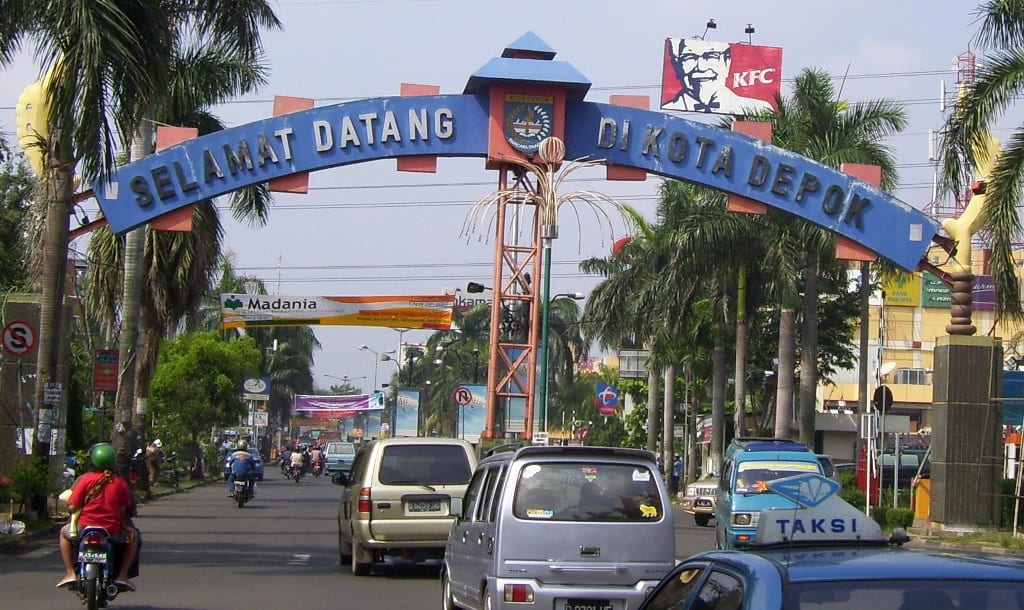
    Your home is more than just where you live, it’s an investment – especially in a city with a University like Depok. Just as with any other investment, when you go to sell, you want to make sure you are getting the best return that you can. This can be difficult, especially in a tough real estate market. Here are a few tips to get you started as you work on selling your home in Depok.

    Stay Realistic

    The market dictates the selling price of your home, so you have to prepare yourself by understanding what you home is worth and how much you can get for it. When the market is softer you cannot expect to get the price you could have a year or two earlier. You can save yourself a big headache by beginning with a price that is best for you home and best for the market at the time you plan to sell. This will save you time and ultimately money. Understandably, sellers are often reluctant to undercut the market, but it’s a guaranteed way to sell your home fast and for more money than you would probably get by keeping it on the market for an extended amount of time.

    A good rule of thumb is to list your home in a soft market for 10 to 15 percent less than the other houses for sale in your area. This is bring a lot of attention to your home and may just end up with two or more people in a bidding war – and that means more money for you!

    Give It a Facelift

    You need to the put the best face of your home forward if you want to sell it fast and get the most money you can out of it. Think about what you would look for in a home you were buying. Would you be more reluctant to buy a shabby home in need of repairs or a home that is in good condition? When the market is good this may not be as much of a problem in Depok since most properties will sell no matter the condition. However, it is always a good idea from an investment standpoint to present an attractive product to potential buyers.

    You will get the most return for you investment when you put money into updating kitchens and bathrooms. They tend to be the most expensive rooms in a home to update, but they also will attract the most interest of the people who are looking to buy. Make sure if you do attempt updates, however, you take the time to do them right. If new materials aren’t installed correctly, people can tell and this will not end up making your updates an attractive feature.

    For the kitchen, stainless steel appliances are a must, and potential buyers are also looking for granite countertops. If a slab of granite is out of your budget, try granite tiles to get the look of granite without the large cost. If you cabinets are in good shape you don’t need to replace them, simply refinish them or paint them to give them a facelift.

    Market the Property Well

    Marketing is one of the most important things to do if you want to sell your house quickly and for the most money. The best person to help you with marketing is a certified real estate agent. They have the connections and the know-how to market your property correctly and to the right people. Aside from placing ads, open houses are also very popular. This allows potential buyers to see your property for themselves and to see if they can envision themselves living there.

    If you do have an open house, make sure you make your property look as appealing as you possibly can. So, clean every nook and cranny. Another great tactic, though a lesser known one, is to advertise the open house well to make sure there are many people there. This has the psychological impact on people viewing the property because they see it as a demand for the home.

    Buyer Incentives

    If the market is slow then you need something that will attract buyers to your particular property, so incentives are a great tactic. Buyers want to feel as if they are getting a good deal and incentives are a way to create that feeling for them.

    You can throw in a free home inspection with the sale of your house or offer to pay a portion of the closing costs. There’s no hard and fast rule for this one, and you can get creative with it if you want to. The bottom line is that if your buyer feels they are getting favorable terms, they’ll be happy.

    If All Else Fails

    If you have tried everything to sell your home in a slow market and have had no luck then renting is always an option. In fact, in a city like Depok you may be able to make a nice income from the population of students or young people commuting to Jakarta.

    These are just a few of the things you should know to make sure your home sells fast and for the most money it an in a slow market. If you have other questions, you should contact a real estate agent.

  • Indonesia launches a video portal called MeTube

    Indonesia launches a video portal called MeTube

    Major Indonesian media company MNC Group has launched a YouTube clone. It’s called MeTube. No joke.

    The site itself looks a lot like its American role model. Many elements are similar, like the logo, video layout, positioning of the comments section, and color scheme. Content-wise, MeTube is a mix of MNC’s own shows and videos uploaded by partner sites or individual users. The site lets you search for keywords or browse clips in standard categories like comedy, news, fashion, sports, or travel. Some MNC-owned talk shows and comedy series are highlighted on the landing page.

    Bumpy launch

    Indonesian content creators were not impressed. Film director Joko Anwar and Christian Sugiono, founder of the popular comedy website Malesbanget, both took to Twitter with complaints about the site.

    Sugiono said he was disappointed that a MeTube user had uploaded a number of Malesbanget clips without permission.

    “Sadly I see a lot of content from @malesbange which was uploaded without malesbanget’s approval by another user” Christian Sugionor tweeted.

    Anwar pointed out that a simple search on MeTube revealed a number of “sexy” videos. Showing nudity in images and video is considered pornographic, and thus illegal, in Indonesia.

    “Well and if [MeTube], which was created locally, contains content like this will you also block it, @rudiantara_id?” Joko Anwar tweeted to Indonesia’s tech minister.

    It’s for this reason that video portal Vimeo is blocked in the archipelago. In the eyes of the authorities, it didn’t do enough to remove videos with nude scenes. Anwar raised the question whether the same strict rule would apply to MeTube.

    MeTube meanwhile swiftly removed the videos pointed out by Anwar and Sugiono, which indicates the team is monitoring reactions to the launch closely and wants to avoid more public criticism.

    Business interests

    MeTube’s launch comes at a time when MNC should be worried about its future. MNC’s share price has been tumbling ever since on-demand-video site Netflix launched in Indonesia early this year.

    MNC’s share price has been in steady decline this year. This coincides with the launch of Netflix in the region.

    It’s possible that investors think MNC became less attractive since Netflix’ launch. The company from California offers access to a wider selection of films and TV series for a lower price than the company’s pay-TV service.

    It’s a lucky turn of events for MNC that Telkom, Indonesia’s state-owned telco and internet service provider (ISP), decided to block Netflix recently. It did so on its own initiative, without a mandate from the tech ministry.

    It’s Not You, it’s Me

    In the traditional procedure, it’s up to the tech minister and an independent committee to recommend blocking certain sites. The request is then passed down to all ISPs.

    Telkom argued that it decided to block Netflix to keep viewers safe from “inappropriate content”.

    Some observers believe Telkom’s concern over “negative content” is just a front. “This is purely business,” said Damar Juniarto of the local NGO Forum Demokrasi Digital (Digital Democracy Forum) about Telkom’s move. Like MNC, Telkom has a pay-TV channel which might be in jeopardy if viewers flock to Netflix instead.

    Lame copycat

    Telkom’s and MNC’s business concerns are reasonable, but their strategies to cope with global competition seem out of touch with reality.

    Given MNC’s resources and access to content, it could have done more to craft a unique video portal that wins over local content creators and consumers.

    Instead, it created a copycat whose name and slogan are hopelessly unoriginal.

  • Indonesia’s Elevenia marketplace gets $50 million from existing investors

    Indonesia’s Elevenia marketplace gets $50 million from existing investors

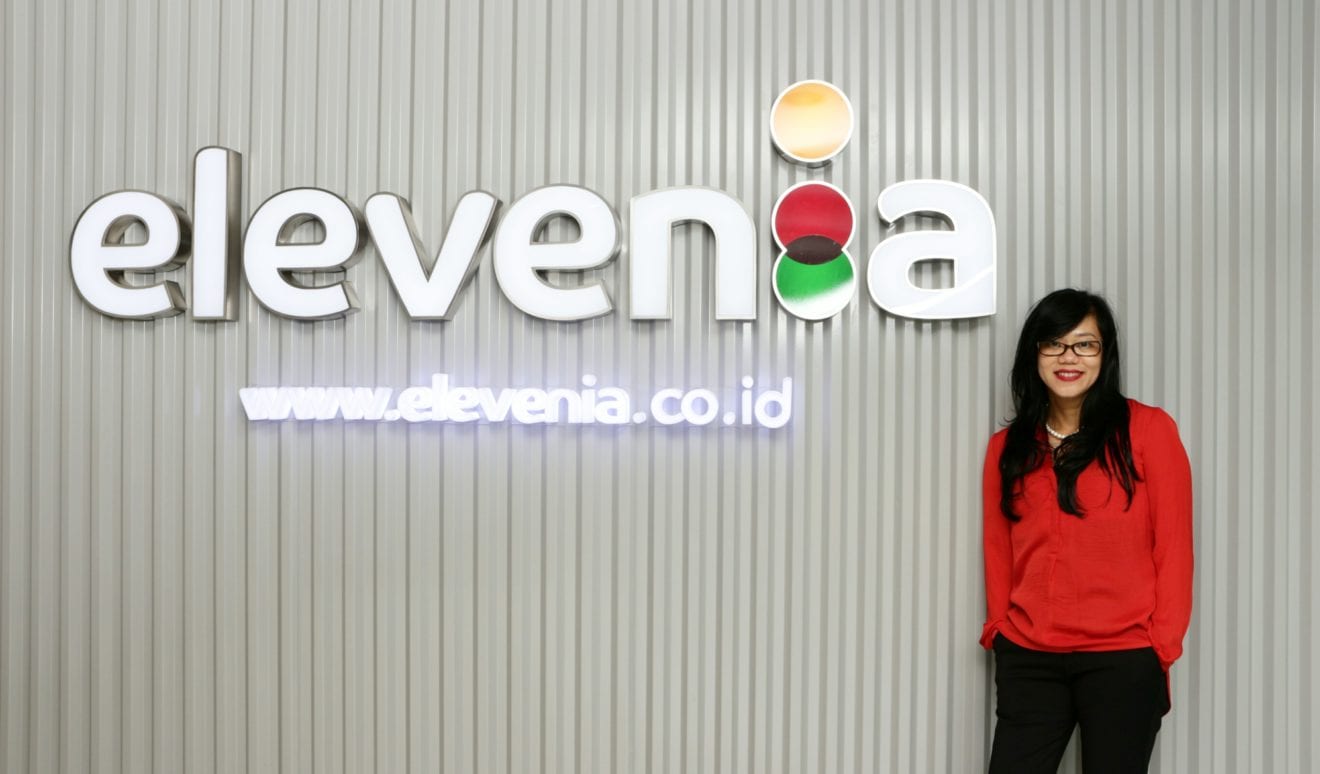
    Elevenia just raised another $50 million from its existing investors. The ecommerce marketplace is a joint venture of South Korean company SK Planet and Indonesian telco XL Axiata.

    Elevenia launched in Indonesia in early 2014 with an initial capital of $18.3 million from each partner. It has since received multiple capital injections from its parents, bringing Elevenia’s total funds – including the latest round – to about $110 million.
    The company claims to have clocked $95 million in revenue in 2015. It also says it has about 20,000 daily transactions and four million products listed from 30,000 sellers, with 40 million visitors.

    That’s double the figures it released around its first anniversary in early 2015. At that time, Elevenia announced 20 million visitors a month, 18,000 sellers, and two million product listings. It did not release revenue figures for 2014.

    Elevenia has been a steady yet somewhat quiet presence in Indonesia’s crowded ecommerce landscape. It competes alongside companies like Lazada, Bukalapak, Tokopedia, Qoo10, Rakuten, Blanja, Blibli and MatahariMall.

    With fresh funds at hand, it plans to grow its team, increase its marketing efforts, improve its product and services, and move to a new office, the company said in a statement.

  • Garuda Indonesia unveils new Business Class

    Garuda Indonesia unveils new Business Class

    The layout of Garuda Indonesia’s new Business Class with Super Diamond Seats is unveiled in this Garuda photo. The Airbus A330-300 is configured with 24 Business Class seats and 263 Economy Class seats.

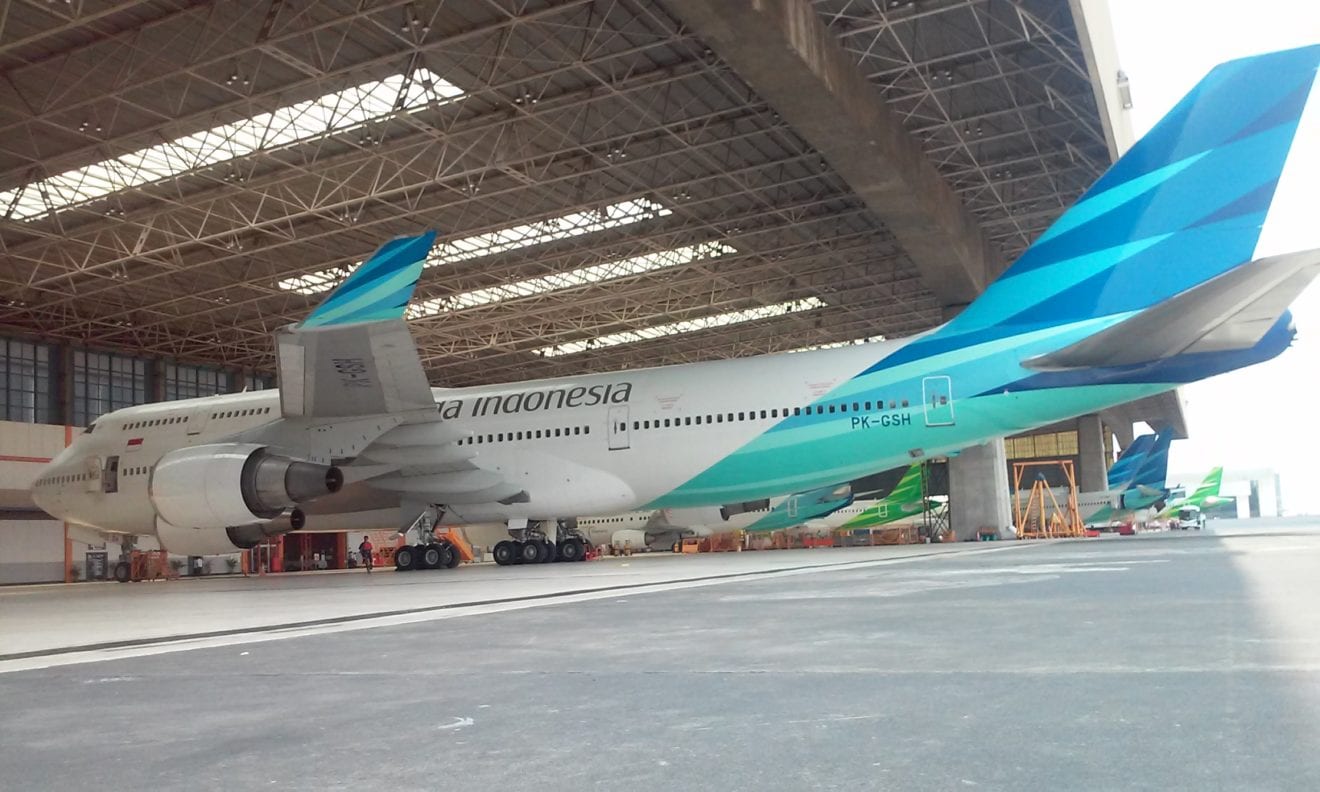
    Garuda Indonesia has unveiled its new Business Class service following the arrival of its latest Airbus A330-300 aircraft on Monday.

    The aircraft, which is the first of four Airbus A330-300s that will be delivered in 2016, features 24 and 263 Business and Economy Class seats, respectively.

    The former, dubbed Super Diamond Seats,  offer an all-aisle configuration (1-2-1), fully flat-bed seat, adjustable arm-rest, head-rest, meal table and reading light, integrated baby bassinet stowage, new mini bar display, 16-inch LCD touchscreen with a touchscreen handset/remote, double USB plug and power outlet.

    “Garuda Indonesia is the first airline in the world to implement the Super Diamond Seat Business Class service on its A330-300 aircraft; as opposed to competitors who implement it only on their A350 aircraft,” said Garuda Indonesia president and CEO Arif Wibowo in a press release on Monday.

    unnamed

    Meanwhile, passengers sitting in Economy Class seats can expect new features such as a 4-inch articulating recline ability, foot-rest, 11-inch LCD touchscreen, USB plug and power outlet.

    The national flag carrier also received the delivery of its last Boeing 777-300ER aircraft on Monday, of a total of 10 that were ordered in 2013. Configured with a 393-seat capacity, the 10th aircraft consists of 26 Business Class seats and 367 Economy Class seats.

    Six out of 10 Boeing 777-300ERs operated by Garuda Indonesia are equipped with First Class service, with eight First Class seats, 38 Business Class seats and 268 Economy Class seats.

    unnamed (1)

    As part of Garuda’s fleet revitalization program, the airline is set to receive 16 new aircraft in total throughout this year, consisting of the one Boeing 777-300ER, four Airbus A330-300s, four ATR72-600s and eight Airbus A320s to be operated by Citilink.

    By the end of 2016, Garuda Indonesia Group expects to operate a total of 188 aircraft; 144 aircraft by Garuda Indonesia and 44 aircraft by Citilink.

    maxresdefault

  • President urges to accelerate development of tourism sector in 2016

    President urges to accelerate development of tourism sector in 2016

    President Joko Widodo has called on his officials to expedite the development of Indonesias tourism sector in 2016 in a bid to boost the countrys economic growth.

    President Widodo noted in his opening remarks during a limited meeting held to discuss the Lake Toba Tourism Destinations Development Plan at the presidential office in Jakarta on Tuesday.

    “I have urged the tourism minister to speed up development activities in the top ten tourist destinations,” he noted.

    The top ten tourist destinations to be developed based on the “single destination, single management” concept are the Borobudur temple, Mandalika resort, Labuhan Bajo beaches, Mount Bromo-Tengger-Semeru, Thousand Islands, Lake Toba, Wakatobi diving spot, Tanjung Lesung beaches, Morotai Islands, and Cape Tanjung Kelayang.

    President Widodo is optimistic that by developing the tourism destinations, the local small and medium enterprises (SMEs) would also boost their productivity and absorb more manpower.

    “We need a quick breakthrough in terms of regulation and work in other areas to deliver results at the earliest,” he emphasized.

    In particular, the president has called to boost connectivity and accessibility in Lake Toba by improving the airport and road infrastructure.

    “I am aware that two or three weeks ago, Coordinating Minister of Economy (Darmin Nasution), Public Works Minister (Basuki Hadimuljono), and Tourism Minister (Arief Yahya) had visited Lake Toba,” he remarked.

    President Widodo hoped that the visit would be followed up by a concrete action plan to be rolled out in the area, including organizing marketing activities, implementing international service standards, and holding cultural and art performances.

  • Berrybenka beefing up eCommerce

    Berrybenka beefing up eCommerce

    With demand from Hong Kong, Brunei and Malaysia, Indonesian fashion brand Berrybenka is taking steps to beef up its eCommerce services.

    It will also be opening more pop-up stores outside Jakarta, its main stronghold, The Jakarta Postreports.

    CEO Jason Lamuda says the brand is also aiming improve customer relations through digital media. It aims to step up customer interaction this year through messaging apps, improve its mobile app, and partner with convenience store ChainIndomaret on a possible new payment mechanism.

    He says this will help promote Berrybenka as a national fashion eCommerce platform. “Our goal in the end is to not only become the most notable fashion brand in Indonesia, but to also help promote the creation of local brands.”

    Berrybenka has 1.5 million subscribers in its database, with demand from Hong Kong, Brunei and Malaysia through sister company Hijabenka. Berrybenka has partnered with around 1000 small and medium enterprises.

    In Indonesia, the company plans pop-up stores in Medan, North Sumatra, Makassar in South Sulawesi, Yogyakarta, Semarang in Central Java, Manado in North Sulawesi and Balikpapan in East Kalimantan. Medan will have the first of the new outlets, opening on Thursday.

    Also being considered are eCommerce hubs for Surabaya, East Java and Bandung, West Java.

    About 90 per cent of Berrybenka sales comprise local products. Between 2013 and 2014, the company had 150 to 200 per cent revenue growth, with a further 200 per cent growth between 2014 and 2015.

  • Courts opens second Indonesia megastore

    Courts opens second Indonesia megastore

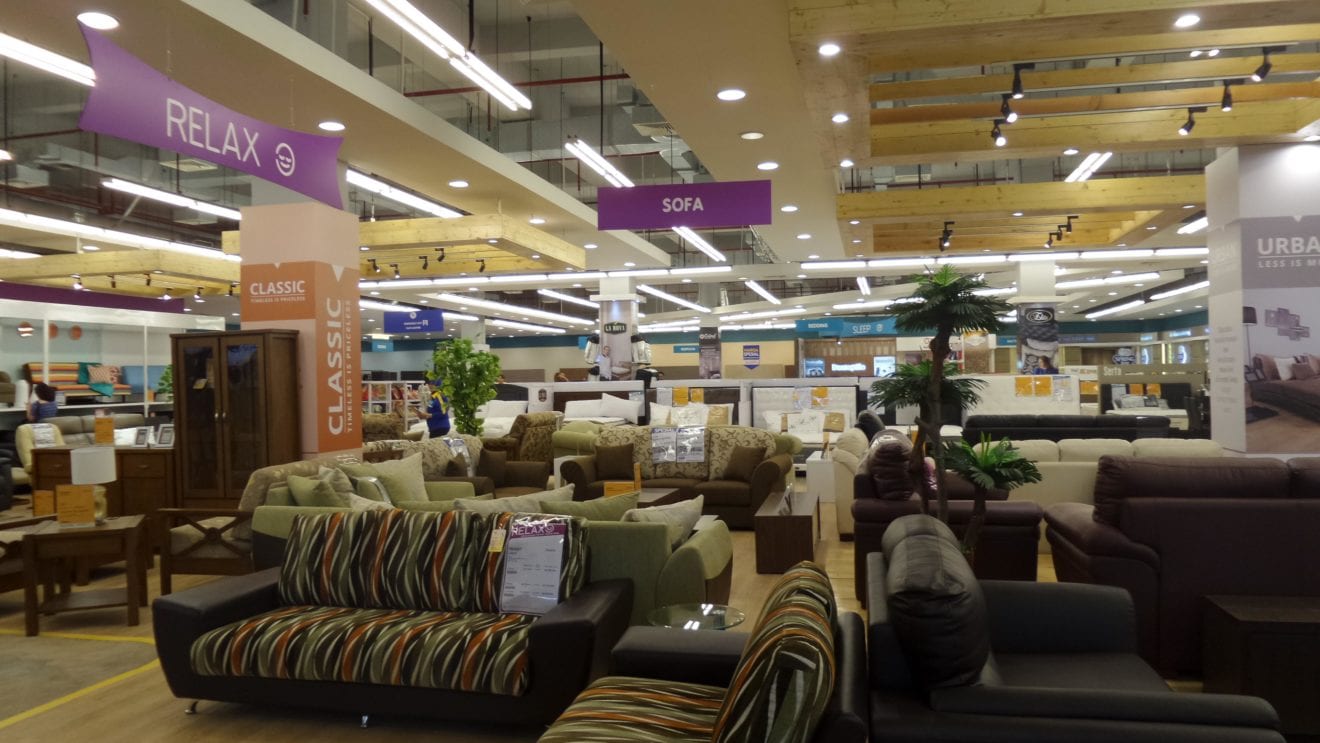
    Courts Indonesia has opened its second megastore – inside BSD City, about 42 km west of Jakarta.

    The new store is part of a strategy by Singapore-listed Courts Asia to expand its footprint beyond its core Singapore and Malaysia markets.

    Billed as the largest Courts Megastore in Asia, the new outlet covers 22,694 sqm of land and boasts a shopping area of about 20,400 sqm.

    “Indonesia is currently the driver of Courts’ growth,” said Roy Santoso, Courts Retail Indonesia CEO in a statement.

    “Since we first entered Indonesia in 2014, we now operate two megastores and three regular outlets. We aim to open 12 more outlets by 2018. This is our commitment in catering to the demands of Indonesians,” he said.

    The first Courts megastore, pictured above, opened at Bekasi, in Kota Harapan Indah, on the eastern side of Jakarta.

    Courts Asia said that as of November 2015, Indonesia accounted for 1.7 per cent of the company’s total sales of S$186.1 million – up 4.2 per cent year-on-year.

    Indonesia is expecting retail growth of between 11 and 12 per cent this calendar year, after a modest 8 per cent growth in 2015.

  • Government operating marine vessel power plant in North Sulawesi

    Government operating marine vessel power plant in North Sulawesi

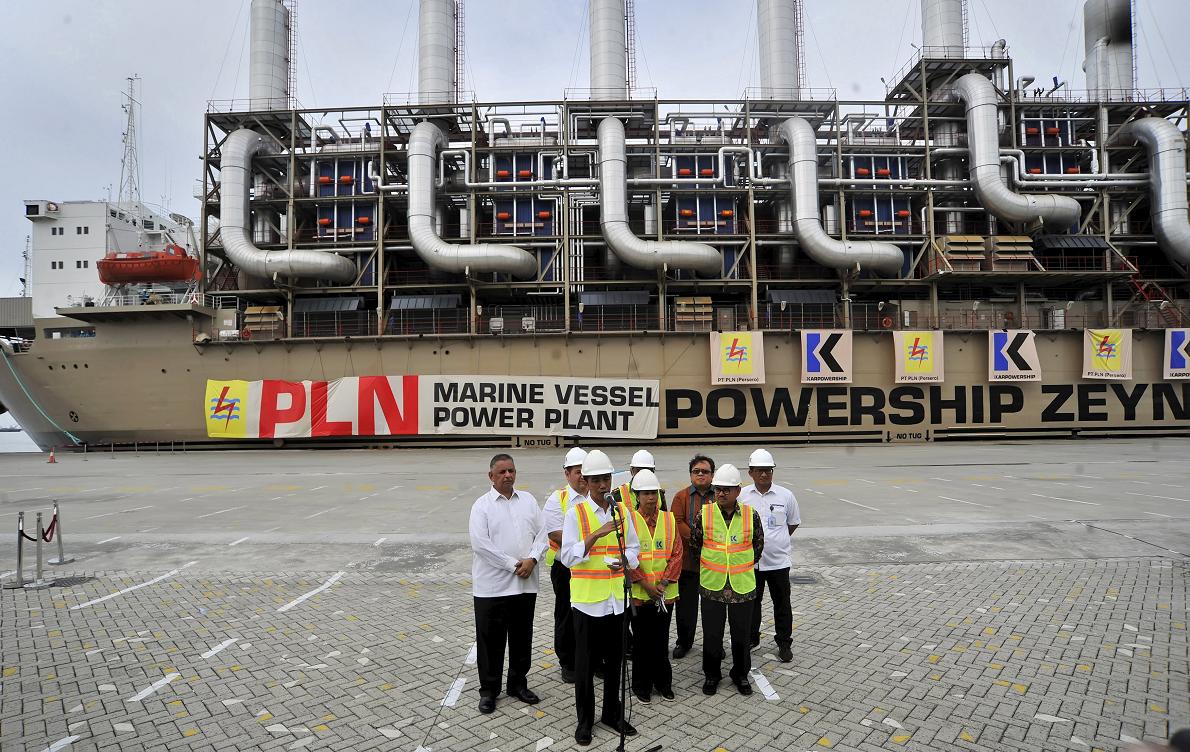
    The Indonesian government is operating a marine vessel power plant (MVVP) called Zeynep Sultan to deal with electrical power deficit in North Sulawesi province.

    “The presence of this vessel is part of the governments attention to the current electrical power deficit affecting various areas (in the country),” acting North Sulawesi governor Sono Sumarsono said while inaugurating the operation of the electrical power supplying vessel in South Minahasa on Sunday.

    The operation of the marine vessel power plant is part of the governments program to develop power plants with a combined capacity of 30 thousand megawatts to overcome electrical power deficit in several regions in the country.

    “Hopefully, this national program will be successful so all areas in Indonesia will have electricity in the future,” he said.

    Sumarsono, who is also director general of regional autonomy at the Home Affairs Ministry asked South Minahasa district head Rene Hosang to help secure the vessel while it is in the district.

    The Santiago military district command 131 will also deploy its personnel everyday to safeguard the vessel, he said.

    He expressed the hope the operation of the vessel will deal with electrical power crisis in the provinces of North Sulawesi and Gorontalo.

    “The power crisis has become cause for major concern in the two neighboring provinces. Mr Habibie (Gorontalo Governor Rusli Habibie) and I have been protested almost everyday in case of power blackout,” he said.

  • Indonesia lures Indians with free visas

    Indonesia lures Indians with free visas

    Indonesia may be attracting almost double the number of global tourists than India but visitors from here are few and the southeast Asian country has decided to grant free visas to Indians to attract more travelers from India which is a “big market” for them.

    Vinsensius Jemadu, Indonesia’s tourism director, was in India to promote Indonesian tourism and attract more Indians. He says Indonesia and India enjoy very good relations which will help in attracting more tourists. Indonesia is also participating in the South Asian Tourism and Travel Expo (SATTE) 2016.

    Jemadu said that more than 10 million people from across the globe visit Indonesia every year – but only 270,000 from India. Indonesia attracts the highest number of tourists from Singapore, followed by Malaysia, Australia, China, Japan, South Korea and then India.

    “Realising that India is a big market, the Indonesian government decided to grant free visas to Indians. We have set a target to attract 350,000 tourists from India this year, which is a big challenge for us,” he said. “Most of the people from India visit Bali. May be it is because they do not know about other places there. We want them to explore other places of the country as well,” he said.

    Indonesia’s tourism industry contributes nine percent to the country’s GDP. “Our plans are to boost tourism industry and increase it to 15 percent of the GDP by the end of 2019.”

    “As many as 60 percent of the total tourists visit Indonesia because of its rich cultural heritage while 35 percent come to the country to see its natural beauty. Five percent tourists come here to enjoy manmade activities,” Jemadu told IANS.

    Expressing concern over lack of direct connectivity between India and Indonesia, Jemadu said: “So far there is no direct flight between the two countries. People from India reach Indonesia via Singapore or Malaysia which is not good for tourism because people have to spend more time and money in travelling.”

    He, however, added that this issue will be sorted out soon as both the governments have agreed to start direct flight between the two nations.

    “I am hopeful that the direct flight between Mumbai and Bali will start by March or April. Garuda Indonesian airline had agreed to operate flights between the two countries,” he said.