Tag: Indonesia

  • Australia, Indonesia boosting tourism and economic growth

    Australia, Indonesia boosting tourism and economic growth

    Australia is expanding efforts to encourage two-way tourism between Australia and Indonesia as a key driver of shared economic growth and more knowledge of each others country.

    Australian Ambassador to Indonesia Paul Grigson said tourism powers economies and supports communities.

    “We want to increase tourism in both directions. The Indonesian Government has already recognised the potential economic boost a strong tourism industry can deliver,” the ambassador was quoted as saying by the Australian Embassy here on its website.

    According to the ambassador, Australian tourism can help Indonesia realise that vision. More than a million Australians visit Indonesia every year. Australian tourists contribute 18 trillion IDR (AUD$1.8 billion) a year to the Indonesian economy, Ambassador Grigson said on Tuesday.

    He said as Indonesia seeks to develop its tourism industry beyond Bali, ease of travel is integral to its success. Indonesia has already experienced a 19 per cent increase in tourists from countries which were granted visa free access in 2015.

    “A quarter of all tourists to Bali are Australian. We want to see more Australians come to Indonesia and experience sunrise at Mount Bromo, taste the spices of Padang and watch the sunset at Borobudur,” Grigson told Indonesian tourism industry representatives in a speech in Jakarta.

    Beyond these economic benefits, tourism builds links between people. It challenges stereotypes. It opens up new worlds and greater understanding.

    “I want more Indonesians to visit Australia.We have world class cuisine, galleries and unique experiences. With famous wildlife, fabulous wine and fantastic weather, Australia beats any other destination,” he said.

    Australia was the tenth most popular destination for Indonesian tourists in 2014 with a total of 149,800 visitors, up 7.6 per cent from 2013.

    More Indonesians travelling to Australia will make expanded flight routes between Australia and Indonesia more viable in the long-term, bringing benefits to both our economies.

    “Indonesian investors may also be missing out on opportunities to capitalise on some of the major tourism infrastructure projects currently underway in Australia. In 2014 alone, investment in the Australian tourism industry was valued at $53.7 billion,” he said.

    He added that the more Australians and Indonesians experience each others countries, the deeper their connections become.

    “The tourism industry is integral to the prosperity of both our countries. Now is the time for us to reach out to each other as neighbours and shape our futures together,” Grigson said.

  • Starwood Hotels & Resorts to Debut Ultra-Luxury St. Regis Brand in Jakarta

    Starwood Hotels & Resorts to Debut Ultra-Luxury St. Regis Brand in Jakarta

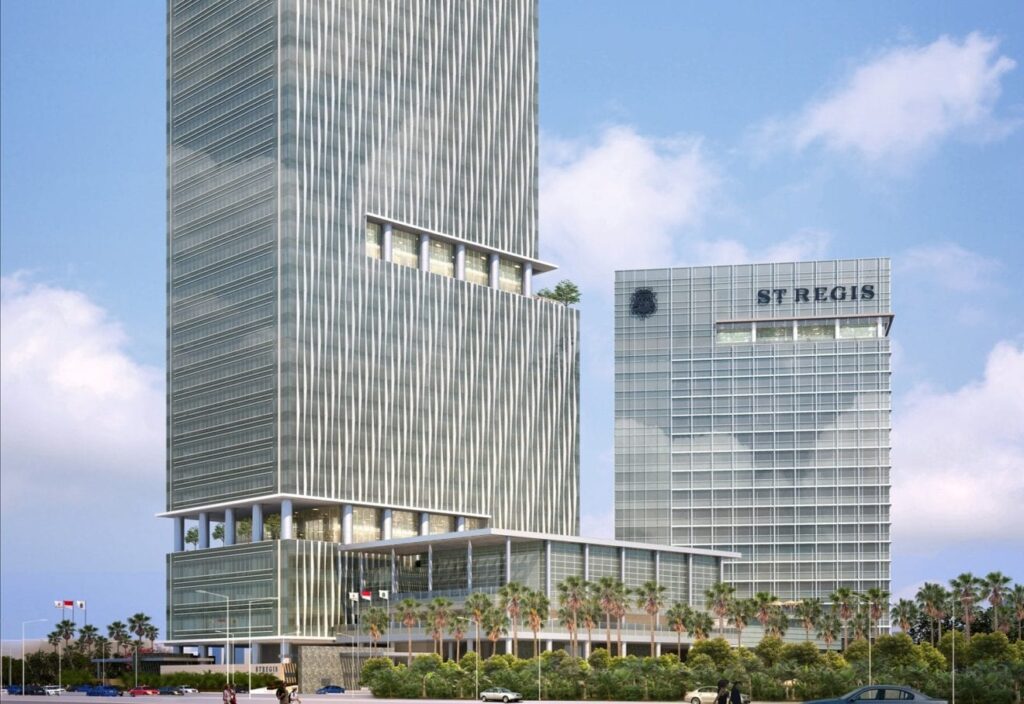
    Starwood Hotels & Resorts Worldwide announced today that the company has reached a management agreement with Rajawali Property Group to open The St. Regis Jakarta and The Residences at The St. Regis Jakarta. Centrally located on Jalan H.R. Rasuna Said, Kuninganin in South Jakarta, the hotel and residences will be part of a new mixed-use development, which will also feature a commercial office tower that will serve as the headquarters of Rajawali Property Group. Slated to open in 2019, The St. Regis Jakarta and The Residences at The St. Regis Jakarta are poised to become the premium address for well-heeled travelers and residents.

    “The St. Regis Jakarta and The Residences at The St. Regis Jakarta are a great testament to the growing wealth and appetite for luxury in Indonesia’s capital,” said Stephen Ho, President, Starwood Hotels & Resorts Asia Pacific. “We are delighted to foster our relationship with Rajawali Property Group by bringing the St. Regis brand’s bespoke service, contemporary design and refined elegance to the ever-bustling city of Jakarta.”

    Shirley Tan, CEO of Rajawali Property Group, added, “Jakarta currently features some upscale residences that are located above or next to hotels, but few offer the heights of refinement tied to the St. Regis name. Today’s signing with Starwood is part of Rajawali’s greater residential strategy to develop a collection of truly branded residences with unique ownership privileges in Southeast Asia, including The Residences at The St. Regis Langkawi in 2016 and The Residences at The St. Regis Jakarta in 2019.”

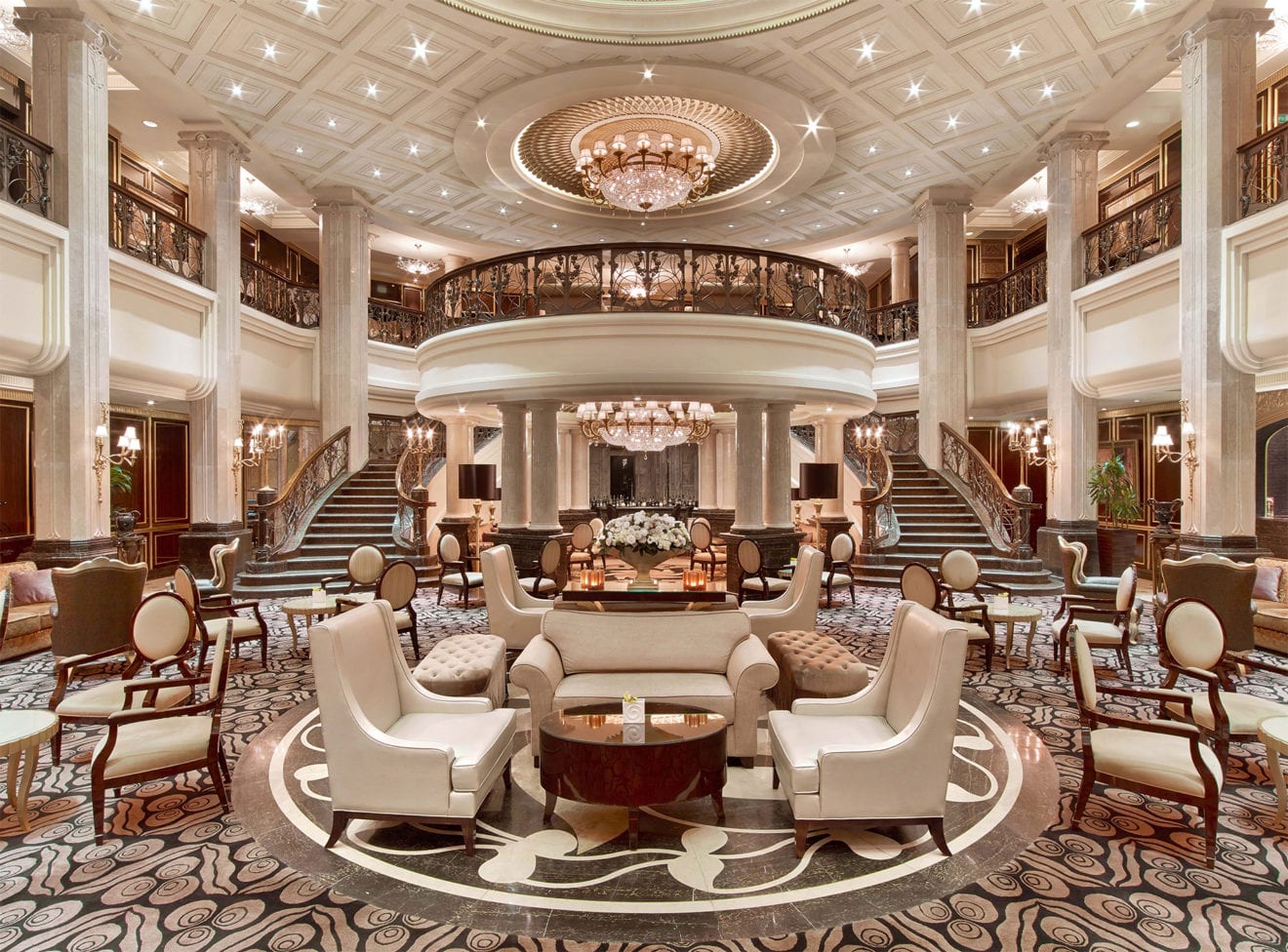
    The St. Regis Jakarta will offer 280 luxuriously-appointed guestrooms and suites, all bearing elements of the brand’s rich heritage infused with modern inspiration. The hotel will feature four distinctive restaurants, including an all-day dining venue, a fine dining restaurant, The Deli, and the signature St. Regis bar. For meetings and events, the hotel will offer expansive function space that spans 3,600 square meters. Guests will also be able to indulge in world-class leisure facilities, including a spa with six treatment rooms, a fitness center and a swimming pool. To further enhance the guest experience, The St. Regis Jakarta will provide signature St. Regis Butler Service, offering guests 24-hour anticipatory service that customizes each stay to specific needs, tastes and preferences, allowing guests to savor the rarest luxuries of all time.

    153053019

    Following the success of the residences at St. Regis hotels in Singapore and Bangkok, and the soon-to-open St. Regis Kuala Lumpur, The Residences at The St. Regis Jakarta will set new standards for luxury living in Jakarta. Located in a separate tower adjacent to the hotel, the 164 branded residences will offer homeowners and investors refined luxury and privacy, with each home expressing a sense of intimacy, grandeur and panoramic views of the vast city skyline.

    The Residences at The St. Regis Jakarta will feature three types of apartments: a 3-bedroom Sky Residence occupying 355 to 373 square meters; the Sky Villa, a 750 square meter, 4-bedroom unit; and the Sky Palace, featuring over 1,250 square meters. Residents will enjoy exclusive concierge service, a multi-function room and wine room, private garden pool, private dining and library lounge, fitness center and dedicated car parking space. Residence owners will also be able to enjoy the renowned St. Regis services at their doorstep, including St. Regis Butler Service, as well as access the hotel’s fitness and dining facilities.

    “Starwood is pleased to expand its portfolio of St. Regis residences in Asia Pacific, as we see strong continued growth opportunities in this area,” said Rajit Sukumaran, Senior Vice President, Acquisition & Development, Starwood Hotels & Resorts, Asia Pacific. “The Residences at The St. Regis Jakarta will cater to the lifestyle needs of the increasingly affluent and appeal to luxury property investors, while remaining deeply rooted in St. Regis’ distinctive legacy of uncompromising elegance and the ability to provide the finest experiences imaginable.”

    st-regis-jakarta-indonesia-landscape

    The announcement further strengthens the partnership between Starwood and Rajawali Property Group, which currently owns eight Starwood properties, with a total of more than 1,500 rooms throughout Malaysia and Indonesia. This distinguished portfolio includes The St. Regis Bali Resort and the all-suite St. Regis Langkawi Resort. The latter is on track to open in April 2016, as part of an integrated complex comprising The Westin Langkawi Resort & Spa and the ultra-modern Langkawi International Convention Centre (LICC), both owned by Rajawali Property Group.

    Starwood currently operates 18 hotels in Indonesia, five of which are located in Jakarta. The company is accelerating its growth in the country and is on track to open 13 additional hotels in the next three years. In addition to The St. Regis Jakarta, Starwood’s pipeline also includes Aloft hotels in Kebon Jeruk and Wahid Haysyim, The Westin Jakarta and W Jakarta.

  • Indonesia studying Trans-Pacific Partnership Agreement

    Indonesia studying Trans-Pacific Partnership Agreement

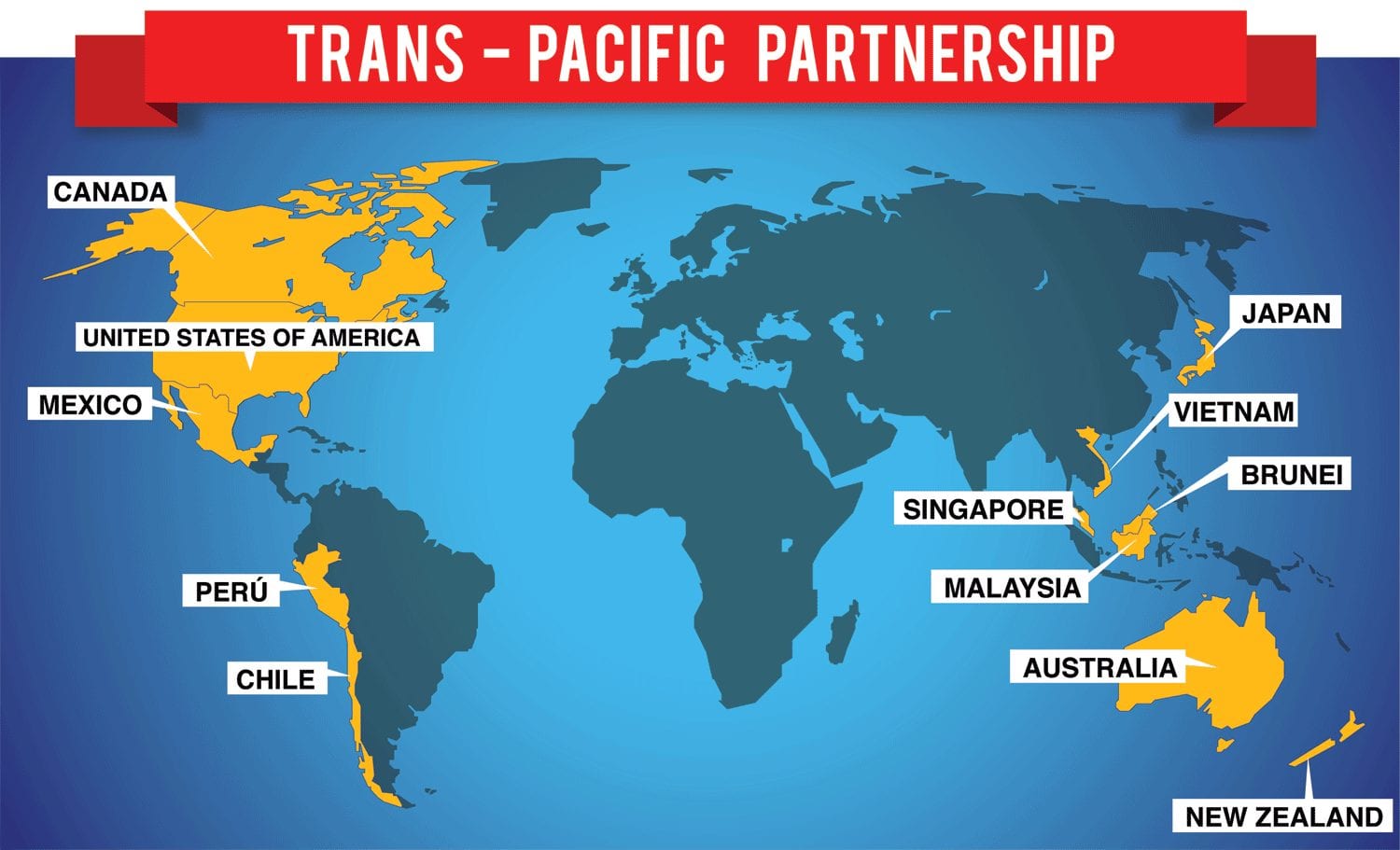
    Indonesia is studying 6,000 pages of the Trans-Pacific Partnership Agreement to see possible impacts on domestic industries if it finally decides to join it.

    “There are 30 sub-sectors involved in the 6,000 page agreement that have to be studied one by one,” Director General of Resilience and International Industrial Access Development of the Ministry of Industry, Achmad Sigit Deiwahjono, said here Thursday.

    The focus of the study was not put on the policy of domestic content (TKDN) which is not allowed in the agreement, he said.

    The government hoped the TKDN would not be abolished if Indonesia later joins the TPP, he said.

    He would negotiate so that the TKDN would remain, but the portion would be divided for the interest of the TPP, he said.

    “Indonesia wishes it (TKDN) would be exempted, for example, by allowing the TKDN to some value of the project,” he said.

    He did not know when the study would be finished, and he also did not know if Indonesia would finally join it or not, Sigit said.

    “We will still study it. It is not yet finished,” he added.

  • Indonesia’s growth in 2015 slows for fifth consecutive year

    Indonesia’s growth in 2015 slows for fifth consecutive year

    Growth in South East Asia’s largest economy, Indonesia, has come in at 4.76% for 2015, marking the fifth consecutive yearly decline. Weaker commodity prices and consumer spending, together with a slowdown in its key trading partner, China, has hurt growth. Towards the end of last year, however, the economy expanded by just over 5%, boosted by government spending. President Joko Widodo had promised to lift annual growth to 7% on average.

    However, the country has seen an average of just under 6% growth over the past decade and analysts have said growth is unlikely to improve for some time.

    “The fourth quarter data is a positive surprise,” economist Tony Nash told.

    “But unfortunately the uptick will likely be short lived. We expect deterioration in the first quarter and it’ll be tough to regain growth momentum before 2017,” he added.

    Mr Widodo made his promise to raise growth when his five-year term began in 2014, but he has faced problems boosting government spending and has seen several large infrastructure projects delayed.

    A $5.5bn high-speed railway project, funded by China, was signed last year and is scheduled to be up and running by 2019.

    But the project has faced widespread objections from transport experts and its long-term viability has been questioned.

    Mr Widodo has also faced international condemnation for the country’s man-made forest fires, which have caused serious economic and environmental damage.

    In December, the World Bank said Indonesia’s forest fires last year had likely cost the country more than twice the amount spent on reconstruction efforts after the 2004 Aceh tsunami.

    In its quarterly report, the bank said the fires had cost some 221tn Indonesian rupiah ($15.72bn; £10.5bn).

    It added that regional and global costs would be much higher.

  • Custodian Banks Officially Become DPP Members

    Custodian Banks Officially Become DPP Members

    The Financial Services Authority (OJK), the Indonesian Securities Investor Protection Fund (P3IEI/SIPF) and relevant stakeholders had established the Investor Protection Fund (DPP). The goal is to improve the security of investing in Indonesia’s capital market.

    The Indonesia Stock Exchange (IDX) announced that custodian banks listed in the IDX have been DPP members since January 1, 2016. Thus the number of DPP members now reaches 133 custodians.

    “One hundred and twelve of them are securities brokers (PPE), which administrate customers’ securities accounts, and 21 are custodian banks,” SIPF president director Yoyo Isharsaya said on Thursday, February 4.

    DPP protects investors’ assets deposited at brokers or at a custodian bank. The protected assets are securities that are collectively entrusted to a custodian and recorded in a securities account in a central securities depository (LPP).

    The DPP also protects investors’ funds that are deposited to a fund custodian by opening an account.

    With custodian banks becoming DPP members, the value of investors’ assets are protected by the DPP increased to by 295.27 percent from Rp765.25 trillion per December 31, 2015 to Rp3024.78 trillion per January 1, 2016.

    Investors whose assets are protected by the DPP are those who entrusted their assets and a securities account at the custodian, opened securities sub-accounts at the LPP by a custodian, and have a single investor identification issued by the Central Securities Depository.

  • West Sulawesi provincial government to maximize use of cacao plantations

    West Sulawesi provincial government to maximize use of cacao plantations

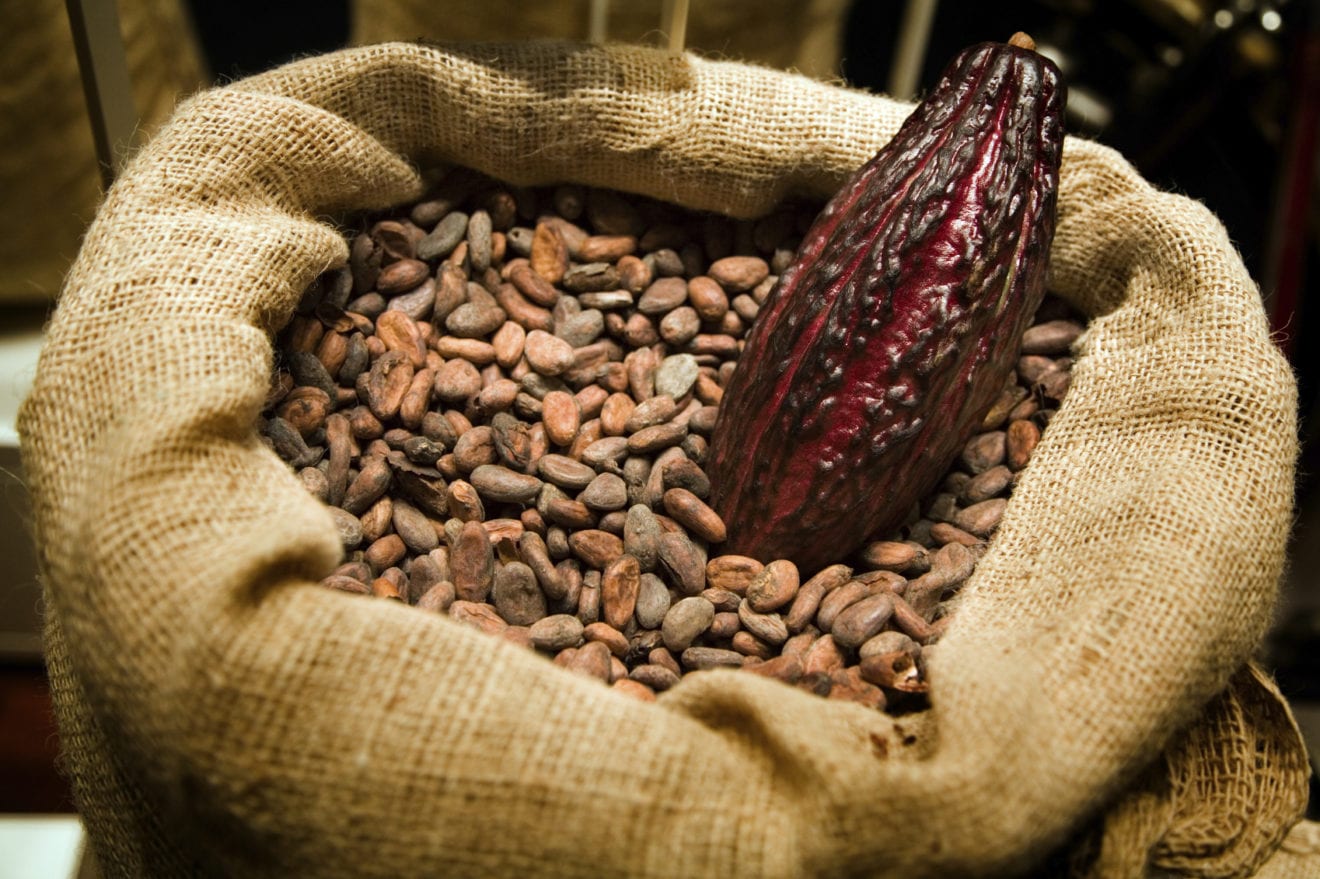
    The West Sulawesi provincial government will, this year, maximize the use of cacao plantations to annually produce one million tons of the commodity, according to Provincial Estate Service spokesman Tanawali.

    “The government of Southeast Sulawesi this year will maximize the use of cacao plantation areas in order to support its determination to achieve a production target of one million tons of cacao,” he remarked here on Friday.

    He noted that of the 168 thousand hectares of cacao plantations in West Sulawesi, efforts have been intensified in 65 thousand hectares since 2009 to improve the quality and production.

    “We hope to maximize the use of all cocoa plantations in West Sulawesi within the next three years to support the program to make Indonesia the worlds largest producer of the commodity,” he stated.

    In addition, Tanawali noted that the cacao processing industry in Indonesia should continue to grow stronger to increase the processing capacity.

    Due to growth in the cacao processing industry in 2015, the processing capacity increased to 765 thousand tons from 345 thousand tons in 2010.

    During a visit to the cacao processing company PT Mars Symbioscience Indonesia in Makassar, South Sulawesi, in August last year, Industry Minister Saleh Husin stated that the number of cacao processing companies rose to 19 from 15 units in the previous year.

    “The government has encouraged development of the cacao processing industry by restricting exports of cacao beans since 2010,” the minister noted at the time.

    Husin remarked that under the Cacao National Movement Program, the government was optimistic of boosting the productivity of the countrys cacao plantations from 0.5 ton to 2 tons per hectare.

    Therefore, the minister emphasized that the government will facilitate investment in the cacao processing industry by helping provide infrastructure, one-stop service, fiscal facility, and exemption of import duty on factory machines.

    Indonesia is the worlds third-largest producer of cacao beans after the Ivory Coast and Ghana in Africa, and Sulawesi is the largest cacao producing region in the country.

  • Furniture giant IKEA loses its trademark dispute in SC in Indonesia

    Furniture giant IKEA loses its trademark dispute in SC in Indonesia

    There is Samsung of South Korea, Sony of Japan, BMW of Germany and IKEA of Indonesia. Wait! IKEA of Indonesia? Yes, at least in Indonesia, if not worldwide.

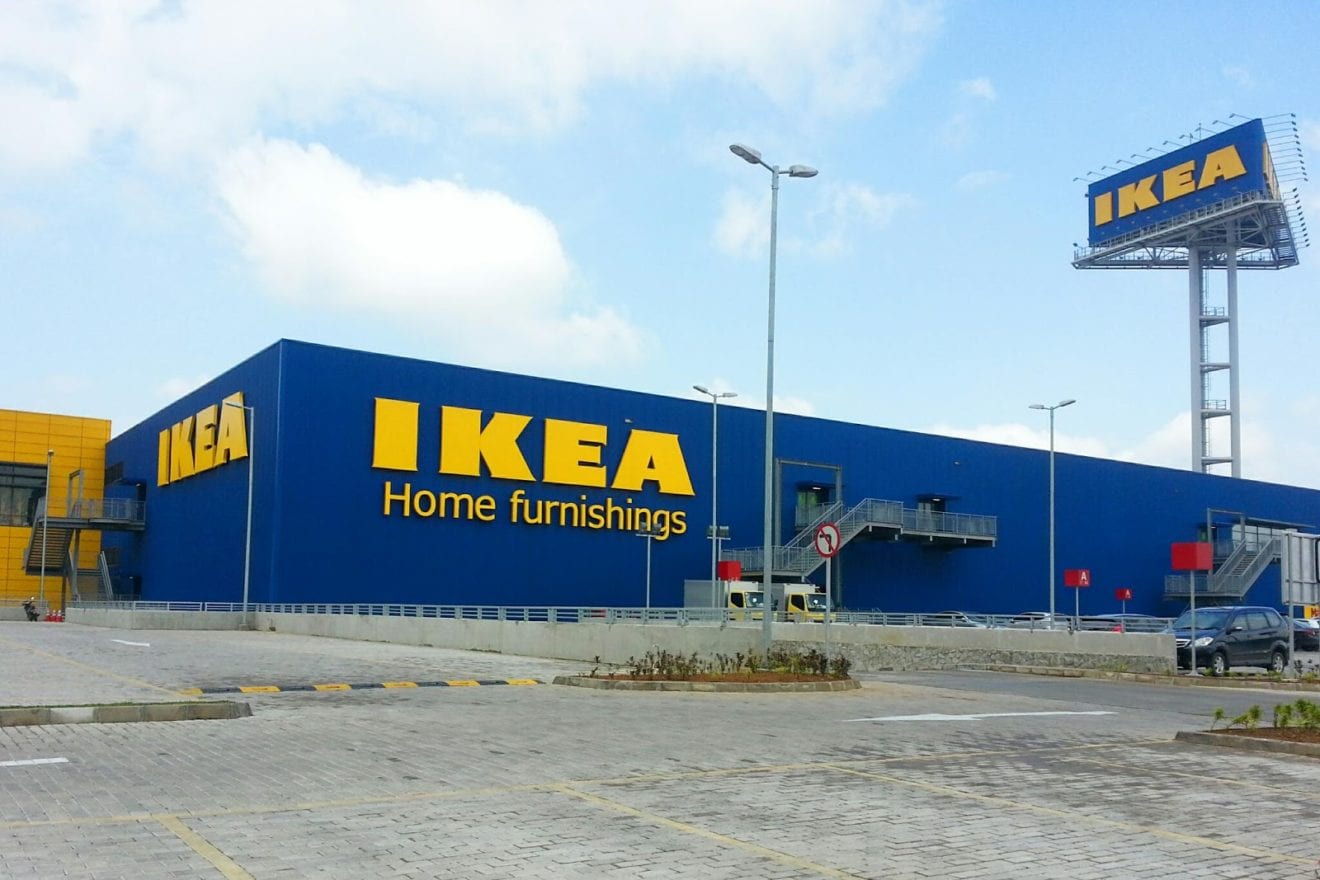
    Furniture giant IKEA, founded in Sweden in 1943, has lost a trademark dispute in Indonesia after the country’s highest court agreed the name was owned by a local company.

    Indonesian furniture company PT Ratania Khatulistiwa registered its IKEA trademark in December 2013. It’s an acronym of Intan Khatulistiwa Esa Abadi.

    The Supreme Court’s ruling was made in May last year but only surfaced publicly this week with its publication online by the court on Thursday.

    It said IKEA had not actively used its trademark in three consecutive years for commercial purposes and it could be deleted under Indonesia’s trademark law.

  • Angkasa Pura has world-class logistics warehouse in Bali

    Angkasa Pura has world-class logistics warehouse in Bali

    State-owned airport operator PT Angkasa Pura-I now has a logistics warehouse of international standard in the Indonesian island resort of Bali, according to the companys President Director, Sulistyo Wimbo Hardjito.

    Speaking to reporters here on Friday, Hardjito remarked that the international standard warehouse, named the Bali Logistics Park, is projected to boost the distribution of logistics in the eastern Indonesian region.

    “The presence of the Bali Logistics Park is expected to facilitate the flow of goods and encourage the growth of the logistics services sector and tourism in Bali,” he noted.

    According to Hardjito, the logistics warehouse building is located in proximity to the eastern side of the Ngurah Rai International Airports runway.

    In the meantime, Director of Angkasa Pura Property Miduk Situmorang explained that the Bali Logistics Park was built on a 1.6-hectare plot of land, with a building area of 7.2 thousand square meters.

    Situmorang said the building, constructed in nine months, has eight storage rooms, each measuring 960 square meters.

    “We hope the Bali Logistics Park would be able to address the needs of warehousing facilities of customers and businesses,” he affirmed.

    Angkasa Pura Director for Logistics Affairs Garniwa Irwan explained that the Bali Logistics Park has a loading and unloading area, which is able to serve 40-feet trucks, equipped with forklifts.

    Irwan remarked that the logistics warehouse, with a capacity of five thousand kilograms per square meter, can be operated by using advanced technology that allows users to store and organize their items accurately.

    Further, he remarked that the customers can choose and manage their own storage and distribution of several products in the warehouse or store a pallet unit in one of the storage consoles.

    He noted that the Bali Logistics Park in Bali will serve as an example for the central and eastern regions of Indonesia.

    “With the presence of the Bali Logistics Park complex, the businesses will not hesitate to expand their distribution of goods in Bali. We are also planning to build a similar facility in Surabaya, East Java,” Irwan added.

  • Malaysia, Indonesia & Thailand to shore up rubber price

    Malaysia, Indonesia & Thailand to shore up rubber price

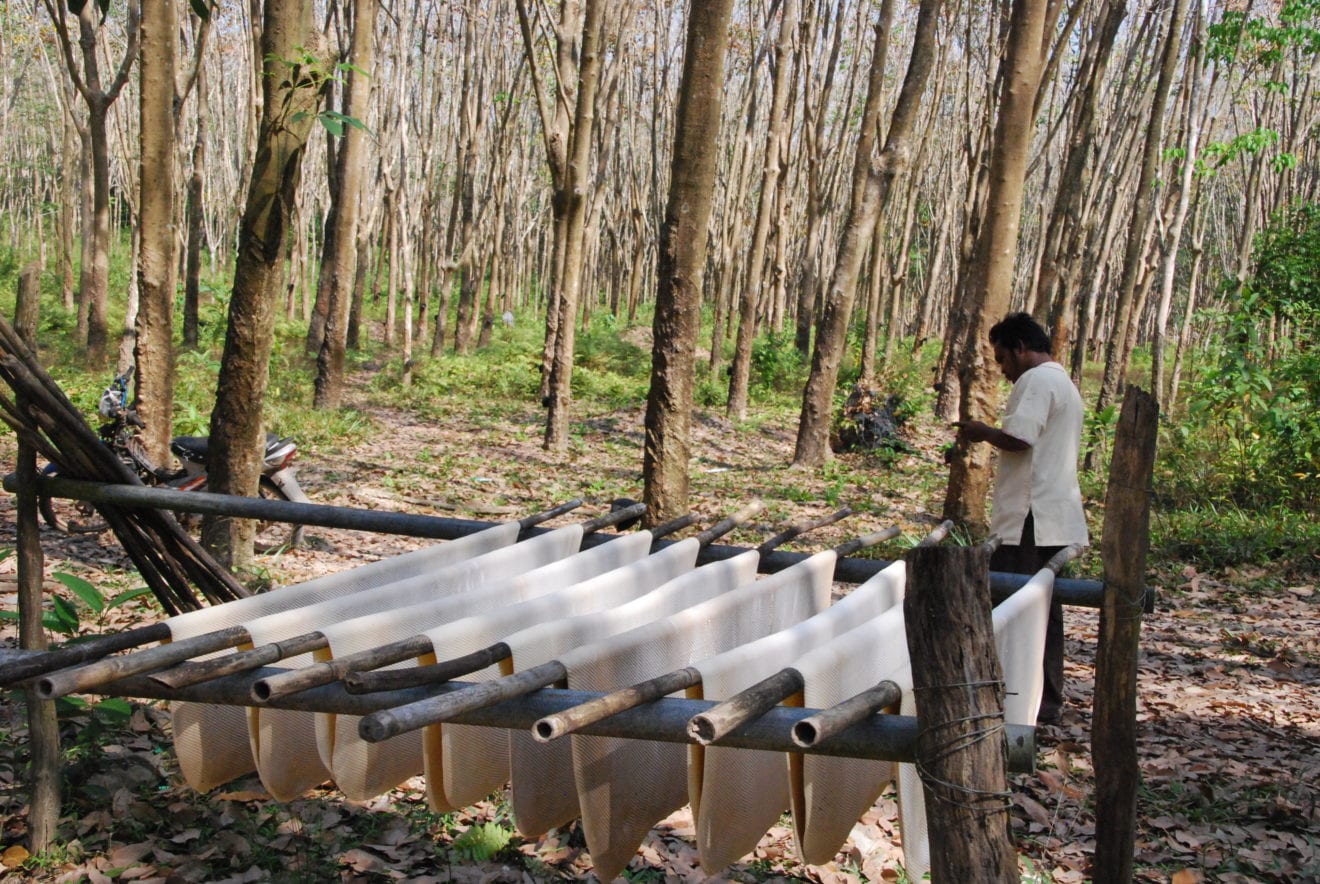
    Asia’s top rubber producers have agreed to cut exports by 615,000 tonnes for six months from March, moving to lift prices that have tumbled to their lowest since the global financial crisis amid excess supply.

    Benchmark rubber futures in Singapore and Japan rallied 2-3% on the news. The benchmarks sank in January to their lowest levels since end-2008 to early 2009.

    Thailand, Indonesia and Malaysia, which produce nearly 70% of the world’s natural rubber, said in a joint statement that the move was to address a decline in rubber prices which has had “a direct effect on the income of rubber smallholders in our three countries.”

    Thailand will cut exports by 324,000 tonnes, Indonesia by 238,740 tonnes and Malaysia by 52,260 tonnes, according to a statement from the International Tripartite Rubber Council (ITRC), which groups the three producers.

    The total cuts account for nearly 6% of global natural rubber output.

    “The three countries’ ministers believe that cutting exports and boosting domestic use of rubber will drive up prices and fix the price slump, making prices fair for rubber farmers,” Thailand’s agriculture ministry said in a statement.

    Previous efforts by major rubber producers to cut exports or output have only had a fleeting impact on prices amid a slowdown in top rubber importer China. In 2014, the ITRC members also agreed to cut exports to curb excess supply.

    Before that, they collectively cut shipments by 300,000 tonnes in 2012-13, or roughly 3% of 2012 global output. The intervention only briefly supported prices and Indonesia called for the pact to be discontinued.

    Besides cutting exports, the three countries today also agreed to increase domestic consumption of rubber – including for road and railway construction.

    “We are optimistic with joint implementation of these measures, rubber price will recover and continue to be fair and remunerative to all smallholders and other stakeholders in the natural rubber industry,” the ITRC said in the statement.

    Thailand, the world’s top rubber producer and exporter, will cut its rubber exports by 50% starting March, said the Rubber Authority of Thailand.

    “The three countries will cooperate in cutting exports by 615,000 tonnes from March to August,” said Chao Songarvut, acting director of the Rubber Authority of Thailand, adding that the move was to drive up prices.

  • Lippo Malls Trust buy integrated development in Yogyakarta

    Lippo Malls Trust buy integrated development in Yogyakarta

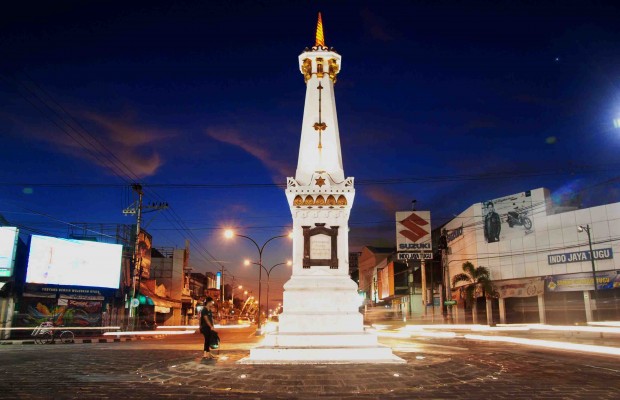
    First Reit has entered into a joint venture with Lippo Malls Indonesia Retail Trust (LMIRT) to jointly buy an integrated development in Yogyakarta, Indonesia, from their sponsor PT Lippo Karawaci Tbk.

    The property comprises Siloam Hospitals Yogyakarta (SHYG) and a retail mall component known as Lippo Plaza Jogja (LPJ).

    The purchase consideration for SHYG at S$40.82 million, which will be borne by First Reit, represents a discount of 9.69 per cent to S$45.20 million, being the higher of two independent valuations.

    The lower valuation by KJPP Willson & Rekan (in association with Knight Frank) put its value at S$41.52 million as at end-September 2015.

    The property is held under one “Right to Build” (Hak Guna Bangunan) title certificate and currently, in Yogyakarta, there are no regulations permitting the regional government of Yogyakarta to subdivide the property and issue separate strata titles for SHYG and LPJ.

    First Reit and LMIRT have, therefore, decided to jointly acquire the asset. They own mostly hospitality and retail assets in Indonesia respectively.

    The property, comprising a hospital and a retail mall, is a 10-storey building including one basement and one mezzanine level on a total land area of 13,715 square metres, with a shared multi-storey parking area on the upper levels and a rooftop helipad.

    The joint acquisition will boost First Reit’s portfolio to 18 properties and strengthen its asset base by 3.15 per cent to S$1.31 billion, from S$1.27 billion.

    First Reit will finance the SHYG portion of the joint acquisition by a drawdown from its debt facilities and internal cash.

    As for LPJ, its purchase consideration of S$51 million, which will be borne by LMIRT, represents a discount to both the independent valuations it obtained.

    LMIRT will finance the retail mall acquisition using debt financing.

    The manager is currently exploring the options of bank loan facilities and/or issuance of unsecured bonds under the EMTN programme it set up last September.

  • Masan Group solidifies strategic partnership with Singha

    Masan Group solidifies strategic partnership with Singha

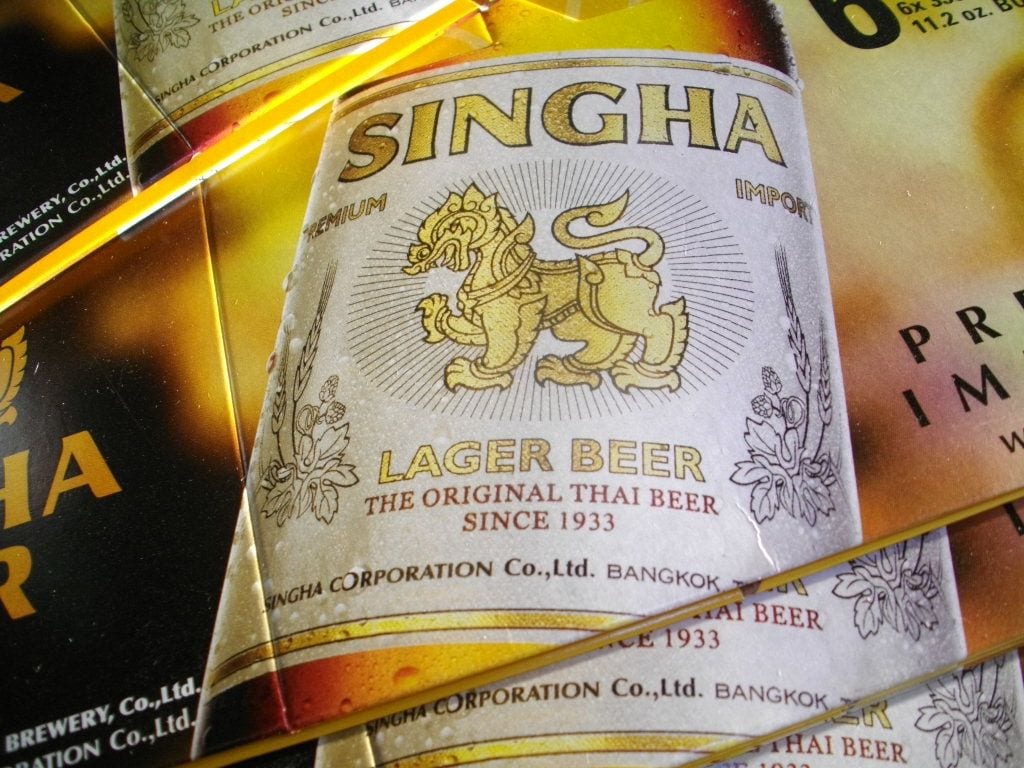
    Masan Group Corporation closed the first round of funding of its strategic partnership with Singha Asia Holding last month.

    Singha contributed US$650 million (Bt23.2 billion), comprising $50 million for a 33.3-per-cent equity interest in Masan Brewery and $600 million for a 14.3-per-cent equity interest in Masan Consumer Holdings.

    Proceeds of the $600-million into Masan Consumer Holdings facilitated the purchase of additional shares in Masan Consumer, the non-alcoholic branded food and beverage platform of Masan.

    As a result, Masan Consumer Holdings’ direct ownership in Masan Consumer increased from 77.8 per cent to 96.7 per cent.

    The first closing is a strong validation of Masan’s strategic value, platform and growth potential as the company further develops its business not only in Vietnam but inland Asean alongside Singha.

    Closing of the remaining $450-million increase in Singha’s equity interests in Masan Consumer Holdings to 25 per cent is subject to customary regulatory and corporate approvals. 

  • Ministry of Industry Reluctant to Monitor Ford

    Ministry of Industry Reluctant to Monitor Ford

    I Gusti Putu Surya Wirawan, Director General of Metal, Machinery and Means of Transportation Industry (under Ministry of Industry) said that the Ministry is reluctant to monitor PT Ford Motor Indonesia after its exit from Indonesia. “Ford is not an industry. We are not obliged to monitor them,” said Putu at Bunga Rampai Restaurant, Tuesday, February 2, 2016.

    According to Putu, the Ministry of Trade is the one responsible for monitoring Ford’s operation as it was only operated in selling. When asked about a consumer’s lawsuit against Ford, Putu said that the Ministry has yet to receive the letter.

    “Consumers may file lawsuit to (Ministry) of Trade. It’s in the Consumer Protection Law,” said Putu.

    Putu said that Ford is allowed to sell their products in Indonesia even without industry. According to her, Ferrari and Lamborgini has been operating that way in Indonesia.

    Putu underlined that Ford is entitled to exit Indonesian market. “Ford is free to sell their products. There is no pressure. If the operation is not profitable, it (Ford) will no longer operate here.”

    The decision of Ford Motor Indonesia (FMI) to leave Indonesia dissapoints consumers. One of them is David Tobing. He has officially filed a lawsuit against Ford Motor Indonesia (FMI) to the South Jakarta District Court. Ford is deemed to have violated Article 7 paragraph b of the Consumer Protection Law which states that businesses must provide true, clear and honest information regarding the state of their products as well as to provide explanation on its usage, repair and maintenance.

  • Pranda Group expands in Vietnam and Indonesia

    Pranda Group expands in Vietnam and Indonesia

    Reporting from Pranda Group, the progress of its retail business expansion throughout the year 2015 in Vietnam and Indonesia; the country members of AEC has strengthened PRIMA GOLD brand by creating impressive experience to the target customers such as product perception, marketing activities, brand reinforcement, etc. Particularly in Vietnam, the marketing activities using brand ambassador made the output in Vietnam meet the company’s target. Moreover, Pranda Vietnam Retail recently increased new branches “Lotte Center” and “Vincom Center Nguyen Chi Thanh” in Hanoy to support the needs of consumers as well as extended distribution channels especially in the economic center of Vietnam. Presently, there are 8 branches located in the shopping malls of economic cities covering 5 branches in Ho Chi Minh and 3 branches in Hanoy.

    In 2016, the Company plans to expand one more branch at Saigon Center Department Store in Ho Chi Minh City, as  new Department Style of Viet Nam that the mix between the Plaza and Takashimaya from Japan. Over 57 square mates, Prima Gold sets a goal to make the Flagship store to create brand experiences and support to consumer needs.

    For the retail business in Vietnam where the rate of economic growth is attractive among AEC, Pranda Marketing Indonesia plan to increase channel and to expand its retail business in various brands. Recently, a new branch managed by Central Thailand in cooperation with PT Grand Indonesia was officially opened in Central Grand Indonesia. Pranda Marketing Indonesia aims to push forward PRIMA GOLD and Julia Brand to support consumers’ needs which have increasingly purchasing power. Currently, PRIMA GOLD has 3 branches, Julia 19 branches, and Lovelinks 8 branches. By the year 2016, the Company plan to expand 4 more PRIMA GOLD branches and 20 more Julia branches in order to accommodate a growing customer base and future growth.

    Pranda Group plan to expand in Asian jewelry market for leading to AEC 2016. The company is clearly to aim and extend to the retail network of Asian Economic Community or AEC. That integrates market to be a center of the region. Certainly, it will have a population more than 600 million people in this market. Pranda Group has consider in this market that sufficient to forward product, service, labor and open free market investment in this year. This is a chance to push forward ours brand to be recognized and opportunity to build our retail marketing channel to grow up.

  • Indonesia to ease foreign ownership rules in e-commerce, retail & power but with curbs

    Indonesia to ease foreign ownership rules in e-commerce, retail & power but with curbs

    In a bid to enhance investments, Indonesia is planning to relax ownership rules in the retail sector even though foreign players will still not be allowed to hold majority stakes.

    According to the head of Indonesia investment board (BKPM) Franky Sibarani, the government will also allow foreign investors to fully own e-commerce businesses provided their investment value is beyond Rp 10 billion ($726,745). Investments below Rp 10 billion in startups or SMEs (small-medium enterprises) is prohibited.

    “The purpose of this policy is to protect our SMEs,” Sibarani said.

    The caps placed on minimum investments could limit inflows of foreign venture capital firms, who typically invest seed stage funding in the sub-million dollar stage in startups.

    Even in retail, the government is keen to open up only the large retail operations, especially outlets with land size above 2,000 sq metres. Foreign ownership in retail, that operate in the below 2,000 square meters (sqm) area, remain closed.

    The proposed rules will be included in the upcoming foreign negative investment list (DNI), scheduled to be issued in March this year.

    Tackling another sector requiring huge capital, Indonesia will allow full foreign ownership in geothermal power plants of more than 10 megawatt (MW), and 67 per cent for smaller power plants.

    Sibarani said, the government plans to partly open foreign direct investment in electricity transmission business, an area which was previously closed.

    Foreign ownership in companies developing high-voltage (HV) and ultra-high voltage (UHV) grid will be partly opened up to 49 per cent from zero per cent foreign investment, while low to medium voltage grid remains closed for foreign investment.

    Investment commitment in January

    Investment commitment in Indonesia reached Rp206 trillion ($15.04 billion), up 119 per cent in January compared to the same month last year.

    “This shows that investors’ confidence remains high and investment climate is still conducive despite slowdown in the world economy,” BKPM Chairman Franky Sibarani said at a press conference. Given the positive trend, he expects this year’s realized investment target of Rp545.4 trillion will be achievable.

    Majority of the direct investment commitments came from foreign investors (FDI), amounting to Rp168 trillion, while the remaining Rp38 trillion were domestic investments, representing an increase of 261 per cent and 101 per cent respectively.

    The largest investment commitment came from Singapore amounting to $7.5 billion, followed by China $2.8 billion, South Korea $280 million, Japan $132 million and Malaysia $105 million.

  • The key transformation of Indonesia’s economy

    The key transformation of Indonesia’s economy

    Industrial production was transformed by steam power in the nineteenth century, electricity in the early twentieth century and automation in the 1970s. These waves of technological advancement did not reduce overall employment, however. Although the number of manufacturing jobs decreased, new jobs emerged, and demand for new skills grew. Today, another workforce transformation is on the horizon as manufacturing experiences a fourth wave of technological advancement: the rise of digital industrial technologies that are collectively known as Industry 4.0.

    The industrial transformation will create a critical juncture affecting almost every country. Countries that allow and incentivize their citizens to invest in new technologies could grow rapidly. Indonesia is still at a relatively early stage of economic development. Its markets have progressively opened, and a lot of basic infrastructure has been put in place, but its business environment is still raw and volatile.

    The government’s Master Plan for the Acceleration and Expansion of Indonesia’s Economic Development (MP3EI) 2011–2025 seeks to address challenges that persist due to Indonesia’s geographical spread and rapid urbanization. Its main goal is to ensure sustainable development of resources and labor, aiming to grow per-capita income to US$15,000. This goal calls for an average economic growth rate of 8-9 percent from 2015 to 2025 while seeking to rein in inflation of 5-6 percent currently to an average 3 percent in the next decade.

    The government recently restated the importance of reorienting future economic development from a consumption-led economy to one driven more by production. That message recognizes that the industrial sector’s contribution to gross domestic product (GDP) has been declining over the past 20 years. Indonesia needs to actively encourage e-commerce, industrialization and entrepreneurship.

    Inclusive economic institutions will enforce economic dynamism and culminate in the industrial transformation. Without changes to the development strategy, there will be little chance for Indonesia to benefit from Industry 4.0 innovation and new technologies. There are at least three challenges to Indonesia’s Industrial transformation: human capital development, financial inclusion as well as political inclusion and bureaucracy reforms.

    The Indonesian school system is immense and diverse. With more than 50 million students and 2.6 million teachers in more than 250,000 schools, it is the third-largest education system in the Asian region and the fourth-largest in the world.

    Indonesia has made impressive progress on many fronts in the education sector since the 1997-1998 Asian crisis, such as coverage of basic education.

    Many challenges remain, including expanding enrolment in secondary and tertiary education, increasing the quality and relevance of subjects taught and making governance and finance more responsive.

    In order to achieve its goal of becoming a developed economy, Indonesia must be an innovation power. While the government commits 20 percent of state budget funds to education, the quality of teachers, the standard of educational facilities and the quality of research and development remains a problem. The ratio of engineers in the population is low compared to other ASEAN countries at only 2,671 per 1 million inhabitants. Neighboring countries have achieved ratios of 3,337 engineers per one million. The Central Bureau of Statistics reports that only 2 percent of business operators in the industrial sector are graduates of higher education, a large group has only junior to high school education, and the largest portion only graduated from elementary school.

    This suggests that the capacity of business people to absorb new science and technology to drive their companies forward is very limited. Only with reliable education and good training can good industrial development be achieved.

    The level of financial inclusion in Indonesia is at a critical level. Fifty-three percent of the Indonesian people are excluded from banking deposit products and 83 percent are excluded from financing products. Micro, small-and medium-sized enterprises (MSMEs) dominate business units with up to 99.9 percent of total business units and employ around 97.7 percent of the total labor force.

    Unfortunately, the contribution of MSMEs to GDP is still relatively low, at only about 57.8 percent. Meanwhile, large enterprises, which account for only 0.01 percent of the total number of enterprises, contribute 42.2 percent to GDP and receive loans of more than Rp 3.2 quadrillion (US$230 billion) or 82 percent of total bank loans.

    Moreover, MSMEs still get a small portion of bank financing. Based on Bank Indonesia data, outstanding loans of MSMEs total Rp 716.37 billion or 18 percent of total outstanding bank financing. Medium-scale enterprise loans dominate MSME credit with a share of 49.51 percent of total MSME loans. Micro enterprises, which account for 98 percent of all business units, take a share of just 3.8 percent of total bank loans, equivalent to Rp 153 trillion.

    Inclusive economic institutions foster economic activity, productivity growth and economic prosperity. Inclusive economic institutions create inclusive markets, which not only give people the freedom to pursue the vocations in life that best suit their talents but also provide a level playing field that gives them the opportunity to do so. Those with good ideas will be able to start businesses, workers will tend to go to activities where their productivity is greater, and more efficient firms can replace less efficient ones.

    Indonesia adopts an economic planning approach under the purview of several competing agencies, notably the National Development Planning Agency and the Office of the Coordinating Economic Minister. Interdepartmental communication has been growing in recent years, allowing for the formulation of coherent long-term planning that takes into account the broad scope of Indonesia’s national economy. However, problems central to economic policymaking remain: a lack of civil service reform, a lack of strong oversight in the planning process, a high incidence of corruption and difficulty in coordinating between the regions and the center.

    The key leadership skill today is the ability to identify long-term, large-scale opportunities and build the capabilities to turn them into reality. Countries differ in their economic success because of different institutions, different rules influencing how the economy works and the different incentives that motivate people.

    The critical juncture of Industry 4.0 has very different effects in different parts of the world. Societies that have already taken steps toward political and economic institutions have taken advantage of these new economic opportunities and started a process of rapid economic growth.