Tag: Indonesia

  • Asian retail outlook: “more cautious”

    Asian retail outlook: “more cautious”

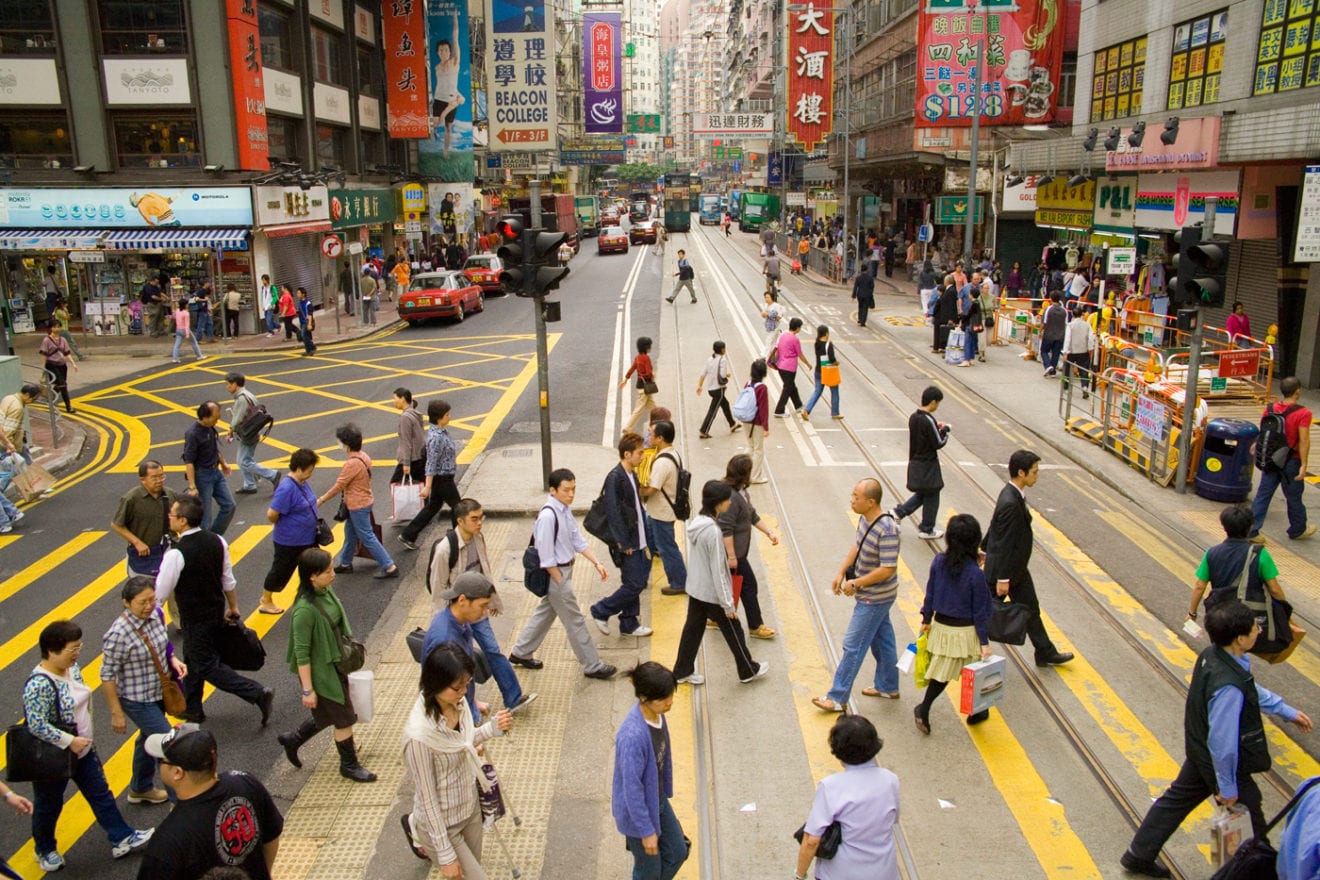
    High operating costs – particularly rents and labor in Asia – will ensure retailers are more cautious this year, concludes real estate specialist CBRE.

    In its annual Asian retail outlook, the company’s research department predicts many retailers will shift their strategic focus from expanding their store networks to rationalisation, improving in-store profitability and upgrading to better locations.

    That trend is expected across the broad Asia-pacific market, including Hong Kong.

    “Leasing activity will diverge across markets, with Australia, Japan and New Zealand the most upbeat, whereas Hong Kong and Singapore will continue to struggle,” CBRE concluded.

    “Driven by ongoing urbanisation and wage increases, Southeast Asia will also see solid leasing activity. Demand across the region will be led by food and beverage retailers, while affordable and niche luxury brands will also be active.”

    CBRE also warns the rise of online shopping will continue to force shopping malls to embrace ‘retail-tainment’ and adjust their trade mix to include more experience-oriented retailers to retain foot traffic. Around 63.8 million sqft of new shopping center supply is scheduled to be completed in 2016. Against the sluggish leasing demand and ample new supply, overall retail rents are forecast to experience a mild correction of below 1 per cent in 2016.

    In a broader property outlook, CBRE forecasts that due to Asia Pacific’s steady economic growth – which will continue to outpace the rest of the world in 2016 – investment activity in the region will remain solid, although activity will be limited by asset pricing and availability.

    “The region’s investment market will continue to see strong demand from real estate funds and institutional investors. Institutional investors will continue to invest in Asia Pacific to increase their exposure to real estate for strategic diversification,” said Dr Henry Chin, head of research, CBRE Asia Pacific.

    “That said, Asia Pacific will enter a period of slower growth in the commercial real estate market with activity likely to moderate over the course of the year as it becomes more challenging to source investable stock able to meet investors’ target returns. Interest rates will remain low in 2016 so yields are largely to remain stable across Asia Pacific. However, we are expecting to see a mild yield expansion in 2017 together with the rise in interest rates.”

    The economic slowdown in China – as well as higher-than-expected US interest hike rates, and currency volatility – will also remain a key concern for investors, given the scale of its impact across the whole region.

    “However, macro trends of urbanisation and the rise of the middle class remain largely unchanged and will continue to drive growth across Asia.

    “There are structural investment-themed opportunities for investors to focus on in 2016, such as the growth of e-commerce, regional tourism and demographic changes. Demographic changes will create opportunities in niche sectors such as self-storage facilities, senior and student housing, and data centers,” said Chin.

    “Regionally, active markets will continue to be led by Australia and Japan, whilst India expects to see a positive year following the relaxation of FDI norms at the end of last year.

    “China will also remain on the radar for most international investors although demand will be largely confined to tier I cities. Overall, the long-term outlook remains positive for the region,” he concluded.

    CBRE’s 2016 APAC Real Estate Market Outlook report can be downloaded here.
  • Courts Asia continues to defy downtown

    Courts Asia continues to defy downtown

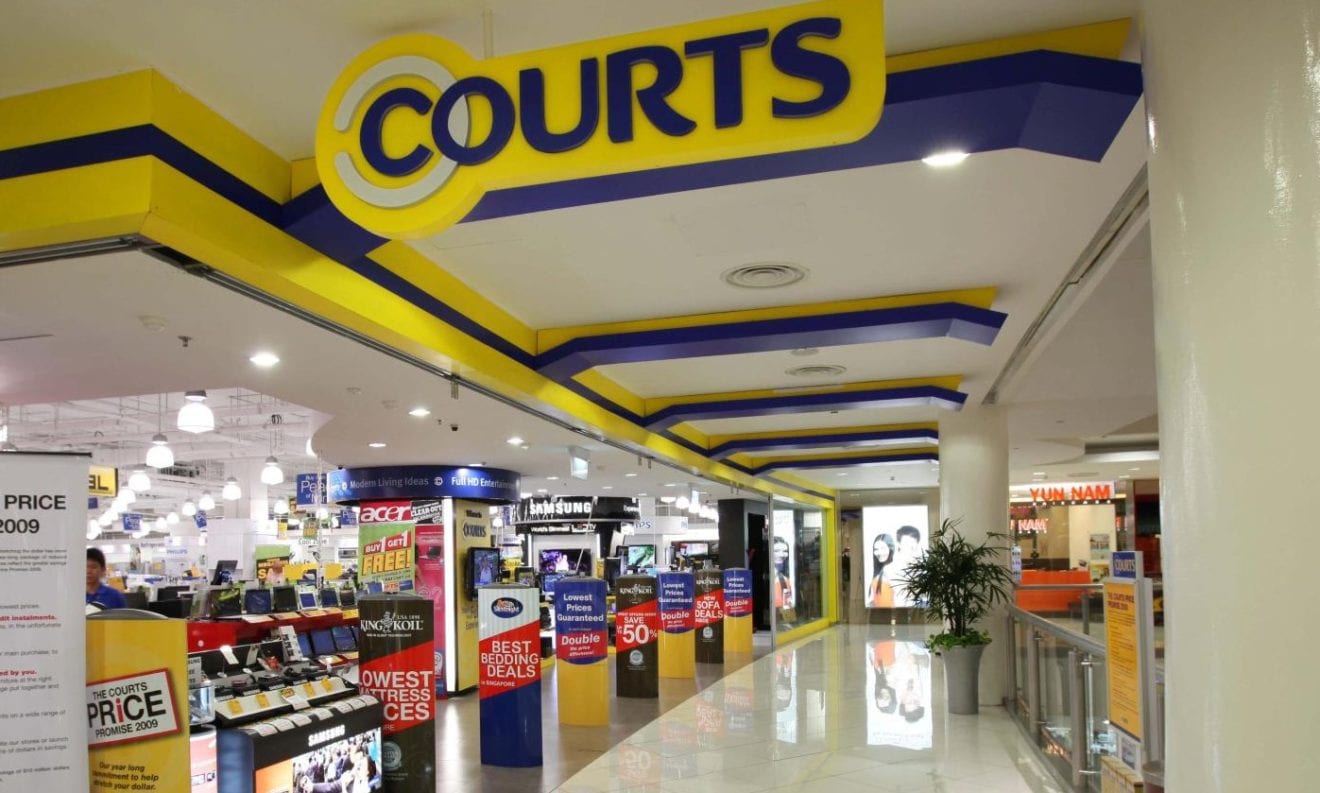
    Electronics and furnishings retailer Courts Asia has reported a modest 0.3 per cent increase in profits for the third quarter – against a background of a stagnant domestic market.

    The company’s sales grew a healthy 6.1 per cent – mostly due to increased sales of high value electronics such as iPads and smartphones. Total revenue was S$204.7 million; net profit $4 million.

    “In Singapore, the macro environment is very much against the consumer market at the moment,” CEO and executive director Dr Terry O’Connor said during a conference call briefing on the result.

    “The [Singapore] economy is going through some restructuring in terms of the residential property market, the total debt servicing ratio, the labour market and restrictions,” he said.

    However, O’Connor remains upbeat about the domestic market, predicting the “sluggish” current trading environment would eventually pass.

    Singapore, which accounts for nearly 70 per cent of Courts Asia’s sales, saw sales grow 7.9 per cent and in Malaysia sales rose 20 per cent. Indonesia, which now accounts for 1.7 per cent of Courts Asia’s sales, reported an increase of 6.1 per cent.

    The company’s gross margin fell by 2.4 percentage points to 29.7 per cent which O’Connor said was due to a shift in the sales mix towards electrical goods and a higher ratio of bulk sales which return smaller margins.

  • Indonesia’s Garuda to Choose Between A350 and 787 This Year

    Indonesia’s Garuda to Choose Between A350 and 787 This Year

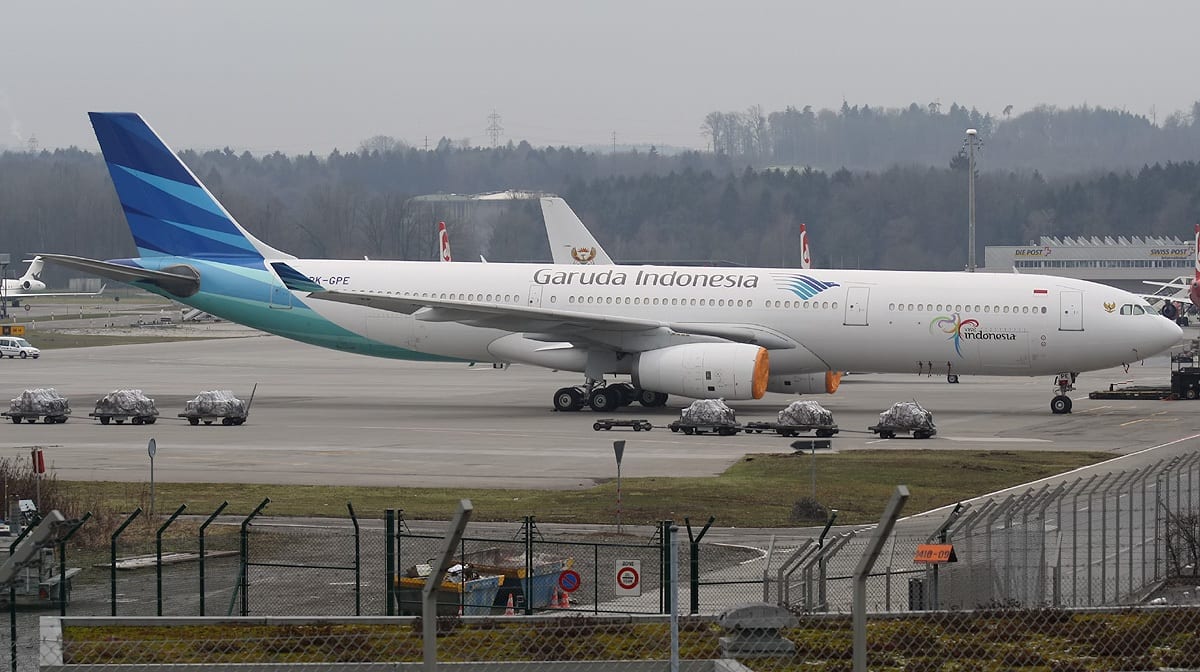
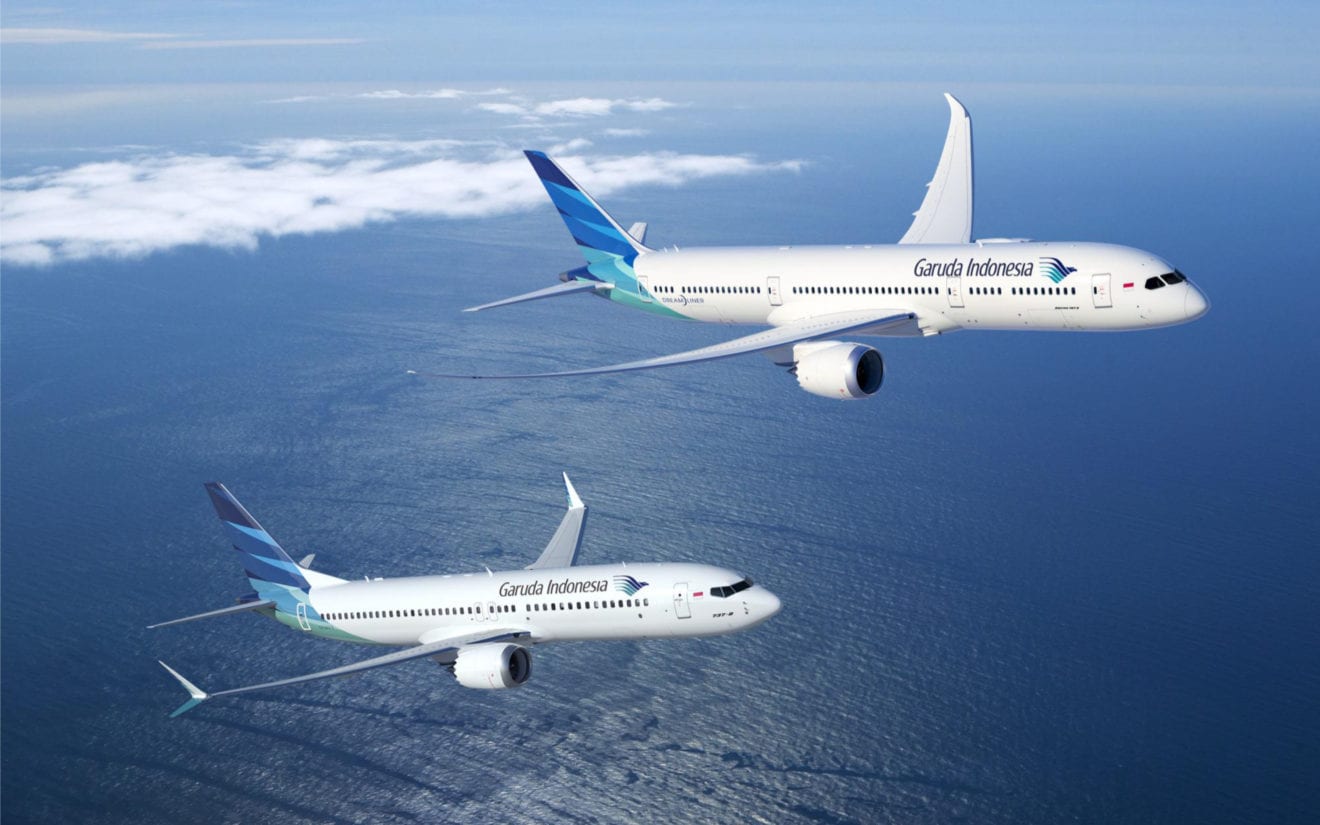
    Garuda Indonesia Persero PT expects to decide between Airbus Group SE’s A350 and Boeing Co.’s 787 models this year as it prepares to order at least 20 of the large aircraft, the airline’s president director said.

    The Indonesian flag carrier forecasts growth to pick up significantly in 2019 and will need the new planes to handle expected capacity, Arif Wibowo said Wednesday at the Singapore Airshow. The airline has no plan to use Airbus’s A380 superjumbo, he told Bloomberg TV earlier in the day.

    Garuda returned to profitability last year with net income of $76.5 million, compared to a $370 million loss the year before, according to data compiled by Bloomberg. Still, its shares tumbled 44 percent in 2015, nearly four times as much as the 12 percent decline in the benchmark Jakarta Composite Index and far below the 19 percent gain in the Bloomberg Asia Pacific Airlines Index.

    Shares were down 2.4 percent Wednesday at 449 rupiah as of 10:14 a.m. in Jakarta. The stock is trading near eight-month highs and has risen 45 percent so far this year, making it the seventh-best performer on the local index.

    Trimming Hedges

    The company expects oil prices to remain low and is reducing its fuel hedges, Wibowo said. The carrier forecasts passenger numbers to rise 10 percent this year and is seeking to capture 50 percent of the domestic market, up from 44 percent currently, he told reporters earlier this month.

    If the U.S. Federal Aviation Administration upgrades Indonesia’s safety rating to Category 1, Garuda hopes to launch non-stop service to the U.S. West Coast, giving it an advantage over competitors who make the trip with one stop, Wibowo said. He said the FAA is currently evaluating Garuda itself, with the results due out in the second half of the year.

    The carrier also hopes to start non-stop service to London but is limited by the runways at Jakarta’s international airport, which Wibowo said can not yet handle a fully loaded 777.

    Garuda plans to have a two-class cabin configuration on planes serving the Middle East, Southeast Asia and North Asia, with a similar configuration on any new planes they order, Wibowo said. Only four of the carrier’s 777s, used on flights to Amsterdam and London, will offer first-class seating, he said.

  • LG Claims No Layoff Plan in Indonesia

    LG Claims No Layoff Plan in Indonesia

    President Director of PT LG Electronics Indonesia Jaeyoung Lee has confirmed that there is no plan for layoff (PHK) at its two factories in Indonesia. “The economy is stabilizing and has shown signs of improvements and we will survive,” he said on Tuesday evening during the 2016 LG InnoFest Asia, at Grand Hyatt Hotel, Seoul.

    Lee’s statement was made in response to the decision of two Japanese electronic manufacturers, Panasonic and Toshiba who recently have been restructuring and merging their factories in Indonesia. “We have other strategies, one of them is by strengthening our brand and entering non-conventional markets, such as ultra premium market.”

    Lee is also optimistic that, to date, the company is still dominating the domestic market of electronic sales. “LG Indonesia’s contribution to global market is around 4-5 percent. It’s substantial,” he said.

    In Indonesia, LG produced refrigerators, washing machines, air conditioner, televisions and audio-video devices as well as monitors. “Products from the factory are exported,” Lee noted.

    Toto, one of the sales representatives of LG products in Medan, is optimistic that the phenomena occurred in Panasonic and Toshiba would not happen in LG. “See, we can hold an event [LG InnoFest] of this magnitude,” he said to Tempo.

    Toto added that, LG’s step to make innovation by launching new products which targets ultra premium consumers also shows that the company’s performance is good. “The logic is that layoffs would not happen if the company is still performing.”

  • Indonesia bans Tumblr over porn

    Indonesia bans Tumblr over porn

    Indonesia has banned the blogging platform Tumblr, saying that the site distributes pornographic content.

    Azhar Hasyim, e-business director at Indonesia’s Information Ministry, told the BBC the decision had been made without consultation with the New York-based company, which is owned by Yahoo.

    “We must ban the site first, and tell them later,” Mr Hasyim said.

    Earlier this month, Indonesia ordered social networking sites to remove any emojis representing same-sex couples.

    Unlike Facebook and some other social networks, Tumblr allows adult content on its site.

    The closure was part of a wider crackdown, with nearly 500 sites shut down by authorities, according to Indonesian media.

    Earlier this month, Netflix was blocked by Indonesia’s biggest internet service provider, which said it had concerns about the content the platform was offering.

    And last May, video-hosting site Vimeo was blocked in the country for alleged carrying pornographic content.

    Indonesia has in the past asked social media companies such as Twitter to put in place a special filter for pornographic content.

    Companies that don’t comply can be charged according to Indonesian law.

    Tumblr has been approached for comment.

  • Indonesia to ban 477 websites over adult-rated content

    Indonesia to ban 477 websites over adult-rated content

    Indonesia will block 477 websites, including social network and microblog Tumblr, over alleged “pornographic contents”, a top official said on Wednesday.”I have signed off the letter and sent it to the internet service provider. These websites should be blocked in the next two or three days,” Xinhua quoted Azhar Hasyim, e-business director at the Communication and Information Ministry in Jakarta, as saying.

    He said that these websites have violated the country’s information and electronic law which prohibits sharing posts that contain vulgarity.Azhar said that his office had not warned the owners of the websites in advance but would communicate later on.”Once they have agreed to clean up their websites from pornographic content, then we will immediately reopen the access,” said Azhar.The Indonesian government has in the past banned access to websites with adult-rated and pro-terrorism content.

  • Asahi Glass begins shipment of PVC from Indonesian plant

    Asahi Glass begins shipment of PVC from Indonesian plant

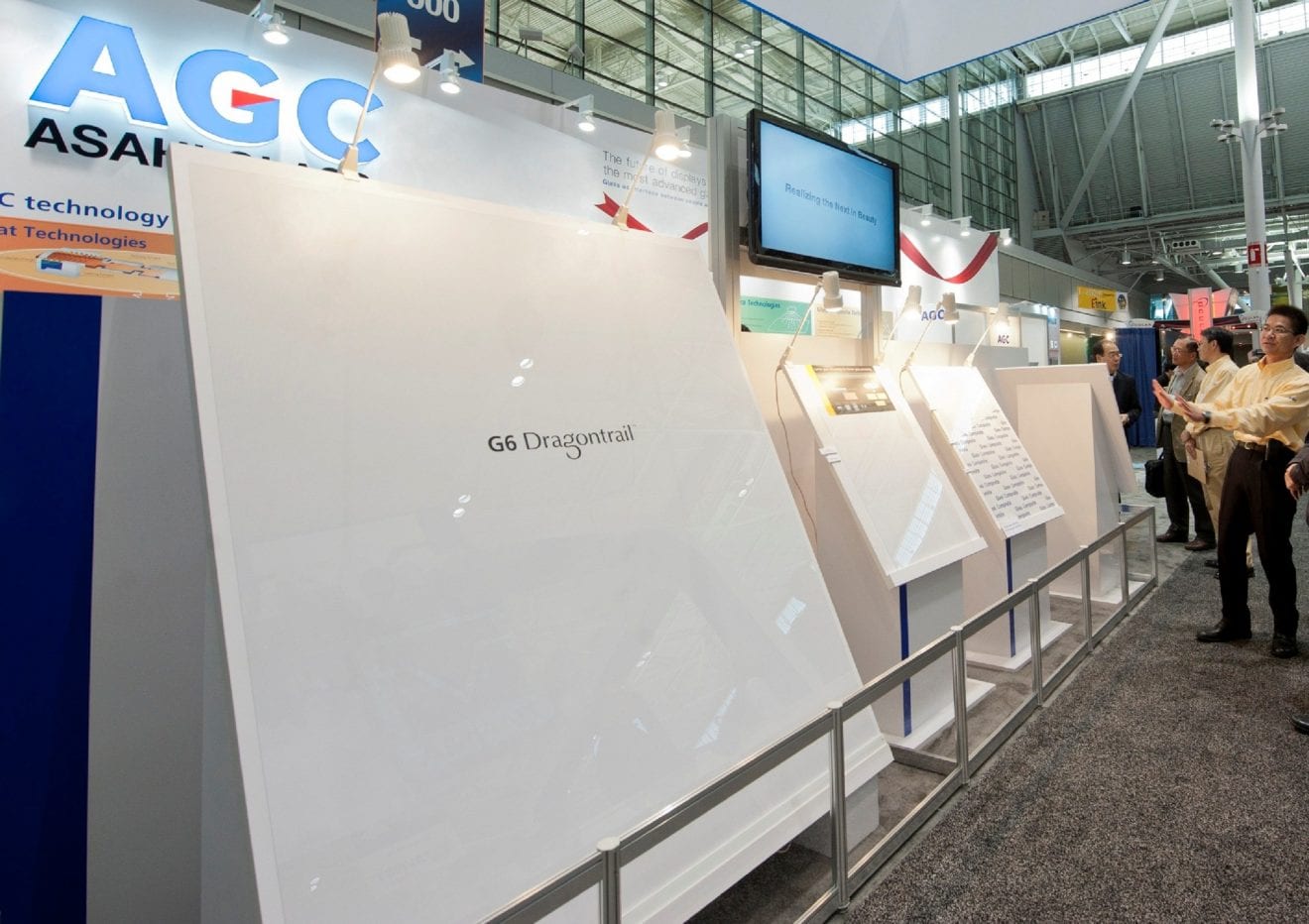
    AGCAsahi Glass (AGC), a world-leading manufacturer of glass, chemicals and high-tech materials, has begun supply of polyvinyl chloride (PVC) from the Anyer plant of P T Asahimas Chemical (ASC), one of its consolidated subsidiaries in Indonesia.

    With the aim to meet the growing demand for caustic soda and polyvinyl chloride in Southeast Asia, the production facility enhancement at the Anyer plant was launched in 2013 to significantly boost the output of caustic soda and vinyl chloride in Indonesia. The construction project has been completed as scheduled and commercial production will start in the first quarter of this year.

    The caustic soda and PVC markets in Southeast Asia are projected to grow at over 5 percent per year. Of the demand in the market, Indonesia, Thailand and Vietnam, where AGC has production bases for the chlor-alkali business, account for 70 percent. By capturing growing demand in the region, the AGC Group will move forward toward its long-term goals under Vision 2025.

  • Indonesia central bank seen cutting key rate again

    Indonesia central bank seen cutting key rate again

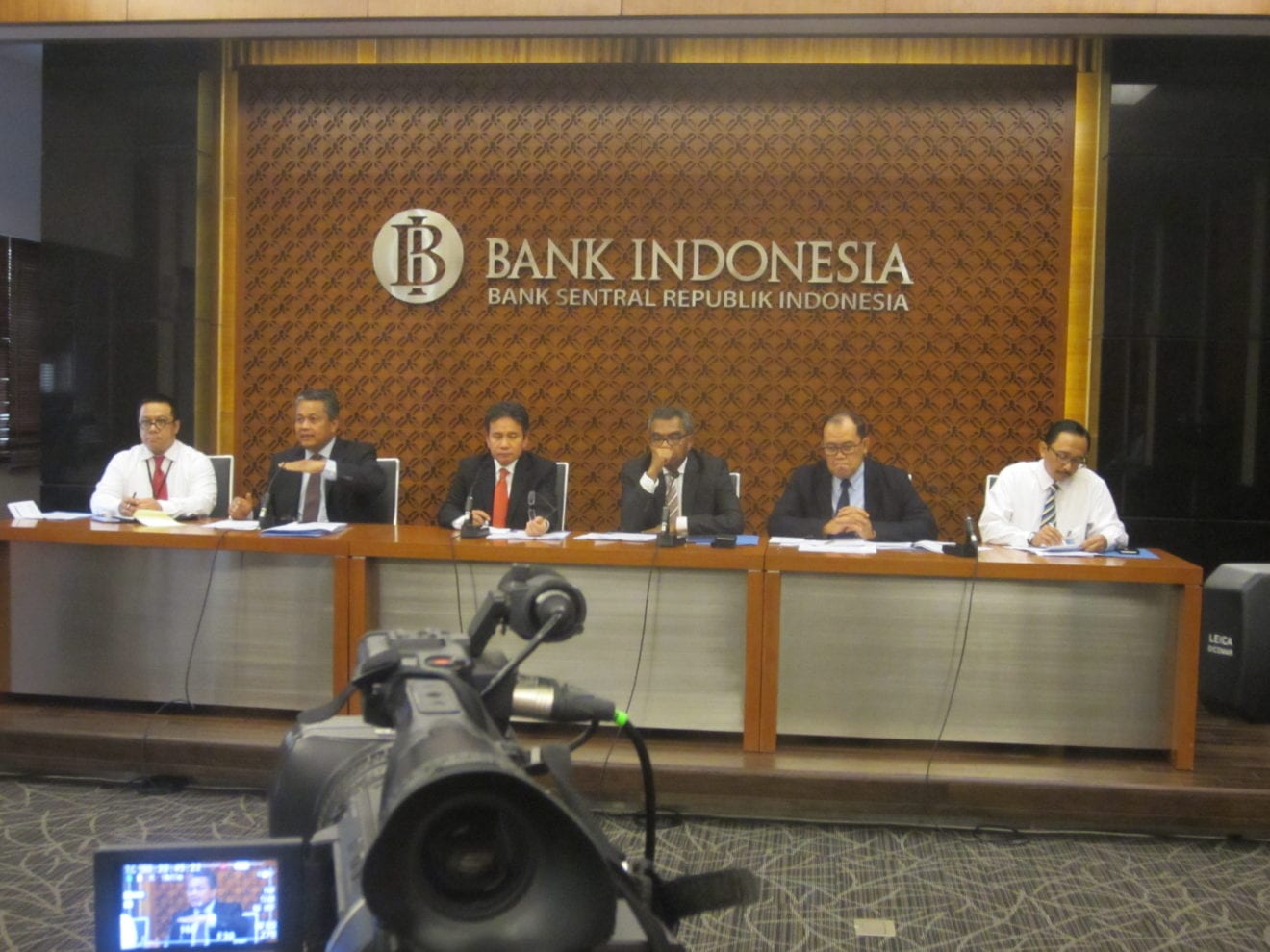
    Indonesia’s central bank, which kept its benchmark reference rate unchanged for nearly all of 2015, is expected to make its second cut this year on Thursday as it tries to bolster the country’s sluggish growth.

    South-East Asia’s largest economy grew 4.8% in 2015, the fifth straight year of slowing and the weakest pace since 2009. But growth picked up in the final quarter, showing some signs of recovery.

    Bank Indonesia (BI) trimmed its key rate by 25 basis points last month. Thirteen of 19 economists in a Reuters poll predict a same-size cut on Thursday, reducing the rate to 7%.

    Many economists believe BI is at the start of an easing cycle, as there’s room for monetary easing that there was not in 2015, when inflation sometimes topped 7% and anticipation of higher US interest rates pressured the fragile rupiah, which was emerging Asia’s second worst performing currency last year.

    The rupiah was not rattled by the Federal Reserve’s hike in December, and it has strengthened more than 2% against the dollar this year. BI deputy governor Perry Warjiyo said last week the rupiah is heading towards a level reflecting the country’s economic fundamentals.

    ROOM TO EASE?

    The rupiah’s appreciation gave “room for BI to ease its monetary policy even further. BI will make use of this opportunity to do just that, in a bid to help sustain the upward momentum in GDP growth,” said DBS’ economist Gundy Cahyadi.

    Low inflation and a deep slump in January exports and imports also support the argument for early rate cut, economists said.

    “Weak exports and capital goods imports mean further policy boost to aid economic recovery is warranted,” said Credit Suisse economist Santitarn Sathirathai.

    Not all agree. Six analysts surveyed by Reuters said the central bank will hold the benchmark at 7.25%.

    “BI is keen to avoid a repeat of the 2013 ‘Taper Tantrum’, which saw the central bank having to hike rates aggressively to support the struggling rupiah,” said Capital Economics in a note projecting no second rate cut until the second quarter.

    CIMB Niaga economist Winang Budoyo, who has pencilled in a hold this week, predicted that BI will lower the rate in March instead.

    BI has a policy meeting scheduled for March 17-18, right after the Fed’s next policy meeting on March 15-16.

  • Ikea Indonesia loses right to its own name

    Ikea Indonesia loses right to its own name

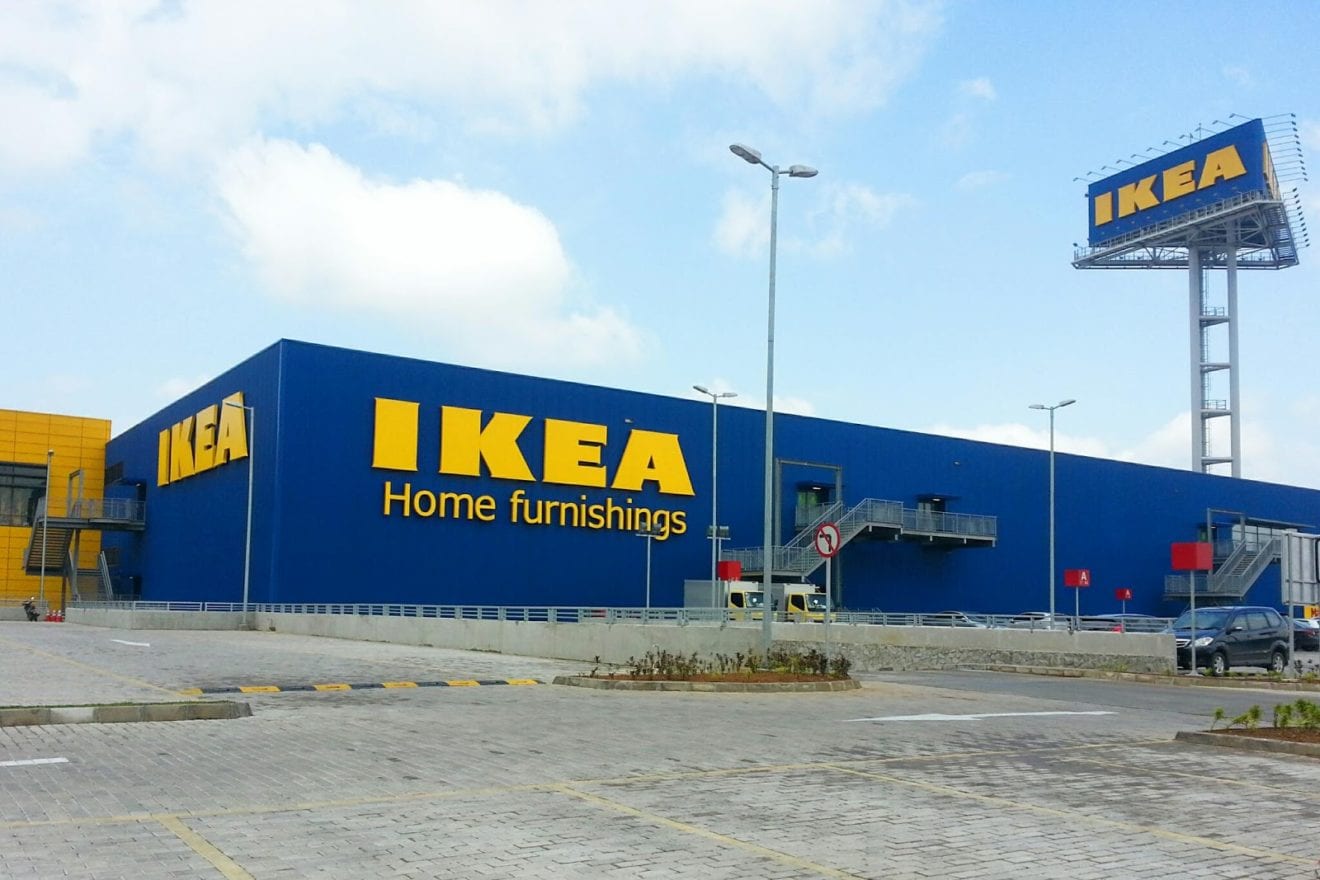
    Ikea Indonesia has suffered a rude shock: Indonesian trademark laws have left the Swedish furniture giant without the right to its own name in the Southeast Asian nation.

    A decision of the Central Jakarta Court granting Indonesian ownership of the Ikea brand name to a local business back in September 2014, has been upheld in a majority decision by the Supreme Court.

    Commentators and critics of the Indonesian government and the country’s legal system say the court decision should be a warning of “the dangers facing foreign companies” who go to Indonesia.

    The Supreme Court says the name Ikea is legally owned by PT Ratania Equator, a Surabaya company which registered the Ikea trademark as an acronym for ‘Intan Khatulistiwa Esa Abadi’.

    The real Ikea trademarked its name in Indonesia on october 9, 2006 and again on October 27, 2010. But Ratania lodged claim to the name arguing that Ikea had not actively used its trademark in three consecutive years for commercial purposes. Under Indonesian trademark laws, this means its rights to the brand expire.

    That’s why Ratania registered the Ikea trademark on December 20, 2013, and then sued IKEA of Sweden in the Central Jakarta District Court to get it to give up its claims to the trademark.

    The September 2014 ruling ordered Ikea Sweden to stop using its own name. Ikea appealed, which led to the Supreme Court ruling this week in Ratania’s favour.

    Ikea has yet to announce its next step. It seems likely it will have to either buy its name back or begin trading under another name in Indonesia, neither easily palatable options for a company of its international standing.

  • HappyFresh Indonesia optimistic

    HappyFresh Indonesia optimistic

    Indonesia’s middle- and upper-class consumers are set to propel the trend of online grocery shopping, according to Jakarta-based grocery-shopping app HappyFresh.

    “The outlook has never been more promising,” says CEO Markus Bihler.

    “Opportunities abound in this region with its sophisticated, food-loving consumers, growing wealth and rapid urbanisation. The continued increase in mobile adoption and broadband penetration has helped boost our online grocery sales.”

    Adding to the mix is traffic congestion, particularly in Jakarta and Surabaya, which HappyFresh Indonesia says is a big factor in enticing people to shop for groceries online.

    Bihler says the market for online grocery shopping in Indonesia and other Asian countries could see double-digit growth in market turnover by 2020 to reach S$19 billion (US$13 billion) by 2020. He says it is being driven by the rise of a young, working-class population in urban areas.

    Working mothers outnumber all other HappyFresh customers, with dairy products such as milk and eggs among the top purchases. They are followed by young professionals and expatriates who mainly buy tomatoes, spaghetti and chicken breast.

    Securing $12 million in funding as a start-up last year, led by Singapore’s Vertex Venture and Sinar Mas Digital Venture, HappyFresh allows users in Malaysia and Thailand as well to shop for groceries through an app. In Indonesia, HappyFresh partners with Lotte Mart and Ranch Market.

    “As a differentiator, HappyFresh partners with supermarket retailers, particularly small and medium-sized enterprises that do not have the capacity or ability to invest in technology and reach out to new set of customers,” says Bihler.

  • Inflight Sales Group captures Garuda Indonesia concession

    Inflight Sales Group captures Garuda Indonesia concession

    Inflight Sales Group (ISG) has reinforced its position in Asia with the addition of the inflight duty-free and duty-paid concession onboard Garuda Indonesia airline.

    The new programme will be launched April 1 under a partnership with parent company PT Garuda Indonesia (Persero) Tbk.

    Together with the current contract with Citilink, a low-cost subsidiary of the same group, ISG has strengthened its footprint in Indonesia and the agreement continues the growth momentum within ISG, said the inflight concessionaire.

    ISG executive director Vimal Rai said: “Winning a competitive partner selection process is always delightful! ISG now stands ready to deliver an exciting and dynamic inflight retail programme for Garuda. We are confident to take it to the next level, commensurate with Garuda’s five-star status as an airline. We, together with the PT Rodamas Wirasakti team in Indonesia, have had a long history of retail partnership with Garuda already, and after a short break, we are happy to be bringing new insights and innovations to the airline’s inflight retail offering.

    ISG managing director Tony Detter added: “While we are expanding in the European market, we continue to see great potential in the Asian market. With the extensive network that Garuda is flying and its forecasted growth, we foresee that there is an opportunity to further expand ancillary revenues through inflight sales.”

  • Garuda Indonesia Group to Join Singapore Airshow 2016

    Garuda Indonesia Group to Join Singapore Airshow 2016

    As part of its company synergy, the Garuda Indonesia Group will for the first time join Singapore Airshow, Asia’s largest aerospace and defence event. This is Garuda Indonesia’s first participation as a Group, as only one subsidiary, the Garuda Maintenance Facility AeroAsia, had participated in the past.

    M. Arif Wibowo, President & CEO, Garuda Indonesia, feels the presence of the Garuda Indonsia Group at Singapore Airshow 2016 is inline with the company’s “Group Synergy” program, as detailed in its strategic plan 2016.

    “The Garuda Indonesia Group is delighted to present itself as an integrated whole, presenting our business synergies as group action in providing service excellence to all customers, through each member’s strengths and main businesses,” Arif added.

    The presence of Garuda Indonesia Group at the Singapore Airshow follows Group strategy to develop brand image, to elaborate potential business, to enhance business relations with stakeholders, and to boost up the awareness to Garuda Indonesia Group’s strategic role as Indonesia’s trade envoy in international level.

    At the Singapore Airshow 2016, Garuda Indonesia Group – through Garuda Maintenance Facility AeroAsia – looks to several short-term and long-term business contracts, of a value reaching USD 100 milions.

    Singapore Airshow is one of three prestigious airshows in the world, along with Farnborough Airshow and Paris Airshow. During the airshow, Garuda Indonesia Group will hold several partnership and business deal signings, including an announcement of attainment; which expected to promote and stregthen Garuda Indonesia Group’s value in global market.

    Garuda Indonesia currently has 6 subsidiaries with diverse business sectors, comprised of:

    – Garuda Maintenance Facility AeroAsia, specialized in integrated aircraft maintenance, including engine and aircraft components repair service;

    – Citilink, a low cost carrier (LCC) airline projected for budget traveller;

    – Aerowisata, specialized in hospitality, transportation, catering and travel agent service;

    – Gapura, specialized in ground handling service, supported by cargo and warehousing service;

    – Asyst, specialized in IT and consultation service;

    – Abacus – which now has transformed to Sabre Travel Network Indonesia – specialized in technology provider service for global travel and tourism.

    As part of the fleet revitalization program, throughout 2016, the Garuda Indonesia Group will receive 16 new aircraft in total; 1 Boeing 777-300ER, 4 Airbus A330-300, 4 ATR72-600, and also 8 Airbus A320 to be operated by Citilink. By the end of 2016, Garuda Indonesia Group will operate a total of 188 aircraft; 144 aircraft for Garuda Indonesia and 44 aircraft for Citilink.

    To continue the positive growth reached by its “Quick Wins” program in 2015, Garuda Indonesia will execute a “Sky Beyond” strategy in 2016 for short-term company expansion, focusing on three ‘core strategies’ – company group synergy, effectiveness and efficiency, and service enhancement – to accelerate company achievement and performance.

  • Indonesian bank opens branch in Seoul

    Indonesian bank opens branch in Seoul

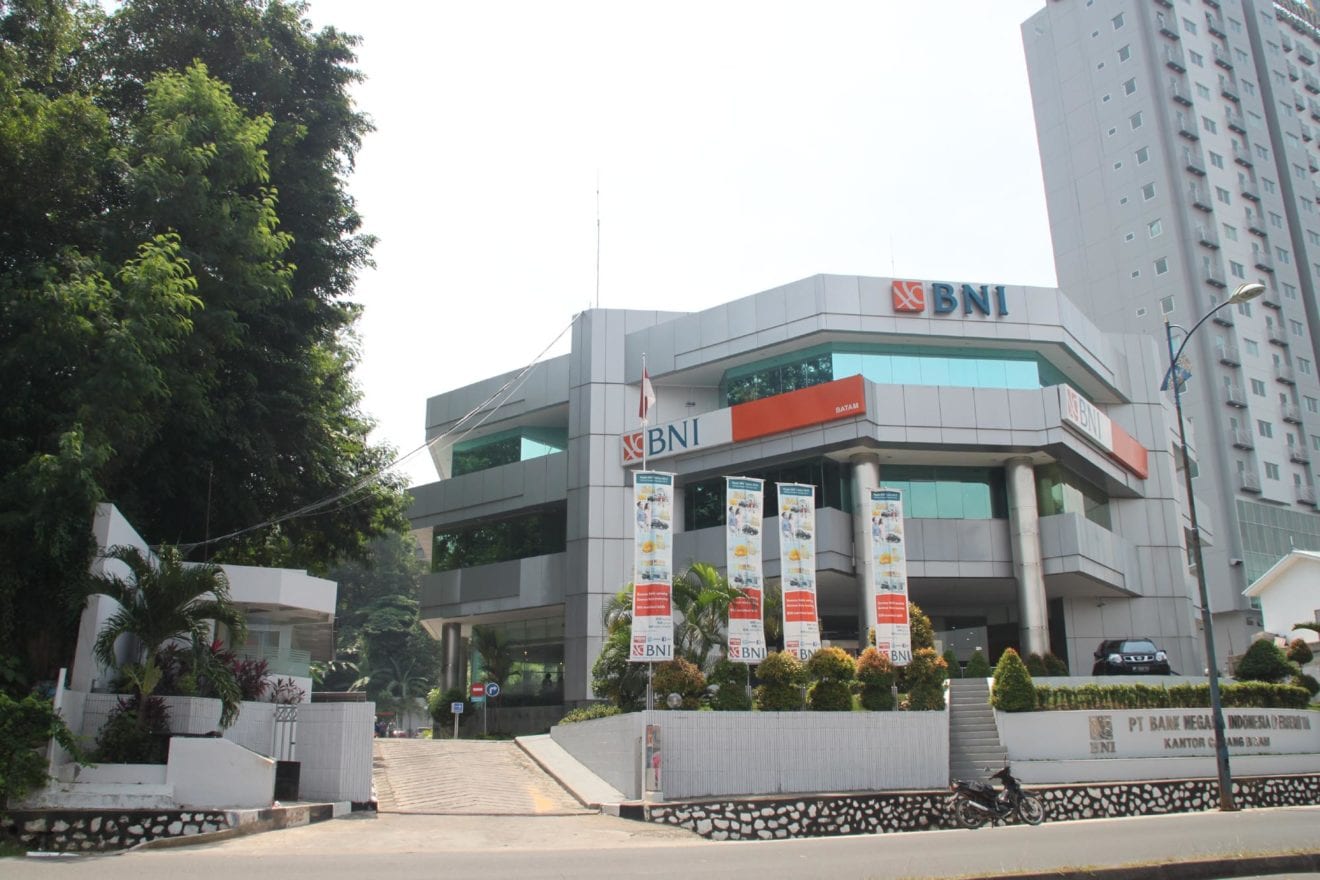
    An Indonesian bank, Bank Negara Indonesia (BNI) 46, opened a branch office in Seoul, South Korea, in Wise Tower, on Monday. It was inaugurated by the Ambassador of Indonesia to South Korea, John A Prasetio and Manager of BNI46 Seoul, Wan Andi Aryati. “The banking industry in South Korea is already shaken, but BNI46 still sees market potential,” Wan Andi said in a statement received by ANTARA here Monday. The BNI46 targets the domestic trade market according to her. “BNI Seoul wants to be a bridge to establish cooperation between Indonesia and South Korea by providing loans and other related banking services,” Wan Andi said.

    The BNI46 also provides services for South Korean businessmen who want to invest in Indonesia, she added.
    “We are also targeting the Indonesian labor market in South Korea, which now reaches 40 thousand people. We are committed to providing the best service for the Indonesias foreign exchange heroes,” she said.

    Meanwhile, Ambassador Prasetio stated that the world economy is still in a state of collapse. The stock market and the value of currency in some countries against the US dollar continues to decline.

    “This shows that the global sentiment has not been encouraging. Uniquely, the Indonesian economy is relatively solid in the middle of the uncertainty shocks,” the ambassador said.

    Cooperation in trade and investment between Indonesia and South Korea are still positive. The demand for Indonesian products and South Koreas investment in the country are progressive, according to him.

    “They respond positively on the economic policies of President Jokowi (Joko Widodo). I believe that the presence of BNI46 in Korea is very important to bridge cooperation between the two countries,” the ambassador said.

    Data from the Investment Coordinating Board (BKPM) shows that South Koreas direct investment in the country in the last five years is ranked fourth with a value of more than US$7 billion. Currently, there are 2,700 South Korean companies in Indonesia.

  • e-money transactions reach Rp5.2 trillion

    e-money transactions reach Rp5.2 trillion

    Electronic money (e-money) transactions conducted in the country in 2015 reached Rp5.2 trillion in value, up from Rp4.3 trillion in 2014, Governor of Bank Indonesia(BI) Agus Martowardojo said.

    “In 2009, electronic money transactions were valued at about Rp520 billion only, and now they have reached Rp5.2 trillion,” the central bank governor said while opening the National Non-Cash Movement (GNNT) in Kupang, the provincial capital of East Nusa Tanggara (NTT) here on Saturday.

    Agus said the non-cash transaction system, either using prepaid cards, credit cards or electronic money, is very useful because it makes the financial system more efficient.

    With non-cash transactions, the state could reduce the use of banknotes and coins, making transactions more efficient and saving money on printing currency.

    “We are convinced that the non-cash system would be safer, more practical and more efficient,” Agus said.

    After all, the non-cash payment system can be used widely, such as while purchasing cellular phone minutes, shopping at malls or paying electricity and tap water bills.

    He said the e-commerce and non-cash transactions are predicted to continue to increase.

    “Non-cash payments could also be for online-transactions, resulting in efficient usage of time and economizing,” he added.

  • Indonesia`s coffee output up 1% last year

    Indonesia`s coffee output up 1% last year

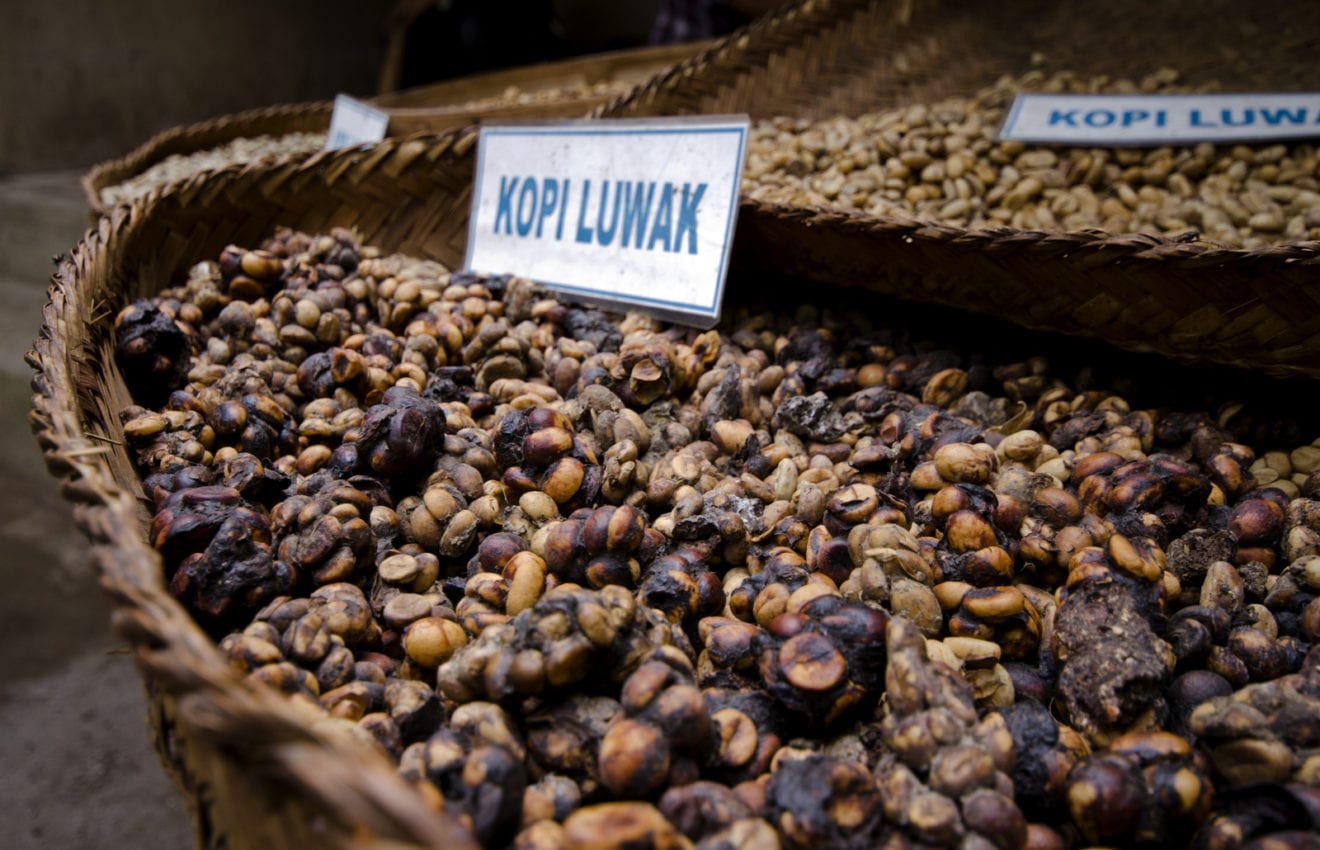
    Vice President M. Jusuf Kalla said Indonesias coffee production only rose one percent to 500 thousand tons last year.

    “Our coffee production has been stagnant. It only reached 500 thousand tons last year, just one percent increase,” he told a meeting convened to develop national coffee here on Saturday.

    Indonesia produces an average of 600 thousand to 700 thousand tons of coffee per year compared to Vietnam, whose coffee output reaches more than 2 million tons, he said.

    As a matter of fact, Vietnam once learned coffee farming from Indonesia, he said.

    He said Lampung province is the countrys largest robusta coffee producer with an annual production of 100 thousand tons per year.

    Also present at the meeting were Agriculture Minister Andi Amran Sulaiman, Lampung Governor M Ridho Ficardo, and a number of officials.