Tag: Indonesia

  • AirAsia revives routes to Indonesia

    AirAsia revives routes to Indonesia

    AirAsia Malaysia (AK) continues to resume services to Indonesia by adding flights to Banda Aceh, Padang and Pekanbaru from Kuala Lumpur since 1 October 2022.

    In addition, the airline will launch flights from Penang to Denpasar in Bali starting on 20 October this year.

    In celebration of the service resumption to Indonesia, AirAsia welcomed flight AK421 from Kuala Lumpur to Banda Aceh on Monday with a delegation led by Dato’ Abdul Aziz Bakar, Non-Executive Director of Capital A.

    AirAsia Malaysia CEO Riad Asmat said: “Indonesia is a core market for AirAsia, and we are thrilled to be back, launching four new routes such as these with additional eight weekly flights, on top of six existing routes delivering a total of 66 flights weekly to Indonesia airports this month.

    “We are also very thankful for the strong support from the government of Indonesia and the provincial governments of Aceh, West Sumatra and Riau for their assistance in reopening these routes.

    “We are excited to reconnect these cities to Kuala Lumpur and Penang, bringing tourists from Malaysia, reconnecting families, and serving business travel.”

    Flights for Kuala Lumpur-Banda Aceh, Kuala Lumpur-Padang, Kuala Lumpur-Pekanbaru and Penang-Bali are now available for booking starting from MYR189 all-in-one way on the AirAsia Super App and online travel agents (OTAs).

    AirAsia Malaysia now flies 10 routes to Indonesia. From Kuala Lumpur to Jakarta, Bali, Medan, Makassar, Yogyakarta, Padang, Pekanbaru and Banda Aceh, as well as from Penang to Jakarta and Bali with plans to increase services to existing and new destinations in line with strong demand in the future.

  • Indonesia Hikes Fuel Prices To Rein In Ballooning Subsidies

    Indonesia Hikes Fuel Prices To Rein In Ballooning Subsidies

    Indonesia raised subsidised fuel prices by about 30% on Saturday, as the government moves to rein in ballooning subsidies despite a risk of mass protests.

    The price of subsidized gasoline was raised to 10,000 rupiah ($67 U.S. cents) a litre from 7,650 rupiah, while that of subsidised diesel rose to 6,800 rupiah a litre from 5,150 rupiah, energy minister Arifin Tasrif said.

    “I actually wanted domestic fuel prices to remain affordable by providing subsidies, but the budget for subsidies has tripled and will continue to increase,” President Joko Widodo told a news conference.

    “Now the government has to decide in a difficult situation. This is the government’s last option,” said Jokowi, as the president is known.

    Southeast Asia’s largest economy had already jacked up its 2022 energy subsidies to 502 trillion rupiah ($34 billion), triple the original budget, pushed by rising global prices of oil and a depreciating rupiah currency.

    If prices were not raised, the budget would have ballooned to 698 trillion rupiah, said Finance Minister Sri Mulyani Indrawati.

    She estimated total energy subsidies would range between 591 trillion and 649 trillion rupiah for this year following the price hike, assuming the average crude price stays between $85 and $100 a barrel the rest of the year.

    High energy subsidies had restrained Indonesia’s inflation, at 4.69% in August, allowing the central bank to delay raising interest rates until last month, well behind regional and global peers.

    Hariyadi Sukamdani, head of the Indonesian Employers Association, said price pressure from the fuel price hike would not be too much, predicting inflation will top 6% at the end of the year.

    “If prices of goods are too expensive, people won’t buy. We can’t raise prices too much,” he said.

    Businesses are using unsubsidised fuels, but the price hike will affect logistics costs, Hariyadi said.

    Still, accelerating inflation could put pressure on Bank Indonesia (BI) to tighten monetary policy more quickly. The bank holds a two-day policy meeting ending on Sept. 22.

    Bank Mandiri economist Faisal Rachman estimated inflation could accelerate to between 6% and 7% and BI could raise the policy rate to 4.25% this year from 3.75% now.

    Faisal forecasts 5% economic growth this year despite the fuel price increase, supported by commodity exports and post-pandemic mobility, adding that the government’s cash distribution could help cushion some of the impact on consumption. The economy grew 5.44% in the April-June quarter.

    The government has allocated an additional 24.17 trillion rupiah for cash handouts to help the poor cope with the policy’s impact, Jokowi said.

    Fuel prices are politically sensitive in Indonesia, and the changes will have major implications for households and small businesses, as subsidised fuel accounts for more than 80% of state-owned oil giant Pertamina’s sales.

    The last fuel price hike was in 2014, months after Jokowi took office, aiming to free up fiscal space. That sparked protests across the archipelago.

    The opposition Labour Party has arranged a protest involving thousands of workers for Tuesday, chairman Said Iqbal, who also heads a trade union, told Reuters. He called on parliament to pressure the government to cancel the price hike.

    “This will hurt purchasing power,” he said. “Wages have not increased for three years and inflation is bound to rise sharply.”

    Small protests against any price hike, mostly led by students, had erupted in the recent days in several cities.

    After the price hike announcement, Pertamina said it was committed to ensuring adequate fuel supplies nationally. Cars were seen queuing in some stations in the capital Jakarta after the announcement.

    Pertamina, Asia’s biggest gasoline importer, had deferred some of its gasoline deliveries for September ahead of the price hike, due to an expected drop in fuel demand, traders said.

    Decades ago Indonesia was a major oil exporter, becoming a member of the Organization of Petroleum Exporting Countries in the 1960s, but its oil output declined and it turned to net oil importer in the 2000s. Indonesia is still an exporter of gas.

  • Indonesia’s GoTo posts net loss, warns of volatile market

    Indonesia’s GoTo posts net loss, warns of volatile market

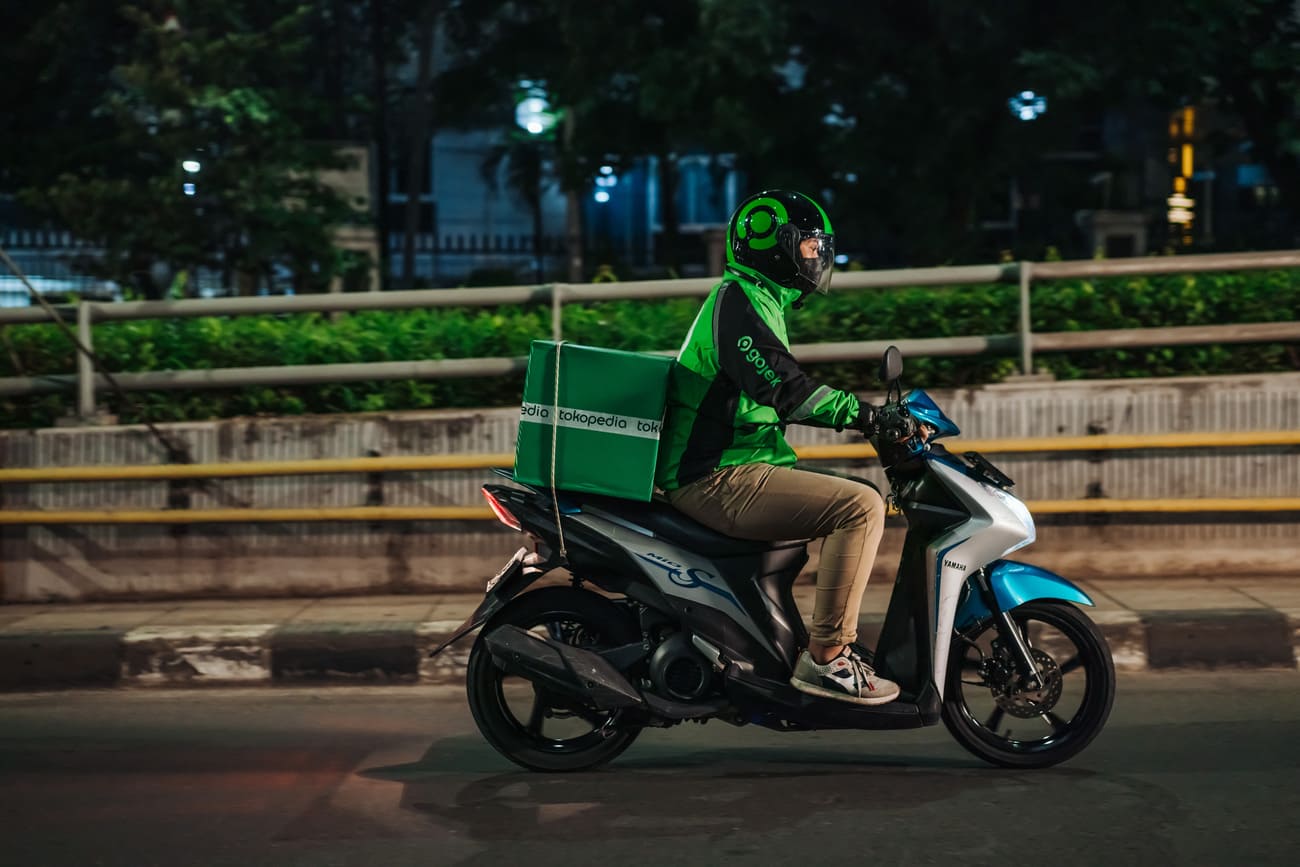
    PT GoTo Gojek Tokopedia – whose businesses straddle e-commerce, on-demand apps and finance – saw its losses between January and June more than double from the same period the previous year.

    “2022 has been a volatile year in our market and the macro conditions driving this may persist for some time,” CEO Andre Soelistyo said in a webcast on their latest results.

    “We will remain watchful on how geopolitical tension, rising fuel cost, inflation and high interest rates will unfold,” he added.

    GoTo, which went public earlier this year, posted a net revenue of 3.4 trillion rupiah for the first half. It set a gross revenue guidance of 5.7 trillion to 6 trillion rupiah for its July – September period.

    GoTo debuted on April 11 after raising $1.1 billion in an initial public offering by selling around 4% of its shares at 338 rupiah per piece.

    Shares of GoTo closed at 324 rupiah per share on Tuesday, up 1.25% from its opening price. The financial results were made public after market closed.

    GoTo is seeking to raise about $1 billion through a convertible bond issue. The deal is expected to be launched in the fourth quarter.

  • Indonesia To Shift $1.6 Billion Portion Of Fuel Subsidy Budget To Welfare Programmes

    Indonesia To Shift $1.6 Billion Portion Of Fuel Subsidy Budget To Welfare Programmes

    Indonesia will reallocate 24.17 trillion rupiah ($1.62 billion), or nearly 5%, of its fuel subsidy budget to social spending, including cash handouts to 20.65 million households, its finance minister said on Monday.

    The move comes amid reports that the government has been considering raising subsidised fuel prices to manage rising fiscal pressure due to high global energy prices.

    Southeast Asia’s largest economy has already tripled its 2022 energy subsidy allocation from its original budget to 502 trillion rupiah – about 16% of total spending plans, but authorities have said more money could be needed if fuel prices were not increased throughout the year.

    Finance Minister Sri Mulyani Indrawati said the reallocation of spending will be enacted this week and was decided after discussing the fuel subsidy policy with President Joko Widodo.

    “The people will get social assistance in order to increase their purchasing power,” Sri Mulyani told an online news conference, speaking alongside Bank Indonesia Governor Perry Warjiyo.

    She did not take questions and did not mention fuel price hike plans.

    The government would also provide cash handouts to 16 million workers who make less than 3.5 million rupiah per month, she said.

    Regional governments would be instructed to use a portion of their fiscal transfer from the central government to subsidise transportation fares, she added.

    Lawmakers from parliament’s energy committee last week told Reuters the government may raise fuel prices by 30% to 40% and that such a move will add 1.9 percentage points to 2022’s inflation rate.

  • Thailand, Malaysia Among the New Google Cloud Regions in APAC

    Thailand, Malaysia Among the New Google Cloud Regions in APAC

    Google has announced that it is planning to expand its cloud services in more countries in the Asia Pacific, including Malaysia and Thailand.

    The company said in a statement that the move is to meet the growing demand for cloud services in the region.Google is bringing three new Google Cloud regions to Malaysia, Thailand and New Zealand — on top of six other regions that were previously announced: Berlin, Dammam, Doha, Mexico, Tel Aviv and Turin.

    It said that these new cloud regions represent their ongoing commitment to supporting digital transformation across Asia Pacific. It added that it will continue to invest in expanding connectivity throughout the region by working with partners in the telecommunications industry to establish subsea cables — including Apricot, Echo, JGA South, INDIGO and Topaz — and points of presence in major cities.

    When launched, these new regions will add to the internet giant’s 34 cloud regions currently in operation across the globe, 11 of them located in Asia Pacific. They deliver what Google says to be high-performance services running on the cleanest cloud in the industry.

    It added that enterprises across industries, startups and public sector organizations across Asia Pacific will benefit from key controls that enable them to maintain low latency and the highest security, data residency and compliance standards, including specific data storage requirements.

    “The new Google Cloud regions will help to address organizations’ increasing needs in the area of digital sovereignty and enable more opportunities for digital transformation and innovation in Asia Pacific. With this announcement, Google Cloud is providing customers with more choices in accessing capabilities from local cloud regions while aiding their journeys to hybrid and multi-cloud environments,” said Daphne Chung, Research Director, Cloud Services and Software Research, IDC Asia/Pacific.

  • Indonesian fashion label Claude launches in Singapore

    Indonesian fashion label Claude launches in Singapore

    The store people have been impatiently waiting has finally arrived. The go-to IT fashion brand, Claude, has officially opened its first brick-and-mortar store at Takashimaya Shopping Centre, Singapore on July 29th, 2022.

    As it always go with Claude, they celebrated the grand opening of their 1600sqft store with flair and much grandiose. Hosted by Aimee Cheng-Bradshaw and accompanied by plenty of familiar faces and icons in the fashion and lifestyle industry from Andrea ChongMelissa C. KohNellie Lim, and Savina Chow. The famous Singapore socialite, Jamie Chua, also attended wearing Claude special Singapore collection, The Wildflower.

    “We have been receiving a lot of love from Singapore over the years,” said Christie Johana as the Co-Founder and Creative Director of Claude. “It is definitely the right step for us to finally open our first international store in our amazing and beautiful neighbour, Singapore.”

    Curved outlines, flora installation, and a splash of lilac and mint green definitely screams Claude. The Indonesian label known for its elegant dresses, pleated pieces, and its modern Gen-Z sub-brand Everyday definitely stole the show with its beautiful store. “The goal is to create an experience for everyone while touring the store and feel comfortable, relax and unwind in the massive lounge room, and taking pictures on many of the spots.”, the Creative Director said.

    This community focused brand also arranged its first ever international Claude Squad event at SPRMRKT, Dempsey Hill, just a day before the grand opening event. “One of our most important mission is to connect people who have passion for fashion, and we love to do it by hosting a gathering with our beloved Claude Squad!”, stated Christie.

    Some of people’s favourite fashion stars and fanatics were also seen during the gathering, from Iman FandiHailey Teo, and so much more. To add the excitement, consumers can see all of them rocking Claude’s Singapore special collection that will be available in store, while posing in front of their beautiful garden backdrop and iconic #ClaudeSquad signage.

    With the opening of the store, The Wildflower collection is exclusively available offline before their official launch on Claude’s website on August 1st, 2022 and August 8th, 2022. Pieces vary from original prints, pleated items, and their novel knitted pieces.

  • Indonesia Says Mitsubishi Motors To Invest About $667 Million Over Next 3 Years

    Indonesia Says Mitsubishi Motors To Invest About $667 Million Over Next 3 Years

    Mitsubishi Motors plans to invest about 10 trillion rupiah ($666.89 million) in Indonesia between 2022 and 2025, the country’s chief economics minister said on Tuesday.

    Airlangga Hartarto in a statement said the Japanese company had invested 11.3 trillion rupiah up to 2021 and was planning to expand its production in the Southeast Asian country.

    The statement quoted Mitsubishi Motors CEO Takao Kato as saying the company planned to produce hybrid electric vehicles and battery electric vehicles in Indonesia.

    He said Mitsubishi was aiming to increase its export capacity from Indonesia to 72,000 units this year and to 98,000 units in 2024, from 42,000 units in 2021.

    Airlangga met Mitsubishi’s executives during a visit in Tokyo, where they also discussed potential fiscal incentives for the company’s exported products.

    “Indonesia’s tax rate is actually competitive compared to other countries such as Thailand,” Airlangga said.

    “However, there are different regional taxes which make taxes seems bigger in Indonesia, this is what we are reviewing at the central government,” he said, without elaborating.

    Indonesian President Joko Widodo was due to visit Japan later this week.

  • Starbucks plans rapid expansion in Thailand

    Starbucks plans rapid expansion in Thailand

    Starbucks Thailand has announced an expansion strategy, which calls for opening 30 new coffee shops in Thailand every year until 2024 – 90 in all – according to Bangkok Post.

    The company claims to be prepared to expand again this year, after sales improved during the first half of this year. In addition, Starbucks Thailand also says it will concentrate on expanding its digital platform channels, add more drive-thru locations, and introducing novel beverages.

    Nednapa Srisamai, MD of Starbucks Thailand, told the Bangkok Post that the brand’s well-known profile in the country created an opportunity to expand the network. While a major regional tourist destination, Thais also have a coffee-drinking culture.

    Starbucks began its operation in Thailand by opening its first coffeehouse in July 1998 and was acquired under the joint venture between Dairy Farm subsidiary Maxim’s and Singapore-headquartered Fraser & Neave (F&N) in 2019 in a deal valued at US$500 million.

    Last year, the brand introduced its largest store in the region, Starbucks Reserve Chao Phraya Riverfront, located at IconSiam in Bangkok.

    Starbucks also plans to strengthen its digital presence after partnering with Grab earlier this year to launch Starbucks Rewards aiming to enhance the customer experience in Southeast Asia’s six largest markets – the Philippines, Thailand, Singapore, Malaysia, Indonesia and Vietnam.

  • Indonesia’s Smartphone Market Declined by 17.3% in Q1

    Indonesia’s Smartphone Market Declined by 17.3% in Q1

    Indonesia’s smartphone market had a muted start in 2022, declining 17.3% year over year (YoY) and 13.1% quarter over quarter (QoQ) and reaching 8.9 million units in 1Q22, according to a report by International Data Corporation’s (IDC).

    Lower consumer buying power due to the higher prices of goods, such as gas and commodities (including mobile phones) and a lower supply of entry-level smartphones in the market were contributing to this decline. There was a tight supply of smartphones in the US$200 and lower price band as low-end 4G chipset supply remained constrained, leading to a 22% YoY decline in this segment. The high YoY decline also resulted from the normalizing demand after the pandemic-induced growth drivers subsided. All factors combined to put additional pressure on a seasonally low quarter.Smartphone shipment in 2Q22 is expected to be lower than the shipment in 2Q21. For 2Q22, the Ramadan period gave the necessary boost for April. In addition, the government mandated that the religious holiday allowance should be paid in full in April 2022, giving consumers extra liquidity. However, this additional liquidity may be eroded as the government increased the value-added tax (VAT) from 10% to 11% on April 1, 2022, which effectively increases the price of goods. Furthermore, the price of nonsubsidized fuel Pertamax also increased.

    “The higher prices are expected to add extra pressure on consumers’ buying power. Vendors may not be able to absorb the price increase above a certain level, thus resulting in higher overall selling price,” says Vanessa Aurelia, Associate Market Analyst at IDC Indonesia. Smartphone shipment is expected to stay flat throughout 2022, compared to the 2021 shipment.


  • Indonesian beverage chain Haus! completes funding round

    Indonesian beverage chain Haus! completes funding round

    Indonesian made-to-order beverage chain Haus! has completed its series B1 funding round to grow its 197-store footprint in Indonesia and develop an app for its customers.

    Led by Atlas Global Ventures, Hong Kong-based Strategic Holdings and Prasetia Dwidharma, the undisclosed investment follows Haus!’s $2m series A funding in 2020 from BRI Ventures.

    Founded in 2018, the chain, which markets itself to younger consumers with a range of cold beverages and coffees, reports that it has achieved 120% outlet growth over the last 12 months.

    With 197 stores currently in operation, Haus! offers dine-in, collection and delivery services on Indonesia’s Java island.

    “We are currently preparing a new breakthrough to make it easier for consumers and potential consumers to access Haus! by launching our own app that will make it easier for consumers to order online with various payment methods and of course various special attractive offers for purchases through the app,” said Gufron Syarif, CEO of Haus!

    “Haus! is an attractive investment because it has achieved profitability and is not dependent on external funding. This means Haus! can focus the investment received on business growth where other start-ups are on a survival method,” said Arya Setiadharma, CEO, Prasetia Dwidharma.

    Indonesia’s branded café market has seen a flurry of investment over the last 12 months. In January 2022, premium coffee chain Kopi Kenangan attained $96m investment and now operates more than 600 stores across 45 cities in Indonesia, making it the largest branded coffee chain in the country ahead of Starbucks’ circa 500-store footprint.

    In May 2022, South Korea’s SPC Group opened three new Paris Baguette Stores in Indonesia, bringing its store count to seven in the country, while Indonesian coffee startup Fore Coffee recently opened 42 new outlets in several metropolitan cities such as Denpasar, Palembang, Yogyakarta, Malang to Batam. Additionally, Indonesian cloud kitchen startup Hangry intends to use $13m in series A funding to become a global food and beverage company.

  • Kacific Deploys Over 2,500 Sites for Indonesia’s Government

    Kacific Deploys Over 2,500 Sites for Indonesia’s Government

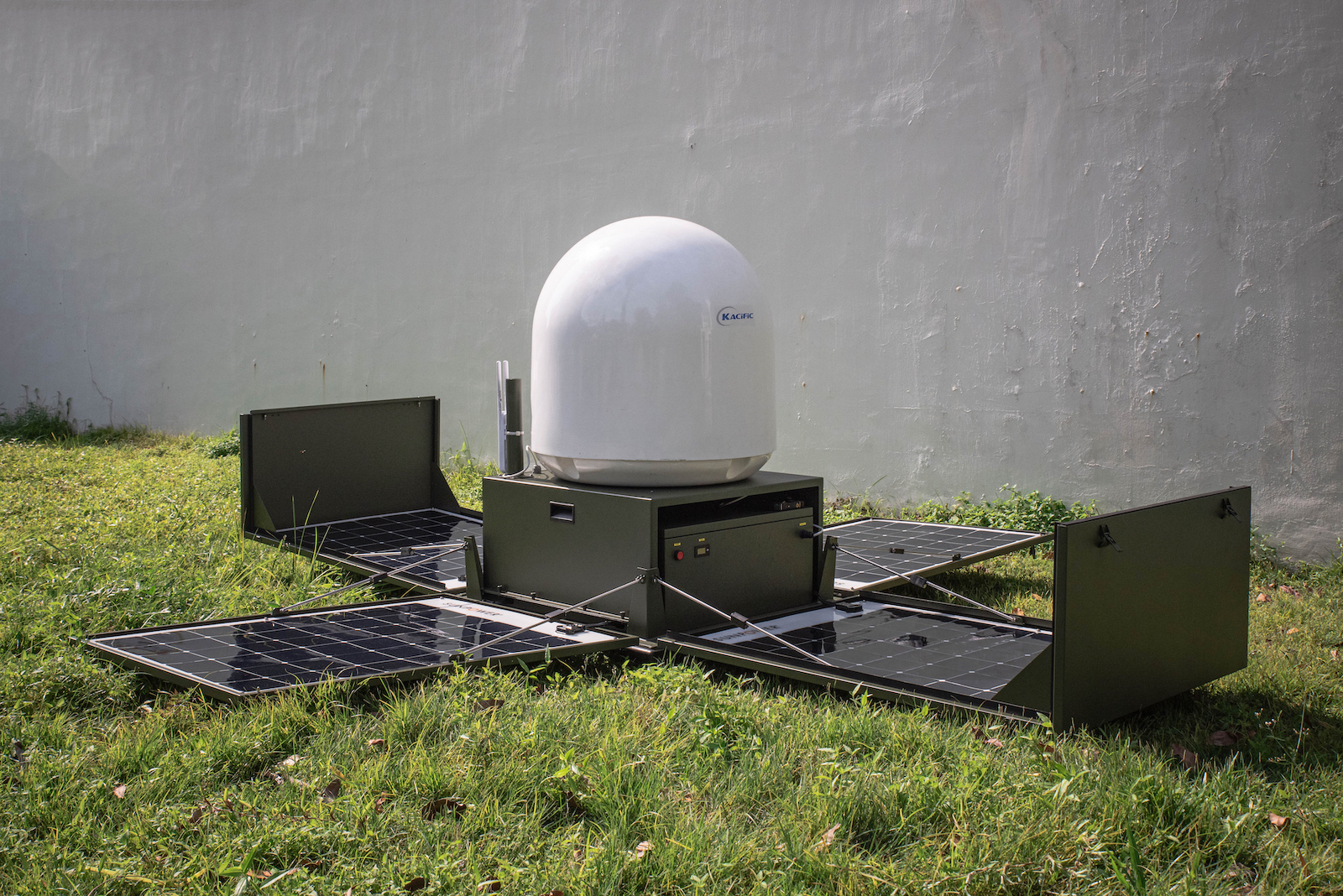
    Kacific Broadband Satellites Group, along with local partners PT Bis Data Indonesia (BIGNET) and PT Primacom Interbuana (PRIMACOM), has completed the deployment of over 2,500 sites, in a record five month timeframe, to provide satellite internet access to government infrastructure in remote areas of Indonesia. This project is led by the nation’s Telecommunication and Information Accessibility Agency (BAKTI) using funds from the Universal Service Obligation.

    BAKTI manages the Universal Service Obligation (USO) fund and the provision of telecommunications infrastructure and services. One of its major projects is to provide public internet access, through satellite services, in areas that have little or no access to affordable internet services: the 3T (disadvantaged, frontier, outermost) areas, border areas and other areas that are not considered economically viable by terrestrial service providers.

    Under this extensive and rapidly completed project, Kacific, BIGNET, and PRIMACOM worked with BAKTI to provide high-speed internet access to schools, vocational training centres, community health centres, tourist locations, village halls and government offices. The deployment of sites at remote destinations in multiple islands throughout the length of Indonesia was a logistical challenge.

    Kacific is one of the largest service providers for BAKTI’s project, due to its ability to meet demand in terms of high-speed bandwidth at the most competitive price. It is the only provider offering high-throughput Ka-band satellite services.

    The Kacific sites are pooled, allowing BAKTI to secure guaranteed bandwidth at every single site. Each terminal can achieve fast speeds of over 85 Mbps, easily meeting BAKTI requirements of 10 Mbps speeds from operators. Satellite services will also be used to support an improvement in the quantity and quality of transmission services for BAKTI’s Lastmile BTS program and other programs.

    “The Government of Indonesia display great leadership in their vision to connect all Indonesians. They are swiftly executing their impressive planning for nationwide connectivity with BAKTI successfully managing connectivity projects. Many countries would greatly benefit if they had a similar approach to addressing the digital divide,” said Christian Patouraux, CEO, Kacific.

    “BAKTI’s project aligns with Kacific’s mission to bridge the digital divide by providing access to affordable, high-speed internet in the most remote and under-served areas. The agency has made an excellent choice to use satellite technology to rapidly connect these communities, because of its ability to reach pockets of population in challenging geographies.”

    “I’d like to recognise the work of our local partners, BIGNET and PRIMACOM, who have been crucial in successfully delivering this project. They have expertise in managing large-scale telecommunications projects, but most importantly, they too want to increase the quality of life for Indonesian communities by allowing them to participate in the digital world,” said Patouraux.

    “With this satellite connectivity project, we take a significant step forward to our goal of the equal distribution of information and communication technology, to strengthen national unity, fuel economic growth and strengthen national resilience for disasters and emergencies,” said Bambang Noegroho, the Director of Infrastructure from BAKTI.

    “Kacific and its partners have completed a large-scale deployment in a very short timeframe, building a comprehensive network of satellite connectivity across Indonesia. This partnership connecting previously unserved or underserved communities is already benefiting hundreds of thousands of Indonesians. It will continue to improve education, health and security of our people into the future,” Bambang Noegroho also added.

    “BIGNET has become a partner of Kacific in 2015 long before its first satellite was launched. From the very beginning, I believed that Ka-Band HTS would be a game changer in Indonesia satellite industry. It was proven that in 2020, BAKTI awarded BIGNET a contract over 4 Gbps that covers over 2000 sites all over Indonesia, mostly in eastern part of Indonesia where is the internet connectivity is lowest compared to the western part of Indonesia. I’m proud to say that now Kacific has contracted nearly 100% of its capacity that cover Indonesia archipelago. It gives a huge impact to hundreds of thousands of people of Indonesia through education, health care and government offices in the area,” said Nicolas Tannady, CEO, BIGNET.

    “Satellite broadband is an increasingly important part of the telecommunications services PRIMACOM provides as it allows us to reach new markets and to provide specialised services in any location within Indonesia. We have been impressed with the speed, reliability and ease of deployment of Kacific’s satellite services,” said Domy K. Santoso, Marketing Director, PRIMACOM.

  • Cebu Pacific to resume flights to Bali, Hanoi, Sydney

    Cebu Pacific to resume flights to Bali, Hanoi, Sydney

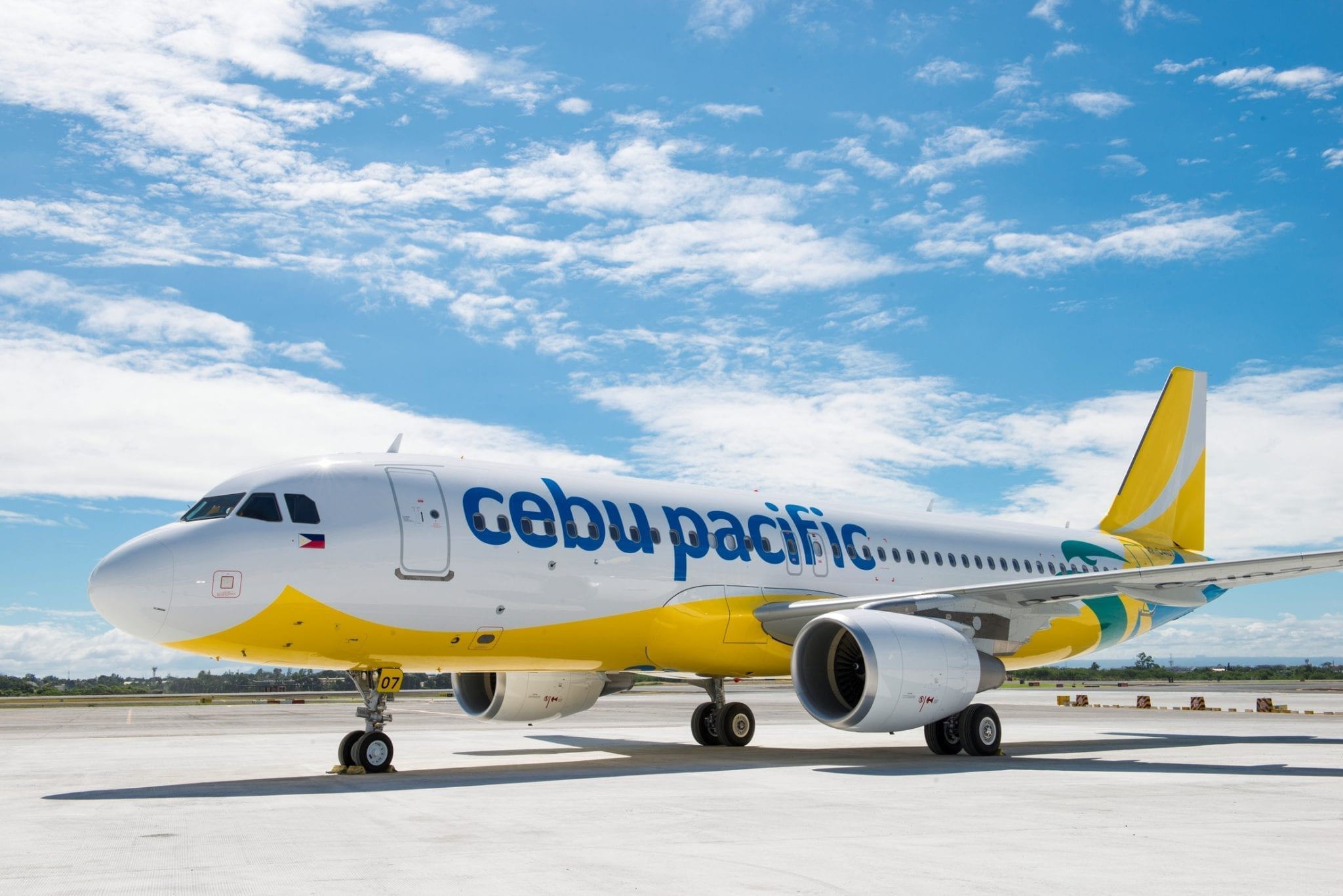
    Budget carrier Cebu Pacific recently announced that it is resuming to key international destinations in a bid to boost its frequencies in overseas routes.

    As more countries ease travel restrictions, the airline said it is resuming flights to Bali, Indonesia; Hanoi, Vietnam and Sydney, Australia to bring the number of its international destinations to 16 by the end of June.

    The carrier said it plans to operate weekly flights on the Manila-Hanoi-Manila and Manila-Bali-Manila routes next month.

    In June, it intends to operate thrice weekly flights to and from Sydney.

    From January to April, Cebu Pacific restarted flights to six international routes namely Bangkok, Thailand; Fukuoka, Japan; Jakarta, Indonesia; Dubai, United Arab Emirates; Hong Kong and Ho Chi Minh also in Vietnam.

    It is also currently operating flights to Kuala Lumpur, Malaysia; Singapore; Seoul (Incheon), Korea; Nagoya and Tokyo (Narita), Osaka, Japan and Guangzhou, China.

    Below appears the flight frequencies of the overseas routes:

    Route Frequency
    Manila – Bangkok – Manila Every Tue / Thu / Sat
    Manila – Dubai – Manila Daily
    Manila – Fukuoka – Manila Every Tue
    Manila – Guangzhou – Manila Every Tue
    Manila – Ho Chi Minh Every Tue
    Ho Chi Minh – Manila Every Wed
    Manila – Hong Kong – Manila Daily
    Manila – Jakarta Every Fri
    Jakarta – Manila Every Sat
    Manila – Kuala Lumpur Every Mon
    Kuala Lumpur – Manila Every Tue
    Manila – Nagoya – Manila Every Tue / Thu / Sat / Sun
    Manila – Osaka – Manila Every Mon / Fri
    Manila – Seoul (Incheon) – Manila Every Thu / Sat
    Manila – Singapore – Manila Daily
    Manila – Tokyo (Narita) – Manila Every Mon / Wed / Fri / Sun
    Manila – Bali – Manila Every Mon / Fri (starting May 2)
    Manila – Hanoi – Manila Every Mon / Fri (starting May 2)
    Manila – Sydney Every Mon / Wed / Fri (starting June 1)
    Sydney – Manila Every Tue / Thu / Sat (starting June 2)

    Early this month, the country started accepting fully vaccinated foreign leisure travelers with the most relaxed entry protocols, including quarantine-free entry. The country also allowed visitors to freely travel to reopened destinations around the country.

    Cebu Pacific’s chief commercial officer Xander Lao said the airline supports the Department of Tourism’s initiatives to restore tourism.

    They invited Filipino and foreign tourists to visit the country.

    “We invite Filipinos and foreign visitors to plan their travels to the Philippines and explore its beauty, or simply visit family and friends. We look forward to welcoming everyone onboard,” Lao said in a press conference at the World Travel and Tourism Council Global Summit in Pasay City last Thursday.

    The carrier is offering flights to 34 domestic destinations which tourists may also visit. It resumed more direct local flights from major hubs Cebu and Davao, as it restored 100% of its pre-pandemic domestic capacity this month.

    “We are happy to keep enabling everyJuan to safely fly across our largest Philippine network. We are hopeful we can continue contributing to the economic and tourism agenda in and out of the Philippines,” Lao said.

    The budget carrier said it would continue to offer low fares to help the COVID-19 pandemic-hit travel and tourism industry recover while maintaining the implementation of health and safety protocols.

    The airline said it employs 100% fully vaccinated crew with 90% of them already boosted.

    Meanwhile, Lao also congratulated the DOT for hosting the 21st edition of the WTTC Global Summit. It was staged at the Marriott Hotel in Pasay City from April 20 to 22, 2022.

    WTTC also commended the country for hosting the tourism event that signified the recovery of international travel.

  • Singtel and Telkom forge deeper ties in regional data centres and fixed broadband

    Singtel and Telkom forge deeper ties in regional data centres and fixed broadband

    Singtel and its Indonesian partner Telkom, the parent company of Singtel’s regional associate Telkomsel, have signed two memoranda of understanding (MOU) which was witnessed by Indonesia’s minister of state-owned enterprises Erick Thohir and vice minister of state-owned enterprises Kartika Wirjoatmodjo. The first of the two MOUs covers collaboration in the area of data centres, which marks a significant step in advancing Singtel’s regional data centre strategy. The second MOU involves a collaboration to support Telkomsel’s transformation into Indonesia’s leading consumer fixed broadband and mobile operator through a fixed mobile convergence strategy with Telkom.

    Expansion of regional data centre footprint to Indonesia

    To capture growth opportunities arising from the unprecedented digitalisation and cloud adoption in ASEAN, Singtel has focused on establishing a data centre platform that will work with partners to build and acquire data centres in the region. ASEAN has been experiencing robust data centre growth and the Singapore and Indonesia markets are projected to more than double in size, accounting for over 60% of regional growth by 2025.

    As strategic partners for over two decades, this move into data centres expands on the close collaboration between Singtel and Telkom to build out Indonesia’s mobile communications and digital infrastructure.

    Singtel Group CEO Yuen Kuan Moon said, “As businesses rapidly digitalise, and with the growing adoption of IoT, artificial intelligence and 5G across the region, demand for high-quality data centres is on the rise. This partnership with Telkom is an important step for our data centre strategy, bringing together the prime assets, expertise and networks of two market leaders in data centre operations in Indonesia and Singapore. As the largest digital economy in ASEAN, Indonesia is a strategic data centre market which expands our platform’s footprint to cover the three fastest-growing locations in the region – Indonesia, Singapore and Thailand. The platform will support the digital transformation needs of customers wanting to deploy into Indonesia, and Indonesian businesses looking to grow beyond the country. We look forward to deepening our longstanding collaboration with Telkom to capitalise on the favourable trends and tremendous market opportunity.”

    Telkom CEO Ririek Adriansyah said, “Telkom Group is currently consolidating our data centre business to answer the challenges of digital transformation. The regional data centre platform is a continuation of this data centre consolidation strategy and demonstrates our commitment to respond to customer needs and capture opportunities that will pave the way for our company to become a data centre player on a global level. These efforts require strategic partnerships with operators who have proven capabilities and track records. With its strengths and experience, Singtel is one of the strategic partners for Telkom in developing this regional data centre business.”

    Singtel is a leading operator of data centres in Singapore and has carved out its top-tier data centres, DC West and Kim Chuan 2, into a separate Singtel-owned entity with approximately 60 MW of capacity. In addition to securing a site in Tuas for a new integrated cable landing and data centre facility which will be ready in three to four years and add 30-40 MW in capacity, Singtel will continue to explore adding further capacity.

    An experienced data centre operator, Telkom has an existing data centre portfolio of 27 data centres in Indonesia and the region. It is also building a hyperscale data centre with 75 MW capacity to serve local and foreign companies and hyperscalers. Selected data centre assets from Telkom will be placed in the data centre platform. The companies will also collaborate on development opportunities and explore bringing third-party investors or partners into the platform.

    Besides Indonesia, Singtel has set its sights on the Thai data centre market. In February, Singtel signed a joint development agreement with Gulf Energy and Singtel’s regional associate AIS to start developing data centres in Thailand, and the new joint venture will be launched soon.

    Fixed mobile convergence strategy

    Singtel and Telkom will also jointly explore a fixed mobile convergence strategy for Telkomsel which will see an integration of its mobile business with Telkom’s consumer fixed broadband business. By combining the strengths of the two companies, Telkomsel will be able to enjoy significant synergies and enhance its leading position in the market with converged solutions that will give customers the best digital experience. This strategy will strengthen customer value proposition, in turn increasing customer lifetime value and household penetration.

  • Singtel and Telkom forge deeper ties in regional data centres and fixed broadband

    Singtel and Telkom forge deeper ties in regional data centres and fixed broadband

    Singtel and its Indonesian partner Telkom, the parent company of Singtel’s regional associate Telkomsel, have signed two memoranda of understanding (MOU) which was witnessed by Indonesia’s minister of state-owned enterprises Erick Thohir and vice minister of state-owned enterprises Kartika Wirjoatmodjo. The first of the two MOUs covers collaboration in the area of data centres, which marks a significant step in advancing Singtel’s regional data centre strategy. The second MOU involves a collaboration to support Telkomsel’s transformation into Indonesia’s leading consumer fixed broadband and mobile operator through a fixed mobile convergence strategy with Telkom.

    Expansion of regional data centre footprint to Indonesia

    To capture growth opportunities arising from the unprecedented digitalisation and cloud adoption in ASEAN, Singtel has focused on establishing a data centre platform that will work with partners to build and acquire data centres in the region. ASEAN has been experiencing robust data centre growth and the Singapore and Indonesia markets are projected to more than double in size, accounting for over 60% of regional growth by 2025.

    As strategic partners for over two decades, this move into data centres expands on the close collaboration between Singtel and Telkom to build out Indonesia’s mobile communications and digital infrastructure.

    Singtel Group CEO Yuen Kuan Moon said, “As businesses rapidly digitalise, and with the growing adoption of IoT, artificial intelligence and 5G across the region, demand for high-quality data centres is on the rise. This partnership with Telkom is an important step for our data centre strategy, bringing together the prime assets, expertise and networks of two market leaders in data centre operations in Indonesia and Singapore. As the largest digital economy in ASEAN, Indonesia is a strategic data centre market which expands our platform’s footprint to cover the three fastest-growing locations in the region – Indonesia, Singapore and Thailand. The platform will support the digital transformation needs of customers wanting to deploy into Indonesia, and Indonesian businesses looking to grow beyond the country. We look forward to deepening our longstanding collaboration with Telkom to capitalise on the favourable trends and tremendous market opportunity.”

    Telkom CEO Ririek Adriansyah said, “Telkom Group is currently consolidating our data centre business to answer the challenges of digital transformation. The regional data centre platform is a continuation of this data centre consolidation strategy and demonstrates our commitment to respond to customer needs and capture opportunities that will pave the way for our company to become a data centre player on a global level. These efforts require strategic partnerships with operators who have proven capabilities and track records. With its strengths and experience, Singtel is one of the strategic partners for Telkom in developing this regional data centre business.”

    Singtel is a leading operator of data centres in Singapore and has carved out its top-tier data centres, DC West and Kim Chuan 2, into a separate Singtel-owned entity with approximately 60 MW of capacity. In addition to securing a site in Tuas for a new integrated cable landing and data centre facility which will be ready in three to four years and add 30-40 MW in capacity, Singtel will continue to explore adding further capacity.

    An experienced data centre operator, Telkom has an existing data centre portfolio of 27 data centres in Indonesia and the region. It is also building a hyperscale data centre with 75 MW capacity to serve local and foreign companies and hyperscalers. Selected data centre assets from Telkom will be placed in the data centre platform. The companies will also collaborate on development opportunities and explore bringing third-party investors or partners into the platform.

    Besides Indonesia, Singtel has set its sights on the Thai data centre market. In February, Singtel signed a joint development agreement with Gulf Energy and Singtel’s regional associate AIS to start developing data centres in Thailand, and the new joint venture will be launched soon.

    Fixed mobile convergence strategy

    Singtel and Telkom will also jointly explore a fixed mobile convergence strategy for Telkomsel which will see an integration of its mobile business with Telkom’s consumer fixed broadband business. By combining the strengths of the two companies, Telkomsel will be able to enjoy significant synergies and enhance its leading position in the market with converged solutions that will give customers the best digital experience. This strategy will strengthen customer value proposition, in turn increasing customer lifetime value and household penetration.

  • GoTo shares surge 23 per cent after IPO

    GoTo shares surge 23 per cent after IPO

    Shares of GoTo soared as much as 23 percent in their market debut on Monday after Indonesia’s largest tech company raised $1.1bn in a widely anticipated IPO, setting the mood for other tech offerings.

    GoTo shares climbed to as much as 416 rupiah ($0.029) versus their offer price of 338 rupiah ($0.024) per share, which was the high end of an indicative range for one of the world’s largest offerings so far this year. The shares later pared gains to trade at 384 rupiah ($0.027).

    The strong debut provides a boost to some of the tech giants which have backed GoTo and have seen their other investments battered by the global market rout since late last year, including longtime major investors SoftBank Group’s Vision Fund 1 and Alibaba Group Holding Ltd.

    “GoTo’s IPO is a watershed moment for Indonesia,” said Joel Shen, head of Asia technology at global law firm Withers. “With millions of users, drivers, and merchants, there’s no company that’s more plugged in to Indonesia’s digital economy,” he said.

    PT GoTo Gojek Tokopedia Tbk’s stock market debut is the culmination of last year’s merger between ride-hailing-to-payments company Gojek and e-commerce giant Tokopedia.

    “I hope that GoTo IPO will motivate our young generations to give new energy for Indonesia’s economic progress,” Indonesian President Joko Widodo said in a video message.

    The listing ceremony at the Jakarta bourse kicked off with a video of all of GoTo’s senior leadership in Gojek driver uniforms riding in-house Electrum brand electric motorcycles.

    GoTo’s IPO comes as record venture funding is creating a wave of startups in the $70bn digital market of Southeast Asia’s largest economy.

    The company sold only 4 percent of its shares in the IPO, and, unlike most other previous flotations, it was offered only to investors in Indonesia.