Tag: Indonesia

  • Singtel and Telkom forge deeper ties in regional data centres and fixed broadband

    Singtel and Telkom forge deeper ties in regional data centres and fixed broadband

    Singtel and its Indonesian partner Telkom, the parent company of Singtel’s regional associate Telkomsel, have signed two memoranda of understanding (MOU) which was witnessed by Indonesia’s minister of state-owned enterprises Erick Thohir and vice minister of state-owned enterprises Kartika Wirjoatmodjo. The first of the two MOUs covers collaboration in the area of data centres, which marks a significant step in advancing Singtel’s regional data centre strategy. The second MOU involves a collaboration to support Telkomsel’s transformation into Indonesia’s leading consumer fixed broadband and mobile operator through a fixed mobile convergence strategy with Telkom.

    Expansion of regional data centre footprint to Indonesia

    To capture growth opportunities arising from the unprecedented digitalisation and cloud adoption in ASEAN, Singtel has focused on establishing a data centre platform that will work with partners to build and acquire data centres in the region. ASEAN has been experiencing robust data centre growth and the Singapore and Indonesia markets are projected to more than double in size, accounting for over 60% of regional growth by 2025.

    As strategic partners for over two decades, this move into data centres expands on the close collaboration between Singtel and Telkom to build out Indonesia’s mobile communications and digital infrastructure.

    Singtel Group CEO Yuen Kuan Moon said, “As businesses rapidly digitalise, and with the growing adoption of IoT, artificial intelligence and 5G across the region, demand for high-quality data centres is on the rise. This partnership with Telkom is an important step for our data centre strategy, bringing together the prime assets, expertise and networks of two market leaders in data centre operations in Indonesia and Singapore. As the largest digital economy in ASEAN, Indonesia is a strategic data centre market which expands our platform’s footprint to cover the three fastest-growing locations in the region – Indonesia, Singapore and Thailand. The platform will support the digital transformation needs of customers wanting to deploy into Indonesia, and Indonesian businesses looking to grow beyond the country. We look forward to deepening our longstanding collaboration with Telkom to capitalise on the favourable trends and tremendous market opportunity.”

    Telkom CEO Ririek Adriansyah said, “Telkom Group is currently consolidating our data centre business to answer the challenges of digital transformation. The regional data centre platform is a continuation of this data centre consolidation strategy and demonstrates our commitment to respond to customer needs and capture opportunities that will pave the way for our company to become a data centre player on a global level. These efforts require strategic partnerships with operators who have proven capabilities and track records. With its strengths and experience, Singtel is one of the strategic partners for Telkom in developing this regional data centre business.”

    Singtel is a leading operator of data centres in Singapore and has carved out its top-tier data centres, DC West and Kim Chuan 2, into a separate Singtel-owned entity with approximately 60 MW of capacity. In addition to securing a site in Tuas for a new integrated cable landing and data centre facility which will be ready in three to four years and add 30-40 MW in capacity, Singtel will continue to explore adding further capacity.

    An experienced data centre operator, Telkom has an existing data centre portfolio of 27 data centres in Indonesia and the region. It is also building a hyperscale data centre with 75 MW capacity to serve local and foreign companies and hyperscalers. Selected data centre assets from Telkom will be placed in the data centre platform. The companies will also collaborate on development opportunities and explore bringing third-party investors or partners into the platform.

    Besides Indonesia, Singtel has set its sights on the Thai data centre market. In February, Singtel signed a joint development agreement with Gulf Energy and Singtel’s regional associate AIS to start developing data centres in Thailand, and the new joint venture will be launched soon.

    Fixed mobile convergence strategy

    Singtel and Telkom will also jointly explore a fixed mobile convergence strategy for Telkomsel which will see an integration of its mobile business with Telkom’s consumer fixed broadband business. By combining the strengths of the two companies, Telkomsel will be able to enjoy significant synergies and enhance its leading position in the market with converged solutions that will give customers the best digital experience. This strategy will strengthen customer value proposition, in turn increasing customer lifetime value and household penetration.
  • GoTo shares surge 23 per cent after IPO

    GoTo shares surge 23 per cent after IPO

    Shares of GoTo soared as much as 23 percent in their market debut on Monday after Indonesia’s largest tech company raised $1.1bn in a widely anticipated IPO, setting the mood for other tech offerings.

    GoTo shares climbed to as much as 416 rupiah ($0.029) versus their offer price of 338 rupiah ($0.024) per share, which was the high end of an indicative range for one of the world’s largest offerings so far this year. The shares later pared gains to trade at 384 rupiah ($0.027).

    The strong debut provides a boost to some of the tech giants which have backed GoTo and have seen their other investments battered by the global market rout since late last year, including longtime major investors SoftBank Group’s Vision Fund 1 and Alibaba Group Holding Ltd.

    “GoTo’s IPO is a watershed moment for Indonesia,” said Joel Shen, head of Asia technology at global law firm Withers. “With millions of users, drivers, and merchants, there’s no company that’s more plugged in to Indonesia’s digital economy,” he said.

    PT GoTo Gojek Tokopedia Tbk’s stock market debut is the culmination of last year’s merger between ride-hailing-to-payments company Gojek and e-commerce giant Tokopedia.

    “I hope that GoTo IPO will motivate our young generations to give new energy for Indonesia’s economic progress,” Indonesian President Joko Widodo said in a video message.

    The listing ceremony at the Jakarta bourse kicked off with a video of all of GoTo’s senior leadership in Gojek driver uniforms riding in-house Electrum brand electric motorcycles.

    GoTo’s IPO comes as record venture funding is creating a wave of startups in the $70bn digital market of Southeast Asia’s largest economy.

    The company sold only 4 percent of its shares in the IPO, and, unlike most other previous flotations, it was offered only to investors in Indonesia.

  • AirAsia ready for border reopening, expects 250 international flights weekly by end-April

    AirAsia ready for border reopening, expects 250 international flights weekly by end-April

    AirAsia is expecting an increase of more than 70 international flight volumes per week for the first week of border reopening starting on April 1.

    AirAsia Malaysia chief executive officer Riad Asmat said the international flight number is expected to reach 250 weekly by the end of April.

    “AirAsia welcomes the announcement by the Malaysian government to fully open international borders on April 1, we are ready.

    “I believe the seamlessness of travel will happen sooner than later,” he told reporters in a media briefing on the airline’s preparation for border reopening here today.

    He said since resuming its operations with travel bubbles and a focus on domestic services, the gradual resumption of international flying is already well underway in tandem with borders gradually reopening around the world.

    With the continued easing of travel restrictions, the airline group has increased its domestic flight capacity by 156 percent since October 2021 kickstarted with the Langkawi travel bubble, and by 50 percent for international flights since the announcement of borders reopening in April is made by the government on March 8, 2022.

    A total of 75 aircraft are operating currently group-wide, he said. This is also supported by the reopening of other countries like Thailand, the Philippines, Indonesia, Cambodia, Singapore and Vietnam, said Riad.

    While the airline currently has a number of international services already operating, the announcement of the nation’s reopening will provide a welcome boost to support additional capacity in many of its core international markets in line with significant pent-up demand.

    Meanwhile, AirAsia Aviation Group Ltd chief executive officer Bo Lingam said the airlines earnings is expected to go back to pre-Covid level presumably by the end of the year with the hope that the fuel price goes down by then.

    “AirAsia applauds the governments around the region for their decision to reopen borders and remove travel restriction with minimal testing requirements.

    “We are thrilled to be resuming more flights in all of our core markets in Malaysia, Thailand, the international destinations including Bali, Manila, Bangkok, Ho Chi Minh City, Phuket, and more, starting in April.

    Domestic flying also continues to soar across the group with four new domestic routes launched in Malaysia, from Kuching to Langkawi, Penang to Sibu, Johor Bahru to Bintulu, and Kota Kinabalu to Kuala Terengganu this year, he said.

    “Regionally, we have seen similarly encouraging developments for domestic and international services in Thailand, the Philippines and Indonesia. We will continue to review our network which evolves based on a number of factors including demand,” he said.

    He added that new services will be announced in due course as the world continues to gradually reopen.

    “While our domestic services across the group have grown by 156 per cent in recent months due to significant consumer demand, and by 50 per cent for international, we expect to return to 100 percent or more of pre-COVID domestic and international flying by the end of this year,” he said.

  • Paris Baguette Indonesia grows as sales exceed expectation

    Paris Baguette Indonesia grows as sales exceed expectation

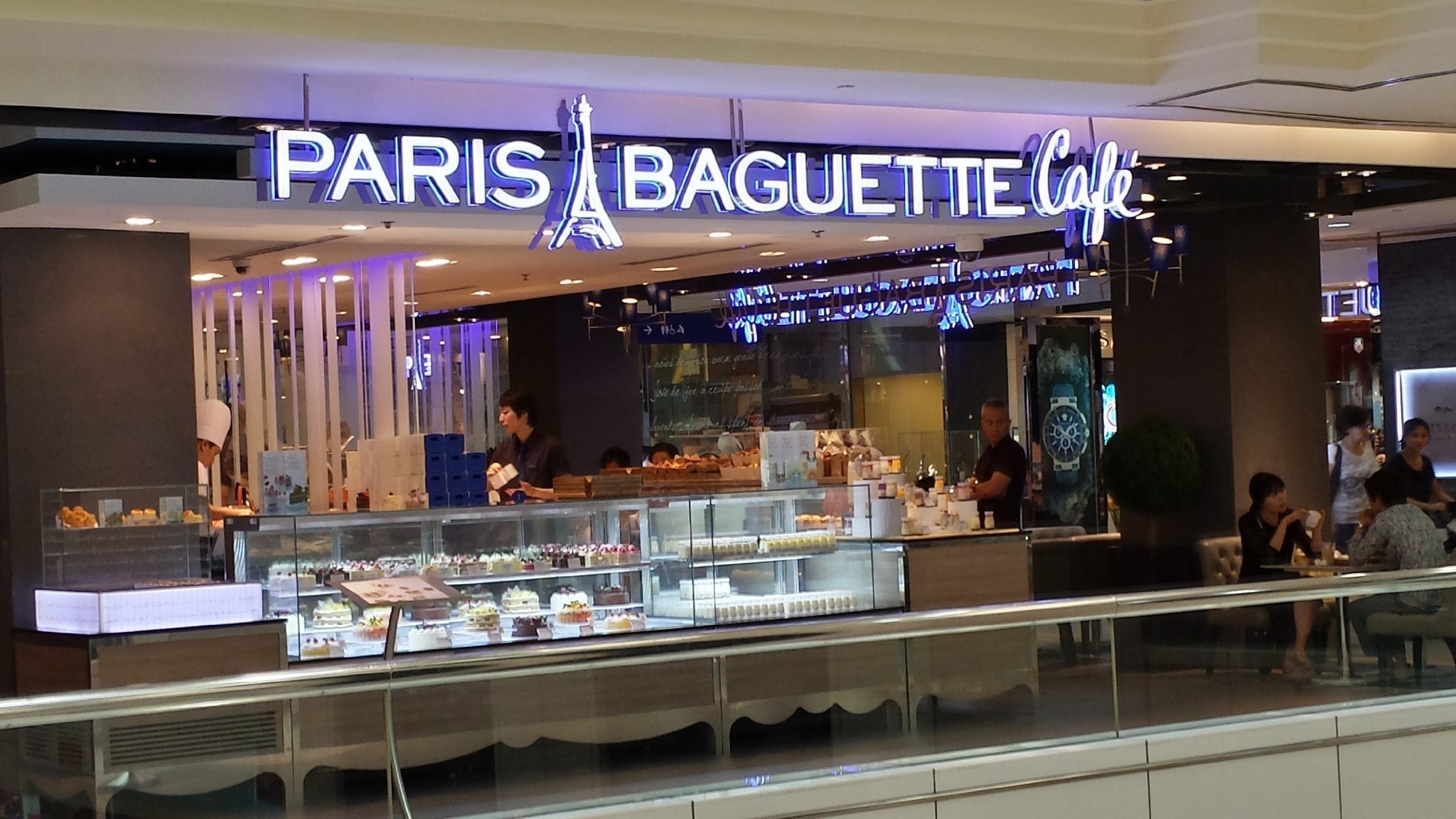
    SPC Group announced on March 24 that it is opening two Paris Baguette stores in Indonesia, one in Jakarta and the other in Bekasi. They are the third and fourth Paris Baguette stores in Indonesia, respectively.

    Paris Baguette, together with its local partner Erajaya Group, opened its first store in Indonesia, at Ashta Mall in November 2021. The Korean bakery giant is quickly establishing itself in the Indonesian market. Thanks to a great response from local customers, it expanded its presence beyond the capital city of Jakarta to the neighboring city of Bekasi.

    The third Paris Baguette store in Indonesia is located on the first floor of Pondok Indah Mall, one of the top five premium shopping malls in Jakarta, which is visited by an average of 100,000 people a day. The 162-squre-meter store opened with 66 seats on March 23.

    SPC Group is planning to operate Pondok Inda Mall Store as a flagship store in Indonesia that provides differentiated products and services. For customers who enjoy simple meals, it launched mushroom risotto and spicy seafood tomato pasta and drinks, including green grape ice tea of SPC Group’s tea brand Teatra. Its interior gives the impression of a French greenhouse. It is decorated as an island-style store with a cozy and antique atmosphere.

    The fourth store, Sumarecon Bekasi Store, occupies a 132-square-meter space on the first floor of Sumarecon Mall in Bekasi, a large residential area in eastern Jakarta. It will open with 40 seats at the end of March.

  • Mobile World to expand into Indonesia this year

    Mobile World to expand into Indonesia this year

    Mobile World is all set to enter Indonesia, its second overseas foray after setting up shop in Cambodia five years ago.

    “We are trying our best to open our first Indonesian store this year,” CEO Doan Van Hieu Em told shareholders last weekend.

    Vietnam’s biggest electronics retailer opened a BigPhone smartphone store in Cambodia’s Phnom Penh in 2017. Three years later it changed the name to Bluetronics and expanded to selling other electronics products too.

    By the end of last year it had 50 stores in the neighboring country and revenues of nearly VND500 billion ($21.9 million), or 0.4 percent of overall sales.

    The company had earlier been eyeing Laos and Myanmar, but it is unclear now if they are still in its plans.

    Mobile World targets growth in post-tax profits of 30 percent this year to VND6.35 trillion.

  • Starbucks launches Coffee Experience Center in Bali, Indonesia

    Starbucks launches Coffee Experience Center in Bali, Indonesia

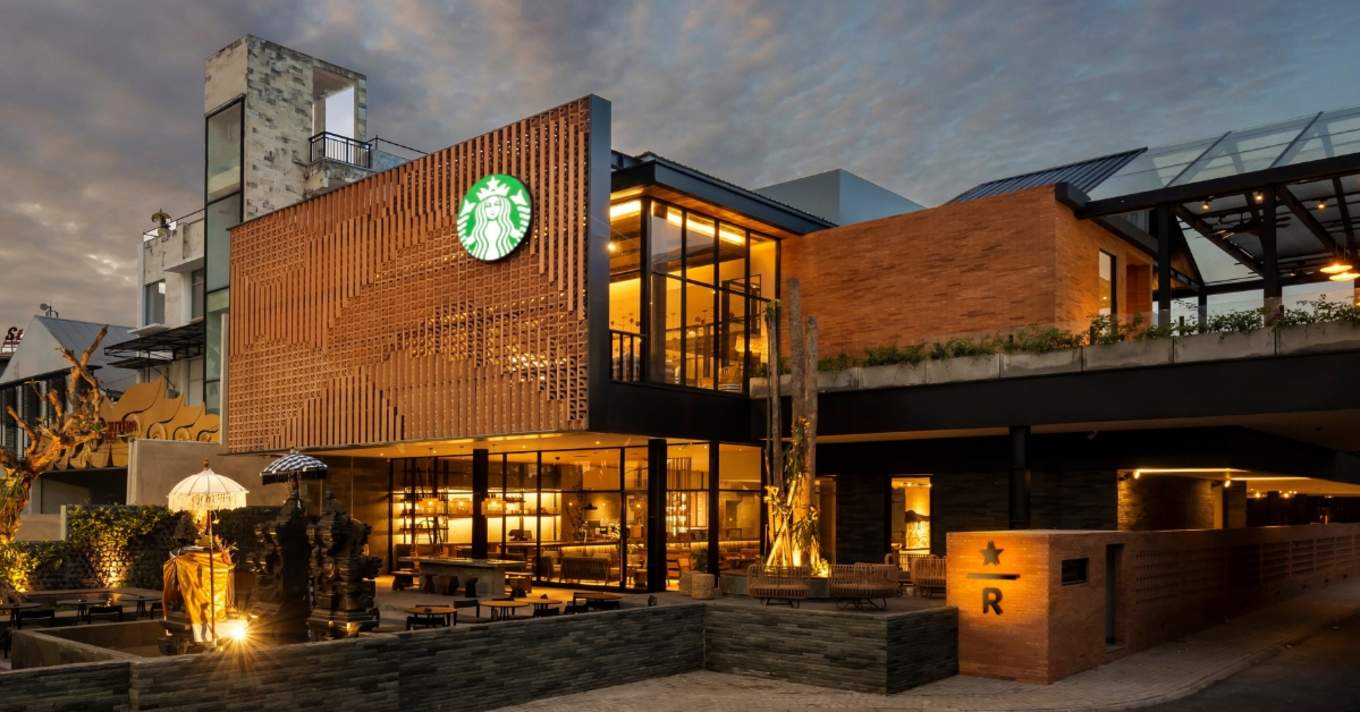
    Today, Starbucks celebrates the journey of coffee from seed-to-cup by opening its largest destination in Southeast Asia – the Starbucks Dewata Coffee Sanctuary. The one-of-a-kind Coffee Sanctuary demonstrates Starbucks Indonesia’s coffee leadership in partnership with licensee PT Sari Coffee Indonesia Limited, building upon 16 years of innovation in design, customer experience, and community impact. The store pays tribute to the important role that Indonesia, the fourth largest Arabica coffee growing region in the world, plays in bringing Starbucks customers the highest quality coffees, including the popular single-origin coffee from Sumatra. Sumatra coffee has been a staple offering at Starbucks since 1971.

    “We began sourcing Indonesian coffees more than four decades ago and have always been struck by the sense of community and care for the coffee journey at every step,” said Kevin Johnson, ceo, Starbucks Coffee Company. “The Starbucks Dewata Coffee Sanctuary amplifies our passion for the coffee journey, our ongoing commitment to Indonesia’s rich coffee culture, and our tireless pursuit of fostering moments of connection between our partners and customers. This is Starbucks at its best, and we are proud to open the doors of this unique experience in one of Southeast Asia’s most dynamic markets.”

    Designed as a coffee sanctuary, the expansive 20,000 square foot store beautifully highlights local craftsmanship and culture alongside premium coffee in this one-of-a-kind coffee experience, a sort of “origin-centered version” of the Roasteries, igniting all five senses. Visitors enter through an Arabica coffee farm, try their hand at coffee bean de-pulping and washing during harvest season, dry and rake green coffee beans, visit budding seedlings in the nursery, take in the store’s locally-inspired design featuring traditional Balinese craft and Indonesian art, and enjoy the more than 100 Dewata-exclusive handcrafted beverages, food and merchandise, including the Lavender Latte.

    “Bali has an envied reputation as one of Asia’s top travel destinations and Indonesia is one of coffee’s most extraordinary coffee origin regions, so we’re excited to invite customers here to ignite their senses and explore the seed-to-cup coffee journey at this unique Coffee Sanctuary,” said Anthony Cottan, managing director, Starbucks Indonesia, at PT Sari Coffee Indonesia Limited.  “We’re very pleased to further strengthen the longstanding partnership between Starbucks and PT Sari Coffee Indonesia with this truly one-of-a-kind Starbucks store, inspired by and filled with the finest examples of Indonesian art, design, and craftsmanship.”

    Located in Bali’s up-and-coming premium retail district on Sunset Road, the Coffee Sanctuary provides a carefully curated series of interactive experiences.

    As customers enter, they’ll be greeted at the concierge reception and then guided through a working, 1,000 square foot coffee tree farm, the size of a typical Indonesian farm. Customers will continue their journey through contemporary Balinese landscaping, passing coffee plants and a de-pulping station before trying their hand at washing, drying and raking green coffee beans. Inside, the expansive Reserve bar offers customers an intimate experience to taste Starbucks Reserve small-lot coffees, while the core bar offers Starbucks signature core beverages.

    Located on the second floor is the seedling nursery, a greenhouse canopied by panes of glass to create an open-air experience. Here, customers can touch the first stages of the seed-to-cup journey, as well as deepen their understanding of the art of tending to coffee plants alongside a local Balinese farmer. In the adjoining tasting room, customers’ tastebuds will come alive as they enjoy coffee as coffee quality professionals do, without a filter – simply coffee and water – to draw out the flavors that set each cup apart.

    For those looking for more, visitors can engage with an interactive video wall and hear how coffee is planted, processed, roasted, shipped, and brewed into a delicious cup of espresso. On the second floor, a dedicated media room features two synchronized video walls, showcasing the work of the Starbucks Farmer Support Center (FSC) in Sumatra and agronomist, Dr. Surip Mawardi’s, work with Indonesian coffee farmers.

    The Sanctuary was designed as an homage to Indonesia’s rich culture and coffee heritage. The store’s expansive interior was inspired by traditional Balinese houses with free-flowing, connected rooms that promote discovery from one space to the next.

    The store’s interior was designed in partnership with local craftspeople and artists with one goal: tell the story of coffee in Indonesia. This is brought to life by a wood carving depicting the country’s six coffee-growing regions’ local culture and architecture. A two-story mural in the courtyard pays tribute to local farmers who carefully nurture and protect the beans each step of their journey to Starbucks.

    On the main floor, Starbucks partners (employees) welcome customers to the 13-meter teak Reserve bar, drawing inspiration from Bali’s terraced rural landscapes, where customers can taste some of Starbucks rarest coffee offerings. Across the store, eyes are drawn to the living wall filled with flora from the region, situated behind the core bar designed to remind customers of Bali’s ocean waves which are replicated on the layered red-brick exterior façade.

    Starbucks is dedicated to working with farmers in Indonesia to ethically and sustainably bring high-quality Indonesian coffee to the world, and today, the company is the largest buyer of Indonesian arabica coffee.

    In 2015, Starbucks opened the Farmer Support Center in Berastagi, North Sumatra where Starbucks agronomists led by Dr. Mawardi, conduct research to develop disease-resistant coffee varietals in an effort to make coffee the world’s first sustainable agricultural product through the Sustainable Coffee Challenge. The Sumatra FSC is one of nine globally, including China, which offers open-source agronomy assistance and support for regional coffee farmers to improve the productivity and sustainability of their coffee trees.

    In a combined effort, Starbucks Indonesia has donated more than 330,000 coffee seedlings, along with technical assistance, to smallholder farmers to-date. Through locally driven initiatives to support coffee tree replanting, Starbucks commits to donating 100,000 seedlings annually in partnership with the FSC.

    Since 2006, The Starbucks Foundation has provided more than $4 million dollars to support farming communities and promote education, water, sanitation and health (WASH) programs across Indonesia. In 2018, The Foundation provided grants to Lutheran World Relief to support women-led community health and hygiene programs for 2,100 households in Sumatran coffee-producing villages over the next three years and to CARE to support economic empowerment for women tea workers and community WASH programs in West Java over the next two years.

    Today, Starbucks Indonesia delivers the Starbucks Experience across 370 stores where nearly 4,500 partners proudly wear the green apron. The Dewata Coffee Sanctuary marks the first Starbucks Reserve Bar in Bali and its tenth in Indonesia as Starbucks continues to elevate the coffee journey for customers across the market.

  • UniTeller Grows Remittance Network Across APAC

    UniTeller Grows Remittance Network Across APAC

    The U.S. based cross-border and remittance payments processor is extending its remittance services to more customers in the Asia Pacific under a partnership with Tranglo.

    UniTeller has announced a partnership with Tranglo to further expand its services in 13 Asia Pacific markets, including Bangladesh, India, Indonesia and Nepal.

    The partnership will add more than 58,000 cash pick-up points, more than 1,100 account deposit banks, and nine e-wallet platforms to its existing paying network of 90,000 paying locations in the region, according to an announcement on Thursday.

    UniTeller CEO Alberto Guerra said the partnership is a great step forward in the company’s expansion plan for the Asia Pacific this year.

    Founded in Malaysia in 2008, Tranglo operates a cross-border payment hub that provides smart services for mobile airtime top-ups, as well as foreign remittance and business payments.

    Earlier this year, Ripple acquired a 40-percent stake in Tranglo, to allow the blockchain payments company to meet growing customer demand in APAC, one of the fastest-growing regions for RippleNet. As such, UniTeller’s partnership with Tranglo also gives it access to RippleNet.

  • 7-Eleven Malaysia ventures into Indonesia’s pharmacy market

    7-Eleven Malaysia ventures into Indonesia’s pharmacy market

    7-Eleven Malaysia Holdings Bhd has teamed up with a listed company on the Jakarta Stock Exchange to set up a retail pharmacy chain in Indonesia.

    SEM, in a filing today, said its 75% owned Caring Pharmacy Retail Management Sdn Bhd has entered into a joint venture with PT Era Prima Indonesia (EPI) to establish the business.

    Caring would take a 50.1% stake in the JV.

    SEM said the total funding of the proposed JV was about RM8.55mil. “The proposals represent an opportunity for the SEM Group to venture into the pharmaceutical industry in Indonesia,” it said.

    EPI is a subsidiary of listed firm PT Erajaya Swasembada Tbk, a distributor and retailer of mobile communication products.

  • PPRO Grows in Indonesia

    PPRO Grows in Indonesia

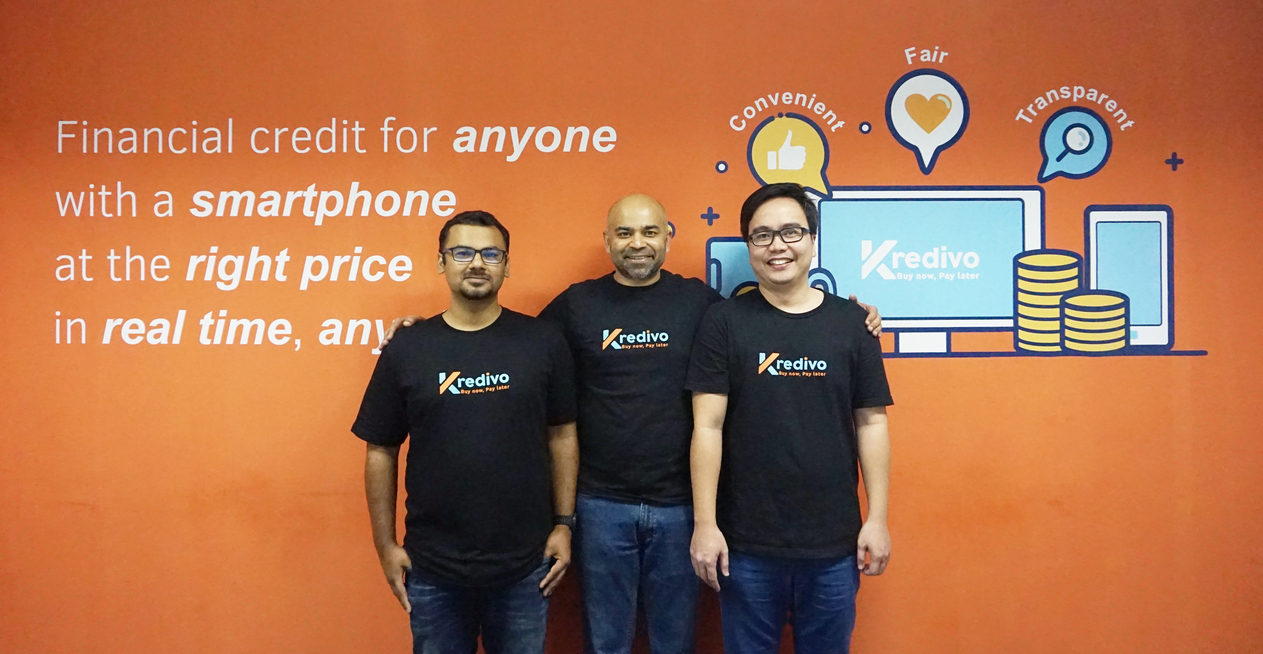
    The payments infrastructure provider has announced the integration of Indonesian «buy now pay later» (BNPL) pioneer Kredivo to its platform.

    PPRO is partnering Kredivo – one of Indonesia’s largest and fastest-growing digital credit platforms – to allow more merchants to reach a large pool of underbanked or unbanked Indonesians.

    The integration is a cooperation between PPRO, Kredivo, and DOKU, a leading payment technology company, and enables PPRO to offer the increasingly popular BNPL payment option, as well as split payment and flexible instant credit offerings via Kredico.

    Indonesia continues to be recognized as the world’s hottest battleground for digital payments. The addition of Kredivo to our platform is a milestone in our Indonesia expansion, Kelvin Phua, PPRO head of global market development, said.

    Kredivo currently has more than 4 million users in Indonesia, representing over 50 percent of the local BNPL market.

    The news follows the recent announcement of the integration of two of the most popular payment methods in Indonesia, Jenius Pay and LinkAja, to the PPRO platform. Other payment methods on PPRO’s wider global network include Alipay, WeChat Pay, GrabPay, Bancontact, iDEAL, BLIK, and Boleto Bancário. PPRO raised $180 million earlier this year, taking the firm’s total value to over $1 billion.

    Kredivo has also been expanding of late – it inked a partnership with Standard Chartered in October to offer BNPL loans to the mass market segment via digital channels. The company also launched in Vietnam in August through a joint venture. FinAccel, Kredivo’s parent company also announced plans to go public via a $2.5 billion SPAC merger. The firm had raised US$90 million in 2019 during a Series C funding round to double down on its Southeast Asian expansion plans.

  • PPRO Grows in Indonesia

    PPRO Grows in Indonesia

    The payments infrastructure provider has announced the integration of Indonesian buy now pay later (BNPL) pioneer Kredivo to its platform.

    PPRO is partnering with Kredivo – one of Indonesia’s largest and fastest-growing digital credit platforms – to allow more merchants to reach a large pool of underbanked or unbanked Indonesians.

    The integration is a cooperation between PPRO, Kredivo, and DOKU, a leading payment technology company, and enables PPRO to offer the increasingly popular BNPL payment option, as well as split payment and flexible instant credit offerings via Kredico.

    Indonesia continues to be recognized as the world’s hottest battleground for digital payments. The addition of Kredivo to our platform is a milestone in our Indonesia expansion, Kelvin Phua, PPRO head of global market development, said.

    Kredivo currently has more than 4 million users in Indonesia, representing over 50 percent of the local BNPL market.

    The news follows the recent announcement of the integration of two of the most popular payment methods in Indonesia, Jenius Pay and LinkAja, to the PPRO platform. Other payment methods on PPRO’s wider global network include Alipay, WeChat Pay, GrabPay, Bancontact, iDEAL, BLIK, and Boleto Bancário. PPRO raised $180 million earlier this year, taking the firm’s total value to over $1 billion.

    Kredivo has also been expanding of late – it inked a partnership with Standard Chartered in October to offer BNPL loans to the mass market segment via digital channels. The company also launched in Vietnam in August through a joint venture. FinAccel, Kredivo’s parent company also announced plans to go public via a $2.5 billion SPAC merger. The firm had raised US$90 million in 2019 during a Series C funding round to double down on its Southeast Asian expansion plans.

  • Hey! Kafe ramps up local expansion plan

    Hey! Kafe ramps up local expansion plan

    Indonesia-based digitally-native beverage startup, Hey! Kafe, is expanding its local footprint with 300 stores by the end of next year.

    According to the company, the brand’s expansion plan will be supported by an asset-light model backed by technology. That means a majority of its outlets will be compact booths that minimize capital expenditure and facilitate Grab & Go delivery service.

    Online delivery orders are projected to account for 70 percent of the brand’s sales.

    Founded by Edward Djaja, who is also the founder of Seven Retail, Hey! Kafe has opened 60 stores across the country since its launch in June last year.

    Focusing on the product development process, Hey! Kafe tests more than 20 product concepts each month, targeting the young customer segment with more than 12,000 cups of beverages sold daily.

    “Here in Hey! Kafe, our north star metric is same-store sales growth, which enables the brand to achieve stellar unit economics,” said Djaja. “We are proud to say that our strategy has resulted in a payback period of under 12 months, which is a key milestone for us to scale rapidly in a sustainable manner in the coming years.”

    The beverage retailer is supported by several investors, including Trihill Capital, which backed the company in the seed round. Besides its expansion plan, Hey! Kafe also plans to launch an in-house mobile application next year.

  • Grab’s Ride-Hailing Services Disrupted In Southeast Asian Countries

    Grab’s Ride-Hailing Services Disrupted In Southeast Asian Countries

    Southeast Asia’s Grab on Tuesday said it was experiencing disruption to its services, with customers and drivers in Singapore, Indonesia, and Malaysia complaining that they were having trouble using the app’s ride-hailing functions.

    “Some of our services are not accessible at the moment,” Grab posted on its Facebook page.

    “We are looking into this and we will update when the app is back up and running.”

    Grab operates Southeast Asia’s most popular “super app”, which provides ride-hailing, food, and grocery delivery, and payments in over 400 locations in eight countries.

    “We are experiencing some technical difficulties with the app and our engineers are working to recover the issue,” Grab said.

  • StanChart Inks Buy-Now-Pay-Later Deal in Indonesia

    StanChart Inks Buy-Now-Pay-Later Deal in Indonesia

    The bank’s branch in Indonesia has announced a partnership to offer Buy Now, Pay Later (BNPL) loans to the mass market segment via digital channels.

    Standard Chartered will offer small-ticket loans to customers in Indonesia via its partnership with Kredivo – one of the country’s largest and fastest-growing digital credit platforms, the bank announced on Thursday.

    While Standard Chartered already enjoys a strong position in the retail affluent segment, we are strengthening and expanding our distribution channels to serve mass-market customers more efficiently,» Jeffrey Tan, Standard Chartered head of Consumer, Private and Business Banking (CPBB), Indonesia, said,

    Customers can enjoy a fully digital onboarding and credit application process, with no face-to-face verification requirement, via Kredivo’s coverage of retailers and AI-driven credit scoring capabilities.

    The bank hopes to ride on the accelerating adoption of digital financial services in Southeast Asia’s most populous nation, as well as improving market sentiment and retail sales as vaccination and pandemic-related metrics continue to improve, leading to higher demand for loans.

    This announcement follows Standard Chartered’s recent partnership with BNPL platform Atome to deliver a wide range of financial services to consumers and merchants across key markets in Asia.

    Kredivo has also been expanding of late – in August, the company launched in Vietnam through a joint venture with Phoenix Holding, a family investment company based in the country. FinAccel, Kredivo’s parent company also announced plans to go public via a $2.5 billion SPAC merger. The firm had raised US$90 million in 2019 during a Series C funding round to double down on its Southeast Asian expansion plans.

  • Paris Baguette arrives in Indonesia

    Paris Baguette arrives in Indonesia

    Erajaya Food & Nourishment (“EFN”) and Paris Baguette of Singapore (“PB”), officially entered into a joint venture partnership through the signing of a Joint Venture Agreement represented by Ms. Gabrielle Halim from EFN and Mr. Jin-Soo Hur from PB.

    Through this partnership, Paris Baguette, the well-loved fast-casual bakery from South Korea, known for its quality, delicious and innovative array of pastries, breads and cakes, officially enters the Indonesian market. The highly-anticipated debut would make Indonesia the fourth country in South East Asia that Paris Baguette would call home.

    Paris Baguette’s entry into the Indonesian market promises to break through the country’s F&B clutter, by offering elevated culinary concepts and a plethora of delicacies, crafted using premium ingredients, guaranteed to satisfy the most discerning taste.

    Gabrielle Halim, CEO of Erajaya Food & Nourishment, stated, “We are honoured to partner with Paris Baguette to expand its footprint in Indonesia. Their commitment to innovation and quality is in line with our vision to become a leading F&B player in Indonesia. We are certain the food lovers in Indonesia will welcome and enjoy Paris Baguette’s fresh concept and unique offerings when we open our first stores shortly.”

    “We are delighted to partner with Erajaya Food & Nourishment, who shares our vision of making the world a happier place through innovative products and by leading with integrity. Together with our partner, we will bring the high-quality treats that we love from Paris Baguette to Indonesia. Our expansion into Indonesia is a part of our globalization strategy.” said Hana Lee, Vice President of Paris Baguette SEA, SPC Group.

  • Rocket Internet-backed Flash Coffee plans Asia-wide rollout

    Rocket Internet-backed Flash Coffee plans Asia-wide rollout

    The tech-enabled coffee chain, Flash Coffee, is accelerating its Asian expansion plan, making its Hong Kong debut this month and committing to opening its first stores in Japan and South Korea later this year.

    Launched last year, Flash Coffee already operates more than 100 locations across Indonesia, Thailand, Singapore, Taiwan and Hong Kong. The chain aims to increase its network to more than 300 stores, expanding its footprint into Malaysia, Vietnam and the Philippines next year.

    The Hong Kong launch follows Flash Coffee’s Series A funding round led by tech investment firm White Star Capital last April where it successfully secured US$20 million from a range of investors, including Rocket Internet, whose subsidiaries include Global Fashion Group and HelloFresh.

    Located at Golden Centre in Sheung Wan, the chain’s first Hong Kong store is – like its others – designed to “fit the needs of the ‘new normal’ and cater to a bustling lifestyle”. Customers can order through a mobile app and pay before picking the order at the store or have it delivered. Meanwhile, Flash Coffee connects its customers and baristas through individualized consumer and barista mobile apps, matching the order with a nearby pick-up outlet.

    The chain also offers a digital coffee loyalty program on the app, offering gamified challenges and personalized rewards.

    “Hong Kong is already recognized as a city that is willing to embrace technology,” said Jonathan Tsao, MD at Flash Coffee. “Over the past few decades the city has also built up a reputation for its love of premium coffee – but so far, this has only been available at premium prices.

    “Flash Coffee intends to shake things up, by offering a new coffee culture built around technology, affordability, and digitally-driven customer-focused solutions.”

    The launch of Hong Kong’s first Flash Coffee store will be followed by a series of new store openings in Causeway Bay, Mong Kok and Wan Chai by the end of next month. The coffee chain aims to reach 50 stores in the territory by mid-next year.