Retail News CRM

Tag: Indonesia

  • AirAsia Indonesia to resume flight this month amid relaxation of restrictions

    AirAsia Indonesia to resume flight this month amid relaxation of restrictions

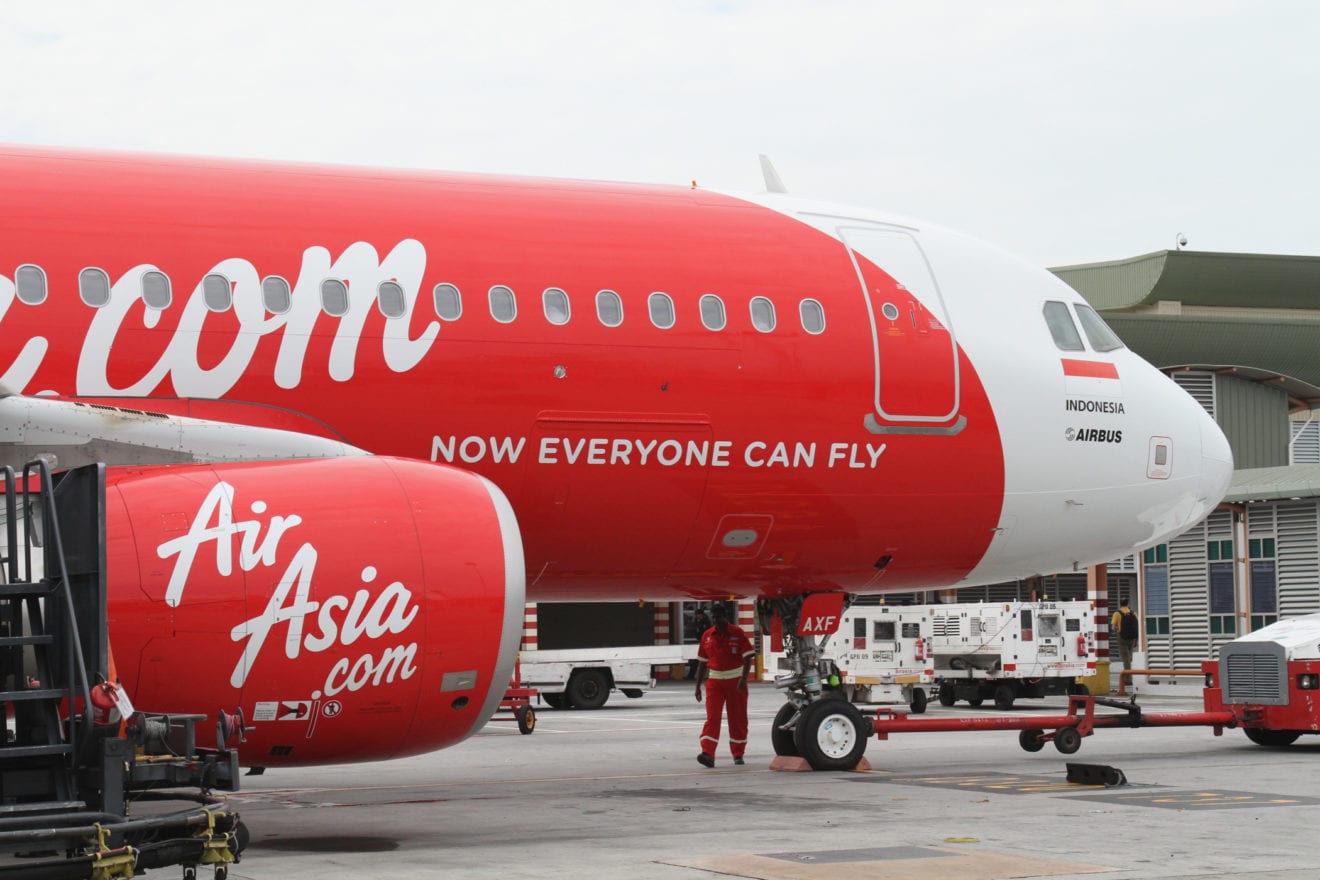
    AirAsia Indonesia will resume flights on June 19 as the country has gradually relaxed rules on large-scale social restrictions, the airline said today. President director of AirAsia Indonesia Veranita Yosephine Sinaga said that preparations for the resumption of scheduled flights had been carried out.

    “AirAsia is committed to serving the needs of traveling or transporting goods to across the country and abroad through special charter flights for passengers and cargoes,” she remarked.

    The airline said that travelers flying with AirAsia in the future are required to understand and strictly adhere to and comply with health and immigration requirements, and the travel restrictions set up by the governments of the country of origin and those of the destination, local media reported.

    The airline said it will gradually reinstate its services around the networks once the global health situation improves and regulatory restrictions are terminated.

    Indonesia has gradually relaxed its restrictions during the Covid-19 pandemic in the hope of a pickup in business activities but also heeded the areas where transmission rates remain afloat.

    Covid-19 has killed 1,851 people across Indonesia and infected 31,186 others, the Health Ministry reported today.

  • Vely Vely selects Indonesian YouTube rising star to boost SE Asian brand

    Vely Vely selects Indonesian YouTube rising star to boost SE Asian brand

    South Korean cosmetic brand Vely Vely is banking on Indonesian YouTube star “Sunnydahye” to increase brand awareness as it launches into Southeast Asia.

    Sunnydahye is one of the most popular KoLs in Indonesia with more than 1.8 million subscribers on her YouTube channel. Using Sunnydahye’s influence in Indonesia and across Southeast Asia, Vely Vely hopes to accelerate its overseas market entry.

    The brand recently hosted her at its five-story flagship store in the Seoul district of Sangsu-dong.

    During her time in South Korea, Sunnydahye was introduced to Vely Vely’s latest beauty line including face mists and eye shadows. The Indonesian KoL later reviewed the products online.

    “We are very much pleased to invite Sunnydahye who has a large fan base in Indonesia while the level of interest in K-beauty is increasing in the Southeast Asian region,” said a company spokesperson. “With Sunnydahye, we will be able to introduce Vely Vely and Imvely brands to a greater number of customers in Indonesia.”

    Sunnydahye’s video review has attracted more than 250,000 views and 1000 comments, attesting to the South Korean brand’s growing popularity in Indonesia.

  • GoJek and Deliveroo join forces in Singapore

    GoJek and Deliveroo join forces in Singapore

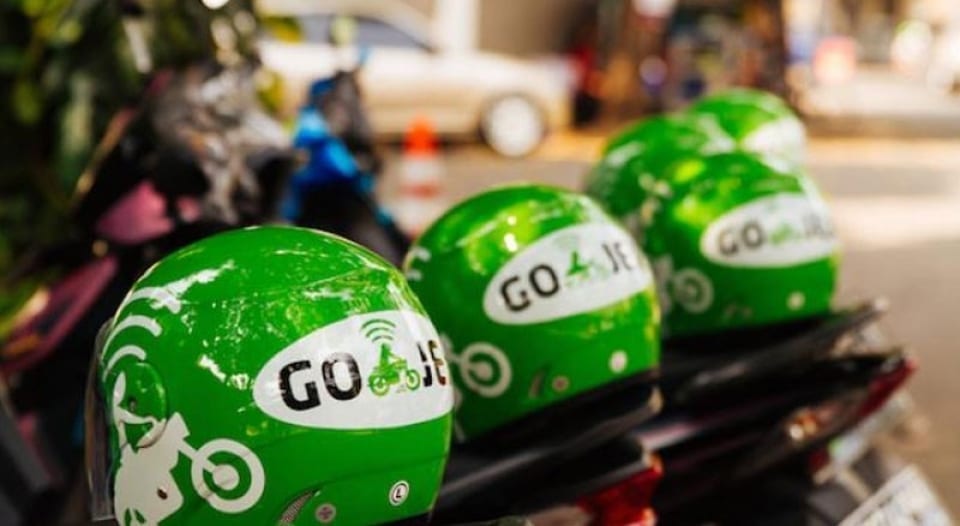
    Indonesian ride-hailing operator Gojek and Deliveroo, the food-delivery service, have joined forces in Singapore.

    Following a change in law allowing taxis to provide food and grocery deliveries – in response to increased demand during the Covid-19 lockdown – drivers will now have the option of making food deliveries around central Singaporean locations as a way to supplement their income, reports Channel News Asia.

    Many drivers on the platform have reported an income drop of up to 70 percent during the lockdown period, with some subsisting on grocery vouchers provided by a support fund established by the firm. Now they will be able to help ends meet by serving both GoJek and Deliveroo.

    “By strengthening Deliveroo’s supply of delivery riders, the company can better cater to the increased demand for food delivery during the current ‘circuit breaker’ period, when more people are eating at home,” said Gojek.

    The firm is also participating in a charitable effort to provide meals to vulnerable single-parent homes in the territory.

    Several competing ride hailers and taxi services are already providing food delivery solutions, with arch-rival Grab offering its own food platform. Gojek has its own food delivery platform in Indonesia.

    Gojek will “continue to find ways to look after our driver-partners and support the wider Singapore community,” said Singapore GM Lien Choong Luen.

  • Indonesia’s Bank Rakyat Receives Bids for Life Insurance Unit

    Indonesia’s Bank Rakyat Receives Bids for Life Insurance Unit

    Talk are ongoing and an agreement could be made in the next few weeks. The insurance arm of the French bank BNP Paribas and Hong Kong insurance group FWD are said to be among the parties that have bid on a significant minority stake in Asuransi BRI Life, the life insurance arm of Indonesia’s Bank Raykat, Bloomberg reported on Thursday.

    BNP Paribas Cardif has reportedly submitted the highest bid, according to people familiar with the matter, the report said.

    According to the publication, this is at least the third attempt by the bank, Indonesia’s oldest lender, to sell a stake in the unit.

    FWD and BNP Paribas Cardif were already among interested parties when Bank Rakyat tried to sell 40 percent of the unit in 2015. It revived the plan in 2018, hiring Morgan Stanley to advise on the process, though it was put on hold. It revived the plan to sell a $500 million stake in March this year.

  • Kopi Kenangan eyes fast expansion after US$109 million investment

    Kopi Kenangan eyes fast expansion after US$109 million investment

    Southeast Asian non-franchise grab-and-go beverage retailer Kopi Kenangan has raised US$109 million in Series B funding led by the firm’s existing investor, Sequoia Capital.

    The funds will help Kopi Kenangan strengthen its operations in Indonesia, launch new products, invest in technology enhancements and protect employees during the ongoing coronavirus pandemic. The company has also revealed plans to offer a wider range of food and beverage products from local merchants as well as its cloud kitchens.

    Horizons Ventures, B Capital, Verlinvest, Kunlun, Alpha JWC Ventures and Sofina also participated in the round as new investors

    The firm serves locally sourced coffee priced for the mid-market and available at kiosks throughout the territory or via online delivery. It was an early responder to the Covid-19 threat and provides protective medical gear, donations, and free coffee for frontline healthcare workers within Indonesia.

    “The hospitality industry is facing the biggest existential crisis of our generation,” said Kopi Kenangan co-founder and CEO Edward Tirtanata. “It’s hard to tell when the sector will return to normal but when it does, it will look very different. As a growing startup, we are adapting quickly to the challenge through contactless commerce and uncompromising hygiene standards throughout our stores. The well-being of our employees is a big priority and we are investing in their safety, along with enhanced health benefits and additional training to help them cope with this massive change.”

    The firm’s current target is to have 500 outlets in operation by the end of the year over its current 324 stores, which already employ 3000 staff. It is then looking to expand into Thailand, the Philippines, and Malaysia following the resolution of the coronavirus crisis.

    Kopi Kenangan recently hired Facebook co-founder Eduardo Saverin to its board of directors.

  • Indosat Ooredoo Reports Revenue Growth of 8% for Q1 2020 Year-on-Year

    Indosat Ooredoo Reports Revenue Growth of 8% for Q1 2020 Year-on-Year

    President Director and CEO Indosat Ooredoo, Ahmad Al-Neama, said, “Building on the growth momentum from 2019, Indosat Ooredoo has delivered a strong performance in Q1’20. We are on track with our 3 years’ turnaround plan and see positive momentum continuing in the coming quarters. We all are facing unprecedented challenges and Indosat Ooredoo has been taking proactive & progressive steps to ensure that we support our employees, customers, and community in this challenging situation. We were amongst the first to implement virtual ways of working for our employees to ensure their health and safety. We have accelerated our network rollout plan to make sure that people can stay connected during these times. Steps have been taken to support business continuity for enterprise customer and Indosat Ooredoo continues to support government initiatives in these tough times. Indosat Ooredoo remains committed to accelerating Indonesia’ digital economy agenda and will continue to support to navigate our country through this pandemic.”

    Revenues of IDR6,523.1 billion were recorded for 1Q 2020, an increase of IDR476.9 billion or 7.9% higher compared to 1Q 2019. Indosat Ooredoo’s Cellular, MIDI, and Fixed Telecommunication business each contributed 82%, 15%, and 3% respectively to the consolidated operating revenues for the period ended 31 March 2020. Indosat Ooredoo recorded net loss of IDR605.6 billion, increased by IDR313.1 billion over net loss recorded in 1Q 2019 primarily driven by one-off impact of organization rightsizing and loss on foreign exchange.

    The Company operated 133,186 BTSs as of 31 March 2020, adding 51,680 BTSs compared to last year. To date, the Company has operated 52,174 4G BTS.


  • Insurtech Startup to Grow Platform in Indonesia

    Insurtech Startup to Grow Platform in Indonesia

    It will use the funding raised on technology upgrades, growing its team, and branding to fuel its multi-channel strategy.

    Indonesia insurtech Qoala has successfully closed a $13.5 million Series A funding round, the largest raised by an Insurtech from Indonesia, the startup announced on Tuesday in a statement.

    The round was led by Centauri Fund, a $150 million growth-stage joint-venture between South Korea’s KB Financial Group and Telkom Indonesia. It also saw participation from new investors Sequoia India, Flourish Ventures, and Mirae Asset Management, which join existing investors Surge, MassMutual Ventures, Seedplus, Central Capital Ventura (Bank BCA fund), MDI Ventures.

    During the present crisis we are seeing an increased demand for innovative and scalable services to support the industry as physical contact restrictions are impacting traditional offline sales of insurance, said Qoala co-founder Tommy Martin.

    Qoala works with large-scale platform partners to drive awareness about insurance in Indonesia, where it has a low penetration rate among consumers. It also supports traditional offline insurance channels, which currently contribute to 99 percent of insurance premiums, to become digitally enabled through its app.

    Launched in 2019, Qoala processes more than 2 million policies per month as of April 2020. Its key partners include Tokopedia, Shopee, JD, Grab for merchants/Grabkios, MAP Group, PegiPegi (Traveloka), and Investree. Its portfolio serves five core industries: travel, fintech, consumables, logistics, and employee benefits.

    To build on its growth, Qoala said it would be hiring across teams, and plans to double its headcount to 300 over the next year.

  • Owners Agree Lower Sale Price for Bank Permata

    Owners Agree Lower Sale Price for Bank Permata

    The two partners will lower the purchase price of the Indonesian bank to 1.63 times Permata’s shareholders’ equity as at March, from 1.77 times the equity.

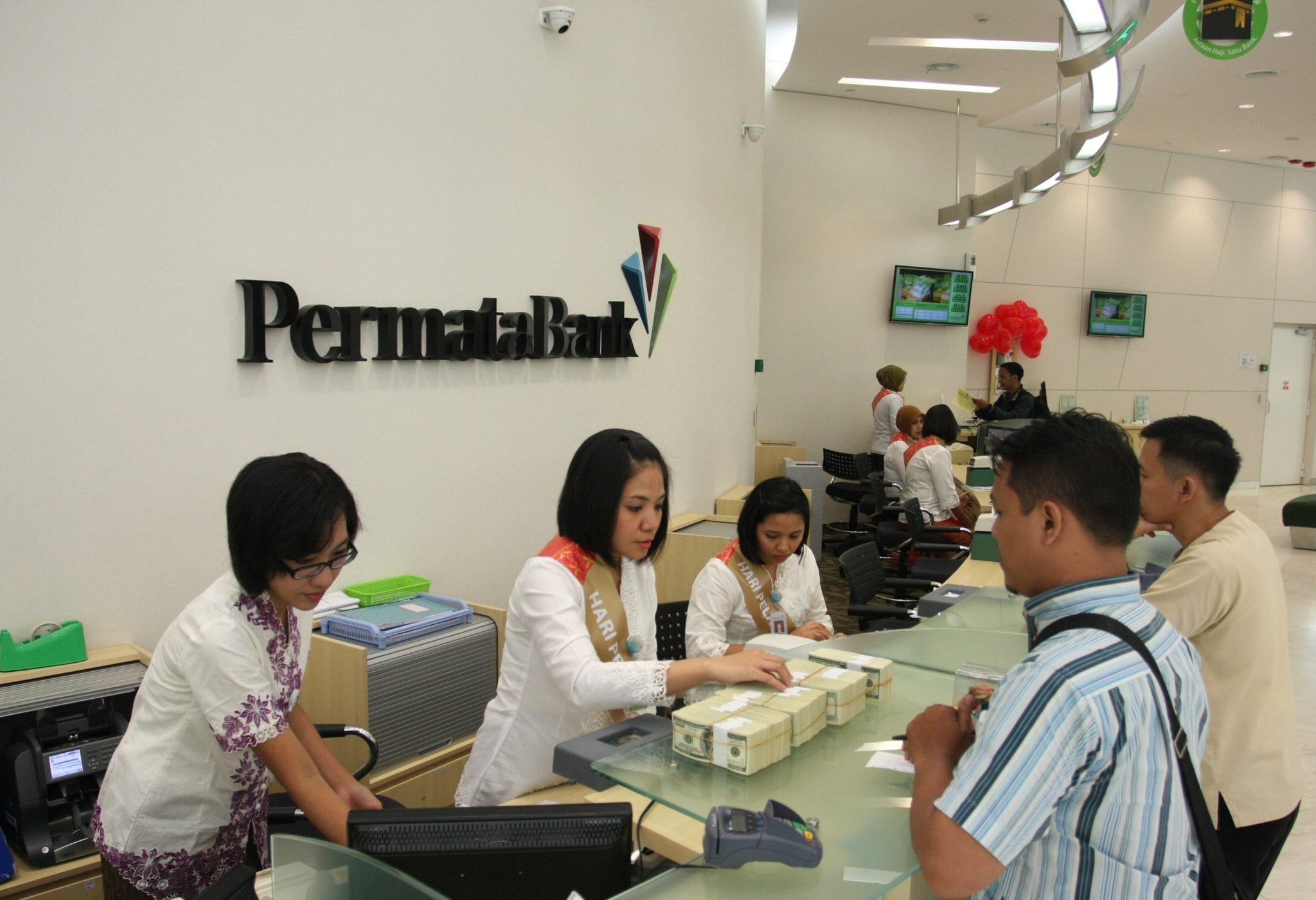
    Standard Chartered and partner Astra International have agreed to sell their stake combined 89.1 percent stake in Bank Permata to Bangkok Bank at a reduced price if the sale closes before the end of June, Standard Chartered said on Monday.

    This would bring the total amount payable to each stakeholder to 17 trillion Indonesian rupiah ($1.13 billion), based on 1.63 times book value as at December 31, 2019.

    In December, Standard Chartered said it was selling its 44.56 percent stake in the Jakarta-based lender for $1.3 billion, which would be used to fund some of its restructuring over the next three years. Bangkok Bank also acquired a stake of the same size from Astra, a 50.1-per cent subsidiary of Singapore-listed Jardine Cycle & Carriage.

    Permata operates about 330 branches across 62 cities in Indonesia, where it is the country’s 12th-largest lender by assets.

    Bangkok Bank said the acquisition would help it diversify and grow away from its maturing home market. Indonesia is also one of Asia’s fastest-growing economies and has favourable demographics at a time of growing economic integration in Southeast Asia, it said.

  • Indonesian retail sales down last February

    Indonesian retail sales down last February

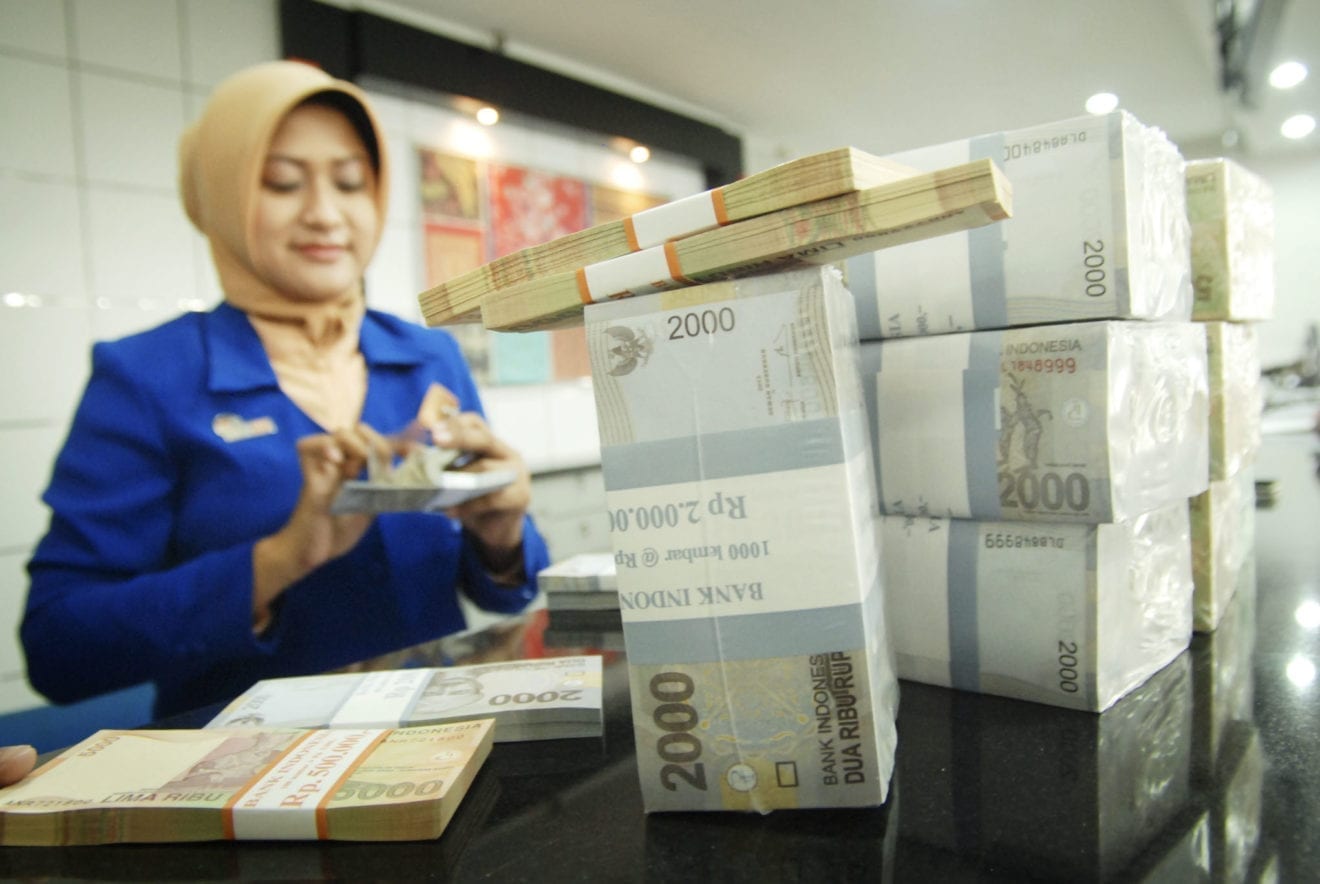
    Indonesian retail sales declined by 0.8 percent year on year during February.

    The drop was brought about by a decline in demand for clothing, as well as a blanket downturn in recreational spending, according to the monthly Bank Indonesia survey.

    The sales decline occurred as the Indonesian administration was claiming zero cases of the Covid-19 coronavirus had been reported in the country. Indonesia announced its first confirmed case in March, and is currently approaching 3000 infections.

    Sales figures in the territory have been falling since last December, which yielded a 0.5 percent decline in Indonesian retail sales. Trading figures in January contracted 0.3 percent.

    The central bank’s survey predicted March Indonesian retail sales will contract further, with a year-on-year drop of 5.4 percent in key categories.

  • Indonesia AirAsia’s growth halted due to coronavirus and economy

    Indonesia AirAsia’s growth halted due to coronavirus and economy

    Indonesia AirAsia has been forced to halt its growth plan for this year, as a result of the coronavirus pandemic and economic challenges faced by Indonesia.

    The plan for 2020 was for the low-cost carrier to increase its market share by adding three new aircraft and launching new services, having recorded a 28% growth in revenue for 2019 as compared to 2018, says parent company AirAsia Indonesia.

    The viral outbreak has led to travel restrictions imposed by neighboring countries and is affecting the demand for domestic and international air travel. AirAsia Indonesia says that Indonesia’s “economic situation has become more challenging”, noting that the exchange rate for rupiah against the dollar is now at more than Rp16,000 ($0.97), and it continues to fluctuate.

    “By considering these factors carefully and deeply, the company is forced to suspend international and domestic flights until the situation improves, and demand for air travel picks up. The measure will certainly have a significant influence on the company’s operating and financial performance in the first half of 2020,” says AirAsia Indonesia.

    Indonesia AirAsia suspended operations on 1 April. Domestic flights are suspended until 21 April and international flights until 17 May.

    Meanwhile, AirAsia Indonesia’s plan to resume trading on Indonesia Stock Exchange (BEI) by offering new shares to the public was also affected, although it did not offer any other details.

    It was suspended from trading in August 2019 for not complying with BEI’s requirement for a company to have at least 7.5% of its paid-in capital available as free float in order to remain listed. As of 29 February, it only had 1.6% of shares available for trade.

    AirAsia Indonesia’s priority for the group over the next six months is to reduce its operating cost base by renegotiating with suppliers and key stakeholders, and to ensure that it can continue to operate during this period, it says. This will then be followed by working to “restore” its finances after the outbreak is declared over.

  • Over 320,000 jobs in Asia-Pacific travel-retail industry under threat

    Over 320,000 jobs in Asia-Pacific travel-retail industry under threat

    Governments across Asia Pacific are being urged to protect more than 320,000 duty-free and travel-retail industry jobs at risk during the coronavirus pandemic.

    The Asia Pacific Travel Retail Association claims that the jobs in the US$36 billion industry may be overlooked by politicians devising financial rescue measures to deal with the economic fallout of the pandemic. It is asking governments to support the industry along with airlines, airports and maritime businesses.

    In a special report, the association outlines the industry’s almost $15 billion contribution to GDP across Asia Pacific.

    “Airport retail and commercial services, including food and beverage, constitute a crucial business sector providing up to 60 percent vital commercial income for airport owners, outpacing aeronautical revenue streams,” read a statement issued by the association.

    “It is the most significant direct contributor to the investment in Asia-Pacific’s aviation infrastructure and ongoing development of world-class national gateways, the region’s hubs to the world.”

    “The dynamics of duty-free and travel retailing are intrinsically linked to the aviation and maritime industries and its viability is entirely dependent on the return in passenger traffic,” said association president Grant Fleming.

    “This means 320,000 jobs are at risk that could be safeguarded if governments extend financial support packages to the industry.”

  • Indonesian retail bussineses starts shutting down as coronavirus crisis gets worse

    Indonesian retail bussineses starts shutting down as coronavirus crisis gets worse

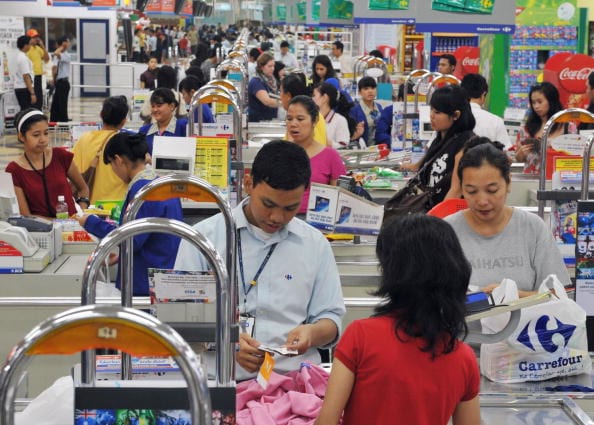
    The Indonesian retail sector has begun to shut down in the wake of the coronavirus crisis, with shopping centers and retail chains voluntarily closing the doors to non-essential categories.

    More than 30 shopping malls have been shut down in the country despite no order from authorities. Lippo Malls Indonesia Retail Trust (LMIRT) has temporarily closed 11 out of 23 shopping malls in the Greater Jakarta region, Bandung and Bali.

    According to LMIRT, the company will close its malls until April 9 and waive rent for all affected tenants. Essential services including supermarkets and pharmacies remain open during the shutdown.

    Other shopping malls across Jakarta closed include Senayan City, Plaza Indonesia, Aeon Malls, Mall of Indonesia and Lotte Shopping Avenue.

    Meanwhile, McDonald’s Indonesia will cease dine-in services across the country for two weeks starting from April 1. The company said on its social media channels that it still offers to take away, drive-through and home delivery services.

    As Indonesian retail continues to wind down, many local restaurants have also closed their doors but continue to operate through third-party apps like Gojek and Grab.

    Japanese fashion brand Uniqlo is among the latest retailers to temporarily close their stores in Indonesia.

    As of today, Indonesia has confirmed 1414 positive cases of Covid-19 including 122 deaths and 75 recovered.

  • Axa Mandiri Lays Out Plans to Grow Premium Income

    Axa Mandiri Lays Out Plans to Grow Premium Income

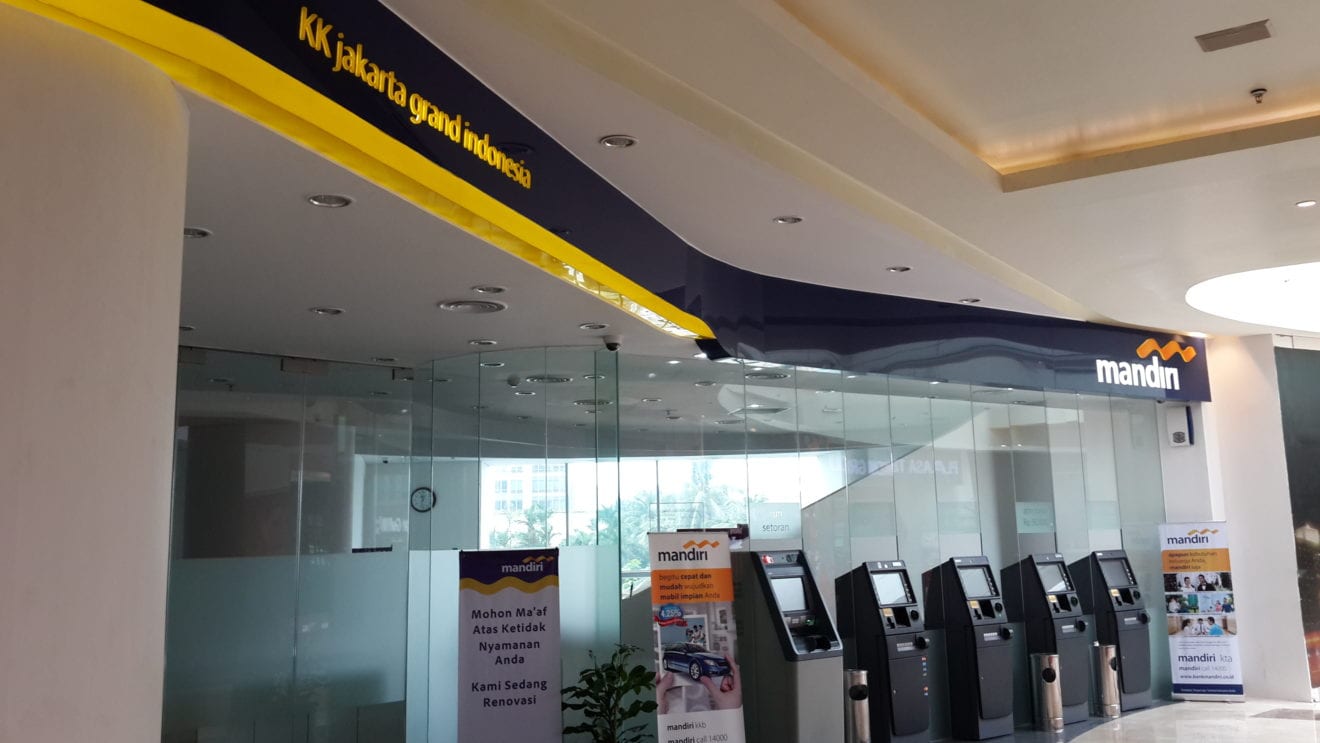
    Axa Mandiri Financial Services, one of Indonesia’s major insurance companies, expects to maintain double-digit growth in premium income this year, by tapping into the large customer base of its parent company, Bank Mandiri.

    Axa Mandiri Financial Services (Axa Mandiri)’s president director Handojo G. Kusuma said that the insurer would market its products more intensively to customers of Bank Mandiri, which has one of the largest customer bases in the country.

    We hope to book double-digit growth in premium income by tailoring insurance products to the special needs of Bank Mandiri customers, said Kusuma, who was quoted in the «Jakarta Post» (behind paywall).

    Despite having worked together with Bank Mandiri for many years, Axa Mandiri’s penetration among the bank’s clients was still below optimal levels, he noted.

    To realize the targeted double-digit growth in premium income, Axa Mandiri did a data analytics study on Bank Mandiri’s market segmentation. «By understanding the needs of each segment better, we will be able to improve upselling and cross-selling,» Kusuma added.

    To effectively market to the millennials, the company would study the behavior and characteristics of customers in that segment and offer an affordable and easy-to-understand retail package that would be relevant and convenient for them, Handojo explained.

    For the growing halal market, the company planned to expand its portfolio of sharia-compliant products to between 20 percent and 25 percent of its business in the upcoming year from 4 to 5 percent at present.

    If we look at the market share potential, we can say that 90 percent of Indonesians are Muslims, hence we will continue to grow our sharia business, said Axa Mandiri sales director Henky Oktavianus.

    He added that the company was still studying the sharia market segmentation of its sister company, Bank Syariah Mandiri, to understand what products to offer its clients and how best to sell them.

    Axa Mandiri booked a gross premium income of 9.5 trillion rupiahs ($698.5 million) in 2019, an increase of 11 percent from 8.59 trillion rupiahs in 2018. Net investment touched 668 billion rupiahs in 2019, following a deficit of 1.68 trillion rupiahs in 2018.

    As a result, revenue totaled Rp 10.74 trillion in 2019, a 44 percent year-on-year increase. Net profit, therefore, rose 6 percent to  1 trillion rupiahs in 2019.

    Axa Mandiri is jointly owned by Bank Mandiri, which has a 51 percent stake, and Axa Group’s National Mutual International, which holds 49 percent.

  • Axa Mandiri Lays Out Plans to Grow Premium Income

    Axa Mandiri Lays Out Plans to Grow Premium Income

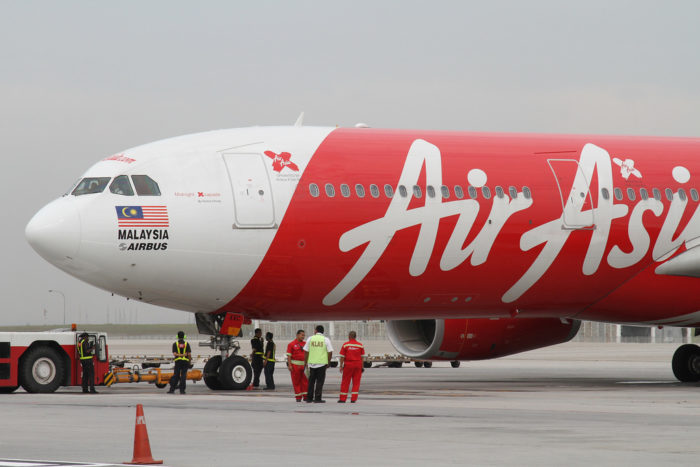
    Axa Mandiri Financial Services, one of Indonesia’s major insurance companies, expects to maintain double-digit growth in premium income this year, by tapping into the large customer base of its parent company, Bank Mandiri.

    Axa Mandiri Financial Services (Axa Mandiri)’s president director Handojo G. Kusuma said that the insurer would market its products more intensively to customers of Bank Mandiri, which has one of the largest customer bases in the country.

    We hope to book double-digit growth in premium income by tailoring insurance products to the special needs of Bank Mandiri customers,» said Kusuma, who was quoted.

    Despite having worked together with Bank Mandiri for many years, Axa Mandiri’s penetration among the bank’s clients was still below optimal levels, he noted.

    To realize the targeted double-digit growth in premium income, Axa Mandiri did a data analytics study on Bank Mandiri’s market segmentation. «By understanding the needs of each segment better, we will be able to improve upselling and cross-selling,» Kusuma added.

    To effectively market to the millennials, the company would study the behavior and characteristics of customers in that segment and offer an affordable and easy-to-understand retail package that would be relevant and convenient for them, Handojo explained.

    For the growing halal market, the company planned to expand its portfolio of sharia-compliant products to between 20 percent and 25 percent of its business in the upcoming year from 4 to 5 percent at present.

    If we look at the market share potential, we can say that 90 percent of Indonesians are Muslims, [hence] we will continue to grow our sharia business, said Axa Mandiri sales director Henky Oktavianus.

    He added that the company was still studying the sharia market segmentation of its sister company, Bank Syariah Mandiri, to understand what products to offer its clients and how best to sell them.

    Axa Mandiri booked a gross premium income of 9.5 trillion rupiahs ($698.5 million) in 2019, an increase of 11 percent from 8.59 trillion rupiahs in 2018. Net investment touched 668 billion rupiahs in 2019, following a deficit of 1.68 trillion rupiahs in 2018.

    As a result, revenue totaled Rp 10.74 trillion in 2019, a 44 percent year-on-year increase. Net profit, therefore, rose 6 percent to  1 trillion rupiahs in 2019.

    Axa Mandiri is jointly owned by Bank Mandiri, which has a 51 percent stake, and Axa Group’s National Mutual International, which holds 49 percent.
  • Indonesian beauty brand Natasha Skincare to launch in Malaysia

    Indonesian beauty brand Natasha Skincare to launch in Malaysia

    Indonesian beauty brand Natasha Skincare to launch in Malaysia

    Indonesian beauty brand Natasha Skincare is to launch in Malaysia after forming a local joint venture with JCG Investment.

    The new company, Natasha Beverly, will launch this month in Kuala Lumpur’s trendy Bangsar, opening a four-story facility housing a medical aesthetic clinic, medi-spa, chiropractor and physiotherapy services. It will be the sole distributor for Natasha products in Malaysia and Singapore.

    Currently, among the leading beauty brands in Indonesia, where it has more than 100 outlets, Natasha Beverly will sell natural science beauty treatments and products for teenagers, men and women. It is known in its home market for its Halal-certified products.

    JCG’s executive director and CEO Ang Kok Huan says bringing the brand to Malaysia is part of a strategy to grow and expand its existing medical aesthetics, cosmetic surgery, healthcare and wellness businesses.

    “We have been proactively looking for strategic partners and business opportunities to further deepen our group’s core businesses and expand our geographical reach,” he said. “Last year we welcomed Malaysia-based Beverly Wilshire Medical Group led by its executive chairman Dato Francis Ng; and now we have inked our relationship with Natasha – the leading beauty brand in Indonesia.

    “We look forward to working with more like-minded partners to build our Group into a leading medical aesthetics, cosmetic surgery, healthcare and wellness brand in the region.”

    In the long term, doctors and operators working for the business will hold 10 per cent of the company’s shares.