Tag: Indonesia

  • Indonesia AirAsia launches Jakarta-Perth route

    Indonesia AirAsia launches Jakarta-Perth route

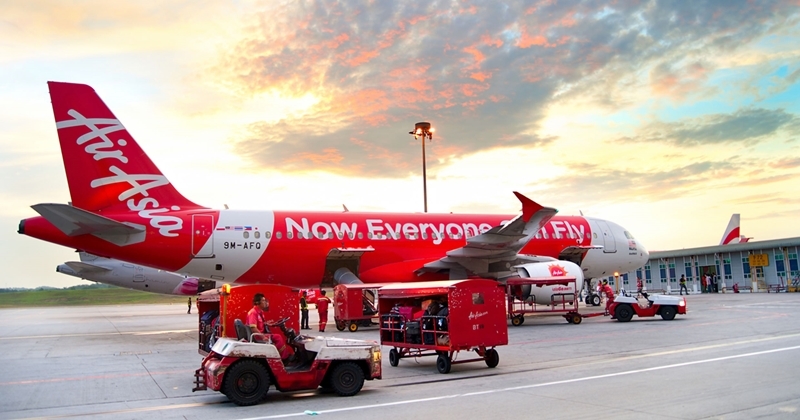
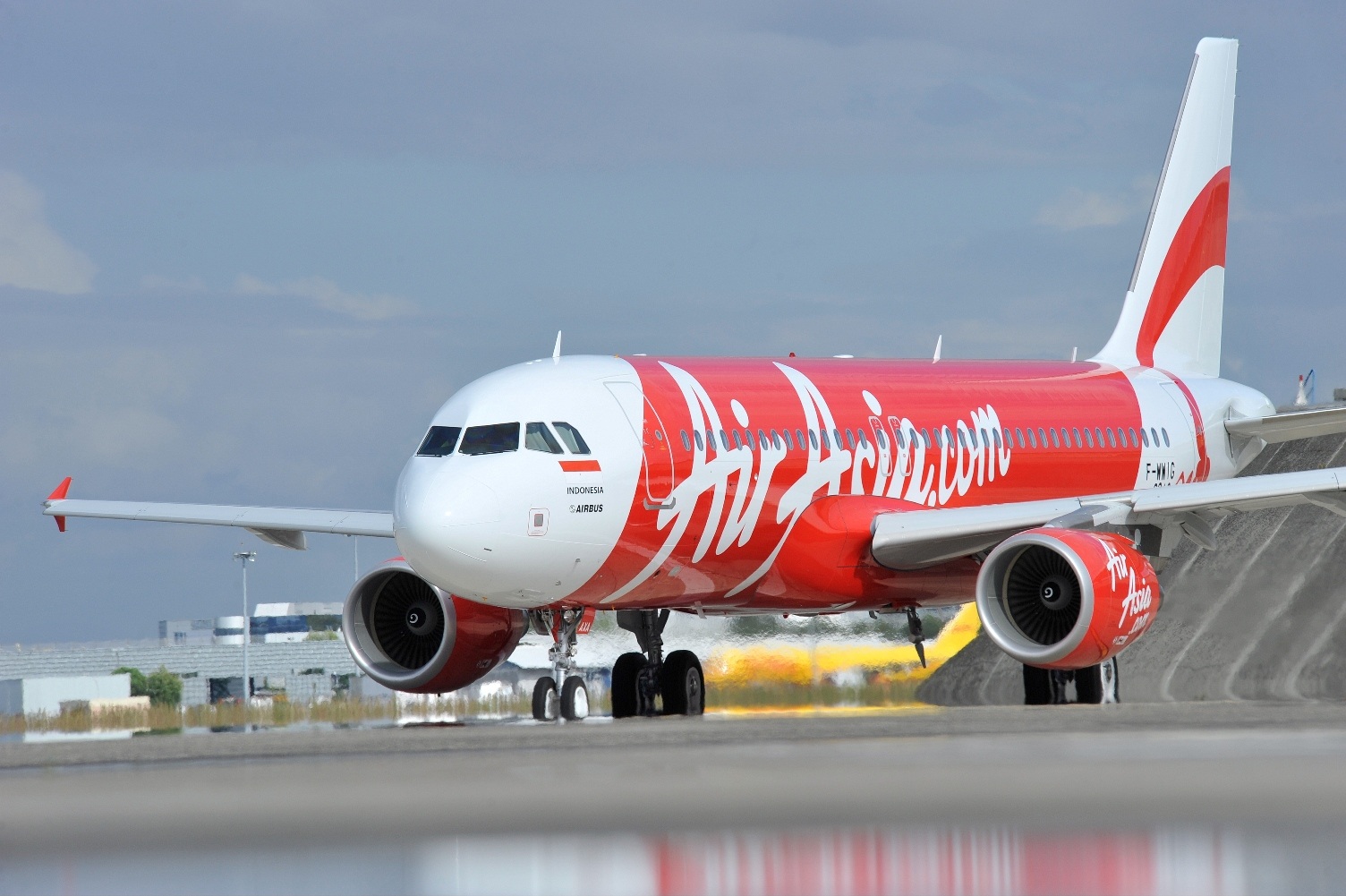
    Indonesia AirAsia has launched its inaugural flights on the Jakarta-Perth route, becoming the only airline to offer direct flights between the two cities post-pandemic. The new route, supported by the Western Australian Government and Perth Airport, initially operates four times a week, providing over 1,400 visitor seats weekly.

    The demand for travel between Indonesia and Australia is high due to convenient flight times and the appeal of both destinations for various activities, including shopping, dining, adventure, beaches, and education.

    Eddy Krismeidi Sumawilaga, Head of Indonesia Affairs and Policy of Indonesia AirAsia, expressed excitement about the new route and reported positive occupancy rates for the inaugural flights. The airline expects the Jakarta-Perth route to be popular among leisure travellers and Indonesians visiting Perth for business, leisure, education, and visiting friends and family. The route also offers Australians the opportunity to explore popular tourist destinations in Indonesia. With the support of Tourism Western Australia and Perth Airport, the airline anticipates strong demand for this new connection.

    The Western Australian Minister of Tourism, the Hon. Roger Cook MLA, highlighted the significance of the Jakarta-Perth flight in strengthening the relationship between the two destinations and enhancing Western Australia’s reputation as a gateway. Kate Holsgrove, Acting CEO of Perth Airport, emphasized the positive impact of the new service on Western Australia’s business, student, and tourism sectors, with the potential to attract more visitors and students from Jakarta.

    The Consul General of the Republic of Indonesia in Perth, Listiana Operananta, expressed support for the new route and encouraged more West Australians to explore Indonesia and vice versa, noting the potential for further exploration between Jakarta and Perth due to their similarities and short flight duration.

    The flights between Jakarta and Perth are operated on Airbus A320 aircraft with a capacity of 180 seats. The flight duration is approximately 4.5 hours, and the frequency is four times a week.
  • Cebu Pacific to launch Laoag flights in May

    Cebu Pacific to launch Laoag flights in May

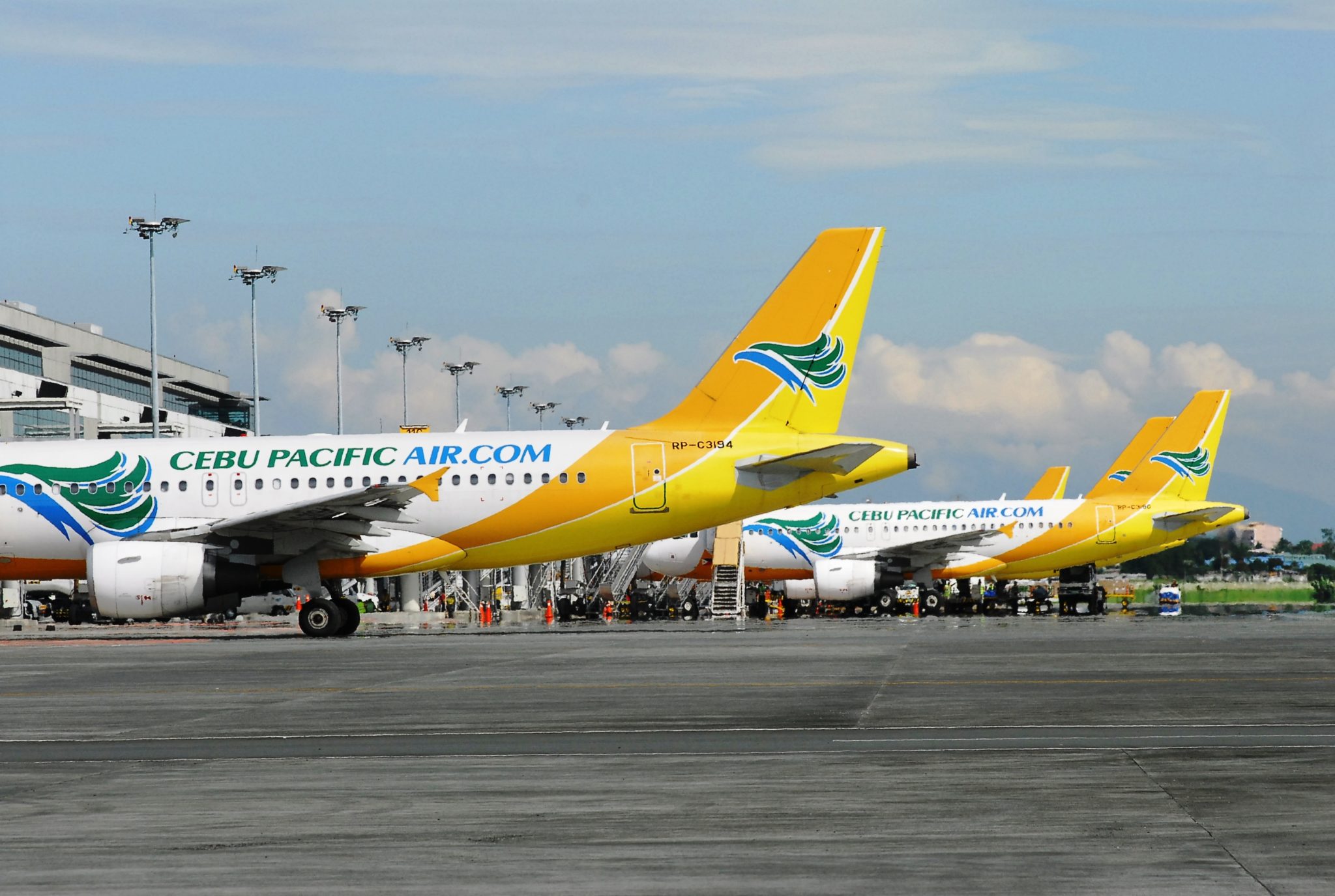
    Budget carrier Cebu Pacific is set to mount flights to the Ilocos Norte capital of Laoag starting May 22, making it the 35th domestic destination in the airline’s network.

    Cebu Pacific said flights from Manila to Laoag will be daily, as the airline seeks to tap travelers seeking to explore the Ilocos region.

    “Laoag plays a crucial role in preserving the country’s rich history and culture, and we are excited to finally be able to bring more Juans to this beautiful city,” President and Chief Commercial Officer Xander Lao said in a statement.

    “We hope the launch of the Laoag route will encourage more people to travel and experience the Ilocos region,” he added.

    The carrier reported a P14-billion net loss in 2022, marking an improvement from the P24.9-billion net loss incurred in the previous year as it cut its operating loss by about half to P11.4 billion.

    The company is set to add 11 more aircraft to its fleet this 2023, seeking to return to profitability within the first quarter of the year.

    Shares in Cebu Air Inc., which operates the carrier, were trading up by P0.05 or 0.12% at P41.70 apiece as of 11:59 a.m. on Wednesday.

  • Indonesia’s GoTo posts $201.9 million quarterly loss

    Indonesia’s GoTo posts $201.9 million quarterly loss

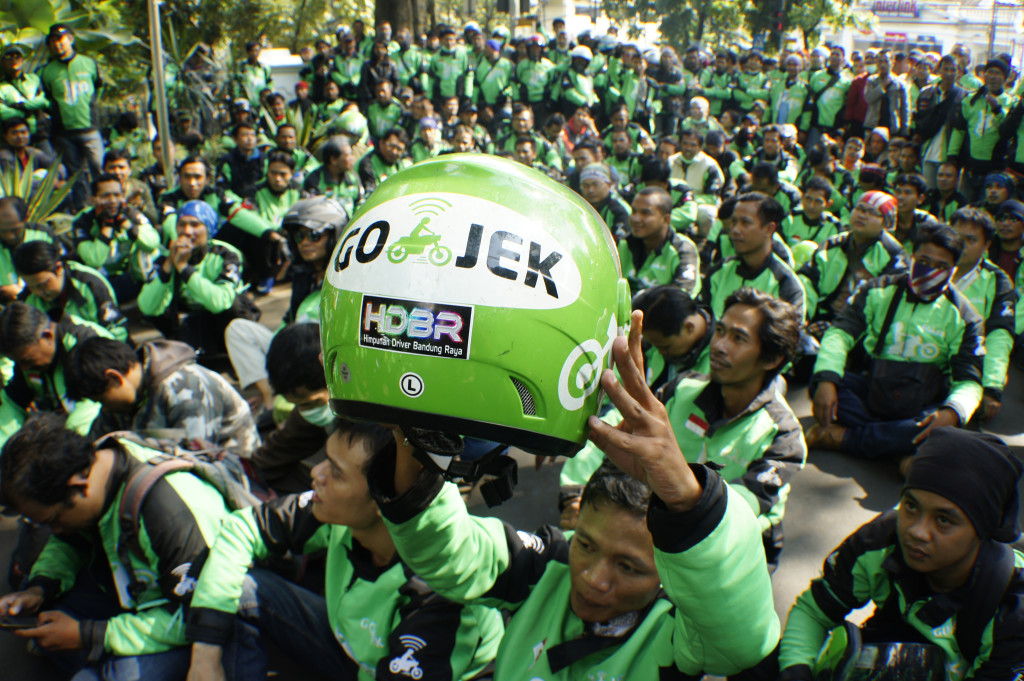
    Indonesia’s biggest tech firm PT GoTo Gojek Tokopedia Tbk posted a narrower adjusted EBITDA loss for the fourth quarter of 2022 of 3.1 trillion rupiah ($201.89 million), the firm said on Monday.

    GoTo posted 6.5 trillion rupiah in adjusted EBITDA (earnings before interest, tax, depreciation, amortisation and rent) loss in the same period of 2021.

    Its group CEO Andre Soelistyo said the results showed the company was making progress towards profitability through its cost-cutting measures, such as reducing incentives and marketing spending.

    “Although we expect growth to moderate in the short term, we will continue to focus on building the foundational product infrastructure that will drive sustainable, profitable growth over the long term,” he said in the statement.

    GoTo said its growth of gross transaction value in the next quarters will be slowing down as the company reduced its spending on promotion and a high-based effect last year, which saw higher transactions due to COVID-19 public movement restrictions.

    “There will be a normalisation for our food deliveries and e-commerce transactions…and there’s still macrouncertainty that will affect customer spending,” GoTo Group CFO Jacky Lo said in an investors call on Monday.

    GoTo said the group is on track to achieve positive adjusted EBITDA within the fourth quarter this year, while its 2023 adjusted EBITDA loss is expected to be in range of 5.3 trillion rupiah to 4.6 trillion rupiah.

    The results were indicative position and results based on unaudited reports. Audited numbers would be available by the end of March, it said.

    Gross revenue in the last quarter of 2022 was up 19 per cent year-on-year to 6.3 trillion rupiah, while net loss in the quarter was 19.5 trillion, up almost double from 10.2 trillion in the fourth quarter of 2021.

    For the whole year of 2022, it booked a net loss of 40.4 trillion rupiah or up 55.9 per cent from 2021’s net loss of 25.9 trillion rupiah.

    The group said the higher net loss was due to several reasons, including an 11 trillion rupiah goodwill impairment related to the business combination of Gojek and Tokopedia, which are both their units.

    Prior to the 2022 result announcement, shares of GoTo closed 6.9 per cent down or hit their bottom trading limit on Monday to 108 rupiah a piece.

  • Gojek Vietnam’s co-founder resigns

    Gojek Vietnam’s co-founder resigns

    Indonesian ride-hailing and delivery service company Gojek has named Sumit Rathor as the new GM of its Vietnam operations.

    Rathor has succeeded Tuan Duc Phung, former GM of Gojek Vietnam since 2020. According to a Gojek statement, Phung has decided to pursue other professional challenges outside the company.

    With over 20 years of experience in strategic planning, operations and finance, Rathor joined Gojek in 2019 as a regional manager for Indonesia, in charge of the Central and East Java areas.

    “Vietnam is an important market for Gojek, and we expect that our energy and acumen, along with our market experience, inherited from our previous triumphs, will enable us to maximize the market’s potential,” said Rathor.

    After entering Vietnam in 2018 under the name GoViet, Gojek Vietnam rebranded in 2020 to attract more customers and grow the business. The Indonesian company provides transportation, food delivery, and logistics services and has offices in Vietnam, Thailand, Singapore, and Indonesia.

    According to local sources, this is Gojek Vietnam’s third CEO change since its establishment.

    Last month, Grab Vietnam also appointed former MD at Grab Thailand, Alejandro Osorio, as MD at Grab Vietnam, supervising overall company operations and the development of the Vietnam business.

  • Indonesia surpasses Thailand as Vietnam’s largest car exporter

    Indonesia surpasses Thailand as Vietnam’s largest car exporter

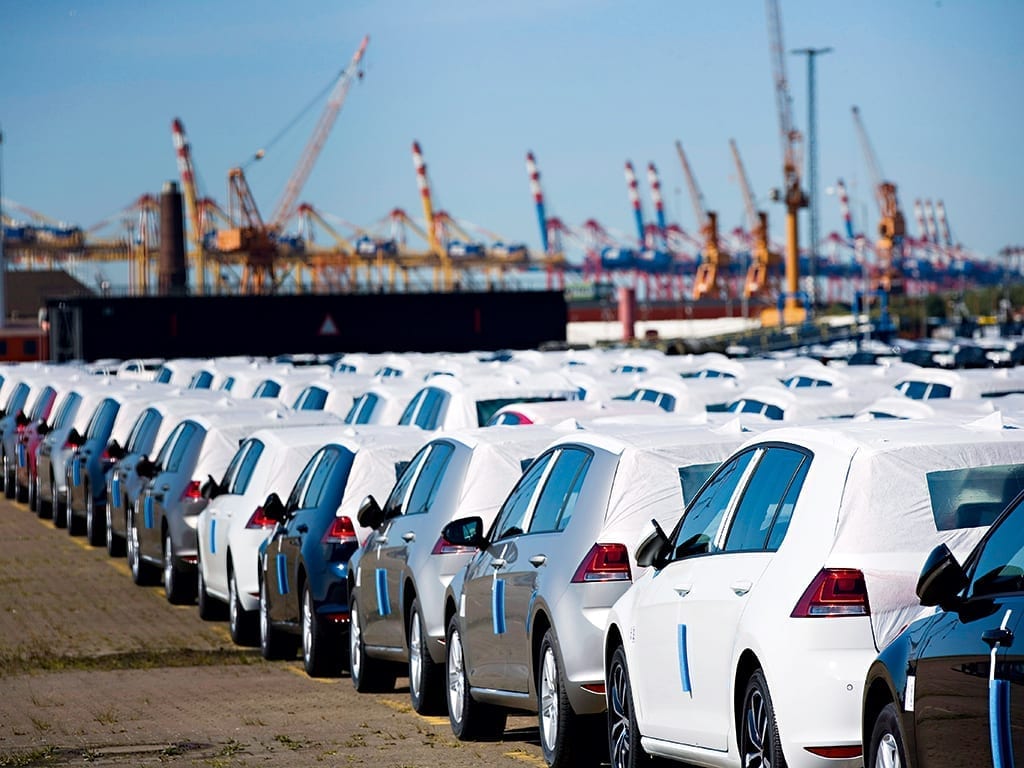
    Indonesia surpassed Thailand as Vietnam’s largest car exporter in 2022, with 72,671 cars exported.

    According to statistics released by Vietnam Customs, Vietnam imported 173,467 cars in 2022, an 8.5% increase from 2021.

    Indonesia, Thailand and China were the biggest car exporters to Vietnam, but Indonesia surpassed Thailand to be the country that exported the most cars to Vietnam, with 72,671 cars exported in total, a 64.2% increase from 2021, and worth $10.5 billion.

    Thailand exported 72,032 cars worth $1.42 billion to Vietnam in 2022, a 10.9% decrease in number from 2021. The number of cars imported from Indonesia and Thailand amounted to 144,703 cars, accounting for 83% of all imported cars. China stood in third place, exporting 17,240 cars to Vietnam in 2022.

    For the first time in decades, the number of cars sold in Vietnam in 2022 reached 508,547 cars, according to statistics from the Vietnam Automobile Manufacturers’ Association and TC Motor.

  • Indonesia To Offer $5,000 Subsidy On Electric Car Sales

    Indonesia To Offer $5,000 Subsidy On Electric Car Sales

    Indonesia’s government plans to offer a subsidy of more than $5,000 on every sale of an electric car, a minister said on Wednesday.

    It will also offer incentives to encourage purchases of electric motorbikes as well as hybrid cars, Industry Minister Agus Gumiwang Kartasasmita said, as part of plans to reduce carbon emissions in Southeast Asia’s largest economy.

    The incentives will offered to buyers of EVs produced by firms with factories in Indonesia, he said in a video statement.

    A subsidy of around 80 million rupiah ($5,131) will be offered on every sale of an electric car, 40 million rupiah on hybrid cars and 8 million rupiah on fully electric motorbikes, the minister said.

    The government will also cover 5 million rupiah of the cost to convert a combustion engine motorbike into an electric one, he added.

    He did not provide a timeline for when the scheme will be implemented nor the total budget it will require.

    Senior Minister Luhut Pandjaitan said previously that the program may start next year.

    Indonesia has a target of at least 1.2 million electric bikes and 35,000 electric vehicles in use by 2024.

  • Indonesia aim to export natural gas to Vietnam in 2026

    Indonesia aim to export natural gas to Vietnam in 2026

    Indonesia aims to export natural gas to Vietnam starting 2026 from the Tuna offshore block located near the Indonesian and Vietnamese maritime border, the country’s energy minister said on Friday.

    Southeast Asia’s biggest economy may deliver 100 to 150 million standard cubic feet per day of gas through a gas pipeline from the Tuna block operated by Harbor Energy, energy minister Arifin Tasrif told reporters.

    The company’s website shows that the Tuna oilfield, with around 100 million barrels of oil equivalent, was discovered in April 2014.

  • Indonesia’s GoTo to sell US$96 million stake in retailer Alfamart

    Indonesia’s GoTo to sell US$96 million stake in retailer Alfamart

    Indonesia’s PT GoTo Gojek Tokopedia said on Wednesday it has sold its stake in local retailer Alfamart worth 1.5 trillion rupiah (US$96.03 million), days after the tech firm announced its strategy to focus on accelerating profitability.

    The announcement comes at a time when GoTo shares are trading at record low levels.

    The expiry of an eight-month lock-in period for pre-IPO shareholders followed by some of them deciding not to take up a secondary offering meant shares plunged nearly 55per cent in the last two weeks, wiping out nearly US$8.8 billion in market value.

    GoTo is the result of a merger between ride-hailing-to-payments company Gojek and e-commerce leader Tokopedia. Since going public in April, GoTo has lost more than US$23 billion in market value and is trading at 94 rupiah – 72per cent below the IPO value of 338 rupiah.

    GoTo, which logged a narrower loss in the third quarter, aims to prioritise profitability, consider shaving off non-core assets and investmentd, and not make any “new investments that do not contribute to acceleration of profitability”.

    “Alfamart has performed strongly, providing us with an opportunity to realise a significant gain on our minority investment,” said Jacky Lo, GoTo’s chief financial officer.

    Alfamart, which trades as Sumber Alfaria Trijaya, was down 0.4per cent as of 0718 GMT to 2,590 rupiah.

  • Starbucks introduces first signing store in Indonesia

    Starbucks introduces first signing store in Indonesia

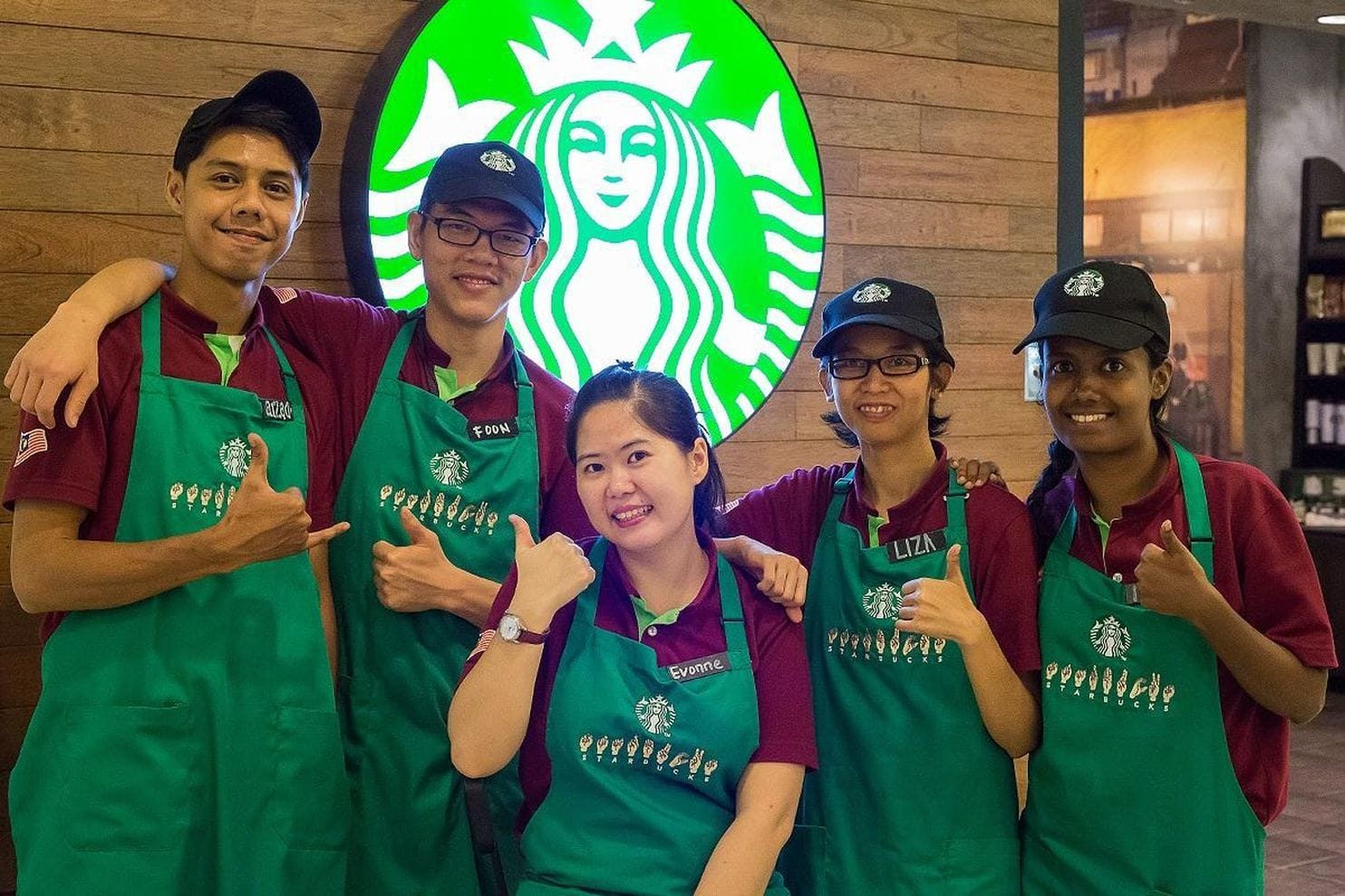
    Tomorrow, Starbucks Indonesia will open its first Signing Store dedicated to the Deaf, hard of hearing, and sign language communities in Jakarta, Indonesia. Designed with inclusivity and accessibility at its core, customers at the Starbucks Tata Puri Community Store will be served by Deaf and hard-of-hearing baristas who proudly wear the green apron. The store is located on Jl. Tanjung Karang No.3 Kebon Melati in Central Jakarta.

    The Starbucks Tata Puri Community Store provides a third place where all customers, including the Deaf and hard-of-hearing community can gather, socialize, and nurture human connections. Deaf baristas will wear green aprons embroidered in sign language with the company’s name, Starbucks. Partners (employees) who can use Bisindo sign language will wear an “I Sign” pin. Customers also will be able to order beverages and food using a writing tablet.

    The store also offers a community area for members of the Deaf community to support and conduct programs from Gerkatin (Gerakan untuk Kesejahteraan Tunarungu Indonesia) and Pusbisindo (Pusat Bahasa Isyarat Indonesia) – two organizations Starbucks has partnered with in Indonesia to support sign language education for the broader community. To encourage a culture of human connections through the celebration of Deaf culture and sign language, the store will also host sign language lessons and coffee workshops in sign language.

    “The inauguration of the Signing Store is a major achievement for Starbucks Indonesia as it celebrates its 20th anniversary in the market,” said Anthony McEvoy, leader of PT Sari Coffee Indonesia, Starbucks licensee partner in Indonesia. “The Signing Store demonstrates our commitment to creating a more inclusive and diverse work environment and to widening access to all communities.”

    “We were delighted to see the enthusiasm from the Deaf and hard-of-hearing community when we opened applications. More than 150 people applied from across the country. The baristas selected are a diverse group, including a former swimming para-athlete and fashion models,” said Anastasia Dwiyani, senior general manager of Human Capital at PT Sari Coffee Indonesia. “As with all our partners, we are excited to help nurture their talent and advance career opportunities.”

    United by the culture of sign language, this store is filled with design elements that bring communities together. The signature siren logo with Bisindo is immediately visible as customers pass the busy main road, Sudirman Street. With the Starbucks® logo with Bisindo above the main door, customers are greeted by a mural wall as soon as they enter the store and a collection of exclusive merchandise – clear cup tumblers, stainless-steel tumblers and mugs. The elongated oval shape community table, and circle details on the floor, also symbolize the store that unites the community. The most notable feature is a 4m high mural painting by Deaf artist, Indira Natalia, which extends more than 11m outside the store, depicting the warm and welcoming Starbucks experience. The signature artwork can be seen by passersby in the street.

    “As a Deaf artist, I am so proud to share my art with customers and partners at Indonesia’s first Signing Store. While brainstorming, I realized that Starbucks has always strived to create an environment where everyone feels welcome and belongs – and the inspiration for my work came from that, by presenting many different figures (communities) united by sign language and Starbucks,” says Indira. “Art can break boundaries and unite people, just like the connection people share when they drink coffee. There are many ways to communicate and connect people from diverse backgrounds, and at Starbucks, coffee makes this happen.”

    Since opening its first store in Plaza Indonesia 20 years ago, Starbucks has expanded to 44 cities in Indonesia, with more than 4,300 partners now proudly wearing the green apron. In its mission to make a difference in the lives of those connected with Starbucks, the company strives to create a positive impact in the communities it serves. In 2020, Starbucks opened the first Community Store in the Tanah Abang neighborhood.

  • AirAsia Revamps Super Plus Unlimited Plan To Include Long-Haul Flights

    AirAsia Revamps Super Plus Unlimited Plan To Include Long-Haul Flights

    In March, AirAsia launched a subscription service called Super+ that provides unlimited flights in Malaysia and across the ASEAN region as one of its main attractions. Fast forward to today, the service has been revamped to include long-haul flights from AirAsia X.

    Instead of just a single option, the AirAsia Super+ subscription service has now been divided into two. The first, the Super+ Lite is the closest to the original iteration and promises unlimited flights to destinations across Southeast Asia.

    That being said, the new Lite option is now priced much higher at RM888 per year. As a comparison, the original Super+ subscription costs RM639, which is a noticeable difference of RM249.

    As for the long-haul AirAsia X flights have been put into the Super+ Premium option, which comes with a price tag of RM2,288 per year. Each option includes additional perks, such as unlimited 5% discounts on hotels available via the AirAsia platform.

    AirAsia Super+ subscribers can also obtain 10% discounts on AirAsia Ride service in Malaysia, Indonesia, and Thailand. That being said, the discount on the AirAsia Ride is capped at RM2 in Malaysia while it is also capped at THB16 (~RM2.02) in Thailand and IDR6,500 (~RM1.84) in Indonesia.

    Not to forget, Super+ Lite and Premium customers would also receive 800 and 2,000 AirAsia points, respectively. However, the original bonus perks, such as COVID-19 insurance coverage and free delivery on food orders no longer available with the newly revamped Super+ offerings.

    Quite some policies from the original Super+ service have been retained for the revamp. Among them includes three no-shows limit, a 14-day advanced booking requirement, and no bookings for selected embargo periods.

    While Super+ subscribers are able to book their flights from today onwards, the date for the flights starts from 1 January 2023. Unlike the original Super+ version from earlier this year, AirAsia did not announce any customer limit or purchase deadline for the revamped options but nevertheless, the CEO of Capital A, Tony Fernandes at the launch event today noted that the offering would not be made available forever.

    The announcement of the newly revamped Super+ subscription service seemed rather timely, as Capital A has recently revealed its plan to offload the company’s aviation businesses which includes AirAsia Malaysia, Thailand, Indonesia, and the Philippines to AirAsia X. If the plan goes through, it will result in the creation of a new consolidated aviation group and may also help elevate both Capital A and AirAsia X out of their current PN17 classification by Bursa Malaysia.

  • Vietnam auto production ranks 4th in Southeast Asia

    Vietnam auto production ranks 4th in Southeast Asia

    Vietnam ranks fourth in Southeast Asia in auto production in the first 10 months at 362,000 units, up 16.4% year-on-year, according to the General Statistics Office.

    Thailand leads the region with nearly 1.6 million units made in the period, followed by Indonesia, 1.2 million, and Malaysia, 567,700, according to the ASEAN Automotive Federation.

    Many auto factories have recently been established in Vietnam, including Toyota, Honda, Ford, Kia, and Hyundai. Vietnam company VinFast has also been expanding with a focus on the global electric vehicle market.

    Some brands such as Skoda (Czech) and Chery (China) are planning to assemble cars in Vietnam through domestic partners in the next 1-2 years.

    Vietnam also imports cars from the regional leaders Thailand and Indonesia.

    Vietnam also ranked first in year-on-year auto sales growth in the first 10 months at 52.2%, followed by Malaysia at 50.7%.

    The country saw 322,963 units sold, against the leader Indonesia’s 851,413.

  • Indonesia’s GoTo to cut 1300 jobs to step up cost cutting

    Indonesia’s GoTo to cut 1300 jobs to step up cost cutting

    Indonesia’s biggest tech firm PT GoTo Gojek Tokopedia Tbk said on Friday (Nov 18) it was laying off 1,300 workers, or 12 percent of its workforce, joining a wave of technology firms retrenching after years of rapid hiring due to an uncertain economic outlook.

    “Challenging global macroeconomic conditions are having a significant impact on businesses around the world and GoTo, like other prudent companies, is making adjustments to ensure it can navigate the uncertain road that lies ahead,” it said in a statement.

    GoTo said it has achieved around 800 billion rupiah (US$51 million) in cost savings in the first half of this year through efficiency measures in technology, marketing and outsourcing.

    “However, the company has determined that further measures must be taken to ensure it is equipped to navigate the challenges ahead,” it said about the job cuts.

    Affected employees will receive at least one additional month’s salary on top of what is statutory and full notice in-lieu, GoTo said in a press release.

    They will also get to keep their laptops, access online training resources, and can be added to the GoTo alumni directory through which employees will be recommended to the GoTo business network.

    Psychological, financial and career counseling will be provided to those needing it until May 2023.

    GoTo, which offers ride-hailing and financial services, went public in April with a US$1.1 billion stock sale.

    Its shares are trading 44 percent below its initial public offering price, as investor sentiment on the tech sector sours amid soaring inflation and interest rates.

    The company, backed by SoftBank Group, Alibaba Group, and Singapore sovereign wealth fund GIC, is exploring a coordinated secondary offering of shares held by pre-IPO shareholders after a lock-up period ends on Nov 30.

    It reported in August that its half-year net loss more than doubled to nearly US$1 billion.

    In recent months, Southeast Asia’s largest-e-commerce firm Shopee cut jobs in various countries and shut some overseas operations as parent Sea struggled with losses.

  • Indonesia Hikes Fuel Prices To Rein In Ballooning Subsidies

    Indonesia Hikes Fuel Prices To Rein In Ballooning Subsidies

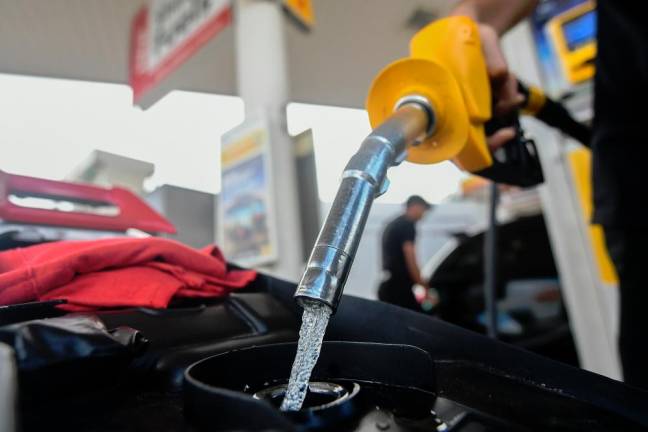
    Indonesia raised subsidized fuel prices by about 30% on Saturday, as the government moves to rein in ballooning subsidies despite a risk of mass protests.

    The price of subsidized gasoline was raised to 10,000 rupiah ($67 U.S. cents) a litre from 7,650 rupiah, while that of subsidized diesel rose to 6,800 rupiah a litre from 5,150 rupiah, energy minister Arifin Tasrif said.

    “I actually wanted domestic fuel prices to remain affordable by providing subsidies, but the budget for subsidies has tripled and will continue to increase,” President Joko Widodo told a news conference.

    “Now the government has to decide in a difficult situation. This is the government’s last option,” said Jokowi, as the president is known.

    Southeast Asia’s largest economy had already jacked up its 2022 energy subsidies to 502 trillion rupiah ($34 billion), triple the original budget, pushed by rising global oil prices and a depreciating rupiah currency.

    If prices were not raised, the budget would have ballooned to 698 trillion rupiah, said Finance Minister Sri Mulyani Indrawati.

    She estimated total energy subsidies would range between 591 trillion and 649 trillion rupiah for this year following the price hike, assuming the average crude price stays between $85 and $100 a barrel the rest of the year.

    High energy subsidies had restrained Indonesia’s inflation, at 4.69% in August, allowing the central bank to delay raising interest rates until last month, well behind regional and global peers.

    Hariyadi Sukamdani, head of the Indonesian Employers Association, said price pressure from the fuel price hike would not be too much, predicting inflation will top 6% at the end of the year.

    “If prices of goods are too expensive, people won’t buy. We can’t raise prices too much,” he said.

    Businesses are using unsubsidised fuels, but the price hike will affect logistics costs, Hariyadi said.

    Still, accelerating inflation could put pressure on Bank Indonesia (BI) to tighten monetary policy more quickly. The bank holds a two-day policy meeting ending on Sept. 22.

    Bank Mandiri economist Faisal Rachman estimated inflation could accelerate to between 6% and 7% and BI could raise the policy rate to 4.25% this year from 3.75% now.

    Faisal forecasts 5% economic growth this year despite the fuel price increase, supported by commodity exports and post-pandemic mobility, adding that the government’s cash distribution could help cushion some of the impact on consumption. The economy grew 5.44% in the April-June quarter.

    The government has allocated an additional 24.17 trillion rupiah for cash handouts to help the poor cope with the policy’s impact, Jokowi said.

    POLITICALLY SENSITIVE

    Fuel prices are politically sensitive in Indonesia, and the changes will have major implications for households and small businesses, as subsidised fuel accounts for more than 80% of state-owned oil giant Pertamina’s sales.

    The last fuel price hike was in 2014, months after Jokowi took office, aiming to free up fiscal space. That sparked protests across the archipelago.

    The opposition Labour Party has arranged a protest involving thousands of workers for Tuesday, chairman Said Iqbal, who also heads a trade union, told Reuters. He called on parliament to pressure the government to cancel the price hike.

    “This will hurt purchasing power,” he said. “Wages have not increased for three years and inflation is bound to rise sharply.”

    Small protests against any price hike, mostly led by students, had erupted in the recent days in several cities.

    After the price hike announcement, Pertamina said it was committed to ensuring adequate fuel supplies nationally. Cars were seen queuing in some stations in the capital Jakarta after the announcement.

    Pertamina, Asia’s biggest gasoline importer, had deferred some of its gasoline deliveries for September ahead of the price hike, due to an expected drop in fuel demand, traders said.

    Decades ago Indonesia was a major oil exporter, becoming a member of the Organization of Petroleum Exporting Countries in the 1960s, but its oil output declined and it turned to net oil importer in the 2000s. Indonesia is still an exporter of gas.

  • Indonesia In Talks With Ford And Hyundai To Setup operational Base For EVs

    Indonesia In Talks With Ford And Hyundai To Setup operational Base For EVs

    The Indonesian government seems to be pulling up its socks in a bid to catch up with other markets in the EV space. According to a Reuters report, Indonesia invited Ford Motor Company and Hyundai Motor Company to set up its operational base related to electric vehicles in the Southeast Asian country. The report states that Indonesia Coordinating Minister for Economic Affairs, Airlangga Hartarto, made this statement in Washington, D.C. last week and the country is gearing up to work in this direction.

    Ford, nickel miner Vale Indonesia and China’s Zhejiang Huayou Cobalt had earlier said that in July they had signed a non-binding memorandum of cooperation to build a plant in Indonesia to extract nickel chemicals. Hartarto said Indonesia also is in discussions with Hyundai and South Korean battery maker LG Energy Solution over battery and EV investments. “We have raw materials for EV battery technologies,” Hartarto told an audience at the Center for Strategic and International Studies. Indonesia’s large supplies of nickel, as well as semiconductor production capacity, can support the U.S. auto industry,” Hartarto said.

    If the deal materialise, Indonesia will be join the Asian developing economies in the push for faster adoption of greener vehicles. While Ford already winded up from the Indian market last year and is likely to make its comeback selling CBU models like the Mustang Mach-E, Hyundai India already sells the locally assembled Kona electric SUV in our market is testing the Ioniq 5 on the Indian roads as well.

  • Indonesian F&B startup Dailybox enters Singapore

    Indonesian F&B startup Dailybox enters Singapore

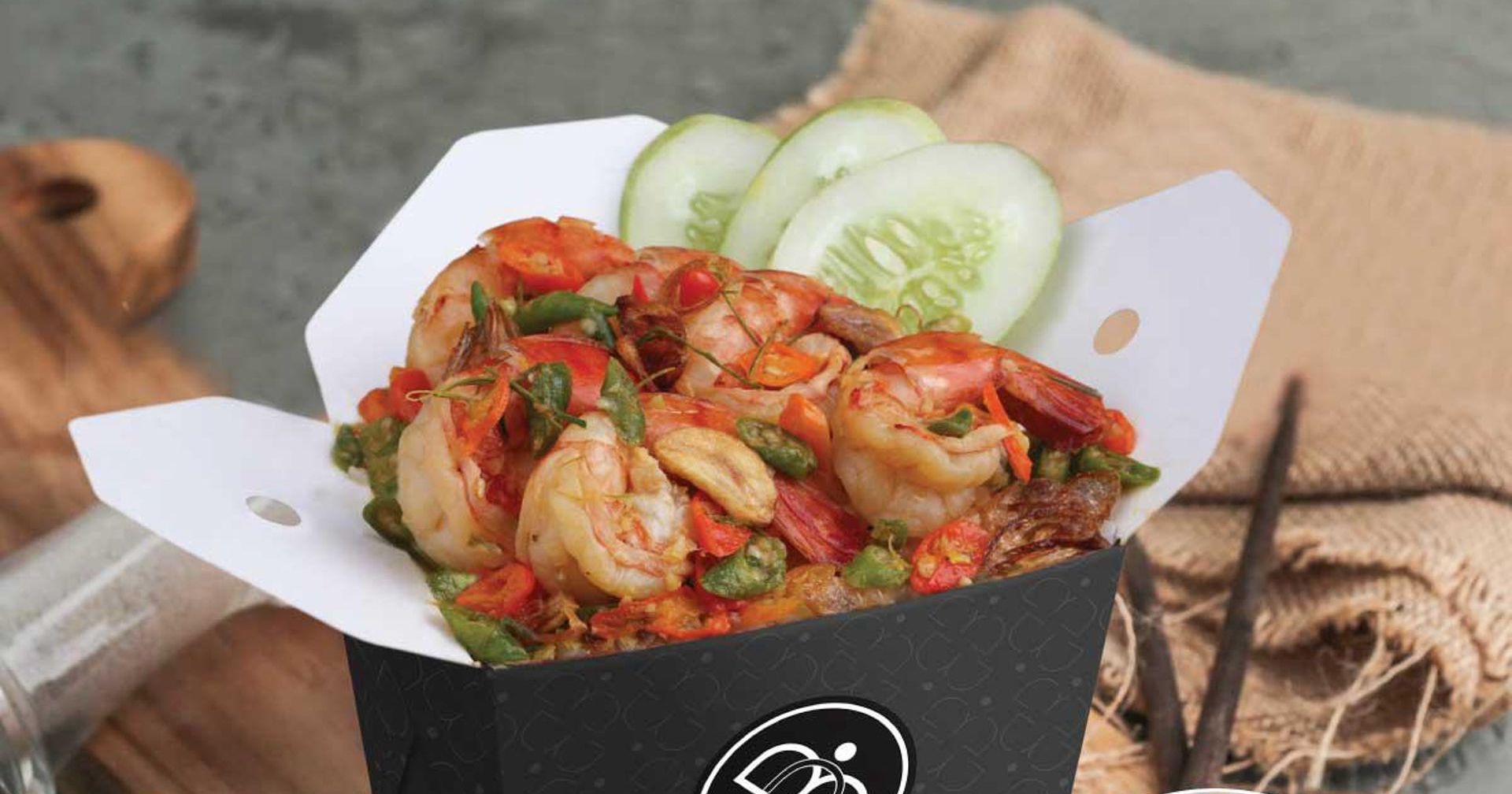
    An Indonesian-based online restaurant startup, Dailybox, opened a new kitchen in Singapore. Various Indonesian dishes can now be ordered through GrabFood delivery service in Singapura.

    Dailybox Group CEO Kelvin Subowo explained that they decided to expand business to Singapore due to dependence of the SIngporean toward food delivery services. Survey showed that nearly half of the Singapore population, or around 2.5 million people, used food delivery services in the country in 2021.

    The number is expected to increase to 3.6 million in 2025. In additio, consumers in the west area of the city-state reportedly want more variations of non-local food.

    “Jurong is one of the densely populated areas. Unfortunately, F&B merchant in this location does not vary. To meet the consumers need, Dailybox joins and becomes one of the  F&B merchants in Supply Chain City area,” Kelvin said Friday, Oct. 21.

    Dailybox Group head of product, Arcad Fadillah, said that through the new opening, his side could introduce to the Singaporean public that Indonesian dishes are not only nasi goreng or sate ayam (chicken satay). “A number of best Indonesian cuisines from Padang, Manado, Bali, Lombok, and Java areas have become featured dishes at Dailybox Jurong,” he said.

    Dailybox is available in Supply Chain City, Jurong. It offers more than 20 menus from various Indonesian regions, namely tongseng kambing of Central Java, ayam woku and rica-rica from Manado, gulai ikan from Sumatra, until bakwan sayur and tempe mendoan with various traditional sambals.

    “For the people of Singapore who like vegetables, we introduce Pecel dish with Javanese peanut sauce. We also have Ayam Taliwang from Lombok that will definitely be favored by spicy food lovers,” Arcad said.

    Established in 2018, Dailybox created rice menu with Indonesian and international dishes. It debuted as a rice box provider before adopting a cloud kitchen business and partnering with food delivery service providers.