Tag: Indonesia

  • Japanese sneaker retailer Atmos opens store in Indonesia

    Japanese sneaker retailer Atmos opens store in Indonesia

    Japanese streetwear and sneaker retailer Atmos has announced it is opening its first store in Indonesia later this year.

    The announcement was made during Urban Sneaker Society, an event held last weekend for streetwear and sneaker enthusiasts.

    Atmos Indonesia president Marcel Lukman said the first store will be located at the Plaza Indonesia Mall in Jakarta. Besides housing products similar to those at its Japan stores, the Indonesian store will offer in-house exclusives.

    The brick-and-mortar store will be complemented with an online store, says Lukman.

    Founded in 2000 by Hidefumi Hommyo, Atmos is known for offering limited-edition collaborations with many brands such as Nike, Adidas and Puma, with Nike Air Max collaboration being the most popular.

    In Indonesia, Atmos says it will be open to collaborations with local designers and brands as well.

    In addition to its more than 30 stores in Japan, the retailer has also outlets in international cities such as New York, Seoul and Bangkok.

  • September Indonesia retail sales edge up 0.7 per cent

    September Indonesia retail sales edge up 0.7 per cent

    September Indonesia retail sales rose 0.7 percent year on year.

    Real Sales Index of Bank Indonesia showed that the country’s retail sales maintained positive growth despite falling 1.1 percent in August. Most of the growth was driven by sales of automotive spare parts and accessories and household equipment.

    Sales in October are anticipated to grow by 2.9 percent as sales in automotive spare parts and accessories, information equipment and communications, and food, beverage and tobacco groups are projected to continue the momentum.

  • Toyota to invest $2 billion in developing EVs in Indonesia

    Toyota to invest $2 billion in developing EVs in Indonesia

    Toyota Motor plans to invest $2 billion to develop electric vehicles in Indonesia over the next four years, starting with hybrid vehicles, Indonesia’s coordinating ministry for maritime affairs said.

    “From 2019 to 2023, we will progressively increase our investment to 28.3 trillion rupiah ($2 billion),” Toyota president Akio Toyoda was quoted as saying in a statement released by the ministry on Thursday.

    Toyota said this month that it aimed for half its global sales to be from electric vehicles by 2025, five years ahead of schedule, and will tap Chinese battery makers to meet the accelerated global shift to electric cars.

    The deal was agreed at a meeting in Osaka on Thursday between Indonesia’s Coordinating Minister for Maritime Affairs Luhut Pandjaitan and Toyoda.

    “Because the Indonesian government already has an electric vehicle development map, Toyota considers Indonesia a prime EV investment destination,” Toyoda said in the statement.

    He said Toyota would follow the government’s EV plan by investing in stages, starting with the development of hybrid vehicles.

    Monet, the self-driving car joint venture of Toyota and SoftBank Corp., separately told Reuters in June it plans to begin operating in Southeast Asia next year.

  • Everstone may quit Burger King Indonesia stake

    Private equity firm Everstone Capital may withdraw from its involvement in Sari Burger Indonesia (SBI), the country’s master franchise owner of Burger King.

    A DealStreetAsia report revealed the firm has been speaking with banks and advisers over the course of this year about the potential move.

    Everstone is currently in a partnership with Indonesian retail firm Mitra Adiperkasa, previously SBI’s sole shareholder. The firm also partners with Mitra Adiperkasa in running Domino’s Pizza in Indonesia.

    Everstone may have difficulties finding a buyer in the territory given tight competition in the industry, according to an opinion published in Nikkei.

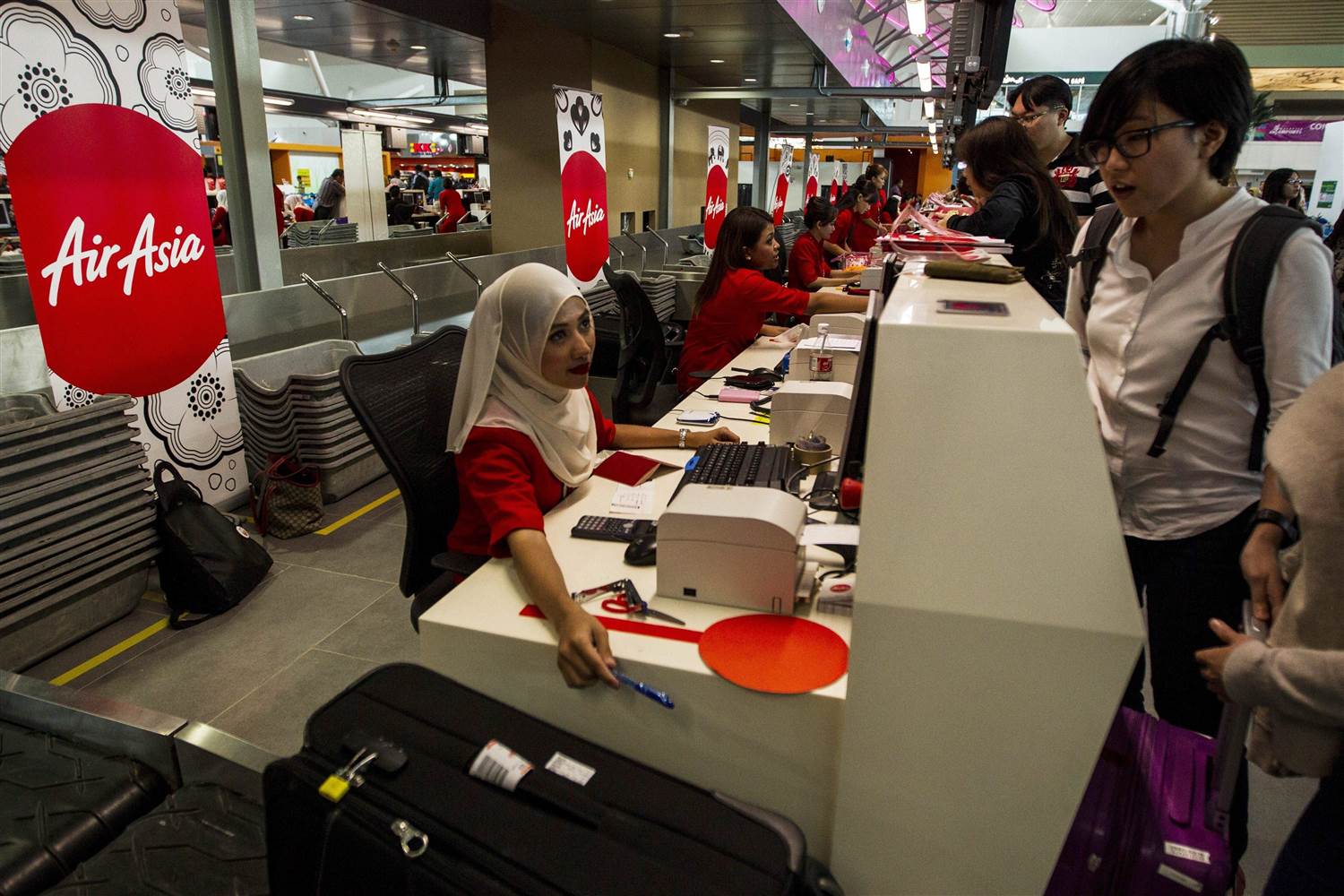
  • Indonesia AirAsia names new chief executive

    Indonesia AirAsia names new chief executive

    Indonesia AirAsia (IAA) has named Veranita Yosephine as its new chief executive.

    IAA parent AirAsia Indonesia states in a stock exchange disclosure that Yosephine succeeds Dendy Kurniawan, who is now the president commissioner on its board of commissioners. The change was made at a shareholder’s meeting on 24 October.

    Yosephine’s LinkedIn profile states that she was the airline’s deputy chief executive since July. Prior to that, she served as sales director at Kraft Heinz between March 2017 and June 2019.

    Kurniawan joined AirAsia in May 2014 as chief financial officer at Indonesia AirAsia X (IAAX), before being promoted to chief executive seven months later. Sometime in September 2016, he was then named the Indonesia group chief executive overseeing both IAA and IAAX.

    Cirium had sought comments from IAA on the change in leadership, but it had not yet responded.

  • Ride-Hailing Service Gojek’s CEO Nadiem Makarim To Join Indonesia’s Cabinet

    Ride-Hailing Service Gojek’s CEO Nadiem Makarim To Join Indonesia’s Cabinet

    Gojek CEO and founder Nadiem Makarim said on Monday he had resigned from the ride-hailing and payments company to join the cabinet of Indonesian President Joko Widodo.

    “I have received a big honor to be able to join the cabinet,” Makarim told reporters at the presidential palace.

    Makarim said his specific role would be announced by the president later in the week.

    Indonesia media have linked Makarim to a possible post in a new Digital Economy ministry or in education.

    Gojek did not immediately respond to requests for comment on who his successor would be.

  • Indonesia’s Telkomsel commercially launches CloudAIR 2.0 solution with Huawei

    Indonesia’s Telkomsel commercially launches CloudAIR 2.0 solution with Huawei

    From the verification in Telkomsel’s live network, the solution increases the mobile broadband cell edge user experience significantly. The application of spectrum cloudification technology increases the LTE user downlink speed throughput by 116% from 50Mbps to 108Mbps. In addition, the implementation of channel cloudification technology improves the carrier aggregation coverage for outdoor areas by 21.4% as well as two to three times user experience improvement for indoor areas.

    As the number of Telkomsel 4G subscribers grows rapidly, many of 2G subscribers will migrate to 4G. At the same time, there are many of 2G subscribers who will be remaining for a long time, making this an obvious long-tail phenomenon. Therefore, it is a big challenge for Telkomsel to maximize the spectrum efficiency in a limited spectrum by scheduling the 2G and 4G resources based on demand.

    Furthermore, in order to meet the rapid development of 4G business, Telkomsel has deployed LTE technology in 2300MHz, 2100Mhz, 1800MHz and 900MHz at the same time. However, the high-frequency band uplink signal becomes a coverage bottleneck due to a high propagation, a high penetration loss and a limited transmitting power of the terminal. This situation results in poor user experience at the cell edge, especially in indoor areas. Consequently, it is also challenging for Telkomsel to fully use the spectrum resources in high frequency.

    In response to those issues, Telkomsel and Huawei conducted Joint Innovation Center and introduced the CloudAIR 2.0 solution, which successfully solved the problems through two technologies: spectrum cloudification (dynamic spectrum sharing) and channel cloudification.

    The spectrum cloudification technology realizes the deployment of different Radio Access Technologies (RAT) in the same spectrum. This solution can dynamically allocate and adjust spectrum resources according to the changes of traffic and avoid the legacy RAT to occupy the golden spectrum in the long term to maximize the spectrum efficiency.

    Meanwhile, the channel cloudification technology combines the advantage of larger downlink bandwidth of high band and better uplink coverage of low band. The high band is selected as the uplink at near point and midpoint for capacity, while the low band is selected as the uplink at cell edge to compensate the coverage limitation of high band. The coordination between LTE high band and low band channel cloudification can significantly improve the coverage of high band and improve the cell edge user experience, especially for LTE indoor coverage areas.

    Director of Planning and Transformation of Telkomsel Edward Ying said, “We have been committed to the technology innovation and build the mobile broadband network to provide ultimate user experience to our subscribers. The CloudAIR 2.0 solution has enabled us to achieve a convergence of the multi-band network that maximizes capacity and coverage requirements and enhances the user experience effectively. We will continue to carry out joint innovation projects with Huawei, hoping JIC3.0 to achieve greater success.”

    Dr. Peter Zhou, Chief Marketing Officer of Huawei Wireless Solution said, “We are very delighted to provide an innovative solution for Telkomsel, the largest mobile network operator in Indonesia. Our focus is on improving the efficiency of air interface, enabling Telkomsel to deploy services more flexibly and, of course, enhancing the experience of Telkomsel’s millions subscribers.”

  • AirAsia announces inaugural flights to Belitung

    AirAsia announces inaugural flights to Belitung

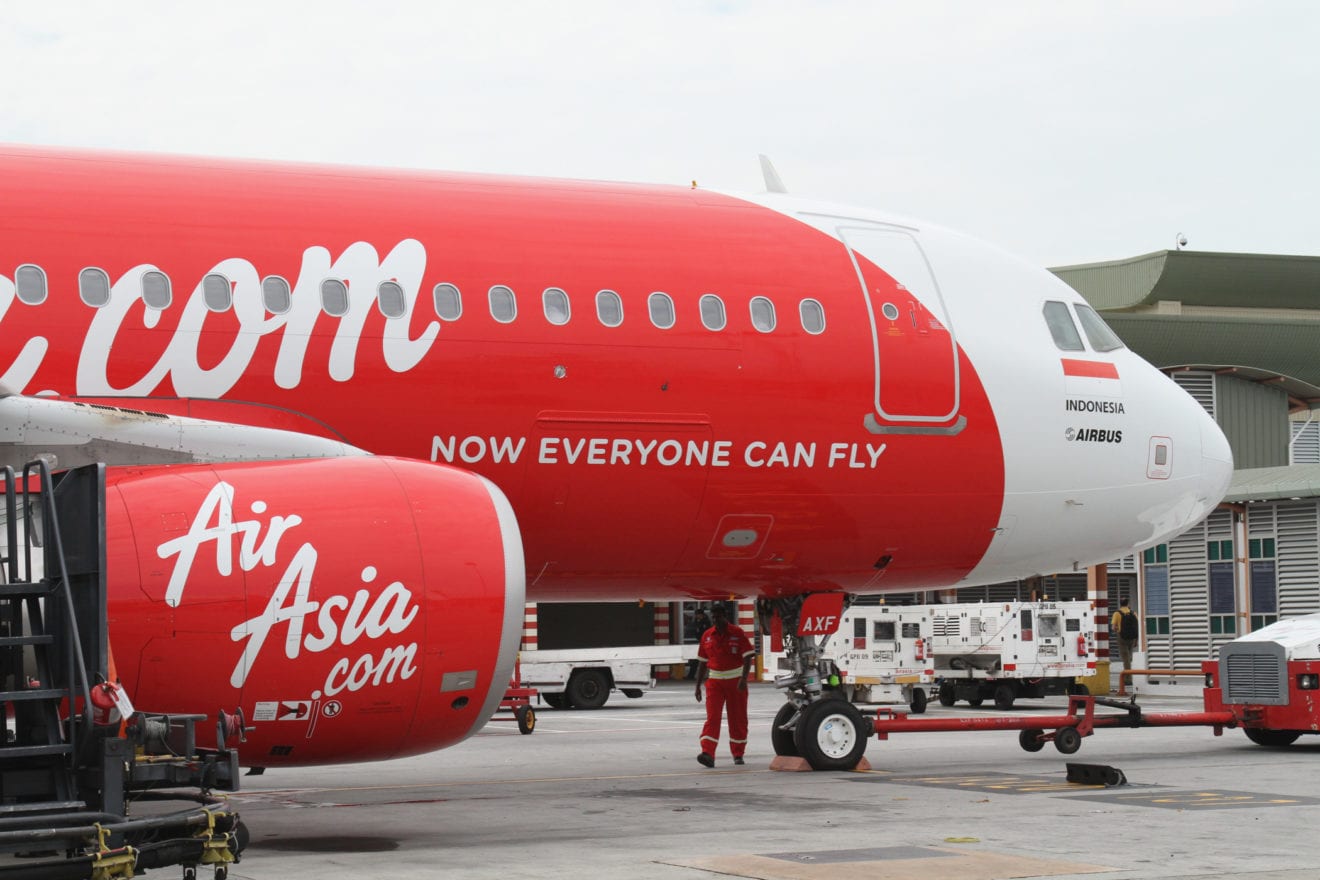
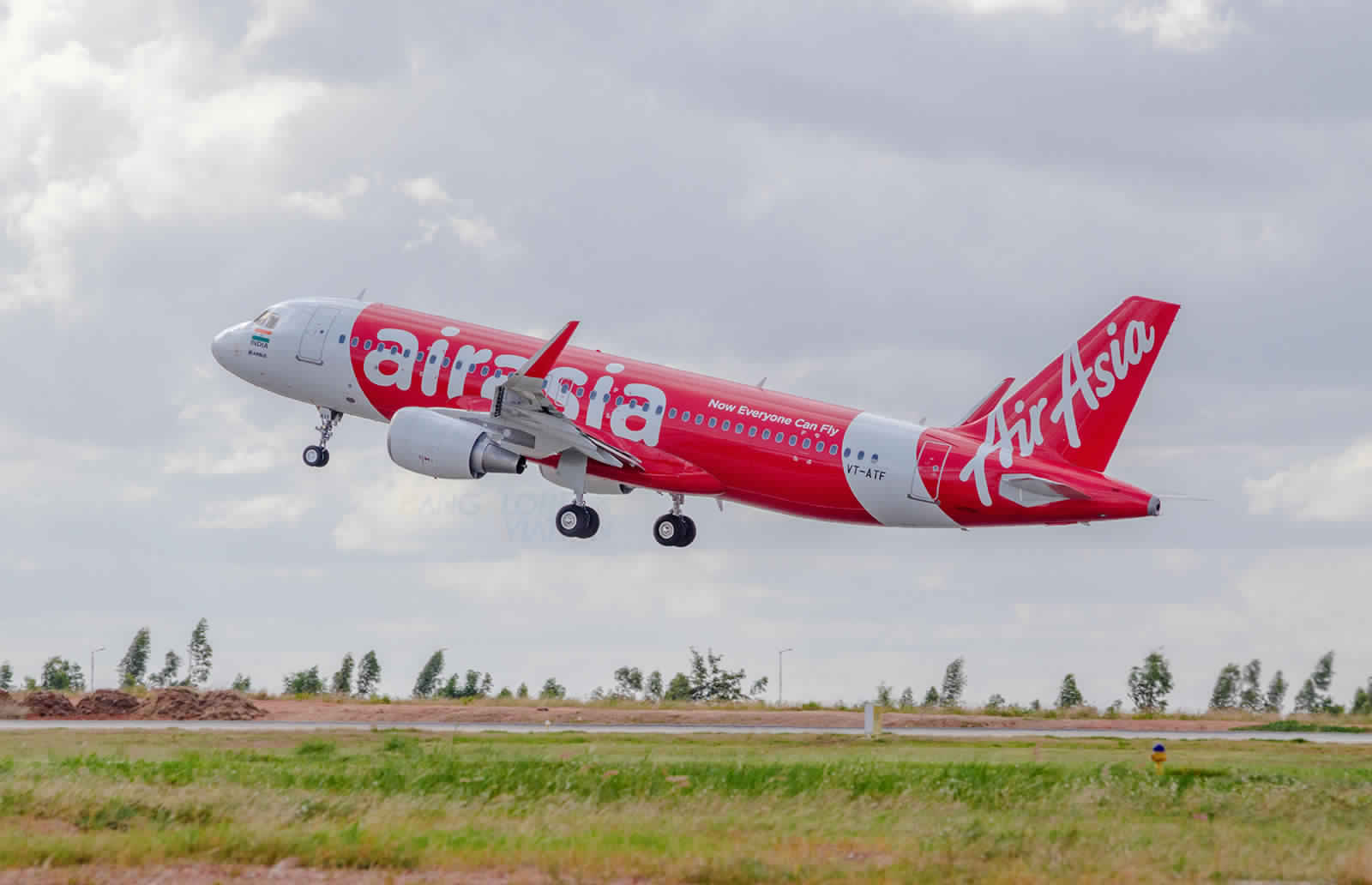
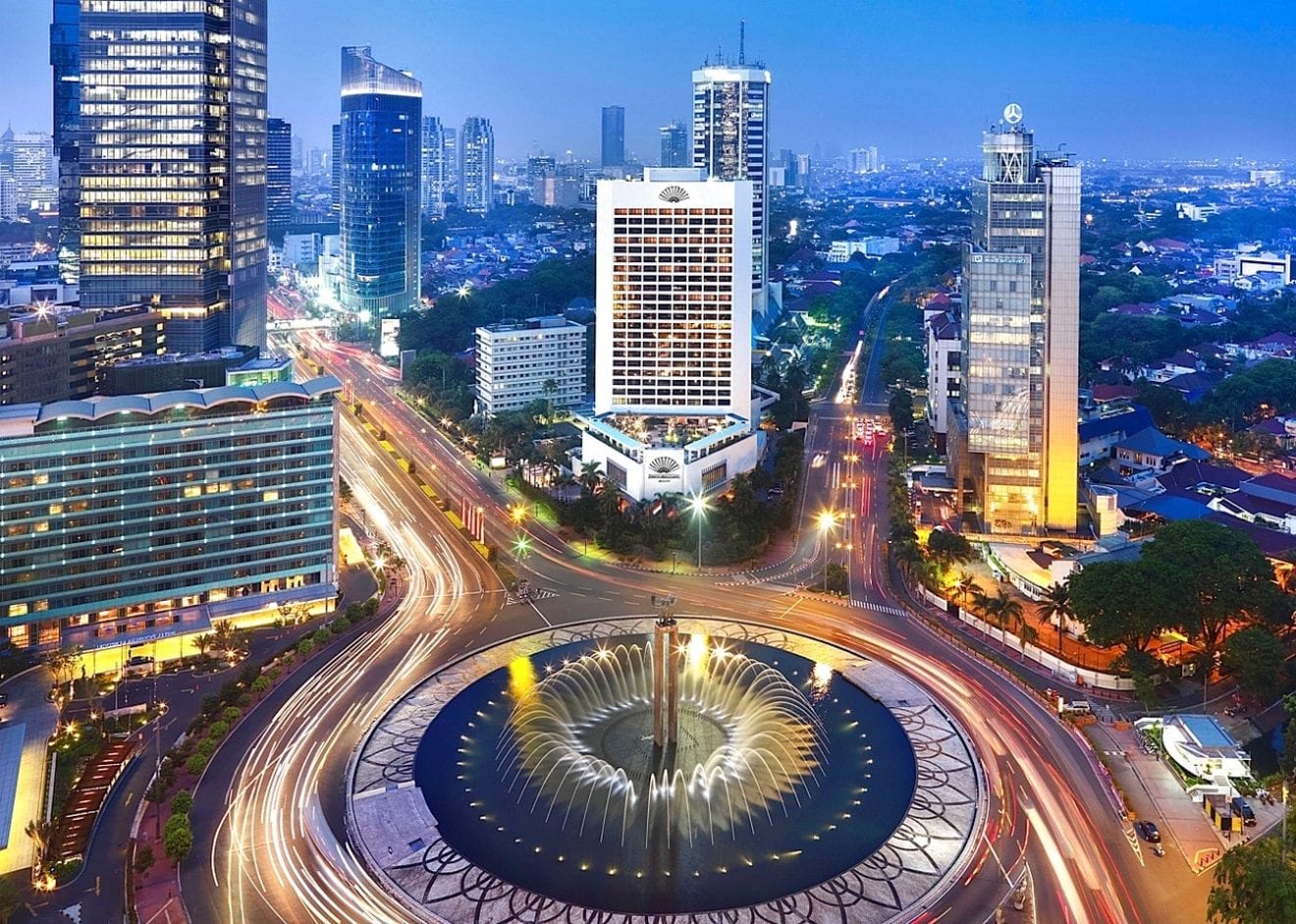
    Low-cost carrier AirAsia commenced flights from Jakarta to Belitung, Bangka Belitung, on Tuesday as well as from Kuala Lumpur, Malaysia, to Belitung on Wednesday.

    The inauguration ceremony on Wednesday was marked by handing out flowers and souvenirs to international passengers arriving from Kuala Lumpur, who then enjoyed a traditional welcome dance.

    The Airbus A320-200 that was used for the flight can accommodate 180 passengers.

    Veranita Yosephine, deputy CEO AirAsia Indonesia, said the inauguration was the continuation of the airline’s commitment to support Indonesian tourism, especially the 10 New Balis or burgeoning tourist destinations in the country.

    “Previously, we’ve launched flights to Lombok, Labuan Bajo and Sorong. We’ve also added five new planes to support operations in these new destinations,” she added.

    AirAsia is offering promotional rates on flights from Jakarta to Belitung that start from Rp 471,000 (US$33.19) and Belitung to Jakarta from Rp 393,000. The price includes a free baggage allowance of 15 kilograms.

    Tickets from Belitung to Kuala Lumpur start from Rp 309,000 and from Kuala Lumpur to Belitung start from Rp 378,000.

    The promotional rates are available for AirAsia BIG members until Oct. 6 on airasia.com and the AirAsia mobile app for a travel period until Feb. 9, 2020.

    Belitung, one of two main islands located off the east coast of Sumatra, is known for its pristine beaches and 1,000-year-old granite rock formations. (

  • AirAsia expands flights in Indonesia

    AirAsia expands flights in Indonesia

    AirAsia launched new services from Kuala Lumpur and Jakarta to the island of Belitung in Indonesia this week. The new four weekly services from Kuala Lumpur will support the Indonesian government’s agenda to develop ’10 New Bali’ destinations.

    It follows the commencement of daily Jakarta – Belitung services that started 1 October.

    AirAsia Indonesia deputy CEO Veranita Yosephine said: “These new routes from Kuala Lumpur and Jakarta continue our trajectory support of the Ministry of Tourism Indonesia’s initiative. This year alone, AirAsia Indonesia has launched new routes from Jakarta to Sorong, from Bali to Lombok and to Labuan Bajo, the gateway to the Komodo islands.”

    The airline recently added Airbus A320 aircraft which are now based in Jakarta and Lombok. By year-end, it will also take delivery of an additional two new aircraft.

    To celebrate the new route, AirAsia is offering an all-in fare from as low as MYR89* from Kuala Lumpur to Belitung, until 6 October for travel until 9 February 2020 for its loyalty program members.

  • AIA Group Joins Big Boys to Fuel Gojek

    AIA Group Joins Big Boys to Fuel Gojek

    AIA Group joins a club of high-profile investors to participate in the ride-hailing and payments company’s latest funding round.

    The Indonesian unit of AIA Group, AIA Financial, has invested in Indonesia’s Gojek as part of the latter’s Series F fundraising round. There was no mention of how much money AIA was investing in Gojek or how big a stake it would acquire.

    AIA Financial will work with Gojek to provide life and health insurance services and wellness propositions to its users, drivers, and merchants across Indonesia, the insurer said in a statement on Wednesday.

    According to Crunchbase, Gojek has raised a total of $3.1 billion in funding over 12 rounds. High profile investors in the company include Tencent Holdings and Temasek Holdings.

    Launched in 2011, Gojek has evolved from ride-sharing to allowing its customers to make online payments and order everything from food to groceries and massage services.

  • Grab Seeks to Merge Digital Payment Firms in Indonesia

    Grab Seeks to Merge Digital Payment Firms in Indonesia

    Grab is looking to gain pole position in Indonesia’s budding digital payment market, reportedly exploring a merger between two major players – a local entity it owns and another one backed by China’s Ant Financial.

    A merger between Grab-backed ONO and Ant-backed DANA would give the ride hailer app an edge over its major Indonesia competitor Gojek, which has been vying for the top spot in digital payments with ONO since 2018.

    The deal would also result in Grab acquiring a majority interest in DANA from Indonesian media conglomerate Elang Mahkota Teknologi (Emtek).

    It’s part of the Grab-Gojek battle, one of the sources said.

    According to the report, SoftBank, Grab’s largest shareholder, supports the proposal with the plan having already been discussed in July during a meeting in Jakarta between SoftBank CEO Masayoshi Son and top Indonesian officials.

    Son is in favor, another source said, adding that negotiation on deal structure with the Indonesian central bank will also be required due to foreign ownership restrictions.

  • Indonesian Regulators Makes Fintech Startup Push

    Indonesian Regulators Makes Fintech Startup Push

    A new online registration system has been introduced by Indonesia’s financial regulator to monitor and further encourage the growth of fintech development in the country.

    The Financial Services Authority (OJK) launched the «Electronic Gateway for Digital Finance Systems» (Gesit) which allows fintech industry stakeholders to gain fintech news access and, more importantly, consult about OJK Infinity.

    OJK Inifinty is a platform the regulator created last year to act as an innovation hub, business incubator and education center for fintech startups. It currently has 121 fintech firms registered, 48 of which are ready for operation.

    Aside from leveraging domestic resources, OJK chairman Wimboh Santoso said there were plans to partner with other Southeast Asian countries to further stimulate fintech development in Indonesia.

  • International economy seeks master franchisees in Indonesia

    International economy seeks master franchisees in Indonesia

    Indonesia’s economy is projected to be three times the size of Australia’s by 2030 – and the GDP of the world’s most-populous Muslim population will rise from $3.2 trillion to $10.1 trillion by the same year*.

    Those figures are driving top international franchise businesses to seek master franchisees in Indonesia.

    The nation already has the largest market for foodservice in ASEAN, and with a fast-rising middle class and even faster growth in middle-class incomes, there continue to be significant changes in lifestyles.

    “The prospects for food franchises in Indonesia look very good as Indonesia continues to outpace many of its neighbors in ASEAN,” says Sean T Ngo, CEO of VF Franchise Consulting, who will be hosting a series of one-on-one meetings between international franchisors and local prospective partners on Friday (September 13).

    “A recent study by Nielsen showed that 11 percent of Indonesians eat out at least once a day, which is higher than the global average of 9 percent. Another lifestyle change supporting the growth of the food franchise sector is a growing trend among workers in big cities is to work long hours either due to obligation or to avoid traffic jams.

    “Thus, the practical solution for eating dinner is to eat out more often and closer to their workplaces. This fact is supported by the Nielsen study mentioned earlier with eating out occurrences being higher in Indonesia than the rest of the world.”

    Trends like these are fuelling growth in Indonesia Food Service Industry by 7.06 percent on a compounded annual growth rate basis, between last year and 2023.

    There are already more than 700 franchise businesses operating nearly 30,000 outlets across Indonesia. Most of these are in foodservice and located in Java, primarily Jakarta, West Java, and East Java provinces. Approximately 400 of the 700 are foreign franchisors, while the rest are local brands.

    Among the top international businesses to seek master franchisees in Indonesia that VF Consulting will introduce to prospective partners this week are:

    • Little Caesars, known for its Hot-N-Ready pizza and Crazy Bread, is the world’s largest carryout-only pizza chain with locations in eight Canadian provinces, all 50 US states along with 26 other countries and territories worldwide.
    • Mango Tree, one of the world’s best-known Thai culinary lifestyle brands, serving contemporary Thai cuisine.
    • Coca, a pioneer in the hotpot-restaurant sector, serving nutritional Thai and Chinese a-la-carte dishes, seafood and the signature hotpot with a variety of broths.
    • Mango Chili, a fun, vibrant social dining space where groups of friends and families can enjoy simple, easy yet original Thai street food.
    • The Belgian Waffle Co, which in just four years has grown to more than 210 outlets in 55 Indian cities and Nepal.
  • Indonesia’s New Capital Already Attracting Speculators

    Indonesia’s New Capital Already Attracting Speculators

    Indonesia’s decision to relocate its capital from Jakarta to eastern Borneo is already attracting speculators and inflating land prices, according to a local industry body, which is urging President Joko Widodo to take measures to differentiate between pure profiteers and real developers.

    I’ve heard that land prices are rising already, said Soelaeman Soemawinata, chairman of the Association of Indonesian Real Estate Companies which represents more than 5,000 member firms.

    We must set developers and speculators apart. Speculators don’t develop anything as they just wait until land prices increase, and then sell. Developers expect the government to secure the land, which can be developed by them.»

    The government controls about 180,000 hectares of land in the future capital, triple of Jakarta, in a $33 billion project to build the new landmark city from scratch with support from both the public and private sector. Indonesia plans to begin construction by 2020-end and start the relocation in phases starting from 2024.

    Despite limited access to lands in the East Kalimantan province due to it mostly being protected and commercial forestry under government control, developers remain upbeat with various plans underway from basic infrastructure to luxury condos.

    Still, the association and Soemawinata want further tightening to screen participants. He said the association wanted President Widodo to provide a legal basis for the participation of private developers» considering that construction could last through several regimes.

    The move to relocate Indonesia’s capital is meant to ease pressure on the congested and sinking Jakarta and spread economic activity outside the island of Java.

  • Amazon In Talks For Stake In Indonesia’s Ride-Hailing Startup Go-Jek

    Amazon In Talks For Stake In Indonesia’s Ride-Hailing Startup Go-Jek

    Amazon.com Inc is in early talks with Go-Jek Group to buy a stake in the Indonesian ride-hailing startup, a source familiar with the matter told Reuters on Wednesday.

    Details of the stake were not known and the source did not want to be identified as the talks are private.

    Both Amazon and Go-Jek did not respond to a Reuters request for comment.

    Indonesia’s first unicorn, Go-Jek, has up to 20 services and has evolved from ride-sharing to allowing its customers to make online payments and order everything from food to groceries.

    Earlier this year, Amazon also bought a stake in British online food delivery company Deliveroo as it competes with Uber Technologies Inc’s Uber Eats in the global race to dominate the market for takeaway meals.

    Reuters reported in July that Amazon is expanding its transportation prowess to do virtually everything short of building a car.

    Go-Jek, which counts Alphabet Inc’s, Alibaba Group Holdings Inc, Tencent Holdings and Visa Inc (V.N) as investors, last raised here funding in July at a valuation of around $10 billion.