Retail News CRM

Tag: Indonesia

  • Indonesian retail sales growth speeds up

    Indonesian retail sales growth speeds up

    Indonesian retail sales surged 9.1 per cent in February – a rate higher than anticipated.

    The growth rate appeared to be driven by shoppers splurging on Lunar New Year celebrations as well as an increase in apparel sales during the month.

    February’s rise followed a 7.2 per cent improvement in January and government statisticians have predicted a rise of 8 per cent for March.

  • Indonesia’s FiberStar extends collaboration with Huawei

    Indonesia’s FiberStar extends collaboration with Huawei

    Indonesia’s FiberStar has signed an agreement with Huawei to jointly expand high-speed fiber network services in the market.

    FiberStar recently partnered with Huawei to build a 1Tbps backbone DWDM network linking Jakarta with Surabaya. The network consists of submarine and terrestrial cables that form a ring network with a total length of more than 3000 kilometers.

    Building on this cooperation, the companies signed a memorandum of understanding at the Huawei ISP Summit Asia Pacific 2019 in Bali to strengthen collaboration in the field of fixed networks and data centers.

    FiberStar co-founder and director Thomas Dragono said Huawei shares the company’s vision for the digital transformation of Indonesia.

    “Being the pioneer of Indonesia’s neutral infrastructure service, and considering Huawei’s advancement in the optical communications field, we have both decided to explore a deeper and stronger partnership,” he said.

    “The consensus on the advantages of optical network technologies and evolution trends are the basis of cooperation between both parties. We will leverage the advanced DWDM and MPLS technology to expand the coverage of networks in Indonesia, and further facilitate the growth of the digital economy in Indonesia.”

    FiberStar was established in 2014 as a subsidiary of Indonesia’s biggest conglomerate the Salim Group.

    The company is Indonesia’s biggest carrier-neutral infrastructure provider, offering coverage to 92 Indonesian cities across the nation’s main islands including Sumatra, Java, Bali, Kalimantan, and Sulawesi.

  • Khun Thai Tea appoints First Indonesian Franchise

    Khun Thai Tea appoints First Indonesian Franchise

    Entrepreneur Amelia Fransisca has been appointed master franchise holder for Khun Thai Tea Indonesia.

    Fransisca, who has a 10-year tenure in the foodservice industry, said she chose Khun Thai Tea for its novel, fresh taste despite its low sugar content compared to other competitors, amidst trending consumer demand in Indonesia for original tea and healthier beverage options.

    “This brand will be huge as an option for fresh tea and healthier choices,” said Fransisca. “I believe the brand will also become more recognizable to our people (especially among young people) because it is introduced and organized by a great team and a great plan.”

    Indonesia is already home to four Khun Thai Tea outlets – three in Jakarta and one in Bali. Fransisca plans to spur growth by focussing her efforts in Indonesia’s cities and suburban areas, with special care given to the Jakarta, Bogor, Tangerang and Bekasi areas, where she says new outlets will help the brand gain more recognition.

    She has also chosen to open in these areas first due to local consumers’ strong buying power, range of food and beverage choices and exposure to product innovation. They are also well-positioned in terms of proximity, allowing closer supervision of procedures, services, and product quality.

    “The food and beverage business still has lots of room to develop and innovate nowadays, especially in Indonesia. That is why F&B is a good business,” she said. “Selling drinks is also simpler, and delivers good margins for comparatively average business costs … Compared to starting up a new business, it is also safer to choose a franchise.”

    “According to recent research conducted through social media in Indonesia, a glass of milk tea with boba is still the number-two most-wanted product on most Indonesians’ must-buy list, after famous chicken dishes called ‘Ayam Geprek’.”

    Khun Thai Tea is currently amongst the fastest-growing beverage store brands in Singapore, Malaysia, and Indonesia.

  • Telin Singapore secures OSPAR certification

    Telin Singapore secures OSPAR certification

    Indonesia’s PT Telkom has announced that its subsidiary in Singapore has secured certification that will allow it to serve a wider range of clients in the financial sector.

    Telin Singapore has completed an Outsourced Service Provider Audit Review (OSPAR) report signifying its compliance with the Association of Banks In Singapore (ABS) guidelines.

    The certification will allow the company to increase its client base in the financial sector, as local financial sector companies require technology service providers to be in compliance with ABS guidelines.

    An independent audit is a part of this certification process, and OSPAR meets this requirement.

    In addition, Telin Singapore has achieved Payment Card Industry Data Security Standard Compliance (PCI DSS) for companies that handle branded credit cards from the major providers.

    “The OSPAR proves that our controls and processes are secure and robust. Through obtaining OSPAR, our financial services clients could rest assured that their data is securely stored according to the highest security standards in our data centers,” Telin Singapore CEO Andreuw Th.A.F said.

    “A loss or breach of customer confidential data and disruption to banking services will result in reputational and financial damage to the financial institutions.”

  • Lion Air to reduce Ticket Prices From April

    Lion Air to reduce Ticket Prices From April

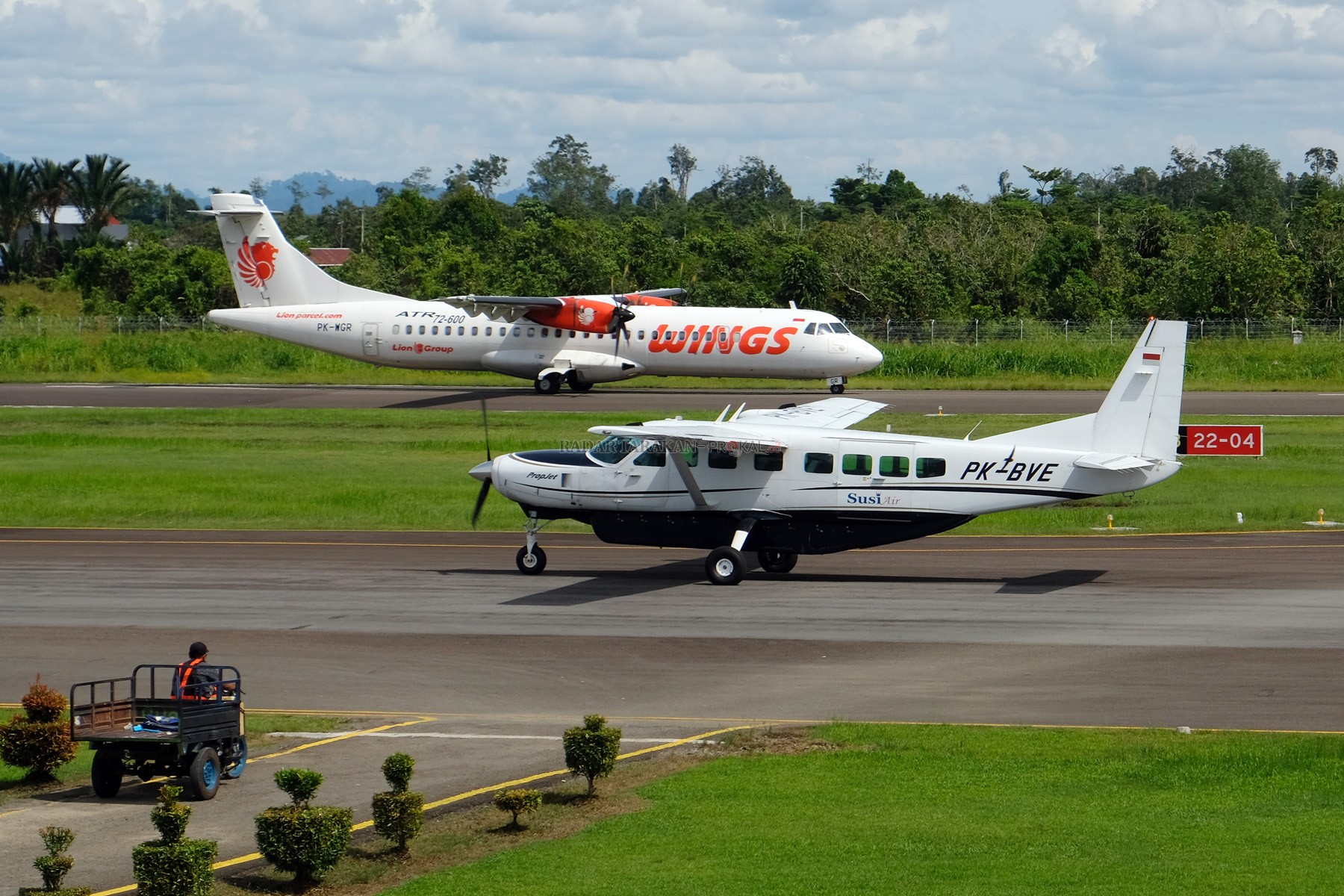
    Airlines under the Lion Air group, namely Lion Air, Wings Air and Batik Air, operate with reduced airfares on all routes starting Saturday.

    “The reduction in ticket prices is Lion Air group’s answer to challenges and opportunities in the travel business, and aims to accommodate demand for air travel while improving flight operations,” Lion Air spokesman Danang Mandala Prihantoro said in a release on Saturday.

    He went on to say that Lion Air was striving to provide convenience for passengers while prioritizing safety and comfort.

    Lion Air tickets with the new lower fares can be reserved through all travel agents and Lion Air’s website.

  • Nam Air to lure millennials with boutique airline

    Nam Air to lure millennials with boutique airline

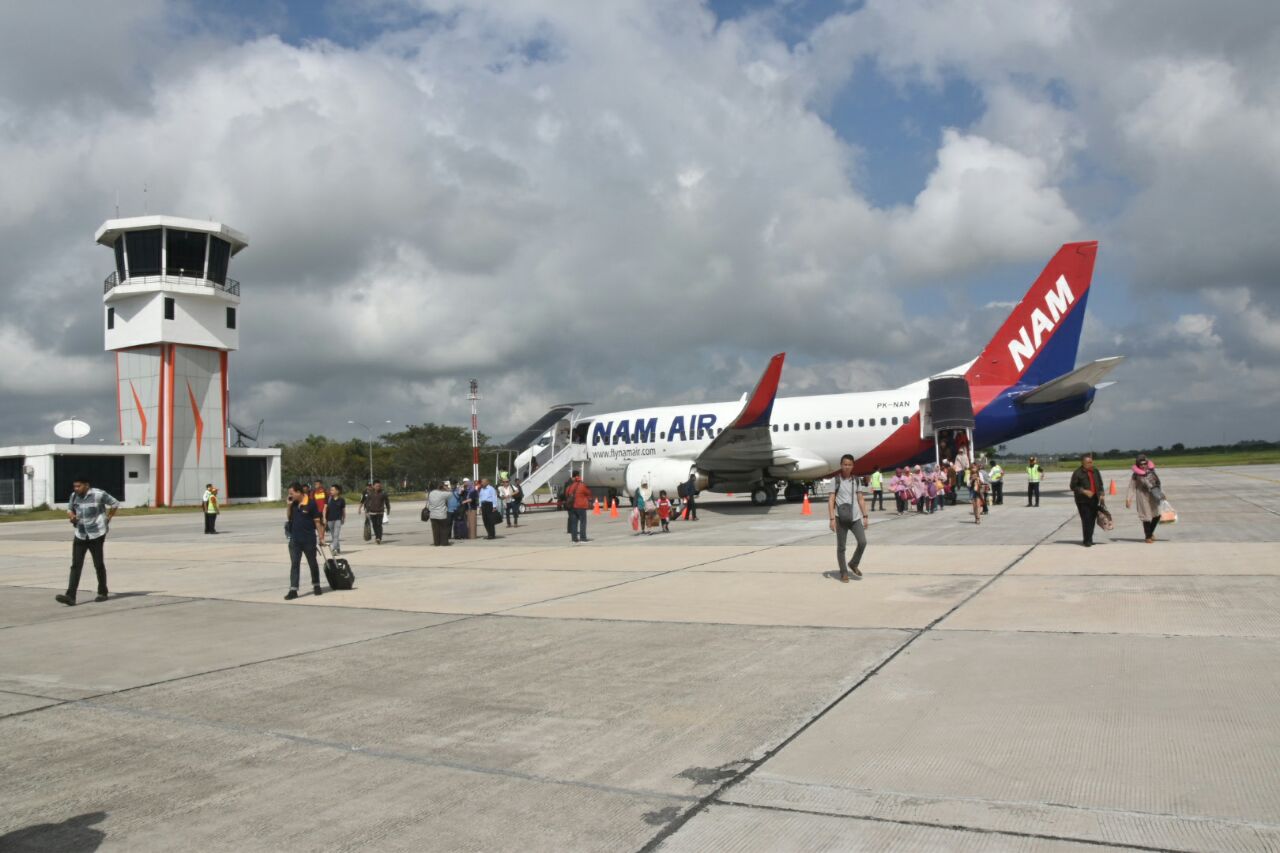
    Nam Air, a subsidiary of Sriwijaya Group, has announced a plan to apply the boutique airline concept, which mainly focuses on lifestyle branding.

    The carrier aims to make itself more appealing for customers of the millennial generation by delivering what it refers to as a “unique concept that is more masculine”.

    Nam Air director Asa Perkasa said passengers would experience the new concept even prior to their departure, and it would continue until their arrival at an airport. “There will be a number of changes, starting from our style to our products,” said Asa in an official statement. “But it will still have an Indonesian touch.”

    Asa described millennials as a promising target group, as they made up a large portion of the market and medium-service airlines were challenged to cater to their needs.

    Entering its fifth year of operation, Nam Air plans to change its internal operations as well. “We plan to apply the millennial lifestyle to our internal work pattern, from our outfits and offices to our business processes,” said Asa. “We’ll provide training for all of our employees to keep up with market trends.”

  • Legacy Banks Must Become Agile, Says Citi

    Legacy Banks Must Become Agile, Says Citi

    New entrants and increased competition brought about by challenger banks could result in revenue losses of up to 30 percent among legacy banks over the next 10 years. While digitalization can lower costs for incumbent banks by 30 to 50 percent, new competition and greater transparency in the banking market, prompted by the emergence of challenger banks driven by fintech startups, are likely to lower revenues by 10 to 30 percent in the next decade, according to the report “Bank X: The New New Banks” published by Citi on Thursday.

    As legacy banks recognize the threat that new entrants into banking are posing to revenue and customers, they need to reinvent themselves and reimagine banking. This involves legacy banks partnering with technology companies to create effective joint ventures as well as moving into more disruptive technology and business models to transform themselves into digital competitors, the report said.

    If banks successfully transform digitally, their ROEs will rise from 8 percent in Europe and 16 percent in the U.S. to 15 percent and 24 percent respectively in a bullish scenario, and 5 percent and 10 percent respectively in a bearish scenario, the report noted.

    Bank X

    Built by new entrants, challenger banks designed around new digital technologies, leveraging data insights via agile technology stacks to offer customers better personalization and fully digital banking experiences. As they offer their services remotely via online or mobile banking, challenger banks tend to be quicker at incorporating new products or processes into their platforms and help easily connect with third-party products, ultimately offering more choices to the end-user.

    By creating their own Bank X, we believe legacy banks can transform themselves from slow-moving caterpillars to agile butterflies, Ronit Ghose, Citi Global Head of Bank Research, said.

    The report noted that while creating a new digital-only bank can help incumbent banks meet an evolving set of customer expectations quickly and effectively, setting up an independent challenger bank needs to be differentiated from digital transformations and core banking overhauls that they undertake. This is because creating their own Bank X requires independent application programming interfaces (APIs) and technology stacks, which is a significant departure from the operating model of incumbent banks.

    Need for Regulation in Asia

    Apart from the lower number of challenger banks in Asia compared to the U.K. and U.S., Citi noted that challenger banks in Asia are largely offshoots of big tech, telcoms, and banks. For example, WeBank, MYbank, and Kakao Bank are all backed by tech firms, KBank and Jibun Bank are backed by telcoms, while DBS has made progress in Indonesia and India with digibank, its own challenger bank.

    While Asia has several challenger banks originating from startups aiming to disrupt the financial system, Neat in Hong Kong or Paytm in India, they are exceptions. This is a result of the limited regulatory framework for challengers in Asia, with the emerging exception of Hong Kong, and the presence of large tech companies, particularly in China.

    Conversely, challenger bank activity is vibrant in the U.K. and Europe as a result of progressive regulations enacted to promote competition and break up the banking monopoly, the report said.

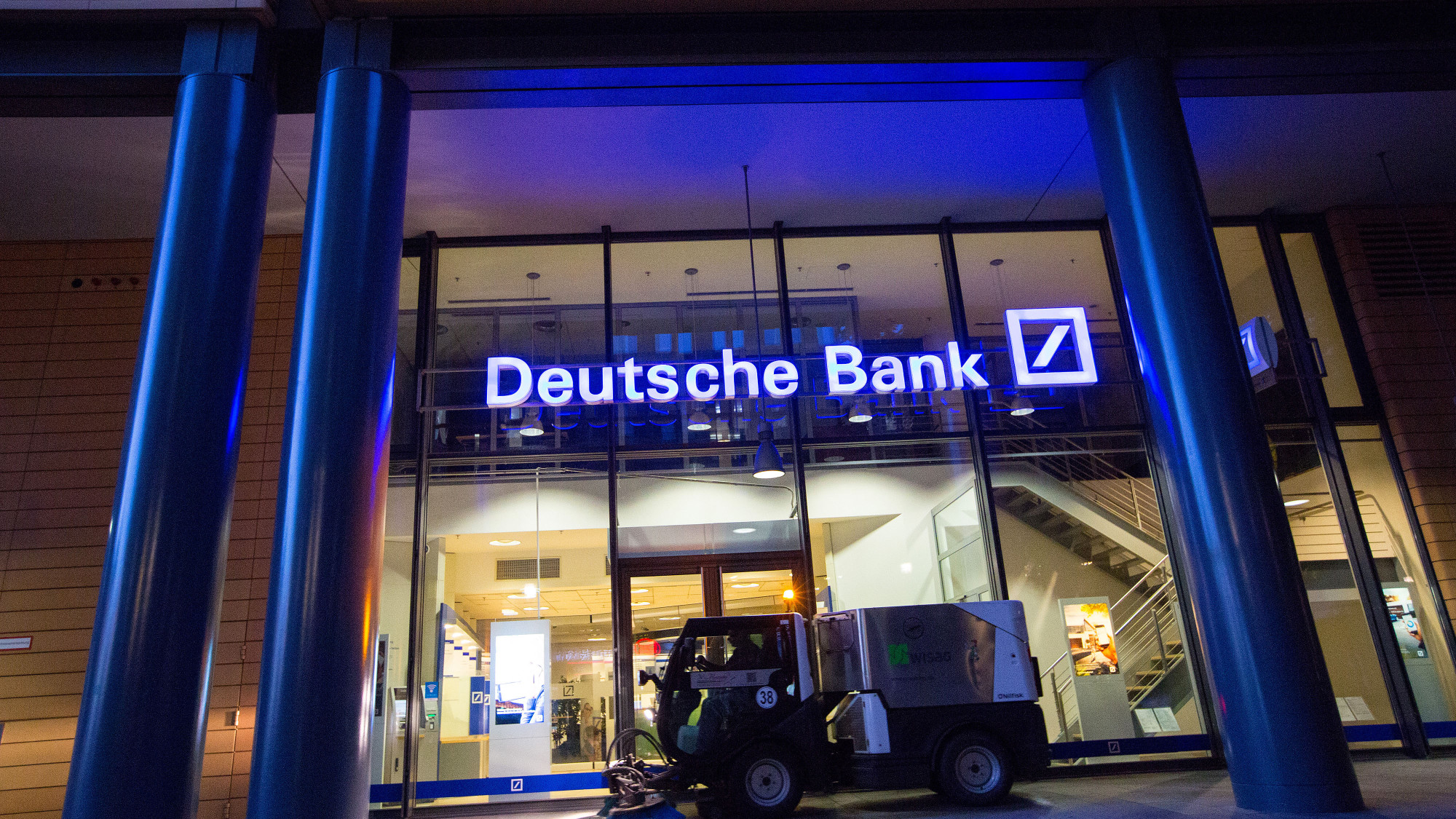
  • Deutsche Bank Appoints Head of Thailand

    Deutsche Bank Appoints Head of Thailand

    The German lender hires a new head from Siam Commercial Bank to fill the position left vacant since 2018. Deutsche Bank (DB) will get a new head for its Thailand operations in May, with the appointment of Pimolpa Suntichok as chief country officer and head of the financing and solutions group for Thailand, according to people close to the matter.

    Suntichok fills a position left by Phumchai Kambhato, who left the bank in 2018. She will report to Werner Steinmueller in her country management capacity and to Sreenivasan Iyer for her FSG responsibilities.

    Suntichok was previously the Senior Executive Vice President serving as the Head of Commercial Banking Solutions at Siam Commericial Bank, Thailand’s largest commercial bank. She brings over 20 years of experience in banking, having worked at Bangkok Bank, Jardine Fleming Thanakom Securities, Fitch Ratings (Thailand), and Standard Chartered Bank (Thailand). She joined SCB in 2008 to lead the structured finance practice for the Capital Markets Division and became the Head of Corporate Segment in 2015 and the Head of MultiCorporate Segment in 2016, according to SCB’s website.

    Future Uncertainty 

    Deutsche Bank in recent months has seen a raft of departures in Asia, including Southeast Asia Vice Chairman Philip Lee, Jakarta-based managing director Kunardy Lie, and North Asia COO

    Katherine Lai.

    DB, on its third CEO in four years, has in recent years scaled down its Asian operations as its focus has shifted towards Europe amid difficulties in the region. However, Thailand remains an important market for DB in Asia-Pacific, with the bank having a 40-year history in the country.

    The bank is currently in the midst of merger discussions with Commerzbank, which has cast uncertainty over Deutsche’s general strategy for the future.

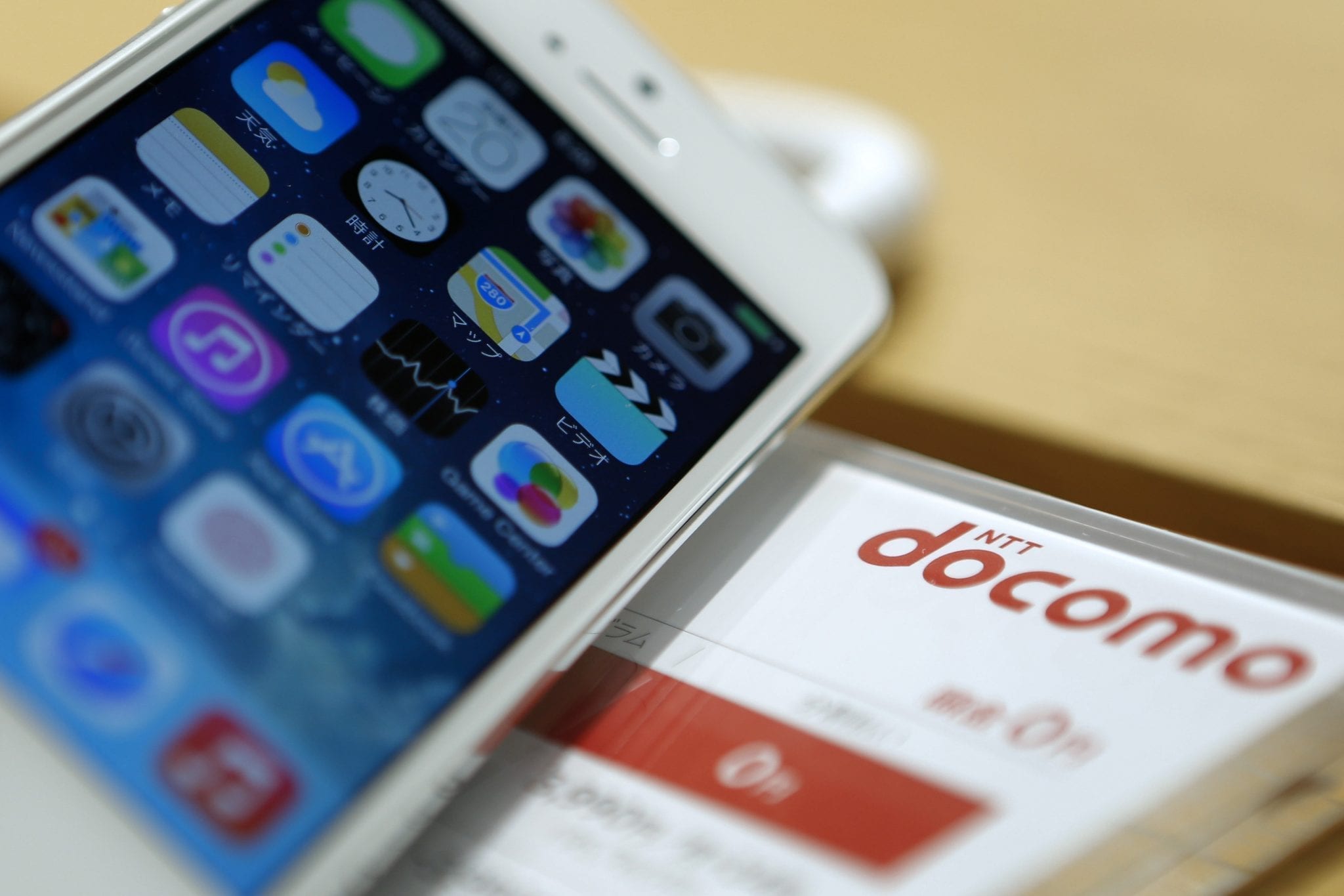
  • Docomo trials drone-based tower inspection in Indonesia

    Docomo trials drone-based tower inspection in Indonesia

    Japan’s NTT Docomo and Indonesian tower provider PT Solusi Tunas Pratama (STP) have commenced a trial in Indonesia involving the use of drones to inspect telecom towers.

    During the pilot of the Docomo sky for Tower Inspection service, the companies will use drones to photograph base stations and telecom towers and transmit the information to a command center in real time.

    The system is based on an operational drone-based tower inspection system developed by Docomo for use in its own network across Japan. It is designed to support the Docomo sky ground control station app for assistance in inspection tasks and remotely piloting the drones.

    For the trial, Docomo will provide its cloud-based platform for operational support and data analysis for faster and more accurate tower inspections.

    According to the companies, the trial service is well suited to markets including Indonesia, where rapid urban development is resulting in the construction of tall buildings and transport infrastructure that can interfere with radio propagation from telecom towers.

    The two companies hope to test the technology in other locations and facilities before launching a full-scale commercial service later in the first half of the year.

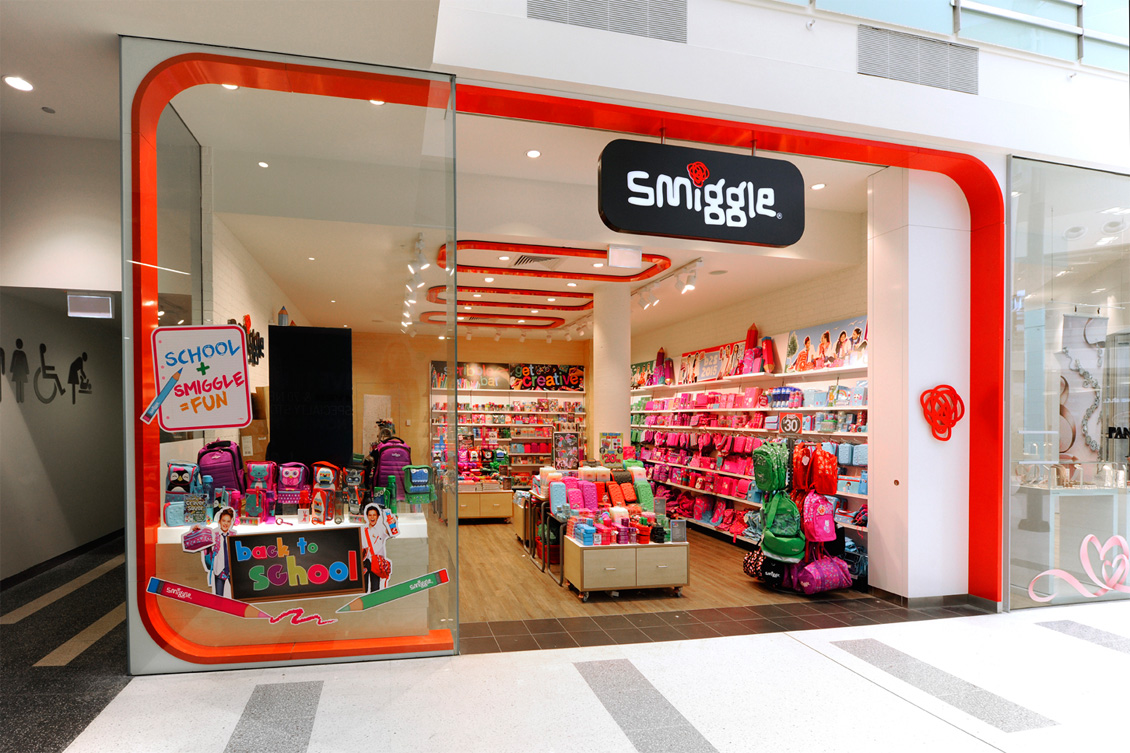
  • Stationery retailer Smiggle targets Asia

    Stationery retailer Smiggle targets Asia

    Vibrant stationery retailer Smiggle is expanding within Asia following a record global performance reaching 34.8 per cent sales growth in the territory.

    Brand owner Premier Investments will be pushing Smiggle in South Korea, Thailand, Indonesia, and the Philippines, as well as the UAE, making the brand available in over 100 new locations by July this year.

    Smiggle will also be expanded to Canada in late 2019, giving the brand its first exposure to a “key North American market.”

    The brand’s total sales for the first half of the current fiscal year reached US$126.59 million, contributing to Premier’s increased group net profit of 13 per cent over the period to $62.87 million.

    Due to “major structural changes to the global retail industry,” the brand will partner with Amazon Europe to launch in France, Italy, Germany and Spain between April and July 2019, and is in talks with Alibaba to bring the brand to countries where the brand does not currently operate.

  • Tealive parent Loob Holding eyes on IPO

    Tealive parent Loob Holding eyes on IPO

    Tealive parent Loob Holding, is planning an IPO to fund ‘aggressive expansion’. The company is looking to open 1000 Tealive stores in 15 countries by the end of next year.

    Along with another 150 new outlets in India by 2024.

    China is still its focus market, with 500 more outlets to come after first outlet opened last November.

    Tealive has more than 200 outlets in its home market, seven in Vietnam, two in China, and one in Australia. About one third of these are operated by franchisees.

    Loob Holding CEO Bryan Loo said the company is building relationships with potential business partners in Japan, Indonesia, Myanmar, Mongolia, and the UAE, while Singapore is also in its expansion plan.

    Apart from Tealive, Loob also runs F&B franchises in Malaysia, including Gindaco, Croissant Taiyaki, Define:food, Define:burgers and Ko Ko Kai.

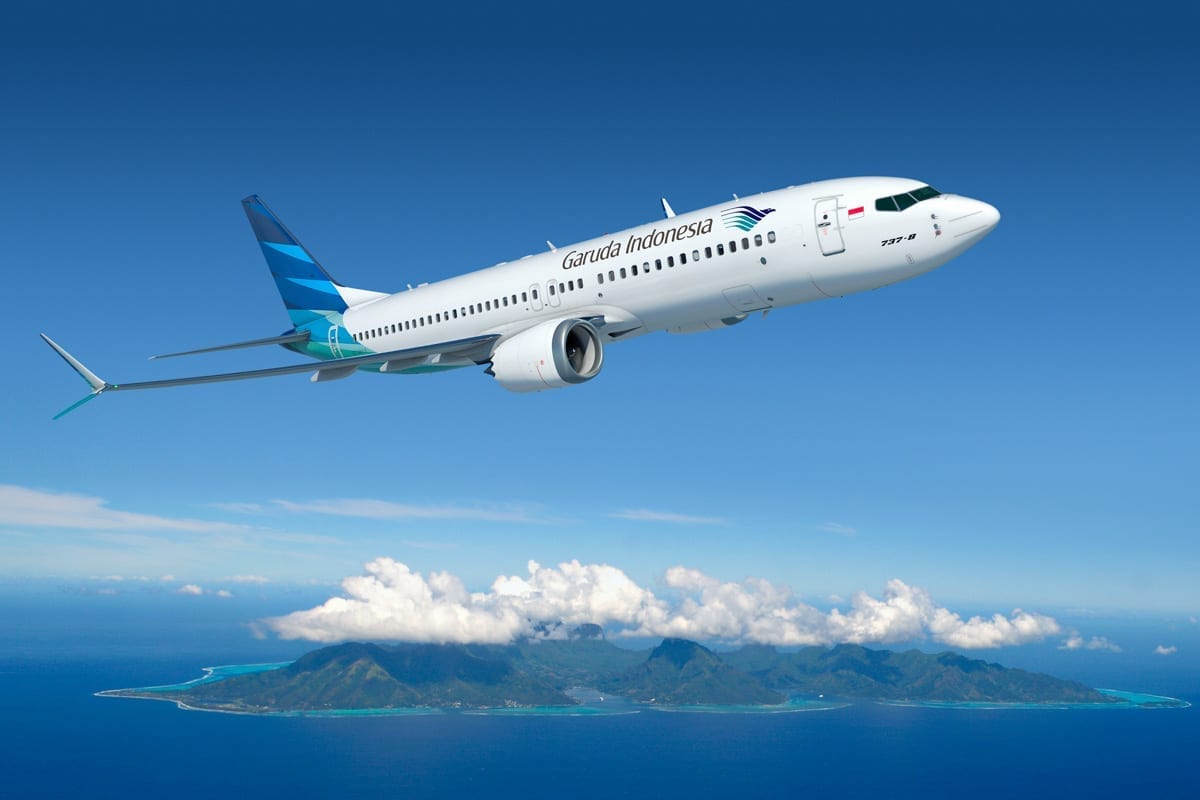
  • Garuda Indonesia Cancels 49 Boeing 737 MAX Orders

    Garuda Indonesia Cancels 49 Boeing 737 MAX Orders

    Breaking news coming from Jakarta that Garuda Indonesia has canceled their order for 49 Boeing 737 MAX placed a few years ago. This comes after two disastrous 737 MAX crashes and a worldwide grounding of the aircraft for safety reasons. Garuda operates over 70 737NG aircraft. As such, the 737 MAX was a natural addition to the fleet and part of the 737NG replacement plan. At face value, Garuda’s order was worth $4.9 billion.

    Garuda made the following comments upon ordering the 737 MAX:

    The Cancellation

    Garuda Indonesia’s President Director, Gusti Ngurah Askhara Danadiputra, announced the cancellation on Thursday, March 21st. In his comments, he specifically stated that the 737 MAX 8 suffered from bad publicity that spooked travelers from choosing the 737 MAX 8. Specifically, Garuda Indonesia believes there is no longer passenger confidence in the aircraft, so they are cancelling their order.

    This isn’t a major issue for Garuda Indonesia since they only have one 737 MAX 8. Depending on how long the groundings of MAX aircraft last, Garuda could find a new buyer or lessor for that specific aircraft. They could also sell it back to Boeing as part of a deal. Garuda Indonesia is already an Airbus customer. They operate both the A330-200 and 300 widebodies. In addition, Garuda Indonesia has 14 A330-900s on order.

    Cancelling the 737 MAX leaves Garuda with few options for sourcing a narrowbody replacement for their 737-800s. Russia is working on an alternative, however, it seems like Garuda will need an established plane with passenger confidence. In addition, based of Garuda Indonesia’s original order, they will probably go for a fuel efficient plane that carry a similar number of passengers.

    This makes the A320neo the most likely option for Garuda Indonesia. On an order for 50 aircraft, Garuda will probably get some discounts from Airbus that would make the delayed entry, any cancellation fees with Boeing, and increased maintenance and training costs worth it if passengers will still fly with them.

    The A320neo, however, would not be entirely out of place in Garuda’s fleet. Garuda Indonesia operates a low-cost arm called Citilink. Citilink flies over 50 A320/A320neo family aircraft.

    Overall

    In the grand scheme of things, Garuda Indonesia is not a major 737 MAX customer.  Norwegian, SpiceJet, Ryanair, Jet Airways, Lion Air, Flydubai, and Southwest all have over 100 737 MAX aircraft on order. However, if Garuda Indonesia is expressing concern about the 737 MAX, it is likely that other airlines are also concerned about their 737 MAX fleet and orders.

  • Reliance Finance and Robocash Group launch a sharia compliant fintech service in Indonesia

    Reliance Finance and Robocash Group launch a sharia compliant fintech service in Indonesia

     Robocash Group announced the launch of sharia compliant service Penyaluran Dana Syariah (PDS), which is a sharia compliant funding facility. The service has been developed from the ground up in partnership with the financing company Reliance Finance and close consultation with Sharia Supervisory Board (Dewan Pengawas Syariah). Operated by the legal entity PT Usaha Pembiayaan Reliance Indonesia (REFI), the product falls under the supervision of the Financial Services Authority (OJK) and the Sharia National Board in Indonesia. The launched service PDS will provide access to fintech products for the millions of Indonesians following Shariah principles, or the Islamic shariah law. The fundamentals include sharing of risk, profits and loss and prohibition of interest (riba).

    According to the Islamic Finance Development Report, in 2023, the global Islamic finance industry is projected to grow to USD 3.8 trillion in assets from USD 2.4 trillion in 2017. However, considering that Indonesia has the largest Muslim population in the world, the country is only on the 6th place in the Islamic Finance Country Index 2018.

    Speaking about the start of the service PDS, Denny Karim, Reliance Group Marketing Director said, “When we looked at the personal financing market in Indonesia, we saw many attractive products, but a very low degree of Syariah adoption. We decided to make it our goal to ensure financial inclusion for this exciting technology to our millions of customers who follow Sharia principles. However, with powerful technology comes responsibility. We believe that all financial services are a partnership, which should benefit all parties. We are committed to offering a range of financial services and – where appropriate – financial education, to help our customers make the best possible financial decisions.

    In the announcement of the expansion to Indonesia, Sergey Sedov, Chief Executive Officer of Robocash Group added, “We are very positive about the future of the Indonesian fintech market. The overall digital adoption and initiatives supporting the industry will definitely allow the country to see an exponential growth of the market volumes and attract more investments. However, the focus should always stay on customers and their needs. Strengthened by the local expertise of Reliance Finance, we have customized technologies of Robocash Group for the market so that they provide the best user experience.”

    The service PDS has combined technology-enabled application process, which requires adding only an identity card (KTP) and a selfie, with artificial intelligence applied in scoring and fraud detection filters to offer an advance up to USD 715 (IDR 10,000,000) in a few minutes. The advance can be paid directly to a bank account or e-wallet, or withdrawn as cash in one of the participating outlets.

    PDS is fully supported by Reliance Capital Management (RCM) as a holding company, which covers several financial services companies including PT Usaha Pembiayaan Reliance Indonesia (Reliance Finance). In 2014, PT Reliance Capital Management has received investment from Leapfrog Investment, a global investor company that has invested heavily in companies in Asia and Africa.

  • Ericsson to supply gear for XL Axiata’s 5G transport network

    Ericsson to supply gear for XL Axiata’s 5G transport network

    Indonesia’s XL Axiata has awarded Ericsson a contract to contribute to the deployment of the operator’s planned 5G ready transport network. Under the expanded partnership, Ericsson will provide 5G ready routers for the rollout over the next three years, commencing in the second quarter. Ericsson will provide its Router 6000 for all sites selected to be modernized under the contract. The router is optimized for 10G/100G connectivity, as well as the low latency, high accuracy internal clock and IPsec security capabilities required in 5G backhaul networks.

    “We are looking forward to continuing our partnership with Ericsson with state of the art transmission equipment,” XL Axiata director Yessie D Yosetya said.

    “We believe this will increase our network capacity performance and also beneficial for our customers to deliver a good user experience. This is one of our initiatives into the 5G era.”

    XL Axiata announced during Mobile World Congress in Barcelona that it has partnered with Huawei to construct Southeast Asia’s first 5G-ready simplified transport network covering all of Indonesia.

    Huawei is providing its Optical Networking 2.0 solution to help the operator simplify network architecture and build a simplified transport network.

  • Lippo Mall Puri in West Jakarta sells

    Lippo Mall Puri in West Jakarta sells

    Reit Lippo Malls Indonesia Retail Trust (LMIRT) plans to buy Lippo Mall Puri in West Jakarta for US$261.6 million.

    LMIRT Management, which runs LMIRT, said in a statement it has entered into a conditional sale-and-purchase agreement for the 115,600sqm mall, which will boost the Reit’s total net lettable area by about 10 per cent. Settlement is scheduled for the second half of this year.

    Lippo Mall Puri has seven floors of retail space – five above ground and two basement levels. The mall currently has 324 tenants including Uniqlo, Zara, Marks & Spencer, H&M, Best Denki and Adidas. It is anchored by Parkson and Matahari department stores and also includes dining, cinema and entertainment zones. At the end of last year it had an occupancy rate of 89.6 per cent.

    The property’s current owner is Mandiri Cipta Gemilang, which will provide ongoing support after the sale is completed.

    LMIRT Management CEO Gouw Vi Ven says that since Lippo Mall Puri was completed in July 2014, the average monthly footfall has grown from 176,000 to nearly 1.22 million.