Tag: Industry

  • Thailand Auto Industry Braces as Car Exports Skid amid Middle East Tensions and EV Competition

    Thailand Auto Industry Braces as Car Exports Skid amid Middle East Tensions and EV Competition

    In May, Thailand’s automotive industry experienced a sharp decline in vehicle production, which fell 17.94% year-on-year to 114,214 units. The slump was primarily due to decreased exports amidst political tensions in the Middle East and reduced demand in key markets. Consequently, the combined production for the first five months of the year fell by 1.13% to 587,759 units, as reported by the Federation of Thai Industries.

    Factors Influencing the Decline

    According to Surapong Paisitpattanapong, an advisor to the federation’s Automotive Industry Club chairperson, production for exports decreased by a staggering 36.20% in May. Completely built-up (CBU) vehicles saw a significant drop, down 26.69% year-on-year to 59,434 units in the same month.

    The federation identified two major contributors to this downturn. The first was the political instability in the Middle East, which resulted in a 66.14% plunge in exports due to the conflict between the U.S. and Iran. The second was the Australian and Oceania market, where exports slipped 37.18% due to stricter carbon control regulations and increased competition from Chinese electric vehicles. Consequently, exports of CBUs fell 24.36% year-on-year to 41.72 billion baht (approximately US$1.28 billion) in May.

    Growth in Domestic Sales and Electric Vehicles

    Contrary to the declining exports, domestic vehicle sales in Thailand increased by 10.6% year-on-year to 57,765 units in May. This was majorly driven by the increasing popularity of battery electric vehicles (BEVs). Electric passenger car sales surged by 61.19% to 18,034 units as consumers sought to mitigate higher fuel costs.

    Over 150 billion baht was invested in the industry in the first five months of the year. Government economic stimulus measures also helped to increase confidence. However, growth in the pickup truck market, a significant segment of Thailand’s automotive industry, was minimal at 0.21%.

    Despite mixed production figures, Thailand’s EV industry remained optimistic. New registrations for BEVs hit 21,619 units in May, marking an increase of 55.14%. The total registered BEVs in Thailand reached 468,757 units as of May 31. Meanwhile, motorcycle production also saw an uptick in May, growing 9.67% year-on-year to 230,691 units.

    Questions & Answers

    What led to the decline in vehicle production in Thailand?
    The reduction was primarily due to a decrease in exports, fuelled by geopolitical tension in the Middle East and lower demand in major markets.

    Which segment of the automotive industry in Thailand saw an increase despite the overall decline?
    Domestic sales and the electric vehicle segment experienced growth, with the latter seeing new registrations rise to 21,619 units in May.

    What is the outlook for the electric vehicle industry in Thailand?
    Despite mixed production numbers, the electric vehicle industry in Thailand is showing positive signs of growth, with increasing new registrations and consumer interest.

  • Beijing Liyuan Shakes Up Beauty Industry: Eyes Exit from Shiseido China Venture

    Beijing Liyuan Shakes Up Beauty Industry: Eyes Exit from Shiseido China Venture

    Beijing Liyuan is said to be planning a sale of its 35% stake in its longstanding cosmetics joint venture with Japanese beauty firm Shiseido. This decision would conclude a partnership that has spanned more than thirty years.

    According to information available on the China Beijing Equity Exchange, Beijing Liyuan is looking for a minimum of RMB199.5 million (US$29.3 million) for its stake in Shiseido Liyuan Cosmetics.

    Details of the Proposed Sale

    Shiseido China Investment, which owns the remaining 65% of the joint venture, has confirmed the planned sale. However, they haven’t specified if they plan on acquiring the stake.

    Shiseido Liyuan Cosmetics was established in 1991 with a focus on developing products specifically for Chinese customers.

    Their leading brand, Aupres, was exclusively designed for the Chinese market. Over the years, this brand became a significant part of Shiseido’s local strategy as the company expanded its operations throughout the country.

    The proposed sale is still in progress and remains subject to completion. Both Beijing Liyuan and Shiseido have refrained from disclosing any additional details about the transaction.

    Questions & Answers

    What is the proposed sale price for Beijing Liyuan’s 35% stake in Shiseido Liyuan Cosmetics?
    Beijing Liyuan is seeking at least RMB199.5 million (US$29.3 million) for its stake in Shiseido Liyuan Cosmetics.

    Who owns the majority stake in Shiseido Liyuan Cosmetics?
    Shiseido China Investment owns the majority stake, holding 65% of the joint venture.

    What is the significance of the Aupres brand in Shiseido’s strategy?
    The Aupres brand, which was exclusively created for the Chinese market, became a cornerstone of Shiseido’s local business strategy as the company expanded its presence across China.

  • Li & Fung Partners with Vera Bradley: A Bold Foray into the Apparel Industry

    Li & Fung Partners with Vera Bradley: A Bold Foray into the Apparel Industry

    Global sourcing and supply chain leader, Li & Fung, is setting its sights on further growth within the apparel sector, following a successful trading year in home products. The firm plans to extend its licensing agreement with American lifestyle brand, Vera Bradley, and make a significant foray into the competitive industry.

    Expanded Agreement Details

    Under the terms of the extended deal, Li & Fung will be responsible for designing and manufacturing a variety of everyday clothing items. These will mirror Vera Bradley’s visual identity and include tops, sweaters, outerwear, dresses, and swimwear. The company’s designs will continue to feature its well-known patterns, colours, and quilting elements, with the aim of appealing to a wide, multigenerational audience.

    The new product line will be launched in stages. The first phase, slated for the holiday season in 2026, will unveil the winter collection, which includes tops, sweaters and outerwear. The subsequent expansion into dresses and swimwear is expected during the cruise season of 2027.

    Melinda Paraie, Chief Brand Officer of Vera Bradley, commented on the development, “Our foray into the apparel market is a significant step for Vera Bradley. We’ve been successful in the home category and we’re confident that our partnership will enable us to deliver high-quality apparel reflecting our brand’s ethos. It’s about meeting our customers in their comfort zone and offering them more avenues to express their personal style.”

    Distribution Plan

    The upcoming clothing range will be distributed widely, targeting customers across full-price, specialty, off-price, and warehouse club retail channels. This strategic approach is expected to maximize the reach of Vera Bradley’s offerings to their diverse customer base.

    Questions & Answers

    1. What are the terms of the expanded agreement between Li &Fung and Vera Bradley?
    Under the expanded agreement, Li & Fung will design and manufacture everyday apparel items like tops, sweaters, outerwear, dresses, and swimwear, reflecting Vera Bradley’s visual identity.

    2. When is the new product line expected to launch?
    The new product line will be launched in phases, beginning in the holiday season of 2026 with the release of cold-weather categories. The expansion into dresses and swimwear is planned for the cruise season of 2027.

    3. What is the proposed distribution plan for the new clothing range?
    The clothing range will be widely distributed across full-price, specialty, off-price, and warehouse club retail channels.

  • Singapore Airlines Postpones Next-Gen First-Class Seat Debut to 2027 Amid Industry Constraints

    Singapore Airlines Postpones Next-Gen First-Class Seat Debut to 2027 Amid Industry Constraints

    Singapore Airlines has postponed the unveiling of its upgraded first and business class cabins on Airbus A350-900 aircraft until the first quarter of 2027, retreating from the original target date in the second quarter of 2026. The adjusted timeline comes as a response to the widespread supply chain issues plaguing the aviation industry, compounded by delays in the approval of one of the new seating designs, as was communicated by a company representative on Wednesday.

    Revamping the Flying Experience

    The change in the cabins is part of a broader revamp announced by Singapore Airlines in November 2024, a move targeted at rolling out newly designed long-haul products across a fleet of 41 Airbus A350-900 long-distance and extreme long-range aircraft. The new products were declared to be an entirely new innovation, boasting spacious layouts and ergonomics designed to cater to the diverse requirements of the airline’s passengers.

    Although the airline has yet to disclose the final designs of the revamped cabin classes, a preview of the new business class product released in 2024 hinted at seats equipped with privacy doors, bearing a resemblance to the Qsuite of Qatar Airways.

    Singapore Airlines had previously broadcast an investment of SGD1.1 billion (US$863 million) in this venture, with the refurbishment work delegated to the SIA Engineering Company in Singapore.

    Operational Delays and Future Expectations

    Singapore Airlines stated on Wednesday that the refurbished A350-900 aircraft are now predicted to commence operations in the first quarter of 2027, pending regulatory approvals. The company pledged to offer an update on the introduction of the upgraded A350-900 ultra-long-range aircraft when appropriate.

    Upon completion of the renovations, the company plans to equip 34 of the A350-900 long-haul aircraft with 42 business class seats, 24 premium economy seats, and 192 economy seats. The seven A350-900ULR aircraft in the airline’s possession will be arranged with four first-class seats, 70 business class seats, and 58 premium economy seats.

    Questions & Answers

    What is the new timeline for the launch of the upgraded seats on Airbus A350-900 aircraft?
    The new launching date is set for the first quarter of 2027, a delay from the initial schedule of the second quarter of 2026.

    Why has the launch been delayed?
    The delay is due to industry-wide supply chain issues and a setback in the certification of one of the new seat designs.

    What will the new cabins look like?
    Details of the design remain undisclosed, but a teaser of the business class product showed seats with privacy doors, similar to those of Qatar Airways’ Qsuite.

  • KK Mart Announces Massive IPO: A Game-Changer in the Malaysian Convenience Store Industry

    KK Mart Announces Massive IPO: A Game-Changer in the Malaysian Convenience Store Industry

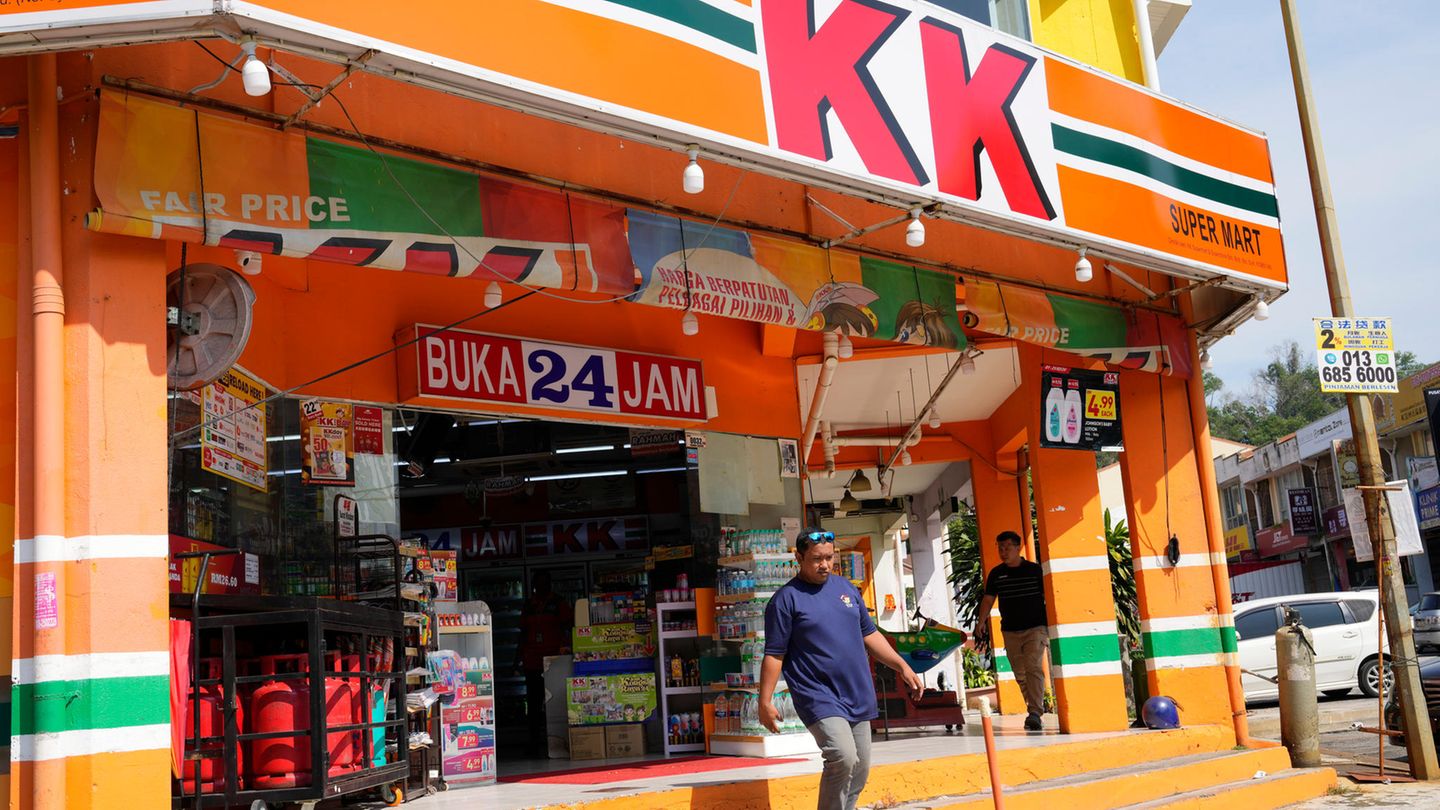
    KK Mart Retail Bhd, the parent company running the KK Super Mart and KK Mart convenience store chain, has revealed plans for an initial public offering (IPO) on Bursa Malaysia. The news came as the company filed a draft prospectus with the Securities Commission Malaysia earlier this week.

    Details of the IPO

    Although the prospectus does not provide specific details about the IPO price, overall fundraising size or listing schedule, it does confirm that the IPO will involve up to 840 million shares. This sum includes the sale of as many as 630 million existing shares, along with the issuing of 210 million new shares.

    Current Operations

    At present, KK Mart operates 996 convenience stores throughout Malaysia. The stores provide customers with everyday essentials and services, such as bill payments and mobile top-ups.

    Use of IPO Proceeds

    The funds raised from the new shares will be allocated to various areas of the business. These include expanding store operations and distribution centers, investing in the digital sphere and IT capabilities, repaying bank loans, and covering the expenses associated with listing.

    The Maybank Investment Bank will serve in multiple roles for this offering, including as the principal advisor, the sole bookrunner, underwriter, and placement agent.

    Questions & Answers

    What is the expected IPO price and total fundraising size for KK Mart Retail Bhd?
    As of now, the company has not disclosed any specific details about the IPO price or the total fundraising size.

    How many convenience stores does KK Mart currently operate?
    KK Mart currently operates 996 convenience stores across Malaysia.

    How will the proceeds from the new shares be used?
    The proceeds from the new shares will be used for expanding store operations and distribution centers, investing in digital and IT capabilities, repaying bank loans, and covering listing-related expenses.

  • Australian Spirits Industry Outraged as Tax Relief Measures Favor Beer Over Liquor

    Australian Spirits Industry Outraged as Tax Relief Measures Favor Beer Over Liquor

    In Australia, the spirits industry is set to miss out on tax relief measures currently extended to the beer industry, following a failed debate on alcohol taxation in the Senate.

    The Failed Amendment

    An amendment proposed to extend the excise freeze, currently applied to draught beer, to tap spirits was voted down by the Labor and Greens parties. In addition to this, the amendment suggested a review of the alcohol tax system. The proposed changes, which received support from the opposition and several independent senators, would have served as a cost-of-living measure for patrons of pubs and clubs if approved.

    Steven Fanner, executive director of Spirits & Cocktails Australia, expressed disappointment at the outcome, stating that the amendment had the backing of consumers and also encouraged a review of alcohol taxation in the country.

    He was quoted as saying, “To see the amendment voted down without its supporters even being provided the opportunity to debate it in the Senate is disappointing.” He found it perplexing that the Greens opposed a review of the alcohol tax, considering that tax reform has been part of their policy platform for years.

    Call for Tax System Review

    Industry representatives continue to advocate for a reevaluation of the tax system, highlighting the stark contrast in taxation between different types of alcohol. For instance, a consumer purchasing a gin and tonic is taxed almost three times more than a beer drinker, and up to eight times more than a wine drinker. Fanner believes this system reflects outdated consumption patterns and fails to align with the current market conditions.

    Spirits are increasingly becoming a significant part of the product mix offered in bars, clubs, and smaller venues. The excise on spirits is adjusted bi-annually, and after the most recent adjustment in February, the tax collected on a standard 700ml bottle of gin or whisky stands at about $32.

    During the promotion of the draught beer excise freeze, Government MPs stated that the policy was intended to alleviate cost-of-living pressures and support hospitality businesses. According to Fanner, however, the current measure is only applicable to beer, not all alcohol categories.

    Questions & Answers

    What was the proposed amendment to alcohol taxation in Australia?
    The amendment proposed to extend the excise freeze currently on draught beer to tap spirits. It also called for a review of the alcohol tax system.

    What was the outcome of the debate on the amendment?
    The amendment was voted down in the Senate, with the Labor and Greens parties opposing it.

    What is the current state of alcohol taxation in Australia?
    Currently, the excise freeze is applied only to beer. A gin and tonic consumer pays nearly three times the tax a beer drinker pays, and up to eight times more than a wine drinker. The excise on spirits, which is adjusted twice a year, currently stands at $32 on a standard 700ml bottle of gin or whisky. Industry representatives are calling for a review of this system.

  • Coles Bids Farewell to Swaggle: The Unexpected Turn in Australia’s Pet Care Industry

    Coles Bids Farewell to Swaggle: The Unexpected Turn in Australia’s Pet Care Industry

    Swaggle, a pet care subsidiary of supermarket titan Coles, will be shutting down after a two-year run, it has been confirmed. Swaggle marked Coles’ entry into the thriving pet care industry which is currently valued at over $33 billion annually in Australia.

    Headquartered in Victoria, Swaggle was supervised by Chad Burke, previously a category manager at Coles Group. The online marketplace boasted an extensive inventory of items, featuring both niche and prominent brands in the industry.

    Despite its initial promise, Coles has decided to cease Swaggle’s operations beginning from April, just over two years after its inception.

    A representative from Coles praised Swaggle as one of the company’s most important innovation projects. The representative stated, “The venture demonstrated our ability to quickly ideate and trial in the market, and highlighted what a dedicated, nimble team can achieve when they stay attuned to the customer’s needs and are willing to experiment.”

    The company plans to investigate options for relocating Swaggle’s workforce within its group, while providing support to others during the transition.

    The representative further added, “It also serves as a reminder of the need to acknowledge market shifts and to redirect our focus and capital to ensure the continued execution of our strategy.” The spokesperson went on to express, “As the pet market’s demands have transformed and client needs have developed, we have made the difficult decision to close down our Swaggle Pet business from the beginning of April.”

    Questions & Answers

    Why is Coles closing down its pet care business, Swaggle?
    Coles is closing down its pet care business, Swaggle, due to evolving customer needs and shifting demand in the pet market.

    What will happen to the employees of Swaggle after its closure?
    Coles is exploring opportunities to relocate Swaggle employees within its group and promises to support others during the transition period.

    What was the significance of Swaggle to Coles?
    Swaggle was one of the most significant innovation initiatives at Coles, demonstrating the company’s ability to quickly create and test in the market, and highlighting the achievements of a small, talented team.

  • Embrace the 2026 Lunar New Year of the Fire Horse: Prosperity, Health and Retail Industry Updates Await!

    Embrace the 2026 Lunar New Year of the Fire Horse: Prosperity, Health and Retail Industry Updates Await!

    The team at Retail News would like to convey our warmest regards to our readers during the 2026 Lunar New Year, the year of the Fire Horse. We extend our heartfelt wishes to you and your loved ones for a year filled with robust health and bountiful prosperity.

    Our team will return on Thursday, 19th February, ready to provide you with more insightful industry developments, exclusive feature stories, authoritative opinions, and the most recent news and updates from the financial industry.

    We hope that you enjoy the festive season and all the joy and good fortune it brings. Here’s wishing you a spirited Kung Hei Fat Choi!

  • Revolutionizing the Beverage Industry: Kiwi Startup’s Innovative Tablet Drink Seeks to Curb Plastic Waste

    Revolutionizing the Beverage Industry: Kiwi Startup’s Innovative Tablet Drink Seeks to Curb Plastic Waste

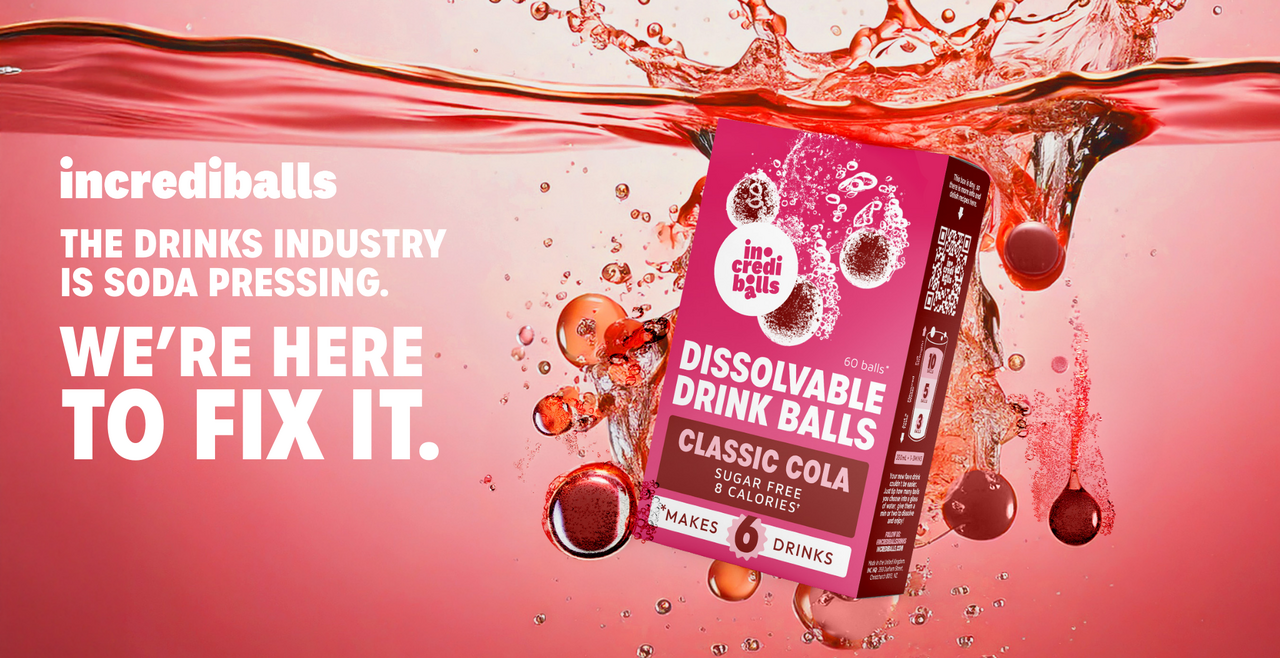
    A New Zealand-based startup, Incrediballs, is set to introduce a tablet-based beverage product, with the aim of minimizing plastic usage in the beverage industry. The product represents the commercial exploitation of a research endeavor that spanned seven years.

    Incrediball’s Innovative Concept

    Incrediballs specializes in the production of non-plastic effervescent drink tablets. The development of these tablets was spearheaded by Brianne West, founder and ex-CEO of Ethique, a personal care company. West’s departure from Ethique saw her utilizing a co-crystal stabilization method, a technology birthed at the University of Bradford, UK.

    The conventional effervescent tablets are inherently unstable, necessitating the use of plastic or metal packaging for protection against moisture and air, West explained. On a commercial scale, stabilizing these tablets is a challenge that even pharmaceutical companies grapple with.

    “The chemistry may seem straightforward but controlling it is no easy feat,” she said. “Our patented system encapsulates active ingredients such as citric acid and sodium bicarbonate with compounds like nicotinamide and creatine. This prevents the reaction from taking place until the tablet is completely immersed in water.”

    Upon dissolution, each tablet generates a 350ml beverage with no added sugar. By eliminating the need for bottled drinks, this format presents an alternative within the global soft drink market. The market, estimated to be worth $1.42 trillion, is responsible for generating around 583 billion single-use plastic bottles annually, with only about 10% of these bottles being recovered by recycling systems.

    An Eco-friendly Alternative to Bottled Drinks

    West, referring to data from the United Nations, stated that manufacturers are capable of producing approximately 20,000 PET bottles every second. Furthermore, single-use drink containers account for roughly 45% of litter in urban areas.

    Incrediballs’ tablets are packaged in a paper-based material that is certified for home composting and devoid of plastic laminates. The packaging can be composted or recycled. The company uses water-based inks and is exploring options for algae-derived alternatives.

    The development of Incrediballs incorporated feedback from over 15,000 subscribers and social media followers who participated in product testing. The company plans to extend their product line to include functional beverage formats that utilize ingredients sourced from New Zealand such as manuka, kawakawa, and kiwifruit extracts.

    Revolutionizing the Beverage Industry

    Incrediballs’ goal is to revolutionize the drink manufacturing, transportation, and sales sectors. However, the company’s focus is not merely to position its product as an environmental alternative. It has set ambitious targets to prevent the production of 50 million plastic bottles by 2030 and 300 million by 2050.

    From a logistical standpoint, the non-liquid, non-plastic format of the product decreases transport volume by over 99%, enabling higher product density per shipment. According to West, this shift has the potential to transform export economics by reducing logistics costs.

    In terms of financial aspirations, the company aims for a revenue of $1 million by the 2027 fiscal year, with long-term plans to establish an export business boasting an annual turnover of $1 billion.

    The initial four flavors of the product will be available for online orders beginning February 16. The company has already garnered interest from supermarkets and FMCG retailers in Australia and New Zealand.

    At first, the company’s focus will be on direct-to-consumer sales to establish brand positioning and gain customer insights. They also plan on partnering with select independent retailers for trial runs. Feedback from these early stages will be used to fine-tune aspects such as flavor, packaging, and usage prior to wider FMCG and export distribution.

    “We’re not aiming to be a niche or a travel product,” West said. “We want our presence felt on every beverage aisle.”

    Questions & Answers

    What is Incrediballs?
    Incrediballs is a New Zealand-based startup that specializes in the production of non-plastic effervescent drink tablets aimed at reducing plastic waste in the beverage industry.

    How does the Incrediballs tablet work?
    The Incrediballs tablet, when fully immersed in water, dissolves to produce a 350ml beverage. This eliminates the need for single-use plastic bottles.

    What are Incrediballs’ future plans?
    Apart from aiming to prevent the production of 50 million plastic bottles by 2030, Incrediballs also plans on extending their product line to functional beverage formats using locally sourced ingredients. The company aims to establish a strong brand presence in all beverage aisles, not just as a niche or travel product.

  • Woolworths Faces Potential New Zealand Regulatory Breach Amid Alleged Grocery Industry Competition Act Violations

    Woolworths Faces Potential New Zealand Regulatory Breach Amid Alleged Grocery Industry Competition Act Violations

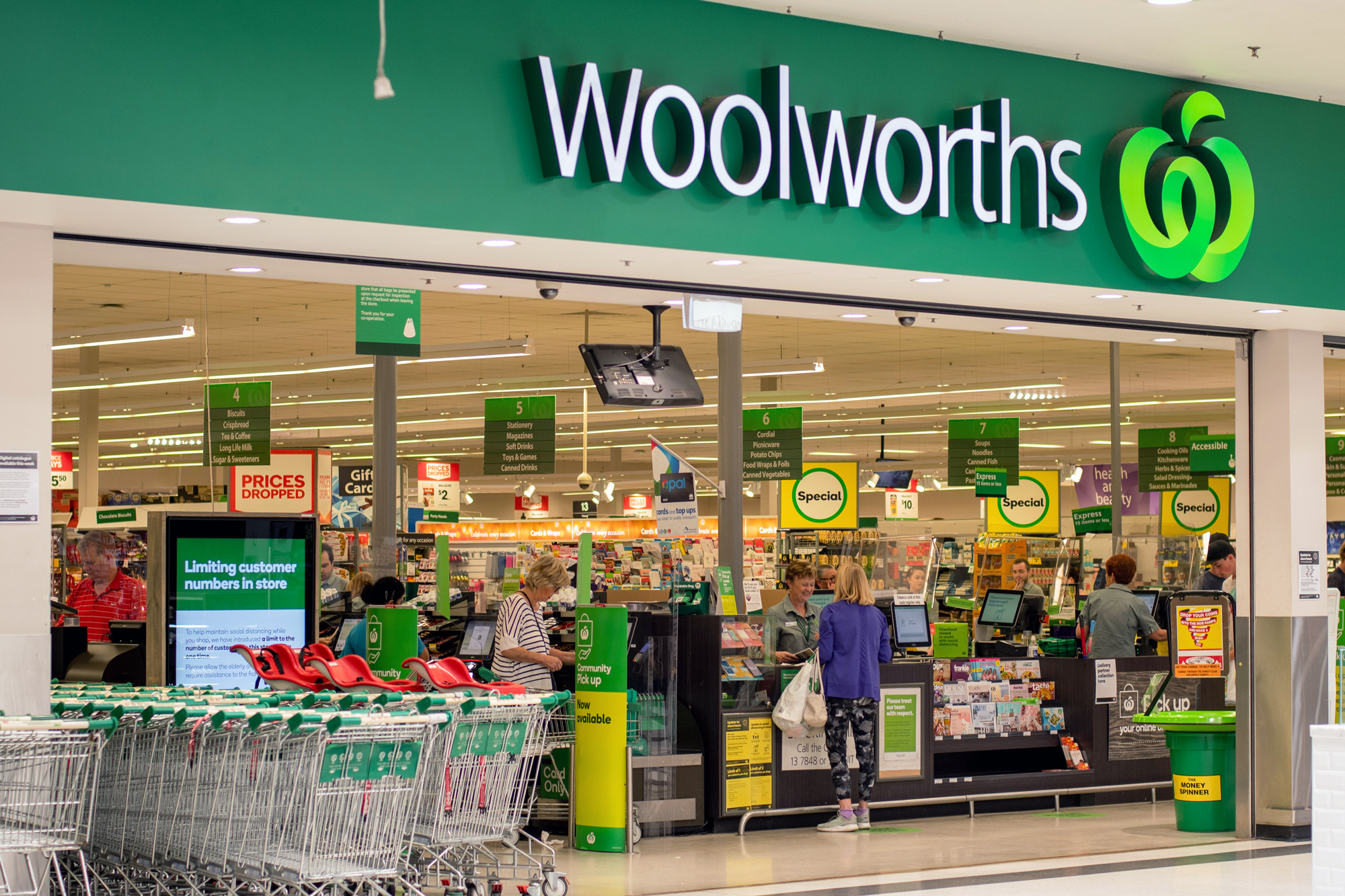
    Woolworths, a prominent supermarket chain, has recently been cautioned about potentially violating the Grocery Industry Competition Act. This situation arose due to the delisting of certain products in its New Zealand branches.

    Grocery Industry Competition Act: Purpose and Management

    The Grocery Industry Competition Act is governed by the New Zealand Commerce Commission (NZCC). Its primary objective is to regulate the relationship between suppliers and supermarkets. By demanding greater transparency when products are delisted from store shelves, it seeks to protect the interests of smaller suppliers.

    The act, which was established in 2023, is expected to incorporate the Grocery Supply Code in May. Non-compliance with the code could lead to penalties, as per the statement from the commission.

    Investigation into Non-Compliance

    The NZCC has been scrutinizing the product-range review methods of leading supermarkets to ensure they are complying with the code.

    A spokesperson commented on the situation, saying, “Through this process, we identified and investigated situations where it appeared that Woolworths New Zealand might not be fulfilling its responsibilities.” Post investigation, Woolworths New Zealand was issued a warning for a probable breach of the Grocery Industry Competition Act. However, the spokesperson noted that only a court can establish whether an actual breach has occurred. Since the warning, Woolworths has amended its procedures to comply with the regulations.

    Impact on Groceries and Suppliers

    Alice Hume, the head of groceries at NZCC, stated that this action was taken in response to suppliers’ concerns. She highlighted the pressure on suppliers with the possibility of their products being delisted. This situation could further exacerbate the imbalance of power between major supermarkets and smaller suppliers.

    “The fear of losing market access can pressure suppliers into accepting unfavorable conditions and foster distrust towards supermarkets’ decision-making processes,” Hume explained. “The code is instrumental in equalizing the power dynamics between large supermarkets and smaller suppliers, so we treat compliance with the utmost seriousness.”

    Hume also mentioned that the NZCC continues to assess the product ranges available at supermarkets, inviting any worried suppliers to reach out to the commission.

    Questions & Answers

    What is the purpose of the Grocery Industry Competition Act?
    The Grocery Industry Competition Act is designed to govern the relationship between supermarkets and suppliers, with a demand for more transparency during product delisting to protect smaller suppliers.

    What are the consequences of breaching the Grocery Supply Code?
    Non-compliance with the Grocery Supply Code, which is part of the Grocery Industry Competition Act, can result in penalties.

    What are the concerns of the smaller suppliers?
    Smaller suppliers are concerned about potential product delisting, which could reinforce power imbalances with major supermarkets, pressurize them into accepting unfavorable conditions, and induce a lack of trust in supermarkets’ decision-making processes.

  • End of an Era: Lotteria Transforms into Zetteria, Marking a New Chapter in Japan’s Fast-Food Industry

    End of an Era: Lotteria Transforms into Zetteria, Marking a New Chapter in Japan’s Fast-Food Industry

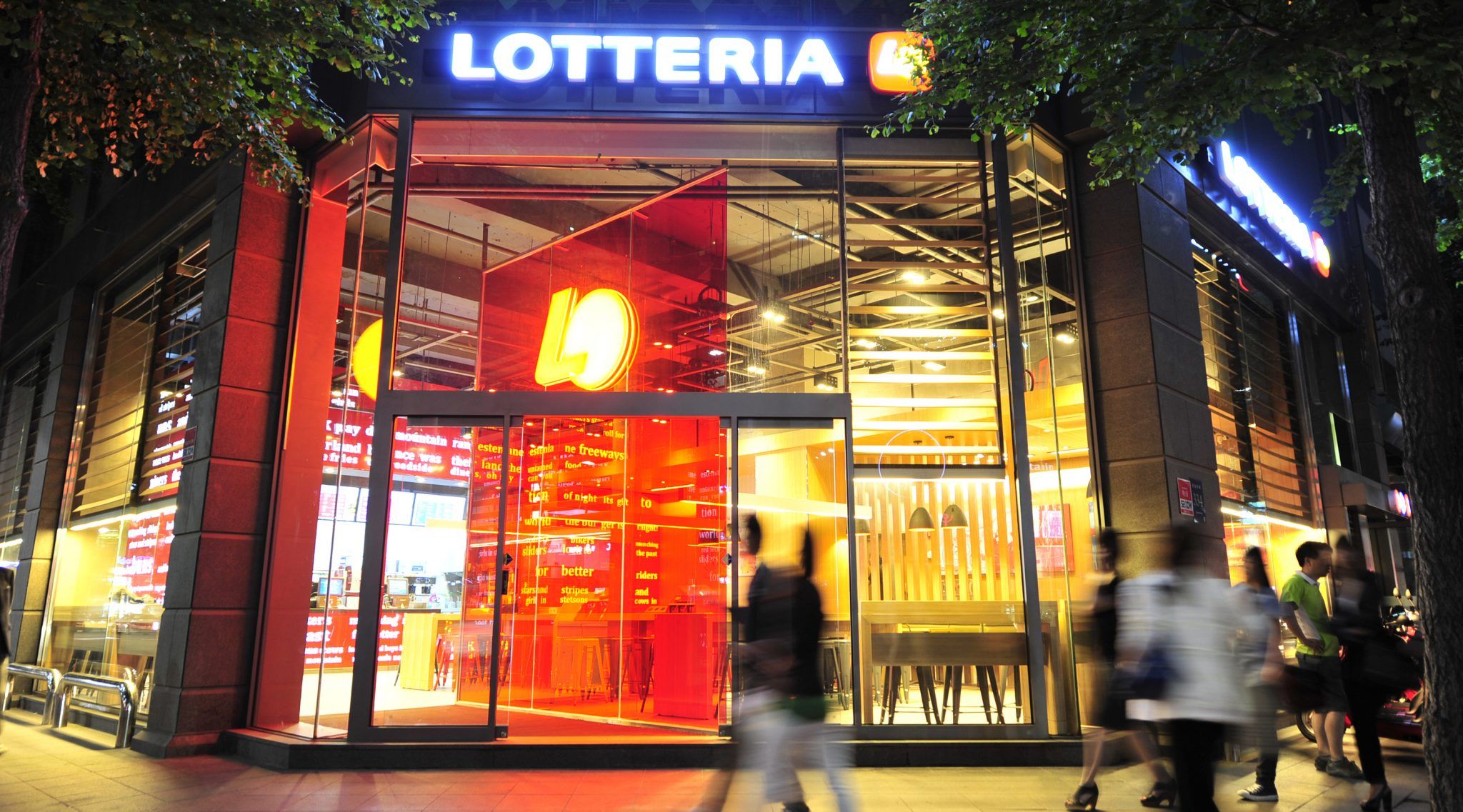
    After 54 years in operation, the popular Japanese burger chain Lotteria is set to be rebranded as Zetteria, beginning in March. The Lotteria brand first entered the market in 1972, establishing its inaugural outlet in Tokyo. The decision to retire the brand was recently taken by its operating company, Zensho Holdings.

    Zensho Holdings, a leading food service operator in Japan, took ownership of Lotteria Japan in 2023. The first Zetteria branch opened its doors in Tokyo in September of the same year. Since then, Zensho Holdings has been systematically converting Lotteria stores into Zetteria outlets. By December 2025, Japan had 106 Lotteria outlets and 172 Zetteria stores, totaling 278 locations. This places Zensho Holdings as the fourth-largest burger chain operator in the country, following McDonald’s (3,025 outlets), Mos Burger (1,309), and Burger King (337).

    The number of Lotteria outlets has seen a significant decrease in recent years, plummeting from 358 in January 2023 to 222 by June 2025, a near 40% drop in just over two years. This drop reflects not only store closures, but also Zensho Holdings’ strategic approach to transform existing outlets and alter business models.

    The Zetteria brand aims to bridge the gap between fast food and cafe dining. Expansion has been expedited by repurposing existing Lotteria locations and modifying store signage and concepts. Through the integration of the two brands, Zensho Holdings hopes to reduce costs by refining raw material procurement and logistics, while also improving operational efficiency.

    Despite the shared naming of menu items like the Zeppin Cheeseburger between Lotteria and Zetteria, the two brands previously operated separate procurement, production, and distribution systems, leading to differences in buns, patties, and sauces.

    Zetteria locations have been described as spaces that offer a dining experience beyond the typical fast food ambiance. The outlets feature spacious layouts, ample seating, understated lighting, and interiors that are reminiscent of cafes. Certain locations provide charging points for laptops and many have transitioned to table tablet ordering instead of traditional counter service.

    The menu has also seen adjustments. While basic burgers start at JPY250 (US$1.58), the signature Zeppin Beef Burger is priced at JPY540, making it more expensive than the previous offerings of Lotteria. The brand has also introduced premium, limited-time items such as roast beef burgers.

    Industry experts view the rise of Zetteria as indicative of broader changes within Japan’s fast food sector, as more operators seek to offer more than just quick, inexpensive meals. Zetteria is seen as an experimental brand aiming to occupy a new position as both a fast food restaurant and a cafe.

    Questions & Answers

    What is the reason for Lotteria’s rebranding as Zetteria?
    The change was part of Zensho Holdings’ strategy to transform existing outlets, improve operational efficiency, and cut costs by streamlining raw material procurement and logistics.

    What makes Zetteria different from Lotteria?
    Zetteria aims to bridge the gap between fast food and cafe dining. Outlets offer spacious layouts, ample seating, understated lighting, and interiors that are reminiscent of cafes. The menu also includes premium items, with the signature Zeppin Beef Burger priced higher than Lotteria’s previous offerings.

    How has the fast food sector in Japan been evolving?
    The rise of brands like Zetteria represents a shift in Japan’s fast food sector, with more operators seeking to offer experiences beyond just quick, inexpensive meals. Zetteria is seen as an experimental brand aiming to occupy a new position as both a fast food restaurant and a cafe.

  • Philippines Bolsters Domestic Sugar Industry with Extended Import Ban till December 2026

    Philippines Bolsters Domestic Sugar Industry with Extended Import Ban till December 2026

    The Philippine government has prolonged its prohibition on sugar imports until December 2026, given the strong domestic supply. This strategic decision is designed to provide ongoing support for local farmers and producers and maintain market stability.

    Decision Based on Sugar Production and Demand Outlook

    Agriculture Secretary Francisco Tiu Laurel stated that the decision to extend the ban was influenced by the present prospects for sugar production and consumer demand. The initial ban, which was implemented from mid-October 2025 until mid-2026, was deemed necessary due to the anticipated rise in domestic raw sugar production for the 2024-2025 crop year, as indicated by actual inventory data.

    Regulation of Molasses Imports

    In addition to the sugar import ban, the Department of Agriculture and the Sugar Regulatory Administration are in the process of establishing a long-overdue regulatory framework for the import of molasses. According to Tiu Laurel, this move will offer further protection to the domestic producers.

    Questions & Answers

    Why has the Philippine government decided to extend the sugar import ban?
    The ban has been extended in order to protect local farmers and producers and maintain market stability, given the strong domestic supply of sugar.

    What factors influenced this decision?
    The decision was based on the current outlook for sugar production and demand. An expected increase in domestic raw sugar output for the 2024–2025 crop year also contributed to this decision.

    What additional measures are being taken to protect domestic producers?
    The Department of Agriculture and the Sugar Regulatory Administration are preparing a regulatory framework for molasses imports. This move is intended to provide further protection to domestic producers.

  • Vontobel Boosts Asia Expansion with Industry Expert Cody Law: Aiming for Long-Term Regional Growth

    Vontobel Boosts Asia Expansion with Industry Expert Cody Law: Aiming for Long-Term Regional Growth

    Vontobel, the esteemed Swiss investment firm, continues to expand its presence in Asia, bolstering its team with a crucial addition aimed at strengthening intermediary relationships and setting the stage for enduring growth across the region.

    Cody Law has been welcomed into the Vontobel fold as the Senior Relationship Manager for Intermediary Clients. His role will include strengthening client relationships and broadening the firm’s distribution business through the establishment of partnerships with principal financial intermediaries.

    Law boasts an impressive 22-year track record in the Asia intermediary market, contributing to his reputation as a driving force behind business growth.

    Proven Client-Centric Expertise

    In his previous roles, Law demonstrated his prowess in overseeing financial intermediary relationships in Hong Kong. In particular, he excelled while stationed at Jupiter Asset Management. Prior to this, he partnered with Hong Kong intermediary clients at Janus Henderson Investors, delivering innovative solutions.

    Law’s early career comprises 16 enriching years in investment counselling and relationship management roles at leading financial institutions such as HSBC, Citibank, and Standard Chartered Bank. Here, he catered to high-net-worth clients, managing portfolios and investment products. Law is a proud alumnus of the University of Hong Kong, having earned a Bachelor of Mechanical Engineering (Honours).

    Geared Towards Expansion

    Law’s extensive network in Hong Kong and his vast experience across the intermediary landscape make him an indispensable asset as Vontobel readies for its strategic foray into Asia’s retail space, according to Clarabelle Ho, Head Asia Intermediary. She believes Law’s expertise will fortify the firm’s market presence and foster sustainable growth.

    Established Presence in Asia

    Having launched its Asia Pacific operations in 2008, Vontobel now caters to clients from Hong Kong, Singapore, Tokyo, and Sydney. This regional presence lays the groundwork for wider coverage and expansion.

    As of September 30, 2025, Vontobel managed assets worth 239.7 billion francs. The Zurich-based firm prides itself on operating as an investment-led global firm that prioritizes the client’s perspective. They harness technology to expand advisory and investment expertise across platforms.

    Questions & Answers

    Who is the latest Senior Relationship Manager for Intermediary Clients at Vontobel?
    Cody Law has been appointed as the Senior Relationship Manager for Intermediary Clients at Vontobel.

    What is the role of the Senior Relationship Manager for Intermediary Clients at Vontobel?
    The role involves strengthening client engagement and developing the firm’s distribution business by building partnerships with major financial intermediaries.

    What is Vontobel’s standing in the global investment sector?
    As of September 30, 2025, Vontobel, a Zurich-based firm, managed assets worth 239.7 billion francs, positioning itself as a leading investment-focused firm that prioritises clients’ perspectives and leverages technology to expand its advisory and investment expertise.

  • Packamama Lands $1M Grant to Revolutionize Wine Industry with Low-Carbon, Recyclable Bottles

    Packamama Lands $1M Grant to Revolutionize Wine Industry with Low-Carbon, Recyclable Bottles

    Packamama, a leading innovator in packaging, has secured a government grant totaling $1 million. The funds will bolster their efforts to develop and perfect an advanced circular polymer wine bottle. This product promises to reduce carbon emissions without negatively affecting the quality of the wine it holds.

    Earlier Funding and Research

    The substantial funding follows an initial $100,000 feasibility grant provided by the Business Research and Innovation Initiative (BRII). The initial grant supported Packamama’s preliminary study, which effectively demonstrated the technical viability of the project, along with impressive potential for emissions savings.

    Packamama’s bottles underwent independent life cycle analyses, which confirmed the impressive reduction in carbon emissions. The findings showed that emissions were cut by over 50% when compared to conventional glass bottles. In addition to being environmentally friendly, the bottles are lighter, shatterproof, and fully recyclable using existing systems.

    Recognition and Future Plans

    As one of only two proof-of-concept recipients amongst a group of six participants in the Alternative Packaging for Australian Wine challenge, Packamama views the grant as a powerful affirmation of its vision. The company is driven to engage consumers and make the wine industry more sustainable through forward-thinking design and technology.

    Over the forthcoming 18 months, Packamama will move forward with validating its innovative bottle design. This will involve material trials, recyclability testing, and consumer research.

    The company is also investigating opportunities for retail collaborations both domestically and in the UK. These efforts will build on existing relationships with major retailers like Coles, Tesco, and Aldi.

    Comments from the CEO

    Packamama’s CEO and founder, Santiago Navarro, expressed his excitement and motivation at being chosen by the Australian Government and Wine Australia to spearhead the industry’s transition to more sustainable packaging.

    He stated, “This shows that innovation in materials, design, and technology can preserve both wine and the environment. Together, we can transition the wine bottle from being part of the problem to being part of the climate solution.”

    Questions & Answers

    What is Packamama’s mission?
    Packamama aims to excite consumers and decarbonize the wine industry through innovative design and technology.

    What makes Packamama’s bottles environmentally friendly?
    Packamama’s bottles significantly reduce carbon emissions compared to traditional glass bottles. They are also lighter, shatterproof, and fully recyclable using existing systems.

    What are the company’s next steps?
    Packamama plans to validate its innovative bottle design through material trials, recyclability testing, and consumer research. They are also exploring possibilities for retail collaborations locally and in the UK.

  • Onitsuka Tiger Makes Paw-Print in Fragrance Industry: Unveils Debut Perfume Line with Four Signature Scents

    Onitsuka Tiger Makes Paw-Print in Fragrance Industry: Unveils Debut Perfume Line with Four Signature Scents

    Onitsuka Tiger, a well-known Japanese shoe brand, has expanded its horizons with an entrance into the realm of fragrance. Their maiden collection of eau de parfum features four unique scents, each distinctively embodying the theme of “Wearing Quiet Radiance.”

    The brand collaborated with the skilled perfumer Mark Buxton to craft this exceptional range of fragrances, each named in a simple, sequential manner: Onitsuka Tiger One, Onitsuka Tiger Two, Onitsuka Tiger Three, and Onitsuka Tiger Four.

    The Fragrance Profiles

    Each fragrance in the collection presents a carefully balanced blend of notes, creating a diverse array of sensory experiences.

    Onitsuka Tiger One is a layered concoction, starting with the freshness of green notes, mint, and citrus. This is followed by white florals and incense, culminating in a warm base of patchouli, leather, and woods.

    Onitsuka Tiger Two takes a softer approach. The opening notes of bergamot and lemon transition into a heart of geranium and incense, with the fragrance eventually settling into a cozy base of powdery musk and sandalwood.

    Onitsuka Tiger Three delivers a warm blend that is anchored by the vibrant scents of orange, angelica, and violet. The addition of sea notes and smoky woods provides a textured, earthy finish.

    Finally, Onitsuka Tiger Four introduces itself with a zesty burst of peppermint and bergamot, which is then sharpened by the unique notes of absinthe and nutmeg. This evolves into a satisfying finish of vanilla, vetiver, and woods.

    Signature Presentation

    Each fragrance is elegantly presented in the brand’s signature yellow bottles. Designed to “play with light and shadow,” these bottles showcase the distinct logo lettering of Onitsuka Tiger and reflect the brand’s aesthetic.

    The company has lauded Buxton’s creations for their audacious and bold nature, which often exudes an energy that surpasses conventional norms. They further stated that the four scents embody their cherished aesthetic of contrast, meant to evoke tranquillity that reconnects with the essence while also radiating powerful brilliance.

    Onitsuka Tiger’s perfume collection is now available across the globe.

    Questions & Answers

    What inspired Onitsuka Tiger to venture into the fragrance industry?
    The company was inspired to create a fragrance collection that embodied their aesthetic of bold contrasts and tranquillity.

    What are the key characteristics of the Onitsuka Tiger perfume range?
    The perfumes are characterized by their unique blends of notes, creating diverse sensory experiences. They are presented in the brand’s signature yellow bottles.

    Where can the Onitsuka Tiger perfume collection be purchased?
    The collection is now available for purchase globally.