Tag: Industry

  • Tradeweb Bolsters Asian Division With Veteran Investment Specialist Appointment

    Tradeweb Bolsters Asian Division With Veteran Investment Specialist Appointment

    An Investment Expert Takes Charge at Tradeweb Asia

    Tradeweb, a global provider of electronic marketplaces for an array of financial services, has bolstered its Asian division with the appointment of a veteran investment specialist. The company is experiencing a phase of substantial growth, and the new recruit will be responsible for supervising business operations and client engagement across the Asian region.

    A Strategic Merger

    Rich Chun, the recently appointed Head of Tradeweb Asia, will be based in Hong Kong. His role will involve reporting to co-heads of global markets, Enrico Bruni and Troy Dixon, and directing regional strategy, business development, and client relationships.

    Tradeweb’s international business has seen a significant boost, registering a year-on-year revenue growth of 41 percent in the second quarter of 2025. This consistent expansion in Asia mirrors the region’s escalating importance as a hub for worldwide fixed income and electronic trading activities.

    A Wealth of Experience

    Chun brings with him a wealth of experience in trading and portfolio management, having held senior positions in various financial corporations for over three decades. His expertise in institutional risk transfer is expected to be a valuable asset for Tradeweb. Among his numerous roles, Chun has served as a Managing Director and Portfolio Manager at HPS Investment Partners, where he established the company’s Hong Kong outpost. He also held significant trading positions at Citigroup.

    Amplifying Customer Relations

    Bruni, one of the co-heads of global markets at Tradeweb, expressed his confidence in Chun’s appointment, highlighting Chun’s abundant industry knowledge as a substantial benefit to cultivating stronger relations with their clients and providing enhanced value to the local investment community. Chun reciprocated the sentiment, expressing pride in joining Tradeweb at a period of dynamic change in Asian financial services. He is eager to contribute to the development of new technologies that would enhance efficiency and opportunity for clients.

    Well-established in the Asia Pacific

    Tradeweb already holds a strong regional presence, with offices in Hong Kong, Shanghai, Singapore, Sydney, and Tokyo. The company has a history of introducing pioneering initiatives, such as becoming the first platform to provide electronic access to China’s bond market through various ventures.

    Pillar of Japanese Markets

    Tradeweb has also played a significant role in the advancement of the Japanese markets, by making Japanese Government Bonds (JGBs) and Yen interest rate swaps available on its trading platform. This strategy has resulted in significant growth in the total traded volume of both Yen IRS and JGBs.

    Recruiting Top Talent

    Chun’s appointment is a testament to Tradeweb’s ambition to solidify its position in the rapidly evolving Asian financial market. The company is making strategic moves to stay ahead in a landscape where technology, liquidity, and market access are increasingly intertwined.

    Questions & Answers

    What role will Rich Chun play at Tradeweb?
    As Head of Tradeweb Asia, Rich Chun will oversee regional strategy, business development, and client relationships.

    What has been the recent growth rate of Tradeweb?
    Tradeweb has recently experienced a 41 percent year-on-year revenue increase in the second quarter of 2025.

    What initiatives has Tradeweb introduced in Asia Pacific?
    Tradeweb was the first to offer electronic access to China’s bond market and significantly contributed to the electronification of Japan’s markets.

  • Japan’s Hotel Sector Sees Impressive H1 2025 Growth with Occupancy Rate Soaring to 84.2%

    Japan’s Hotel Sector Sees Impressive H1 2025 Growth with Occupancy Rate Soaring to 84.2%

    Japan’s hotel industry is steadily regaining its footing, approaching pre-pandemic heights, with occupancy rates escalating to 84.2%—a rise of 1.0 percentage point over the past six months, as reported by Savills. This promising trend edges closer to the enviable occupancy levels enjoyed before the pandemic transformed the hospitality landscape.

    Despite a persistent labor shortage that has hindered some hotels in regional and resort areas from maximizing occupancy, establishments are adopting innovative measures to enhance employee conditions and compensation. The Savills report emphasizes that these adaptations are crucial for achieving optimal performance.

    Further bolstering the labor force, the Japanese government has intensified efforts to attract foreign workers. As of October 2024, the number of foreign laborers reached 2.3 million—the highest figure since 2007—with an increase of 250,000 compared to the previous year. In addition, hotels are leveraging cutting-edge technology to minimize reliance on human staff, creating a balance between efficiency and service quality.

    Looking ahead, hotel performance in Japan is set for steady growth in 2025. Inbound tourist arrivals during the first half of 2025 outpaced those from the same period last year, signaling a potential surge that could see numbers exceed 40 million. The anticipated Expo 2025 is expected to significantly boost tourism in Osaka, with visitor numbers reaching 10 million by July 2025, well on track to meet the ambitious goal of attracting 28 million guests by the event’s conclusion in October.

    This influx isn’t limited to Osaka City; Expo 2025 encourages visitors to venture into the wider Kansai region, creating wider economic ripples across various locales. Additionally, the opening of Junglia Okinawa—a large nature adventure theme park in July 2025—is poised to draw both local and international tourists, further stimulating demand for accommodation and related services in the area. Who said business growth couldn’t be fun?

    Questions & Answers

    How is Japan’s hotel occupancy rate performing post-pandemic?
    Japan’s hotel occupancy rate has improved to 84.2%, making a notable recovery as it approaches pre-pandemic levels. This rise reflects a 1.0 percentage point increase over the past six months.

    What measures are being taken to address the labor shortage in hotels?
    Hotels are enhancing employee compensation and working conditions while also embracing technology to streamline operations, which helps mitigate the impact of the labor shortage.

    What role does Expo 2025 play in Japan’s tourism sector?
    Expo 2025 is set to be a major draw for tourists, with projections of attracting 28 million visitors by the event’s end in October 2025, and encouraging exploration of the surrounding Kansai region, thus benefiting the local economy.

  • Manila Set to Unveil 2,680 New Hotel Rooms by 2025: Exciting Growth in Hospitality Awaits!

    Manila Set to Unveil 2,680 New Hotel Rooms by 2025: Exciting Growth in Hospitality Awaits!

    According to a recent report by Colliers, the Philippine hospitality sector is on the upswing, bolstered by significant infrastructure improvements and an influx of international visitors. In 2024, the country welcomed nearly 5.95 million tourists, a figure ensuring it’s still catching up to pre-pandemic expectations. Despite not hitting the ambitious tourist arrival targets, spending reached a record-breaking PHP 760 billion, making the Philippines a leader in Southeast Asia regarding per-visitor expenditures.

    Emerging Opportunities for Developers

    With an optimistic outlook for the future, Colliers advises developers to keep an eye on emerging destinations, particularly with the newly approved 99-year land lease law making strides through the legislative process. This development is poised to attract foreign brands and facilitate the creation of integrated leisure hubs, providing a fertile ground for investment.

    Foreign Brands Join Forces with Local Developers

    In a striking trend, foreign hotel brands are aggressively expanding by forming partnerships with local developers in both established and up-and-coming markets. Major players such as Dusit, Wyndham, Accor, Marriott, and The Ascott Group are leading the charge. The ongoing integration of land lease extensions and Real Estate Investment Trusts (REITs) is anticipated to further drive investment, especially in tourism-centric townships and convention facilities.

    Rising Occupancy Rates Amid Construction Delays

    Metro Manila has seen its hotel occupancy rates rise to 64% in the latter half of 2024, with Average Daily Rates (ADRs) climbing by 2.7% year-on-year. As we moved into the first quarter of 2025, demand for Meetings, Incentives, Conferences, and Exhibitions (MICE) facilities remained robust, particularly in the Makati Central Business District, Fort Bonifacio, and the Bay Area. Four- and five-star hotels particularly benefitted from this increased demand, reflecting the resurgence in business travel. Though room supply struggled due to construction delays, the market anticipates the addition of 2,680 new rooms in 2025, primarily located in Makati and the Bay Area. Interestingly, outside the capital, occupancy rates soared to between 70% and 80% in areas like Clark and Cebu.

    A Bright Outlook for the Future

    Colliers anticipates consistent occupancy levels and a modest ADR increase of 3% in 2025, driven by rising foreign arrivals and thriving MICE activity. Developers are encouraged to collaborate closely with airport infrastructure projects to pinpoint future growth corridors and capitalize on the evolving travel landscape.

    Questions & Answers

    How has tourist spending changed in the Philippines recently?
    In 2024, tourist spending in the Philippines hit a record PHP 760 billion, making the country a leader in Southeast Asia for per-visitor expenditure.

    What major trends are influencing hotel development in the Philippines?
    Foreign hotel brands are actively partnering with local developers in both established and emerging markets, with new land lease laws set to stimulate investment in integrated leisure hubs.

    What are the expected occupancy rates for Philippine hotels in 2025?
    Colliers is forecasting stable occupancy levels and a 3% increase in Average Daily Rates in 2025, fueled by increasing international arrivals and strong MICE demand.

  • How e-ang bao and digital gold are disrupting the gift industry

    How e-ang bao and digital gold are disrupting the gift industry

    Whether you call them hong bao, ang bao or lai see, the ubiquitous red packets are an indelible part of every Chinese New Year for millions of people throughout Asia and other parts of the world.

    Giving and receiving these gifts of money are born of a tradition dating back centuries – one that has progressed from Imperial Chinese gold coins to modern paper notes – and now even to virtual gold.

    Electronic red packets, introduced in 2014 by Chinese internet company Tencent, have become increasingly popular over the years both within and outside China. During the Lunar New Year period last year, close to 823 million people – more than half of China’s 1 billion-strong population – used Tencent’s messaging platform, WeChat, to send e-hong bao to relatives and friends. In Singapore, DBS Bank reported that the total number of e-ang bao sent during Chinese New Year last year was almost double that of the previous year, thanks in large part to the introduction of the QR code e-ang bao that functions as a customizable gift card that can be loaded with any amount and given like a conventional red packet while still being conveniently cashless.

    In general, consumers in Asia have shown an open-mindedness to evolving traditional practices alongside progressing modernity. Digital transformation in the form of increased smartphone adoption, broader internet connectivity, and innovative super apps have pushed the emerging markets in Asia further towards a future where cashless is king, and the region is expected to overtake the US in cashless payments this year with an estimated US$208.7 billion to be spent exclusively via mobile wallets and digital payment systems.

    According to data from Google, Temasek and Bain, the adoption of digital payments in Southeast Asia has reached the inflection point and is expected to cross US$1 trillion in transactions by 2025 – which will account for almost one in every two dollars spent in the region.

    For many in Asia Pacific, mobile wallets and digital payments are an accustomed part of their routine lives, so it is unsurprising that virtual gifting is also catching on in these communities. Even gold – another popular gift in Asian cultures for weddings and birthdays – can now be given and received by virtual means. Going digital simplifies the process of purchasing and giving gold for mainstream consumers, as it removes the need to worry about custodianship or safe-keeping of their gold.

    Much of the appeal of digital gifting lies in its ease and convenience compared to traditional gift-giving. Where you would once have spent hours in line at the bank to get fresh, new notes and pack them into stacks of red packets, you can now easily send the same gift and well wishes in minutes via smartphone even if the recipient lives in another country. In the past, people would have had to pay gold vaults to store and insure the gold they received from their family, while now, digital gold can be purchased and managed through a mobile app with the matters of storage and security being settled automatically.

    Take for instance the aforementioned QR code e-ang bao, which keeps the practice of handing out red packets intact without the need for gifters to handle physical money. The uptake was heartening for the QR code e-ang bao last year, as a total of US$1.1 million was loaded onto gift cards during the festive period and DBS Bank brought the concept back with new features for the Lunar New Year this year.

    The biggest users of virtual red packets and digital gifts tend to be from the Generations X, Y, Z – those born between the 1970s and the 1990s – but some companies have been creative about making virtual gifting more palatable for audiences who are looking for a more personal experience.

    There will always be a place and time for conventional gift-giving, but what the growing popularity for virtual gifting tells us about Asia is that the region continues to be a hub for digital innovation and adoption – one that is ready to modernize the traditions of its rich cultural heritage while still embracing the next era of technological change.

  • Vietnam’s Textile Industry Set to Innovate with First-Ever Steam-Generating Heat Pump Pilot Project

    Vietnam’s Textile Industry Set to Innovate with First-Ever Steam-Generating Heat Pump Pilot Project

    H&M Group is amongst the partners in the project. Vietnam’s textile and apparel industry is set to take a significant leap towards sustainability with the introduction of electric thermal technology later this year. The first steam-generating heat pump will be installed at a garment factory near Hanoi, marking a transformative moment in the sector.

    This ambitious initiative brings together the expertise of the Apparel Impact Institute (Aii), WWF, H&M Group, and Bangjie, a notable textile manufacturer whose Hung Yen facility is a key supplier for the Swedish fashion powerhouse. This pilot project is the first electrification effort within Vietnam’s textile industry, which plays a crucial role in the national economy but also contributes significantly to its carbon emissions. The electric heat pump will replace traditional coal-fired boilers, meeting the facility’s full steam and heat requirements while providing a cleaner, more efficient solution.

    This project aligns seamlessly with H&M Group’s commitment to reducing supply chain emissions by 56% by 2030, showcasing their drive towards a more sustainable future. Given that thermal energy accounts for more than half of the energy demand in textile manufacturing, the need for innovative solutions is pressing. Processes like dyeing, washing, bleaching, and drying all rely on steam and hot water, making the shift to electric systems even more vital.

    The new heat pump system will not only harness waste heat from factory operations for dyeing, drying, and setting but also enhance indoor working conditions by improving air cooling. This multifaceted approach underscores a commitment to both productivity and employee well-being.

    This initiative is part of Aii’s Low Carbon Thermal Energy Roadmap, which targets early-stage electrification pilots to drive costs down and foster broader adoption within the industry. It’s a promising step towards a more sustainable textile sector in Vietnam.

    And who knows—this shift to electrification might just spark a fashion revolution, where eco-friendliness becomes the new chic!

    Questions & Answers

    What is the significance of the electric heat pump project in Vietnam?
    The project represents Vietnam’s first major step towards electrifying the textile industry, replacing coal-fired boilers with cleaner, more efficient electric systems.

    Which organizations are involved in this initiative?
    The collaboration includes the Apparel Impact Institute (Aii), WWF, H&M Group, and Bangjie, the textile manufacturer behind the pilot project.

    What are the expected benefits of the new system besides reducing emissions?
    Beyond cutting emissions, the new system will improve operational efficiency, enhance indoor working conditions, and significantly reduce reliance on thermal energy sourced from coal.

  • Jetstar Asia to Close, Impacting 500 Jobs in the Singapore Airline Industry

    Jetstar Asia to Close, Impacting 500 Jobs in the Singapore Airline Industry

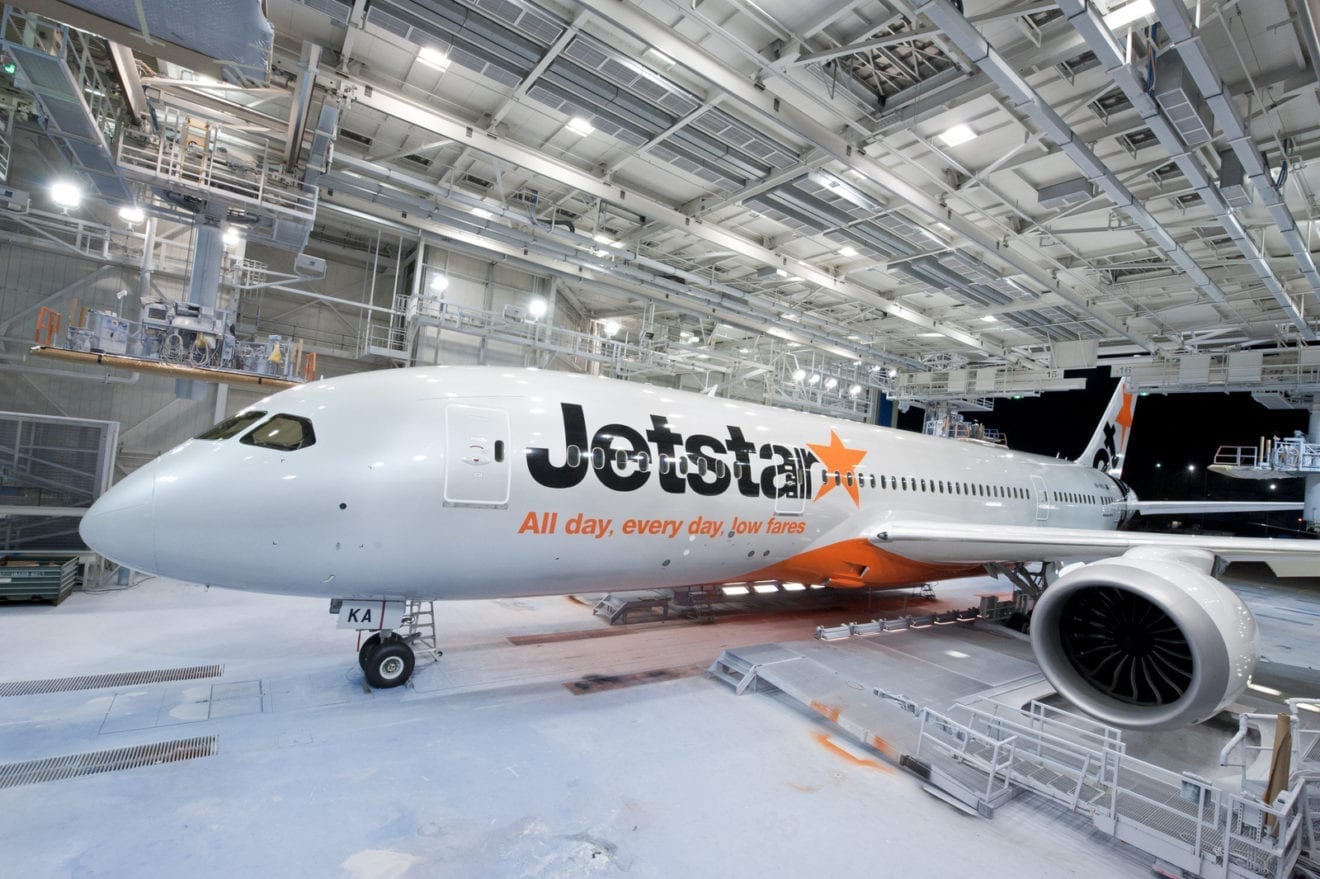
    Australian airline Qantas has made the difficult decision to close its budget carrier, Jetstar Asia, effective July 31. This move comes in response to escalating operational costs, increased fees at Singapore’s Changi Airport, and fierce competition across the region.

    Operational Costs Taking Their Toll

    Jetstar Group Chief Executive Officer Stephanie Tully highlighted the widespread impact of rising costs on the airline’s operational framework. The recent hike in airport fees at Changi, implemented on April 1 as part of a S$3 billion (US$2.3 billion) upgrade, played a significant role in this challenging situation. “The airport fees are a part of that. That has had an impact on the business,” she stated, referencing comments made to Bloomberg.

    As Qantas Group Chief Executive Vanessa Hudson expressed, this is a heavy moment for the Jetstar Asia team. “We are incredibly proud of them. This is a very tough day for them. Despite their best efforts, we have seen some costs for Jetstar Asia’s suppliers rise by up to 200%, which has materially changed its cost base.”

    Staff Impact and Passenger Reassurance

    The closure will inevitably affect around 500 staff members, who will be offered redundancy benefits and assistance in finding new employment, as reported by AFP. Meanwhile, passengers whose flights have been canceled will be entitled to refunds, ensuring they are compensated as the airline winds down operations.

    Prior to the announcement, Jetstar Asia was projected to incur an underlying loss of A$35 million (US$23 million) this financial year, with Qantas owning 49% of the airline. The cancellation of operations means that the fleet of 13 A320 aircraft will soon be redeployed to Australia and New Zealand, creating over 100 local jobs.

    In a strategic move, Qantas noted that shutting down Jetstar Asia could generate up to A$500 million to bolster the group’s fleet renewal program. The decision was made in conjunction with Westbrook Investments, which holds a 51% stake in the regional carrier.

    While the closure is certainly a somber development, it raises some intriguing questions about the future of air travel in a region that continues to evolve rapidly.

    Questions & Answers

    Why is Qantas closing Jetstar Asia?
    Qantas is shutting down Jetstar Asia due to rising operational costs, increased airport fees at Changi Airport, and intense regional competition making it financially unviable to continue.

    What happens to the staff of Jetstar Asia?
    Approximately 500 employees will receive redundancy benefits and support in finding new jobs as the airline winds down its operations.

    How will affected passengers be compensated?
    Passengers whose flights are canceled will be offered refunds, ensuring they are financially protected during this transition.

  • PM Seeks PowerChina’s Expertise to Boost Railway Industry Growth

    PM Seeks PowerChina’s Expertise to Boost Railway Industry Growth

    During a recent reception in Hanoi on May 21, Vietnamese Prime Minister Pham Minh Chinh met with Zhou Jiayi, President of PowerChina Asia Pacific, to discuss exciting prospects for collaboration on the Hai Phong – Hanoi – Lao Cai railway line. This key transport corridor aims to connect with China’s bustling cities of Kunming and Chongqing, opening avenues to European markets and beyond.

    Vietnam’s strategic focus on transport, energy, and digital transformation infrastructure bolsters this initiative, especially in enhancing rail connectivity with China. PM Chinh enthusiastically welcomed PowerChina’s collaboration with local partners, emphasizing the importance of expanding business ventures in Vietnam’s railway sector. He acknowledged China’s longstanding partnership with Vietnam, highlighting that many joint projects have yielded substantial benefits.

    To further invigorate railway infrastructure, Vietnam is keen on inviting reputable Chinese corporations to invest, starting with the Lao Cai – Hanoi – Hai Phong line. The Prime Minister encouraged PowerChina to forge close ties with Vietnam, aiming to develop the railway industry through technology transfer, workforce training, and operational support.

    He also spotlighted recent resolutions aimed at propelling science, technology, innovation, and private sector development, which create a conducive investment climate. Beyond infrastructure, PM Chinh urged PowerChina to incorporate Vietnamese companies into its global supply chain and share clean energy technologies with local giants like Viettel and the Vietnam National Industry – Energy Group for wind turbine and solar panel projects. “The more the merrier!” he seemed to imply about the integration of local firms into broader projects.

    Looking to the future, the Prime Minister conveyed his hope that PowerChina would use Vietnam as a launchpad to solidify its presence in Southeast Asia and beyond. Reiterating Vietnam’s commitment to aligning interests and sharing risks, he assured that the Vietnamese government stands ready to support and protect the rights of foreign investors, including PowerChina, to guarantee effective and law-abiding projects that yield mutual benefits.

    Zhou Jiayi shared PowerChina’s excitement about Vietnam’s rail initiatives, drawing upon the company’s experience in constructing over 2,000 kilometers of railways across China, Laos, and Indonesia. He suggested that government backing could facilitate cooperation with four Vietnamese firms on the Lao Cai-Hanoi-Hai Phong line, promising timely, quality, and cost-efficient construction, alongside the sharing of technical expertise.

    As the world’s seventh-largest energy contractor, PowerChina operates in more than 130 countries, with 2024 revenue projected to surpass $100 billion, making its mark among the top 500 companies globally. With a dynamic portfolio spanning hydropower, irrigation, urban infrastructure, and digitalization, PowerChina has been actively contributing to Vietnam’s energy and infrastructure landscape since the early 2000s, participating in over 100 projects, including seaports.

    In 2024, PowerChina signed a memorandum of understanding with four Vietnamese firms—FECON JSC, Lung Lo Construction Corporation, Song Da Corporation JSC, and Thang Long Joint Stock Corporation—to create the CVRail Consortium, all geared toward nationally significant railway ventures. The consortium’s projected revenue for 2024 stands around VND22 trillion, or approximately $880 million. Imagine what they could achieve if everyone brought their A-game!

    Questions & Answers

    What railway project is Vietnam focusing on with PowerChina?
    Vietnam is concentrating on the Hai Phong – Hanoi – Lao Cai railway line, designed to connect with China’s Kunming and Chongqing.

    What benefits does Vietnam expect from PowerChina’s involvement?
    Vietnam anticipates enhanced railway infrastructure, technology transfer, workforce training, and operational support, fostering economic growth and connectivity.

    What is the CVRail Consortium?
    The CVRail Consortium is a partnership formed by PowerChina and four Vietnamese firms, aimed at advancing significant railway projects in Vietnam, with projected revenues of approximately $880 million for 2024.


  • Vietnam’s Thriving Event Industry Unveils New Opportunities for Young Talent

    Vietnam’s Thriving Event Industry Unveils New Opportunities for Young Talent

    Vietnam’s cultural landscape took enormous strides in 2024, marked by a burgeoning entertainment scene that has revved up job creation and opened doors for aspiring young professionals. With domestic entertainment gaining traction and audiences enthusiastically responding, both the public and private sectors are waking up to the industry’s vast potential.

    Major Events Make Waves

    This year has been nothing short of spectacular, with blockbuster reality shows and sensational music concerts like Anh Trai Vuot Ngan Chong Gai, Anh Trai Say Hi, and Ha Anh Tuan’s performances drawing massive crowds and generating substantial revenue, amounting to billions of dong.

    Highlighting the excitement, two BlackPink concerts held in July 2023 at My Dinh Stadium in Hanoi raked in an impressive US$13.7 million, providing a significant tourism boost to Hanoi during those lively nights.

    Cultural Revival Through Festivals

    In 2024, Vietnam hosted over 50 major and minor music events showcasing both international sensations and homegrown talents, with turnout numbers often soaring between 30,000 and 40,000. As we step into early 2025, this upward trend shows no signs of wavering, emphasizing the Vietnamese music industry’s bright future.

    But music is just part of the picture—2024 also shone with vibrant cultural and historical festivals, celebrating Vietnam’s rich heritage and arts.

    Global Economic Impact of Live Music

    On a global scale, the cultural sector stands as a formidable economic force. Research from Custom Market Insights reveals that the live music market reached an impressive $34.84 billion in 2024, on a trajectory to hit $62.59 billion by 2034, with a promising annual growth rate of 8.78% between 2025 and 2034.

    Engaging the Young Workforce

    Generation Z and Millennials are at the forefront of this cultural boom, with around 60% willing to spend on live experiences. The revival of in-person events reveals a growing appetite for real-world connections, transforming Vietnam and other Asian countries into magnets for international events, conferences, and large-scale exhibitions.

    This evolving landscape introduces innovative formats, including hybrid and virtual events, creating exciting career opportunities in management, promotion, and support roles—a beacon of hope for students eager to dive into this vibrant industry.

    In response to this surge, British University Vietnam (BUV) is set to offer a bachelor’s degree in events management, conferred by Bournemouth University, in 2025.

    Proudly ranked among the top 100 universities worldwide and third in the UK according to the Times Higher Education (THE) Young University Rankings 2024, Bournemouth University’s Hospitality and Leisure Management programs are celebrated, landing in the top 20 globally as per QS World University Rankings 2024.

    Career Prospects in Events Management

    Graduates of this progressive program will find themselves equipped for roles spanning from Conference and Events Manager to Planner and Coordinator, including the ever-bustling weddings and MICE (Meetings, Incentives, Conferences, and Exhibitions) sectors. The rigorous three-year curriculum emphasizes practical skill development in event management. Students emerge with a robust foundation in event design, project management, consumer behavior, finance, and logistics.

    The hands-on approach combines classroom learning with real-life event organization, as students intern with prominent partners like Intercontinental, Sheraton, FPT, Movenpick Hotel & Resort, and Thanh Viet Production.

    BUV boasts a comprehensive curriculum and strong industry connections, positioning students to secure fulfilling employment shortly after graduation. Being Vietnam’s first QS 5-star university and the first in the region accredited by the U.K.’s Quality Assurance Agency (QAA), BUV ensures that its programs are future-ready, achieving an impressive 100% employability rate within three months of graduation.

    Questions & Answers

    What are the major achievements in Vietnam’s cultural sector in 2024? The sector has seen a surge in domestic entertainment popularity, hosting over 50 major events that attracted huge audiences and revenue.

    How is the live music market expected to grow in the coming years? It is projected to expand from approximately $34.84 billion in 2024 to $62.59 billion by 2034 at a compound annual growth rate of 8.78%.

    What opportunities does BUV offer to students interested in events management? BUV provides a bachelor’s degree in events management with a focus on practical skills and industry connections, ensuring high employability for graduates.

  • Vietnam Airlines Eyes Ambitious Expansion with Demand for 50 New Aircraft

    Vietnam Airlines Eyes Ambitious Expansion with Demand for 50 New Aircraft

    Vietnam Airlines is soaring to new heights, aiming to bolster its fleet with a minimum of 50 additional aircraft as part of a robust strategy to expand its operations amidst a global jet shortage. During an extraordinary general meeting on Thursday, Chairman Dang Ngoc Hoa revealed that these acquisitions are vital for the airline’s recovery from the pandemic, as it prepares to launch or resume services on 15 international routes this year.

    As part of its ambitious plans, the state-owned carrier recently received government approval for the procurement of 50 narrow-body aircraft and 10 spare engines, with an eye-popping price tag of nearly US$3.7 billion. Currently boasting a fleet of 100 aircraft, Vietnam Airlines anticipates reaching 137 by 2030 and 164 by 2035.

    However, the clock is ticking. With soaring global demand for commercial aircraft, the airline must act swiftly to place orders that ensure delivery before 2030. Failing to do so may push Vietnam Airlines into a tricky situation, where it will have to lease planes starting in 2027—a scenario none would prefer.

    Adding to the urgency are ongoing technical difficulties with Pratt & Whitney engines, which have grounded 15 narrow-body Airbus A321 aircraft while four wide-body Airbus A350 are undergoing maintenance. As a result of this aircraft shortage, the remaining planes are working overtime, averaging 11.5 flight hours each day—a significant jump from the pre-Covid average of 10 hours.

    In a nod to its expansion ambitions, shareholders have also endorsed a move for Vietnam Airlines to issue more shares, raising VND22 trillion (approximately $848 million) in 2025 and 2026.

    With eyes set firmly on the future, the airline not only hopes to strengthen its fleet but also to reclaim its position as a key player in the competitive skies.

    Who knew managing a fleet could be as complex as a game of chess?

    Questions & Answers

    What is the purpose of Vietnam Airlines’ plan to acquire new aircraft?
    The plan to acquire new aircraft aims to support the airline’s ambitious expansion plans and boost its recovery post-Covid by launching or resuming services on 15 international routes this year.

    What approval did Vietnam Airlines recently receive?
    Vietnam Airlines received government approval for the purchase of 50 narrow-body aircraft and 10 spare engines at a cost nearing US$3.7 billion.

    How many aircraft does Vietnam Airlines currently operate?
    The airline currently operates a fleet of 100 aircraft and plans to expand to 137 by 2030 and 164 by 2035.

  • Banque Cramer Reduces Operations Amidst Shifting Retail Landscape

    Banque Cramer Reduces Operations Amidst Shifting Retail Landscape

    In a landscape marked by fluctuating market conditions, Banque Cramer, the Geneva-based private bank, reports a decline in net profit for the fiscal year 2024, even as it sees a notable increase in assets under management. Under the leadership of new CEO Thomas Müller, the bank is poised to undertake modernization efforts to streamline its operations.

    Growth in Assets, Downturn in Profit

    The bank’s assets under management grew by an impressive 15%, reaching 3.7 billion Swiss francs. However, this positive development contrasts sharply with the bank’s declining bottom-line results. According to the annual report released this Wednesday, net profit slid from 9.1 million francs the previous year to 7.2 million francs. Additionally, operating profit saw a significant drop from 14.8 million francs to 10.4 million francs.

    Key Factors Behind Profit Dip

    Two primary factors contributed to the downturn: a decrease in income from trading activities, which fell by 3.7 million francs, and a reduction in net interest income of 3.6 million francs. On a brighter note, the bank experienced growth in commission and service income, which increased from 20.6 million francs to 22.3 million francs.

    Despite these challenges, Banque Cramer successfully attracted net new money amounting to 158.2 million francs; however, this is substantially lower than the 398.2 million francs garnered in the previous fiscal year. The bank also effectively managed to reduce operating costs by 1.3 million francs, bringing them down to 32.9 million francs.

    Strong Financial Foundation

    Banque Cramer maintains a robust equity base, with a total equity of 93.4 million francs at the end of 2024. The bank’s Tier 1 capital ratio stood at a strong 31.9%, while the Liquidity Coverage Ratio (LCR) reached an impressive 363.4%.

    As Banque Cramer initiates modernization strategies under its new CEO, the future could signal increased resilience in an evolving financial landscape. The developments at the bank not only reflect current consumer trends but may also influence broader dynamics in the retail banking sector. This strategic pivot could enhance the bank’s competitiveness, benefiting both its clients and the overall market.

  • Retail Associations Push Government to Tackle Rising Costs and Crime in Australia

    Retail Associations Push Government to Tackle Rising Costs and Crime in Australia

    Retail Associations Urge Australian Government to Tackle Industry Challenges as New Term Begins

    As the Albanese government embarks on its new term, the Australian Retailers Association (ARA) and the National Retail Association (NRA) are calling for immediate governmental action to address critical challenges confronting the nation’s expansive $430 billion retail sector.

    Urgent Call for Economic Support

    Chris Rodwell, CEO of the ARA and CEO Designate of the Australian Retail Council (ARC), emphasized the necessity of government policies that foster investment, industry growth, and job creation. With retail employing one in ten Australians and contributing nearly 20% of the nation’s GDP, Rodwell asserts that the sector’s performance is integral to the economy.

    “Retail performance impacts every Australian,” Rodwell stated. “We require robust economic leadership to navigate these challenging times. Alongside the current cost-of-living crisis, our retailers have grappled with rising expenses across various fronts—rent, wages, energy, insurance, transportation, and persistent supply chain issues.”

    The Impact of U.S. Tariffs on Retailers

    A significant concern highlighted by the ARA is the effect of U.S. tariffs, which have intensified financial pressures on retailers. “For many, especially smaller businesses, there is limited capacity to absorb these costs. As we look ahead, it may become increasingly difficult to avoid raising prices,” Rodwell warned.

    Enhancing Productivity and Security

    In their plea for national support, both the ARA and NRA stress the importance of enhancing productivity as a means to bolster both the economy and living standards. “Seizing this opportunity during the current term is critical; our nation cannot afford to let this agenda slide into the 2030s,” Rodwell remarked, reflecting the urgency of timely action.

    Moreover, the associations are advocating for the implementation of a national retail crime strategy to safeguard businesses and protect employees.

    Support for Small Business Initiatives

    While the ARA and NRA expressed their backing for the Labor government’s pledges concerning small business support, workforce development, and digital transformation, they raised concerns regarding governmental intervention in penalty rate decisions.

    As the retail landscape continues to evolve, the potential impact of these developments could ripple throughout the sector, influencing consumer trends and purchasing behaviors. Retail stakeholders keenly await the government’s response, as decisive action has the power to reshape the future of retail in Australia.

  • Vietnam Airlines Gains Approval for 50 New Narrow-Body Aircraft Purchases

    Vietnam Airlines Gains Approval for 50 New Narrow-Body Aircraft Purchases

    Vietnam Airlines Secures Approval for Acquisition of 50 Narrow-Body Aircraft

    Government Greenlights Fleet Expansion Plan

    Vietnam Airlines has received in-principle approval from the government to purchase 50 narrow-body aircraft, marking a significant step in its fleet modernization strategy. Notably, this deal will not require a state guarantee, allowing the airline to streamline its acquisition process.

    Addressing Growing Travel Demand

    The government’s approval, conveyed through an official dispatch from Deputy Prime Minister Ho Duc Phoc, aims to meet surging consumer demand for air travel and to replace aging aircraft in the current fleet. Vietnam Airlines plans to acquire 50 new Airbus A320 NEO and Boeing 737 MAX jets, along with 10 spare engines, for an estimated total of approximately $3.7 billion—an investment that is 1.6 times the airline’s current asset value based on its 2024 financial data.

    Modernizing the Fleet

    This acquisition is part of Vietnam Airlines’ broader strategy to phase out older A321 CEO planes. The new aircraft will enhance the efficiency and reliability of the fleet, aligning with increasing passenger expectations and operational standards. Earlier in September 2023, the airline also announced a deal for an additional 50 Boeing 737 MAX aircraft, with deliveries expected between 2027 and 2030.

    Strategic Financial Partnerships

    To support this growth initiative, Vietnam Airlines signed a memorandum of understanding with Citibank earlier this month for $560 million in funding focused on strategic projects, including the aircraft purchase. Furthermore, the airline has partnered with Vietcombank to secure additional financial resources for the acquisition.

    Future-Proofing Operations

    Looking ahead, Vietnam Airlines forecasts the need for a fleet of 52 wide-body and 112 narrow-body aircraft by 2035. Currently, the airline operates approximately 100 aircraft, including over 30 wide-body jets, showcasing its commitment to expanding its capacity to meet the demands of the growing travel market.

    In its 2024 financial report, Vietnam Airlines reported impressive figures, including over VND 113.7 trillion (approximately $4.37 billion) in revenue, transporting 22.7 million passengers and 314,700 tons of cargo, with an average aircraft utilization of 11 hours per day—reflecting a 25% increase from the previous year.

    Conclusion

    Vietnam Airlines’ strategic acquisition of narrow-body aircraft is poised to enhance its operational capabilities and address the evolving travel landscape in Vietnam. As the airline expands its presence and modernizes its fleet, the implications for the retail sector may be significant, driving increased consumer activity and enhancing travel options for millions. This move signifies not only a response to market demands but also a commitment to sustained growth in the competitive aviation industry.

  • Thailand’s Industrial Sector Takes a Leap Forward

    Thailand’s Industrial Sector Takes a Leap Forward

    The collaboration aims to support the IoT and AI Manufacturing Line Analysis Project through several key objectives. It focuses on advancing technology by promoting the integration and expansion of IoT and AI technologies within Thailand’s industrial sector.

    A core working group will be established to ensure the TGI stays ahead of technological advancements. The initiative will also create a knowledge transfer hub, serving as a central resource for sharing information on IoT and AI technologies related to production processes. Additionally, the partnership will organize seminars, training sessions, and educational activities to transfer specialized knowledge to industrial personnel and educational institutions.

    Under the terms of the MOU, Mobile Innovation Company Limited (MI) will provide significant support to the TGI, including offering training courses and technical education at no cost; supplying the necessary equipment, tools, and teaching materials; and co-organizing training sessions and educational activities aligned with the project’s objectives. In return, the TGI will develop and maintain the TGI Smart Factory room; assign dedicated staff to collaborate with MI in designing and implementing teaching content; and facilitate training, seminars, and consultations as part of the IoT & AI Manufacturing Line Analysis Project.

    Additionally, NTT Com will provide exhibits, educational materials, and services; implement related support activities such as exhibitions, training, seminars, and consultations; and promote understanding of the services and their details.

    This collaboration represents a significant advancement in Thailand’s industrial sector towards modernization and technological excellence. The partnership between TGI, MI, and NTT Com signifies a unified effort to equip Thailand’s workforce with the skills and knowledge needed to succeed in an increasingly automated and intelligent industrial environment.

  • Singtel Launches iSHIP to Provide Industry’s First All-in-One Maritime Service

    Singtel Launches iSHIP to Provide Industry’s First All-in-One Maritime Service

    Singtel has unveiled iSHIP, an all-in-one platform providing critical satellite-enabled connectivity and digital services for the maritime industry. iSHIP’s integrated services for crew and fleet management allows ship managers and owners greater flexibility and visibility of their resources and operations, enabling better well-being of the crew, vessel safety, and operational efficiency.

    Presently, nearly 90% of all goods from finished products to food, fuel, and more are shipped over the seas — with maritime trade volume set to triple by 2050. To keep ships running and global seaborne trade flowing during the pandemic, shipping companies had to rapidly digitalize critical operations such as navigation, power supply, engine control, and cargo management which were traditionally manual tasks while ensuring ship crews stay healthy and safe.

    “Our seas are a major mode of global trade and transport. But the pandemic has disrupted global supply chains and shipping operations, driving strained crews — who are more accustomed to traditional or manual processing methods — to navigate fragmented digital resources and applications. iSHIP was specifically designed to address these challenges and provide a versatile solution for shipping companies that are accelerating digital adoption and also have decarbonization and crew welfare high on their agenda. By making it easier for ship owners and operators to procure and steward digital services and resources, they can focus on keeping the world economy running, supporting billions of people who rely on our seas for food, energy and transport,” stated Ooi Seng Keat, vice president, carrier services, over-the-top & satellite, Group Enterprise, Singtel.

    Singtel is the only operator in Southeast Asia to attain the highest certification from the World Teleport Association (WTA) for providing customers with the highest quality of security, infrastructure, and operational standards for their communications needs. With the launch of iSHIP, Singtel continues leading the industry in providing connectivity support and more for the hundreds of customers and thousands of vessels sailing the seas at any given time.

    End-to-end connectivity for smart, secure and sustainable maritime operations

    Currently, ship owners and operators are required to liaise with multiple parties to procure connectivity and digital services or resources. With iSHIP, customers get all their possible maritime digital needs through one point of contact along with access to 24/7 support. Customers can select the combination of digital services they need with the assurance of Singtel’s end-to-end support, from initial provisioning and on boarding; scaling resources on an as-needed basis to resolving any technical; or service issues encountered.

    Via iSHIP, ship owners can tap on Singtel’s access to high-throughput satellites orbiting the earth to provision more bandwidth as and when required — anywhere in the world — to power fast and reliable connectivity.

    By the third quarter, iSHIP will include teleadvisory services to provide seafarers direct access to a trained medical professional, who can render assistance in situations beyond the skills of the medic onboard.

    By leveraging the latest in maritime Internet-of-Things (IoT) and data analytics, iSHIP enables ship owners and operators to improve operational efficiency and increase productivity while reducing costs, especially in fuel and operational maintenance. With data from sensors and other monitoring devices, ship owners and captains are empowered to optimize routes, workloads, and enhance quality control and quality assurance. IoT devices also help shipping companies meet the maritime industry’s ambitious goal — set in June last year — to cut carbon intensity of all ships by at least 40% by 2030.

    In addition, iSHIP provides advanced protection against malicious attempts along with education and assessment courses for ship crew to improve their cyber hygiene, thus alleviating potential human errors.

  • 6 Industries That Use Clevis Pins

    6 Industries That Use Clevis Pins

    Industrial fasteners cover a wide range of small yet essential tools that connect and secure two or more items. Although screws and bolts are the first things that come to mind, there’s one that’s widely used across several industries. They’re used in land, air, and sea equipment and are vital in ensuring the safety of both people and cargo.

    These small yet essential fasteners are called the clevis pin. Some may also refer to them as hitch pins. They join materials together and allow movement at the same time.

    Clevis pins are typically made from stainless steel that withstand sheer pressure and corrosion. They either have a flat or domed head and a shank with a hole near the end. They are inserted into pre-drilled holes and then secured with a cotter pin.

    Types Of Clevis Pins

    Clevis pins have different types and have a wide range of uses. Non-threaded clevis pins have a smooth shank, while threaded ones have grooves running across their length.

    Standard clevis pins are the most common and come in small and large sizes. Compared to standard clevis pins that only have one hole, a universal clevis pin has multiple holes to adopt different lengths.

    There are also cotterless clevis pins with a self-locking feature rather than a cotter pin to secure it in place. Grooved clevis pins work with e-clips, while a bent pin’s edge serves as a handle.

    Industrial Applications Of Clevis Pins

    If you’re curious as to how these fastening pins work, read on to discover how these seemingly small tools do a great job of handling heavy loads across several industries:

    1. Agriculture

    Clevis pins are used in farm and garden equipment. They connect trucks and tractors to wagons and carts so they can haul different types of loads and transport them on public roads. Aside from farm implements, clevis pins are also handy when rigging horses or mules for plowing.

    Frequently, clevis pins work together with towing chains to ensure that the wagon and its load do not dislodge on bumpy roads or sway tremendously due to strong winds. They keep farm produce and equipment in place to ensure safe travel on roads and highways.

    1. Automotive

    Clevis pins are also crucial in making and transporting different types of vehicles. Clevis pins move car parts along the assembly line. They are also essential components of a car’s braking system, shock absorber, and rod end for gas struts.

    They also form part of towing equipment. Clevis pins serve as connecting and locking mechanisms for cars, trucks, trailers, and others. They help transport new and even damaged vehicles from one site to another.

    1. Aviation

    The aircraft industry uses standard clevis pins to ensure flying safety. They keep various components secure despite constant vibration. Clevis pins connect cables to the carburetor of the fuel injection system of an airplane’s engine. They also work as link tie rod terminals and secondary controls.

    1. Construction

    Clevis pins also find themselves as useful components of heavy construction equipment. They are attached to girders, cranes, and other hydraulic machines to withstand heavy loads and sheer pressure. And this type of fastener is preferred by the construction industry because it can withstand rust and corrosion. What’s more, stainless clevis pins are also durable despite strong machine vibrations.

    1. Fabrication

    For the metal fabrication industry, clevis pins join metal plates or columns together. They allow efficient movement across the machine floor, especially when they work together with electric chain hoists and chain pulley blocks.

    1. Marine

    Marine vessel manufacturers prefer stainless steel clevis pins because they do not corrode despite constant exposure to sun and saltwater. These mechanical pins serve as vital fixtures of a sailboat’s rigging mechanism. Clevis pins can help you steer efficiently and ensure that your engine can perform well. They also support loads of a spar and ensure that tiller arms work perfectly.

    Reliable Clevis Pins

    In sum, clevis pins serve various industries because of their ability to securely connect materials together. It can handle heavy loads and allow movement despite sheer pressure. These simple yet effective fasteners serve as useful components for different types of land, sea, and air transport.

    Clevis pins are used in farming and garden equipment that allow the transport of farm products and supplies. They also ensure vehicles are safe through efficient braking systems. They’re also included in a towing system and secure loads while traversing public roads.

    When it comes to manufacturing, they improve assembly line processes. Clevis pins are also crucial components of various construction equipment, aircraft, and sailboats. Indeed, they are small yet reliable fasteners that keep equipment, people, and cargo safe.