Tag: International

  • Tagi Breaks International Barriers with First Retail Store in Bangkok’s CentralWorld

    Tagi Breaks International Barriers with First Retail Store in Bangkok’s CentralWorld

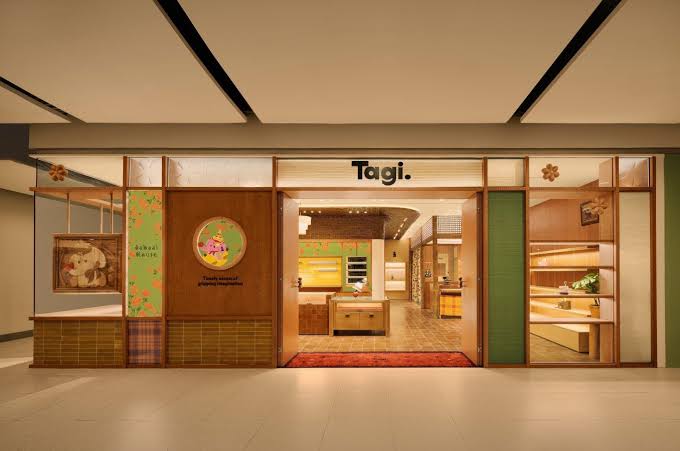
    Chinese lifestyle brand Tagi has embarked on its first international venture with the launch of a physical retail outlet at CentralWorld in Bangkok. Positioned on the second tier of the mall’s Eden Zone, this store presents a broad selection of the Shanghai-centric brand’s accessory collection to the Thai consumer market. This includes their signature bulky phone cases and puffer laptop bags, along with an assortment of other lifestyle products.

    Tagi, an acronym for ‘Timely access of gripping imagination’, was established in 2019 in Shanghai. The brand builds everyday accessories that incorporate an element of fun into their design. Tagi’s product lines are recognized for their vivid color contrasts, checkered motifs, and natural shapes, transforming functional items into statement fashion pieces.

    This brand has steadily grown in popularity, especially among Generation Z and young millennial consumers in China. This is largely credited to Tagi’s distinct visual branding and its effective use of social media platforms.

    The opening of the store in Bangkok denotes the beginning of Tagi’s global growth strategy. This strategic move also offers Thai customers direct access to the brand’s collections, thereby eliminating the need for cross-border pre-orders or shipping procedures.

    In addition to this, Tagi opened a temporary pop-up store at Changi Airport earlier this year.

    Questions & Answers

    What is Tagi known for?

    Tagi is known for its playful and colorful designs of everyday accessories, including phone cases and laptop bags. They incorporate bold color blocking, checkered patterns, and organic silhouettes into their designs, transforming functional items into fashion pieces.

    Who is Tagi’s primary consumer base?

    Tagi mainly targets Generation Z and young millennial consumers. Its distinctive visual identity and effective use of social media have helped it gain popularity among these demographics.

    What is the significance of Tagi’s store opening in Bangkok?

    The Bangkok store marks the first step in Tagi’s international expansion, giving Thai shoppers direct access to its collections. This eliminates the need for cross-border pre-orders or shipping, making it easier for customers to get their hands on Tagi products.

  • Jaspal Ropes in Globally-experienced Damien Corcoran as New CEO to Bolster International Expansion

    Jaspal Ropes in Globally-experienced Damien Corcoran as New CEO to Bolster International Expansion

    Renowned Thai retailer Jaspal has announced the appointment of Damien Corcoran as their new Chief Executive Officer with immediate effect. Corcoran boasts an impressive background in international leadership, with extensive experience in retail and consumer sectors spanning Europe, the Middle East, and Asia.

    A Proven Leader

    Corcoran’s most recent role was at the helm of the Isle of Man Meat Company, serving as chairperson. Earlier, he demonstrated his leadership prowess as the CEO of Grandiose Supermarkets and Catering in Dubai. Corcoran also held the position of international vice-president at Whole Foods Market, where he guided the company through expansion into international markets in the wake of its acquisition by Amazon.

    His expertise lies in a number of areas, including business transformation, retail operations, commercial strategy, and international growth – all skills that will prove invaluable in his new role.

    Steering Jaspal Towards Future Growth

    As Jaspal’s new CEO, Corcoran will spearhead the business’s ongoing efforts to solidify its market position and extend its international reach. Jaspal’s portfolio is home to 19 brands, showcasing popular in-house labels such as Jaspal, CPS, Lyn, CC Double O, Lyn Around, Jelly Bunny, and CPS Coffee.

    In addition, Jaspal holds distribution rights for a number of international brands like Fred Perry, Asics, Diesel, Puma, Melissa, Marithé + François Girbaud, and Satur. The company operates over 400 retail outlets and points of sale globally, complemented by its robust e-commerce platforms.

    Jaspal expressed that Corcoran’s appointment marks a significant stride in its long-term growth strategy, aimed at bolstering its competitive stance and opening up new avenues of opportunity across the region.

    Questions & Answers

    Who is the new CEO of Jaspal?
    Damien Corcoran has been appointed as the new CEO of Jaspal.

    What previous roles has Damien Corcoran held?
    Corcoran has previously served as the chairman of the Isle of Man Meat Company, CEO of Grandiose Supermarkets and Catering in Dubai, and international vice-president at Whole Foods Market.

    What is Jaspal’s growth strategy under Corcoran’s leadership?
    Under Corcoran’s leadership, Jaspal aims to strengthen its market position and expand its global presence.

  • Dutch Yacht Giant Alumax Sets Sail in Vietnam with First International Shipyard

    Dutch Yacht Giant Alumax Sets Sail in Vietnam with First International Shipyard

    Alumax Boats, a Dutch firm known for supplying water taxis for the 2012 London Olympics, has launched its first shipyard outside its homeland in Vietnam, through a joint venture partnership. This expansion was marked with a grand inauguration ceremony held on Wednesday at the Thuan Thanh Industrial Park situated in the northern province of Bac Ninh. The joint venture, Alumax Amsterdam, is a collaborative effort between Alumax Boats, the local conglomerate Son Ha Group, and shipbuilder James Boat.

    The Lego of Shipbuilding

    The process of production at the shipyard has been likened to ‘playing with Lego’ by the joint venture representatives. Here, the workers assemble precut aluminium components to create the final product. This is a testament to Alumax Boats’ specialization in constructing aluminium vessels, the expertise that the firm first exported to Vietnam in 2021 during the Covid-19 pandemic through its alliance with James Boat.

    As a part of the joint venture, Alumax Boats stands as the provider of core high-performance aluminium shipbuilding technology. On the other hand, Son Ha Group brings to the table its industrial manufacturing capacity, management acumen, and financial resources, while James Boat serves as the technological conduit amongst the partners. The responsibility of vessel design is shared between Alumax Boats and James Boat, with the production designs subsequently transferred to Son Ha’s manufacturing facilities.

    The Rise of Marine Tourism

    The leaders of the joint venture have expressed their optimism about the growing demand in Vietnam for catamaran party yachts. These are open-deck leisure vessels capable of hosting 30 to 50 passengers. Typically, these yachts feature sound systems, dining areas, bars, bedrooms, and spacious decks for the guests to soak in the panoramic ocean views. Acknowledging this, a spokesperson for the joint venture stated, “This has been identified as one of our strategic products to capitalize on the growth of marine tourism in Vietnam and across the region.”

    The joint venture has planned to manufacture three yachts, ranging from 6.5 to 16.5 meters in length, this year. It has already bagged orders for government service vessels and yachts worth US$20 million. Son believes that building yachts in Vietnam could result in a price reduction of about 40% compared to imported ones.

    The lightweight properties of aluminium lead to improved fuel efficiency. After 40 to 50 years of service life, these vessels can be recycled far more effectively than their steel and composite counterparts, which are still commonly produced in Vietnam.

    Questions & Answers

    What makes the joint venture’s production process unique?
    The joint venture compares its production process to ‘playing with Lego,’ where workers assemble precut aluminium components to form the final product.

    What role does each party play in the joint venture?
    Alumax Boats provides core high-performance aluminium shipbuilding technology, Son Ha Group contributes its industrial manufacturing capacity, management expertise, and financial resources, and James Boat serves as the technological bridge between the partners.

    What are the benefits of manufacturing yachts in Vietnam?
    Manufacturing yachts in Vietnam could result in a price reduction of about 40% compared to imports. Additionally, the use of aluminium leads to improved fuel efficiency and allows for effective recycling after 40 to 50 years of service.

  • Sa Sa International Skyrockets Profits by 160% with Boost in Online Sales Strategy

    Sa Sa International Skyrockets Profits by 160% with Boost in Online Sales Strategy

    Sa Sa International, a leading cosmetics retailer listed in Hong Kong, concluded the previous fiscal year with a significant boost in sales and profits. The company’s annual profit, which ended on March 31, witnessed an impressive growth of 160.5% amounting to HK$200.5 million (US$25.5 million). Additionally, the total turnover increased by 14.2% to HK$4.38 billion, while the gross profit augmented by 10.5% reaching HK$1.67 billion.

    A Remarkable Turnaround

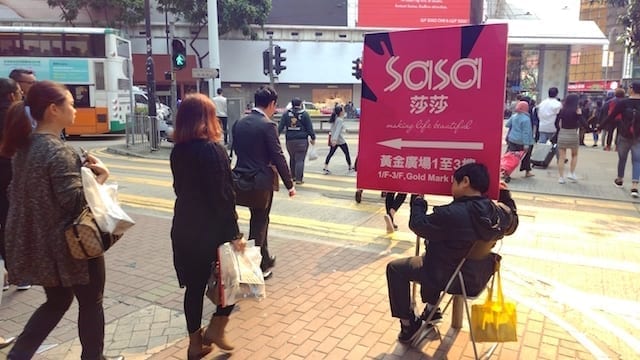
    This remarkable financial performance reflects a complete shift from the previous year when the company experienced a 9.7% decrease in sales and a 64% drop in profits. The management attributes this achievement to an increase in regional operational efficiency. The company strategically shut down its physical operations in Mainland China, shifting its focus towards online sales and enhancing operations in its primary markets – Hong Kong and Macau.

    Hong Kong and Macau account for nearly 80% of the total turnover. Both markets registered a 16% growth in offline sales and a 20% rise in online sales, with the company operating 85 stores as of March 31. The markets also observed significant increases in the same-store sales, the number of transactions, the average sales per transaction, and the number of items per transaction, leading to a 62.7% surge in profits.

    In contrast, online sales in Mainland China experienced a slight dip of 5.4%. However, the closure of physical stores allowed Sa Sa to reallocate resources, resulting in a profit of HK$9.1 million within the year.

    Regional Performance and Future Prospects

    The Southeast Asia region, encompassing Singapore and Malaysia, increased offline sales by 9% and online sales by 40% across its 75 stores. However, the region suffered a loss of HK$14.8 million due to the escalating cost of living and macroeconomic challenges.

    Moving forward, Sa Sa aims to expand its footprint in high-traffic tourist districts and residential areas, with plans to open six to seven new stores in the first half of the new fiscal year. The company will also introduce measures to enhance product display and operational efficiency.

    In the first quarter ending on June 21, the company reported a 24% increase in turnover, marked by a 30.9% rise in offline sales and a 3.2% dip in online sales.

    Questions & Answers

    What growth did Sa Sa International experience in the last fiscal year?
    Sa Sa International saw a 160.5% increase in annual profit and a 14.2% increase in total turnover in the last fiscal year.

    How did the company’s operational shift affect its performance in Mainland China?
    After closing its physical stores in Mainland China, Sa Sa was able to reallocate resources, which contributed to a profit of HK$9.1 million in the year.

    What are Sa Sa’s future expansion plans?
    Sa Sa plans to further expand its presence in high-traffic tourist districts and residential areas, with the opening of six to seven new stores planned for the first half of the new fiscal year. The company will also implement measures to optimise product display and operational efficiency.

  • New Leadership Horizons: Nigel Parsons Takes Reins as Asahi’s Europe and International Division CEO

    New Leadership Horizons: Nigel Parsons Takes Reins as Asahi’s Europe and International Division CEO

    Nigel Parsons has been announced as the new CEO of Asahi’s Europe and International (AEI) segment, succeeding Dragos Constantinescu who is set to leave his position at the end of June. Parsons is slated to officially take over during the latter part of this year. In the interim period, Andrew Bailey, AEI’s CFO, will fulfill the CEO responsibilities.

    Parsons’ appointment has been attributed to his vast leadership skills spanning human resources, commercial, and multi-category operations within the organization and the wider Fast-Moving Consumer Goods (FMCG) industry. His tenure with Asahi Beverages began in 2021 when he took up the CEO position in the lifestyle beverages division. Most recently, Parsons held the Chief Commercial Officer (CCO) role for Oceania, where he supervised commercial operations in Australia and New Zealand.

    Atsushi Katsuki, the President and Group CEO of Asahi Group Holdings, has lauded Parsons for his proven capability in driving sustainable growth. Katsuki expressed his confidence that under Parsons’ guidance, AEI would progress its strategic objectives in complete harmony with the group’s medium to long-term management policies, thereby enhancing value creation across their business portfolio.

    Questions & Answers

    Who has been appointed as the new CEO of Asahi’s Europe and International division?
    Nigel Parsons has been appointed the new CEO of Asahi’s Europe and International division.

    Who will serve as acting CEO during the transition period?
    Andrew Bailey, the CFO of AEI, will serve as acting CEO during the transition period.

    What roles has Nigel Parsons held within the Asahi Group?
    Nigel Parsons joined Asahi Beverages in 2021 as CEO of its lifestyle beverages division, and most recently served as the Chief Commercial Officer for Oceania, overseeing operations in Australia and New Zealand.

  • Texas Chicken Set to Conquer Chinese Market with 600+ Stores: The Biggest International Expansion to Date

    Texas Chicken Set to Conquer Chinese Market with 600+ Stores: The Biggest International Expansion to Date

    Texas Chicken, a prominent quick-service restaurant chain, is set to expand its footprint to China. The company plans to inaugurate its first restaurant in the country later in the year, following a significant deal to open over 600 establishments nationwide.

    China: The 27th International Market

    The upcoming debut of Texas Chicken in China signifies its entry into its 27th international market. The first restaurant under this brand will be launched in Shanghai this summer, followed by additional outlets in various locations. The company aims to create a robust presence in the Chinese market by opening more than 600 restaurants throughout the country.

    Strategic Partnership with Deke Shengtang

    To facilitate its successful entry into the Chinese market, Texas Chicken has formed a strategic alliance with Deke Shengtang, a renowned local operator for several quick-service restaurant brands. The partnership entails a franchise agreement that will see the development of 600 or more restaurants across China in the coming years.

    According to Texas Chicken, this franchising agreement marks the company’s most significant international development deal to date, reflecting its long-term confidence in the Chinese market.

    Executives’ Insights

    Roland Gonzalez, the CEO of Texas Chicken, stated, “China is one of the most dynamic and influential consumer markets globally, and we are entering it with a brand primed for connection – boasting big flavour, real value, and a spirit that unifies people.”

    Tim Wadell, EVP of International Business at Texas Chicken, further stated, “The team at Deke Shengtang brings the local expertise and ambition we seek in a partner.”

    The company will release more details about the restaurant design, locations, and future openings in China as the launch date approaches.

    Company Background

    George W Church Sr established Church’s Texas Chicken in San Antonio, Texas, in 1952. Texas Chicken, the sister brand, oversees operations outside the US. The quick-service restaurant chain currently operates over 1400 locations worldwide.

    Questions & Answers

    What is the significance of Texas Chicken’s entry into China?
    Texas Chicken’s entry into China marks its expansion into its 27th international market, representing a significant milestone in the company’s global growth strategy.

    Who has Texas Chicken partnered with for its market entry into China?
    Texas Chicken has formed an alliance with Deke Shengtang, a leading local operator of multiple quick-service restaurant brands, to facilitate its market entry into China.

    What is the expected number of Texas Chicken restaurants in China?
    Following a franchise agreement with Deke Shengtang, Texas Chicken plans to develop 600 or more restaurants across China in the next few years.

  • International Students in Australia Grapple with Skyrocketing Living Costs and Tuition Fees

    International Students in Australia Grapple with Skyrocketing Living Costs and Tuition Fees

    Many international students in Australia are facing considerable financial strain, as they attempt to balance their academic commitments with part-time work to afford their living expenses. A key concern among these students is the high cost of food and other essentials.

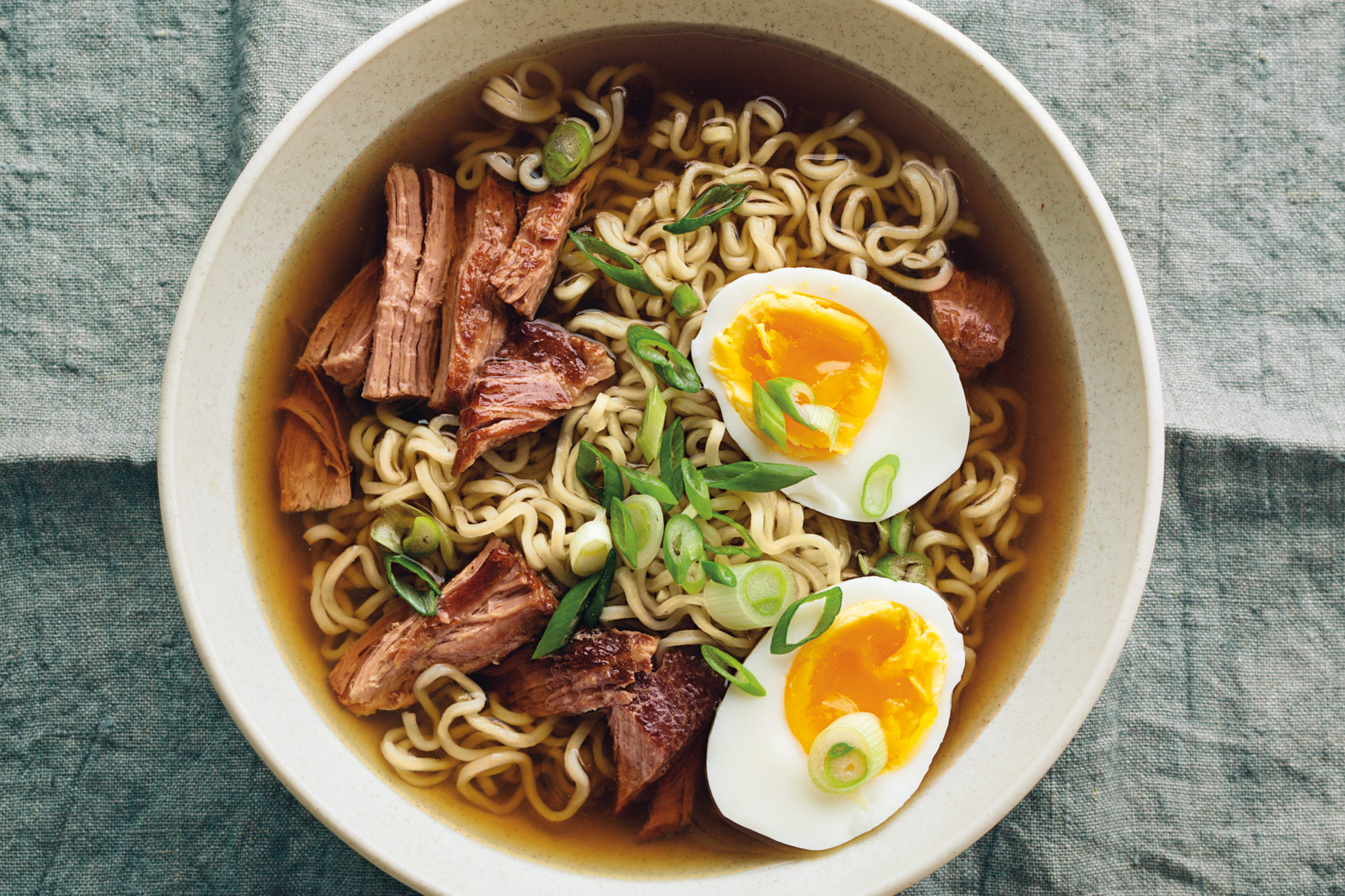
    A Chinese student at the Australian National University, unwilling to be named, shared her experiences of eating instant noodles or fast food until she was able to find work. Although conscious of the need to study, she found herself working as many as 48 hours a fortnight, the maximum allowed under Australian student visas. This, however, led to immense stress and anxiety, affecting her sleep and overall wellbeing.

    Struggling to Afford Basic Necessities

    This student’s situation is far from unique. The 2024 State of Student Healthcare Report, issued by Allianz Partners Australia, indicated that nearly a third of international students regularly missed meals due to the high cost of groceries. Roughly one in four stated they could not afford fresh fruits and vegetables.

    Housing security has also become a major issue. Sean Stimson, a senior solicitor at the Redfern Legal Centre’s International Student Legal Service, highlighted an increase in homelessness among international students over the past 18 months, largely due to significant rent hikes.

    Erin Longbottom, nurse unit manager of the homeless health service at St. Vincent’s Hospital in Sydney, referred to international students as the emerging “hidden face of homelessness.”

    Overcoming Barriers in the Rental Market

    The 2024 Student Accommodation Council report found that international students faced particular challenges in the private rental market. Without a rental history in Australia and often lacking employment or income statements when applying for leases, they are at a significant disadvantage.

    While students are required to show access to A$30,000 (US$20,700) to obtain a visa, Stimson cautioned that these funds could be quickly depleted due to skyrocketing living costs.

    Rising Tuition Fees

    In addition to escalating expenses for housing and food, tuition costs have also surged. Immigration expert Dr. Abul Rizvi pointed out that fees for international students have grown significantly faster than inflation.

    More than 583 courses charge international students over $250,000, with 445 of those offered by the country’s top research universities. In some instances, the total cost of a degree can exceed A$850,000.

    Financial Stress Taking Its Toll

    The Allianz report further revealed that over 61% of international students surveyed said daily expenses were substantially higher than anticipated. Only 18.2% felt financially secure, while 40.2% were experiencing financial stress or hardship. Worryingly, 28.1% considered leaving their studies due to these pressures.

    Alan Morris, a professor focusing on urban and housing studies at the University of Technology Sydney, noted that many international students suffer enormous stress and anxiety as they try to juggle their academics and finances. This often results in academic performance suffering as students focus on making ends meet.

    The Need for Innovative Solutions

    Although Australia’s student visa work rules are generally quite generous, experts caution that simply increasing work hours may not alleviate the financial pressures faced by international students.

    Rather, innovative solutions may be of value. Morris suggested Australia might benefit from adopting a Canadian housing model that pairs international students with older residents for reduced rent in exchange for assistance with household tasks.

    In the meantime, many international students are finding their own ways to adapt to these financial challenges, developing practical skills such as cooking or driving to save money.

    Despite the difficulties, many students still consider studying in Australia to be a valuable experience.

    Questions & Answers

    What challenges are international students in Australia facing?
    They are dealing with rising living costs, high tuition fees, and restrictions on work hours, which are leading to financial stress and, in some cases, homelessness.

    What issues are they encountering with housing and food?
    Many international students are struggling to afford groceries and fresh food. Additionally, steep rent increases have led to issues with housing security, with homelessness on the rise among this group.

    What solutions are being suggested to alleviate these pressures?
    One suggestion is to adopt a Canadian housing model that pairs international students with older residents. The students would help with household tasks in exchange for reduced rent. This would help alleviate some financial stress and provide more secure housing.


  • Sun PhuQuoc Airways Soars Globally: Vietnam’s Airline Gains License for International Flights, Boosts Regional Tourism

    Sun PhuQuoc Airways Soars Globally: Vietnam’s Airline Gains License for International Flights, Boosts Regional Tourism

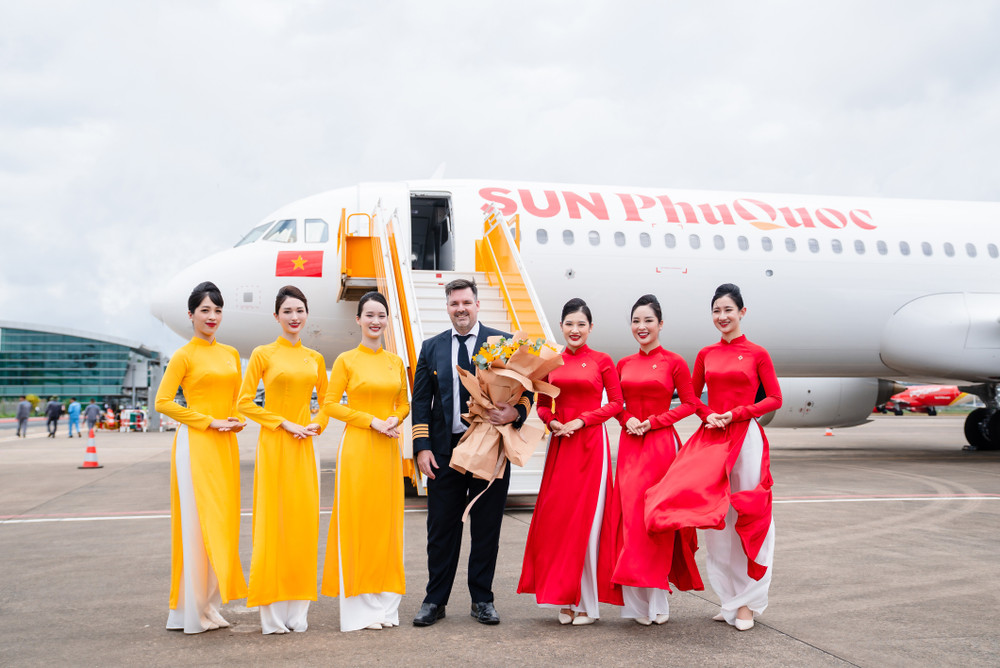
    Sun PhuQuoc Airways, a Vietnamese airline company, recently received extended certification from the Civil Aviation Authority of Vietnam, which now permits it to operate international flights. This significant development, following a stringent evaluation process involving the application of the highest safety standards, allows the airline to provide commercial flights to international destinations within the MID/ASIA region.

    Transition to International Services

    This certification marks a substantial milestone in Sun PhuQuoc Airways’ journey from being a domestic airline to becoming an international carrier. It opens up a wealth of opportunities in thriving tourism markets across the region.

    The airline is set to start offering international flights to South Korea and Taiwan in the upcoming year. Initially, the service will commence with flights from Phu Quoc to Seoul and Taipei in March, which will then be followed by flights to Busan in September and Kaohsiung in October. Tourist visits to Phu Quoc Island in Vietnam from these regions have witnessed a steady growth in recent years, making these markets a strategic choice for the airline’s expansion into major economic and tourism hubs in Northeast Asia.

    Strategic Partnerships

    To facilitate the smooth launch of its international services, Sun PhuQuoc Airways has aligned with general sales agents (GSAs) in both South Korea and Taiwan. The airline will be represented in South Korea by Pacific Air Agency, a reputable and experienced GSA group, which will be responsible for sales, distribution, and market development.

    In Taiwan, the airline has partnered with Hongyi Travel Service, a leading outbound operator and the first company to bring tourists from Taiwan to Vietnam in the 1990s. This collaboration will enhance the airline’s connectivity with the rapidly growing outbound travel market in Taiwan. These GSAs will facilitate the development of distribution networks, marketing activities, and tailored products for each customer segment before the new routes are launched.

    Fleet Expansion

    In addition to its service expansion, Sun PhuQuoc Airways has been investing in its fleet. On November 24, the airline’s fourth aircraft, an Airbus A321NX, was officially put into commercial service to accommodate the increased travel demand during peak seasons. The airline also expects to add another aircraft to its fleet this month.

    The airline views these developments as strategic steps toward establishing Phu Quoc as a new regional hub for tourism and aviation. The introduction of direct international routes will not only improve market access to two of Vietnam’s largest visitor sources but will also contribute to the integrated tourism ecosystem of Phu Quoc. Travellers will enjoy a seamless journey that encompasses flights, resorts, dining, entertainment, and leisure.

    The airline’s expansion into international markets aligns with Phu Quoc’s selection as the host city for APEC 2027. The island is making rapid strides in infrastructure and urban development projects to prepare for this global event. The airline’s growth is expected to enhance the island’s competitiveness and attract a higher calibre of visitors to Vietnam in the future.

    Questions & Answers

    What significant milestone has Sun PhuQuoc Airways recently achieved?
    Sun PhuQuoc Airways has recently been granted certification to operate international flights, marking a significant transition from being a domestic carrier to an international airline.

    Which international routes is Sun PhuQuoc Airways planning to introduce next year?
    Sun PhuQuoc Airways is planning to introduce flights to South Korea and Taiwan next year, beginning with Seoul-Phu Quoc and Taipei-Phu Quoc in March, followed by Busan-Phu Quoc in September and Kaohsiung-Phu Quoc in October.

    How is Sun PhuQuoc Airways preparing for the launch of its international routes?
    To facilitate the smooth launch of its international routes, Sun PhuQuoc Airways has appointed general sales agents in both South Korea and Taiwan to manage sales, distribution, and market development. Additionally, the airline is also expanding its fleet to meet the increased travel demand.

  • Vietnam Climbs to 5th Spot in US International Student Rankings; Contributes $1.15B to Economy

    Vietnam Climbs to 5th Spot in US International Student Rankings; Contributes $1.15B to Economy

    During the previous academic year, U.S. higher education institutions saw an unprecedented influx of nearly 25,600 students from Vietnam. As such, Vietnam now holds the title of being the fifth most significant source of international students for the United States.

    Academic Year 2024-2025: A Closer Look

    The 2024-2025 academic session witnessed a significant 15.9% increase in Vietnamese students studying in the U.S., taking the total count to 25,584. This not only marked the highest inflow of Vietnamese students ever recorded but also contributed nearly US$1.15 billion to the U.S. economy.

    The data, which was recorded by the Institute of International Education (IIE), is the highest it has ever been since the IIE commenced tracking Vietnamese students in the U.S. in the 2000-2001 academic session.

    The majority of these students were enrolled in undergraduate programs, comprising 63% of the total. They were followed by graduate students at 17.3%, students on Optional Practical Training (OPT) at 14.2%, and non-degree students making up the remainder.

    Global Presence

    In the same academic year, more than 1.17 million international students from over 200 countries and territories chose to study in the U.S., marking a 4.5% increase from the previous academic year. These international students constituted 6% of the total U.S. higher education population and contributed nearly $55 billion to the U.S. economy, thereby supporting over 355,000 jobs.

    The top countries contributing to the U.S. student population were India with 363,019 students (a 9.5% increase), China with 265,919 students (a 4% decrease), South Korea with 42,293 students (a 2% decrease), and Canada with 29,903 students (a 3% increase).

    Interestingly, while there was a 2.7% decrease in the number of students enrolled in graduate programs (master’s or doctorate degrees), undergraduate student enrollment witnessed an increase of 4.2%. This marks the first significant surge in undergraduate enrollment since the onset of the Covid-19 pandemic. The number of international students pursuing OPT also experienced a substantial growth, reaching 294,253 – constituting a 21% increase from the previous year.

    Over half (57%) of international students across all academic levels pursued STEM fields (Science, Technology, Engineering, and Mathematics). The most popular fields were Mathematics and Computer Science, chosen by one in four students, followed by Engineering, and Business & Management.

    However, it is important to note that despite the overall growth in the number of international students, new enrollments, i.e., students studying for the first time, decreased by 7.2% to 277,118 in 2024-2025.

    Questions & Answers

    What was the increase in Vietnamese students studying in the U.S. during the 2024-2025 academic year?
    The number of Vietnamese students studying in the U.S. increased by 15.9% during the 2024-2025 academic year.

    Which countries contributed the most to the U.S. student population in the 2024-2025 academic year?
    The top countries contributing to the U.S. student population in the 2024-2025 academic year were India, China, South Korea, and Canada.

    Which academic fields were the most popular among international students in the 2024-2025 academic year?
    The most popular academic fields among international students in the 2024-2025 academic year were Mathematics and Computer Science, followed by Engineering, and Business & Management.

  • UBS and Ant International Pioneer Real-Time Global Payments: Unveiling Next-Gen Blockchain Solutions for Cross-Border Settlements

    UBS and Ant International Pioneer Real-Time Global Payments: Unveiling Next-Gen Blockchain Solutions for Cross-Border Settlements

    Swiss institution UBS has announced a strategic partnership with Singaporean fintech firm Ant International. The collaboration aims to build blockchain-based tokenised deposits to facilitate real-time global payments. This alliance marks a significant milestone in the rapidly transforming digital finance sector in Asia.

    Exploring Blockchain Solutions

    At UBS’ Singapore head office, both companies signed a Memorandum of Understanding to delve into blockchain solutions. These solutions aim to upgrade cross-border settlements and liquidity management for Ant International’s global treasury functions.

    As per the details released on Monday, Ant International plans to utilize UBS Digital Cash, a blockchain payment platform launched in 2024. The platform is designed to expedite, streamline and secure settlement procedures across multiple markets.

    Tokenised Deposits: A Central Element

    A primary focus of this partnership is the examination of tokenised deposits, which will link UBS Digital Cash with Ant International’s proprietary Whale platform. The Whale platform is a next-generation blockchain-based treasury management system.

    This combined infrastructure is designed to facilitate real-time cash flows across Ant’s worldwide entities, bypassing traditional cut-off restrictions and enhancing liquidity visibility across various currencies.

    Pioneering Digital Asset Innovation

    Young Jin Yee, co-head of UBS Global Wealth Management Asia Pacific and country head UBS Singapore, stated that the alliance with Ant International builds upon the momentum of UBS Digital Cash’s pilot launch from the previous year. The combined expertise in digital assets and Ant’s progressive blockchain technology would deliver a real-time, multi-currency payment solution that is both transparent and efficient.

    The partnership also underscores UBS’s commitment to augmenting client access to global markets via digital innovation.

    A Strategic Alliance

    Kelvin Li, general manager of platform tech at Ant International, expressed excitement about the partnership with UBS, a global bank with a solid reputation for blockchain innovation. Li highlighted the shared belief in the transformative potential of these technologies for cross-border payments, and the anticipation of creating a larger impact together.

    This alliance showcases the growing interest in programmable money, tokenised deposits, and real-time settlement infrastructure – areas financial institutions deem critical for the future of cross-border payments.

    Unlocking Capital Efficiency

    For banks, businesses, and wealth managers, the opportunity to instantly move liquidity across markets can unveil new heights of capital efficiency, risk management, and treasury automation.

    As Asia becomes a global hub for digital-asset experimentation, the UBS-Ant partnership epitomizes the region’s increasing influence.

    Questions & Answers

    What is the main goal of the partnership between UBS and Ant International?
    The alliance aims to develop blockchain-based tokenised deposits to facilitate real-time global payments.

    What is the role of Ant International’s proprietary Whale platform in this partnership?
    The Whale platform, a next-generation blockchain-based treasury management system, will be linked with UBS Digital Cash to facilitate real-time cash flows across worldwide entities.

    What potential benefits can banks, businesses, and wealth managers expect from this partnership?
    They can anticipate new heights of capital efficiency, risk management, and treasury automation, thanks to the ability to instantly move liquidity across markets.

  • Hong Kong International Airport Scores High In Global Ranking For Best Airport Washrooms

    Hong Kong International Airport Scores High In Global Ranking For Best Airport Washrooms

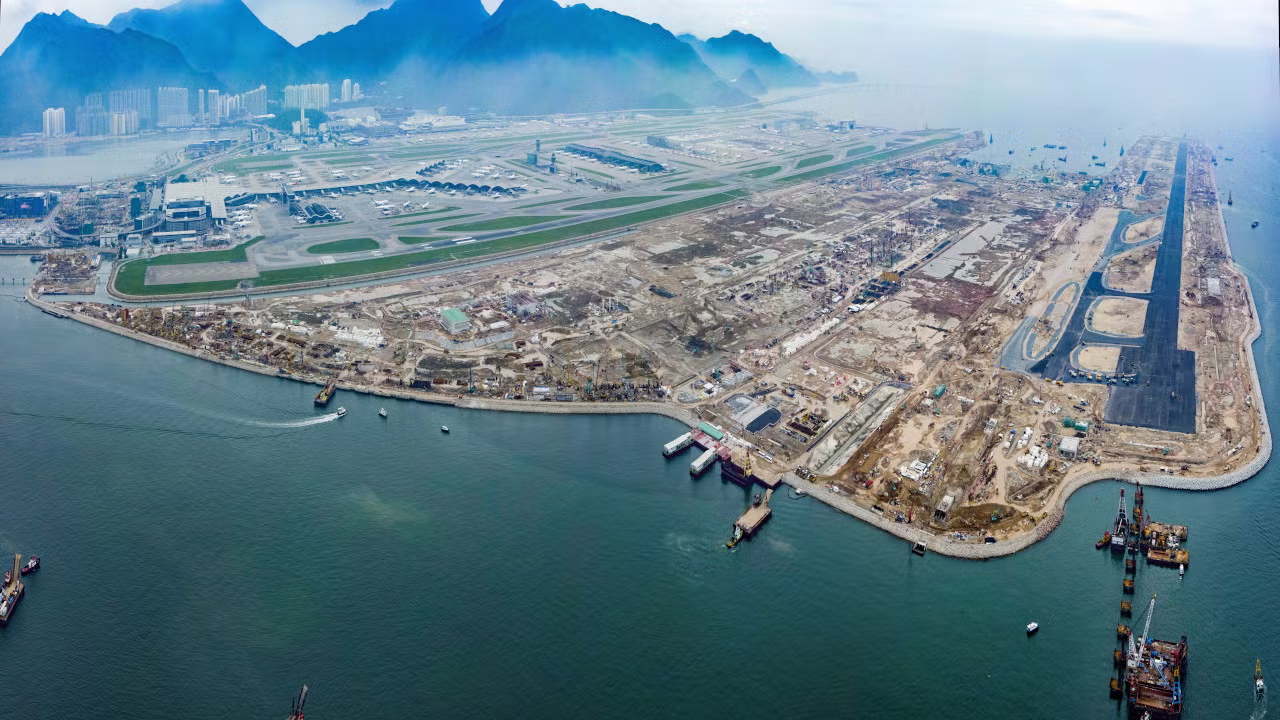
    Hong Kong’s airport, already considered the fifth cleanest globally, has now been recognized for another unique feat – its excellent public washrooms. The international air transport rating body, Skytrax, awarded Hong Kong International Airport the fifth position in its inaugural World’s Best Airport Washrooms 2025 awards. The other airports outshining HKIA in this category include Bahrain International Airport, Seoul Incheon International Airport, Tokyo Haneda Airport, with Singapore’s Changi Airport clinching the top spot.

    Superior Washroom Facilities at HKIA

    The award-winning washrooms at HKIA stand out for their remarkable cleanliness and generous space, both in the waiting areas and individual cubicles. Recognizing that travelers often need to carry their luggage into the washroom, the design incorporates plenty of room for these items.

    Furthermore, the washbasins in these restrooms are ultra-modern, all-in-one stations where one can rinse, soap, and dry their hands in one place, eliminating the need to move around wetting the floor. Another fascinating feature is an intelligent noticeboard system at the entrance of each washroom that displays the current occupancy rate and the number of unoccupied stalls. Additionally, each cubicle is fitted with a red and green LED light indicator to show its occupancy status, eliminating the need for guesswork or knocking to check if a stall is available. The men’s bathroom even boasts small screens resembling airplane windows installed above the urinals to keep users entertained.

    Selection Process and Rankings

    Skytrax evaluated 235 airports worldwide to compile these rankings. Given that this was the first year of rating airport bathrooms, the awards were based on feedback from Skytrax’s audit office. However, traveler feedback will be factored into the rankings for future awards. Intriguingly, all ten of the recognized airport bathrooms are located in Asia, with Japan, the homeland of smart toilets, having five of its airports in the top 10.

    Among the standout facilities, the New Chitose Airport in Hokkaido was particularly noteworthy, mainly due to its unique Japanese onsen bathing facilities inside the airport terminal.

    The top ten airport bathrooms in 2025 include:

    1. Singapore Changi Airport
    2. Tokyo Haneda Airport
    3. Seoul Incheon International Airport
    4. Bahrain International Airport
    5. Hong Kong International Airport
    6. Kansai International Airport
    7. New Chitose Airport
    8. Tokyo Narita Airport
    9. Taiwan Taoyuan International Airport
    10. Fukuoka Airport

    Questions & Answers

    Which airport won the top spot in the World’s Best Airport Washrooms 2025 awards?
    Singapore Changi Airport won the top spot in these awards.

    What unique feature do the washrooms at Hong Kong International Airport have?
    The washrooms at Hong Kong International Airport have an intelligent noticeboard system that displays the current occupancy rate and the number of unoccupied stalls. They also have an all-in-one wash station, and LED indicators for stall occupancy.

    Which country has the most number of airports in the top 10 list of the World’s Best Airport Washrooms 2025 awards?
    Japan has the most number of airports, five in total, in the top 10 list of these awards.

  • Japan’s Chiikawa Ramen Buta makes international debut in HK

    Japan’s Chiikawa Ramen Buta makes international debut in HK

    Chiikawa Ramen Buta, a famed Japanese ramen house, has expanded its culinary horizons, making its inaugural global foray with a new establishment in Langham Place, Hong Kong.

    The brand draws inspiration from the popular ‘Ro’ series depicted in the Chiikawa manga (comics), fusing elements of the franchise’s whimsical design with traditional Japanese ramen. The result is an enthralling dining experience that delights both the palate and the imagination.

    Life-sized effigies of the beloved characters Chiikawa, Hachiware, and Usagi greet diners, setting a playful tone to the experience. The dining room is adorned with artwork and decor centered around these characters, immersing guests in the enchanting world of Chiikawa.

    Experience Authentic Japanese Ramen

    The Hong Kong eatery boasts an impressive menu centered around their signature ramen, prepared with high-quality broth and ingredients shipped straight from Japan. Diners can choose from three different serving sizes, each named after the manga characters: Chiikawa (mini), Hachiware (small), and Usagi (large). A complimentary sticker and a character-themed fish cake garnish add a fun twist to each bowl of sumptuous ramen.

    Themed Beverages and Souvenirs

    The dining experience is further elevated with Chiikawa-inspired drink containers, which patrons can take home as mementos of their visit. The beverages themselves come with collectible transparent cards, each featuring a different character.

    Branded Merchandise

    In addition to its culinary offerings, the restaurant has also rolled out an assortment of branded merchandise. This includes ramen bowls, beer and water glasses, t-shirts, towels, wristbands, stickers, spoons, and plates, all themed around the lively world of Chiikawa.

    Questions & Answers

    What is the concept behind the new Chiikawa Ramen Buta restaurant in Hong Kong?
    The restaurant combines elements of the playful Chiikawa manga series with traditional Japanese ramen, providing a unique dining experience.

    What special features does the restaurant offer to its customers?
    The restaurant offers life-sized characters from the manga series, character-themed decor, and a menu featuring signature ramen made with authentic ingredients from Japan. In addition, guests can take home Chiikawa-themed drink containers and collectible transparent cards.

    What type of branded merchandise is available at the restaurant?
    The restaurant offers a variety of Chiikawa-themed merchandise, including ramen bowls, glasses, t-shirts, towels, wristbands, stickers, spoons, and plates.

  • Aesop brings Japanese-inspired sanctuary to Kansai International Airport

    Aesop brings Japanese-inspired sanctuary to Kansai International Airport

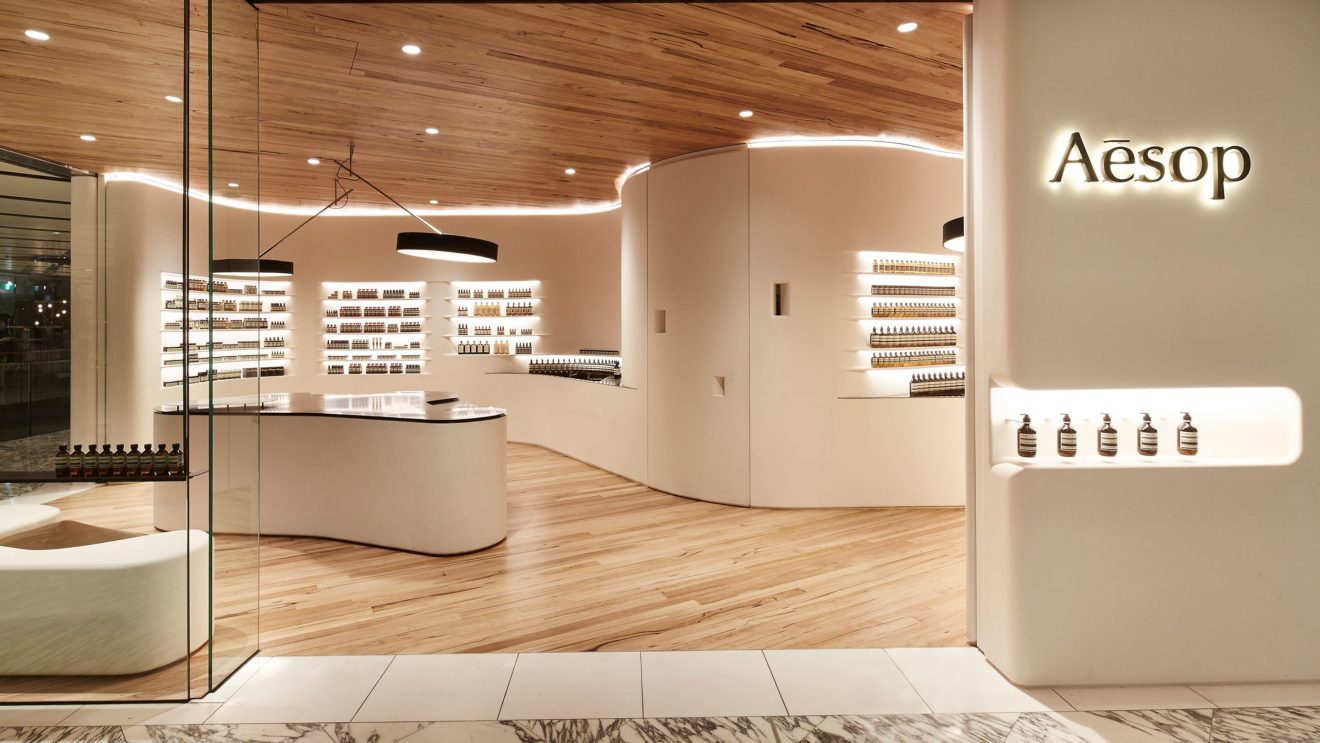
    Aesop, the renowned skincare brand, has recently inaugurated a new outlet at Kansai International Airport (KIX). This launch, a collaborative effort with Lagardère Travel Retail, is seen as a major push to extend Aesop’s presence in the Asia Pacific’s travel retail sector.

    Embracing Traditional Japanese Aesthetics

    Aesop’s new store brings to life the essence of traditional Japanese aesthetics. The store design takes cues from paper walls and the iconic Noguchi lamps, resulting in an inviting, soothing, and softly lit environment. The brand states that the store layout is intended to enhance the dwell time of shoppers, creating a serene oasis for those in transit. This strategy is expected to boost customer engagement and conversion rates.

    A Store Experience Centered on Sensory Exploration

    Aesop’s retail strategy is built around enriching the sensory experiences of its customers. The store features a signature sink where patrons can explore the texture and scent of various Aesop products. Visitors are also greeted with oshibori (Japanese moist hand towels) or tea, setting up a warm and welcoming shopping environment.

    Moreover, the store also offers a hand-picked collection of books and a travel-themed music playlist for customers to enjoy during their journey. To further enhance the shopping experience, customers are gifted a uniquely designed tote bag which includes a Kansai-inspired quote and local tea as a keepsake.

    The Aesop Difference

    Jesus Abia, the Managing Director of L’Oréal Travel Retail Asia Pacific, emphasized that Aesop’s environmental synergy is a unique selling proposition for the brand. He highlighted that the Japanese-inspired design at the Kansai International Airport outlet enhances the travel experience, nurturing the skin, invigorating the senses, and creating harmonious surroundings.

    Questions & Answers

    Where has Aesop opened its new store?
    Aesop has opened its new store at Kansai International Airport (KIX), Japan.

    What is the design strategy of Aesop’s new outlet?
    The design of Aesop’s new store pays homage to traditional Japanese aesthetics, incorporating elements like paper walls and Noguchi lamps to create a tranquil atmosphere.

    What unique offerings does the store provide to its customers?
    Apart from offering an array of skincare products, the store also provides a sensory exploration experience with a signature sink to sample products. Visitors are welcomed with tea or oshibori. There’s also a curated selection of books and travel-themed music. Customers also receive a specially designed tote bag with a local tea as a memento of their visit.

  • Iconic Jewellery Brand Fabergé Sold For $50m: Gemfields Shifts Focus Back To Core Mining Operations

    Iconic Jewellery Brand Fabergé Sold For $50m: Gemfields Shifts Focus Back To Core Mining Operations

    Gemfields, the mining group, has disclosed the sale of its entire ownership in the esteemed jewellery brand Fabergé. The purchaser, U.S.-based SMG Capital, procured the brand for a sum of US$50 million – a cost that many in the industry have described as unusually low for a brand with such a rich history.

    Financial Breakdown

    As of December, Fabergé had net assets amounting to $50.35 million. Nevertheless, the brand had experienced operating and net losses totaling $5.7 million and $11.3 million, respectively. These financial results likely influenced the final sale price.

    Fabergé, renowned for its extravagant creations, boasts the Third Imperial Easter Egg amongst its portfolio. Created in 1887, this masterpiece, featuring a solid gold case adorned with sapphires and diamonds, and containing a women’s watch with diamond-set gold hands, was once valued at $33 million. The egg remains in the hands of an unidentified private collector.

    Deal Details

    Gemfields is set to receive $45 million upon the deal’s closure, which is anticipated by the end of August. The remaining $5 million will be dispersed in the form of quarterly royalties, equivalent to 8% of Fabergé’s revenue. Notably, the deal does not necessitate any regulatory approvals or additional authorizations.

    The sale enables Gemfields to concentrate its efforts on its fundamental operations in coloured gemstone mining. These activities encompass the launch of a new ruby processing facility in Mozambique and the growth of emerald mining in Zambia.

    End of an Era for Gemfields

    Sean Gilbertson, CEO of Gemfields Group, referred to the sale as signifying the conclusion of an era. He stated, “Brands as iconic and beautiful as Fabergé do not change hands very often. We wish the team and Mr. Mosunov every success.”

    SMG Capital, under the proprietorship of tech entrepreneur and venture capitalist Sergei Mosunov, plans to maintain Fabergé’s focus on jewellery, accessories, and timepieces. Mosunov also expressed his eagerness to offer exceptional service to existing customers while attracting new brand enthusiasts.

    A Historical Overview of Fabergé

    Established in 1842 in St Petersburg, Russia, Fabergé is famed for its intricate, gem-encrusted eggs, which were originally manufactured for the Russian imperial family during the late 19th and early 20th centuries.

    Questions & Answers

    What is the essence of the deal between Gemfields and SMG Capital?
    The deal entails the sale of Gemfields’ entire stake in Fabergé to SMG Capital for US$50 million.

    What are the future plans for Gemfields following the sale of Fabergé?
    Gemfields plans to focus on its core operations in coloured gemstone mining, including the launch of a new ruby processing plant in Mozambique and the expansion of emerald mining in Zambia.

    What will be the future focus of Fabergé under the new ownership of SMG Capital?
    Under the ownership of SMG Capital, Fabergé will continue to concentrate on its jewellery, accessories, and timepieces.

  • Jollibee Group Unveils Global Expansion Plan With Comprehensive Rebranding Strategy

    Jollibee Group Unveils Global Expansion Plan With Comprehensive Rebranding Strategy

    Jollibee Foods Corporation (JFC) has recently undergone a rebranding effort, now going by Jollibee Group, with an eye on further global expansion.

    Rebranding for Global Growth

    Despite retaining its legal entity as JFC, the firm has announced that this comprehensive rebranding will encompass a new visual identity, a simplified brand hierarchy, and harmonized naming across all business divisions. The objective is to further fortify the company’s global footprint and enhance its brand value.

    Jollibee Group’s global president and CEO, Ernesto Tanmantiong, explained the reasoning behind this significant move: “Our fundamental aim is to bring joy through superior flavor. This purpose is the driving force behind our innovation, it shapes our customer promise, and it propels our momentum forward.”

    Unveiling the New Identity

    The introduction of the fresh identity took place during internal events, such as the supplier summit and the annual stockholders’ meeting, which were attended by employees and partners. The company is currently deploying this new identity through global media channels and corporate communications.

    Tanmantiong further added, “As we expand globally, we’re not only extending our reach, but also establishing a company that is not only known for business success but also for the joy and quality we bring to people’s lives.”

    Jollibee Group currently has a strong presence in 33 countries, with over 9000 outlets, including locations in the US, the Middle East, and Southeast Asia. Its diversified portfolio includes well-known brands such as Tim Ho Wan, The Coffee Bean and Tea Leaf, Jollibee, Chowking, Greenwich, Red Ribbon, and Mang Inasal.

    Questions & Answers

    What is the main reason for Jollibee Group’s rebranding?
    The main reason for the rebranding is to position the company for further global expansion and enhance its brand value.

    How was the new identity introduced?
    The new identity was introduced during internal events including a supplier summit and the annual stockholder’s meeting. It is now being introduced through global media and corporate communications.

    How many stores does Jollibee Group operate and in how many countries?
    Jollibee Group currently operates more than 9000 stores across 33 countries, including the US, the Middle East, and Southeast Asia.