Retail News CRM

Tag: International

  • Banana Sisters Boosts Global Expansion With Second Flagship Store In Southeast Asia

    Banana Sisters Boosts Global Expansion With Second Flagship Store In Southeast Asia

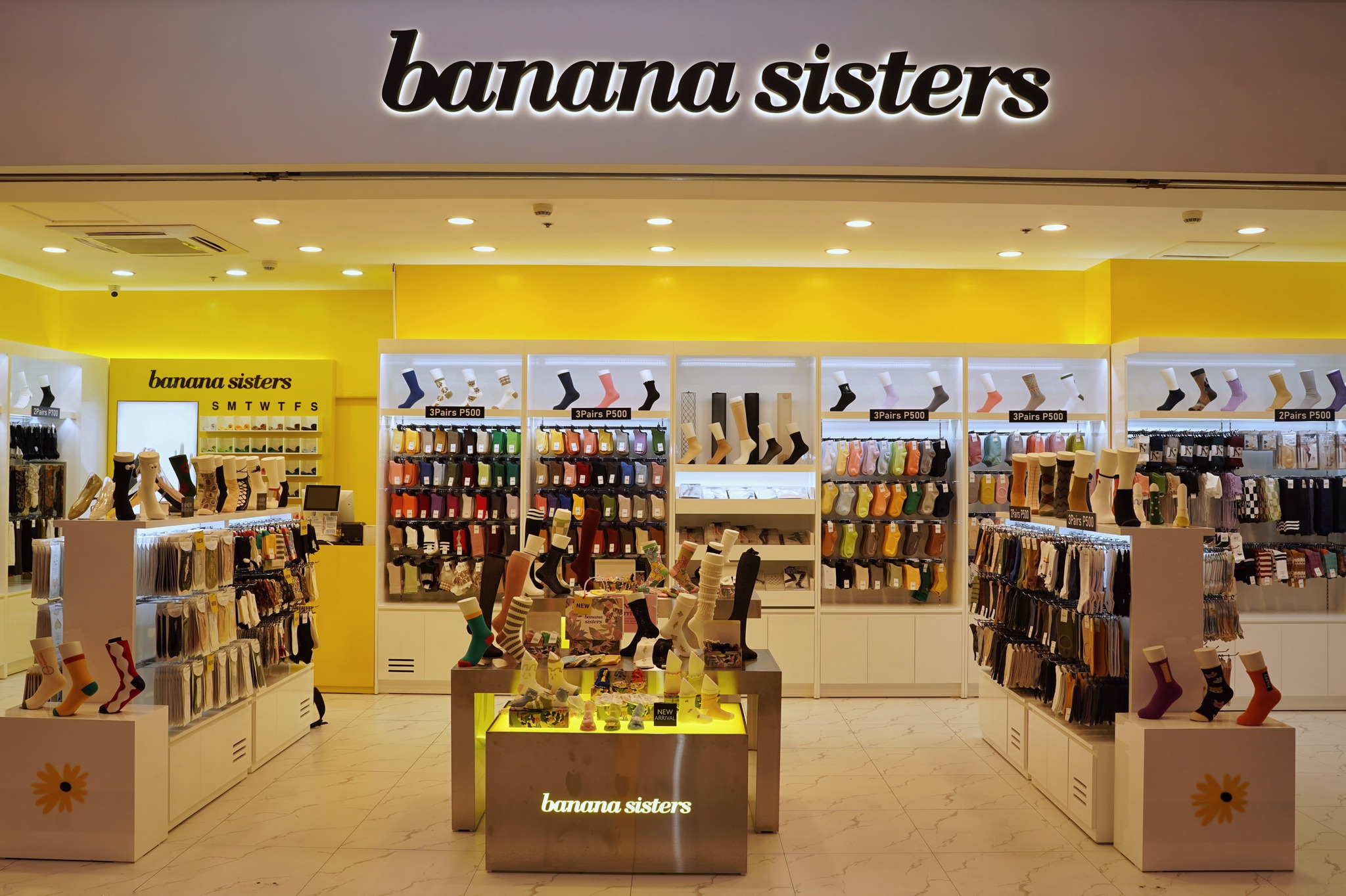
    Banana Sisters, a South Korean legwear brand, has broadened its global presence by launching its second international flagship store in the SM Mall of Asia. This move forms part of the company’s broader expansion plan in Southeast Asia.

    The new retail outlet occupies a 46-square-meter area situated on the third floor of the mall’s Entertainment section. Shoppers will find an impressive variety of approximately 300 different sock styles in the store. Additionally, the store boasts a range of branded merchandise such as T-shirts, caps, and a selection of eco-friendly bags.

    Banana Sisters is the umbrella company for several sub-brands. These include Banana Sisters, which caters to women, Banana Brothers for men, Biarritz offering chic styles, Bitz for sportswear, and Banana Kids for children’s wear.

    In addition to expanding through physical stores, Banana Sisters also plans to establish an e-commerce platform dedicated to the Philippines. This online venture is set to launch by the end of next year and will provide local payment options and nationwide delivery service.

    Yong Ju Jung, the CEO of Banana Sisters, affirmed that the store at the Mall of Asia will play a crucial role in expanding the brand’s presence in the region.

    Questions & Answers

    What is Banana Sisters’ recent strategic move in Southeast Asia?
    Banana Sisters, a South Korean legwear company, has launched its second international flagship store in the SM Mall of Asia.

    What can shoppers expect to find in the new Banana Sisters store?
    The store boasts approximately 300 different sock styles, as well as a range of branded apparel and accessories, including T-shirts, caps, and eco-friendly bags.

    What are Banana Sisters’ future plans besides expanding their physical stores?
    The company has plans to launch a dedicated Philippine e-commerce platform by the end of next year, offering local payment options and nationwide delivery.

  • Tesco growing fast as Aldi and Lidl slow

    Tesco growing fast as Aldi and Lidl slow

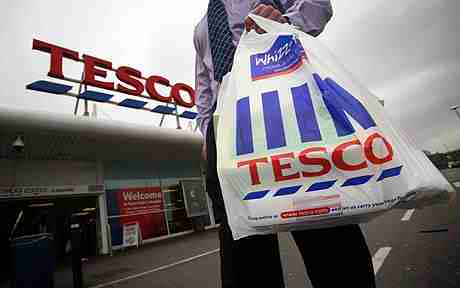
    Tesco’s turnaround appears to have been sealed with the supermarket giant recording its fastest sales growth in three years, industry data has shown.

    The UK’s biggest supermarket, which has been gradually returning to health since boss Dave Lewis took the reins in September 2014, grew sales by 2.2pc in the 12 weeks to November 6, according to Kantar Worldpanel’s closely watched snapshot of the grocery sector. The company’s market share rose to 28.2pc, from 27.9pc in the same period a year ago.

    Tesco’s own-label lines, including its Finest range, helped entice shoppers, Kantar analyst Fraser McKevitt said. “Much of Tesco’s growth has come from more affluent shoppers returning to the store, and average spend per trip is up by 2.1pc to £20.69,” he added.

    The large supermarkets have been hurt in recent years by the rampant growth of the German discounters Aldi and Lidl, which have been opening new stores at a furious pace. However Kantar’s data indicated that these chains were now growing at their slowest rate since 2011. Aldi’s sales rose 10.2pc to a 6.1pc market share, while Lidl was up by 6.1pc to a 4.6pc share.

    Of the remaining “big four” supermarkets, Sainsbury’s recorded a 0.7pc sales fall, while Morrisons and Asda were down 2.4pc and 5pc respectively. Morrisons’ figures are skewed by the fact it has closed loss-making stores in the last year, and sold off its M Local convenience store chain, meaning its overall sales will be lower because it has fewer shops.

    The grocery market as a whole chalked up 0.8pc growth in the 12 weeks. The sector has been hit by deflation, with prices falling consistently for more than two years as the major stores compete with each other to lure in shoppers. Grocery prices fell 0.5pc during the period, although this was a “significant reduction” on deflation in the summer, Mr McKevitt said. Analysts are predicting that inflation will start to return; the latest figures from the Official for National Statistics put inflation at 0.9pc in October.

    “We’re likely to see prices starting to creep up again in December, unless retailers choose Christmas to unleash a new round of price cuts,” Mr McKevitt added. “Although it’s tempting to link any potential price increases to Brexit and the devaluation of sterling, it’s worth remembering that deflation has been easing since December last year, well before the referendum.”

    Separate numbers from Nielsen appeared to confirm a slowdown in growth for the discount stores. Mike Watkins, Nielsen’s UK head of retailer and business insight, suggested price cuts at the larger grocers were helping them compete with the discounters.

    “Shoppers are still spending freely and we’ve seen a return of sustainable growth in the volume of items people are buying, helped by industry-wide price cuts, so one of the discounters’ USPs is less pronounced in shoppers’ minds,” he said.

    David McCarthy, an analyst at HSBC, said Tesco’s sales growth in the last quarter was “impressive”, especially since its share of retail space was declining. “Tesco’s growth is at the expense of key competitors who all lost market share. Tesco is well positioned for Christmas, and has entered the season with growing momentum,” he said.

    Clive Black, of Shore Capital, hailed a “quiet revolution” at Tesco. “We have been arguing for some time that we see improved market dynamics for British supermarkets; volume growth and potentially an easing of deflation,” he said.

    Tesco’s shares jumped 3.7pc to £2.13 in morning trade. Sainsbury’s climbed by 2pc and Morrisons rose by 3.8pc.

  • Coty’s results beyond expectations

    Coty’s results beyond expectations

    Beauty products maker Coty Inc (COTY.N) posted better-than-expected quarterly results, selling more of a range of luxury perfumes which include Burberry and Gucci brands.

    Once a pure-play fragrance maker, Coty has diversified by acquiring a slew of established brands and adding hair appliances and Younique makeup to its portfolio of products to attract younger customers.

    Powered by strong growth in designer brands including Chloe and Tiffany & Co, sales in its luxury beauty segment climbed 19 percent to $752.5 million in the third quarter ended March 31.

    Shares in the company rose 6.3 percent to $16.90 in response to the results.

    Chief Executive Officer Camillo Pane said that prior to the relaunch of a series of its products in January this year, sales of its CoverGirl makeup and skincare faced double-digit declines. Wednesday’s results showed a low single-digit percentage fall.

    “The overall Clairol business is not showing big signs of improvement,” said Pane, as it faces a stagnant beauty market in the U.S. and competition from L’Oreal (OREP.PA) and ELF Cosmetics.

    Pane said he expects modest organic net revenue growth in the second half of 2018.

    Net loss attributable to Coty Inc narrowed to $77 million or 10 cents per share, from a loss of $164.2 million or 22 cents per share, a year earlier.

    Coty reported a drop of about 73 percent in restructuring costs in the quarter.

    Excluding certain items, the company earned 13 cents per share, beating analysts’ average estimate by 1 cent.

    Sales rose 9.4 percent to $2.22 billion, beating analysts’ estimate of $2.17 billion.

  • Ant International Pursues Stablecoin Licenses in Hong Kong and Singapore, Report Reveals

    Ant International Pursues Stablecoin Licenses in Hong Kong and Singapore, Report Reveals

    Since you’re here, you might find it intriguing to know that a vast array of advertising opportunities awaits you to connect with your customers. Our dedicated team is ready to help you craft compelling advertising campaigns, both in print and digital formats, on this platform and within our print magazine.

    But that’s not all! We can also facilitate engaging live or digital events tailored to your needs, complete with industry leaders and thought-provoking speakers who could serve as ideal partners. Additionally, our awards programs provide a fantastic chance for recognition, allowing you to shine as a participant or sponsor throughout the year.

    Let us propel your business forward with an effective partnership!

    Retail Landscape Update

    In a remarkable turn of events this quarter, retail trends across Asia are evolving, shaped by shifting consumer behaviors and the growing demand for sustainability. With more shoppers opting for eco-friendly products, brands are racing to adapt their offerings to this conscious consumer base.

    Digital Transformation Accelerates

    Technology continues to be a key player in the retail arena, driving businesses to invest in e-commerce platforms and innovative shopping experiences. From augmented reality showcases to seamless payment solutions, the digital shift is not just noteworthy—it’s revolutionary. Retailers who embrace this shift stand to gain a competitive edge, capturing the hearts of tech-savvy consumers.

    Brands Embrace Sustainability

    Sustainability has leapt to the forefront of retail strategies, as consumers increasingly seek products that are not only high-quality but also environmentally responsible. Major brands are committing to sustainable practices, ensuring their supply chains reflect eco-friendly values.

    To keep up with these dynamic changes, it’s crucial for retailers to remain vigilant and responsive. After all, in the world of retail, it’s not just about selling products; it’s about creating experiences that resonate with the modern shopper.

    Oh, and did you hear? Apparently, sustainable shopping can now even be a fun family outing!

    Questions & Answers

    **What are the main trends influencing retail in Asia right now?**
    The current trends include a strong emphasis on sustainability, digital transformation, and evolving consumer preferences towards eco-friendly products.

    How can retailers prepare for the digital shift?
    Retailers can prepare by investing in robust e-commerce platforms, enhancing customer experience through technology, and exploring omnichannel strategies.

    Why is sustainability becoming so important in retail?
    Sustainability is crucial as consumers are increasingly choosing brands that reflect their values, prioritizing environmentally friendly and ethically sourced products.

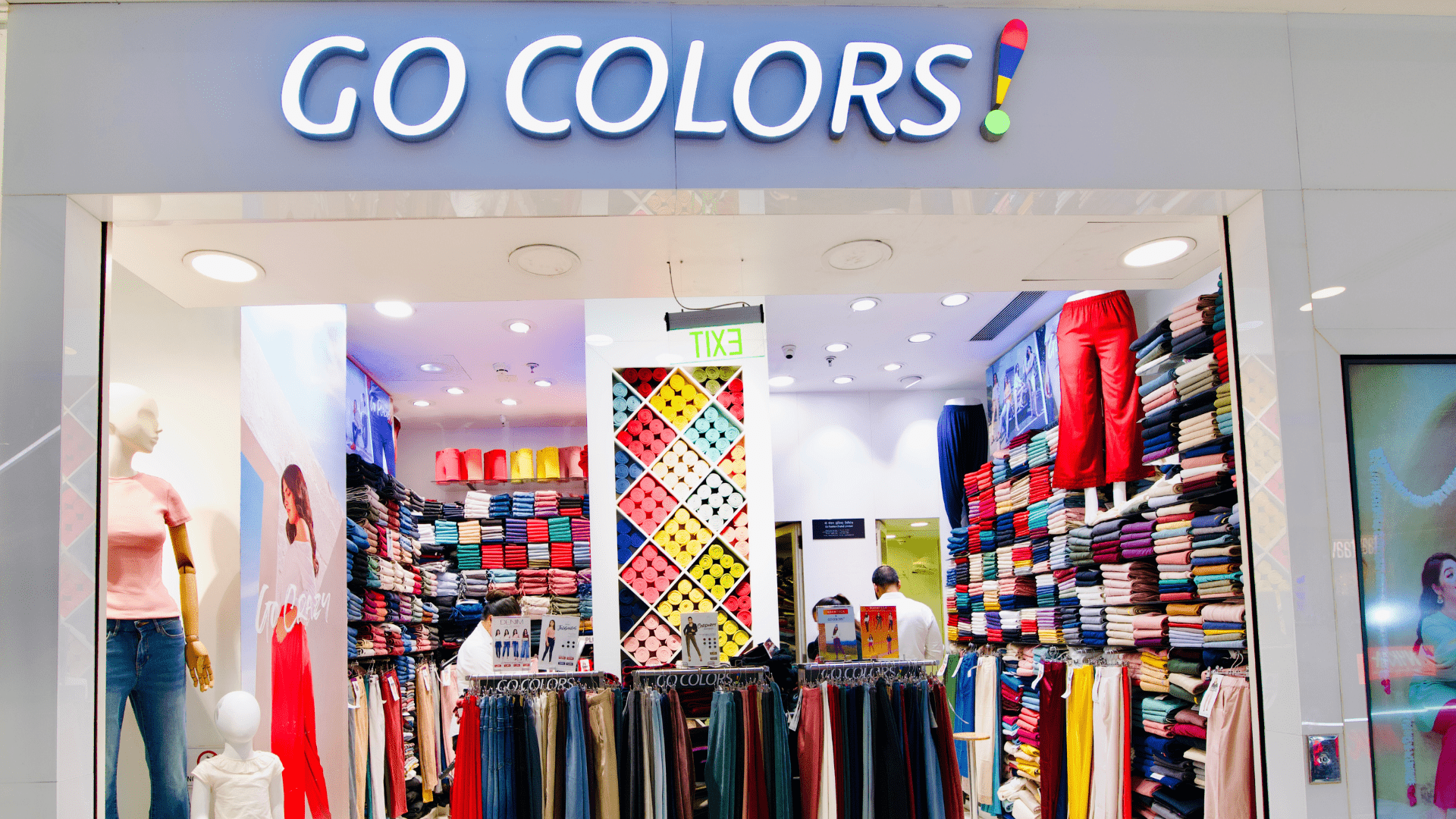
  • Indian leggings brand Go Colors has international debut in Dubai

    Indian leggings brand Go Colors has international debut in Dubai

    Go Colors, a leading Indian retailer specializing in women’s pants and leggings, is set to launch its first overseas store in Dubai’s Silicon Central Mall.

    Partnership with Apparel Group

    Go Fashion India, the parent company of Go Colors, is collaborating with the UAE-based retail giant, Apparel Group, to bring its extensive collection of leggings, jeans, pants, joggers, and other women’s basic clothing items to the international market. The collaboration marks the brand’s first expansion outside of India.

    Gautam Saraogi, CEO of Go Fashion, expressed his excitement over the expansion, acknowledging the significant role of Apparel Group in this endeavor. “Collaborating with Apparel Group, with their extensive retail experience and strong presence in the region, makes them the ideal partner for this exciting milestone,” Saraogi stated.

    Store Design and Features

    The store’s design will incorporate vibrant, attention-grabbing displays with clear product categorization, which will enable customers to effortlessly navigate through seasonal collections, casual apparel, and accessories.

    Moreover, the store will leverage technology to enhance the shopping experience. Customers will have the ability to scan QR codes for easy access to product details and promotions, thereby bridging the gap between physical and digital retail experiences.

    Onwards and Upwards for Go Colors

    Back home in India, Go Colors boasts a robust network of over 750 exclusive brand outlets. This extensive presence not only testifies to the brand’s popularity but also lays a strong foundation for its international expansion.

    Questions & Answers

    What is Go Colors?
    Go Colors is a leading Indian retail brand specializing in women’s pants and leggings. It is owned by the parent company, Go Fashion India.

    Where is Go Colors opening its first international store?
    Go Colors is opening its first international store in Dubai’s Silicon Central Mall.

    Who is Go Colors partnering with for its international expansion?
    Go Colors has partnered with the UAE-based retail conglomerate, Apparel Group, for its international expansion.

  • HSBC Names Desk Head for International Clients

    HSBC Names Desk Head for International Clients

    HSBC Global Private Banking (GPB) has recently announced the appointment of Kapil Khanna as the new desk head for Australia, Japan, and International, effective July 14. Working from the financial hub of Singapore, Khanna will report to Abhishek Mehrotra, who currently serves as the Market Head for Southeast Asia International.

    Impressive Career Record

    Khanna brings with him a wealth of experience in managing relationships with ultra-high net worth clients. His journey began in the Australian wealth management market, where he honed his skills before expanding his horizons to include institutional client coverage across Asia-Pacific and Europe, Middle East, and Africa (EMEA).

    Over the years, Khanna has held a variety of leadership roles at a renowned British private bank. His most recent position was Head of International Investment Counseling, where he had the opportunity to influence the bank’s strategic direction and growth.

    Expert Leadership

    Tommy Leung, Head of GPB South Asia, expressed his enthusiasm for the new appointment. He spoke highly of Khanna’s vast experience in both institutional and private banking, emphasizing his in-depth understanding of the Australian market.

    Leung is confident that Khanna is the perfect candidate to lead the company’s efforts to deepen client relationships and strengthen their presence in these developed economies.

    Driving Growth and Success

    Leung further added that Khanna’s strong leadership is expected to bolster HSBC GPB’s position as a leading global private bank. This strategic appointment aims to support the wealth needs of clients, especially founders and family businesses, who are creating and preserving wealth across generations.

    Questions & Answers

    What is Kapil Khanna’s new role at HSBC GPB?
    Kapil Khanna has been appointed as the Desk Head for Australia, Japan & International.

    What experience does Khanna bring to his new role?
    Khanna brings substantial experience in managing relationships with ultra-high net worth clients from both institutional and private banking sectors. He also has extensive knowledge of the Australian market.

    Who will Khanna be reporting to in his new role?
    Khanna will be reporting to Abhishek Mehrotra, the Market Head for Southeast Asia International.

  • Sa Sa International’s sales fall in fiscal third quarter

    Sa Sa International’s sales fall in fiscal third quarter

    Sa Sa International’s sales declined in the fiscal third quarter amid a significantly weaker performance in Mainland China, Hong Kong, and Macau.

    The group’s sales declined 10.7 percent year over year to HK$1.06 billion (US$136.2 million) as Mainland China sales plunged 35.8 percent to HK$120 million while Hong Kong and Macau slid 8.1 percent to HK$817 million.

    Southeast Asia sales rose 12.4 percent to HK$115.4 million, while other regions decreased 11.8 percent to HK$2.7 million.

    In Mainland China, the company has already closed 13 offline stores due to a continuous sluggish environment. The group ended the period with 175 stores.

    The company intends to boost promotion on popular social media platforms and channels, tapping influencers to promote brand awareness and establish credibility among target buyers.

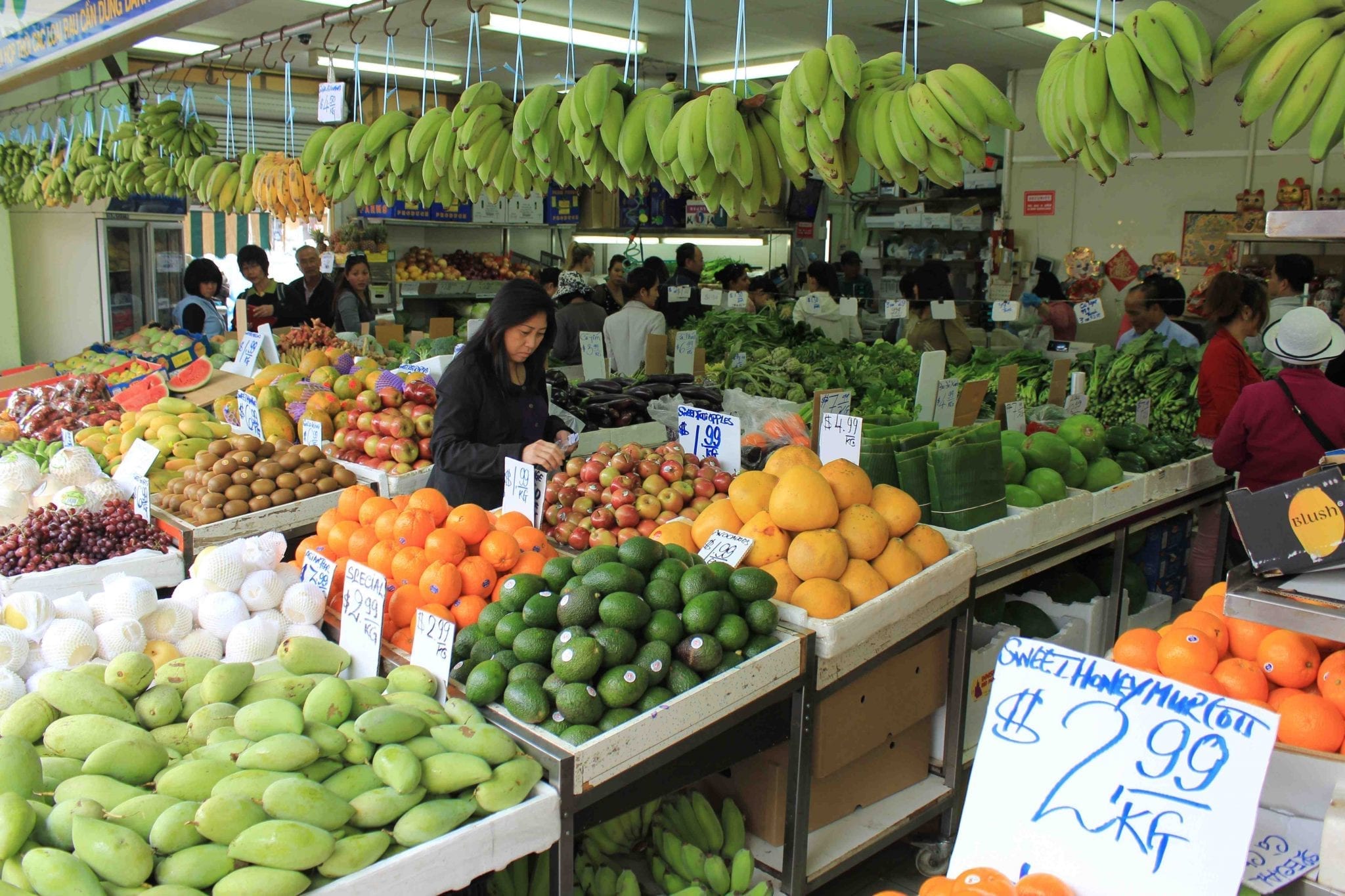
  • International Fruit prices drop by half

    International Fruit prices drop by half

    Oranges, coconuts, and wax apples are sold at VND1,000-7,000 (4-29 U.S. cents) per kilogram at farm, half the prices compared to a month ago.

    In Ho Chi Minh City these days, vendors are selling king oranges at VND7,000-20,000 per kilo, depending on the size and quality of the fruit, along the sidewalk, on mobile trolleys or in wet markets. The prices have decreased 50%.

    Coconut is being sold at VND5,000-8,000 per fruit, pomelo VND8,000-15,000 per kilo, wax apple VND10,000-15,000 per kilo, down 30-50% compared to two months ago.

    Dat, who owns a one-hectare king orange farm in Tra On District of the Mekong Delta’s Vinh Long Province, said traders have bought his family’s oranges at VND4,000-5,000 per kilo and for this crop, he has lost almost VND100 million (US$4,228).

    The loss mainly comes from the cost of fertilizers and drugs, and yet to include the efforts.But he said “for those that have to rent land to grow oranges, the loss would even double.”

    Wax apples farmers in An Phuoc Commune, Long Thanh District of Dong Nai Province which borders HCMC said they are suffering “heavy losses” as the fruit’s prices sold at farm fall sharply to VND6,000-7,000 per kilo.

    In Ben Tre Province, Vietnam’s coconut kingdom, prices of dry coconut have also halved compared to the same period last year and farmers have reported to lose VND20-50 million for every hectare of coconut with prices dropping by half.

    Huynh Quang Duc, deputy director of Ben Tre’s Agriculture Department, said the reason for prices of dry coconut prices to fall sharply is because, after Covid-19, many countries with large coconut areas such as India, Indonesia, and the Philippines have lots of dried coconut inventories, resulting in a supply surge on the market, pushing the prices down.

    As for king orange, the Vinh Long Province’s Agriculture Department said consumers in northern and central Vietnam have lost appetite for the fruit during the past month under impacts of prolonged cold waves.

    Meanwhile, the supply source has remained abundant as farmers prepared a lot for Tet sales in January and then the crop in February resulted in high yield.

    Tra On District now has as many as 50,000 tons of oranges in stock and from now until early March, an extra of 60,000 tons will be harvested, according to the department.

    As per an approved plan, Vinh Long only have 12,000 hectares for king orange farming but in the past two years, with prices of the fruit on the rise and farmers earning profits, they have rushed to grow the fruit, expanding the farming area to 17,000 hectares.

    The Ministry of Agriculture and Rural Development has asked localities to support farmers by strengthening the connection between farms and supermarkets as well as fruit shops and online markets to help farmers sell all of their ripe oranges, despite the low prices.

    Several supermarket chains in HCMC are buying in oranges at VND10,000-14,000 per kilo.

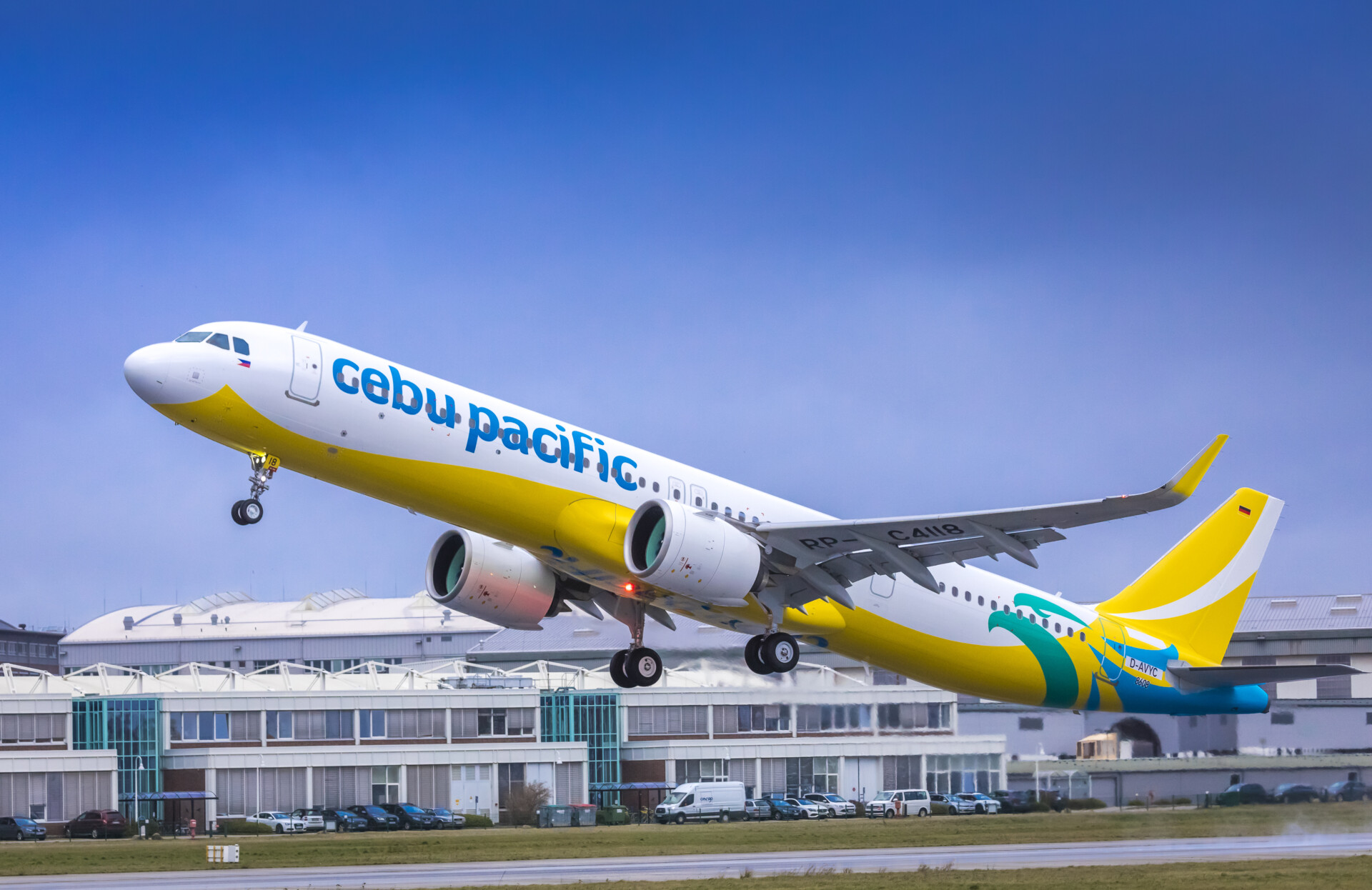
  • Cebu Pacific boosts international flights

    Cebu Pacific boosts international flights

    Cebu Pacific, the country’s leading airline, continues to boost its international network as it adds flights to some of its top ASEAN destinations, namely Bangkok and Bali.

    Beginning Aug. 29, 2022, CEB will fly daily from Manila to Bangkok, coming from its current five-times-a-week frequency. By September, flights from Manila to Bali will also increase from thrice to five times weekly.

    The airline also intends to restart its Manila-Brunei flights by Sept. 1, starting with a twice-weekly frequency.

    “We are happy to keep growing our international network as we see an increasing demand for travel abroad, and as more destinations ease restrictions. It is exciting and encouraging to see more Filipinos travelling confidently in and out the Philippines, that is why we make sure we consistently provide convenient and affordable flight options to enable everyJuan to travel more for less,” said Xander Lao, CEB chief commercial officer.

    Fully vaccinated Filipinos flying to these three destinations are only required to present their proof of complete vaccination as Thailand and Indonesia have already eased its restrictions to easily allow tourists to enter.

    Apart from this, the airline also intends to increase its flights from Cebu to Seoul from twice weekly to a daily service by Sept. 9. On Sept. 23, flights to Nagoya from Manila will be daily from its current five times weekly.

    By Oct. 1, CEB’s Bali flights will increase to a daily service, while its flights to Hanoi and Taipei from Manila will both have one additional flight per week – from thrice to four-times-a-week for Hanoi, and twice to thrice weekly for Taipei.

    Coming home, boosted Filipinos no longer need to take a COVID test pre-departure. For more information, passengers may refer to CEB travel reminders page for the latest updates and complete travel guidelines to their destination.

    CEB continues to offer its guaranteed low fares to stimulate travel across its widest domestic network in the Philippines. It continues to implement a multi-layered approach to safety, while it operates with a 100 percent fully vaccinated crew, 95 percent of whom have been boosted.

  • AirAsia boosts domestic and international flights

    AirAsia boosts domestic and international flights

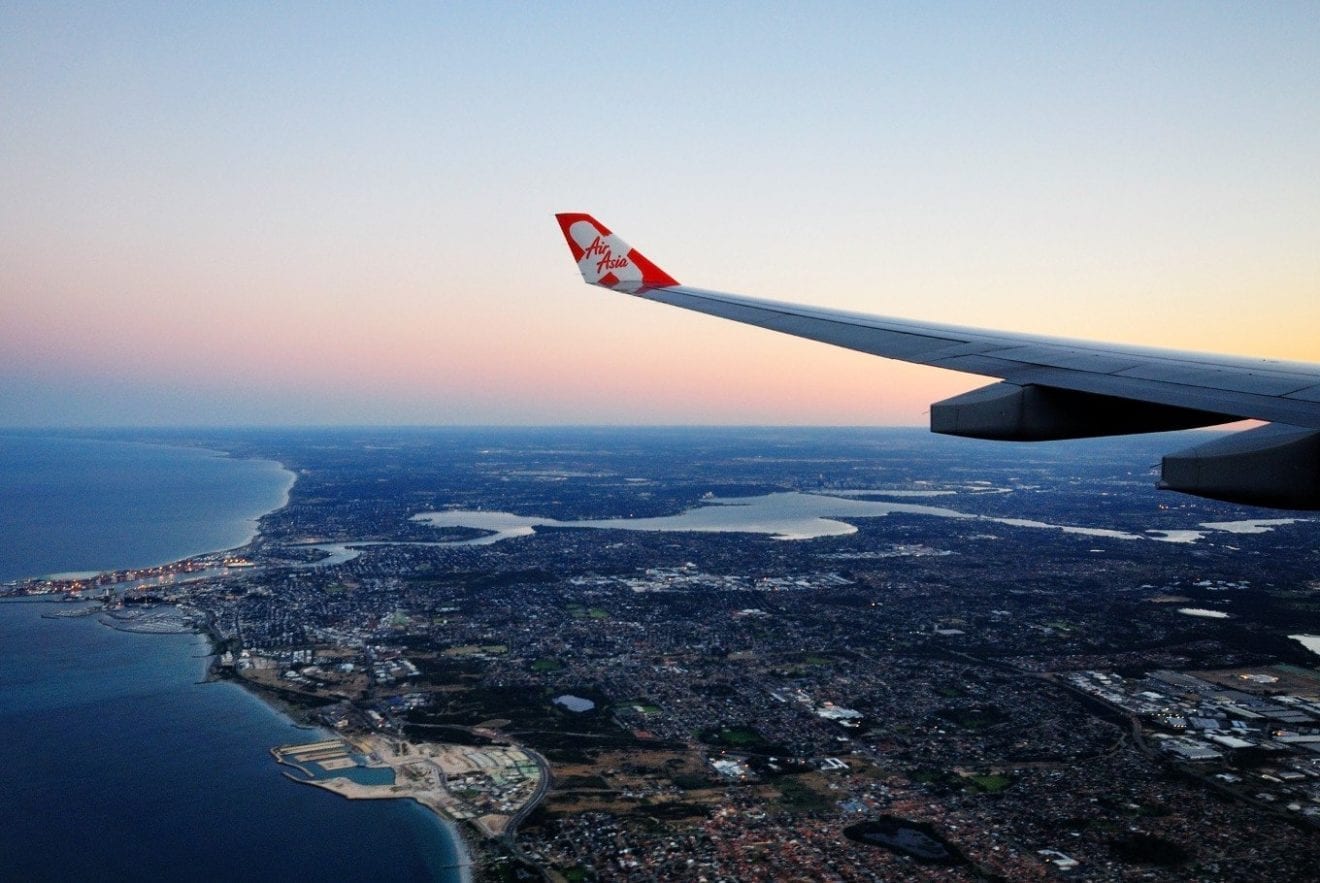
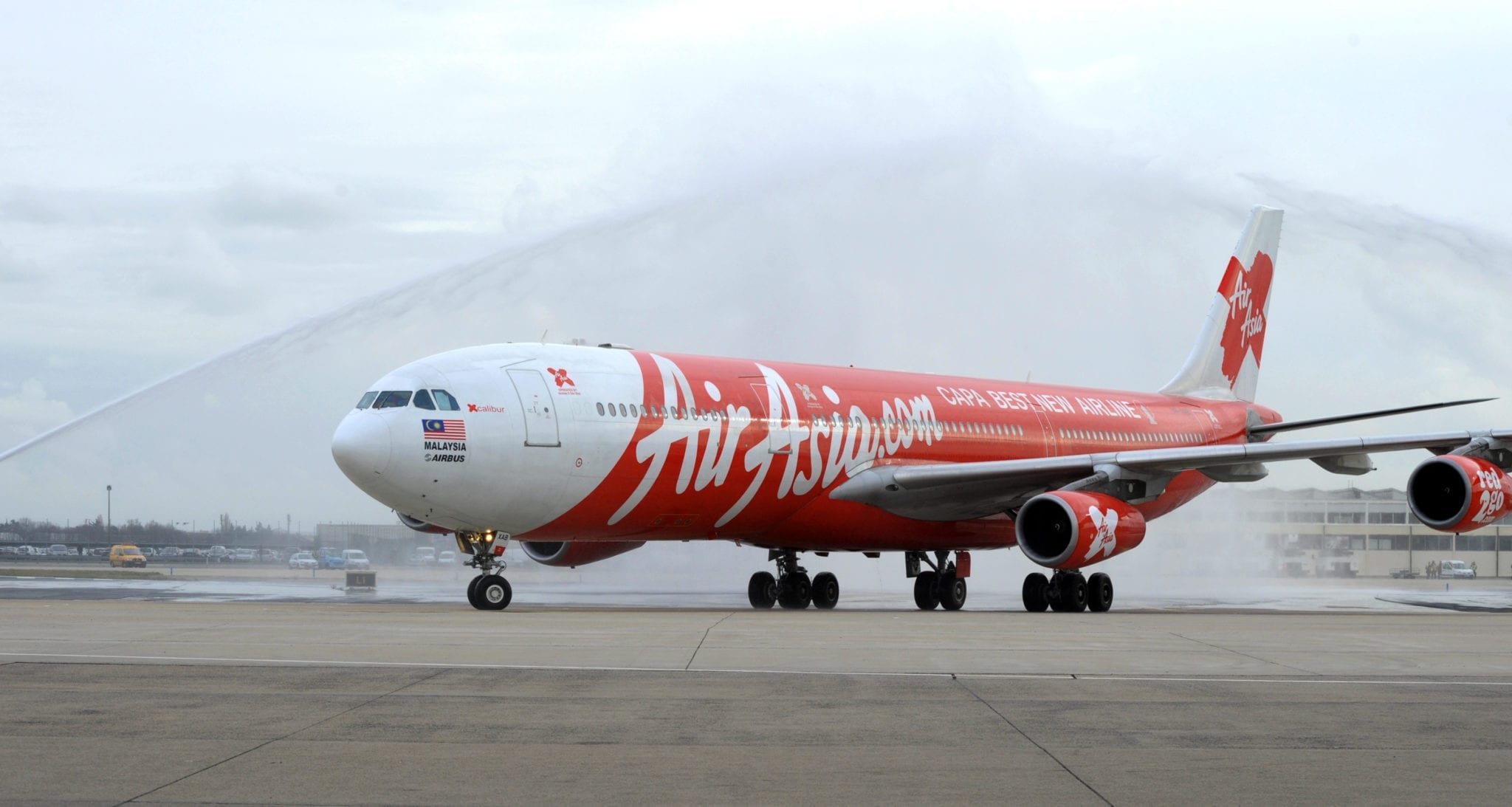
    AirAsia gears up for the nation’s reopening by adding more international routes to cater for significant pent-up demand ahead of Malaysia reopening borders to international travel 1 April.

    With the continued easing of travel restrictions, the airline group increased domestic flight capacity in Malaysia by 156% since October 2021, when it kickstarted the Langkawi travel bubble scheme.

    It has also increased international flights by 50% since the Malaysian government’s 8 March announcement confirming the reopening of borders on 1 April.

    Currently, the airline has 75 aircraft operating flights across the group serving Thailand, the Philippines, Indonesia, Cambodia, Singapore and Vietnam.

    AirAsia Aviation Group CEO Bo Lingam said:  We’re thrilled to be resuming more flights in all of our core markets in Malaysia, Thailand, the Philippines and Indonesia and to be adding additional services to some of AirAsia’s most popular international destinations, including Bali, Manila, Bangkok, Ho Chi Minh City, Phuket and more, starting in April. Domestic flying also continues to soar across the group. We have recently  launched four new domestic routes in Malaysia from Kuching to Langkawi, Penang to Sibu, Johor Bahru to Bintulu and Kota Kinabalu to Kuala Terengganu this year.

    “While our domestic services across the group have grown by 156% in recent months due to significant consumer demand, and by 50% for international, we expect to return to 100% or more of pre-Covid domestic and international flying by the end of this year.”

    To spur travel demand and bookings to destinations such as  Singapore, Vietnam, the Philippines, India, Thailand, Indonesia, the Maldives, Brunei, Cambodia, Sri Lanka, Laos, Bangladesh, the airline group is pegging fares as low as MYRM89 one-way, while domestic routes are on sale from just MYR39 one-way.

    Travelers can book cheap fares through the ‘Flights’ option in the AirAsia Super App from now until 27 March 2022 for travel between 1 April and 25 March 2023.

  • AirAsia to reopen all Malaysian routes, push for overseas flights

    AirAsia to reopen all Malaysian routes, push for overseas flights

    AirAsia sees brighter skies ahead after Malaysia lifted interstate travel restrictions, with the low-cost carrier also pushing to restart international flights to Thailand, Sri Lanka and the Maldives as early as next week, its president told Nikkei Asia.

    Bo Lingam, AirAsia Group’s president for airline operations, said in an interview Monday that the company is “very relieved” with the government’s decision to reopen domestic borders as it will benefit both the carrier and its workforce.

    The airline aims to go big on domestic travel by reaching a pre-pandemic capacity of 39 local routes and 169 daily flights by late November, according to Bo.

    “We will open all domestic destinations that we were flying pre-COVID by the end of next month, involving over 45 aircraft,” he said.

    The comments came after the federal government on Monday allowed interstate travel nationwide. The airline was hit hard by the coronavirus pandemic, with hundreds of its employees retrenched and aircraft idled after domestic and international borders were closed and travel limited.

    The government of Prime Minister Ismail Sabri fully reopened state borders in the Southeast Asian country for the first time this year, allowing millions of residents to travel for business and leisure. Fully vaccinated Malaysians can also head overseas without police approval.

    Air travel is indispensable in Malaysia as the country’s states are spread across the Malay Peninsula as well as the island of Borneo to the east across the South China Sea.

    “The resumption of domestic service will be extremely good financially, for the airline as we would be able to pay pending bills from our suppliers who have been very nice to us to date,” Bo said.

    He added that the carrier is also looking to begin commercial international flights to Thailand, Sri Lanka and the Maldives as soon as next week.

    “We have applied for permissions in these countries and expect to receive them next week, after which we can sell tickets and fly passengers,” he said.

    AirAsia’s share price jumped almost 10% on Monday, settling at 1.28 ringgit — the highest since February 2020 and outpacing the Bursa Malaysia index’s gain of almost 1%. On Tuesday, the airline’s shares fell 3% to 1.25 ringgit at midday.

    The airline’s net loss in 2020 ballooned to 5.1 billion ringgit ($1.2 billion) from red ink of 315.8 million ringgit in 2019. Revenue also plunged from 11.9 billion ringgit in 2019 to 3.1 billion ringgit last year.

    For the first half of 2021, the airline reported a net loss of 1.3 billion ringgit from 1.8 billion ringgit net profit during the same period of last year. Revenue, meanwhile, tumbled to 686.8 million ringgit from 2.5 billion ringgit.

    AirAsia was recently granted a federal government-guaranteed 500 million ringgit loan under a framework introduced to assist companies directly affected by the pandemic. The loan was part of the 2 billion ringgit fundraising exercise mooted by the airline’s founder Tony Fernandes last year.

    The airline carried 19 million domestic passengers in 2019 but that plunged to 6.3 million last year. It has flown less than 1 million passengers between January and October this year as controls on movement were strengthened to curb the third and fourth waves of coronavirus infections.

    Bo also said the airline would reinstate some 300 employees currently on furlough to operate the domestic flights. Since last year, the airline has reduced head count by not renewing contract workers, retrenchments and furloughs.

    “We would exhaust employees under furlough first, then look at rehiring those we had laid off as the capacity grows,” he said.

    Experts say that while the return of interstate travel is undoubtedly a plus for AirAsia and competitors including Malaysia Airlines, it is far from a panacea.

    Brendan Sobie, an independent analyst at Sobie Aviation, believes domestic passenger traffic could approach pre-pandemic levels by the end of this year, though heavy competition and overcapacity — similar to the industry situation before the pandemic — will weigh on further growth for the carrier.

    “All airlines in Malaysia were unprofitable in 2019 and while domestic demand may now recover, many of the issues from prior to the pandemic have not been resolved, making a return to profitability difficult,” he said.

    Shukor Yusof, an aviation consultant at Endau Analytics said the surge in domestic travel demand would help AirAsia, though “it won’t be anywhere enough to fix its battered bottom line.”

    While Shukor said the Malaysian travel resumption itself is not an indication of a revival for the airline industry in Southeast Asia, he does view AirAsia as the carrier with the best long-term potential for post-pandemic growth.

    “It’s a critical stage as key countries for tourism — Indonesia, Thailand, the Philippines — are still struggling to control the virus and there’s little coordination amongst ASEAN members to find a solution to allow intraregional air travel,” he said.

    According to Sobie, Malaysian carriers need a recovery in both international and domestic travel to heal financially.

    “There is now light at the end of the tunnel and the overall sentiment is more positive but the road to recovery will be long and filled with twists and turns,” he said. “The darkest days should be behind AirAsia but the outlook remains relatively challenging.”
  • Nepal to debut Internet and telecom services on international airlines

    Nepal to debut Internet and telecom services on international airlines

    The Nepal Telecommunications Authority (NTA), an autonomous telecommunications regulatory body, together with the Civil Aviation Authority of Nepal has approved international airlines to use Nepal’s Internet and telecom services for its passengers.

    Airlines would need to apply to NTA, on top of obtaining permission from the International Civil Aviation  Organisation to tap into internet and telecom services above 10,000 feet in Nepal.

    Nepal is the latest country in South Asia to allow such services to passengers, following the footsteps of India and Afghanistan. Last September, Vistara was India’s first airline to offer in-flight Wi-Fi Internet connectivity onboard international flights.

  • Sa Sa International flags loss as store traffic drains

    Sa Sa International flags loss as store traffic drains

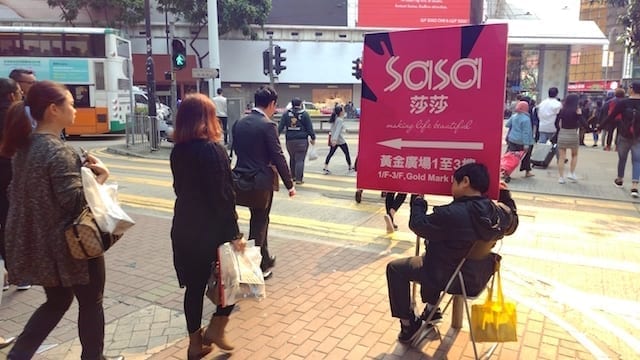
    Plummeting sales and write-downs have led Hong Kong-headquartered beauty-products retailer Sa Sa International to warn of a loss of up to US$38 million in the September half year.

    “The global Covid outbreak has affected the operation of all of the group’s physical stores including its businesses in Hong Kong, Macau, Mainland China and Malaysia,” chairman and CEO Simon Kwok said in a note to shareholders on Friday.

    While cross-border visitor numbers now almost nil in most markets, sales through Sasa stores to local customers were weak for most of the period due to social-distancing requirements.

    “As a result, both the footfall and retail sales at the group’s stores in those markets have fallen sharply. Retail consumption has been very weak,” he said.

    While final results will not be released until late this month, Sa Sa expects a trading loss of and impairments to range between HK$230 million and $300 million, compared to a profit in the same period a year earlier of $35.5 million (US$4.6 million).

    The impairment has arisen from the drastic decline in sales at the group’s retail stores, especially those in Hong Kong’s tourist districts, amid the Covid-19 pandemic.

    However, the group’s cash and bank balances of around HK$590 million as at September 30 are adequate to meet its current business needs.

    Sa Sa has reduced the number of stores in tourist areas, negotiated rent reductions and strengthened its category management to mitigate the decline in customers, along with reducing inventory and managing costs.

    “In addition, the group has accelerated its adaptation to the new retail era by actively developing its e-commerce and online-to-offline (O2O) businesses,” said Kwok.

  • Giordano International sales plunge again

    Giordano International sales plunge again

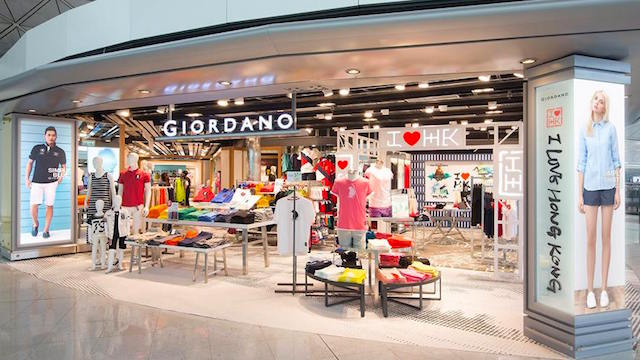
    Giordano International is set to report a second successive quarter of heavy sales decline.

    The casualwear retailer warned shareholders yesterday that underlying sales may fall by about 28 per cent, driving a 38-per-cent decrease in profit attributable to shareholders for the six months ended June 30.

    Chairman and CEO Peter Lau said the board believes the decrease was largely confined to the Greater China Region, and “primarily attributable to the weak retail environment and poor market sentiment in those regions stemming from the Sino-US trade war”.

    A factor in the profit figure was the adoption of new Hong Kong financial-reporting standards applicable to leases, which took effect on January 1 this year.

    The company will announce its interim results next month.

    In April, Giordano announced that sales in Greater China plunged by 17.7 per cent during the first quarter, dragging group-wide sales down by 10.8 per cent, or 8.5 per cent on a constant-currency basis.

    In a stock-exchange filing on the eve of the holiday weekend the casual apparel retailer blamed the downturn on “uncertainty stemming from the Sino-US trade dispute and abnormally warm weather”.

    Giordano sales in Indonesia, Thailand and Vietnam remained stable during the first quarter, and in the fledgling Middle East market rose by 10 per cent to HK$80 million, slightly compensating for the heavy impact of China.

    By market, Mainland China sales fell from $378 million to $295 million, in Hong Kong and Macau from $248 million to $225 million and in Taiwan from $201 million to $161 million. In the rest of Asia-Pacific, they declined from $422 million to $398 million.

  • AirAsia aims international flights by October

    AirAsia aims international flights by October

    AirAsia India aims to start international operations in by October this year, its chief operating officer said Monday. The joint venture carrier between Tata Sons and Malaysian low fare airline AirAsia Berhad is looking at short haul destinations in Sri Lanka, Thailand and Kuala Lumpur airline recently received its 21st plane and aims to take the fleet size to 40 in a year, Kumar added. It operates 154 daily flights.

    Earlier this year the airline presented a plan to its board to deploy 40% of its fleet overseas in five years. The government had been investigating the airline for alleged irregular lobbying for international rights. Kumar didn’t comment on the probe but indicated its plans for starting flights by October were firm.

    AirAsia India last month got a boost from its parents by getting a fund infusion of Rs 500 crore for its expansion. That followed an overhaul of its top management, getting IndiGo veteran Kumar as COO and former Tata Steel chief Sunil Bhaskaran as CEO.