Retail News CRM

Tag: International

  • Ermenegildo Zegna Opens its Global Flagship Store in New York City

    Ermenegildo Zegna Opens its Global Flagship Store in New York City

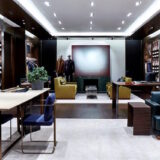
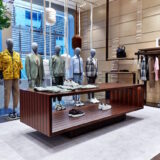
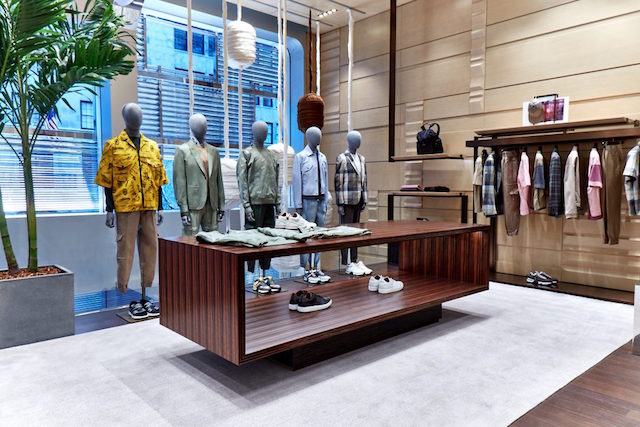
    Italian luxury firm Ermenegildo Zegna has launched a new global store in New York. The new three-level 660sqm boutique, designed by prominent architect Peter Marino, is a luxury retail space with a facade composed of metallic threads. The store features a personalisation room on the third floor, offering high-end bespoke clothing fitted by a master tailor.

    A selection of fine leather footwear and other goods, couture collections and sneakers, and luxury leisurewear are also among product lines on sale in store.

    Exclusive to the New York global store is the newly released Taccuino capsule collection, featuring leatherwear goods inspired by Ermenegildo Zegna’s personal notebook and fine calligraphy.

  • Alipay is available at Walgreens’stores now

    Alipay is available at Walgreens’stores now

    Chinese consumers visiting the U.S. can now use Alipay at Walgreens, one of the largest drugstore chains in the country. Whether traveling for business or pleasure, Alipay users can shop at 3,000 locations in major cities such as New York, San Francisco and Las Vegas to start, the companies said. The number is expected to reach 7,000 by April. Walgreens operates about 9,560 drugstores in all 50 U.S. states, Washington, D.C., and other U.S. territories.

    About 4 million users of the mobile-payments app are in the U.S. annually, according to Alipay, which is owned by Alibaba Group affiliate Ant Financial. The service offers them a quick and easy way to pay for goods while overseas, one that is already ubiquitous in China and lacks the higher foreign-transaction fees typical of credit cards.

    “Walgreens is focused on making shopping more convenient for our customers,” including Chinese consumers, said Walgreens President of Operations Richard Ashworth, including Chinese consumers. “Not only can they buy our products via our dedicated store on Alibaba’s Tmall Global marketplace, but they will now also be able to shop in the U.S., using Alipay as they would in China.”

    In September, parent company Walgreens Boots Alliance made its first move into China’s consumer market by launching a flagship store on Alibaba Group’s dedicated cross-border e-commerce platform, Tmall Global. The direct-to-consumer channel added to a wholesale and retail pharmacy business that WBA had already been operating in China.

    According to China’s Ministry of Tourism, Chinese travelers took about 140 million trips abroad last year. In an effort to capture that business, Ant Financial has been working with merchants across the globe to make Alipay available overseas to its more than 1 billion users (which includes users of its joint-venture partners’ apps). Alipay currently is available in over 40 countries and regions. Last year, Alipay added Germany’s Oktoberfest, the world’s largest gingerbread city in Norway and San Francisco’s Pier 39 to its list of merchant partners, all of which are popular destinations for Chinese tourists.

    “This is a key strategic partnership for achieving awareness in the U.S.,” Yulei Wang, general manager of Alipay North America, said of the Walgreens partnership. “We are excited to partner with a company that has been trusted across America since 1901, and is constantly evolving to provide more Chinese consumers a seamless and familiar way to pay.”

  • Amazon enjoys positive performance with increases in sales, profit

    Amazon enjoys positive performance with increases in sales, profit

    Global online shopping platform Amazon reported growth in both net sales and profit for the fourth-quarter 2018 and full-year, adding its Alexa use and Prime membership continues to thrive, particular in the all-important holiday season. For the fourth quarter ending December 31, net sales increased 20% to $72.4 billion in the fourth quarter, compared with $60.5 billion in fourth quarter 2017. Excluding unfavourable foreign exchange rates, sales increased 21%.

    Amazon said net income for the quarter increased to $3 billion in the fourth quarter, or $6.04 per diluted share, compared with net income of $1.9 billion, or $3.75 per diluted share, in 2017.

    For the twelve months ending December 31, Amazon’s net sales increased 31% to $232.9 billion, up from $177.9 billion in 2017. Excluding the $1.3 billion favorable impact exchange rates, net sales increased 30% compared with 2017.

    For the full-year 2018, Amazon’s net income increased to $10.1 billion, or $20.14 per diluted share, compared with net income of $3 billion, or $6.15 per diluted share.

    In the earnings announcement, Amazon’s founder and CEO Jeff Bezos, praised the recent holiday season, in particular, the Amazon customer uptake of Alexa, the voice activated shopping device and its associated Echo products.

    “Alexa was very busy during her holiday season. Echo Dot was the best-selling item across all products on Amazon globally, and customers purchased millions more devices from the Echo family compared to last year,” said Bezos.

    “The number of research scientists working on Alexa has more than doubled in the past year, and the results of the team’s hard work are clear. In 2018, we improved Alexa’s ability to understand requests and answer questions by more than 20% through advances in machine learning, we added billions of facts making Alexa more knowledgeable than ever, developers doubled the number of Alexa skills to over 80,000, and customers spoke to Alexa tens of billions more times in 2018 compared to 2017. We’re energized by and grateful for the response, and you can count on us to keep working hard to bring even more invention to customers,” he added.

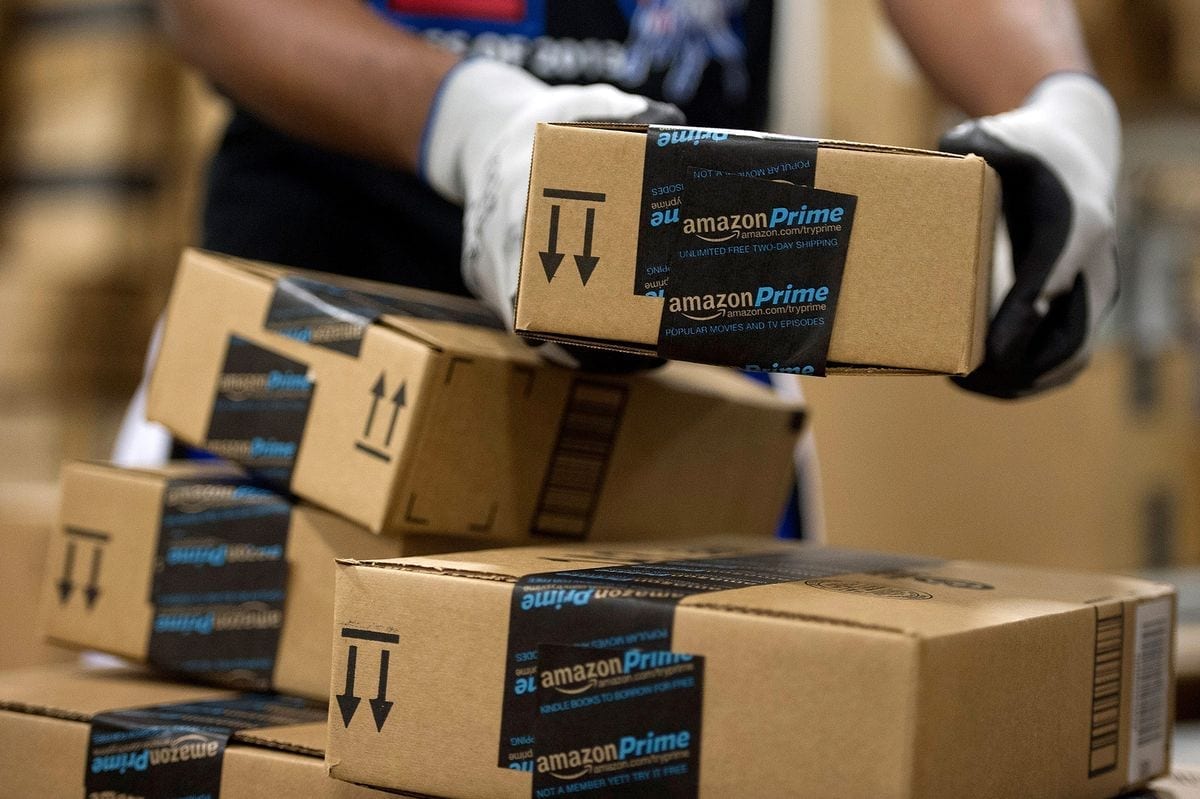
    Other highlights for Amazon in 2018 included the increase in Prime memberships. During the holiday season alone, tens of millions of customers worldwide started Prime free trials or began paid memberships. More customers signed up for Prime worldwide in 2018 than ever before, said Amazon.

    In Asia, Amazon Fashion launched Prime Wardrobe in Japan, allowing Prime members to order clothing, shoes, and accessories and only pay for what they keep.

    Looking ahead to the first quarter 2019, net sales are expected to be between $56 billion and $60 billion, up 10% to 18% compared with first quarter 2018. Meanwhile, operating income is expected to be between $2.3 billion and $3.3 billion.

  • LVMH registers company called “Project Loud” with Rihanna

    LVMH registers company called “Project Loud” with Rihanna

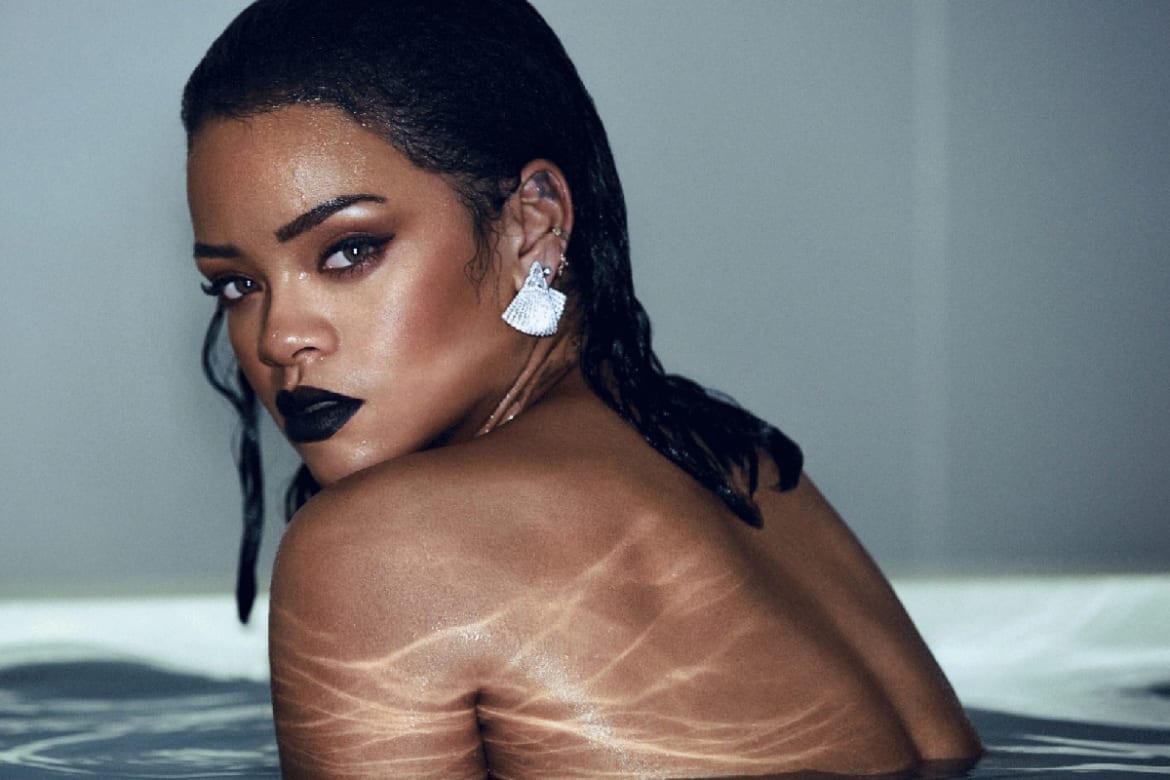
    Plans by luxury fashion house LVMH to quietly collaborate with popular celebrity Rihanna on a new fashion business have been exposed, according to Fashion United. Citing a Fashion Network report on the partnership, the website reveals that the new fashion company Project Loud – originally registered as a shell firm in 2017 – took in a €60 million (US$67.8 million) capital investment from LVMH last year. The firm’s president was shown to be senior LVMH executive Jean-Baptiste Voisin.

    Rihanna’s Fenty line – which, according to LVMH chairman Bernard Arnault achieved €500 million in sales last year – was also launched with the support of LVMH. Its Fenty x Puma collaboration in 2017 resulted in a boost in Puma sales by 23 per cent.

    The success of Fenty indicates high potential sales volumes for Project Loud and bodes well for this latest LVMH investment.

    News of the collaboration first broke in January when online portal WWD and the New York Times cited multiple unnamed sources confirming plans.

    Writer Vanessa Friedman flagged the question “Is Rihanna the Coco Chanel of the 21st century?” in a feature published last month.

    “Robyn Rihanna Fenty, one of the defining musical artists of the millennium and a multi-hyphenate talent, has no formal fashion training. What she does have is a clear vision for her own image, 14 No. 1 singles on the Billboard 100 chart and more than 50 Top 40 hits, 67 million Instagram followers, and an ability to disrupt the status quo,” Friedman wrote.

    “While the details of the agreement remain unclear, it is a turning point in both fashion and fame.

    “The combination of Fenty and LVMH will be the clearest expression yet of how celebrity, social media and influencers have redefined the power balance between culture and consumption, changing the way brands of all kinds relate to their audience,” wrote Friedman.

  • 97-year-old style icon Iris Apfel signs with IMG Models

    97-year-old style icon Iris Apfel signs with IMG Models

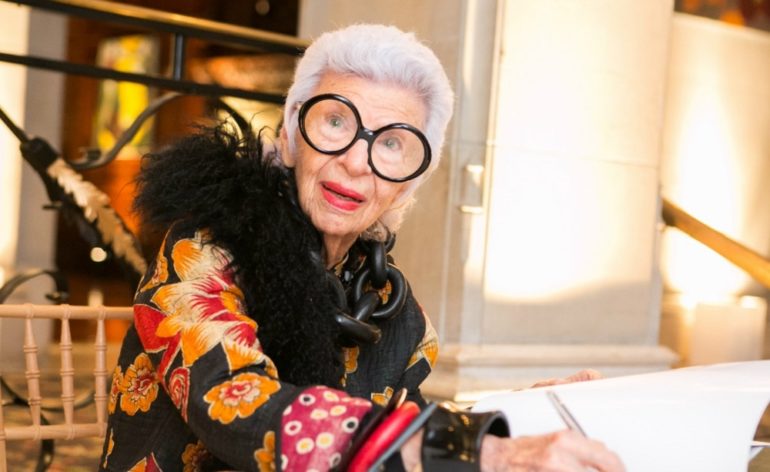
    The nonagenarian fashion icon had been modeling for major fashion and beauty brands for years, but last week it was announced that she is newly represented by IMG Models — the same agency that managed the careers of Gigi Hadid, Karlie Kloss, and Miranda Kerr, among many others. Even as she is pushing 100, Apfel shows no signs of slowing down, and told WWD she is very excited about her new deal.

    IMG will represent her for modeling, appearances, and endorsements — though do not expect to see her strutting her stuff on the catwalk.

    “How can I compete on runway? That’s ridiculous,” she said. “We’ll be doing hopefully collaborations, or maybe I’ll be a spokesperson. I leave it to them. They know better than I.”

    “I’ve had all kinds of interesting commissions in my limited career. Everything from vodka and automobiles to beauty products, and I’ve also had a number of interesting collaborations with big stores like Bon Marché in Paris, the Landmark Mall in Hong Kong, Macy’s and Bergdorf Goodman.”

    Over the past decade, in particular, Apfel has modeled for a seriously impressive roster of big-name fashion and beauty brands.

    Sheis faced campaigns for Kate Spade, MAC Cosmetics, Alexis Bittar, Macy’s INC, Blue Illusion, HSN, Le Bon Marché, and the German brand Aigner.

    In each one, she showed off a facet of her style, including her signature over-sized round glasses.

    For several, she posed right alongside models a quarter of her age, including Karlie, Toni Garnn, Tavi Gevinson, and Jourdan Dunn.

    And no one is as surprised by her late-in-life modeling career than Apfel herself. Though she had a long career in fashion, it was owning her own textile company, Old World Weavers, from 1950 that kept her in the fashion world.

    “I never expected my life would take this turn so I never prepared for it. It all just happened so suddenly, and I thought at my tender age, I am not going to set up offices and get involved with all kinds of things,” she said.

    “I thought it was a flash in the pan, and it is not going to last. Somehow, people found me. People would just call. Tommy Hilfiger said that was no way to do it, and he put us together. I am very excited and very grateful.”

    In addition to modeling, she also designs her own clothing and accessories line for HSN and published a book last year.

    Her new agency is home to an impressive list of stars, inducing Alessandra Ambrosio, Ashley Graham, Amber Valletta, Barbara Palvin, Bella Hadid, Candice Swanepoel, Elsa Hosk, Gisele, Hailey Bieber, Joan Smalls, Kaia Gerber, Kate Moss, Lily Aldridge, Martha Hunt, Rosie Huntington-Whiteley, Stephanie Seymour, and Thylane Blondeau.

    The have also signed another mature model: Elon Musk’s 70-year-old model Maye Musk.

  • Empire State Building Store sets tourist retail benchmark

    Empire State Building Store sets tourist retail benchmark

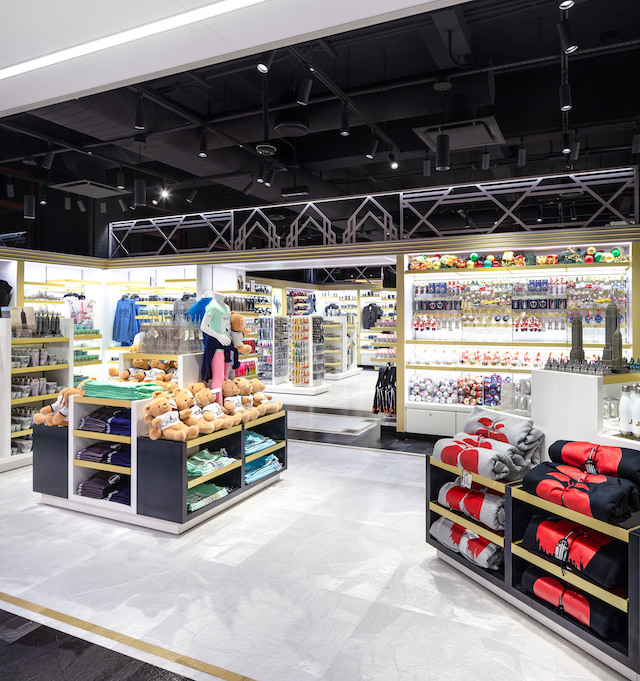
    North American travel retail firm Hudson Group has announced the unveiling of the Empire State Building Store, part of the reimagined Empire State Building Observatory experience. The newly renovated 4500sqft retail space offers more than 800 items exclusive to the property, including destination mementos, curated souvenirs, and modern luxury, as well as a new shop-in-shop experience, Empire on Fifth.

    “With our US$160 million Observatory upgrade, the redesign of the Empire State Building Store elevates the retail experience at the building and caters to our guest’s interests,” said senior VP of the Observatory Jean-Yves Ghazi.

    “From the King Kong section to exclusive merchandise from top brands Baccarat Crystal, Puma, Swarovski and more, there truly is something for everyone”.

    The Empire State Building Store is one of more than 300 specialty retail locations operated by Hudson Group.

    “Hudson Group is elevating the gift store experience in our properties across North America by bringing 30 years of travel retail experience to tourism,” said Hudson Group CEO Roger Fordyce. “We could not be prouder to partner with Empire State Realty Trust to offer this new amenity to visitors at the most recognised building in the world, the Empire State Building”.


  • First Vietnamese to enter 200 richest people in the world list

    First Vietnamese to enter 200 richest people in the world list

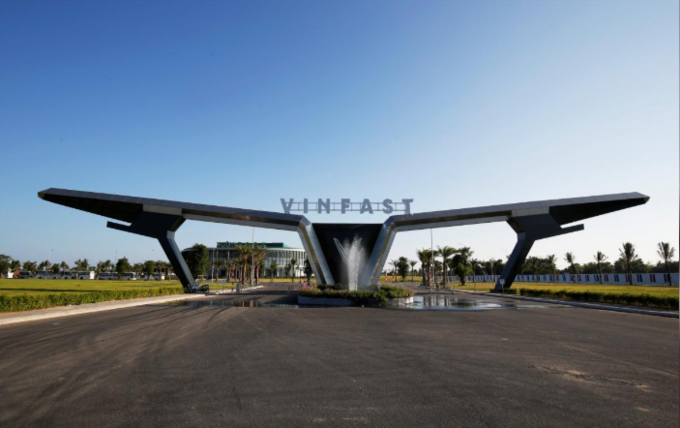
    Pham Nhat Vuong is the first Vietnamese to enter the list of the world’s 200 wealthiest people. He has an estimated worth of $7.5 billion. Vuong, who heads the Vingroup conglomerate, is 198th on the real time billionaires ranking updated by Forbes magazine on Saturday. His net worth has increased by $3.2 billion over last year when he topped Forbes’s list of four Vietnamese billionaires.

    A 13 percent increase in the value of Vingroup’s shares in the first week after Vietnam’s stock market reopened following a 9-day Tet (Lunar New Year Festival) break has been a factor in boosting Vuong’s net worth and catapulting him into the top 200 list.

    Price of Vingroup’s share (VIC) stood at VND112,000 ($4.82) at the end of the trading session last Friday.

    Vingroup, one of Vietnam’s largest real estate conglomerates, has been expanding rapidly into retail, logistics, agriculture, education and healthcare sectors. Vuong was first mentioned as a billionaire on the Forbes list in 2013 with a net worth of $1.5 billion, ranking 974th richest in the world.

    Nguyen Thi Phuong Thao, the other Vietnamese billionaire and owner of budget carrier Vietjet, is 1,014th on the Forbes list of global billionaires with assets worth around $2.3 billion.

    Topping the Forbes list was Amazon founder Jeff Bezos, who became world’s first centi-billionaire with a net worth of $133 billion, up $21 billion from 2018. Bill Gates, Microsoft’s co-founder, was in second place with a net worth of $97 billion.

  • Skechers passes store milestone

    Skechers passes store milestone

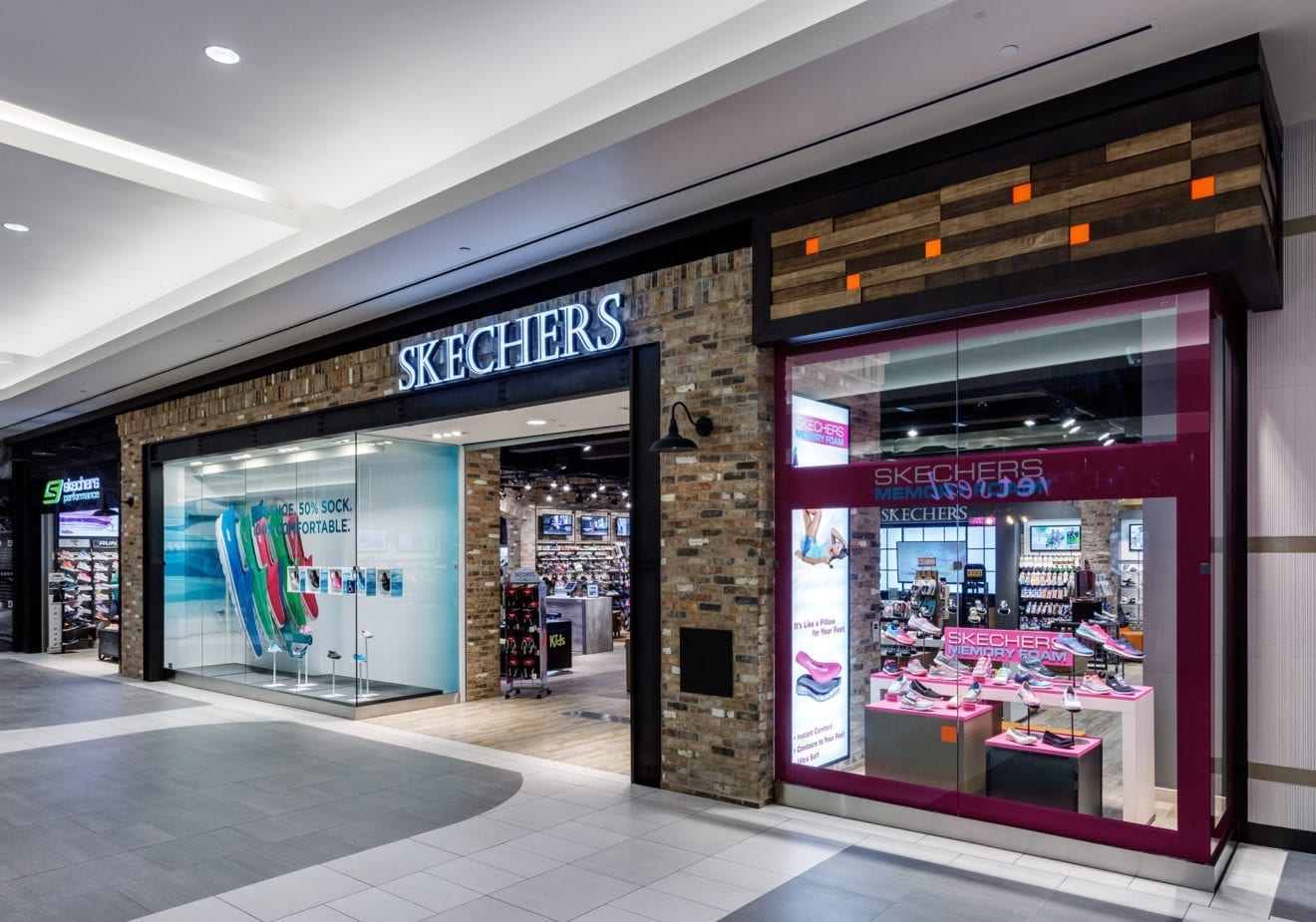
    Skechers China has opened a new superstore in Shenyang, the footwear brand’s 3000th globally. The footwear brand’s largest store yet covers more than 32,000sqft, showcasing a diverse range of footwear, apparel and accessories styles for men, women and children. It features shops-in-shops for different categories and a Skechers Kids entertainment zone.

    US-headquartered Skechers says it is continuing to expand its retail, sales and logistic infrastructure and is improving its customer experience with new-generation point-of-sale technologies.

    “We sell in more than 170 countries through our extensive network of distributors and joint ventures, and we have many more opportunities to build our retail store business even further and expand our global presence for years to come,” said Michael Greenberg, president of Skechers.

    China has the largest number of Skechers retail stores at 941, followed by the US at 472, and India at 222.

    To date, there are 690 company-owned stores worldwide, including two opened in the US in the first quarter. The company plans to open another 70 to 80 company-owned stores and another 500 third-party owned stores this year.

  • Haute Hijab bags US$2.3 million funding

    Haute Hijab bags US$2.3 million funding

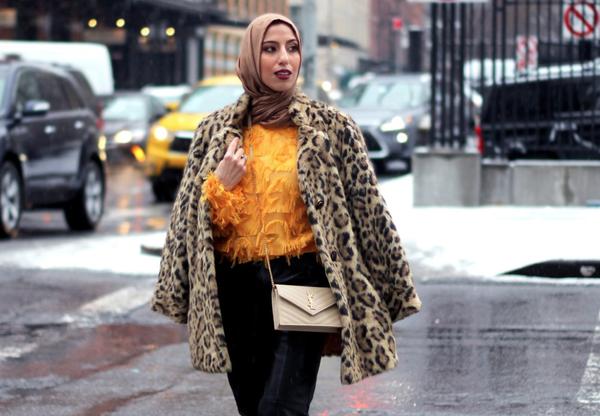
    US-headquartered fashion and lifestyle startup targeting Muslim women, Haute Hijab, has raised US$2.3 million in seed funding. The investor group was led by Cue Ball and also includes Ludlow Ventures, Sinai Ventures, Maveron, Muse Capital, AngelList and The Helm. The funds will be used to help Haute Hijab accelerate growth and extend its reach worldwide.

    “Cue Ball invests in category-defining and culturally-shaping ideas and Haute Hijab fits that description perfectly,” said Tony Tjan, managing partner of Cue Ball. “[Founders] Melanie and Ahmed are building a purposeful company that not only outfits but also supports and empowers Muslim women across all areas of their lives.”

    Haute Hijab has recently introduced the Ultimate Underscarf (a garment worn under the hijab), which uses specially designed tech fabric engineered for breathability and with anti-bacterial properties.

    “We are pleased to welcome a new group of investors as partners in our mission to empower Muslim women,” said co-founder and CEO Melanie Elturk. “Haute Hijab is entering an exciting phase of growth and innovation. We look forward to using this capital infusion to build the first digital-native Muslim cultural lifestyle brand across the globe.”

    The brand had elevated the hijab category and creating an engaged online community of Muslim women, offering a variety of innovative and high-performance fabrics, styles, and designs ranging from every day to luxury via its online store.

    According to The Guardian, the Muslim middle class is expected to triple to 900 million by 2030, with one-third of Muslims under the age of 15 and two-thirds under the age of 30. The average Muslim woman wears up to four hijabs per day and owns more than 100 hijabs.

  • Tissot basketball concept store New York opens door

    Tissot basketball concept store New York opens door

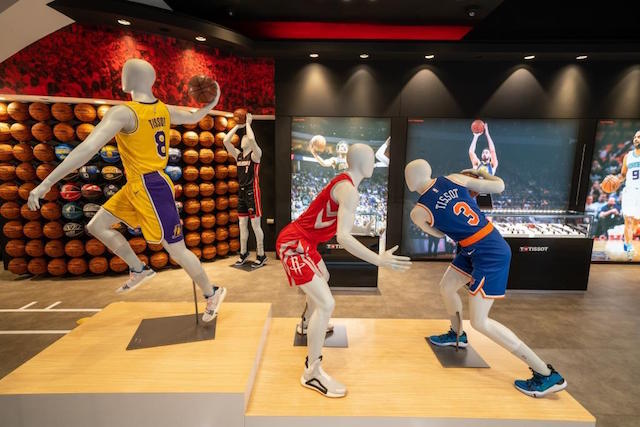
    Swiss watch brand Tissot has opened a sports-themed store in New York City. The Tissot basketball concept store is the brand’s fourth boutique in the city, located at 112 W. 34th Street, a prime location in the Midtown neighbourhood. With a 2800sqft area, the boutique has a wall of multi-coloured basketballs, along with action-styled mannequins wearing uniforms of some of the brand’s nine NBA team partners.

    Hung on the walls are photos of the brand’s sponsored athletes, including three-time NBA Champion and five-time NBA All-Star Klay Thompson, four-time NBA Champion and six-time NBA All-Star Tony Parker and top rookie Trae Young.

    Besides shopping, fans can spend their time playing NBA 2K19, watch an NBA game on the large TV screens or try to beat the clock in a mixed-reality Tissot Buzzer Beater game set to debut at NBA All-Star 2019. A custom art installation debuting at NBA All-Star will then find its permanent home in the store.

    “This is a departure from our traditional merchandising strategy, but with our continued partnership growth and passion around the NBA, we wanted to harness that power to showcase our brand in a different light,” said Francois Thiebaud, president of Tissot.

    “We have seen a tremendous response so far from fans and we are excited to see what is to come.”

  • Blockchain in the business of fashion

    Blockchain in the business of fashion

    Fashion brands are finally beginning to take note of the rising consumer awareness on traceability and sustainability particularly driven by the millenniums. These evolving consumers are deep diving into knowing the history of the apparels before they buy – the story behind each garment and where and how are they manufactured.

    Moreover, mere claims or information is not enough to be trustworthy unless backed by detailed sequence of data on the complete value chain necessitated in wake of some or other global brand getting exposed of unethical sourcing or not being sustainable.

    This is making fashion companies to attempt towards transforming their business models focused on delivering transparency of data – both in backend and frontend by employing the emerging technologies.

    There has been a global buzz around new technologies like Artificial Intelligence, Augmented Reality, Virtual Reality and Blockchain for some time now and the global Fashion industry has also moved in the last few years to adopt some of these in ways it firmly resisted for a long time. However, blockchain applications haven’t really seen much adoption by fashion organisations.

    So, What is Blockchain?

    According to Digital Trends, blockchain is a database that’s validated by a wider community, rather than a central authority. It’s a collection of records that a crowd oversees and maintains, rather than relying on a single entity, like a bank or government, which most likely hosts data on a particular server.

    Each ‘block’ represents a number of transactional records, and the ‘chain’ component links them all together with a hash function. As records are created, they are confirmed by a distributed network of computers and paired up with the previous entry in the chain, thereby creating a chain of blocks, or a blockchain.

    Blockchain is the technology behind digital currencies like Bitcoin and involve cryptography while in a usability sense they are just shared database or digital ledgers that publicly show a record of transactions having happened. Every time a product changes hands, that information on change in custody is recorded by the user in the ledger and entry becomes linked to every other entry (or Block) and every other copy of the ledger is automatically synchronised via internet. The interconnection among all the blocks forms a chain and the complete application becomes the blockchain. The chain of custody on blockchain provides a record of the last party to gain custody of the product. So, blockchain means decentralised structure that provides security and transparency and thus making data trustworthy.

    In broader sense, blockchain is not just technology, its impact goes beyond the industry or the society for creating a fair, safe and more transparent fashion industry.

    Applicability into Fashion Business

    Blockchain applications are not only for tracking virtual payments and financial transactions but have wider applications in securely distributing other product and supply chain information including complete database at SKU level. In other words, blockchains may be understood as indexes of standardised information or in simple sense, these are community generated data maps by brand and product.

    Most promising application of blockchain in fashion industry could be in supply chain and inventory management. What blockchain technology can enable in the fashion business is uniform real-time access to updated product information supplied by brands, a universal pathway for retailers to immediately report back to suppliers on aspects like stock levels and customer feedback, the final consumer details and many more might come along once something like this new basic building block structure is in play. Distributed nature of blockchain technology makes it superior to other tracking technologies as here the records can’t be altered, destroyed or lost.

    Blockchains have merely begun transforming apparel supply chains through technology such as track-and trace and inventory management. But as other technologies like 3D printing and AI continue to advance, the fashion apparel industry may very well see much more dramatic changes in years to come.

    Greater transparency in fashion supply chains will create new incentives for companies to change the way they do business and even how they view themselves as an organisation. If so, adoption of blockchain is only the beginning as the fashion industry may be entering a new era with vastly different forms of production and consumption.

    Advantages of Blockchain in Fashion

    • Nowadays, one of the major trends in the fashion industry is sustainability and circular economy. Today’s consumers believe in fair trade practices and hence increasingly demanding transparency and want to know where the product is coming from not only in food but also in fashion.
    • Blockchain enables fashion companies to securely communicate to the public the complete product story (DNA) for each and every fashion garment. This includes comprehensive details on all stages of product life cycle starting from design inspiration, raw materials, manufacturing and distribution to the stores and also providing visibility of all stakeholders involved in the value chain to create traceability and transparency in true sense.
    • Blockchain applications allow customers to scan the tag and discover the history of every garment and thus help in improving the customer experience.
    • Global companies like Patagonia and Everlane have been successfully betting on sustainability and supply chain transparency as a distinct selling proposition enabling customers to identify their suppliers.
    • Authenticity of branded products can be verified by both retailers and consumers since branded garments pass through the blockchain steps and hence can be tracked. This could help reducing the counterfeiting and diverting out of authentic products. Every time a fashion item moves from one place to other, its tag or code gets scanned thus recording its location with the time stamp. Consumers would be able to scanthe item and trace its journey from raw material stage to their home and would be able to ascertain if the product is real or a counterfeit. Blockchain applications can help provide protection against the counterfeiting.
    • Blockchain applications also can help fashion companies who license their trademarks or designs in tracking the sales and working out the royalty payments. Similarly, it enables design houses to document design process steps and thus having the organic evidence of ownership on the designs.

    Blockchain helps create peer-to-peer and decentralised network that connects all stakeholders in the value chain (design houses, farmers, raw material suppliers, manufacturers, transporters, distributors, retail outlets, banks, consumers and other parties of the complete supply chain). Using decentralised system, all communication between these parties will be direct and will not pass through a specific central entity. Due to its decentralised nature, the blockchain platform will not have any single point of failure and will not rely on any single entity.

    Through this technology, there could be a possibility wherein everyone from the farmer to the textile mill to the garmenting factory can communicate directly with the brand that buys from them. And, even the consumer can interact directly with the brand/design house for co-creation or customisation of the garments, influencing pricing and even co-investing in the concept.

    Given all the advantages, blockchain clearly seems to be the future for fashion, however, to speed up the application, a single and comprehensive blockchain standard adopted by the fashion industry has to come in fast.
  • Asian shares rise as Trump boosts US-China talks

    Asian shares rise as Trump boosts US-China talks

    Asian stocks climbed Wednesday as US President Donald Trump said he could extend the deadline for a trade deal with China, appearing to boost the prospects of an agreement. Trump said “things are going well” at preliminary talks in Beijing, where top economic officials will gather Thursday seeking an accord to stop sharp US tariff hikes that could damage the global economy.

    “If we’re close to a deal, where we think we can make a real deal … I could see myself letting that slide for a little while,” the US president said of his March 1 deadline.

    He added that he expects a meeting with counterpart Xi Jinping to happen “at some point”.

    The comments all improved market sentiment on the likelihood of a deal to prevent US tariffs on $200 billion in Chinese imports more than doubling next month.

    Washington is demanding changes from Beijing on what it says are unfair commercial practices.

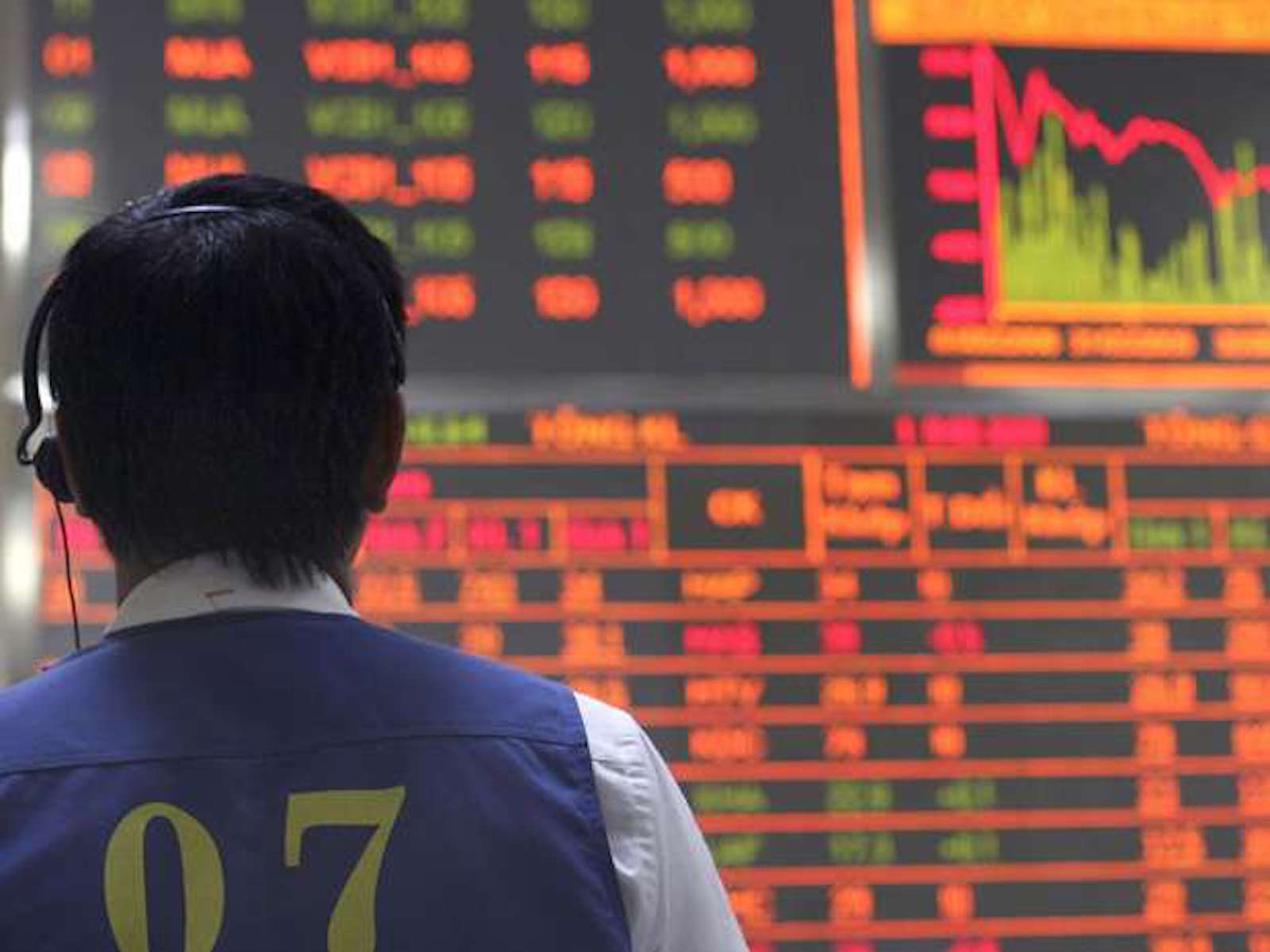
    Tokyo added 1.5%, Hong Kong rose 0.4% and Shanghai gained 0.2% on the news, following Wall Street’s lead.

    However, some analysts struck a cautious tone, noting that much work needs to be completed before a framework agreement is in reach.

    “The rally in stocks has been based on hope rather than any concrete agreements overnight,” warned Oanda senior analyst Jeffrey Halley, predicting short-term volatility to come as headlines emerge from Beijing.

    Sydney shed 0.3%, with calls for a snap election amid political tensions over refugees adding to underwhelming corporate earnings and subdued metal prices.

    Nonetheless, renewed global investor confidence saw a movement away from the greenback, which has enjoyed a strong rally in the past week, to riskier currencies.

    The pound moved upwards closer to $1.29, despite no-deal Brexit fears as Prime Minister Theresa May was accused by the opposition of “running down the clock” and “playing chicken” with Brussels over talks.

    Trump’s suggestion that another chaotic US government shutdown was now unlikely following a deal struck in Congress over border security further fuelled risk appetite.

    The deal to offer nearly $1.4 billion for construction of a Mexico border wall, as well as other security measures, fell far short of Trump’s demands but has been presented as a workable compromise.

    “I don’t think you’re going to see a shutdown,” said the president.

    Elsewhere oil continued its climb after heavyweight Saudi Arabia slashed output and exports fell in crisis-hit Venezuela.

  • Ralph Lauren showing good progress

    Ralph Lauren showing good progress

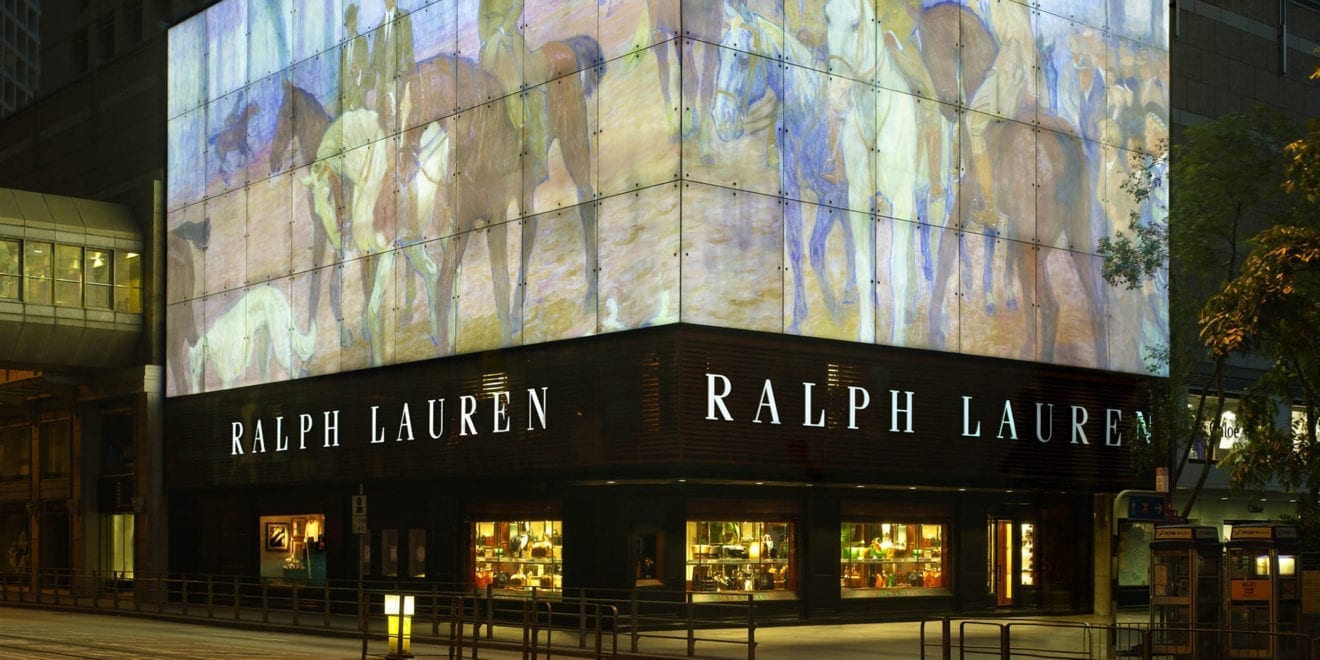
    After a long run of fairly mediocre performance, Ralph Lauren has finally delivered a solid set of numbers. The 5 per cent net revenue growth announced last week is pleasing as are the various regional outcomes. These were supported by a respectable increase in underlying comparable sales. It would be remiss not to note that the good figures have been delivered off the back of a very weak prior year performance, but this should not take away from the fact that the brand is now headed in the right direction.

    Away from the top line, the bottom line has also strengthened with operating income up by 12.9 per cent over last year. Much of this is down to far lower rates of discounting, especially in the wholesale channel. We also see this as a sign that Ralph Lauren’s more disciplined and focused approach to producing collections is allowing more product to be sold through at a fuller price. All of this suggests that the company is doing a much better job at connecting with consumers.

    Our own data backs this up. Brand affinity to Ralph Lauren was the strongest in over five years this holiday season; brand recall and awareness were also higher, including among younger consumers. Some of this is the result of increased marketing spend but a lot of it also comes down to a more targeted approach. Initiatives like the launch of the Palace label have provided the brand with greater visibility among consumers looking for edgier, contemporary designs. There is clearly more work to be done, but this progress represents a good platform on which to build.

    That said, Ralph Lauren needs to remain disciplined; it should not revert to past form by launching rafts of sub-brands and spin-off labels which create confusion.

    Digital was the star channel this quarter with sales up by 20 per cent over the prior year. Some of this is a consequence of the investment in online platforms which are now much improved and delivering higher conversion. However, traffic to websites has also risen as Ralph Lauren has created more visibility around its products and brands. In North America, the slight downside is the imbalance in growth. Online comparable sales rose by 21 per cent, but store comparables were flat. While this is not necessarily surprising, it underlines that Ralph Lauren has more work to do in persuading customers to visit its shops – something that should, in theory, become easier as it pulls back from the wholesale channel.

    For all of this positivity, we are still cautious about the trajectory of the brand. While there is no doubt that Ralph Lauren is now in a much stronger position, a lot of work remains to be done on carefully defining the various parts of the offer and ensuring they remain targeted.

    Because of the vast array of brand elements, this is a challenging task that could easily falter – especially as the economy tightens and the company laps some tougher comparatives.

    Overall, however, Ralph Lauren is on the right track, it just needs to stay on course as it accelerates.

  • JC Penney to stop selling home appliances

    JC Penney to stop selling home appliances

    Struggling department store chain JC Penney announced it will exit its home appliances business, and some of its furniture business, while revamping the layout of its stores to focus on clothing sales to boost profits. The company, which hasn’t turned a profit since 2010 and has forecast several more years of losses, said it would stop selling major appliances in February “to better meet customer expectations, improve financial performance and drive profitable growth.”

    JC Penney’s appliances business was a pet project of former CEO Marvin Ellison. The company will also stop selling furniture in majority of its stores and will now only be available in select stores in Puerto Rico and online.

    The announcement is the first major change by new CEO Jill Soltau since she joined the embattled retailer late last year.

    According to JC Penney, they are now finalising new layout options, including reduction of store space previously dedicated to appliance and furniture showrooms to maximise efficiencies, reduce inventory and create an enhanced shopping experience that inspires repeat shopping trips.

    “Optimising the allocation of store space will enable us to prioritise and focus on the company’s legacy strengths in apparel and soft home furnishings, which represent higher margin opportunities,” the company said.

    The company further announced customers can still purchase major appliances in stores and online until February 28 and receive free basic delivery and installation on new model purchases over $299. All protection plans and manufacturer’s warranty agreements will remain in effect for the applicable warranty period.

  • Dapper Dan is holding Gucci accountable for controversial “blackface sweater”

    Dapper Dan is holding Gucci accountable for controversial “blackface sweater”

    Renowned Harlem fashion designer and tailor Dapper Dan’s relationship with Gucci through the years has been a rocky road. After gaining notoriety for knocking off the Italian house’s logo in his designs throughout the ’80s and ’90s, the tables turned in 2017, when Alessandro Michele was taken to task for knocking off one of Dap’s designs in his Cruise 2018 collection.

    However, all’s well that ends well: Both parties made peace and began working together. Not only did Dapper Dan collaborate with Gucci on a vintage hip-hop-inspired capsule collection and lookbook, the Kering-owned luxury label underwrote his brand new studio and atelier in Harlem, also making him the face of a special tailoring campaign.

    As lovely of a story as this is, it might not wind up with a happy ending. Just last week, Gucci apologized for (and pulled from shelves) an $890 sweater that resembled blackface. After several days of impassioned conversation among fans on social media, the brand released a statement, saying: “Gucci deeply apologizes for the offense caused by the wool balaclava jumper … We consider diversity to be a fundamental value to be fully upheld, respected and at the forefront of every decision we make. We are fully committed to increasing diversity throughout our organization and turning this incident into a powerful learning moment for the Gucci team and beyond.”

    While acknowledging the misstep and the need to prioritize diversity is a step in the right direction, the situation did not sit well with Dapper Dan. On Sunday, he posted a statement of his own on Instagram, insinuating that his partnership with Gucci may be on thin ice. “I am a Black man before I am a brand,” he wrote. “Another fashion house has gotten it outrageously wrong. There is no excuse nor apology that can erase this kind of insult. The CEO of Gucci has agreed to come from Italy to Harlem this week to meet with me, along with members of the community and other industry leaders. There cannot be inclusivity without accountability. I will hold everyone accountable.”

    Gucci made a concerted effort to make things right with Dap — and, seemingly, to educate themselves about both his neighborhood and his culture — the last time they were at odds, but this understandably hits very close to home, and could certainly cause major issues within their business partnership.

    Whatever the outcome, this case only underscores the dire need for more inclusion and diversity in the industry, as the frequency with which fashion brands slip up in regards to racism only gets higher by the day. It’s a change that needs to be implemented immediately, and hopefully Gucci will set an example for its industry peers, as it’s already been known to do in other areas.