Retail News CRM

Tag: International

  • Abercrombie & Fitch ‘in recovery mode’

    Abercrombie & Fitch ‘in recovery mode’

    Broadly, the latest set of results from Abercrombie & Fitch are to be welcomed: they are a sign that the brand continues to make progress in what remains a challenging market during a particularly difficult period of trading.

    Across the quarter, total sales shrank by 1 per cent on a reported basis, although when currency fluctuations are removed that number turns into growth of 2 per cent. Across the group, same store sales increased by 1 per cent on a year-over-year basis, with particularly good gains coming from international operations.

    There is also a reasonably positive story on the margin front where – despite a highly promotional environment and suppressed consumer demand- A&F saw gross profit as a percentage of sales drop by just 0.5 percentage points. The outcome here could have potentially been far worse.

    Despite there being clear signs of progress, which includes a sequential improvement in most of the sales and profit metrics, A&F is still very much in recovery mode and the brand is still not yet back to full health. This is evidenced by the fact that although the sales outcome was reasonable, it came off the back of what can only be described as a tumultuous final quarter last year when total sales shrank by 14 per cent and same store sales dipped by 13 per cent.

    Such soft comparatives flatter this quarter’s numbers and raise the question as to whether the better performance is a natural bottoming out, or if it is thanks to some of the corrective action that is now being taken by the management team. In truth, we think the results reflect a bit of both factors.

    Future growth will be governed, in large part, by how successfully the brand is able to reestablish its connection with younger consumers. Over the past year there has been evidence that both Abercrombie and Hollister are moving in the right direction in order to attune themselves to the tastes and preferences of today’s young shoppers. Among other things this has involved a less brash approach to marketing, a more minimalist and modern style in terms of clothing collections, a brighter and more inviting in-store experience, and a move into high growth categories like athleisure.

    These things have won back customers who defected and have also secured new shoppers. Most notably, the shifts have also allowed Abercrombie to secure custom from a slightly older demographic with higher spending power; something that is useful given that spending on apparel from younger shoppers remains muted thanks to the vast array of other products and services they now buy into.

    That noted, it is still far too early to say that brand loyalty has returned. At present many shoppers are rediscovering the brand and looking at it anew; as such their purchasing is patchy and occasional. While this is something A&F can improve on over time, it is unlikely it will ever regain the brand capital it once had: the market, consumers, and the competition have all shifted too much to allow that to happen.

    This is one of the reasons why A&F’s action on retooling its business model and reassessing its space and store requirements is sensible. To meet the new pattern of demand it will need fewer stores coupled with a good online offering. While there has been progress made in terms of reconfiguring the store fleet, growth from online is somewhat less encouraging.

    The upcoming year will continue to be one of reinvention. The current management team is strong and has the right mix of skills to make the necessary changes and reinvigorate the brand. However, they are up against a low growth, challenging environment which means that the play for the fiscal year as a whole is as much about holding onto current market share as it is about positioning the business for future growth.

  • Lush ends ‘exceptional’ year

    Lush ends ‘exceptional’ year

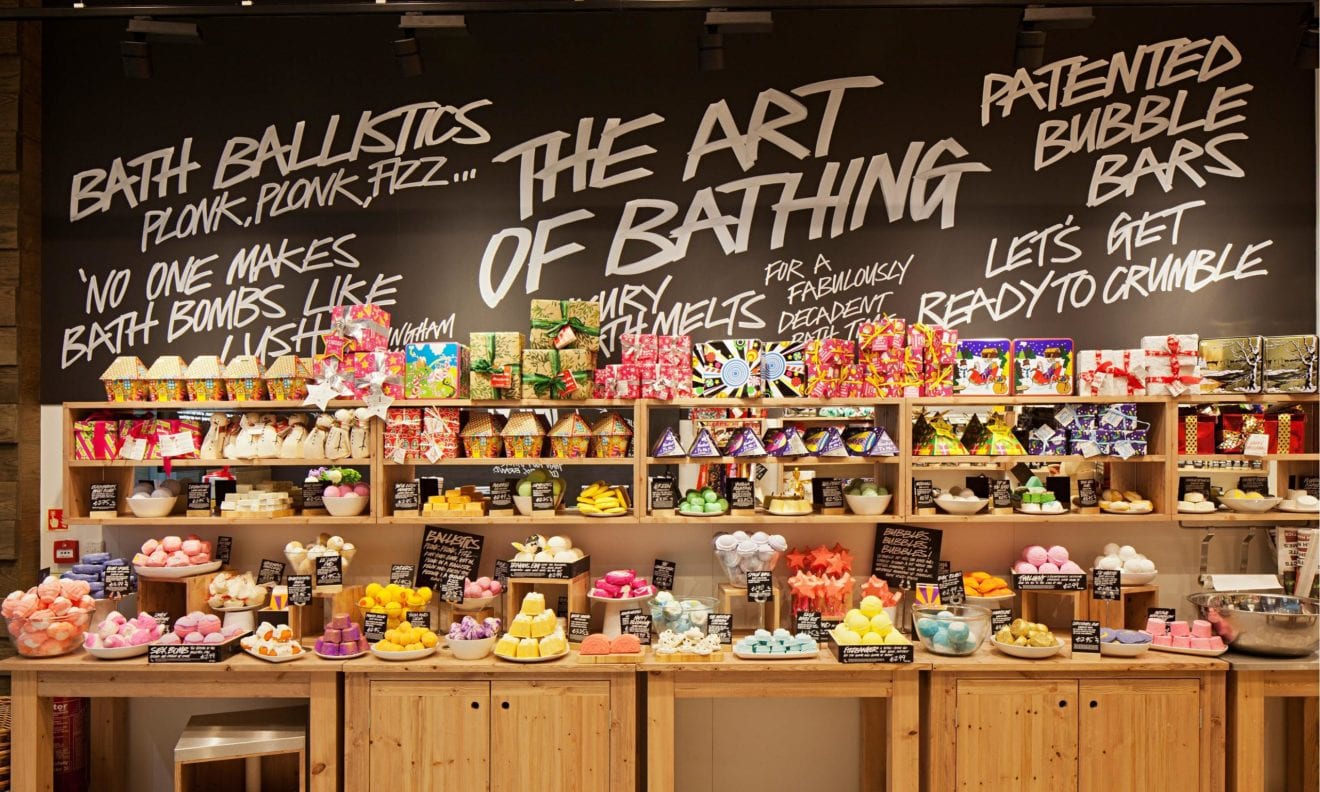
    Ethical cosmetic brand Lush has reported exceptional results for their 2014-15 financial year, with brand sales accelerating 26 per cent to £574 million.

    Strong like-for-like growth of 22 per cent has been achieved via the combination of its store estate and digital outlet, driving sales growth of 21.4 per cent and 27.8 per cent respectively. Despite Lush’s sales growth, profit figures were negatively influenced by currency volatility, particularly in Brazil – profit before tax dropped £900,000 on last year. Further dampening profits, exceptional costs in Japan heavily impacted group operating profit, plummeting by £9.2 million on last year.

    Store portfolio management remains a key focus of its strategic initiative, focusing on prime sites with larger selling space. The brand increased its store numbers to 933 in the financial year, having opened 93 shops and closed 58 throughout the year – UK current store numbers stand at 106, including its 9500 sqft flagship on Oxford St which opened in April 2015. Striving for higher turnover and basket sizes, 115 of its stores now have the ability to generate annual sales of over £1m, a 46 per cent increase in two years.

    Lush’s triumph stems from the growing number of consumers requiring cruelty-free and sustainably sourced cosmetics and skincare, which is in-turn enhanced by Lush’s capability in ensuring its staff can offer a high level of product knowledge and customer service in store.

    Lush has a way to go before reaching its 25 per cent online penetration rate, having increased marginally by 0.1 per cent to 8 per cent in its full year 2015-16, marginally outperforming the UK health & beauty market in 2015 estimated at 7 per cent. Online growth is far more challenging compared to sectors such as clothing, with lower prices and the essential nature of products driving traffic to stores, while consumers also like the instore experience and customer service element – especially in skincare items.

    While its two largest markets, US and UK, experienced resilient like-for-like growth of 37.2 per cent and 38.8 per cent respectively, its performance in Japan continued to disappoint at -11.2 per cent for the full year, with its turnaround remaining Lush’s greatest challenge. However, group sales for Q1 2015-16 have continued with an outstanding performance in both physical and digital outlets, up 21.7 per cent and 26.5 per cent, demonstrating the brand’s growing appeal among its loyal shoppers and strength in acquiring new customers.

  • Apple sales stumble shrouded by record profit

    Apple sales stumble shrouded by record profit

    While it seems harsh to be negative about a company that has just taken $75.9 billion in revenue, the focal point of today’s quarterly update from Apple is inevitably the year-over-year growth rate. Here the rather lackluster 2 per cent uplift represents something of a misstep for a company that has built its reputation on impressive performances.

    It is certainly the case that a strong dollar diminished Apple sales growth, but even the increase of 8 per cent on a constant currency basis is fairly anemic when set against previous quarters. Of particular concern is the 4 per cent decline in revenue in the Americas, which remains Apple’s most important region in terms of sales.

    In our view, the fact that the weakest performance came from the most mature region with the highest levels of product penetration is no coincidence. The blunt truth is that Apple failed to persuade consumers to buy into its holiday product lineup in the way it has done in previous years.

    While there is no doubting Apple’s technical and design prowess, some consumers simply overlooked its new iPhone, seeing too few benefits over and above their existing models to convince them to upgrade.

    The new iPad, which even by virtue of its name was aimed at a more professional audience, also received something of a lukewarm reception among consumers.

    This translated into soft sales growth. Our own data show that this holiday was one of the weakest for personal electronics in recent history. Indeed, a number of players like Best Buy saw their own results dragged down by lower than normal demand for things like tablets – something that underlines the fact that when Apple sneezes, other retailers catch a cold.

    None of this is to diminish the impressive numbers, which continue to indicate that Apple is an immensely popular brand with desirable products, but it perhaps serves as an early warning that the company needs to work much harder at creating a step change in the new devices it launches. It must also ensure that these are squarely aimed at satisfying real consumer demand rather than internal egos: while Apple engineers may be excited about shaving a millimeter off the depth of a phone, such technicalities are far less appealing to everyday users.

    Fortunately for Apple, the lack of growth in the Americas was offset by continued strong growth in China, where product penetration is far lower and there is a much larger base of new consumers to capture. The same is also true of parts of Europe, although here the advancement in Apple sales was somewhat depressed by the strength of the dollar against local currencies.

    Nevertheless, the fact remains that 2016 is year when Apple needs to come up with revolutionary rather than evolutionary product. If it fails to do so, its growth is likely to be diminished still further.

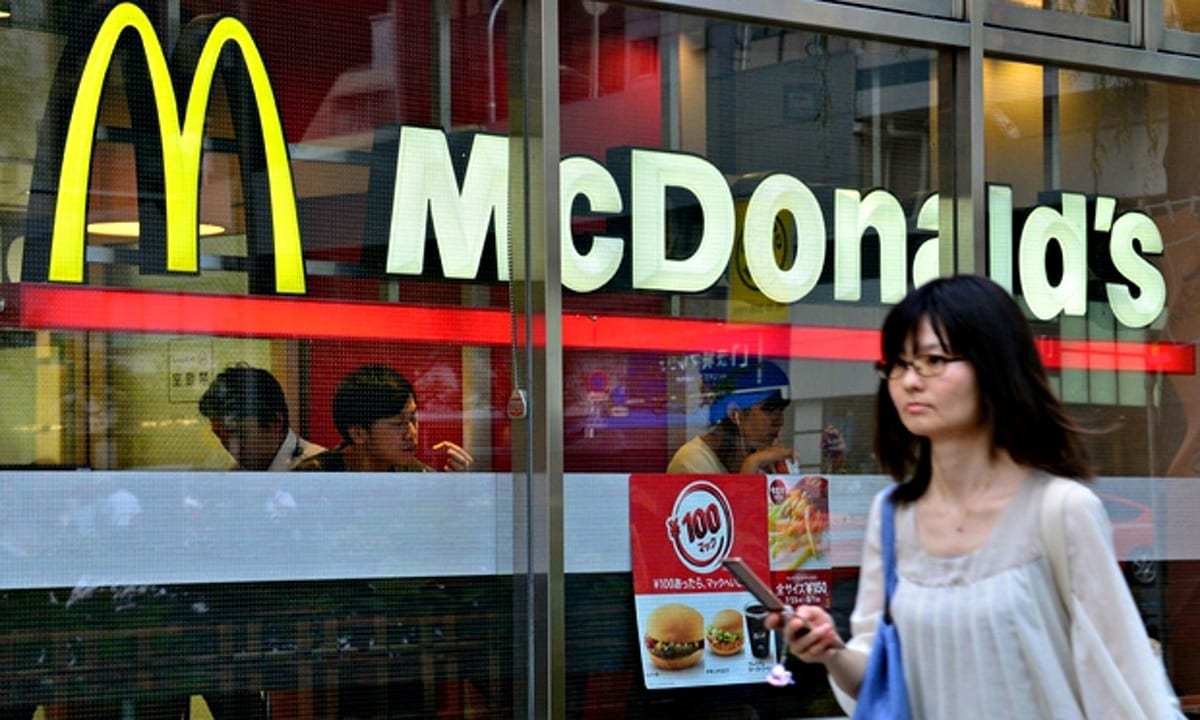
  • McDonald’s is back

    McDonald’s is back

    Turnaround efforts are paying dividends for McDonald’s.

    The fast food giant’s latest results show continued progress with global comparable sales up 5 per cent, while the US had a very strong quarter with comparable sales rising 5.7 per cent.

    This momentum is important as it signals McDonald’s is reconnecting with consumers which is driving both customer traffic and sales. This has been the result of a number of changes, especially in the core US market.

    The first of these is the reengineering of the menu, including the introduction of all day breakfasts. While this has added to operational complexity, it has been a vital step in providing more choice and variety – which, according to our research, are two of the main things that lapsed McDonald’s customers mentioned as reasons for their defection. The early signs are that this step change has been successful in attracting back lost customers, especially over the important lunchtime period.

    Menu enhancement has also resulted in the addition of more premium and healthy options; something that will continue into this year as McDonald’s tries out new items like kale salads. While these changes are unlikely to attract highly health conscious consumers, and arguably will never be the mainstay of McDonald’s menu, offering them is an important positioning statement. It will help the company compete more successfully against some of its more premium rivals, as well as ensuring that the needs of all members of families or groups who visit are satisfied.

    Making menus more premium is all well and good but this forms part of a difficult balancing act – not least because low prices and good value remain key motivating factors for trips to McDonald’s. Here we are encouraged by the company’s decision to roll out the new McPick2 menu (in the US), which allows a choice of two options for $2. After the abandonment of of the popular Dollar Menu, and the bungled attempts at replacing it with unsatisfactory alternatives like the Dollar Menu & More, this gives McDonald’s US the firepower to compete against rivals like Wendy’s and Chik-fil-A.

    The final positive shift is the demonstration of greater flexibility in menu options through things like digital menu boards, which allow changes to be made according to weather and other conditions. This has helped to increase conversion rate and average spend per customer.

    Naturally, the downside of all this greater flexibility is that it adds to complexity, cost and makes operations somewhat slower than they once were. This has, in fact, been the main source of complaint from some franchisees. However, in our view this is very much a case of there being no alternative: the market has changed and the customer has slightly different priorities now to 10 years ago. McDonald’s had to move with the times or face continued deterioration.

    At a corporate level, the decision to convert more stores to the franchise model is savvy. The next few years are likely to see more operational complexity and higher costs for developments like store enhancements. These things will be easier and faster to manage, both operationally and financially, via the franchised model.

  • Ted Baker shines over Holiday Season

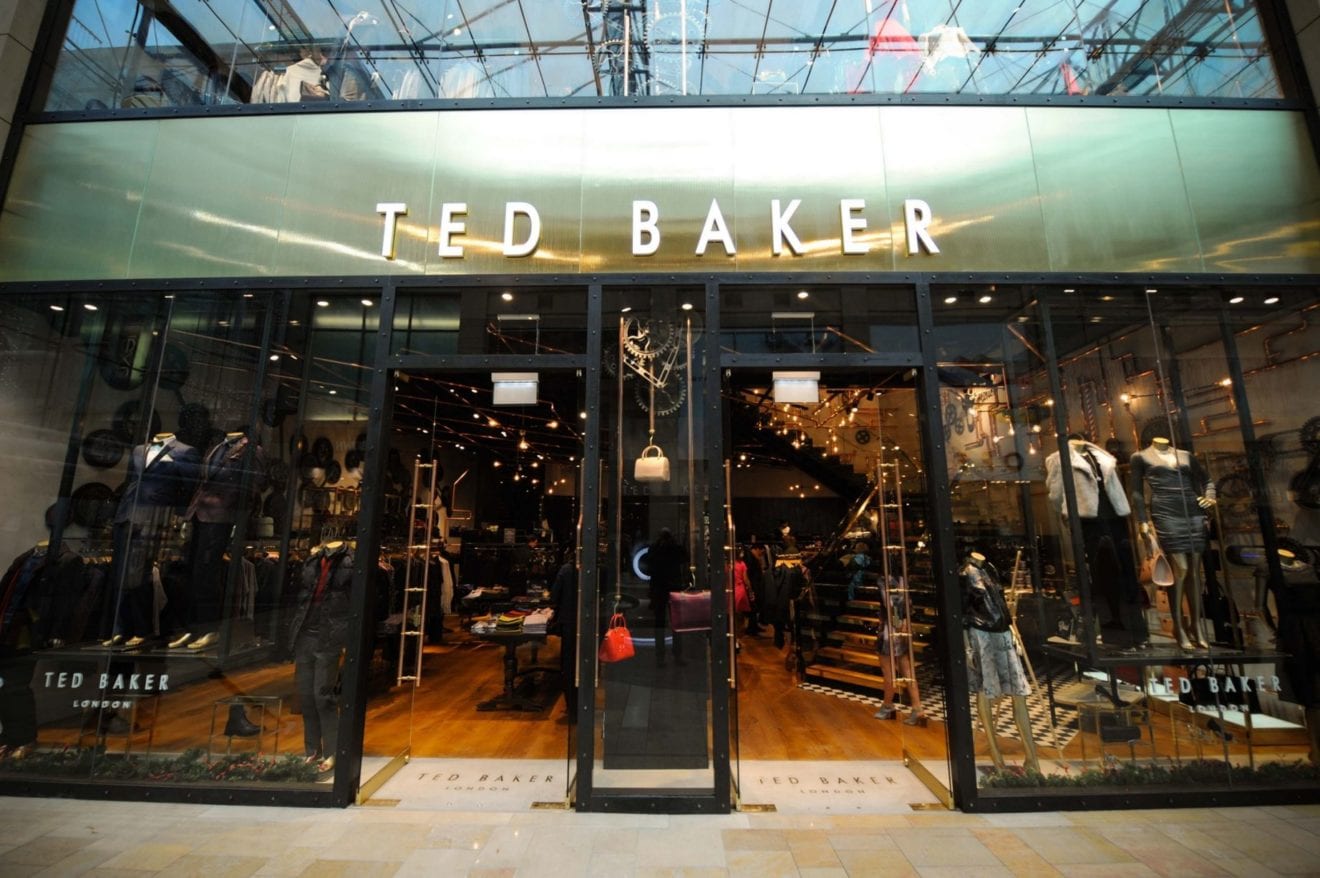
    Ted Baker shines over Holiday Season

    Quirky fashion and lifestyle label Ted Baker has announced enviable Christmas trading results, with retail sales rising 10.1 per cent (10.6 per cent at constant currency) for the eight weeks to January 9.

    Over the period, the group added 355,907 sqft to its selling space. This helped to augment sales opportunities in the run-up to Christmas, but also highlights that trading during the busiest time of the year did not hold back Ted Baker’s rapid expansion plans.

    The group added concessions in the UK, France, Spain and California, in addition to licensed openings in the form of a new full-line store in Saudi Arabia, a concession in Mexico and outlets in Melbourne and Sydney.

    This geographical spread once again highlights not only Ted Baker’s ambitions to be a truly global brand, but also its willingness to be flexible in its approach as it enters new markets.

    Customer engagement was supported by the success of its ‘Wonders Never Cease’ video campaign, which showcased the brand’s Autumn/Winter range in typical Ted Baker story-telling fashion.

    Despite tough trading conditions and a highly competitive landscape, the company managed to avoid significant discounting, ensuring that expectations around gross margins were met. Furthermore, its eCommerce business witnessed dazzling results, with a 39.1 per cent increase in sales signifying strong performance across all of the group’s sites.

    A winning Christmas will help the company to secure a strong set of full-year results when the year closes on 30 January.

  • Nike profits soar in Q2

    Nike profits soar in Q2

    Sportswear brand Nike says sales rose four per cent in the second quarter – but profit soared 20 per cent.

    The company says strong consumer demand drove revenue growth across the entire Nike brand portfolio and improved gross margins led to the profit boost during the three months to November 30.

    “Our strong Q2 growth and profitability show that Nike continues to drive real momentum through the category offense – by going deep with consumers by sport and serving them completely,” said Mark Parker, president and CEO.

    “And our powerful global portfolio of businesses, combined with strong financial discipline, continue to drive significant shareholder value. We see tremendous opportunity ahead as we enter an Olympic and European Championships year with a full pipeline of inspiring innovation for athletes everywhere.”

    Revenues totalled US$7.7 billion, up 12 per cent on a currency neutral basis. Of that, the Nike brand accounted for $7.3 billion, up 13 per cent, driven by double-digit growth in every geography and most key categories.

    Revenues for Converse were $398 million, down five per cent on a currency neutral basis, as strong growth in North America was more than offset by a decline in Europe

    Gross margin increased 50 basis points to 45.6 per cent, primarily due to higher average selling prices, partially offset by higher product input costs and unfavorable changes in foreign exchange rates.

    Net income increased 20 per cent to $785 million.

  • Apple’s ‘best year ever”

    Apple’s ‘best year ever”

    Tech giant Apple has reported its fourth quarter results – and concluded its “best year ever”.

    In the three months to September 26, the company achieved sales of $51.5 billion and a quarterly net profit of $11.1 billion. That compares to sales of $42.1 billion and a net profit of $8.5 billion, in the same quarter last year.

    The company’s gross margin was 39.9 per cent compared to 38 per cent a year ago. International sales accounted for 62 per cent of the quarter’s revenue.

    Apples says its growth was fuelled by record fourth quarter sales of iPhones, the expanded availability of the Apple Watch, and all-time records for Mac sales and revenue from services.

    “Fiscal 2015 was Apple’s most successful year ever, with revenue growing 28 per cent to nearly $234 billion,” said CEO Tim Cook.

    “This continued success is the result of our commitment to making the best, most innovative products on earth, and it’s a testament to the tremendous execution by our teams,” he said.

    “We are heading into the holidays with our strongest product lineup yet, including iPhone 6s and iPhone 6s Plus, Apple Watch with an expanded lineup of cases and bands, the new iPad Pro and the all-new Apple TV which begins shipping this week.”

    Luca Maestri, Apple’s CFO, said the company’s record September quarter results drove earnings per share growth of 38 per cent and operating cash flow of $13.5 billion.

    “We returned $17 billion to our investors during the quarter through share repurchases and dividends, and we have now completed over $143 billion of our $200 billion capital return program.”

    In the quarter ahead, Apple is predicting revenue of between $75.5 billion and $77.5 billion and a gross margin which could reach 40 per cent.

  • Gap Inc sales slip

    Gap Inc sales slip

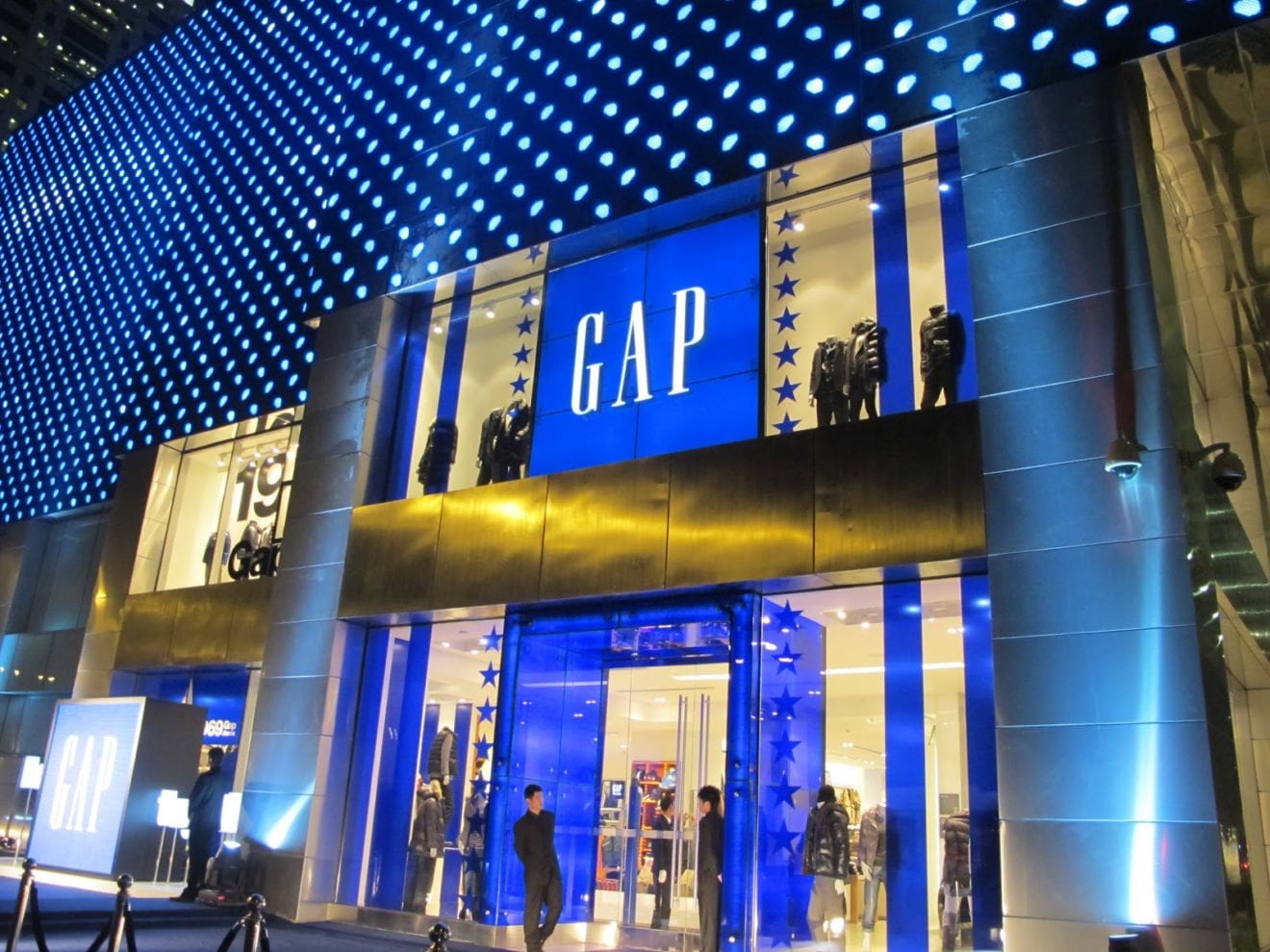
    Gap Inc has reported a two per cent fall in global sales in the second quarter – but says its turnaround is on track.

    “I remain confident in our strategies to improve business performance and drive loyalty going forward,” said CEO Art Peck. “Our evolving product operating model is laying the foundation to more consistently deliver on-trend product collections across our portfolio.”

    Gap Inc’s comparable sales by global brand fell six per cent for its primary Gap brand, (compared with a five per cent drop in the same period last year), Banana Republic fell four per cent, (flat last year) and Old Navy grew three per cent (up four per cent last year).

    But the company says it delivered earnings per share growth of 12 per cent in the first half year. While Old Navy is clearly gaining momentum, the Gap brand continues to make progress against its strategic actions, including “right-sizing its North America store count to create a smaller, more vibrant fleet of stores”, the company said.

    “The brand’s leadership team remains focused on an aggressive agenda designed to improve business performance, including the implementation of a clear, on-brand product aesthetic framework and a new product operating model to increase speed, predictability and responsiveness.”

    Gap’s global store count continued to rise outside North America, as the chart below shows.

    Gap chart

  • Ben Sherman rescued by PE

    Ben Sherman rescued by PE

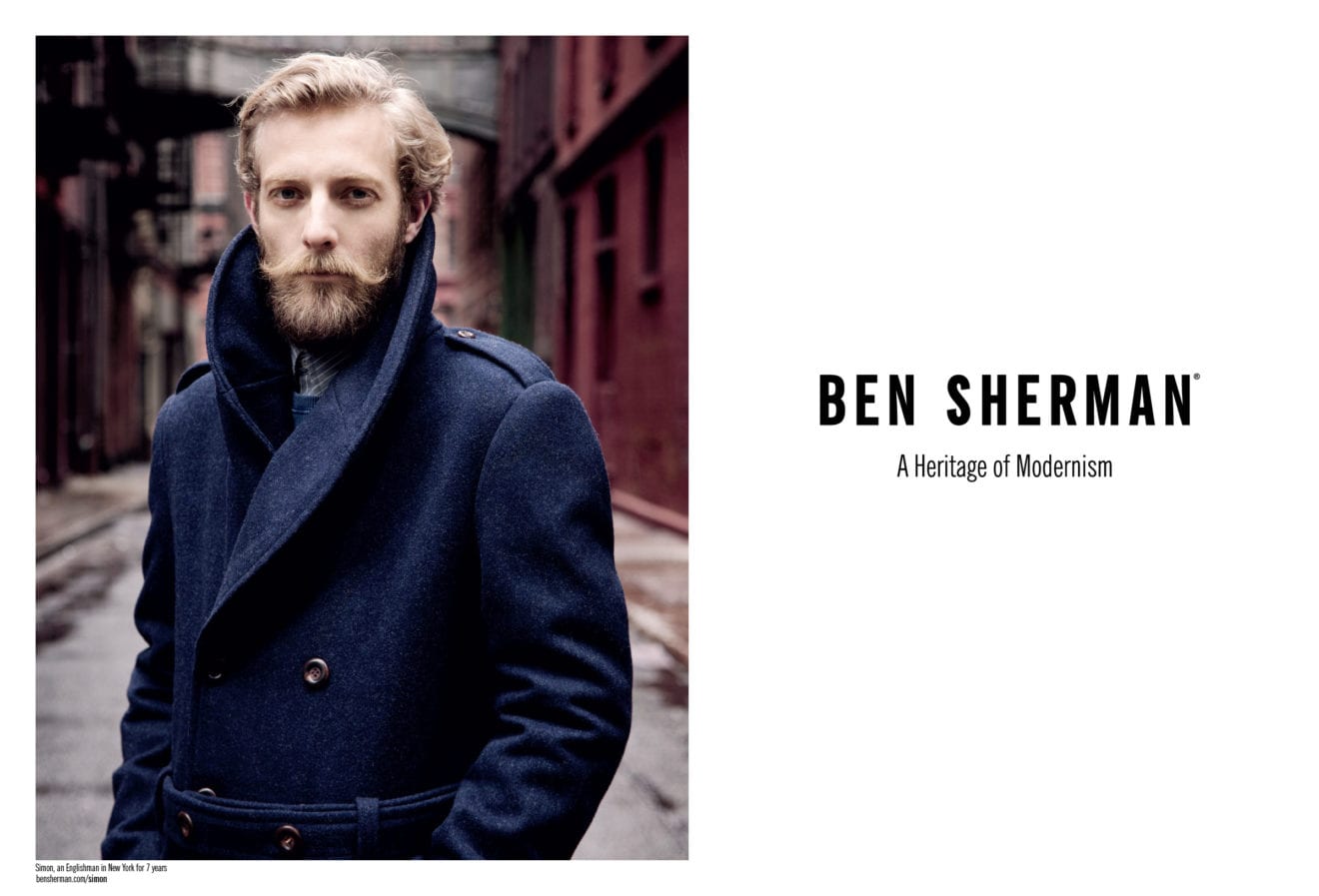
    Loss-making menswear retailer Ben Sherman has been bought by a private equity investor.

    US-based Marquee Brands has paid a mere £40.8 million for the business which it considers still has potential, despite its troubled state.

    “Ben Sherman remains a uniquely classic British brand with a loyal following across five continents and a smartness that’s ageless. Its heritage, style and authenticity fits perfectly within Marquee’s growing portfolio,” said Cory M. Baker, COO of Marquee Brands.

    “We are particularly excited about this transaction as Ben Sherman is consistent with our mission to acquire high quality brands with substantial global growth potential,” added Michael DeVirgilio, president of Marquee Brands in a statement.

    “The current management team under Oxford’s leadership has done a great job building on the core essence of the brand. We’ve received supportive messages from retailers across the globe that share our view of the growth opportunity ahead.”

    Ben Sherman, established back in 1963, is Marquee Brands’ second acquisition this year, after Italian luxury brand Bruno Magli.

    Marquee considers its recent acquisitions as building “a glowing portfolio of relevant, storied brands with rich history and a global footprint”.

    “Our plans to market and promote the brand across various lifestyle categories are well underway with new products and expanded retail coming to market as early as first quarter, 2016,” Marquee said in its statement.

    The brand has had a chequered history over the last 30 years. The last time it changed hands, after two successive management buyouts, was in 2004 when Atlanta-based Oxford Industries paid 3i and Irish PE investor Enterprise Equity about £80 million for the business.

    The brand made a failed foray into womens fashion and childrenswear in the 2000s, axed by Oxford in 2010.

  • Rome to host World Retail Congress 2015

    Rome to host World Retail Congress 2015

    Now in its ninth yr, the World Retail Congress is the important assembly place for senior retail executives.

    After consultations with senior retailers around the globe, the World Retail Congress 2015 introduces many new modifications and initiatives, not the least of which is a brand new location and host metropolis, Rome. The Cavalieri Lodge is a very excellent venue for the 2015 World Retail Congress.

    Created in response to demand for a platform for retailers from all all over the world to debate the important thing points affecting the retail business, the Congress has succeeded in bringing collectively a few of the best possible audio system to assist that course of.

    The World Retail Congress program seeks to not solely mirror however to additionally lead the senior retail agenda. This has by no means been extra necessary than it’s right now because the business undergoes monumental change.

    This yr’s theme summarises the most important problem dealing with all retailers: “Retail transformation as we speak, tomorrow and past”.

    The Congress has put collectively a line-up of main retailers, newer start-ups and disruptors and exterior specialists to offer inspiration. This system will launch a number of unique analysis stories commissioned by the World Retail Congress and steered by main retailers.

    CEOs will have the ability to meet for personal dialogue periods however to additionally profit from conferences with the highest keynote audio system and in addition be a part of a specifically ready management workshop led by Oxford College’s Enterprise Faculty.

    Throughout the three days, delegates will even take pleasure in enterprise streams and workshops which might be extra interactive and intimate to make sure most output.

    And the Congress closes there shall be a Gala dinner open to all delegates and their companions to take pleasure in a really particular night in one in every of Rome’s prime places. The dinner may even reveal the winners of the 2015 World Retail Awards.

    The World Retail Congress 2015 shall be held in Rome from September Eight-10.

    What does the longer term maintain for what you are promoting?

    Over three days the Congress will dive deeper into particular subjects according to the overarching theme of transformation. These embrace:

    The worldwide agenda and retail: Main economists, authorities figures, NGOs, associations and commerce our bodies will take part to offer a future wanting perspective on political, social and environmental actions the world over and their potential impression on the business.

    Management and organisational construction: A variety of key periods will handle how retailers are defining the ‘board of the longer term’ and modernising their enterprise tradition. As well as, a specifically commissioned MBA CEO management workshop led by Oxford College’s Säid Enterprise Faculty will present perception and analysis to help CEOs in managing inner transformation.

    Sustainable Enterprise Fashions: Reworking to create a sustainable progress technique is the order of the day and this system consists of quite a few discussions and debates on this essential theme. With the give attention to worthwhile, sustainable enterprise improvement periods will assess influential elements together with the supplier-retailer relationship and the battle towards promotional ‘fever’.

    Worldwide Enlargement: Periods designed and led by those that have years of expertise on this space will present insightful dialogue on the ‘The place?’ ‘When?’ And ‘How?’ questions; in addition, regional market specialists can be available to offer in depth information on key nations in query.

    Buyer Centric Retailing: An essential a part of retail transformation features a concentrate on getting a single, actual time view of the client to construct a long-term loyal following. To help retailers in this objective, periods will concentrate on offering predictions on shopper behaviour, in addition to exploring how retailers can recapture buyer loyalty, construct belief and develop an efficient communication technique.

    Imaginative and prescient 2020: Uniting main retailers, know-how powerhouses, futurologists, teachers and

    business specialists, key periods will give attention to presenting a imaginative and prescient of retail sooner or later contemplating predictions for particular retail sectors in addition to an image of how digital, in-store, communication and operational capabilities will develop to assist retailers higher serve their corporations.

    Be a part of the Retail Elite

    The World Retail Awards are a chance in your success and achievements to be recognised as the easiest within the international retail business.

    Though these awards happen on a worldwide stage, it’s innovation, nice concepts and confirmed success that we’re rewarding, not the dimensions or location of what you are promoting. For the previous 9 years the Congress has acquired and rewarded retailers, international, nationwide and native, nice and small. 2015 can be no totally different with seven extensive ranging classes providing all retailers the distinctive alternative to be recognised by their friends for the standard of their work and the influence of their concepts.

  • H&M stays mum on new model

    H&M stays mum on new model

    Sweden’s H&M has revealed it’s engaged on a brand new retail model – nevertheless it gained’t say what it’s for now.

    CEO Karl-Johan Persson has stated in an interview the brand new retail idea can be utterly totally different to H&M and its sister manufacturers, which embrace Monki, Cos and Low cost Monday.

    Persson hinted the brand new idea could also be unveiled in 2017.

    Cos is positioned as a excessive road model slightly pricier than H&M, concentrating on an older demographic and a bit of extra minimalist in design.

    Monki is aimed toward teenagers and younger ladies with daring, mischievous retailer designs and story telling decor.

    Low cost Monday is primarily a denim model, whereas Weekday positions itself providing Scandinavian type.

    Persson says the aim of secondary manufacturers is to permit H&M to check ideas and tendencies at totally different worth factors.

    Nils Vinge, from H&M’s investor relations division says the corporate has a improvement staff solely targeted on new ideas however acknowledged to media there are “some concrete issues” being thought-about presently.

    Archrival retail model Zara, a part of Spain’s Inditex, has expanded out of style into homewares with a rising community of Zara Residence shops. So it’s conceivable that H&M’s subsequent model won’t be

  • Singapore to remove distinction between international and domestic banking

    Singapore to remove distinction between international and domestic banking

    The Monetary Authority of Singapore (MAS) plans to change accounting rules that split domestic and offshore banking into separate ‘units’. 03 Jul 2015

    Since 1968, banks have had to separate operations into domestic banking units (DBSs) and Asian current units (ACUs). Domestic operations, which are predominantly denominated in Singapore dollars, are accounted for through a bank’s DBU, while offshore operations, which are entirely denominated in foreign currency, are accounted for through the ACU.

    However, global regulatory developments over the past five years have created a situation where the split system is no longer useful, Singapore’s minister of finance Tharman Shanmugaratnam said.

    The initial aim of the divide was to safeguard domestic financial stability, Tharman said.

    “For example, MAS imposed liquidity requirements on banks’ Singapore dollar liabilities – that is, only within the DBU. In addition, DBU activities were subject to large exposure and equity investment limits,” he said.

    The divide also made it easier to offer incentives to encourage offshore banking activities out of Singapore, Tharman said, but focusing incentives in the ACU.

    “The DBU- ACU divide served us well for decades, but has been losing its relevance,” Tharman said.

    “Since 2004, our development incentives have no longer been based on the domestic versus offshore distinction, and the divide between domestic and offshore banking has in practice become increasingly porous,” he said.

    In addition, global regulatory changes have meant that banks’ offshore activities are now subject to rules that are broadly similar to those governing DBUs in Singapore. These rules have increased the amount and quality of capital and the liquidity buffers that banks need, Tharman said.

    “These global regulatory reforms have put all banks on a sounder footing. It has also reduced the relevance of MAS rules that distinguish between offshore and domestic banking activities of foreign banks, since home regulators will now be requiring their banks to meet enhanced standards on a group-wide basis,” he said.

    Changes to MAS’s own regulations have also made the divide less relevant, Tharman said.

    All banks in Singapore will have to meet liquidity requirements across the entirety of their operations by January 2016, while banks that are designated as ‘domestic systematically important banks’ will be subject to extra measures on both domestic and offshore business, he said.

    In addition, Tharman said, “where a foreign bank branch has significant retail presence in Singapore, it will also be required to locally incorporate its retail operations. The subsidiary will be subject to the same suite of regulation as the local banks, and the same supervisory regime aimed at minimising risks to local depositors”.

    MAS will therefore remove the divide from banking regulations, and details will be released in a consultation paper by August, Tharman said.

    “There is no rush. We will implement the changes in close consultation with the banking community, and phase them in over time,” he said.