Tag: International

  • Estee Lauder’s quarterly sales miss on lower retail traffic

    Cosmetics maker Estee Lauder Cos. reported a smaller-than-expected rise in quarterly sales, hurt by a slowdown in sales in the Americas as fewer customers visited department stores and tourist spending declined.

    Shares of the company were down about 4 percent at $91.34 before the bell on Friday. Up to Thursday’s close, the stock had risen 13.5 percent in the past year.

    Sales in the Americas, its biggest market, rose 1.4 pct to $1.1 billion on a reported basis, its slowest growth in four quarters.

    Lower retail traffic mainly affected the company’s “heritage” brands Estee Lauder and Clinique, and a few M.A.C freestanding stores.

    Demand for its skin care products continued to weaken, as the company cited overall global slowdown in the category. Sales from its namesake brand and Clinique were also hurt by lower sales in some Asia-Pacific countries, mainly Hong Kong.

    “Social and political issues, currency volatility and economic challenges are affecting consumer behavior in certain countries, such as Hong Kong, France and some emerging markets,” the company said.

    Rival L’Oreal SA earlier reported second-quarter sales growth marginally below forecast as the company said Western Europe was being held back due to a “very difficult market in France.”

    Net income attributable to the company fell to $93.5 million, or 25 cents per share, in the quarter, from $153 million, or 40 cents per share, a year earlier.

    Net income was hurt by restructuring and other charges. Excluding items, the company earned 43 cents per share. Net sales rose to $2.65 billion from $2.52 billion. Analysts on average had expected a profit of 40 cents per share and revenue of $2.66 billion.

    New York City-based Estee Lauder said its expects fiscal 2017 adjusted profit to be between $3.38-$3.44 per share, missing analysts’ estimates of $3.53.

    The company also said it expects to incur restructuring charges of about $80 million-$100 million in fiscal 2017, related to its Leading Beauty Forward strategy.

    As part of its Leading Beauty Forward strategy, the company had earlier approved restructuring initiatives to exit businesses in certain markets and channels of distribution while also reducing its workforce globally.
     

  • Michael Kors Asia outperforms US

    Michael Kors Asia outperforms US

    Michael Kors Asia sales are showing healthy growth – at the same time as same-store figures are falling heavily in its US home market.

    Michael Kors has kicked off its new financial year with a weak set of numbers this week.

    Total revenue was virtually flat, just 0.2 per cent higher than during the same period last year., and driven by the opening of new stores which helped push overall retail sales up by 7.6 per cent. That offset a dismal comparable sales decline of 7.4 per cent.

    Michael Kors Asia has been a growth spot, with revenues rising by 74.5 per cent – although this is flattered by the acquisition of the company’s Greater China licensee.

    However, even on an underlying basis, the region is in positive territory, again thanks to the more favorable brand perception from consumers.

    In the US, one of the key issues is that interest in the brand appears to have peaked. This is evident from Conlumino’s brand tracking, which shows that while Michael Kors is not viewed unfavorably by consumers, it is not enjoying the resurgence that Coach has managed to engineer. This domestic woe is evident in the North American numbers which tumbled by 5 per cent, a sequentially worse performance than the previous quarter.

    The worsening of North American results is partly attributable to the stronger dollar which has likely weakened tourist sales at key flagships in the US, and Michael Kors is affected more than Coach in this respect, as it relies more on tourist spend at its larger stores. Nevertheless, given the investment being put into the new digital flagships – such as the one at 520 Broadway in New York – such an outcome is disappointing.

    The numbers from Europe were somewhat better with a 3.3 per cent increase in revenue over last year. Here, the MK brand is less ubiquitous and the company’s new stores, such as the one recently opened on London’s Regent St, are generating good trade in a way that the stores in North America are failing to do. Given that the company has several further European digital flagship stores in the pipeline for this fall, it looks likely that Europe will continue to deliver respectable sales growth across this fiscal year.

    Wholesale decline

    In the continuation of a theme we have seen across many luxury brands, wholesale revenue has decreased – falling by 7 per cent. Some of this is down to the company’s own actions to reduce exposure to channels that do not reflect its brand image, and some is down to the generally weaker traffic to malls across North America which has affected a number of outlets and stores that sell Michael Kors product.

    Looking ahead, while international sales will grow this year, the increase will be offset by continued pressures in North America. As such, revenues will likely be flat which will create pressure on the bottom line given all of the investments the brand is making.

  • Tough road for New Look

    Tough road for New Look

    Following a robust few years of market outperformance and share gains, the start of New Look’s 2016-17 financial year is a major disappointment.

    While weakened consumer confidence and unseasonal weather dampened shopper appetite to spend on clothing & footwear, New Look has underperformed the market and lost share over the period.

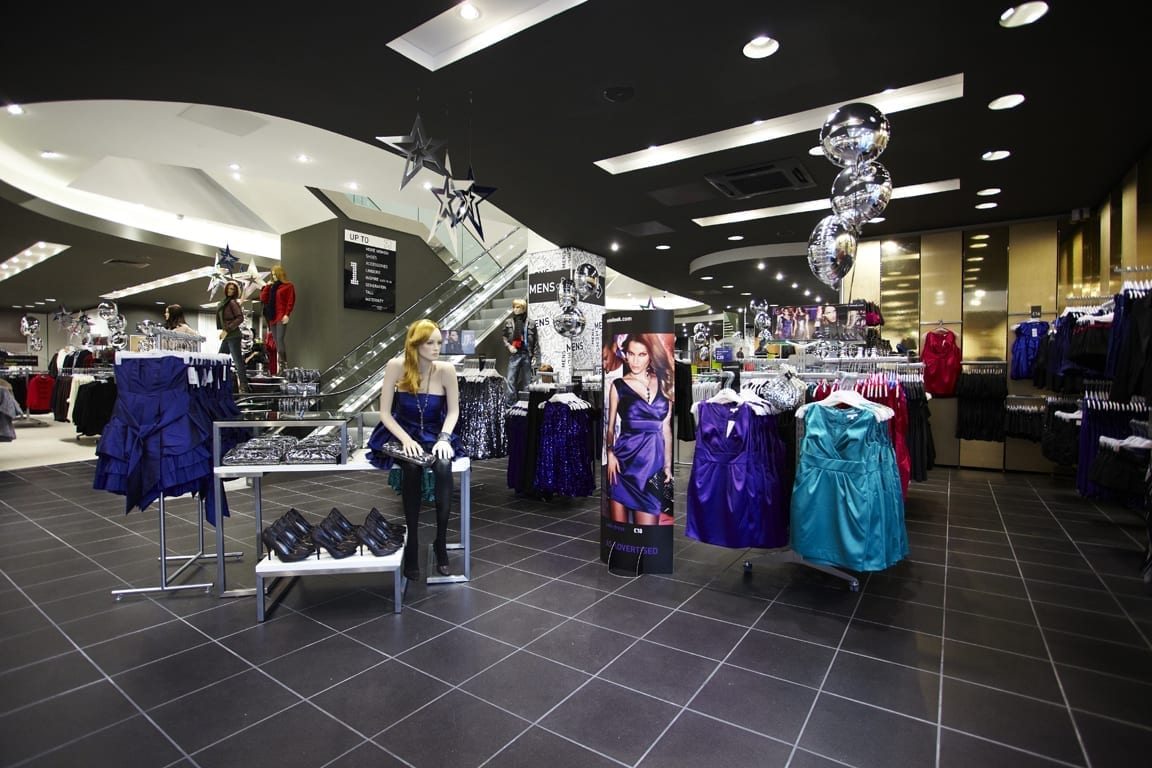
    Despite a 35.5 per cent fall in underlying operating profit to £30.5 million, the retailer has continued to invest in its strategic growth areas, namely menswear and China. Menswear sales growth of 21 per cent dramatically outperformed following further rollout of the men’s standalone format. Moreover, as it builds a bigger customer following New Look is able to improve its menswear proposition via insight gained on most browsed and shopped styles and customer feedback – ensuring its collection is continually enhanced and better targeted to its core audience.

    While New Look has the opportunity to grow its share of the UK menswear market organically, given that it is a less saturated and outperforming segment of the clothing market, it should also be targeting share from rivals such as River Island, Burton, Blue Inc and Topman.

    Verdict forecasts a more challenging couple of years for the clothing market than what we had forecast back in January. While Brexit will impact spend across the home sectors more so than in clothing, the likelihood of squeezed disposable incomes, rising food & grocery prices and price inflation in clothing will restrict consumer’s ability to purchase higher volumes of discretionary clothing purchases.

    Retailers will therefore have to work that much harder to stimulate spend. However, New Look’s value positioning and go-to appeal for both essentials and fashion will put it at an advantage over some of its mid-market competitors.

  • Krispy Kreme snapped up by retail giant

    Krispy Kreme snapped up by retail giant

    Corporate retailer JAB Holdings has successfully concluded its purchase of Krispy Kreme Doughnuts, a deal first mooted in May.

    As a result, share-trading on the NYSE has ceased as the ‘sweet treat’ maker becomes part of a global retail portfolio of retailers as diverse as Coty and Jimmy Choo.

    Privately-owned JAB Holdings’ portfolio includes controlling stakes in Bally, Belstaff, Peet’s Coffee & Tea, Espresso House in Scandinavia, Jacobs Douwe Egberts (JDE), the largest pure-play FMCG coffee company in the world, and a minority stake in Reckitt Benckiser.

    Under the terms of the latest transaction, Krispy Kreme shareholders will receive US$21 per share in cash.

    Krispy Kreme, founded in 1937, today boasts more than 1100 shops in more than 26 countries around the world.

  • Unilever buys Dollar Shave Club

    Unilever buys Dollar Shave Club

    Consumer products giant Unilever is to buy California-based Dollar Shave Club, an online razor delivery subscription business that has 3.2 million members.

    Terms of the transaction were not officially disclosed, but sources say the FMCG giant is paying the razor business US$1 billion in cash.

    “Dollar Shave Club is an innovative and disruptive male grooming brand with incredibly deep connections to its diverse and highly engaged consumers,” said Kees Kruythoff, president of Unilever North America.

    “In addition to its unique consumer and data insights, Dollar Shave Club is the category leader in its direct-to-consumer space. We plan to leverage the global strength of Unilever to support Dollar Shave Club in achieving its full potential in terms of offering and reach.”

    Michael Dubin, founder or Dollar Shave Club, will continue to serve as its CEO.

    “We have long admired Unilever’s purpose-driven business leadership and its category expertise is unmatched,” said Dubin. “We are excited to be part of the family.”

    Subject to regulatory approval, the transaction is expected to close during the third quarter.

  • H&M sales rise, profit falls

    H&M sales rise, profit falls

    H&M sales rose 7 per cent in local currencies during the first six months of the financial year. But profit failed to follow suit.

    Converted into Swedish kronor, H&M sales rose by 5 per cent to SEK 104.9 billion, (US$12.176 billion).

    Karl-Johan Persson, CEO, said the sales increase in March and April was significantly below plan, negatively affected by cold spring weather in many markets. In May, sales were much better with an increase of 9 per cent.

    After tax profit was SEK 5.357 billion, (US$621.4 million) down 17 per cent year-on-year.

    “Profits in the second quarter have been affected by a continued negative US dollar effect, but also by increased markdowns and the costs of our long-term investments. The fact that the sales increase in the quarter was below plan, naturally also had an impact on profits,” he said.

    “It has been a challenging half-year for fashion retail in many markets, but we have great confidence going forward and are continuing to develop our offering further within all our brands.”

    H&M has opened nine new online markets so far this year – in Slovenia, Croatia, Estonia, Latvia, Lithuania, Luxembourg, Ireland, Japan and Greece. Canada and South Korea will follow later this year.

    The fashion retailer has more than 4000 physical stores in 62 markets with plans to add 425 more this year. New markets this year are Puerto Rico, New Zealand and Cyprus, while Colombia will be one of four or five new destinations next year.

  • Weather dampens Mothercare sales

    Weather dampens Mothercare sales

    Baby care specialist retailer Mothercare has reported a reasonable set of results for its Q1 trading, with UK sales declining by 2.1 per cent, reflecting an unsuccessful battle against unseasonable weather conditions.

    UK like-for-like Mothercare sales were up by 1.2 per cent, although this represents a slight slowdown on growth, impacted by a reduction of store space.

    As Mothercare continues to focus on its turnaround, it must establish a loyal customer base, appealing to all ages through social media engagement and exemplary customer service. As part of this turnaround, Mothercare continued its refurbishment of stores this quarter, with this a key component of its modernisation plan to improve the customer shopping experience, and ultimately entice young mothers back to its stores.

    Mothercare is also working to improve its online proposition as part of its aim of becoming a ‘digitally led business’. Over the quarter, online sales grew by 6.4 per cent, while mobile now represents 84 per cent of online traffic.  Innovation of its app is proving to be highly successful, with additions to differentiate it from the mobile site, such as Baby Tunes (songs and white noise for babies), helping to create a more interactive experience.

    International exposure remains volatile, although sales were strengthened this quarter by the timing of Ramadan, which fell entirely in Q1 this year. In spite of this impressive growth, Mothercare must remain cautious in light of the UK’s decision to leave the EU, with this development likely to impact trading globally. Hedging in both the dollar and royalty receipts should limit the impact on the weakening of the pound, allowing Mothercare to see further sustained growth this financial year.

  • Primark sales flourish on new store openings

    Primark sales flourish on new store openings

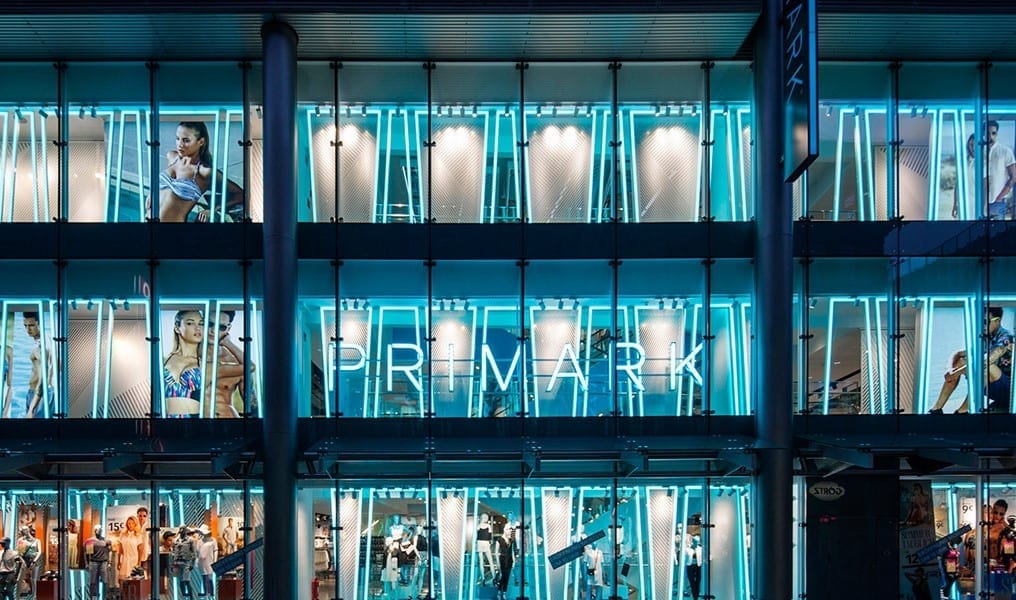
    Despite third quarter like-for-like sales being hit by unseasonal weather, especially in April, UK-based discount apparel chain Primark has posted a solid 40-week performance – with a strong third quarter boosting overall growth.

    Primark sales benefitted from the weakness of the pound towards the end of the quarter, and from the 800,000 sqft in selling space added since the beginning of the financial year.

    The company ended the period with 310 stores and 12 million sqft of selling space. Primark is continuing its march throughout Europe and the US, and opened 11 stores in the quarter, including three in the UK, its third in the US and its first in Arese, northwest of Milan in Italy.

    Early trading in these new stores has been promising, especially in its recent US and Italian ventures – while new stores in France continue to impress, highlighting the appetite for the brand in the country. Having previously been overly cautious with its store expansion strategy, Primark’s recent bold attitude is set to continue with plans to add a net 300,000 sqft of space in the fourth quarter – including two more stores in the US, and also doubling its Creteil store in Paris.

    Despite the uncertainty brought on by the UK’s EU referendum result, Primark remains optimistic and will forge ahead with its expansion plans. Given its strong value proposition and the clear demand for its offer, Primark is well placed to benefit as shoppers’ discretionary spend comes under further pressure – though retaining its competitive pricing will be crucial.

    Consumers now place far more importance on quality and value for money – ensuring Primark cannot scrimp on fabric, quality or fit. While Primark continues to shun the online channel, it must invest in its in-store experience, with focus needed on reducing queuing times at fitting rooms and at the till, as well as customer service.

  • 7 for All Mankind sold by VF Corporation

    7 for All Mankind sold by VF Corporation

    Hip denim lifestyle brand 7 for All Mankind has been sold along with two sister brands.

    VF Corporation says it has sold its Contemporary Brands businesses to Tel Aviv-based Delta Galil Industries.

    The other brands are Splendid and Ella Moss.

    VF chairman and CEO Eric Wiseman said the brands included in this transaction are leaders in their sectors, and have talented, passionate people who are motivated by serving the marketplace with distinctive apparel design and exceptional service.

    “Earlier this year we said that we are taking a focused and proactive look at the composition of our business portfolio to ensure that we are well positioned to maximise VF’s growth and return to our shareholders. This announcement illustrates that our work as active portfolio managers is progressing.”

    The transaction, which is expected to close in the third quarter of this year, is subject to various regulatory approvals and other customary closing conditions that must be accomplished in order for a closing to occur. The selling price is US$120 million, subject to various working capital adjustments.

    VF Corporation owns a diversified portfolio of brands around the globe, including The North Face, Vans, Timberland, Wrangler, Lee and Nautica.

  • Amazon chooses Oregon for latest offline store

    Amazon chooses Oregon for latest offline store

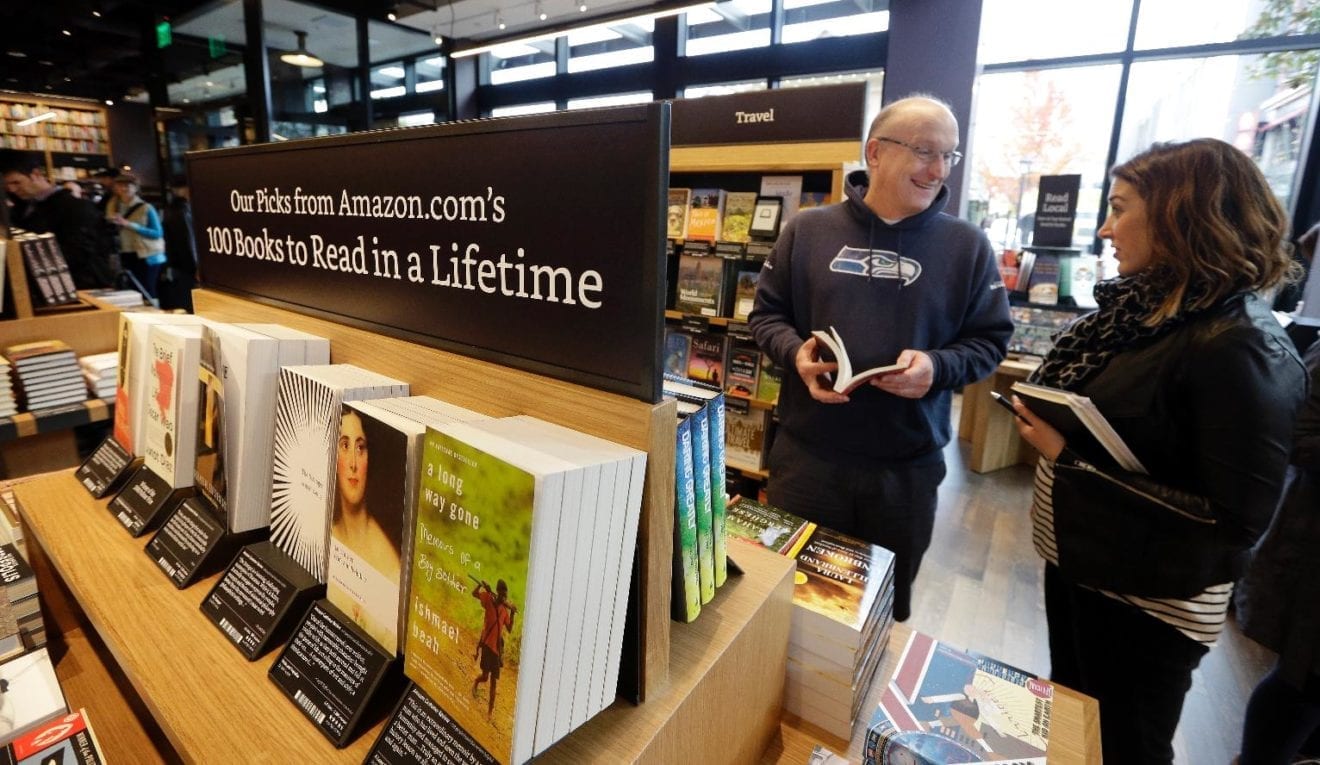
    Online retail giant Amazon has decided on Oregon as the location of its third brick and mortar store.

    The new store will open at the Washington Square mall just outside Portland, in what US media describe as a “bookish metro area” – Tigard.

    The retailer appears to be choosing sites which house Apple stores and are frequented by university students.

    Amazon’s first bookstore opened in Seattle’s University Village mall and its second in San Diego’s Westfield UTC mall.

    amazon-books-washington-squarejpg-8af21425db3e2dba

    While Amazon describes its stores as bookstores, John Mutter, editor of bookseller newsletter Shelf Awareness, prefers to call it “an electronics store that sells books”.

    “It has a very misleading name,” he said.

    One of the US’ much-loved specialist bookstores Powell’s Books is headquartered in Portland and CEO Miriam Sontz told USA Today it was no surprise Amazon should choose the city for one of its first physical locations.

    “When asked why he robbed banks, Willy Sutton reportedly replied ‘because that’s where the money is.’ I am certain that Amazon has the data to show that opening a store in the Portland area will be financially beneficial to the company,” she said.

    Mutter predicts Amazon will open 12 to 18 stores over the next two years or so.

  • Strong growth for Mulberry

    Strong growth for Mulberry

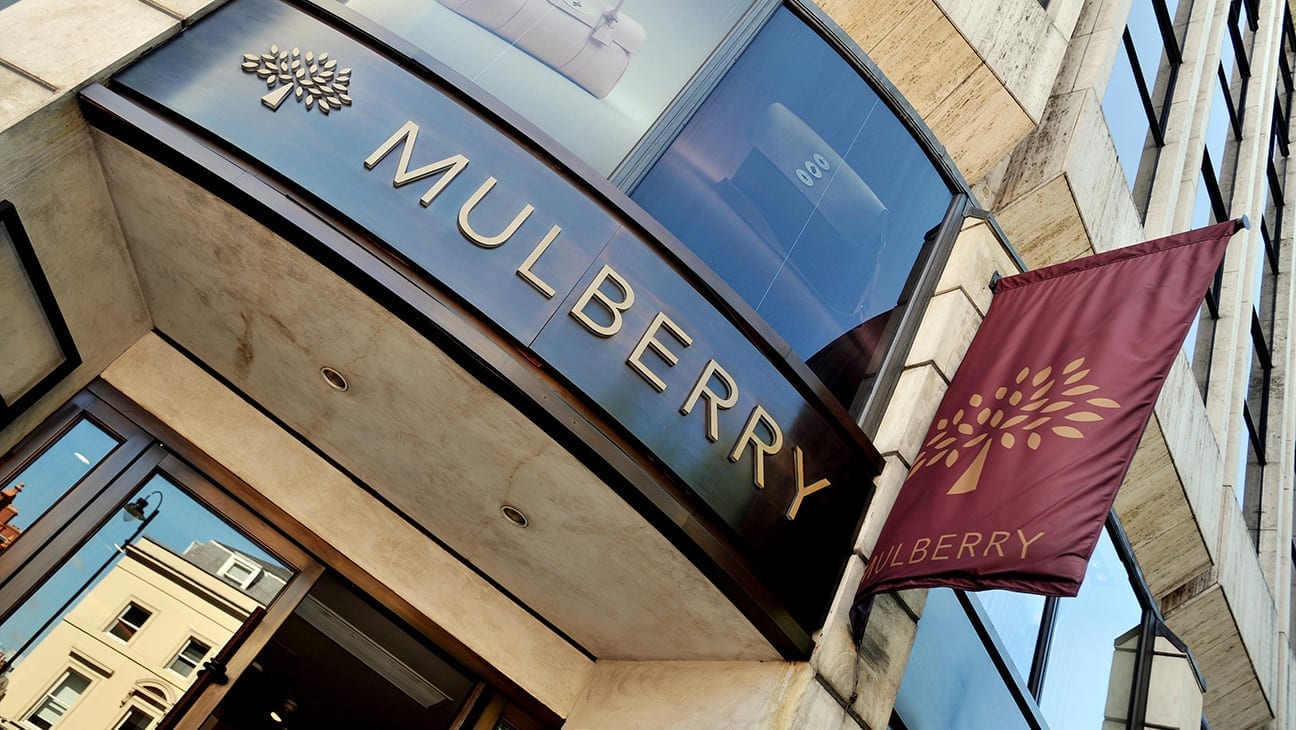
    British fashion retailer Mulberry has reported a strong set of results as it takes more direct control of its Asian distribution.

    With 2015/16 being the first full year with CEO Thierry Andretta and Creative Director Johnny Coca in charge, the results are a crucial indicator of the efficacy of their strategy. Thankfully, they did not disappoint, as the brand unveiled strong sales growth across both its UK and international divisions – though UK results are inflated due to weak comparatives. Retail sales led the way, with UK retail sales up 9 per cent to £97.4 million and international retail sales up 3 per cent to £21.3 million. Wholesale sales were down 4.1 per cent as Mulberry takes action to rationalise its wholesale distribution network in Asia – a positive step towards taking better control of its brand in the region.

    Digital sales were strong, boosted by a newly-upgraded website and improved fulfilment operations, following investment in its UK factories, but there is much more potential for growth especially as Mulberry plans to extend its digital offer into key international markets through local language websites and local fulfilment over the next few years.

    The brand’s overall strategy of limited but well-considered store openings and a strong focus on refining its multichannel experience is a wise one, and will allow the brand to better engage with its core customers and grow international sales.

    Mulberry reiterated its promise of sticking to its core £500-£995 price bracket in handbags, and alongside Johnny Coca’s continued efforts to modernise the brand while respecting its heritage, Mulberry is on its way to regaining its trademark ‘classic but cool’ credentials – essential for recruiting new shoppers as well as retaining loyalty among core customers.

  • Revlon buys rival Elizabeth Arden

    Revlon buys rival Elizabeth Arden

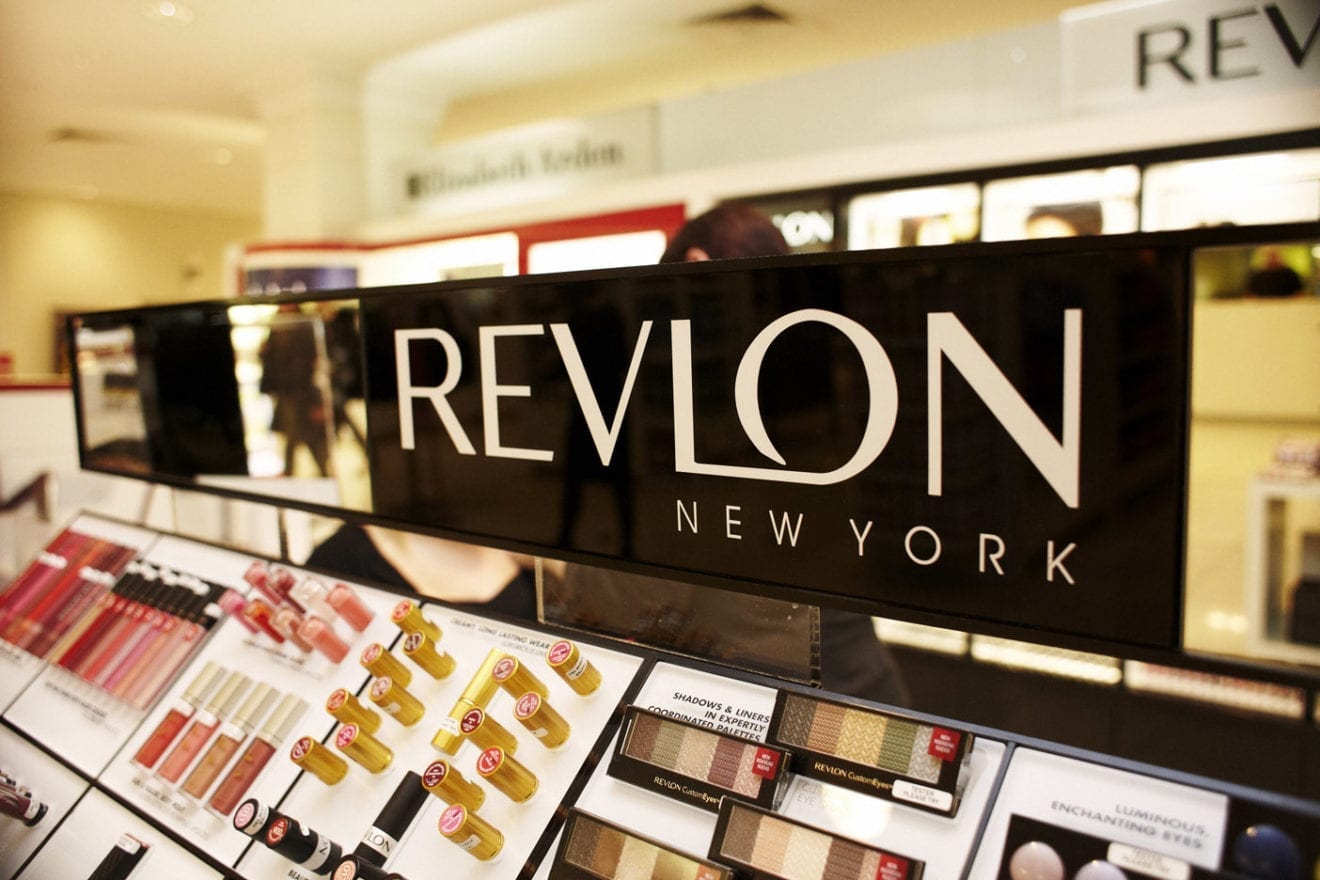
    Revlon is to take complete ownership of Elizabeth Arden in a deal valuing the target at US$870 million.

    The two companies say that by bringing together two highly complementary, iconic brand portfolios, Revlon will benefit from greater scale, an expanded global footprint, and a significant presence across all major beauty channels and categories, including the addition of Elizabeth Arden’s growing prestige skin care, color cosmetics and fragrances.

    “The combination will leverage Revlon’s scale across major vendors and manufacturing partners, improving distribution and procurement. Cost synergies of approximately $140 million are expected to be achieved through the elimination of duplicative activities, leveraging purchasing scale, and optimising the manufacturing and distribution networks of the combined company,” the two companies said in a joint statement.

    Revlon president and CEO Fabian Garcia described the deal as “strategically and financially compelling”.

    “Elizabeth Arden and Revlon are both known for their iconic brands, entrepreneurial spirit and commitment to innovation, quality and excellence. Revlon plans to build upon Elizabeth Arden’s ongoing transformation by further enhancing the brand, with even more vibrant and relevant product development and marketing, while carefully preserving its unique heritage within prestige.

    “Combining our brands, talent, and global distribution will give our company a significant presence in all major channels and categories, while accelerating sales growth in existing and new geographic regions. We look forward to bringing together our two top-notch teams to form a global leader in beauty,” he said.

    Elizabeth Arden president and CEO Scott Beattie said the takeover recognised the unique equity in the Elizabeth Arden brand, its impressive fragrance portfolio and global footprint, as well as the positive momentum and growth potential for our business.

    “We look forward to working with the Revlon leadership team to create a leading global beauty company, able to provide accelerated growth for the Elizabeth Arden-branded products as well as our prestige licensed fragrance portfolio, and broader opportunities for many of our employees.”

    Revlon’s strength and expertise in color cosmetics, hair care, men’s grooming, antiperspirants, deodorants and beauty tools will be complemented by the addition of Elizabeth Arden’s portfolio of licensed prestige fragrances and the internationally recognised line of Elizabeth Arden-branded prestige skin care, color cosmetics and fragrance products.

    The companies believe Elizabeth Arden’s strong global reach in prestige distribution and travel retail will complement Revlon’s strength in mass and salons, strongly positioning the combined company in all key beauty channels.

    On a geographical basis, Revlon currently sells its products in approximately 130 countries and Elizabeth Arden has a strong presence in important international growth regions, including Asia Pacific, positioning both brands to better compete globally.

    After the merger, Beattie will join Revlon’s board as non-executive vice chairman. He will also serve as a senior advisor to Garcia.

    The deal should close by the end of 2016.

  • Narrow the range, increase retail sales

    Narrow the range, increase retail sales

    It’s counter-intuitive, but less choice, fewer options and a smaller range of products can often help increase retail sales and customer satisfaction. Who would have guessed?

    Simplified, narrower product ranges are contributing to accelerated customer and corporate purchase decisions, improved productivity, velocity and volume, and, interestingly, fewer instances of buyer remorse.

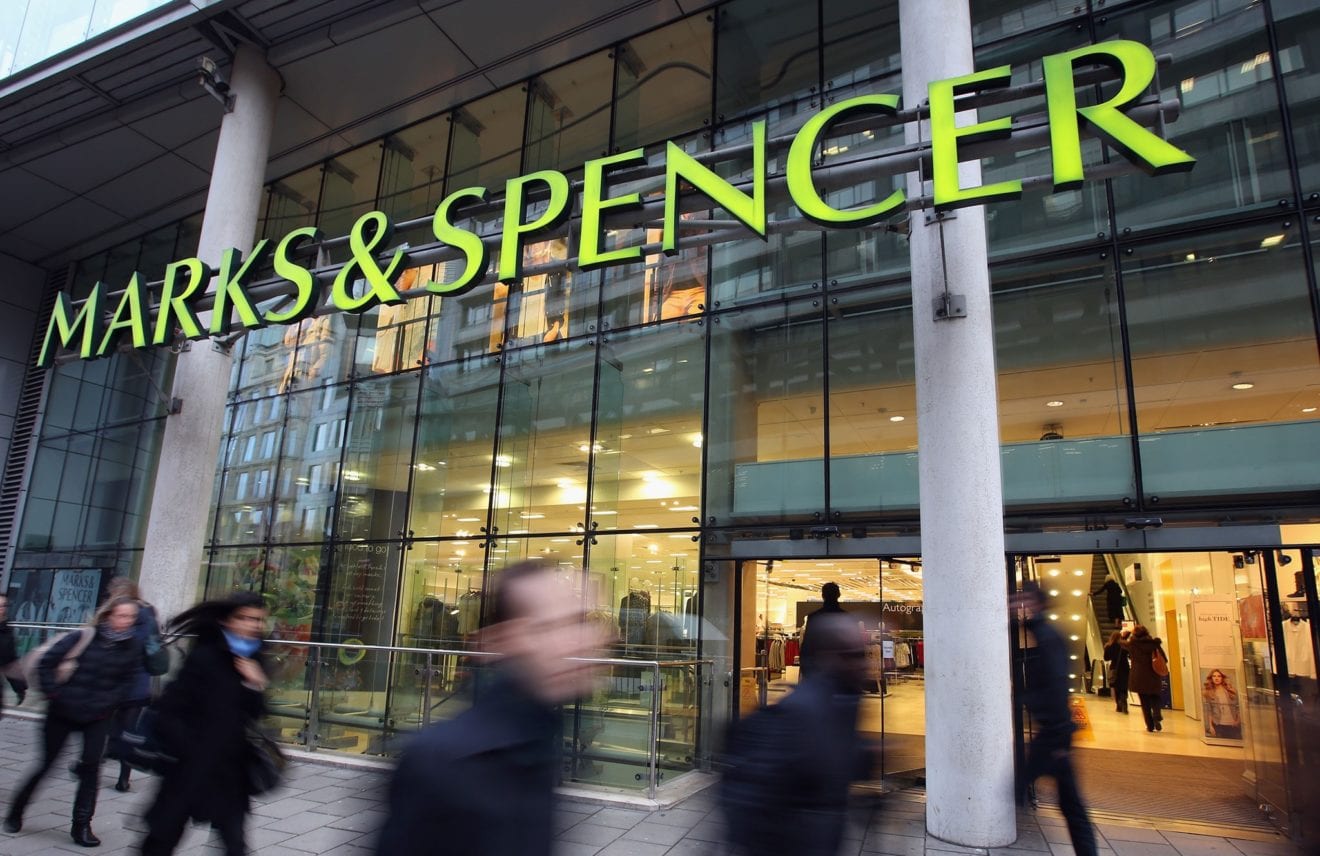
    Marks & Spencer in Britain has taken the plunge, being rewarded with enhanced performance outcomes. It simply followed the lead of several coffee lounge networks there that introduced a singular, standardised “medium”-sized cup of coffee, regardless of whether a customer wanted a latte, cappuccino, macchiato or something else. Some fast-food outlets are following suit with a single-size burger.

    Consumer responses have been overwhelmingly positive – queues at the ordering counters have shortened and the speed of service improved. There has been some resistance, though. Custom has been lost to those who prefer smaller or larger options.

    However, that leakage in sales was not because of the fewer choices, but rather a disagreement with the single choice imposed by management. There is little evidence of long-term brand damage or negative sentiment about quality or value.

    Fulfils demand

    Simplifying the buying process has long been valued by customers as it fulfils the demand for convenience. Moreover, the policy can be an effective means in the market positioning of brands, companies, products, services or applications. Importantly, it can be, and has proven to be, an effective way to differentiate between competitors and substitutes.

    Single-brand motor vehicle dealerships consistently attain and maintain higher key performance measures than multi-brand outlets. That is important in an industry where much of the “shopping” is done online, with the average time spent on the forecourt of a new-vehicle dealership by intending purchasers being as little as 46 minutes. One outlet visitation is now the industry norm.

    Making the buying process easier is often rewarded with typically higher conversion rates and volumes. Narrowing the range of throat lozenges from an average nine to just three at the pay consoles of service stations did not discerningly affect sales. Moreover, the sales from the freed-up space with alternative products were attractively high.

    Hardware, electrical appliance and toy retailer references to having and promoting the biggest range is seldom attractive to an individual whose needs will usually be fulfilled by one product, service or application – the right, specific product they have visited the store to purchase.

    Choice is, and should be, a measured and subjective assessment based on research, intelligence, judgement and experience.

    Attractive proposition

    Astute business owners and managers are taking the risk of narrowing stock ranges, brands and sizes. They are tolerating some leakage of revenue, but welcoming the increase in profits, customer satisfaction, productivity, velocity and volume.

    The measurement of stock turns is an established monitor of business efficiency. Sadly, too many people in retail are unaware of the principle, and therefore do not monitor and quantify sales and profits performance.

    Narrowing and simplifying choice, appropriately applied, can reduce inventory, shrinkage, insurance premiums, logistics costs and capital-servicing expenses. All round, it is an attractive proposition.

    Fear of the possibility of losses in marginal and incremental sales to isolated and tertiary customer groups can, and does, induce inertia. Decisions have consequences – good and bad, upside and downside. Those seeking to service and satisfy heighten their chances of failure. The alternative is to identify, isolate, analyse and relate to choice customers and choice clients. Most have narrow and specific preferences.

    • Barry Urquhart runs Marketing Focus in Perth, Australia, and is a business strategist, consumer behaviour analyst and keynote speaker. He can be contacted at Urquhart@MarketingFocus.net.au.
  • Burberry COO steps down

    Burberry COO steps down

    Burberry COO John Smith has announced his resignation from the luxury retailer.

    The UK company said in a statement that Smith will leave the business next year after seven years to “pursue new interests”.

    John-Smith-CEO-Burbery

    “With the company’s future strategies now in place, I am ready to embark on a new challenge,” Smith said.

    “Having been the CEO of a fast growing international business in the past, I am exploring a number of exciting new leadership opportunities in that arena.”

    Burberry chairman Sir John Peace said Smith, who was first a non-executive director and later COO, would be particularly remembered for his success driving digital growth and optimising the potential of Burberry’s beauty and travel businesses.

    “John has been an important contributor to the company’s success and we wish him well in the future.”

  • New Stradivarius flagship opens in London

    New Stradivarius flagship opens in London

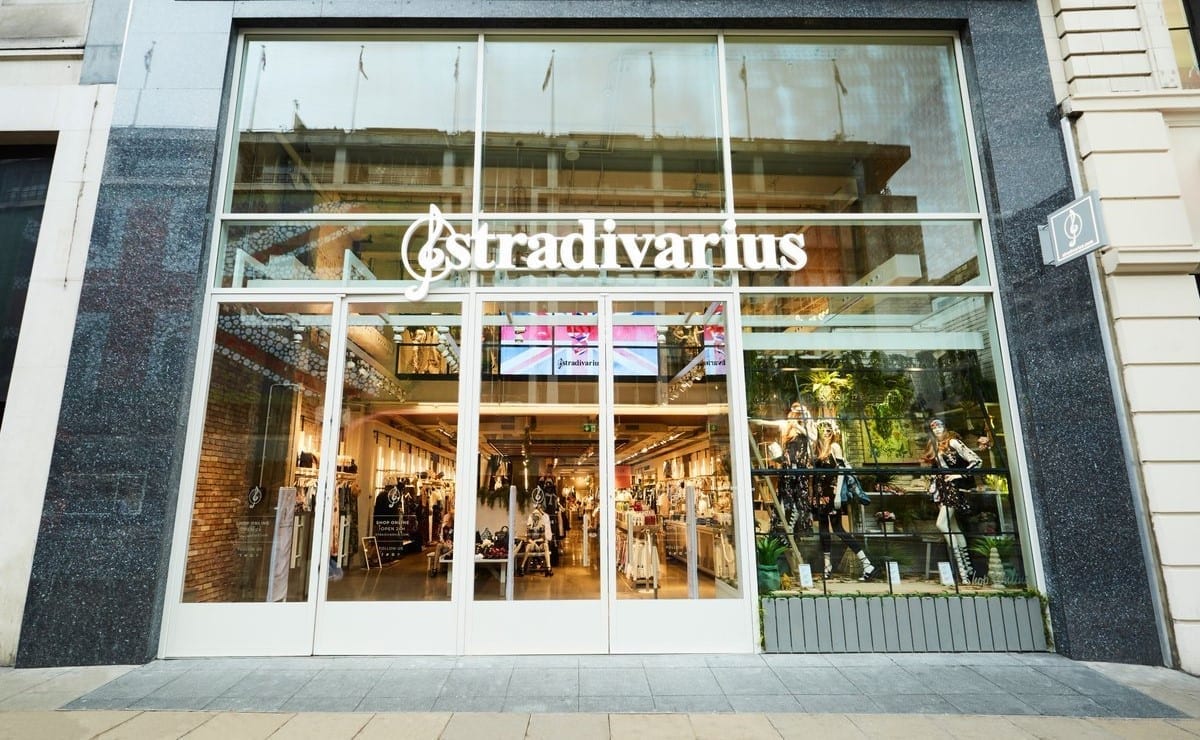
    Spain’s Inditex group has opened its largest global Stradivarius flagship yet on London’s Oxford St.

    The new store at number 309 has a total area of 1500 sqm spread over three floors and showcasing the entire range of the young fashion and accessories brand. The basement and first floor contains the women’s and lifestyle collections, while the first floor is scheduled to open in 2017 in time for Spring/Summer with the launch of Stradivarius’s first menswear offering.

    Stradivarius flagship London 6

    Stradivarius flagship London 4

    A prominent glass facade allows natural light to flow into the store helping to connect with the street outside. The atmosphere is one of industrial combined with natural aesthetics, with wood, textured fabric walls and strip lights. The original interior brick walls have been exposed and preserved to create a vintage feel and showcase the #stradivariuslondon hashtag.

    Stradivarius flagship London 3

    Stradivarius flagship London 2

    The new opening builds on the success of Stradivarius’s first UK store opened at Westfield Stratford in August 2014, as well as the launch of the brand’s UK eCommerce offering in September 2013.

    Stradivarius flagship London

    Stradivarius flagship London 1

    Stradivarius is one of the eight brands that make up Inditex Group. It designs thousands of feminine and creative garments and accessories in Spain which are distributed exclusively in its stores worldwide, especially targeting women between 20 and 35 years old. Including the new store at 309 Oxford St, the brand has 960 stores in 64 countries.