Retail News CRM

Tag: International

  • Minister asks Garuda to be more aggressive in international market

    Minister asks Garuda to be more aggressive in international market

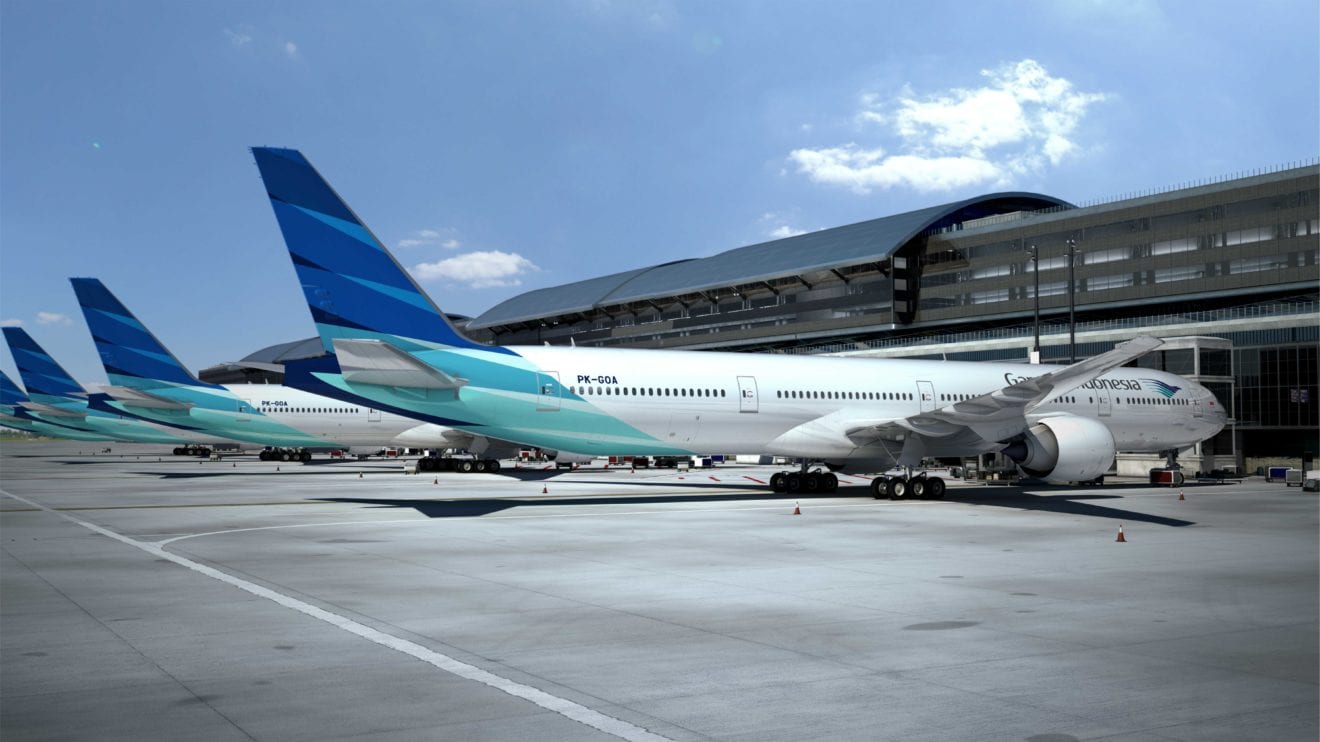
    Minister for State-Owned Enterprises Rini Sumarno has asked national carrier PT Garuda Indonesia to act more aggressively, especially in promoting itself in both local and international markets.

    “The Minister asked us to continue to enhance our synergy with other state-owned enterprises in expanding Garudas infrastructure and services,” said CEO of Garuda Indonesia Arif Wibowo, after a meeting with Minister Rini Sumarno in the Ministrys offices in Jakarta, Tuesday.

    During the meeting, which was also attended by the Ministrys Deputy of Finance, Survey and Consulting Gatot Trihargo, Garuda was asked to be more aggressive in their future development, including by strongly cooperating with their subsidiary business, Citilink.

    “To dominate the domestic, regional and international market, Minister Rini Sumarno emphasized the importance of connecting time between flights, as well as adding more routes to the existing ones, especially to tourist destinations,” he added.

    In relation to that, he further explained that the airline is planning to open a new route from Jakarta to Labuan Bajo, East Nusa.

    “Direct flights from Jakarta to Labuan Bajo, East Nusa will officially start Oct 27. A route to the same destination has actually been operating from Denpasar, Bali. The new route from the capital city to Labuan Bajo can become the bridge to direct connections to our international routes,” he reiterated.

    In its initial phase, the new route from Jakarta to Labuan Bajo will operate daily at 10 am.

    “If the demand for it continues to rise, we can then add more flight times there,” he remarked.

    According to the Ministers directives that seeks additional domestic, regional and international flights, he said, the airline have brought in 50 Boeing737 MAX airplanes, while Citilink brought in 50 Airbus A320 airplanes.

    “We need to be more aggressive in adding more narrow body airplanes, in order to strengthen our domestic networks,” he stated.

    On the same occasion, Garuda and Citilinks market share also moved forward, as it is hoped to reach 50 percent in the domestic market, compared to its value at the moment, which is 44 percent.

    “The Minister wants us to also dominate the domestic market. We are asked to calculate it in detail, so we can reach that target. As for the international market, Garuda is targeted to dominate 50 percent of the Chinese and Middle Eastern markets, whereas, at the moment, we hold about 38 percent of it,” he noted.

    Additionally, the national carrier will open a new international route from Denpasar, Bali to Chengdu, China starting January 2017.
  • Online shoppers prefer control to speed, says Deutsche Post DHL study

    Online shoppers prefer control to speed, says Deutsche Post DHL study

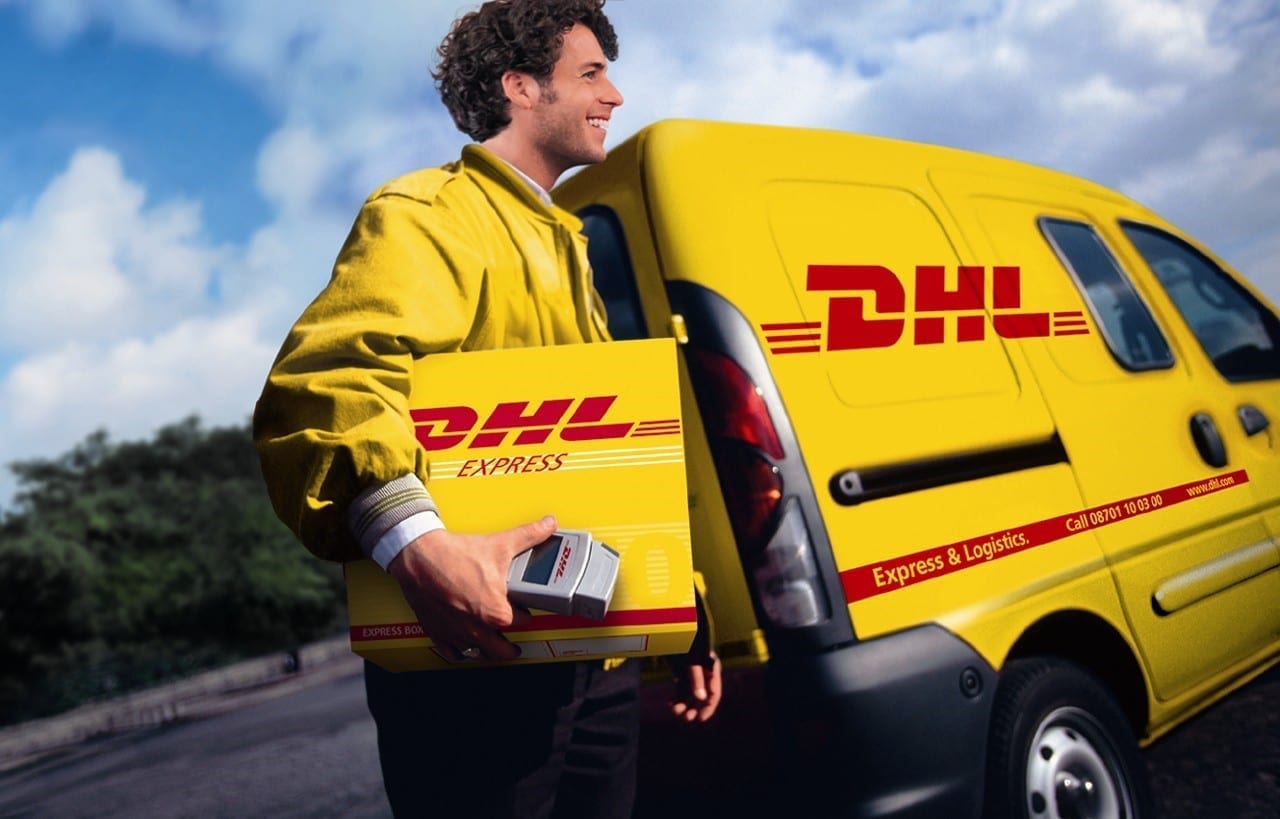
    Rather than speedy deliveries, online shoppers prefer to be able to nominate delivery times and locations, according to a new study by Deutsche Post DHL Group.

    They also want greater visibility, such as easily accessible shipment tracking and details of the delivery company.

    “Speed isn’t everything,” says DHL eCommerce CEO Charles Brewer. “Through the survey of more than 1000 online shoppers in Germany, we found out that 78 per cent of them wish to specify the time for their deliveries, while 68 per cent want control over the arrival date for their orders.

    “Online shoppers also gain satisfaction from a greater choice of delivery location, with 94 per cent of respondents saying they are very happy when they can specify parcel lockers like DHL’s Packstations as alternative delivery addresses, while one in every two say they would like the option to have delivery to a trusted neighbour in their absence.”

    Print

    The trends are similar in Asia Pacific. “In a region where fast deliveries have become the norm, Asian e-tailers can no longer differentiate themselves on speed alone,” says DHL eCommerce Asia Pacific CEO Malcolm Monteiro. “We’ve also seen a growing number of e-tailers in Asia seek greater customisation and flexibility in the range of delivery options we offer their customers.”

    Quick deliveries are still important for some buyers, favoured by 66 per cent of those surveyed.

    Also, 88 per cent of online shoppers want direct access to shipment tracking, while 84 per cent want to know the name of the company making the delivery.

    “A successful delivery is no longer solely determined by the speed of the last mile – it requires a whole new level of digital infrastructure, from real-time fleet tracking to SMS alerts and mobile apps,” says Monteiro. “Providing that level of visibility determines how much trust customers will put in any eCommerce brand, and how effectively it can grow and maintain customer loyalty.”

  • Drive de Cartier offers gentleman’s approach

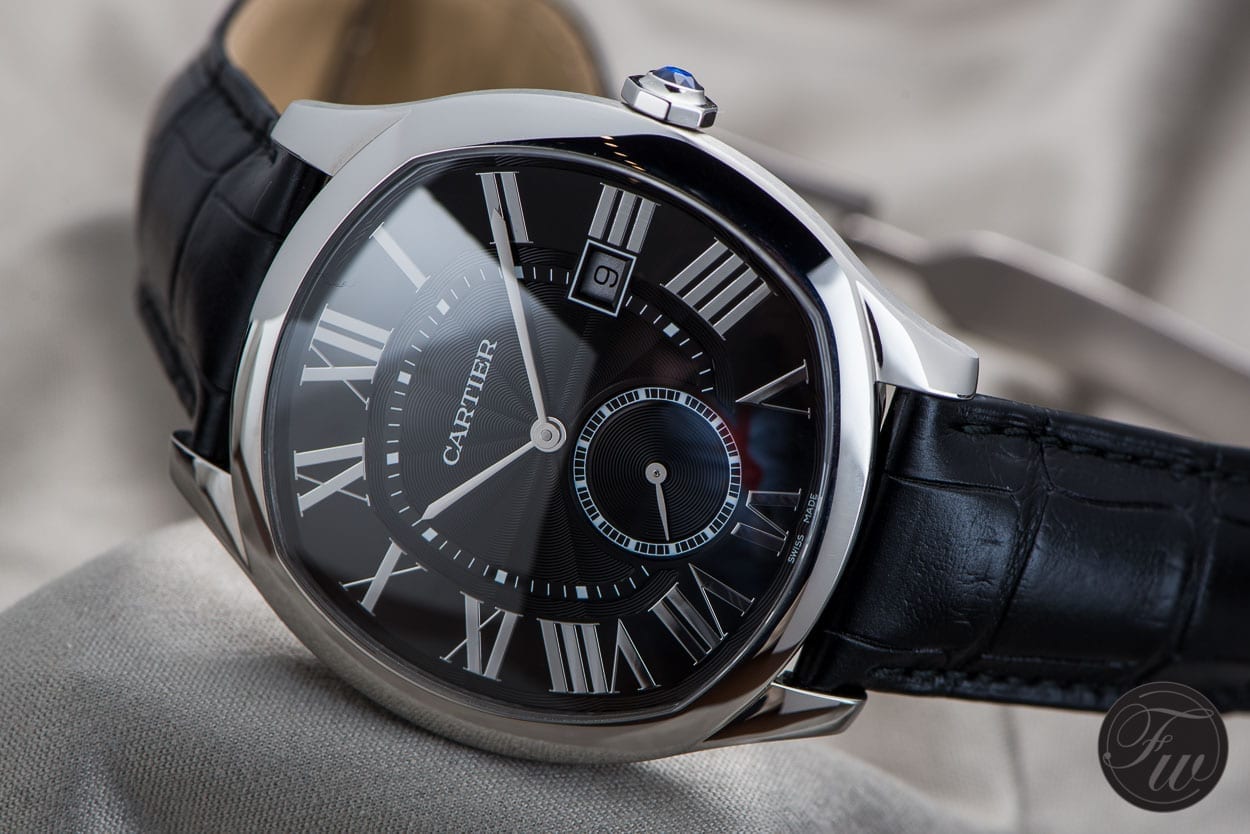
    Drive de Cartier offers gentleman’s approach

    To celebrate the launch of Drive de Cartier watches for men, Cartier is running a week-long event that offers shoppers a chance to step inside a gentleman’s impeccably stylish home.

    The Qube at PMQ in Central has been transformed into a series of rooms filled with a mix of objects and collectibles. Visitors are first welcomed into the lobby and have their picture taken at an interactive photo wall before beginning their tour in a library.

    Cartier 1

    Filled with collectibles, the library features contemporary art pieces from Opera Gallery and one-of-a-kind figurines including Batmobiles, Transformers and vintage racing cars.

    Next on the tour is an atelier featuring a wall of television screens with sketches of the Drive de Cartier watch on display. In the corner is a working desk made from the aircraft wing.

    Cartier 2

    For the gentleman’s dressing room, grooming products from Joyce Grooming are on display as well as Technogym equipment. Several outfits put together by Mr Porter are also on display, all styled to match with the Drive watches and their colourful leather straps. Old-school shave workshops are also being provided by Fox & The Barber, while The Armoury is providing an insight into classic Italian tailoring.

    Cartier 3

    The chic and contemporary drawing room is furnished with sofas, bar, garden and a games den including a car-racing simulator. Other interaction for visitors includes using their mobile phones to play arcade games on a giant screen, honing their poker-playing skills with professional player Jan Tan, and challenging award-winning pool master Au Siu Wai. There is also the chance to taste exclusive coffee and chocolates, and take part in workshops on coffee blending, whiskey and craft-beer tasting, and cocktail mixology.

  • Beckham and Hart team again for H&M campaign

    Beckham and Hart team again for H&M campaign

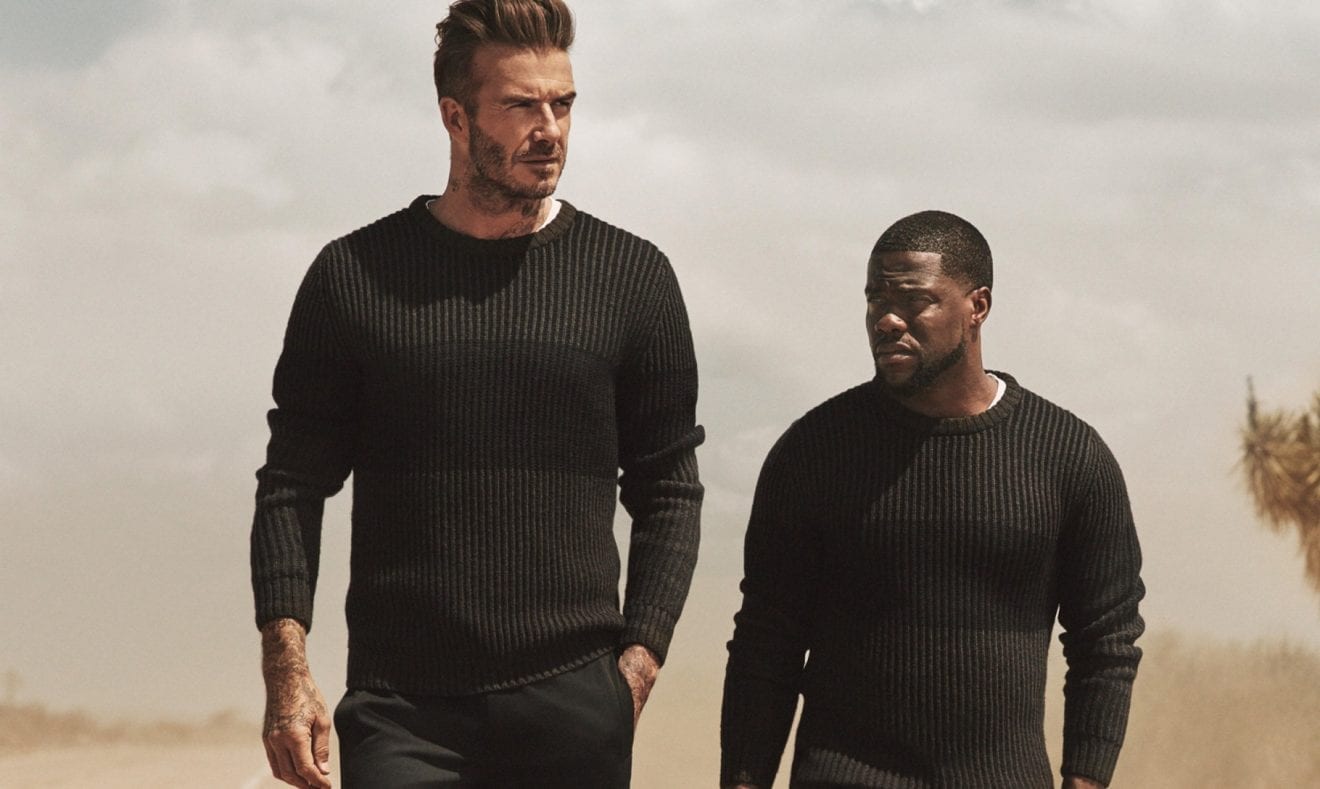
    Sports star/fashion icon David Beckham has reunited with comedy star Kevin Hart for a fresh H&M campaign.

    In a commercial promoting the Modern Essentials selection by Beckham, the storyline picks up from their first H&M commercial together in which Hart was preparing to play Beckham in a biopic film. This time around, Hart is working on plans to star in I, Beckham: The Musical.

    David Beckham - Kevin Hart H&M 3

    “I loved shooting the first campaign with Kevin for H&M so much, we just had to do a sequel,” says Beckham. “This time we’ve pushed the story even further.”

    “It’s great to have the opportunity once more to show the world what everyone really knows, that I am the true inspiration for David Beckham’s style. He copies everything from me,” says Hart.

    David Beckham - Kevin Hart H&M 1

    In the commercial, the two take a road trip from Los Angeles to Las Vegas to meet financiers for the new Vegas movie.

    David Beckham - Kevin Hart H&M 2

    For the campaign, the duo wear two looks from the collection: a zip-up flying jacket with fake-fur collar worn with a turtleneck, and a block-stripe knit sweater.

    Beckham’s autumn/winter 16 Modern Essentials collection will be available in H&M stores and online from September 29, when the full commercial also launches on HM.com.

  • Levi Strauss & Co makes two senior appointments

    Levi Strauss & Co makes two senior appointments

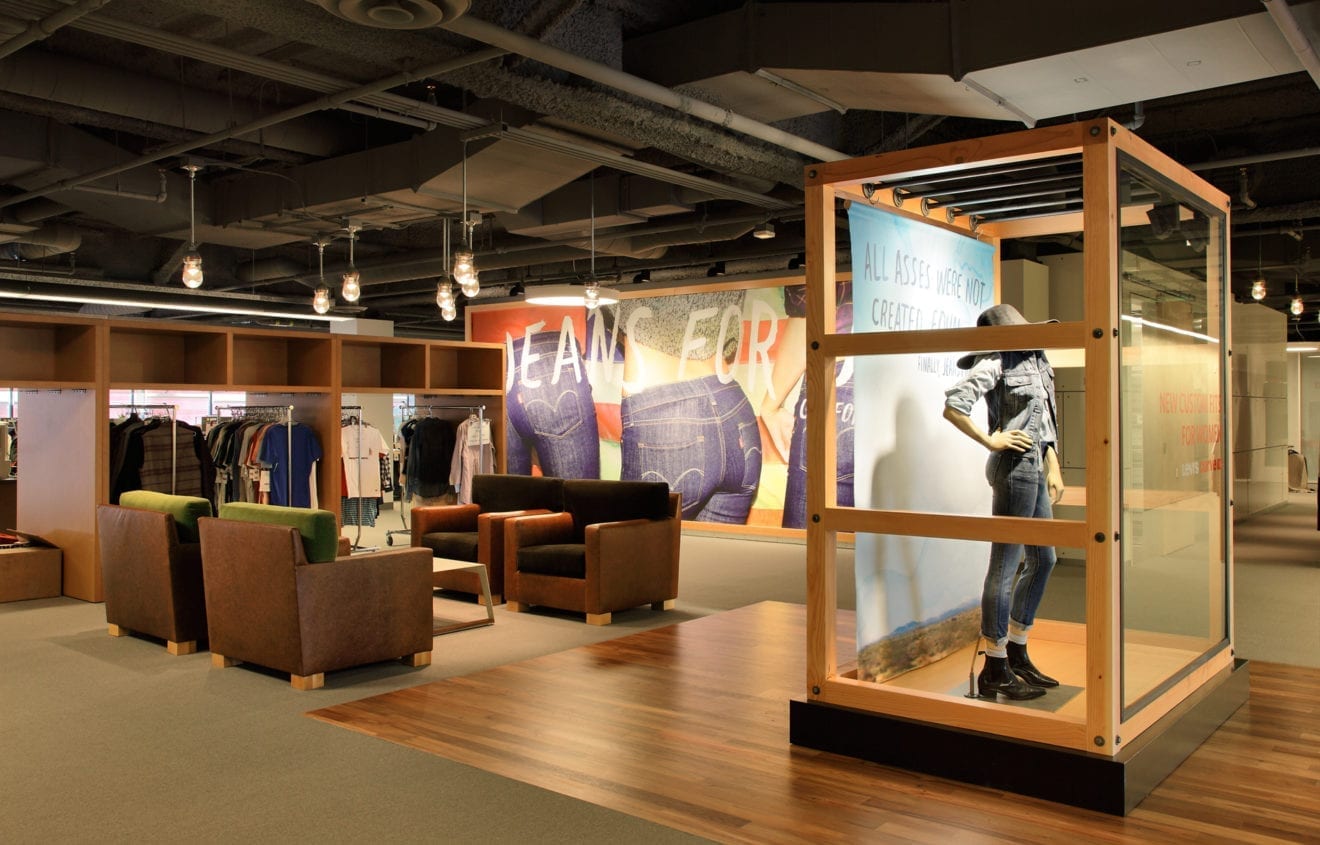
    Jeans manufacturer Levi Strauss & Co has made two senior appointments from in house.

    Executive VP (global supply chain) and chief transformation officer David Love becomes executive VP and president of Levi Strauss Asia, Middle East and Africa, while senior VP (product development and sourcing) Liz O’Neill is now chief supply-chain officer.

    Liz O'Neill, chief supply chain officer

    Liz O’Neill, chief supply chain officer


    Love remains a member the company’s worldwide leadership team, which O’Neill will be joining. Both will report directly to president/CEO Chip Bergh.

    David Love, executive vice president and president of Levi Strauss Asia, Middle East and Africa.

    David Love, executive vice president and president of Levi Strauss Asia, Middle East and Africa.

    Love is an LS&Co veteran with more than 30 years of product development and sourcing experience. In his new post he will be responsible for leading the company’s commercial operations, spanning all brands and channels, across Asia, the Middle East and Africa (AMA).

    He joined the company 1982 as a manager of technical services at Levis’ UK factory, and has since held global positions.

    O’Neill joined LS&Co in 2013 to lead global supply-chain sourcing and strategy, a role involving shipping to more than 100 countries. Previously she was at Gap for 13 years and has also worked for The Disney Store in Los Angeles and Abercrombie & Fitch in Ohio.

  • Hanjin Bankruptcy Causes Global Shipping Chaos, Retail Fears

    Hanjin Bankruptcy Causes Global Shipping Chaos, Retail Fears

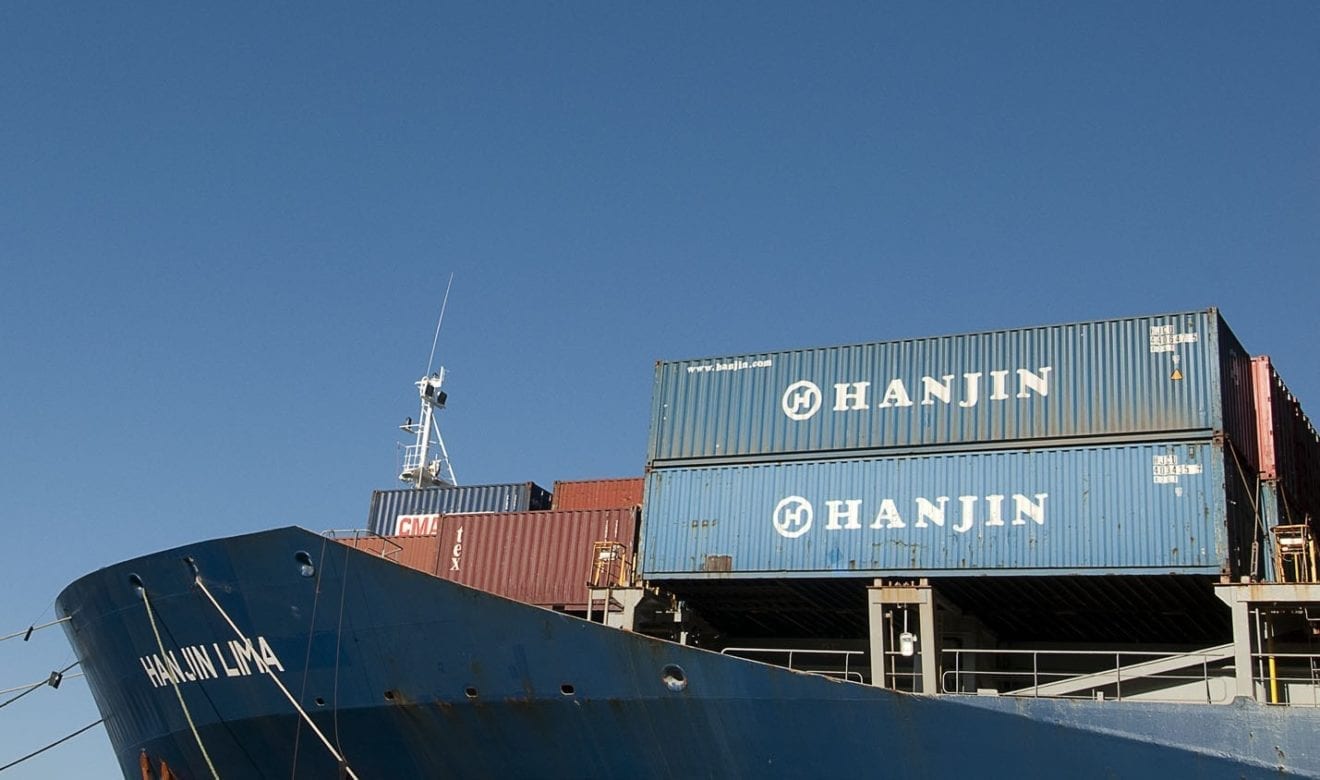
    The bankruptcy of the Hanjin shipping line has thrown ports and retailers around the world into confusion, with giant container ships marooned and merchants worrying whether tons of goods will reach their shelves.

    The South Korean giant filed for bankruptcy protection on Wednesday and stopped accepting new cargo. With its assets being frozen, ships from China to Canada found themselves refused permission to offload or take aboard containers because there were no guarantees that tugboat pilots or stevedores would be paid.

    “Hanjin called us and said: ‘We’re going bankrupt and we can’t pay any bills — so don’t bother asking,’ ” said J. Kip Louttit, executive director of the Marine Exchange of Southern California, which provides traffic control for the ports of Los Angeles and Long Beach, the nation’s busiest port complex.

    Three Hanjin container ships, ranging from about 700 feet to 1,100 feet (213 meters to 304 meters) long, were either drifting offshore or anchored away from terminals on Thursday. A fourth vessel that was supposed to leave Long Beach on Thursday morning remained anchored inside the breakwater.

    The Seoul-based company said Friday that one ship in Singapore had been seized by the ship’s owner. Hanjin Shipping spokesman Park Min did not confirm any other seizures.

    As of Friday, 27 ships had been refused entry to ports or terminals, she said.

    That left cargo headed to and from Asia in limbo, much to the distress of merchants looking to stock shelves with fall fashions or Christmas toys. “Someone from the garment industry called earlier today asking: ‘How long is this going to go on, because I’ve got clothing out there,’” Louttit said.

    The Korea International Trade Association said about 10 Hanjin vessels in China were seized or likely to be seized by charterers, port authorities or other parties.

    Kim Byung-hoon, a director at the KITA, said the association had confirmed that about 10 Hanjin vessels also had been turned away from Chinese ports or were waiting offshore.

    South Korea’s maritime ministry said in a statement that Hanjin’s troubles would affect cargo exports for two to three months, given that August-October is a high-demand season for deep-sea routes. It said 540,000 TEU of cargo already loaded on Hanjin vessels would face delays.

    Hanjin, the world’s seventh-largest container shipper, represents nearly 8 percent of the trans-Pacific trade volume for the U.S. market.

    The National Retail Federation, the world’s largest retail trade association, wrote to U.S. Secretary of Commerce Penny Pritzker and Federal Maritime Commission Chairman Mario Cordero on Thursday, urging them to work with the South Korean government, ports and others to prevent disruptions.

    The bankruptcy is having “a ripple effect throughout the global supply chain” that could cause significant harm to both consumers and the U.S. economy, the association wrote.

    “Retailers’ main concern is that there (are) millions of dollars’ worth of merchandise that needs to be on store shelves that could be impacted by this,” said Jonathan Gold, the group’s vice president for supply chain and customs policy. “Some of it is sitting in Asia waiting to be loaded on ships, some is already aboard ships out on the ocean and some is sitting on U.S. docks waiting to be picked up. It is understandable that port terminal operators, railroads, trucking companies and others don’t want to do work for Hanjin if they are concerned they won’t get paid.”

    The confusion might sink some trucking firms that contract with Hanjin to deliver cargo containers carrying everything from electronics to car parts from ports to company loading bays.

    “They’ve got bills to pay — they could literally close their doors over this,” said Peter Schneider, Fresno-based vice president of T.G.S. Transportation Inc.

    Hanjin has been losing money for years. It filed for bankruptcy protection a day after its creditors, led by a state-run bank, refused to prop it up.

    Other shipping lines may take on some of Hanjin’s traffic but at a price. Since vessels already are operating at high capacity, shippers may wind up paying a premium to squeeze their cargo containers on board, said Jock O’Connell, international trade adviser to Los Angeles-based Beacon Economics.

    The price of shipping a 40-foot container from China to the U.S. jumped up to 50 percent in a single day, said Nerijus Poskus, director of pricing and procurement for Flexport, a licensed freight forwarder and customs broker based in San Francisco.

    The price from China to West Coast ports rose from $1,100 per container to as much as $1,700 on Thursday, while the cost from China to the East Coast jumped from $1,700 to $2,400, he said.

    Hanjin’s bankruptcy was a major factor, he said, although rates also were affected by the upcoming Chinese National day holiday, which will close factories, and by shipping lines sidelining vessels to reduce overcapacity.

    Global demand and trade have suffered since the 2008 recession, while steamship lines continued to build more and larger vessels — immense ships that were conceived as cost-effective when freight costs were higher several years ago.

    But weaker trade and overcapacity have sent ocean shipping rates plunging in recent years. A few months ago, Poskus said, prices hit historic lows globally — down to as much as $600 per container from Shanghai to Los Angeles.

    That wouldn’t even cover fuel costs for the huge ships, he said.

    Poskus expects the current spike in prices to last only a month or two. With about 5 percent of ships in the global trading fleet sitting idle, there is plenty of room to take over Hanjin’s capacity and carriers already are discussing the possibility of adding ships, he said.

    However, prices will have to rise somewhat in order to be sustainable, he said — perhaps to about $1,000 per container.

  • David Beckham film heads Biotherm Homme campaign

    David Beckham film heads Biotherm Homme campaign

    A David Beckham film is spearheading a campaign to promote Biotherm Homme’s Force Supreme skincare range.

    Celebrating the sportsman’s life story, a video documentary Force Supreme: The Story of My Life was put together by Swedish director Johan Renck, known for his music videos and commercials.

    In his 40s, Beckham is still a fashion and grooming icon, and in the skincare movie he tells how his life is still evolving.

    He says he uses Force Supreme serum to improve his skin, and says the range’s new Life Essence “is really a booster in the morning”.

    French luxury skincare brand Biotherm launched Biotherm Homme in 1985 and offers more than 80 products for different skin types and concerns. Biotherm Homme is a brand in the L’Oreal Luxe portfolio.

  • Spike Jonze helps launch Kenzo World fragrance

    Spike Jonze helps launch Kenzo World fragrance

    Kenzo Parfums has unveiled Kenzo World fragrance, the first feminine scent conceived by Kenzo creative directors Carol Lim and Humberto Leon.

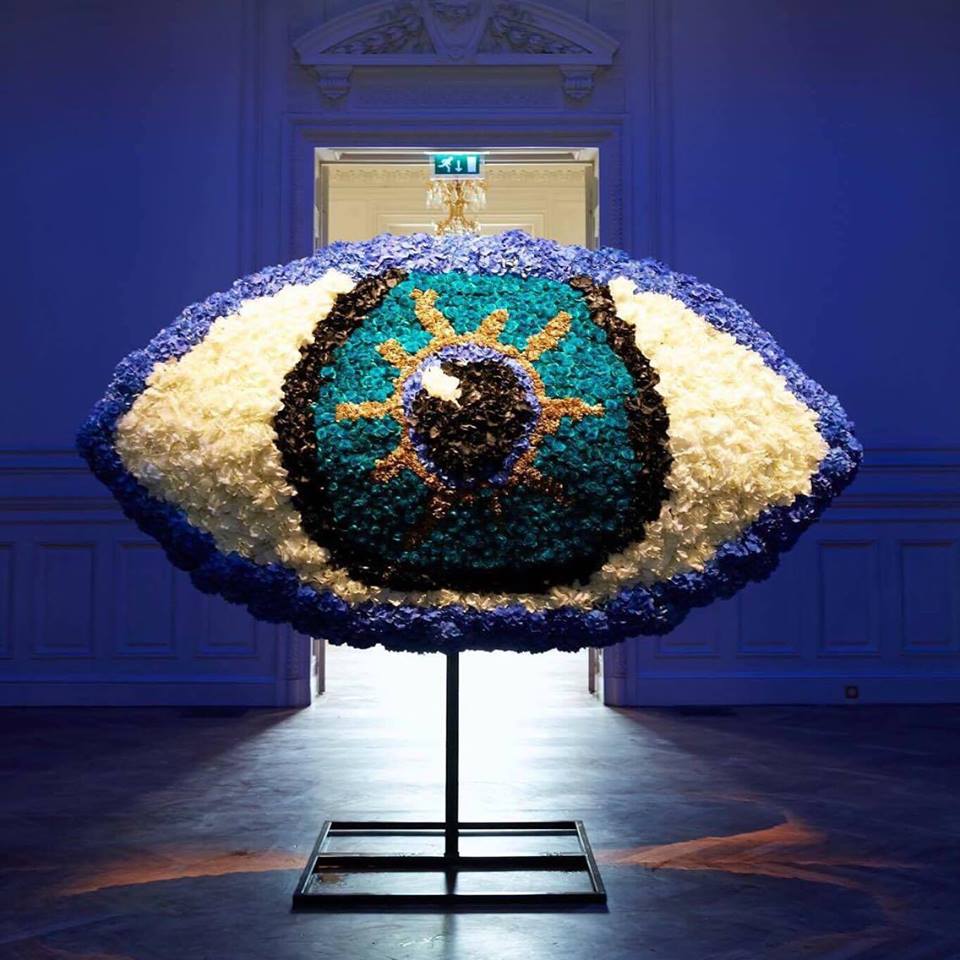
    Five years ago Lim and Leon, two young self-taught Americans, became creative directors of Kenzo, now owned by LVMH. They quickly connected with the core identity of the house founded by Kenzo Takada in 1970, energising it with fresh creativity, including now iconic motifs. Introduced for the 2013 fall-winter collection, the eye motif has become a symbol of the Kenzo universe.

    “We loved the interpretation of the eye really informing your world,” says Lim.

    Now this iconic eye symbol marks the new boldly feminine fragrance from the house, Kenzo World. Designed by Patrick Li, the bottle features black rubber, pink gold and opaline, recalling the mix-and-match of colors and materials that inspire the designers and their collections. The stylized eye is an invitation to experience Kenzo World, a world to be explored right from the name printed in Braille on top of the box.

    The creation is signed by perfumer Francis Kurkdjian, whose creative approach resonates with that of Lim and Leon, a bold mixing of materials and styles to explore new directions.

    Lim and Leon have created this fragrance for a Kenzo woman “who is free, strong and bold”, and whose boundless energy is translated in the advertising spot directed by Spike Jonze.

    Kenzo_Eye_Fragrance_party

    Mixing choreography and performance, the clip follows Margaret Qualley on an escapade set to a soundtrack with a catchy tempo, a far cry from the standard genre of perfume ads.

  • Pizza Hut parent eyes French Connection sale

    Pizza Hut parent eyes French Connection sale

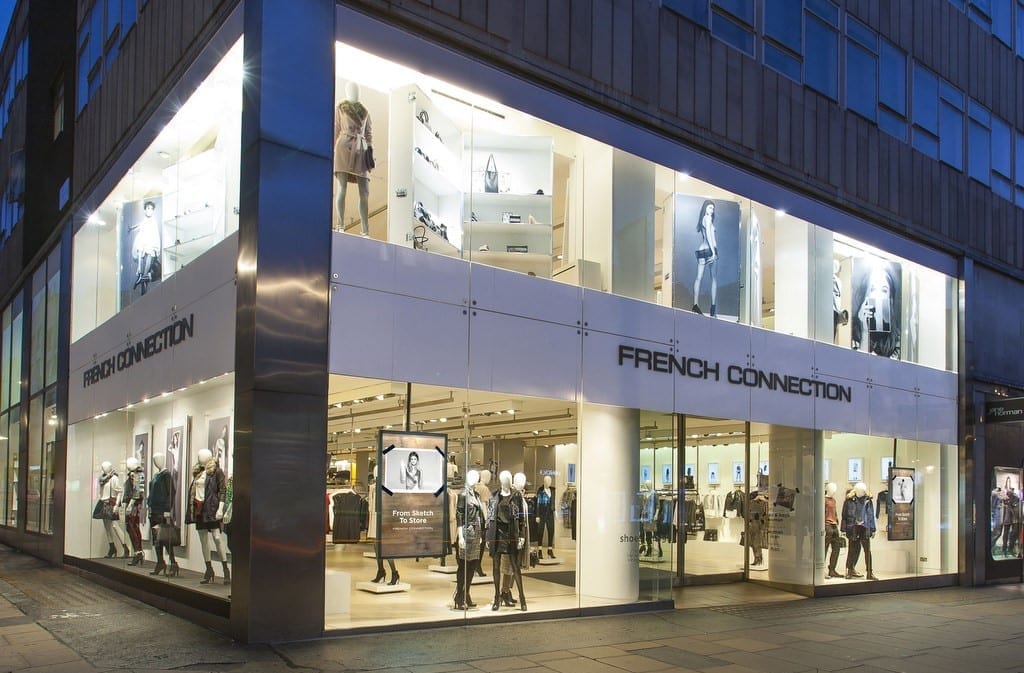
    The parent of the Pizza Hut business in the UK appears to be an unlikely bidder in the French Connection sale.

    Private equity company Rutland Partners is reported by the Sunday Times to have been in talks to buy the troubled UK fashion brand since early this year.

    French Connection, a decade ago infamous for its branding FCUK, has struggled for the last several years as its designers failed to capture consumers imagination with its offer. The brand seems caught in a rapidly shrinking middle market between fast fashion brands and the European-led luxury sector, its pricing aligned with neither end of the spectrum.

    The company is thought to have been unofficially on the market for more than a year, although Rutland is thought to be offering as little as £40 million

    A source told the Sunday Times it could not justify paying more than 40p a share for the business, which extended its losses five-fold last year on sales down 9 per cent to £164.2 million.

    Besides Pizza Hut, Rutland also owns electronics chain Maplin and the Bernard Mathews turkey brand.

    French Connection dates back to 1992 when it was founded as a womenswear brand by Stephen Marks, a year after the cult film of the same name was released. Menswear was added in 1976 and Marks grew the business to the point where its float in 1984 made him Great Britain’s 15th richest man. By the late 1980s it was in trouble and he bought back control of the business in 1991, launching the controversial FCUK brand and advertising campaign. That drove it back into a new era of success before consumers grew tired of the joke and it reverted to French Connection in 2005. By 2014 the retailer had 131 stores in the UK and Europe and it wholesales stock and supplies franchises internationally.

    Ten years ago the company’s shares traded at £2.40 each, and Gatemore Capital Management, which holds 8 per cent, values the stock at £1.50.

    Robert Stockdill

  • Menswear milestone: Hugo Boss opens 200th airport store

    Menswear milestone: Hugo Boss opens 200th airport store

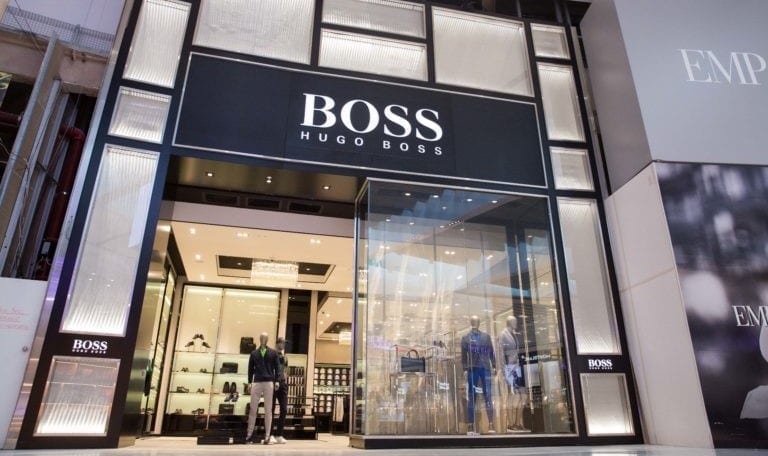
    Luxury menswear specialist Hugo Boss opened its 200th airport store earlier this year at Sydney Airport, as the brand maintains its strong focus on growth in travel retail.

    The store, which opened in April, measures 187sq m and is located at Sydney Airport Terminal 1. It offers Boss menswear including ready-to-wear, shoes, accessories as well as sportswear lines such as Boss Green.

    The opening takes the brand’s total number of airport stores in Asia Pacific to 47.

    Hugo Boss entered travel retail in the 1990s and has four lines: Boss, Boss Green, Boss Orange and Hugo. The company has a dedicated global travel retail team, with offices in Zürich, New York and Hong Kong.

    The company said growth in the channel over the years has been stable apart from 2001/2002 and 2008/2009 when the travel retail and fashion industries were shaken by global events such as 9/11 and the financial crisis.

    Hugo Boss Travel Retail Director Jesper Gustafsson said Hugo Boss had proven a success in travel retail because it offers all three product pillars in men’s fashion: formalwear, sportswear, shoes and accessories. “The share among the three pillars is equal today, with shoes and accessories the fastest growing product segment for the past two to three years.”

    Gustafsson continued: “Last year’s exceptional growth of fashion and accessories in the travel retail industry was mainly driven by womenswear and by the accessories category in particular. For Hugo Boss, this has been a blessing in disguise. On the one hand, it has given us tough times as some airport authorities have been chasing the accessories segment for women blindly, sometimes deciding to dedicate 100% of the available stores in their airports to this product category.

    Hugo2_32 - Copy

    Hugo Boss Travel Retail Director Jesper Gustafsson says there is limited competition in men’s fashion in travel retail

    “On the other hand, it has given us little competition in our area of expertise, namely fashion for the male customer at the airports. Our strategy has always been to be the number one menswear brand in travel retail, a vision we have kept and fulfilled for several years now.”

    The importance of travel retail to Hugo Boss’ business is highlighted in the brand’s investments in new stores and renovations, he said. “On average we finalise between 40 to 50 store projects per year, with a strong distribution network as a result,” noted Gustafsson.

    “We develop both through franchise partners and directly operated stores, which enables us to act fast and balance our distribution in a way that we can learn from direct contact with the traveller. It is imperative to learn how the needs of the travelling customer develop and how we can adapt as a brand to become better, and more responsive in the way we develop our business.”

    Opening Photo

    According to Gustafsson, fashion is not considered a priority by many male travellers. “Fashion, especially for men, often comes after the core categories, food & beverage and sometimes also behind technology. This means that a clear, powerful message is needed in your offer as well as good customer service to enable the purchase to happen within the restricted time limit for the customer.

    “Another important factor is omnichannel. If we can start the buying process before our customer leaves his home, we have a head-start and our airport conversion rates will be affected positively.

    “Like many other fashion companies out there, Hugo Boss is investing heavily in this area and in due time several functions such as click & collect for example will be available at our airport stores.”

    So, where does Gustafsson see Hugo Boss’ travel retail business in five years’ time? “Having 200 airport stores is certainly a milestone, but the road ahead is filled with more opportunities, which does not necessarily have to be more stores. It can also mean new ways of connecting to the customer through an omnichannel approach, or, for example, to offer a deeper customer service with tailoring at the airport and free home delivery of an altered suit.”

    Gustafsson continued: “Airports will develop more and more towards downtown shopping centres, where customer experience takes precedence rather than the spur-of-the-moment or last-minute approach used today by airport authorities when they develop their retail areas.

    “I also think that we will see the fashion & accessories category continue to outpace the traditional airport categories in growth, leading to a welcome shift in focus from how the main duty free stores should develop separately from the rest of the stores and cafes/restaurants, to how the entire airport shopping area should develop to give the customer a better experience.”

    “A brand like Hugo Boss can make gains as there’s still a mismatch between demand and supply for men’s and women’s fashion at airports today if you compare it to downtown,” concluded Gustafsson.

  • Apple slugged with $19 billion tax bill

    Apple slugged with $19 billion tax bill

    The European Commission is ordering Apple Inc to pay Ireland unpaid taxes of up to €13 billion euros (A$19.15 billion), after ruling the firm had received illegal state aid.

    Apple and Dublin said on Tuesday the US company’s tax treatment was in line with Irish and European Union law and they would appeal the ruling, which is part of a drive against what the EU says are sweetheart tax deals that usually smaller states in the bloc offer multinational companies to lure jobs and investment.

    The US feels its firms are being targeted by the EU and a US Treasury spokesperson warned the move threatens to undermine US investment in Europe and “the important spirit of economic partnership between the US and the EU”.

    Starbucks Corp has been ordered to pay up to €30 million to the Dutch state, while Amazon.com Inc and McDonald’s Corp are also under investigation by the Commission, the EU’s executive arm.

    EU Competition Commissioner Margrethe Vestager questioned how anyone might think an arrangement that allowed Apple to pay a tax rate of 0.005 per cent, as Apple’s main Irish unit did in 2014, was fair.

    “Tax rulings granted by Ireland have artificially reduced Apple’s tax burden for over two decades, in breach of the EU state aid rules. Apple now has to repay the benefits,” Vestager told a news conference.

    Analysts said the size of the claim underlined the Commission’s aggressive stance, but since each case involves different circumstances and tax rules, lawyers said it was hard to see if further big claims were any more or less likely.

    Apple, which had more than US$200 billion (A$266 billion) in cash and readily marketable securities at the end of June, is likely to see the case drag out for years in EU and possibly Irish courts.

    The EU’s ruling challenges the way that Ireland agreed to tax the profits of Irish registered Apple subsidiaries, through which most of its non-US profits flowed.

    Apple Inc licences the rights to technology designed in the United States to Irish subsidiaries.

    These then hire contract manufacturers to make devices which they sell to Apple retail subsidiaries around Europe and Asia.

    Since the manufacturing cost is a small portion of device sales prices and retail subsidiaries are allocated a small operating margin, Apple Ireland is very profitable.

    In 2011, it earned US$22 billion after paying US$2 billion to its US parent in relation to the rights to Apple intellectual property.

    However, the Irish tax authority agreed only €50 million of this was taxable in Ireland, the European Commission said.

    Under the terms of Apple’s tax deal, first agreed in 1991 and renewed in 2007, Apple could allocate most of the profits earned by its Irish operating units to a “head office” that did not have any employees or own any premises.

    The Commission said this agreement had no basis in tax law and was not available to others, and so represented state aid.

    Irish Finance Minister Michael Noonan said he profoundly disagreed with the decision and in order to preserve Ireland’s attractiveness for investment he would appeal.

    Ireland’s low corporate tax rate has been a cornerstone of the country’s economic policy for decades, drawing investors from multinational companies whose staff account for almost one in 10 of the country’s workers.

    For many technology firms like Google and Facebook, a key attraction is that Ireland allows companies to adopt tax structures which see them pay much less than the 12.5 per cent headline rate. The companies say they follow all tax rules.

    Apple said it was confident of winning an appeal.

  • Prada Asia heads online as sales slip

    Prada Asia heads online as sales slip

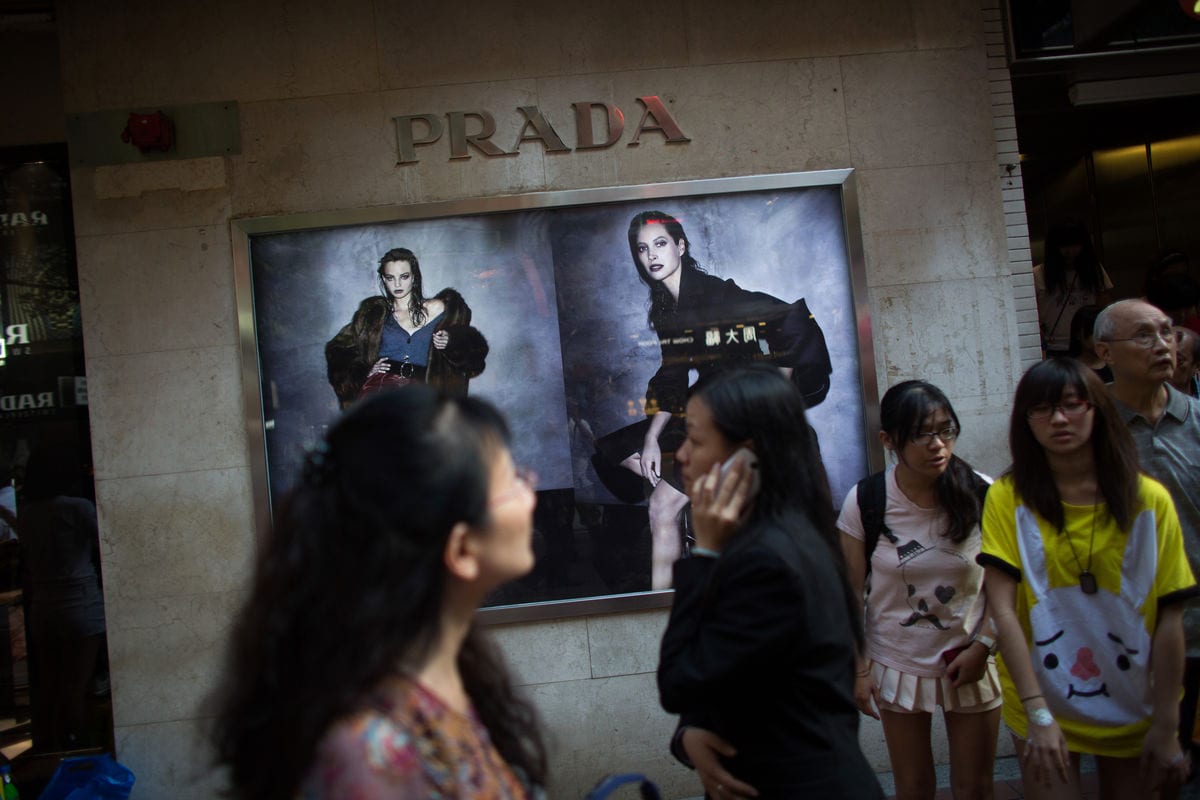
    The Italian-headquartered, Hong Kong-listed luxury brand says its Asia Pacific sales slumped  18 per cent on a constant currency basis in the first half of this year.

    “The negative economic backdrop continued to impact performance in both Hong Kong and Macau, but signs of improvement have been visible since July across Greater China,” the company noted in its results.

    And after a period of consistent growth since 2010, sales in Japan fell 9 per cent, mainly due to lower tourist flows from China caused by a less favourable exchange rate.

    CEO Patrizio Bertelli says the company will now make China, Hong Kong and Singapore its priorities in roll out its new eCommerce platform, which is expected to be global within to years.

    “At the same time there will be a constant enhancement of the online shopping experience,” he said. “Our eCommerce offer will also leverage new partnerships with international leaders in the sector.”

    Globally, Prada achieved net revenues of €1.6 billion, down 13 per cent on a constant currency basis. The decline was largely in the retail channel while Prada’s wholesale business remained stable thanks to an initial positive contribution from recent partnerships with international e-tailers and its licensing division, where good progress from royalties driven by the success of the new fragrances and eyewear.

    Net profit margin was down from 24 per cent of revenues in the first half of last year to 21 per cent. Net income amounted to €142 million, representing 9 per cent of consolidated revenues (10 per cent in 2015).

    Bertelli is upbeat about the remainder of 2016.

    “With the implementation of the first phase of rationalisation of various management and operating processes and with the launch of a series of new initiatives that will allow the group to respond quickly to the requirements of a rapidly evolving market, I see 2016 as a turning point.”

    He said the company’s retail network is subject to rigorous review including closure of non- strategic locations and selective openings in high potential markets.

    “Part of this process will also include the launch of new concepts such as the recent restyling of the Prada stores at Plaza 66 in Shanghai and GUM in Moscow, redesigned to offer a new and exclusive shopping experience for increasingly demanding clients.”

  • What lies behind the Gap sales decline

    What lies behind the Gap sales decline

    That the overall pace of the Gap sales decline has moderated since both last quarter and last year is the only – very small – crumb of comfort for Gap Inc in its latest set of results.

    Gap last week reported a profit of US$125 million for the quarter, down from $219 million a year earlier. Total revenue declined 1.2 per cent to $3.85 billion.

    The total sales decline in the US is actually worse than last year with much heavier declines at Banana Republic and flat growth at Old Navy dragging down performance.

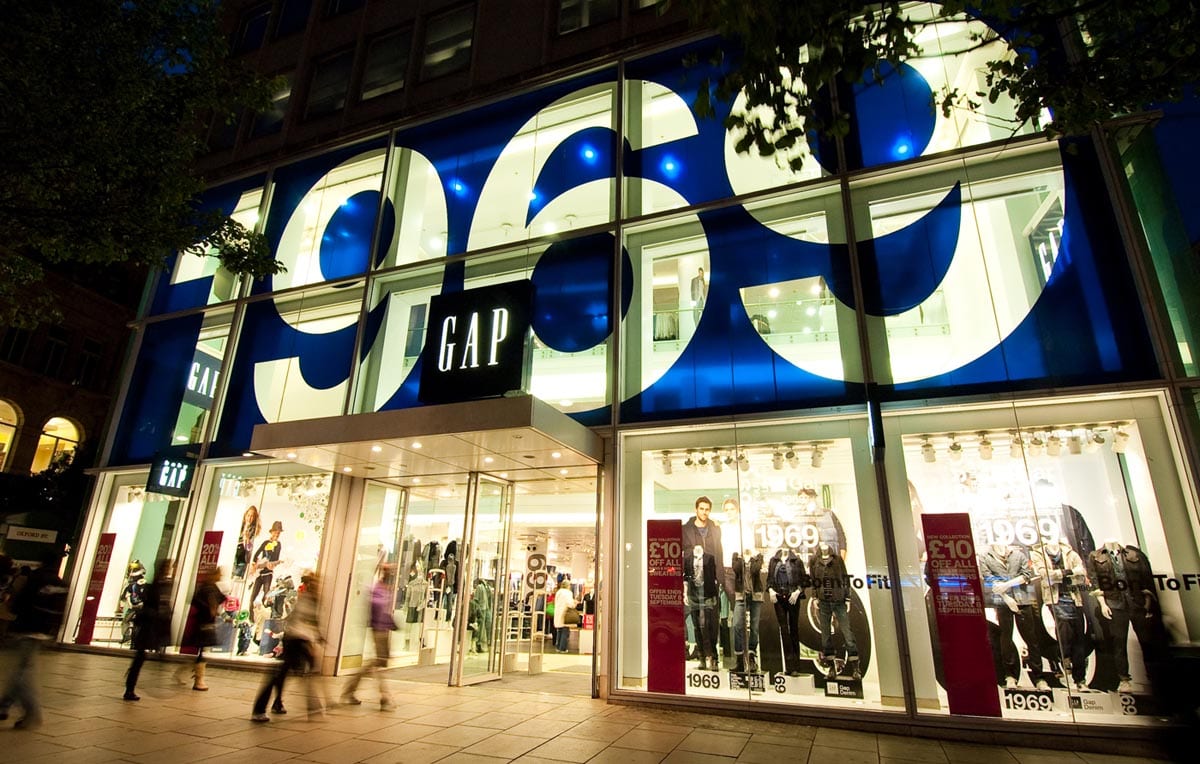
    Looking in stores it is not hard to see why this is the case. The Gap brand has no sense of newness and heavy discounting and constant promotion still appear to be the only tools the company has to drive trade. From Conlumino’s data it is clear that in the US Gap is not only losing customers but the customers it has retained are visiting less and spending less – mostly thanks to taking advantage of offers and deals. This is a dangerous position that erodes sales and profit, and suggests Gap has not even begun to remedy its underlying problems.

    Although it is clear the company is serious about creating a step change at its main brand, and while the autumn “#DoYou” campaign and its associated merchandise represent a small step forward, Gap has failed to convince it has done enough to correct the problems in its business.

    While Gap has troubles, Banana Republic is even more problematic. Over the quarter total sales in the US fell by 7.1 per cent, and on a global basis comparable sales for Banana shrunk by 9 per cent off the back of a 4 per cent decline in the prior year. The assortment is at the heart of Banana’s issues and symbolises a brand that has simply lost its way. The spring and summer collection is best described as predominantly bland with a generous sprinkling of oddness thanks to garments with strange cuts and patterning. Customers are confused and, of course, increasingly unwilling to pay the premium that Banana Republic once commanded. As a consequence the brand is falling into exactly the same trap as Gap as it resorts to discounting and deals to shift merchandise.

    Banana Republic is a smaller part of the group, but it is one in which a turnaround will be difficult to engineer. For this reason, it is getting set to completely shutter its UK, and possibly European, operations. As much as this retrenchment is an admission of failure, it is a necessary contraction given the parlous state of the business.

    Old Navy, which once delivered consistently positive numbers, spluttered again this quarter with flat growth in the US. While this brand is in a much better position than its siblings, it has become much less consistent in its marketing and instore merchandising, something which is reflected in its choppier sales numbers.

    Gap Inc is a troubled retailer without much of a plan – a plan that is desperately needed as its net profit decline of 43 per cent in this quarter aptly shows.

  • Estee Lauder’s quarterly sales miss on lower retail traffic

    Cosmetics maker Estee Lauder Cos. reported a smaller-than-expected rise in quarterly sales, hurt by a slowdown in sales in the Americas as fewer customers visited department stores and tourist spending declined.

    Shares of the company were down about 4 percent at $91.34 before the bell on Friday. Up to Thursday’s close, the stock had risen 13.5 percent in the past year.

    Sales in the Americas, its biggest market, rose 1.4 pct to $1.1 billion on a reported basis, its slowest growth in four quarters.

    Lower retail traffic mainly affected the company’s “heritage” brands Estee Lauder and Clinique, and a few M.A.C freestanding stores.

    Demand for its skin care products continued to weaken, as the company cited overall global slowdown in the category. Sales from its namesake brand and Clinique were also hurt by lower sales in some Asia-Pacific countries, mainly Hong Kong.

    “Social and political issues, currency volatility and economic challenges are affecting consumer behavior in certain countries, such as Hong Kong, France and some emerging markets,” the company said.

    Rival L’Oreal SA earlier reported second-quarter sales growth marginally below forecast as the company said Western Europe was being held back due to a “very difficult market in France.”

    Net income attributable to the company fell to $93.5 million, or 25 cents per share, in the quarter, from $153 million, or 40 cents per share, a year earlier.

    Net income was hurt by restructuring and other charges. Excluding items, the company earned 43 cents per share. Net sales rose to $2.65 billion from $2.52 billion. Analysts on average had expected a profit of 40 cents per share and revenue of $2.66 billion.

    New York City-based Estee Lauder said its expects fiscal 2017 adjusted profit to be between $3.38-$3.44 per share, missing analysts’ estimates of $3.53.

    The company also said it expects to incur restructuring charges of about $80 million-$100 million in fiscal 2017, related to its Leading Beauty Forward strategy.

    As part of its Leading Beauty Forward strategy, the company had earlier approved restructuring initiatives to exit businesses in certain markets and channels of distribution while also reducing its workforce globally.


  • Michael Kors Asia outperforms US

    Michael Kors Asia outperforms US

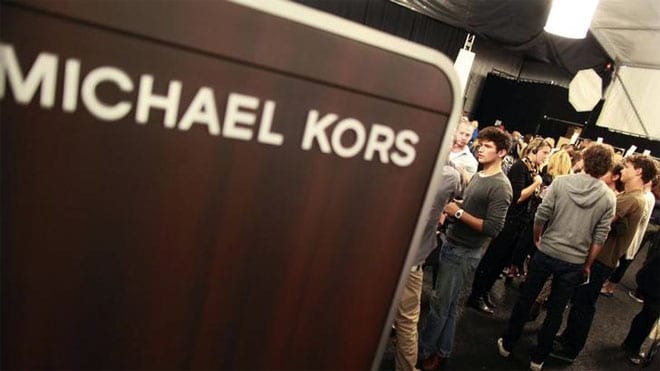
    Michael Kors Asia sales are showing healthy growth – at the same time as same-store figures are falling heavily in its US home market.

    Michael Kors has kicked off its new financial year with a weak set of numbers this week.

    Total revenue was virtually flat, just 0.2 per cent higher than during the same period last year., and driven by the opening of new stores which helped push overall retail sales up by 7.6 per cent. That offset a dismal comparable sales decline of 7.4 per cent.

    Michael Kors Asia has been a growth spot, with revenues rising by 74.5 per cent – although this is flattered by the acquisition of the company’s Greater China licensee.

    However, even on an underlying basis, the region is in positive territory, again thanks to the more favorable brand perception from consumers.

    In the US, one of the key issues is that interest in the brand appears to have peaked. This is evident from Conlumino’s brand tracking, which shows that while Michael Kors is not viewed unfavorably by consumers, it is not enjoying the resurgence that Coach has managed to engineer. This domestic woe is evident in the North American numbers which tumbled by 5 per cent, a sequentially worse performance than the previous quarter.

    The worsening of North American results is partly attributable to the stronger dollar which has likely weakened tourist sales at key flagships in the US, and Michael Kors is affected more than Coach in this respect, as it relies more on tourist spend at its larger stores. Nevertheless, given the investment being put into the new digital flagships – such as the one at 520 Broadway in New York – such an outcome is disappointing.

    The numbers from Europe were somewhat better with a 3.3 per cent increase in revenue over last year. Here, the MK brand is less ubiquitous and the company’s new stores, such as the one recently opened on London’s Regent St, are generating good trade in a way that the stores in North America are failing to do. Given that the company has several further European digital flagship stores in the pipeline for this fall, it looks likely that Europe will continue to deliver respectable sales growth across this fiscal year.

    Wholesale decline

    In the continuation of a theme we have seen across many luxury brands, wholesale revenue has decreased – falling by 7 per cent. Some of this is down to the company’s own actions to reduce exposure to channels that do not reflect its brand image, and some is down to the generally weaker traffic to malls across North America which has affected a number of outlets and stores that sell Michael Kors product.

    Looking ahead, while international sales will grow this year, the increase will be offset by continued pressures in North America. As such, revenues will likely be flat which will create pressure on the bottom line given all of the investments the brand is making.