Retail News CRM

Tag: International

  • Lingerie startup Boux Avenue surges into top 15

    Lingerie startup Boux Avenue surges into top 15

    In just five years, British lingerie retail startup Boux Avenue has made it into the top 15 brands in women’s underwear.

    Despite facing growing pressure from Primark and H&M, following significant range expansion and improved design and quality in their underwear and nightwear collections, Boux Avenue continues to build a loyal customer following and differentiate its proposition from the value segment of the market.

    As a result, full year 2015/16 UK sales reached £44.4million – entering the lingerie specialist into the women’s underwear Top 15 with a market share of 1.3 per cent in 2016.

    boux-avenue-store

    Despite pressures on the high street to discount, Boux Avenue has maintained a strict stance on full-price trading and strategic promotions, which has been essential in justifying its mid-market prices and encouraging consumers to buy into the brand all year round rather than wait for sale periods. While midmarket rival M&S remains the UK market leader, it is losing share and traction among a younger shopper base. This provides Boux Avenue with a ripe opportunity to lure M&S’s customers in the 16-30 age bracket away, via investment in trend influenced designs, specialist customer service, and enhanced product fit and innovation – particularly in shapewear where M&S continues to excel in.

    For a young retailer, Boux Avenue has approached physical expansion cautiously, operating 28 UK stores after five years of trading. This has allowed it to build consumer awareness on the high street, but ensures that it is not overexposed during periods of restricted discretionary spending and as consumer spend continues to shift online.

    Improving brand accessibility via selling through third party online channels including Asos and Very will fuel further sales growth and win the appeal of new customers in 2017.
  • Dusit International signs flagship project in Myanmar

    Dusit International signs flagship project in Myanmar

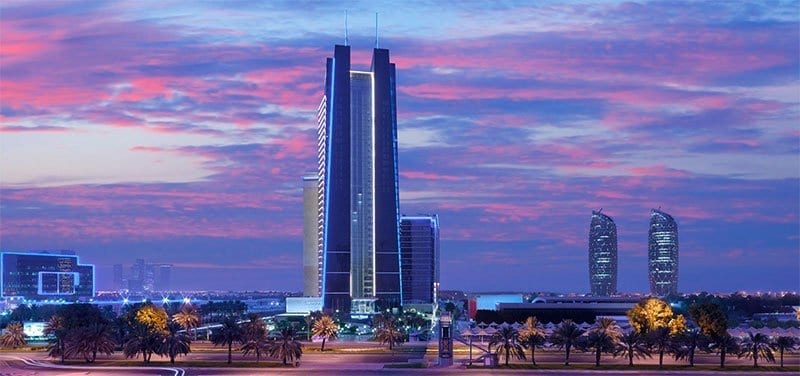
    Leading global hospitality company Dusit International has signed a management agreement with Myanmar V-Pile Group to operate the Dusit Thani Yangon, according to a statement on 13 December.

    Located just 15 minutes by car from Yangon International Airport, and approximately 20 minutes’ drive from the city’s main tourist attraction, the Shwedagon Pagoda, the new property sits at the heart of land earmarked by the Myanmar government to become the former capital’s new Central Business District.

    Dusit Thani Yangon will be positioned as a five-star corporate and MICE city hotel within a pioneering mixed-use development incorporating a convention centre, offices, retail and residential units. The hotel will comprise 338 rooms and feature one all-day-dining restaurant, one specialty Thai restaurant, and one rooftop restaurant and bar. Meeting facilities will include a 400-seat ballroom with adjoining conference rooms. Guests will also have access to a swimming pool, spa and gym.

    Ms Suphajee Suthumpun, Group CEO of Dusit International, said: “Myanmar is a fast-emerging market and we are delighted to partner with Myanmar V-Pile Group for this very special project. Being one of the first five-star corporate and MICE city hotels within Yangon’s new Central Business District gives us a great opportunity to showcase our unique brand of gracious Thai hospitality in one of the ASEAN Economic Community’s largely untapped markets. This should set us up perfectly for further expansion within the country, including key destinations such as Bagan, Mandalay, and Inle Lake, as well as throughout Southeast Asia in general, where we already have over 20 properties in the pipeline.”

    Dr Sone Han, Chairman of Myanmar V-Pile Group, said, “As Myanmar is the last frontier market in Asia, and the hotel and tourism industry is growing very fast, our group is very excited to commence our first phase of the Secondary Central Business District (Mindhama) project, which will include the five-star Dusit Thani Yangon together with the new, international standard Myanmar Convention Centre. We are delighted to partner with Dusit International, and we believe that Dusit Thani Yangon will very much work in synergy with our Second CBD project while delighting visitors with the gracious hospitality for which Dusit is renowned.”


  • Fashion chain Next faces crossroads

    Fashion chain Next faces crossroads

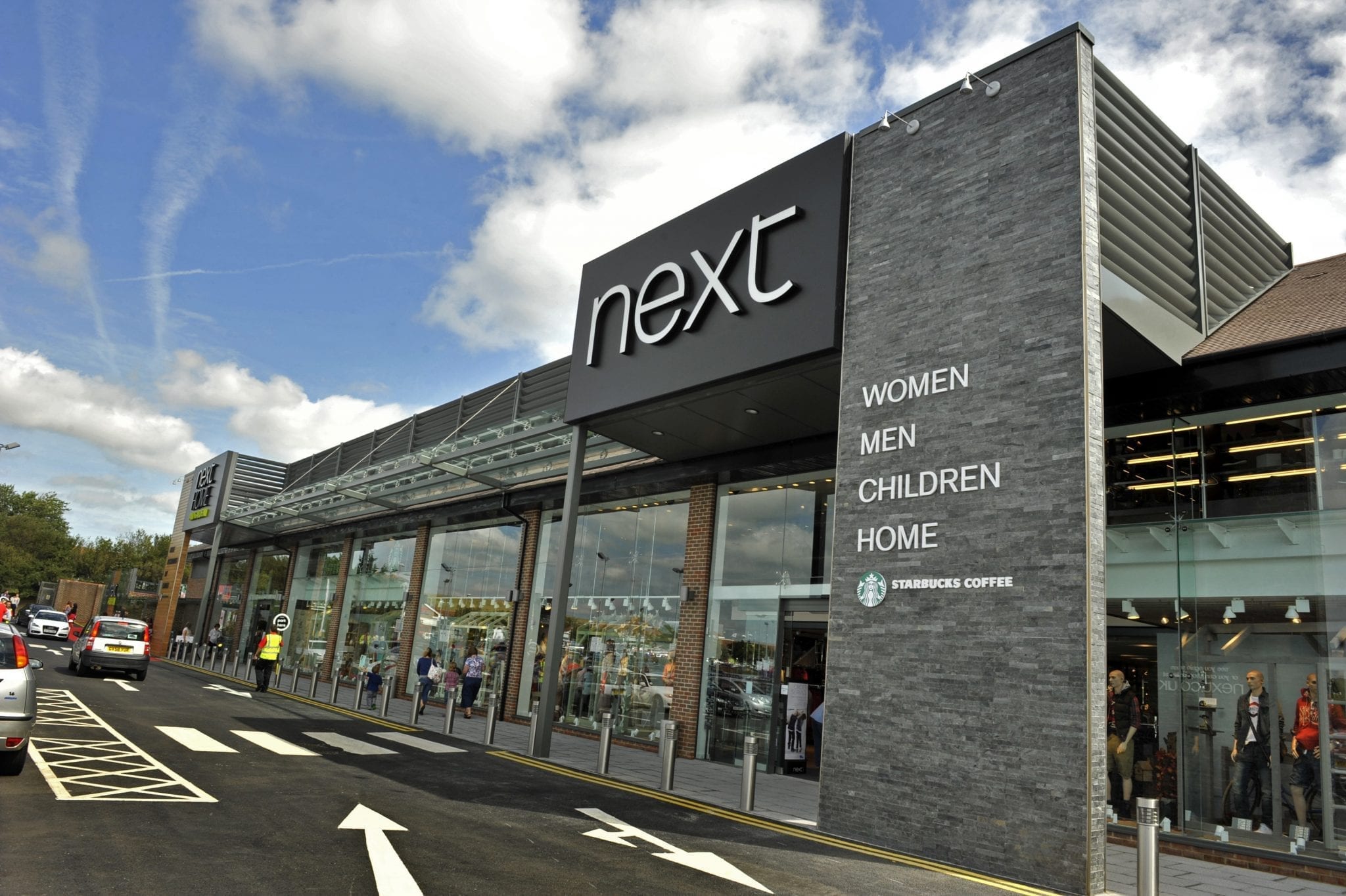
    Fashion chain Next needs to carefully rethink who its customers are and how best to attract them to avoid falling into the same trap as M&S, says a retail analyst.

    The UK-based retailer has released its fourth quarter results for 2016, described by Emily Stella, analyst with Verdict Retail, as “poor” against a weak comparative.

    “The retailer admits it expected more from its Christmas sales. Next’s underwhelming performance was not isolated to the fourth quarter: 2016 has been a difficult year for the retailer, with full price sales for the year to date down 1.1 per cent on last year.”

    The company said it expected profits to fall in its 2017-18 financial year by between 2 per cent and 14 per cent due to “tougher times” ahead. A 0.4 per cent quarterly increase in total sales was achieved purely through discounting, which means narrower margins. Price rises, already flagged, may reduce revenue in the year ahead by a further 0.5 per cent.

    “Next has long been a retail star, seemingly unable to do wrong,” observed Stella. “However, the retailer acknowledges that 2017 could be a challenging year as consumers continue to restrict spending and a devalued pound forces price rises.”

    She said the recent results may mark the start of a difficult period for the retailer.

    “As it stands, Next’s current shoppers aren’t buying into its proposition – perhaps an indication that Next is failing to identify with its target market. To avoid falling into the same trap as M&S, Next will need to carefully rethink who its customer is and how to best attract them.”

    Next’s share price fell by 14 per cent after its gloomy projections.

  • Troubled Agent Provocateur may go on market

    Troubled Agent Provocateur may go on market

    British lingerie retailer Agent Provocateur is being prepared for a possible sale.

    This follows the company’s private equity owners late last year reporting accounting issues, a restructuring and the need for new investment into the high-end lingerie firm.

    Agent Provocateur was founded in London in 1994 by Joseph Corre and Serena Rees, and has about 100 stores in 13 countries, including Singapore and Hong Kong.

    Private equity group 3i has owned Agent Provocateur for the past decade and has been calling in experts in recent months, hiring investment bank Rothschild to handle a possible sale, The Times and Sunday Times report.

    Meanwhile, KPMG has been going through the company’s books and restructuring firm Alix Partners has been engaged to develop a turnaround plan before any possible auction.

    However, 3i may not be totally committed to an outright sale, and options include bringing in a new investor, reports CPP-Luxury.com. With an 80 per cent stake in the company, 3i reported the accounting issues when it released its own interim results in November. It said it had written down its investment in the firm by £39 million (US$48 million).

    That writedown was also attributed to the luxury slowdown as well as Agent Provocateur’s badly timed expansion program.

    As well as the writedown, the company also invested an extra £4 million in the label and non-executive chairman Chris Woodhouse was replaced by 3i partner Ian Lobley last month. Several other executives also left last year.

    After paying £60 million for its stake in 2007, 3i tried to sell it in 2014. But it could be now worth only £15 million, says a Sunday Times report.

  • Macy’s looks to downsize with 68 store closures

    Macy’s looks to downsize with 68 store closures

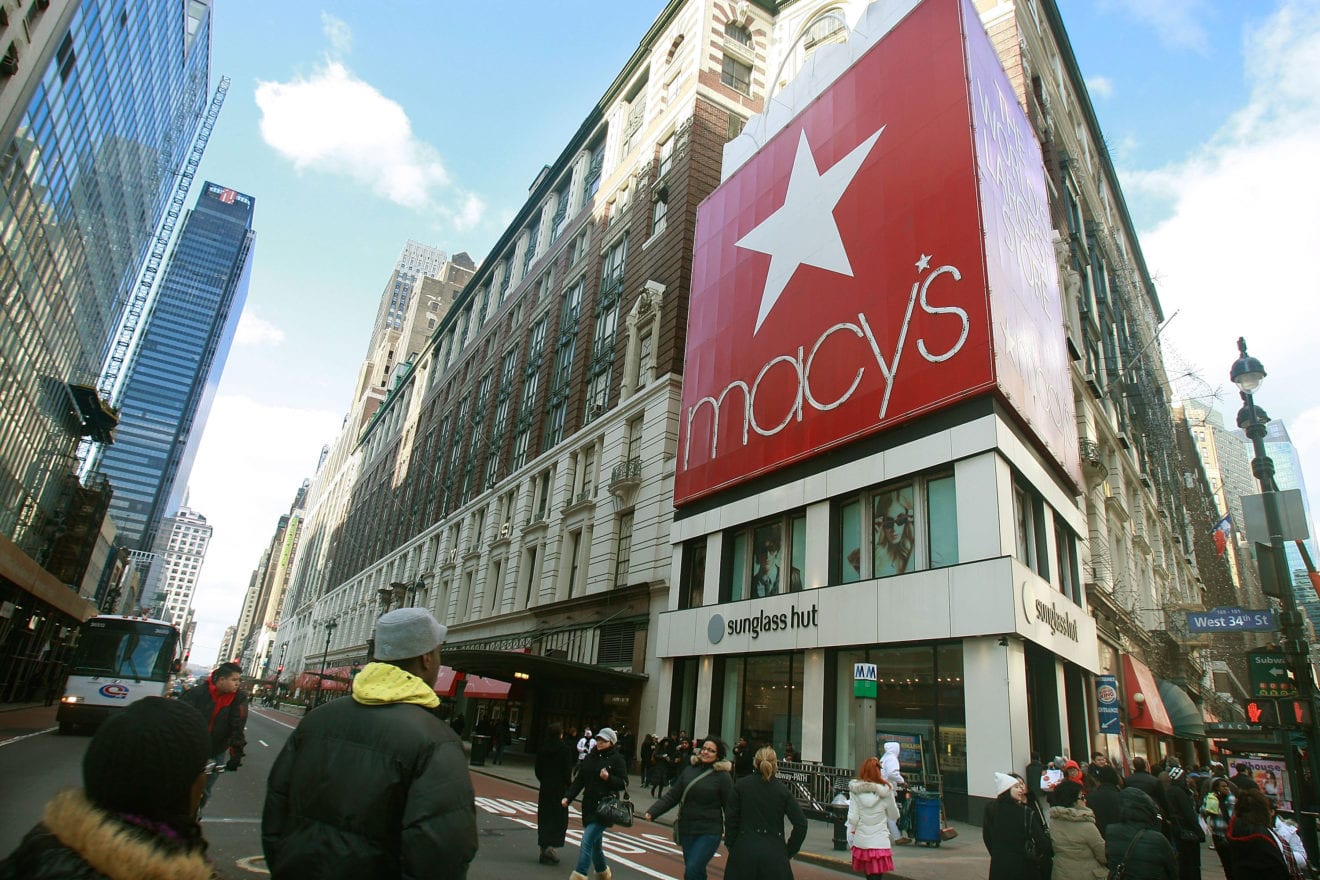
    American retail giant Macy’s Inc. has announced the closure of 68 stores as part of a plan to streamline its store portfolio and increase cost efficiency.

    The measures, which have already seen three stores close and will see a further 63 closed by early spring in the US, will save the struggling retailer approximately $550 million in 2017. $250 million of those savings will be reinvested back into the company’s digital presence, store-related growth and other related ventures.

    “Over the past year, we have been focused and disciplined about making strategic decisions to position us to gain market share and return to growth over time,” said Terry J. Lundgren, Macy’s chairman and CEO.

    “We continue to experience declining traffic in our stores where the majority of our business is still transacted,” he continued. “Our omnichannel strategies continue to evolve based on the changes in our customers’ shopping behaviours, including a focus on buying online, pickup in store and mobile-enabled shopping.”

    The company has also announced a raft of organisational changes, designed to drive greater productivity, including the elimination of management layers, reducing non-payroll costs and changes to field infrastructure. The company estimates that the initiatives will result in a staff reduction of approximately 6,200.

    Retail analyst and CEO of Conlumino Neil Saunders said the jury is still out on whether Macy’s can reinvent itself, but that the store closures are a necessary evil on the path to getting the company back on track.

    “There is an argument to be made that Macy’s has, for too long, neglected its store base and has failed to develop a compelling proposition to pull in shoppers in the digital era. However, what is done is done and the company is right to take action to put it on a firmer financial and commercial footing,” he said.

    “In our view, it is vital that the consequent reduction in costs and the proceeds from property disposals resulting from this action are used to bolster the remaining bits of the business. It would be folly to simply use the gains to fund day-to-day operations or to return to shareholders.”

  • Kate Spade & Co trying to find buyer

    Kate Spade & Co trying to find buyer

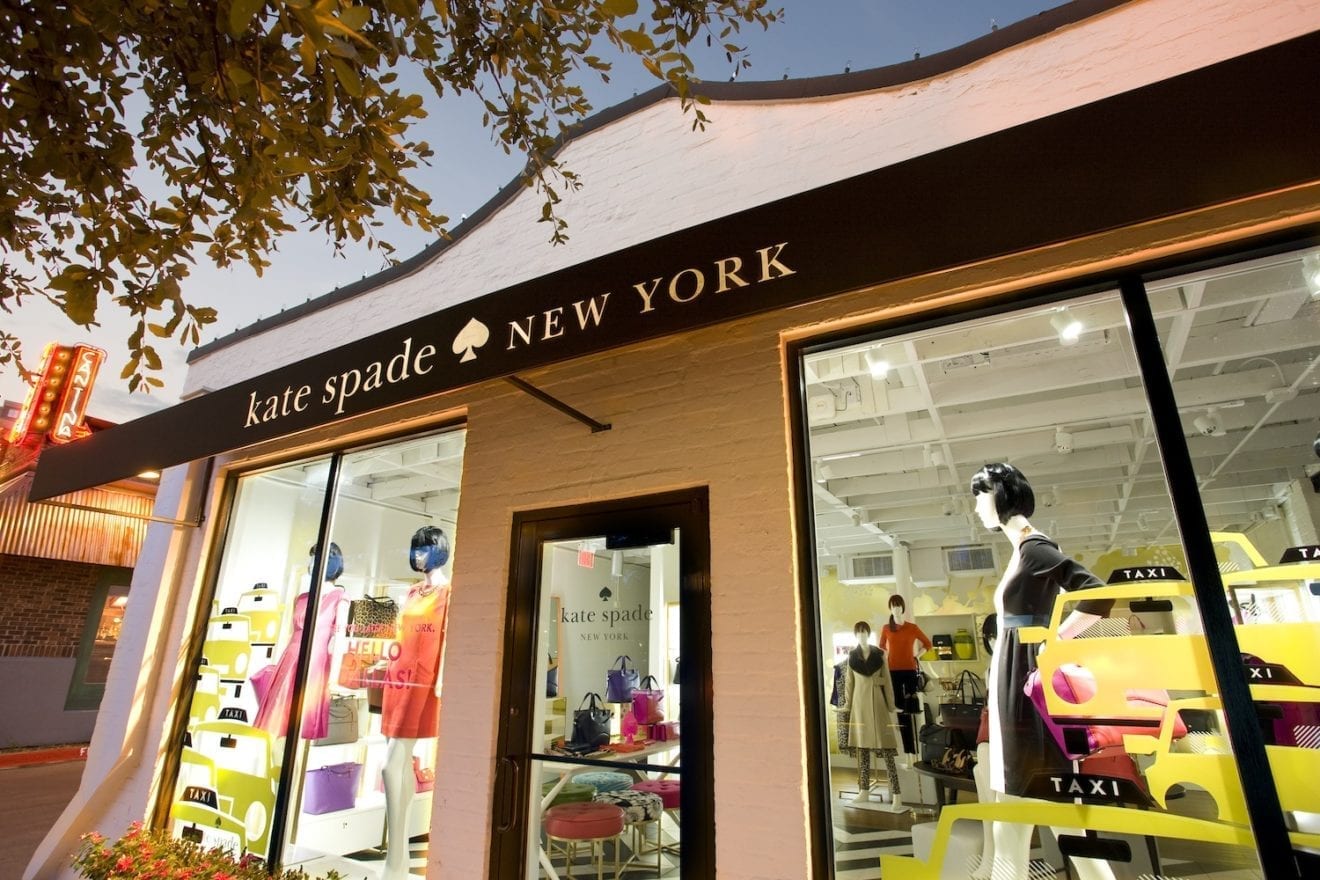
    Handbag and accessories maker and retailer Kate Spade & Co, under pressure from activist investor Barry Rosenstein, is working with a bank to sound out possible buyers.

    Quoting insiders, the Wall Street Journal says potential buyers contacted include retailers, with the process at an early stage.

    Rosenstein’s Jana Partners already has a minor stake in the company.

    Kate Spade has a market value of about $1.86 billion, but sales have dropped as the demand for handbags has weakened over the past year in the US, with people shopping less often at department stores and tourists spending less because of a strong dollar.

    Known for its quirky and colourful satchels and totes, Kate Spade was expecting dampened earnings over the holiday shopping quarter because of pricing competition.

  • Nike sales saved by basketball sector

    Nike sales saved by basketball sector

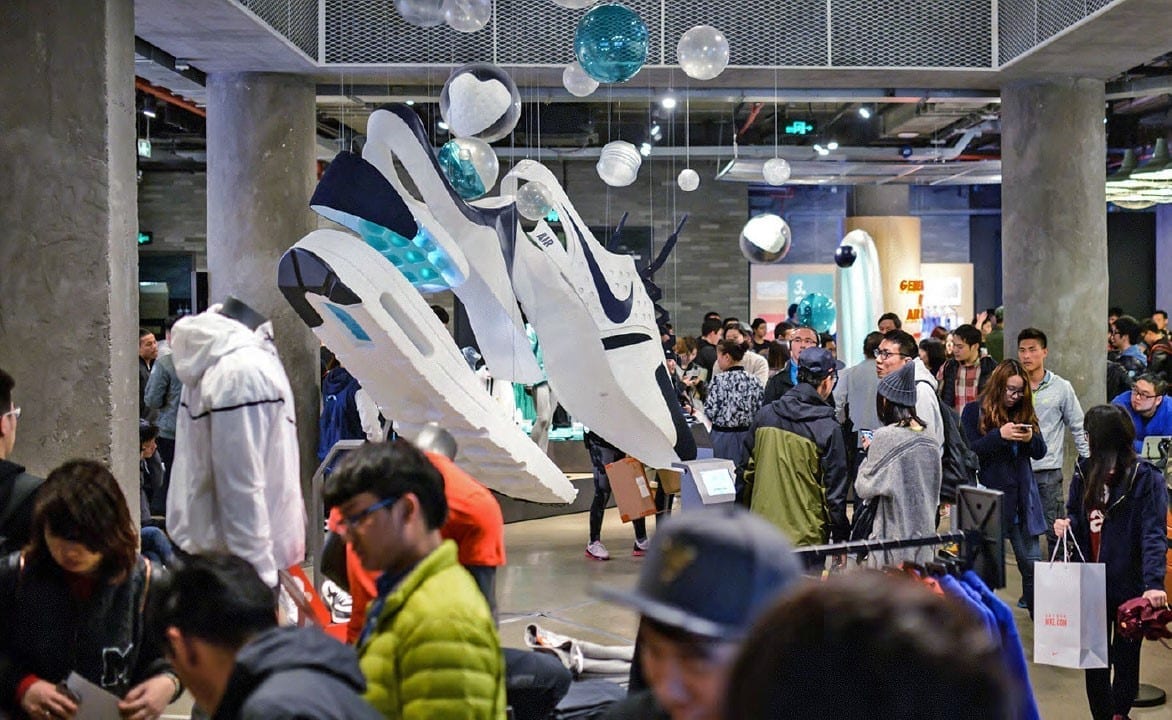
    A rebound in basketball drove strong Nike sales and profit growth in the last quarter.

    The US-headquartered sports giant has reported a profit rise of 7.3 per cent to US$842 million in the three months to November 30, with sales up 6.4 per cent, to $8.18 billion. Excluding the impact of currency rates, profit rose 8 per cent.

    Sales in the basketball category, which includes its Jordan brand, accounted for 15 per cent of wholesale revenue in 2016. And even greater growth is expected in the next quarter after the brand lost momentum in the core category in previous periods.

    “We’re seeing incredible momentum in basketball,” said Trevor Edwards, president of Nike Brand. “To be clear, basketball is back.”

    Sales in China rose 12 per cent, and in the US by 3 per cent.

    Nike has moved to drive more direct sales, improved its online sales apps and adjusted pricing on some of its marquee products, including basketball shoes.

  • Apparel recovery evident in US retail sales

    Apparel recovery evident in US retail sales

    Apparel was  stand-out category in a mixed month of fortunes for US retailers in November.

    According to official government data, US retail sales rose by just 0.1 per cent month-on-month, or 3.8 per cent year-on-year, including motor vehicles and petrol.

    Within core retail categories, apparel sales grew by 1.9 per cent year-on-year.

    “This may sound fairly subdued, but it is much better than the year-to-date growth rates which have seen volumes and prices slip,” observes Neil Saunders, CEO of retail consultancy Conlumino.

    “That said, most of this is down to weather that is much more conducive to sales compared to last year’s most unseasonal temperatures which left much winter wear hanging on the rails.”

    Saunders says that while at headline level November data suggested a good month for retail with strong overall growth across most parts of the sector, “in reality, it was a very choppy month with a great deal of variation between the weeks”.

    It was also a month affected by the election, the uncertainty from which hurt sales during October and the first week of November.

    “Fortunately, once the election was over some of the latent demand produced a much better growth figure in week 3. During this week furniture retailers and home improvement retailers put in a particularly good performance, the latter being aided by the onset of colder weather. “Early discounting in the period before Black Friday also helped to stimulate demand during this week. The run-up to Thanksgiving also saw a solid performance from grocery stores which, despite some ongoing deflation, notched up some reasonable volume uplifts,” said Saunders.

    As the month moved into Thanksgiving and Black Friday week, growth moderated to more subdued levels. “The Black Friday weekend was a fairly lackluster affair, partly because many shoppers had snagged bargains well before the event. The performance from physical retailers was poor over this period, with some anemic numbers coming from department stores.”

    Saunders said rising gas prices were starting to show in the US retail sales figures.

    “This has the potential to act as a brake on retail consumer spending as we enter the Christmas period. Overall, however, Conlumino maintains its view that it will be a reasonable, though not spectacular, holiday period.”

  • Giant Zara Barcelona store opens

    Giant Zara Barcelona store opens

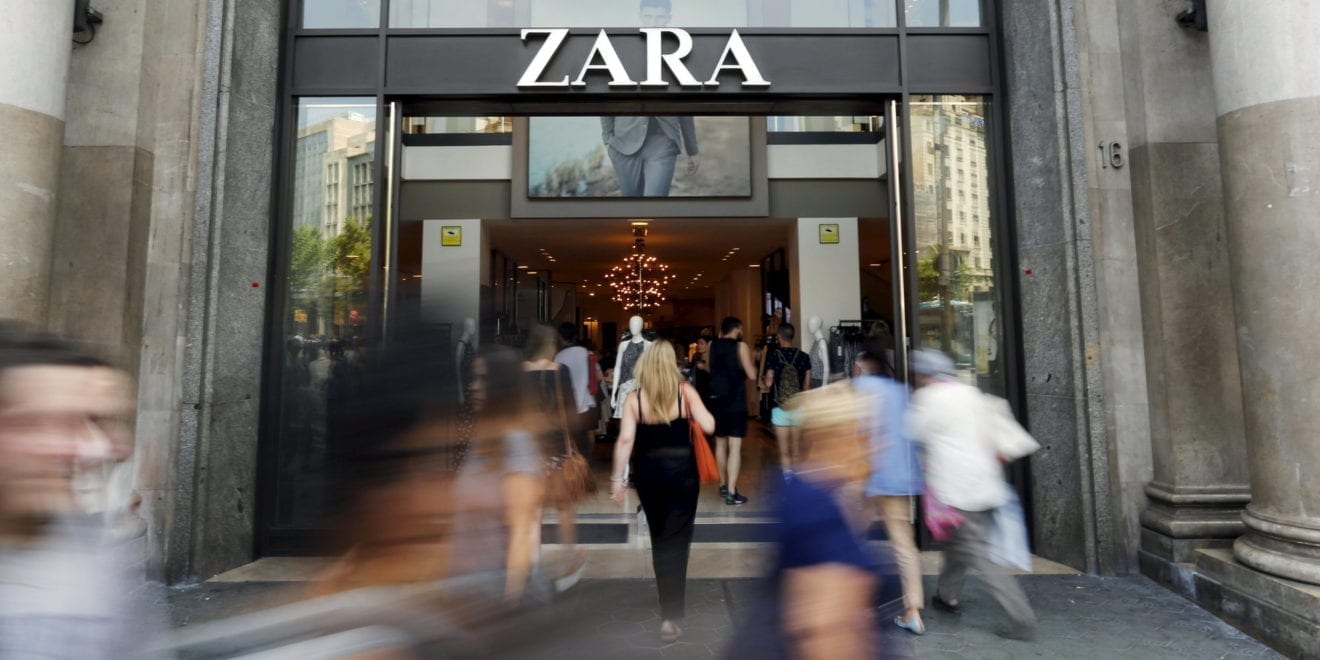
    A giant Zara Barcelona flagship store has opened its doors at Number 5, Plaça de Catalunya, Barcelona’s tourist and commercial epicentre.

    Zara describes the store as one of its “most emblematic”, housed in a 1930s property which has been fully refurbished and recovered for the city. It has more than 3600 sqm of space spread over three floors, housing the Zara Woman, Man and Kids collections.

    The new Zara Barcelona shop occupies a building designed in 1931 as the Barcelona head office of Banco de Bilbao by Basque architect Eugenio Pedro Cendoya, also responsible for the Montjuïc National Palace, built to accommodate the World Fair celebrated in the city in 1929.

    The architectural plans devised for this new store, spearheaded by Coruña-based architect Elsa Urquijo, focused on preserving the former bank’s original architectural treasures such as its impressive glass dome, the atrium flanked by columns and decked with the marble floors characteristic of the public buildings of the time and the murals decorating the pedestrian staircase. The interior is dominated by a pale colour palette and textures that tone down the spaces. The layout of the store fittings was articulated around free-standing units in neutral tones that place the spotlight on the brand’s collections and the building’s impressiveness.

    “The result is a diaphanous and uncluttered retail space with a ground floor open to the city and two upper floors demarcated by the majestic central space that is visible from anywhere in the store, bathed at all times by the daylight filtered in through its glass dome,” says Zara parent Inditex.

    In keeping with Inditex’s Environmental Plan, the new store has been built to stringent green building standards, sustainability criteria applying to its actual construction as well as ongoing operation and usage. Over half of Inditex’s worldwide stores are now eco-efficient, implying electricity and water savings of 30 per cent and 40 per cent respectively compared with conventional stores.

  • Starbucks CEO Schultz steps aside

    Starbucks CEO Schultz steps aside

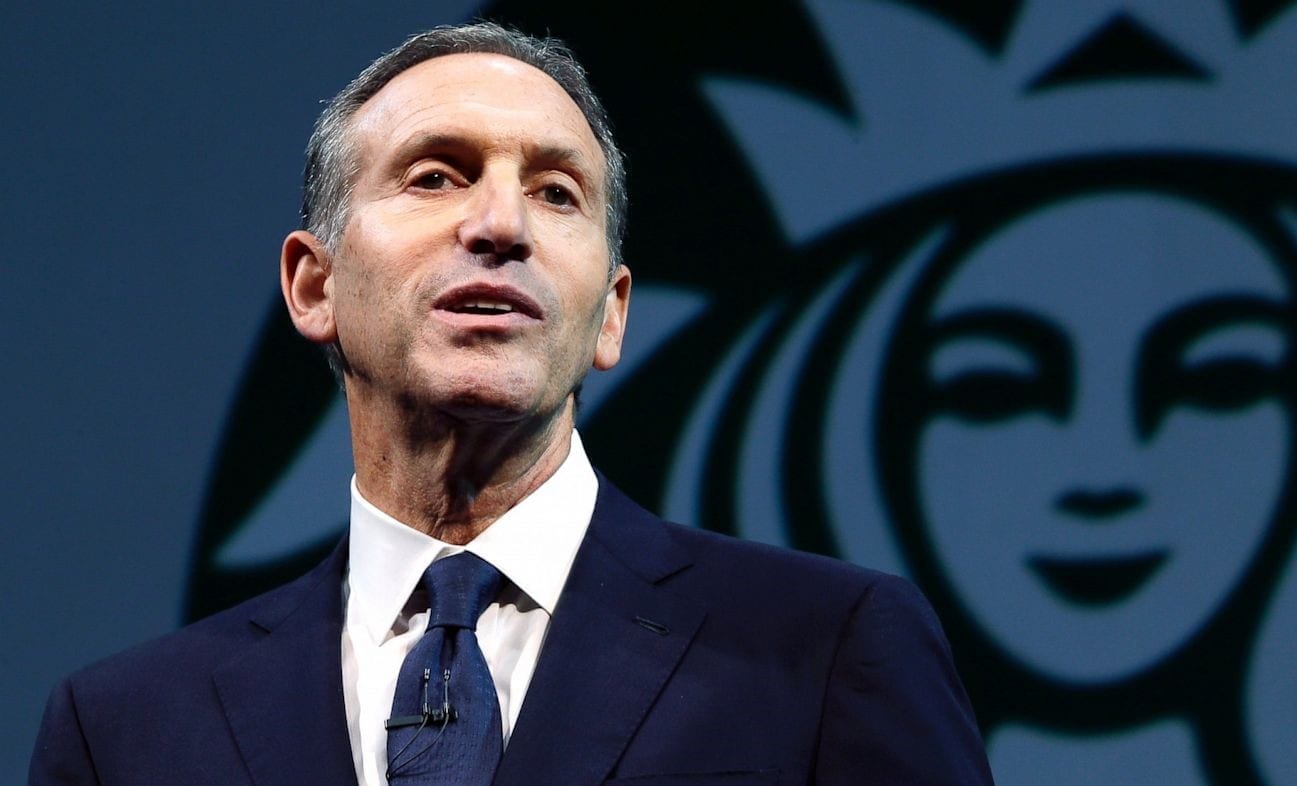
    Starbucks CEO Howard Schultz has stepped aside from the CEO role to take up a new role driving innovation, design and development of the Starbucks Roastery and Reserve retail store formats internationally.

    He will also oversee the company’s social impact initiatives and continue to serve as chairman.

    President and COO Kevin Johnson will expand his responsibilities, assuming the role and responsibilities of president and CEO, effective April 3.

    In his current role, since March 2015, Johnson has led the company’s global operating businesses across all geographies as well as the core support functions of Starbucks supply chain, marketing, human resources, technology, and mobile and digital platforms. Johnson has been a Starbucks board member since 2009, and will continue to serve as a member of the Board.

    “Over the past two decades, I have grown to know Starbucks first as a customer, then as a director on the board, and for the past two years as a member of the management team. Through that journey, I fell in love with Starbucks and I share Howard’s commitment to our mission and values and his optimism for the future,” said Johnson.

    Johnson’s career spans 33 years in the technology industry which included a 16-year career at Microsoft and a five-year tour as CEO of Juniper Networks. At Microsoft, he led worldwide sales and marketing and became the president of the platforms division. In 2008, he was appointed to the National Security Telecommunication Advisory Committee where he served presidents George W. Bush and Barack Obama.

    Announcing the changes overnight, Schultz said the company was continuing to deliver quarter after quarter of record, industry-leading revenue, comp sales and profit growth, and that the newest classes of Starbucks stores continue to deliver record-breaking revenues around the world.

    “The truth is, in all my years at Starbucks I have never been more energised or exhilarated about the opportunities that lie ahead.”

    Schultz said the Roastery concept added a previously unattained level premiumisation into the coffee category.

    “Its success is unparalleled, last year achieving a comp sales increase of 24 per cent and delivering a ticket that is four times the ticket of a typical Starbucks store. The Roastery has become a learning laboratory for breakthrough innovation and experiential design and a beacon for the next wave of Starbucks global growth and evolution.”

    Starbucks will open at least 20 Roasteries around the world, six by the end of 2019 alone.

    “At the same time, elements of the Roastery are forming the basis of the 1000 or more Starbucks Reserve stores we will be opening around the world in the years ahead.”

  • Tiffany progress more technical than strategic

    Tiffany progress more technical than strategic

    Following on from a very weak second quarter, it is pleasing to see Tiffany nudge back into growth on a total sales basis.

    The 1 per cent uplift is modest, but it is far better than the string of poor numbers the company has been posting for well over a year. That said, the figures do not show that all the problems at Tiffany have been resolved. Indeed, part of the increase is attributable to the very easy comparatives from the prior year; and part is down to the strength of the yen against the dollar, which aided performance in Japan. These are rather technical gains, and are not growth produced by a sound underlying strategy.

    That Tiffany still has issues is demonstrated by the Americas figures, where sales declined by 2 per cent on both a total and comparable basis. This comes off the back of a 7 per cent and 9 per cent decline in total and same store sales in the prior year.

    Notably, the impact of the strong dollar on sales to tourists at Tiffany’s flagship stores now seems to have dissipated and annualised out; if anything, the company noted that tourist sales were relatively strong over the quarter.

    This dynamic means the blame for the dip comes, primarily, from domestic demand. Here, Conlumino’s data shows that Tiffany continues to suffer from a decline in both the number of American consumers who consider it for jewellery purchases as well as the proportion who end up buying from it. In a category like jewellery, where purchases are relatively infrequent, not being firmly on the consumer radar is an issue as it gives Tiffany little opportunity to recapture ‘lost’ spending.

    There is an argument to be made that as US department stores see customer traffic weaken, Tiffany should be picking up some trade – at least for mid to higher end purchases. However, this does not seem to be happening. Instead, consumers are migrating to more contemporary premium brands, as well as to custom and direct-to market-players like Blue Nile – which was recently acquired by Bain Capital.

    These represent the new growth spots of consumer demand in jewellery – spots to which Tiffany, with its ‘old world’ image do not have immediate and ready access.

    Thankfully for Tiffany, its weak performance in the US was not replicated elsewhere this quarter. Sales in Asia-Pacific rose by 4 per cent, after a better performance in China. However, comparable sales in the region are still in decline, not helped by continued slides in Hong Kong and Australia. Japan also saw some strong uplifts, with a 13 per cent increase in total sales. However, these were a function of the strong yen and once this impact is removed sales dipped by 4 per cent on a constant currency basis.

    While sales in Japan benefitted from a favorable exchange rate, Europe had no such tailwind. The depreciation of sterling and the euro saw sales decline by 10 per cent on a total basis and by 14 per cent on a same-store basis. Even so, underlying demand in the region – like in the US – remains soft.

    Tiffany has a lot more work to do before it gets into sustainable growth.

  • Bluebell Group invests in designer startup

    Bluebell Group invests in designer startup

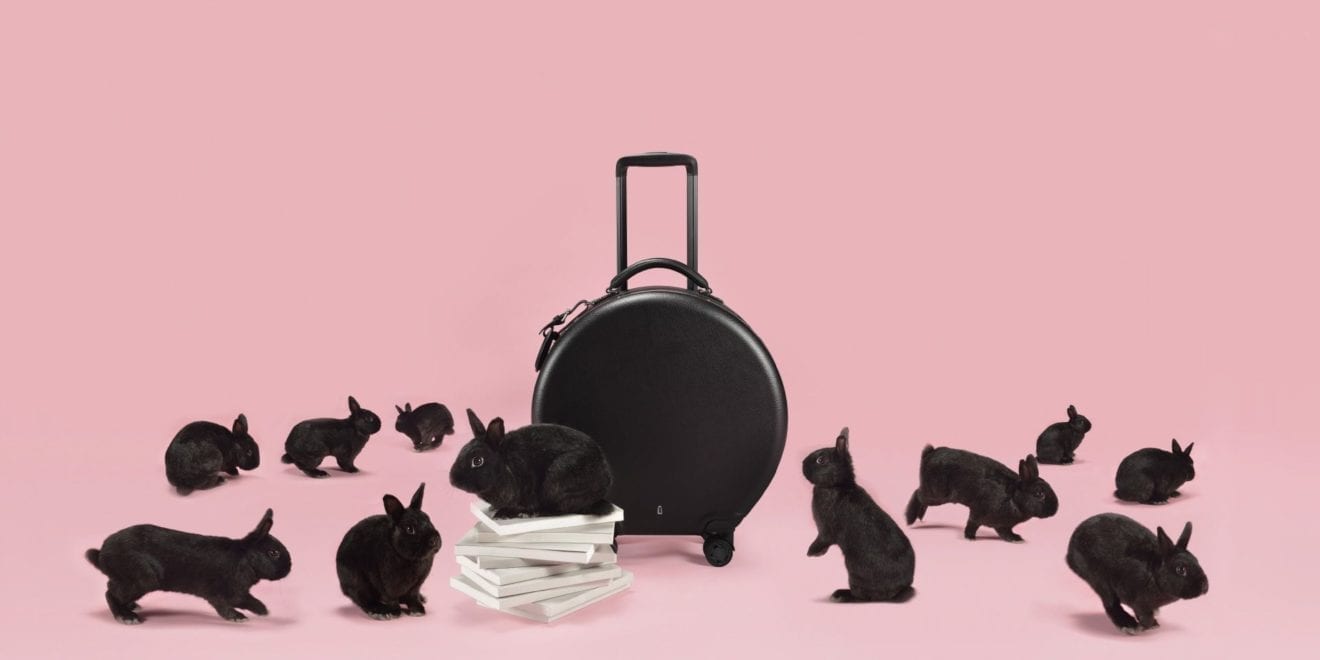
    Bluebell Group has invested in a new luggage design house Ookonn, which takes inspiration from a hat box, selling direct to consumers online.

    Ookon is the brainchild of Anson Shum, who conceived a style and design based on an old-fashioned, round hat box.

    At the time, Shum was working in a marketing and communications role with Bluebell Group.

    “When I resigned last year, I told the company of my plan to start my own label,” Shum said in an interview.

    ookonn-lugguage

    “They were so nice to me, and asked if there was any way we could work together. I showed them my business plan, and they offered to coach and mentor me.

    “Eventually nearing the end of my employment period, I did a formal presentation in front of all the shareholders. And the week after, I was told that Bluebell wanted to invest in Ookonn. It was a surreal moment. I think they decided to invest because of the product, the business model, and obviously the fact I have built a good relationship with them.”

    Shum and his business partners sell the Ookonn bags online, where they cost upwards of HK$2280 for basic models.

    “Online business is more relevant to my target audience. Ookonn is a lifestyle brand targeting millennials. While we get customers from different age groups, the feeling and foundation of the brand is for a younger audience in their early 20s to early 30s. While online is important, it is only one part of the business model, since we are launching in Hong Kong and China. But for other markets, perhaps we can collaborate with several bricks-and-mortar multi label stores,” said Shum.

    He describes his case designs as “a bit more playful” than most common luggage ranges.

    ookonn-lugguage-1

    “I’ve been working in fashion and luxury for 12 years, and have had plenty of opportunities to travel. But while I can find a lot of beautiful options for clothes and accessories, there are not that many for luggage. Most luggage brands in the market are business oriented. So I wanted to see if I could create a luxury brand that would generate excitement.”

    The bags come with a variety of options for handles, covers and belts and can be customised with the buyer’s chosen monogram.

    The bags come from Transport Safety Authority locks, wheels which turn a full 360 degrees and a light polycarbonate shell.

  • Spar International Expands in Thailand

    Spar International Expands in Thailand

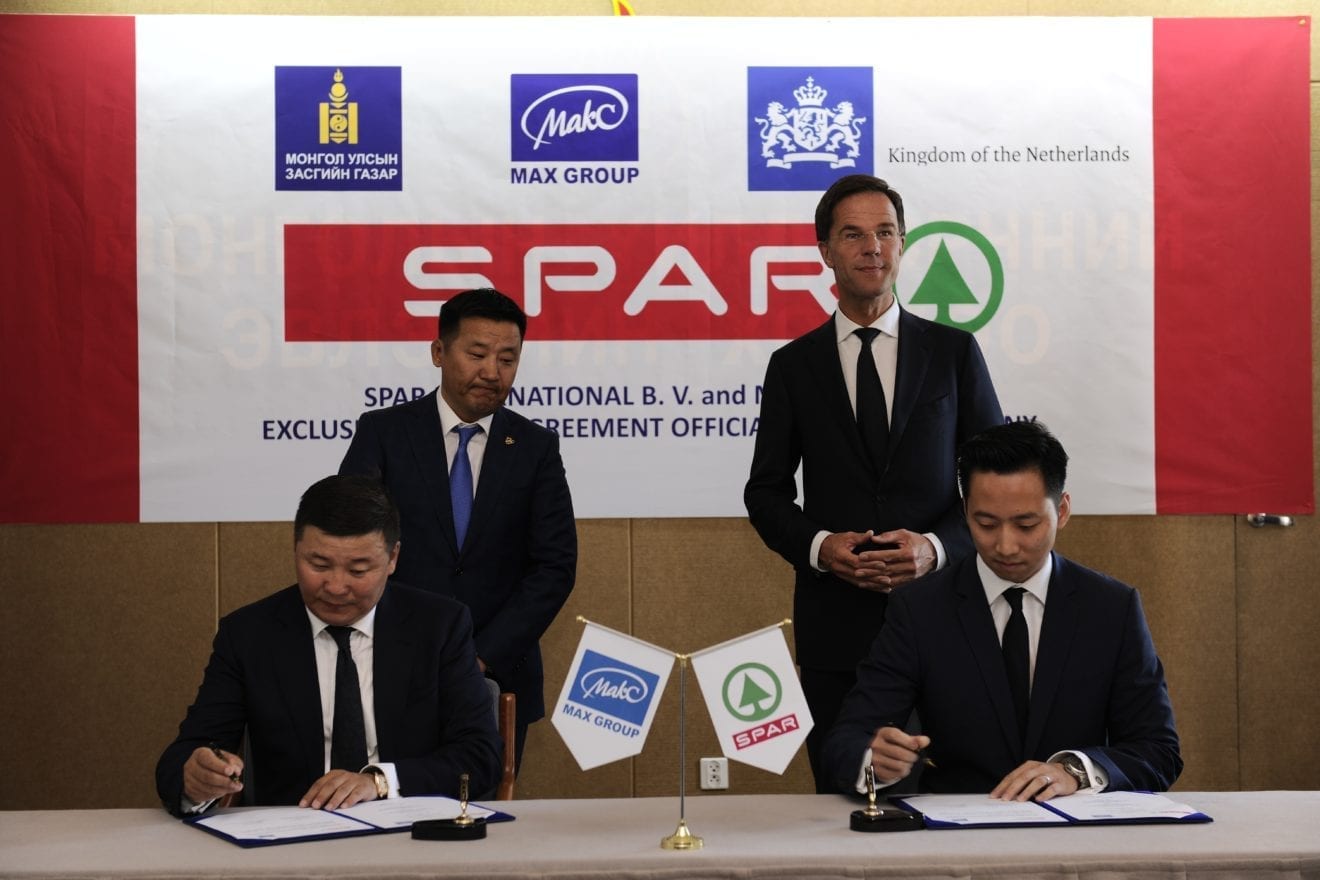
    SPAR International (“SPAR”) and Bangchak Retail Company Limited (“BCR”), today announced a significant new partnership agreement which will see up to 300 new SPAR stores opening in Thailand by the end of 2020, as part of a €102 million investment 

    SPAR International is the world’s largest food retail voluntary chain with over 12,100 stores worldwide and global retail sales of €33 billion in 2015. SPAR presence in Asia continues to grow with the brand attracting independent partners.

    BCR plan to open 7 new stores during 2016, comprising key flagship convenience and neighbourhood developments. From 2017 the company plans to open 50-80 stores each year for the next five years with up to 2,500 jobs created in the process. BCR’s retail strategy meets customer needs, with strong market growth in the neighbourhood grocery sector in Thailand; the company anticipates retail sales of €260 million by 2020.

    The partnership with BCR will see SPAR share industry expertise with its new partner including the sharing of best practice across its supply chain, retail operations, staff training, retail design and brand development strategy. SPAR Thailand is expanding forecourt retailing stores around food purchasing moments and to achieve this initiative SPAR International worked with BCR to generate detailed store designs and layouts. Ahead of the opening of the first store, SPAR International also supported the formation of the requisite supply chain capability, introduced the SPAR culture to the teams in the stores and central office, given advice about equipment suppliers and assisted with secondments to other SPAR Partners by key team members to expand their knowledge of the SPAR Brand.

    Speaking at the official announcement of the new partnership Tobias Wasmuht, Managing Director of SPAR International said “In the last decade, SPAR International has grown from strength to strength in key strategic markets of Asia. Today, we have a significant multi-format presence including hypermarkets, supermarkets, convenience and online in China, India, and Indonesia. The launch of SPAR in Thailand in partnership with BCR represents a significant and important step forward in SPAR’s ongoing expansion into Asian markets.  It brings together our internationally tried and tested retail expertise particularly in convenience and supermarket formats with the extensive knowledge of the Thai market. The partnership is a true example of the SPAR ethos in which through working together all shall benefit.”

    The new venture is being lead on the BCR side by Mr. Viboon Wongsakul, Managing Director of Bangchak Retail Company Limited. Speaking about the partnership Mr. Wongsakul said “BCR is excited to bring this new offering to customers in Thailand. SPAR and BCR share many key values such as a dedication to growth, a commitment to local suppliers, supporting communities and offering diverse retail solutions. We plan to bring local retailing to the next level and will dedicate the resources necessary to have a significant presence in the market in the shorted possible timeframe.” 

    As a shared core value, SPAR and BCR focus on supporting the communities in which they operate. During the development of the flagship stores in 2016, special focus will be given to the ability to source produce and product locally. SPAR International has a process in place for the development of own brand products by a Partner and has worked with BCR on the development and launch of a national range of own brand products.

  • Mothercare recovery hits a bump

    Mothercare recovery hits a bump

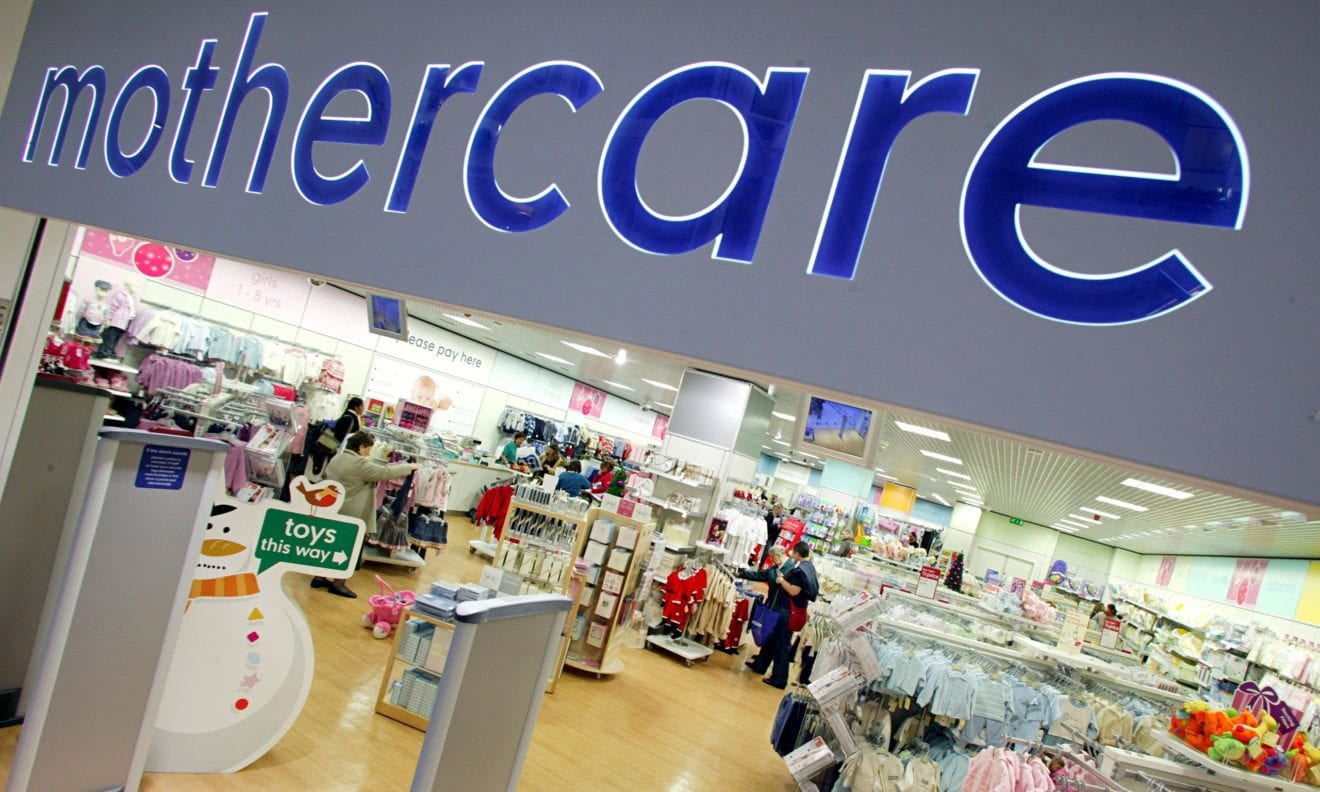
    Mothercare is in the process of a much needed turnaround strategy for its UK business that aims to bring the UK side of its proposition back to profit.

    After a reasonable first quarter result, the retailer has felt the effects of a tougher economic climate in the second, with like-for-likes dipping into negatives for the combined first half year.

    From March onwards expect to see Mothercare increase its prices, given that close to half its products are sourced in US dollars, which will likely be another blow to UK profits.

    Mothercare continues to focus on its digital business, with online sales now 40 per cent of total UK retail sales, compared to 36 per cent this time last year. However, a significant 44 per cent of online sales come from instore orders on staff iPads – which suggests consumers are visiting stores but due to limited floor space there’s poor product availability. Mothercare’s ‘online’ sales don’t look quite so impressive.

    Mothercare has other issues to contend with. While the retailer is popular for newborns, in the next couple of years, the business will need to focus on retaining these consumers with celebrity and fashion-led ranges as fast fashion retailers such as H&M, Zara and Next draw this customer base from its stores.

    International remains an area of success for Mothercare, boasting profits of £20.8 million. However, the volatile international market means the retailer must not rely on its international success to soften the losses it continues to make in the UK.

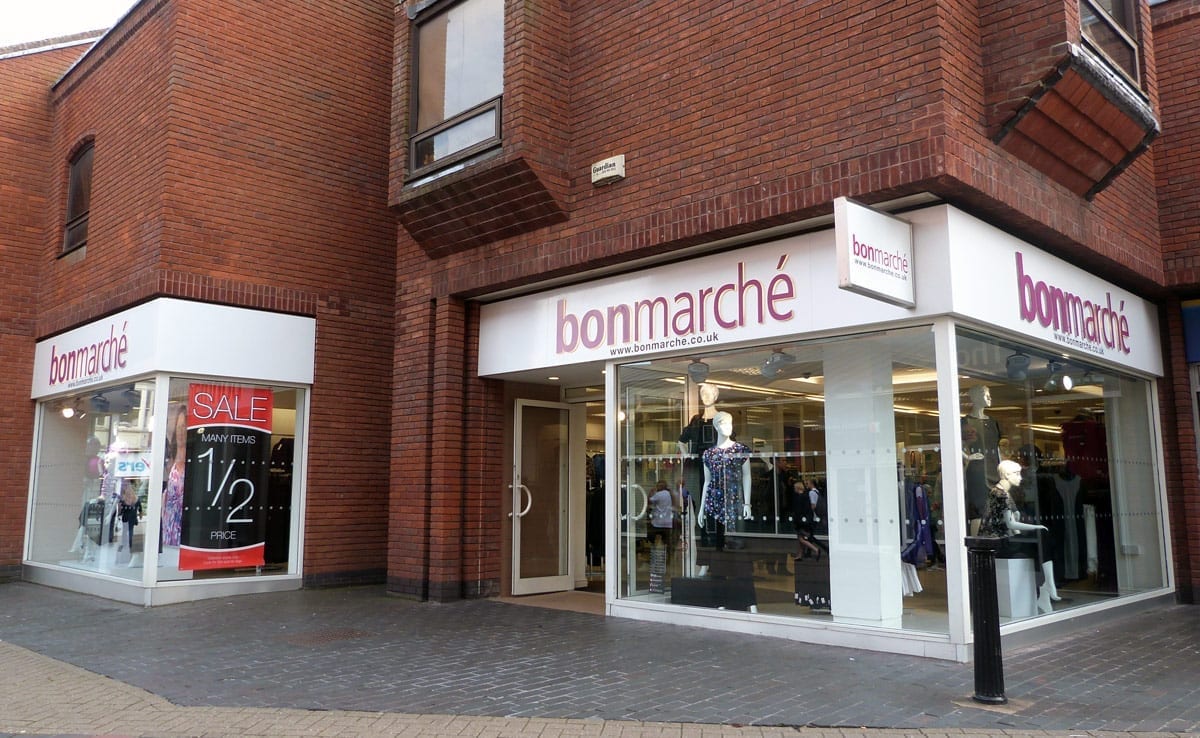
  • Dire Bonmarche sales reflect poor product offer

    Dire Bonmarche sales reflect poor product offer

    A dire H1 performance from Bonmarche, on its first update with Helen Connolly at the helm, with sales falling by £3.9 million on the year, despite the opening of net six new stores and concessions.

    Like-for-like Bonmarche sales declined even further than its revised forecast in September.

    As a result, operating profit fell 62.8 per cent  to £2 million. While external factors such as unseasonal weather and BHS’s extensive closing down sale have taken their toll, the fault ultimately lies with Bonmarche and its lack of a compelling product offer.

    Bonmarche has an opportunity to become the go-to destination for 50+ females, especially given that BHS is no longer trading; however it must act quickly as competition will grow as more players target this lucrative segment, with the likes of JD Williams and Matalan holding potential. With mature shoppers feeling and dressing younger, Bonmarche has its work cut out to sufficiently modernise the brand and increase its relevance among shoppers.

    While the value specialist has made efforts to revamp its offer, and continues to reduce its focus on more traditional product, it has not gone far enough. Introducing more contemporary designs and cuts, and injecting more fashionability and style into its proposition will be key to building appeal among the mature customer base and shaking off its old-fashioned brand image.

    However, as shoppers’ discretionary spend comes under further pressure in 2017, Bonmarche’s value proposition makes it well placed to benefit from consumers trading down. Alongside more weather-appropriate and youthful ranges, Bonmarche needs to showcase its value for money offer, focus on full price sales and drive incremental purchases if it is to get back on track.