Retail News CRM

Tag: International

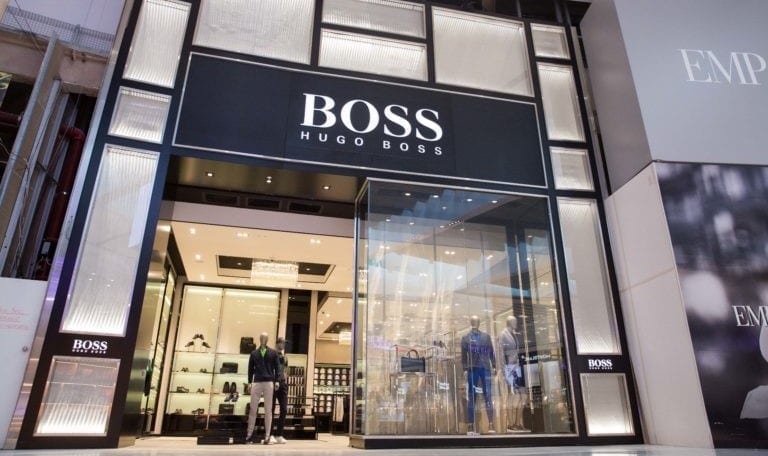
  • Hugo Boss cuts prices in 12-month turnaround plan

    Hugo Boss cuts prices in 12-month turnaround plan

    German fashion house Hugo Boss says it will not return to growth until 2018 as it launches a turnaround that includes eliminating brands, slowing down store expansion and selling more online.

    CEO Mark Langer says 2017 will be a transition year as it reorganises its struggling wholesale unit that sells to US department stores. Already the company has cut €65 million (US$68.86 million) in costs.

    With Hugo Boss shares losing more than a third of their value in the past year, Langer’s recovery plan involves making more affordable clothing, in a move away from a declining luxury market. It will produce clothes only under the Hugo and Boss brands, narrowing its focus to casualwear and business attire. The Boss Orange and Boss Green labels will be folded into the Boss brand, and Hugo’s entry-level prices will be about 30 per cent lower than the Boss.

    Womenswear, which accounts for about 11 per cent of revenue, will become a lower priority with Boss withdrawing from New York’s fashion shows next year. There will also be more focus on casual clothes and shoes.

    Price tags will be adjusted internationally to close gaps caused by currency fluctuations, with prices in Asia coming down by about 15 per cent while European prices rise slightly.

    Langer predicts that wholesale revenue via department stores in the US will decline by at least 10 per cent next year, with that business hit lately by high-level discounting to lure shoppers.

  • Starbucks announces the introduction of Nitro Cold Brew in China

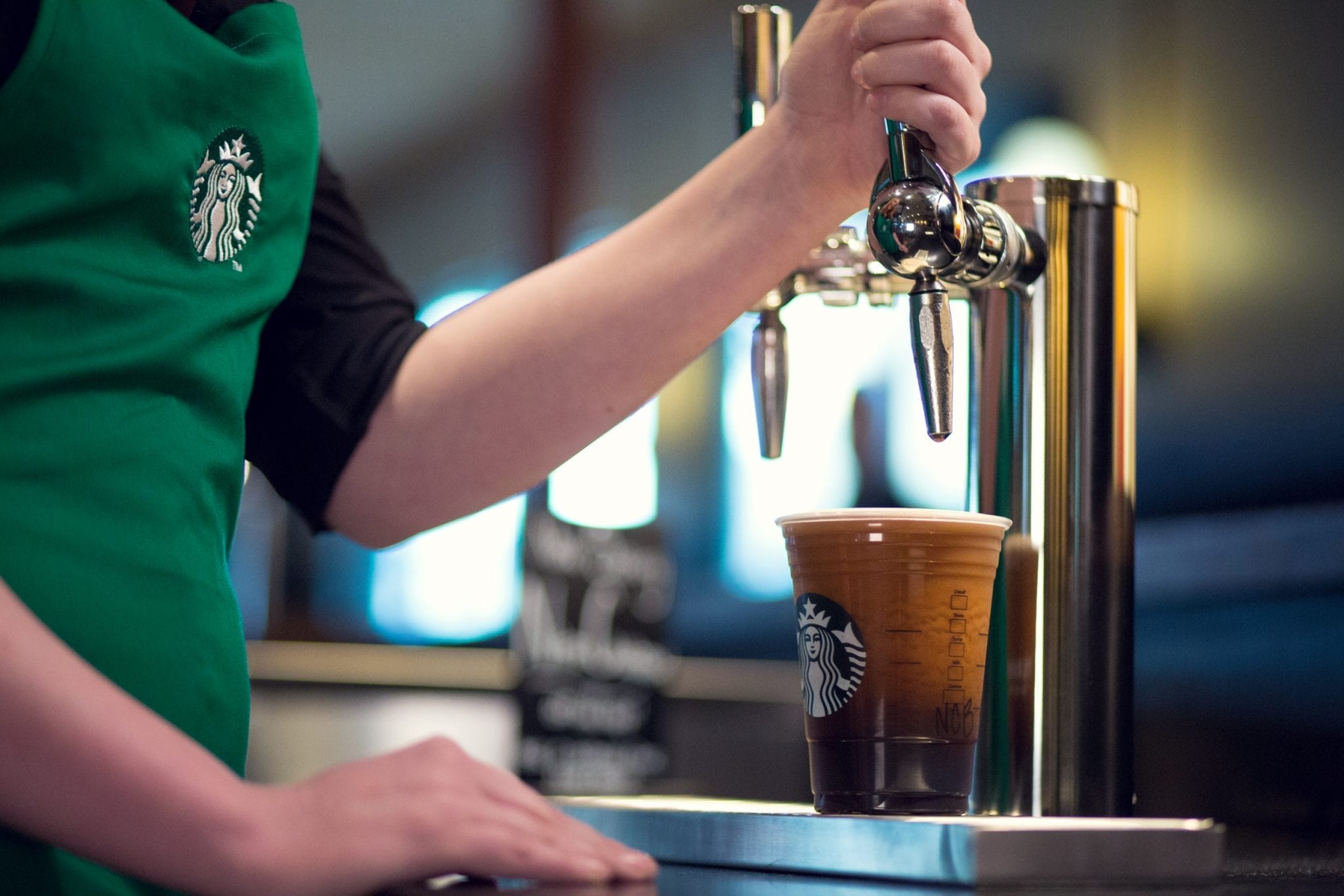
    Starbucks announces the introduction of Nitro Cold Brew in China

  • Richemont sales woes prompt radical response

    Richemont sales woes prompt radical response

    With Chinese shoppers buying fewer watches, Richemont sales continue to slide, prompting the luxury brand owner to announce uncharacteristically radical moves.

    While continuing to cull its store network, Richemont has axed its CEO role, placing more accountability in the roles of its brand executives.

    Richemont, which counts luxury timepiece brands Vacheron Constantin and IWC in its 35-strong portfolio, says trends are improving in Mainland China, Hong Kong and Macau. But with more of its portfolio in watches than rival corporate fashion groups LVMH and Kering, it is more exposed to current market trends and less resilient. Richemont also owns Cartier, Chloe, Dunhill, Giampiero Bodino, Jaeger-LeCoultre, Lancel, Montblanc, Officine Panerai, Piaget, Peter Millar, Purdey, Roger Dubuis, Shanghai Tang and Van Cleef & Arpels.

    Profits fell 43 per cent (including exchange rate effect) to €798 million for the six months to September, and the company has expressed its concern at overcapacity in the Swiss watchmaking industry. A large factor in the poor result was the €249 million buy-back and destruction of excess products to reduce overcapacity in the distribution chain.

    Sales were down by 13 per cent to €5.1 billion, but significantly this was led by Japan and Europe, rather than Hong Kong and Macau as in past reporting periods. Mainland Chinese buyers still played their part in the decline, however: fewer are visiting Europe due to concerns over terrorism, and the depreciation of the yuan has impacted on spending in Japan.

    The company closed 25 shops globally during the first half and another 25 are scheduled for closure by December 31. It did not reveal the locations of these stores.

    The end of the CEO post coincides with the retirement of outgoing chief Richard Lepeu and finance director Gary Saage. The company’s founder, South African-born Johann Rupert, will remain in the role of executive chairman and will take over supervising a group of division directors.

    Richemont has a reputation for managing for the long-term and resisting the sort of knee-jerk reactions typical among listed companies ever-concerned about satisfying shareholders.  “The significance of such a dramatic break with the past can’t be overstated,” observed an analyst with Bloomberg.

    “They indicate that it doesn’t expect conditions to get any easier any time soon, so it needs a fresh approach. It just might work. And it’s not as radical an idea as it might seem,” wrote columnist Andrea Felsted.

    She suggests the company may need to fix or divest underperforming brands

    “It also needs to control the cost base by addressing headcount, which it has already started to do, and slimming the store estate. The danger is that the new management structure is cumbersome, lacking cohesion, and is ripe for internal power struggles. Rupert will remain the constant, and is likely to take greater control as a result of the radical revamp. He says his role is that of ‘an arbiter of egos, akin to a soccer manager’.”

  • Reebok restructure to be fast-tracked

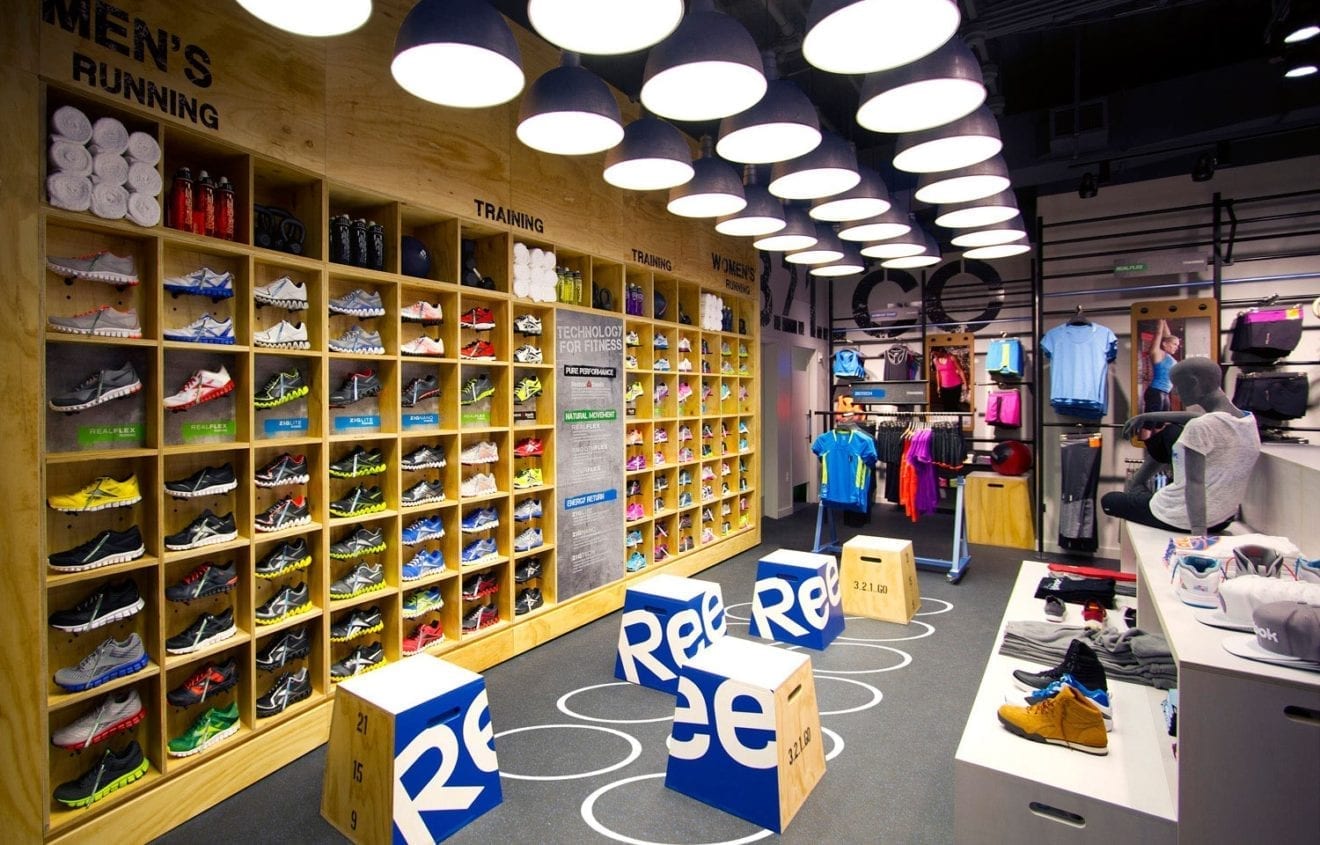
    Reebok restructure to be fast-tracked

    The new CEO of Adidas says he plans to streamline and restructure the ailing Reebok business as a priority under his watch.

    CEO Kasper Rorsted, in a conference call with business media, also promised a completion of the sale of the Adidas TaylorMade golf business by the end of this year, even if that meant booking a loss.

    While its core Adidas brand business is performing well enough to prompt four raises in the company’s financial outlook this year, a Reebok restructure is necessary while the unit continues to struggle.

    “We’ll give Reebok more freedom to operate globally, and more responsibility in the US,” Rorsted said. “We’ll get a more focused organisation, and that will enable us to continue the momentum we have right now of Adidas in the US and it will make Reebok stronger.”

    Rorsted will move Reebok’s headquarters from Canton to new premises in Boston where the team will be 100 per cent Reebok, with about 150 jobs cut. At least one US factory will be closed and the US store network cut back to focus on wholesale. Restructuring is estimated to cost $33 million.

    Adidas has been converting Reebok from a traditional sports shoe maker into a fitness brand. Top-line sales growth has grown for the last 14 quarters, but it still lags its parent.

    “We have to be realistic. Reebok is growing slower than Adidas and our competition, and we have seen no growth in North America in the past three years. And lastly, the profitability is significantly below the group average. It’s time to get back to the gym and redouble our efforts on Reebok.”

    So strong is Adidas performing the costs of restructuring and  a potential loss on the sale of the golf business is unlikely to impact on group profit. And Rorsted indicated there was no sign of any slowing in Adidas’ growth.

    “The consumer centric approach has increased our brand desirability and relevance with the consumers. You can see that not only in our markets or in our revenue numbers, but also in the market share gains in the key categories and markets where we are active.”

  • David Beckham splits with H&M

    David Beckham splits with H&M

    David Beckham has split with fashion retailer H&M – and he’s being upstaged by a Canadian pop star with a hairdo worse than Donald Trump’s…

    H&M introduced its first Beckham Bodywear collection featuring form-fitting underwear in 2012 and expanded the partnership to include a broader range of garments including jerseys and light summer suits dubbed Modern Essentials in March 2015. There’s even been a Beckham raincoat.

    But now the brand believes it is time for a change. It has signed up Grammy-winning R&B artist Abel Tesfaye, 26, who performs under the deliberately misspelled name The Weeknd, for a one-off menswear collection which will go on sale from March. The chain believes the new signing will appeal to younger shoppers than Beckham, now 41.

    According to Bloomberg, H&M said it would not rule out future collaborations with Beckham, who also has partnerships with Hong Kong-based Global Brands, endorses Adidas shoes, Breitling watches and Samsung smartphones.

    An H&M spokeswoman told Bloomberg there was no direct link between the end of the Beckham partnership and the signing of Tesfaye.

    The singer will choose his favourite items for an H&M collection to be called Spring Icons Selected by The Weeknd.

    Queuing for Kenzo

    Meanwhile, H&M’s collaboration with fashion label Kenzo launched yesterday, leading to queues outside two stores in Singapore where the collection was on sale – in the Orchard Building and at Ion Orchard.

    The Orchard Building store opened at 8am and by 7.30am about 100 people were lined up outside the store. Some at the front of the queue had reportedly arrived on Tuesday morning, presumably holding the place in shifts.


  • Christian Louboutin perfume oils launched

    Christian Louboutin perfume oils launched

    A trio of Christian Louboutin perfume oils has been unveiled, adding a new dimension to the iconic shoe designer’s fashion cachet.

    And as one would expect, the launch is backed by an edgy multimedia campaign of videos featuring admiring men and print media bordering on the erotic.

    But the new scents do not come cheap. A 30ml bottle will set you US$320.

    Christian Louboutin scents bottlesChristian Louboutin’s perfume oils are described as “a new and highly luxurious way” to experience Louboutin’s three signature women’s fragrances: Bikini Questa Sera, Tornade Blonde and Trouble in Heaven.

    “The alchemy of precious oil touching the skin produces a scent that is utterly personal to the woman wearing it. The perfume oil is an exceptional elixir containing the highest concentration of fragrance oil and no added water or alcohol, providing a more intimate experience than a conventional form of fragrance,” the designer explains.

    The oil features the same unique olfactive construction as the fragrance, which is what Louboutin calls the “ping.”

    “The first burst of scent, like the striking of a piano key, is followed by a beautiful resonance of scent as the note echoes its sound. There is one present moment,” he says, “and then there is the trace, le sillage, I think of it as its memory.”

    Apparently, Louboutin has always loved the idea of the ritual of beauty, which is why he wanted the perfume oil to be applied with a glass dabber contained within the bottle, so that a woman can ‘stroke’ on the fragrance “in a highly feminine and elegant gesture”.

    “Each woman can delight in her own very personal ritual, choosing where to apply the oils: decollete, wrists, collarbone, along her legs, her inner arm, and the nape of her neck.”

    The oil is intended to be massaged into the body inviting the pleasure of sensation. It leaves the skin lustrous, enveloping the wearer in a second-skin of perfume. It can be worn alone or layered with the fragrances to heighten the sensory experience, to explore and create new dimensions and nuances of scent, the designer says.

    The perfume oil bottle is an objet d’art that is both visually hypnotic and tactile. A collaboration between Christian and Heatherwick Studio, it undulates with harmonious and dynamic energy. A unique and luxurious metallic finish gives the bottles an iridescent, radiant effect and differentiates the oils within the Christian Louboutin fragrance range.

  • Selfridges shines, Debenhams flounders

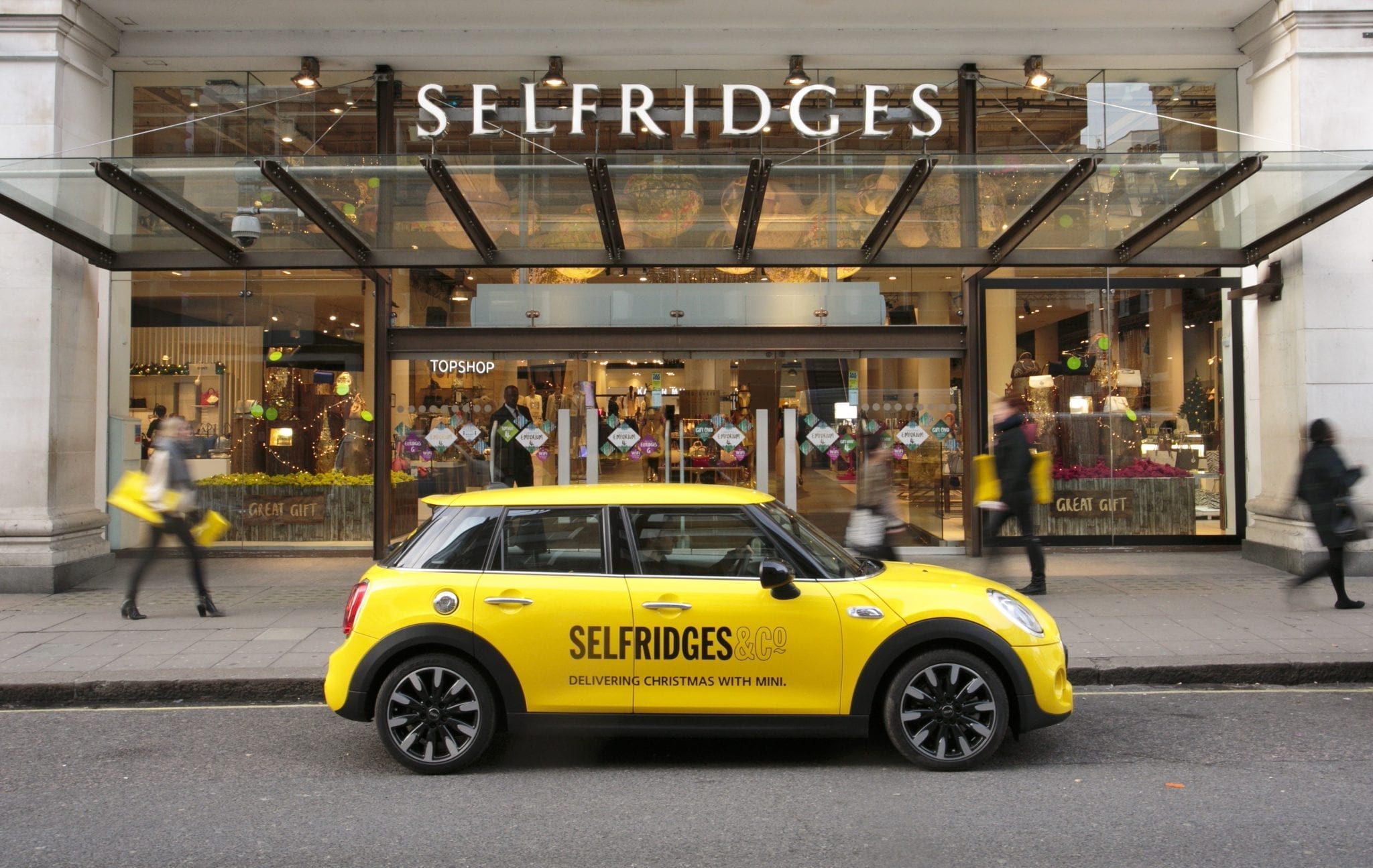
    Selfridges shines, Debenhams flounders

    Two iconic British department store brands released their annual trading figures overnight – and the contrast was blinding.

    Debenhams underwhelmed with like-for-like figures showing a decline in sales of 1.1 per cent, ts growth driven purely by the addition of five new stores and online advances.

    Yet Selfridges’ “winning formula” delivered another year of robust sales growth, in the words of Verdict Retail lead analyst Honor Strachan.

    “Its ability to bring on board the right mix of brands, tailor each of its stores to the local audience and create an ever-changing in-store shopping experience has ensured Selfridges remains relevant and an exciting destination among an increasingly demanding shopper base,” said Strachan.

    His colleague Kate Ormrod, a senior analyst, was less complimentary about Debenhams, describing the company’s UK gross transactional value of £2.352 billion as “underwhelming”.

    “Debenhams is slightly in limbo at present while new CEO Sergio Bucher familiarises himself with the company and forms his strategy to revitalise the business. Focus on clothing and homewares is much needed in FY2016/17, as well as ensuring the instore experience is consistent across its UK store portfolio.”

    Ormrod said Debenhams’ online business remains a key asset, and now represents 14.7 per cent of group sales – aided by its focus on mobile, its click & collect service, and investment in IT and systems, which bode well for the Christmas peak.

    “Refocusing the business away from clothing has been successful with solid growth achieved in beauty, gifting and accessories. While trading in the overall clothing market has been volatile, Debenhams must review and refresh its ranges to maintain its appeal and relevance in the market – or face further market share erosion. Selected Designers at Debenhams sub-brands such as Star by Julien Macdonald and J by Jasper Conran feel dated, along with core ranges such as Red Herring and Mantaray. Though Debenhams appears hesitant to rectify its problems in clothing, there is opportunity to target mature shoppers and better compete with the likes of JD Williams,” she said.

    “Debenhams’ strength lies in beauty and the addition of cult brands such as Kat Von D ensure the retailer garners destination appeal both instore and online. Driving cross-sector spending is essential to turn younger beauty shoppers into core Debenhams customers. Plans to introduce lighting to 30 stores, a clear attempt to muscle in on area BHS excelled in, and introduce furniture hubs in eight branches are positive steps, though Debenhams’ overall homewares offer pales in comparison to rival John Lewis in terms of breadth and destination appeal.

    Selfridges deflects the pressure

    Strachan paid tribute to Selfridges’ ability to prosper while facing “immense pressure from sector specialists and online pureplays”. Gross transactional value rising 5 per cent to £1.4 billion.

    A £300 million commitment to refurbishing its Oxford St, London, flagship dented its operating profit, which slipped marginally to £152 million, trimming margins to drop one percentage point to 10.9 per cent.

    “The modernisation of its flagship London store, taking over two years and due to be completed in spring 2018, is central to Selfridges’ strategy in creating destination departments, such as its 2016 openings of the Body Studio and Designer Studio, off the back of its success of its Denim Studio (2013) and Shoe Galleries (2010),” said Strachan.

    “The accessories department is currently being overhauled with the first phase due to open in time for peak Christmas trading, and will undoubtedly benefit from the influx of tourists taking advantage of the weak pound.”

    He said with Selfridges’ proposition heavily skewed to the luxury end of the market, he expects Selfridges to have a very strong second half in 2016/17, resulting in full year growth exceeding its 2015/16 financial year and an increase in its UK department store market share.

    “Selfridges continues to raise the bar by surprising its shoppers – with brand launches including Missguided for example – which is key as we approach a period of more considered spending among domestic consumers.”

  • International Design Policy Conference and Design Week Forum

    International Design Policy Conference and Design Week Forum

    The World Design Capital (WDC) Taipei 2016 International Design Policy Conference brought together leaders in design thinking from around the world in Taipei to share their ideas on the future role of designers, public servants, and private firms in facing the challenges of urbanization and resource scarcity.

    The conference, held on the weekend of October 15 and 16, was followed by the WDC Taipei 2016 International Design Week Forum on October 17 and 18, which saw organizers of leading design weeks discuss how to elevate the value of design weeks as platforms for promoting design.

    Prof. Mugendi M’Rithaa, President of ICSID, described the conference as an opportunity to “exchange practical and inspiring solutions that strengthen design’s role in urban planning, and which set the foundation for a design-led legacy program which resonates far beyond the designated World Design Capital year.”

    “Design is not just about seeking aesthetics in objects, it is about an attitude of thinking,” said Mayor of Taipei City Ko Wen-je. “To change Taiwan, we must start with the capital; to change the capital, we must change the culture; and to change the culture, we must start with design.” 

    Mayor Ko added that implementing design into urban development requires collaboration across different bureaus within government, as well as from citizens and professional designers, and stated that “our vision is to make Taipei a livable and sustainable city by 2050.” 

    Mayor Ko was joined in the first session by public officials from previous and future World Design Capital cities, including Jussi Pajunen, Mayor of Helsinki; Ian Neilson, Executive Deputy Mayor, City of Cape Town; and Miguel Torruco Marqués, Secretary of Tourism, Mexico City. 

    They shared thoughts on the role public officials can play in supporting and investing in social design innovation to develop a sustainable and inclusive urban future. Anne Stenros, the newly appointed Chief Design Officer of Helsinki, noted the trend of design moving away from a “user-centric” approach towards a “citizen-driven” mindset that encompasses a more holistic and participatory view of design.

    In further sessions, Jocelyn Wyatt, Co-Lead and Executive Director of IDEO.org, and Rama Gheerawo, Director of the Helen Hamlyn Centre for Design and the RCA Reader in Inclusive Design, elaborated on their approaches to human-centered, social design and the importance of empathy. 

    Having both conducted design interventions with lower socio-economic and disadvantaged communities, Gheerawo spoke of the importance of breaking down social barriers through simple, fun exercises in order to open up genuine conversations. Wyatt further emphasized the need for tangible and measurable results, and the value of deep listening in gaining insight and inspiration for solutions that can scale.

    Professor Dung-Sheng Chen, from the Department of Sociology at National Taiwan University, stated that “every citizen should be a social designer and have the ability to participate in the process of social design.” Professor Chen spoke of the rapid progression of Taiwan since 1987 towards a democratic and inclusive society, highlighting the many ways that now exist for citizens to participate in policy, budgeting, and shaping the city through platforms like join.gov.tw.

    In her first public appearance since starting in her role as the first and youngest Digital Minister without portfolio for the Executive Yuan, Audrey Tang gave an introduction to her involvement in hackathons with the civic tech community with the aim of bringing about greater government transparency. She was joined by Julia Kloiber, Project Lead for the Open Knowledge Foundation in Germany, who also spoke of the role designers can play in supporting software developers and engineers to make complex data sets accessible to citizens.

    Shikuan Chen, Vice President of Experience Design at Compal Electronics; Annete Baumeister, the Studio Director of Shanghai Designworks for the BMW Group; and Mike Orgill, the Director of Public Policy in the Asia Pacific region for Airbnb, spoke on the “sharing economy.” Since sharing of assets can reduce the demand for precious natural resources and limited urban space, the speakers suggested that designers’ efforts will increasingly focus on user experience over ownership. Baumeister showcased the Mini Vision Next 100, a futuristic concept car which is autonomous, electric, and designed to be shared. 

    The International Design Week Forum brought together organizers of design weeks from cities including Beijing, Chiang Mai, Dubai, Eindhoven, Holon, London, Tokyo Paris, Sydney, and areas and countries including Hong Kong, Mexico, Singapore, and Taiwan. During the fruitful exchange, organizers shared ideas on how to overcome common challenges and developed strategies to share resources in future.

    “I think that it’s important as design weeks that together we look into how we can strengthen the ties between the weeks, to make a network that is useful for our design communities,” said Ingrid Van der Wacht, International Projects Manager of Dutch Design Week. 

    “Through this forum we were able to get to know each other better, and understand how other people curate their own event. We’re already starting to think about the next step, of how we can work together in future,” added Ben Chiu, Executive Director of Taiwan Designers’ Week. 

    Organized by Taiwan Designers’ Web, the forum was held on Monday, October 17 at the Xue Xue Institute and Tuesday, October 18 at the Taipei Fine Arts Museum. The International Design Policy Conference was held at the Taipei International Convention Center. 

    The WDC Taipei 2016 International Design House Exhibition, located in the Songshan Cultural and Creative Park, will be open every day from 10AM to 6PM, from now until Sunday, October 30, and is free for all visitors. A free shuttle bus service will be provided from Songshan Cultural Creative Park to three satellite exhibition areas around the city, including Yongkang Street, Zhongshan-Shuanglian District, and Wanhua-Dadaocheng District. 
  • Fashion retailer French Connection’s shares jump on takeover hopes

    Fashion retailer French Connection’s shares jump on takeover hopes

    Shares in UK-based fashion retailer French Connection Group Plc rose more than 20 percent on Monday after a media report said overseas investors were looking to buy the lossmaking firm.

    The Telegraph newspaper had said on Saturday that interested buyers were thought to be a mix of European and U.S. private equity firms, as well as investment manager Neuberger Berman, and that French Connection had approached investment bank Moelis & Co (MC.N) for advice.

    French Connection and Moelis declined to comment. Neuberger Berman did not immediately respond to a request for comment.

    French Connection has struggled to compete in recent years against fast-fashion rivals such as ASOS, Forever 21 and Inditex’s Zara and has failed to report a pretax profit since the year ended Jan. 31, 2012 with critics saying it should ditch its 25-year-old FCUK logo.

    Private equity firms could be a natural fit for French Connection as they could push through operational changes to extract profit, and revive the company’s brand appeal, said Neil Saunders from retail consultant Conlumino.

    The retailer has been the source of takeover speculation in the past, and some industry experts said there was now more pressure on the company following years of underperformance and little sign of underlying issues being addressed, despite turnaround measures including store closures and the hiring of new management and design teams.

    Activist investment firm Gatemore Capital Management (GCM), which has an 8 percent stake in French Connection, would be supportive of running an open sales process, Liad Meidar, managing partner at GCM said in an emailed statement.

    GCM said it would be interested in a potential buyer looking to focus on increase the rate of store closures and improve gross margins in French Connection’s retail and wholesale business.

    French Connection needed to focus on fashion for 25- to 35- year-olds, said Gatemore, which last month urged the retailer to speed up its store closure program after its first-half results showed another loss.

    As of Friday’s close of 32.75 pence – a fraction of highs of more than 500p set in 2004 – French Connection had a stock market value of 31.5 million pounds.

    Any buyer will have to gain the backing of founder and executive chairman Stephen Marks, who still holds a 41.65 percent stake in the company as of March 15, according to Thomson Reuters data.

    British companies have become cheaper for overseas buyers in recent months as Britain’s vote to leave the European Union has driven the pound GBP= to its lowest in about three decades.

    French Connection shares were up 10 percent at 36p by 0721 ET on Monday.

  • Currency hurt Walgreens Boots Alliance sales

    Currency hurt Walgreens Boots Alliance sales

    Walgreens Boots Alliance sales figures have been an early victim of the strengthening dollar, especially against sterling in which the majority of which Boots’ sales are denominated.

    This dynamic has turned a 1.4 per cent international sales gain in local currency terms into a decrease of 10.9 per cent in the final accounts. In turn, this has diminished overall turnover growth to a paltry 0.4 per cent – markedly down on the 35 per cent uplifts posted a year ago when not yet annualised Alliance Boots’ sales were providing a healthy boost to the figures.

    Fortunately, thanks to some one-off expenses and losses on equity interest last year – neither of which reoccurred this year – the bottom line outcome is strong, with net income rising by well over 3130 per cent. Given that Walgreens is still in the process of driving synergy savings from the Boots Alliance merger it will generate further profit uplifts well into the next fiscal, even against a more challenging growth backdrop.

    It is inevitable, however, that the returns from cost savings and the streamlining of the business will diminish over time. And given that the prospects for a recovery in sterling look slim, the company will need to look to its domestic operation to drive future growth.

    On this front there are two pieces of somewhat disappointing news from today’s results.

    The first is the merger with Rite Aid which was scheduled to close in the second half of this year has now been extended into the next fiscal. There is no real mystery about this – it comes down to the glacial pace at which the Federal Trade Commission, which is examining the deal, moves. However, the extension means Walgreens will not be able to rely on Rite Aid to boost its numbers in the next quarter. Longer term, the deal will be value accretive, mostly thanks to the forecast $1 billion in synergy savings and to the productivity improvements Walgreens can bring to Rite Aid’s rather lacklustre stores.

    The second concern comes from Walgreens’ front of store sales numbers in the US, which fell by 0.3 per cent on a comparable basis and by 0.5 per cent in total. Such an outcome is discouraging given that these had been on an upward trajectory thanks to the improvements the company has been making in its beauty offer. Given that Walgreens has also marketed its general merchandise offer more heavily this year, it is disappointing not to see gains in customer traffic. That said, the numbers are up against some tough comparatives from last year and with the new beauty offer continuing to attract interest from consumers, these metrics will strengthen over the holiday quarter.

    The new fiscal year presents Walgreens Boots Alliance with more opportunities than it does challenges. As such, after a softer start expect to see strong growth in both sales and profits across the year as a whole.


    -Neil Saunders

  • Estee Lauder buys out Becca Cosmetics

    Estee Lauder buys out Becca Cosmetics

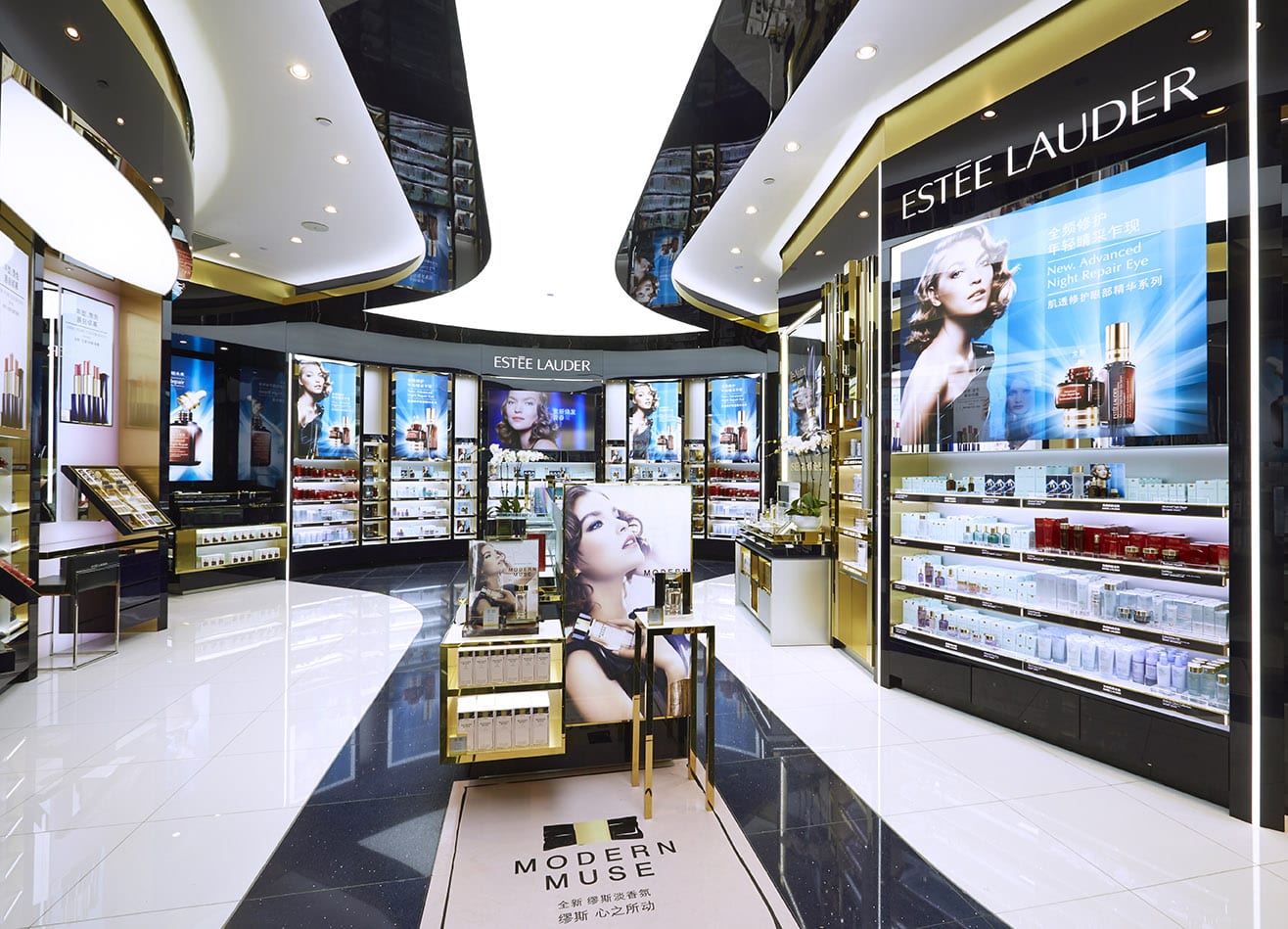
    Estee Lauder has signed an agreement to acquire Becca Cosmetics, a high-growth makeup brand offering complexion and color products that flatter a wide range of skin tones and enhance women’s features.

    Now the beauty giant says it wants to speed up the Becca Cosmetics’ brands rollout in Asia and further abroad.

    While the majority of the brand’s sales are in North America, it is currently engaged in a strategic global expansion with Sephora across Southeast Asia, Europe and the Middle East. Becca Cosmetics has a strong social media presence, with more than 1 million Instagram followers, and an engaged consumer base of all ages and backgrounds.

    Launched in 2001, Becca Cosmetics has experienced exceptional growth for years, with a curated product line-up including primers, concealers, foundations, blushes and highlighters that use “the beauty of light” to enhance the complexion. Most of the brand’s foundations are available in up to 20 shades, with half designed for medium to deep tones and half designed for light to medium tones.

    Since 2011, Becca has been led by president and CEO Robert DeBaker, and CFO/COO James MacPherson. It has been part of Luxury Brand Partners’ portfolio since 2012. The brand has a robust presence in specialty multi retailers Sephora and Ulta in North America, and is also sold in select department stores, as well as through BeccaCosmetics.com.

    “Becca Cosmetics is a wonderful addition to our portfolio of prestige beauty brands,” said Fabrizio Freda, president and CEO of The Estee Lauder. “Its unique focus on complexion products that flatter a wide range of skin tones, combined with its sophisticated yet accessible consumer and digital engagement across channels has inspired a devoted fan base. We see terrific growth opportunities for Becca as it expands globally and continues to cultivate its online and digital expertise.”

    “The Estee Lauder Companies is the ideal home for Becca,” said DeBaker. “The company has the scale and vision to help elevate Becca to its next phase of growth while encouraging us to continue to build our unique brand equity. We believe that beauty products should reflect a diverse range of skin tones and help all women create a naturally beautiful, yet individual look – and ELC is incredibly supportive of our mission.”

    Estee Lauder is one of the world’s leading manufacturers and marketers of skin care, makeup, fragrance and hair care products, its brands sold in more than 150 countries and including Estee Lauder, Aramis, Clinique, Lab Series, Origins, Tommy Hilfiger, Mac, Bobbi Brown, Donna Karan New York, Aveda, Jo Malone London, Michael Kors, Tom Ford, Smashbox, Ermenegildo Zegna, Tory Burch, Glamglow and By Kilian.

    Terms of the deal were not disclosed. The acquisition is expected to close in November.

  • Kurt Geiger sales soar despite ownership carousel

    Kurt Geiger sales soar despite ownership carousel

    Kurt Geiger should now be focusing on expanding internationally after a solid performance in 2015.

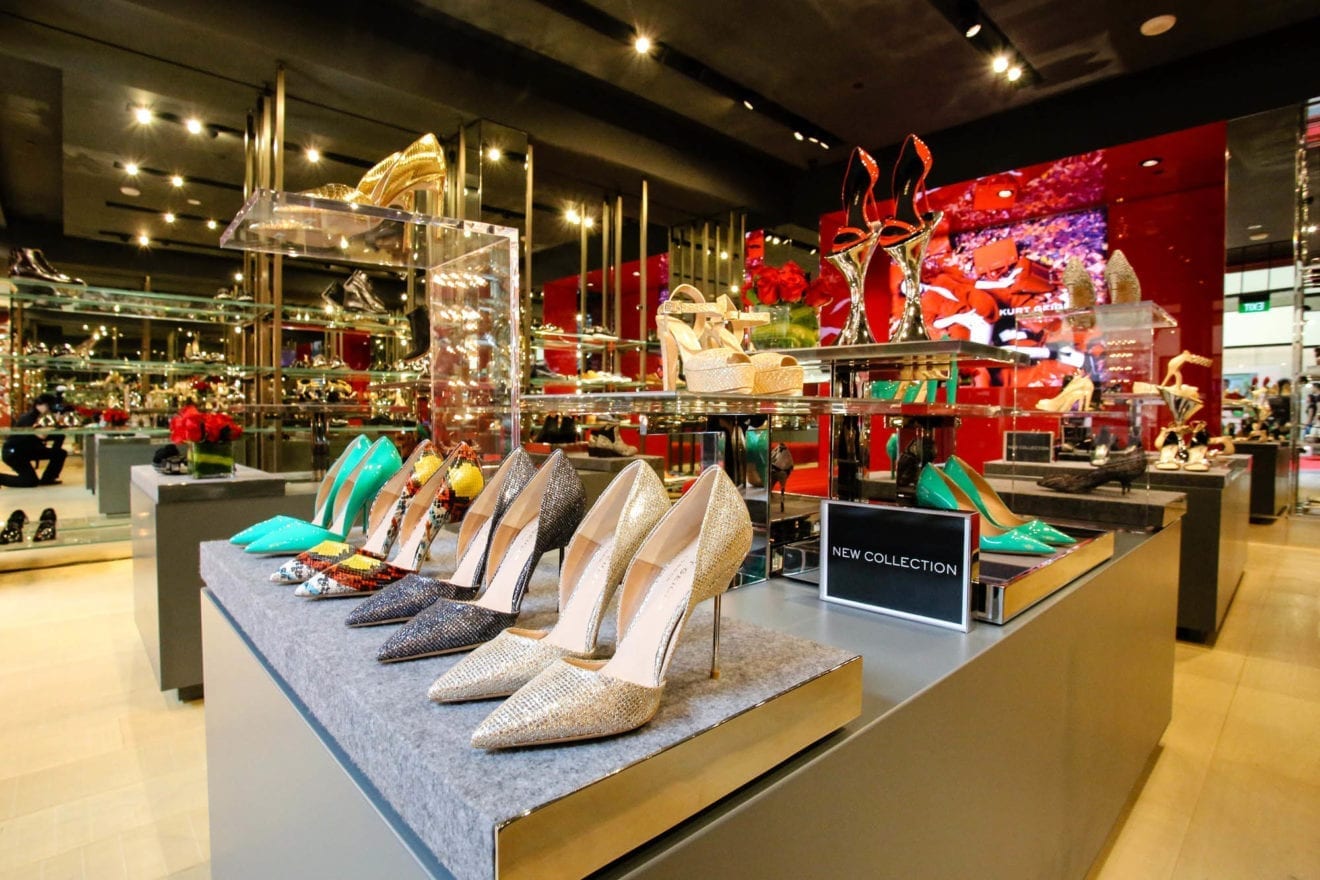
    Despite going round and round the carousel of ownership with three owners in the last four years, Kurt Geiger has maintained sales momentum and posted an impressive set of full year 2015 results, doubling operating profit and growing turnover to £281.6 million. The retailer’s fashion-led proposition, premium – yet accessible – price points and distinct design aesthetic is unrivalled on the high street, and has kept it top of mind of footwear shoppers.

    These results do not reflect its latest change of ownership, as it was sold to European private equity group Cinven in December 2015, and the footwear market in 2016 has been considerably less forgiving than that in 2015. Kurt Geiger has not been immune to the pressures of waning consumer confidence and volatile weather patterns, as evidenced by the fact that it has been discounting heavily over the last few months, even on new season A/W 2016 stock.  The retailer has to be careful to not dilute the Kurt Geiger brand too much, and ensure it remains aspirational and recognised for its quality and design credentials.

    Initiatives such as signing supermodel Karlie Kloss as the face of its brand for S/S 2016 and advertising its celebrity fan following on its website and social media channels through the ‘As Seen On’ function will continue to build its destination appeal and grow brand awareness. Given its robust product proposition and the continuing desirability of its brand, Kurt Geiger is in prime position to benefit from further investment from its new owners, whose focus must now be on nurturing the brand and expanding internationally as its domestic presence matures.

  • Ted Baker flourishing worldwide

    Ted Baker flourishing worldwide

    North America has led a solid increase in sales for Ted Baker in its first half year.

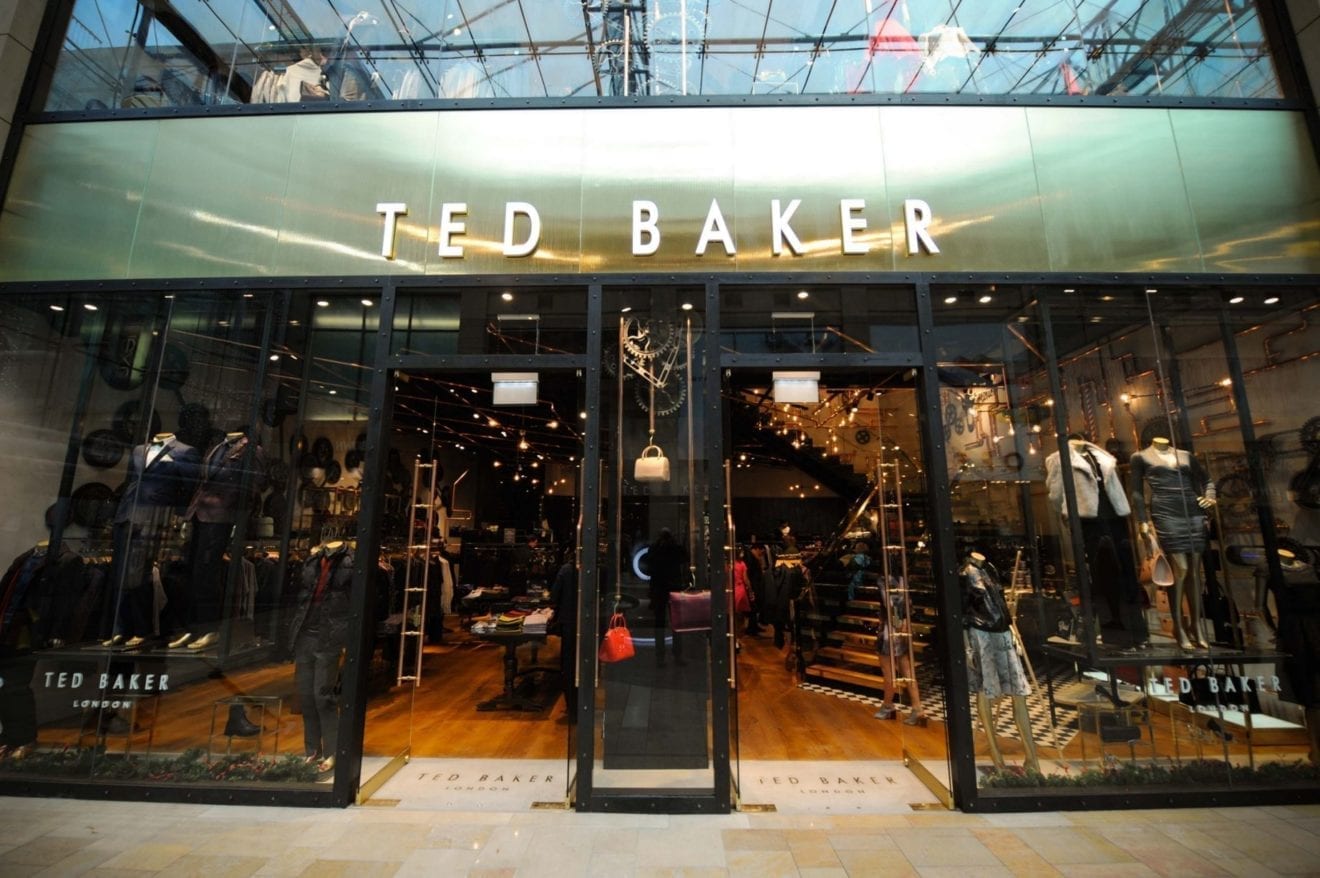
    With group revenue increasing £32.7 million to £259.5 million, the UK-headquartered fashion retailer has proved once again that its overall strategy and business investments across its three distribution channels are paying off.

    The retail business grew in value to £191.1 million, boosted by an almost 30 per cent increase in North American retail sales, while wholesale rose to £69.4 million and income from licensing increased to £7.9 million.

    Ted Baker’s store expansion continues as average retail square footage rose 9.7 per cent with store openings in the US, Canada and China, the addition of department store concessions in the UK, Europe and Asia and licensee store openings in newer territories South Africa and Vietnam.

    Ted Baker’s premium design aesthetic and almost aspirational appeal continues to attract shoppers.  Products are recognisably and distinctively Ted Baker, making them highly desirable to its loyal customer following. Ted Baker also has an advantage over rivals such as Reiss and Whistles, in terms of its ability to appeal to women and men fairly equally across a variety of products as evidenced by growth across both womenswear (up 13.8 per cent to £148.9 million) and menswear (up 15.3 per cent to £110.6 million). The brand is also gradually positioning itself as a lifestyle brand, with expansion into categories such as homewares, stationery and luggage. Its distinctive aesthetic translates well into these complementary categories and will enable Ted Baker to create newer sources of revenue in a challenging clothing market.

    eCommerce is hugely valuable and is a particularly stand-out element of the business. Investment in design, personalised content and language specific websites, the first of which launched in Germany during the half, further enhances the online experience. Initiatives such as its newly launched interactive video where customers can shop autumn/winter products as they watch further set Ted Baker apart from competitors.

    Ted Baker’s products are typically smart, design-led and chic, and with Christmas coming up – will be top of mind for customers for partywear, occasions and gifting. As the retailer continues to invest in product and build brand awareness of its core offer in new and emerging markets, Ted Baker is well-positioned to continue on its upward trajectory over the second half year.

  • Kenzo-H&M collaboration revealed

    Kenzo-H&M collaboration revealed

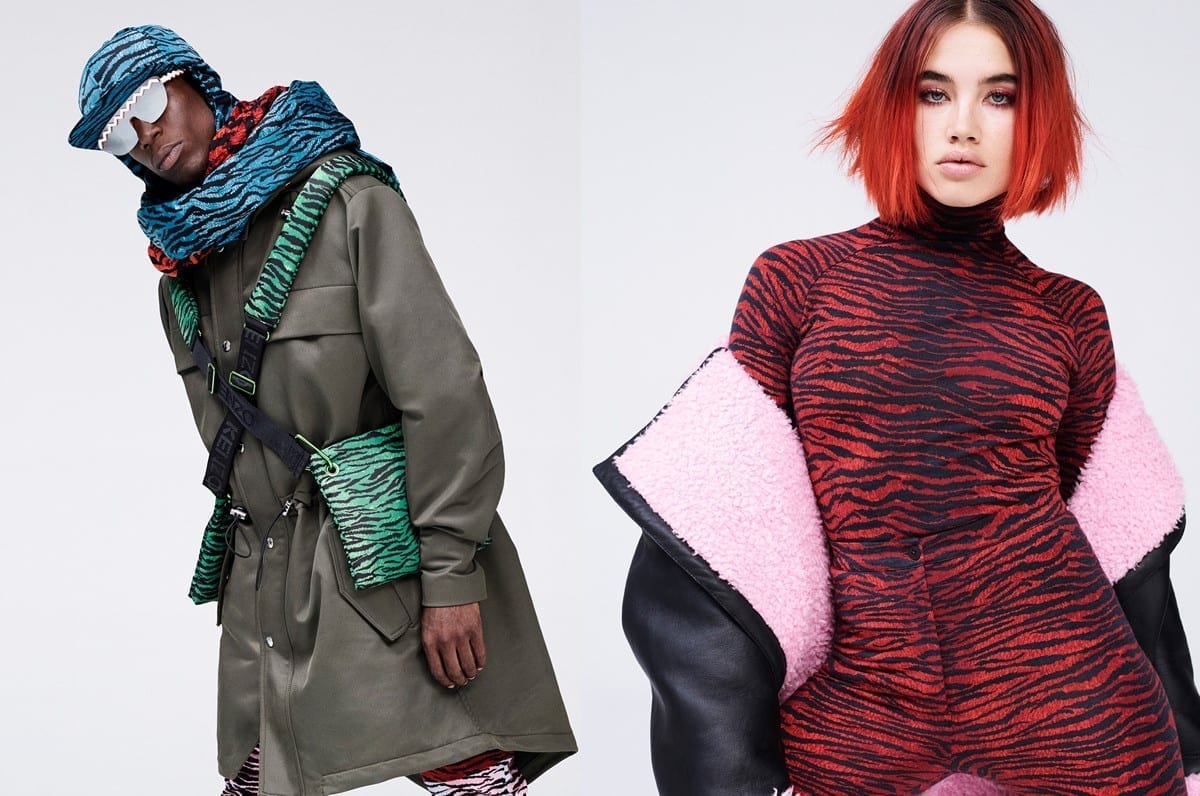
    The first images have been revealed of the extraordinary range of men’s and women’s designs in the Kenzo-H&M collaboration.

    The Kenzo and H&M collection will go on sale in more than 250 selected H&M stores worldwide from November 3. As with previous H&M collaborations, it is likely to attract huge interest as the fast-fashion giant makes available clothing from a luxury brand unaffordable to many core H&M shoppers.

    Kenzo collection 2

    The Kenzo- H&M lookbook features a key selection of looks from the designer collaboration and stars a diverse cast of talented, passionate and creative ambassadors, each of whom expresses their individuality and values with style. Inside Retail has chosen a small selection of the designs below.

    Kenzo collection 1


    The ambassadors featured in the lookbook are writer and activist Amy Sall, photographer Youngjun Koo, artist and DJ Juliana Huxtable, musician and performance artist Oko Ebombo, fashion editor Harriet Verney, make-up artist Isamaya Ffrench, artist Ingrid, musician Anna of the North, model and rapper Le1f, as well as models Mae Lapres, Hao Liu, Selena Forrest, Tom Gaskin, Julia Banas and Pierre Painchaud.

    The photographer was Oliver Hadlee Pearch.

    Kenzo collection 5

    Kenzo collection 4

  • Louis Vuitton buys Rimowa luggage

    Louis Vuitton buys Rimowa luggage

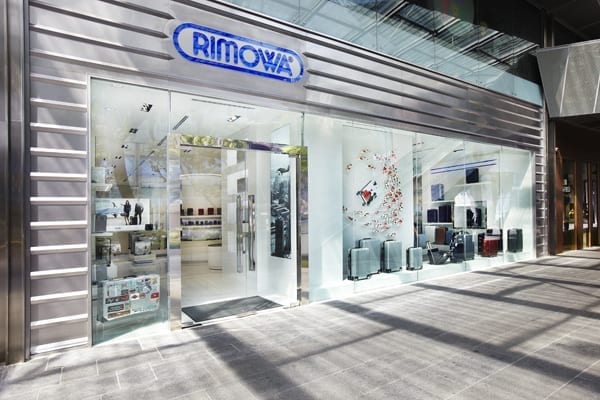
    French luxury group Louis Vuitton has bought a controlling 80 per cent stake in the Rimowa luggage business.

    Dieter Morszeck, grandson of the founder of Rimowa, believes partnering with the LVMH Group will preserve “the spirit of excellence and the long-term vision that have inspired his family and the company’s employees for over a century”.

    Morszeck will sell a majority stake to the LVMH Group while continuing to hold equity in the business and maintaining his leadership functions, resulting in Rimowa becoming the first German Maison of the LVMH Group.

    Upon completion of the transaction, Alexandre Arnault will be appointed co-CEO of Rimowa.

    Founded in Cologne in 1898, luggage and leather goods maker Rimowa has become renowned for innovative, quality luggage over the course of the 20th century.

    Since its creation by Paul Morszeck, innovation has been at the heart of Rimowa’s strategy. In 1937, his son Richard launched the first aluminium suitcase available on the market. The aluminium structure comprising parallel grooves makes the luggage instantly recognisable and has played its part in building the reputation of Rimowa among a sophisticated international clientele. His son Dieter designed the first waterproof metal case in 1976, since which time Rimowa suitcases have become the travelling companion of choice for the greatest filmmakers, photographers and journalists.

    Dieter Morszeck said: “My grandfather founded Rimowa more than a century ago and I joined the company 44 years ago. By entrusting this family venture to the LVMH Group, we are guaranteeing a promising future to all Rimowa employees. Over the past two years I have had the opportunity to establish close ties with the Arnault family, and in particular with Alexandre. Alexandre and I have discussed at length the attractive development prospects available to us and the common values that we share. I am delighted that he is joining Rimowa and I have full confidence in his ability to accelerate the development of the business by my side.”

    Arnault added: “Rimowa is a superb business which I have followed as a loyal customer for many years. It has revolutionised the luggage industry for over a century, its suitcases are renowned for their unique performance, quality and design. I am honored to join Rimowa and to be working alongside Dieter.”

    Morszeck has created the Rimowa Dieter Morszeck Foundation to which a substantial part of the sale proceeds will be donated. The foundation aims to support projects in scientific research, public health, education and humanitarian aid both in Germany and internationally.