Retail News CRM

Tag: International

  • Sears gets away from bankruptcy

    Sears gets away from bankruptcy

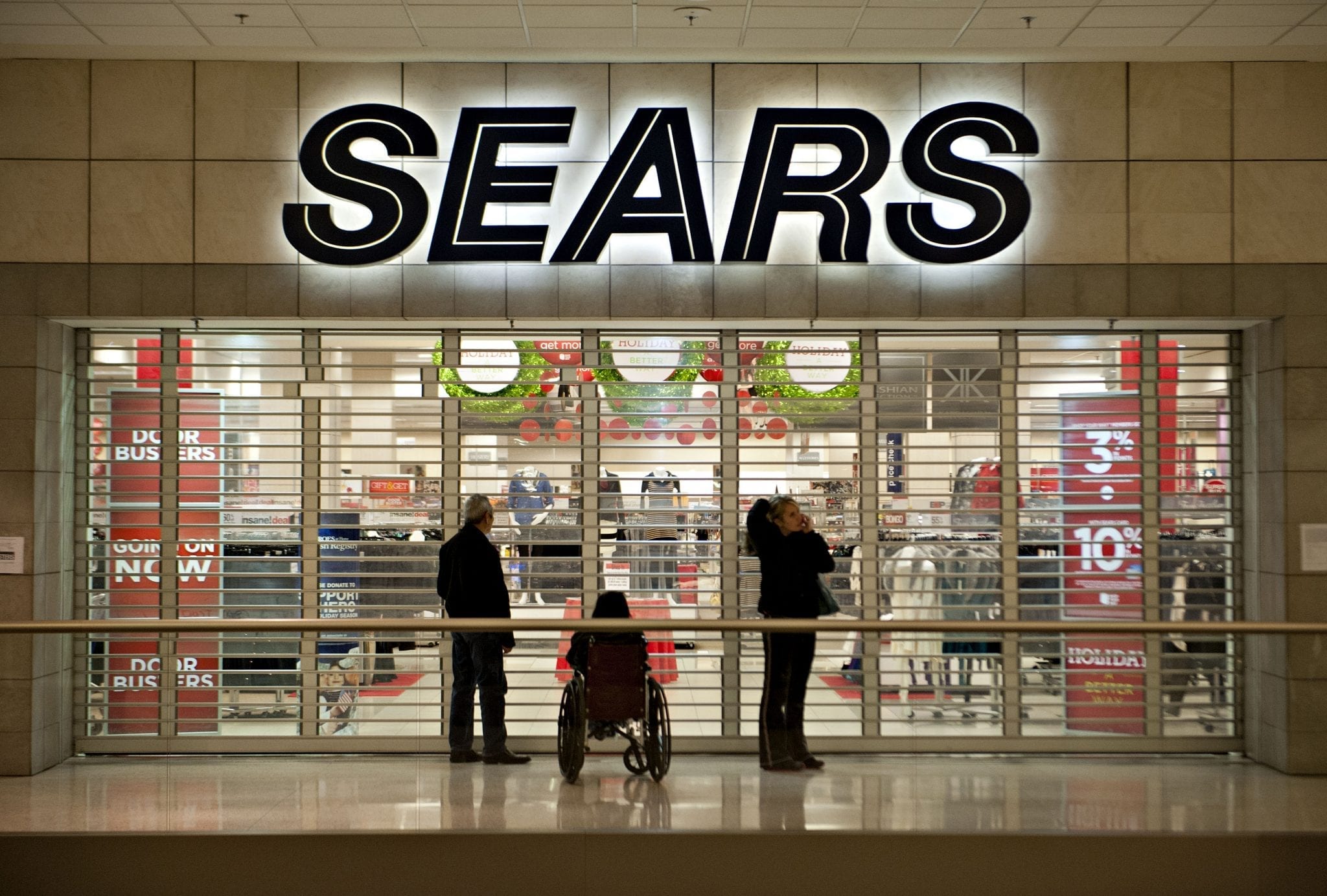
    Sears Holdings chair Edward Lampert’s US$5.2 billion bid to save 425 Sears and Kmart stores and roughly 45,000 jobs from liquidation was approved by a US bankruptcy court judge last week. Lampert’s bid, which he made through his hedge fund ESL Investments Inc., was approved by Judge Robert Drain after a hearing spanning several days in a White Plains, NY, federal bankruptcy court.

    Terms of the sale allow for some litigation to continue against Lampert and ESL.

    Drain said that Lampert, the only bidder offering to keep Sears alive, had been subjected to substantial verbal abuse during the proceedings, with critics characterising the Sears chairman’s plan a scheme to rob the company and its creditors of assets.

    “He is a wealthy individual and a big boy and I guess he can take it,” Drain said, adding that some of the abuse may have been justified.

    As CEO and chairman, Lampert’s time at Sears led to cost-cutting efforts that had resulted in a decline in sales, store closures, and inventory reductions.

    He arranged the US$11 billion merger between Sears and discounter Kmart in 2005 and tried for years to boost business.

    The company’s restructuring officer Mohsin Meghji and company directors Bill Transier and Alan Carr were among those questioned on the witness stand during the court hearing on Lampert’s offer.

    Lampert, who stepped down as CEO when the department store chain filed for bankruptcy in October last year, remained the retailer’s chairman, largest shareholder and creditor. A restructuring committee of independent directors negotiated with Lampert and his advisers.

    Lampert’s offer, which had been rejected more than once, came after the retailer had been pushed to the brink of liquidation multiple times. In the end, he increased his initial offer by $800 million, largely in the assumption of Sears’ bills for taxes and merchandise.

    As per a report, Drain grew impatient as the proceedings wore on Thursday, when a creditor’s committee lawyer argued an objection to the takeover bid.

    It added money owed to lawyers, bankers and other advisers working on the retailer’s bankruptcy case also proved contentious as Sears lacked enough money to meet all its obligations.

    The report added Lampert still remains exposed to lawsuits related to certain transactions he engaged in while leading Sears before filing for bankruptcy.
  • Samsung dreams of a future filled with 8K TVs

    Samsung dreams of a future filled with 8K TVs

    Samsung Electronics will expand its lineup of 8K televisions this year, hoping to launch the premium products in 60 countries around the world. 8K televisions have four times more pixels than 4K, which until recently was the most cutting-edge screen a high-end television could have. When compared to a 4K TV, 8K screens are brighter with more color contrast and sharper edges. Samsung released its first 8K television last year.

    Han Jong-hee, Samsung’s president in charge of the visual display business, said in a press conference Friday that he expects 2019 to mark the start of a new era where 8K becomes the new norm in the high-end television market.

    “4K grew to take up 60 percent [of all Samsung TV sales] in five years – I expect 8K to show a similar level of performance, maybe faster considering how tech develops so fast these days in all sectors including content and displays,” he said at the event held in Samsung’s Suwon complex in Gyeonggi.

    The company’s 2019 goal for 8K TVs is to reach a double-digit year-on-year growth rate for market share in the local high-end TV sector. Han says the goal is “reachable,” adding that half of the large Samsung televisions sold in the country after November were 8K. That month, Samsung started local sales of the product.

    Regarding its global business, the QLED 8K started selling in Europe, Korea, the United States and Russia last year. Tomorrow, the company will unveil new models for 2019 at the Samsung Forum, a showcase event for clients that simultaneously takes place in various regions around the world.

    This year’s plan is to launch sales in 60 countries.

    Whereas last year the QLED 8K lineup came with four size variations with the largest at 85 inches, this year there will be six variations with the largest at 98 inches. The new sizes are in line with Samsung’s strategy to continue strengthening its lineup of massive TVs to keep a competitive edge in the high-end price sector.

    It remains to be seen whether Han’s optimistic views on 8K television will come to fruition as quickly as he projects. Even if 8K TVs exist, the higher definition and the high price it comes at won’t be of much use if video content remains at the 4K level.

    “5G networks will spread this year and the demand for 8K content will go up as well,” responded Han when asked about the problem. Han particularly expressed anticipation for the 2020 Tokyo Olympics. Japan’s national broadcaster NHK plans to live stream the games worldwide in 8K.

  • H&M profit drops due to online investment

    H&M profit drops due to online investment

    H&M profit dropped in the year to November 30, the Swedish fast-fashion retailer blaming investment in its online business for the decline. The world’s second largest clothing retailer embarked on a transformation program last year, investing heavily in logistics and digital technology aiming to improve the shopping experience and product range. This included an upgrade in its mobile app, faster deliveries and the rollout of click-and-collect.

    The company is also working on a new H&M concept store.

    In the last three months of its financial year, the company spent around US$48.5 million on logistics and technology, including resolving problems it flagged earlier last year.

    H&M CEO Karl-Johan Persson said the upgrade in the company’s logistics systems inevitably resulted in increased costs but will lead to a range of improvements for customers.

    “Against a backdrop of rapid changes in the fashion industry, in 2018 we accelerated our transformation to future proof our business, ending a challenging year for the H&M Group and the sector with strong signals that we are on track,” he said.

    Persson said it may have been a challenging year for H&M and the industry but after a difficult first half, there were signs the company’s transformation efforts were beginning to take effect.

    H&M posted a 5 per cent increase in full-year revenue to $22.7 billion, while in local currencies, net sales rose by 3 per cent. Profit fell by 21.8 per cent to $1.36 billion from the same period last year.

    Online sales rose 22 per cent to SEK 30 billion ($3.2 billion) and now comprise 14.5 per cent of the company’s total revenue.

    “With a stronger customer offering and the ongoing improvements in buying and logistics, we expect this trend to continue,” Persson said.

    “While this performance is still some way off the targets that we set at the beginning of 2018, these positive signals confirm we’re making progress across all our strategic focus areas: to create the best customer offering; a fast, efficient and flexible product flow; a stable scalable tech foundation; and adding new growth through store and online expansion.”

    According to Persson, the company opened three new fulfilment centres in the fourth quarter with a total of around 230,000sqm so it can offer customers faster deliveries and a wider assortment while reducing the capacity constraints that slowed them down in some markets in 2018.

    “We have also completed our online transition with investments in 2018, enabling us to successfully migrate online in Germany to the new platform earlier in January 2019,” he said. “With this, all H&M online markets are now on the new platform.”

    Persson said the difficulties with the logistics upgrade in some of their markets earlier in 2018 led to additional costs in the fourth quarter.

    “Applying lessons learned, we have not increased investments to secure upcoming transitions.”

    He added that while these initiatives have a short-term impact on margin, they will lead to continued improvements for their customers, driving increased profitability in the long term.

    “With the transformation now underway, capital expenditure will reduce this year compared to last and we will continue to shift the balance of our investments towards digital.

    “Changing consumer behaviour and technological innovation will continue to transform how and when people shop, we are building a business with the flexibility to respond to this constant evolution.”

  • HMV saved by Sunrise Records, but some stores will close

    HMV saved by Sunrise Records, but some stores will close

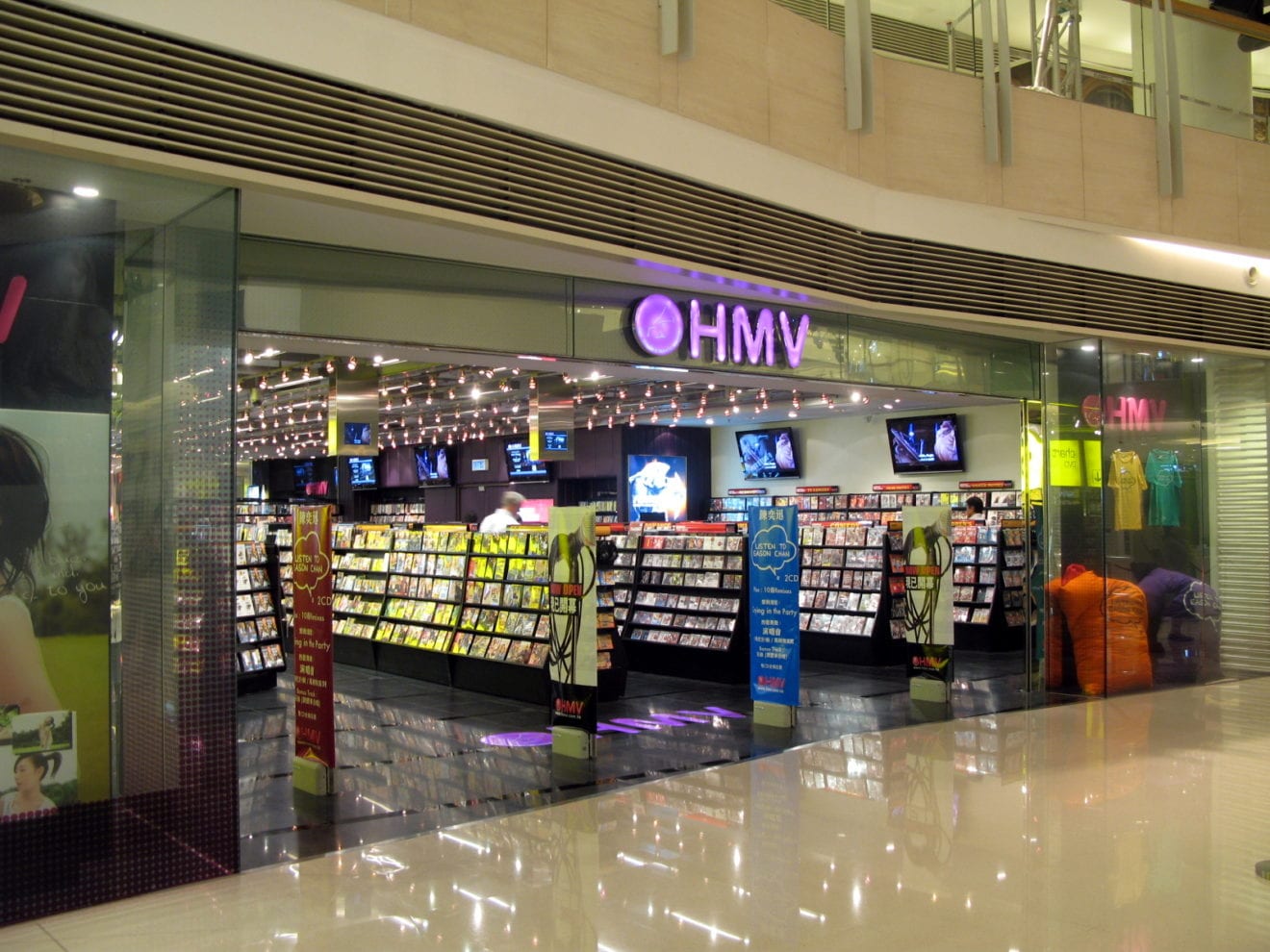
    Canadian firm Sunrise Records has emerged as the buyer of collapsed music chain HMV, beating competition including Sports Direct owner Mike Ashley. The firm will buy 100 stores out of administration, securing 1,487 jobs. But 27 stores will close, resulting in 455 redundancies. Sunrise Records chief executive Doug Putman said he was “delighted to acquire the most iconic music and entertainment business in the UK.”

    No price was given.

    Canadian entrepreneur Mr Putman, 34, bought the retail chain Sunrise Records in 2014. He previously bought HMV’s Canadian business in 2017, expanding his small chain into a national operation with 80 outlets.

    Mr Putman is also President of Everest Toys, the largest toys and games distribution company in North America. He said that HMV was a “fantastic, heritage brand”. He also said the chain would be looking to stock more vinyl records, in response to customer demand.

    HMV owner Hilco, which took the company out of its first administration in 2013, has blamed a “tsunami” of retail challenges for the latest collapse.

    These include business rate levels and the increasing use of streaming services to deliver music and movies.

    HMV sold 31% of all physical music in the UK in 2018 and 23% of all DVDs, with its market share growing month by month throughout the year.

    However, the music industry expects physical entertainment sales to shrink by another 17% this year.

    Will Wright, partner at KPMG and joint administrator said: “We are pleased to confirm this sale which, after a complex process, secures the continued trading of the majority of the business.

    “Our immediate concern is now to support those employees that have unfortunately been made redundant.”

  • Kendall Jenner signed agreement with Penshoppe

    Kendall Jenner signed agreement with Penshoppe

    Global fashion retail brand Penshoppe has unveiled the latest addition to its roster of international ambassadors – 23-year-old world’s highest-paid supermodel and one of the most followed celebrities on social media, Kendall Jenner. The model initially appeared on Penshoppe’s DenimLab campaign in 2015, and is now headlining the brand’s Spring Summer 2019 Campaign with Zayn Malik, Paris Jackson, Nam Joo Hyuk and Sandara Park.

    “As we move from strength to strength, we couldn’t think of a better addition to our growing list of global ambassadors”, said Golden ABC’s VP for brand management Jeff Bascon. “It’s good to have you back, Kendall!”


    Penshoppe has more than 400 locations across Bahrain, Cambodia, Indonesia, Saudi Arabia, Myanmar, Thailand, Vietnam and the Philippines. The brand is available online in Singapore, Malaysia, Hong Kong, Taiwan and Indonesia.

  • Rimowa collaborates with Alex Israel for its latest suitcase

    Rimowa collaborates with Alex Israel for its latest suitcase

    Alexandre Arnault of Rimowa has just taken to Instagram to tease the luggage purveyor’s latest collaborative suitcase. Set for a full reveal at this year’s Frieze Art Fair, the suitcases are in collaboration with multimedia artist Alex Israel. Inspired by his home town of Los Angeles, the luggage sees the signature use of blue and red hues — inspired by the adored sunsets of the West Coast.

    The suitcases’ exterior shell and wheels are essentially treated with tones of blue, light purple, pink and light orange in a faded finish to reflect the colors of the vibrant sky in Los Angeles during sunset and sunrise.

    The suitcases will come in two color options. One will predominantly be in a gradient sky-blue – fading to flamingo-pink, while the other color option sees the complete opposite.

    Both suitcases will be officially unveiled at the Frieze Art Fair in Los Angeles via a pop-up beginning February 14.

  • Asia-Pacific boosts Estee Lauder revenue

    Asia-Pacific boosts Estee Lauder revenue

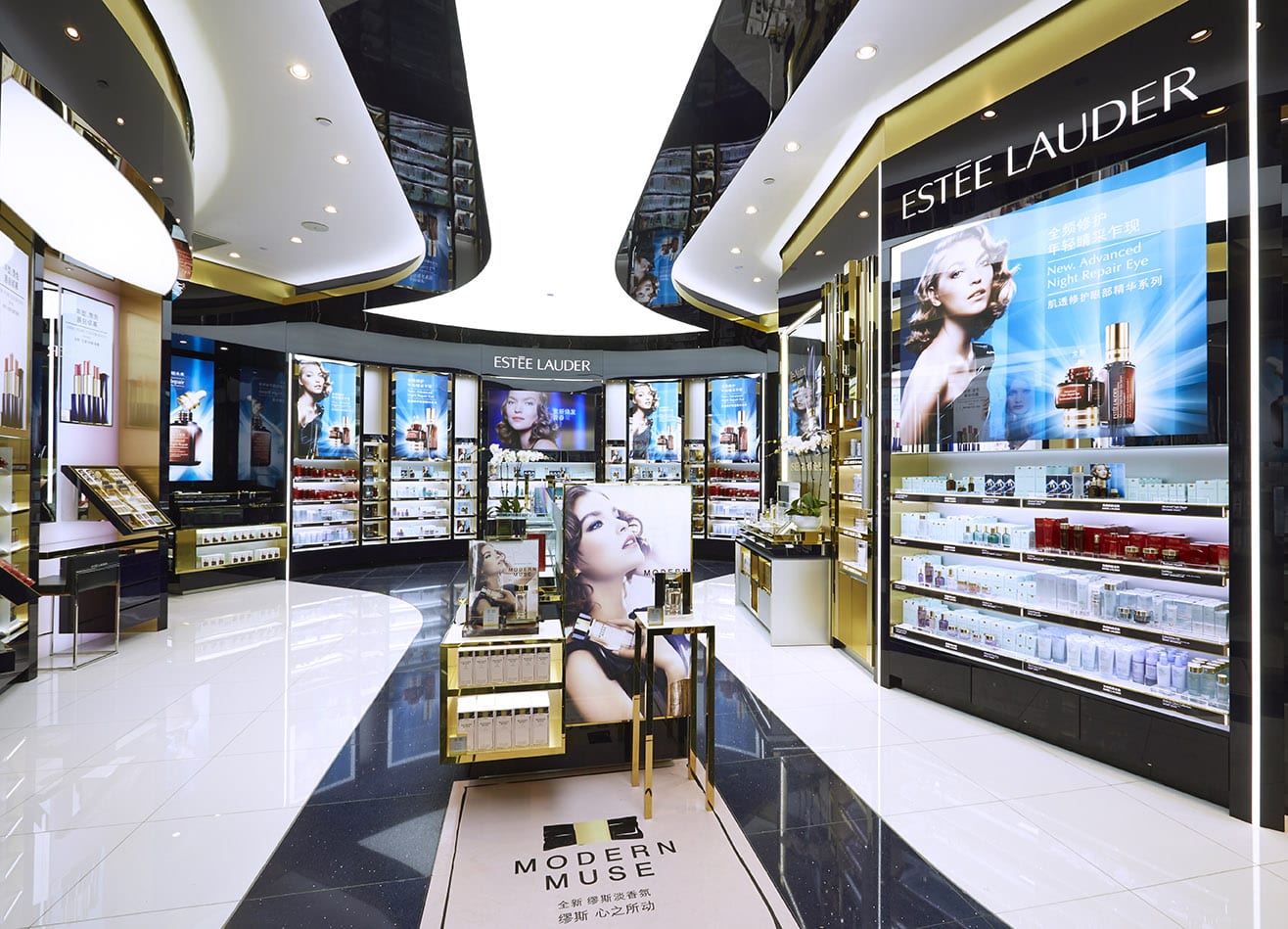
    Estee Lauder Asia-Pacific sales achieved double-digit growth in the December quarter. The beauty giant says the growth was broadbased, with nearly half of the markets in the region growing by double digits. “China, Hong Kong and Japan continued to deliver strong growth, and Korea net sales accelerated. Prestige beauty in China accelerated and the company continued to build share,” the company said in a statement.

    “[We] generated double-digit net sales growth in virtually every major product category and channel. Operating income increased, primarily due to higher net sales.”

    Globally, Estee Lauder sales exceeded US$4 billion for the first time, up 7 per cent from the same time a year earlier. Net earnings rose to $573 million compared with $123 million last year.

    “We delivered an excellent performance in our fiscal second quarter,” said president and CEO Fabrizio Freda. “Importantly, this was our eighth consecutive quarter of impressive net sales growth that met or exceeded our long-term goal, all while navigating many global macro issues.

    “Our sustained progress is the result of our multiple engines of growth strategy, and demonstrates our agility in moving resources to the best global opportunities,” he said.

    The strongest growth engines during the quarter included the skin care category globally, the Estee Lauder Asia-Pacific business, online and travel retail channels, and most brands, including Estee Lauder, La Mer, Mac and the company’s artisanal fragrance brands.

    “Despite a volatile and challenging backdrop, we are optimistic about our company’s long-term outlook. We are very well-positioned to build share in global prestige beauty,” Freda said.

    “We plan to increase our investments during the next six months behind our successful innovations, high-quality products, compelling digital advertising and effective commercial execution, while also enhancing our capabilities to strengthen our industry leadership and deliver long-term profitable growth.”

  • Foot Locker buys out Goat Group stake

    Foot Locker buys out Goat Group stake

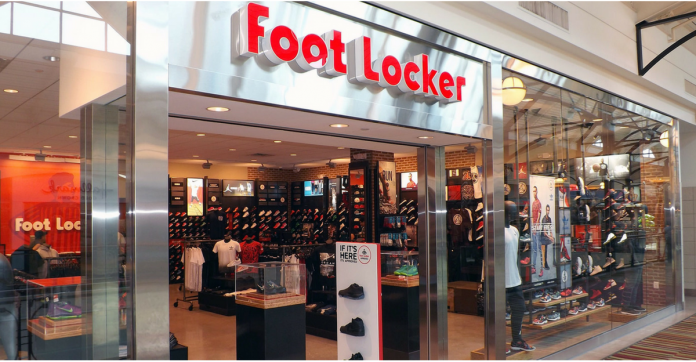
    Specialty athletic retailer Foot Locker is making a US$100 million strategic minority investment in Goat Group, a managed marketplace for authentic sneakers operating the Goat and Flight Club brands. The partners expect to make joint efforts across digital and physical retail platforms to create exclusive experiences for their customers in an attempt to elevate customer engagement. The investment is also expected to help accelerate Goat Group’s global operations, expanding its omnichannel experience and innovative technologies.

    “At Foot Locker we are constantly looking at new ways to elevate our customer experience and bring sneaker and youth culture to people around the world”, said Foot Locker’s chairman and CEO Richard Johnson. “We are excited to leverage Goat Group’s technology to further innovate the sneaker buying experience and utilise their best-in-class online marketplace to help meet the ever-growing global demand for the latest product.

    “Together, Foot Locker and Goat Group’s shared commitment to trust and authenticity in the sneaker industry will provide consumers with unparalleled experiences and diversified offerings,” said Johnson.

    “In 2015, we pioneered the ship-to-verify model with a mission to bring a seamless and safe customer experience to the secondary sneaker market,” said Goat Group’s co-founder and CEO Eddy Lu. “With more than 3000 retail locations, Foot Locker will support our primarily digital presence with physical access points worldwide, bringing more value to our community of buyers and sellers. Having Foot Locker as a strategic partner will also expand our business as we continue to scale our operations both domestically and internationally.”

    Scott Martin, Foot Locker’s senior VP for strategy and store development, will join Goat Group’s board of directors.

    The Goat Group deal follows Foot Locker’s recent investments in innovative, digital-first companies including leading women’s luxury activewear brand Carbon38; tactical play and children’s lifestyle brand Super Heroic; and footwear design academy Pensole.

    Foot Locker’s investment will bring the total raised by Goat Group to $197.6 million since it was founded in 2015.

  • Where will Apple retail chief go after resigning?

    Where will Apple retail chief go after resigning?

    Within hours of the announcement that Apple retail chief Angela Ahrendts was to leave the role in April, speculation was rife as to where she is headed. Ahrendts, who led the fine-tuning of Apple’s retail business for five years after turning around British fashion house Burberry, has a stellar career in the luxury business. Several fashion industry sources have speculated she may be headed to take the helm of Ralph Lauren.

    In a statement announcing the Apple retail chief’s departure, the company said she is leaving the company “for new personal and professional pursuits”. CEO Tim Cook described her departure as “bittersweet”.

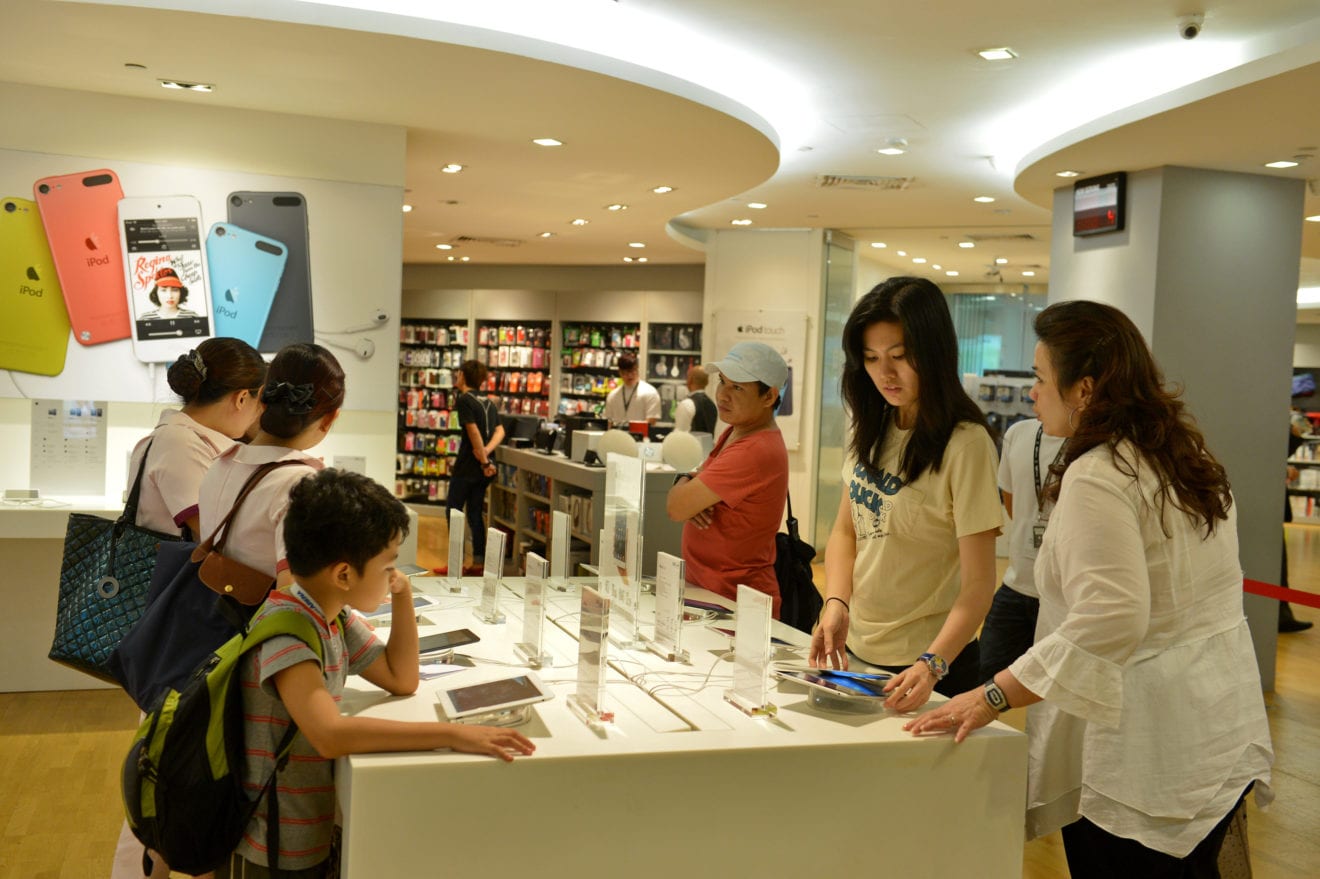
    During her time with Apple, Ahrendts – who was once tipped to take over Cook’s role in the future – has subtly redefined the Apple stores from high-end tech shops into community hubs. She took the renowned Apple Store concept created by predecessor Ron Johnson, dropped the “store” from its title and expanded the network to 506 physical stores and another 35 online.

    “Her vision includes stores as gathering spaces and hubs for creativity,” observed Daphne Howard of Retail Dive.

    “While Johnson is credited with initiating the brick-and-mortar strategy that has been the backbone of Apple’s hardware sales, including minimalist spaces conducive to product demos and customer education, Ahrendts has taken that [a step further].”

    Apple’s retail business will now be overseen by Deirdre O’Brien, the company’s senior VP of people, who will add retail to an already long list of responsibilities including talent development, Apple University, recruiting, employee relations, business partnerships, benefits, compensation and inclusion, and diversity.

    Some might see that as a sign Apple is reducing its focus on its retail business, although O’Brien might be considered something of an Apple acolyte, having been with the company for 30 years.

  • Gucci unveils fragrances collection ‘The Alchemist’s Garden’

    Gucci unveils fragrances collection ‘The Alchemist’s Garden’

    Gucci has revealed its luxury fragrances collection – The Alchemist’s Garden – with oud, amber, violet, iris, mimosa, rose and woods as the seven scents. The Alchemist’s Garden collection has seven scents – oud, amber, violet, iris, mimosa, rose and woods.

    The design of the bottles is inspired by vintage apothecary, pharmacy jars and the first perfumery containers, resonating with the nostalgic theme of the collection. All the bottles are white except for oud, which is black, and rose, which is in a shade of blue chosen by Michele.

  • Oil price drops as global economic concerns grip market

    Oil price drops as global economic concerns grip market

    Oil price fell about 2 percent on Thursday as the market was weighed down by concerns that global demand growth would lag in the coming year. A rebound from late December lows seemed to stall amid worries that a trade war between the U.S. and China would continue, weighing on demand. The market also contended with the possibility that oil producers would not adhere strictly to cuts agreed to last year.

    Brent crude futures fell $1.06 a barrel, or 1.7 percent, to settle at $61.63. U.S. crude futures fell $1.37 a barrel, or 2.5 percent, to settle at $52.64.

    “The correction is stalled, mainly on concerns about demand growth,” said Gene McGillian, director of Market Research at Tradition Energy in Stamford, Connecticut. “There seems to be uncertainty about what is going to happen with the trade talks, with global economic growth and demand in the coming year,” he said.

    In particular, he said, the market is worried about whether demand is sufficient to absorb growing crude production from the U.S.

    “Supply fundamentals have increasingly been turning supportive in recent weeks, but against this the market still worries about the yet-to-be-realised – if at all – impact on demand from weaker macroeconomic fundamentals,” said Ole Hansen, head of commodity strategy at Saxo Bank.

    Though the United States published robust jobs data last week, global markets remain nervous after China reported the lowest annual economic growth in nearly 30 years in January. That focuses yet more attention on the outcome of U.S.-China talks to end the trade war between the world’s top two economies.

    The oil price also came under pressure as weekly data published by the U.S. Energy Information Administration on Wednesday showed an unwelcome increase in stocks of crude oil.

    A decline in OPEC production and a squeeze on supply from Iran and Venezuela because of U.S. sanctions have led many analysts to forecast that the market will be balanced in 2019.

    The oil price is showing a 20 percent gain so far this year.

    Price support is provided by supply cuts led by the Organization of the Petroleum Exporting Countries (OPEC) to tighten the market.

    Saudi Arabia, the world’s top oil exporter, told OPEC it had pumped 10.24 million barrels per day (bpd) in January, two OPEC sources said, a deeper cut than targeted in the supply pact. The kingdom pumped 10.643 million bpd in December.

    “We believe that financial markets may be overestimating the risks of a global recession,” said Jean-Pierre Durante, Head of Applied Research at Pictet Wealth Management.

    “Moreover, lower oil prices – prices were between 14 percent and 18 percent lower in January than their 2018 average – are likely to stimulate economic activity and oil demand, particularly in emerging markets.”

    U.S. sanctions against Venezuela’s oil industry are expected to freeze sales proceeds of Venezuelan crude exports to the United States.


  • The shares of Lululemon athletica have risen 90% in 2018

    The shares of Lululemon athletica have risen 90% in 2018

    Over the past 12 months, shares of lululemon athletica have risen 90%. The most recent surge came after an upgrade on 2018 holiday season guidance, helping the athletic-wear stock rebound from a slump brought on by a broad stock market sell-off at the end of the year. Lululemon has enjoyed several tailwinds. Athleisure (that is, activewear and sports-inspired clothing for all situations) has continued to grow in popularity, and consumers have been generously spending — to the tune of 4.9% more on clothing alone in 2018, according to the U.S. Census Bureau. After a blockbuster run, though, Lululemon may have a difficult time repeating that same success in the new year.

    It is easy to see why shares of the clothing company have come roaring back. During the all-important holiday shopping season, management updated revenue guidance to between $1.14 billion and $1.15 billion, up from previous guidance of $1.12 billion. Earnings per share also got an upgrade to a range of $1.72 to $1.74, up from a range of $1.64 to $1.67.

    The results are impressive, but Lululemon has been measured by how it approaches expansion. Through the third quarter of 2018, there were 426 physical stores, up a net 22 from the start of the year. Instead of growing primarily by new openings, the company has instead benefited from a surge in same-store sales at existing stores — which increased 6% during the third quarter — as well as directing traffic to the online store. Direct-to-consumer sales were 25.3% of revenue in the third quarter, compared with 21.2% in the same period in 2017.

    Lululemon is not alone in the athleisure-wear category, though. Gap and its Old Navy and Athleta brands continue to grow their presence in sportswear, and the largest sports-only chain, Dick’s Sporting Goods, has also launched its own branded lines of clothing. Yet in spite of the competition, Lululemon has continued to resonate with new and existing buyers, both here in the states and abroad.

    The maker of stretchy pants and other sports-inspired clothing could nevertheless continue to run higher. After all, Lululemon has momentum on its side, both on the top and bottom lines. Even should sales growth take a breather, management has said it thinks gross profit margin on product sold could continue to expand, especially as a result of the emphasis on direct selling online and new higher-margin products such as coats and sweaters.

    On the other hand, there is reason for investors to give pause before jumping on the bandwagon. Even after earnings nearly doubled in 2018, the stock still trades at a premium, largely because share performance matched that of earnings. The trailing-12-month price-to-earnings (P/E) ratio currently sits at 52.5, a metric that only slightly improves to 43.2 when using free cash flow — a better measure of profitability, as it factors only for basic operating expenses and capital expenditures and excludes items such as depreciation and amortization.

    On a one-year forward basis, the P/E is currently at 40. Paying for decades’ worth of profits that haven’t yet been realized only makes sense if the bottom line continues to expand at breakneck speeds, and that’s what is implied in the rich valuation. Thus, there’s little room for error, and if there’s any slowdown at Lululemon, the stock could suffer losses at current levels.

    Of course, for those looking to the long term, Lululemon looks like a solid bet on the apparel industry of the future. Nevertheless, after renewed investor optimism over new fourth-quarter guidance, the stock is too rich for my taste.

  • Emirates to fill pilot gap with exodus from Etihad, Norwegian airlines

    Emirates to fill pilot gap with exodus from Etihad, Norwegian airlines

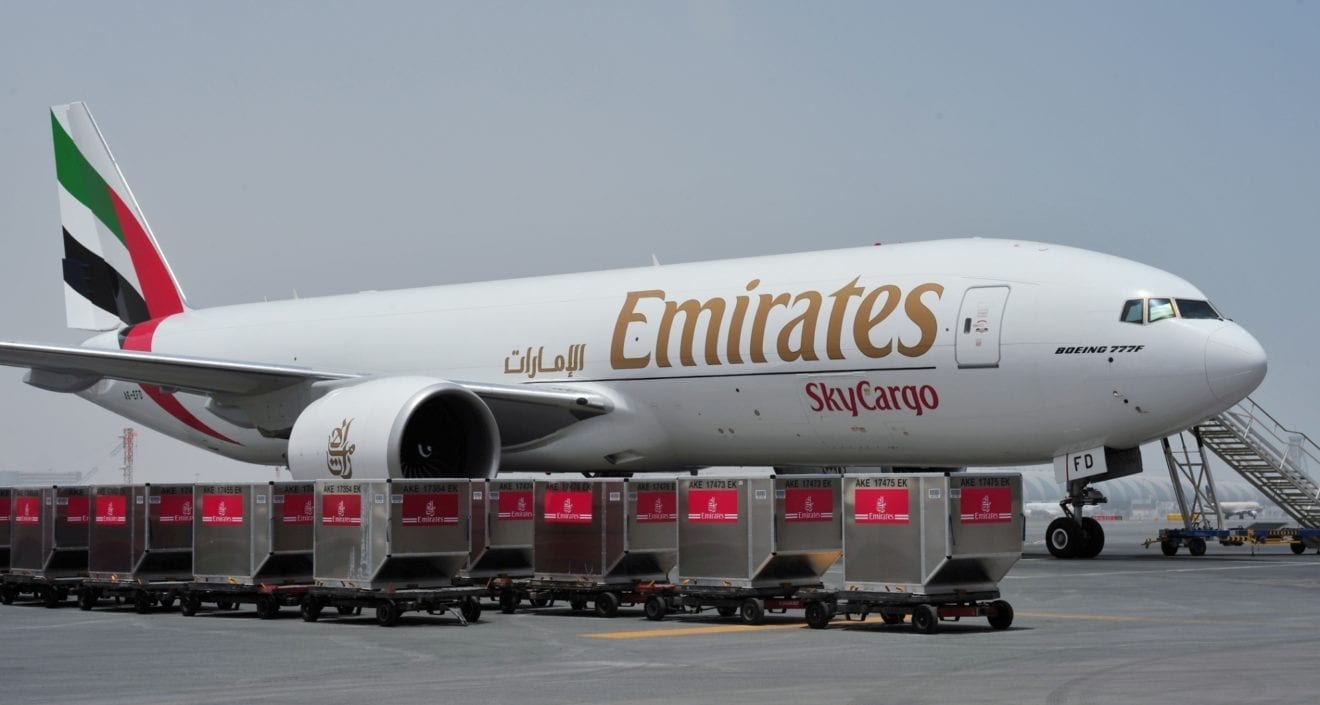
    Emirates, the world’s biggest long-haul airline, may feed its appetite for new pilots with recruits from ailing neighbor Etihad Airways and cash-strapped discounter Norwegian Air Shuttle ASA, according to an internal memo from the Gulf carrier. Hong Kong Airlines has also contacted Dubai-based Emirates about opportunities to temporarily transfer some cockpit crew, according to the document. Pilots at the unit of beleaguered HNA Group are Airbus SE-rated, meaning they could be trained to fly the Mideast company’s A380 superjumbos.

    “The current situation with several airlines in financial difficulty globally leaves Emirates in a good position to be sourcing and selecting good-quality pilots,” the memo says.

    It said the airline recruited 52 pilots last month, the highest number since August 2016, and that the number of viable applications it’s receiving “is higher than the number of candidates that can be invited.”

    Emirates declined to comment on the communication, which was dated Jan. 29 and appeared to be a meeting report. A spokeswoman said there are sufficient pilots for current operations, though the airline will “continue to welcome qualified candidates.”

    Norwegian Air said it’s not uncommon for members of any company’s workforce to seek opportunities elsewhere. Hong Kong Airlines couldn’t be reached during the Chinese New Year holiday, while Abu Dhabi-based Etihad didn’t respond to requests for comment.

    Hiring Challenge

    Emirates faces an annual hiring challenge to meet the needs of its expanding global network. President Tim Clark said last April that there would be a shortfall of 100 to 150 flight crew over 2018’s busy summer travel season.

    According to the memo, 499 crew have been deemed eligible to join from this coming April through the end of 2019.

    Applications from Norwegian Air and Etihad have been spurred by redundancies at the airlines, according to the Emirates memo.

    Norwegian, heavily indebted after one of the fastest growth spurts in aviation history, resorted to a 3 billion kroner ($354 million) rights issue last week after British Airways parent IAG SA walked away from a takeover bid.

    The Scandinavian carrier is also closing six bases and cutting routes to stem losses, proposing that pilots transfer to other locations.

    Etihad last June offered captains and first officers a two-year secondment, or temporary transfer, to Emirates. In January, it revealed plans to cut 50 pilot posts as it cancels jet orders and shrinks operations to stem losses.

    The Emirates memo said Hong Kong Air has identified a 10 percent surplus in pilot numbers. The carrier, whose debt-laden owner HNA is offloading $20 billion in assets, is being sued by a Macau-based lender for failing to pay $20 million in principal and interest, according to a court filing last month.


  • Loewe launches outdoor menswear collection

    Loewe launches outdoor menswear collection

    Inspired by the great outdoors, Loewe has launched a new permanent collection of functional clothes and accessories for men. The campaign features British actor Josh O’Connor in the wilds of Cap de Creus, Spain. Loewe has launched a great outdoors-inspired collection of functional clothes and accessories for men. Featuring a wide range of vibrant colours, the collection – Eye/LOEWE/Nature – makes use of recycled materials, adding an innovative touch to conventional apparel.

    The ready-to-wear collection includes jumpers knit from partly recycled cotton fibre, parkas made of technical material, outerwear, shirts, trousers and cargo shorts.

    The accessories, manufactured in Japan, boast exclusive technology. Hand-sewn from quality canvas with calfskin trim, the Eye/LOEWE/Nature backpacks come with extra cushioning and support. There are interior zip pockets in which iPads can be stored. There are also tote bags and sling sacks for men to choose from.

  • Apple appoints new retail head to ramp up sales

    Apple appoints new retail head to ramp up sales

    In an effort to ramp up slow iPhone sales amid sluggish smartphone market, Apple on Wednesday appointed a new head of global retail and online stores. Deirdre O’Brien will take over as Senior Vice President of Retail and People, reporting to CEO Tim Cook, the company said in a statement. “For more than three decades, she has helped keep Apple focused on serving customers and enriching lives,” said Cook.

    “I am thrilled to work alongside Deirdre in her new role, and I know our 70,000 retail employees will be, too,” he added.

    After five years, current retail head Angela Ahrendts plans to depart Apple in April for “personal and professional pursuits”.

    O’Brien will continue to lead the People team, overseeing all People-related functions, including talent development and Apple University, recruiting, employee relations and experience, business partnership, benefits, compensation, and inclusion and diversity.

    “I am looking forward to this journey, and to continuing the important work of the People team in supporting all of Apple’s amazing employees,” said O’Brien.

    Despite slow iPhone sales, Apple posted $84.3 billion in revenue for the first quarter of its fiscal 2019 — a decline of 5 per cent from the year-ago quarter — while revenue from its other products and services grew 19 per cent.

    Apple operates 35 online stores and 506 retail stores in five continents.

    In the first quarter of its fiscal 2019, revenue from iPhone declined 15 per cent from the prior year.

    Cook said that there are several factors why iPhone sales are not picking up in the emerging markets.

    “The customers are holding on to their older iPhones a bit longer than in the past.

    “When you pair this with the macroeconomic factors, particularly in emerging markets, it resulted in iPhone revenue that was down 15 per cent from last year,” Cook told analysts.

    The Apple CEO said foreign exchange is another key factor behind the slow iPhone sales. “The relative strength of the US dollar has made our products more expensive in many parts of the world,” he added.