Retail News CRM

Tag: International

  • Apple sales and profit slip as demand falls

    Apple sales and profit slip as demand falls

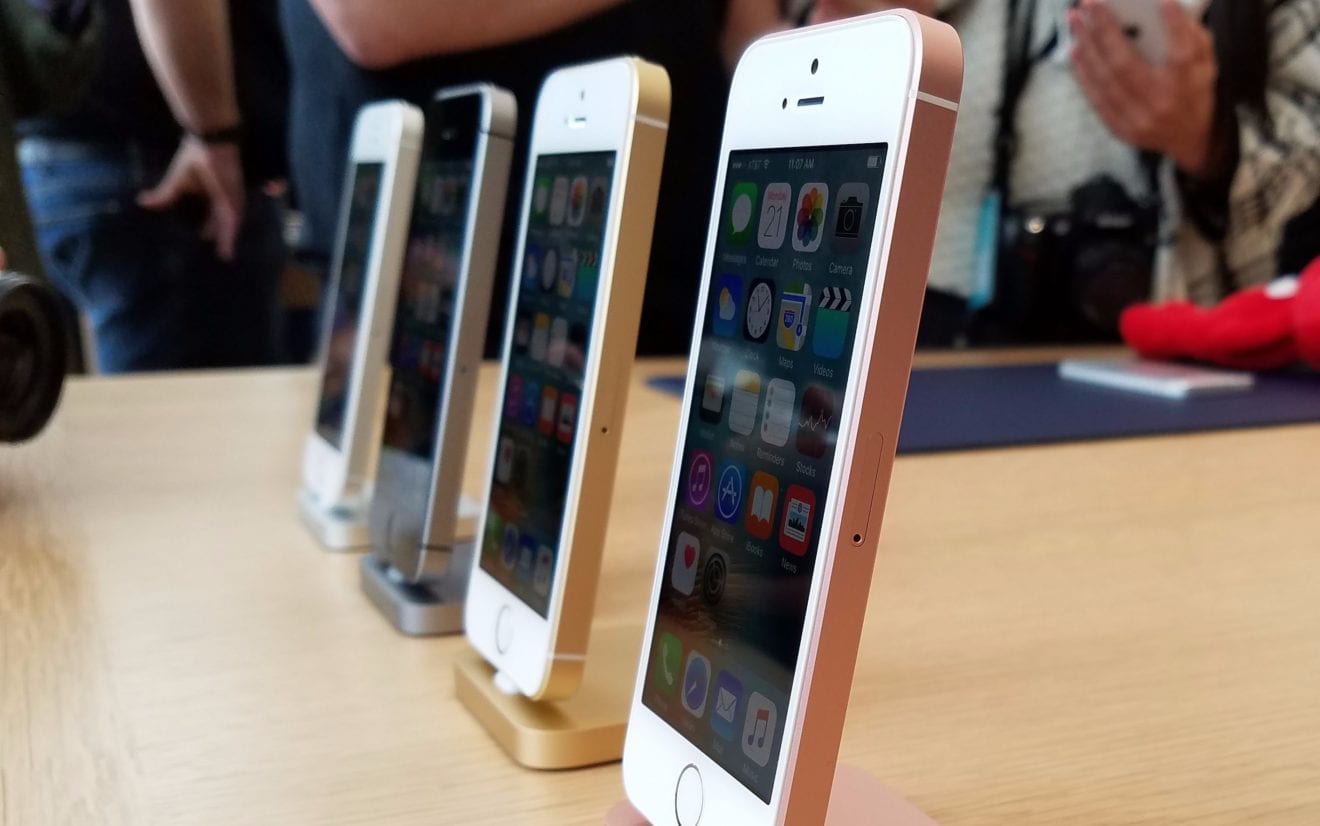
    Tumbling iPhone demand drove an uncharacteristic decline in Apple sales in the first quarter trimming back its profit for the period. Sales of its iPhone range slumped 15 per cent year on year, and although burgeoning revenue from services like digital media subscriptions – up 19 per cent to a new high of US$10.9 billion – and other products compensated, total sales were down 5 per cent to $84.3 billion.

    Sales in China slumped 26.6 per cent during the period.

    Net income fell by $100 million, from $20.065 billion in the December 2017 quarter to $19.965 billion in the latest quarter. While the company championed setting “an all-time earnings per share record” that was a consequence of a share buyback program reducing the share pool rather than an improved bottom line.

    Commenting on the results, GlobalData Retail MD Neil Saunders said while Apple is still a money-making machine, the sales decline “symbolises a company that is starting to run out of steam”.

    “In our view, this is something to be corrected, not least because Apple is a costly company to run and it relies on strong revenue growth to drive up the bottom line. As this quarter’s figures show, failure to achieve that results in profit erosion.”

    Saunders said the slowdown in iPhone sales reflected Apple’s inability to come up with meaningful and valuable innovations that wow consumers.

    “The latest iPhones might be works of art from an engineering perspective, but they are essentially incremental products that lack the excitement and newness of earlier models. With the higher price points of top-end models, consumers expect a lot more for their money. The blunt truth is, Apple’s latest line up of phones doesn’t do that much more than the generations that came before.”

    He said the slowdown in China is a problem Apple shares with many other companies.

    “The country is suffering from more sluggish consumer demand which has put the brakes on retail growth rates across many sectors. However, the issue for Apple is that this has coincided with a rise in competition from local phones and devices which has helped to eat into its own growth. In short, China is no longer the engine of growth for Apple that it once was and this makes Apple uncomfortably more reliant on mature markets to drive revenues. Some of those markets, like Europe, are also not delivering – thanks to very high price points and consumers that are hesitant to spend on big-ticket items.”

    From must have to might buy

    Saunders said Apple’s iPads and some of its Macs are good, quality items, however they are simply not impressing the market and Apple is losing its lustre in terms of producing compelling products.

    “In our view, Apple has moved from a position of ‘must have this and must have it now’ to ‘might buy this at some point in the future’. Price increases may mitigate this but, ultimately, such a shift can only ever result in a softer sales performance.”

    While services are performing well, Saunders said Apple must push much harder.

    “Amazon is successfully creating an ecosystem of services through Prime. Apple needs to do something similar by building on its Apple Music subscription and its App Store offering. Movies and television content are also needed to propel sales.

    “In our view, Apple should seriously consider a big acquisition such as Netflix. Content is a big growth area and is becoming increasingly linked to devices. Apple needs to play more heavily in this space both to generate new opportunities but also to defend its own device business.”

    While Apple remains a solid and financially successful company, he said, a lack of serious and significant innovation means it runs the risk of diluting future earnings.

    “Apple thrives off serving a mass market; at the moment its moves to provide more expensive items to fewer people will ultimately do further harm to the bottom line. The clear blue water that once existed between Apple and its rivals is much diminished. The company has time to reopen the gap, but to do so, it needs to pull something new and unique out of its hat sooner, rather than later.”

    Cook’s positive spin

    Apple CEO Tim Cook delivered a positive spin on the results: “While it was disappointing to miss our revenue guidance, we manage Apple for the long term, and this quarter’s results demonstrate that the underlying strength of our business runs deep and wide. Our active installed base of devices reached an all-time high of 1.4 billion in the first quarter, growing in each of our geographic segments. That’s a great testament to the satisfaction and loyalty of our customers, and it’s driving our services business to new records thanks to our large and fast-growing ecosystem.”

    At the end of the quarter, Apple’s net cash balance was $130 billion.
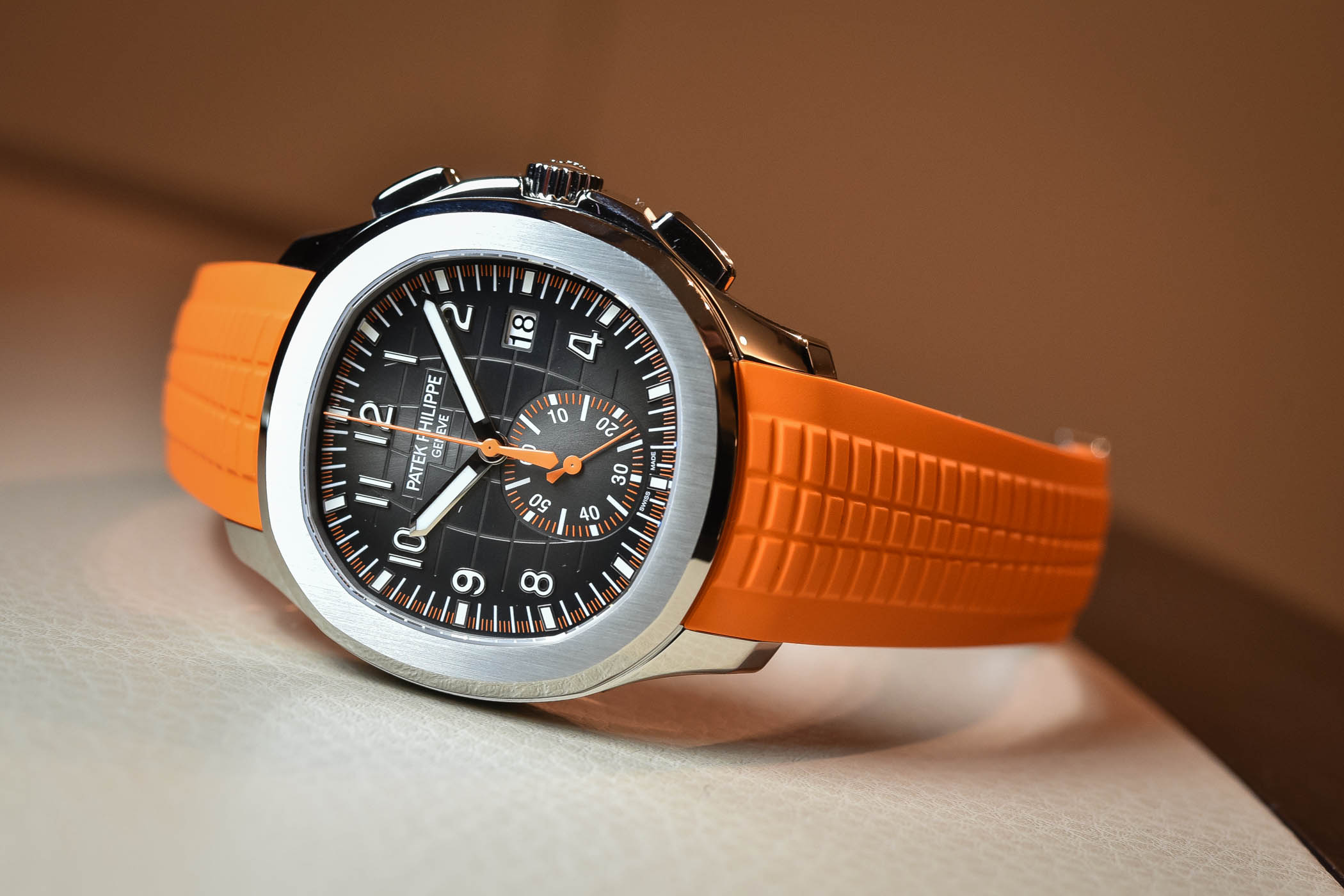
  • Patek Philippe may come up for sale

    Patek Philippe may come up for sale

    Patek Philippe, the closely held maker of $10,000-plus Calatrava watches, may be coming up for sale, according to analysts at Berenberg who cited industry talk. The 180-year-old Swiss watchmaker could fetch 7 billion to 9 billion euros ($8 billion to $10 billion), analysts led by Zuzanna Pusz wrote in a note. Patek Philippe has been owned by the Stern family for almost a century, and Thierry Stern became the company’s chairman in 2009.

    A Patek spokeswoman declined to comment except to say deal speculation tends to occur during the annual watch fairs in Switzerland, including last week’s Geneva show. A sale of Patek Philippe would upend the watch industry and could lead to a bidding war, as it is one of the last prize assets that hasn’t fallen into the hands of a luxury conglomerate. Swatch Group AG, which has bought up brands including Omega, and Richemont, which owns Cartier, make more than half of Swiss watches.

    Patek Philippe has sales of 1.5 billion francs, according to Berenberg estimates. On its website, the company says its “intention is to independently pursue the path that led to its success.”

    “We understand that one of the largest conglomerates in the sector would likely be interested in the asset given its currently relatively low exposure to the watch category,” the analysts wrote. Pusz was not immediately available to comment further.

    Two years ago, family-owned Breitling was sold to private-equity owners CVC Capital Partners for more than 800 million euros.

    In 2014, Stern told Swiss newspaper Le Temps that the company may eventually need to leave Geneva or put itself up for sale if its tax burden was not reduced. Months later, the company announced a 450 million-franc ($451 million) investment plan in the canton.

    Stern’s wife, Sandrine, works in design at Patek Philippe. Their children are in their teens, and Patek’s chairman has said he wouldn’t push them into the business if they did not want to join.

  • Gold scales 8-month peak on Fed rate pause hopes, trade woes

    Gold scales 8-month peak on Fed rate pause hopes, trade woes

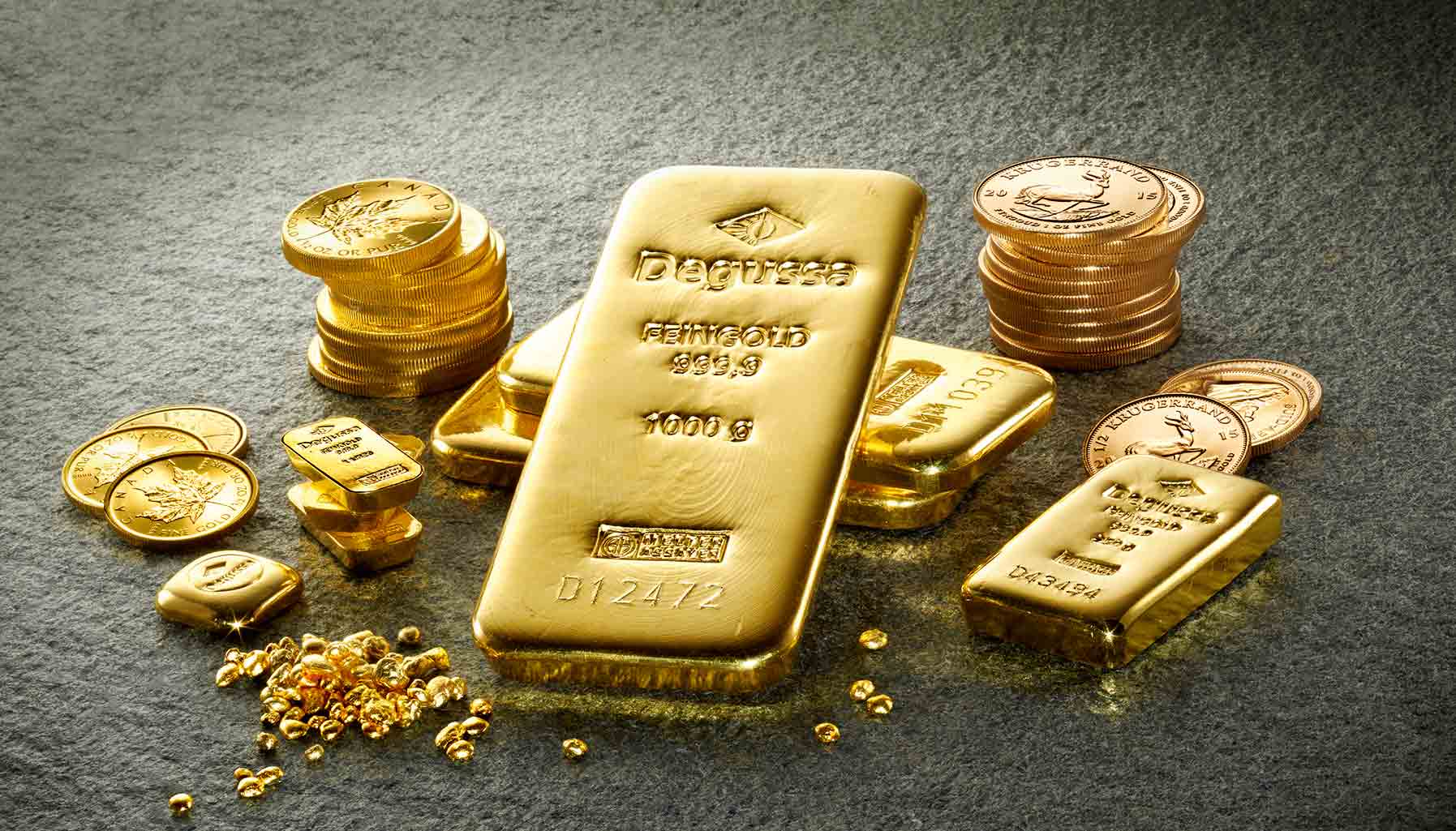
    Gold prices edged up on Wednesday to hit their highest since May, supported by uncertainty over U.S.-China trade relations and expectations the U.S. Federal Reserve will keep rates on hold later in the day. Spot gold was up 0.2 percent at $1,313.91 per ounce by 0245 GMT, after touching its highest since May 15 at $1,314.10 early in the session. U.S. gold futures rose 0.3 percent to $1,312.30 per ounce.

    “For the short-term gold is going to move higher as the Federal Reserve will have a dovish tone, which should weaken the dollar and give gold a bit of a move up,” said INTL FCStone analyst Edward Meir.

    The absence of an agreement in U.S-China trade talks should also benefit gold, he said.

    Investors are waiting on the Federal Reserve’s policy decision later in the day, with expectations officials will reinforce their recent dovish stance given a stalemate on global trade, signs of a slowdown in the U.S. economy, and waning business and consumer confidence.

    The Fed raised interest rates four times last year.

    Investors are also concerned that criminal charges against China’s Huawei Technologies Co. Ltd. for violating U.S. sanctions against Iran could complicate U.S.-China trade talks.

    China’s Vice Premier Liu is due to meet with U.S. Trade Representative Robert Lighthizer later in the day.

    “Gold also looks good on the charts … Physical demand seems to be improving in some markets and ETF buying has been increasing. In general the path of least resistance is probably higher from here,” Meir said.

    Underscoring investor interest in the bullion, holdings of SPDR Gold Trust, the world’s largest gold-backed exchange-traded fund, rose 1 percent to 823.87 tonnes on Tuesday, to their highest since June.

    SPDR gold holdings have risen 4.6 percent so far this month, their best since September 2017.

    “A combination of falling treasury yields, anxiety over Brexit and Venezuela is all helping gold,” said Nicholas Frappell, global general manager at ABC Bullion.

    British lawmakers rejected most amendments that aimed to keep Britain from leaving the European Union without a deal, reviving worries of a chaotic withdrawal from the trading bloc that would damage the UK economy.

    Silver rose 0.3 percent to $15.88 per ounce, having hit its highest since July 2018 at $15.92 in the prior session.

    Palladium fell 0.2 percent to $1,343.50, while platinum was up 0.4 percent at $813.

  • Deciem skincare firm founder passed away

    Deciem skincare firm founder passed away

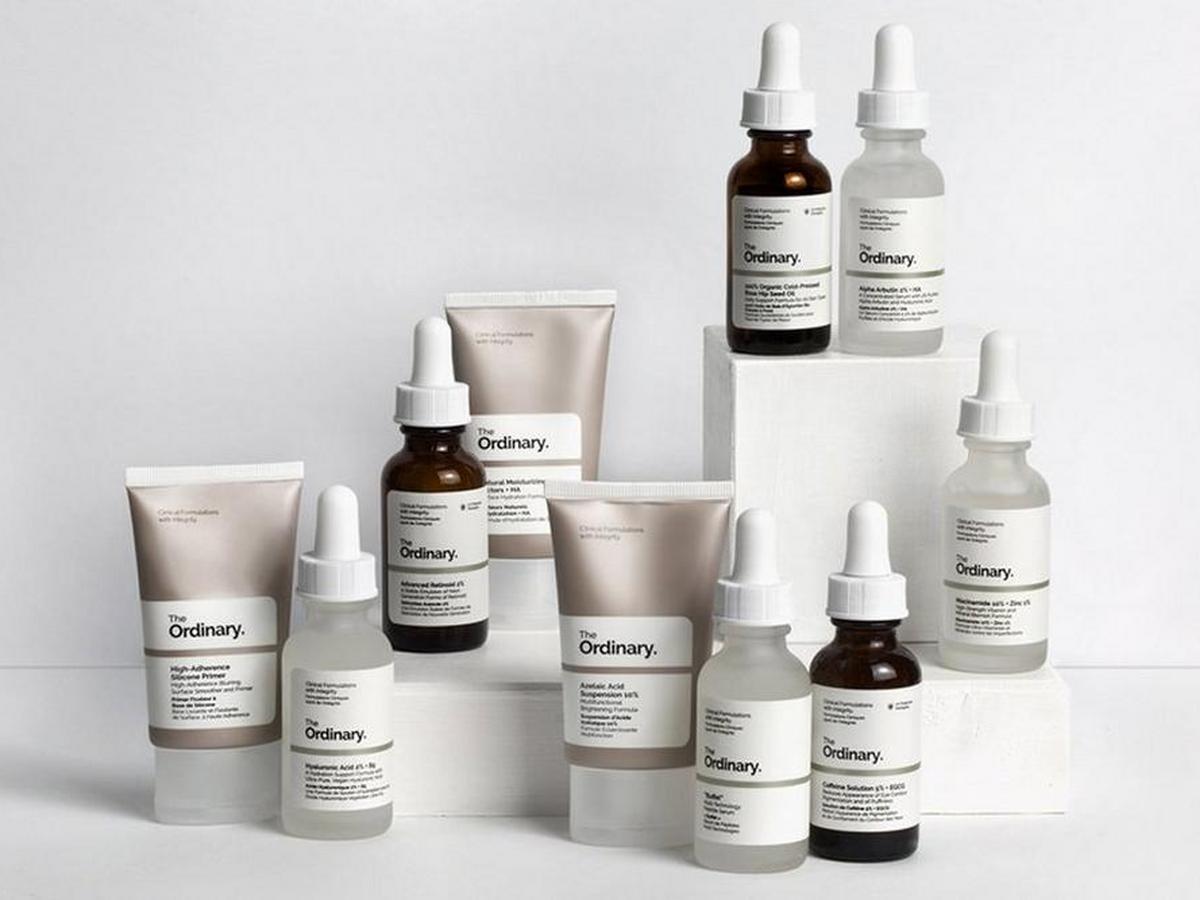
    Brandon Truaxe, the founder of Canadian skincare company Deciem, has died at the age of 40, the firm announced in an Instagram post. Truaxe launched the brand, best known for its affordable skincare line The Ordinary, in Toronto in 2013. Since then it has since expanded worldwide, with stores in the US, the UK, South Korea, Australia, Mexico and the Netherlands.

    “Brandon, our founder and friend. You touched our hearts, inspired our minds and made us believe that anything is possible,” a Monday post on Deciem’s Instagram reads.

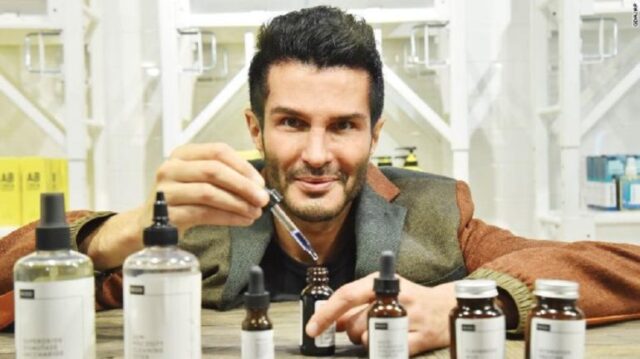
    CIUDAD DE M?????????XICO, marzo 30 (EL UNIVERSAL).- Brandon Truaxe, joven creador del concepto, recibi?????????? a decenas de invitados en este nuevo espacio, donde las personas podr?????????n solicitar asesor??????????a sobre los tratamientos m?????????s efectivos para mejorar el estado del cutis y otras zonas del cuerpo. Foto: Agencia EL UNIVERSAL (GDA via AP Images)

    “Thank you for every laugh, every learning and every moment of your genius. Whilst we can’t imagine a world without you, we promise to take care of each other and will work hard to continue your vision. May you finally be at peace.”

    The Estée Lauder Companies, an investor in Deciem since 2017, said in a statement: “Truaxe was a true genius, and we are incredibly saddened by the news of his passing … he positively impacted millions of people around the world with his creativity, brilliance and innovation. This is a profound loss for us all.”

    Truaxe was removed as co-CEO of Deciem in October 2018 following a lawsuit brought by Estée Lauder, after his posts on the company’s social media accounts became increasingly erratic.

    “Brandon will always be the founder of Deciem,” the company posted on Instagram in October. “We will take the passion and values he has instilled within us as we continue to grow the brands we have created with transparency, integrity, authenticity, function and design.”

  • Kering faces €1.4 billion Italian tax bill

    Kering faces €1.4 billion Italian tax bill

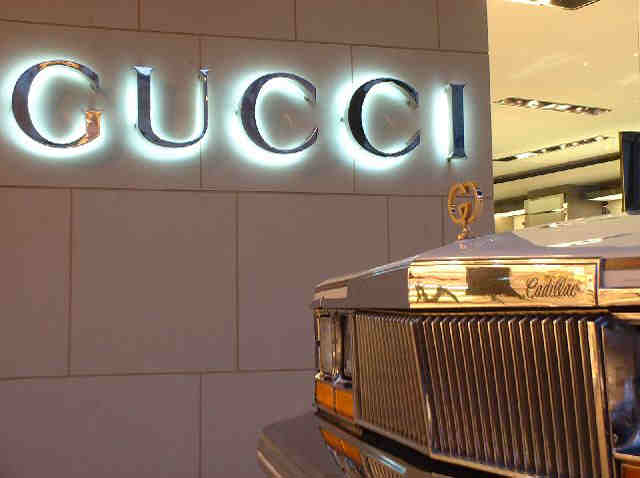
    Kering is facing an Italian claim for €1.4 billion (£1.2 billion) in unpaid taxes. The company’s Swiss-based Luxury Goods International (LGI) subsidiary has been under investigation for allegedly avoiding tax on earnings generated elsewhere. The probe has largely centred on Gucci, Kering’s star brand and biggest revenue driver. Italy’s tax police carried out checks at Gucci’s Florence headquarters and Milan offices in 2017, and drew up the report that has now been handed to Kering, a source close to the investigation said.

    Kering has consistently denied avoiding tax, saying its activities were fully compliant with all tax obligations.

    In its statement on Friday, the group said the Italian tax authorities’ findings for the years 2011-2017 had yet to be finalised by their own enforcement team.

    “Kering challenges the outcome of the audit report both on the grounds and the amount,” the company said, adding that it “does not have the necessary information” to record a provision against any potential bill for back taxes or penalties.

    The company has said that LGI is a substantial firm in its own right, with 600 employees handling inventory, billing and supply-chain logistics, with a business model “known to French and other competent tax authorities”.

    According to reports by France’s Mediapart newspaper and Germany’s Der Spiegel, Kering’s wholesale activities – the sale of products to retailers such as department stores – have come under particular scrutiny.

    Some business carried out by Kering employees in locations including Milan and Paris was billed through the Swiss unit, incurring lower tax rates, according to those reports.

  • Record results for LVMH in 2018

    Record results for LVMH in 2018

    The world’s largest luxury retailer LVMH shrugged off broader market pessimism overnight reporting record revenue of €46.8 billion last year, up 10 per cent over 2017. Excluding the closure of the unprofitable Hong Kong airport duty-free business in December 2017, the group’s organic growth was 12 per cent. Every business division delivered what the company described as “excellent performances”.

    Group profit rose a staggering 21 per cent to €10 billion with operating margin reaching 21.4 per cent, an increase of 1.9 percentage points.

    “LVMH had another record year, both in terms of revenue and results,” said chairman and CEO Bernard Arnault. “The desirability of our brands, the creativity and quality of our products, the unique experience offered to our customers, and the talent and the commitment of our teams are the group’s strengths and have once again made the difference.”

    Arnault said this year the company would continue to innovate and target investments combining tradition and modernity.

    “In an environment that remains uncertain, we can count on the appeal of our brands and the agility of our teams to strengthen, once again, our leadership in the universe of high-quality products.”

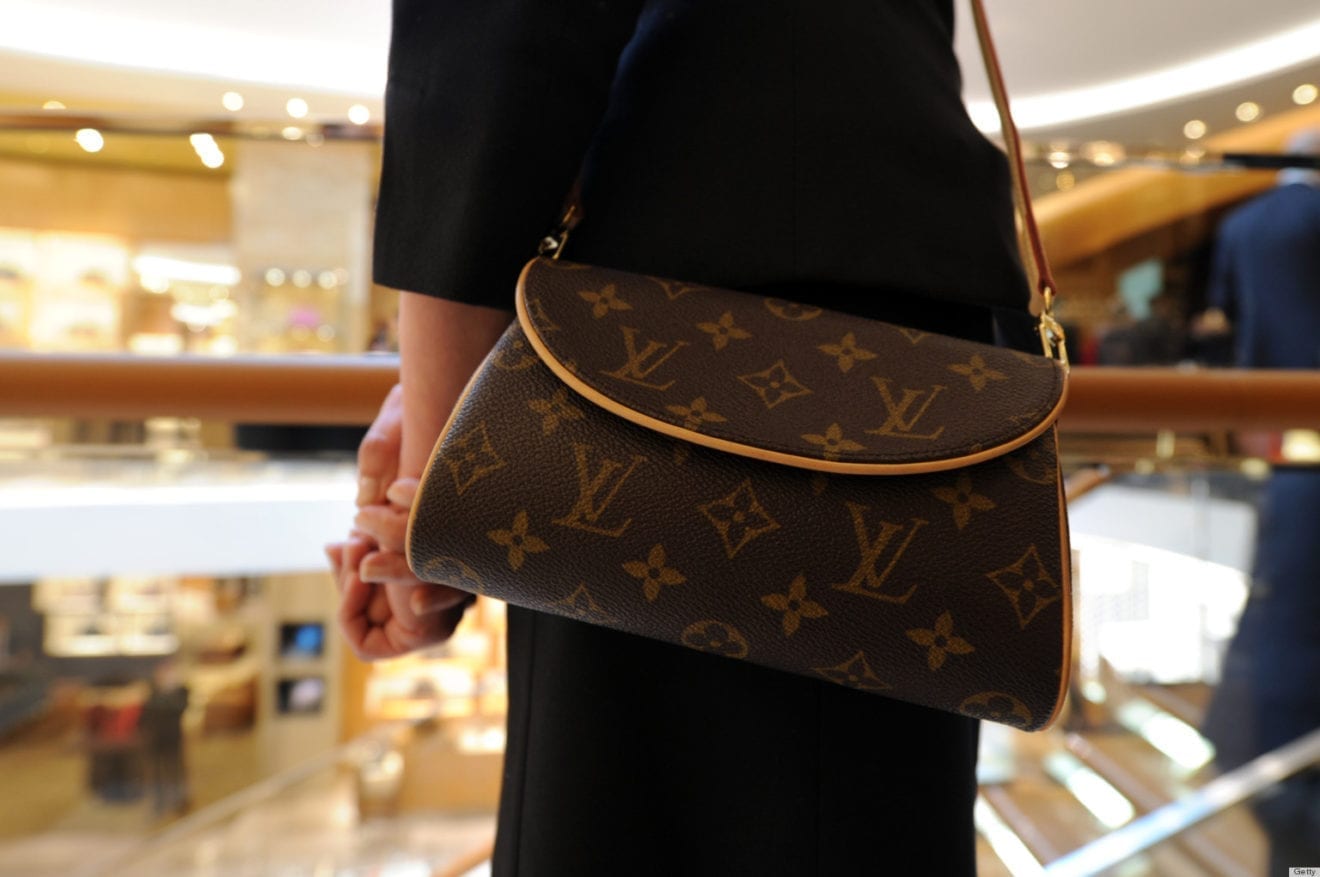
    The company’s flagship Louis Vuitton business was a standout for the group, contributing much of the 15 per cent organic sales growth of the fashion and leather goods business division where profit from recurring operations was up 21 per cent.

    “Christian Dior had an excellent first full year within LVMH thanks to the creativity of Maria Grazia Chiuri for the women’s collections and to the arrival of Kim Jones, the new artistic director of Dior Homme,” the company said in its earnings statement.

    “Fendi and Loro Piana continued to assert their know-how throughout their collections. Celine entered a new and ambitious stage of its development with the arrival of Hedi Slimane as artistic, creative and image director of the brand.”

    Givenchy, Loewe and Kenzo “progressed well” while the other brands, Berluti and Rimowa continued to gain momentum.

    Watches and jewellery profit soars

    LVMH’s watches and jewellery business recorded organic revenue growth of 12 per cent – and a stunning 37 per cent increase in profit from recurring operations.

    “Bulgari performed very well and gained market share. Its iconic jewellery and watchmaking lines Serpenti, Diva’s Dream, B.Zero1, Lvcea and Octo grew strongly.”

    Chaumet’s growth was driven by the success of the Liens and Joséphine collections, particularly in Asia.

    In the watchmaking sector, Tag Heuer continued to expand its range and Hublot enjoyed strong growth, partly due to high visibility as the FIFA World Cup official timekeeper.

    DFS returns to profit

    A return to profitability for the travel-retail business DFS after it exited its Hong Kong airport concessions at the end of 2017 was a highlight of LVMH’s ‘selective retailing’ business unit last year. The business group achieved a 12 per cent improvement in organic revenue growth (excluding the airport business from the 2017 base comparison) and a 29 per cent improvement in profit.

    “DFS progressed strongly thanks to a particularly good performance in Hong Kong and Macau. The recently opened Gallerias in Cambodia and Italy also grew rapidly,” said LVMH.

    Sephora enjoyed unspecified growth in sales and market share, with strong online sales growth in Asia and North America. About 100 new stores opened worldwide, including the new Nanjing Road store in Shanghai and the first Sephora-branded stores in Russia.

    Scents of success

    The perfumes and cosmetics business division achieved organic revenue growth of 14 per cent, driven by the performance of its flagship brands, with profit from recurring operations up 13 per cent.

    “Parfums Christian Dior experienced remarkable growth and increased its market share in all regions of the world. The launch of its new perfume Joy and the exceptional worldwide success of Sauvage and the other iconic perfumes J’adore and Miss Dior are behind the strong growth of the Maison,” said LVMH.

    “Makeup and skincare also grew rapidly. Guerlain progressed well, driven in particular by the success of Abeille Royale in skincare and Rouge G in makeup. Benefit strengthened its leading position in the eyebrow segment and Parfums Givenchy accelerated its performance, thanks in particular to makeup and its new perfume L’interdit. Fresh and Fenty Beauty by Rihanna continued their exceptional growth.”

    Strong spirits

    The wines and spirits business group achieved organic revenue growth of 5 per cent and profit from recurring operations also increased by 5 per cent.

    “The business group reaffirmed its leadership position by pursuing its value strategy and balanced geographic development.”

    The Hennessy business enjoyed “strong momentum” in Mainland China, LVMH said.

  • Emami India acquires German brand Creme 21

    Emami India acquires German brand Creme 21

    Indian FMCG major Emami Ltd on Friday said it has acquired German brand Creme 21 in the personal care space, having major business in the Middle East and other focus markets. The brand, which offers skin care and body care products such as creams and lotions, shower gels, sun care range and men’s range, has been acquired at less than 1.5 times of its sales.

    With current sales at over eight million euros and a gross margin of over 50 per cent, the city-headquartered company expects to take this brand on an aggressive growth trajectory.

    “The acquisition has a strong business fit as it operates in our focus markets and chosen categories. We plan to leverage our existing network of distribution and infrastructure to grow the brand.

    “It has good potential for growth and we expect it to add value to our growth trajectory. With this acquisition, the company would be able to enjoy economies of scale due to additional business base,” said company Director Harsha V. Agarwal.

    The company said international acquisition is in line with its strategy for growth through inorganic route.

    Over 80 percent of the brand’s business is contributed by MENA (the Middle East and North Africa) region and the balance by Germany and other focused countries. The products are manufactured by a third party in Germany under asset lean model.

    “The acquisition is being funded from internal accruals,” it added.

  • Pronovias enters China with Shanghai store opening

    Pronovias enters China with Shanghai store opening

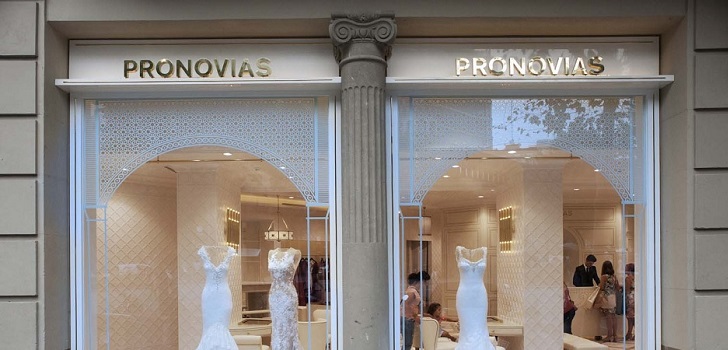
    Spanish bridalwear firm Pronovias has launched its first Chinese location in Shanghai. The 500sqm store is opening in luxury shopping centre Plaza 66, which hosts a range of high-end brands including Chanel and Dior. The move sparks off a greater strategy for the region, in which the Shanghai location will serve as Pronovias’s flagship.

    The brand was founded by BC Partners explicitly to tackle the difficult Chinese and American markets. China is the world’s largest producer of wedding dresses, and local custom is often to hire rather than buy the dress.

    The firm is simultaneously moving to expand in the US, with eight openings planned for the American East Coast.

  • Why top watch marques no longer need Baselworld, SIHH?

    Why top watch marques no longer need Baselworld, SIHH?

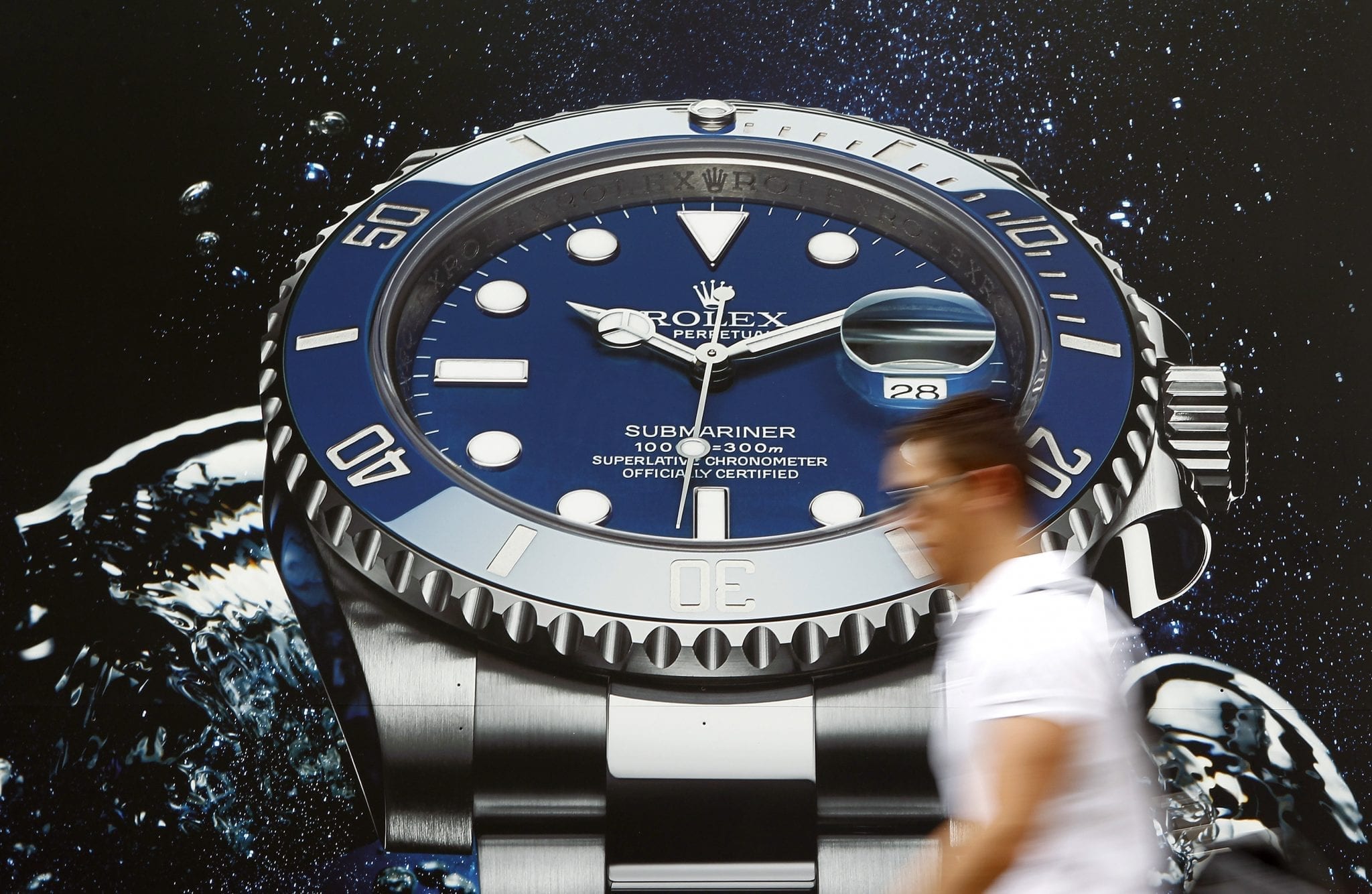
    Dr Bernard Cheong has what he calls a “migration box” – a travel case that holds up to eight timepieces. “I like to say that these are the watches I will take with me if I have to relocate,” says the jovial 61-year-old, one of the world’s most prolific watch collectors. One of his most prized pieces is a S$3.3 million (US$2.4 million) Greubel Forsey Invention Piece 1, numbered 00 in an 11-piece series. Its serial number indicates that it is the watchmaker’s personal prototype. It would not even have been sold, if not for Cheong’s clout. He believes the watch can eventually command up to S$5 million.

    In 2011, he made history when he became the first ambassador for the Geneva-based Fondation de la Haute Horlogerie who was not from the watch industry. He helped formulate the transparent jury system, and an audited and numbered voting system, for the Grand Prix d’Horlogerie de Genève in 2002, a high-end watchmaking contest, before introducing it to Asia.

    His expertise is drawn from decades of experience of watch buying and selling and forging close relationships with watchmakers and retailers. This has also put him in the unique position of being an industry observer with unfiltered, and sometimes contrary, insights.

    For instance, he does not mince words when talking about the recent issues surrounding the industry’s key watch fairs, Baselworld and SIHH. The two fairs recently announced they would be synchronizing their calendars to run back to back, following a fall in the number of Baselworld exhibitors.

    “It is a reality of the industry. The exhibitors do not need to be there any more – why pay so much to exhibit like this?” he says. Cheong notes that watchmakers today can easily bypass industry fairs by offering information about their latest creations directly to consumers via the internet.

    Protecting his beloved industry is something Cheong takes seriously. In China, the recent crackdown on conspicuous consumption has led to a drop in sales and to brands like Richemont buying back unsold stock. “It is smart for the companies to buy back their precious pieces. When times are hard, people will sell watches at any price to put food on the table,” he says. This could lead to a massive undercutting in prices, he adds.

    “They did the right thing to retain control of prices.”

  • The We Company Debuts Made by We

    The We Company Debuts Made by We

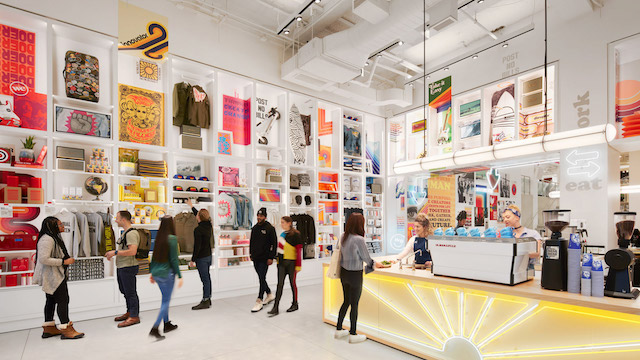
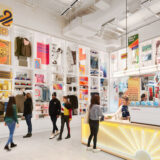
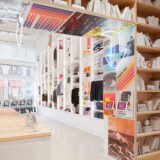
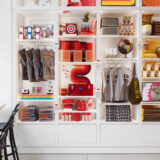
    Co-working firm The We Company (previously WeWork) has opened a retail venture and public workspace in New York. The Made by We retail space, cafe and workplace can be used by anyone without the need for a membership, with workstations and meeting rooms available for rent by the minute. The work space features products made by current WeWork member companies available for sale, from apparel to snacks to audiotech gear. It also houses a Bluestone Lane cafe.

    While headquartered in New York City, The We Company has WeWork shared office spaces in major cities across Mainland China, Japan and India, as well as in Ho Chi Minh City, Singapore, Jakarta, Kuala Lumpur, Manila, Busan, Seoul and Bangkok.

    “Made by We was launched with a vision to connect the We community with the rest of the world, and provide people with the best on-demand workspace, services and products, no membership required”, said company partner Julie Rice.

    “Everything we do at The We Company, from the spaces we curate to the service offerings we provide, is intended to create meaningful human connections.”

    View the gallery below for pictures (7 images) :


  • KT CEO talks 5G at World Economic Forum

    KT CEO talks 5G at World Economic Forum

    The head of KT, the country’s leading telecommunications provider, outlined the importance of 5G networks in driving innovation at the World Economic Forum in Davos, Switzerland, last week. KT CEO Hwang Chang-gyu was invited to a meeting of the International Business Council, a community of 100 select highly influential executives around the globe, which was held on the forum’s sidelines.

    Hwang said the adoption of the upcoming network system will play an integral role in processing autonomous driving vehicles and telemedicine systems.

    5G refers to the fifth-generation mobile network that will succeed the current 4G network, which has been prevalent for about seven years. The network is expected to be commercialized in the first quarter of this year, according to KT.

    The global elite meeting also acted as a get-together for the world’s renowned CEOs and academics. KT said Hwang spoke with Apple’s Tim Cook, adding that the Apple CEO pledged to visit Korea or invite Hwang to the United States to learn more about the 5G network. Rafael Reif, the president of the Massachusetts Institute of Technology (MIT), said he expected Hwang will lecture about 5G at the campus.

    The KT CEO also promised to strengthen cooperation with Japan’s telecom NTT Docomo to run 5G during the Tokyo Olympic Games in 2020.

  • Gucci adds 6 new intriguing Gucci Places

    Gucci adds 6 new intriguing Gucci Places

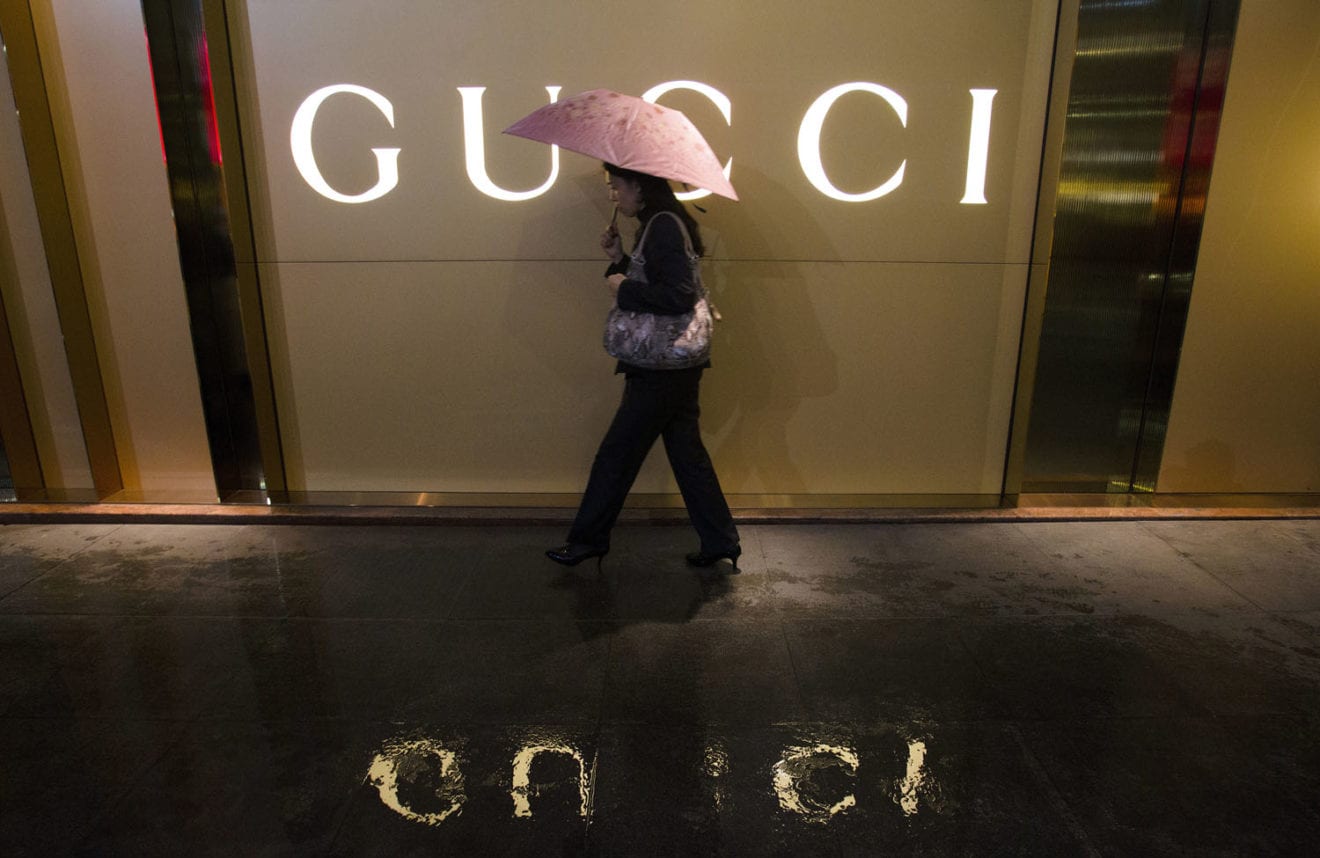
    Luxury fashion brand Gucci has labelled six international destinations as ‘Gucci Places’ – a list that includes Daelim Museum in Seoul. The Gucci Places were selected by the Italian Fashion House as destinations that “surprise, arouse interest, and inspire a creative response”, according to a report in Prestige Online. They were chosen in collaboration with well-known artists who were tasked with visiting the place and record their impressions, establishing a visual journey of photographs, travel notes and sketches.

    Daelim Museum was named for its association with Coco Capitan, an artist whose calligraphy has appeared on Gucci collections.

  • Thai’s King Power Duty Free, World’s Leading Airport Duty Free Operator 2018

    Thai’s King Power Duty Free, World’s Leading Airport Duty Free Operator 2018

    Thailand’s King Power Duty Free has won the world’s ultimate accolade for travel, tourism and hospitality industry excellence, voted ‘World’s Leading Airport Duty Free Operator 2018 in the 25th World Travel Awards. King Power Duty Free triumphed ahead of than a hundred duty free operators worldwide including shortlisted finalists China Duty Free Group, Hong Kong’s DFS, Dubai Duty Free, Swiss-based Dufry, Duty Free Americas, Germany’s Heinemann Duty Free, France’s Lagardere Travel Retail, and South Korea’s Lotte Duty Free and The Shilla Duty Free.

    “The award strengthens Thailand’s tourism image as a world class destination while underlining the outstanding capability of a Thai company,” said King Power Group CEO, Mr Aiyawatt Srivaddhanaprabha. “King Power is proud to be Thai and committed to the national travel retail business, setting a new benchmark for world-class duty free shopping experience.”

    Operated by King Power International, King Power Duty Free was earlier voted Asia’s Leading Airport Duty Free Operator 2018 in the regional finals of the World Travel Awards.

    World Travel Award was established in 1993 to annually acknowledge, reward, and celebrate excellence across key sectors of the travel, tourism and hospitality industries. Today the brand is recognized globally as the ultimate hallmark of industry excellence, voted by travel, tourism and consumer trade executives.

  • Net-a-Porter launches kidswear with Gucci

    Net-a-Porter launches kidswear with Gucci

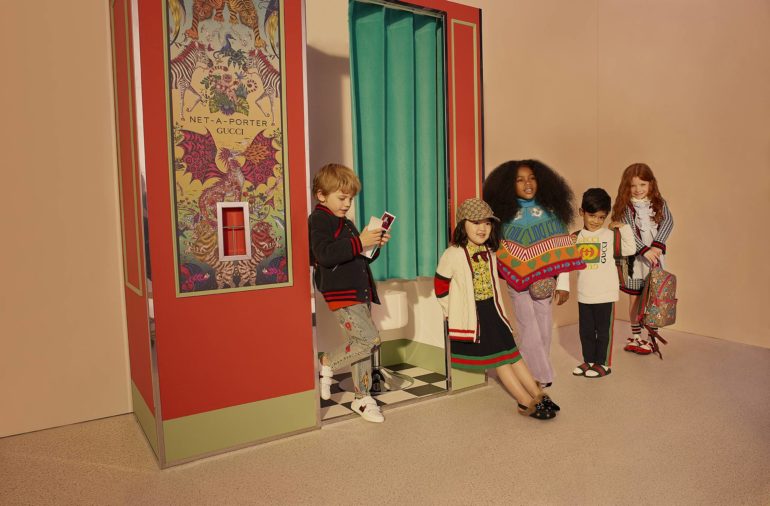
    After its Gucci and Dolce & Gabbana childrenswear pop-up e-shops generated a resounding “more!” from Net-a-porter.com customers, the retailer is launching a multi-brand kidswear collective. By “collective”, Net-a-porter.com means, quite simply, a tight edit of brands which have all created exclusive capsule collections for the website. Yeah Right NYC Kids, Alanui Kids, ATM Kids, Chinti & Parker Kids, Lingua Franca Kids, Golden Goose Deluxe and Veja make up the list of seven labels for girls and boys ages one to 12.

    “The new year felt like the perfect time to launch this collective,” Elizabeth von der Goltz, Net-a-porter.com’s global buying director, tells Mini Vogue. “It’s January – kids are back to school but there’s this idea of cosiness and wanting to feel comfortable.”

    The capsules, accordingly, reflect this: cashmere sweaters, comfy cardigans, track pants and trainers populate the new section. “Whether it’s for ourselves or for our kids, we are always thinking about wellness in January so this this an extension of that – it’s luxe athleisure for kids!”

    If the list of brands feels more offbeat than the global labels Net-a-porter.com first dabbled in the kidswear market with, this was intentional.

    “As an online global retailer known for our distinct fashion point of view, we wanted to take this and bring it to the kidswear market, creating something different from traditional retailers.”

    Von der Glotz is particularly excited about the patterned cardies from Alanui Kids collection and the mini-me versions of Golden Goose and Veja sneakers – two of Net-a-porter.com’s best-selling shoe styles.

    The e-tailer is confident it has quietly developed a recipe for success: “Our customers have been highly engaged with all of our kidswear pop-ups with most styles selling out within just a matter of weeks of launching,” she continues.

    Four out of five of the Gucci products sold were logo T-shirts, and the fifth was the belt bag. “It’s so interesting to see, as the pieces are in such high demand in our adult range too.” Starting them early is certainly paying off for the business.

  • Dollar eases as focus shifts to Fed meeting

    Dollar eases as focus shifts to Fed meeting

    The dollar eased versus most of its peers on Monday as investors turned their attention to this week’s Federal Reserve policy meeting, with traders wagering policymakers will signal a pause in their tightening cycle. The Federal Open Market Committee meets between Jan 29-30, and Chairman Jerome Powell is widely expected to acknowledge growing risks to the US economy as global momentum weakens.

    The dollar fell 0.2% versus the offshore yuan to 6.7406. The rally in the yuan also fuelled a bounce in the Australian dollar, which gained 0.18% versus the dollar to $0.7195. Kiwi dollar strengthened by 0.3% to $0.6859.

    “The general direction for the dollar is still down and markets will be taking cues from the FOMC this week,” said Sim Moh Siong, currency strategist at Bank of Singapore.

    “The Fed will most likely keep rates steady this year given the state of economic growth outside the US”

    The dollar index, a gauge of its value versus six major peers was marginally lower at 95.74, after falling 0.8% on Friday.

    A deal to reopen the US government for now after a prolonged shutdown also reduced investor demand for the safety of the greenback.

    ‘The re-opening of Federal government after one-month shutdown fuelled ‘risk on’ rally in the US equities and slashed demand for safe-haven currency like USD, leading to sharp decline of the dollar index last Friday,” said Margaret Yang, markets analyst at CMC Markets.

    Over the past two months or so, Powell and several other Fed policymakers have taken a more cautious approach on further monetary tightening, leaving the dollar underpowered after it enjoyed a boost from the Fed’s four rate increases last year.

    Traders are bearish on the dollar for 2019.

    Amid a weakening global economy and US-Sino trade tensions, the US central bank is widely expected to hold rates steady this year to avoid hurting growth at home. Interest rate futures markets are pricing in no rate hikes for 2019.

    Investors are also anxiously waiting news from high-level US-China trade talks on Tuesday and Wednesday to see if the world’s largest economies can reach a compromise that will end their trade war. President Donald Trump has threatened to hike tariffs on Chinese goods if there is no significant progress in the negotiations.

    The yen added 0.2% in early Asian trade at 109.34.

    The dollar has gained around 1.2% on the yen over the last two weeks. Not helping the yen was the Bank of Japan’s downgrade of its inflation forecasts last week when it also maintained its accommodative monetary policy, as widely expected.

    Moreover, Japanese investors have been net buyers of foreign bonds over the last few weeks, stoking demand for dollars. This likely explains why the safe-haven yen has not appreciated during this period even though risks of a global economic slowdown have rattled investor sentiment.

    The euro was marginally higher at $1.1411.

    The single currency managed to cling on to a 0.4 percent gain made last week despite the European Central Bank downgrading its growth forecasts for the near term.

    Growth data out of Europe’s economic powerhouses such as Germany and France has been weaker-than-expected and analysts expect the ECB to remain dovish for an extended period.

    Traders believe Europe’s slowdown and a dovish ECB are priced into the euro, which has traded in a $1.12-$1.16 range over the last three months.

    Sterling was marginally lower, fetching $1.3193.

    Cable gained 2.5% last week after a report in the Sun newspaper that Northern Ireland’s Democratic Unionist Party had privately decided to offer conditional backing for British Prime Minister Theresa May’s Brexit deal this week.

    However, Ireland’s Deputy Prime Minister Simon Coveney said on Sunday the backstop was already a compromise drawn up to meet May’s negotiating red lines, and the EU and Ireland were united in the view it “was not going to change”.

    Analyst expect sterling to remain volatile. Britain is set to leave the European Union on March 29, but the country’s members of parliament remain far from agreeing a divorce deal.