Tag: International

  • Ikea to open first New Zealand store in Auckland

    Ikea to open first New Zealand store in Auckland

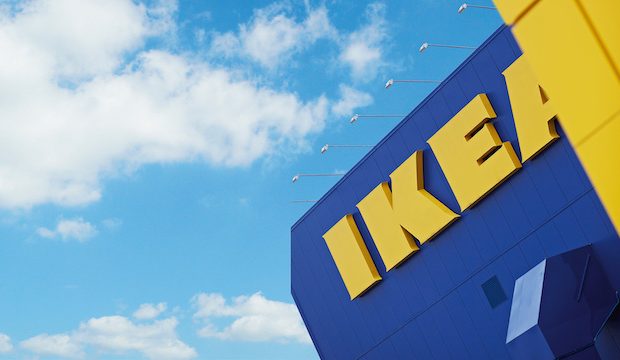
    Ikea will open a store New Zealand in the coming years, opting for the city of Auckland to bow its debut store. The Swedish firm, known for its buy-and-assemble furniture, will open up a pop-up shop in the coming months in the lead up to a fully-fledged flagship store, which would create 400 jobs in the city, according to local media reports With no an exact time frame for the megastore launch, Ikea’s New Zealand manager, Will Edwards, said that Ikea would open a pop-up shop in central Auckland, as a physical store would take a number of years to set up.

    “It does take time to build a truly big blue and yellow iconic Ikea store, it will take a number of years to get the full offer up and running but we don’t want to keep people waiting,” Edwards told media on Friday at a press conference, which also saw the attendance of Ikea’s global chief execute, Jesper Bodin.

    “It makes sense to be in Auckland where many people are living and also commuting in and out of. We’d like to give a piece of Ikea before the full meal comes along,” added Edwards.

    Ikea requires some 300 to 400 employees to run the Auckland store, as well as several hundred more staff to support logistics.

    Bodin said that New Zealand will get the “whole shebang”, with a product range of about 7000 items at least in the warehouse store.

    While price-points weren’t disclosed, Bodin said that “our ambition is always to be affordable for people and competitive with other retailers in New Zealand.”

    Ingka Group, Ikea’s largest franchisee and operator of Ikea stores in 30 markets around the world, was granted exclusive rights to explore options to expand into New Zealand.

    Founded in 1943 in Sweden, Ikea sells furniture and homewares to 1.2 billion customers around the world.

  • Richemont Group sales soars after YNAP acquisitions

    Richemont Group sales soars after YNAP acquisitions

    Richemont Group sales soared 24 per cent in December quarter, to €3.915 billion. It was largely down to the inclusion of online acquisitions Yoox-Net-A-Porter (YNAP) and Watchfinder, which were consolidated into the group’s accounts on May 1 and June 1, respectively. But even excluding that, the sales growth was still strong at 5 per cent by constant exchange rates.

    By region, European sales accelerated at twice the rate of Asia, up 35 per cent at constant exchange rates, with Asia Pacific – still the company’s largest single geographic market – up by 17 per cent.

    Sales in Europe reached €1.147 billion in the quarter, and in Asia €1.389 billion. Sales in the Americas surged 41 per cent to €801 million and in Japan by 14 per cent to €344 million.

    The only market where Richemont failed to perform was the Middle East and Africa, where sales slipped 3 per cent to €234 million.

    The company’s largest category, jewellery maisons, recorded 8 per cent growth to €1.985 billion, while Richemont said YNAP posted double-digit growth across all regions and solid performances across all its categories. Watchfinder’s sales expanded “more moderately”.

    Excluding the new online business unit, Richemont Group sales grew in all regions, with the exception of the Middle East and Europe. During the latter part of the quarter, sales in Europe were affected by social unrest in France which impacted tourism and led to store closures for six consecutive Saturdays. The disposal of Lancel in June also impacted the year-on-year comparison.

    A 10 per cent increase in sales in Asia Pacific reflected double-digit sales growth in Mainland China and good increases in other main markets. Sales growth in Hong Kong slowed, primarily due to the strength of the Hong Kong dollar versus the renminbi that resulted in lower tourist spending.

    In Japan, a 7 per cent expansion in sales was fuelled by continued domestic and tourist spending as well as the impact of newly opened directly operated boutiques.

    Sales in the Americas rose by 9 per cent, primarily driven by the jewellery maisons.

    Of Richemont’s many brands, Cartier and Van Cleef & Arpels led the way, increasing sales by 8 per cent, driven by jewellery and watches.

    Richemont operates in four business areas: jewellery maisons, being Cartier and Van Cleef & Arpels; specialist watchmakers, being A. Lange & Sohne, Baume & Mercier, IWC Schaffhausen, Jaeger-LeCoultre, Officine Panerai, Piaget, Roger Dubuis and Vacheron Constantin; online distributors, being YNAP and Watchfinder; and other businesses, including Alfred Dunhill, Azzedine Alaïa, Chloe, Montblanc and Peter Millar.

  • H&M Tested New Concept and Digital Developments

    H&M Tested New Concept and Digital Developments

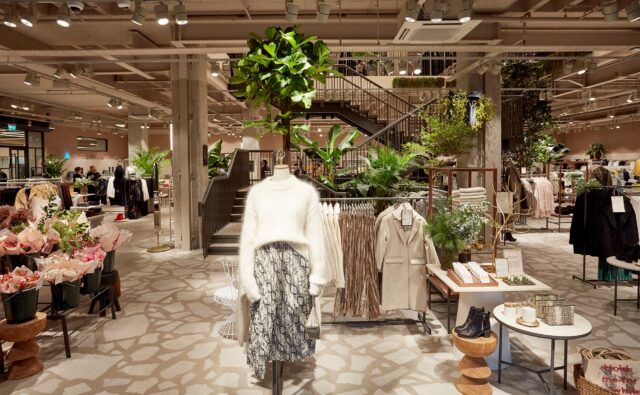
    Global fast-fashion retailer H&M plans to introduce further digital services and features to improve its customer experience both in physical stores and online. The brand launched a series of tests in selected stores last year while rolling out digital features and services to boost its customer offer, experimenting with factors such as the interior and exterior, the product range and the overall look and feel of its stores. The firm also introduced technical solutions to make it easier for both staff and customers to navigate stores and identify fashion favourites.

    H&M plans to continue that work this year in line with the firm’s omnichannel strategy. Testing this year will include cafe concept It’s Pleat, a florist shop-in-shop, self-service checkouts, monogramming services and repair services as well as a digital wall where customers can share their H&M favourites under the #HMxME tag.

    “These stores give us a chance to try out and explore new concepts and activities to make our stores more inspiring and offer customers a great experience,” said H&M MD Fredrik Olsson.

    “We are looking forward to continuously evaluate these tests where we are exploring the strength of a global brand in combination with a more personal touch and local relevance. We are also rolling out digital services and features to offer fashion fans inspiring and seamless shopping in line with our omni-channel strategy.”

  • Hyundai Motor now ready for big races

    Hyundai Motor now ready for big races

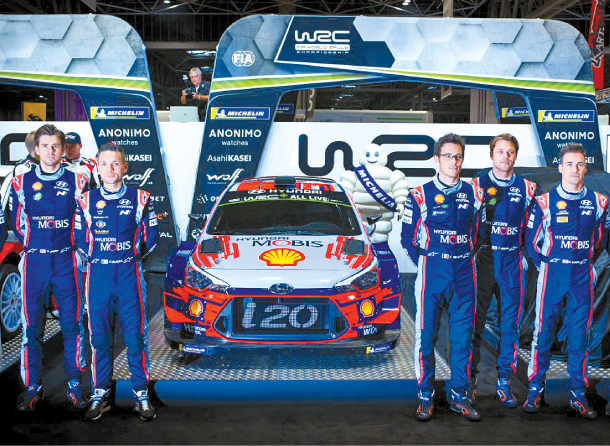
    Hyundai Motor finalized its driver lineup for this year’s major motorsport competitions, the company said Monday.  The automaker said its target this year is to win championship titles at the World Rally Championship (WRC) and the World Touring Car Cup (WTCR). In WRC events, the carmaker participates with its own team. In WTCR events, it supplies its cars to professional racing teams.

    For the WRC, the company said last year’s vice champions Thierry Neuville and Nicolas Gilsoul – a team of driver and co-driver – will be joined by Norwegian crew Andreas Mikkelsen and Anders Jaeger in all events. This year’s WRC has a total of 14 rounds. A composite score in those events will decide the winner.

    Dani Sordo and Carlos del Barrio will take part in eight events starting at Rally Mexico.

    Nine-time WRC champions Sebastien Loeb and co-driver Daniel Elena, who joined the Hyundai team from last month on a two-year contract, will take part in six rounds.

    “I am pleased to be joining such a great lineup of crews,” Loeb said. “It is clear to me that the car was a competitive package in 2018, which enabled the team to fight for the championship titles right to the very end.”

    Hyundai Motor’s team – named Hyundai Shell Mobis – came in second at last year’s WRC using an i20 coupe WRC vehicle.

    The automaker also announced four drivers who will participate at this year’s WTCR event with Hyundai’s i30 N TCR racing car. The carmaker races in the Customer Motorsports category with competitors that include Audi, Volkswagen and Ford.

    Hyundai’s customer team consists of four drivers, each driving on their own. Last year’s champion Gabriele Tarquini and fourth place driver Norbert Michelisz are driving Hyundai cars once again. Augusto Farfus and Nick Catsburg are newcomers.

    Hyundai Motor has been active in motorsport events as it has a positive influence on European sales thanks to a huge popularity of motorsports with European customers. In the long run, the carmaker hopes to upgrade its image from a value-for-money carmaker to a company known for high-performance cars.

  • The Indian Luxury Outlook 2019

    The Indian Luxury Outlook 2019

    As 2018 comes to a cold & wintry end, as political environment hots up, as new alliances, mergers and acquisitions take shape in business & politics, as GST corrections & FDI norms in ecommerce are tinkered, what is it that the Indian Luxury Industry can look forward to?

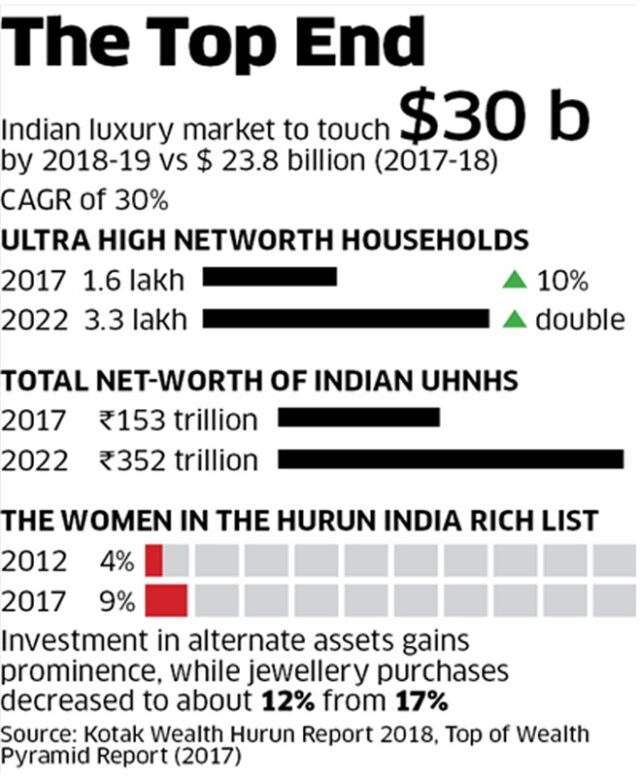
    Assocham figures continue to be optimistic and bullish. As per last projection, not only is the industry expected to be of a size of USD 30b by the year end 2018, but is also to continue its growth trajectory unhindered. But alas, the suddenly disturbed seemingly stable political applecart, the floundering rupee, the growing uncertainty, and the eminent global slowdown of 2020 looms large. Ground reality for luxury could be different. Industry insiders, trade analysts and brands all alike seek the pot of gold at the end of the rainbow.

    A seeming direction that the Indian Luxury Industry could take or adopt from the rest of the world appears as under:

    1. Consolidation is the key: With Reliance brands having taken over Genesis Retail in 2018, the largest fashion and accessory conglomerate of Indian Luxury and premium space has taken shape. With almost no competition, the all-powerful group is set to be the only point of entry into India. Surely independent brands and smaller groups continue to offer their wares, the sheer strength, negotiation powers and might of Reliance will perhaps be the single most driver of the fashion & Luxury space.
    2. Power of the Common Man: Someone wise enough once said ‘don’t underestimate the power of the common man’. Sure enough, luxury has slowly spread its wings to the hitherto sleepy tier I & tier II towns. The fast emerging Indian market is not only witnessing demand for luxury products from the Metros but also Tier I and Tier II cities which have a sizable number of HNIs (High Net-worth Individuals). Alongside, an increase in wealth for the middle class coupled with internet penetration has resulted in newer segments of first-time luxury buyers. This has given ample space for a whole lot of brands to set up shop in India, retail their brands through distribution networks. This surely will be the next growth driver for Luxury in India.
    3. Travel, Tourism &Hospitality will drive further growth to the value pie: With increased e-visa processing, faster on the ground arrival support, eye catchy Incredible India campaigns, the tourist inflow from within and outside is likely to further increase. Statistics according to a new report of the World Travel and Tourism Council (WTTC) reveal that India’s travel and tourism sector ranks 7th in the world in terms of its total contribution to the country’s GDP.During January-October 2018 FEEs from tourism increased 8.30 per cent year-on-year to US$ 23.54 billion.


      Source : www.ibef.or


    4. The Great Big Fat Indian Wedding carnivals will drive luxury: The wedding industry and the wedding service industry sets unprecedented benchmarks. According to a 2017 KPMG report titled Market Study of Online Matrimony and Marriage Services in India, the marriage services industry is estimated to be worth approximately US $53.77 billion (Rs 3, 68,100cr).This is one sector which adds incremental sales to all sectors of the industry – from beauty, fashion, accessories,  photography, jewellery, travel, hospitality, gifting to also the cuisine segment. With high standards being set by the likes of stars like Anushka Sharma – ViratKohli ; Priyanka Chopra – Nick Jonas& finally the Ambani weddings, the aspiration of average Indian to splurge on weddings is reaching a new peak. With Rolex watches as gifts to the entire wedding procession to bespoke clothing from super luxury brands to not only the entire family but the whole procession adds further fillip to the trade.
    5. Technology and Luxury: From high end home appliances such as Sub Zero Wolf to tech controlled homes like Home Automat, luxury and technology seem to marry and create an inseparable union. What was earlier restricted to high end laptops and computer systems demand has now invaded the mobile space, the home entertainment space besides the affluent kitchens. Super expensive mobiles from Iphone X to Hanmac are finding a demand que beyond their imagination in India.
    6. Technology and Retail: Omni-presence now means beyond just available everywhere to also be ‘Phygital’. A merger of the physical and digital retail is quietly invading the global retail. Amazon Go has already launched 8 number of cashier less stores& plans to ramp up to 3000 by 2021. Can India, the tech brain of the world be far behind? In Bangalore, Decathlon launched a similar store by introducing a ‘phygital experience’- an innovative mix of physical retail and digital touch points. From virtual reality to digital payments the intent is to create a fun, unique and immersive user experience designed to engage and add value to for them at every step of the way while choosing their favourite sports gear.On other hand, another concept store called ‘Watasale’ went further to create cashier less store, its first store in Kochi and have plans to expand to other cities including Bengaluru and New Delhi in the near future. Can Indian Luxury ignore this anymore?
    7. Predictive Analysis to Predictive Selling: The Indian fashion industry proudly receives its first futuristic analysis software, ‘Stylumia’. Created by ex Myntra founder Ganesh Subramanium, the software will assist in better buying to be able to improve efficiencies and sell through ratios. Most Luxury brands dependent on the human predictions of the buyer can now resort to technology and manage their budgets better. This coupled with predictive selling, could bring in the much needed correction in stocks over load with luxury brands.
    8. Experiential retail, Virtual Reality and Artificial Intelligence: These three aspects will come to the forefront: Brands like Arvind have introduced Magic Mirrors through its brand Creyate Custom Clothing. Also, Shoppers Stop has launched an innovative augmented reality-based dressing room: ‘The Magic Mirror’. It is an intelligent photo booth that gives customers the option to select and view apparel and accessories on themselves without having to physically ‘try on’ the desired products. Apart from this, ecommerce players such as Lenskart(Eyewear) and Caratlane (Jewellery) are already into Virtual trial of the products by customers.
    9. Rent a Luxury / Reusable Luxury are a reality: What started as a trickle two years back, is now a stream with more ventures offering specialised product categories arriving at the horizon.Websites such as Confidential Couture offer usable Luxury Goods while Ziniosa & Rent A Closet offer fashion on rent.And now, even the affluent women are renting high end jewellery for their wedding. The fashion rental market is becoming the biggest trend. A wedding suit or gown worth Rs. one lakh could be rented for as low as Rs. 2000 to Rs. 2500! It is estimated that the online wedding rental  business is worth Rs. 100 crore and the existing players have claimed a 25 to 50 per cent year-on-year surge in business (Black Book).
    10. Sustainable, Authentic and Responsible Luxury is being sought for: GrassRootby Anita Dongre and Nicobar by Good Earth are few names that are famous for their Sustainable offerings.Slowly but surely, the well exposed Indian consumer seeks value over mere brand name. Value definitions are shifting rapidly in line with global shifts. A brand who pays heed to such demands will perhaps go a long way.
    11. SUVs take over the roads:  Various variants of SUVs have been introduced by automakers of all categories. From Mahindra XUV 500 to Lamborghini Urus, Rolls Royce Cullanin to Porsche Cayenne, almost all Luxury brands have come up with their SUV variant. Sale of SUVs grew seven times faster than that of passenger sedans. While small cars and sedans managed a growth of 3% in the last financial year, the sales of SUV grew 21%. The share of SUVs in overall passenger vehicle sales rose to nearly 30 % in 2017-18, compared to 14% recorded at the end of March 2017-18.According to numbers released by Society of Indian Automobile Manufacturers (Siam), 9.2 lakh SUVs were sold in 2017-18 against 7.6 lakh units in the previous year.
  • How Richemont is plotting Yoox Net-a-Porter’s expansion with Alibaba

    How Richemont is plotting Yoox Net-a-Porter’s expansion with Alibaba

    While 2018 saw several luxury conglomerates consolidating their empires through brand acquisitions, others like Yoox Net-a-Porter looked to strategic partnerships. With the new Richemont and Alibaba deal, the company is now able to better bring its retail offerings to the world’s largest luxury audience: China.

    As Richemont’s takeover of e-commerce giant Yoox Net-a-Porter has come to a completion, the Swiss-based luxury group is mapping out its growth ambitions for the platform and working towards solidifying its leadership position in the online space.

    Among Richemont’s top priorities: Tapping into the China opportunity.

    Yoox Net-a-Porter’s presence in the region has been limited to date, as the company lacks the logistical tools to service the market. But as Richemont is looking to scale YNAP post-takeover, China – which is expected to account for half of the global luxury market share by 2025 – can no longer be ignored and provides a viable avenue to achieve the kind of growth the group is looking for.

    Richemont Partnership

    That’s why Richemont formed a strategic partnership with Alibaba earlier this year, that will enable the company to bring all of Yoox Net-a-Porter’s retail offerings to Chinese consumers.

    As part of the joint venture, Alibaba will provide the technology infrastructure, marketing support and payment logistics to power the launch of two new apps, for Net-a-Porter and Mr. Porter.  In addition, both Net-a-Porter and Mr. Porter will open online stores within Alibaba’s Tmall Luxury Pavilion.

    The venture is focusing on YNAP’s on-season, premium luxury sites for the moment. But the company added that in the future Yoox and the Outnet, which sell off-season, discounted stock, and Watchfinder which sells second-hand watches online, will also be able to benefit from the tie-in.

    Johann Rupert, Richemont’s chairman, said that the venture recognizes the growing importance of Chinese consumers both at home and abroad, and readies the company to build up its China business, which is currently still “in its infancy.”

    “We believe that partnering with Alibaba will enable us to become a significant and sustainable online player in this market,” said Rupert, adding that the investment costs of the deal were relatively small and that the company sees clear potential in the tie-in, despite the stagnation in consumer growth in China and the brewing trade war with the U.S. “We would not have done this deal if we could not see potential in the medium and long-term future. Everybody is excited about China and Chinese travellers, and we thought this was the best way to go. We don’t have the tools for China, but Alibaba is a vast ecosystem and marketplace.”

    “Plug and Play” Approach

    The deal has received positive feedback from retail analysts too, who see potential in the strategic marrying of YNAP’s strong brand relationships and curated approach, with Alibaba’s e-commerce leadership in the region, as well as its logistical, technological and marketing capabilities.

    “It’s a sensible move with an obvious appeal, of tapping into Alibaba’s pool of 600 million potential customers,” said Paul Thomas, retail consultant at the U.K.-based firm Retail Remedy, adding that Alibaba’s anti-counterfeiting efforts across all platforms are also more closely aligned with YNAP’s values than other Chinese e-commerce players.

    According to Thomas, partnering with a local player and adopting a “plug and play” approach into China’s bigger digital ecosystem is the best way to go, even for established e-commerce companies.

    “This deal should accelerate YNAP’s top line development in Asia, which only accounted for the group’s sales in 2017,” added Royal Bank of Scotland retail analyst Rogerio Fujimori, explaining that the company is more likely to see sales growth in the long term, given the increasing competition in the e-commerce space.

    The E-commerce Market in China

    Other players like Farfetch, have also been making waves in China.

    The online marketplace – which was valued at $5.8 billion following its IPO – scored a $397m investment from JD.com last year, to help expand its China business. It also purchased Chinese marketing platform CuriosityChina to add to its branding services and be better positioned to help fashion houses amplify their presence in the Chinese market via local social media platforms and digital marketing initiatives.

    “YNAP’s long-term sales potential looks compelling but the increasing competition in the e-commerce space means that higher investment power will be required,” added Fujimori.

    Mario Ortelli, partner at consultancy Ortelli & Co, seconded his thoughts saying that Richemont’s targets to expand into new territories and become more agile are still “a work in progress” and it will take some time until the group can increase value for its shareholders and ensure YNAP becomes profitable.

    For YNAP, the Alibaba deal will also provide an important new growth avenue that will help outweigh the recent loss of a significant portion of its online flagship business. Kering ­– rival luxury group to Richemont – has pulled out of its joint venture with YNAP, through which the company was powering the online platforms of Kering-owned labels such as Alexander McQueen, Bottega Veneta, Balenciaga and Saint Laurent.

    In the longer term, the deal could also provide a gateway into China for Richemont-owned brands such as Cartier, Piaget, Jaeger-LeCoultre and Vacheron Constantin, which have slowly been embracing the world of online commerce joining the carefully curated fine jewellery and watch hubs of Net-a-Porter and Mr Porter – a new, growing category for the platforms that is also providing another additional means of achieving scale.
  • Hyundai Motor sells more than 10 million cars in China

    Hyundai Motor sells more than 10 million cars in China

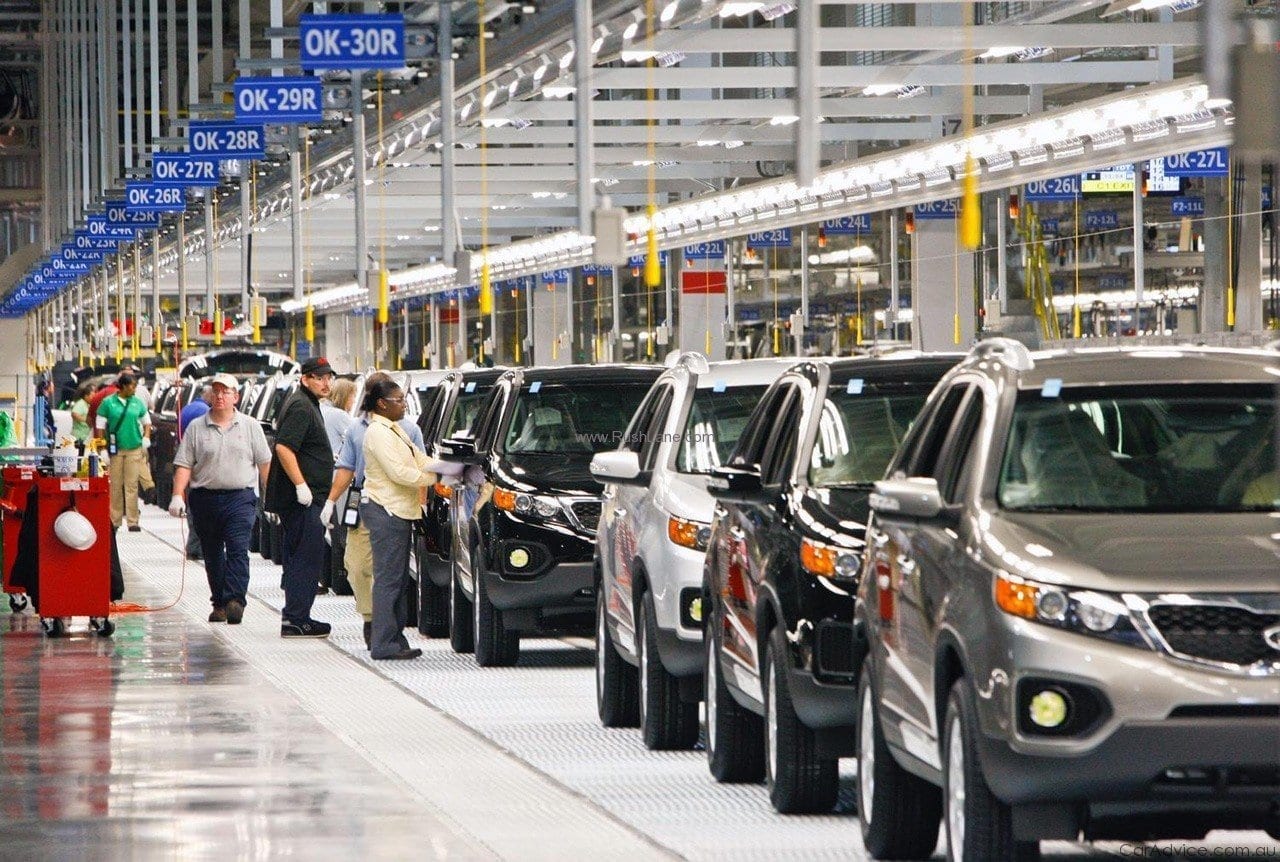
    Hyundai Motor, Korea’s largest carmaker, said Sunday that accumulated sales of its vehicles in China surpassed the 10 million unit mark in 2018. The milestone was reached 16 years after the company entered the key neighboring country, which has since become the largest market for new cars in the world.

    Hyundai first sold the midsize Moinca, a localized version of the Sonata, in the first year, which was followed by the Elantra. By 2008, it had increased its lineup to six, with sales exceeding 1 million units. In 2013, the carmaker said it sold 1 million vehicles in the world’s most populous country, with some 5 million cars being sold overall. Up until 2016, annual car sales exceeded the 1 million mark, although this plunged 31.3 percent on year to 785,000 units in 2017, amid a diplomatic dispute over the deployment of a U.S. missile defense system in Korea.

    For 2018, the carmaker said Hyundai sales edged up 0.6 percent from a year earlier to a little over 790,000, with numbers for this year not looking too promising.

  • Nike appoints new Converse CEO

    Nike appoints new Converse CEO

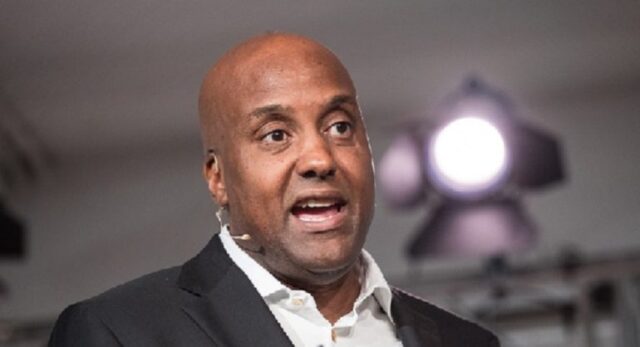
    In the week leading up to Christmas 2018, Nike Inc. said it has recruited a new leader for its Converse brand, naming G. Scott Uzzell as its president and chief executive officer, to helm the heritage sneaker company in the New Year. Uzzell replaces Davide Grasso who has decided to retire at the end of this calendar year. He will report directly to Michael Spillane, President, Categories and Product, Nike Inc.

    Effective January 22, 2019, Uzzell’s new appointment comes at a time when the brand is setting “the stage to move into new spaces by reconnecting to its heritage in sport,” according to a press release in December from Nike Inc.

    “Scott’s unique blend of experience driving both strategic business growth and strong brand development is well-suited to help unlock the full potential of the Converse Brand and lead its next phase of growth globally,” said Michael Spillane, President, Categories and Product, Nike Inc.

    Uzzell comes to Converse from The Coca-Cola Company, where he most recently served as President, Venturing & Emerging Brands Group (VEB).

    As head of Coca-Cola’s VEB Group, the consumer goods executive led a portfolio of high-growth brands for The Coca-Cola Company, including Honest Tea, ZICO Coconut Water, Fairlife Milk and Suja Juice.

    Uzzell began his career within sales and marketing for companies such as Procter & Gamble, Coca-Cola and Nabisco, before returning to Coca-Cola in 2000 in the Strategy & Planning division. Since then, he has held a number of leadership positions across its business including McDonald’s U.S. Division, Global New Business Development, Global Marketing, ZICO and VEB.

    In addition, he is a member on the boards of State Bank and Trust Company; Fairlife and Suja Juice Company, as well as being a member of the Florida A&M University Foundation Board and is part of the Executive Leadership Council (ELC).

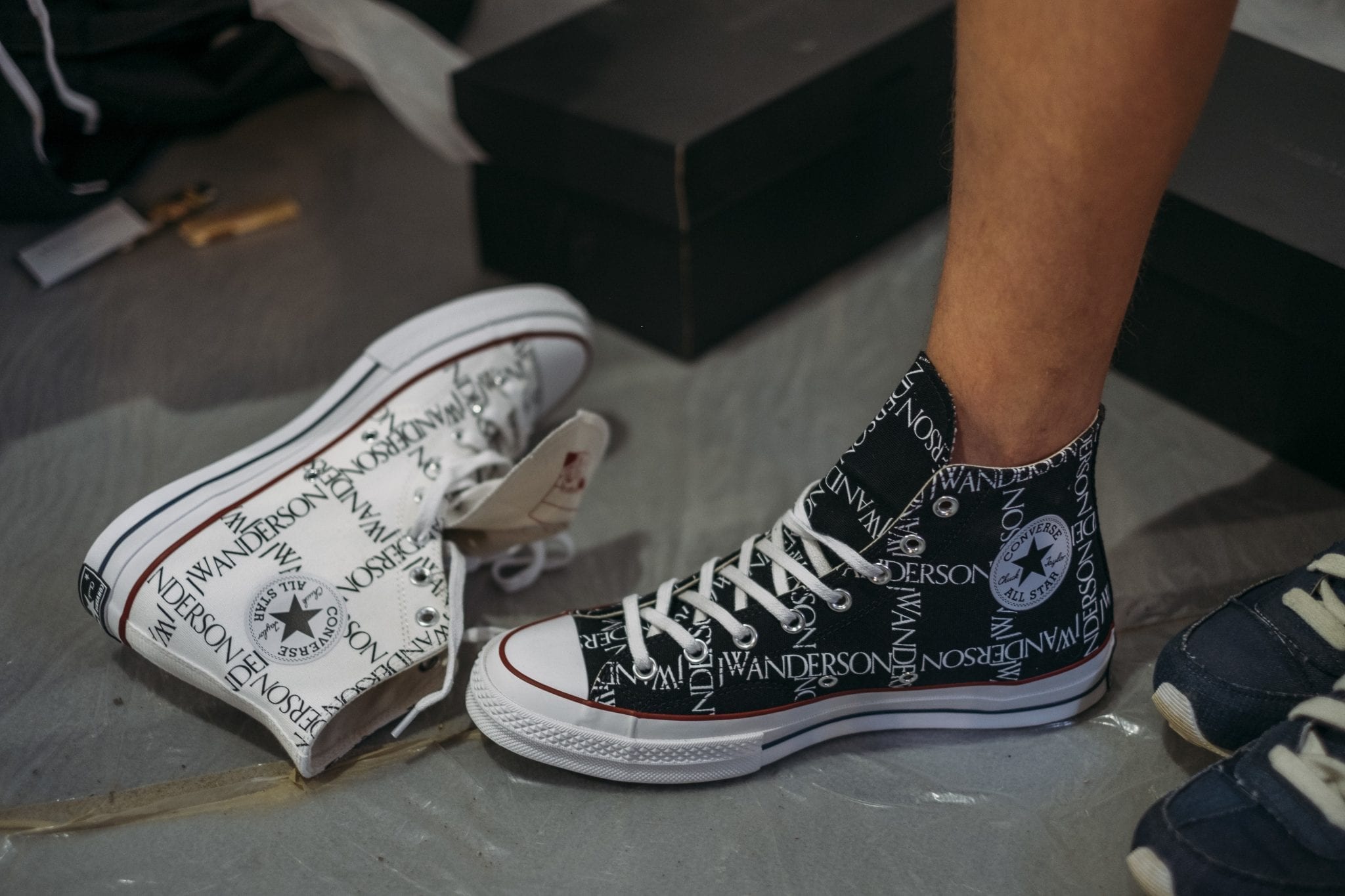
    Founded in 1908, Boston-based Converse is today owned by Nike. Converse shoes are sold globally in over 160 countries.

  • SimplyBrand blockchain platform launches token pre-sale

    SimplyBrand blockchain platform launches token pre-sale

    SimplyBrand, the world’s first blockchain-based e-commerce verification platform, launched a token pre-sale this week with strategic partner Cobinhood, a cryptocurrency service platform. By integrating blockchain, AI and crowdsourcing, SimplyBrand aims to end online counterfeiting through a safe and trustworthy digital commerce ecosystem.

    With the expansion of e-commerce, brands are finding it more difficult to trace counterfeit goods and prove authenticity in the highly fragmented internet space, leading to massive revenue losses and often damaging brand reputation. In addition, consumers continue to suffer from fraudulent traders of copied products.

    “For the past years, SimplyBrand has used data intelligence to successfully protect brand image and drive business results for Fortune 500 and renowned clients, including Asus and popular luxury brands,” said Shanghai-based Kaufman Chang, the founder and CEO of SimplyBrand.

    “As we usher in a new era powered by blockchain and AI technology, we believe the whole retail economy will benefit from this organic platform, which truly makes every purchase matter.”

    Chang says SimplyBrand is already a well-established company with a proven business model and trusted customers using big-data anti-counterfeiting services. Now it is expanding its expertise in machine learning and AI to a more innovative, comprehensive solution.

    “We are able to identify and verify products sold on all the major e-commerce platforms with high efficiency based on data including images, prices, locations, product description, etc. An immutable “blacklist” of counterfeit product will then be created on the blockchain for public reference.”

    Chang says this allows brands to remove offending product pages responsively and continuously help to improve AI accuracy. Within this ecosystem, crowdsourced participants who report fake products through the SimplyBrand app can earn token rewards to purchase brand privileged items or sell them on exchange, while brands can buy tokens from the exchange and use them to buy brand-protection services.

    “As a result, a virtuous cycle of loyal consumers, companies and other enforcement agencies will be created to eradicate the online scourge of counterfeit products for good.”

    SimplyBrand was co-founded by Chang and Ronnie Ng, both alumni of University of Chicago Booth School of Business. Chang is a startup entrepreneur with ventures in cloud computing software and big data security software and Ng is an entrepreneur and marketing specialist.

  • Samsung ranks second in 2018 U.S. patent grants

    Samsung ranks second in 2018 U.S. patent grants

    Samsung Electronics grabbed the No. 2 spot in U.S. patent grants among global corporate giants in 2018, industry data showed Thursday. Samsung Electronics, the world’s top smartphone and memory chip maker, received 5,850 U.S. patent grants last year, up 13 from the previous year, according to the data from IFI Claims Patent Services, provider of a top global patent data platform.

    IBM topped the list with 9,100 grants, up 1 percent from a year earlier, maintaining the U.S. company’s position as top patent leader for a 26th consecutive year.

    Canon followed Samsung with 3,056. Intel came next with 2,735 then LG Electronics with 2,474. All registered declines from a year earlier.

    Other Korean firms included Samsung Display, which ranked 14th with 1,948 grants. Hyundai Motor placed 19th with 1,369.

    Last year, U.S. patent grants totaled 308,853, down 3.5 percent from the previous year.

    By country, the United States took up the largest share, at 46 percent, followed by Japan with 16 percent, Korea with 6.5 percent, Germany with 5 percent and China 4 percent.

    China was the only major patenting country to report an on-year increase in the 2018 patent grants.

  • Judge extends Sears lifeline to mid-January

    Judge extends Sears lifeline to mid-January

    Embattled US department store Sears has been granted yet another lifeline, with a bankruptcy auction now scheduled for January 14. That will give billionaire hedge fund operator Edward Lampert, Sears biggest shareholder and former CEO, one final opportunity to preserve the business. At Monday’s auction, he will bid against rival parties seeking to liquidate the business, described by GlobalData Retail MD Neil Saunders as “more like a patient in a coma than a fully functioning retailer”.

    Sears filed for Chapter 11 bankruptcy protection in October and the independent directors of the 126-year-old company are seeking its liquidation, seeing it as the only means by which creditors can retrieve some of the $5 billion in debts it owes. Lampert wants the remaining 425 stores trading under the Sears and Kmart banners to remain open, convinced it can return to viable trading.

    Saunders disagrees and says talk of a potential liquidation of the company suggests the much-storied retailer is now at the end of its long road to collapse.

    “Its recent journey to this point has been characterised by incredibly poor strategic decisions, chronic underinvestment, and continuous financial machinations designed to keep the company afloat. All of this impacted trading, which has remained dire.”

    Saunders says while Lampert has worked hard to rescue the remains of his empire, there is simply not enough financial firepower left in the company to persuade investors of his bid. Indeed, the terms of the deal put forward by Lampert would only likely delay the inevitable and make it far more difficult for creditors to extract their money.

    “Moreover, his track record in putting the company on a sound financial footing has been less than impressive, and we believe this has undermined his credibility with stakeholders.”

    Saunders says there may be interest from people who see value in elements of Sears business such as the automotive side, the online operations, the brands, and the various home services. Those operations include brands like Kenmore appliances, DieHard batteries and Wrangler jeans. “As such, parts of Sears could live on even if the company as we know it will disappear.”

    According to The Wall Street Journal, Sears, which merged with rival Kmart in 2005, has been losing money for seven years under Lampert’s leadership. Sine April 2007, the company has shed 200,000 staff, lost $30 billion in shareholder value and closed more than 1700 stores, leaving it with less than 700 now.

    Saunders says Sears will act as a case study in how not to run a retail operation.

    “It also serves as an example that even the once most powerful and cutting edge of brands can easily fail in a retail environment where change and evolution are the order of the day.”

  • Amazon to soon deliver packages right in customer’s garage

    Amazon to soon deliver packages right in customer’s garage

    To enhance its in-home delivery service, Amazon has launched new products and tools within its ‘Key by Amazon’ offering for Prime members, beginning with the US. The online retail giant unveiled ‘Key for Garage’ that will allow customers to monitor and control their garage door via the Key app. “In addition to receiving deliveries at home and in your car, eligible Amazon Prime members will soon be able to get deliveries in their garage,” Amazon said in a statement on Tuesday.

    ‘Key for Garage’ is made possible by integrating Key with CGI’s proprietary ‘myQ-connected’ technology.

    “We started with the idea of in-home package delivery and quickly learned that our customers found peace of mind from the control Key gives them over their most important place – their homes – even when they aren’t there themselves,” said Rohit Shrivastava, GM of Key by Amazon.

    The online retail giant unveiled ‘Key for Garage’ that will allow customers to monitor and control their garage door via the Key app

    Amazon launched ‘Key’ in 2017 and the in-car delivery facility later. The new delivery services are available to Prime customers in some markets at no additional cost.

    Other offerings include the new Schlage Encode Smart Wi-Fi Deadbolt — the first WiFi-enabled smart lock for Key.

    The smart lock offers an innovative option for any customer who wants to experience the magic of a keyless life without any additional hub or hardware.

    “Even with all the advancements in the category, we recognized there was still a gap in simple, secure, high performance and cost-effective, all-in-one access solutions,” said Lee Odess, Vice President, Solutions Providers Business at Allegion, maker of Schlage locks.

    ‘Key for Business’ is a smart fob for drivers delivering Amazon packages to commercial and residential properties.

    “The technology allows building owners and managers to give controlled access to delivery drivers to drop off Amazon packages to their residents, and eliminate the need for building staff to manually give access each time deliveries are made,” said amazon.

    The Schlage Encode Smart Wi-Fi Deadbolt is available for pre-order for US$ 249.99 or US$ 299.99 when bundled with an Amazon Cloud Cam. It will begin shipping to the US customers on March 5.

    Key for Garage will be available in the US in the second quarter.

  • Samsung plans to release robots this year

    Samsung plans to release robots this year

    Samsung robots are coming this year. Kim Hyun-suk, president and head of Samsung Electronics’ consumer electronics division, said the company has been conducting research on the robotics market and is now preparing to launch several robots this year during a press conference with reporters on Monday, a day prior to the opening of the Consumer Electronics Show (CES) in Las Vegas.

    Until now, Samsung Electronics has stayed mum on whether it is making robots. “To develop robots, it’s important to have an artificial intelligence [AI] platform ready [to mount on the robots],” Kim said. “That AI platform is almost ready.”

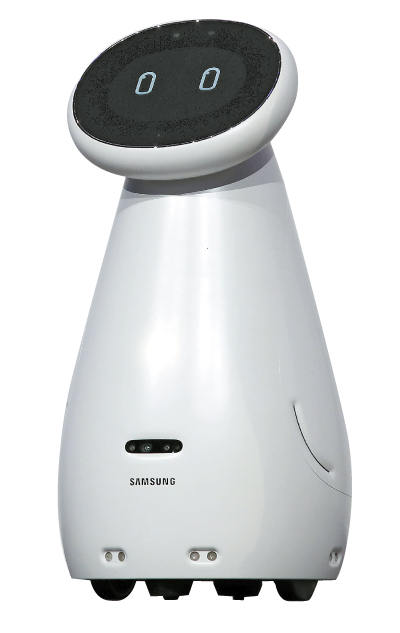
    Samsung unveiled three variations of its AI-based robot, dubbed Samsung Bot, at the briefing, revealing its robotics technology for the first time.

    The three Samsung Bots, labeled Care, Air and Retail, are designed to aid people’s health, and improve air quality and retail shop management. Samsung Bot Care, for instance, monitors users’ vitals like blood pressure and heartbeat and helps people take medicine at the right time. The robot can also call 119 and contact family members when it senses an emergency such as a heart attack.

    The electronics giant also introduced its wearable robot, dubbed GEMS. It assists people with difficulty walking due to weak muscles or injuries and reduces physical pain in the knees and ankles.

    “I can’t say for sure when the products introduced today will be commercialized,” Kim said. “There are possibilities that robot products not introduced yet could be commercialized first.”

    Kim added that demand for robots is expected to increase, especially due to societal aging, pointing out that robots like Samsung Bot Care will be useful for the elderly.

    “By exploiting Samsung’s know-how in AI, Internet of Things and developing multiple devices, we are considering our options for various types of robots,” Kim said.

    On concerns of whether Samsung’s own AI engine Bixby is losing ground due to the company’s AI partnerships with tech giants like Google and Amazon, Kim said that is a “misunderstanding.”

    Though Amazon’s Alexa AI assistant and Google Assistant may be a step ahead of Bixby in terms of technology and presence in the global market, Kim said partnerships make Bixby stronger, not weaker.
    The important thing, according to Kim, is that when people ask Bixby a question, the AI will be able to give out answers based on its own knowledge or by utilizing data from Google or Amazon.

    “No company has strengths in every aspect of business,” Kim said. “Though Bixby is a latecomer [to the AI assistant market], Samsung has relative strength in making devices compared to other tech companies, and Google and Amazon will focus on what they are good at.”

    Kim also commented on LG Electronics’ rollable TV that made headlines globally. LG’s rollable TV prototype can roll itself into a storage box that becomes a table with speakers.

    According to the Samsung president, there needs to be considerations on whether the product can be “economical.” He added that without the economic feasibility to commercialize the product, the prototype is a lot less meaningful.

    Brian Kwon, head of LG’s home entertainment division, said in a separate press briefing Tuesday in Las Vegas that the company will make rollable TVs its future growth engine.

    On concerns about the product’s cost, Kwon said while the price may be a barrier in widely expanding sales of the product right after launch, the company will strive to quickly improve the TV’s cost competitiveness.

  • United Colors Of Benetton appoints new Artistic Director

    United Colors Of Benetton appoints new Artistic Director

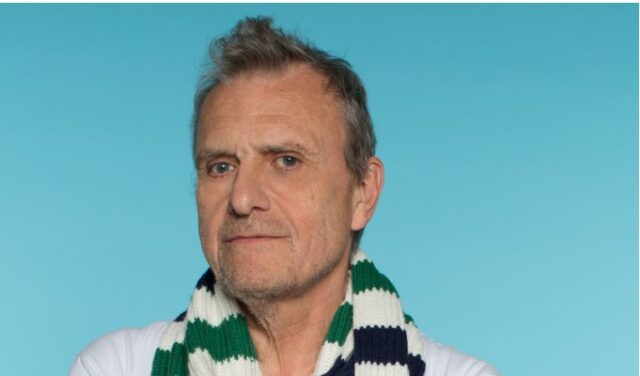
    Fashion designer Jean-Charles de Castelbajac has been appointed artistic director of the United Colors of Benetton men’s and women’s collections. “We are happy to welcome Jean-Charles de Castelbajac into our big family,” announced UCB Chairman Luciano Benetton.“His experience, charisma and ability to forecast tomorrow’s social and fashion trends will constitute a great asset for our brand.”

    Castelbajac has a long career that spans from design to painting, advertising and street art. He debuted in the fashion world in 1968, when he launched a brand created in collaboration with his mother. He then went on to inspire fashion trends such as the ‘anti-fashion’ movement and the alternative use of objects to decorate garments.

    In 1974 he co-founded Iceberg. In 1978 he founded maison Jean-Charles de Castelbajac, which he left in 2016. Over the years he has also collaborated with Max Mara, Ellesse, Courrèges, Rossignol, and Le Coq Sportif. Born from a mix of punk and pop, his style is characterized by the use of strong colors and pop icons, the mix of old and new and a whimsical and irreverent touch.

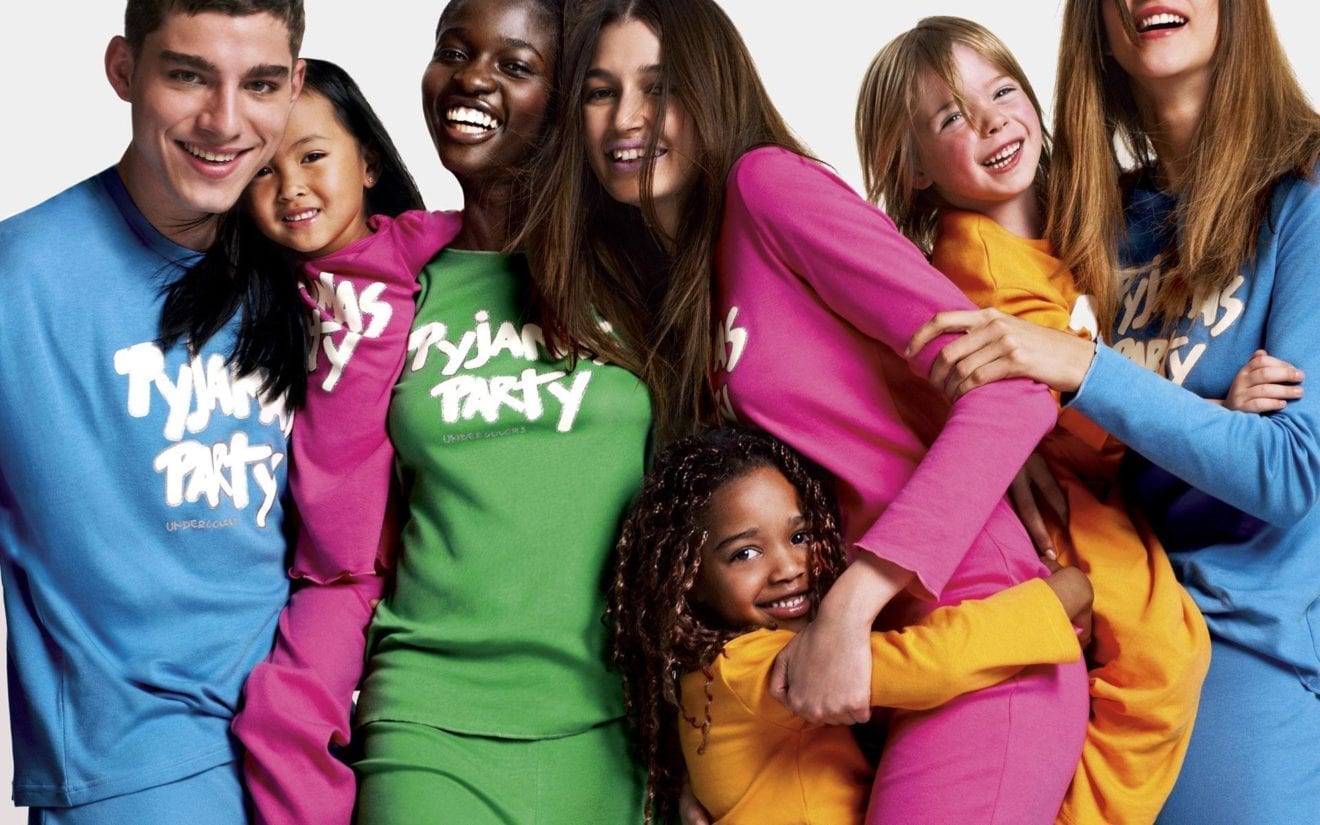
    “An iconic brand, United Colors of Benetton envisioned the world of today: a pop, colorful, affordable and universal fashion, enhanced by Oliviero Toscani’s powerful images,” commented Castelbajac. “United Colors of Benetton and I have always had a similar take on fashion, characterized by the passion for knitwear and the love of pop and rainbow colors.”

    Castelbajac and Benetton also share a passion for contaminating fashion with art. In his career, the French designer befriended and worked with artists such as Andy Warhol, Miguel Barcelo, Keith Haring, Jean Michel Basquiat, M.I.A and Lady Gaga. His creations have been displayed at New York’s Institute of Fashion and Technology, London’s Victoria & Albert Museum and the Galliera Museum in Paris. In 2018 he was guest artistic director at the Paris Biennale.

    “Thanks to social networks, fashion today is visible to everyone. But it remains affordable only to a few,” Castelbajac said, adding: “Together, United Colors of Benetton and I will seek to create tomorrow’s wardrobe, bringing beauty and style to everyday life, at prices that everyone can afford.”

  • Vietnam says Facebook violated cybersecurity law

    Vietnam says Facebook violated cybersecurity law

    Vietnam says Facebook has violated its new cybersecurity law by allowing users to post anti-government comments on the platform. “Facebook had reportedly not responded to a request to remove fanpages provoking activities against the state,” the official said, citing the Ministry of Information and Communication. In a statement, a Facebook spokeswoman said: “We have a clear process for governments to report illegal content to us, and we review all these requests against our terms of service and local law.”

    She did not elaborate. The ministry said Facebook also allowed personal accounts to upload posts containing “slanderous” content, anti-government sentiment and defamation of individuals and organizations, the agency added.

    “This content had been found to seriously violate Vietnam’s Law on cybersecurity” and government regulations on the management, provision and use of internet services, it quoted the ministry as saying.

    Facebook had refused to provide information on “fraudulent accounts” to Vietnamese security agencies, the agency said in Wednesday’s report.

    The information ministry is also considering taxing Facebook for advertising revenue from the platform.

    The report cited a market research company as saying $235 million was spent on advertising on Facebook in Vietnam in 2018, but that Facebook was ignoring its tax obligations there.

    In November, Vietnam said it wanted half of social media users on domestic social networks by 2020 and plans to prevent “toxic information” on Facebook and Google.