Tag: International

  • World Bank sees slower global economic growth of 2.9% this year

    World Bank sees slower global economic growth of 2.9% this year

    The growth of the global economy is expected to slow to 2.9% in 2019 compared with 3% in 2018, the World Bank said on Tuesday, citing elevated trade tensions and international trade moderation. “At the beginning of 2018 the global economy was firing on all cylinders, but it lost speed during the year and the ride could get even bumpier in the year ahead,“ World Bank CEO Kristalina Georgieva said in the semi-annual Global Economic Prospects report.

    The World Bank outlook comes as the United States and China have been engaged in a bitter trade dispute, which has jolted financial markets across the world for months. The two economies have imposed tit-for-tat duties on each other’s goods, although there have been signs of progress.

    Growth in the US is likely to slow to 2.5% this year from 2.9% in 2018, while China is expected to grow at 6.2% in the year compared with 6.5% in 2018, according to the World Bank.

    Emerging market economies are expected to grow at 4.2% this year, with advanced economies expected to grow at 2%, the World Bank said.

  • Balenciaga launches first in-house eyewear line with Dover Street Market

    Balenciaga launches first in-house eyewear line with Dover Street Market

    French luxury house Kering has launched its first in-house Balenciaga eyewear line at British Dover Street Market stores. The new collection is exclusive to the DSM chain in the US, UK, Japan, Singapore and China, as well as the brand’s e-commerce channel. The high-end products are valued between US$290–570, with both sunglasses and prescription frames available.

    The Balenciaga eyewear line represents the first in-house Kering Eyewear product range. Previous Balenciaga collections were produced under Marcolin Eyewear, the creator of shades for numerous luxury labels.

  • Samsung cooperates with Apple

    Samsung cooperates with Apple

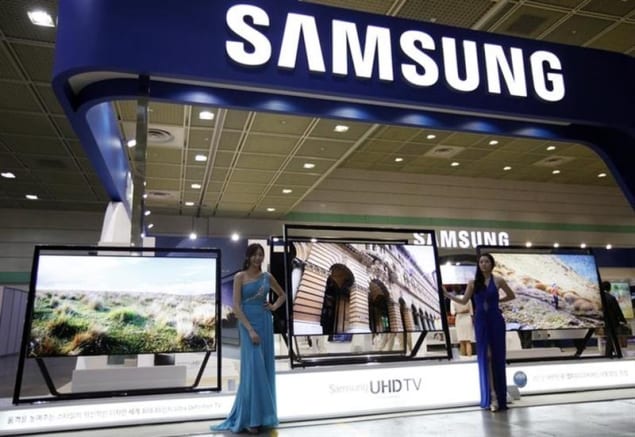
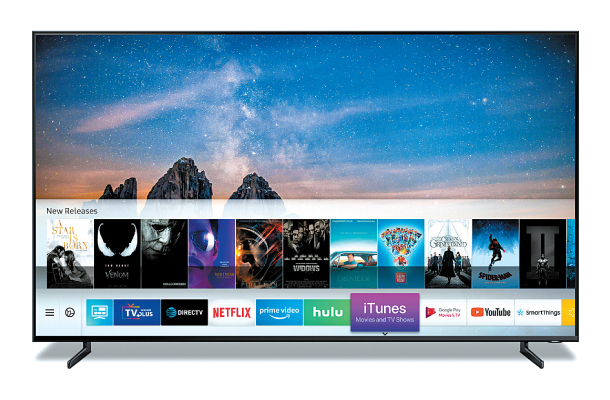
    Samsung Electronics is teaming with arch-rival Apple to enable its smart TVs to access video, audio and other programming from iTunes. It is the first time the two have cooperated on content. The partnership was announced Monday. Beginning this spring, Samsung smart TVs will have iTunes movies and TV as a default option, along with YouTube and Netflix. For customers with older versions of Samsung smart TVs, the service can be added with a software update.

    Apple’s new movie and TV streaming service is set for official introduction in March. Samsung Smart TVs will be the first non-Apple devices to have access to the service.

    Another feature to be made possible on Samsung TVs is AirPlay 2, a function that allows for wirelessly access to movies, photos, podcasts or music from Apple devices.

    Until recently, before Chinese manufacturers became smartphone leaders, Apple and Samsung competed intensely for domination in the market.

    The two were also embroiled in a seven-year patent battle that was only concluded last year.

    Despite the rivalry, they have continued to do business with each other. Samsung has supplied Apple with smartphone chips and displays.

    At an event held in Las Vegas Monday before the Consumer Electronics Show 2019, the president of the Samsung visual display business, Han Jong-hee said that the collaboration is a “win-win” for both companies while customers will benefit from a wider range of choices.

    “For now, the collaboration will be about content. But in the future, I expect there to be other fields in which we can work together as well,” said Han. According to another senior executive at the event, the project was initially suggested by Samsung.

    The company suggested that it is open to partnerships with other companies as well, saying in a press release that it aims to minimize the barriers between products and providers to offer a “rich selection of content.”

    For Samsung, Apple programming will give it an upper hand in attracting customers.

    The war in the TV market is now as much about what is available on devices as it is about brighter, more colorful and slimmer panels. How TVs seamlessly link to online resources is one of the major battlegrounds.

    The partnership also reflects how Apple is increasingly putting weight on services instead of hardware – the reason it came up with the iTunes video streaming service. Global iPhone sales are falling short of expectations as customers don’t change phones as frequently as before and many are being turned off by the high prices.

    Samsung brings with it the strength of being No. 1 in the global TV market, with more than a 40 percent share.

    “We look forward to bringing the iTunes and AirPlay 2 experience to even more customers around the world through Samsung smart TVs, so iPhone, iPad and Mac users have yet another way to enjoy all their favorite content on the biggest screen in their home,” said Eddy Cue, senior vice president of Internet Software and Services at Apple.

  • Smart Garments: The next big thing in sportswear

    Smart Garments: The next big thing in sportswear

    Fitness wearables are no longer just a matter of wrist straps or pieces of practical jewelry. Such technology now works via our clothing. Smart garments are all set to supercharge the fashion industry in the years to come. We are fortunate to have been living in an era which will go down in history as the apogee of technological advancement.
    Technology is an indispensable part of our life today. It has thoroughly morphed all aspects of human life — right from the way we communicate,travel, exchange information to the way we eat, live and drink. Hence, it is but only natural that technology has heralded a propitious change in the way we dress and clothe ourselves today.

    After the huge success of fitness wearables like Apple Watch, Fitbit, Polar fitness monitors, etc., etc., smartness and intelligence is progressively making inroads into the clothes we wear. The fashion world, more so in the last few years, is abuzz with words like wearable technology, smart garments, intelligent garments, e-textiles, etc.

    Although used interchangeably, in a broad sense, they all refer to any piece of clothing with integrated sensors and digital components. The integrated technology monitors the physical conditions of the user and uses big data analytics to predict and show the results.Newer smart clothing technologies can also sense and monitor the environment condition as well.

    GROWTH DRIVERS

    A recent survey by the World Economic Forum (WEF) reveals that 92.1 percent of corporate leaders believe 10 percent of people will wear clothes connected to the internet by 2025, and 85.5percent believe 105 percent of eyewear will be internet connected.

    Growing use across various industrial verticals such as sports and fitness, healthcare, military and defense is driving the smart clothing market globally. The rising demand for monitoring body activities through sensors is expected to surge the demand for smart clothing market over the forecast timespan. Growing awareness among individuals regarding fitness is providing an impetus to the industry growth. In addition, the inclination of athletes towards the use of these products to prevent injuries and optimize their performance will have a positive impact on the business. Additionally, incorporation of newly developed and advanced fibers such as nanofibers and hybrid materials is expected to drive the growth of smart clothing market.

    THE MARKET SIZE

    As per the US based global market research and management consulting company Global Market Insights Inc., the size of the smart clothing market was over US$ 150 million with shipments of around 800,000 units in 2016. The market is expected to balloon to over US$ 4 billion by 2024, and shipments are forecast to grow at over 50 percent CAGR.

    Smart t-shirts are emerging as one of the most popular and widely used categories of this segment in recent times. Projected to grow at over 50 percent CAGR from 2017 to 2024, these smart garments can provide biometric data such as heart rate, breathing rate and volume, muscle activity, etc., which are utilsed to optimize performance and workout plans professionally. Smart jackets are set to witness growth over the future owing to the ability of these products to control the mobile devices of the wearer and connect to several services such as music and camera, device charging, etc., directly from the jacket.

    Military and defense applications are predicted to witness high growth with a CAGR of over 55 percent from 2017 to 2024. In order to gain visibility into the health of a soldier as well as crucial battlefield insights, various government institutions are investing heavily to develop technologically advanced military uniforms.

    The US smart clothing market, the biggest hitherto in the world, is estimated to witness huge adoption and will dominate the industry with the significant revenue share. Increasing investments by various sports associations to eliminate the possibility of any preventable injuries of highly paid professional athletes is expected to fuel the industry growth.

    The Asia Pacific smart clothing market is expected to witness substantial growth over the forecast timespan. This can be attributed to the growing adoption of various wearable devices coupled with the increasing demand for advanced features in the products. In addition, rising security concerns and increasing military and defense budgets across countries such as India and China is predicted to witness huge demand for these products.

    THE INDIAN SCENARIO

    The smart garments segment is still in its nascent stages in India, and very under-developed compared to its peers in the Asia Pacific.

    The Indian ecosystem is just experiencing the advent of wearable technology and while the initial focus is mainly on the fitness and healthcare sector, there is a lot of scope for innovation in the existing product line – such as gamification, introducing social incentives to encourage community / group adoption as well as building an augmented product by providing a comprehensive set of services and charging based on usage. There are immense opportunities in the other sectors as well.

    Here is a look at some of the best Indian companies who are shelling who are breaking new ground in the smart garment industry:

    SYGNAL – Hyderabad based startup, Broadcast Wearables Pvt Ltd. is an AI based wearables company on a mission to make everyday devices smart. It is the parent holding of SYGNALS who has the distinction of producing the world’s first touch- enabled t-shirt.

    Loaded with a bunch of sensors packed in a small chip, the brand’s smart t-shirts are equipped to track a plethora of things including, the number of steps taken in the entire day, calories burnt even in the slightest form of exercise, floors climbed, distance walked or run. It can also navigate the wearer to a desired location. All the data is synched through Bluetooth to the app, and can be viewed for at least three days.

    LECHAL – Hyderabad based Ducere Technologies Pvt Ltd., is another noteworthy name in the field of Indian smart fashion. The company’s offering Lechal uses GPS to track down the users location through a GPS linked app, which then sends vibrations to his soles, thus telling him which turn to take. Built into the shape of a small pod which comes fitted into insoles, it functions through an app installed on a smartphone. The app also allows the user to keep a record of his route and tracks the steps taken, the distance travelled and the calories burned. The pods have a claimed life of 15 days on each charge.

    BOLTT – Boltt is a ‘sports tech-brand’ that is developing next generation consumer-centric solutions for personal health & fitness. Known for its advanced artificial intelligence (AI) ecosystem, Boltt provides ‘connected fitness solutions’ bundled with the hardware.The hardware includes smart shoes, stride sensor and activity tracker. The Boltt sensor is powered by Garmin’s patented SDM Technology. Boltt’s AI is aimed at solving problems in health and fitness coaching by providing real-time audio feedback and provides customised workout suggestions. As of now, there are Boltt’s wearables portfolio encompasses such as Boltt Fit, Boltt Beat, Boltt Beat 2.0, Boltt Ace, Boltt Verve Luxe, etc.

    ARROW – Popular shirt brand Arrow from Arvind Ltd., launched its first smart shirt and India’s first smart garment in 2016. The Smart Shirt comes with an inbuilt chip on the cuff that can be programmed by downloading the Arrow mobile app on a near field communication (NFC)-enabled smartphone. The Smart Shirt allows the wearer to share things like his LinkenIn profile, his Facebook profile or visiting card through a tap on the shirt’s cuff with a smartphone. Among other functions it performs are connecting via Bluetooth to play your favourite songs on the phone or switching your phone to ‘meeting mode’.


  • Wavy waterfall by LG

    Wavy waterfall by LG

    Models showcase LG Electronics’ 260 flexible OLED signage displays put together to form a waterfall at the company’s Consumer Electronics Show 2019 exhibition entrance in Las Vegas on Monday. The annual event, which will host over 4,000 companies this year, began yesterday.

  • Malaysian businesses less optimistic on prospects for next six months

    Malaysian businesses less optimistic on prospects for next six months

    Malaysian businesses are displaying less optimistic sentiment on prospects for the next six months as the RAM Business Confidence Index (RAM BCI) fell to its lowest level since its inception two year ago. RAM said in a statement today that the corporate and the SME indices of the RAM BCI declined to 55.1 and 51.0 respectively, although the reading above 50.0 still denotes positive sentiment.

    The RAM BCI is a comprehensive survey jointly conducted by RAM Holdings Bhd and RAM Credit Information Sdn Bhd, on business sentiment in Malaysia. Released quarterly, the index is based on data from a survey of close to 3,500 SMEs and corporates across five main industry segments respectively.

    The cooler sentiment is attributable predominantly to the weak economic prospects in the next six months, with a number of firms citing this as the main challenge, rising to 41.2% and 41% both corporate and SME segments.

    Decelerating domestic growth, uncertain global demand and investment activities and a lack of positive catalysts, including the relatively neutral Budget 2019, all play a part in the generally weaker business sentiment on the next six months.

    On a sectoral basic, the construction sector appeared the least bullish with the SME sector recording a reading at 49.7 while the corporate sector declined for the third time in a row to 53.0.

    Without any new growth catalyst amid the property overhang, plus the shelving of new big-ticket infrastructure projects, it is not surprising that the construction sub-indices have hit record lows, RAM said.

    Another sector that showed pessimism in the Q1-Q2 2019 survey is SME retail as its performance outlook slipped back into negative territory after a brief expansionary momentum that had been aided by the tax-free window from June to August 2018.

    “Faced with uncertain global and domestic economic prospects, consumers are once again more prudent with their spending, leading to weaker sentiment on retail consumption in 2019,” it added.

    On the back of weaker prospects, the firms are also holding back from capacity building with the sub-indices tracking corporate business expansion, capital investment and hiring recording a fall in three consecutive surveys.

    Likewise, the capacity-building sub-indices for SMEs pulled back from the last survey and remain below those of corporates.

    RAM noted that firms’ expressed reticence on capacity building remains the most prominent downside risk, as it could weigh on the momentum of economic growth in 2019 and potential economic output over the longer run. This is particularly true in respect of SMEs, which are more vulnerable and sensitive to immediate economic challenges.

    “That said, more guidance on future economic policies that will shape the overall business environment will be crucial to building business confidence among firms, potentially being the game changer for a more resilient growth trajectory this year,” it added.

  • Nestlé launches Workplace by Facebook

    Nestlé launches Workplace by Facebook

    Nestlé has adopted Workplace by Facebook as its global internal communication tool, to connect its workforce and better serve consumers.  The announcement comes as the latest and largest wave of staff join the platform, part of a process that began only nine months ago. Today, around 210,000 of its employees worldwide use the platform to connect and collaborate. Nestlé has pledged to move quicker to turn good ideas into great products to meet fast-changing consumer demand. With the majority of its employees active on the platform, Workplace is already making a difference. Internal engagement is higher and responses faster. People are experimenting and collaborating more, as well as sharing information and ideas.

    Workplace offers familiar Facebook features such as News Feed, Groups, Chat, events and live streams, as well as seamless mobile integration.  Because Workplace is easy to use, it can connect everyone and reach employees where they are.

    The first wave of market adoption including Mexico, Brazil, the Middle East and South Africa saw 25 times higher engagement per post and very high rate of use on mobile devices. Amongst other advantages, managers can use Live video to connect directly with employees at different locations. Sales teams can also use Workplace for daily check-ins and to share information and best practice.

    Commenting on the move to Workplace, Nestlé Executive Vice President Chris Johnson, said: “Nestlé is a people-first environment. We really rely on our talented teams to manage more than 2,000 Nestlé brands worldwide. We help our employees develop and we give them the right tools, so Workplace is a perfect fit.”

    The move to Workplace is part of Nestlé’s commitment to empower people and sustain a high-performance culture. The company is moving more and more to offer open office configurations and more flexible working environments.

    Workplace is also a great example of Nestlé constantly embracing the best technology and systems. Filippo Catalano, Chief Information Officer at Nestlé: “Today, using Workplace by Facebook we are able to give our employees across the globe a platform to build connections, enabling faster and more engaging sharing of information.”

    Julien Codorniou, vice president of Workplace by Facebook said, “As the global work landscape continues to change and the demand for better collaboration, best-of-breed IT and mobile-first work increases, we are honored to partner with a company like Nestlé to help employees work together to allow for limitless innovation.”

    While a large majority of users has now joined the Workplace platform, the rollout will continue throughout 2019.

  • MSIG Hong Kong names Philip Kent as new CEO

    MSIG Hong Kong names Philip Kent as new CEO

    General insurer, MSIG, has announced the appointment of Philip Kent to the role of Chief Executive Officer (CEO). He succeeds former CEO, Kenneth J. Reid, who has retired after 26 years with MSIG Hong Kong. Philip Kent most recently served as Executive Vice President of Planning for the Singapore-based regional holding company, MSIG Holdings Asia, over the last two years leading business development across the region and spearheading the regional digital strategy in Asia. With more than 28 years in the insurance industry, he has broad insurance market experience encompassing leadership and technical roles across Asia, including Indonesia, Thailand and Hong Kong.

    “We are pleased to have Philip lead MSIG Hong Kong as CEO. His accomplishments and track record of building strong partner relationships and inspiring colleagues make him an ideal leader. He is also very familiar with the market having worked in Hong Kong for 11 years,” said Alan J. Wilson, regional CEO, MSIG Holdings Asia.
    “The industry is dynamic with many insurers going digital and leveraging on new technologies. With Philip’s experience, he will be able to continue the digital transformation that Ken has started for MSIG, ensuring that we are well placed to continue serving the needs of our customers in Hong Kong,” he added.

    Outgoing CEO Kenneth J. Reid has retired after leading MSIG Hong Kong as CEO for 13 years and after a successful career of nearly 35 years with the Group. During his tenure, Mr Reid led MSIG Hong Kong to more than double its gross written premiums and played an instrumental role in forming a partnership with DUAL Asia in 2009, significantly expanding MSIG’s business portfolio. He also contributed to Hong Kong’s general insurance industry as Chairman of the Motor Insurer’s Bureau of Hong Kong from 2015 to 2017.

    “Ken’s vision, accomplishments and impressive track record of building strong client relationships, have materially strengthened MSIG Hong Kong. He leaves a firm foundation and a resilient company. I would like to sincerely thank him on behalf of the Board and the Group for his substantial contribution to MSIG,” Mr Wilson said.


  • Sarment Holdings, Blackberry join to deliver security for luxury customer

    Sarment Holdings, Blackberry join to deliver security for luxury customer

    Sarment Holding Limited is pleased to announce that it is partnering with BlackBerry to co-develop KEYYES CHAT, a highly-encrypted messaging application to provide identity and overall data security management for Sarment’s rapidly growing ultra-high, and high-net worth user base. The development of KEYYES CHAT will be in conjunction with a series of other security-focused applications which are anticipated to be launched starting in 2019.

    The KEYYES CHAT application has been developed with the BlackBerry Spark Communications Services SDK, which provides end-to-end encrypted chat, voice, video and data transfer functionality. It includes FIPS-validated, app-level, AES 256-bit encryption to ensure data is always protected on a device, across the mobile network and into the enterprise infrastructure.

    “Working in collaboration with BlackBerry was an obvious choice for Sarment, given they have long been regarded as a global leader in secured data and communications. Integrating this technology into Sarment’s digital ecosystem KEYYES is one of the steps we are taking to continue to provide our communities with useful tools they can trust. We started with bookings, purchases, deliveries and now we are adding communication to solve the issue of privacy and data security for our growing user-base. By leveraging BlackBerry’s Spark Communications Services SDK communication technology, KEYYES CHAT users can feel confident that their data and privacy are certifiably secured,” said Will Beattie, Chief Technology Officer of Sarment Group.

    In 2018, Sarment launched a unique offering which has quickly garnered the attention of the luxury industry by migrating its network of consumers and luxury brand partners into a unique digital ecosystem named KEYYES. ​KEYYES works as a curator, service provider and experience planner. Users discover expert insights, purchase curated goods and make bookings at featured lifestyle venues like restaurants, bars, art galleries, spas, wellness retreats, fashion houses, private clubs, automotive showrooms and designer’s workshops. KEYYES is currently available in 5 cities in Asia and the Company is targeting to be in over 20 additional cities worldwide in the next 3 years.

    KEYYES CHAT will be integrated in KEYYES App but will also be available to the general public in a lighter format with the same level of end-to-end encrypted security. It will give users the possibility to discover and be informed about KEYYES world if they are not yet a member.

    “We are extremely excited to be working with BlackBerry to address the cyber security and overall privacy of our users, and look forward to growing the breadth of our technology and specific application portfolio together in the coming months and years,” said Quentin Chiarugi, CEO of Sarment Group. “Sarment plans to migrate all its employees’ communications and its partners using KEYYES CHAT as the only communication tool when the application is launched. We want to showcase to our corporate partners how valuable KEYYES can be for their own employees and their customers.”

    “As more and more of our private lives are shared and conducted online, the need for secure communications is critical,” said ​Alex Thurber, SVP and GM of Mobility Solutions, BlackBerry. “KEYYES delivers a useful service for high-net worth individuals, whose data may be of value to those with malicious intent, and being able to trust in the integrity of the chat system will be a primary decision-making factor for them in considering the service. With the BlackBerry Spark Communications SDK, KEYYES CHAT will allow seamless communication between members, partners and employees while protecting the privacy and security of its users.”

  • Amazon Kicks Off the New Year with Head Start on Chinese New Year Festivities

    Amazon Kicks Off the New Year with Head Start on Chinese New Year Festivities

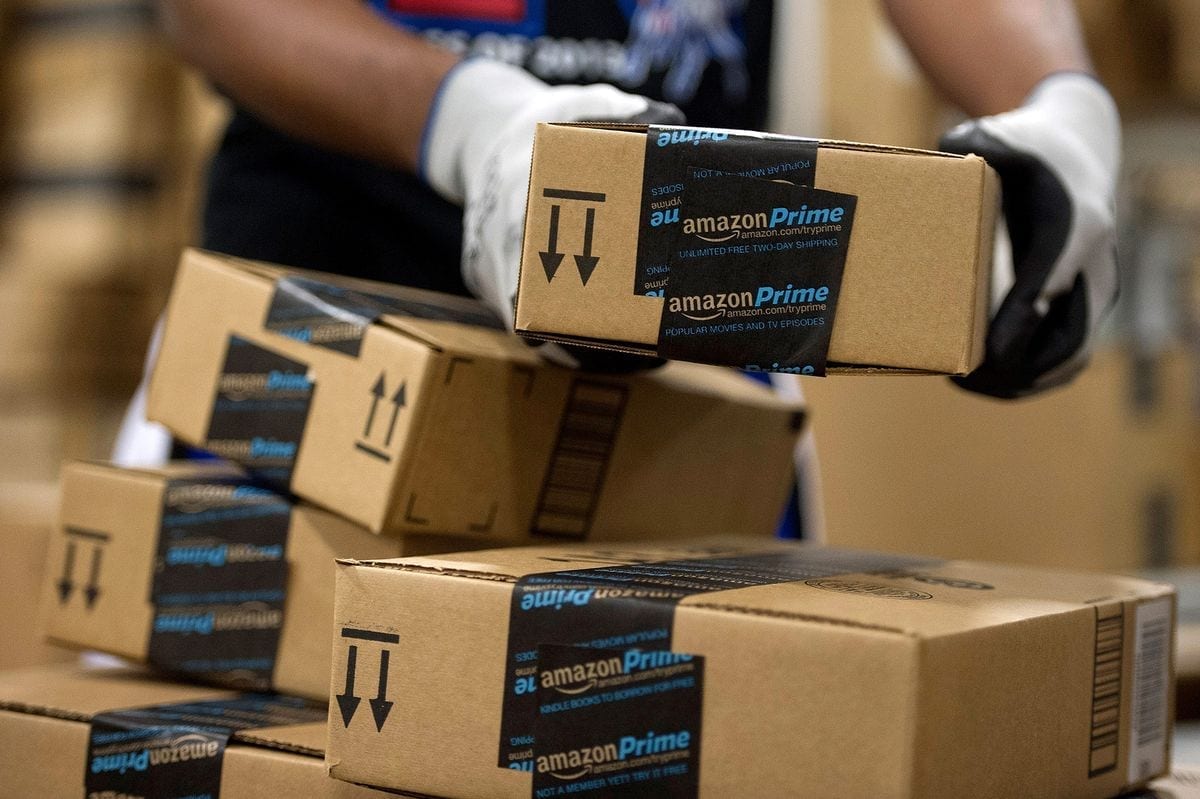
    Amazon announced the kick-off of the Chinese New Year season for Amazon Prime members in Singapore, offering new expanded local selection and great deals and free samplings to help usher in the Year of the Pig with ease. Amazon Prime Now will offer customers a one-stop shop for everything Chinese New Year related — from eight-pack red packets to traditional pineapple tarts and barbequed pork slices (bak kwa).  Anyone in Singapore can join Amazon Prime for S$2.99 a month or start a 30-day free trial at www.amazon.com.sg and download the Prime Now App.

    “We’re excited to jump into the Chinese New Year season, helping Prime members in Singapore get ready for the Year of the Pig with our expanded selection of popular holiday goodies–abalone, traditional pineapple tarts and handmade BBQ pork slice,” said Kourosh Kaghazian, Country Manager, Amazon Singapore. “From cleaning supplies to groceries, we’ve got Prime members covered this new year with the convenience of tens of thousands of items, including a variety of local favorites, and ultra-fast two-hour delivery right to their door.”

    New this season, Amazon is offering some must-have Chinese New Year goodies, including:

    • Kele: Traditional Pineapple Tarts and other festive cookies
    • Kim Joo Guan: Traditional Handmade BBQ Pork Slice
    • Crystal Jade: Almond Puff Cookies and Bo Lo Pineapple Tarts
    • New Moon: Abalone

    Amazon has also expanded its Reunion and steamboat selection for customers in time for their holiday dinner preparations with frozen and fresh sliced meats, noodles and tofu and a wide variety of fresh and frozen seafood, including pomfret, grouper, threadfin, scallops, crabmeat, mussels, squid as well as seasonal fresh vegetables and fruits.

    Amazon has also created specially curated selections according to Chinese New Year themes, such as Readying the House, Spring Cleaning and Organization, Stocking Up on Groceries, Shop Fresh Food/Reunion and Last-Minute Shopping. Prime members will be able to take advantage of the free two-hour delivery on orders of S$40 or more, especially helpful for heavy and bulky items like soft drinks. In addition, Prime members will also be able to shop millions of items on the international selection via the Prime Now App with free delivery in 7-9 business days on orders of S$60 or more.

    Prime Now will offer delivery from 10:00 a.m. to 6:00 p.m. on 4 February, Chinese New Year Eve as well as both public holidays 5 February and 6 February. Leading up to Chinese New Year, Amazon Prime Now will offer regular delivery from 10:00 a.m. to 10:00 p.m.

    Prime members in Singapore have access to millions of items via the Prime Now App. Amazon Prime in Singapore is currently available for S$2.99 per month. Prime membership benefits in Singapore include:

    • Free Two-Hour Delivery on Tens of Thousands of Items: Ultra-fast delivery on tens of thousands of items with free two-hour delivery on orders over S$40, between 10am and 10pm daily.  Items range from groceries to electronics, including a variety of new brands added to Prime Now since the launch such as Yakult, Dell, Tefal, Sambucol, Bausch & Lomb and Pinkfong, as well as new categories including fresh flowers, organic fruits and international foods.
    • Free International Shipping on more than 7 Million of Items: Unlimited free shipping in 7 to 9 business days on orders over S$60 from International Selection via the Prime Now App on more than 7 million international products shipped directly to you from Amazon US. Products include a wide selection of top brands such as Leap Frog, Calvin Klein, Rubbermaid, Zojirushi, BCB Generation, The Children’s Space, Pet Safe, Rebecca Minkoff, and Melissa and Doug.
    • Amazon Prime Video: Prime members can stream or download popular and award-winning Prime Original series like The Grand Tour, Golden Globe and Emmy award winner The Marvelous Mrs. Maisel, Tom Clancy’s Jack Ryan starring John Krasinski, Homecoming starring Julia Roberts, and many more. Prime members can watch anytime, anywhere via the Prime Video App on Android and iOS phones and tablets, smart TVs, game consoles or online at www.primevideo.com.
    • Twitch Prime: Prime members enjoy a selection of free games every month, free in-game loot for the world’s most popular games, a free broadcaster subscription every 30 days, exclusive chat emotes, and more at https://www.twitch.tv.
  • Burberry unveils first-ever Chinese New Year campaign

    Burberry unveils first-ever Chinese New Year campaign

    British luxury fashion house Burberry has unveiled its first Chinese New Year campaign, celebrating family traditions and togetherness. The commercials, shot and directed by photographer Ethan James Green, star Chinese actresses and Burberry brand ambassadors Zhao Wei and Zhou Dongyu, who make their Burberry campaign debut. Inspired by classic portraiture, the campaign has been reimagined in an informal urban environment, and features classic Burberry pieces including archive-print scarves, the trench coat and tailoring, contrasting with urban staples including hoodies, t-shirts and joggers, all of which are now available globally online and in-store.

    “The campaign draws on the concept of families reuniting for the most important holiday of the year, and represents a sense of belonging, but in a very fresh way,” explains Zhao Wei. “It was great fun being back on set with Zhou Dongyu – I enjoyed it very much!”

    Gallery of the campaign (4 images) :

    Zhou Dongyu added: “A family portrait is a very simple concept, but the ceremonial sense behind it holds so much more. For me, being able to go home once a year to spend quality time with my family is something I value above all else, and I wouldn’t trade it for anything.”

    For the campaign, Zhao Wei wore a sleeveless keyhole detail top, reissued Society-print silk scarf and gold plated link drop earrings. Zhou Dongyu wore a vintage check wool jacket with palladium plated link drop earrings.

  • Time is running out for Sears offer

    Time is running out for Sears offer

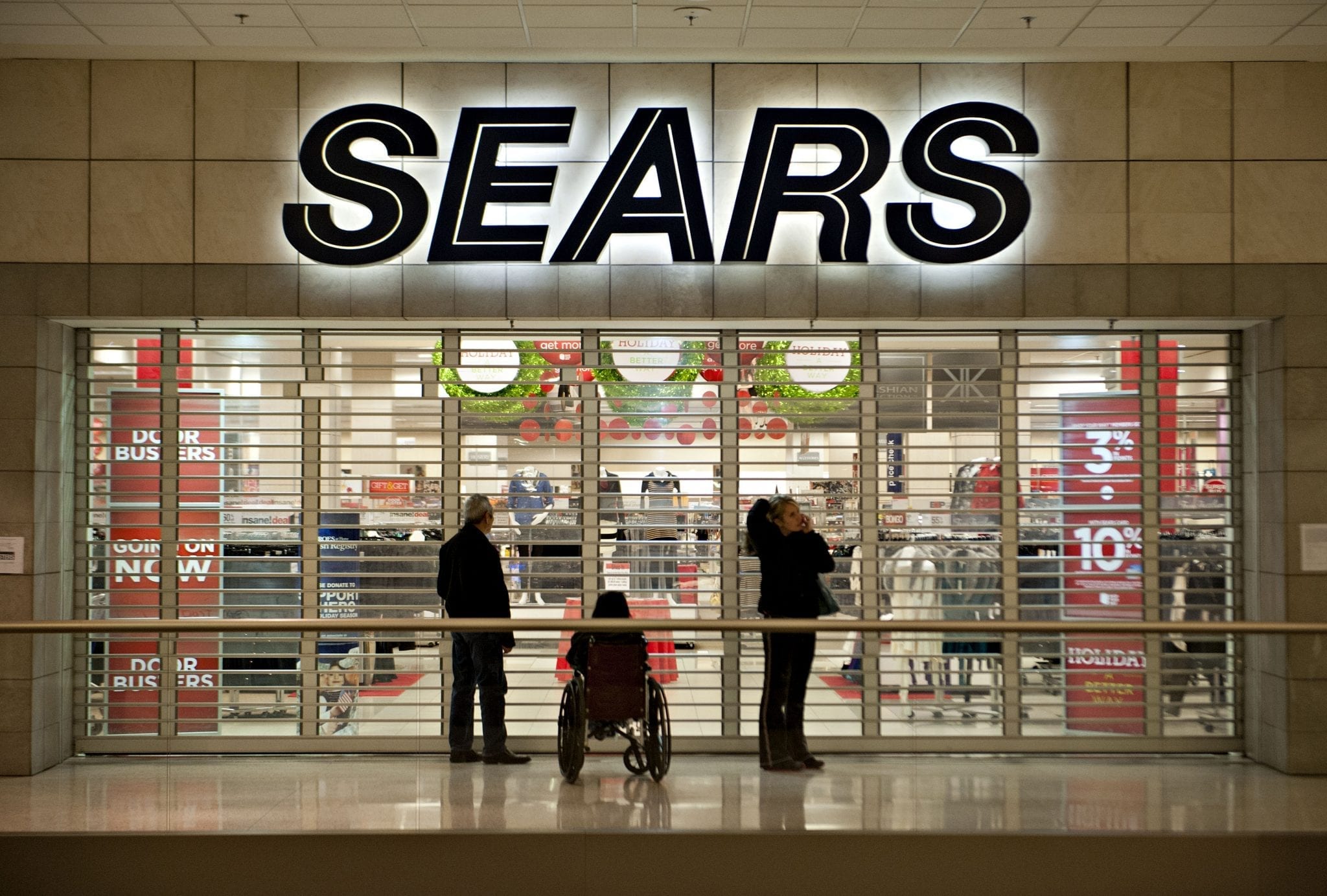
    Sears chairman Eddie Lampert’s last minute plans to save the bankrupt retail chain are set to be terminated on Friday afternoon, New York time, should they be determined to not be a “qualifying bid”. The first plan, a US$4.4 billion offer to purchase Sears, would provide ongoing positions for 50,000 employees and is the “best outcome for the debtors and their creditors and other stakeholders,” according to documents filed with the US Securities and Exchange Commission.

    The second plan, however, is an offer to acquire at least 250 stores as a going concern, as well as certain assets across the home services division and certain intellectual property.

    Earlier this week the business confirmed a further 80 stores would be closing by March, alongside the 40 already announced, with liquidation sales expected to begin in early January 2019.

    GlobalData Retail managing director Neil Saunders mused that the brand had hit rock bottom and was “essentially worthless” in its current state.

    “Ultimately, reinventing Sears now would be akin to raising the Titanic and making is seaworthy again: a thankless and rather pointless task,” Saunders said.

    Lampert stepped down as company chief executive when it filed for bankruptcy in October.

  • Pooey Puitton toy purse makers file lawsuit against Louis Vuitton

    Pooey Puitton toy purse makers file lawsuit against Louis Vuitton

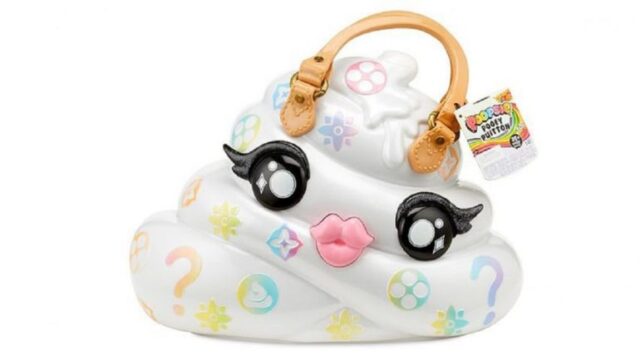
    Toy company MGA Entertainment has preemptively sued Louis Vuitton in an attempt to prevent the fashion house from taking actions that might impact sales of its slime-filled children’s purse Pooey Puitton. Filed 28 December 2018 in Los Angeles federal court, the lawsuit aims to prevent any potential claims of trademark infringement that Louis Vuitton might have against the plastic, poop-shaped purse.

    Instead, it asserts that the product is a “protected parody” of Louis Vuitton’s luxury handbags.

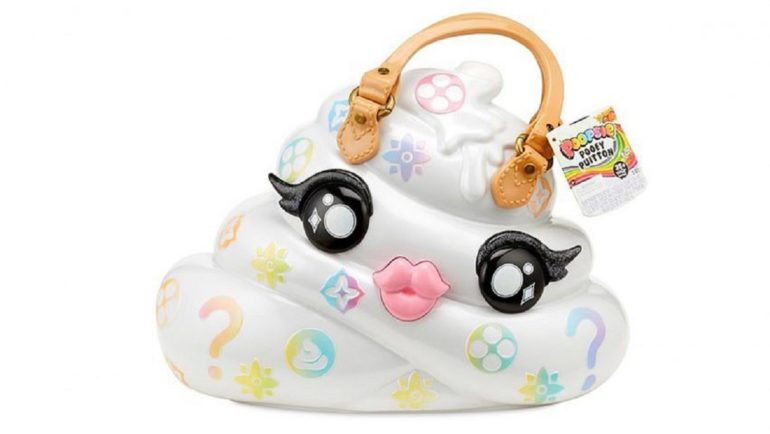
    The Pooey Puitton plastic purse takes the shape of a poop emoji with a handle and sparkly eyes. It is printed with a colourful, printed monogram, similar to the floral trademark pattern found on Louis Vuitton products, particularly the Spring/Summer 2003 collaboration with Japanese artist Takashi Murakami.

    Intended as a children’s toy, the purse is designed to store “unicorn poop”, a glittery toy slime.

    The children’s toy manufacturer launched the lawsuit in response to a claim that Pooey Puitton’s name and image violates the fashion label’s intellectual property rights.

    But MGA Entertainment asserted that “no reasonable consumer would mistake the Pooey product for a Louis Vuitton handbag”, citing the difference in material, price, marketing and stockists.

    According to the toy giant, the product is actually a parody of the luxury fashion brand, “designed to mock, criticise, and make fun of the wealth and celebrity” associated with Louis Vuitton products.

    “The use of the Pooey name and Pooey product in association with a product line of magical unicorn poop is intended to criticise or comment upon the rich and famous, the Louis Vuitton name, the ‘LV’ marks, and on their conspicuous consumption,” the statement reads.

    The interlocking “L” and “V” floral monogram pattern was designed by Louis Vuitton’s son, Georges Vuitton, in 1896.

    This is not the first time that MGA Entertainment has found itself in legal battles. The brand was famously sued by Barbie-manufacturer Mattel for allegedly stealing the idea behind its Bratz doll franchise.

    Elsewhere, Virgil Abloh – who was appointed artistic director of menswear for Louis Vuitton in March 2018 – unveiled his polychromatic menswear collection for the brand during Paris fashion week.

  • JD stores open in Beijing and Mongolia

    JD stores open in Beijing and Mongolia

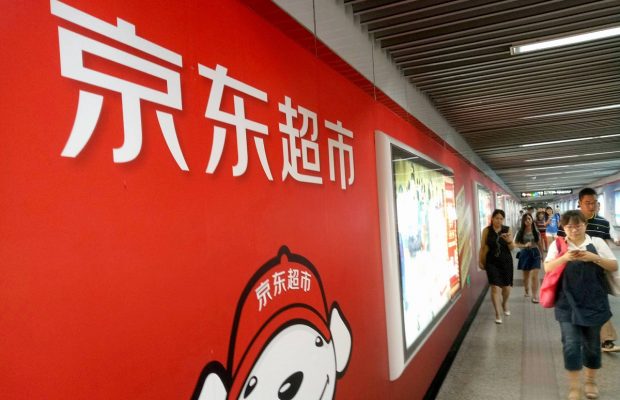
    Chinese online retail giant JD has opened two new innovative stores at Beijing Capital International Airport (BCIA) and Hohhot East Railway Station in Inner Mongolia. In a move to further expand the firm’s “boundaryless retail” strategy, the JD travel retail stores use the e-commerce company’s latest retail technology in order to make it easier and more enjoyable for travellers to purchase on the go. The openings add airports and railway stations to JD’s offline retail offerings, which already include convenience stores, supermarkets, and partnerships with hotels.

    Located in the departure lounge of Terminal 3 at BCIA for the next three months, JD’s pop-up store will offer popular travel items such as daily necessities, clothing, mobile accessories, beauty products, and bags and suitcases. The store uses JD’s smart store technology to understand how customers interact with products as well as which products to offer them. The integrated JD Zu Chongzhi platform can analyse customer behaviour and traffic flow, such as generating heat maps, in order to assist with product selection and inventory management, ensuring smooth store operations.

    “[Stocked] with items popular among travellers, the new shop will not only offer the products they want to buy most on their journeys – it will also allow them to personally experience what shopping of the future will be like, brought to them by China’s largest and most innovative retailer,” a spokesperson for BCIA said.

    The 100sqm unmanned Hohhot East Railway Station JD travel retail store opened in partnership with China Railway Express. It also makes the most of JD’s technological capabilities, with features such as facial-recognition payment and smart vending machines. Later, the store will make use of a Mini Program in WeChat so that customers can choose to buy on the spot and take their purchases with them, or shop online and have them delivered to a convenient location.

    JD Logistics and China Railway Express have been cooperating in logistics transportation since 2014, and have worked together to help facilitate the JD Luxury Express “white glove” delivery service as well as fresh food delivery via high-speed rail.

    “Many of our customers enjoy shopping while traveling and we’re determined to make sure they benefit from the convenience of JD wherever they are,” JD’s GM of social e-commerce and retail innovation, Bing Zhang, said.

    The new JD travel retail stores in Beijing and Inner Mongolia will provide them with a truly seamless experience that is unrivalled anywhere”.

  • DHL’s five useful hacks for social media selling

    DHL’s five useful hacks for social media selling

    Logistics provider DHL Express enumerated a few hacks on social media selling. As Filipinos search for gift ideas especially this holiday season, it is crucial for social media sellers to get their products to stand out and top their customers’ feeds. Nailing these two can increase their chances of converting followers into customers. Distilled from experiences from helping other small businesses grow and readily available on DHL Discover, an online library of business and culture insights, here are the global logistics leader’s top recommendations.

    First, choose the right platform. If 94 percent of shoppers said that Facebook posts affect their holiday buying choices, then sellers would definitely want to be there. Go for social media channels that reach out to buyers and have free analytic tools. Facebook is able to give audience insights which may help sellers make informed decisions in scheduling content and targeting audience when they are most engaged.

    Second, #GetNoticed. Hashtags are a crucial way to link products to customers who are looking for it. An example of this is using the hashtags, #giftideas and #nochebuena to get the attention of potential customers.

    Third, work with advocates. Social media influencers may help because of their loyal follower-base. Through the content of bloggers and vloggers, consumers may get a firsthand opinion on products. This will make the endorsement more authentic and less of a hard sell, which makes brands more credible.

    Fourth, get your call to action right. Make the call to action clear and ensure the buying process is simple. Something as straightforward as adding a “click to buy” tab underneath that Instagram product photo they liked will help leverage positive leads.

    Lastly, encourage customer feedback. Leverage consumer reviews to create a space where happy consumers can share positive experiences of the product. Although not all reviews may be positive, sellers should be aware and respond to complaints quickly.

    As customers look forward to reviewing your product or service, keep in mind that their overall experience, from window-shopping to check-out to shipping, shapes their perception of your brand. By counting on a logistics provider like DHL for last mile requirements, you can deliver the best possible customer experience worth sharing on social media.