Tag: International

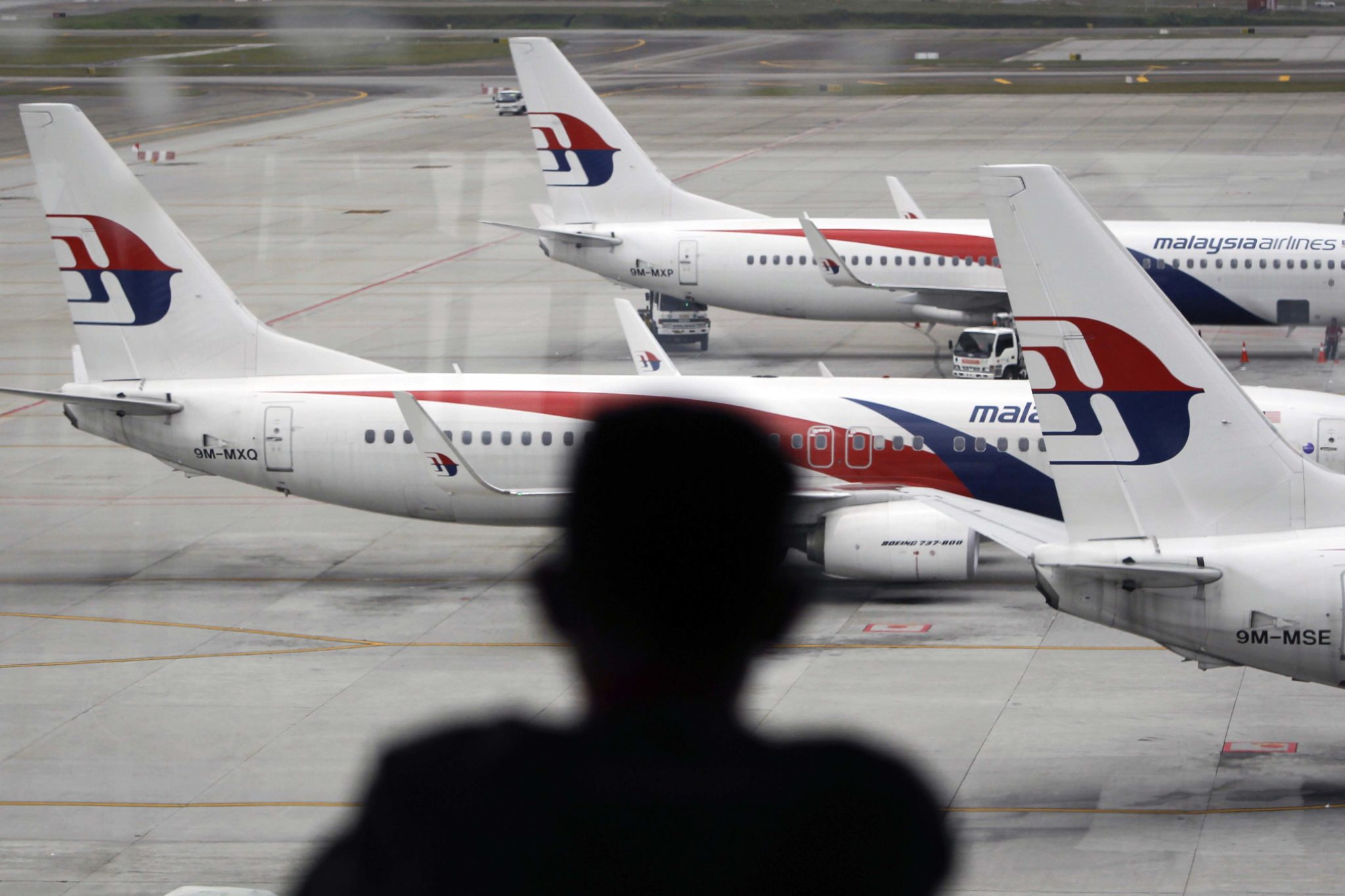
  • Malaysia Airlines launches business suite

    Malaysia Airlines launches business suite

    Malaysia Airlines announced the rebranding of its First Class cabin to Business Suite offering passengers new levels of luxury with ample cabin space and privacy. “The new Business Suite was introduced in response to the growing demand of our guests. Our target is to enable the frequent flyer, looking for enhanced comfort, to now be able to enjoy a premium experience at competitive prices,” Malaysia Airlines group CEO Captain Izham Ismail said in a statement.

    “We are confident that our new Business Suite will change the way people travel in business class,” Izham added.

    Starting Dec 12, 2018, the Business Suite will be available on all of the airline’s A350-900 and A380-800s.

    The suite comes with a dedicated check-in counter, access to Malaysia Airlines premium First Class Lounge, 50kg baggage allowance as well as fine-dining experience onboard.

    The Business Suite cabin will be available on the London, Tokyo, Osaka route and on the Sydney and Seoul route during the winter season.

  • AuMake enters into agreement with JD Worldwide

    AuMake enters into agreement with JD Worldwide

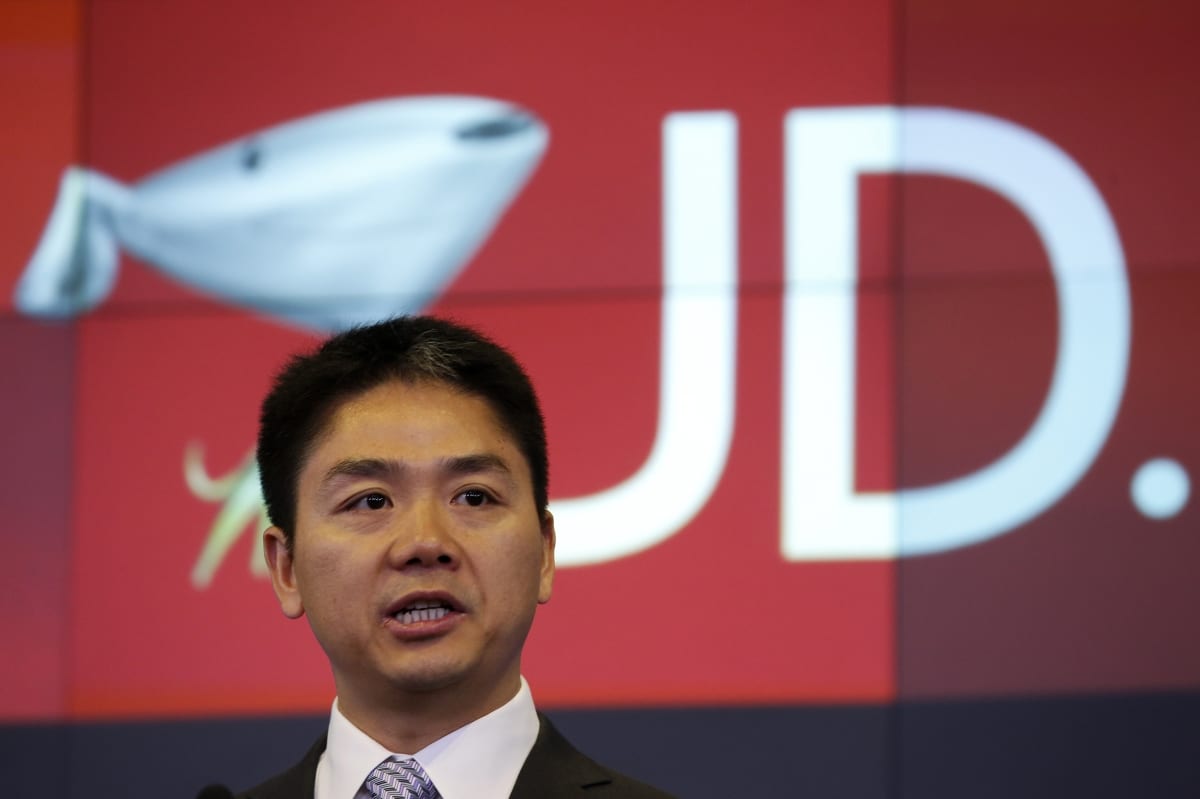
    AuMake International Limited has joined forces with JD Worldwide, a division of Chinese e-commerce giant JD.com, to create a new omnichannel platform for Australian and New Zealand brands to reach Chinese customers. The strategic agreement, which was signed in Sydney on Tuesday, will see JD combine its online and logistics capability in China with AuMake’s retail store and brand building capabilities in Australia.

    The partnership mirrors a similar agreement between Alibaba’s Tmall and Chemist Warehouse, the companies noted in a statement.

    The agreement builds on the booming daigou industry in Australia and New Zealand, where personal shoppers, often Chinese students or tourists, buy and ship products on behalf of family, friends and other clients in China.

    AuMake over the past two years has expanded its chain of retail stores catering to daigou shoppers with relevant products and services.

    Under the agreement, AuMake will become JD’s exclusive retail store partner in Australia and New Zealand and connect existing and future store customers to its online flagship on JD’s cross-border platform, JD Worldwide.

    JD, under the agreement, will fully support AuMake’s online flagship, with an initial sales target of 10 million RMB ($2 million) per month, and provide access to its warehouse and dispatch logistics network in China.

    The companies will also work together to incubate and develop new brands to be exclusively sold on the JD Worldwide platform and in AuMake retail stores.

    AuMake executive chairman Keong Chan called the agreement a “company-changing event”.

    “This is a company changing event for AuMake and confirms the value that we have created so far via our retail store distribution network in Sydney,” he said.

    “Under this collaboration with JD Worldwide, AuMake will now be able to reach hundreds of millions of customers in China with new brands and products, including brands and products owned by AuMake.”

    Keong added that he believes AuMake and JD together can fundamentally change the way in which Australian and New Zealand products reach the Chinese market.
  • BreadTalk to open 1st Din Tai Fung restaurant in London by end-2018

    BreadTalk to open 1st Din Tai Fung restaurant in London by end-2018

    Taiwanese dumpling chain Din Tai Fung has opened in Covent Garden, London. The new 8000sqft Din Tai Fung London eatery is the franchise’s 153rd globally, and is the first of at least two outlets planned for the city. A second store is planned for Centre Point next year.

    The Din Tai Fung London store has been launched by Taster Food UK in partnership with Singapore-based BreadTalk Group.

    BreadTalk Group CEO Henry Chu said: “The group will leverage on our experience of operating Din Tai Fung in Singapore and Thailand, and the strength of our overseas partners to continue the tradition of delivering an authentic Taiwanese dining experience to Londoners.”

    Brand founder and chairman George Quek commented that there is potential to open 20 Din Tai Fung outlets in Britain, serving as a starting point for further expansion into Europe.

    Din Tai Fung has already opened in Australia, China, Hong Kong, Indonesia, Japan, Malaysia, Philippines, South Korea, the US and the UAE. It was recognised by the New York Times in 1993 as one of the world’s top 10 restaurants.

  • HCMC a top 20 Asia Pacific office rental market

    HCMC a top 20 Asia Pacific office rental market

    With office rents rising constantly for several years, HCMC has moved into the top 20 Asia-Pacific office rent markets. Grade-A office rents in Ho Chi Minh City have reached a five-year peak of $936 per square meter a year, according to property service firm JLL. The HCMC market has come under the spotlight in a premium office rent report for the Asia-Pacific region just released by the US-based global company.

    The report said that HCMC, an emerging market, saw annual gross premium office rents rising to $635 per square meter, a year-on-year increase of nearly seven percent, placing the city in the list of top 20 office rent markets in the Asia-Pacific region.

    It highlighted the case one unnamed building in the inner city, where a record rent level of $936 per square meter a year was registered, a peak unseen for many years.

    JLL assumes that the HCMC office market is heating up with increasing investment inflow from many multinational firms.

    The US firm added that the total supply of office space in HCMC has increased to two million square meters, a five-fold hike compared to Bangkok. The scarcity of premium office space in HCMC has constantly pushed up rents.

    Financial corporations are willing to pay for high-end office space in HCMC, while banking and financial firms were keen on premium office space, topping the list of 72 key tenant categories.

    Meanwhile, JLL said in the Global Premium Office Rent Tracker Q4 2018 that Ho Chi Minh City and Manila, the two more affordable cities in Southeast Asia, are attracting significant corporate interest, along with European cities like Amsterdam, Berlin and Warsaw.

    The firm said that growth in occupation costs is likely to slow down in 2019 as new supply comes through; however, while rental growth is expected to decelerate, there are very few major markets where a downward correction is projected for 2019. In fact, the delivery of new premium buildings will set fresh rental benchmarks in several markets, it predicts.

    Total occupancy costs are calculated by combining the net effective rent with additional costs, including service charges and taxes.

    JLL’s Global Premium Office Rent Tracker 2018 compares occupancy costs for premium office buildings across the world’s leading real estate markets. This fourth edition includes 72 office submarkets across 61 cities.

    The report includes the key elements of occupancy costs – net effective rent, service charges and government tax on rent – all standardized to enable true international comparisons.

  • Vietnamese currency falls to new low, could go lower

    Vietnamese currency falls to new low, could go lower

    The official exchange rate between Vietnamese dong and U.S. dollar reached its highest this year Wednesday, and  experts said the dong could depreciate further. The State Bank of Vietnam set a central exchange rate of VND22,757 on Wednesday, the sixth time the rate has gone up in the last two weeks.

    The dong has fallen by VND352, or 1.57 percent, against the greenback since the beginning of the year.

    The dollar’s value increased at commercial banks. At 3p.m. Wednesday, Vietcombank sold the dollar for VND23,350, VND15 higher than Tuesday.

    Vietinbank also sold its dollar for VND23,350, VND17 higher than Tuesday, while BIDV sold it at VND23,355, VND25 higher.

    The dollar also inched up on the free market. At 11.30 a.m. Wednesday, it was selling for VND23,360-23,410, VND10-20 higher than on Tuesday.

    Economist Nguyen Tri Hieu said that the reason for the hike was high demand for dollars toward the end of the year as businesses often import large amounts of materials needed for manufacturing.

    The ongoing U.S.-China trade war continues to exert exchange rate pressures, despite the U.S. announcing a 90-day halt on additional tariffs on Chinese goods starting next year, as there is no certainty that tensions will decline, he said.

    “There is a high possibility that the dong’s value will continue to fall this year,” Hieu said.

    Hieu said that the government should also devaluate the dong against the Chinese yuan so that the trade deficit between Vietnam and China can be reduced.

    Vietnam relies heavily on China for materials and equipment for its labor-intensive manufacturing sector.

    As the yuan’s value has fallen by 9 percent to the dollar since the beginning of this year, some experts have said that the dong should be devaluated even more to avoid impacts a cheaper yuan. Cheap made-in-China goods could be imported in large quantities to Vietnam and compete with domestic products, they said.

    But economist Tran Dinh Thien said that the dong should be kept at a balanced rate between the U.S. dollar and the Chinese yuan. A 2-3 percent band a year is acceptable, he added.

    A stronger dollar will benefit exporters, but will also create stronger pressure on inflation and interest rates which will increase business costs in a country with high imports and public debt, Thien said at a recent conference.

    He added that the fluctuation of the dong should be controlled to help local companies conduct their business with greater certainty.

    The government doesn’t want businesses to suffer shocks, he said.

    Prime Minister Nguyen Xuan Phuc had said in August that the devaluation of the dong needs to be kept within a 2-percent band this year compared with the end of last year.

  • Kering leads the way to gender diversity

    Kering leads the way to gender diversity

    French luxury goods giant Kering has received a prize for its high level of female representation on its board. The company has made gender equality one of its corporate priority and has, this week, been chosen to receive the “Most Feminine Board of Directors” award.

    Handed out by the European Women on Boards along with Ethics & Boards, Kering was selected among the 200 largest companies of the Stoxx Europe 600 index based on the percentage of women on the boards as well as the presence of women serving as chief executive officer or chair of the executive board.

    The company, which owns a range of high-end labels including Saint Laurent, Bottega Veneta and Pomellato, launched a leadership and diversity program in 2010 with the aim of increasing access for women to leadership positions.

    Kering has also committed to reaching gender parity and pay equality at all levels by 2025.

    French companies are leading the way on gender diversity and Kering is a great model setting an example for the rest of the world to follow.

    Indeed, more than half of the group’s managers are women while they constitute 64% percent of the board and 33% of its executive committee.

    François-Henri Pinault, Kering’s CEO, also announced that the company would be doubling the budget of the Kering Foundation, aimed at tackling violence against women.

    Kering is also partnering with Michelle Obama for the French leg of her blockbuster tour for her memoir titled “Becoming.”

  • Japan Foods in regional tie-up with Minor Singapore

    Japan Foods in regional tie-up with Minor Singapore

    Japan Foods has entered a joint venture with Minor Singapore to support each other’s operations in Japan, Thailand and China. Japan Foods is to operate the partners’ Thai restaurants in Japan and support Japanese cuisine operations. Minor Singapore will meanwhile run Japanese outlets in Thailand and China, supporting the preparation of Thai cuisine.
    The JV is being funded by a combined shareholder loan of $2.3 million to be disbursed equally for working capital. Japan Foods will fund its half of the loan with internal cash resources.

    Japan Foods executive chairman and CEO Takahashi Kenichi said he believes the expanded network will “make us more attractive as a franchise partner to Japanese brand owners who may be looking to expand beyond their local market”.

    Minor Singapore executive chairman and CEO Dellen Soh said the partnering firms “share many synergies, including strong brand portfolios and good operating track records”.

  • Alibaba to open e-commerce hub in Belgium

    Alibaba to open e-commerce hub in Belgium

    Alibaba Group Holding Ltd has signed an agreement with the Belgium government to launch an e-commerce trade hub, which will include investments in logistics infrastructure. The project is part of Alibaba’s Electronic World Trade Platform (eWTP), and Belgium is the first European country to join the project following similar agreements in Malaysia and Rwanda.

    Alibaba’s logistics arm, Cainiao, will lease a 220,000 square meter logistics port at Belgium’s Liege airport as part of the deal and invest an initial 75 million euros ($85 million) in the project set to begin operations in 2021, it said.

    “We strongly believe that under the eWTP, we will open up the huge potential for European businesses to reap the benefits of global cross-border trade, especially into the China market,” Alibaba CEO Daniel Zhang said in a statement.

    Alibaba’s eWTP is designed to help countries reduce trade barriers for e-commerce trade, including lowering or eliminating tariffs and speeding up customs clearance.

    The company has previously said the project is designed to “compliment” the World Trade Organization (WTO).

    Alibaba is expanding the project to Europe amid wider trade tensions, which have forced the firm to back down from efforts to tap U.S. sellers.

    Recently, Alibaba Chairman Jack Ma said previous plans to create a million jobs in the United States had been put on ice due to trade tensions, according to Chinese state media.

  • Amazon-go to open more stores in the airports

    Amazon-go to open more stores in the airports

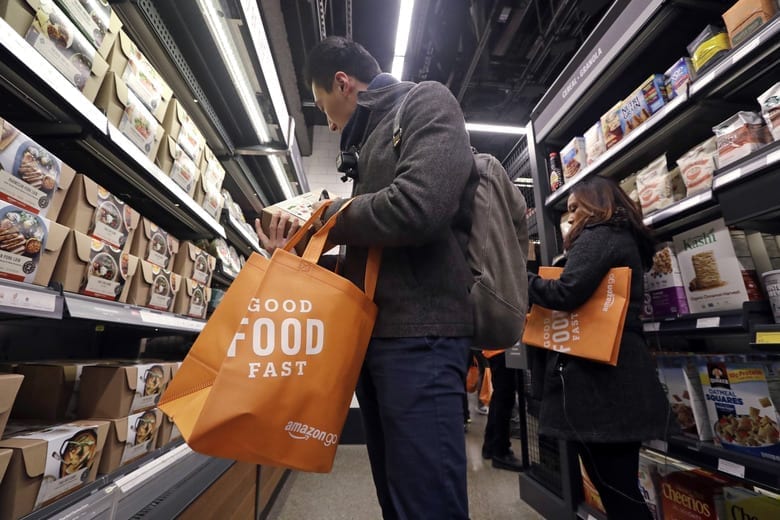
    Online giant Amazon is looking to expand the reach of its automated bricks-and-mortar Amazon Go offer by opening stores in airports, according to a report by Reuters. The retailer’s Go stores utilise myriad cameras which are able to identify customers as they enter, see what they pick up and leave with, and subsequently charge the customer’s Amazon account without the need for any staff interaction – a natural fit for customers needing to get from gate to gate in a short amount of time.

    According to emails obtained by Reuters, Amazon requested a meeting with staff from several airports, including Los Angeles International and San Jose International, referencing Amazon Go as “one of many possibilities we can discuss”.

    Beyond the meetings, which took place in June, officials from both airports confirmed they have had no further correspondence with the business, and that it would need to undergo a competitive bid process in order to acquire the locations necessary.

    The move would put Amazon in front of the more than 350 million people who boarded flights from the country’s top 12 airports last year, according to data from the US Department of Transportation.

    Amazon has been slowly expanding its physical retail offering through numerous Whole Foods, seven Amazon Go stores, and three reviews-driven Amazon 4-star stores, spread across the US, though efforts to bring these offers internationally are reportedly heating up.

    Telegraph UK has learned that Amazon is planning to open an Amazon Go store near Oxford Circus in London, with the location serving as a flagship store for the UK.

  • What is Amazon’s Japan bestseller fashion?

    What is Amazon’s Japan bestseller fashion?

    Amazon Japan has revealed its most popular items sold on the online retailer’s platform in the last twelve months, with basics and sportswear taking the top spot in both fashion and accessories, and footwear categories. According to the ‘Amazon Ranking Grand Prize 2018’, the United Athle 5.6 Ounce High Quality T-shirt took first place in the clothing and accessories category. In a classic design, the affordable fashion item was followed in popularity by the brand’s crew neck t-shirt, which came in second place.

    Looking at the top 20 apparel brands, Champion gained five spots in the report, while in the womenswear section, casual tops by And It_ sat high in the rankings.

    Asics’ running shoes won both first and second place in footwear, while Anello’s poly-canvas mini bag proved popular in the bag category.

    In watches, Casio’s G-Shock shock-resistant smart-watch continued to gain popularity, with the Casio brand featuring 11 times in the Amazon Japan top 20. In the jewellery ranking, products by Tiffany & Co. gained in popularity too, said the report.

    The “Amazon Ranking Grand Prize 2018” ranked the U.S. e-commerce giant site’s most popular products by category for the period beginning in November 13, 2017, and ending on October 31, 2018.

    In the last twelve months, retail expenditure has continued to grow in Japan.

    In September, the archipelago nation recorded its 11th consecutive month of retail revenue growth, with sales up 2.1% on the same period last year, according to data by the Japanese trade ministry.

    Specifically, online shopping is at the forefront of this drive with the Japanese love for online shopping helped by the trend to online shop using mobile phones.

    In the latest Criteo survey, mobile devices accounted for 55% of all EC transactions in Japan, up 4 points on the year.

    Transactions through smartphones increased 9%, and tablets 3%, but purchases by PC were down 9%, said the report.

  • Which tourists spend the most overseas?

    Which tourists spend the most overseas?

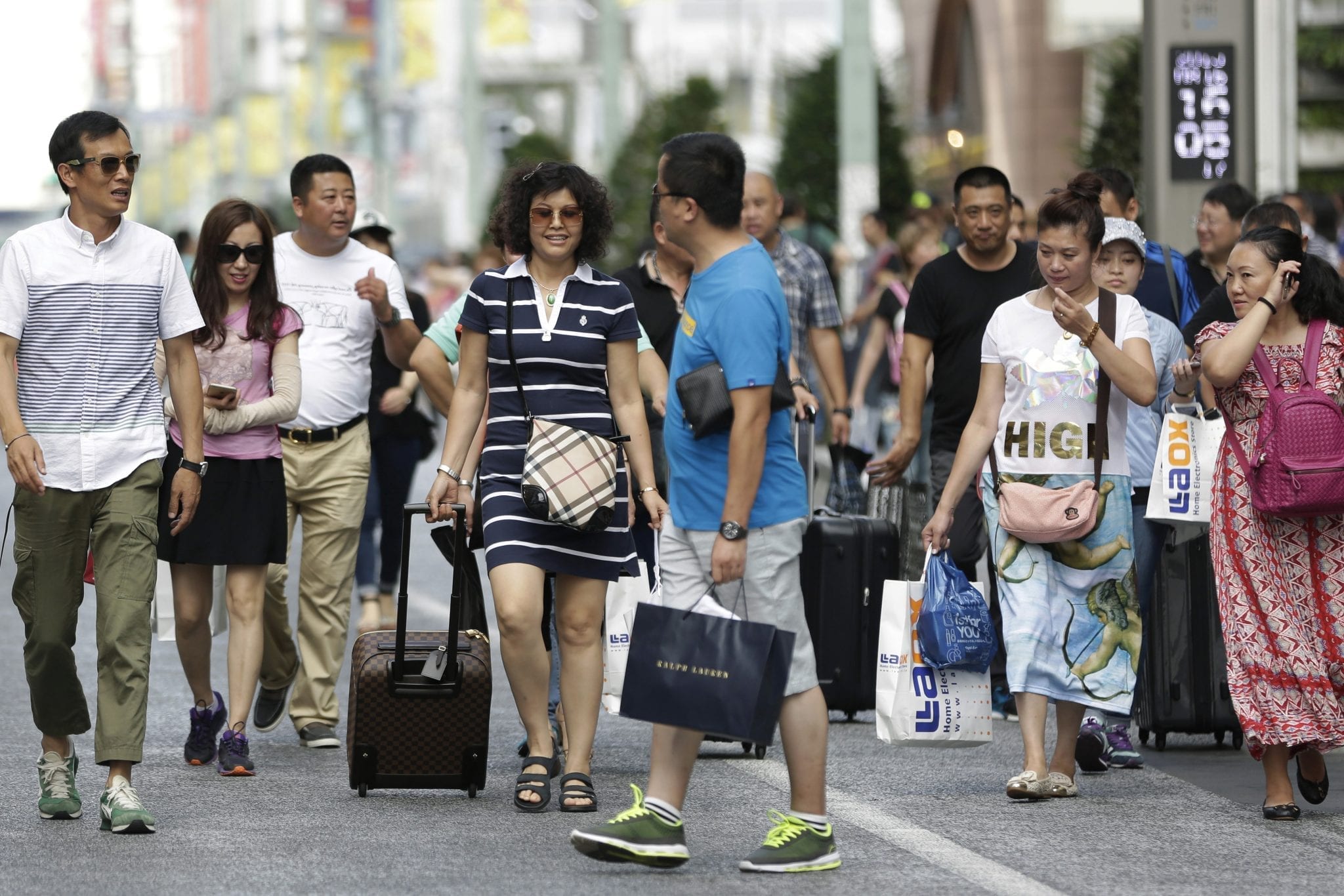
    Overseas spending by South Korean tourists ranks among the top of advanced economies, research data showed on December 5. Figures provided by the Korea Economic Research Institute, affiliated with the Federation of Korean Industries, put the proportion for South Korea at minus 1.9 percent in 2016, ranking it the fifth highest among 32 member states of the Organization for Economic Cooperation and Development (OECD).

    The institute derived the proportion by subtracting overseas expenditures by South Koreans from foreigners’ spending in South Korea and measured the sum’s ratio against household spending.

    Higher numbers in the negative means that local citizens spent more abroad that what inbound foreigners spent.

    Results showed Norway topped the list with minus 4.3 percent, followed by Lithuania (minus 2.7 percent), Belgium (minus 2.5 percent) and Germany (2.3 percent).

    In the case of Japan, the number turned positive in 2014 and came to 0.6 percent in 2016.

    “The outflow of spending is the result of choices by local and foreign consumers of tourism services,” the institute said. “It indicates weaknesses in the competitiveness of the domestic tourism industry.”

    The institute cited a report last year from the World Economic Forum that said South Korea’s competitiveness in prices fell from 84th in 2007 to 88th in 2017.

    “(This) was one of the important elements that undermined South Korea’s competitiveness in the tourism business,” it said.

  • Ted Baker CEO and founder Ray Kelvin to take leave of absence

    Ted Baker CEO and founder Ray Kelvin to take leave of absence

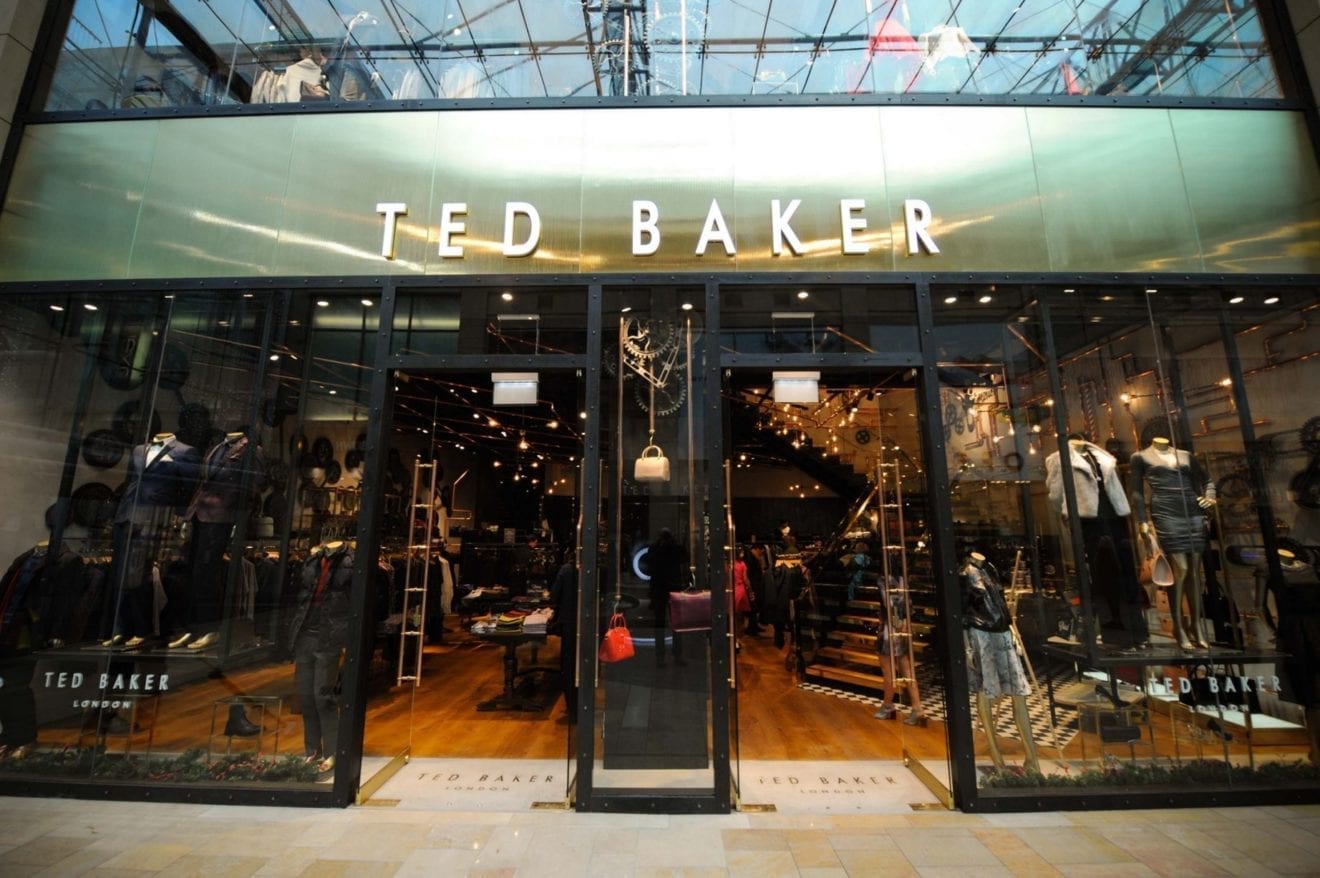
    Ted Baker chief executive and founder Ray Kelvin has taken a voluntary leave of absence after “further serious allegations” around his conduct were brought to light. These allegations were brought to the attention of an independent committee of non-executive directors created to investigate harassment claims made by multiple anonymous staff members that Kelvin had expected them to hug him and sit on his lap when he would visit stores.

    The committee appointed Herbert Smith Freehills LLP to conduct an independent external investigation into the claims.

    Kelvin agreed it would be best for the business, and the people who work in it, if he were to take a voluntary leave of absence for the duration of the investigation.

    Chief operating officer Lindsay Page has been appointed acting chief executive with immediate effect.

    Ted Baker non-executive chairman David Bernstein noted the business remains in a strong position to deliver on its strategy, despite the negative media reports.

    The investigation stems from a petition created on website Organise, through which multiple Ted Baker employees made workplace harassment claims about the founder.

    “Together our pressure exposed what was happening at the highest level. Now, over 100 anonymised reports of harassment are sat with Ted Baker’s board,” Organise said in a blog post about the matter.

    Kelvin said that he grew up with such practices, and that it was “good old-fashioned stuff”.

  • ‘The store of the future’ by Tommy Hilfiger opens in Amsterdam

    ‘The store of the future’ by Tommy Hilfiger opens in Amsterdam

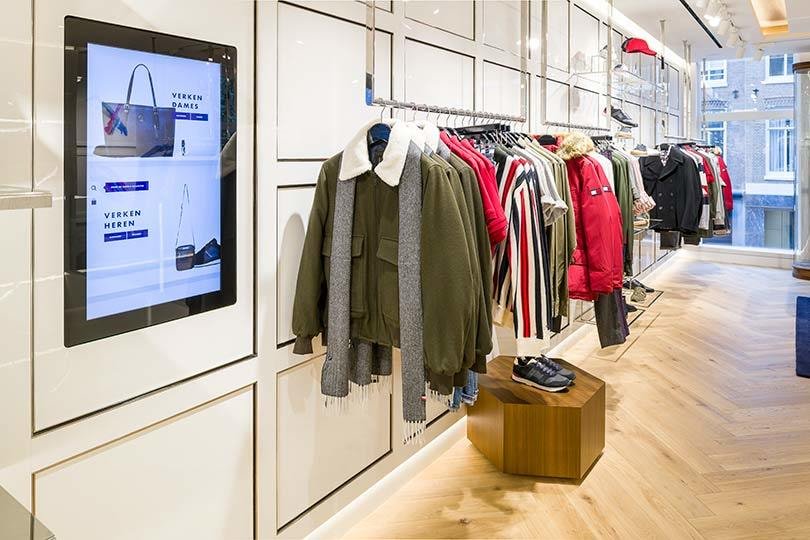
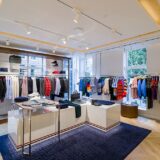
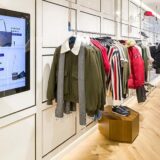
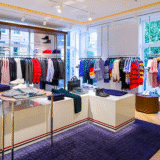
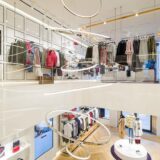
    A new generation Tommy Hilfiger store of the future has opened in Amsterdam. The store emerges from the firm’s evolving omnichannel strategy and features floor-to-ceiling interactive mirrors, personalised embroidery stations and a cafe with digital screens built into the tables. The more than 300sqm interior has been described in a CPP Luxury report as boasting “modern finishes and a bright, airy aesthetic, taking cue from the nautical lifestyle – one of Tommy Hilfiger’s long standing sources of inspiration.

    Tommy Hilfiger CEO Daniel Grieder said: “You can’t just expect shoppers to come into the store when you do nothing, you have to excite them. You have to give customers a reason to come into the store.”

    View the gallery below (7 images) :

    The Tommy Hilfiger store of the future features large monitor screens which serve as “digital endless aisles” that allow customers to browse the brand’s complete online catalogue, facilitating home-delivered or store-delivered orders. Customers can also identify items from different looks featured online.

    Store manager Mark commented: “It’s about bridging that gap between online and offline, and making the shopping experience as easy as possible … People still want to be able to feel the material and see the products in person. That’s always important, so where we can we always want to encourage customers to come into the store.

    “For example with suits, we’ll offer an appointment for the customer to come in and try it on. We’ll make sure the dressing room is prepared for them with fitting shoes and a shirt. So for us it’s really about taking that extra step and building on the customer relationship.”

  • Cavalli appoints new General Manager Asia Pacific & China

    Cavalli appoints new General Manager Asia Pacific & China

    Founded in the Seventies, when fashion designer and entrepreneur Roberto Cavalli launched the brand, the label has recently seen a rapid growth in the region. Effective from 1st December Ivan Perra reports directly to the CEO regarding the region. Prior to this new role, Ivan Perra was Business Development Director APAC leading both wholesale and retail expansion in the region.

    Ivan has spent 12 years in the region.  He started his career in Retail for Kartell opening and managing the first 2 stores in HK in 2006; to later move to Lanificio F.lli Cerruti dal 1881 as Regional Sales Manager (APAC and North Asia) with focus on B2B and MtM markets.

    After 6 years in Cerruti Ivan took over a new challenge as Area Manager of Cote&Ciel (Parisian premium accessory brand) starting retail and wholesale development for the brand in Asia that now counts more than 10 mono-brand boutiques among Hong Kong, Macau, Thailand, Japan and China.

    Before joining Roberto Cavalli Ivan spent 3 years in charge of Business Development for the French Maison Kenzo (LVMH group) opening over 70 mono-brand stores in the region and in charge of over 120 POS.

    Ivan takes up this new role with a series of brand activations in the pipeline to strengthen the brand positioning in the region.


  • Vietnam eyes $10,000 per capita income by 2035

    Vietnam eyes $10,000 per capita income by 2035

    Vietnam has set target of increasing GDP per capita to $6,500 in 2030, and $10,000, or four times the current value, in 2035. The GDP in those years would then be $670 billion and $1.05 trillion, according to an economic policy framework for the period up to 2035 recently issued by the Ministry of Planning and Investment. This will make Vietnam an upper middle-income country.

    Vietnam has also targeted to reduce its poverty rate to 1 percent and increasing the middle-class rate to 50 percent by 2035.

    The middle and affluent class now is categorized as those earning $714 a month or more, according to the Boston Consulting Group.

    According to the document, encouraging the continued development of the private sector and developing human resources and innovations taking advantage of the Fourth Industrial Revolution would be two of the driving forces for economic growth.

    The country hopes to have two million private businesses that contribute 50 percent of its GDP by 2020 and 60-65 percent by 2030.

    The reforms to achieve these goals will focus on modernizing the economy and developing the private sector, building innovation capacity, improving economic efficiency of urbanization, and building modern institutions and efficient governance.

    Vietnam also aims to ensure its development is environmentally sustainable and equitable, promote social inclusion and enhance its adaptability to climate change.

    Minister of Planning and Investment Nguyen Chi Dung said strong reforms are needed to continue developing and not fall behind the times.

    Speaking to Vietnam’s development partners at a forum on reform and development Wednesday, Prime Minister Nguyen Xuan Phuc said: “We have the aspiration to become a prosperous economy, but we are fully aware that the road will be uneven with many challenges. Those are the challenges from both within the economy and the impacts caused by fluctuations in the global economy.”

    To address these issues he pledged his government would soon speed up administrative reform and establish an economic system that enables all economic entities to have the right to participate in making development plans and policies.

    “Vietnam will focus on building its soft and digital infrastructure to convert the economy into a digital one, reform its recruitment mechanism and focus on training human resources to make use of the fourth industrial revolution as a driving force for growth.”

    According to World Bank Group statistics, Vietnam’s GDP per capita in 2017 is $2,343. The figure for Singapore is $57,714, Malaysia ($9,945), Thailand ($6,594), the Philippines ($2,989) and Myanmar ($1,298).

    Minister Dung estimated that Vietnam’s GDP would grow by 6.57 percent on average in the 2016-2018 period, meeting the National’s Assembly target of 6.5-6.7 percent growth.

    In the first nine months this year, Vietnam’s GDP grew by 6.98 percent, the highest nine-month growth rate since 2011. The economy grew by 6.81 percent last year, the highest rate in a decade.