Tag: International

  • Korea’s brand Tonymoly inked partnership with Moschino

    Korea’s brand Tonymoly inked partnership with Moschino

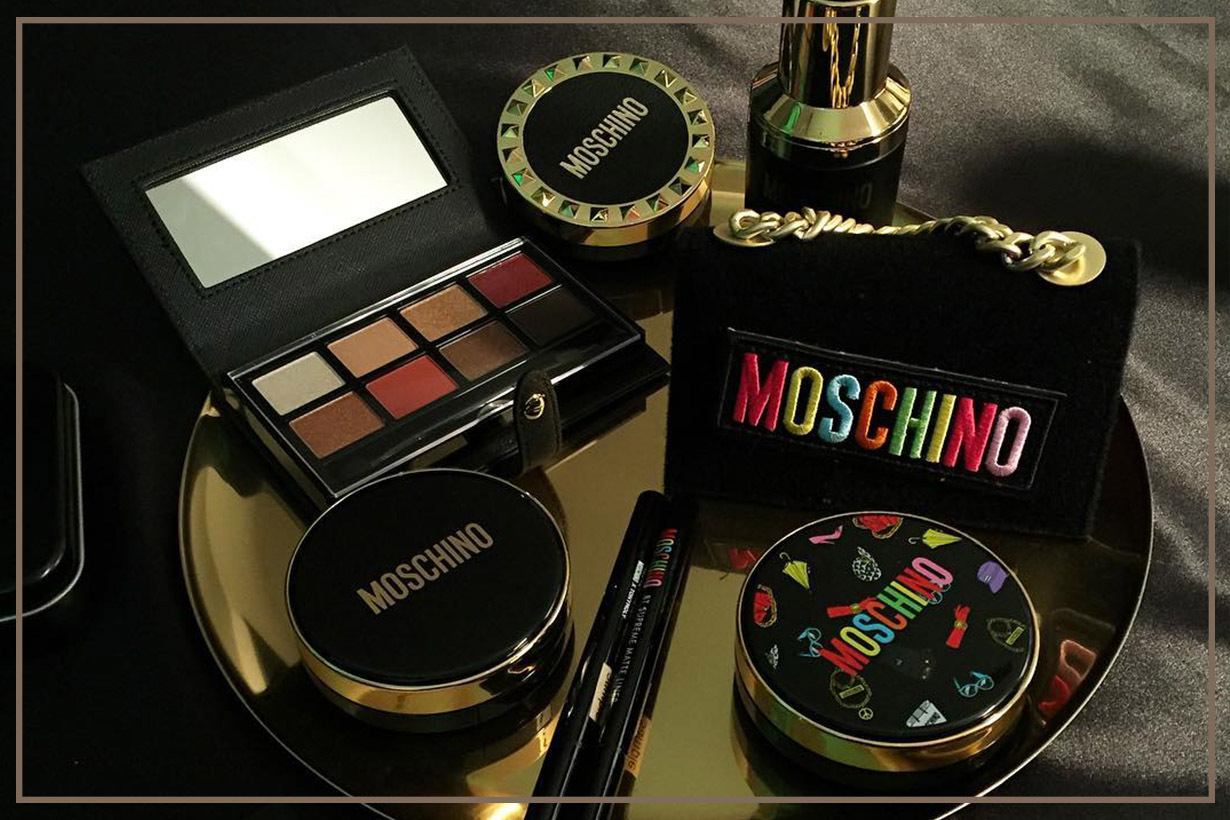
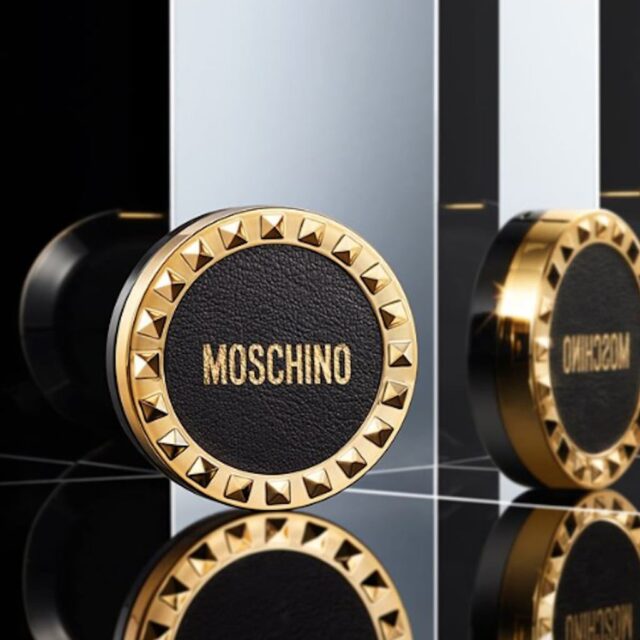
    Italian fashion design house Moschino has released a collaboration with South Korean cosmetics brand Tonymoly on a collection of makeup and skincare products. The collection includes a cosmetics line and a few skincare items in sleek black, white, gold and rainbow packaging. The full range will be available from Tonymoly’s US web store throughout December.

    Moschino also collaborated on a reportedly fast-selling fashion line with H&M earlier this year. South Korean cosmetics brand Tonymoly sees the US as a key market in its plan to accelerate international growth.

  • Zara lipstick launched online

    Zara lipstick launched online

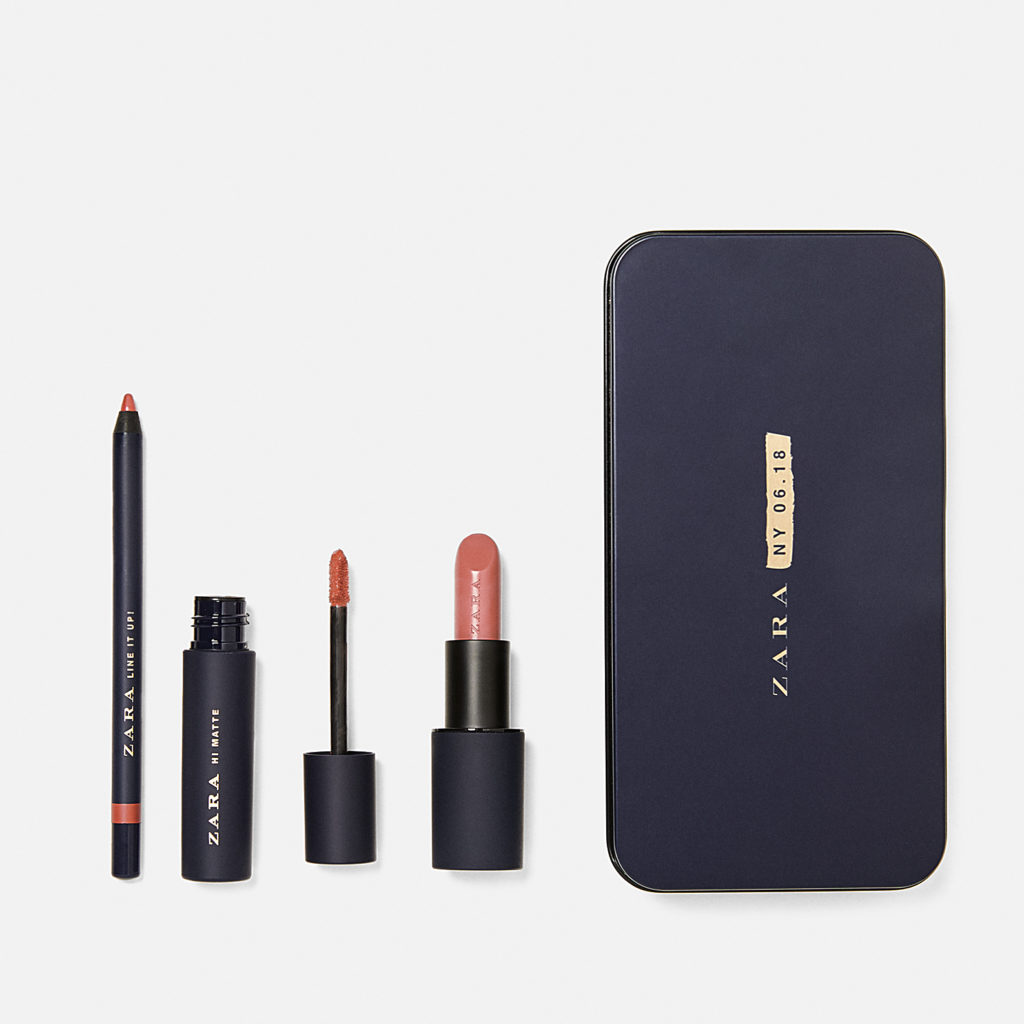
    Zara lipstick goes on sale this week – but only online. The fast-fashion brand’s first lipstick collection – called Zara Ultimatte – marks a continuing expansion of its beauty and cosmetics offer. Sister brands Bershka and Pull&Bear already have makeup lines, targeting younger consumers.

    Parent company Inditex says the collection was “inspired by the kind of makeup needed to create ad campaigns”. It is based on a colour palette created by British make-up artist Pat McGrath, (famous for working with Christian Dior and Armani Beauty, among others).

    The French-made Zara lipstick collection was designed in Los Angeles, featuring 12 high-pigment lipsticks, eight liquid-matte lipsticks, a box kit with three red colours and a limited-edition, behind-the-scenes kit. Prices range from €7.95 to €19.95. While available only on the Zara website, the company will ship worldwide.

  • Iconic Toy Store FAO Schwarz to Open in Beijing

    Iconic Toy Store FAO Schwarz to Open in Beijing

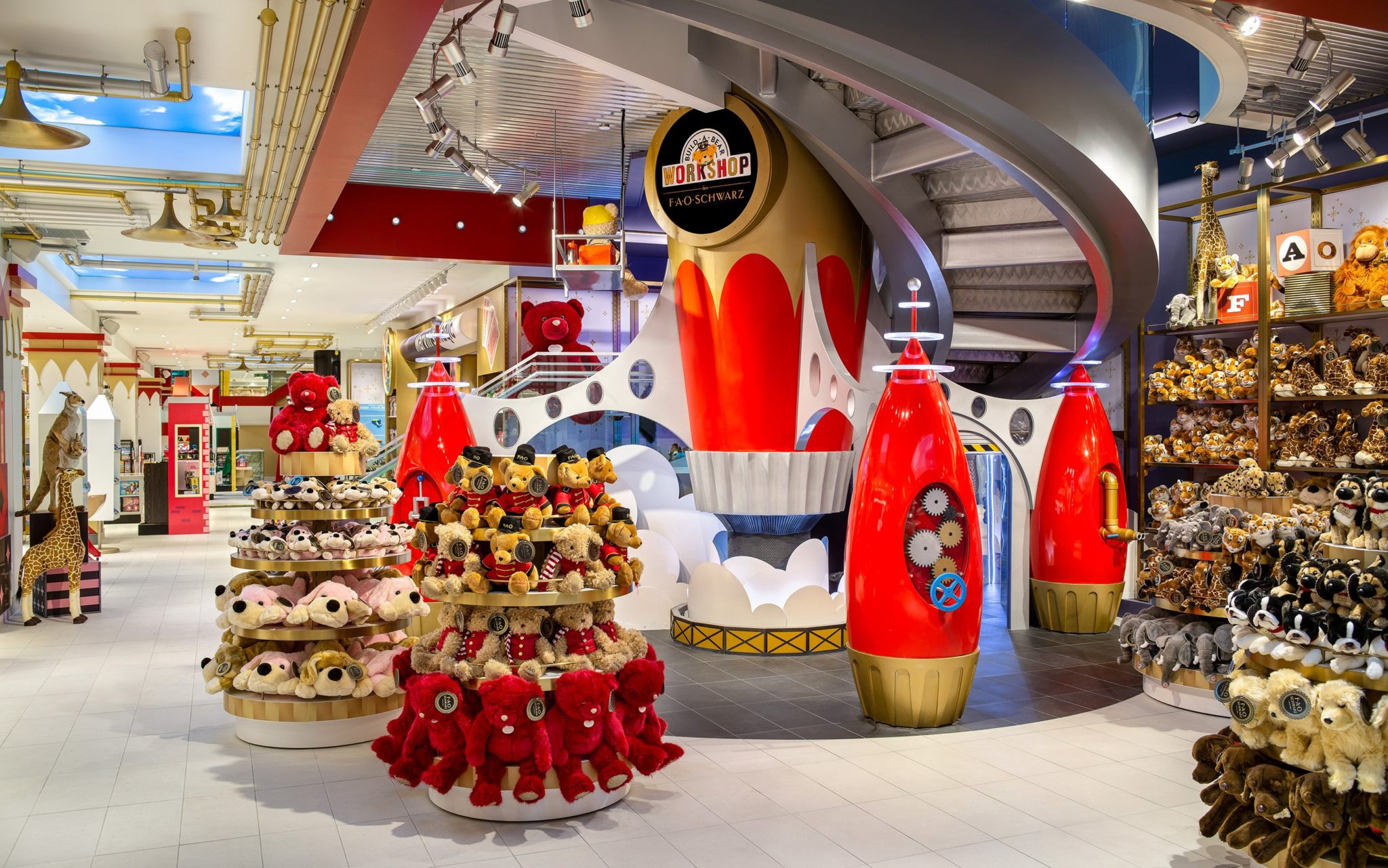
    Heritage toy store brand FAO Schwarz is headed for Beijing after relaunching in New York City. The original store, which featured in Hollywood movies such as Tom Hanks hit “Big”, closed its flagship near Central Park, unable to meet rising rental costs. Its current smaller location under new owners ThreeSixty stands to benefit from significant nostalgia for the old store amongst New Yorkers.

    Beyond plans for China, ThreeSixty intends to open pop-ups in department stores both in the US and abroad.

    It faces the same competition from e-commerce and discount chains like Walmart and Target that toppled toy empire Toys R Us earlier this year.

    Chief merchandising officer David Niggli said the key to the new stores is experience.

    Attractions include magic tricks, certificates to “adopt” a doll and a Build-a-Bear Workshop.

  • FTC Korea approves convenience stores’ voluntary rules to curb competition

    FTC Korea approves convenience stores’ voluntary rules to curb competition

    South Korean convenience store operators have agreed not to engage in cut-throat competition in the latest move to better protect struggling franchisees. A key centerpiece of the voluntary deal calls for CU, GS25 and 7-Eleven and three other convenience store brands to decide “carefully” over whether to open a new convenience store near an area where a rival convenience store is already located.

    The deal said that convenience stores of rival brands should be at least 50 metres away from each other. Currently, convenience stores of the same brand should be located at least 250 metres away from each other to make sure that they do not compete against each other.

    The latest move came as South Korea has been struggling to protect franchisees in a country where chaebol, or family-controlled conglomerates, have dominated the economy for decades.

    “The voluntary regulation, if implemented in good faith, could help ease saturation and improve management conditions of franchisees of convenience stores,” Kim Sang-jo, chairman of the Fair Trade Commission, said in a signing ceremony of the voluntary deal in Seoul today.

    Last week, President Moon Jae-in instructed the antitrust chief to support a voluntary deal among South Korean convenience store operators so as to address the saturation of the market.

    Convenience stores have sprung up in commercial areas in Seoul and other major cities in recent years, driven by growth of single-member households.

    Last year, the number of convenience stores surpassed 40,000, a dramatic increase from 1989 when the first convenience store opened in eastern Seoul.

    Kim said the voluntary deal could prevent convenience store operators from recklessly opening new outlets in areas where there are already many convenience stores.

  • Amazon briefly edges out Apple to top Nasdaq

    Amazon briefly edges out Apple to top Nasdaq

    Amazon briefly became the most valuable company on Wall Street in intraday trade on Monday, days after Microsoft dethroned long-time leader Apple. Amazon rose by 4.7 percent at one point, putting its market capitalization at $865.0 billion. At the same time, Apple traded up 2.1 percent, giving it a market capitalization of $864.8 billion.

    Microsoft, which on Friday closed above Apple’s market capitalization for the first time in eight years, was up 0.9 percent, leaving its stock market value at $859.0 billion, third in the group.

    Amazon’s lead lasted only a few seconds. At the close, Apple was back on top with a 3.49 percent increase in its stock that put its total value at $877 billion. It was followed by Amazon, up 4.86 percent with a market capitalization of $866.6 billion, and then Microsoft, up 1.08 percent and a stock market value of $860.4 billion.

    The tight race between the trio of high-powered technology stocks coincided with a broad stock market rally after the United States and China agreed on a temporary truce in their ongoing trade dispute.

    Apple in August became the first U.S. publicly listed company to reach a $1 trillion market capitalization, but its share price has fallen sharply in recent months as investors worried that demand for iPhones was losing steam.

    Its market capitalization overtook Microsoft’s in 2010 as Microsoft struggled with slow demand for personal computers, due in part to the explosion of smartphones like the iPhone.

    Amazon’s stock has recovered most of the ground it lost after the online retailer in October forecast disappointing sales for the holiday quarter.

  • Esprit appointed new chief product and brand officer

    Esprit appointed new chief product and brand officer

    Struggling fashion retailer Esprit has tapped a former Burberry and Tommy Hilfiger executive to become its chief product and brand officer. Mia Ouakim will take up the new role – a crucial post in the brand’s turnaround plan – in February, reporting to the group CEO.  She will be responsible for managing the product creation and design of all product divisions, as well as the consistent execution of the brand strategy across all product divisions and consumer touch points, according to Esprit in a stock exchange filing.

    Ouakim’s experience spans corporate strategy, product design, merchandising, planning and development, brand and communication, and distribution gained from luxury and premium fashion brands. Her most recent role was senior VP of Tommy Hilfiger menswear and tailored, overseeing the brand’s menswear division globally. Prior to that, she served as VP at Tommy Jeans, formerly known as Hilfiger Denim (Women & Men) between 2014 and

    2017 where she had full business responsibility of the denim division globally.

    Before joining Tommy Hilfiger, Ouakim held various roles with Burberry, working in product, merchandising and design roles for childrenswear between 2006 and 2014. Before that, she was with Children Worldwide Fashion in the UK, responsible for brand, communication and public relations of various luxury and premium brands, including Burberry, Timberland, Kenzo, Nike, Elle and DKNY childrenswear.

  • SsangYong launches Rexton Sports in Latin America

    SsangYong launches Rexton Sports in Latin America

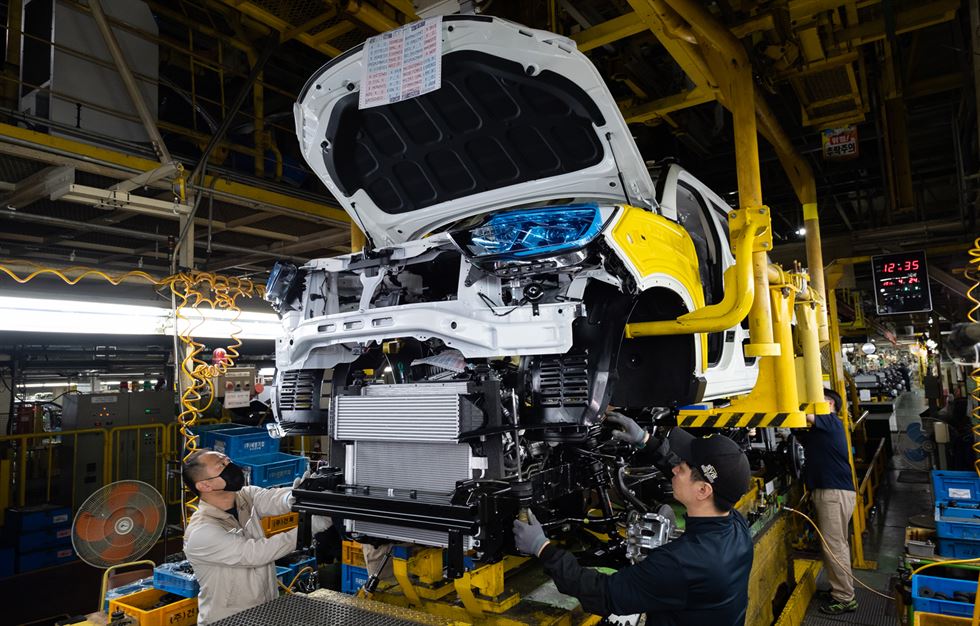
    SsangYong Motor, the Korean unit of Indian carmaker Mahindra & Mahindra, said Wednesday it has launched the Rexton Sports sport-utility vehicle (SUV) in Latin American markets to boost sales. SsangYong Motor launched the Rexton Sports SUV in Chile in September, Ecuador in October and Paraguay in November, following its launch in Europe in the second and third quarters.

    The carmaker plans to introduce the car in Africa and Middle Eastern markets in early 2019.

  • Tommy Hilfiger opens first Indian store

    Tommy Hilfiger opens first Indian store

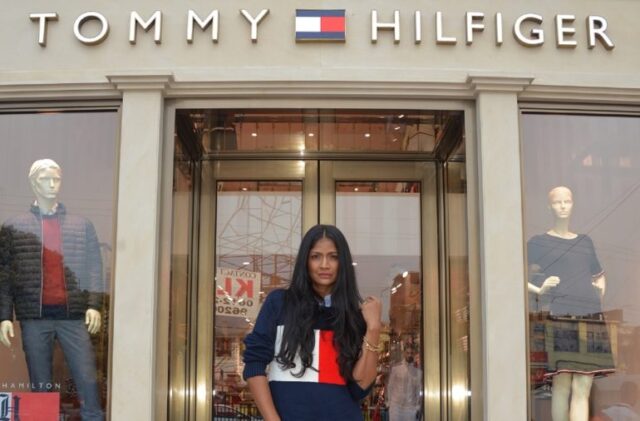
    Last week, Tommy Hilfiger has opened its first exclusive Tommy Hilfiger store in Patna, India. Actress Radhika Apte made the launch of the event wearing the brand’s clothes. “I’m excited to be in Patna to celebrate the opening of the first exclusive TOMMY HILFIGER store in the city,” she said.

    During the event, key influencers such as Ira Dubey, Carol Gracias, Neelaksh Apte, Kanishtha Dhankar and Arya Bhat, and VIPs browsed and shopped the Fall 2018 collections that celebrate American Icons while putting a modern twist on timeless classics to meet the needs of the now.

    Spanning over 125 square meters, the store’s design reflects Tommy Hilfiger’s new global retail concept, which fuses the brand’s American heritage with clean and bright aesthetic.

    The interior takes cue from the nautical lifestyle – one of Tommy Hilfiger’s longstanding sources of inspiration.

    Technology being at the center of retail today, a high-resolution digital screen
    showcases the brand’s latest global campaigns for an immersive brand experience.

  • Abercrombie & Fitch results going uphill

    Abercrombie & Fitch results going uphill

    Abercrombie & Fitch is on the right road to recovery. Third-quarter net income is up by 133 per cent year on year, supported by a 75 per cent increase in operating profit. The company has still delivered positive comparables both overall and for each of the Hollister and Abercrombie brands. And at 6 per cent growth, US comparables are still on fairly solid ground.

    While Abercrombie & Fitch’s sales growth has slowed, both overall and on a comparable basis, and total sales at the Abercrombie brand have slipped into negative territory, a calendar shift in reporting periods, currency fluctuations and some tough-to-match prior year comparable figures are mitigating factors.

    GlobalData’s consumer-tracking data continues to show a number of positive movements in consumer sentiment about both of the main brands. Over the past year, there has been a 4 percentage point increase in the number of American shoppers who say they consider Abercrombie when shopping for apparel. For Hollister, the same metric rose by just shy of 6 percentage points. The same research also reveals that among core shoppers, perceptions of quality and design at both Abercrombie and Hollister are up sharply on last year.

    The results justify the step changes that have been made to things like fabrication, detailing and styling of the product set. The range – especially at Abercrombie – is now more sophisticated, more on-trend, and better reflects what modern consumers want. There is also a cohesiveness to the assortment which stimulates multiple purchases and helps to push up average transaction values. However, as good as these things are, both brands have more to do yet in making consumers aware of the changes and getting them to take a fresh look at the brands.

    Many of the positive movements are far more pronounced in the US than they are elsewhere. In our view, the geographical difference in the pace of recovery is telling. While it is right that the company has focused its recovery efforts on its most important market, there is now a need to adapt some of the strategies and plays so that they are relevant overseas. Customer dynamics, competitive sets, and perception of the brands are all very different in markets like the UK and a degree of localisation is needed to ensure that the brands fully resonate with regional consumers. We believe management recognises this and has already taken some steps, such as opening a new-format mall-based store in the UK at Manchester’s Intu Trafford Centre.

    Overall, the recovery at Abercrombie & Fitch is still a work in progress. However, turning around a once very-troubled brand is far from easy. Progress and advancement do not all come at once; this is a step-by-step process that will build over time.

  • Tiffany & Co sales soars, China shines

    Tiffany & Co sales soars, China shines

    Tiffany & Co sales grew 10 per cent worldwide in the third quarter, with China performing strongly. Management of the luxury American jewellery retailer attributed sales growth to higher spending by local customers in all regions, partly offset by lower spending attributed to foreign tourists, primarily Chinese, in some markets. Worldwide net sales rose 10 per cent to US$3.1 billion, due to increased sales in all regions and product categories.

    Tiffany & Co sales in Asia-Pacific rose 4 per cent to $294 million in the third quarter, highlighted by strong sales growth in Mainland China.

    CEO Alessandro Bogliolo noted that third-quarter sales attributed to local customers (as opposed to tourists) continued to grow at a strong rate worldwide and were positive in every region, with particularly strong growth in Mainland China.

    “Jewellery volumes also increased in the quarter and year to date. This resulted in mid to single digit net sales growth in the quarter and even higher growth year to date, despite lower-than-expected spending in the third quarter attributed to Chinese tourists in the US and Hong Kong and lower wholesale travel-retail sales in Korea.”

    The increase in sales was counterbalanced by a drop in operating income of 22.9 per cent over the past year, attributed to higher spending on marketing, and investment in technology and its new digital channel.

    Neil Saunders, MD of GlobalData Retail, said his company’s consumer tracking shows that Tiffany’s brand recognition and affinity has increased sharply among consumers aged 35 and under.

    “A few years ago, this group was largely apathetic to Tiffany, viewing the brand as old-fashioned and irrelevant to their needs and tastes. In a relatively short space of time, Tiffany has started to shift that perception and demonstrate that it has something fresh to offer to younger consumers.”

  • El Corte Ingles inked global distribution deal with Alibaba

    El Corte Ingles inked global distribution deal with Alibaba

    Spanish department store operator El Corte Ingles is to open a flagship store on Alibaba’s Tmall as part of a broad collaborative approach to reaching Chinese consumers. In a wide-ranging agreement, El Corte Ingles and Alibaba will enable a raft of Spanish and international brands commonly sold in El Corte Ingles department stores, to be sold worldwide via both AliExpress and Tmall.

    AliExpress will consider opening a number of physical stores at El Corte Ingles shopping centres in Spain to create a unique and engaging shopping experience while promoting some of its latest products available to Spanish shoppers. This follows a trial pop-up store in the El Corte Ingles Sanchinarro shopping centre in Madrid earlier this month during Alibaba’s 11.11 Global Shopping Festival.

    El Corte Ingles and Alibaba say they will also explore closer cooperation in delivery and supply-chain infrastructure and channels, allowing Alibaba to benefit from the Spanish company’s logistics knowledge and capabilities in the country, and explore the use of its distribution centres as collection points for online purchases made through AliExpress.

    Smart payments

    El Corte Ingles signed an agreement with Alibaba’s Alipay in March to bring seamless payment experience to Chinese tourists visiting Spain. This may now be expanded, as El Corte Ingles and Alibaba will work on creating new shopping experiences for Chinese visitors.

    El Corte Ingles CEO Victor del Pozo said the agreement will allow the two companies to combine both the physical and online worlds to offer the best shopping experience to its customers.

    “Together, we are writing the future and placing ourselves at the forefront of trade and technology. El Corte Ingles owns department stores in the best locations of the main cities of Spain and Portugal, and is granted with the confidence and trust of national and international customers. All of this, joined to Alibaba’s technology, will allow us to offer a proposal of unbeatable value.”

    Alibaba Group MD for Italy, Spain, Portugal and Greece, and BDM for Tmall in Europe, Rodrigo Cipriani Foresio, said digital transformation and innovation in all fields are fundamental drivers of Alibaba’s mission of making it easy to do business anywhere, with the ultimate goal of better serving consumers and stakeholders worldwide.

    “Hence, we are confident that the expertise and skills brought by both companies will generate incredible value and opportunities as the cooperation takes shape.”

    El Corte Ingles, which opened in 1940, is Europe’s largest chain of department stores.

  • Marks & Spencer concept store opens in VivoCity Singapore

    Marks & Spencer concept store opens in VivoCity Singapore

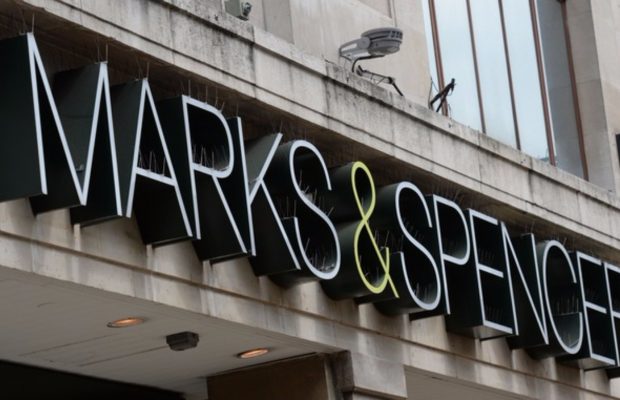
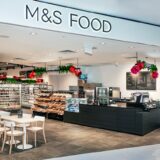
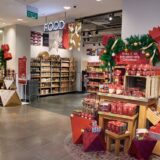
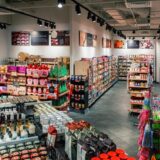
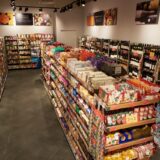
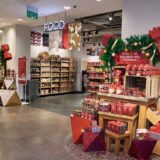
    Marks & Spencer Singapore has opened a full-scale concept store in VivoCity bringing a vast array of its own-brand fresh foods and beverages to the city, some for the first time. The 15,500sqft store offers a broader range of fashion, a new food hall and fresh zone similar to the style of larger Marks & Spencer Hong Kong stores, a broader range of wines and the chain’s third coffee-to-go cafe in the city.

    The foodhall features nearly 3000 products selected from the UK department store’s range building on what the retailer describes as a growing demand in Singapore for M&S’s convenience food.

    Marks & Spencer Singapore has added a range of chilled foods and beverages, including perishables. The new store sells fruits, vegetables, yogurts, a selection of cheeses, fresh milk and ready-made salads and meals. Some products are new-to-market for the brand, including raw meat and pre-packed sandwiches, all air freighted from the UK daily.


    The coffee-to-go cafe offers speciality coffee and beverages along with patisserie foods including cakes and fresh pastry. An in-store bakery produces a selection of breads, scones and cookies daily.

    Fashion has not been left out in the VivoCity store’s revamp. Each fashion label is now clearly segmented, with distinct identities that allow customers to see which label best meets their personal style preferences. The brands are identified by different branding, visual merchandising and props. The VivoCity store will also be the sixth Marks & Spencer Singapore outlet to stock a kidswear range.

    “Customers are at the heart of everything we do at Marks & Spencer and we’re delighted to be bringing our exciting new shopping experience to customers in Singapore,” said Christine Choi, CEO at Marks & Spencer Asia.

    “Combining the best of our latest collections, together with our inspiring store environment and exceptional customer service, our store at VivoCity is truly special.”

  • L’Occitane might be an interest for Advent

    L’Occitane might be an interest for Advent

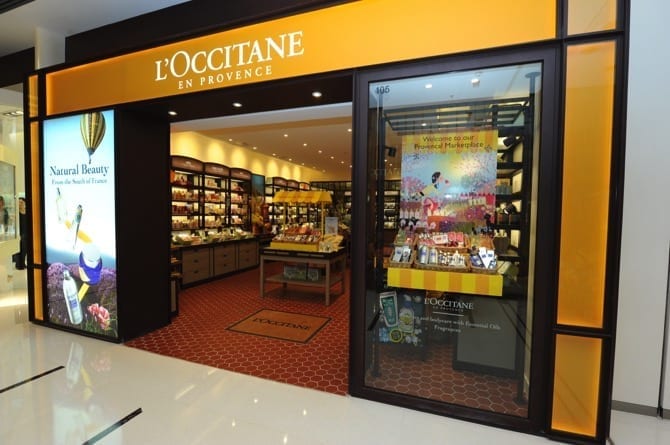
    Hong Kong-listed beauty products retailer L’Occitane may be taken private after at least one expression of interest in the business from a private equity investor. London-based private equity group Advent International has reportedly enquired about acquiring the company, which has an estimated US$2.7 billion market value.

    L’Occitane’s appeal has grown since listing on the HKSE eight years ago in a move to pursue Asian customers. While none of the parties involved have commented, sources close to L’Occitane have confirmed to European business media that “a number of potential buyers” are showing signs of interest.

    L’Occitane is thought to be well-positioned to take advantage of a fast-growing cosmetics and skincare market in the region, brought on by the expansion of the middle class and the Chinese tourism boom.

    L’Occitane’s is chaired by Austrian investor Reinold Geiger, who has overseen its growth internationally to 1555 outlets in 90 countries. The firm is experiencing sales growth in Hong Kong and China, as well as the US.

    It recently unveiled new concept stores in Canada and New York showing its future direction.

  • Trade war refugees race to relocate to Vietnam, Thailand

    Trade war refugees race to relocate to Vietnam, Thailand

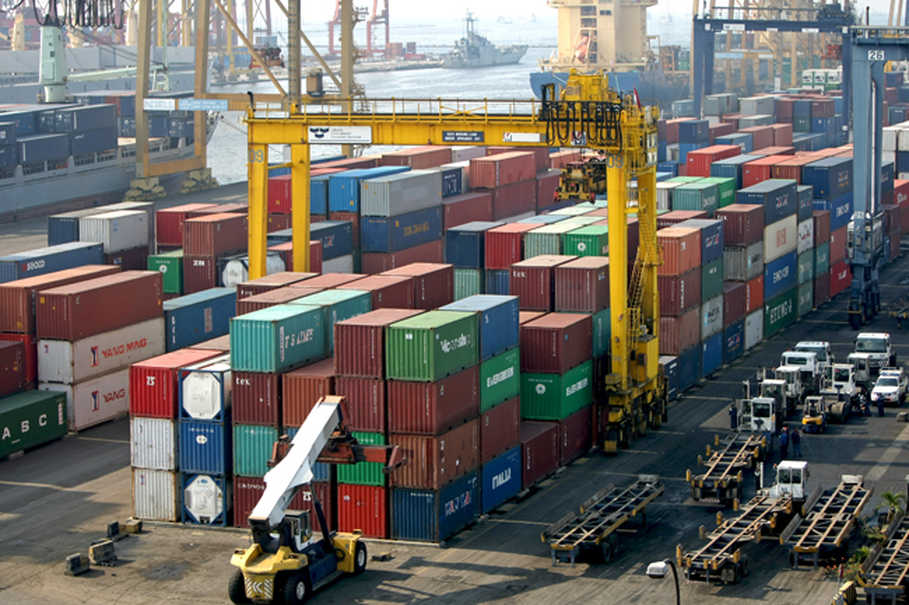
    Experts say this is the biggest shift in cross-border supply chains since China joined the World Trade Organisation in 2001. Fred Perrotta spent four years building a network of Chinese suppliers for his line of trendy backpacks, but as soon as the United States announced tariffs on almost half of its Chinese imports, he started looking for suppliers in other countries.

    That process is now so far advanced it would be too late to reverse it even if U.S. President Donald Trump and his Chinese counterpart Xi Jinping call a truce in their growing trade war at this week’s G20 summit, the 33-year-old said.

    Perrotta’s company, Tortuga, is joining what industry experts say is the biggest shift in cross-border supply chains since China joined the World Trade Organisation in 2001.

    The shift is creating stiff competition to secure new facilities in neighboring countries and rebuild supply chains outside of China, home to a fifth of global manufacturing.

    “Everyone is nervous and scrambling around,” Perrotta said by phone from Oakland, California, where he recently took delivery of the first samples from a potential new supplier in Vietnam.

    “Long-term, we will probably shift everything.”

    The scramble is driven by the risk of more, and higher, U.S. tariffs on China, and fears that nearby emerging economies can only accommodate new businesses on a “first come, first served” basis.

    Vietnam and Thailand are emerging as preferred destinations, but they still face capacity constraints ranging from red-tape to skilled labor and limited infrastructure.

    Frenzied activity 

    In an interview with more than a dozen company executives, trade lawyers and lobby groups in various industries revealed a frenzy of activity across Asia in recent months: executives are requesting product samples, touring industrial parks, hiring lawyers and meeting with officials.

    In June, Hong Kong-listed furniture maker Man Wah Holdings bought a factory in Vietnam for $68 million and said earlier this month it plans to almost triple its capacity to 373,000 square meters by the end of 2019.

    “The acquisition is to mitigate the risks posed by tariffs,” Man Wah said in a statement.

    Vietnam-based industrial real estate developer BW Industrial says inquiries have surged since October, and all its factories are now leased out.

    “The manufacturers are from all over the world but they all have production plants in China and need to start production ASAP,” Chris Truong, a sales manager at BW Industrial said.

    In Thailand, SVI Pcl, which provides electronics and manufacturing solutions, said it has just selected four new deals worth about $100 million with existing customers who have operations in China.

    “The trade war is good for us,” CEO Pongsak Lothongkam said. “We have been approached by so many companies that we have to prioritize.”

    KCE Electronics, Southeast Asia’s biggest maker of printed circuit boards (PCBs), has been contacted by U.S. companies who want to seek a new supplier to replace one in China, CEO Pitharn Ongkosit said.

    “It’s a good opportunity. Many customers have contacted us to ask about our products and prices. But there are no sales yet as it will take time,” he said.

    Stars Microelectronics Pcl, another Thai electronics manufacturing services provider, is also getting new business.

    “Two (or) three companies will start moving their production base (out of China) to us soon,” CEO Peerapol Wilaiwongstien said.

    Cambodia is also attracting interest, with Parsippany, NJ-based bicycle maker Kent International Inc shifting Chinese production to the Southeast Asian country.

    “We have a big business in the United States,” Arnold Kamler, the company’s majority owner and chief executive said. “There is no choice but to as rapidly as possible look to move production away from China.”

    Disruption 

    The re-sourcing and relocation efforts mark an acceleration of an already established trend as China’s economy shifts towards services, consumption and high-tech production.

    “We are on the cusp of the biggest sourcing disruption that we have seen in a generation,” said Stephen Lamar, executive vice-president of the American Apparel&Footwear Association, whose more than 1,000 members contribute over $400 billion annually to U.S. retail sales.

    “The No. 1 thing I hear from companies is along the lines of: ‘For years we have been talking about diversifying from China and now we have to actually do it’.”

    Shifting production can take years to complete: firms need to secure funding, find the right suppliers, sort out new logistics – all while dealing with new legal and accounting issues in a country they may not know well.

    “Any relocation away from China is going to be very slow and very uncertain,” said Aidan Yao, senior Asia EM economist at AXA Investment Managers.

    Low tech goods and low value manufacturing would be the quickest to migrate while higher value-added exports in the machinery, transport and IT category would likely take decades to relocate due to high R&D costs and competitive Chinese labor costs, UBS said in a note earlier this month.

    Yet a regional client poll by Citi conducted in the last month showed more than half of them already adjusting their supply chain to limit upheaval to their business.

    China’s sophistication in areas such as automation means no one country can replace China, said trade lawyer Sally Peng of Sandler, Travis&Rosenberg.

    “So everyone is looking for that China Plus One, Plus Two, Plus Three country strategy, all the way to Africa,” she said.

    Companies hold out little hope for a truce in the trade dispute when Trump and Xi are due to meet on the sidelines of the G20 summit in Buenos Aires this week.

    Indeed, Trump said on Monday he expected to move ahead with raising tariffs on $200 billion in Chinese imports to 25 percent from the current 10 percent.

    While Chinese export data shows little sign yet of an impact from the trade war, some economists say that is because companies are rushing to get shipments out ahead of more tariffs.

    Collateral victims 

    To be sure, smaller emerging Asian economies are not necessarily licking their lips about the prospect of the trade war between the world’s top two economies worsening.

    Growth has slowed in the third quarter across Southeast Asia, as well as in Taiwan, Japan and South Korea, with officials partly blaming the trade war for it.

    Thailand’s exports of electronic integrated circuits, for instance, rose 4 percent to the United States in October but fell 38 percent to China. Vietnam’s manufacturing sentiment indicator is the highest in Asia but is well off its peak.

    A lack of infrastructure is also a problem for countries seeking to pick up business.

    Thailand is 41st in World Bank infrastructure quality rankings, Vietnam is 47th, compared to China’s 20th ranking.

    Bangkok is seeking to address that with its Eastern Economic Corridor, an ambitious $45 billion development project which plans improvements to deep water ports, airports and railways.

    Beyond infrastructure bottlenecks, red tape – particularly in Vietnam – remains hard to navigate and skilled labor is not easily available.

    Vietnam’s unemployment rate is 2.2 percent. Thailand’s is even lower.

    “The proportion of unskilled labor in Vietnam remains large and there hasn’t been any effective plan to improve this issue, and I don’t see any significant change in five or even 10 years,” said the vice chairman of the Vietnam Electronic Industries Association, Nguyen Phuoc Hai.

    “Whether cheap labor will remain one of Vietnam’s advantages in the face of the fourth industrial revolution is questionable.”
  • Atelier Cologne opens first pop-up in Kuala Lumpur airport

    Atelier Cologne opens first pop-up in Kuala Lumpur airport

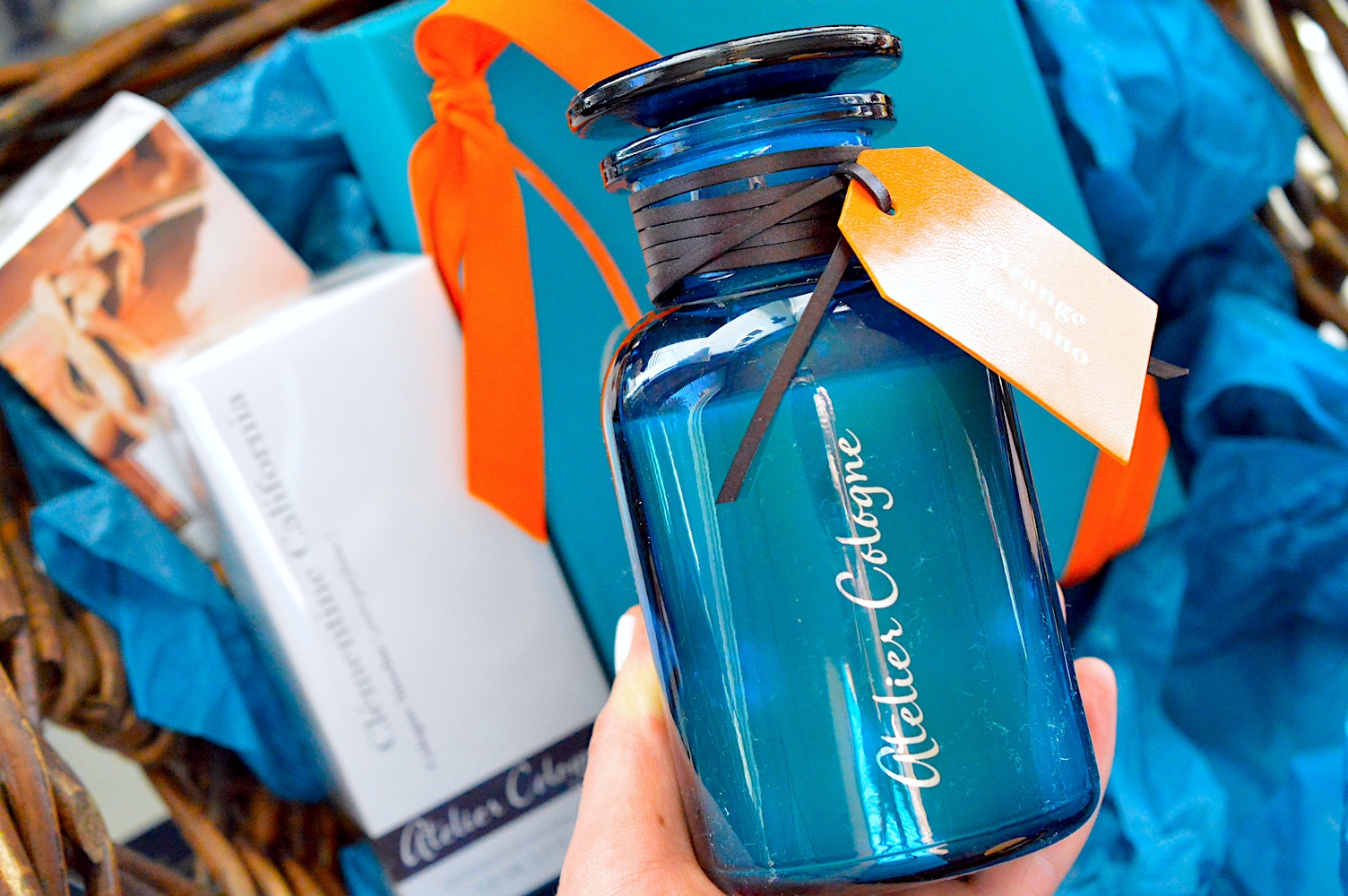
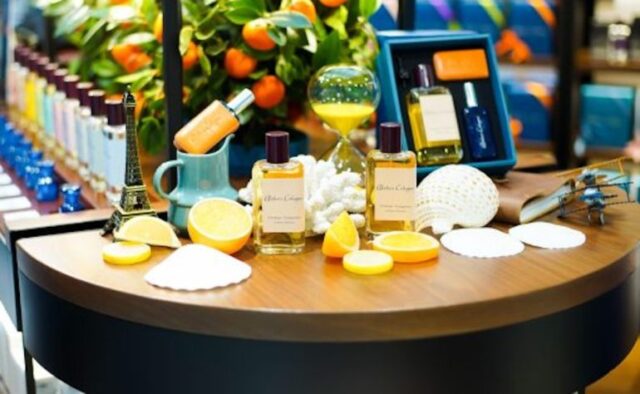
    Atelier Cologne Travel Retail Asia Pacific announced the Southeast Asia airport debut of its pop-up concept at Kuala Lumpur International Airport (KLIA). In collaboration with Malaysia Airports and Colours & Fragrances (C&F) under DR Group, the pop-up is now officially open till end February 2019 for arriving and departing passengers through the Satellite Building at KLIA.

    For the launch of the pop-up, cologners could enjoy a personalised fragrance profiling session to discover their very own scent.

    The background of the pop-up was also dressed up as a Parisian rooftop featuring a skyline of the elegant Paris, cobbled flooring and a rustic swing. This set-up will be available till end of December 2018.

    A gift and engraving workshop is offered to customers, allowing them to personalise the leather case of their perfume bottles with a name, initials or even a message.

    According to Nazli Aziz, Senior General Manager for Commercial Services, Malaysia Airports, the duty-free sales in the Asia Pacific region is growing significantly, largely driven by perfumes and cosmetics with a market value of USD 14 billion in 2017.

    As for KLIA, overall sales per passenger recorded a double-digit growth of 13 per cent in 2017.