Tag: International

  • Esprit revamp to sacrifice staffs, stores

    Esprit revamp to sacrifice staffs, stores

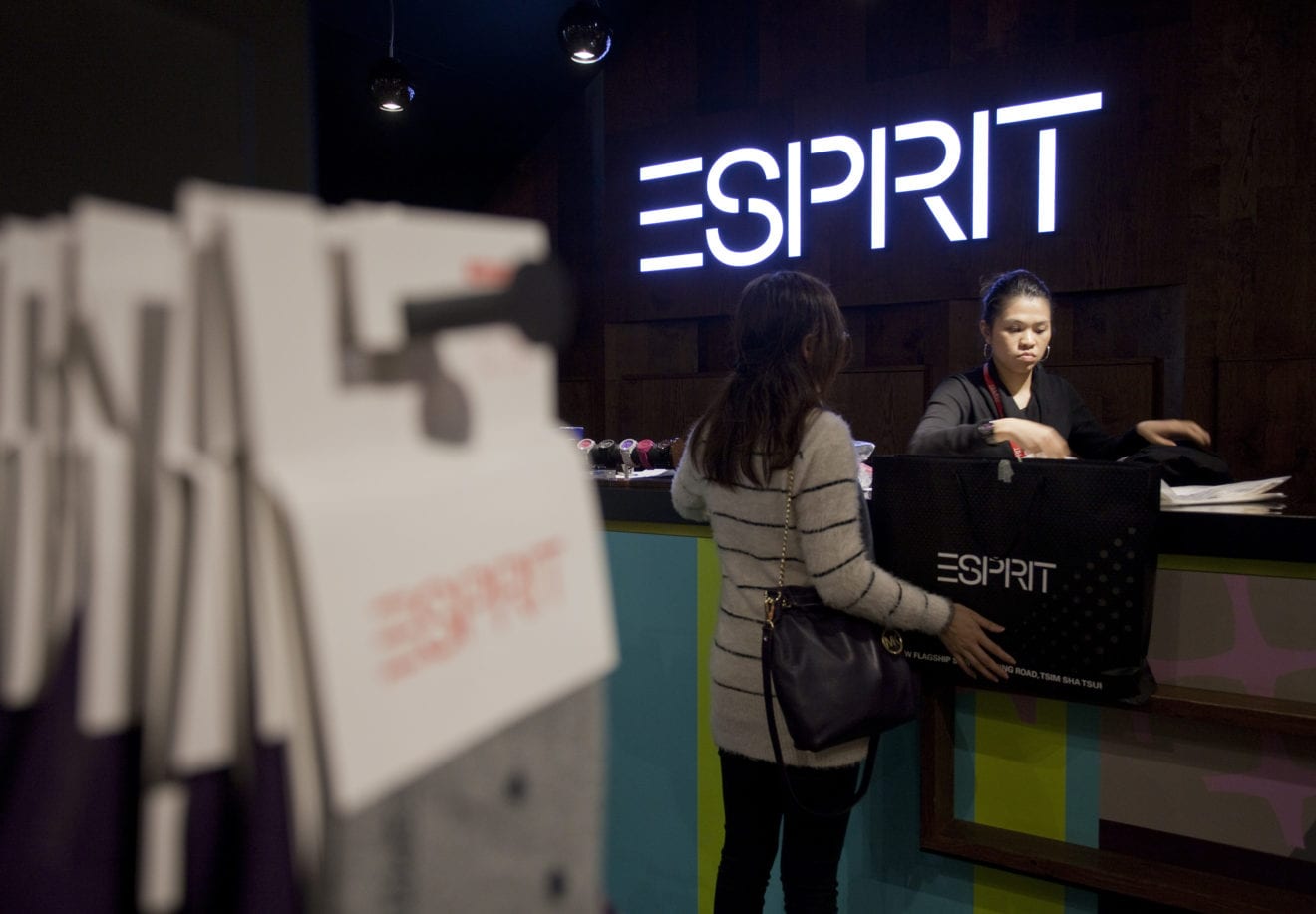
    Esprit plans to axe 40 per cent of its non-store workforce as part of a radical restructure repositioning the brand for future growth. The embattled Hong Kong-listed fashion retailer is set to incur up to US$217 million in one-off charges as it shutters stores, revamps its stock range and embarks on a new marketing campaign, with a heavy accent on social media.

    The bold Esprit revamp plans were laid out in an investor presentation which revealed a new positioning statement for the company. It has trademarked the phrase “radical positivity” but describes it as “a mindset, not a slogan”.

    Senior management has led by example, the executive team already culled from 13 to just six, although the company is recruiting two more: a chief product officer and a CEO for Europe and the Americas.

    Those remaining executives, including Group CEO Anders Kristiansen, executive chairman Raymond Or, head of marketing Simon Heckscher and CEO for Asia Jan Olsen told investors that Esprit plans to eliminate overlapping functions and reduce hierarchy to become more lean and efficient and allow faster decision making. It will merge five offices at headquarters into one and reduce the size of the office in Hong Kong.

    The Esprit revamp will come at a cost with breakeven expected only in two to three years. But the result of running a leaner and more customer-focused business will drive profitable top-line growth in three to five years. The company is targeting an EBIT margin of between 5 per cent and 7 per cent, starting year five.

    In the current year, Esprit forecasts a further decline in sales in the “low double digits” resulting from store closures and a continuing decline in customer traffic. It forecasts a one-off bill of HK$1.5 to 1.7 billion in one-off restructuring costs.

    Next year it anticipates a return to revenue growth. “We have a clear plan with bold changes. We will return to sustainable growth and profitability,” the management team said.

    Store closures

    The current store portfolio is being reviewed to evaluate which will be closed, in a phased approach which has already begun and will continue into next year. The company has already shuttered 18 stores in Asia and another 28 in Europe have been closed, downsized or had their rents renegotiated.

    From mid-next year the company will start opening new outlets, targeting 220 in China by 2023 and another 78 stores in other Asian markets.

    The company wants to reduce personnel costs from 20 per cent of store operating expenses now to between 12 and 14 per cent, and occupancy costs from 37 per cent to between 25 and 27 per cent.

    Online, the company wants to reduce its dependency on Tmall by opening on other marketplaces around Asia and revamping its own e-commerce site.

    Elsewhere in Asia, the company wants to focus on India (where it opened its first brick and mortar store on November 16), Thailand and the Philippines.

    It also plans to revamp its wholesaling business with a new ‘best-in-class’ business model in place by next September.

    New model for the future

    Esprit says it is building “a new model for the future” – a powerful organisation with a restructured cost base and the executive team has delivered a detailed outline of how it will reconnect with customers.

    They were honest about the current state of the business: “Esprit has changed – maybe too much. Our brand identity is inconsistent and we don’t know what we stand for. We’ve lost touch with our audience due to lack of customer focus. Our product, quality and fitting must be improved. Bold changes are needed to return to sustainable growth and profitability.”

    But they said there are positive sides to the story: according to a Brand Health Tracker survey in July, Esprit enjoys 87 per cent brand awareness in Germany, one of its core markets, and it is the third favourite fashion retailer there.

    And they say the brand knows what it stands for. “We are not fast fashion and we are not a discounter.

    We are a brand with a purpose. We will know our consumers by heart, provide clear brand value and strong product proposition and shape a consistent end-to-end consumer experience. We stand for radical positivity, loving our customer and quality, always. This is about more than branding. This is about changing our entire mindset. This is about who we are. .. what we do … how we do it.

    “There will always be a customer base that wants well-designed, good-quality and affordable clothes, that last beyond one season.”

    The Esprit shopping experience

    The company plans to change the Esprit shopping experience online, on app and in store. The online store will be updated and enriched with storytelling and live streaming. It will improve packaging and by the end of this year, promises 90 per cent of EU online orders will be shipped using services which are carbon neutral or commit to reduced emission programs.

    A new store concept launched in August features improved customer service, visual merchandising that elevates the product, and “music that lifts the spirit”. Merchandising will be simple, surprising, fresh and playful and storytelling will employed with signage such as “These jeans will change your life. You won’t have to change.”

    Esprit also plans a heavy focus on Instagram where it currently has 313,000 followers. Social branding will increase featuring real-time content and happenings in the world. The target is to grow followers to 1 million within 18 months.

    Range revamp

    Meanwhile, the company has already started revamping its range, addressing fabric quality, fit and the balance of products.

    It will reduce the number of SKUs, reduce so-called ‘kick colours’ and strengthen neutrals.

    “We looked at sell-through rates and consumer data per colour. Our market survey shows our competitors offer 30-40 per cent black, while Esprit has 15 per cent,” the team explained. So Esprit will strengthen its offer of neutrals like black, white, grey and beige.

    From June next year the number of stock options will be reduced by between 20 and 30 per cent. The company believes having too many items leads to higher development costs and complex stock management, which dilutes the brand message.

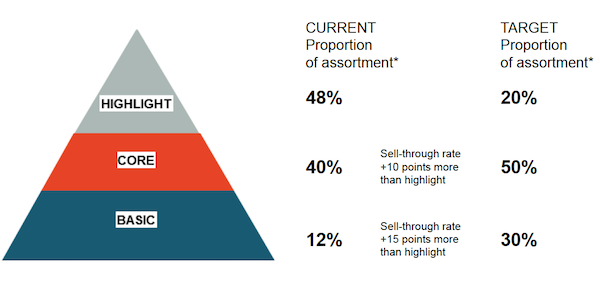
    It will change the balance of basic, core and highlight lines from a dominance of highlight to a more even disbursement, as shown below.
    Esprit management has identified the rise of quality basic brands, body diversity, athleisure, casualisation and conspicuous consumption as among trends shaping the fashion industry and driving consumer preferences. In response, it plans to offer a more commercial assortment of clothing, improve the quality and fit, develop signature product classes and establish “a unique Esprit handwriting”.

    Quality will be enhanced through innovation, functionality, collaboration – such as a winter range featuring 3M insulation – and by looking for opportunities for storytelling online and in stores. The company believes this will boost the sell-through rate to 75 per cent at full price. It will use sustainable denim made from organic cotton and recycled, fibres.

    Pants, t-shirts and sweaters comprise more than 50 per cent of Esprit’s current range and those are the staples it wants to be known for in the future.

    At the heart of the “handwriting” Esprit refers to is a hub of internal designers which has been created to establish guidelines and directions. It will use information gathered from market trends, competitors and data from its Esprit Friends client base to shape future designs and collections. That work is already starting and will influence collections set for release in fall next year.

    China potential

    With plans for more than 220 new stores in China over the next five years, Esprit is mindful of first addressing shortcomings in that market.

    It admits Chinese consumers perceive Esprit as in line with lower-positioned brands and that they find stores tired and uninteresting. It acknowledges it is missing “basic retail operational focus” in China, has a complicated business structure there with too many layers and its sales associate incentive schemes are not aligned with normal market practice.

    Esprit says to recover ground in China it needs to refine the fit of its clothes for Asians, improve quality, adjust deliveries to seasons, improve colour proportions and reduce product options to suit store sizes.

    In future, about 70 per cent of the brand’s mainline international collection will be adapted for Asia with amended fitting and 30 per cent will be designed specifically for Asia.

    The company plans to launch a two-phase strategic marketing approach starting in January. First, discounting will be reduced, but a “deal feel” will remain in stores and staff will be incentivised to push full-price sales. In phase 2, starting September, markdowns will be restricted, targeted discounts will be offered via email and WeChat notifications, and a new marketing campaign launched to attract new customers.
  • Kering’s new digital strategy revealed

    Kering’s new digital strategy revealed

    Customers draw inspiration from today’s hyperconnected world and they engage with luxury brands through the digital tools they use every day. In a fast-changing environment, the success of luxury houses depends upon their ability to offer creative propositions, and a consistent customer experience across all distribution channels and devices.

    In December 2017, Kering appointed Grégory Boutté as Chief Client and Digital Officer with the mission to carry out Kering’s digital transformation and to take the lead on e-commerce, CRM, data science and innovation for the Group. Since then, e-commerce has been the fastest growing channel for all Kering’s brands and represents 6% of the Group’s total retail sales for the first half of 2018.

    “Digital can be many different things at once – a distribution channel; a platform for offering seamless omni-channel services to clients; a driver of brand image and visibility; and a tool for engaging with customers in a personalized way. Digital technology, data science and innovation provide a way of offering our customers the best possible experience – on every touchpoint”, declared Grégory Boutté.

    Drawing upon his vision, Kering’s digital approach is based on the following objectives:

    • to provide the Group and its Houses with a real-time 360-degree view of their customers, and to deliver rich and personalized experiences;
    • to offer clients high levels of service, from initial transaction to after-sales;
    • to enable Kering’s Houses to develop close relationships with their clients and to adapt their offerings in order to meet specific needs.

    Today, Kering is announcing new milestones on its digital journey.

    The following initiatives will strengthen Kering’s focus on enhancing the Group’s omni-channel capabilities and further developing its Houses’ digital activities.

    In-store customer experience

    Kering is working on a suite of apps in partnership with Apple to be used by Houses staff in store, the first of which is a store experience app that enables sales associates in-store to access stock levels in real time to provide their customers with a fully personalized service.

    Via the app, sales associates know instantly if a specific size or color is available in-store or if it can be ordered from other stores; they can also give customized styling recommendations.

    Client service

    Kering developed a new approach to customer service with centralized teams in Europe and the US focused on addressing customers’ requests.

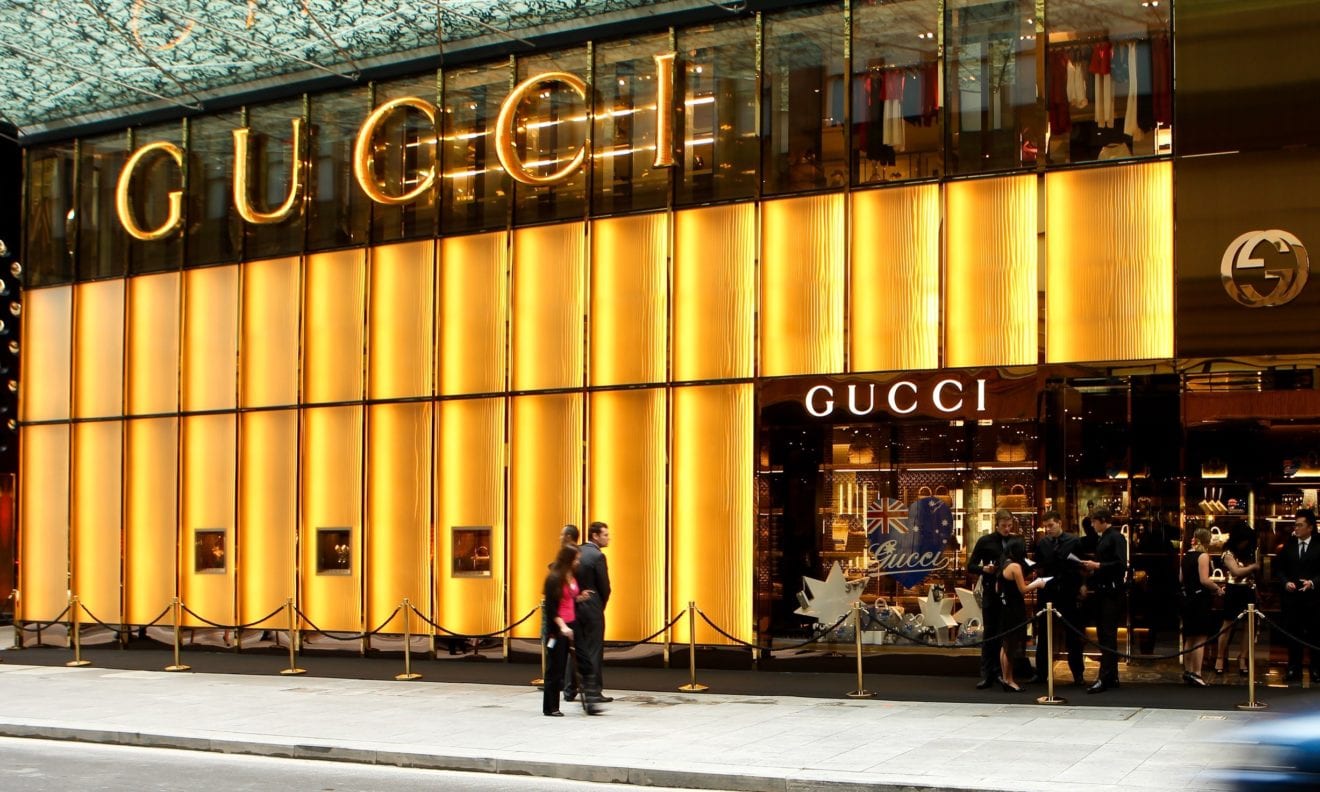
    Gucci, Saint Laurent and Bottega Veneta have dedicated teams, while other brands grouped their efforts under a single customer service unit, operated by Kering on their behalf.

    CRM and Communication

    Kering has launched several pilot projects using data science techniques to deliver personalized messages and experiences to customers, based on their profile and purchasing history.

    All Kering Houses have launched or are launching WeChat mini-programs in order to build as close a relationship as possible with their Chinese customers and to offer social commerce.

    E-commerce 

    Kering will leverage its in-house technology and operations team to fully internalize the e-commerce activities currently handled through the joint venture with YNAP.

    Following a highly successful and fruitful seven-year partnership with YNAP, these e-commerce activities will transition to Kering in the first half of 2020.

    Coordinated efforts and shared expertise with YNAP have enabled Kering Houses to enhance the level of service of their e-commerce websites. Most of them now offer services such as check availability, reserve in store, make store appointment, pick-up in store, return in store, exchange in store, and buy online in store.

    Kering will continue to develop partnerships with third-party e-commerce platforms when relevant.

    Digital capabilities

    A data science team has been created at Group level to improve the service provided to the clients of Kering’s Houses by making the best use of the available data.

    A China-based Client & Digital team is currently being formed. It will be responsible for adapting digital practices to the Chinese market, along with identifying and promoting innovations from China to other markets.

    Kering’s Group Innovation team has been tasked with two missions: to instill an internal culture of innovation (test-and-learn approach, quick sharing of discoveries, scouting business trends), and to work on disruptive technologies to further improve the client experience in the future in terms of business or environmental matters.

    Kering’s Chief Client & Digital Officer Grégory Boutté added: “These exciting new initiatives have been designed to meet – and exceed – the needs of our Houses’ customers and to ensure we continue to offer them an exceptional experience across all channels in a fast-changing global market. These opportunities have been made possible by the experience and know-how that Kering has gained over the years, notably through its successful joint venture with YNAP. We will continue to work with them post-transition and to enjoy a fruitful relationship.”

  • Lanvin creative director departs the company

    Lanvin creative director departs the company

    Lanvin has announced the departure of its menswear creative director, Lucas Ossendrijver, adding to a turbulent few years for the French label. Appointed under the mentorship of former creative director Alber Elbaz, Dutch designer Ossendrijver served as the creative chief of the 129-year-old brand’s menswear department for 14 years.

    Elbaz, creative director of Lanvin’s women’s wear since 2001, left the house in October 2015 after falling out with majority shareholder Shaw-Lan Wang over the direction of the brand.

    In February this year, Wang sold the title to Chinese conglomerate Fosun International.

    French designer Bouchra Jarrar, who was Elbaz’s replacement, left Lanvin after just 16 months before her successor, Olivier Lapidus, stepped down after only eight months.

    Bruno Sialelli, former head of Loewe menswear, is reported to the front runner to replace Ossendrijver.

  • H&M announces closure of Cheap Monday

    H&M announces closure of Cheap Monday

    H&M is to close its Cheap Monday brand business to refocus on “core activities”. “Cheap Monday has a traditional wholesale business model, which is a model that has faced major challenges due to the shift in the industry,” H&M said in a statement announcing the closure.

    “There has been a negative trend in the Cheap Monday’s sales and profits for a long time.”

    The progressive closure process will start immediately, with the aim of being complete by June 30. The Cheap Monday retail store in London and Cheap Monday’s online store will close on December 31.

    “We need to constantly develop our business and what we choose to invest in,” said Anna Attemark, head of new business at H&M.

    “We see very good opportunities and great potential for all of the other brands within the new business [division], which all are developing positively both digitally as well as through physical stores,” she concluded.

    About 80 employees will be affected, however many are expected to be encouraged to apply for other positions within the group.

    H&M acquired Cheap Monday in 2008 from Swedish apparel company Fabric Scandinavien, a second hand store for high fashion and exclusive denim. The brand was originally founded to offer customers a more affordable denim option for customers and soon grew into a wholesale brand.

  • Celine and Givenchy joins Paris menswear show schedule

    Celine and Givenchy joins Paris menswear show schedule

    After Hedi Slimane premiered Celine menswear via a co-ed catwalk show on September 28, the brand has announced that it will join the Paris menswear calendar in January 2019. Celine is currently negotiating a show date with the Fédération de la Haute Couture et de la Mode, and it is not yet known whether the brand will present solely menswear, or whether Slimane will pepper the offering with womenswear as per his debut.

    The move is indicative of the fact that Celine’s parent company LVMH has got its sights set on the burgeoning menswear market.

    When Slimane took the helm in February 2018, it was made clear that the new category will be a key sales driver, along with leather goods, accessories and fragrances.

    “The objective with him is to reach at least two billion to three billion euros, and perhaps more, within five years,” LVMH chairman and CEO Bernard Arnault said of Slimane’s appointment.

    In the last year, LVMH has appointed new head designers at Berluti, as well as the menswear divisions of Louis Vuitton and Dior. And, just weeks ago, Givenchy, another brand within the French conglomerate’s stable, announced that it will rejoin the menswear calendar for the autumn/winter 2019 season.

    As a growing number of brands, including Maison Margiela, Stella McCartney, Balenciaga, Haider Ackermann and Sonia Rykiel, merge their menswear and womenswear for the sake of presentations, LVMH is making great strides to make a splash on both schedules and to take a hold of both markets.

  • Chinese e-commerce policy to benefit foreign sellers

    Chinese e-commerce policy to benefit foreign sellers

    The Chinese government last week announced that it will improve its e-commerce retail import policy to boost consumption. “We need to take a holistic approach, exercise prudent yet accommodating regulation to fully unleash the growth potential of cross-border e-commerce,” Li Keqiang, Premier of the State Council of the People’s Republic of China, said at a cabinet meeting on November 21, when the policy was laid out.

    The policy has been cheered by Australian exporters to the market, such as AuMake, the ASX-listed retail company that connects local suppliers with Chinese personal shoppers, daigous, who buy and ship products on behalf of friends, family and customers in China.

    The retailer released a statement on Friday saying the new policy is expected to stimulate daigou activity through 2019.

    The new policy ensures that China’s existing approach to cross-border e-commerce continues, and no new requirements around licensing, registration or record-filing for first-time imports will apply to sales through cross-border e-commerce platforms, as was expected to apply from January 1, 2019. Instead, these goods will continue to receive the more relaxed regulation for personal use imports.Adtech Ad

    The Chinese government is also expanding its preferential import duties to another 63 tax categories of high-demand goods and increasing the quota of goods eligible from 2000 yuan to 5000 yuan per transaction, and from 20,000 yuan to 26,000 yuan per head per year. This quota will be further adjusted in light of an individual’s personal income.

    “AuMake welcomes the latest development to further stimulate the CBEC [cross-border e-commerce] with the continuation of current licensing requirements, extension of tariff/VAT/consumer tax concessions and value per transaction/head limit also being increased,” the retailer said in a statement.

    “These measures are anticipated to increase the total size of the CBEC and it is anticipated that legitimate cross border e-commerce participants, including AuMake and professional daigou, will increase their market share as illegitimate operators are phased out with increased regulation.”

  • US Cyber Monday online sales to reach record US$7 billion

    US Cyber Monday online sales to reach record US$7 billion

    American consumers were on track to spend US$ 7.8 billion in online shopping on Cyber Monday, up 18.3 percent from last year, according to Adobe Analytics, which tracks 80 percent of online transactions at 100 of the largest retailers in the US. Cyber Monday, which falls on the first Monday after Thanksgiving Day and Black Friday, is considered the biggest online shopping day of the year.

    Last year, it hit a record US$ 6.6 billion in online sales.

    With growing online sales, Black Friday might be stealing Cyber Monday’s thunder. Online sales for Black Friday reached US$ 6.22 billion, up 23 percent compared with last year.

    Smartphone-enabled purchases amounted to US$ 2.1 billion, accounting for one third of the overall sales.

    Figures from Internet Retailer, a publisher of e-commerce news and analysis, predicted that the total amount to be spent over the period between Thanksgiving Day and Cyber Monday will reach US$ 21.6 billion.

    For the whole holiday season, which will last until end of December, online sales could hit a record US$ 124 billion, up by 15 percent from last year, Adobe Analytics said.

    Figures from market research firm eMarketer put overall US holiday online sales at around US$ 123 billion, which accounts for 12 percent of the estimated 1 trillion retail sales for this holiday shopping season.

    According to an annual survey, US consumers will spend an average of US$ 1,007 dollars during this holiday shopping season, up 4.1 percent from last year, the National Retail Federation said earlier.

  • Roger Dubuis appointed new CEO

    Roger Dubuis appointed new CEO

    Effective December 1, Nicola Andreatta will be the new Chief Executive Officer of Manufacture Roger Dubuis. Nicola comes with 20 years of experience in the management of luxury and watch industries. In 2013, Nicola was appointed Vice President and General Manager of the Swiss entities of Tiffany & Co.

    Prior to that, Nicola founded N.O.A. Watch Company in Ticino, Switzerland, which he developed during more than 10 years. And before founding his own company as an entrepreneur, Nicola held various roles in Asia in the watch and luxury industries, as Managing Director, COO and CFO, with the companies, AC Services Ltd, Harwood Investments Ltd and Art Concord Ltd, where he has started his career in 1998.

  • Nike appointed two new leaders

    Nike appointed two new leaders

    Nike Inc is bolstering its executive management with its two latest hires. The U.S. sports giant has announced earlier in the month that Carl Grebert, currently the Vice-President, General Manager of the Global Jordan Brand, will become the company’s new Vice-President, General Manager of its Asia Pacific and Latin America (APLA) geography, effective December 1.

    In his prior role at Jordan, Grebert worked for 18 months and drove the basketball brand’s global product engines and marketing, merchandising, and oversaw Jordan category management teams for the brand, pushing the business into a position for the next phase of growth.

    Before Jordan, Grebert headed up the Japan geography team as Vice-President, General Manager of Nike Japan.

    He has also held senior roles in marketing and ran territory business units in Europe.

    Grebert replaces Ann Hebert, who will become the new Vice-President, Global Sales, after working as APLA head for two and a half years.

    Hebert will be responsible for driving Nike’s global sales teams and partnering with Nike Direct “to build a seamless Nike network that will continue to elevate service to consumers around the world,” said Nike in a statement.

    She replaces Mike Best, who has decided to retire after a nearly 30-year career stint at Nike.

    Likewise, Hebert has been at Nike for 23 years and served in various leadership roles.

    Prior to her APLA role, the Nike veteran was VP of the Global Nike Direct Partner business and led the North America sales team as the VP, North America Sales.

    Both new management roles will report to Elliott Hill, Nike’s President of Consumer and Marketplace.


  • Uber Eats appoints Alia Bhatt as India brand ambassador

    Uber Eats appoints Alia Bhatt as India brand ambassador

    Uber Eats, the food delivery arm of ride-hailing major Uber, Thursday said it has appointed actor Alia Bhatt as its brand ambassador in India. India is the first country for Uber Eats globally where the company has appointed a brand ambassador, Uber Eats said in a statement.

    “Alia is an inspiration to Indian millennials and we are thrilled to have her on board. The youth today relates to her easy-going, carefree and energetic personality. “She is known for her unique style and agility as an actor – the same qualities are an integral part of the Uber Eats DNA; thus making her the perfect fit to represent our brand in India,” Bhavik Rathod, India and South Asia Head, Uber Eats said.

    Uber Eats was launched in India in May 2017. The food delivery service is available across 37 cities compared to 31 cities where the American company operates its rides business. Uber Eats started in 2014 as a small delivery pilot in Los Angeles and was launched as a separate application in Toronto in December 2015. It is now available as a stand-alone app in over 350 cities globally.

    The US-based company has been aggressively investing in its Uber Eats business globally. Earlier this month, Uber said gross bookings from Uber Eats grew more than 150 percent in September quarter to US$ 2.1 billion (excluding Southeast Asia and Russia) over the year-ago period.

  • Sydney to be home for Lindt’s  first “premium chocolate” store

    Sydney to be home for Lindt’s first “premium chocolate” store

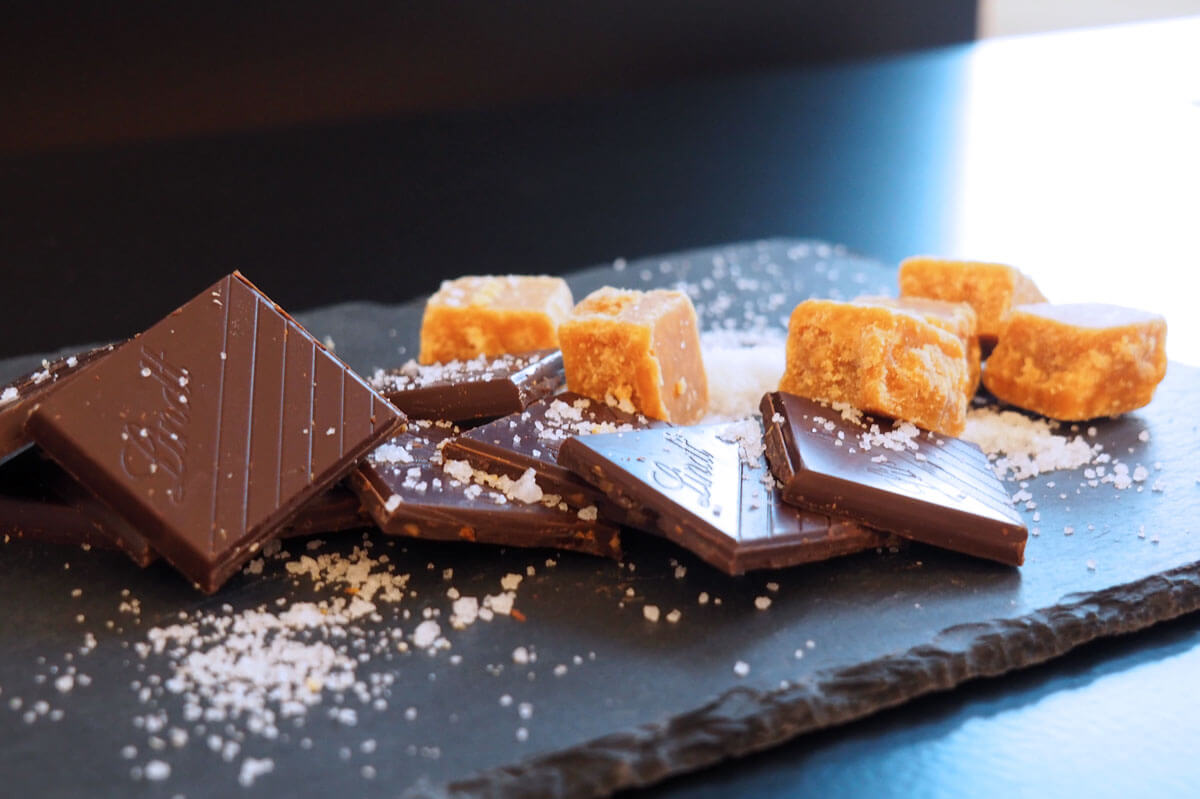
    Swiss chocolatier Lindt is ramping up its Australia retail expansion with the opening of its latest chocolate boutique in Sydney. Located in Sydney’s Macquarie shopping mall, the new boutique-style shop is filled with Lindt’s complete luxury chocolate range. However, with five stores already operating in the city, the new location is the first of its kind to offer a more “premium chocolate shopping experience”.

    The premium aspect includes an exclusive range featuring a new Gourmet Selection, which comes in seven flavours of premium roasted nuts and fruit coated in Lindt Chocolate.

    Likewise, the new shop offers a selection of specialty-crafted chocolate slabs with gourmet ingredients and a wide variety of Lindt’s signature pralines.

    Inside, Australian shoppers are encouraged to browse from the gift boxes on offer, which vary across three different sizes, before filling each with an assortment of Lindor balls and other Lindt chocolates, creating a quasi ‘Pick and Mix’ concoction, so each purchase can be custom made.

    There is also a Lindt Chocolate Bar, which offers a range of takeaway hot and cold drinks made with pure Lindt chocolate.

    “It is a great addition to our NSW Lindt Chocolate Shop locations and we know the shoppers at Macquarie Centre will enjoy indulging in the exclusive gourmet ranges on offer,” CEO Lindt Australia Stephen Loane told local media.

    The boutique store is surrounded by close to 400 international and national retailers to be shopped at Sydney’s Macquarie Centre, located in Sydney’s northern suburb of North Ryde.

    Lindt’s expansion comes at a time when rival chocolate retailer and café Max Brenner and its Australian arm has filed for bankruptcy.

    Max Brenner Australia, which was started in 1999 and is owned by Tom and Lilly Haikin, appointed voluntary administrators in early October citing rising costs and sluggish retail trade.

    On October 8, administrators McGrathNicol closed 20 of Max Brenner’s 37 stores.

  • Dolce & Gabbana chaos continues

    Dolce & Gabbana chaos continues

    Dolce & Gabbana has cancelled a high-profile catwalk show in Shanghai following an outcry over what many in China perceived to be a racist marketing campaign. The Italian brand products have now been dropped by e-commerce giants Alibaba, JD and Yoox Net-A-Porter. Leading Chinese e-commerce platforms Alibaba and JD.com were joined by Suning, VIPshop, Secoo and Netease in dropping the Italian fashion house’s products from sale.

    Hong Kong-based luxury department store operator Lane Crawford has also joined Chinese retailers in dropping Dolce & Gabbana products after it offended Chinese partners and internet users this week.

    Andrew Keith, president of Lane Crawford, told the Post: “With respect to our customers, we have taken the decision to remove Dolce & Gabbana from all stores in China, online and in Hong Kong.”

    The decision would take effect at 1pm on Friday, Lane Crawford said.

    Amazon China and Yoox Net-A-Porter have also removed products, with the latter dropping the brand from its Net-A-Porter, Mr Porter and Yoox.com platforms.

    Meanwhile, high-profile Chinese celebrities and KOLs including actors Li Bingbing, Chen Kun, Diliraba, Zhang Ziyi and actor-singer Huang Xiaoming were among a host of stars distancing themselves from the brand and vowing not to buy D&G products.

    A video posted on Weibo Monday of a Chinese model attempting to eat Italian food with chopsticks was taken down after less than 24 hours, but widely shared on both Chinese social media platforms and Instagram.

    The social media storm was made worse by comments attributed to Stefano Gabbana and Dolce & Gabbana’s official Instagram accounts on Wednesday, the day the brand’s #DGTheGreatShow catwalk presentation was scheduled to take place in Shanghai.

    In what Dolce & Gabbana claims was the result of a hack, the brand’s social media accounts featured derogatory comments about China and Chinese internet users.

    Though quickly removed, screenshots of the comments were widely shared on Chinese social media, along with the trending hashtag #BoycottDolce. The Weibo hashtag #DGTheGreatShowCancelled has been read 540 million times, and mentioned in 74,000 discussions.

    Show invitees have been informed that the 500-look runway event will no longer go ahead.

    China Bentley Modelling agency released an official statement saying 24 of their models who were booked to walk in D&G’s first Shanghai fashion show were boycotting the event.

    The Chinese government also stepped in with the Cultural and Tourism Department ordering Dolce & Gabbana to cancel the event just a few hours before it was scheduled to take place.

    Chinese consumers have flooded social media platforms Weibo and WeChat criticising the brand and posting videos and images of D&G products being destroyed, burned and used to clean floors and line animal litter trays. Security guards and police officers have been stationed outside Dolce & Gabbana stores in Beijing and Shanghai.

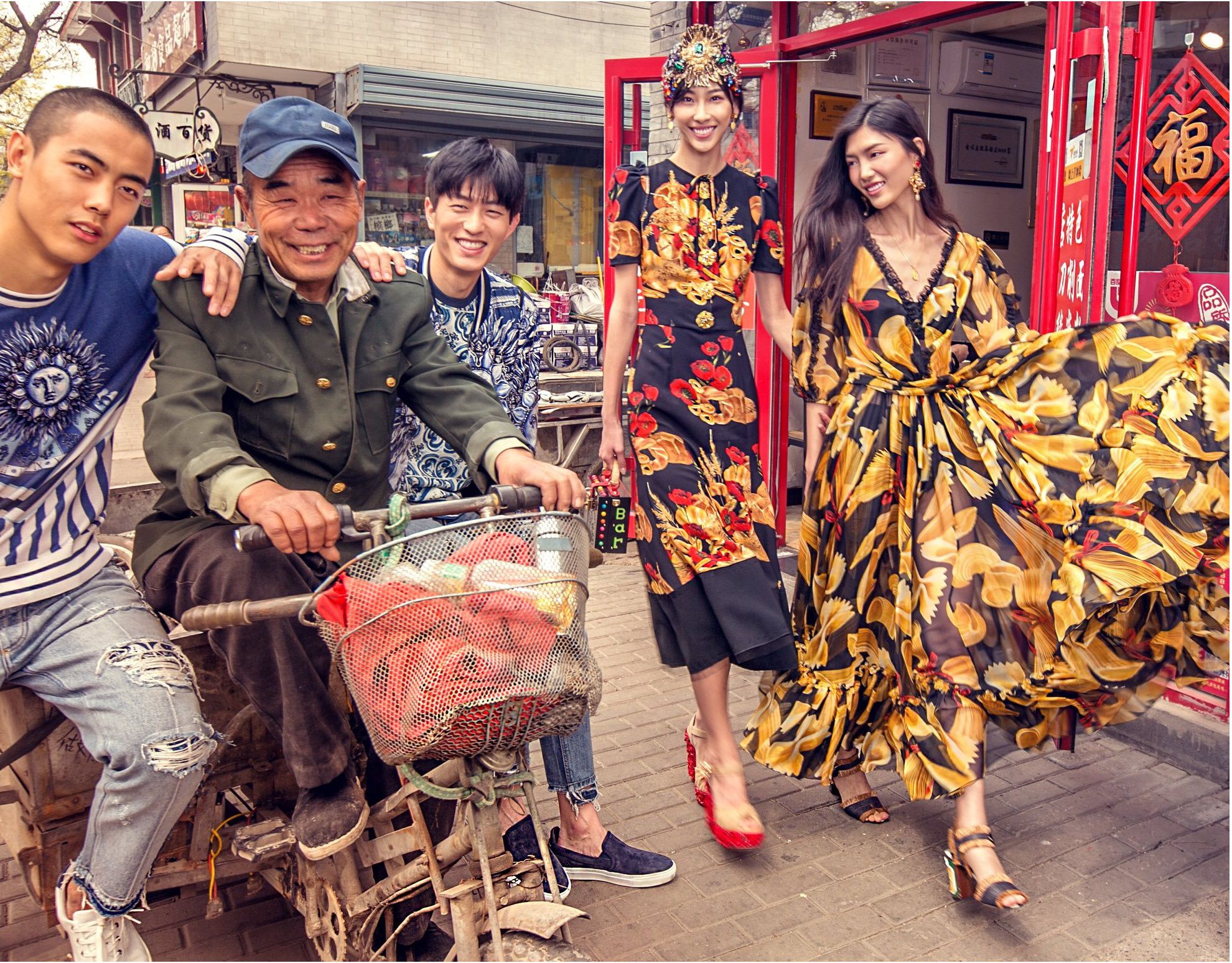
    This marks the second high-profile outcry over racist messaging from Dolce & Gabbana in only 18 months. A previous #DGLovesChina campaign depicted Beijing in a way that Chinese internet users felt looked backwards and underdeveloped.

    Both Gabbana and co-founder Domenico Dolce have been accused of making politically insensitive statements, from referring to babies conceived by in vitro fertilisation as “synthetic”, to refusing to support the right of gay parents to adopt.

    The duo has also described gladiator sandals as “slave sandals” and were quick to endorse First Lady Melania Trump.

    Gabbana in particular has a history of posting insensitive comments on social media, and came under fire for calling Selena Gomez “ugly” on Instagram in June, and the Kardashian family “the most cheap people in the world” in July.

    Though the designer duo have been known for using social media to voice their controversial opinions, upsetting Chinese consumers could have far-reaching commercial consequences.

    According to Bain & Company’s latest report on the luxury market, Chinese consumers account for an estimated 33 percent of global luxury goods spend, a share that is likely to hit 46 percent by 2025.

    Seeing as Chinese support can make or break a brand’s performance, how the label manages the controversy will be critical for its future success in the market.

    Dolce & Gabbana could not yet be reached in China or Milan for comment.

    According to a post published on Dolce & Gabbana’s Weibo account on November 21, the event has been rescheduled, and the brand has apologised for the inconvenience caused.

    Dolce & Gabbana reposted Gabbana’s ‘Not Me’ screenshot on its Weibo account, accompanied by the following statement, which mirrors the brand’s post on Instagram: “Our Instagram account has been hacked. So has the account of Stefano Gabbana. Our legal office is urgently investigating. We are very sorry for any distress caused by these unauthorised posts, comments and direct messages. We have nothing but respect for China and the people of China.”

    Last Friday, Dolce & Gabbana released a video of apologies, but the situation is not getting any better. The video was received as a way for the brand to preserve their own economic interests.

    Now, increasing attention has been given to similar episodes related to other brands, and media are populated with advertising campaigns, which show how while targeting overseas markets, lack of knowledge of local culture could be fatal to a business.

    Among the cases mentioned over the weekend, Chanel and its luxury boomerang, and Dior and Jennifer Lawrence featuring Mexican heritage without Mexican women (cultural appropriation), Zara and Nazi symbolism, and many more. However, Dolce & Gabbana case has been the first one with such global economic consequences.

  • FILA India collaborates with Streetwear Label Norblack Norwhite

    FILA India collaborates with Streetwear Label Norblack Norwhite

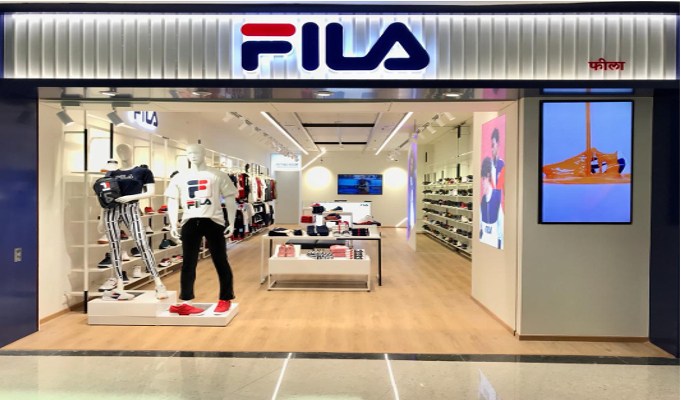
    The Italian sports-fashion brand Fila has announced its first ever Heritage collaboration with indie streetwear brand Norblack Norwhite which are now available in its stores. FILA India’s partnership with Norblack Norwhite pays homage to a heritage of textiles from Italy and to the age-old traditions of Indian textile makers, debuting with this India-only exclusive collaboration.

    Fila India’s Creative Director, Abdon Lepcha worked closely with NBNW for almost a year to design a limited edition collection that fuses iconic FILA silhouettes with their signature prints and patterns. The collaboration is a fusion of Indian streetwear with sports fashion. The collection was created applying the NBNW love for pattern and color, keeping it breathable within the sporty space. The styles focus on comfort, playing off some of Norblack Norwhite’s textile styles applied in a new way to work with Fila fabrics.

    Speaking on the collection, Mriga Kapadiya & Amrit Kumar said, “NBNW celebrates textiles and colors and patterns so creating within the FILA form and brand has taken us out of our comfort zone and pushed the boundaries on our design capacity. Fila is a brand we grew up on and we were super excited when Fila India approached us to collaborate on this capsule collection. We’ve never got to design athletic wear and it’s been super fun and also challenging to apply our style and aesthetic in this form! It’s important for our process to stay true to things we feel comfortable and empowered in while balancing the visual story of our favorite elements of India combined with our guiding feelings of classic streetwear.”

    Rohan Batra, the MD of Cravatex Brands, the Licensee for Fila in India, says, “This collaboration is one that is very special for us. It is the first time a global brand has collaborated on an entire collection with an Indian streetwear label. The limited India-only drop for the collaboration is part of our commitment to building and nurturing the streetwear fashion culture in India.”

    The collection comprises of baseball jerseys, tracksuits, fanny packs, tees and a special edition Disruptor. The price points for apparel, footwear and accessories start from Rs 1,999 and go up to Rs 8,999.

  • Renault wants Posco auto steel in Morocco

    Renault wants Posco auto steel in Morocco

    French carmaker Renault has asked Korean steelmaker Posco to enter the Moroccan market and supply automotive steel, a person familiar with the issue said last Thursday. Renault approached the world’s fifth-largest steelmaker by output in early 2017 as part of its strategy to diversify its supply of steel, the source said, who asked not to be identified because he was not authorized to speak on the record about internal discussions.

    Renault relies on ArcelorMittal, the world’s largest steelmaker, for automotive steel.

    Posco has told Renault that the two sides will delay formal discussions on the issue, noting that it has no immediate plan to enter the North African country, said the person, who is in a position to know about the situation.

    “Posco could use Morocco as a gateway for exporting its steel products to Europe without tariffs as Morocco has a free trade agreement with the EU,” the person said.

    Last year Maghreb Steel, a Moroccan maker of flat steel products, asked Posco to invest in it and provide necessary technology.

    A Posco spokesman confirmed that Renault made the request and Posco reviewed it, but said Posco has not moved forward, citing market conditions.

    The official said he had no knowledge on Maghreb Steel’s request for Posco investment, and asked not to be named, citing policy.

    Officials of Renault and Maghreb Steel were not immediately available for comment.

    In July, the EU said it would impose tariffs of 25 percent on 23 categories of steel products if imports exceed a three-year average.

    The provisional safeguard measures – which can remain in place for a maximum of 200 days – are meant to protect the EU steel industry against a surge of imports following the U.S. imposition of tariffs on imports of steel and aluminum.

    The European Commission plans to make a final decision by early 2019, at the latest, and said definitive safeguard measures may be imposed if all conditions are met.

    Posco declined to give any details on its steel exports to the EU.

    Renault is the third-largest customer of Posco’s automotive steel, according to the person.

    Renault Samsung Motors – whose 79.9 percent stake is held by the French carmaker – uses Posco’s automotive steel for 99 percent of auto production at its plant in Korea’s southeastern port city of Busan.

  • From Cyber Monday to Cyber Week

    From Cyber Monday to Cyber Week

    Cyber Monday is expected to be the largest online shopping day in U.S. history, generating a whopping $7.8 billion in sales. That’s 17.6 percent higher than last year, according to the projection from Adobe Analytics. But the National Retail Federation projects that the number of shoppers taking advantage of online bargains on Cyber Monday – about 75 million – will be 3 million fewer than in 2017.

    Just as Black Friday has evolved into “Black November,” as retailers spread out their discounts, Cyber Monday has turned into “Cyber Week”, which is expected to alter some of its strength as a stand-alone day.

    It has been estimated that more than 164 million people planned to shop over the five-day Thanksgiving weekend. But experts said Black Friday remains the busiest shopping day, with NRF projecting 116 million would shop, both in-store and online, on that day alone.

    Based on Adobe Analytics data, a record $6.22 billion was spent online by the end of Black Friday, an increase of 23.6 percent over 2017’s $5.03 billion.

    Data suggests that consumers are getting more comfortable buying more and bigger ticket items online.

    The average order value of $146 set a new record for Black Friday, up 8.5 percent over last year.

    Many brick and mortar retailers are trying to capitalize on Cyber Monday by offering “buy online, pick-up in store” deals.

    A spokesperson from the NRF said that “Of those [shoppers] that choose to buy items online and pick them up at the store, nearly 70 percent will double their basket size by the time they walk out of the store. So, even on Cyber Monday, retailers will try to use this as an opportunity to bring consumers into their physical stores and cash in on impulse buys.”