Tag: International

  • Matching mom-and-daughter outfit is a new trend

    Matching mom-and-daughter outfit is a new trend

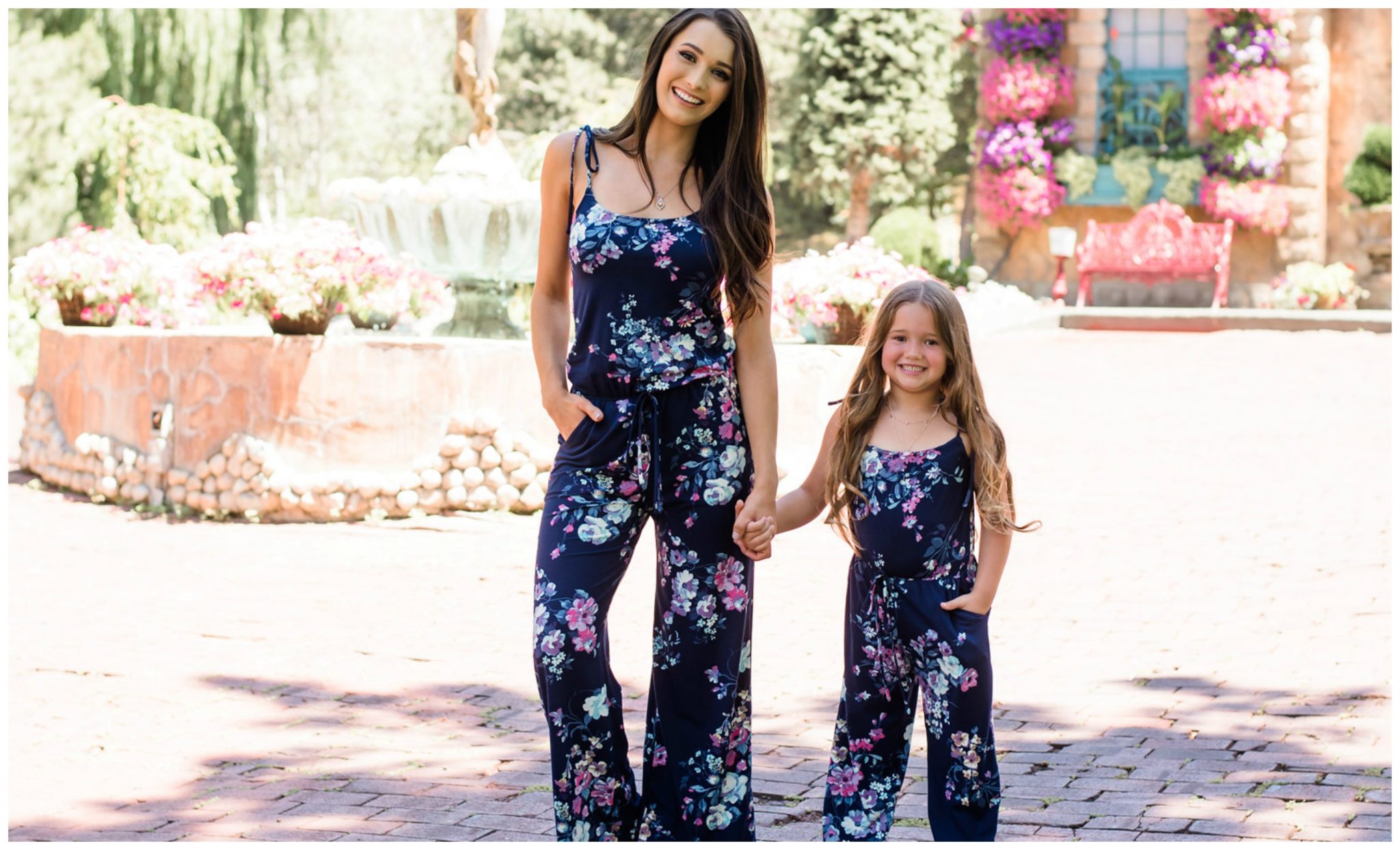
    The luxury childrenswear market is forecast to reach $6.6 billion in 2018, up by 3.8 percent year-on-year, presenting ample growth opportunities as spending power increases and parents dish out upwards of $500 for a pair of miniature Gucci loafers to match their own.

    Brands from Gucci and Balenciaga through to Burberry have their own multi-million dollar childrenswear lines (the latter made £117 million in revenue in 2017, about $153 million) which largely shrink runway looks from ready-to-wear collections to fit young children rather than designing them from scratch, hoping to bank on a mother’s desire to wear matching pieces with her daughter.

    But putting celebrity power to one side, as Kim Kardashian West signaled that mini-me dressing is once again big business by stepping out in a matching outfit with her daughter, what else is driving this phenomenon that seems to reappear every few years?

    “Childrenswear is increasingly trend-oriented,” says Nathalie Christen-Genty, the founder of Paris-based Melijoe, the luxury e-commerce site dubbed “the Net-a-Porter for childrenswear.” “A few years ago, childrenswear was dictated by just a few kids-only brands and parents’ motivation to buy was first and foremost driven by practicality,” meaning pieces for children were designed specifically for them with a timeless and classic design in mind.

    In the recent past, matchy-matchy ensembles were considered passé, reminiscent of bygone eras like the 1960s when women would make garments for themselves and their children from the same piece of fabric.

    When luxury brands began launching childrenswear lines in the 2000s, “they didn’t think it would be big business,” says Giuliana Parabiago, a consultant at Pitti Bimbo, a key international childrenswear trade show where the latest trends are often discovered. They would use past-season styles that would be delayed by six months or a year, she says, but now childrenswear and ready-to-wear runs at the same speed. “This new generation wants to be young — and matching.”

    Chloé launched its children’s line in 2010 with licensee Children Worldwide Fashion (CFW), which also makes lines for Givenchy, DKNY and Little Marc Jacobs.

    For the current season, stand-out pieces include a velvet bomber jacket with horse embroidery and a pair of suede ankle boots — mini-versions of products creative director Natacha Ramsay-Levi sent down the runway.

    “The pieces which are obviously Chloé, [for instance] the horse pattern, tend to perform better,” says Geoffroy de la Bourdonnaye, the brand’s chief executive who credits the success of mini-sized versions to the fact that some “mothers take pride in seeing their daughters look like themselves” and that others want “to share the brand’s DNA of being ‘free’ with their children.”

    “The [childrenswear] business has consistently grown for the last eight years,” he adds. “The countries that spend a lot of money to dress their kids tend to be Russia and the Middle East, along with China. Countries in Latin America also invest in their kids.”

    While Chloé’s relationship with its licensee means there is constant contact with the ready-to-wear design studio and the capacity for CWF to select the runway pieces it wants to adapt for children, Dolce & Gabbana’s approach was to take its line in-house allowing it to have complete control like Ralph Lauren, Burberry and Dior Baby who also go it alone.

    However, such arrangements are still unusual; most luxury brands sign with a handful of specialist licensees. Simonetta produces childrenswear for Balmain and Fendi Kids; Kidiliz Group has the license for Kenzo Kids, Paul Smith and Levi’s Kids; and Brava Kid takes care of the brands under the OTB umbrella which include Diesel, Marni and Trussardi Junior.

    The reason that the license route is so popular is that childrenswear requires an expert hand since it is not as simple as it may seem to scale down a garment pattern to fit the body shape of a child. The specialist experience on offer by the licensed manufacturers means they also understand intuitively how to make an outfit appropriate for children.

    The movement has also helped drive childrenswear into the same trend cycle as womenswear as brands respond to demand by bringing out more novelty.

    “Children’s lines [now] have their long-awaited collections as much as the ready-to-wear for the parents,” says Emi Ozmen, the mother of one of the child vloggers behind Silver and Lux.
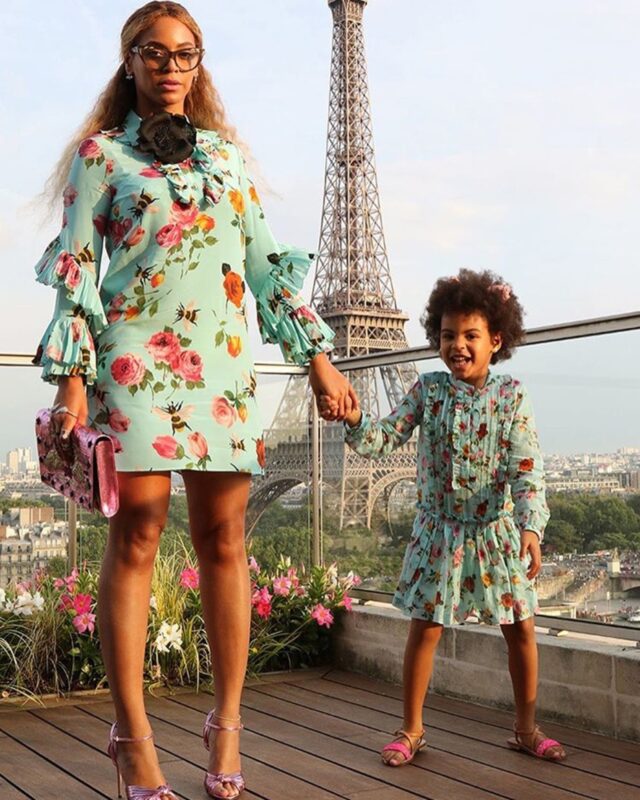
    Source: @beyonce

    Dolce & Gabbana launched a four-week kids pop-up at Net-a-Porter, including a £1,100 tiered fil-coupé silk-blend dress for ages two to six, a £775 satin-trimmed brocade suit for ages two to five and an array of handbags and footwear.

    “When [the mini-me trend] is executed well, it’s incredibly fun and expressive,” says the site’s global buying director Elizabeth von der Goltz. “It’s performed particularly well in the Middle East.” Having launched Gucci and Dolce & Gabbana capsules, Net-a-Porter’s next collaboration is with Moncler for miniature-sized puffer jackets.

    However, not everyone sees the trend as a harmless way for kids to bond with their parents; some find it incredibly uncomfortable and question the subtle messages it seems to underscore.

    “Two troubling phenomena converge in this mommy-and-me thing,” said Natalia Mehlman Petrzela, an associate professor at the New School in Manhattan. “There’s the infantilisation of women to look like little girls and, on the flip side, [the pressure] for young girls to always look older— to wear bikinis and crop tops.”

    Some mini-me dressing is criticised as a gimmick; there is a fine line between matchy-matchy dressing and ill-fitting clothing to be worn once and thrown away.

    “It’s clever marketing and appeals to emotional values,” says Jane Lewis, the founder of womenswear line Goat.

    In August, the brand launched a mini-me line of dresses for girls with the design remaining unmodified bar reducing the size — the crepe dresses have a timeless feel to them. “Again, it depends — I’m not going [to do] a pink bomber jacket. There’s going to be a distinction between viable mini-me childrenswear and the theatrical element.”

    Foraying into theatre is something SemSem founder Abeer Al Otaiba is also weary of.

    The Emirati entrepreneur launched the brand after seeing a gap in the market — there was an absence of stylish yet understated occasionwear for mothers and daughters. “It’s more of a lifestyle, and mothers in [markets like Russia and the Middle East] enjoy elegant pieces for themselves and their daughters all within one brand. It’s unique to find a brand that caters to both,” she says.

    SemSem’s Spring/Summer 2019 collection features matching lamé mother-daughter dresses and shirt dresses made from the same cotton fabric. Rather than shrinking women’s dresses to children’s size, Al Otaiba prefers to play around with fabrics and silhouettes.

    A far cry from Kardashian’s more literal matchy-matchy approach.

    Yet, social media and Instagram influencers continue to be the main driver of mini-me mother-daughter dressing.

    While the trend has long been popular in the Middle East and Russia, it has rapidly expanded to the US thanks, in part, to celebrities like Beyoncé, whose Instagram in matching Gucci with her daughter Von der Goltz cites as an example of celebrity culture popularising mini-me.

    Indeed, mommy-and-me looks drive likes and engagement, becoming good reasons for multi-brand retailers such as The Tot, a Dallas-based childrenswear store founded by Nasiba Adilova, to approach companies and ask for small-sized pieces of womenswear best-sellers.

    “The era when childrenswear was entirely functional is over,” says Christen-Genty. “It’s now firmly in the territory of fashion.”
  • “Falling Stars Challenge” has striked Asia

    “Falling Stars Challenge” has striked Asia

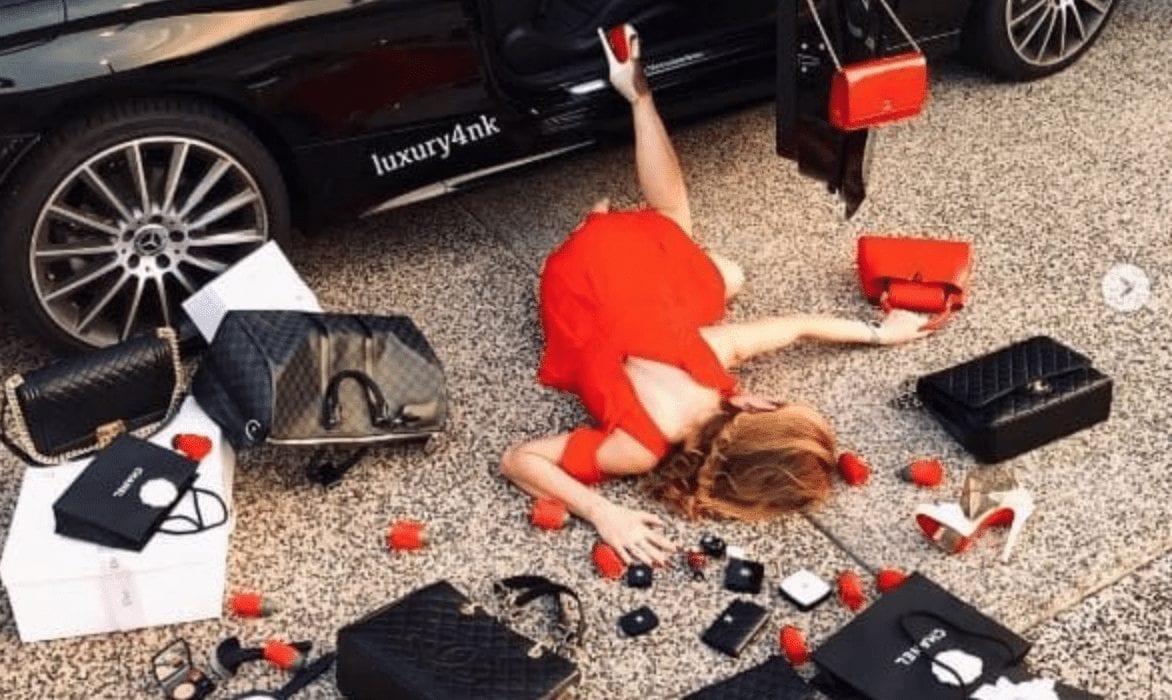
    The Falling Stars Challenge, a meme that has rocketed through Asia, features people posing as if they’ve fallen out of their luxury cars, with the luxury contents of their luxury bags spilling out on the pavement for all to see. The expensive goods are meticulously arranged so followers can admire the makeup, jewelry, shoes and other items that have oh-so-embarrassingly been laid bare.

    But the meme has become democratized, spreading from its beginnings as a way to take the humble out of humblebragging.

    It now encompasses any number of chosen identities, becoming a way to display the physical items and pursuits most closely associated with oneself.

    It’s popular among beauty and photography bloggers, fitness and food enthusiasts, and artists of all sorts.

    Hospital workers have shown off the tools of their trade, while others, with a touch of self-deprecation, have offered their more accessible collections of yoga mats, junk food and trash. They don’t even need to fall out of cars.

    The challenge originated in Russia and has spread throughout Asia, especially in China, where thousands of people have participated on Weibo, a popular social network.

    Even rigid government departments have joined in.

    The Consular Protection Center of China’s Ministry of Foreign Affairs posted a photo that showed a worker falling into a pile of paper.

    A police school photographed a fallen officer surrounded by bullets.

    The challenge has spread beyond Russia and China, with tens of thousands of posts from various countries appearing on Instagram.

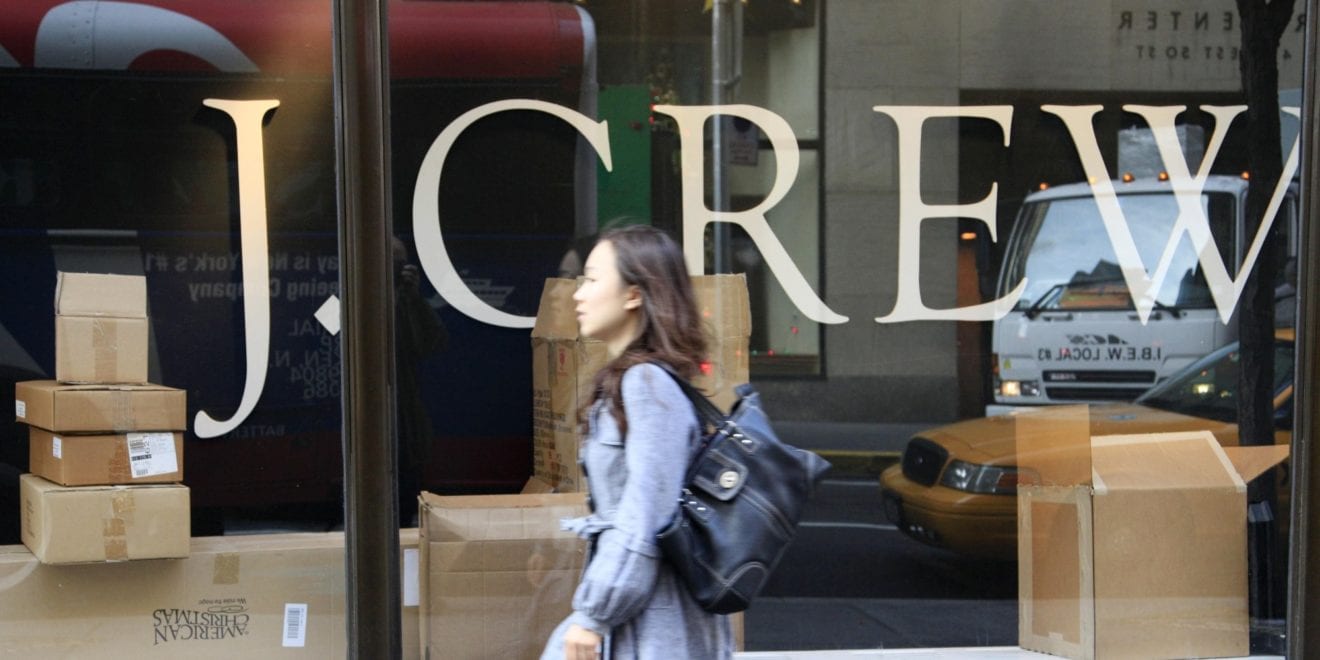
  • J.Crew’s CEO Jim Brett is leaving the firm

    J.Crew’s CEO Jim Brett is leaving the firm

    J.Crew chief executive Jim Brett is exiting the company, the retailer said, and a committee of four executives will step in to manage operations until a replacement is found. The statement said the decision had been mutual between Brett and the board of directors.

    “Returning J.Crew to its iconic status required reinventing the brand to reflect the America of today with a more expansive, more inclusive fashion concept,” said Brett. “However, despite the recent brand relaunch already showing positive results, the board and I were unable to bridge our beliefs on how to continue to evolve all aspects of the company.”

    Brett will be replaced by four executives: chief operating officer Michael Nicholson, chief experience officer Adam Brotman, chief administrative officer Lynda Markoe and Libby Wadle, president of the Madewell brand.

    Brett joined the specialty retailer in July 2017, at a time when the company was struggling with looming debt payments and declining consumer sentiment toward the brand. Over the next year and a half, he overhauled the executive team, bringing in former colleagues from West Elm — where he was CEO — and URBN — where he worked at both Anthropologie and Urban Outfitters — to revamp the brand identity and restructure the business. In 2017, the company was able to bide a bit more time to implement a turnaround, negotiating with creditors to push back the maturity of $566.5 million in debt from 2019 to 2021.

    He lowered prices, launched new brands and tried to reposition J.Crew as an inclusivity-driven, one-for-all label not so tied down by its preppy heritage, especially as it had most recently been interpreted by agenda-setting designer Jenna Lyons.

    In a sharply worded email sent to senior staffers in July 2018, he dismissed Lyons’ work, which turned polarising near the end of her tenure, while laying out his own priorities.

    “PRETTY always sells. A glen plaid jacket with a graphic tee and camouflage pants is anything BUT pretty,” he said. “The new feminist fashion movement is enjoying the POWER of femininity (see latest Dior shows) vs. the last feminist movement which was about women finding power in dressing like men. Femininity is critical — pretty is critical — femininity is powerful. These things are in starch [sic] contrast to Jenna’s masculine, sexual and overtly aggressive J. Crew.”

    While Lyons’ vision had stopped resonating with consumers, Brett’s fix was viewed by some analysts as a watering down of the product. There were too many changes at once — from the introduction of a bare-bones loyalty programme to changes in fabric suppliers to the implementation of a marketplace — all with varying impact. He also continued to discount heavily, something many of J.Crew’s competitors are trying to move away from. Talk of a decline in morale also permeated Brett’s run, with multiple corporate-level employees leaving, including one of Brett’s own hires, chief marketing officer Vanessa Holden, who recently announced her departure.

    In the second quarter of 2018, the group — which also includes Madewell — reported that same-store sales rose 1 percent from a year earlier after 15 straight quarters of decline. Star performer Madewell, which drives about a fifth of sales, saw comps jump 28 percent. Total sales at the company were $588 million, up 3 percent from the same quarter in 2017. The company still experienced a net loss of $6 million, compared to a $19 million loss during the same period last year.

    Whether the company has managed to keep up the momentum will be revealed imminently, as third-quarter earnings are expected to be released this month. The period was marked by J.Crew’s official September relaunch, including the rollout of its #meetmycrew marketing campaign. Just this past week, J. Crew launched another brand, Nevereven, which is also being sold at multi-brand retailers such as Fred Segal in Los Angeles.

    But talk of the company giving up more of its corporate office space to Facebook and Instagram — which occupies the same building — and news of a “for rent” sign in the window its popular men’s concept shop, the Liquor Store, indicates that the J.Crew is still in cost-cutting mode.

  • Bamboo Airways plans a year-end take off

    Bamboo Airways plans a year-end take off

    Bamboo Airways, Vietnam’s newest airline, is expected to make its maiden flight on Dec. 29, its founder said Friday. The first routes of the country’s fifth carrier would connect Hanoi and HCMC, and from Hanoi and HCMC to central Quy Nhon City, said Trinh Van Quyet, chairman of Vietnamese private firm FLC, the airline’s founder.

    Dang Tat Thang, Bamboo Airways general director, said the carrier has basically got itself ready for the first flight, and aircraft that it is hiring is due to arrive in Vietnam on Dec. 12.

    “It is possible that flight tickets will be on sale a month before the initial takeoff,” he said.

    Bamboo Airways finally got its long-awaited aviation license early this week.

    It is allowed to operate 10 aircraft on both domestic and international routes and to carry passengers and cargo.

    The airline plans to fly on 100 routes, connecting Vietnam’s major cities with popular domestic and international tourist destinations.

    After licensing, it needs to obtain an aircraft operator certificate and obtain permission for parking and selling tickets, which are expected to take 30-45 days from the date of license issuance.

    Bamboo Airways was founded in mid-2017 with a charter capital of VND700 billion ($30 million), which it increased to VND1.3 trillion ($55.68 million) recently.

    The airline has signed deals to buy 24 Airbus A320neo and 20 Boeing B787-9 Dreamliner aircraft worth a total of about $8.6 billion.

    The other four carriers in Vietnam currently are Vietnam Airlines, Vietjet Air, Jetstar Pacific and VASCO.

  • Fung Retailing boosts stake in reborn Toys R Us Asia

    Fung Retailing boosts stake in reborn Toys R Us Asia

    Fung Retailing has finally secured a deal to continue to operate the profitable Toys R Us Asia business. The privately owned Hong Kong business, which is separate to the listed Li & Fung, will boost its stake in Toys R Us Asia from 15 per cent to about 21 per cent, making it the retailer’s largest shareholder.

    The balance will be owned by Taj Noteholders representing a mixture of investment funds and financial institutions who have a stake in the collapsed parent company Toys R Us US.

    Toys R Us Asia has never been affected by the liquidation of the US business – it has been trading profitably under Fung Retailing direction and has even been expanding its store network while shops bearing the iconic banner have been closing in post part of the world. Last week it relaunched its store in Brunei.

    The new partnership between Fung Retailing and Taj Noteholders values the company at US$900 million.

    “This transaction is a significant step in separating the valuable and growing Toys “R” Us Asia operation from the rest of the business,” said an unidentified spokesman for Taj Noteholders in a statement.

    “The company’s growth prospects in Greater China, Japan and Southeast Asia are bright and we are excited about investing in and owning the company in partnership with Fung Retailing”.

    Pieter Schats, executive director of Fung Retailing, said that since introducing Toys R Us to Hong Kong in 1986, Fung Retailing has played an integral role in the successful growth and development of the business across Asia.

    “As a sign of the confidence we have in the management team and future success of Toys R Us in the region, we are pleased to increase our shareholding in the company, reflecting our commitment to support Toys R Us Asia in reaching new heights.”

    The company will continue to be led by its current president & CEO Andre Javes and his management team.

    Technology boost

    The new owners of Toys R Us Asia plan a “significant investment in technology” to boost the company’s infrastructure.

    “We are committed to remaining the leading specialty retailer of toy, education and baby products in Asia by driving innovation and quality through our products and services,” said Javes. “The conclusion of the sale process brings clarity to the company’s ownership and we look forward to strengthening and leveraging our partnerships with our vendors and commercial stakeholders. Our shareholders’ investment is a huge vote of confidence in our vision, our team and our winning model.”

    Toys R Us Asia operates more than 450 stores in Japan, Greater China and Southeast Asia, including Brunei, China, Hong Kong, Malaysia, Singapore, Taiwan and Thailand. It also licenses more than 85 stores in the Philippines and Macau.

  • Walmart sales goes back on track

    Walmart sales goes back on track

    US retailer Walmart has reported a 4.7 per cent increase in operating income in the third quarter to US$4.98 billion, and a 3.4 per cent increase in year-on-year comparable sales. Walmart sales for the period reached US$124.9 billion, an increase of 1.4 per cent.

    “We have momentum in the business as we execute our plan and benefit from a favourable economic environment in the US,” Walmart president and CEO Doug McMillon said in a statement.

    “We’re accelerating innovation and using technology to shape the future of retail [and] making shopping at Walmart faster and easier.”

    The retailer saw a 43 per cent increase in online sales in the quarter, largely thanks to its investment in its e-commerce business, as well as key acquisitions, according to GlobalData Retail’s MD Neil Saunders.

    “Making online work for customers has been a priority for Walmart, but the company is also conscious that online needs to deliver in terms of profitability,” Saunders said.

    “On this front, we are impressed with the experimentation on automation and the testing of various last mile solutions for grocery. We believe that Walmart has the skill, financial muscle, and the physical infrastructure to drive profitable online growth in a way that many other retailers, especially grocery players, will struggle to achieve.”

  • Dubai’s Danube Home makes debut in India

    Dubai’s Danube Home makes debut in India

    Danube Home, part of Dubai-based diversified business conglomerate Danube Group, has forayed into India by opening its first store in Hyderabad in October 2018. The brand has high hopes for the Indian market. In an exclusive interview with IMAGES Retail, Shubhojit Mahalanobis, General Manager, Danube Home says, “We see India as a country with huge potential, offering an incredible opportunity for growth. The real estate sector is at its peak in India with numerous properties, towers, communities and complexes coming up for both residential and commercial purposes. This directly contributes to a rise in demand for home furnishing products and solutions. Moreover, demonetization and GST has made operating in India much easier for international brands.”

    “Reports say India is expected to see a faster expansion of urban population consisting of aspirational millennials and middle class families with spending power that will trigger the growth in demand for affordable home furnishing products and solutions. For a brand like Danube Home that offers home furnishing products and solutions, this is a very promising time to enter the country,” he adds.

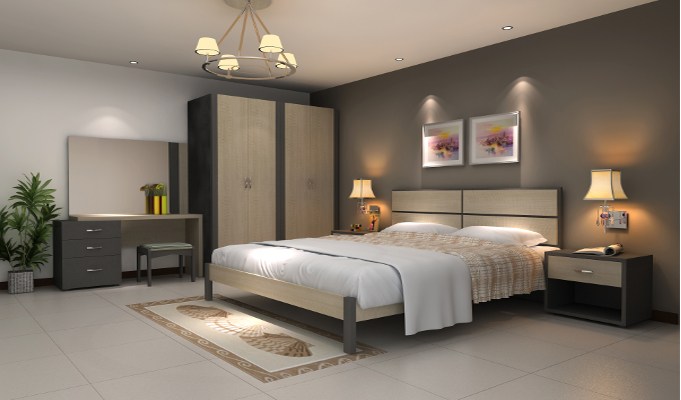
    Danube Home, which will be sourcing 30 percent from India to complement the government’s initiatives, has done an extensive study on Indian consumers, their buying behaviours, color and lifestyle patterns. Based on the research, the store that spans across 60,000 sq. ft offers more than 20,000 products under one roof targeting the middle and upper-middle segment of pyramid.

    The USP

    The Danube Home store in Hyderabad has all the key features and benefits that global consumers are experiencing across the Middle East. However, its India product portfolio will be a lot different from the Middle Eastern market.

    “We have handpicked collections to cater to the well-travelled modern Indian consumer with products from various parts of the world such as US, Netherlands, Spain, Italy, Russia, Malaysia, Turkey, Egypt, UK and China, to name a few, giving customers a great opportunity to shop the best quality products at value for money price,” states Mahalanobis.

    “In addition to this, customers will enjoy free interior designing services and seamless payment solutions with consumer financing options,” he states. These key features ensures 90 percent of repeat customers.

    Danube Home, which starts as an online player and plans to go Omnichannel eventually as traction picks up, aims to offer complete home solutions, for instance other brands who sell sofa or beds do not sell wall paper or customized curtains, but Danube offers end-to-end solutions that include everything from outdoor furniture to sanitary ware.

    “We focus a lot on our customer service standards and ensure both pre and post sales is a memorable experience which is why we have been awarded the No. 1 furniture retailer by the Dubai Government. We have a dedicated post sales team that makes direct calls to ensure everything goes smoothly post sales. This is an important step of the whole brand experience,” explains Mahalanobis.

    Their customers also experience Augmented Reality, Virtual Reality, Online Seamless Shopping and many new technologies that Danube offers in its markets abroad. Customers will also be able to walk through their dream home in Virtual Reality.

    “Danube Home offers global quality products at local price. We source our products from across the world and design our collections looking at customers behaviour and needs. Gradually, the Indian consumers shall experience various innovative and engaging little touches which we hope will be unique to us. That is what the brand is all about,” he adds.

    Marketing Plans

    As far as marketing plans of the brand is concerned, Danube Home has mixed conventional and unconventional mediums to connect with the brand’s ethnicity. The brand has taken the ATL, BTL, social and guerrilla marketing routes.

    “We have added fun, interactive elements and image build up activities. We are targeting middle class and upper middle class millennials, double income no kids section and nuclear families. Our key focus remains with builders, architects and the designers’ segment, who shall be amazed to see our collection and price offerings for their projects,” says Mahalanobis.

    The brand will be using all the mediums – print, TV and online – to advertise itself in India to get the maximum ROI.
     
    Human Resources

    Besides, the entry of the brand in the Indian market will not only create 1,500 direct jobs, but also support local industries that will benefit from the supply chain as it will deepen, sourcing products from every nook and corner of India.

    “This will also help us to create a greater demand for Indian designed home décor and home furnishing products and export them to other markets – such as the GCC – where we have a strong presence,” states Mahalanobis.

    Each store of the brand will employ around 85-100 direct employees and 50 indirect employees, logistics department will have 50-75 employees during the initial days and gradually with the increase in strength of stores, the count will also increase.

    “We hire the best from the industry, train them rigorously sharpen their skills aggressively and keep them motivated for a long period of time to deliver great results. The India team will also experience our team bonding and training methods, and hopefully, they will also deliver miraculous results,” he says.

    The brand believes in flexible work culture driven only by performance based rewarding, empowering the team and giving them enough freedom to bring success.

    Apart from this, Danube Home has a plethora of employee engagement activities like multiple outbound training programs at various levels, product launches at off-sites involving the power sellers, runs reward programs and engage in healthy competition atmosphere within each peer group.

    Future Plans
     
    Danube Home plans to set up 10 large format showrooms, a large logistics hub, transport network and associated facilities in the next 5 years.

    “We have identified potential locations across the North and South Indian States. Once the properties are signed, the plan would be disclosed,” says Mahalanobis.

    The average store size in India will be between 40,000 – 50,000 sq. ft depending upon the space and layout of the store. Depending upon the size of each store, average investment per store will be Rs 40 crore. The brand is already in talks with few big mall developers and hopes to partner with them for aggressive pan India expansion.

    “We target to grow 15 percent like-for-like each year for the initial 5 years. We don’t want to be bullish about the growth unless we settle down and understand the market deeply,” he concludes.

  • Nutella Cafe Opens in Union Square, NY

    Nutella Cafe Opens in Union Square, NY

    Confectionery giant Ferrero opened a permanent Nutella Cafe in the heart of New York City this week. The cafe, the brand’s second in the US after its debut in Chicago last year, is designed to create “an authentic Nutella experience all year-round” with a menu of Nutella-centric foods and specialty espresso beverages.

    “We are thrilled to celebrate the grand opening of Nutella Cafe New York in one of the greatest culinary cities in the world,” said Rick Fossali, VP of operations at Nutella Cafe. “The response to our first Nutella Cafe in Chicago has been outstanding, and we cannot wait to treat New Yorkers and tourists alike to a wonderfully delicious Nutella experience showcasing the uniqueness and versatility of this beloved product.”

    The menu at the Nutella Cafe New York will include all-day dishes such as freshly baked breads, pastries, breakfast specials, desserts and gelato – all featuring Nutella hazelnut spread.

    Highlights include Chicago favourites like the Pound Cake Panzanella and Grilled Baguette, along with several items which are exclusive to the New York location: Hazelnut Blondies with Nutella hazelnut spread; multi-grain Piccolino (“little one” in Italian) freshly baked croissants; Grilled Banana Bread with Nutella, warmed and topped with fresh banana slices and toasted hazelnuts; Chia and Hemp seed pudding, topped with Nutella and fresh banana slices; Frozen Nutella Pops and a “Create Your Own” station that allows customers to pick their favourite base with Nutella and customise it with their own choice of fillings and toppings.

    Nutella Cafe New York is located at 116 University Place, a stone’s-throw from Union Square.

    Nutella was created in 1964 by Michele Ferrero, based on the recipe for Giandujot developed in 1946 by his father, Pietro Ferrero – a confectioner and the founder of Ferrero – in Italy’s Piedmont area. These days it is sold in more than 170 countries.

  • High tech Nike NYC store opens

    High tech Nike NYC store opens

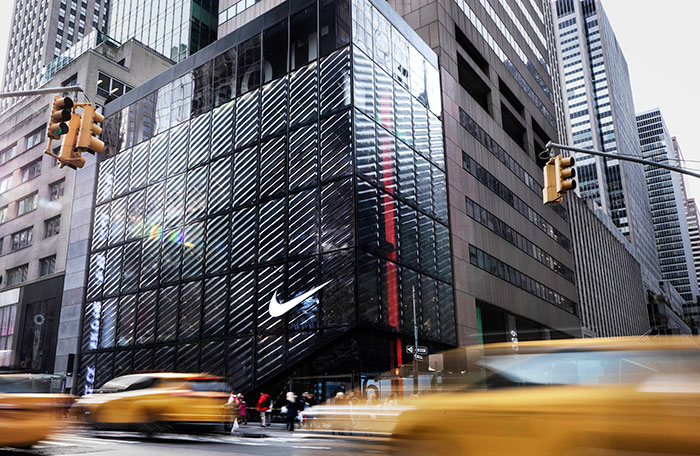
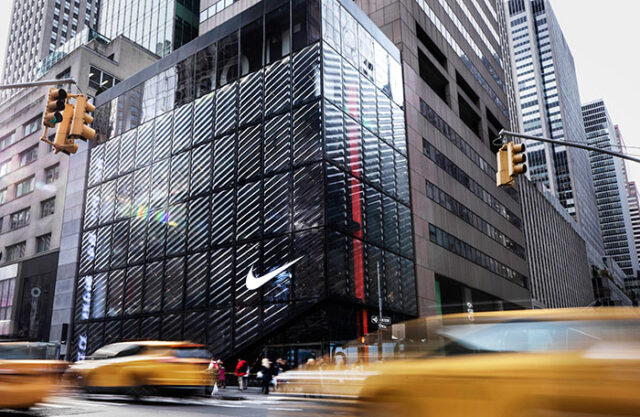
    Nike opened its newest Nike House of Innovation overnight, a 68,000sqft, six-storey store on Fifth Avenue.

    Nike NYC is described by the sportswear brand as a cross-category premium store, “the pinnacle expression of modern retail, representing the best of Nike global product, experiences and sport innovation”.

    “Nike NYC is designed to be a dynamic store environment, that is just as personal and responsive as digital,” said Heidi O’Neill, Nike Direct president. “This premium destination gives consumers an authentic, immersive and human connection to the Nike Brand.”

    The store is packed with technology, interactive experiential features and zones for both professional athletes and amateurs.

    Nike NYC uses the Nike App to create digitally connected journeys for consumers to discover, learn about and find the products they want quickly and easily. New and expanded Nike App in-store features include Shop the Look, Instant Checkout and updated functionalities with Scan to Try which the company says will give consumers greater opportunity to shop in-store displays, checkout in-store or request to try-on items throughout the store.

    The store is planned as something of a testbed for Nike’s digital service offerings which will “continue to evolve … giving NikePlus members even more choice in their shopping journey”.

    “Powered by digital commerce data and inspired by Nike’s newest retail concept, Nike Live, the ground floor of Nike NYC features the new Speed Shop – offering on-the-go access to the products local members know and love most,” the company said.

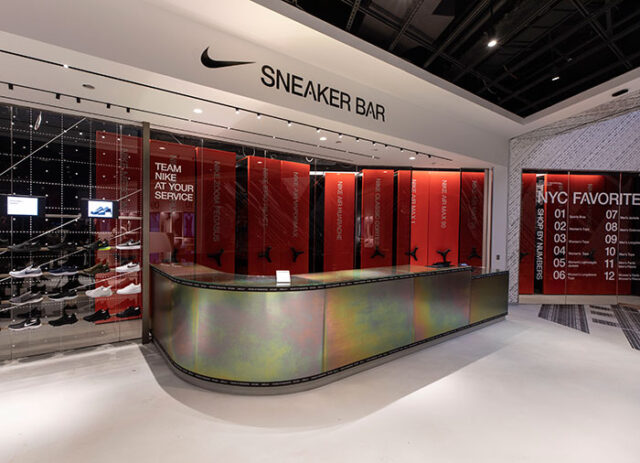
    Consumers can shop these curated New York City favourites alongside seasonal picks, visit the Nike Sneaker Bar or reserve items in the Nike App and pick them up in the Speed Shop digital lockers.

    On the fifth-floor is the Nike Expert Studio – the company’s first dedicated floor to provide even more personal service to NikePlus members, including bookable sessions with Nike Experts and the Nike by You Studio, offering members-only exclusive seasonal products, one-on-one styling sessions and even create personalised products.

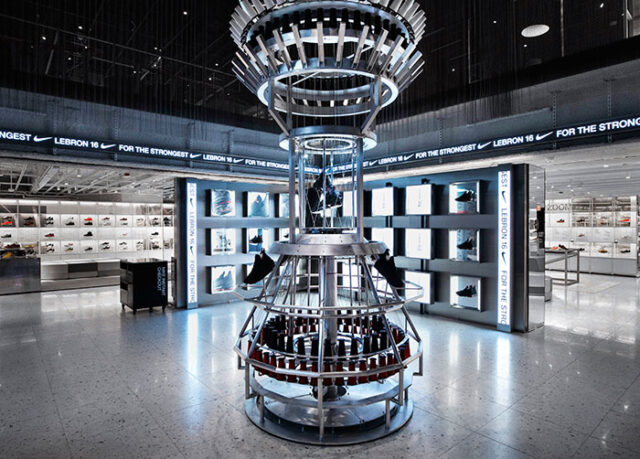
    Nike NYC features separate product floors for men, women and kids. On the fourth floor is the Nike Sneaker Lab, billed as home to the largest concentration of seasonally current Nike footwear anywhere in the world.

    The entrance to the store – dubbed the Nike Arena – showcases the most immersive seasonal and sport-inspired storytelling moments from the brand.

    The store’s exterior features slumped and carved glass designed to “reflect and create motion that mirrors the movement of athletes”, elevates the Nike Swoosh logo and reflects “the iconic aesthetic of Nike Air”.

    Technology at Nike NYC

    Here’s a quick rundown of the new and existing technology featuring in the new flagship:

    Shop the Look: By scanning a QR code on an in-store mannequin, consumers can browse every single item on the mannequin, check to see if their size is available in-store or online and see available colours. Then with just a tap, they can request for select products to be sent to a fitting room of their choice or receive the items from a store athlete at a designated pick-up spot.

    Nike Instant Checkout: Using Nike Scan, NikePlus members can skip the line and easily checkout from within their Nike App using stored or new payment methods. Members can scan the product(s) of their choice, check out like a traditional Nike App purchase and receive their payment receipt within the app. Nike Instant Checkout stations are positioned throughout Nike NYC so that shoppers can fold and bag products if they choose before leaving the store.

    Nike Scan to Try: While this technology was released earlier this year it has now been refined and expanded. After discovering any product in the store and scanning the item to learn more, shoppers can now simply tap “request to try-on” for various items. Requested products can then be collected at designated pick-up areas in Nike NYC, or they can be reserved to a fitting room location of the consumer’s choice.

    Nike Reserve: Using the Nike App, NikePlus members can reserve product at home to pick up in store. They can shop the product they want in the Nike App and then complete their purchase with an in-store athlete or with Nike Instant Checkout.

    Retail Home: When entering Nike NYC, members will gain access to an array of new features and content via their Nike App homepage.

    NikePlus Unlocks: NikePlus Member Unlocks are delivered through the Nike App to reward the best of Nike product, to deliver immersive brand experiences, to award activity achievements and to share partner rewards with members. Member Unlocks can be given directly from a Nike Expert in-store or targeted to consumers based on their sport and style interests. Select Member Unlocks may also be delivered to consumers outside of Nike NYC, which they can redeem in-store with an athlete.

    Product Concierge: If a product is unavailable in Nike NYC, an in-store staff member can search inventory across the entire marketplace – online or offline in Nike-owned stores, as well as its reseller network. If found, and available to ship or reserve, customers can have the item held at a local store or have it delivered. This service will be exclusively available on the fifth floor Nike Expert Studio Service Desk.

  • SK unit to supply batteries to VW

    SK unit to supply batteries to VW

    SK Innovation is supplying electric car batteries to Volkswagen Group along with existing suppliers LG Chem and Samsung SDI, the Korean battery maker said Wednesday. The Volkswagen Group brands plan to launch 50 new fully electric models by 2025, and the group said it needs more battery supplies in a statement Tuesday. SK Innovation was the last of the four battery suppliers selected by the carmaker.

    SK Innovation will start supplying batteries to Volkswagen cars in Europe from 2019. LG Chem and Samsung SDI are also strategic partners in the auto company’s European operations.

    From 2022, SK Innovation will also supply batteries for the North American market.

    The group’s electric car production in China will source batteries from Chinese partner Contemporary Amperex Technology (CATL) from 2019.

    SK Group’s battery arm is planning on covering Volkswagen orders by setting up new facilities in Europe and the United States. Currently, the company is mulling three locations in the United States, it said, without giving details about the production capacity or the amount of investment. As for its newly-planned European plant, the company said it is considering multiple locations including Hungary, where it is already building a plant.

    When all planned factories are in place, SK Innovation’s battery production capacity will increase to 20 gigawatt-hours per year by 2022, the company said. Despite being a latecomer to the market, SK Innovation has been rapidly expanding its battery business. Daimler and Kia Motors are also using SK batteries.

    Its share of this year’s global battery market, excluding China, was 2.2 percent based on accumulated battery sales through the end of September, according to data from market tracker SNE Research, growing from 1.4 percent the same period last year.

    LG Chem is still the largest local player, with a 17.5 percent market share, followed by Samsung SDI, with an 8.2 percent market share.

    “With SK Innovation, LG Chem, Samsung and CATL, we have found strong partners for the long-term supply of cells for our electric vehicles,” said Stefan Sommer, a Volkswagen board member responsible for components and procurement.

  • Macy’s partnering with Facebook to bring e-commerce brands to stores

    Macy’s partnering with Facebook to bring e-commerce brands to stores

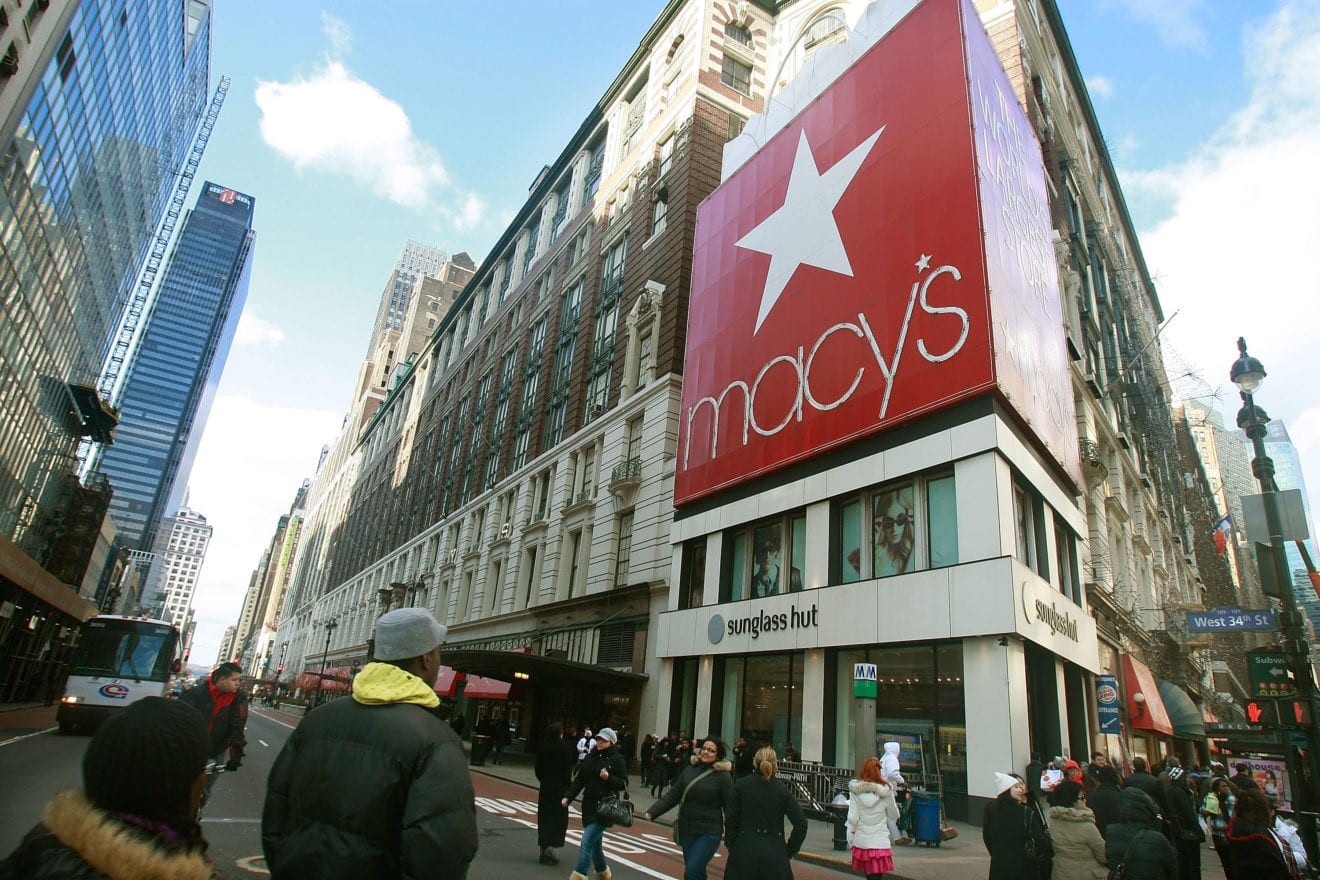
    US department store retailer Macy’s has teamed up with Facebook to bring 150 e-commerce brands and digital native brands on Facebook and Instagram into its retail stores ahead of the holidays.

    Macy’s has launched The Market @ Macy’s, a pop-up marketplace concept that curates more than a hundred brands on a two-week rotation at nine Macy’s stores for the holiday season. The company will add more locations towards the end of the month. The brands range from apparel, accessories and beauty to home decor, technology and more.

    The Market @ Macy’s is just one of several experiential concepts the retailer has rolled out to drive in-store traffic. The company recently announced plans to use virtual reality to boost furniture sales. It will pilot the experience in two of its stores by the end of November.

    According to GlobalData, the department store chain is showing signs of recovery. Macy’s recently reported good sales numbers in the quarter and a growing number of people say they plan to visit the stores, suggesting the retailer is succeeding in creating stronger appeal.

    Macy’s yesterday posted healthy sales growth for the quarter ending November 3 with same-store sales seeing a 3.1 per cent increase. Including licensed departments, the figure increased 3.3 per cent.

    Total sales rose 2.3 per cent to US$5.4 billion. Net income more than doubled to US$62 million from US$30 million a year earlier, boosted by asset sales, higher credit income and lower taxes.

    Company CEO Jeff Gennette said the recently improved results showed that turnaround plans are working.

    The department store chain has been investing in a group of stores it calls ‘magnets’, adding new lighting, fixtures, a better assortment of merchandising and technological innovations to its locations, while experimenting on shrinking other less promising stores.

  • Lazada’s CEO jumps to Vestiaire Collective

    Lazada’s CEO jumps to Vestiaire Collective

    Vestiaire Collective, the global resale site for authenticated pre-owned luxury and premium fashion, has announced the appointment of Maximilian Bittner as CEO.He will succeed Sébastien Fabre, the co-founder of Vestiaire Collective, from January 1, 2019 in Paris, where the core team is located.

    Sébastien Fabre will remain a Director of the Company and will continue to play a key role in defining Vestiaire Collective’s strategy.

    Maximilian Bittner was chosen to build Vestiaire Collective’s growth and international expansion.

    At 39 years old, he was, until March 2018, Founder and CEO of Lazada Group, one of Southeast Asia’s leading ecommerce company.

    Launched in 2012, the company is present in Indonesia, Malaysia, Philippines,  Singapore, Thailand and Vietnam and offers exposure and market access to over 155,000 merchants, 3,000 brands and 300 million SKUs and reaches over 560 million potential customers in the region.

    Alibaba Group acquired majority ownership of Lazada Group over 2016 and 2017.

    The company’s latest valuation was USD 3.15 billion.

    Maximilian began his career at Morgan Stanley’s Investment Banking division in London prior to joining McKinsey & Company and then Rocket Internet in Germany.

    He graduated with a degree in Economics and History from the University College of London and holds an MBA from the Kellogg School of Management.

  • LG seeks AI, robotics, big data talent in Silicon Valley

    LG seeks AI, robotics, big data talent in Silicon Valley

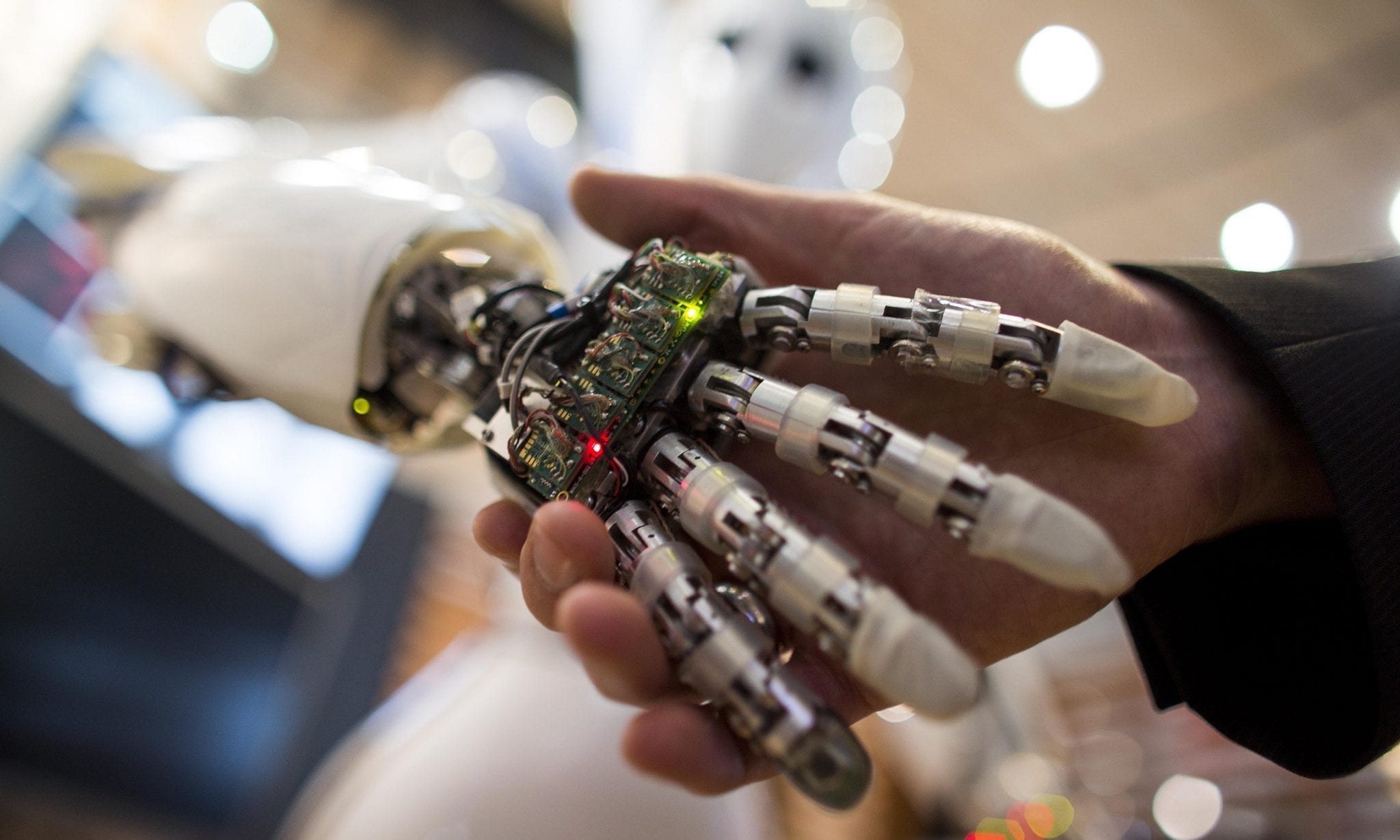
    LG Electronics Vice Chairman Jo Seong-jin will be in Silicon Valley on Nov. 14 scouting employees with expertise in future technologies such as artificial intelligence, robotics, big data and the cloud. He will meet with job candidates – mostly those with doctoral degrees in the areas of interest – and introduce LG’s vision for growth and plans to staff up in research and development. He will then meet with academics focused on artificial intelligence, including professors at Stanford University, to discuss technological trends and future prospects in the field, according to LG.

    Jo will also visit San Diego, San Jose and Seattle to meet with corporate leaders in IT, finance and consumer goods to discuss the company’s blueprint for the future.

    “LG must hire global talent to become a leader in future businesses based on artificial intelligence, big data and the cloud,” Jo was quoted as saying by LG in a release.

    LG will continue investing in leading companies and cooperating with other businesses in related fields, he added.

    Inaugurated as chief executive of LG Electronics in 2016, Jo has been outspoken about the company’s future in artificial intelligence.

    Delivering a keynote speech at the opening of the IFA tech fair in Berlin in August, he said LG will be “pouring the company’s resources into artificial intelligence,” given that the technology will determine LG’s future.

    LG launched an artificial intelligence research center in June. It is led by the company’s chief technology officer and devoted to voice, video and bio recognition as well as deep-learning algorithms.

    Earlier this year, the country’s second-largest electronics appliance producer established another center connected to LG’s Silicon Valley lab. It is focused on deep learning and automobile technologies.

  • Tumi boosts Samsonite sales growth

    Tumi boosts Samsonite sales growth

    Rapid Tumi expansion is powering solid sales growth for Hong Kong-listed luggage specialist Samsonite International. Group sales rose 5.2 per cent in the third quarter to US$945.2 million, with sales in Asia up 7.2 per cent to $324.2 million. Global sales for the first nine months were up 10.1 per cent.

    The company says the Asian sales growth was primarily driven by the Tumi, American Tourister, Kamiliant and High Sierra brands. Tumi sales in Asia surged 27.7 per cent year-on-year, driven by expansion in key Asian markets. Kamiliant, the group’s value-conscious, entry level brand, saw net sales increase by 31.8 per cent as the brand continued to gain market share, while the High Sierra and American Tourister brands grew by 22.2 per cent and 3.6 per cent respectively.

    In Japan, sales grew 12.5 per cent in the third quarter, driven by the Tumi and Samsonite brands.

    Net sales in Hong Kong increased by 23.5 per cent, driven by increased net sales from the Tumi and American Tourister brands, however Mainland China net sales decreased by 3.2 per cent due to weak consumer sentiment amid concerns about trade relations and a decrease in business-to-business orders. Excluding business-to-business orders for both periods, net sales in China increased by 4.1 per cent.

    The Samsonite, American Tourister and Kamiliant brands drove a net sales increase of 28.6 per cent in India. Sales in South Korea decreased by 4.1 per cent due to “continued challenging domestic market conditions”.

    CEO Kyle Gendreau said the group was pleased with the third quarter results and especially its continued progress in Asia.

    Sales in Europe rose 10 per cent and in Latin America by 13.4 per cent.

    Profit attributable to shareholders during the third quarter rose by $18.9 million, or 33.3 per cent, to $75.5 million, driven by a reduction in the group’s income tax expenses. For the nine months ended September 30, profit attributable to shareholders, excluding a non-cash charge to write-off the $53.3 million of deferred financing costs, increased by $42.9 million, or 30.6 per cent.

    Gendreau said the company is excited about the opportunities ahead, despite global concerns about the US-Sino trade war and subdued consumer sentiment in many markets.

    “With consumers still showing a strong propensity for travel, our industry continues to enjoy favorable long-term growth prospects. We will continue to invest in marketing, product innovation and development of our distribution channels, including direct to consumer. We are confident that we can continue to leverage our strong, diversified portfolio of brands to expand our global presence.”

  • Burger King cancelled IPO plan

    Burger King cancelled IPO plan

    TFI TAB Food Investments, the exclusive operator of Burger King in the Turkish and Chinese markets, has withdrawn its expected US$220 million IPO in the US. Citing market volatility, TFI TAB withdrew the filing nine months after postponing the Burger King IPO following instabilities in Wall Street trading. The filing had already been scaled back from an initial ask of $400 million, offering 22 million shares for between $9–11. Plans were to use raised funds to pay off debts and for general business purposes.

    The Istanbul-based firm is the world’s largest Burger King franchise, operating 1822 locations – of which 766 are within China.

    According to the firm, “moving into China was bold. We entered this huge and vastly different market later than our competitors. We and our partners invested significant upfront capital as we signed on as the exclusive master franchisee and developer for Burger King in China.”

    In a  statement on the withdrawal the company said it would continue to evaluate the timing for a  Burger king IPO “as market conditions develop”.