Tag: International

  • Retailers attack ‘unfair’ Apple South Korea practices

    Retailers attack ‘unfair’ Apple South Korea practices

    Apple South Korea is under fire from retailers, accused of using unfair commercial practices. South Korean retailers have joined forces to confront Apple’s continuous “gapjil” — a uniquely Korean term referring to the abuse of power by someone against a person in a weaker position — that has put an increasing financial burden on their operations.

    The Korea Mobile Distribution Association has claimed in a statement that Apple South Korea had habitually forced local dealers to buy the iPhone maker’s new models for demonstration or demo phones, as opposed to other brands’ practices, putting an increasing financial burden on them, and that “they cannot stand it anymore”.

    The retailers say they had no choice but to accept Apple’s overbearing demands, since the popular iPhone’s position in the market makes it difficult to ignore, to say the least.

    It is reported that the retailers had to buy Apple’s new models including the iPhone XS, iPhone XS Max and iPhone XR, but having to buy too many new models in a short period of time and the “exorbitant prices” of the new phones resulted in a significant financial burden.

    According to the KMDA, most mobile phone manufacturers offer their new models for demonstration for free, and collect them when newer models are released. Apple, however, has imposed additional conditions regarding the brand’s new model promotion: forcing retailers to pay for the manufacturing cost of phone stands, and determining where the stands and promotional posters will be placed in stores, according to local retailers.

    Domestic mobile carriers are no exception to Apple’s overbearing position. Industry watchers say local carriers had to shoulder advertising expenses aimed to promote Apple’s new lineup. Even the costs of subsidy plans and repair fees for Apple’s phones tend to be covered by mobile carriers.

    The Fair Trade Commission ruled that Apple South Korea’s sales practices were in violation of local competition laws, and sent a review report to the iPhone maker that indicates the corresponding fines and required measures to address the company’s anticompetitive behavior. Apple has yet to respond.

  • Victoria Beckham signed eyewear license deal with Marchon Eyewear

    Victoria Beckham signed eyewear license deal with Marchon Eyewear

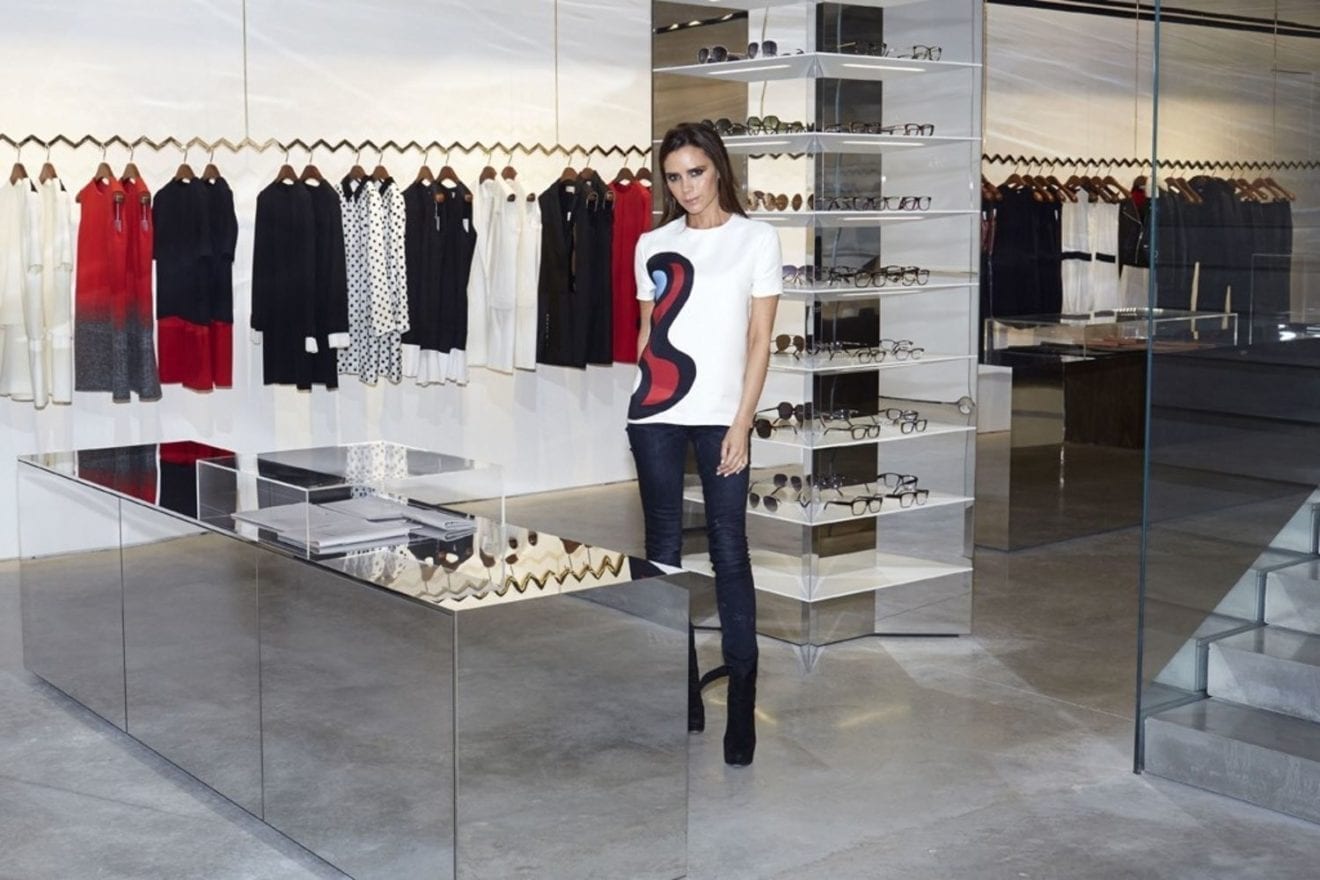
    Marchon Eyewear and Victoria Beckham Ltd have entered into an exclusive, long-term global licensing agreement for sun and optical eyewear. New collections developed under the agreement will roll out globally beginning Fall next year. The collections will be developed in Italy to align with Victoria Beckham’s brand aesthetic. Paolo Riva, CEO of Victoria Beckham Ltd, said the new partnership with Marchon comes “as we work towards reaching our global potential and expanding the brand following a series of strategic partnerships and appointments since our new shareholders Neo Investment Partners joined the business at the end of last year”.

    “Eyewear is synonymous with our founder and this license will allow us to scale our presence in the eyewear retail market and capitalise on Marchon’s technical innovation, expertise in product development and global distribution network.”

    President and CEO of Marchon Eyewear Nicola Zotta added: “We believe that the Victoria Beckham brand is on the rise and quickly becoming one of the most influential in the industry. We are committed to the success of this partnership and look forward to producing eyewear that characterises the brand’s trend-forward designs and contributing to the brand’s continued global growth.”

    The new line is planned to be sold globally in select department stores, specialty stores, and premium sun and optical retailers, as well as in Victoria Beckham retail locations and online at victoriabeckham.com.

  • Vingroup to invest in Hanoi smart electronics plant

    Vingroup to invest in Hanoi smart electronics plant

    Vingroup is expected to invest VND1.2 trillion ($51.38 million) in a “Smart Electronics Factory” that will produce smartphones as its first products next year. The project, expected to be operational by the second quarter of 2019, is the first one to be implemented under a cooperation agreement between the Hoa Lac Hi-Tech Park (Hoa Lac HTP) Management Board and Vietnam’s biggest private conglomerate Vingroup.

    According to the agreement, in the period 2018-2020 looking towards 2025, Vingroup will focus its investments on hi-tech manufacturing in the Hoa Lac HTP.

    The corporation will invest in research and development, advanced technology, software, hi-tech industrial manufacturing, housing development, commerce and services in Hoa Lac.

    The first project to be implemented under the agreement will be a “Smart Electronics Factory” in Hoa Lac. Construction will begin as soon as the group’s investment plan is approved by competent authorities.

    The factory will be built on an area of five hectares. Once operational, it is expected to produce 3- 4 million smart electronics products a year, supplying both domestic and international markets.

    Nguyen Viet Quang, vice president and CEO of Vingroup, said that smartphones will be the factory’s first product to debut in the market.

    Minister of Science and Technology Chu Ngoc Anh said the Hoa Lac Hi-Tech Management Board is improving the HTP’s infrastructure, providing the best conditions for investment, and creating a legal corridor to facilitate businesses.

    These efforts are aimed at developing the Hoa Lac Hi-Tech Park into a smart-technology city, he said.

    There are 87 investment licensed projects in Hoa Lac at present with total capital amounting to approximately VND78 trillion ($3.34 billion).

    In 2018 alone, Hoa Lac has welcomed 10 licensed projects with a total registered capital of VND15.86 trillion ($678.74 million).

  • Dolce & Gabbana Sparks Racism Backlash With Chinese Ad

    Dolce & Gabbana Sparks Racism Backlash With Chinese Ad

    Italian luxury retailer Dolce & Gabbana is facing a growing backlash in China after an ad campaign that was meant to promote the brand in arguably its most valuable market has been decried as racist.

    Amidst growing calls to boycott the brand on Chinese social media, popular e-commerce sites, including Alibaba’s Tmall and JD.com, have seemingly removed listings for Dolce & Gabbana products. Searches for the brand on those sites at the time of this writing returned no results. NetEase’s Kaola said that it had taken down the brand’s listings.

    The growing backlash forced the brand to postpone a fashion show in Shanghai just hours before it was set to take place on Wednesday, after models and celebrities reportedly said they would not attend the event. Dolce & Gabbana’s ambassadors in the region, Karry Wang and Dilraba Dilmurat, who is of Uigher ethnicity, have ended their contracts with the company.

    The uproar follows the publication of a series of ads on Chinese social media platform Weibo earlier this week, featuring a young Chinese woman attempting and failing to eat traditional Italian food, such as pasta, pizza and a cannoli, with chopsticks. The ads were released as part of the brand’s #DGLovesChina campaign ahead of the scheduled fashion show in Shanghai, but critics decried the videos as playing on racist stereotypes. The ads are still visible on Dolce & Gabbana’s Instagram page.

    The controversy was made worse after screenshots of direct messages purportedly from founder Stefano Gabbana’s Instagram account were leaked, showing offensive comments about China and Chinese people. Both Gabbana and the brand have denied that the messages were sent by the Italian designer, saying the accounts were hacked, but many have expressed scepticism, given Gabbana’s track record of getting into verbal spats on social media.

    “I love China and the Chinese culture. I’m so sorry for what happened,” Gabbana wrote in an Instagram post that asserted his account was hacked.

    The boycott is especially troubling, since China is such a crucial market for luxury retailers. A 2017 McKinsey report found that Chinese consumers account for nearly a third of the global luxury market, spending RMB 500 billion (approximately $99 billion) annually. The consulting firm expects Chinese consumers to account for the majority of the growth in the global luxury goods market in the coming years, and by 2025, the country is forecast to make up 44 per cent of the total global market.

    At the same time, McKinsey said that Chinese luxury consumers increasingly rely on word of mouth from friends and family to make purchase decisions, even more than the in-store experience. This creates treacherous terrain for global luxury brands, and Dolce & Gabbana is not the only one to have made a culturally insensitive or simply out-of-touch decision, causing offense in its most valuable market.

    Ikea, among many other brands, has faced criticism for listing Taiwan as a separate country on its packaging or website, while Mercedes-Benz ran into problems for quoting the Dalai Lama in an ad campaign. China considers the spiritual leader to be a dangerous voice for separatism in Tibet.

  • DHL Delivers Black Friday, Cyber Monday and 2018 Holiday Season

    DHL Delivers Black Friday, Cyber Monday and 2018 Holiday Season

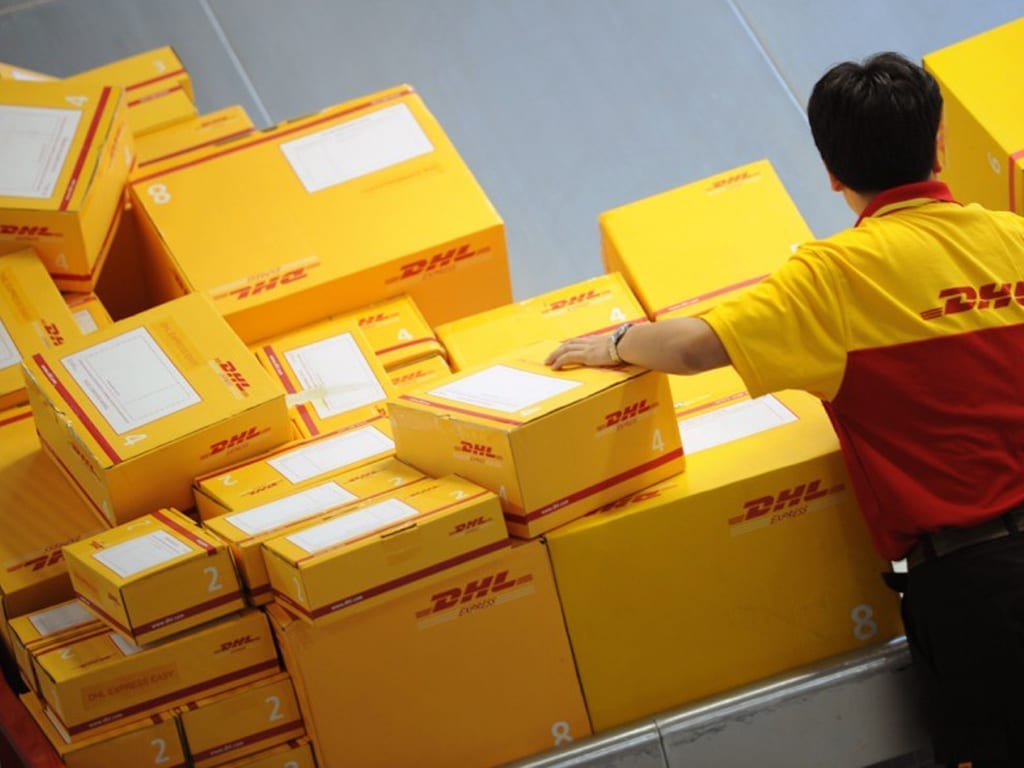
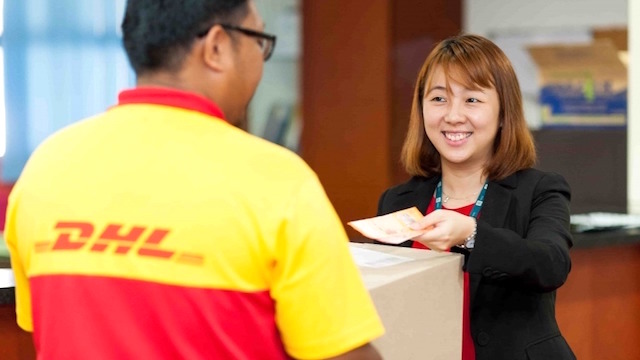
    DHL, the world’s leading logistics company, is ready to deliver Black Friday, Cyber Monday and the 2018 holiday season as e-commerce continues to boom. As the only logistics company with services and capabilities to link the entire e-commerce supply chain, the DHL divisions operating in the United States can expect to handle up to 40% more volume in the peak season versus the rest of the year.

    U.S. retailers are preparing for another record holiday shopping spree, growing more than 4% with total sales predicted to top USD 1.002 trillion this Christmas season1, boosted by promotions such as Black Friday and Cyber Monday. Online sales are expected to accelerate at an even faster clip, growing nearly 17% from last year.

    To boost productivity and meet the surge in volume, DHL is adding more automation and bringing innovative technologies including using collaborative robots in fulfillment centers that help staffers gather the products needed to fill online orders more efficiently, introducing chatbots to answer customer questions more rapidly and adding more automation to its distribution centers to quickly sort and get parcels ready for delivery.

    In New York, DHL couriers will be collecting packages from automated delivery depots and beating the traffic to get them to customers’ doorsteps.

    Says Greg Hewitt, CEO for DHL Express U.S.: “We define peak as the period right after Thanksgiving through to Christmas. We really see volumes go up around the globe at this time. In the U.S., our busiest day of the year for outbound shipments is November 26 – Cyber Monday. Our busiest inbound day will be December 17 – the last Monday before Christmas.

    To ensure shipments arrive on time, Hewitt says, “First think about your product and how to protect it. Ensure you have the right packaging to move through our network. Next, ensure that your staff is accurately portraying content on the shipment’s commercial paperwork and declaring the proper value – if you don’t know how to do this, ask someone in our team. Most importantly, plan early and ship early, in order to beat potential delays due to weather or customs hold-ups. The assurance we can provide is, if it gets to our stations by December 24th, we’ll deliver it. We don’t close our doors until every package is out and on its way to the final destination.”

    DHL eCommerce’s new automated distribution center in northern New Jersey, one of the company’s 19 distribution centers along with three fulfillment centers in the U.S., provides the last mile delivery solution for online retailers. For these merchants, logistics is the back-end support that provides a significant part of the consumer experience. The new center will be launched at the end of the month.

    Says Lee Spratt, CEO for DHL eCommerce Americas: “This season will probably be stronger than 2017. The market is growing at 10-15%. I expect a minimum of 10% growth on peak volumes vs. last year, but wouldn’t be surprised to see it hit 20%. The peaks are Black Friday and Cyber Monday – around these days we see a dramatic increase in orders. The volumes usually show up on the Saturday and Tuesday directly after these days. This is when we need the highest amount of labor in our facilities and our operations at full power. Consumer expectations are high – they want to receive their orders just as on any other shopping day – and this is a defining moment for many retailers in winning and retaining business, so it’s critical that delivery providers meet their commitments.”

    At Chicago’s O’Hare International Airport and John F. Kennedy International Airport in New York, DHL Express workers will be loading American goods onto pallets and freighters for export to consumers in Asia and Europe.

    Says Mike Parra, DHL Express Americas CEO: “Many of our customers are shipping to the UK, Australia and China. These are key trade lanes, but the rest of the world is still important. A large portion of our growth is now coming from e-commerce and our fast-growing retail channel. In line with the growth we’re seeing over the first and final mile, we’ve made recent investments, for example, in expanded facilities in Tucson, Arizona, Ontario, California, and Baltimore, Maryland. We’ve also invested in air capacity – our customers want speed to market for their own customers, so we have invested in new flights to Vancouver, Lima and Bogota.

    “To improve the customer experience, we are also looking at more automation in our facilities, robotic process automation for customs clearance and billing, and chatbots and voice assistants. These enhance the end-to-end customer service experience. You can now opt to speak to someone live or to go through one of our tools that is integrated with Alexa, WhatsApp and other applications to find your package or get other information from DHL Express.”

    At the Port of Miami, DHL staff will be supervising the offload of containers filled with consumer goods from trading partners around the world.

    Says David Goldberg, CEO for DHL Global Forwarding U.S.: “The peak season usually starts a bit earlier for the forwarding industry, as customers reposition inventory to their fulfillment centers in the U.S. ahead of time in consolidated freight consignments. Last year, we saw an extremely strong peak in the fourth quarter, with a capacity crunch in air freight and ocean freight, and rates going up by more than 100% versus previous months. Now, with the tariffs, inventory is getting pushed forward, so the peak has started even earlier and become more elongated. We are seeing tight capacity in transpacific ocean freight, in particular, which is one of the main trade lanes during the holiday season. And air freight capacity has tightened in recent weeks. Both capacity and rates are tight overall.”

    And in Columbus, Ohio, DHL warehouse associates will be working with several innovative technologies that help them make sure that the right products are in every order and get them on the road well in time for Santa’s visit. Vision Picking is among the technologies that DHL is using. These “smart glasses” are an augmented reality tool that provides staff in warehouses with the location of products needed to fill orders; helps reduce pick time and increase order picking accuracy thus providing productivity increases of up to 10%. It also helps reduce employee training time.

    DHL is also working with collaborative robots which can see, move, and work alongside people. Made by Locus Robotics, LocusBots are used in e-commerce fulfillment operations, helping staffers locate products for orders and ferrying them from warehouse aisles to the shipment prep area. With the bots, order pickers don’t have to push carts or carry heavy bins. LocusBots are used in several DHL warehouses.

    Says Scott Sureddin, CEO for DHL Supply Chain North America: “The expectation of next-day or 2-day delivery is compressing order cycle times and challenging everyone in the supply chain to become more efficient and adaptable to change. The first thing our e-commerce customers want is quality and operational excellence with a continuous improvement culture. They also want experts who are leaders with emerging technologies, who can help them to find ways of improving efficiencies and productivity. And they want agile solutions, which will allow them to respond to changes in their market and business needs.”

  • Zara confirms it is taking part in Black Friday, with huge discount

    Zara confirms it is taking part in Black Friday, with huge discount

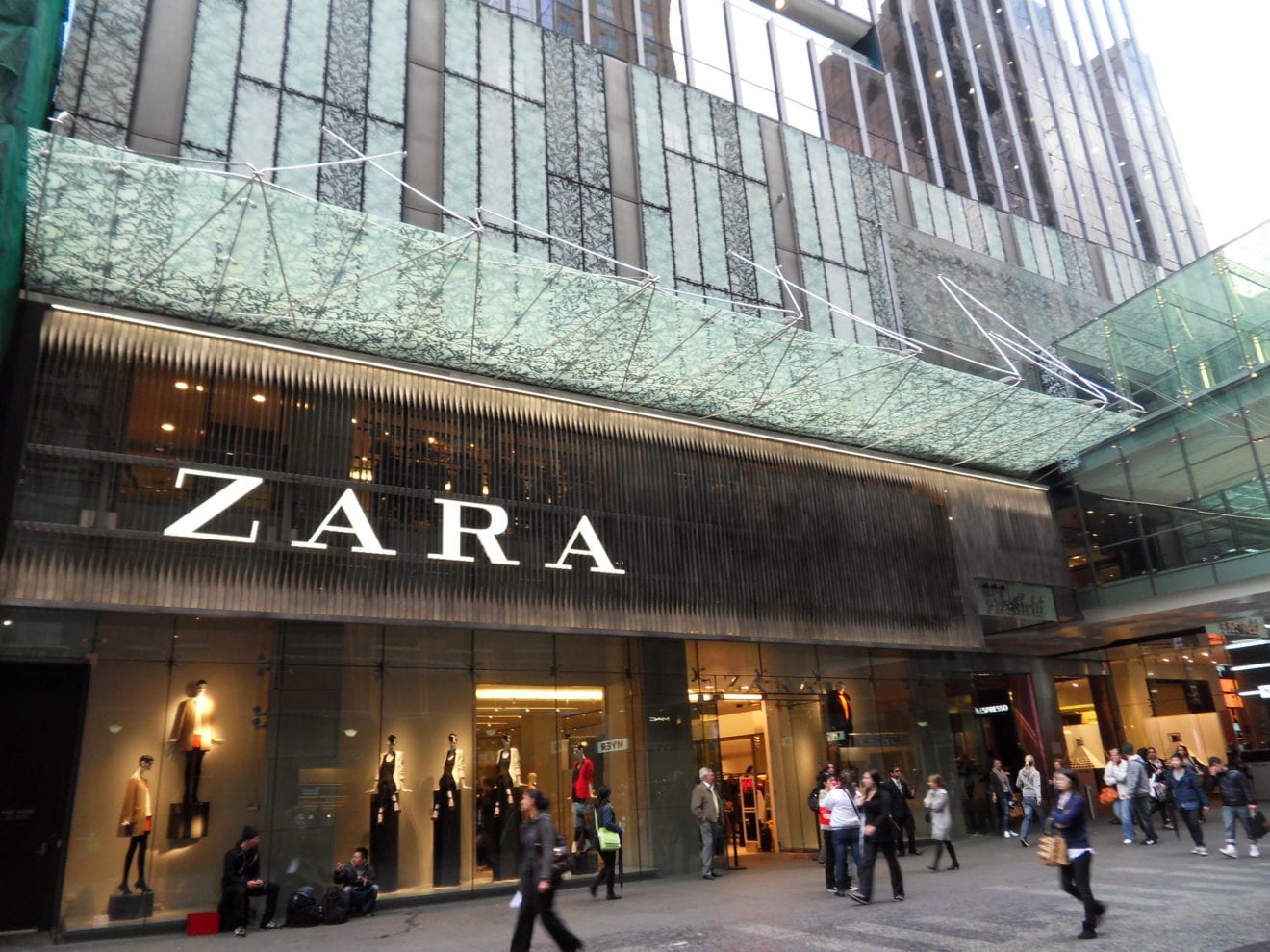
    High street giant Zara has finally confirmed it will be taking part in this year’s Black Friday event. The retailer has remained very tight-lipped about its plans for the shopping event which officially takes place tomorrow, and has even opted against advertising its plans in its windows.

    Speculation has been high as to whether the retailer would be taking part this year- following last year, which marked the first time Zara has been involved in the discount event.

    But it has finally released details of the money its customers could save tomorrow.

    Zara will be offering shopper 20% off selected departments for Black Friday.

    Last year, there was a variety of products which the discount could be used on, including coats, shoes, tops and more.

    Fans have been eagerly waiting for Zara’s Black Friday announcement. On Twitter @amarjhot said: “Still waiting on Zara to drop a Black Friday sale? … no? Ok.”

    @CharlyOConnor said: “I need to place a Zara order but I’m holding out for the Black Friday sale – this is going to end up being a disaster I bet.”

    And, @_JAEopardizes said: “Zara need to hurry up and put their Black Friday sale up.”

  • Bursa slips on Wall Street, oil price slump

    Bursa slips on Wall Street, oil price slump

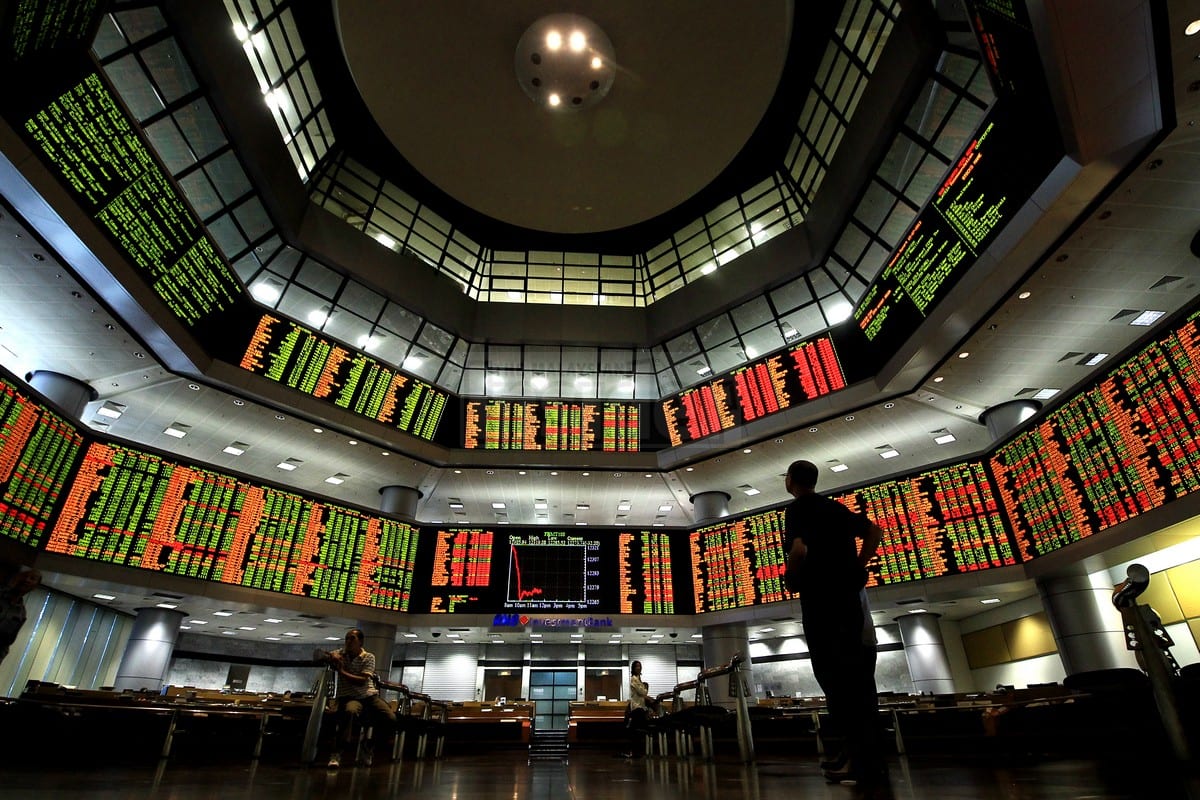
    Bursa Malaysia was not spared the fallout from this week’s rout on Wall Street and the slump in crude oil prices, with the FBM KLCI sliding 15.34 points to close at 1,695.37 points today. Most sectoral indices on the local bourse ended in the red today, save those for construction, healthcare, utilities and the ACE Market, and the FBM Fledgling Index.

    The selloff on Wall Street has been led by technology stocks, and the New York stock market’s gains for 2018 have been wiped out with the latest plunge on Tuesday.

    The Dow Jones Industrial Average and the S&P 500 ended at their weakest since late October on Tuesday, diving 553 points or 2.2 % and 49 points or 1.8 % respectively. The technology-heavy Nasdaq declined 117 points or 1.7 %, the lowest it has hit in seven months.

    Energy stocks also took a beating after crude oil prices slumped 6.6%.

    Rakuten Trade Sdn Bhd head of research Kenny Yee said that the performance of the local bourse is attributable to developments on Wall Street and the decline in crude oil prices – which will be used as the “relevant excuse” by investors to take profits given the recent climb in stock prices.

    Asked if the selling will persist, he said this will depend on Wall Street’s performance.

    Yee projects the FBM KLCI to trade around the 1,680 level, which he said is a well-supported position.

    He noted that selling could also be induced by the expected dip in third quarter corporate earnings, in which further downgrades on corporate earnings growth are expected.

    “We were deep into the tech bubble and now it is bursting. The bubble is not totally without fundamentals but prices rose too much over a long period of time. For the US, it is only starting and for Malaysia the oil price drop marked our peak. We were just trying to recover before the bursting of this bubble hit us,” explained Inter-Pacific Securities Sdn Bhd head of research Pong Teng Siew.

    “There is no cover currently. All asset classes are being hit. Bonds, stocks, commodities, properties, cryptocurrencies … all are being hit. Even gold is going nowhere,” he said.

    Asked if this will continue, Pong noted that the market does look like continuing its bearish streak in all asset classes as the tide of liquidity is flowing out at the moment.

    Sapura Energy was the most active counter on Bursa Malaysia yesterday, surging 4.17% to 37.5 sen with 87.49 million shares traded.

    Malaysian Pacific Industries was the top loser, falling 4.08% to RM11.74 on volume of 480,600 shares.

  • IKEA announces new retail direction globally; to hire aggressively in India

    IKEA announces new retail direction globally; to hire aggressively in India

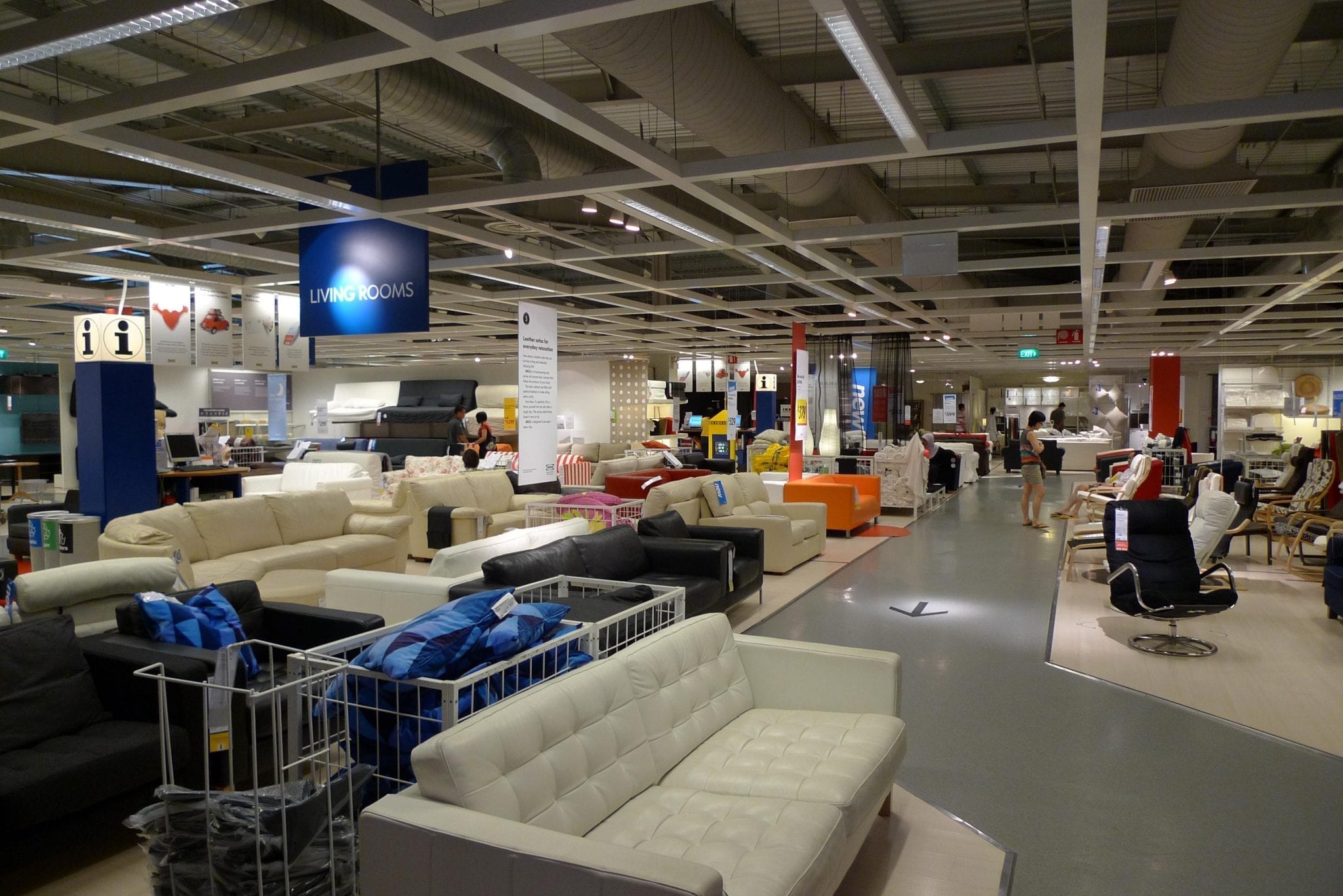
    Ingka Group (Ingka Holding B.V and its controlled entities) is accelerating its transformation, stepping up investments in new and existing IKEA stores and fulfilment centres, developing city centre formats and focusing on its e-commerce platform, to better meet the needs of its customers and be more convenient and affordable to many more people.

    Building on many years of solid growth and as part of a transformation, Ingka Group is assessing all parts of the organisation and is simplifying to enable a greater focus on adding value to its customers. As a result, in the coming 2 years 11,500 new jobs will be created globally, through opening around 30 new IKEA touchpoints, investments in its fulfilment network and in digital capabilities. At the same time 7,500 jobs may become redundant globally, out of the current 160,000 jobs, mainly focusing on global functions and offices in 30 markets.

    Jesper Brodin, Chief Executive Officer, Ingka Group says: “We continue to grow and perform strongly. At the same time, we recognise that the retail landscape is transforming at a scale and pace we’ve never seen before. As customer behaviours change rapidly, we are investing and developing our business to meet their needs in better and newer ways. We will put greater emphasis on making our existing stores even better and taking the opportunity to renew and reinvent our business in a way that is inspired by our history, culture and values. Together these elements guide our work and build our inclusive, open and honest culture, and we’re going to support our co-workers in the best possible way throughout this change.”

    To support the biggest transformation in the history of the Ingka Group, IKEA India has already adopted its expansion approach. Through its expansion in India, it will create many more direct and indirect jobs. The number of co-workers is expected to grow from the current strength of 1,500 co-workers to over 15,000 co-workers in the future, out of which 50 percent will be women. Besides jobs in the stores and new city centres, the company will also create a lot of new roles in areas such as digital, data analytics, diversified fulfilment networks and personalisation. Certain existing roles will change and the company confirmed that all its co-workers will get to explore new opportunities in the new organisation. 3,000 new jobs are expected to be created in the next two years in line with its growth plans and transformation.

    Peter Betzel, Chief Executive Officer, IKEA India says, “We are in an exciting time at IKEA India. We have recently embarked on our retail journey here and have the unique opportunity to implement our new retail direction from the beginning itself. The India organisation will align with the new global structure and competencies to build a future ready organisation in terms of skill sets. IKEA India will hire many more people, both in terms of direct and indirect employment, and as we start our digitisation journey, we will add many more co-workers with different skill sets, while also creating avenues for our existing co-workers to grow in many new roles.”

    IKEA India, part of the Ingka group and one of its most recent retail markets is as one of its most important long term markets. It is on track to invest Euros 1.5 billion and aims to be present in many Indian cities in the coming years. Mumbai will be the first megacity in India to offer the full in India including city centre formats, large stores and a strong digital offering next year. IKEA intends to reach 200 million Indians in the coming three years through different channels. Globally in Ingka’s top 30 mega city strategies, three Indian cities – Mumbai, Bangalore and Delhi are included which reinforces IKEA’s belief in the potential of India.

    In August 2018, it opened its first India store in Hyderabad and will enter Mumbai next with online and stores.

    IKEA has been present in India with IKEA Purchasing and IKEA Foundation businesses. The purchasing organisation has been sourcing from India for close to 35 years for its global stores. Currently it has 55+ suppliers with 45,000 direct employees and 400,000 people in the extended supply chain. The long term goal is to maximise local sourcing to increase affordability and also tap into the many sustainable raw material India has to offer to create more sustainable products in its range. It also works with 1500 women artisans through two social entrepreneurs, one of who is based in Karnataka.

    IKEA Foundation, its philanthropic arm has been working with the communities for 18 years. It has partnered with public and private organisations for the DISHA skill development program to empower one million marginalised Indian women to join the retail workforce. The IKEA Hyderabad store that recently opened has employed around 100 women from this program.

  • Oriental Watch sales slide, but profit rises

    Oriental Watch sales slide, but profit rises

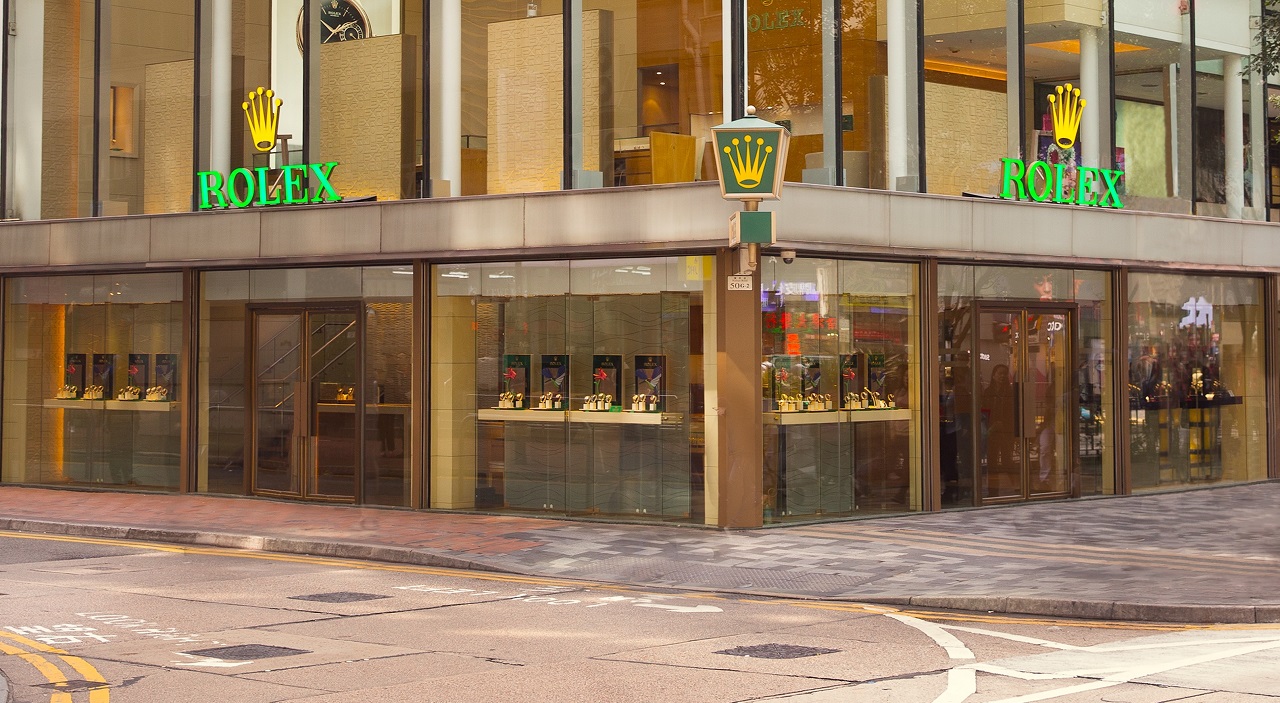
    Oriental Watch Holdings sold fewer watches in the six months to September, but at a higher margin, boosting profit by 39 per cent. Group turnover decreased by 21.7 per cent to HK$1.181 billion compared with $1.508 billion during the same period last year.

    Gross profit increased by 13.4 per cent to $288 million while gross profit margin increased to 24.4 per cent. Oriental Watch says rent negotiations contributed to lower overheads, helping profit attributable to shareholders rise 39.1 per cent to $64 million.

    As at September 30, the group operated 62 retail stores in Greater China: 11 in Hong Kong, one in Macau, three in Taiwan and 47 in Mainland China.

  • Uno Chicago Bar & Grill to opens stores in India

    Uno Chicago Bar & Grill to opens stores in India

    Ambuja Neotia Group’s hospitality vertical has recently introduced globally recognized American casual dining chain, Uno Chicago Bar & Grill in India through franchise route. The first outlet has opened at Gardens Galleria Mall, Noida.

    Harshavardhan Neotia, Chairman of the Ambuja Neotia Group says, “We feel that the Indian consumer is a well-travelled consumer who has an acquired taste to world cuisine. The Indian market is yet untapped with immense potential and it is an exciting time to enter India.”

    “As an authentic American Bar & Grill concept, the brand is positioned to be a smart casual dining restaurant in India, where people can enjoy a truly American cuisine paired with crafted drinks and entertainment with live performances. Anchored by vibrant culinary heritage, strong craft culture in food and beverages and deeply mindful of wellness, Uno is bringing Deep Dish and New Americana to India. As an ‘Eat-ertainment’ driven casual dining space, it is inclusive and welcoming for all generations – millennial, the young-at-heart and kid. The restaurants will operate as a family style full service restaurant,” he adds.

    Each restaurant in India, which will spread across 2,500-3,000 square feet with the interiors same as of any other Uno Pizzeria & Grill restaurant in the US, will be opened with an approximate capex of Rs 4-5 crore.

    “This year, the brand is opening outlets in region of NCR, Kolkata and Bengaluru. The group has signed a franchise agreement with the food chain to open about 70 outlets across the country over the next seven years spreading across Tier I and II cities,” states Neotia.

    The brand is planning to open 12-15 outlets in the next 3 years with estimated investments upwards of Rs 60 crore.

    Tracing Brands’ History

    Uno Chicago Bar & Grill’s entry in India also coincides with its 75 years of successful global operations. Globally, the brand is recognized for its fun and welcoming Chicago inspired environment. The dining experience is relaxed, casual and family friendly as the brand places great emphasis on hospitality and service. The brand is synonymous with pizza but the menu extends to pastas, grills, salads, burgers, sandwiches and special curated menus. The chain also gives special emphasis to bar and alcohol offerings.

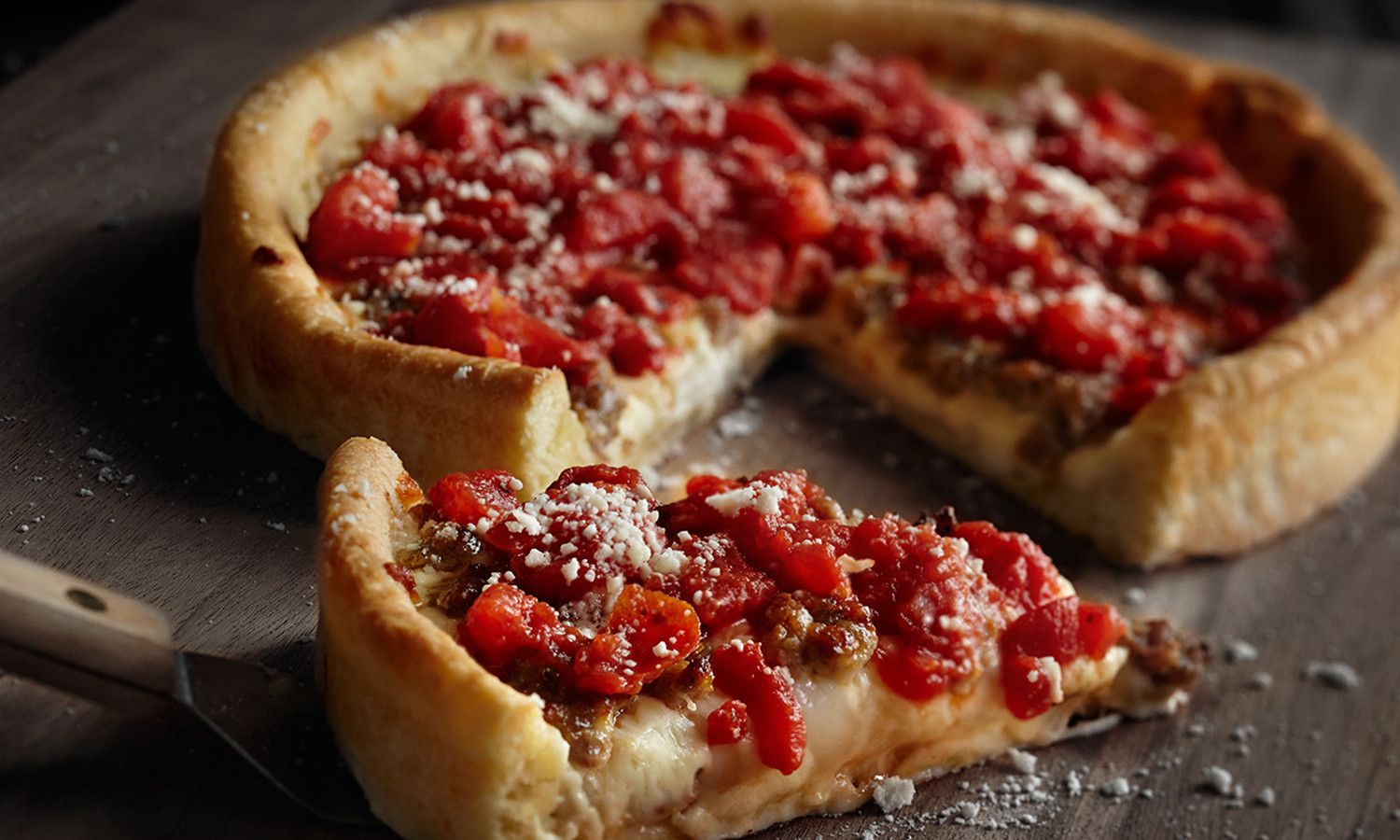
    Famous for inventing Deep Dish Pizza in 1943, Uno’s mission is to deliver big, bold flavors, rich, rewarding experiences and unbelievably delicious pizza and a range of other delectable menu creations.

    According to Neotia, “The UNO story began in Chicago in 1943 when Ike Sewell developed deep-dish pizza and opened a new type of restaurant at the corner of Ohio and Wabash. It was here that Ike served a pizza unlike any that had been served before. He figured that if some of Italy’s old, authentic recipes with impressive quantities of the finest meats, fresh cheeses, ripe vegetables and flavourful spices is combined with pizza, it could become a hearty meal. That was the start of an American tradition – the Chicago Deep Dish Pizza. Today, 75 years later, UNO continues to be undisputed creators of original Deep Dish Pizza, bringing its legacy to India.”

    The Boston, Massachusetts-based brand has 110 company-owned and franchised restaurants located in 21 states of the US. Apart from this, the brand has international presence through franchise outlets in the District of Columbia, the United Arab Emirates, Honduras and Saudi Arabia.

  • UOB: Malaysia’s GDP to grow at 4.8% for 2018, 2019

    UOB: Malaysia’s GDP to grow at 4.8% for 2018, 2019

    Malaysia’s gross domestic product (GDP) growth is expected to remain stable and expand at 4.8% for the full year of 2018 and 2019. UOB Malaysia’s senior economist, Julia Goh said the 2019 forecast has been revised from the 5% projection made earlier, to 4.8% after taking into account the potential impacts from the US-China trade tensions.

    Goh noted that while Malaysia’s economy is not immune to external headwinds such as the trade tensions between the two economic giants, rising US interest rates and commodity prices—Malaysia could certainly find support from its robust domestic private consumption and investment.

    The ringgit is expected to stand at RM4.22 against the Greenback next year on the back of external factors such as the strength of the dollar, crude oil prices and the direction of the renminbi.

    Inflation rate for 2018 is expected to be 1.2% and 2% in 2019.

    “I think it is actually slightly lower than the government’s official forecast. I think the main support for inflation is we are seeing resilient spending even with the reintroduction of the Sales and Service Tax, we did not see any significant effect on the consumer price index,” she said.

    Key risk for inflation I think (will be) in the second quarter of next year where the government announced that they want to float oil prices,” she added.

  • DHL plugs in to Shopify Singapore to enable simpler worldwide shipping

    DHL plugs in to Shopify Singapore to enable simpler worldwide shipping

    DHL eCommerce, a division of the world’s leading logistics company, Deutsche Post DHL Group, is working with Shopify, a leading e-commerce platform, to enable Singapore-based merchants to easily ship to their customers worldwide through a seamless plugin on a single platform. All new Singapore-based businesses built with Shopify will also enjoy special promotions for cross border shipping with DHL. Currently over 60% of Singapore-based merchants sell and ship their products internationally through the Shopify platform, and with the cross-border e-commerce opportunity continuing to grow, the DHL eCommerce plugin will make it even easier for merchants to ship their goods internationally.

    “Cross border e-commerce continues to grow exponentially and this is apparent from the borderless buying behavior of online shoppers. 70% of online buyers made a purchase from a foreign site in 2017, up 6% from the year before and this trend is expected to continue.  To deliver to buyers across borders, sellers need simple and seamless shipping solutions to manage their orders and deliver to their customers worldwide. By building tools for global shippers on Shopify, we’re making it easy to satisfy this exact requirement,” said Senthil Kumar, Managing Director, DHL eCommerce Singapore.

    Integrating different online systems can be complex, especially for sellers who sell online across multiple sales channels. By hosting their e-commerce stores on platforms such as Shopify, sellers have access to a wide array of plugins to connect the dots from click to delivery.

    Improved visibility in delivery helps to greatly enhance the entire customer experience. With DHL eCommerce shipping plugin available on Shopify, shippers can easily ship internationally by processing shipments on a single platform, from printing labels to generating tracking reference codes to enable shipment visibility for their customers — virtually automating the shipping process.

    “Shopify understands the dynamics of e-commerce, where requirements of sellers and buyers are evolving faster than ever. To ensure our merchants are keeping pace, we are working with DHL, a key driver of the global e-commerce ecosystem. The DHL eCommerce plugin, combined with the special rates for new Shopify merchants, will help retailers and brands on our platform ship with ease so they can devote more time to selling,” said Arun Verma, Country Manager, Shopify Singapore.

    DHL eCommerce is part of Deutsche Post DHL Group and, along with its sister divisions DHL Express, DHL Supply Chain and DHL Global Forwarding, DHL has been operating in Singapore since 1970, offering end-to-end solutions for the e-commerce sector.

  • Farfetch poised to top $1 Billion in gross merchandise value

    Farfetch poised to top $1 Billion in gross merchandise value

    Online luxury group Farfetch said gross merchandise value through its site surged 53% in the third quarter to $310 million, resulting in revenues for the British company to total $132.32 million. The London-based marketplace upgraded its outlook for future growth saying it expects value merchandise revenues to be higher than the company’s previous estimates in the fourth quarter.

    For the three months to September 30, adjusted earnings before income, taxes, depreciation and amortisation registered a $32.3 million loss, meaning the company is yet to hit profitability.

    At the same time, the company reported 1.2 million active customers in the third quarter, up 42 percent.

    Average spending per order fell to $585, from $605 a year earlier, said the company, on the back of a stronger dollar and a free-shipping promotion.

    The results follow Farfetch’s IPO in September, which saw shares soar above $30 in the days after its debut, a more than 50% gain on the initial offer price.

    Farfetch has proven a popular choice for global luxury brands and retailers, as more and more houses continue to sign on to sell through the site.

    Most recently, new additions include Moschino, Victoria Beckham and Tory Burch, as well as streetwear offerings such as Stadium Goods, which sits inside the hub devoted to sneakers.

    Farfetch has also started selling jewellery and added its first department store to its portfolio, Harvey Nichols.

    Looking ahead, Farfetch raised its outlook for fourth-quarter sales on its marketplace, to be between $435 million and $445 million.

    Currently, Farfetch’s marketplace offers luxury products from over 1,000 vendors across 48 countries.

  • Vietnam’s VinFast presents models, prices

    Vietnam’s VinFast presents models, prices

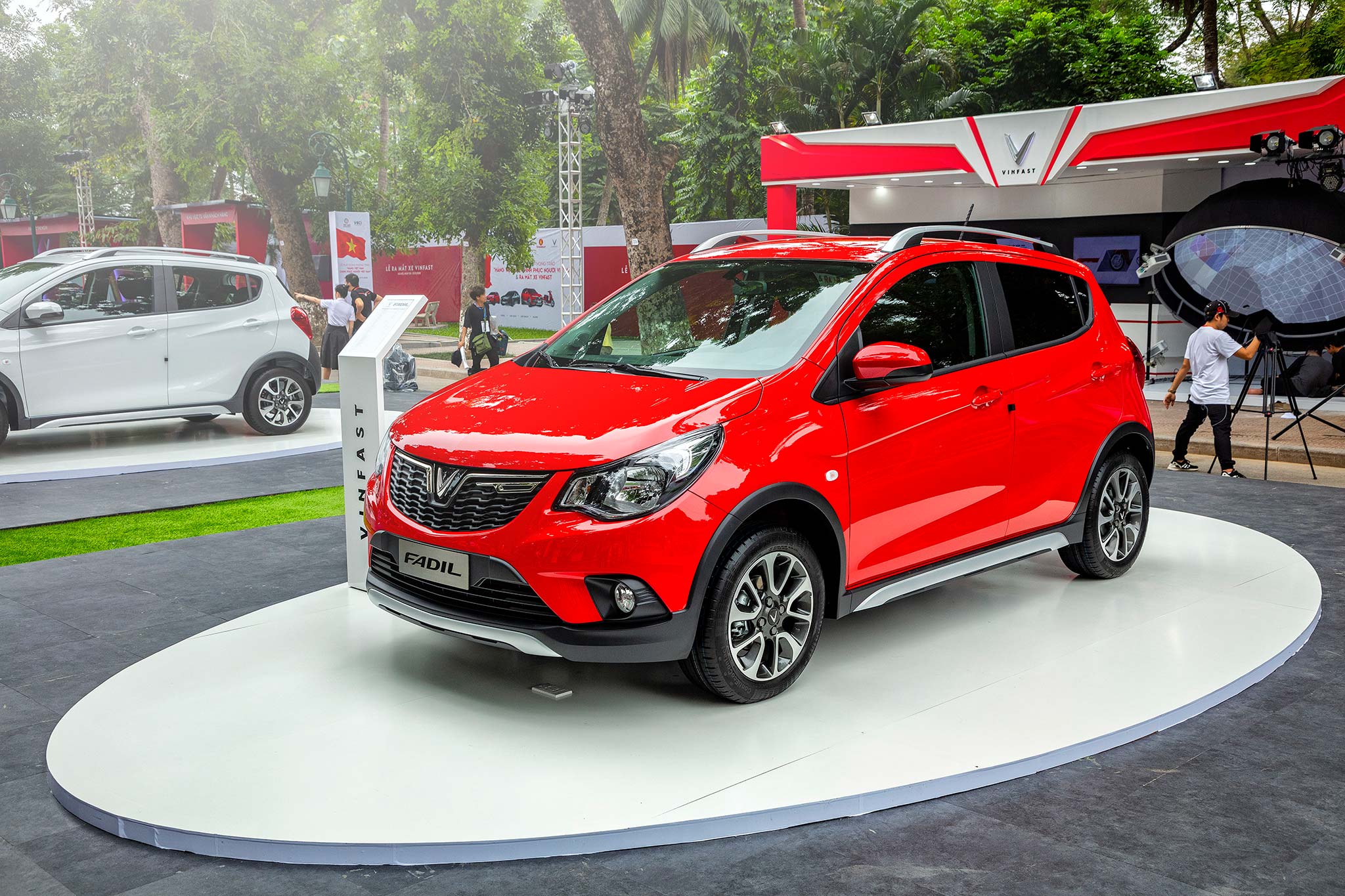
    VinFast, a subsidiary of Vietnam’s biggest private firm Vingroup, presented three models and their prices at its maiden show in Hanoi Tuesday afternoon. Its five-seat sedan Lux A2.0 and seven-seat SUV Lux SA 2.0, which had already been revealed to the public for the first time at the Paris Motor Show last month, cost VND800 million ($34,305) and VND1.136 billion ($48,709) respectively.

    The smaller hatchback Fadil, presented for the very first time, costs VND336 million ($14,410).

    These prices are exclusive of a 10 percent value added tax.

    The company said it was announcing favorable prices for the “initial phase.” The original prices of the hatchback, the sedan and the SUV are VND423 million ($18,140), VND1.336 billion ($57,300) and VND1.818 billion ($78,000) respectively, it said.

    VinFast surprised industry insiders by completing its first two units, the SUV and the Sedan, within one year.But VinFast did not say for how long the promotional prices will last or how many cars will be produced in the initial phase.

    Its first two models are built on frames from BMW. Their components have been engineered by Canadian firm Magna International’s Magna Steyr, while design work was done by Italian design house Pininfarina.

    The small hatchback, Fadil, meanwhile, was developed from the background of the Opel Karl Rocks model in the European market. Its structure is almost equivalent to the latest Chevrolet Spark generation.

    Attending the exhibition, Prime Minister Nguyen Xuan Phuc said building strong Vietnamese brands means promoting patriotism, self-reliance and self-esteem and building a consumer culture in Vietnam.

    “I hope more Vietnamese companies and entrepreneurs follow in the footsteps of VinFast to express an aspiration to dominate the domestic market and reach out to the international level.”

    Vietnam’s population is around 93 million, larger than South Korea, but car consumption is only around 300,000 units a year, he said. Previously, Mike Dunne, an independent industry analyst who has spent more than three decades in Asia, said that he doubted VinFast cars would generate much demand in a country with an average income of $2,385 last year.

    While there is little doubt the market would grow, it won’t happen fast enough to absorb VinFast’s production, planned at 250,000 vehicles annually, he added.

    There are only 358 businesses in the auto industry in Vietnam compared to 2,500 in Thailand, according to the Ministry of Industry and Trade. Over 90 percent of auto parts are imported, it added.

  • Global luxury goods sales drop: Bain

    Global luxury goods sales drop: Bain

    New data from Bain & Company shows global luxury goods sales will struggle to maintain growth, as the US-Sino trade war and other geopolitical events impact on consumer confidence.

    In June, Bain said the personal luxury goods market was “on a tear” this year and would grow by between 6 per cent and 8 per cent at constant exchange rates to reach €276-281 billion. It said the market could reach €390 billion globally in sales by 2025.

    But now, Bain has released a more tepid projection of €260 billion and a growth rate of 5 per cent this year.

    It has pared back its 2025 projection of personal luxury goods sales to €320-365 billion, slashing €35 to €70 billion off its forecast in just five months.

    And it cautioned that even this figure may be under threat saying “socio-political issues, commercial policies, and potential short-term soft recessions could make this road to growth a bumpy one in the short term”.

    The Bain & Company Luxury Study was released in Milan in collaboration with Fondazione Altagamma, the Italian luxury goods manufacturers’ industry foundation.

    In June, Bain said Mainland China is expected to account for the lion’s share of growth this year. “We forecast this market to grow by 20-22 per cent … Brands are learning how to cater to local consumers, often young and heavily influenced by social media.”

    China kept close to its projections, rising 20 per cent, albeit with the year still not over.

    “Chinese consumers are leading the positive growth trend around the world. Between 2015 and this year, their purchases in Mainland China contributed twice as much growth as their spending abroad. Their share of global spending has continued to rise (now estimated at 33 per cent of global luxury spend, up from 32 per cent in last year), while the share of Mainland China has also risen to 9 per cent (up from 8 per cent in last year). In Mainland China, luxury sales grew 18 per cent at current exchange rates to €23 billion (20 per cent at constant exchange rates), driven by rising demand rather than by price increases,” the report said.

    Claudia D’Arpizio, a Bain partner and lead author of the study, said luxury purchases in Japan softened slightly this year, pushing brands to find new solutions to bring consumers back to stores. However, retail sales still grew at 3 per cent at current exchange rates to €22 billion. “Increased consumption from tourists in Japan is prompting brands to rethink their distribution models.”

    Across the rest of Asia retail sales grew 7 per cent at current exchange rates to €39 billion, due to dynamic growth in South Korea, driven by strong local consumption. Brisk growth in other Asian countries – Singapore, Thailand and Taiwan – also contributed while Hong Kong and Macau benefitted from Chinese purchases.

    Europe lagged in 2018 due to a strong Euro that impacted tourists’ purchasing power. Local consumption was positive overall, despite mixed country performance, helping to boost retail sales 1 per cent at current exchange rates to €84 billion.

    The Americas grew 5 per cent at current exchange rates to €80 billion. “A positive US economy boosted disposable income and overall luxury spending from locals, even as brands remained wary of continued economic prosperity,” the report said. “However, the strong dollar impacted tourists’ spending from Asia and Latin America. Canada and Mexico were strong players in the region, while political uncertainties derailed Brazil’s performance.”

    In other areas, there was nil growth, holding at €12 billion, mainly due to stagnation in Middle East brought on by a recent government spending restriction.

    Luxury online

    The retail channel grew 4 per cent this year, with three-quarters coming from like-for-like sales growth. Wholesale channels grew at only 1 per cent, brought down by high-end department stores still trying to recover, and a slow-down among specialty stores facing tough competition from online.

    Luxury shopping online continued to accelerate this year compared with physical channels, growing 22 per cent versus 2017 to €27 billion.  The US market made up close to half of online sales – 44 per cent– but Asia is emerging as the new growth engine for luxury online, slightly ahead of Europe. Accessories remained the top category sold online, ahead of apparel; beauty and hard luxury (jewellery and watches) were both on the rise.

    Brands are catching up to other online players, comprising 31 per cent of sales, compared to e-tailers (39 per cent) and retailers (30 per cent).

    “New technologies are at once enriching the online and mobile shopping experiences, while potentially putting role of physical channels at risk,” said Federica Levato, a Bain partner and co-author of the study.

    “The luxury store-opening path is slowing down, leading to channel consolidation in the future. Brands must therefore rethink their physical channels and evolve their role from point-of-sale to point-of-touch, and use new technology to enhance customers’ in-store experiences.”

    Luxury consumers getting younger

    The report concluded that younger generations are becoming increasingly more important luxury brands. This year, Generations Y and Z contributed 100 per cent of the total luxury market growth, compared with 85 per cent last year. Bain predicts Generation Z, which today comprises just 2 per cent of the market will account for 10 per cent of it in 2025.