Tag: iot

  • LG’s new smart devices strengthen its IoT game

    LG’s new smart devices strengthen its IoT game

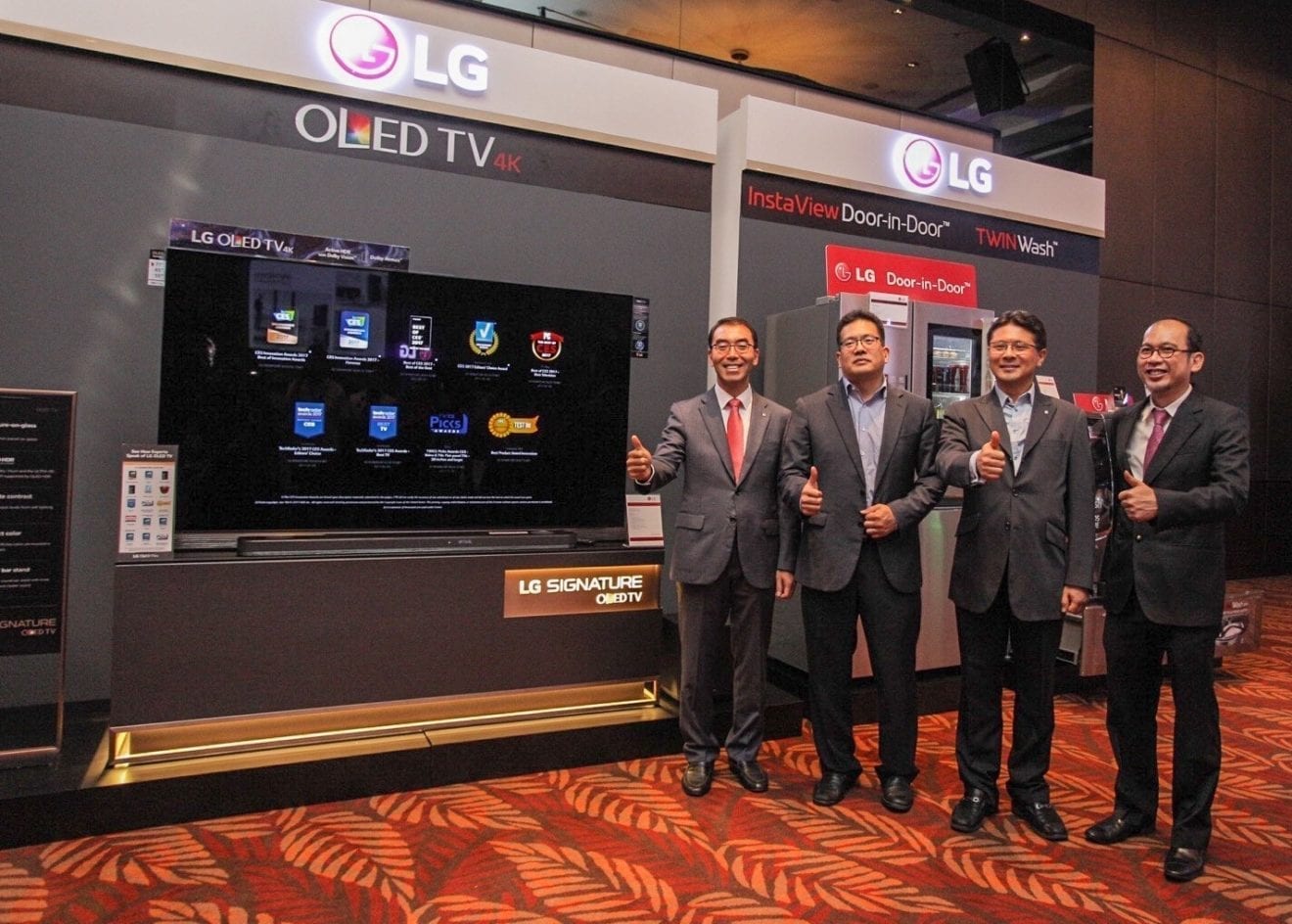
    Smart homes are often talked about in technology circles but it is a concept that is often assumed to be very far in the future. That may not be so as LG has launched some new home appliances in the Malaysian market that it hopes will jump-start its Internet of Things (IoT) ambitions.

    Running on its smart home technology called Smart ThinQ, LG has introduced two products:  the LG TWINwash washing machine and LG Smart InstaView refrigerator that leverage this technology to provide greater convenience to consumers.

    Using the Smart ThinQ on a smartphone, users would be able to remotely set their washing machine to do their laundry at a specific time so that they would be able to come home to a freshly washed load.

    Using the smart application, users also have greater control on the types of wash options, such as baby wear, denim, swimwear and many others that the washing machine can perform.

    In the case of refrigerators, LG said Smart ThinQ would help users monitor the temperature level of the fridge as well as set the appropriate temperature for the various compartments.

    Aside from monitoring and controlling, the other benefit brought on by smart home appliances using LG’s Smart ThinQ app is a feature called Smart Diagnosis. As the name implies, it is a diagnostic feature that can alert users if the system detects any breakdown in their appliance.

    In this way, the appliance gives the user an error code to denote the problem so it is identified before the technician comes over to fix it.

    Aiming high for IoT

    Malaysia is now the latest market in which LG is launching its new smart home-ready devices and LG is planning to launch even more smart devices next year, expanding its lineup to include smart air conditioners and air purifiers.

    LG Electronics Malaysia’s head of product department for home appliances and air conditioner Bon Jae Koo explains that LG has been focusing its efforts on improving life for its customers by launching new smart devices that are able to connect to the Internet.

    “Globally we are focused on developing home network solutions that can be implemented on our product lineup that includes refrigerators, washing machines, air purifiers and more,” he said.

    Koo explains that LG has been in the business of making devices for a long time and points towards his native South Korea where IoT is already adopted in the commercial segment. This includes smart mirrors within clothing stores that help you decide which item of clothing to buy by simulating what they look like on the person standing in front of it.

    “We are of the view that smart products that help optimise the temperature in the room, improve the wash cycle for clothes will result in better power consumption hence bringing greater cost savings to our customers.

  • 100b IoT connections by 2025: Huawei

    100b IoT connections by 2025: Huawei

    There will be more than 100 billion IoT connections by 2025, predicts Huawei. The company recently shared its vision of the IoT with over 200 attendees at the inaugural Huawei IoT Ecosystem Forum, held in conjunction with CommunicAsia2017 last week.

    Low power wide area (LPWA) networks such as narrowband IoT (NB-IoT) running on licensed spectrum will represent approximately 70% of cellular IoT connections, Huawei predicted. Today NB-IoT is already powering industry applications such as asset tracking, agriculture and parking.

    While the massive number of connections is expected to enable significant productivity gains for companies and individuals, IoT will need the support of the entire ecosystem to reach its full potential.

    Lim Chee Siong, chief strategy and marketing officer of Huawei Southern Pacific region highlighted in his opening speech that Huawei will support the IoT ecosystem by focusing on three areas.

    These are building wireless network, enterprise IoT gateways and home IoT routers; providing a cloud-based IoT connection management platform, which realizes secured and reliable IoT connections; and innovating IoT chipsets, with built-in LiteOS, to make communication and connection in the IoT environment with ease.

    “We will work to develop a cohesive IoT ecosystem, which all partners and telcos can leverage as they address the IoT needs of different vertical industries,” said Lim.

    To drive innovation and glocalisation of technology services in Singapore, Huawei announced its partnership with i5Lab with NUS enterprise in November 2017 to accelerate the growth of IoT startups in Singapore.

    The collaboration aims to cater to the industry’s needs for incubation of innovative ideas, training, research support, funding, testing and certification in the region.

    Huawei  president of IoT solutions Jiang Wang Cheng commented that “We believe that IoT is a ‘GLocal’ ecosystem where telcos, local enterprises and global vendors like Huawei leverage on each others’ knowledge and capabilities to build a vibrant ecosystem. Huawei is glad to recommend our partners in different industries and establish channels of communication between operators and vertical industries. We call for more partners from across different verticals to join us to build viable IoT solutions.”

    Huawei is currently working with more than 40 partners on smart meter, smart light and connected car to offer IoT device, network, service platform, applications and system integration. In March 2017, Huawei announced plans to invest US$1 billion in developer ecosystem worldwide.

  • Bangalore is India’s top home for IoT startups

    Bangalore is India’s top home for IoT startups

    A study by management consulting firm Zinnov has revealed that Bangalore is the prime destination in India for an IoT startup to set up base, as it accounts for 52% of the total IoT startups in India.

    Bangalore is followed by Delhi NCR with 12%, Mumbai 11%, Hyderabad 4%, Chennai 2%, and others together accounting for 19%.

    “A wide availability of talent, thriving ecosystem of investors, access to industry experts and the presence of startup accelerators are contributing to Bangalore’s dominance,” a release from the firm said. The study on the IoT startup ecosystem in India also reveals that over 120 IoT startups were set up in India in the last decade with more than 80% of them being established after 2010.

    Cumulatively, these startups have received more than $169 million in funding since 2006. While indicating that an increasing number of connected devices is expected to propel India’s IoT market, the study titled, IoT Startups in India 2017, also states that the funding activity across use cases for such startups in India indicate a huge growth potential for them in the country.

    “While the initial wave of growth for IoT startups in India was focused on consumer applications, the next wave will be geared towards Industrial IoT,” Zinnov Engagement Manager & Delivery Head (G.A.P) Anand Subramaniam said.

    “In addition, we will also witness a host of partnerships being crafted between GICs in India and the IoT startups in the near term,” Subramaniam added.

    The study said that 67% of the IoT startups in India are in the infrastructure layer, which includes hardware components such as infrastructure sensors, embedded chips, MEMS, actuators, modules, SIM card and system design.

    The applications layer accounts for 52% of the IoT startups in India, the study revealed, stating that the IoT landscape in India is segmented across three categories based on use cases — Industrial IoT, Enterprise IoT, and Consumer IoT. Zinnov’s study also indicated 47% of the IoT startups in India fall under Consumer IoT with popular use cases being wearables, connected vehicles and connected appliances.

    Enterprise IoT is a close second place, with 40% share. In terms of funding, MedTech, security & surveillance and retail sensing have the highest share in the Enterprise IoT segment.

    Industrial IoT accounts for approximately 27% of IoT startups and has received close to $65 million in funding from investors.

  • Huawei, Toshiba to work on NB-IoT for ‘smart factory’

    Huawei, Toshiba to work on NB-IoT for ‘smart factory’

    Huawei has signed a MoU with Toshiba to collaborate on the integration of NB-IoT (Narrowband Internet of Things) for the development of “smart factory” solutions.

    The cooperation between Huawei and Toshiba will accelerate the commercial availability of NB-IoT in a diverse range of vertical industries, supporting a range of applications and deployment scenarios as operators are looking ahead towards new business opportunities in vertical industries.

    Both companies will work together to develop enhanced wireless product life cycle management solutions based on NB-IoT technology applied to real-world manufacturing scenarios.

    As a first step, Huawei will work closely with Toshiba by providing the communications technology expertise and help facilitate the integration of NB-IoT technology within Toshiba’s current IoT gateway, with initial testing scheduled to be performed in Huawei’s NB-IoT Open Lab located in Shanghai.

    The next phase will see actual live field tests being performed with expectations from both companies to develop a suite of smart factory solutions based on NB-IoT technology ready for global commercialization.

    With the number of connections in smart factories possibly reaching 100 million by 2020, the integration of NB-IoT within the smart factory will greatly enhance the data collection ability over wider areas in factories worldwide using cellular network connectivity, further improving management efficiency of the manufacturing process, and the ability to enhance product lifecycle management.

  • Ericsson, Microsoft to push IoT globally

    Ericsson, Microsoft to push IoT globally

    Ericsson will further strengthen the global Internet of Things (IoT) ecosystem with Microsoft by enabling enterprises to speed up the time it takes to launch mobile network-based IoT services.

    Their collaboration will help simplifying the launch of mobile network-based IoT services for enterprises.

    Ericsson IoT Accelerator allows enterprises to deploy their IoT solutions using Azure, which connects them directly to the ecosystem of mobile operators using the connectivity management service delivered by the Ericsson Device Connection Platform (DCPEricsson will further strengthen the global Internet of Things (IoT) ecosystem with Microsoft by enabling enterprises to speed up the time it takes to launch mobile network-based IoT services.

    Their collaboration will help simplifying the launch of mobile network-based IoT services for enterprises.

    Ericsson IoT Accelerator allows enterprises to deploy their IoT solutions using Azure, which connects them directly to the ecosystem of mobile operators using the connectivity management service delivered by the Ericsson Device Connection Platform (DCP), which is part of the Ericsson IoT Accelerator.

    Ericsson IoT Accelerator, a cloud-based, horizontal cross-industry offering comprising platform services and near-product services for telecom operators and selected industries, provides a continuous incremental set of functionality offered as a service to enable agile creation and deployment of solutions for IoT.

    The connectivity management service of the Ericsson IoT Accelerator allows telecom operators to design, launch and evolve managed IoT connectivity offerings towards enterprises requiring cellular connectivity.

    By cooperating with the continuously growing number of other telecom operators connected to Ericsson DCP, telecom operators can address the needs of global enterprises without making one-off investments alone. The platform gives the enterprise a unified service expEricsson will further strengthen the global Internet of Things (IoT) ecosystem with Microsoft by enabling enterprises to speed up the time it takes to launch mobile network-based IoT services.

    Their collaboration will help simplifying the launch of mobile network-based IoT services for enterprises.

    Ericsson IoT Accelerator allows enterprises to deploy their IoT solutions using Azure, which connects them directly to the ecosystem of mobile operators using the connectivity management service delivered by the Ericsson Device Connection Platform (DCP), which is part of the Ericsson IoT Accelerator.

    Ericsson IoT Accelerator, a cloud-based, horizontal cross-industry offering comprising platform services and near-product services for telecom operators and selected industries, provides a continuous incremental set of functionality offered as a service to enable agile creation and deployment of solutions for IoT.

    The connectivity management service of the Ericsson IoT Accelerator allows telecom operators to design, launch and evolve managed IoT connectivity offerings towards enterprises requiring cellular connectivity.

    By cooperating with the continuously growing number of other telecom operators connected to Ericsson DCP, telecom operators can address the needs of global enterprises without making one-off investments alone. The platform gives the enterprise a unified service experience for their entire device fleet.

    Also, Landmark chose Ericsson to build communications infrastructure for its intelligent micro grid ecosystem across North America.

    The program includes Ericsson’s Zero Site communications platform, cloud, core and IoT software solutions. Ericsson will provide micro grid management, integrating communications for the industrial IoT with battery storage applications and grid-control software.
    Also, Landmark chose Ericsson to build communications infrastructure for its intelligent micro grid ecosystem across North America.

    The program includes Ericsson’s Zero Site communications platform, cloud, core and IoT software solutions. Ericsson will provide micro grid management, integrating communications for the industrial IoT with battery storage applications and grid-control software.), which is part of the Ericsson IoT Accelerator.

    Ericsson IoT Accelerator, a cloud-based, horizontal cross-industry offering comprising platform services and near-product services for telecom operators and selected industries, provides a continuous incremental set of functionality offered as a service to enable agile creation and deployment of solutions for IoT.

    The connectivity management service of the Ericsson IoT Accelerator allows telecom operators to design, launch and evolve managed IoT connectivity offerings towards enterprises requiring cellular connectivity.

    By cooperating with the continuously growing number of other telecom operators connected to Ericsson DCP, telecom operators can address the needs of global enterprises without making one-off investments alone. The platform gives the enterprise a unified service experience for their entire device fleet.

    Also, Landmark chose Ericsson to build communications infrastructure for its intelligent micro grid ecosystem across North America.

    The program includes Ericsson’s Zero Site communications platform, cloud, core and IoT software solutions. Ericsson will provide micro grid management, integrating communications for the industrial IoT with battery storage applications and grid-control software.

  • Samsung, VMware team up for simpler IoT

    Samsung, VMware team up for simpler IoT

    Samsung Electronics and VMware announced a new collaboration to help simplify Internet of Things (IoT) for both information technology (IT) and operational technology (OT) teams by expanding end-to-end IoT solutions for industrial and enterprise customers.

    The companies will showcase the combination of the Samsung Artik Smart IoT platform with VMware Pulse IoT Center, offering a secure, enterprise-grade, end-to-end IoT infrastructure solution that allows IT and OT teams to have complete control of their IoT use cases, from the edge to the cloud.

    In addition, the companies will showcase the integration of the Samsung Artik 530 with Liota (Little IoT Agent), a vendor-neutral open source software development kit developed by VMware, to help enterprise customers with the management, monitoring and securing of their IoT implementation.

    While Samsung Artik Smart IoT platform provides customers with all the upfront IoT hardware and software they need to kick start their IoT developments, VMware will help manage IoT infrastructure from the edge all the way to the cloud.

    The combination will provide an end-to-end solution, including the hardware and software components, security, cloud connectivity, building services, and ability to monitor and manage the products over the product’s lifecycle.

    “Being able to monitor and manage these (IoT) solutions across devices at enterprise scale both on premise and in the cloud is critical for successful rollouts,” said Curtis Sasaki, VP of ecosystems at Samsung Strategy and Innovation Center.

  • Business case for IoT in healthcare still wanting

    Business case for IoT in healthcare still wanting

    The Internet of Things (IoT) in healthcare will remain experimental over the 2017-2020 period, according to the latest research from Strategy Analytics.

    Strategy Analytics said IoT has the potential to provide significant benefits but must compete for a share of total technology spend. IoT will grow at 18% on a compound annual basis across 2016-2025, with annual global IoT in healthcare revenues passing $27 billion in 2025.

    However, healthcare will be dwarfed by primary processing, security and automotive segment spending in the broader IoT market over the forecast period.

    Also, security, privacy, training and business case justification for broad deployment “remain elusive.”

    “The beneficiaries of IoT in healthcare will be the patients, for whom IoT has the ability to deliver an experience that is less intrusive, less stressful and faster; but also the medical profession which may be able to operate with higher efficiency, through better knowledge of what is happening at any point in time with patients, professionals, equipment, and processes,” said Matt Wilkins, senior analyst at ABI Research.

    Chris Ambrosio, executive director at ABI Research, said that healthcare providers are actively exploring IoT in how it can help them to improve patient quality of care, lower re-admissions, and shorten visit times; the advantages IoT offers in allowing them to use analytics for things like population health management to identify at-risk patients; and how using wearables to

  • DHL Supply Chain brings IoT to logistics

    DHL Supply Chain brings IoT to logistics

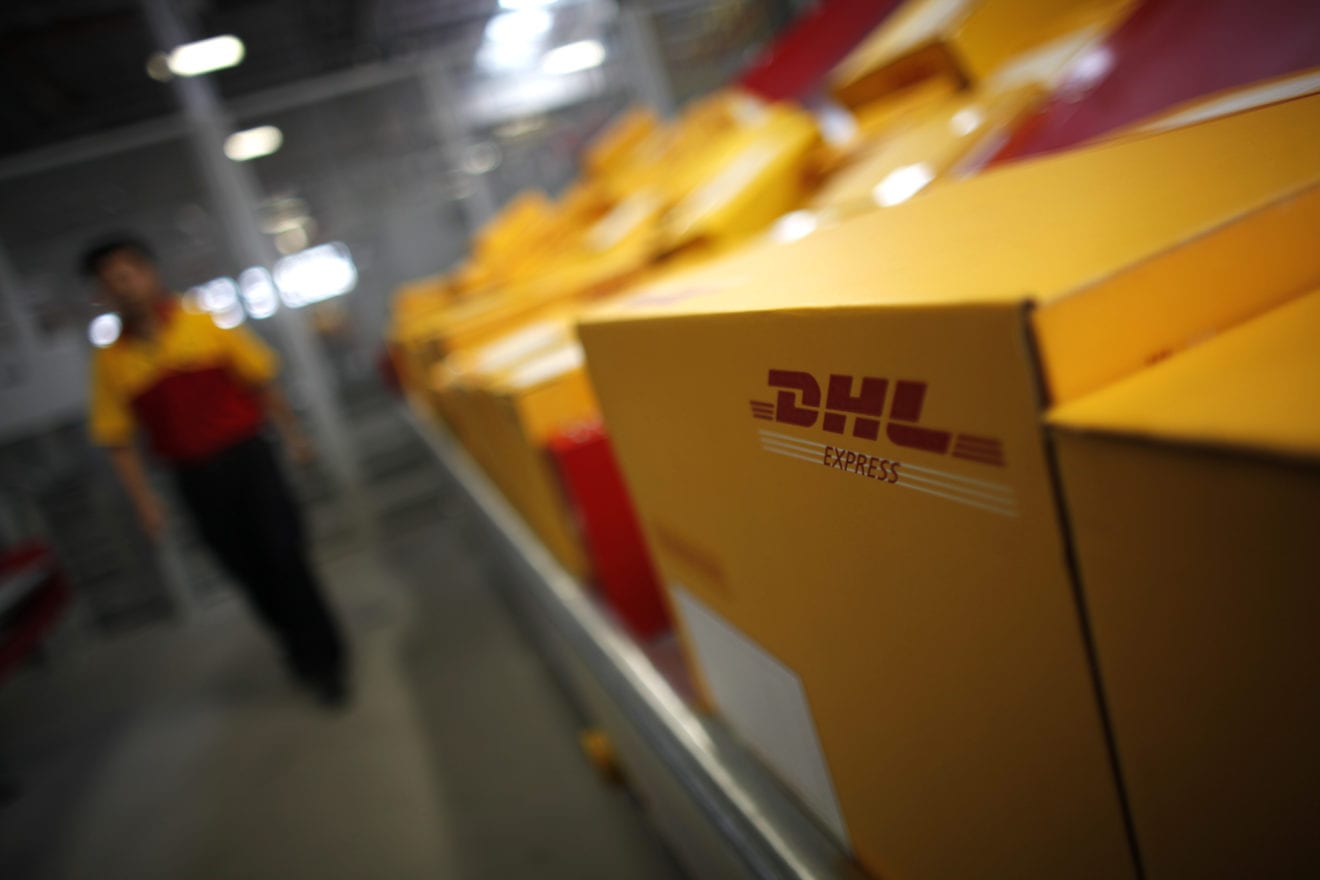
    DHL Supply Chain, the contract logistics specialist within the Deutsche Post DHL Group, forges ahead on its path of digitalization by implementing Internet of Things technology into warehousing to optimize operational efficiency and lay the foundations for safer work practices. Together with Cisco and start-up Conduce, DHL is testing the technology at three pilot sites in Germany, the Netherlands and Poland.

    The solution enables DHL to monitor operational activities in real-time through a responsive graphical visualization of operational data aggregated from sensors on scanners and material handling equipment, and DHL’s warehouse management system. Visualizing operational data with heat maps has changed the way data is analyzed and used at the pilot sites, and is expected to contribute to operational efficiencies and improve employee safety.

  • Hitachi deploying IoT solution for Curtin Univeristy

    Hitachi deploying IoT solution for Curtin Univeristy

    Australia’s Curtin University has selected Hitachi to deploy an IoT solution to advance its vision of a smart campus that enhances the student experience, improves classroom learning and ultimately attracts more industry to collaborate on data-driven research.

    Curtin will partner with Hitachi to co-create solutions that harness IoT data through advanced analytics to provide insight into the daily running and utilization of the campus.

    Curtin University has more than 60,000 students and 4,000 staff. It is Western Australia’s largest and most culturally diverse university, and has one of Australia’s largest international student populations.

    Ian Callahan, chief operating officer of Curtin University said: “Understanding our campus operations and building utilization has become a major factor in Curtin’s smart campus initiative. With the Hitachi IoT solution, we can collect data using a variety of sensors to gather information on building trends, study patterns, and course attendance that can ultimately be used to improve student experience and enhance learning.”

    Ultimately, these data insights allow Curtin University to generate contextual information about the lifecycle of the student, the day to day reality of a staff member, the activity pattern of a lecture theater, and the dynamics and environmental health of a library.

    Callahan added: “We are effectively creating a living laboratory that is an open invitation to our own researchers and scientists from other universities to use our campus to discover and innovate with data-driven research. Hitachi demonstrated not only technology leadership but approached us with a very open mind, to participate in that living environment and collaborate with others.”

    With the Hitachi solution, the university will be able to combine video data with operational data across its campus facilities to provide analytics that support a smart campus. This is achieved through the integration of Hitachi Visualization Suite, Hitachi Video Analytics, Pentaho, Live Face Matching and Hitachi Data Systems Infrastructure and Compute. The single analytics dashboard provides the real-time knowledge the university needs to make informed decisions about their classes, operations and future requirements.

    “Curtin University is a prime example of forward-thinking organizations that have challenged Hitachi to develop its video analytics solutions to go beyond surveillance and public safety. They are effectively pioneers of digital transformation,” said Mark Jules, vice president of public safety and smart city solutions at Hitachi Insight Group.

    “We’re excited to be co-creating a comprehensive IoT-enabled solution with them and we look forward to working with Curtin University and their research partners to accelerate future innovation through our ongoing collaboration.”

  • IoT fleet management market worth US$8.28bn by 2021

    IoT fleet management market worth US$8.28bn by 2021

    The global IoT fleet management market is estimated to grow from US$3.16 billion in 2016 to US$8.28 billion by 2021, at a CAGR of 21.26% during the forecast period. According to a report published by MarkesandMarkets, the key factors driving the growth of the market are increased demand for optimised business operations, real-time fleet monitoring, and growing number of government mandates for fleet safety.

    Routing management
    Routing management accounted for the largest share of the IoT fleet management market, by solutions. The growth of this segment can be attributed to rising global road freight traffic and constant R&D activities to develop innovative products.

    According to the Road Freight Transport Statistics of European Commission (EC), the road freight transport of European countries increased by 2.2% in 2015, as compared to 2014, and was the highest in the last five years. Also, the continuous R&D activities by fleet solution providers to develop advanced products help the fleet companies to provide the shortest and less crowded route to fleet vehicles to avoid unnecessary overtime cost.

    Managed services
    The managed services segment is expected to dominate the IoT fleet management market, by services, from 2016 to 2021. Managed services not only offer flexibility but also allow multiple function handling efficiently and, hence, reduce the overall operational cost. These also help to provide the desired operation as per the client’s specific needs, resulting in enhanced customer satisfaction. Further, these services allow work allocation as per the expertise and centralisation of various applications with the data center. The increasing role of IoT in fleet management along with the integration of IoT is resulting in the increased usage of these services. The difficulty for companies to focus on other support functions other than their core business processes has also increased the significance of managed services.

    The Americas region is expected to hold the largest share in the IoT fleet management market. The growth of the market in this region can be attributed to increasing sales of fleet vehicles, high adoption rate of advanced technological products, and regulatory developments by the government. For instance, according to the U.S. Bureau of Transportation Statistics, the number of fleet vehicles includes vans, SUVs, and trucks had increased from 11,550 thousand units in 2010 to 12,276 thousand units in 2015. The increasing number of fleet vehicles propels the demand for IoT fleet management solutions. Also, some of the Original Equipment Manufacturers (OEM) in this region such as Volvo Trucks and Daimler Trucks North America, LLC started offering telematics solutions either independently or in partnership with fleet solution providers. Further, in 2015, Daimler Trucks had successfully completed the testing of truck platooning concept. Also, the U.S. government regulations of Electronic Logging Devices (ELD) mandate makes fleet management solutions a necessary tool for commercial trucks.

  • SoftBank working on eSIM platform for IoT

    SoftBank working on eSIM platform for IoT

    SoftBank is developing an embedded subscriber identity module (eSIM) platform as part of its efforts to promote Internet of Things (IoT) solutions.

    The platform, which is scheduled to start operating in 2017, enables remote eSIM provisioning by connecting to carrier communication networks with the required profiles.

    When selling vehicles and other items embedded with machine-to-machine (M2M) equipment to markets abroad, until now it was necessary to prepare dedicated SIM cards with the necessary profiles to connect to the respective communication networks of overseas carriers.

    With eSIMs integrated into IoT products and M2M equipment, and by using the eSIM Platform, corporate customers will be able to remotely provision eSIMs with the profiles required for connecting to various carrier networks.

    For tablets, wearables and other consumer devices equipped with eSIMs, the eSIM Platform will also enable the remote provisioning of pre-registered contract information and other types of information, in addition to the necessary profiles for network connection.

  • Connected pallets are next greenfield IoT apps

    Connected pallets are next greenfield IoT apps

    Connected pallets are the most promising greenfield application enabled by the new wave of cellular and non-cellular LPWA technologies, according to Berg Insight.

    The research firm said in a new report the global installed base of pallets used for transportation is estimated at around 10 billion units.

    “With an average sales price of $10 per unit for regular pallets, the cost of adding connectivity can be justified by increasing efficiency in many logistics operations,” said Tobias Ryberg, senior analyst at Berg Insight.

    “The ability to track pallets can also contribute to extending their lifespan which is currently around two years,” said Ryberg.

    He added that several large industry players are evaluating connected pallets right now and they could proceed with large-scale deployments in the very near future.

    Smart cities and smart agriculture are other potential mass-volume market segments where LPWA technologies will be a key enabler. Berg Insight however believes that there are significant barriers that must be overcome before they can scale.

    Moving from today’s limited smart cities demonstration projects to city-wide deployments will be costly, complex and time-consuming. Smart agriculture is in an even earlier stage of development where the initial focus lies on proof-of-concept and application prototyping.

    “Today’s top IoT devices – the connected car and the smart meter – needed more than a decade to mature”, said Ryberg. “The smart city and the intelligent farm will need at least that much time to grow from vision to reality.”

  • IoT revenues jump 19% to $8b in Q4’16

    IoT revenues jump 19% to $8b in Q4’16

    Nearly all tracked IoT segments recorded double-digit growth in the fourth quarter of 2016, driving an overall 19% year-to-year revenue gain to $8.2 billion for the 29 companies benchmarked in Technology Business Research Inc.’s (TBR) Commercial IoT Benchmark.

    Cloud services was the benchmark’s fastest-growing segment, at 64% year-to-year as customers increasingly adopted centralized analytics, storage and other intensive computing applications such as artificial intelligence (AI) and machine learning.

    The experimentation on the edge and the necessity of hybrid IoT are also delivering ICT infrastructure a more permanent position in the IoT stack, rather than it being a victim of cloud-based IaaS. The ICT infrastructure segment grew 7% year-to-year to 10% of total benchmarked revenue.

    IT services grew 14% year-to-year and remains a crucial component of the IoT market due to the necessity of build, run and training services in IoT. However, IT services revenue growth decelerated from 15% year-to-year in the second quarter of 2016.

    Business consulting grew 29% year-to-year. TBR believes business consulting will be less impacted by standardization, prepackaged solutions and AI due to the complex knowledge and creativity necessary to guide transformation.

    The security and connectivity segments, necessary aspects of an IoT solution, grew 28% and 16% year-to-year, respectively. Both of these segments’ revenues scale extremely close to IoT adoption — as more devices and sensors are deployed by customers the more security and connectivity are required.

  • Nokia, University of Technology Sydney team on IoT projects

    Nokia, University of Technology Sydney team on IoT projects

    Nokia and the University of Technology Sydney (UTS) have signed a MoU under which Nokia will join the university’s UTS: Rapido, a new technology development unit.

    The two partners will collaborate on developing IoT-based business applications using high-speed, ultra-low latency technologies such as 5G.

    In the technology partnership with UTS: Rapido — established to help businesses unlock the potential of IoT — Nokia will work on advanced engineering projects that support the development of future network services to address the specific technological challenges of service providers and enterprises.

    Nokia and UTS will also explore the expansion of the advanced engineering activity into new areas of innovation and proof-of-concept development.

    The MoU covers the creation of a collaborative innovation and training facility at UTS, for which Nokia will provide IP routing, optical, fixed and 4G and 5G mobile network components, and applications and analytics platforms for project work and training. Nokia will also participate in the advisory board of the UTS Faculty of Engineering and Information Technology.

    In one of the first UTS: Rapido projects, researchers at the university are integrating video downloads filmed around the world using the Nokia OZO virtual reality camera into the UTS 3D Data Arena. This will show how operators could combine 3D footage with real-time data and graphics to explore new services and business opportunities.

    “This association will allow us to contribute our expertise in areas such as 5G, IoT and data analytics, through UTS: Rapido, to help Nokia’s customers unlock the potential of emerging digital capabilities,” said Myriam Amielh, associate dean for external engagement at UTS.

    Ray Owen, head of Oceania at Nokia, said the successful implementation of IoT and the connectivity of potentially billions of devices will rely on the deployment of technologies such as enhanced 4G and high-speed, low-latency 5G.

  • Executives betting on Industrial IoT

    Executives betting on Industrial IoT

    Many companies are unprepared for the Industrial Internet of Things (IIoT), but most executives at those companies realize that the future of their business depends on it, new research suggests.

    The study from the Business Performance Innovation (BPI) Network also suggests that large-scale integrators and other channel partners will be among the biggest IIoT beneficiaries over the next several years.

    The study was based on a global survey of some 350 global executives and interviews with innovation leaders at large global enterprises, including companies such as Airbus, Balfour Beatty, Embraer, Philips Lighting, Whirlpool, LafargeHolcim, TVH, Hitachi and others.

    “Executives are telling us that IIoT technologies are about to play a significant role in business and industrial performance, delivering significant improvements in operational efficiency and uptime, as well as growth from new business models, products, services and customer experiences,”  BPI Networks head of thought leadership Dave Murray said.

    “Nevertheless, less than 2% of large companies say they have a clear vision for how to move forward or have large-scale implementations underway. That dichotomy suggests we are experiencing the lull before the storm of IIoT transformation. This is an opportunity for real competitive differentiation and advancement.”

    The IIoT survey shows that 52% of executives at large enterprises—and 41% of executives at all companies—expect IIoT to have a significant or major impact on their industry within three years.

    In addition, 55% of all executives say IIoT is gaining adoption within their industries, including both pilots and larger-scale adoption.

    However, just 1.5% of executives at large companies say they have a clear vision with implementation well underway, while another 57% are either beginning implementation, have pilots underway or are committed and in the planning stages.

    New products and services lead as the area most companies say they will focus their IoT investments (35%), followed by customer touchpoints (29%), and manufacturing (23%).

    More cost-efficient operations (47%), product and service differentiation (36%), and improved customer engagement and satisfaction (34%) are seen as the top benefits of IIoT.