Retail News CRM

Tag: iphone

  • ASOS launches mobile apps for iPhone, iPad and Android in China

    ASOS launches mobile apps for iPhone, iPad and Android in China

    Developed using retail technology specialist Red Ant’s award-winning RetailOS mobile commerce accelerator, the apps are:In a first for the UK’s largest independent online fashion and beauty retailer, ASOS has launched mobile apps for iPhone, iPad and Android to the Chinese market.

    • Fully transactional mobile app designed specifically for the 700 million-strong Chinese smartphone user market
    • Feature rich and fully shoppable with hybris commerce platform and Alipay
    • Features include Catwalk for all products, access to personal profiles, wishlists and Chinese social sharing

    Social media buzz suggests it has been well-received by ASOS customers and the fashion industry:

    • “I appreciate the fashion sense of ASOS’ fashion buyer, the items on the app attracted me so much and the app is more convenient than selecting on the website. I can also share the items with my friends from my phone, it is very warm and useful for us.”

    Men’s Health Assistant Editor Yu Qing

    • “Cool! Finally I can view the ASOS products in clear categories instead of spending a lot of time searching for what I want on Tmall. It’s more convenient.”

    Rayll Beauty Fashion Editor Kich

    ASOS’ general manager – China, Daniel Jenks, said: “ASOS is dedicated to delivering the best possible experience to our customers in China, and the launch of our apps, backed by Red Ant’s expertise, is a significant step towards ensuring they receive a high-quality, mobile-first service which meets all of their needs in an increasingly sophisticated marketplace. We’re delighted with the results so far and in the space of a few weeks, app downloads and sales have exceeded our expectations to form a substantial mix of our sales.”

    Red Ant’s CEO Dan Mortimer said: “As the UK continues to forge stronger and more profitable business relationships with China, we are delighted to be the mobile partner of choice in the Far East for one of the world’s most successful and reputable online retailers. The local knowledge and expertise of our team on the ground in Asia has been invaluable in developing an app which makes the most of the commercial opportunities presented by the world’s biggest mobile market.”
  • Apple iPhone 6s Sales in China Below Expectations, Says Boutique Researcher J.L. Warren

    Apple iPhone 6s Sales in China Below Expectations, Says Boutique Researcher J.L. Warren

    Junheng Li with boutique research shop J.L. Warren Capital this morning opines that Apple‘s (AAPL) rollout of its iPhone 6s is failing to meet expectations, citing as the main reason a failure of the Chinese market to deliver.
    “According to information and/or data readily available from AAPL suppliers, we consider that the iPhone 6s initial launch in the 12 markets globally, is not meeting market expectations,” writes Li.

    Oddly enough, although Apple announced on September 28th that its first-weekend sales of the 6s beat last year’s 10 million for the iPhone 6, selling more than 13 million units, Li argues the result was underwhelming.

    “During the first week (including weekend) or 3 days post launch, we estimate ~13million units were sold. This number is lower than original expectations, largely due to an overestimated demand from mainland China.”

    Li cites some China market data from something called Gray Market Marker, which apparently collects the price of iPhones trading on the black market:

    AAPL launched the iPhone 6s simultaneously in Hong Kong and mainland China which cannibalized sales in HK. According to the largest grey market make [sic] a consumer electronics trading platform, the current spot prices for many models even on the launch data (9/30/2015) were below the official retail prices, unprecedented in the iPhone launch history. In total, we estimate that ~2.5-3 million of units of the 6s were sold in the mainland and ~1.5 units sold in HK. In comparison with previous years iPhone launches, when the mainland was not included in the initial launch, only 30% of the 6s purchases were from mainland, vs. 50% in previous years.

    (One point not addressed by Li is whether the premium can be expected to be lower, or even absent, precisely because the iPhone 6 was only available on the black market last year, having been left out of rhr first round of retail sales.)

    Li offers one explanation for why she thinks sales to China are below plan: “Since ZTE and Huawei already launched smart phones with 3D force touch, the new screen is not novel to Chinese consumers.”

    Li also offers some other tidbits, such as that the iPhone that comes in rose gold finish was the best seller, making 45% of sales.

    As for the outlook, she opines,

    We believe that China is the biggest moving piece for AAPL’s global sales in 2015, given it is about 20+% of the company’s global market and the demand for the iPhone is growing at ~20% according to our research. We currently project 200 million units of sell-in for iPhone 6/6+ and iPhone 6s/6s+ combined in 2015, which is 10million sell-through units lower than, the current street consensus.

    Apple shares today are down 81 cents, or 0.7%, at $110.50.

  • 3 Hong Kong to sell iPhone 6s, iPhone 6s Plus for HKD 0

    3 Hong Kong to sell iPhone 6s, iPhone 6s Plus for HKD 0

    3 Hong Kong will launch Apple’s iPhone 6sand iPhone 6s Plus smartphones on the local market. Stating 25 September, 3 Hong Kong will offer the iPhone 6s 16GB and the iPhone 6s Plus 16GB for HKD 0 with a refundable deposit on the iPhone monthly plan.

    Customers will be able to acquire the iPhone 6s 16GB for HKD 0 for HKD 408 or above iPhone monthly plans. The iPhone 6s Plus 16GB will also be available for HKD 0 for HKD 498 or above iPhone monthly plans. The iPhone 6, iPhone 6 Plus and iPhone 5s will also be available.

    Customers who acquire the iPhone 6s and iPhone 6s Plus from 3 Hong Kong will be able to connect to the operator’s LTE network with VoLTE HD voice functionality. Users will also have internet access at 3 Hong Kong’s over 16,000 Wi-Fi hotspots.

    Customers can buy the iPhone 6s and iPhone 6s Plus at 3 Hong Kong’s retail shops and online at the iphone.three website.

  • China’s fake Apple Stores alive and well, look to profit on iPhone 6s launch

    China’s fake Apple Stores alive and well, look to profit on iPhone 6s launch

     Thanks to lax copyright enforcement policies, growing demand for all things Apple and a lack of official retail channels, China’s fake Apple Stores are experiencing a resurgence on the back of iPhone 6s preorders.

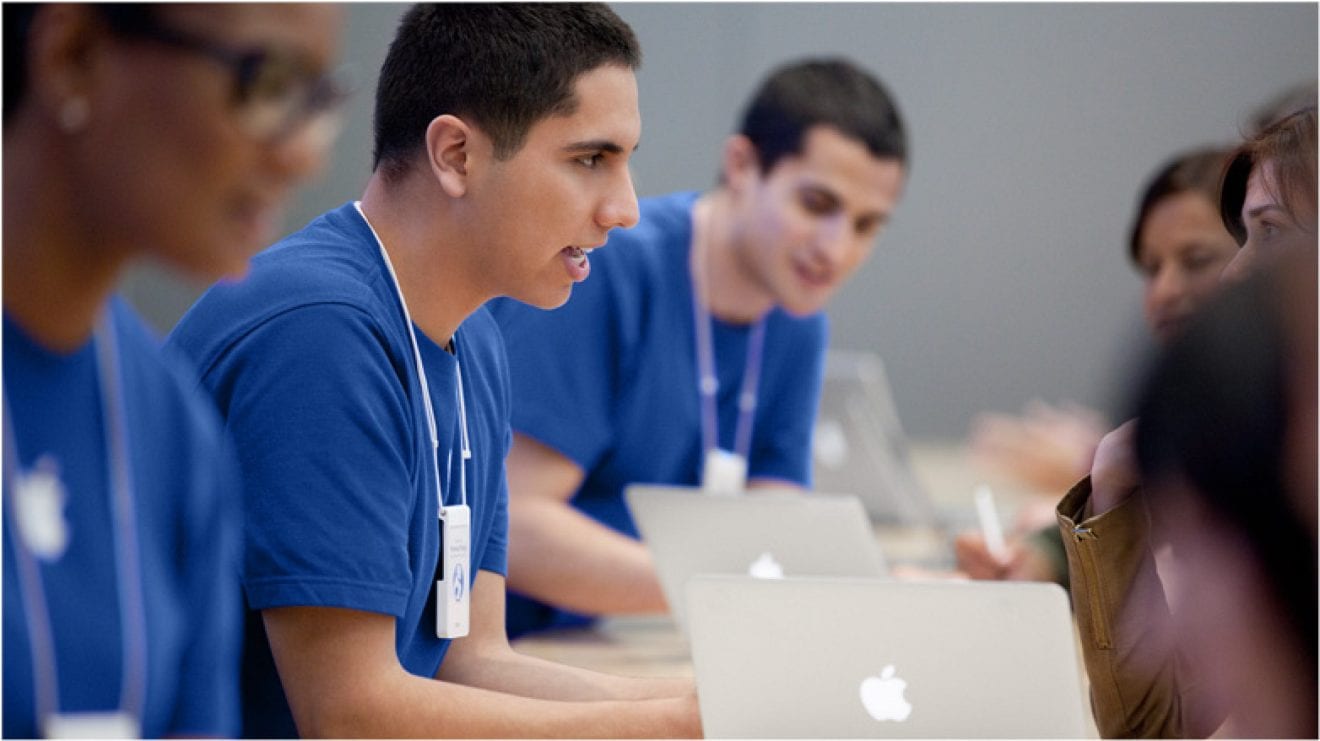
    In electronics manufacturing mecca Shenzhen, a major cog in Foxconn’s iPhone and iPad production machine, a multitude of counterfeit Apple stores are popping up to take advantage of Friday’s iPhone 6s release, reports Reuters. According to publication estimates, more than 30 storefronts bear Apple’s iconic logo, with some unauthorized outlets kitting out personnel with Apple Store-style blue t-shirts and lanyard name tags.

    As they have in the past, these counterfeit stores are taking advantage of China’s seemingly insatiable iPhone demand. Just hours after iPhone 6s preorders went live last week, Apple’s allotment for the Chinese market sold out, pushing buyers loathe to wait an extra two to three weeks toward unauthorized stores that buy stock from official resellers and flip them for a hefty profit.

    With iPhone viewed as a status symbol in China, many consumers are willing to pay more than double retail prices to get their hands on one the day it comes out. For some buyers the high costs are apparently worth the added cachet that comes with nabbing a copy on day one. Consumers in other markets are also keen to get their hands on Apple’s latest smartphone, but Chinese customers are especially zealous.

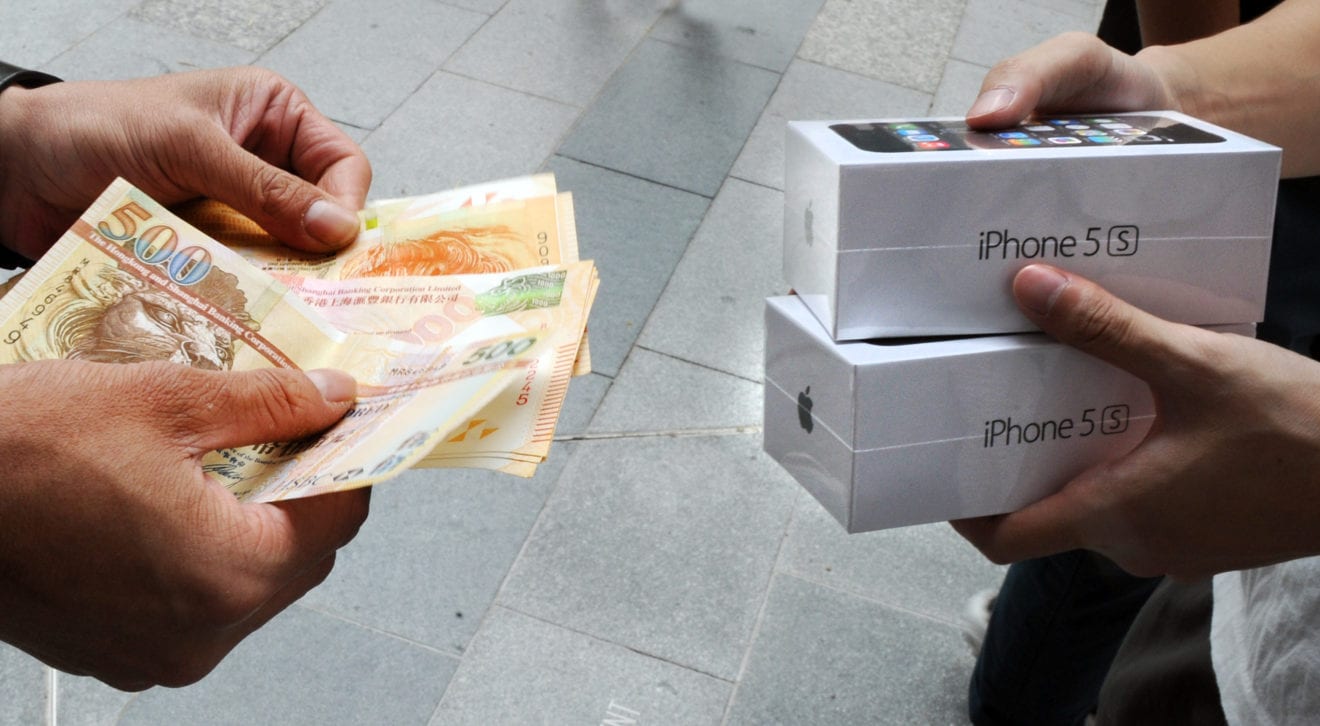
    The benefits are more concrete for resellers, who risk minimal retail overhead and an upfront investment by smuggling iPhones in from Hong Kong, the U.S. and other far-flung markets. If successful, however, they stand to haul in huge returns.

    Apple has for years dealt with counterfeit stores, an issue that gained media attention in 2011. While Chinese officials ultimately ordered a handful of operators to shut down, the unauthorized resale industry was never completely wiped out. Now with iPhone 6s, resellers are back in business.

    Part of the problem stems from an inadequate official retail presence in the region. Apple only had 22 stores serving all of China as of June. By comparison, there are 53 Apple Stores in California alone. The disparity is stands in contrast to China’s market potential, which is widely viewed as vital to Apple’s growth and sales sustainability. The company has plans to expand its retail footprint to 40 stores by 2016, however, the most recent being a second Hangzhou location in April.

  • Apple Begins Hiring for Flagship Chinese Retail Store in Macau

    Apple Begins Hiring for Flagship Chinese Retail Store in Macau

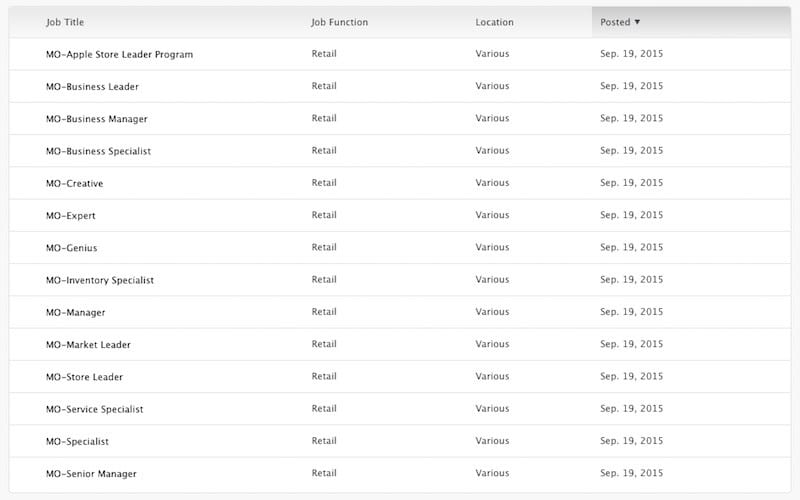
    Apple has posted several job listings for an upcoming retail store in Macau, a Special Administrative Region of China. The store is looking to fill Specialist, Creative, Genius, Store Leader and Manager positions, in addition to hiring for the Apple Store Leader Program and multiple business-related positions.

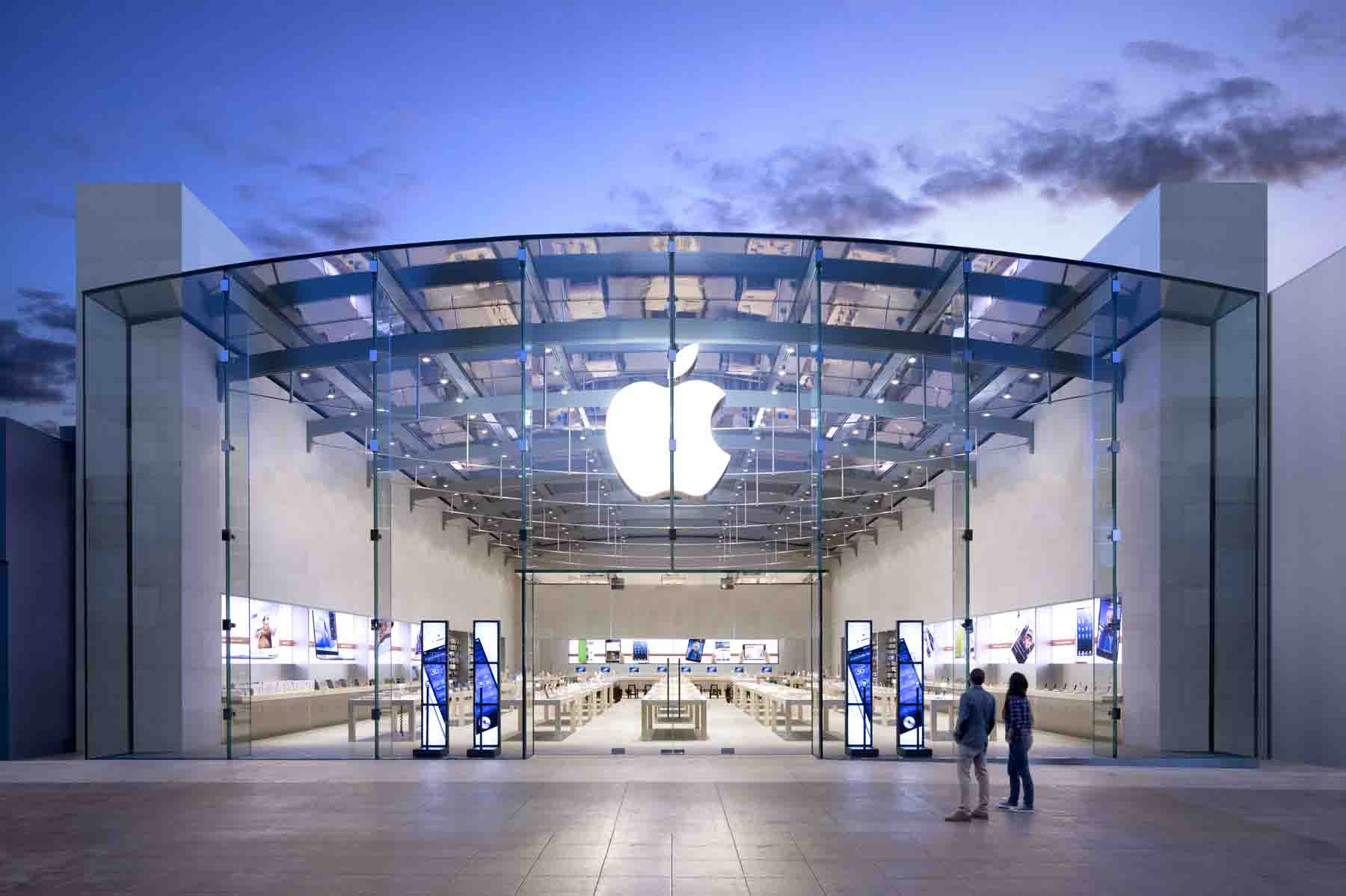
    Chinese-language newspaper Macao Daily reported in June that Apple is planning to open a flagship store in Macau, which is located across from Hong Kong, but the news went largely uncovered by mainstream media. At the time, the report claimed that Apple had not finalized a location for the upcoming store.

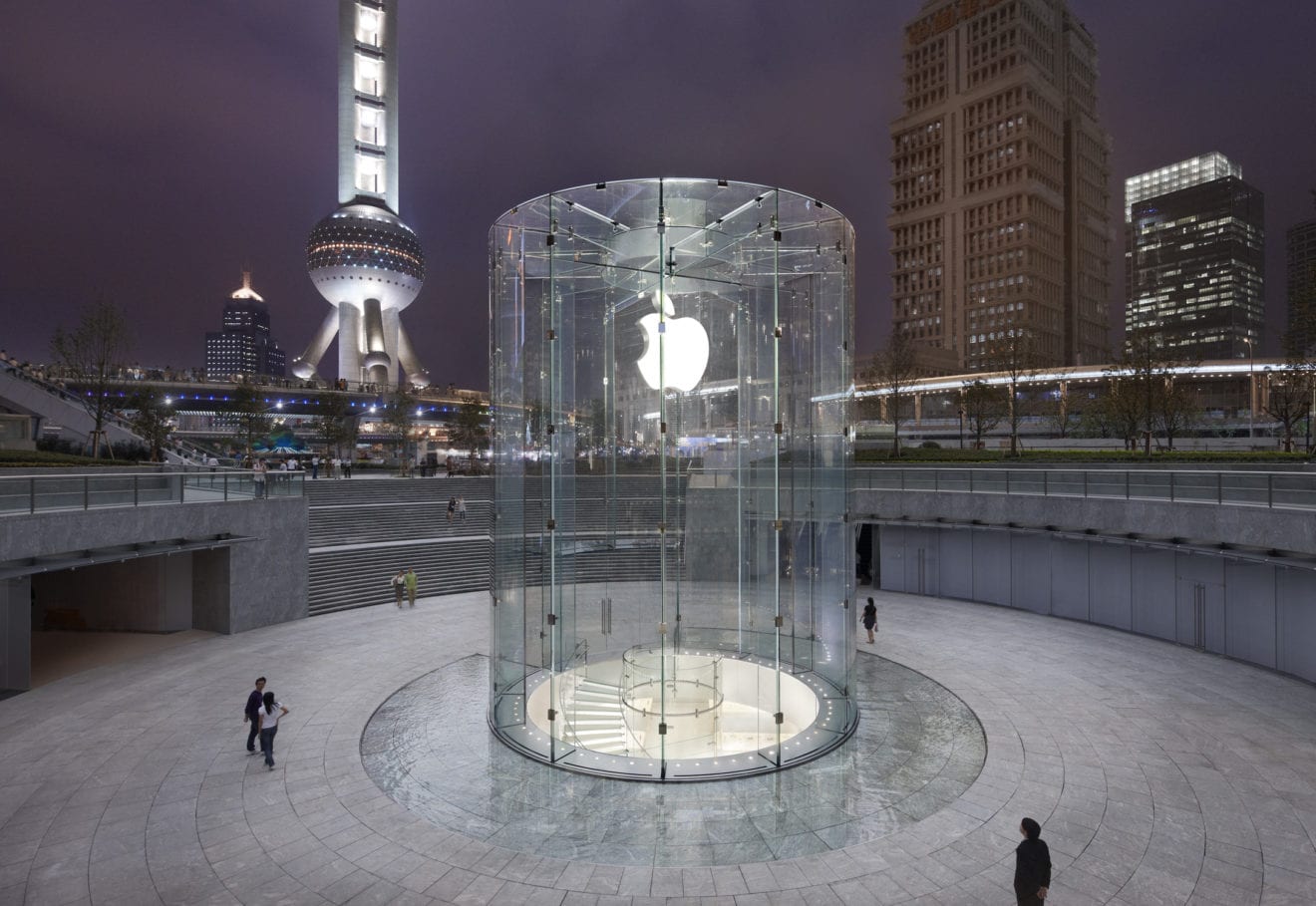
    Apple-Store-Macau
    Apple celebrated the grand opening of its Apple Store in Brussels today, while two new Apple Stores also open in Nanjing, China and Florence, Italy today and September 26 respectively. Apple now operates over 460 retail stores worldwide.

  • Apple To Launch Retail Stores In China, Italy And Belgium By September End

    Apple To Launch Retail Stores In China, Italy And Belgium By September End

    Apple Inc.  announced that by September end, it will open two new stores in Italy and China. The announcement was made on September 9, at its long-awaited annual event in San Francisco, where it also launched a range of its new products.

    According to the company, the Chinese outlet in Nanjing will launch on September 19, while the Florence outlet will debut on September 26; both stores will open at 10 AM. Moreover, Apple unofficially confirmed its plans to launch a new store in Brussels on September 19, which would the company’s first-ever retail store in Belgium.

    The Brussels branch will be located at Avenue de la Toison d’O, the Florence outlet at Republic Square, and Nanjing outlet at Rainbow Joy Shopping Mall. Currently, the Belgium branch sports a board that states: “Creativity, to be continued,” with paintings surrounding the barricade.

    It is evident that Apple’s plan to open three new stores in different countries will help the company expand its product line to a wider customer base. With the event’s worldwide coverage, Apple’s efforts to attract a larger audience may prove successful.

    With the debut of iPhone 6s, iPad Pro, an upgraded Apple TV, and the Watch leather bands, Apple has successfully launched a diverse category of products that will help the company attract clients globally. Customers may be inclined to check the new Apple Stores after the immense hype about the new products.

    With the gradual product shipments, the company has smartly kept its users hooked for updates. Furthermore, with the three new stores scheduled to open in September, Apple has made a conscious effort to place them in central locations, which will help attract larger crowds.

    The new Apple Stores will create new job opportunities for local people, and help recruit potential employees in the respective regions. Through this expansion plan, the tech giant will not only help expand its services to other countries, but also establish improved and reliable relations for future ventures.

    The launch of the new stores, along with subtle hints for a potential store in Antwerp later, may push excited customers get a head start to plan their preorders.

  • New iPhone ‘will boost Hong Kong’s retail sales’ with mainland China demand a plus

    New iPhone ‘will boost Hong Kong’s retail sales’ with mainland China demand a plus

    Previous iPhone launches have seen long queues in the city, as traders snap up the latest model weeks or months before it is sold across the border. The iPhone 6S will be offered in both markets on September 25, but prices are likely to be 15 per cent lower here, and with limited supply and strong demand, resellers still hope to cash in.

    ANZ senior economist Raymond Yeung said sales of the phone “will give an obvious short-term boost to retail sales and help top-line retail sales in September and October”.

    Lo Lau, owner of a Mong Kok smartphone shop, expected the new phone – with official prices starting at HK$6,388 – to fetch HK$11,000 to HK$20,000 at resale. A street trader said he planned to charge a minimum of HK$12,000 for a 16GB iPhone 6S Plus, the cheapest of the new Apple range.

    Demand for the iPhone has driven record profits for Apple in the past. Speaking at the unveiling of the new model, chief executive Tim Cook said the iPhone market in China had grown 75 per cent year-on-year, compared with 35 per cent globally.

    China is Apple’s second-largest market after the Americas, bringing in US$13.2 billion in the latest quarter, up 112 per cent on the same period last year.

    While ANZ’s Yeung thought the iPhone would have a positive effect on Hong Kong’s retail sector, he warned the overall outlook remained weak. A reduction in tourism and domestic consumption has dragged down sales, while a strong Hong Kong dollar, pegged to the US dollar, has reduced the spending power of overseas visitors, ANZ says.

    At the Apple store in Causeway Bay yesterday, some shoppers who still formed long lines to buy the current generation of iPhones expressed excitement about the new model.

    “I was using the [iPhone] 5, so I need to upgrade to the new one. At least my phone has some resell value, so I can go ahead and trade,” said Joseph Tsang Ka-ho, 40, who was visiting the store to learn more about the 6S.

    But 26-year-old Terry Lam King-wai was less impressed.

    “There’s not much difference between the old and the new iPhone 6S. The appearance is the same, but with a new colour,” he said. “I’ll probably wait for the next generation.”


  • Apple iPhone 6S to be revealed next week

    Apple iPhone 6S to be revealed next week

    It seems like just yesterday Apple unveiled the iPhone 6 and 6 Plus. Now, the industry has shifted focus from the iPhone 6 models to the inevitable sequels. If history is any indication, the consumers will soon follow. We expect the masses to clamor for the latest from Cupertino.

    According to Dutch site Techtastic, the iPhone 6S and 6S Plus pricing will be about the same as last year’s iPhones. Based on the site’s sources, it seems that Apple will continue to sell iPhones with 16, 64, and 128GB of storage.

    Seeing as these European prices match last year’s prices, it seems likely that the American price will not change, either. Techtastic also estimates that the new iPhones will go on sale on September 25. Of course, since Apple staggers release dates around the world, it’s possible the U.S. sale date could be the previous Friday, September 18. These are just rumors, so we’ll keep you posted on the final prices once Apple announces them.

    Seeing as these European prices match last year’s prices, it seems likely that the American price will not change, either. Techtastic also estimates that the new iPhones will go on sale on September 25. Of course, since Apple staggers release dates around the world, it’s possible the U.S. sale date could be the previous Friday, September 18. These are just rumors.

    On August 27, Apple confirmed that it will hold an event on September 9 at 10 a.m. PST in San Francisco’s Bill Graham Civic Auditorium. Obviously, it’s widely expected that the iPhone 6S and 6S Plus will launch at the event, though Apple could introduce some other products as well. The only teaser on the invite is the tagline, “Hey Siri, give us a hint!” The Siri reference could be referring to iOS 9’s new Proactive predictive feature, HomeKit controls, or both.

    Previous rumors mostly agreed that a September 9 launch date was planned. Multiple sources referred to a September 9 event, and now 9to5Mac has found some evidence that supports the launch date and hints at a possible in-store sale date for the iPhone 6S and 6S Plus. The publication’s sources state that BestBuy and Apple have agreed to sell Apple Care warranties at the retail store on September 14.

  • Apple, Inc.’s Retail Push Into India Is Under Way

    Apple, Inc.’s Retail Push Into India Is Under Way

    Much of the attention surrounding Apple‘s iPhone is focused on the company’s two most important markets: the U.S. and China. And rightly so — Apple brings in the most revenue from its U.S. sales, while China is the company’s largest smartphone market.

    But mobile device makers are focusing their attention on India’s fast-growing mobile market as well. And if new information about Apple proves true, the iPhone maker is in the midst of establishing a bigger retail presence there as India moves toward becoming the second-largest smartphone market in the world.

    What Apple’s doing
    According to information from NDTV Gadgets, Apple has selected about 100 new reseller retail locations in India, with the goal of adding 500.

    The stores aren’t owned by Apple, but they will sell the company’s mobile devices — part of a larger Authorized Mobility Resellers (AMR) program Apple has set up in the country. So far, 12 cities have reportedly been selected for the AMR program, and individual resellers are still being selected based on their past Apple product sales numbers.

    Why expand further into India?
    It’s no secret that India is quickly becoming a major market for smartphone makers, and Apple is likely trying to position itself to benefit from the country’s trends.

    According to Strategy Analytics, India will become the second largest smartphone market in the world in the next two years. China will continue leading the way, while the U.S. will be pushed down to the No. 3 spot.

    Earlier this month, Strategy Analytics’ Linda Sui said that China’s smartphone growth is slowing a bit and India is “fast becoming the next major growth wave.” That growth is fueled by the country’s low smartphone penetration and a burgeoning middle class. According to research by McKinsey, India’s middle class will expand from about 50 million people right now to 583 million by 2025, which will encompass 41% of the population.

    Apple’s big hurdle
    With its new reseller locations, Apple will be poised to capitalize on India’s projected smartphone growth. But there’s one thing the company has to look out for: local vendors and low selling prices.

    Indian device makers, particularly Micromax, are producing smartphones with good specifications for much lower prices than Apple. The NDTV Gadgets article notes that Apple may allow the reseller stores to sell devices below the official retail prices. We’ll have to wait and see if Apple actually goes through with that, or how deep the discounts are.

    Just as it did in China, Apple will have to balance its premium brand persona with the fact that many smartphone users won’t be able to afford an iPhone for a while. The average selling price of an iPhone is $660, while Micromax sells phones ranging from $50 to $300. And other non-Indian device makers, like China-based Xiaomi, sell devices in the country for about $100.

    Moving forward
    Even if these 500 resellers pan out, it’ll likely take a while (think a few years, rather than months) for Apple to be a major smartphone player in India. Right now, the company has just 2% market share in the country.

    Apple is playing the long game in India, just as it has in China. The company faced some of the same hurdles in China that it will confront in India, yet China has become Apple’s most important smartphone market, and is quickly becoming one of its largest revenue markets as well. If things play out similarly in India, Apple’s small moves right now could pay off in big ways in a few years.

    The next billion-dollar Apple secret
    Apple forgot to show you something at its recent event, but a few Wall Street analysts and the Fool didn’t miss a beat: There’s a small company that’s powering Apple’s brand-new gadgets and the coming revolution in technology. And its stock price has nearly unlimited room to run for early-in-the-know investors!

  • Fake iPhone maker shut down

    Fake iPhone maker shut down

    A Chinese manufacturer of fake iPhones has been shut down after authorities learned it had produced a stunning 41,000 handsets.

    Nine people have been arrested including the husband and wife couple behind the venture,

    reportedly aged in their early 40s.

    The factory was raided after a tipoff from US officials which had seized some of the fake iPhones after they had been landed in America.

    So sophisticated was the operation that many of the workers at the plant genuinely believed they were making the real thing.

    The factory, located on the northern edge of Beijing, was actually discovered and raided back in May, but the event was only revealed by Chinese authorities over the weekend.

    According to the BBC, “hundreds” of staff were employed in the ruse, which included repackaging used smartphone parts in new iPhone cases.

    It took just four months for the company to make 41,000 phones, all of which were exported, with sales topping US$19 million. By our calculations, that values each fake iPhone at US$463.

    All of which rather makes Hong Kong Customs’ weekend seizure of 88 smartphones being smuggled across the border into the Mainland pale into insignificance. Photos suggest those phones were iPhones, although likely to be gray imports.

  • Apple’s India test: how to gain volume and meet aspiration

    Apple’s India test: how to gain volume and meet aspiration

    With only a tiny share of the world’s fastest-growing major smartphone market, Apple Inc is stepping up its push into India, with a first targeted TV advertising campaign, expanded retail network and promotional financing schemes.

    For years, India has been a low priority for Apple as spending power is weaker than in China, where the company’s iPhones swiftly became must-have devices after their 2007 launch.

    But Apple is now looking to build on a 93 percent increase in its iPhone sales in India in April-June, which for the first time outpaced growth in China, of 87 percent – albeit from a low base. Apple has just a 2 percent share of India’s smartphone market, while South Korean rival Samsung Electronics accounts for around one third of volume sales with its range of Android phones.

    The India push coincides with Apple missing elevated expectations when it reported earnings earlier this week, prompting some investors to question how long double-digit growth can continue.

    “Apple is consciously expanding its distribution in India and pushing its products aggressively. The marketing spend too is a part of that,” said Jaideep Mehta, managing director for India and South Asia at tech research firm IDC.

    Executives at several electronics retail chains and Apple distributors said the Cupertino-based firm was chasing shelf space to make its gadgets more visible, and has more than doubled the number of distributors to five.

    Apple has also brought in a new senior executive to take charge solely of the Indian market, industry sources said, and has placed advertisements for a policy adviser to help it work with New Delhi’s bureaucracy.

    The company declined to comment on its India strategy.

    “Apple’s single-minded focus for India is on volume,” said a senior executive at an electronics chain store, who declined to be named. “They have increased distributors and want to reach out to smaller cities.”

    BALANCING VOLUME, ASPIRATION

    Analysts say much of the high growth in iPhone sales in India has come from earlier models such as the 4S, 5S and 5C, which are sold more cheaply.

    “Apple is an aspirational brand. They will (have to) balance their volume push with that to get growth,” said IDC’s Mehta.

    That could be tough in a market where you can buy around eight basic-level smartphones for the upwards-of-50,000 rupee (US$785) price of a new iPhone.

    Taking to Indian TV screens for the first time, Apple plays up the aspirational appeal of its phones, showing a glamorous Indian bride using Facetime, Apple’s video calling feature, to send coy flashes to her groom of a henna-ed hand or skirt hem before their wedding.

    In addition, Apple offers financing schemes where buyers of its latest iPhone 6 can pay in monthly instalments, and has launched Apple Music, a cloud-based music streaming service, for just 120 rupees (US$1.88) a month in India – a fifth of the price in the United States.

    The company has offered easy financing schemes in India before, but retailers say the focus on operations and marketing show Apple is now more seriously targeting the market.

    And there’s plenty of market for it to aim at.

    “The premium smartphone market will be close to 8 million units in 2015,” said Neil Shah, analyst at Counterpoint. “Apple has a lot of room to grow and capture a significant share of that,” he added, noting Apple sold just over a million iPhones in India in the year to April.

  • Apple iPhone’s Implodes in China Stock Crash

    Apple iPhone’s Implodes in China Stock Crash

    Apple iPhone sales appear to be in big  trouble, despite iPhone being on track to post a 40 percent year-over-year unit sales gain through the second quarter.

    Having lost the top position in U.S. smartphones sales to Samsung in May, virtually all of Apple’s positive sales momentum has been coming from the China. But after losing $3 trillion in the markets, and with their wealth frozen, a hundred million Chinese no longer need an iPhone.

    Apple is reported to be growing about five times faster than Samsung, despite excellent reviews of Samsung’s new Galaxy S6/Edge. Analysts’ positive opinion of Apple was reaffirmed when Samsung reported in May that it only achieved a 15 percent rise in profit to $6.1 billion on a 2 percent quarter-to-quarter revenue growth, to $43 billion.

    A close look at Apple’s numbers show that first quarter revenue from “Greater China” grew by 71 percent year-over-year, to $16.8 billion. The iPhone sales growth in China accounted for over 56 percent of Apple’s total revenue growth for the quarter.

    Analysts expect Apple to post another extraordinary sales report for the second quarter ending June, with over 50 million iPhone unit sales and revenue of $48 billion.

    Kantar Worldpanel Com Tel’s Carolina Milanesi published a comment last week that after losing U.S. market leadership to Apple in the three-month period through April 2015, the latest data shows that Samsung was again number one in U.S. vendor rankings in the first full month of Galaxy S6 availability.

    The iPhone 6 remained the best-selling smartphone in the U.S., and the iPhone 6 Plus was the fifth-most-popular for the period ending May 30. But Samsung’s Galaxy S5 held the second spot, and the Galaxy S6 held third place. As a result, for the three months ending May, Apple’s U.S. iPhone sales U.S. actually declined by 5 percent from the previous year.

    Kantar also exposes Apple’s Iphone poor performance in India and the three big Latin America markets of Mexico, Brazil and Argentina. Apple’s best penetration of these rapidly growing markets is Mexico, with only a 6.4 percent market share.

    Such a shocking turnabout would be a disaster.

    For the three months ending in May, China unit sales were up by 46.26 percent.The Apple’s growing dominance in the “Red Dragon” has been due to a concerted effort by Apple’s management to make iOS and Mac OS X easier for Chinese language users. Many of the upgrades at this year’s Apple Worldwide Developers Conference 2015 were optimized specifically to target Chinese users, including new tools for developers to respond to the unique challenges associated with Chinese language.

    Apple has also won praise for the effectiveness of its retail stores and “Genius Bar” help desks in China. Apple’s’ head of retail stores, Angela Ahrendts, recently announced that the company opened 5 additional stores in February and is scheduled to expand from 15 to 40 stores over the next two years. Located in premium retail space, Apple’s retail stores in China are meant to distinguish the brand as aspirational.

    But all this good news for Apple was through the month of May, when the Chinese stock market was up over 150 percent for the year. Patriotically following China President Xi Jinping’s late 2013 call for “Silk Road” domestic reforms aimed at expanding consumption by taking public hundreds of state-owned-enterprises, the number of Chinese stock brokerage accounts for small individual investors exploded from 20 million to about 100 million. The ultimate sign of status became watching live stock prices on the iPhone 6.

    But after the Chinese stock markets lost $3 trillion in just 16 days of trading, the communist government on Thursday stepped in and suspended over half of the 2800 stocks in China for up to 6 months. Large holders are not allowed to sell stock and company insiders have been told to buy immediately.

    China’s stock market boom had been a wealth machine until it shockingly bankrupted tens of millions of Chinese in just a few weeks. With their capital frozen, demand for more iPhones to check suspended stocks seems ready to plummet.

  • China powers Apple profit surge

    China powers Apple profit surge

    Apple’s China sales revenue soared 71 per cent to US$16.8 billion in the first three months of this year, putting Greater China ahead of Europe as the tech giant’s second largest market.

    It was the main driver of a sharp 33 per cent increase year-on-year in quarterly Apple profit – to a massive US$13.6 billion.

    In product terms, much of the growth came from the iPhone of which the company sold 61 million during the quarter – or roughly 678,000 phones every day. iPhone sales rose 40 per cent year-on-year.

    Apple’s total sales revenue increased 27 per cent to US$58.01 billion.

    CEO Tim Cook says the company was thrilled by the continued strength of the iPhone, Mac and App store especially.

    “We’re seeing a higher rate of people switching to iPhone than we’ve experienced in previous cycles, and we’re off to an exciting start to the June quarter with the launch of Apple Watch.”

    The massive profit has boosted Apple’s cash reserves to more than US$193 billion, prompting a ramping up of the share buy-back program and a 50 cent per share dividend to shareholders.

    The key to Apple’s improvement was the launch of the larger screen model which has helped lure sales back from Samsung and other brands.

    The only blemish, if you could call it one, was a 23 per cent drop in sales of the iPad to 12.6 million units, with revenues down 29 per cent.

  • Apple plans China iPhone trade-in program with Foxconn

    Apple plans China iPhone trade-in program with Foxconn

    Apple Inc plans to introduce a trade-in program for iPhones in China in association with the Foxconn Technology Group, Bloomberg reported, citing people familiar with the effort.

    Under the program, consumers will be able to exchange older iPhones at Apple stores in China for credit against the company’s products starting 31 March, Bloomberg reported.

    Chinese demand for larger-screen iPhones helped fuel Apple’s record profit of USD18 billion in the final quarter last year.

  • China buying more iPhones than US

    China buying more iPhones than US

    Apple is expected to say this week that it has sold more iPhones in China than on its home turf in the US for the first time last year, highlighting the shifting power balance of the smartphone market.

    Analysts estimate that the US tech group reached the turning point in iPhone sales after expanding its presence in China last year via a deal with China Mobile, the country’s largest network operator, and after the release of the latest iPhone 6 in the country in October.

    The iPhone’s growing market share in China comes as Samsung, the global market leader by smartphone volumes, has stumbled and the region has seen the rapid rise of low-cost challenger Xiaomi.